WHAT’S IN MY CATCH-ALL No. 5?
SPARE KEYS
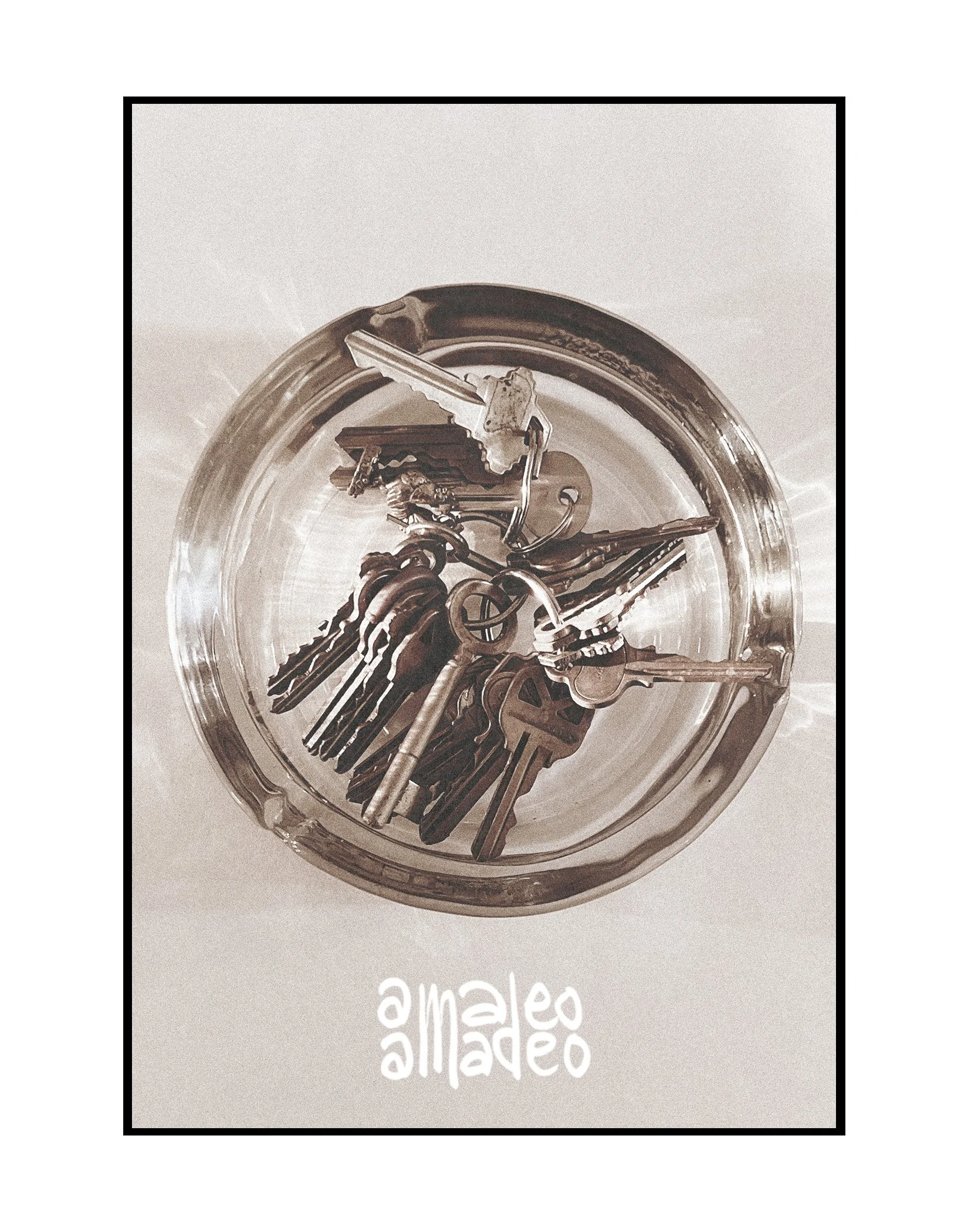
Some keys I remember because of what they opened. Some I remember because of who gave them to me. Some I don’t remember at all.
I kept them anyway.
For years I carried an enormous ring of keys clipped to my waist. It eventually became less of a keychain and more of a key pom-pom. A noisy little metal object that announced itself whenever I walked into a room.
It didn’t begin intentionally.
A long time ago I lived in a crazy artist loft in Williamsburg. Just getting into my apartment required what now feels like an unnecessarily elaborate sequence of events.
First, a key to open the street-level door of the building.
Up a flight of stairs.
Another key for a giant steel door.
Down a hallway.
Up three little steps.
Then my apartment door: one lock on the doorknob, a deadbolt and another lock toward the bottom corner of the door. Once you were inside, there was also a chain.
Getting home felt less like entering an apartment and more like completing a procedure.
There were locked rooms inside the apartment too. I had a safe. A lockbox. There were more keys.
Then I already had a key left over from the apartment I had lived in before Williamsburg.
Two more keys belonged to a friend’s apartment — one for the street-level entrance and another for their apartment door.
There is something strangely intimate about being given someone else’s spare keys.
You are being given permission to enter their private space even when they aren’t there. You’re trusted with the possibility of being needed. Feed the cat. Water the plants. Pick something up. Check on the apartment. Come in.
It always makes me think of that Seinfeld episode where Jerry, George, Elaine and Kramer get caught up in the politics of who gets to keep whose spare keys.
It’s funny because it actually is a little political.
Who gets the keys?
Who do you trust?
Who gets access?
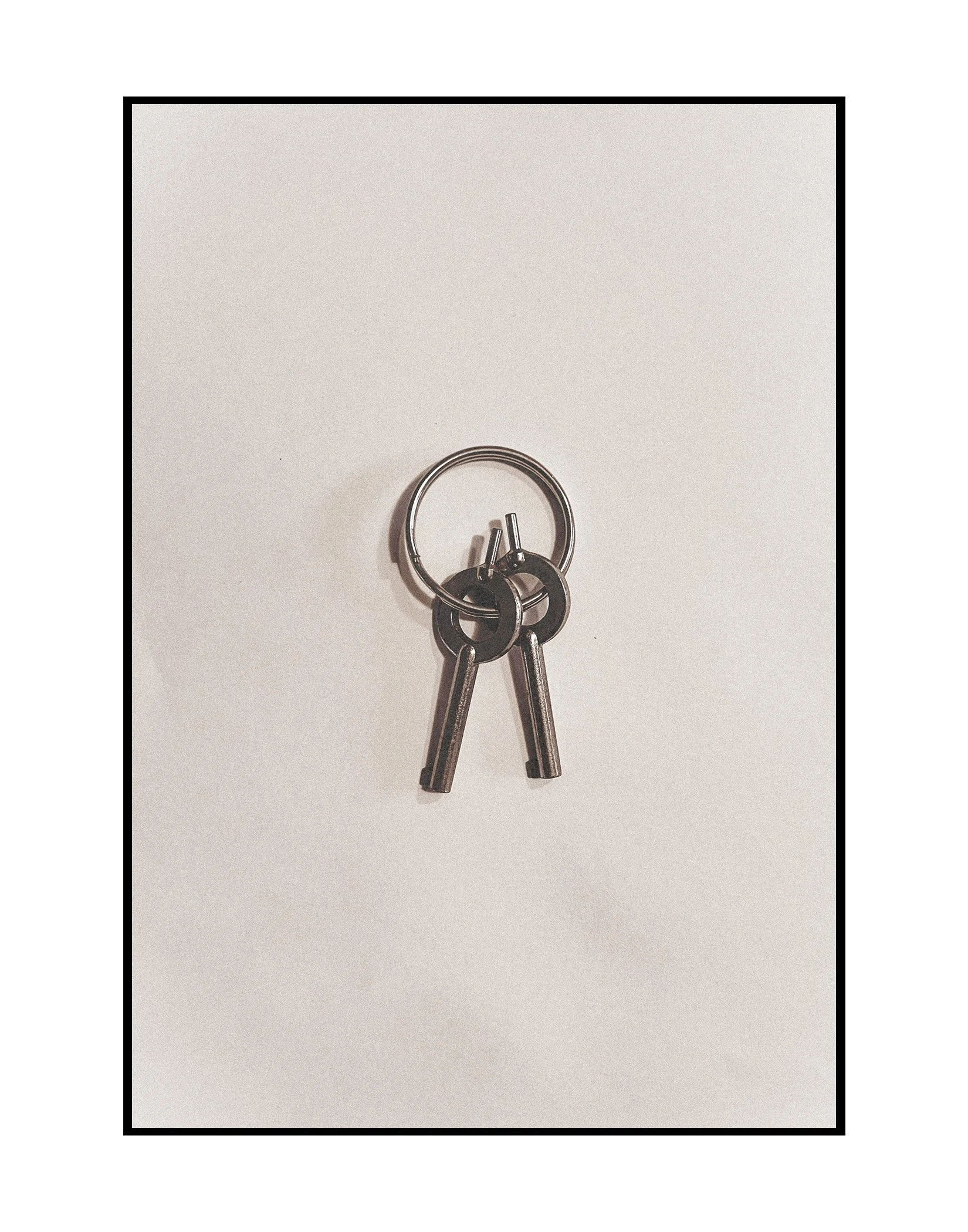
Somewhere among all of these are also two tiny keys that belonged to a pair of handcuffs.
I wore the handcuffs to Heidi Halloween once as part of a costume.
I have no idea where the handcuffs are anymore.
I still have the keys.
That might be the strangest thing about this collection. A key can outlive its lock.
I don’t live behind most of these doors anymore. Some of the apartments belong to strangers now. Locks have probably been changed. Mailboxes have new names inside them. I don’t know where the handcuffs are. I’m not entirely certain which apartment one of the mailbox keys belonged to. One key may have belonged to a lockbox, but even that memory is beginning to dissolve.
Still, I have the keys.
One I know opened the enormous hallway door of the Williamsburg loft.
Another opened the lock on my apartment doorknob.
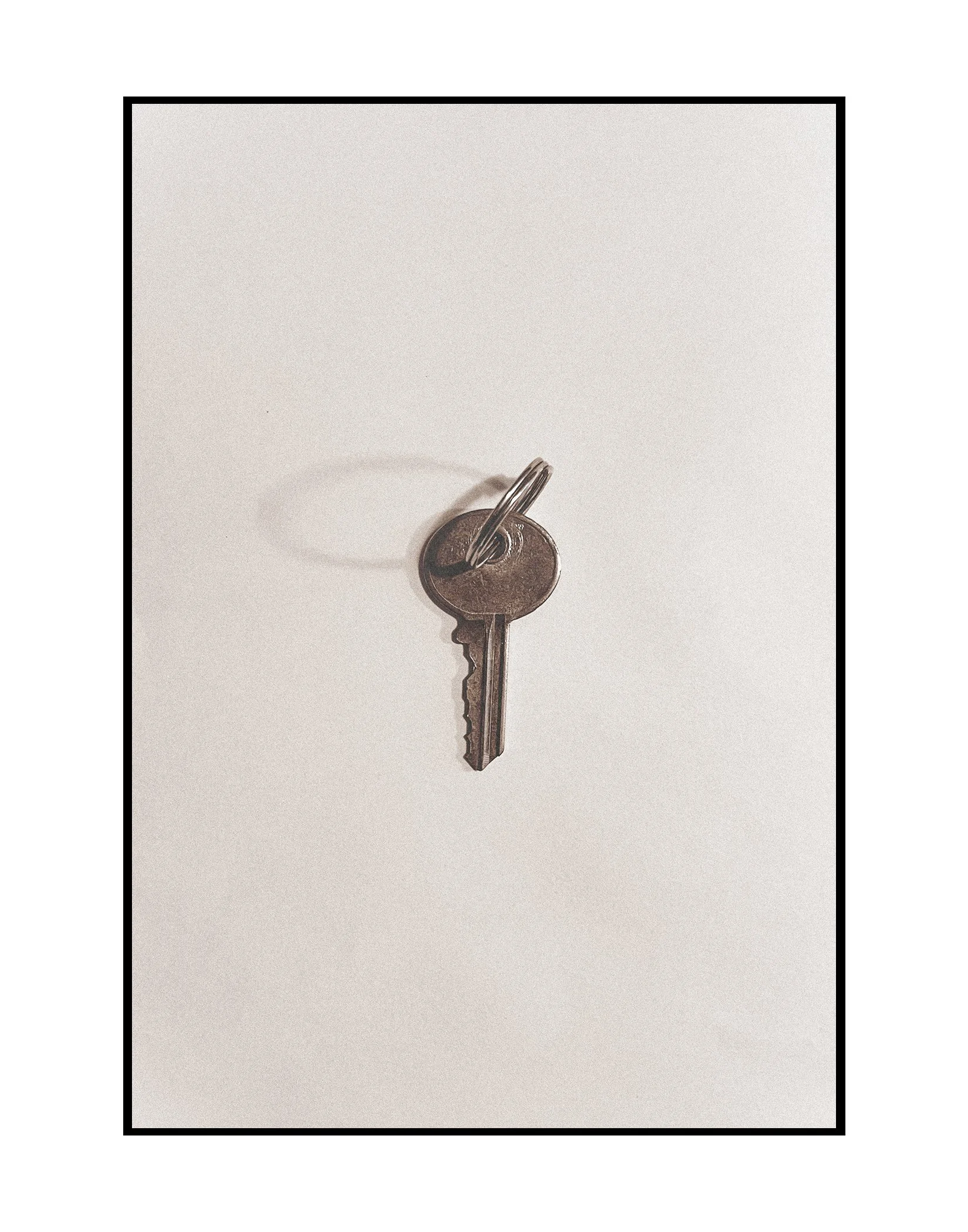
One belongs to a mailbox.
Two belonged to my friend’s apartment.
One, I think, opened a lockbox.
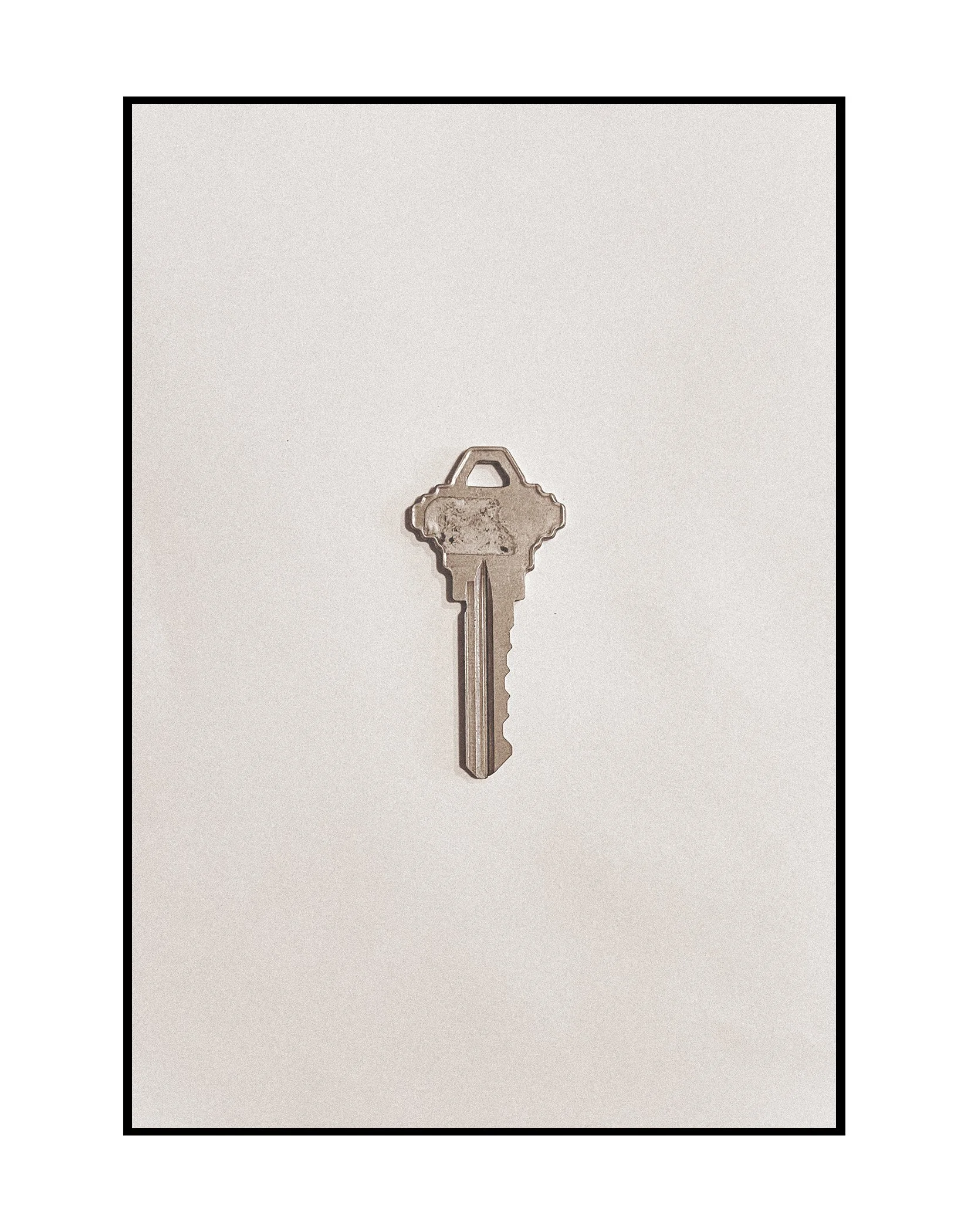
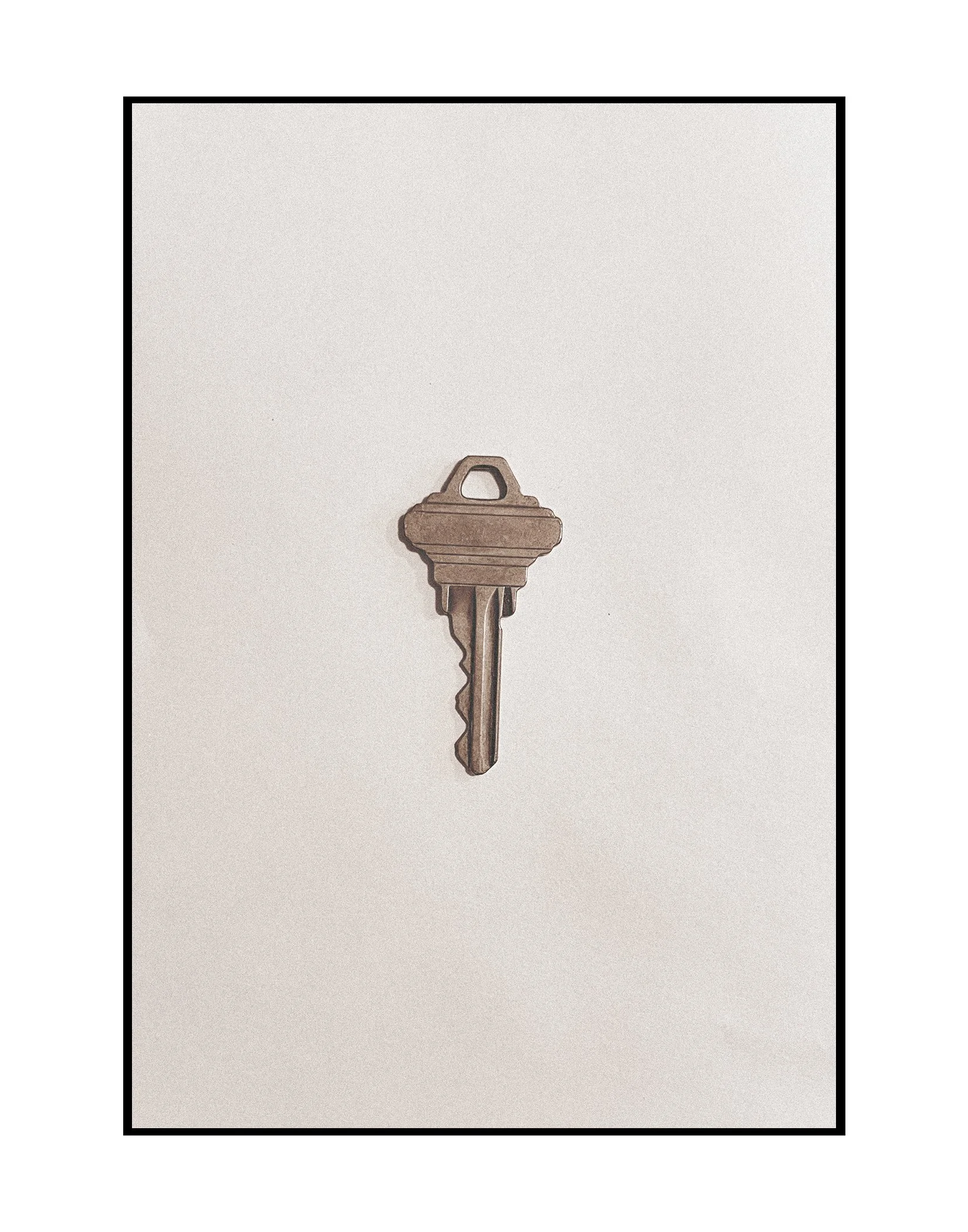
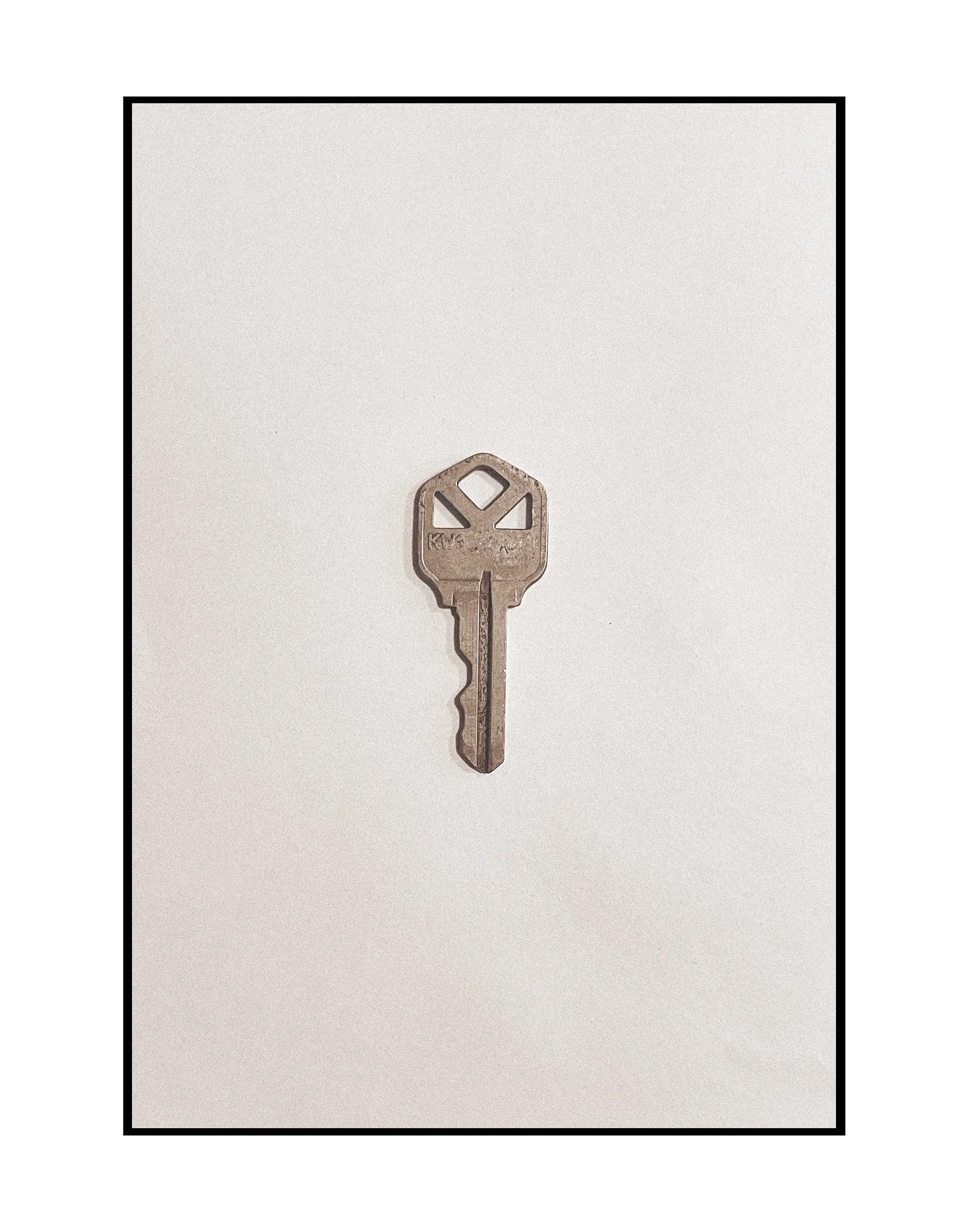
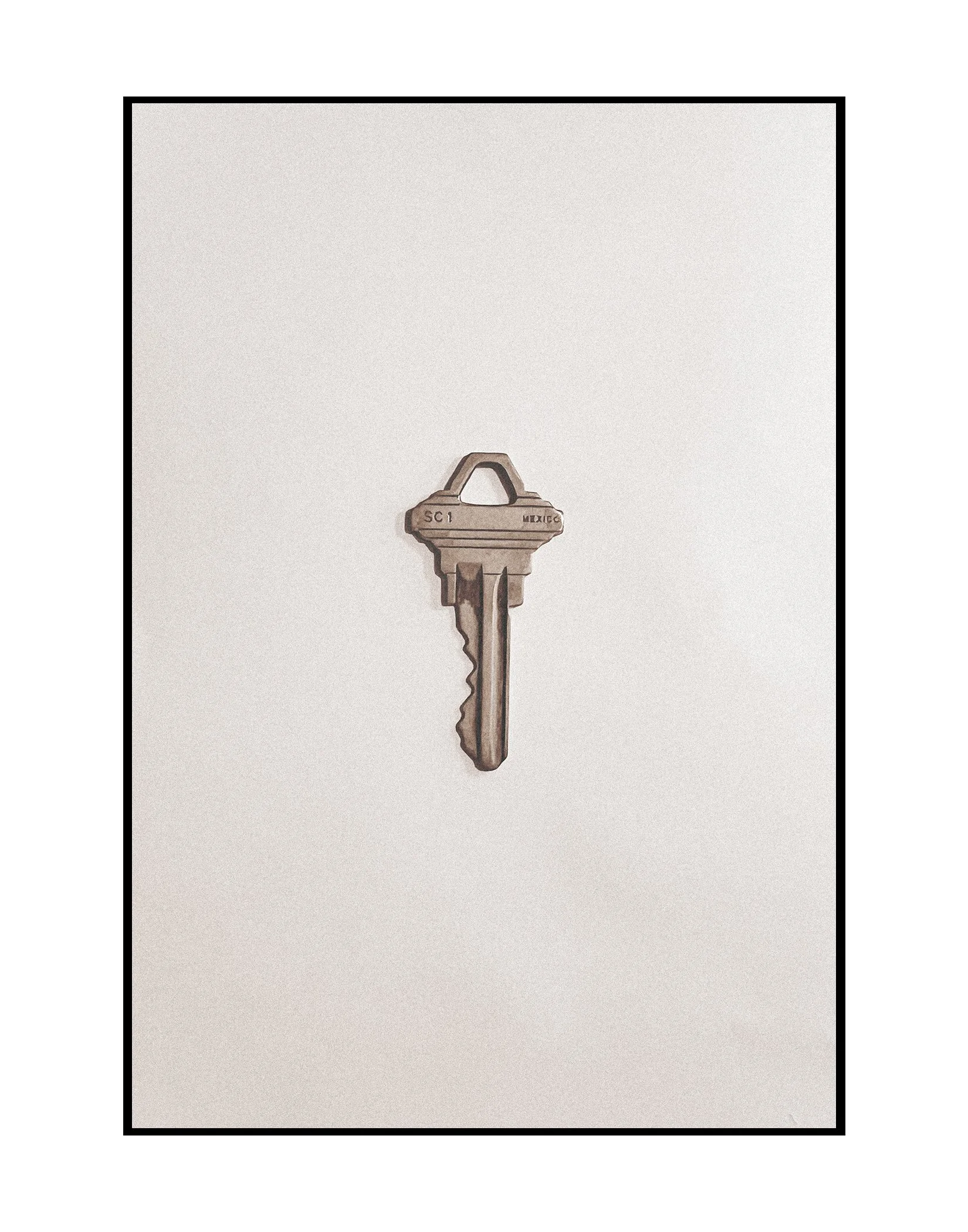
A few of them I can stare at for as long as I want and absolutely nothing comes back to me.
Unknown.
Unknown.
Unknown.
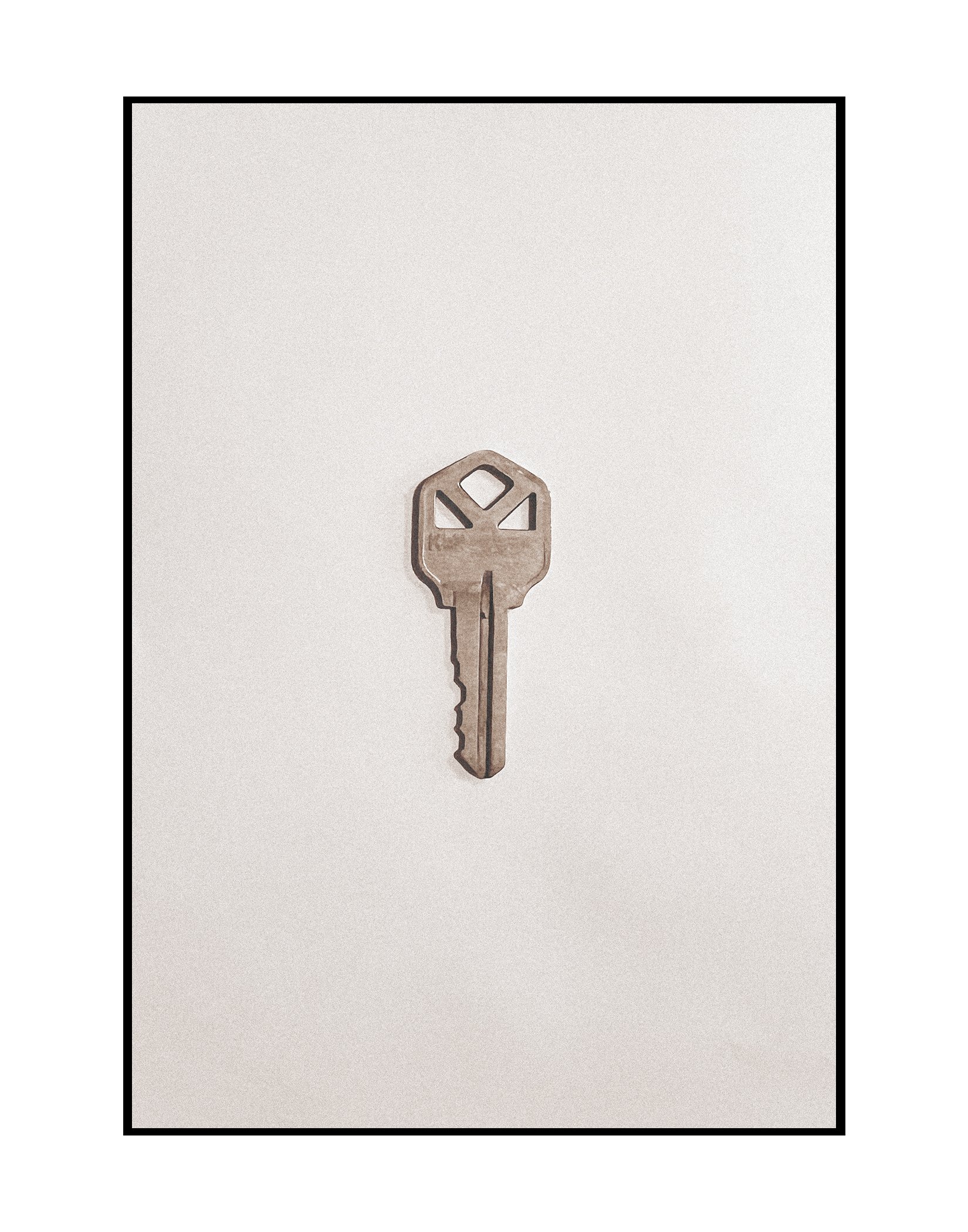
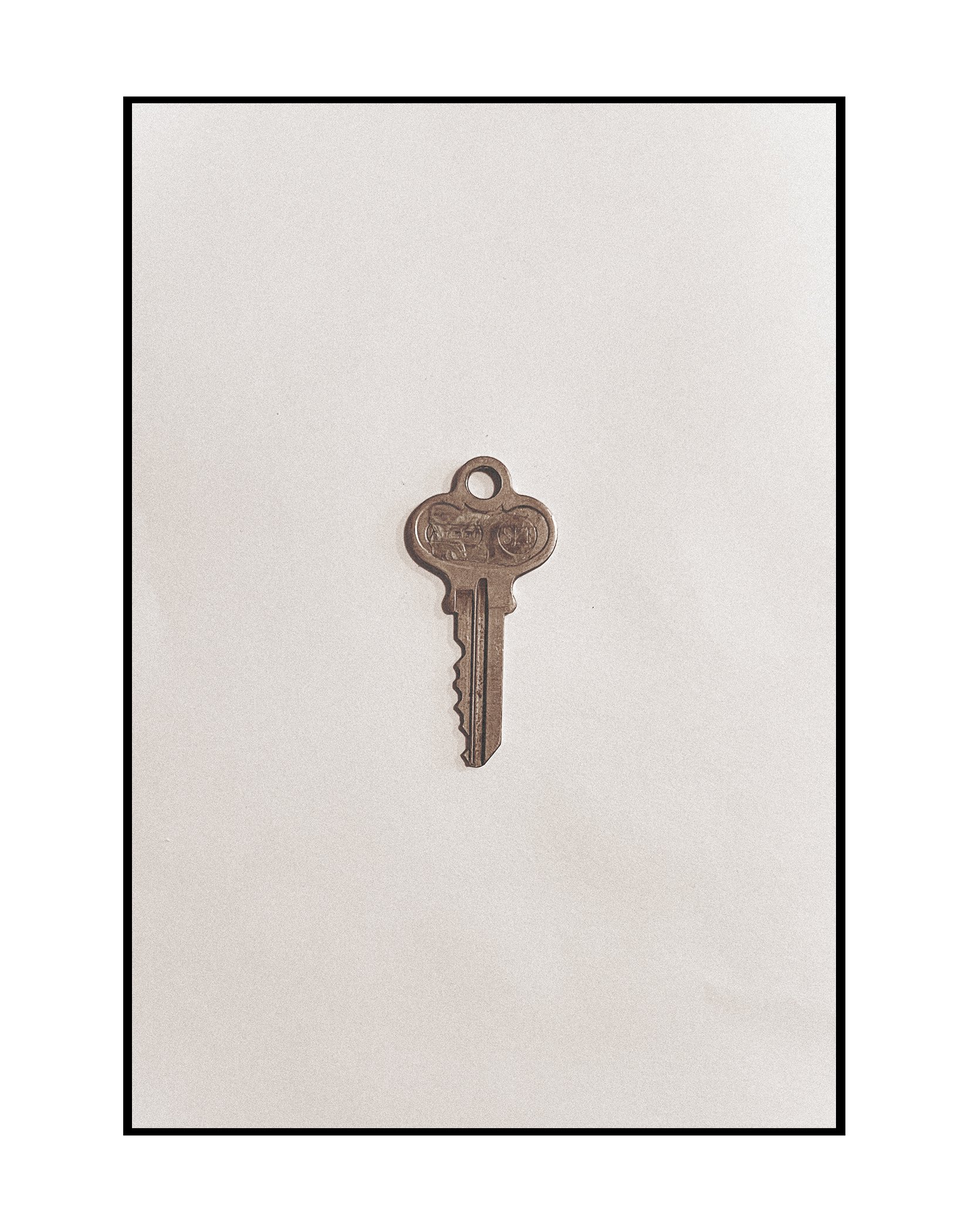
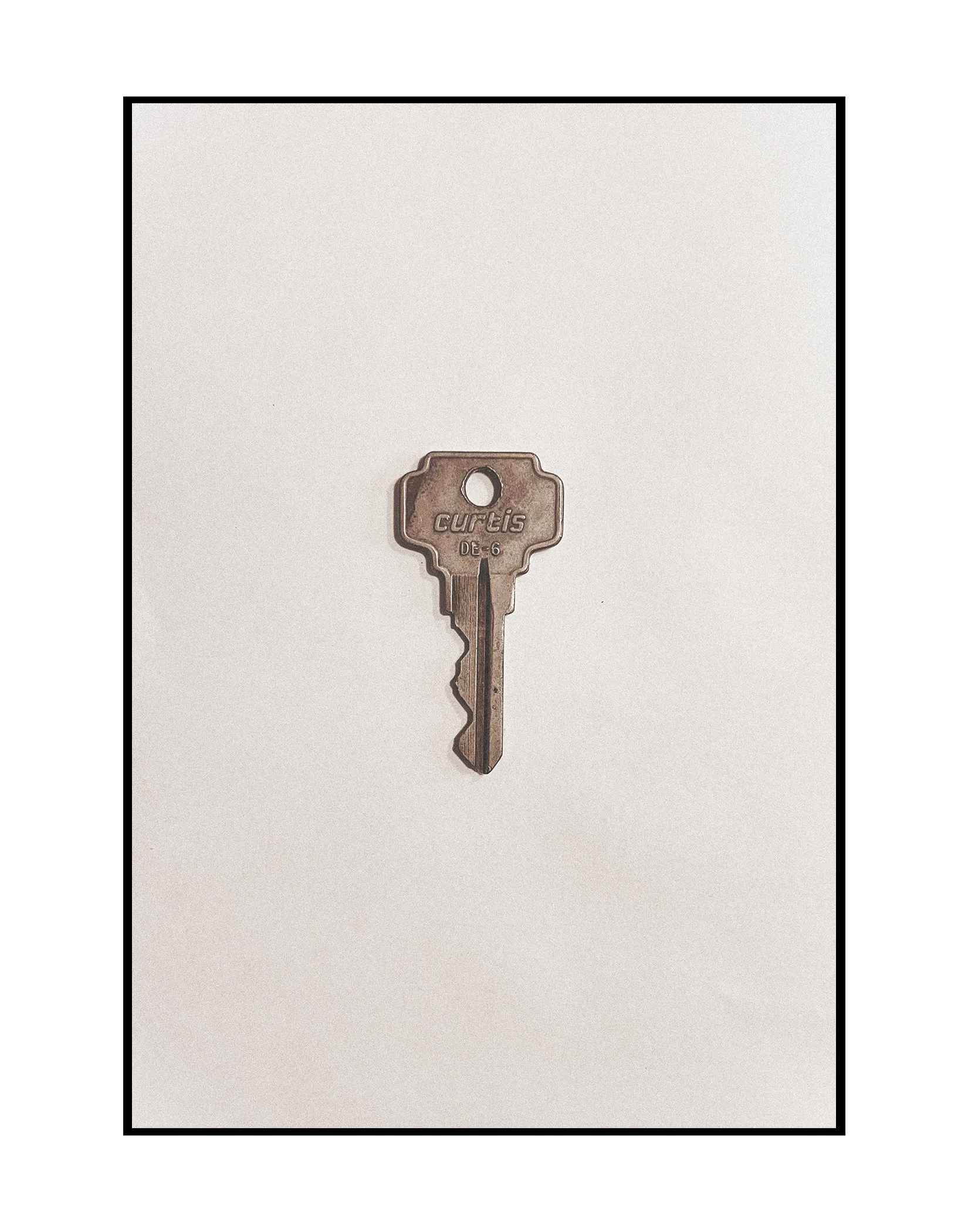
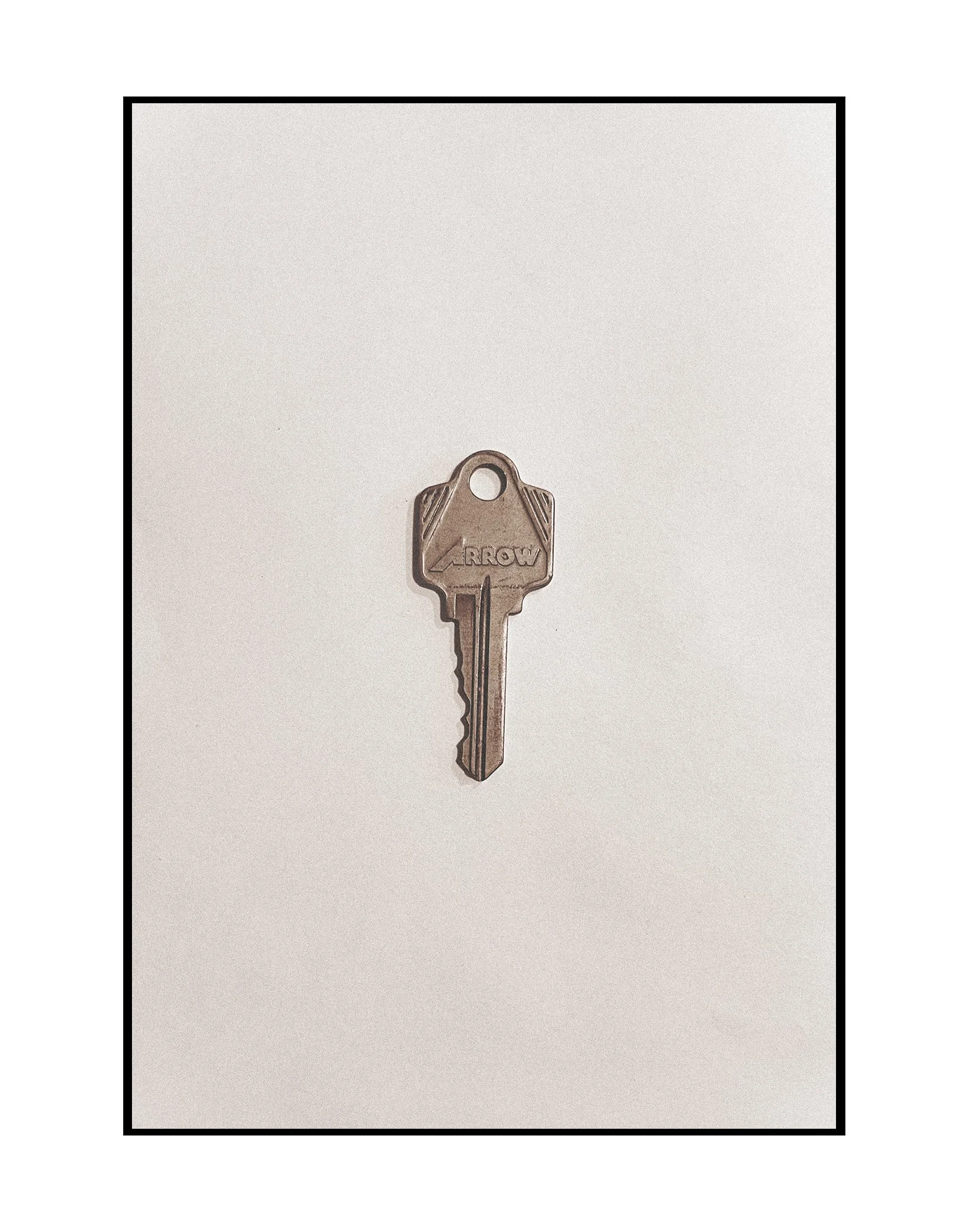
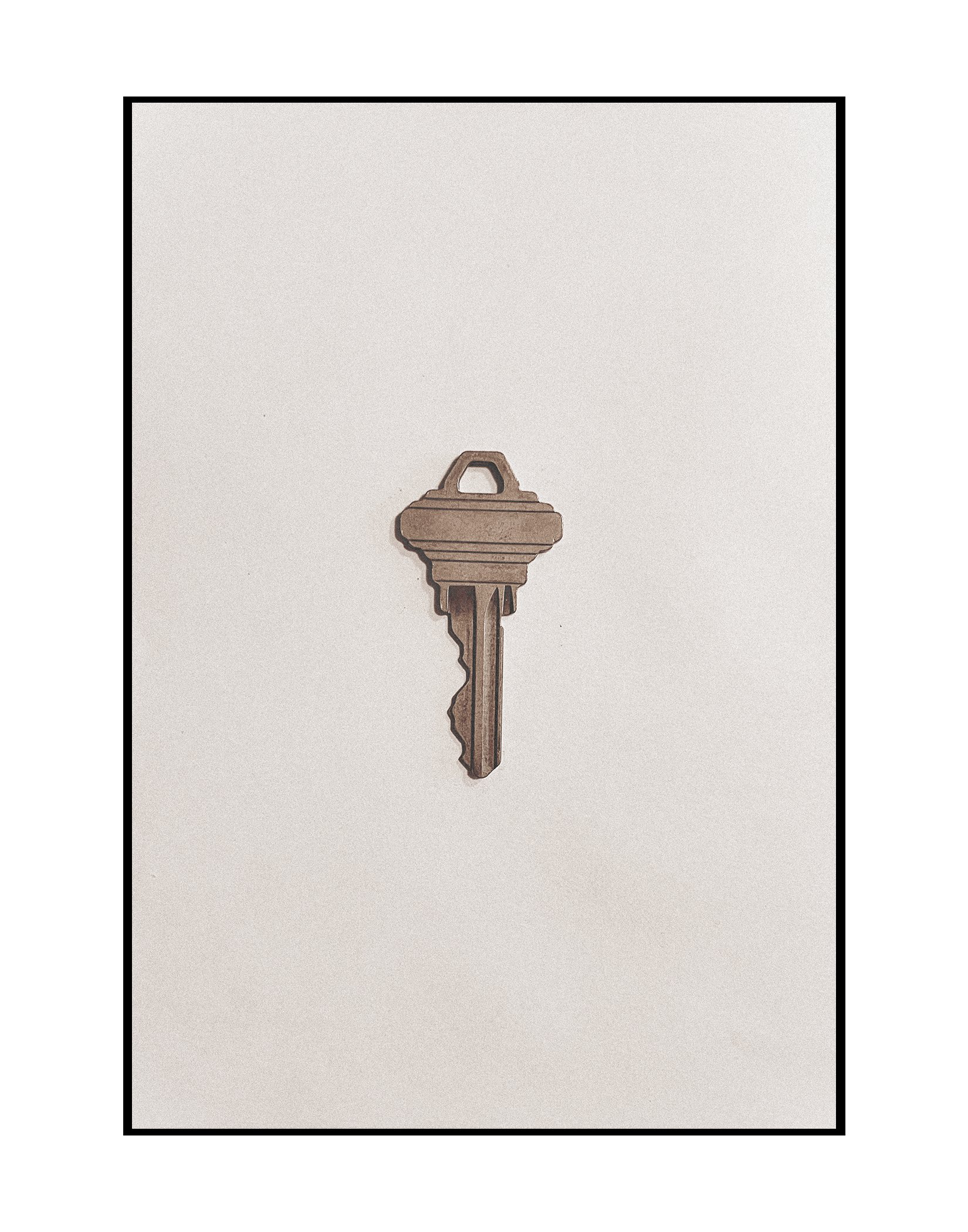
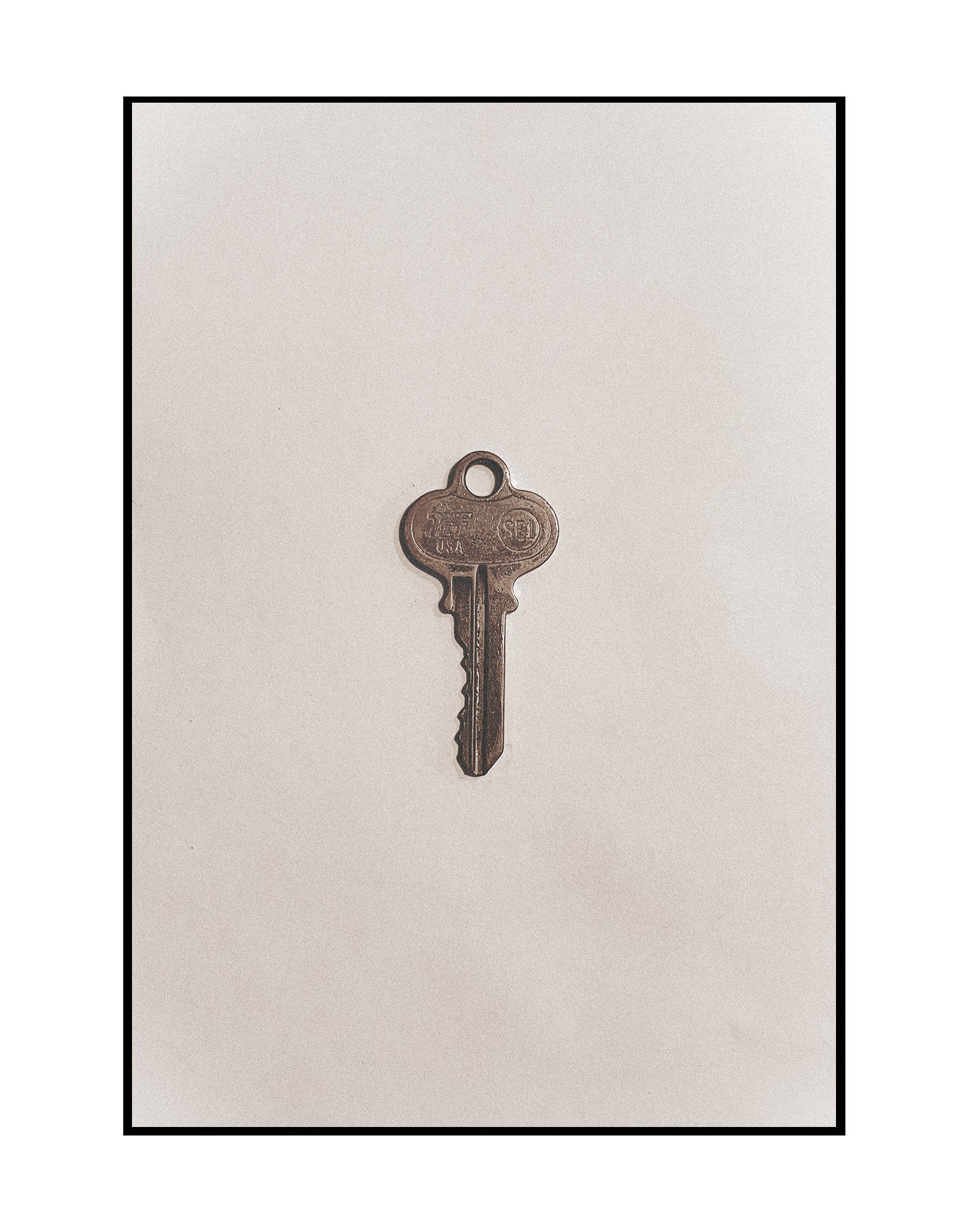
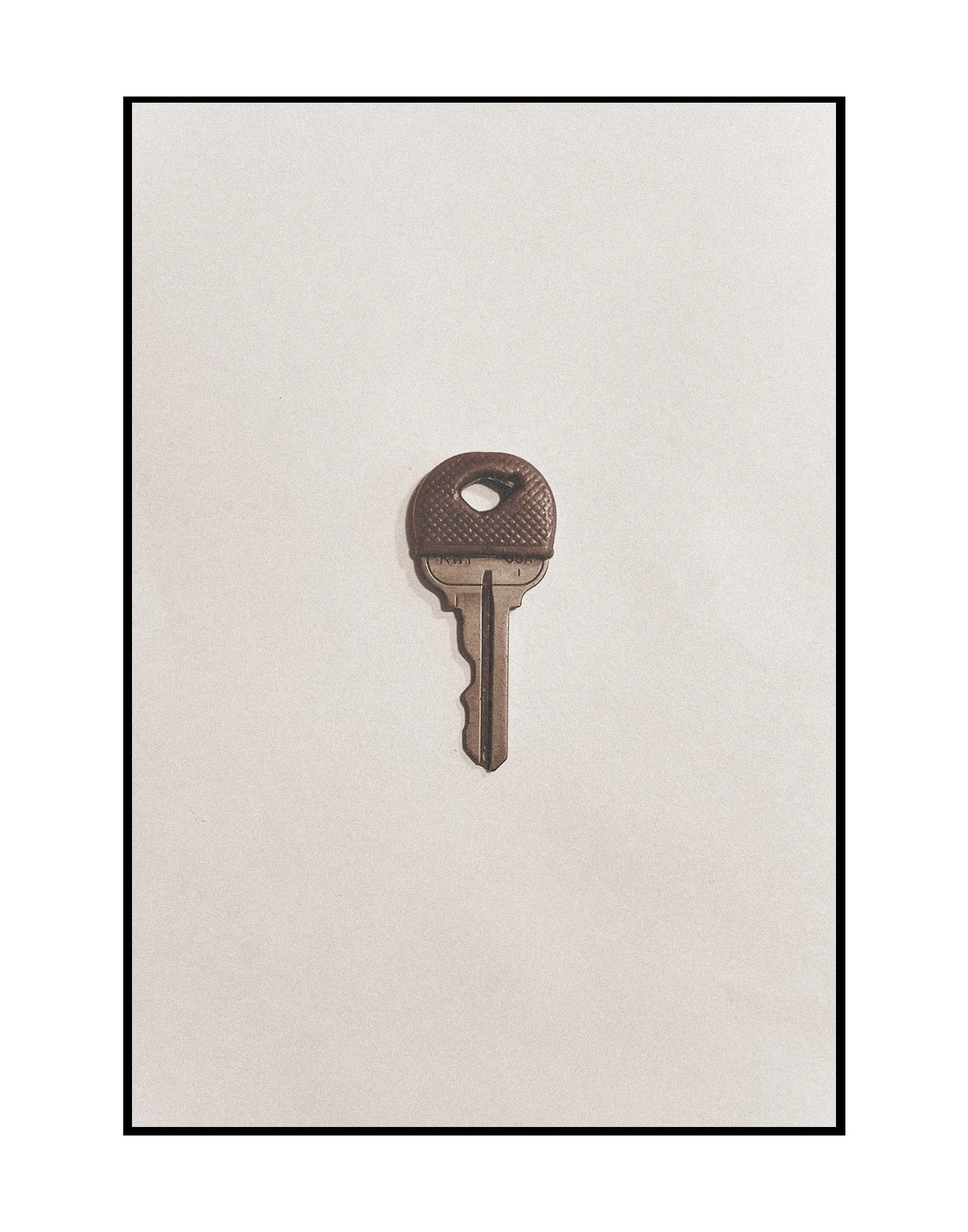
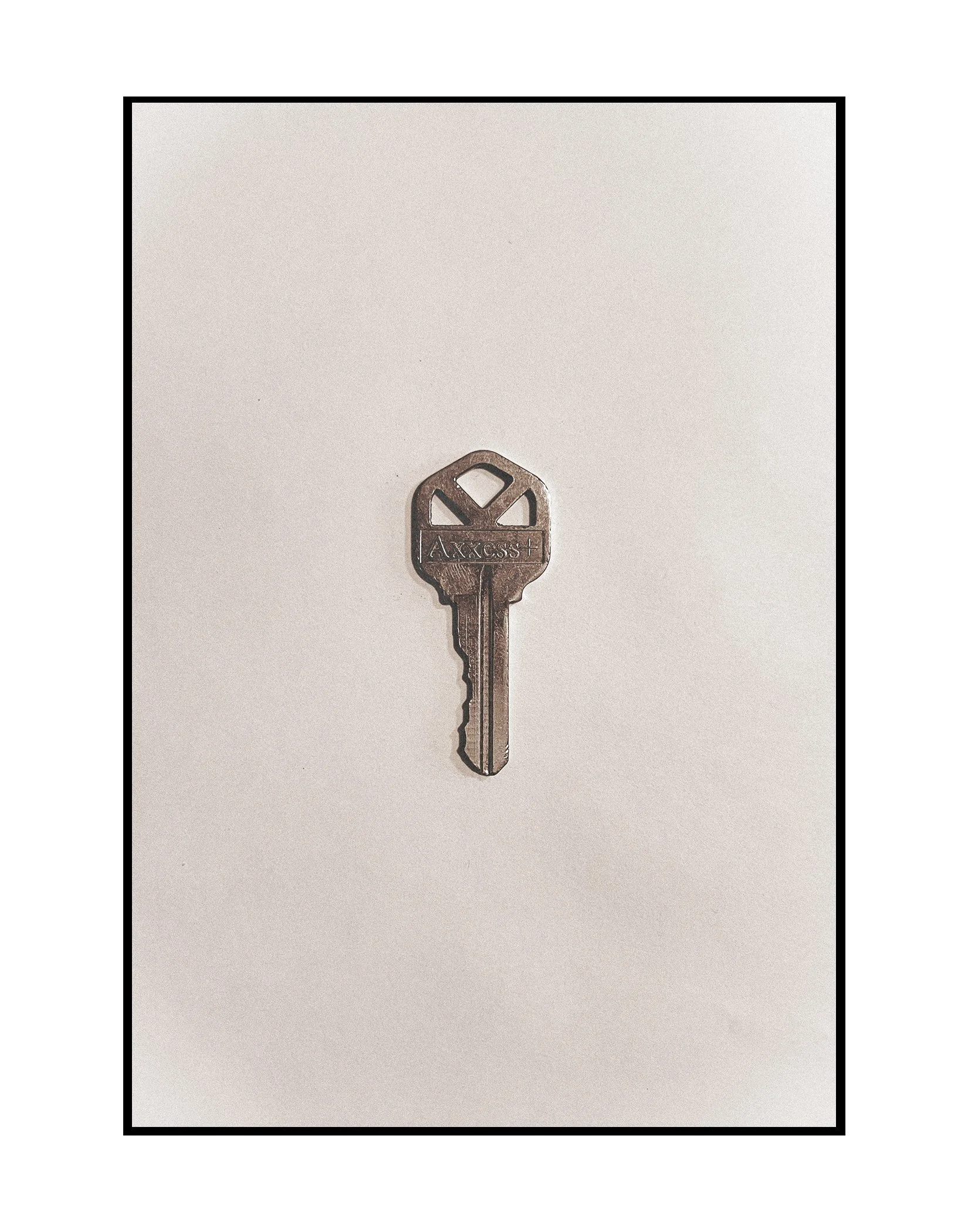
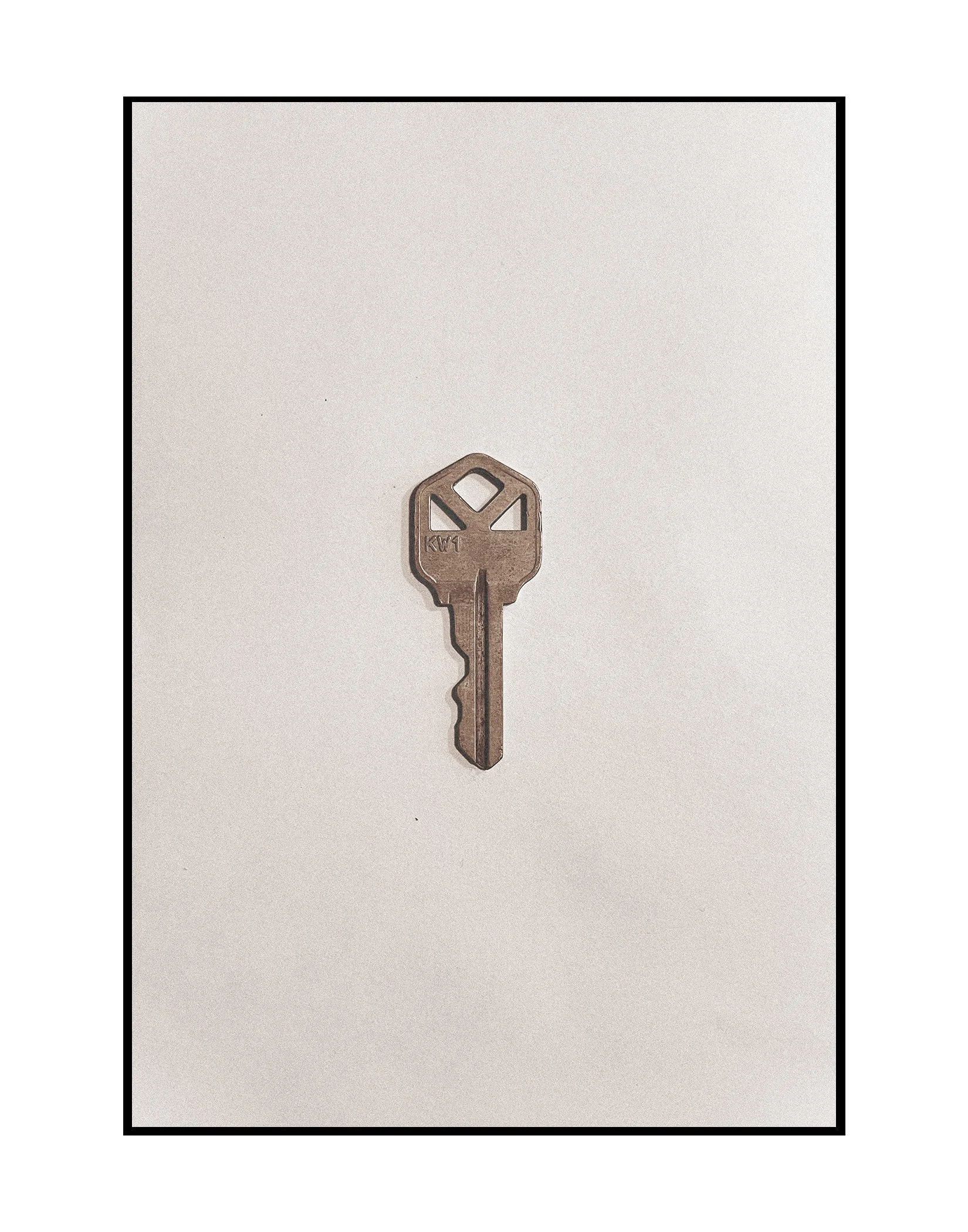
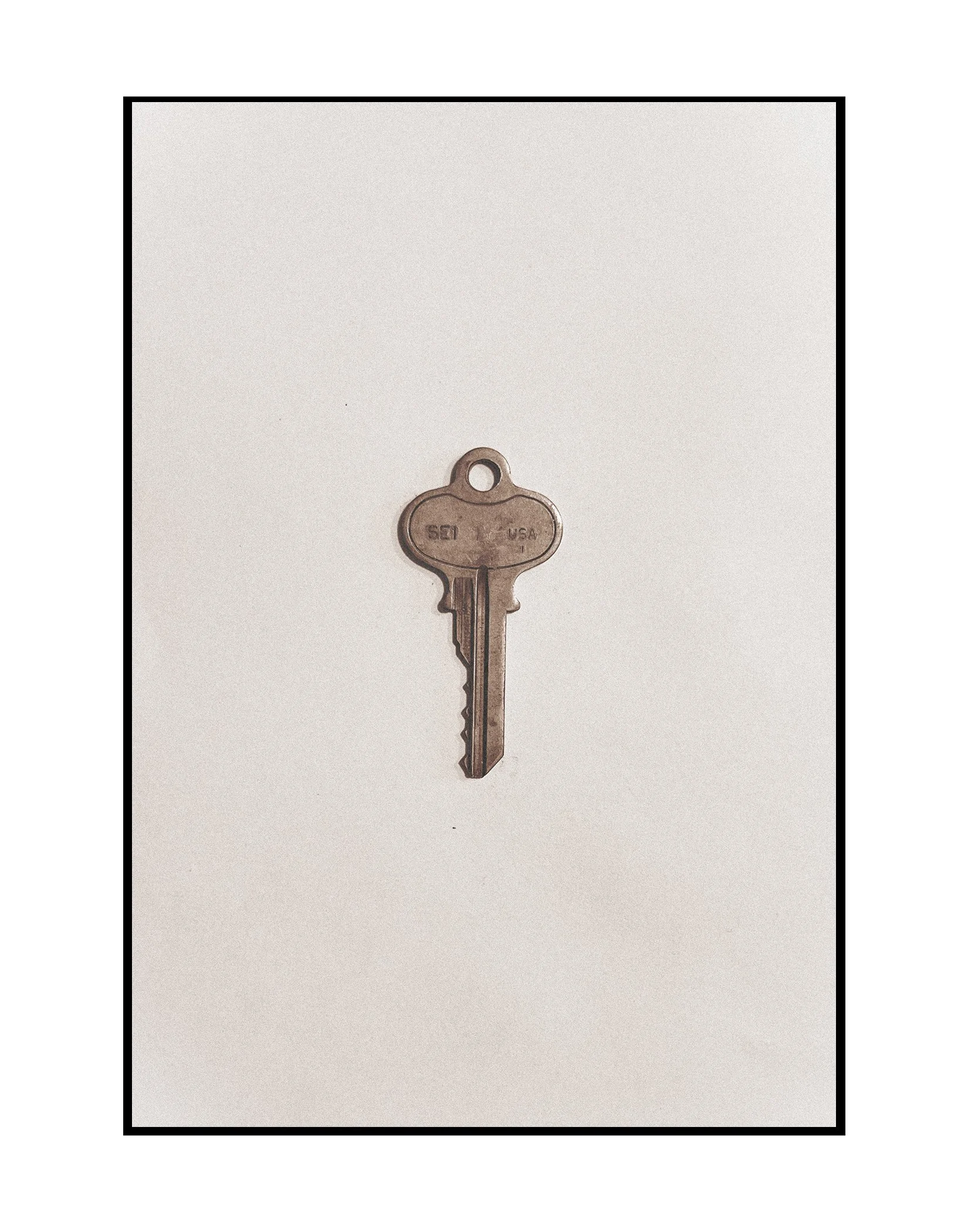
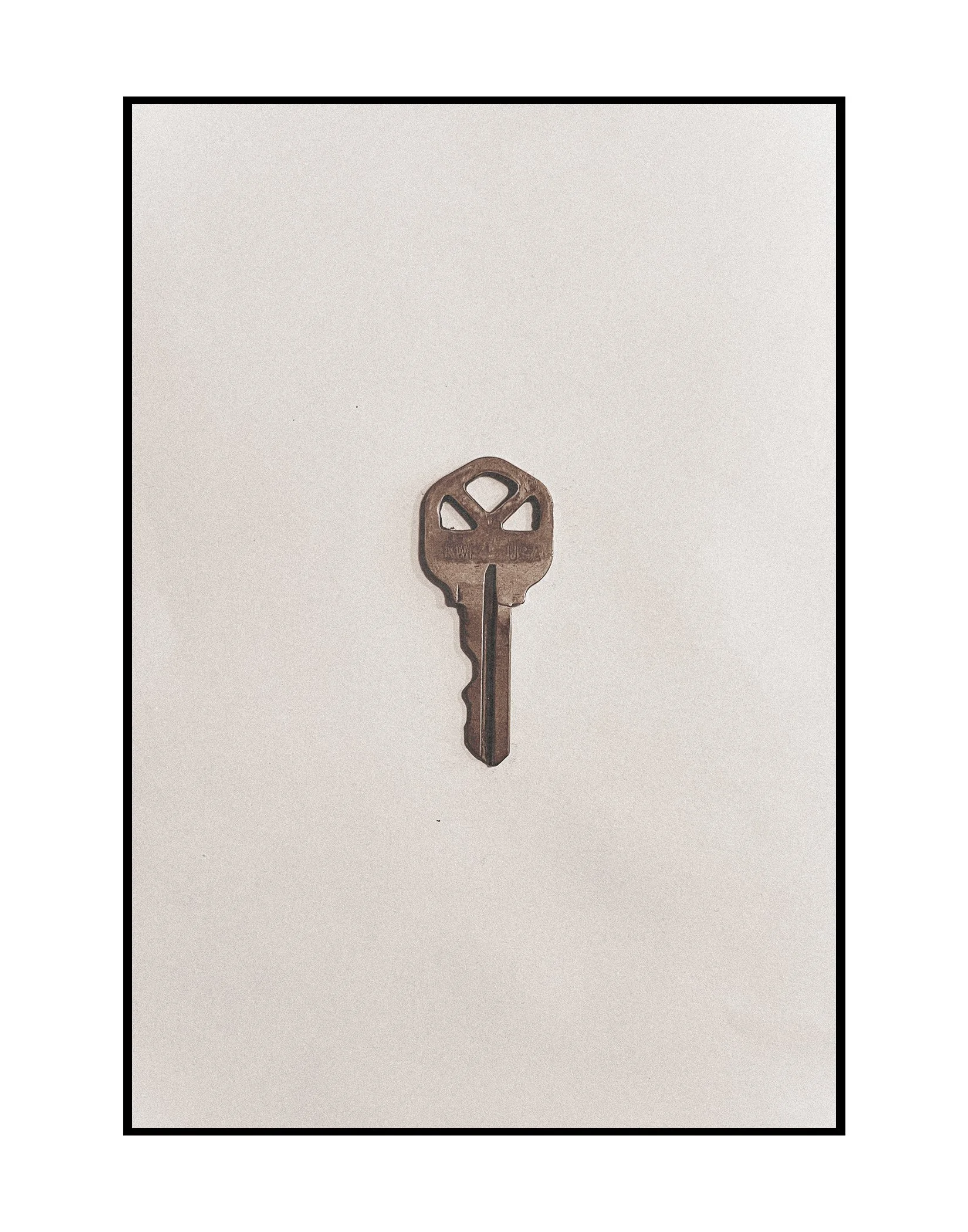
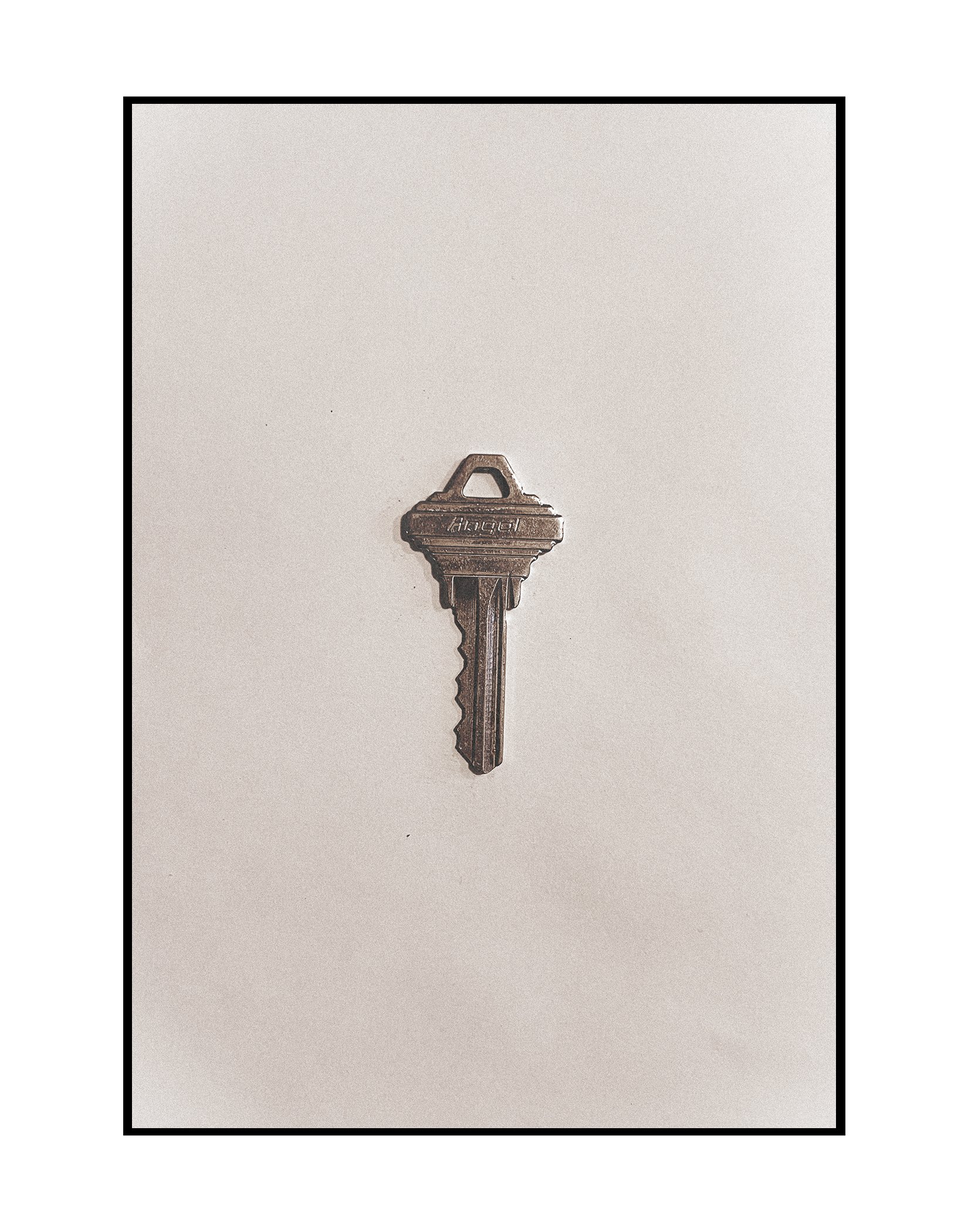
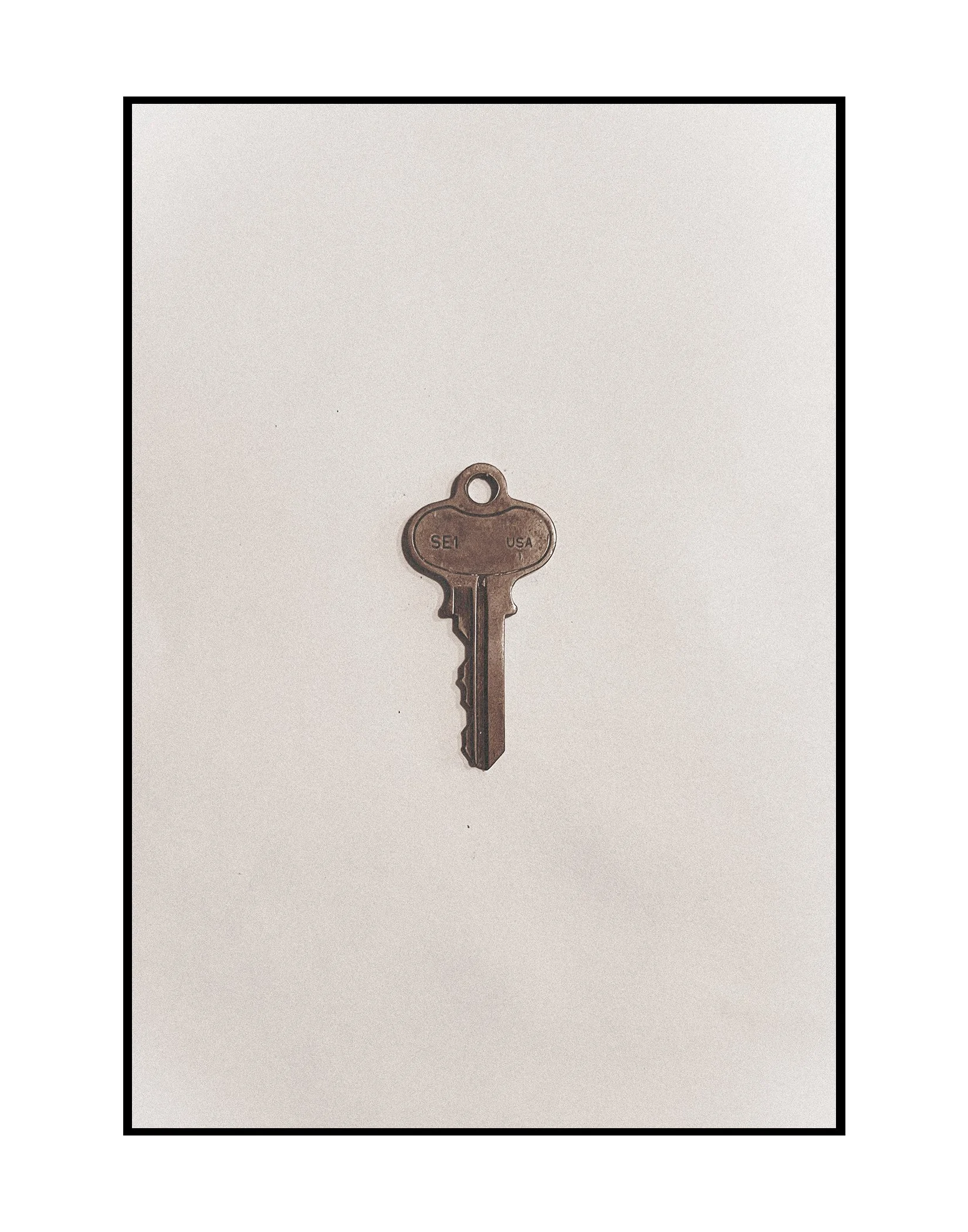
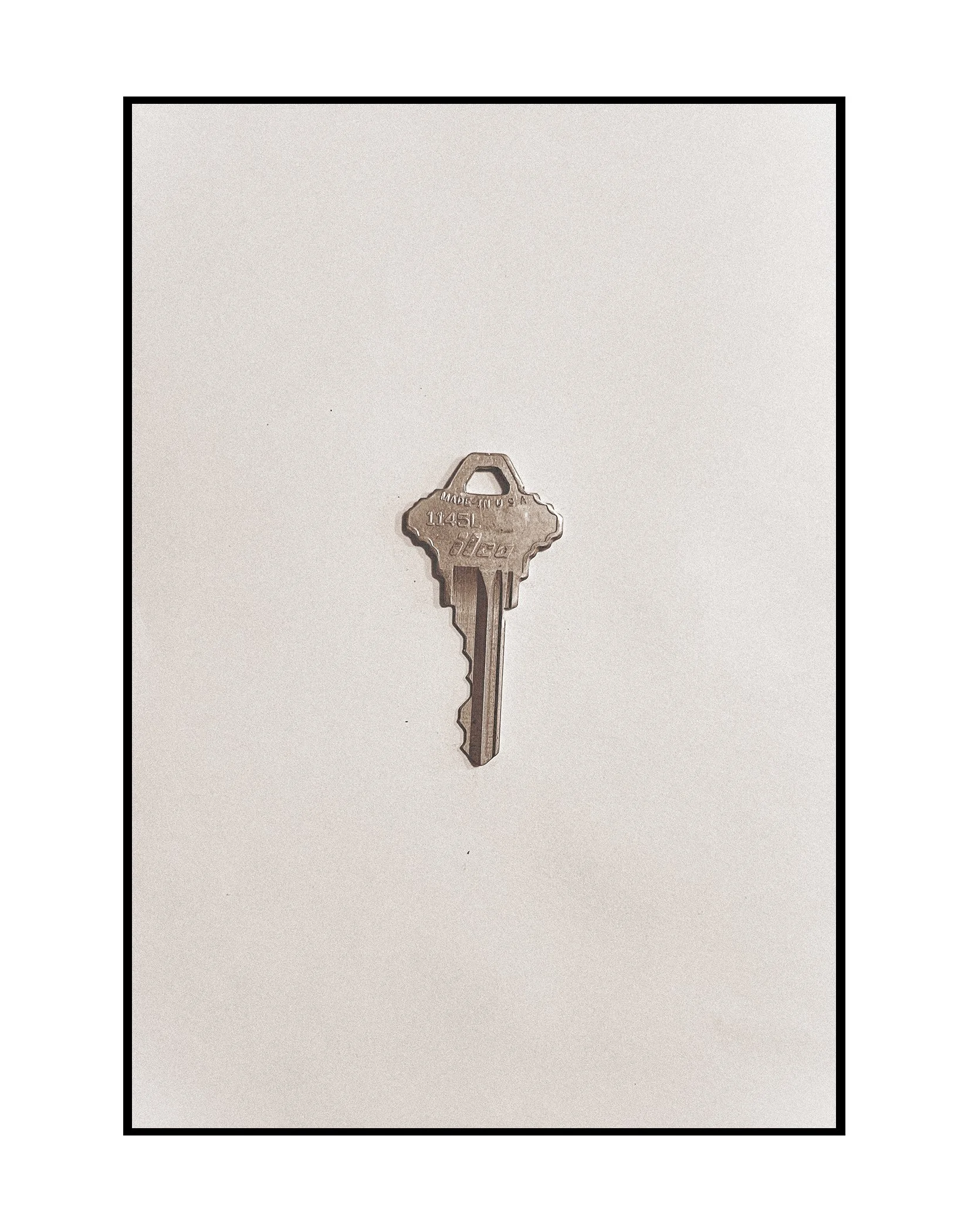
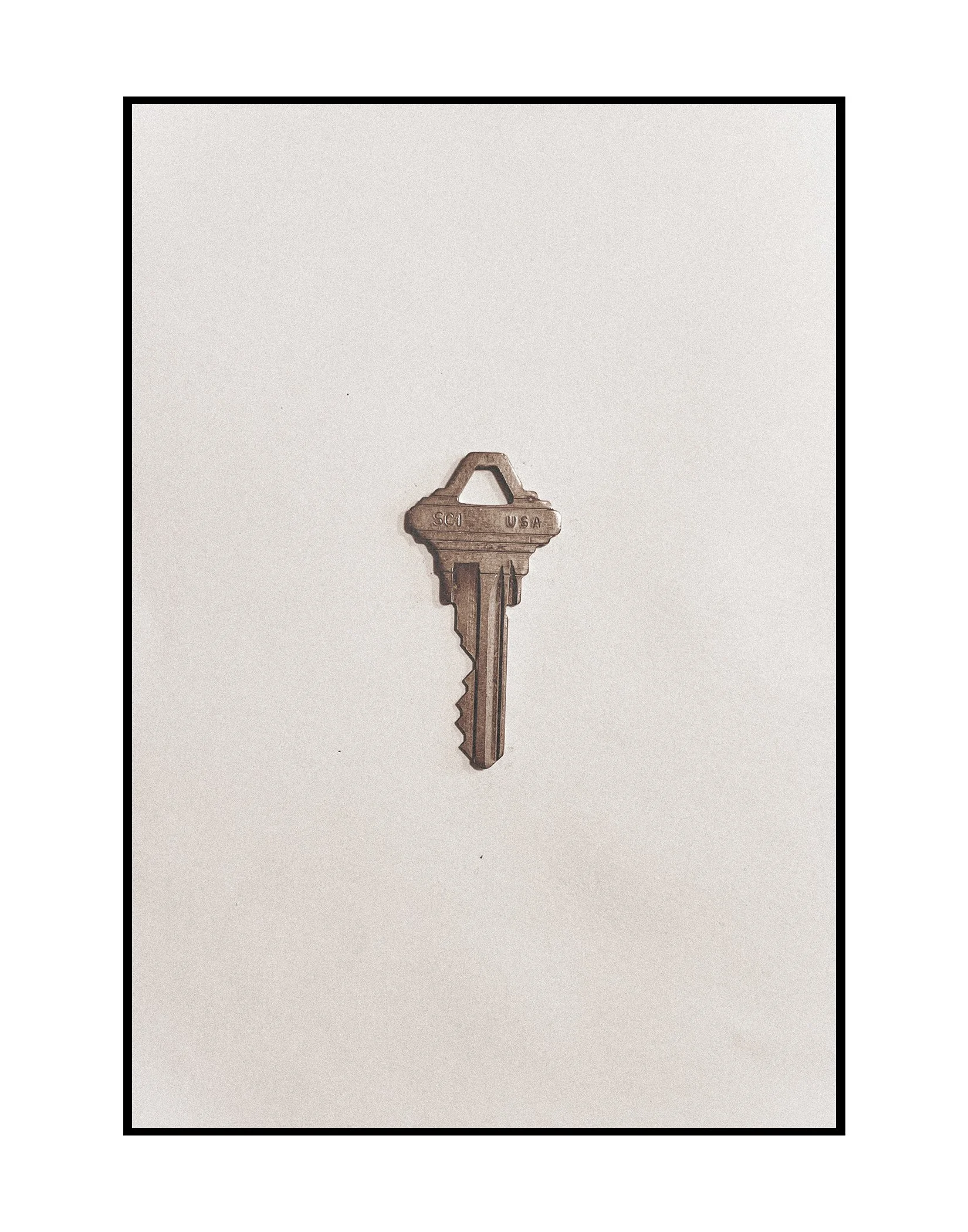
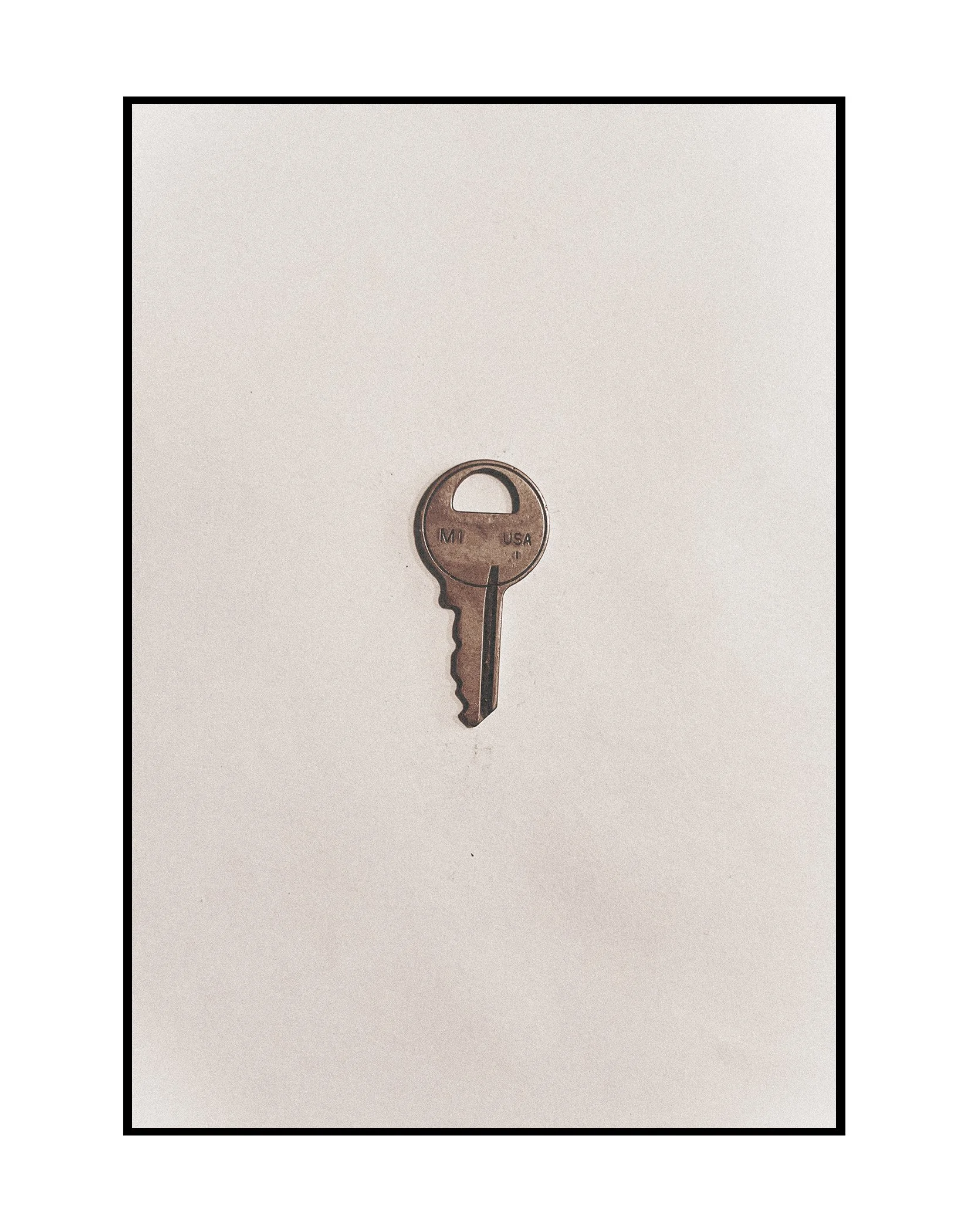
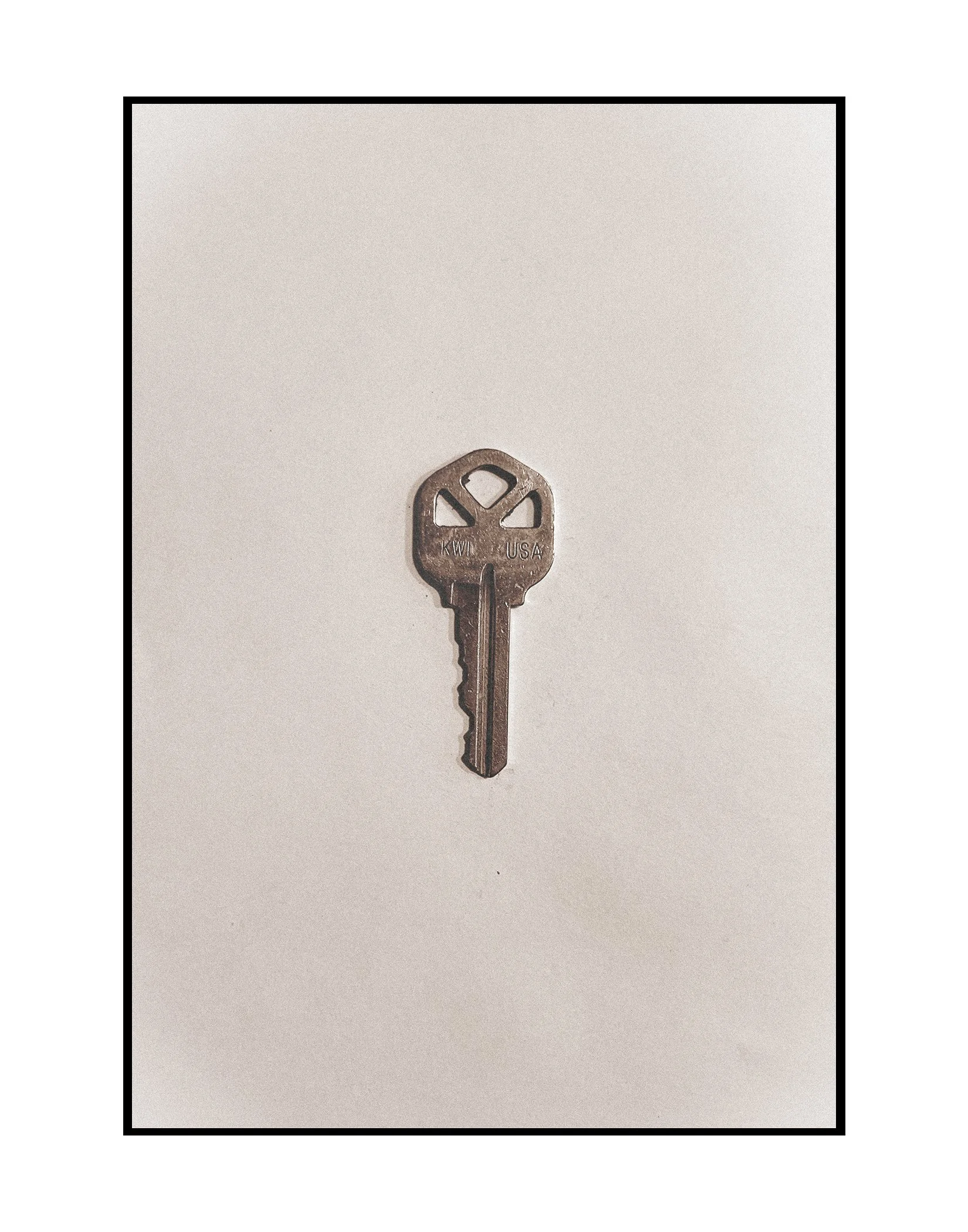
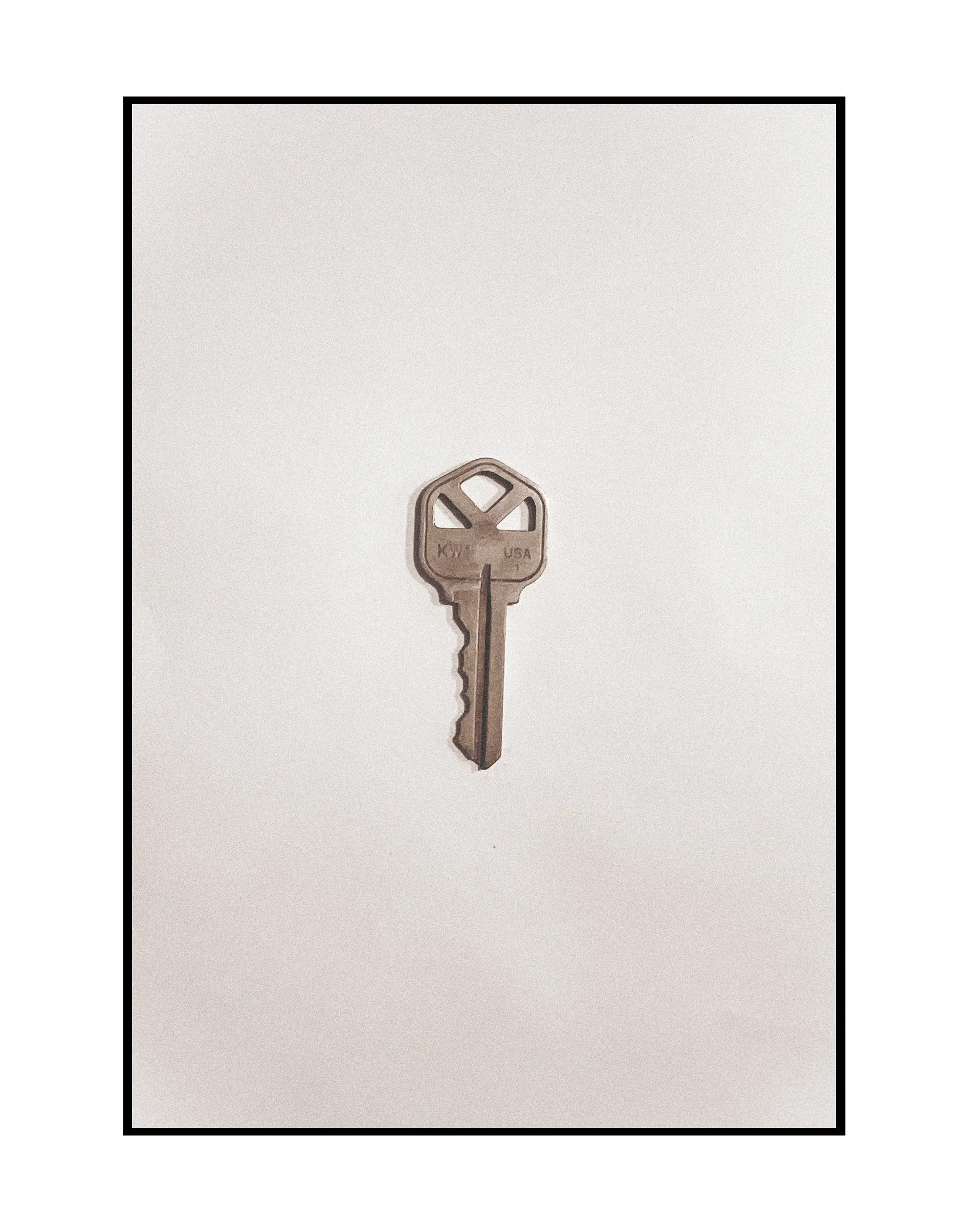
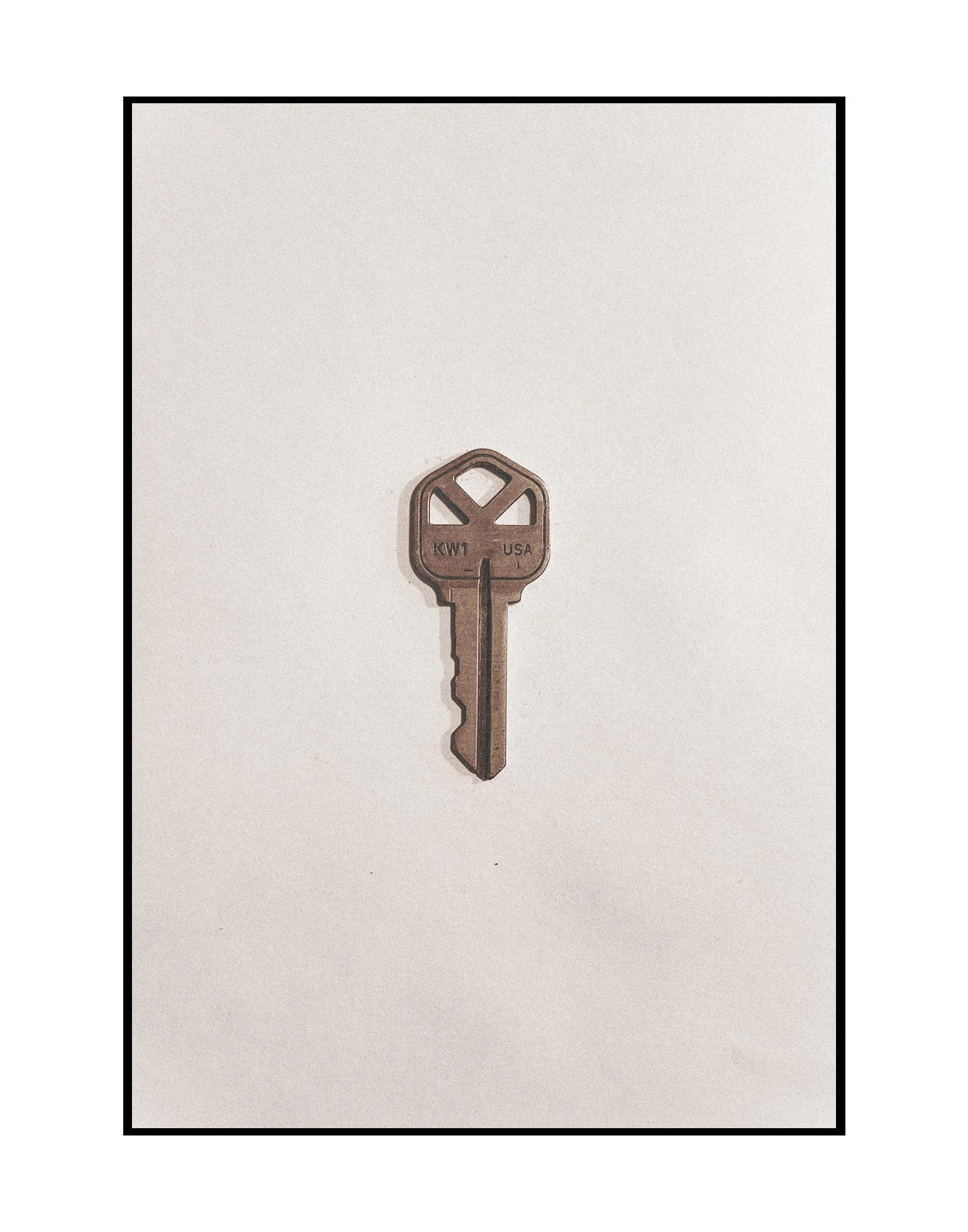
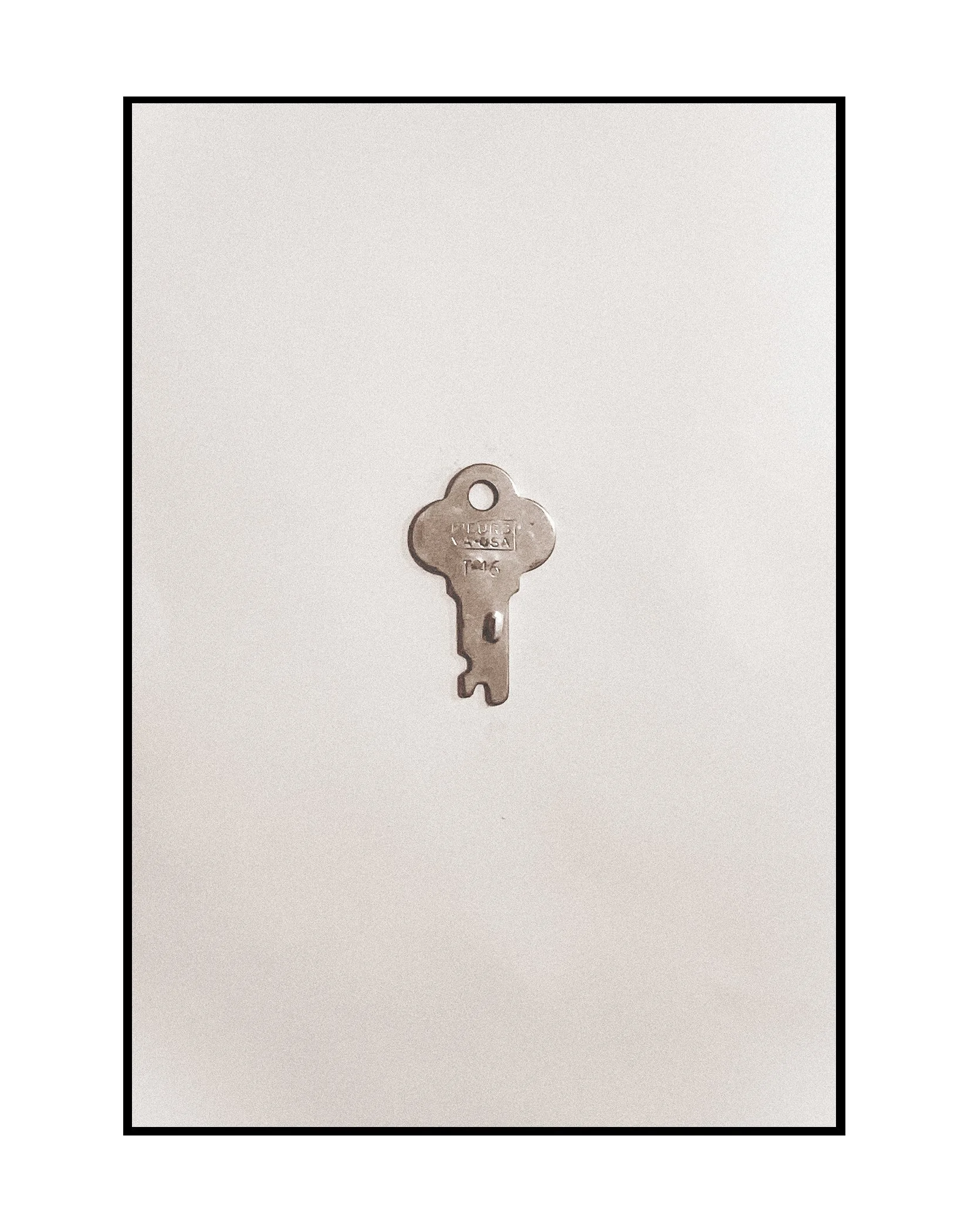
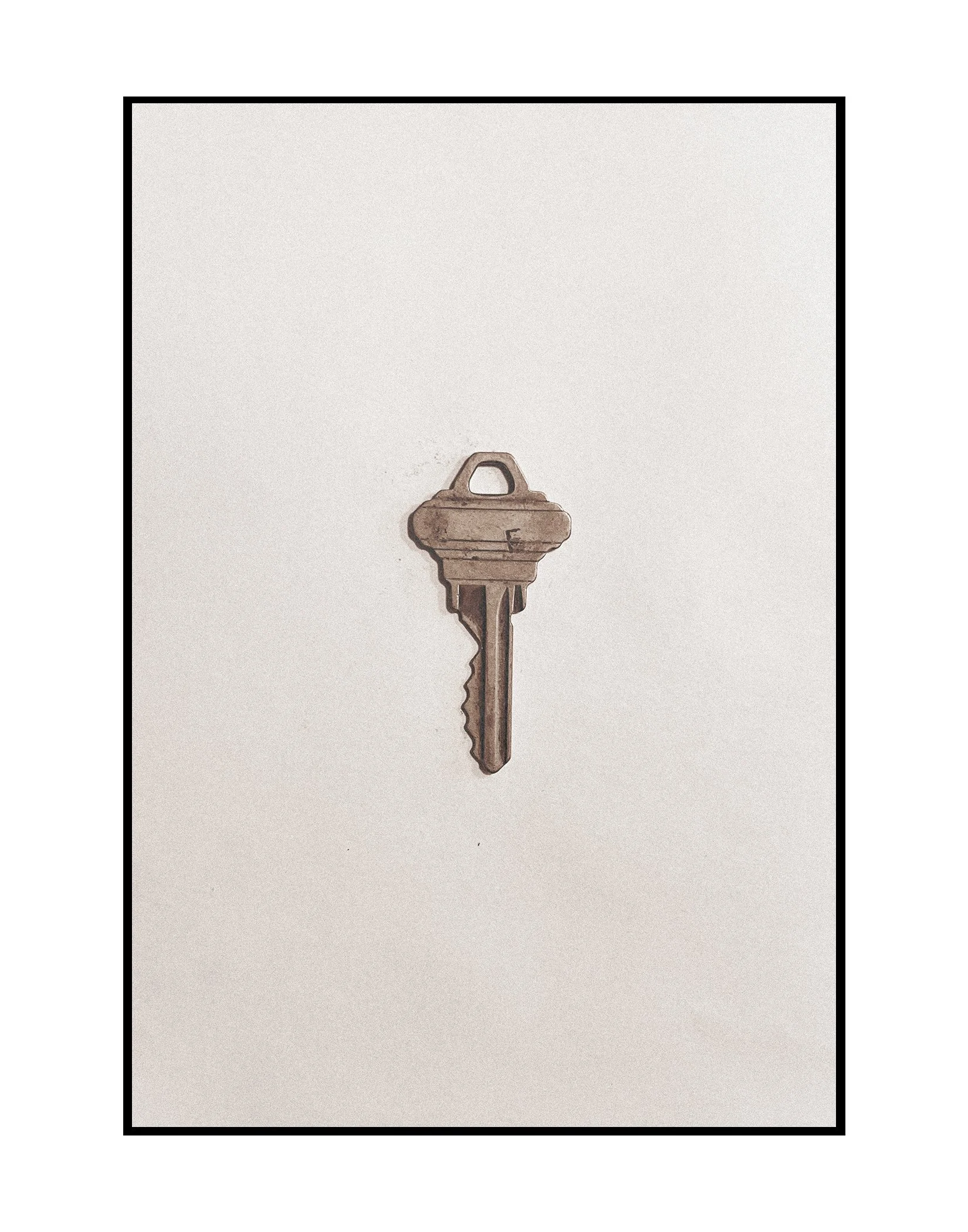
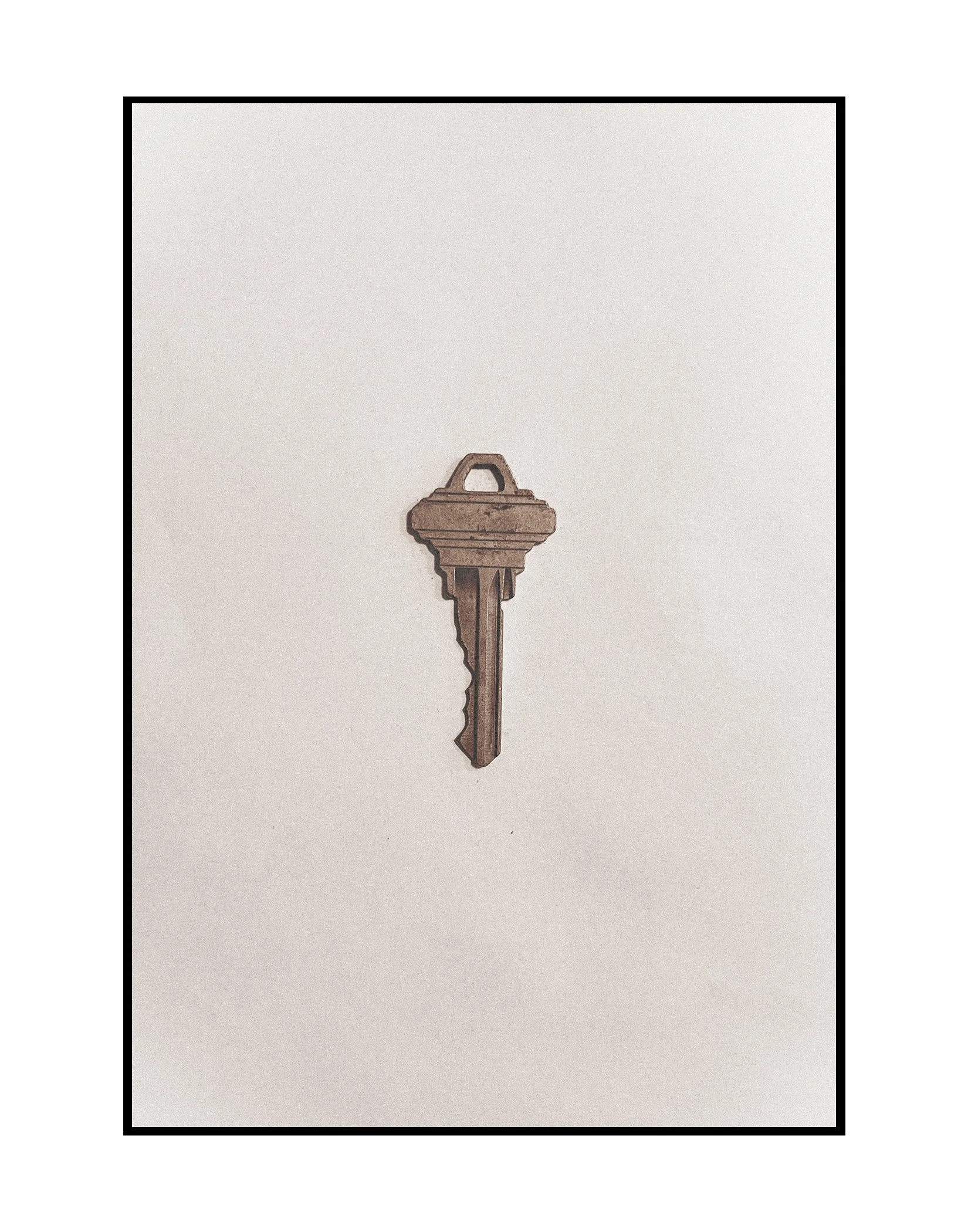
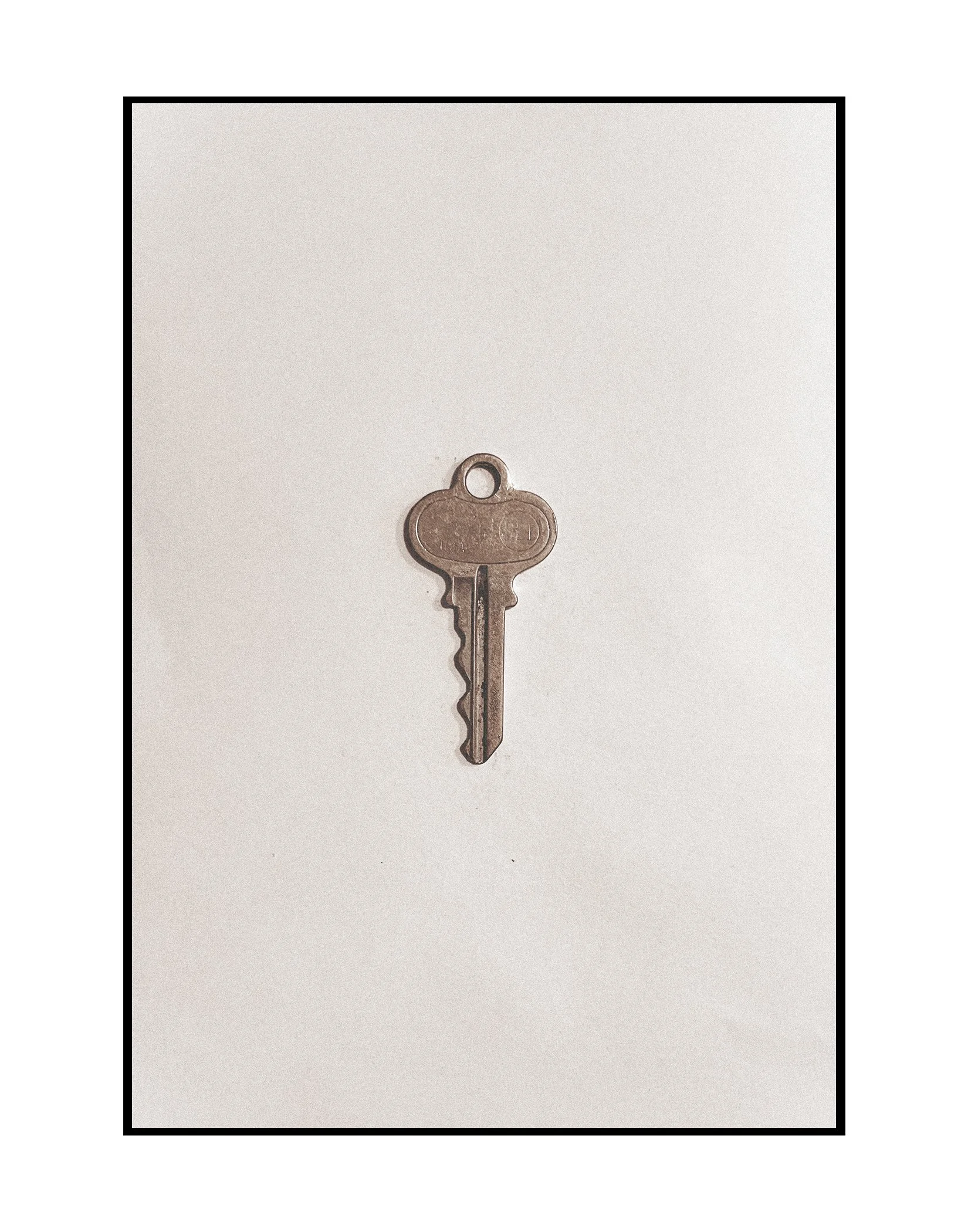
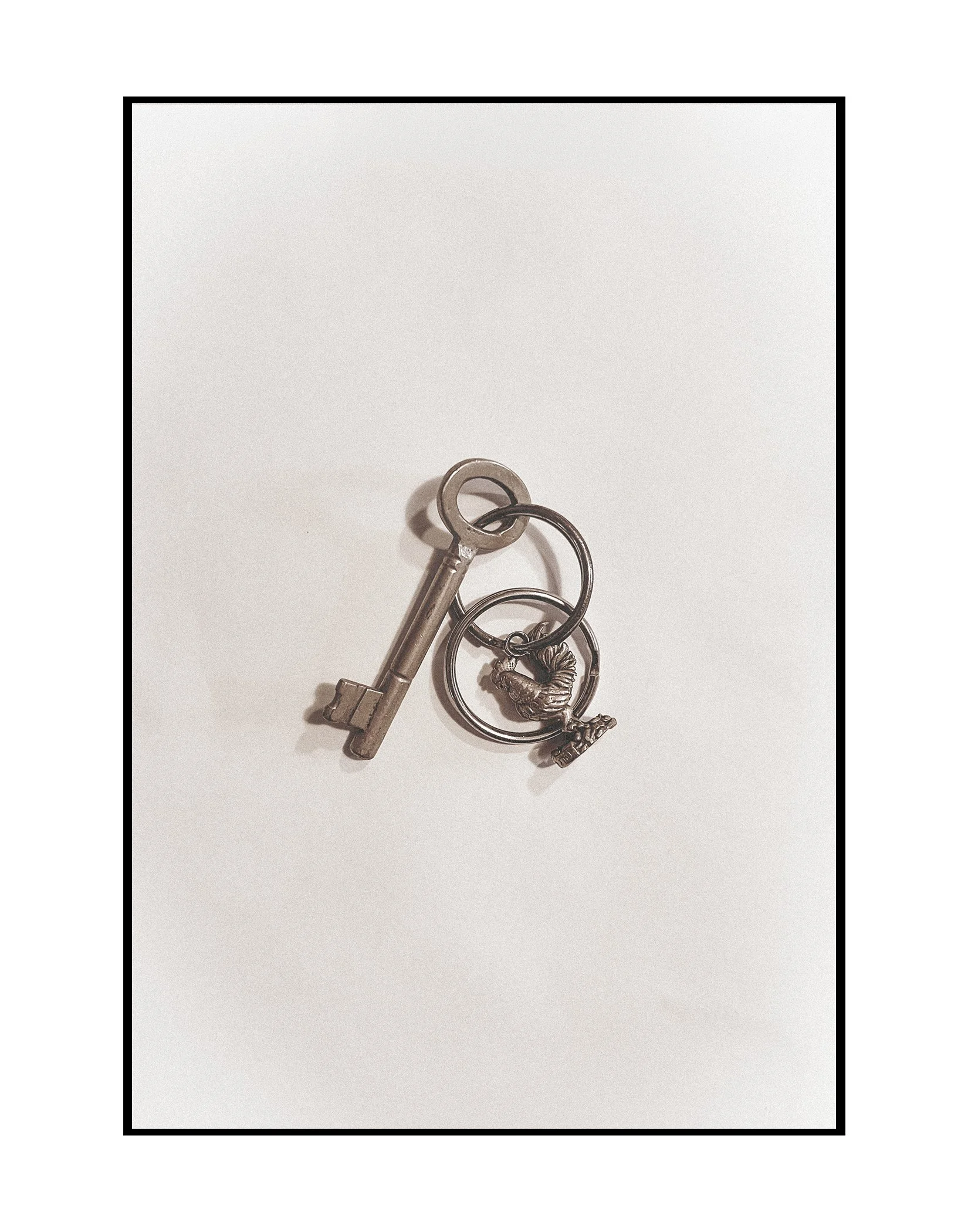
And perhaps that makes them more interesting.
If I can no longer remember what something opened, am I allowed to give it a new lock?
Maybe one of these is the key to an apartment I haven’t lived in yet.
Maybe one opens the amadeo amadeo showroom.
Maybe one belongs to a door in Paris that I have absolutely no business having a key to.
Maybe another opens nothing at all.
Apparently that hasn’t stopped me from carrying it for fifteen years.
At some point I added a large vintage skeleton key to the ring.
It didn’t open anything that belonged to me. As far as I know, it didn’t open anything at all.
But once that key appeared among all the others, people really started noticing the collection.
“What are you, a janitor?”
I heard some variation of that more than once.
And I always remember thinking: well, what if I was?
There’s nothing wrong with being a janitor.
If anything, the comment made me want to keep adding keys.
Fine.
Call me the janitor.
I stay opening doors and cleaning up.
The enormous keychain eventually became part of how I moved through the world. I’d sit down at a bar, unclip the keys from my waist and place them beside my phone.
CLUNK.
Suddenly this absurd pile of metal was sitting on the bar.
Someone would inevitably look at it.
“What are all those keys for?”
And there it was.
A conversation.
A stranger became someone I was talking to. Someone wanted to know where I lived, why there were so many, what the giant key opened, whether I really needed all of them.
Something that had originally existed purely to give me access to locked spaces had found another purpose.
Eventually the keys stopped opening doors and started opening conversations.
That may be why I never got rid of them.
They became a little archive without me realizing I was building one.
Apartments.
Friends.
Costumes.
Mailboxes.
Safes.
Doors.
Things I was trusted with.
Places where I lived.
Places where somebody else lived but allowed me inside.
And places I no longer remember at all.
For this Catch-All, I took the entire collection apart.
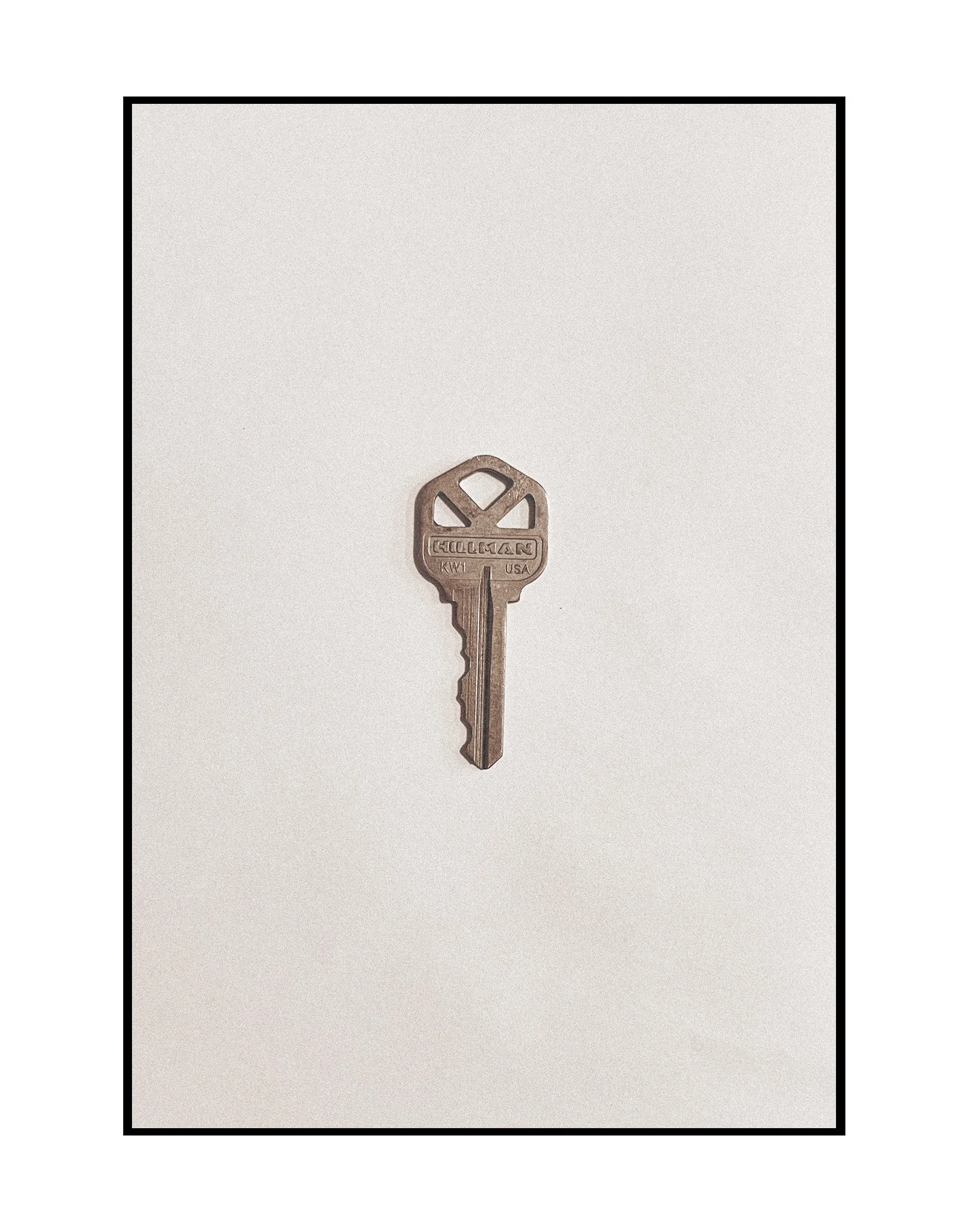
The keys are usually tangled together, layered over one another so densely that I don’t really look at any single one. Once they were separated and photographed individually, they became strangely anonymous.
A key without its lock tells you very little.
It can tell you that something was once protected.
That someone once needed permission to enter.
That somewhere, at some point, there was a matching mechanism waiting for these particular little cuts in a piece of metal.
But without the lock, the rest has to come from memory.
And memory is unreliable.
I know.
I think.
Maybe.
Probably.
I have absolutely no idea.
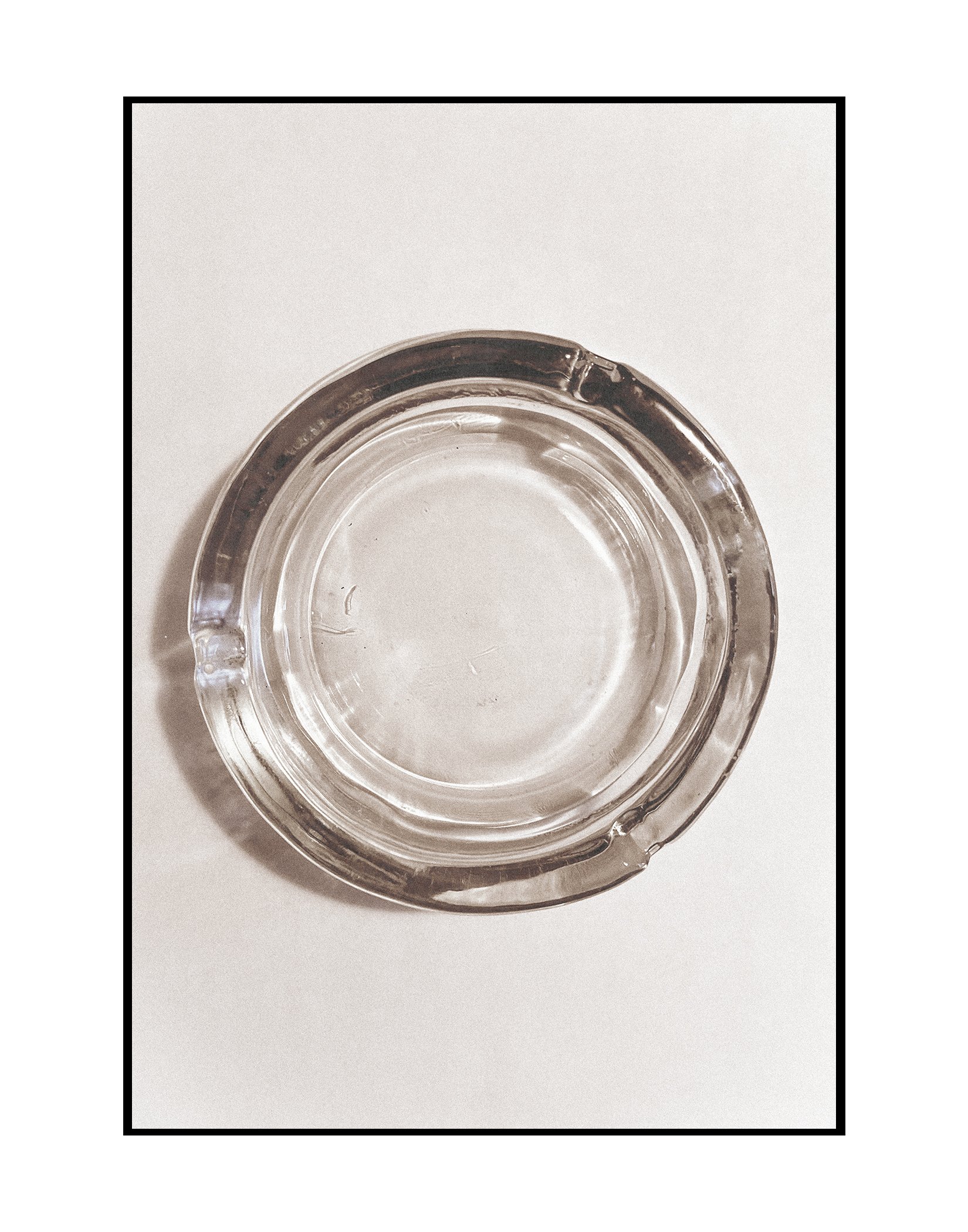
Now they’re all sitting inside a thick glass ashtray that I found in my grandparents’ house.
Another object from another home.
An old ashtray holding the remnants of several others.
There is something I like about that.
The ashtray has survived its original purpose too.
No cigarette.
No ash.
Just keys.
Objects don’t always stop being useful when their original purpose disappears.
Sometimes they just start holding something else.