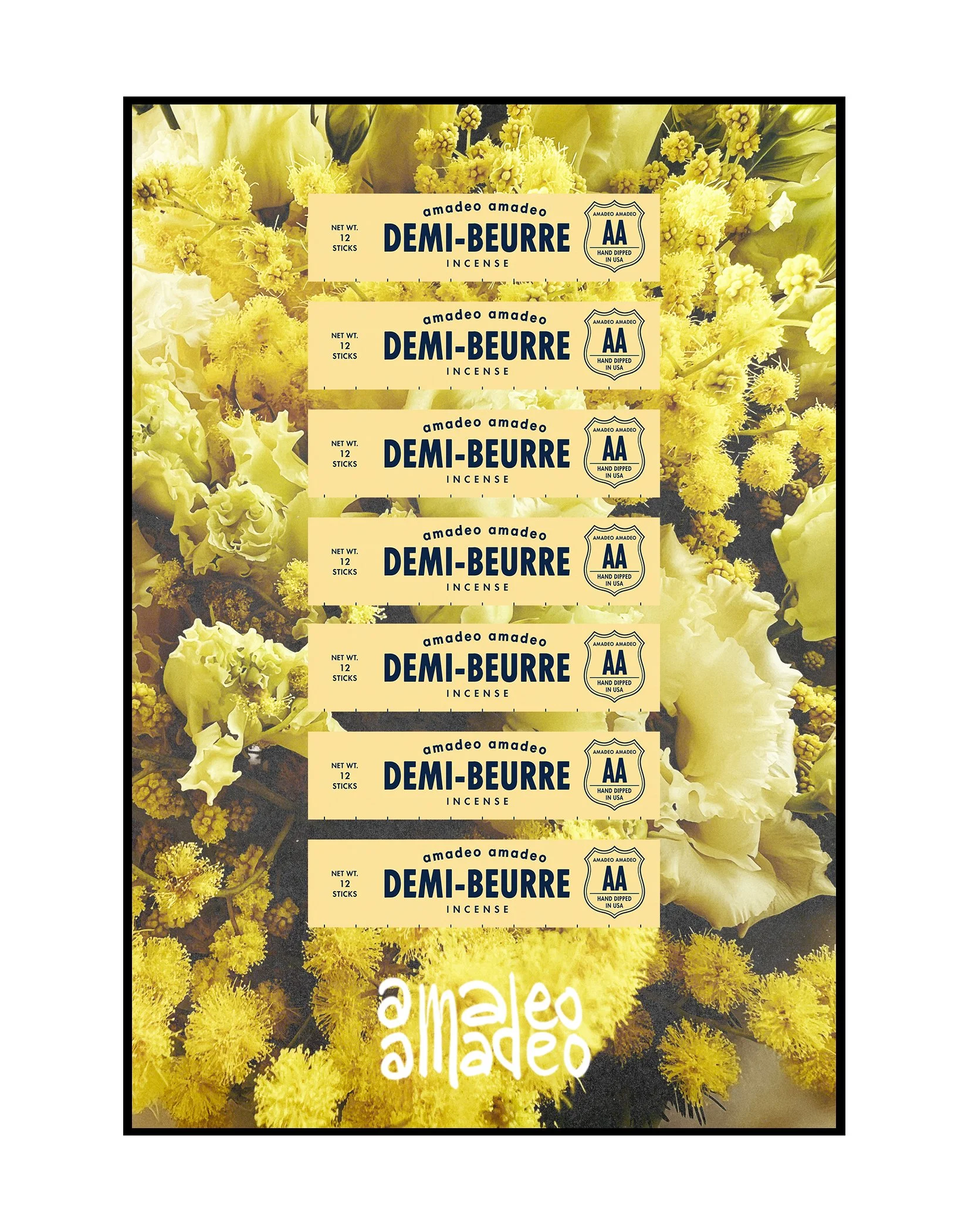
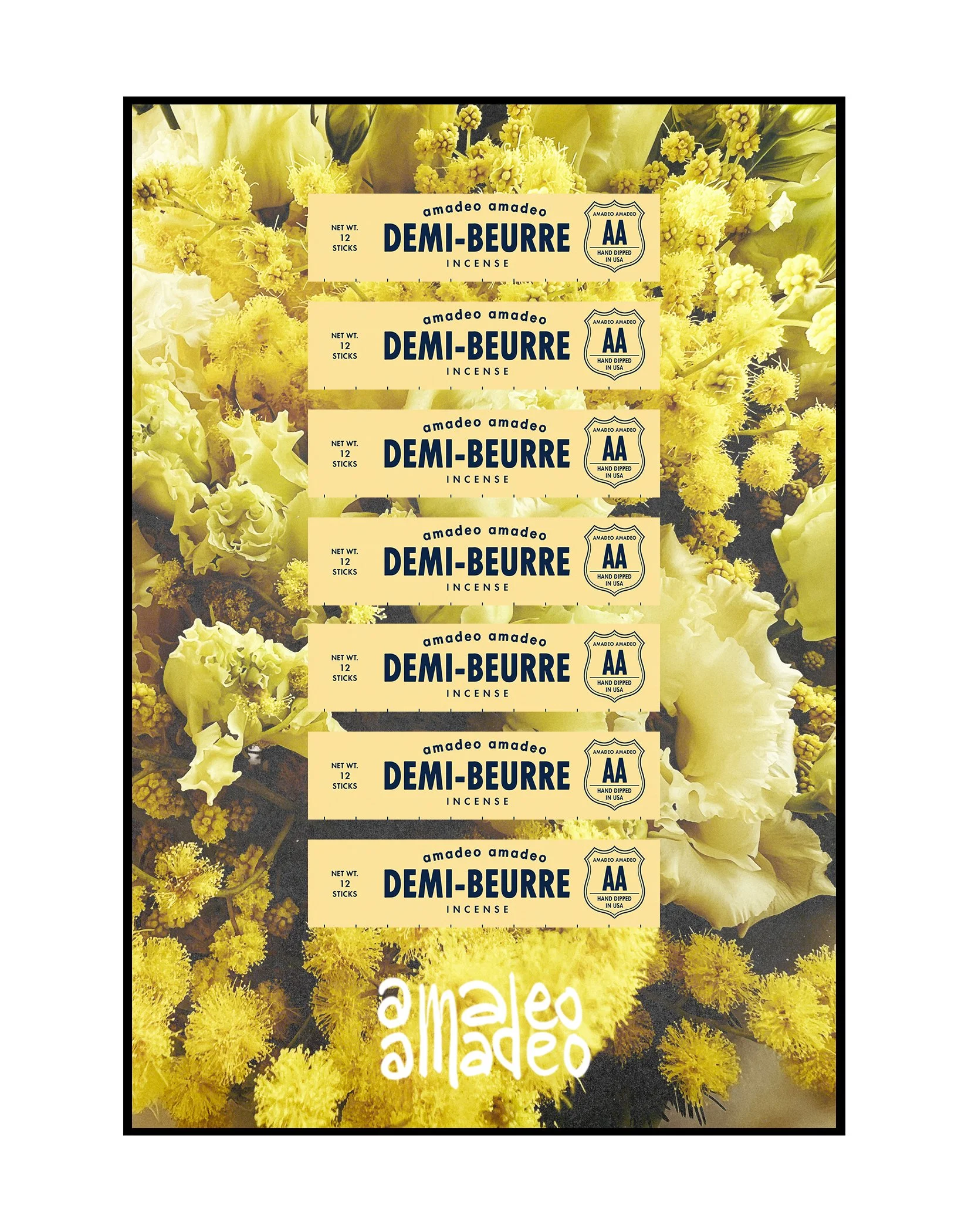
demi-beurre
For the past few years, scent has become another medium for me to tell stories.
Sometimes those stories are large and obvious. Other times they are small moments that would otherwise disappear if nobody stopped to pay attention to them.
demi-beurre began as one of those small moments.
For the past few years, scent has become another medium for me to tell stories.
Sometimes those stories are large and obvious. Other times they are small moments that would otherwise disappear if nobody stopped to pay attention to them.
demi-beurre began as one of those small moments.
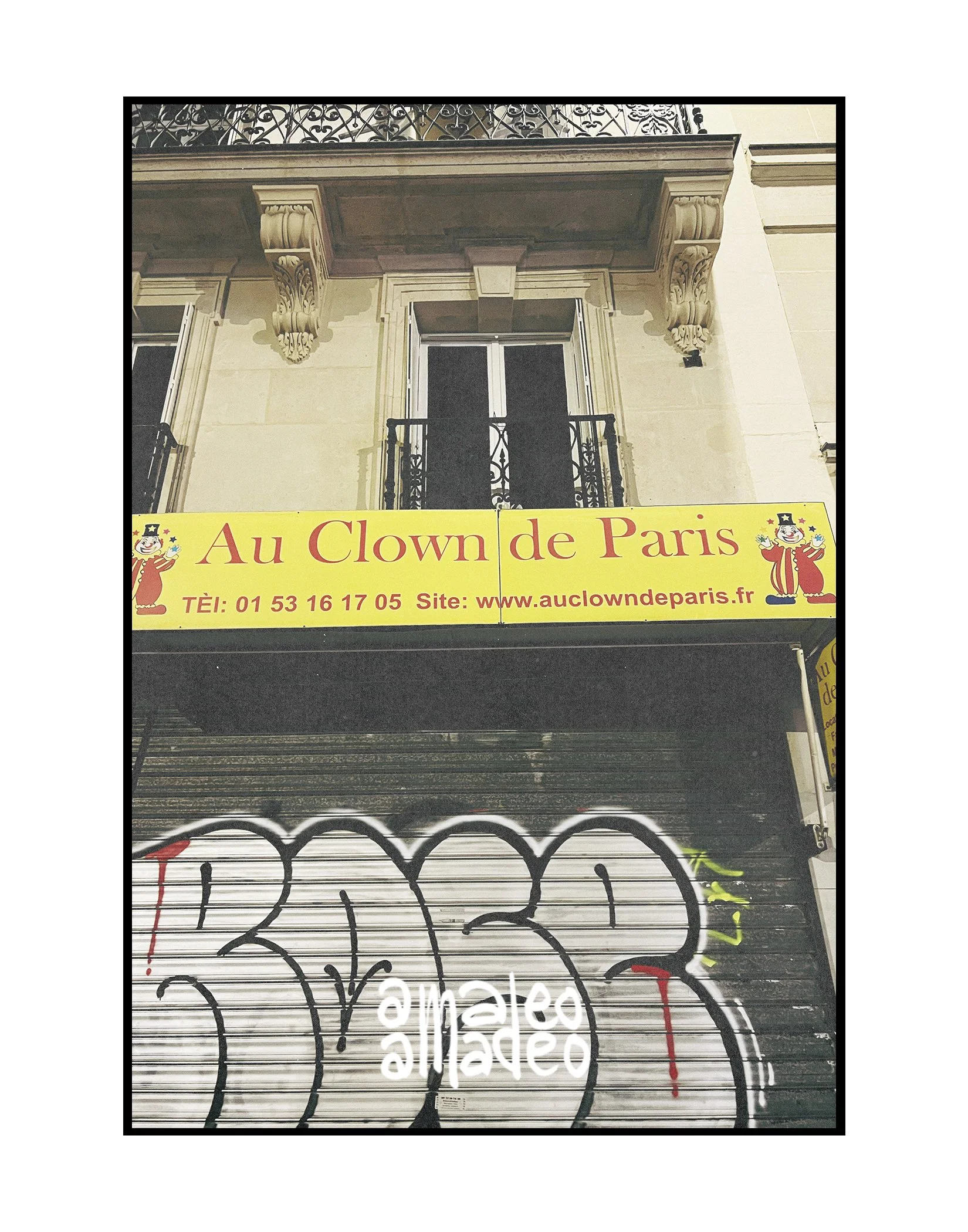
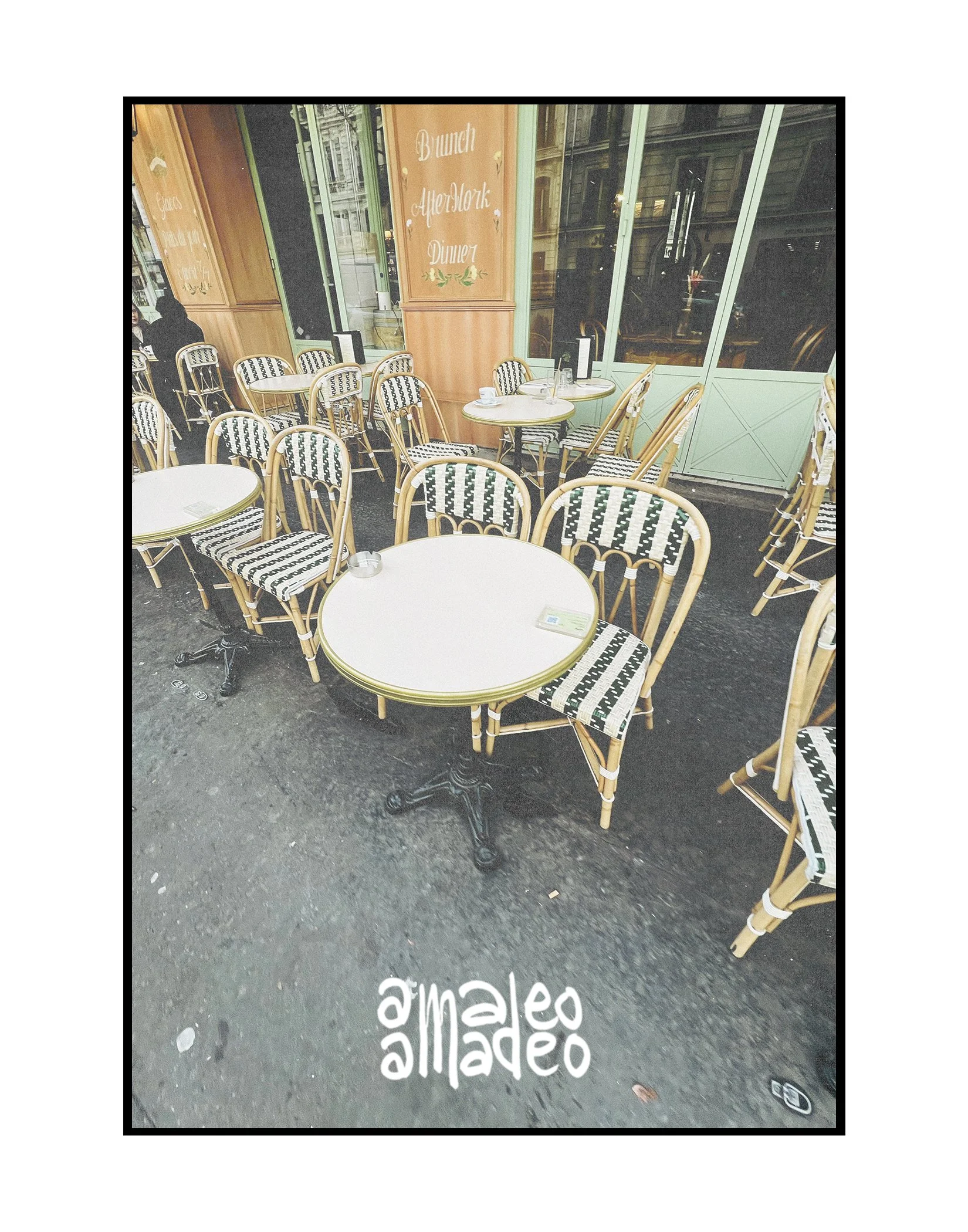
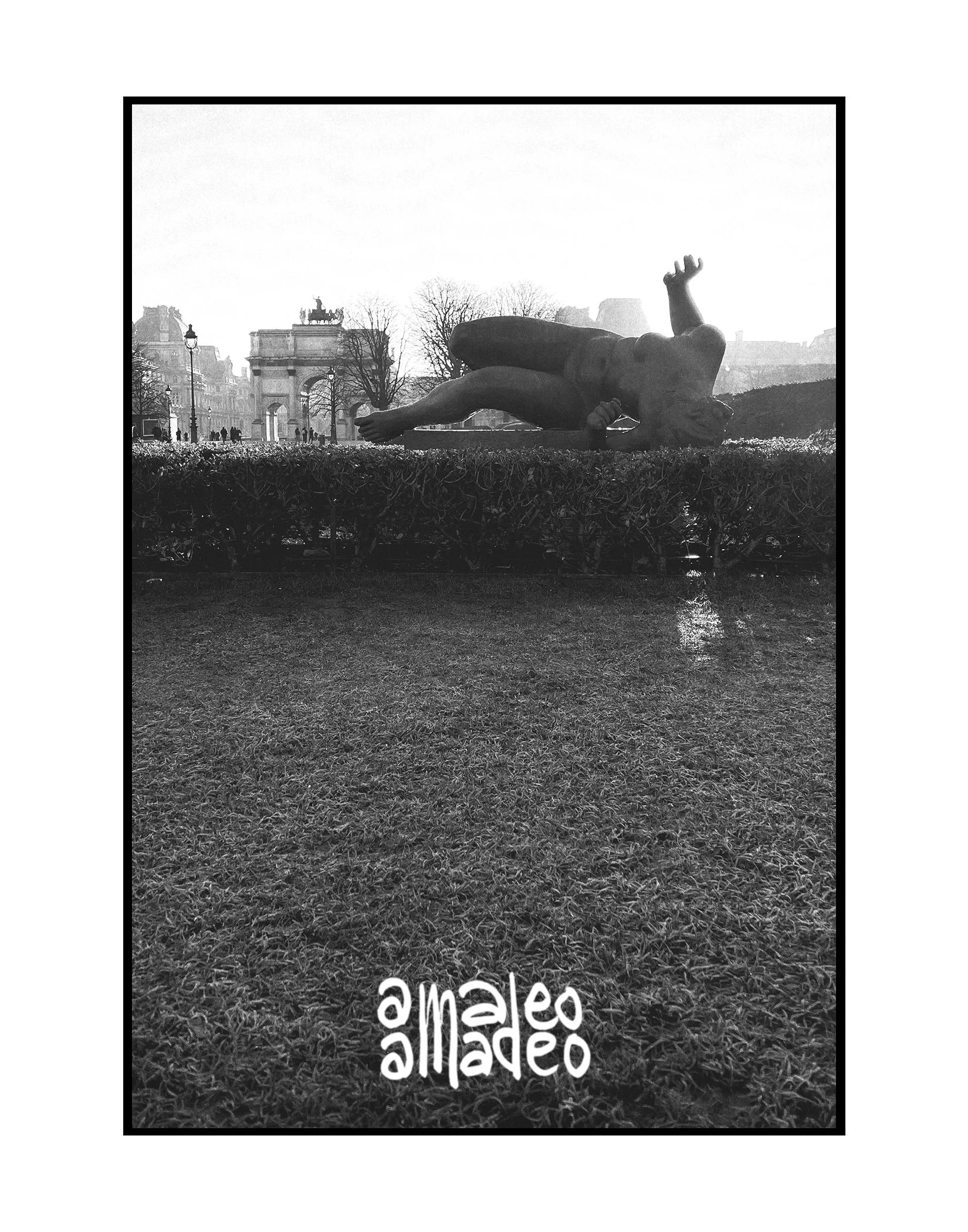
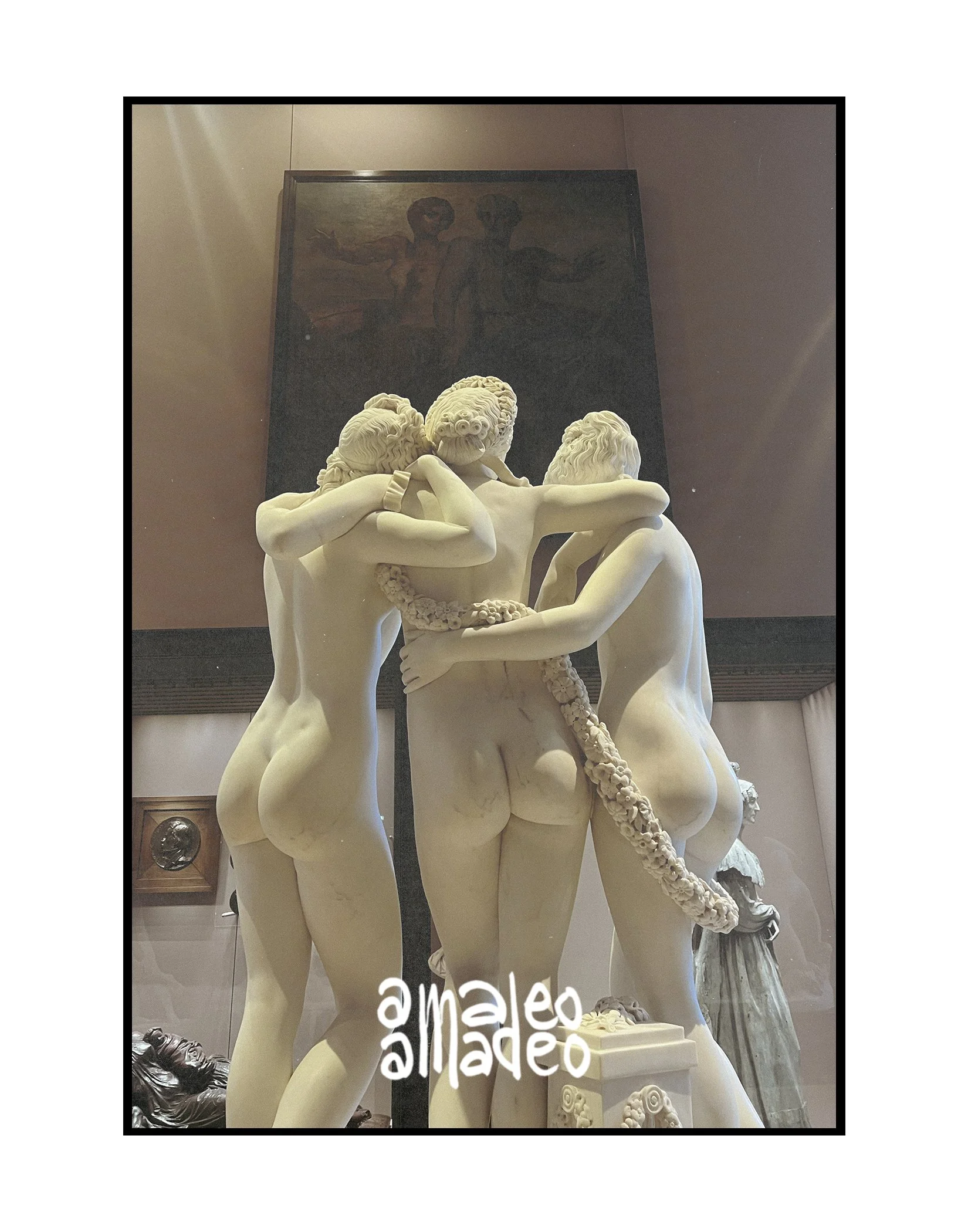
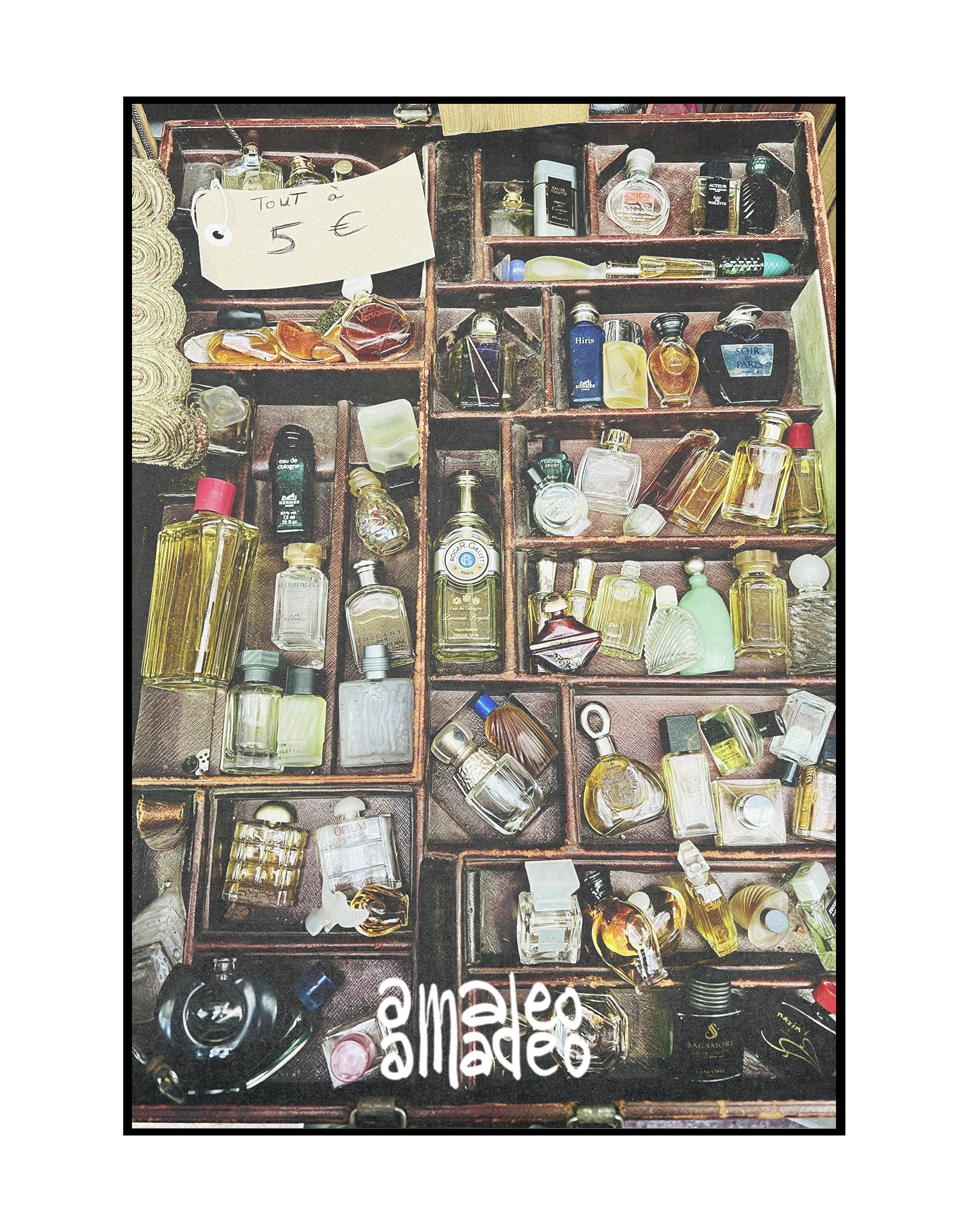
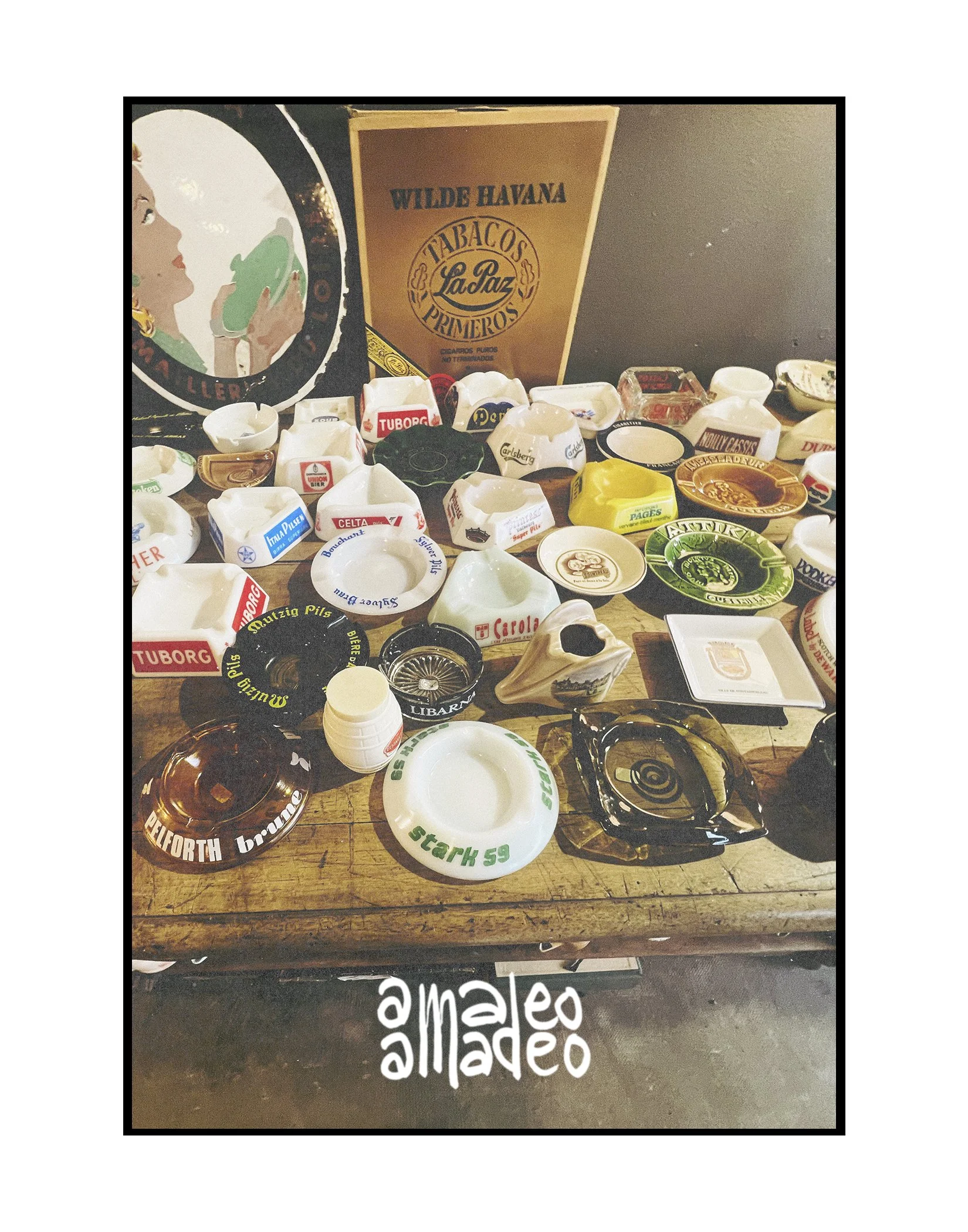
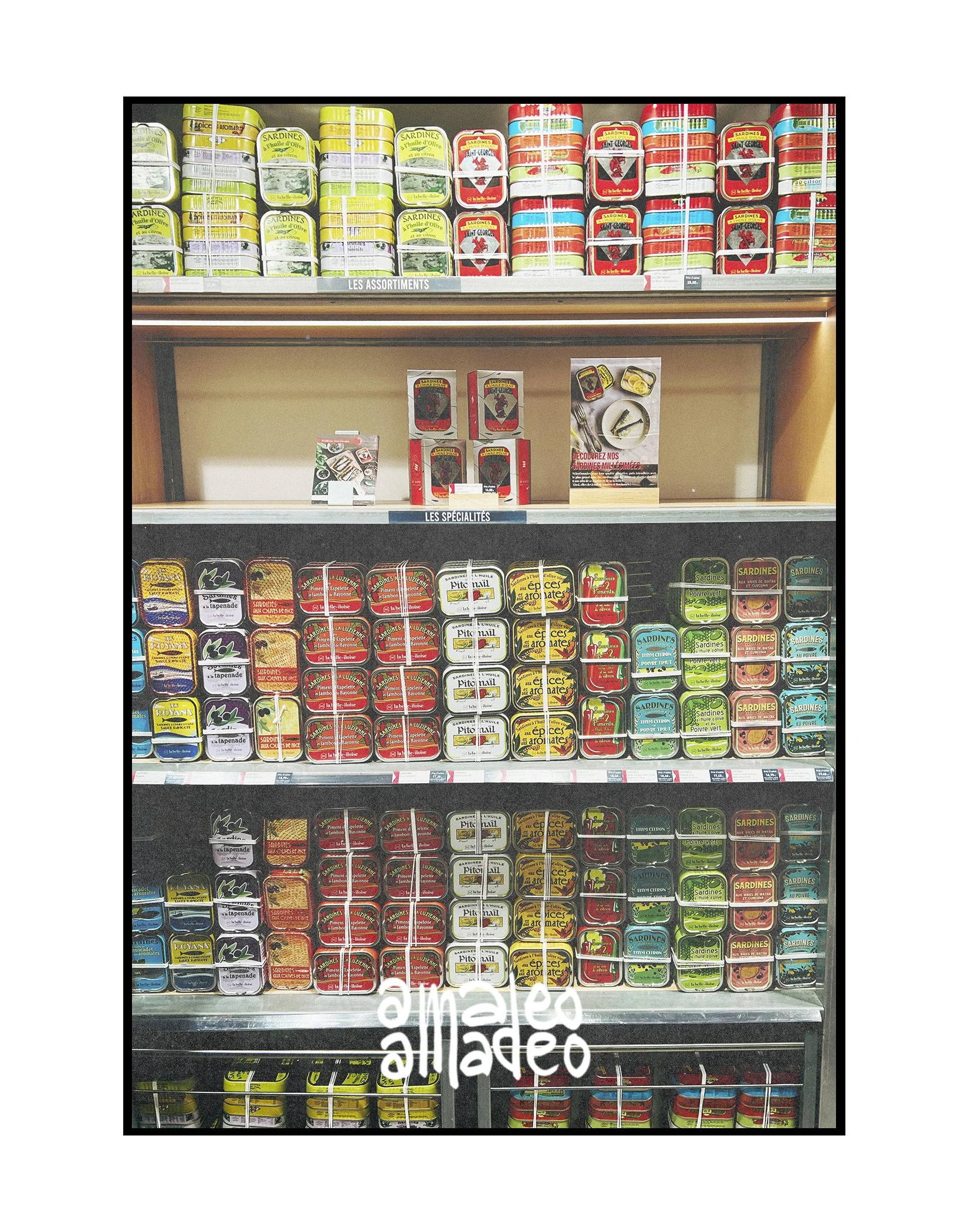
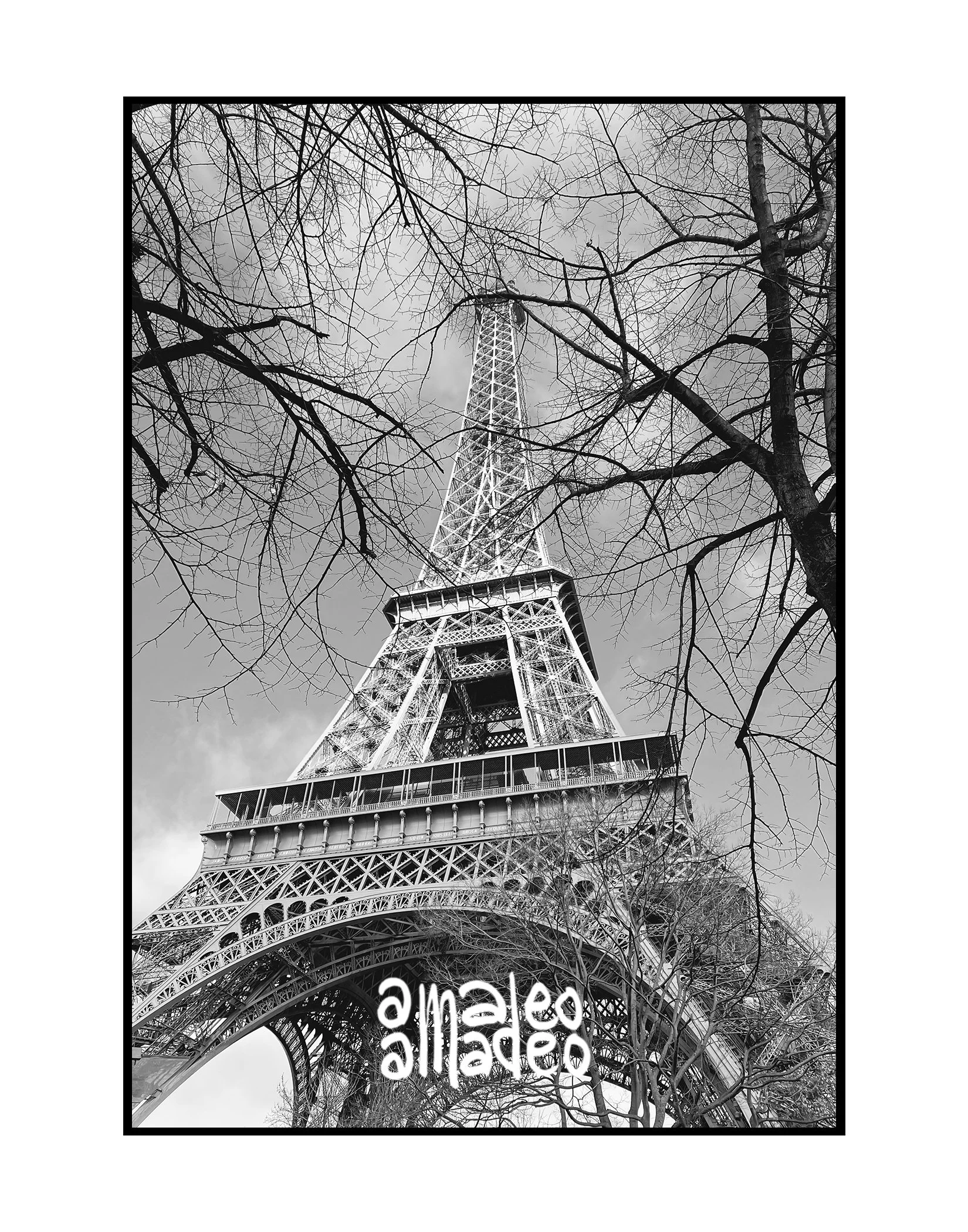
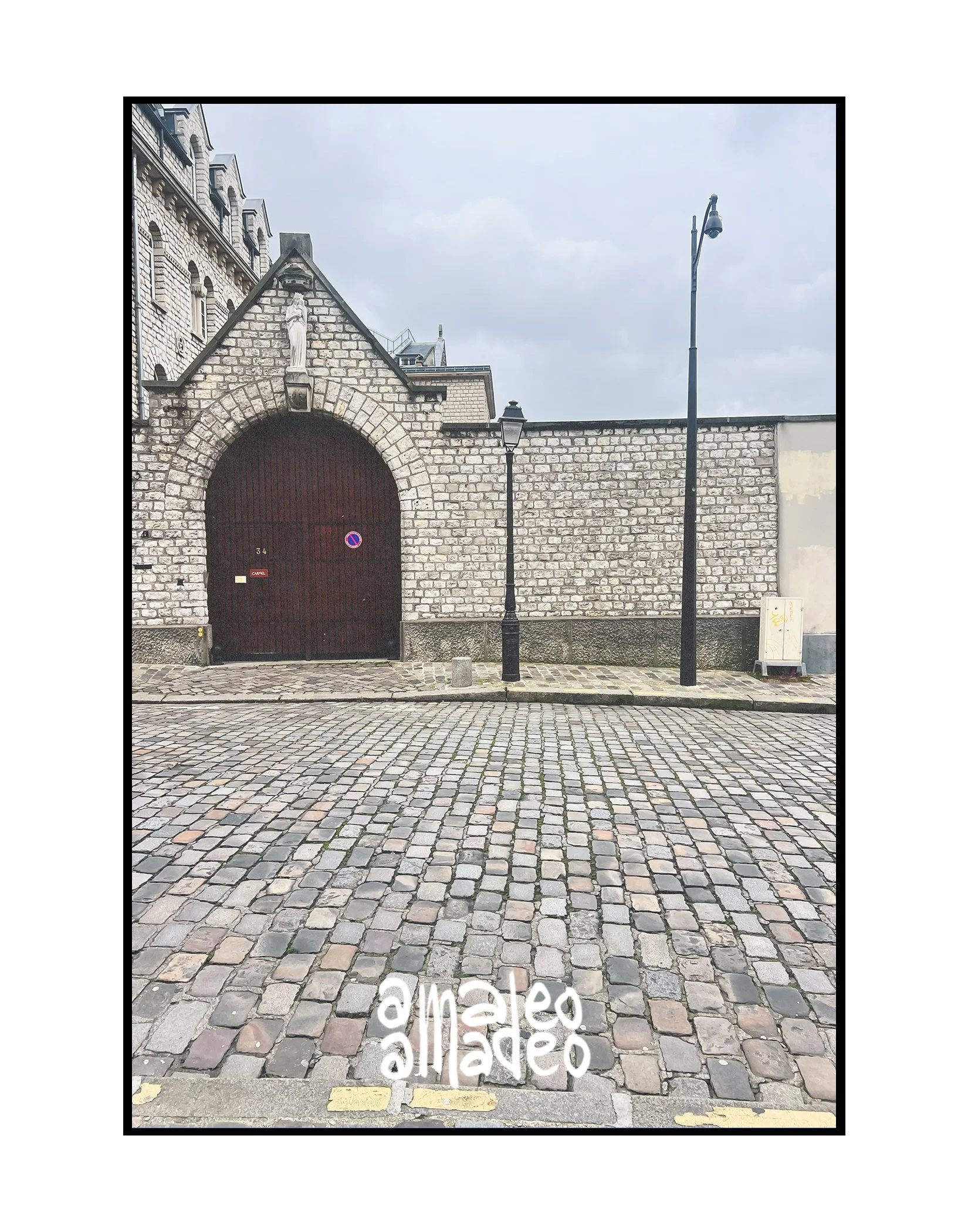
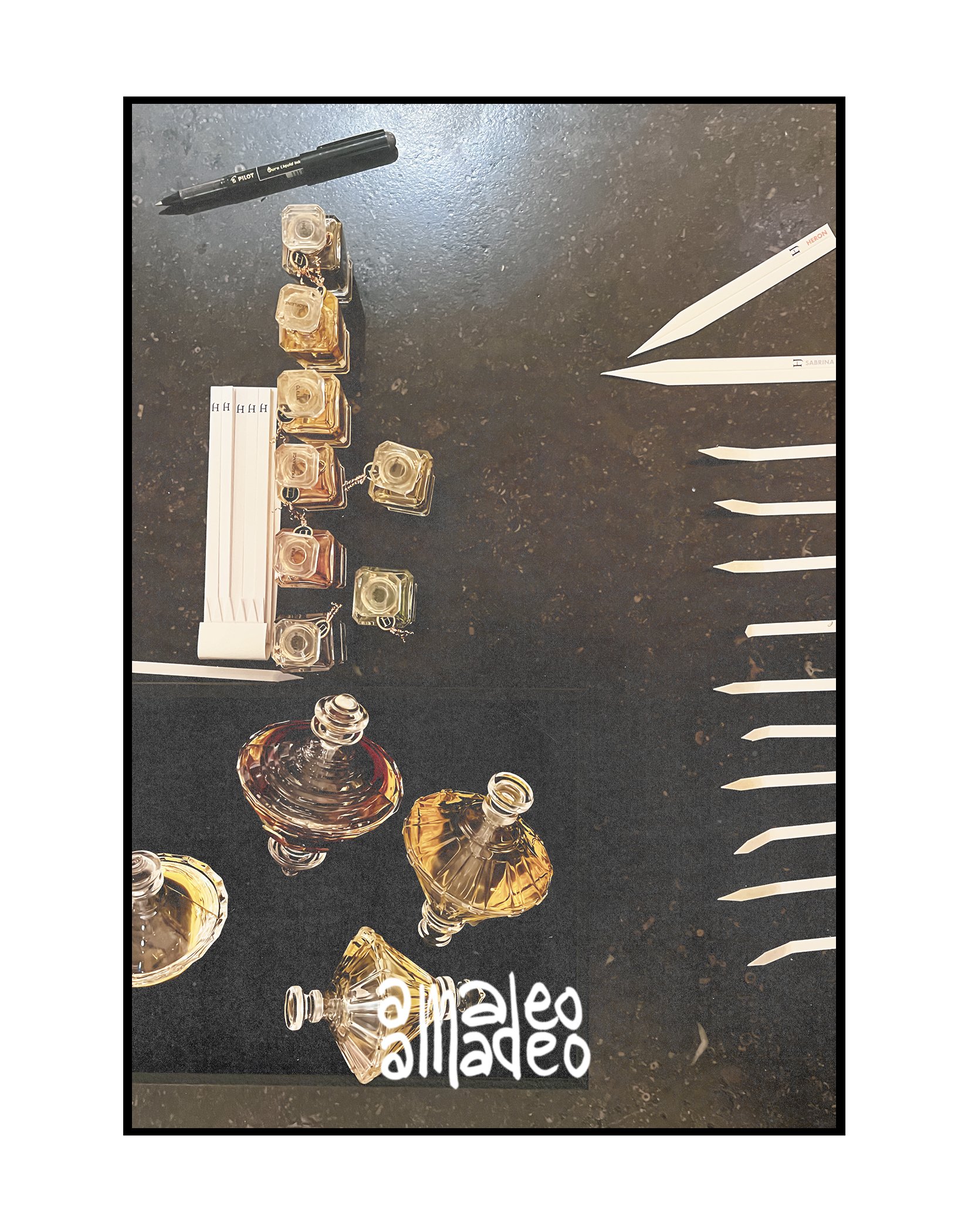
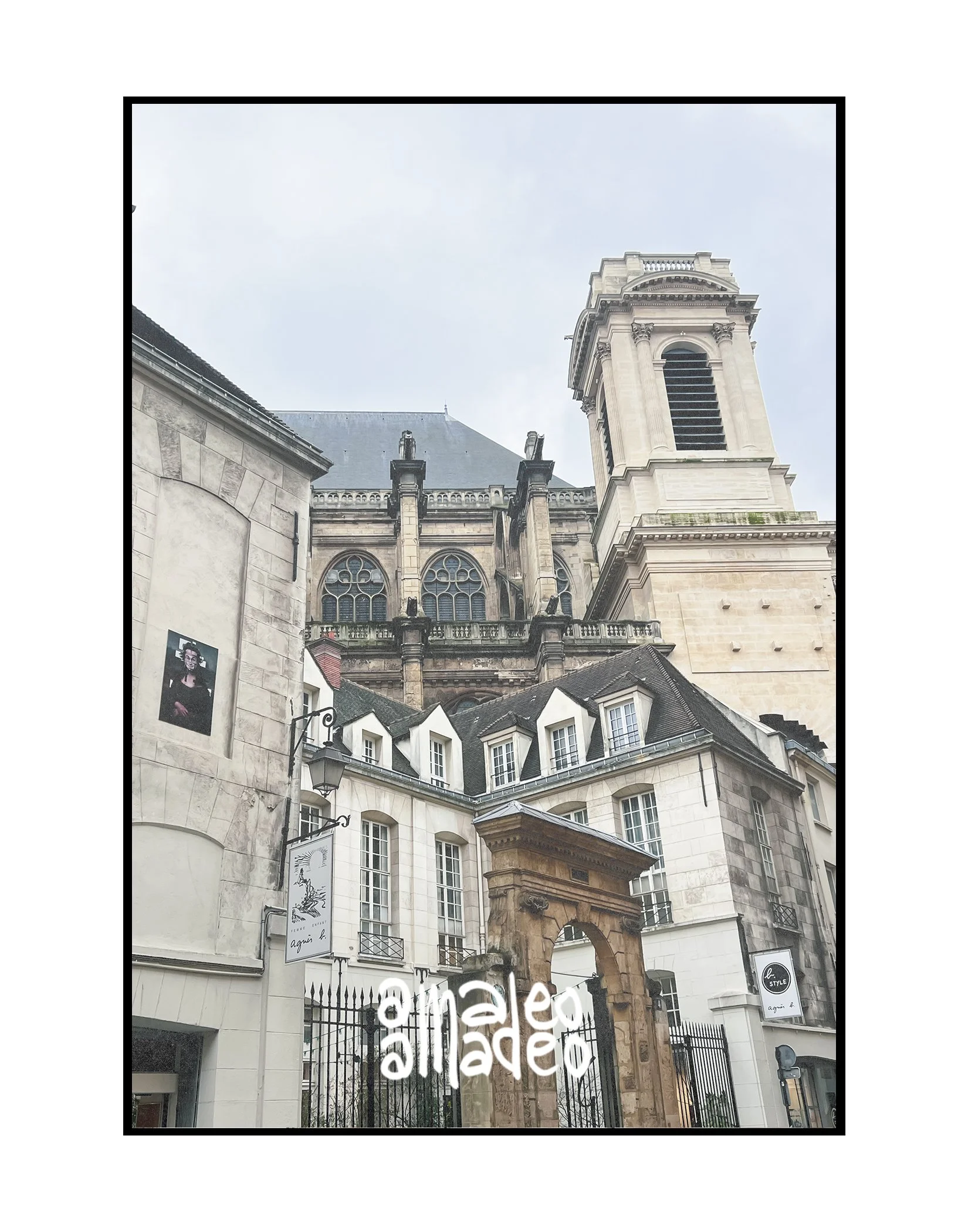
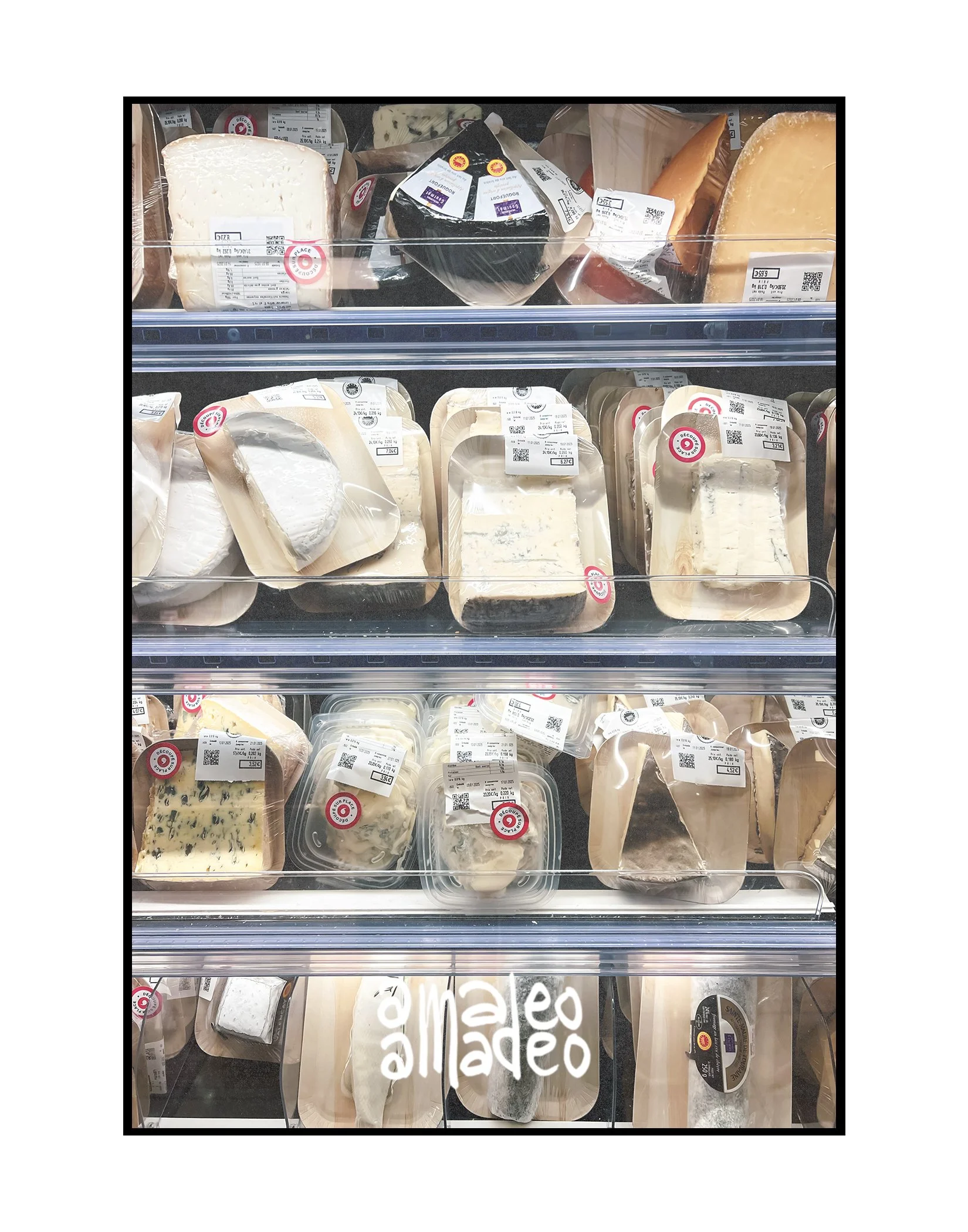
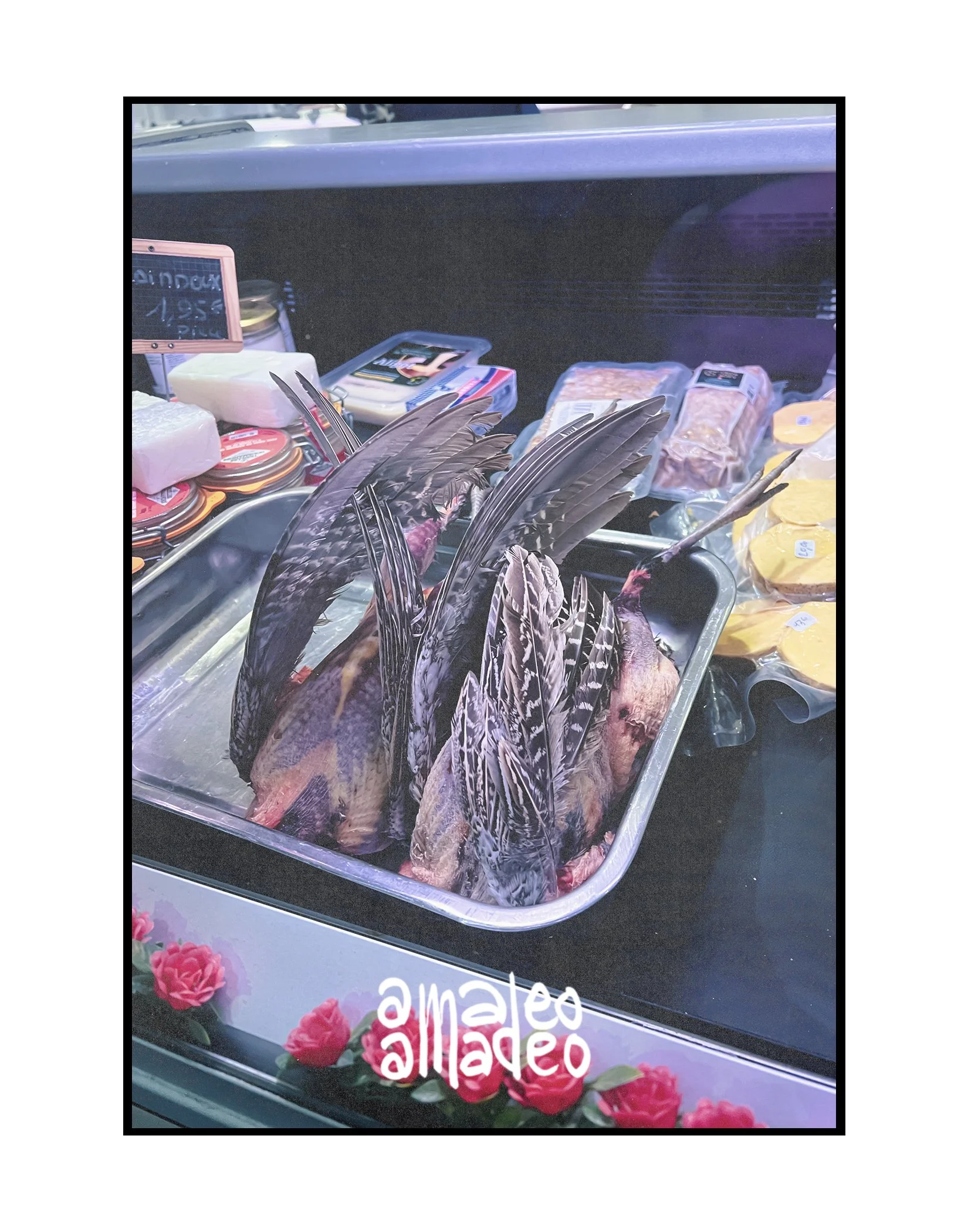
When I was in Paris, my mornings were always slow. I would wake up with the sun and leave before the city was fully awake. There was something special about experiencing Paris during its preparation. Before the cafés filled, before the shops opened, before the streets became busy.
The city was getting ready for the day.
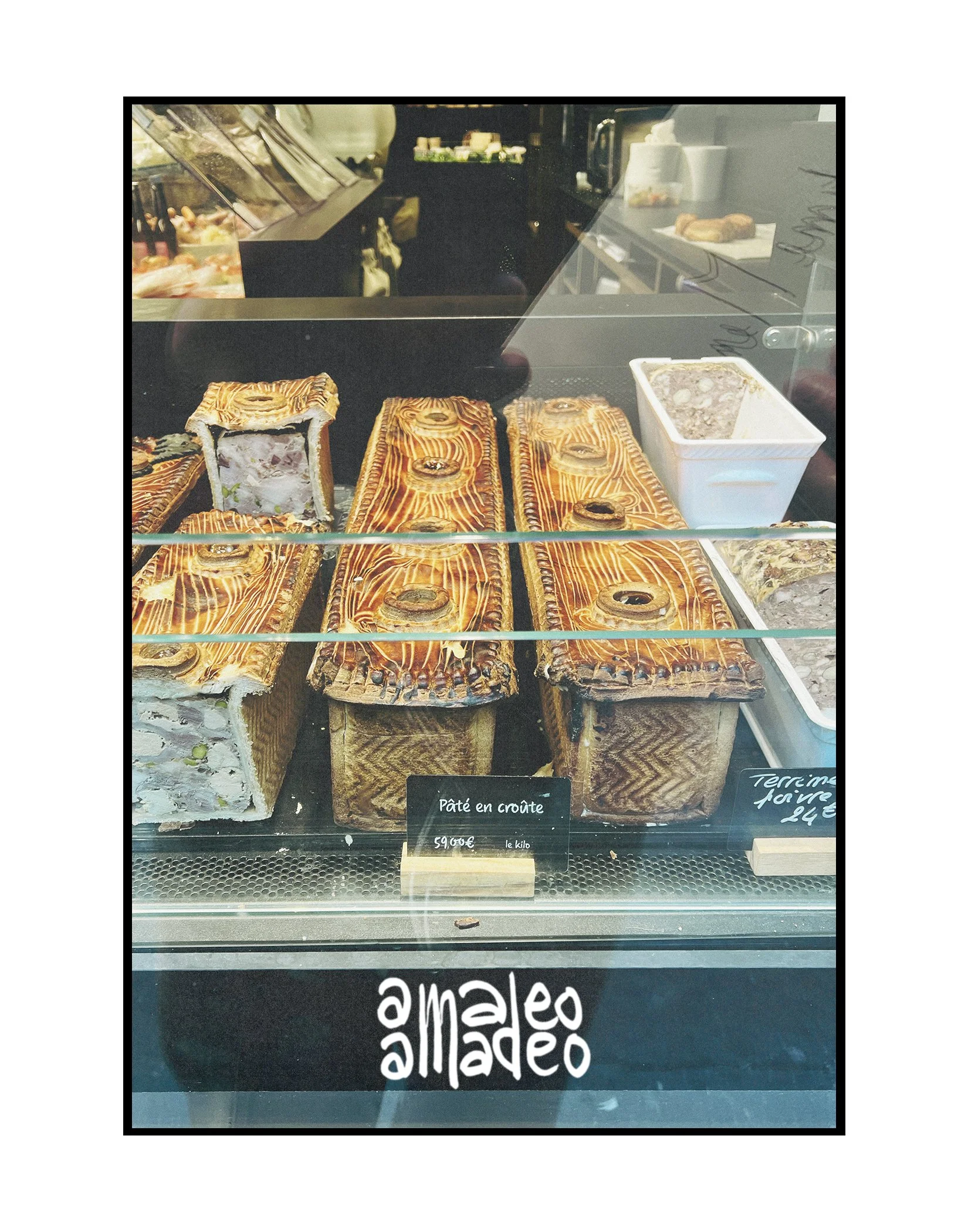
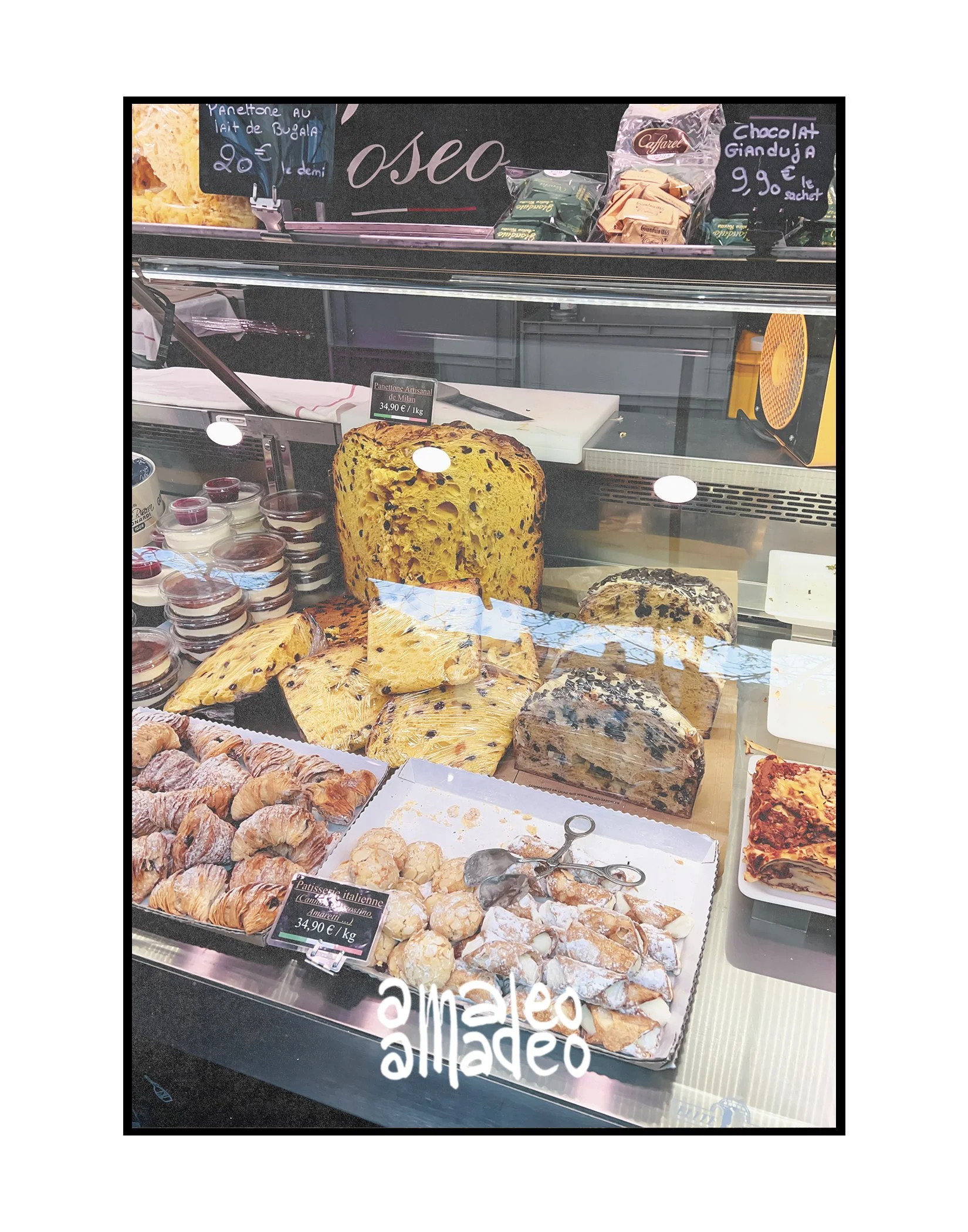
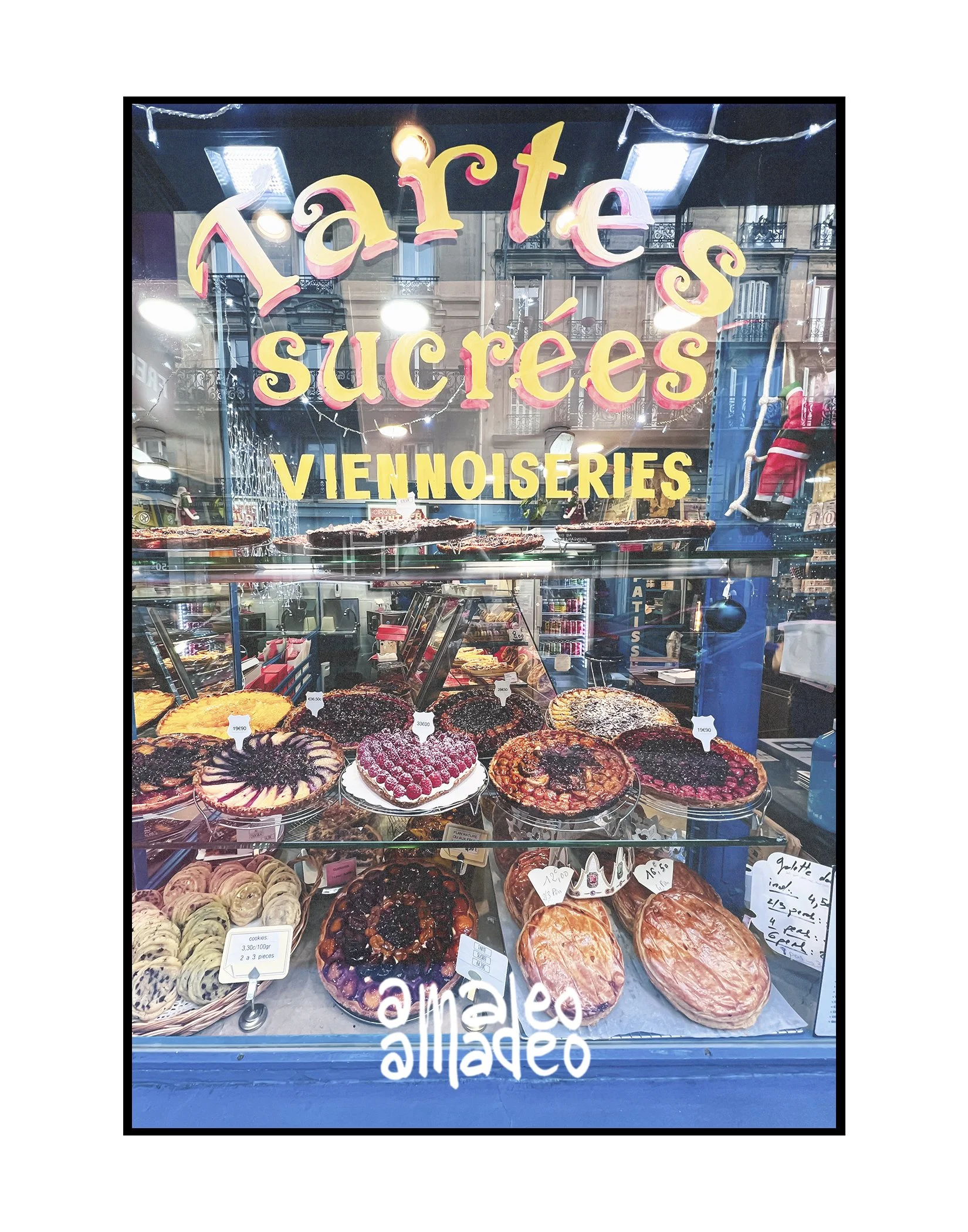
I would walk through the arrondissements and witness these tiny rituals taking place around me. Bakers preparing croissants and pastries for the morning rush. The smell of warm butter drifting from open doors. Florists bringing out buckets overflowing with mimosa flowers. Antique dealers sweeping the thresholds of their shops. A cigarette lit in the quiet of an empty street.
The French morning was coming alive.
What fascinated me most was how ordinary it all seemed to the people living it. These small actions were simply part of their routine, yet together they created an atmosphere that felt luxurious beyond anything money could buy.
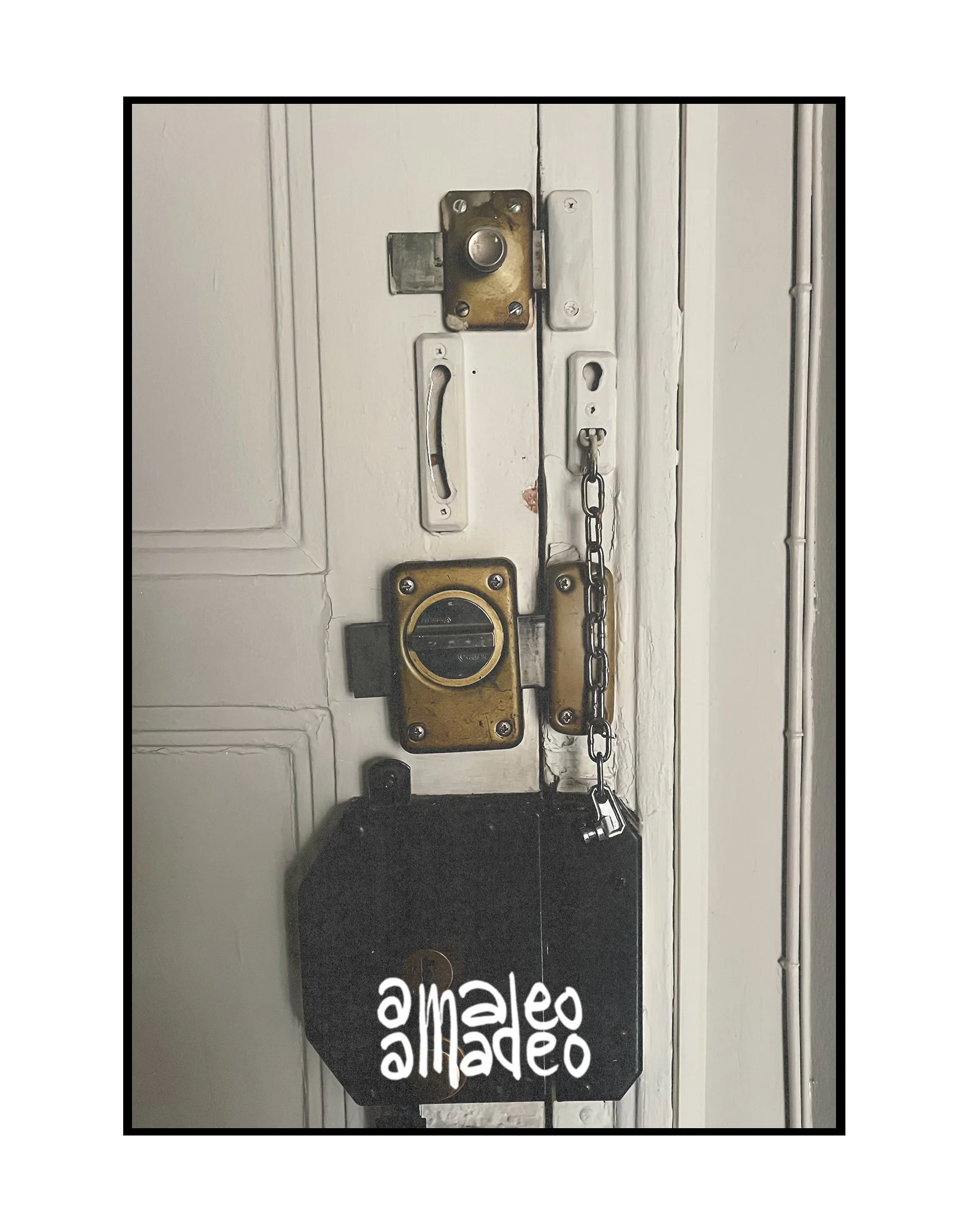
One morning, I passed a man wearing a floor-length fur coat. Under one arm he carried a baguette. Between his fingers was a cigarette. In his other hand, a bouquet of flowers. As he hurried across the street he jumped over a puddle, splashing the bottom of his coat in the process.
I remember laughing to myself.
The abundance of that single moment felt almost cinematic.
Bread.
Flowers.
Smoke.
Rain.
Fur.
A city waking up.
He was probably just running errands, yet somehow it felt impossibly elegant.
That image stayed with me long after I returned home.
For months I found myself thinking about those walks and the idea that luxury often exists in places we overlook. Not in grand gestures, but in everyday experiences. The smell coming from a bakery. The first cigarette of the morning. Flowers being unloaded from a truck before sunrise.
I wanted to create something that captured that feeling.
The result became demi-beurre.
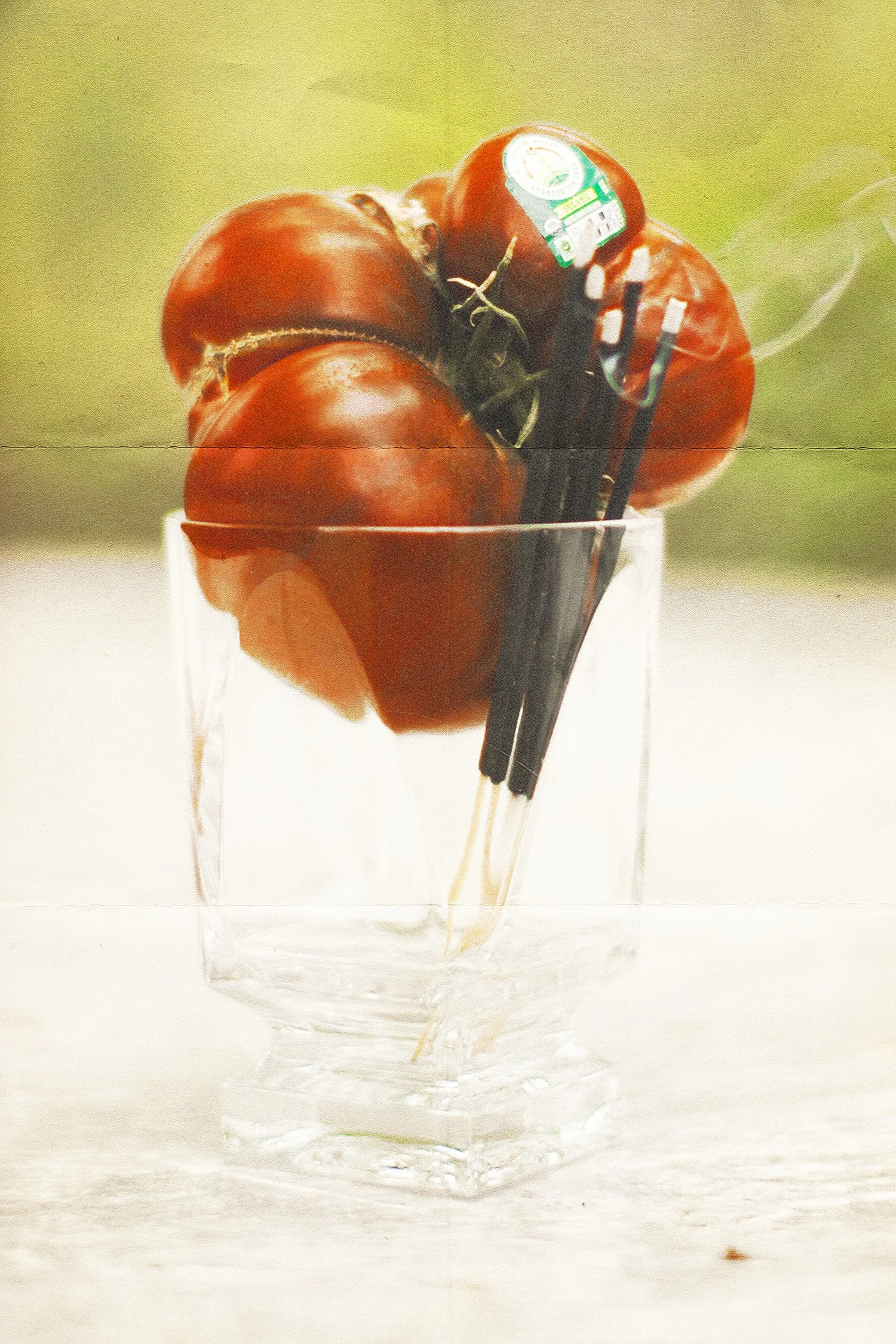
Built around notes of butter, tobacco, and mimosa flower, this limited-release incense is my attempt to package one of those mornings and bring it into the home. The warmth of freshly baked pastries. The distant trace of cigarette smoke. The brightness of flowers waiting to be arranged.
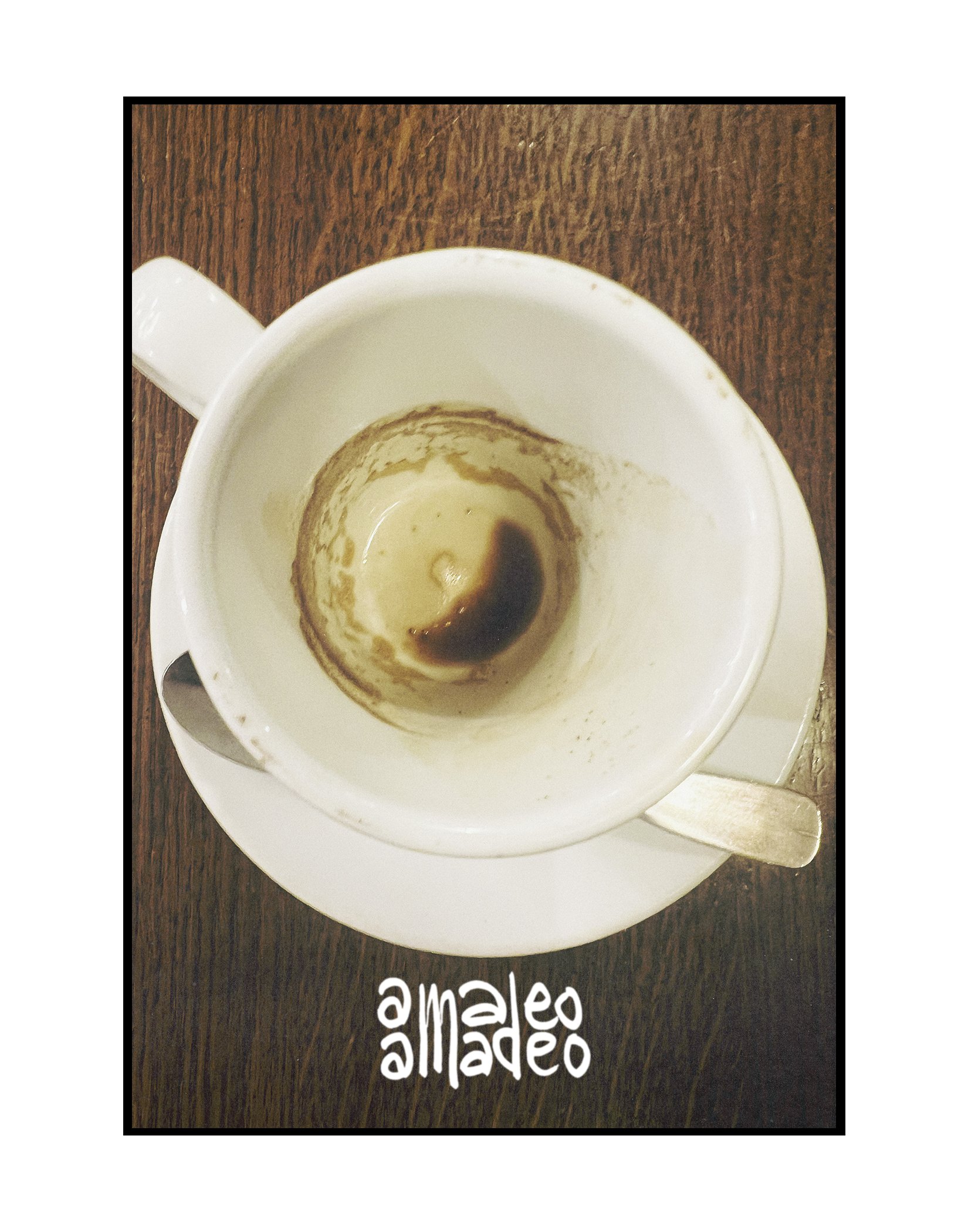
I imagine lighting one while making coffee before the rest of the house wakes up.
I imagine lighting one while reading the newspaper on a Sunday morning.
I imagine lighting one while opening the windows on the first warm day of spring.
Most of all, I imagine lighting one when you want to slow down and appreciate the small things happening around you.
The things that create an experience before we even realize they are there.
This is the first limited release incense from amadeo amadeo and a project that has been quietly developing for quite some time. I am excited to finally share it.
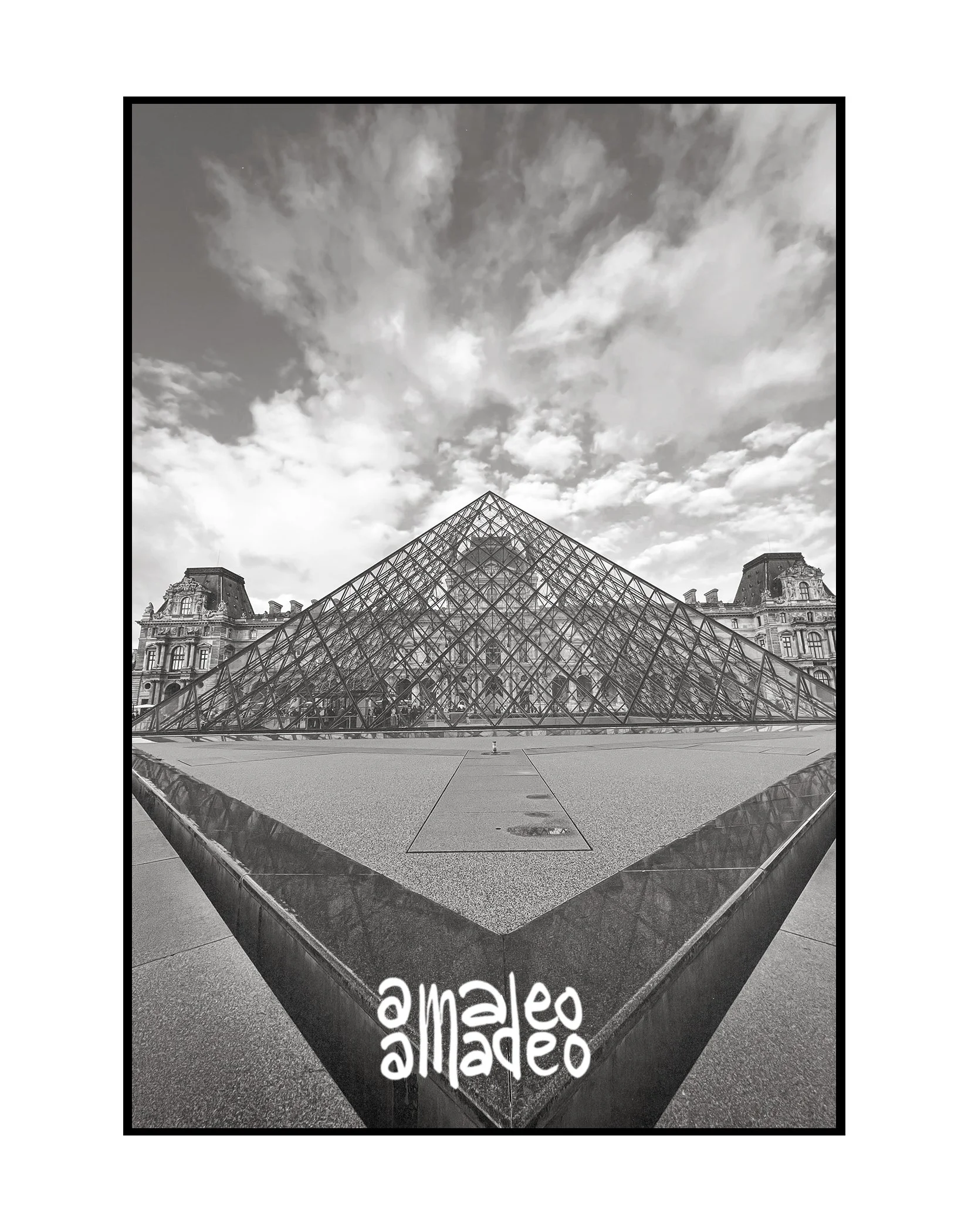
Over the next few weeks I will be sharing photographs from Paris alongside the packaging and development of the incense. Before its release, I would love to hear your thoughts and feedback. The scents I create are often built from memories, but they only become complete once they begin creating memories for someone else.
demi-beurre will be released in a limited quantity in approximately 3–4 weeks.
I can't wait for you to experience it.
Nocturne in the Garden
There are certain evenings that do not feel like they are happening in real time. They feel arranged. Suspended. As if every object, scent, sound, and gesture has been placed inside a small spell.
The first gathering by amadeo amadeo
There are certain evenings that do not feel like they are happening in real time. They feel arranged. Suspended. As if every object, scent, sound, and gesture has been placed inside a small spell.
Nocturne in the Garden was the first gathering by amadeo amadeo created to bring together art, scent, curation, food, drink, and atmosphere. A small evening in the backyard, surrounded by trees, spring growth, and soft green light, became a way to show what the brand is slowly becoming: not only a collection of objects, but a world built through feeling.
The idea was simple at first. Three paintings. Three incense scents. One garden.
But simplicity, when treated carefully, can become its own kind of fantasy.
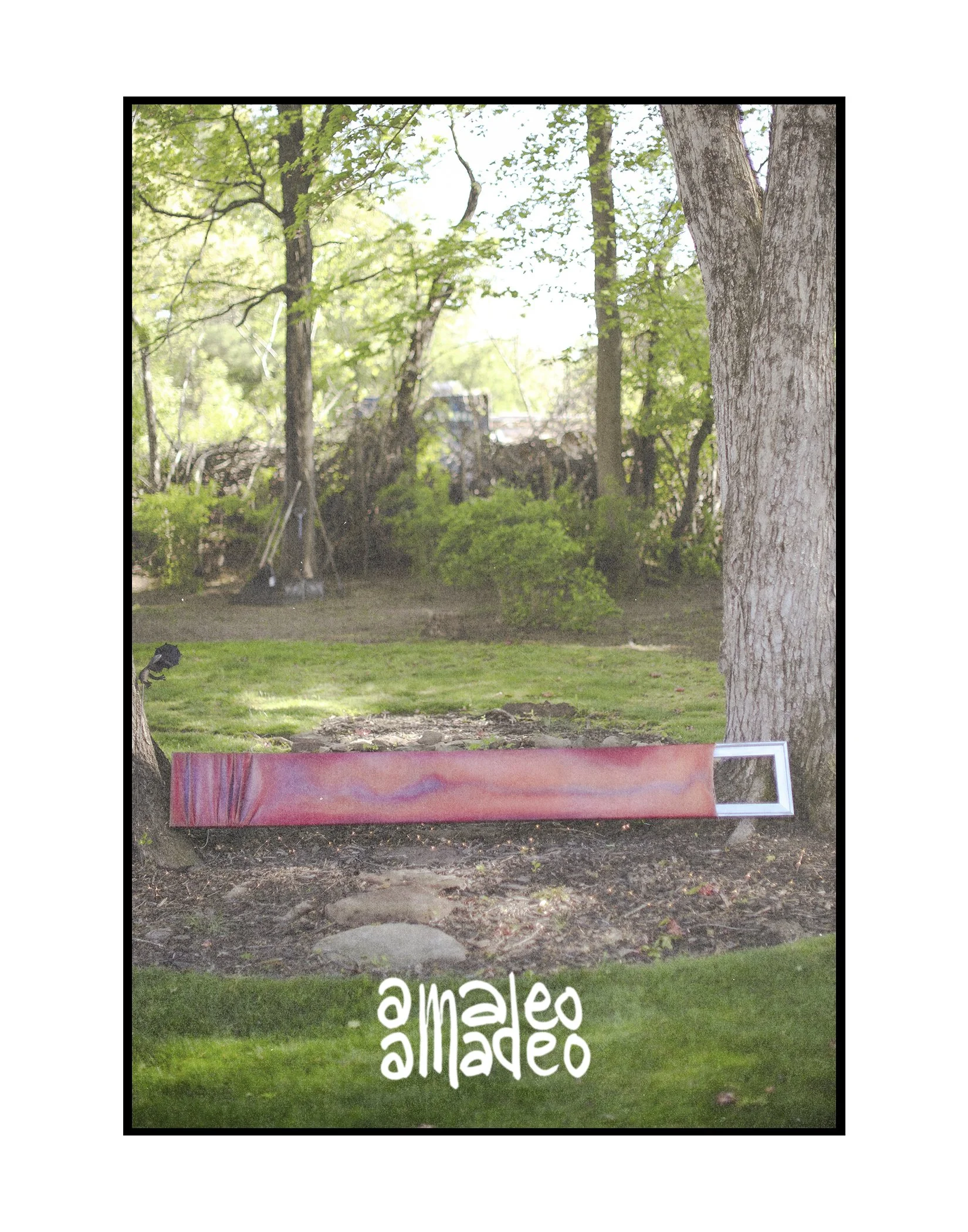
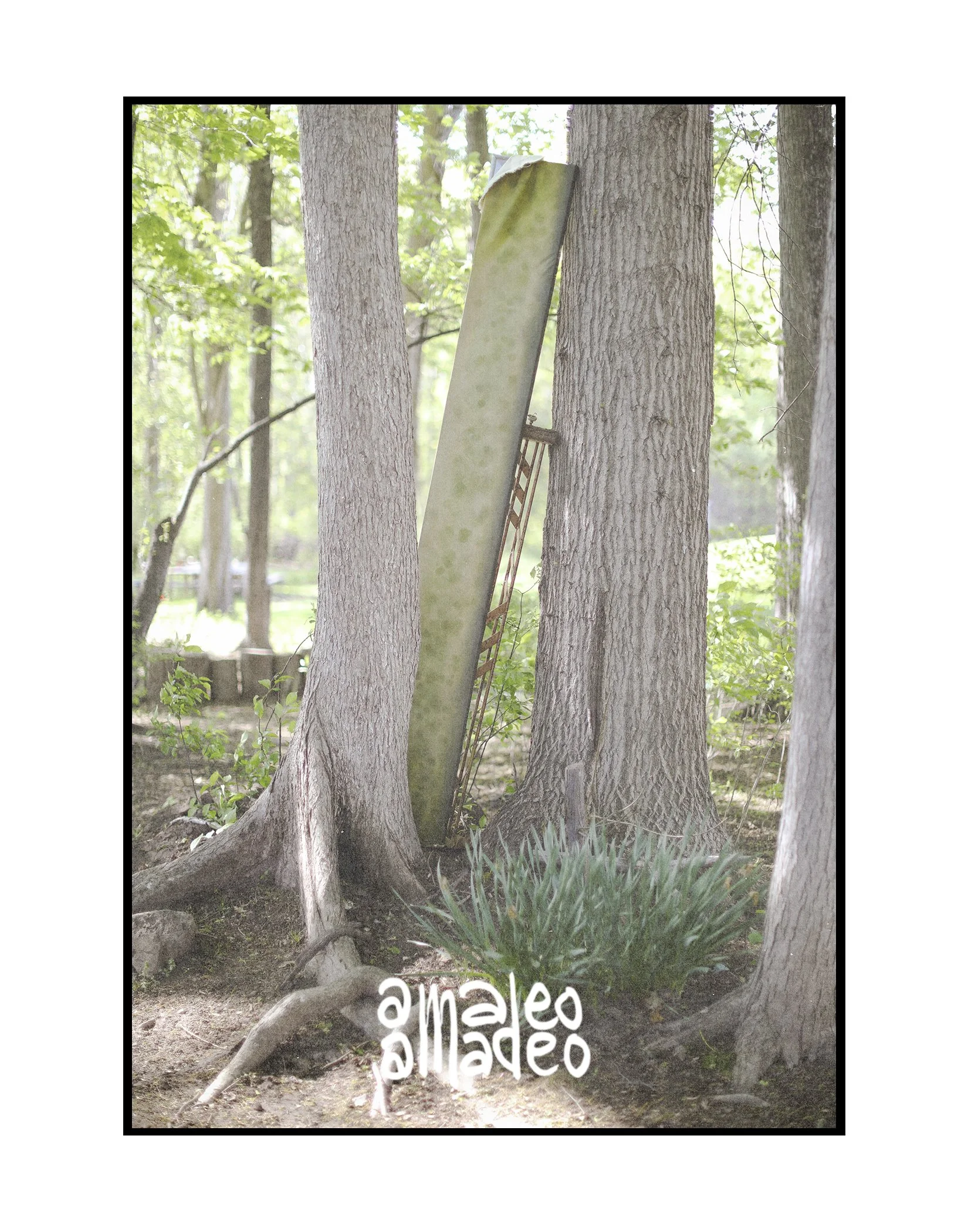
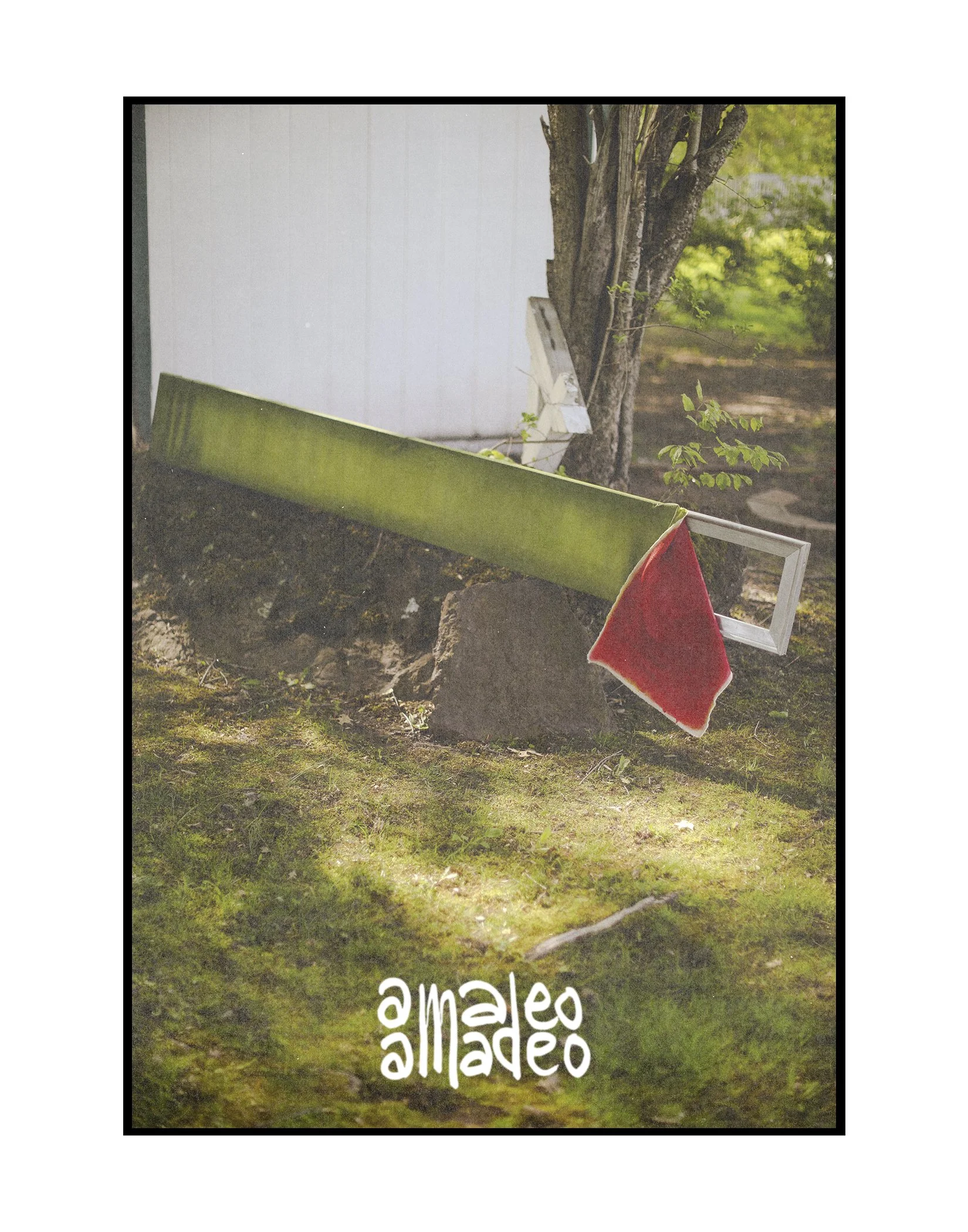
The three paintings were placed throughout the lawn and trees as if they had grown there. Each one measured nearly eight feet long and only twelve inches high, a strange and narrow proportion that made them feel less like traditional paintings and more like fragments, relics, banners, or architectural remains. They leaned into the landscape, slipped between trunks, and stretched across the grass with the quiet confidence of something planted there long before anyone arrived.
Each painting was created as a synesthetic translation of one of the three house incense scents of amadeo amadeo: Rose and Clove, Geranium and Slate, and Frankincense and Tomato Leaf.
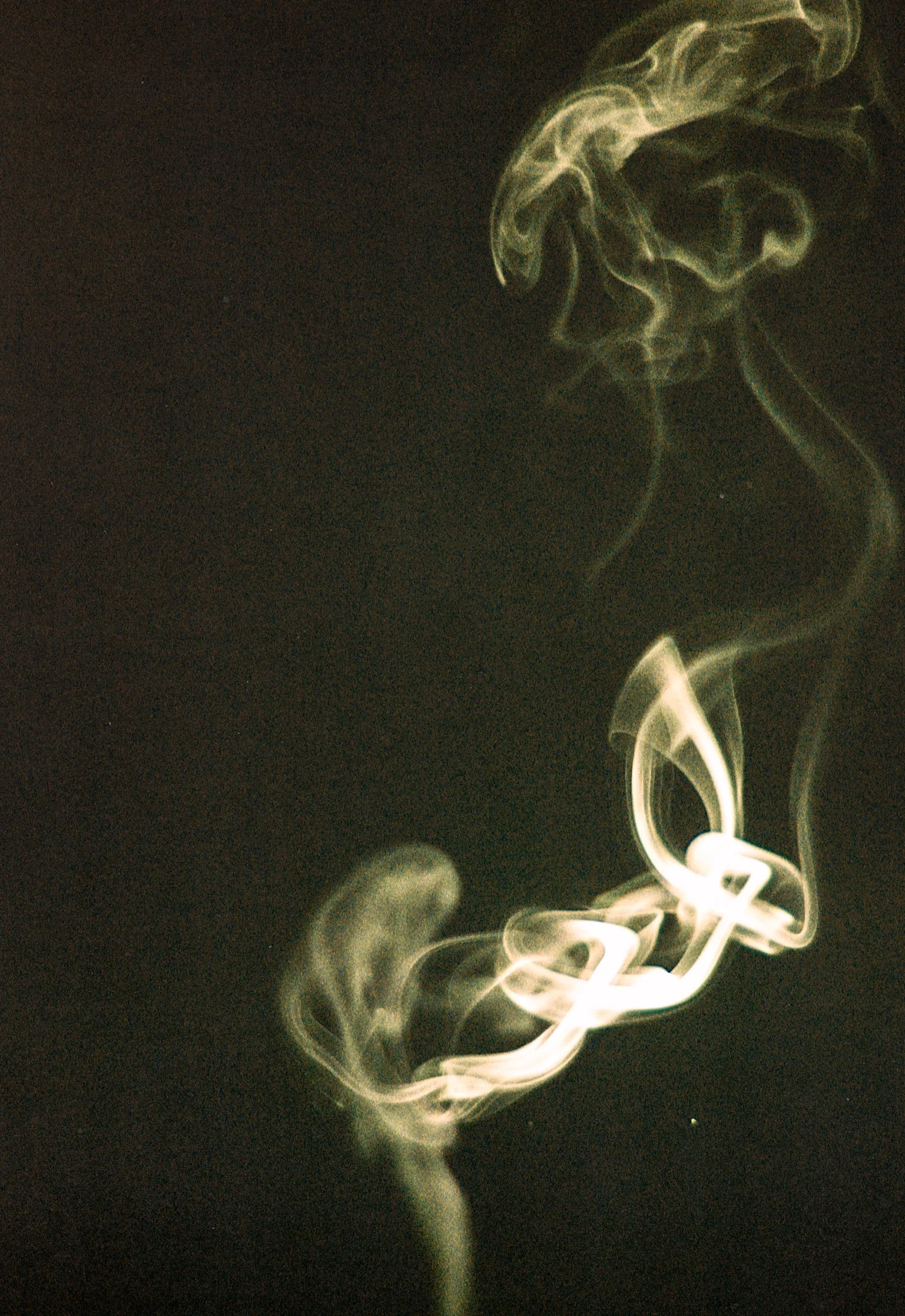
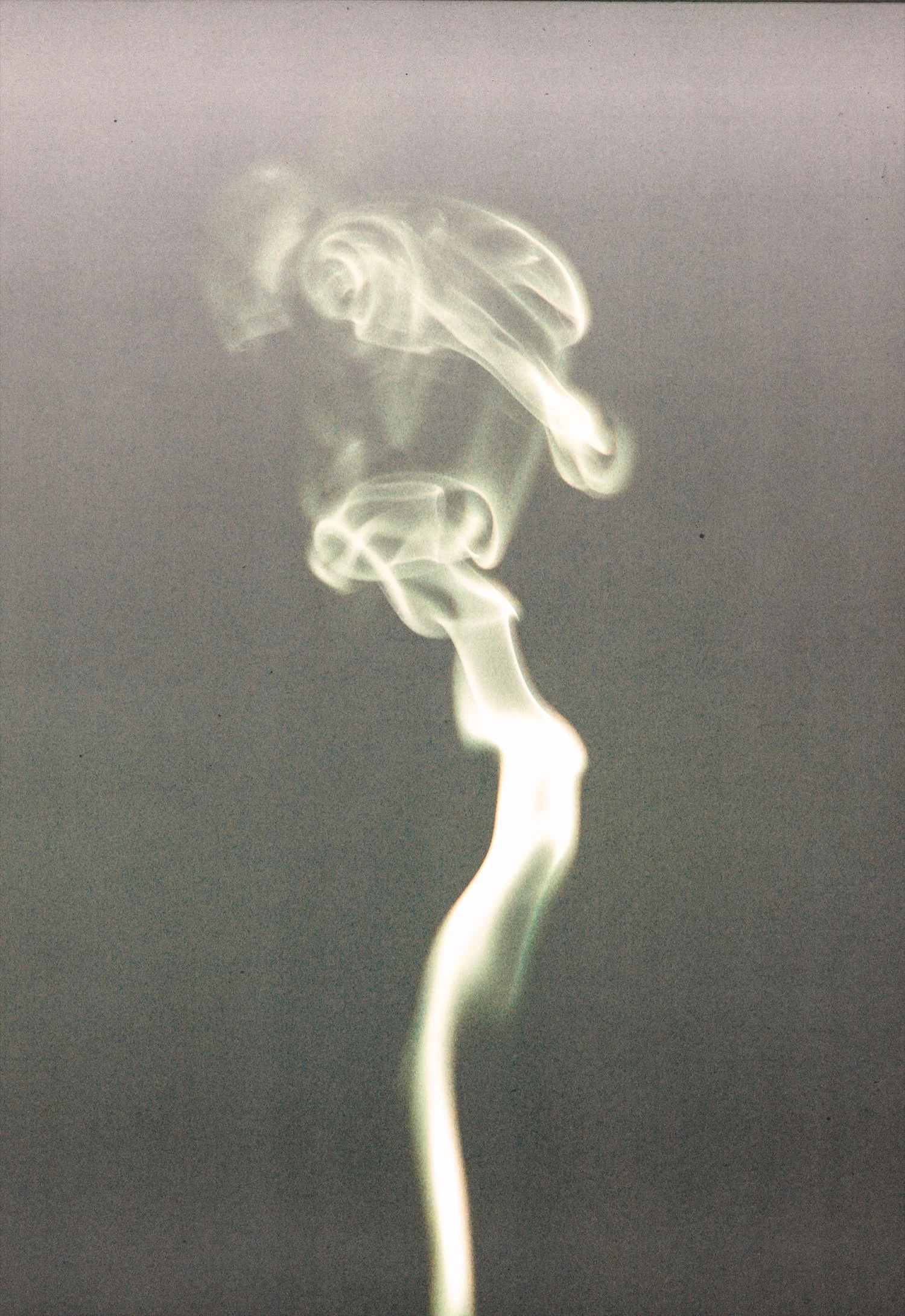
I wanted to understand what these scents might look like if they stopped being smoke and became color. What does rose become when it is not a flower, but a surface? What does clove look like when it darkens the edge of a painting? Can geranium become green without becoming literal? Can slate become texture? Can tomato leaf turn into something sharp, wet, and alive? Can frankincense stretch itself into a pale, sacred haze?
The paintings became answers without needing to explain themselves.
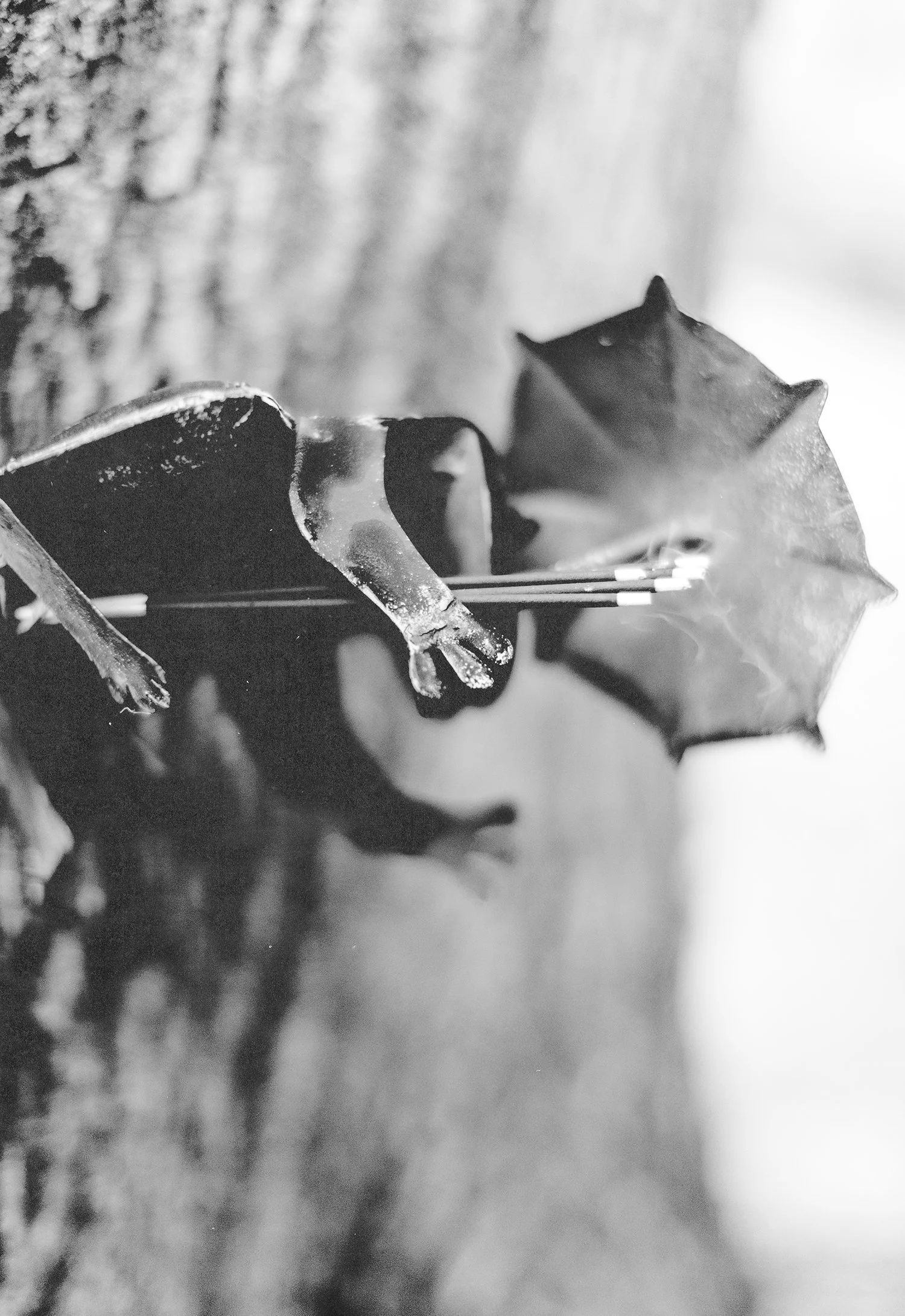
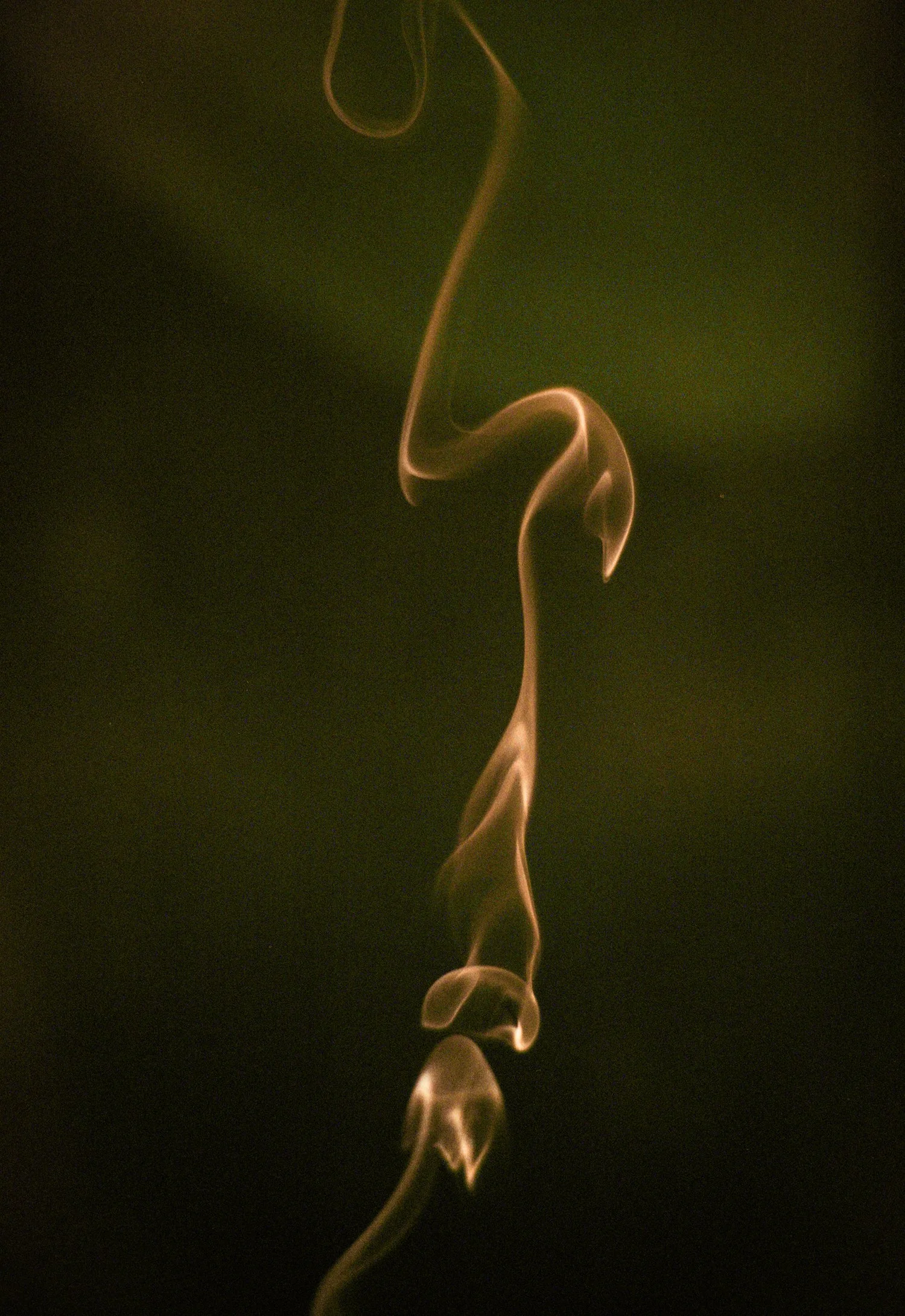
Near each painting, its corresponding incense burned in the grass. The smoke moved differently depending on the air, sometimes rising straight upward, sometimes bending into the trees, sometimes disappearing entirely. The paintings were not just being viewed. They were being scented. The lawn became a kind of open-air gallery where the work could be seen, smelled, and walked around. It was not about separating the senses. It was about letting them interrupt each other.
That is where amadeo amadeo feels most alive.
A visual object does not have to remain only visual. A scent does not have to stay invisible. Food can become sculpture. A drink can become an object. A backyard can become a stage. Domestic life can go beautifully rogue.
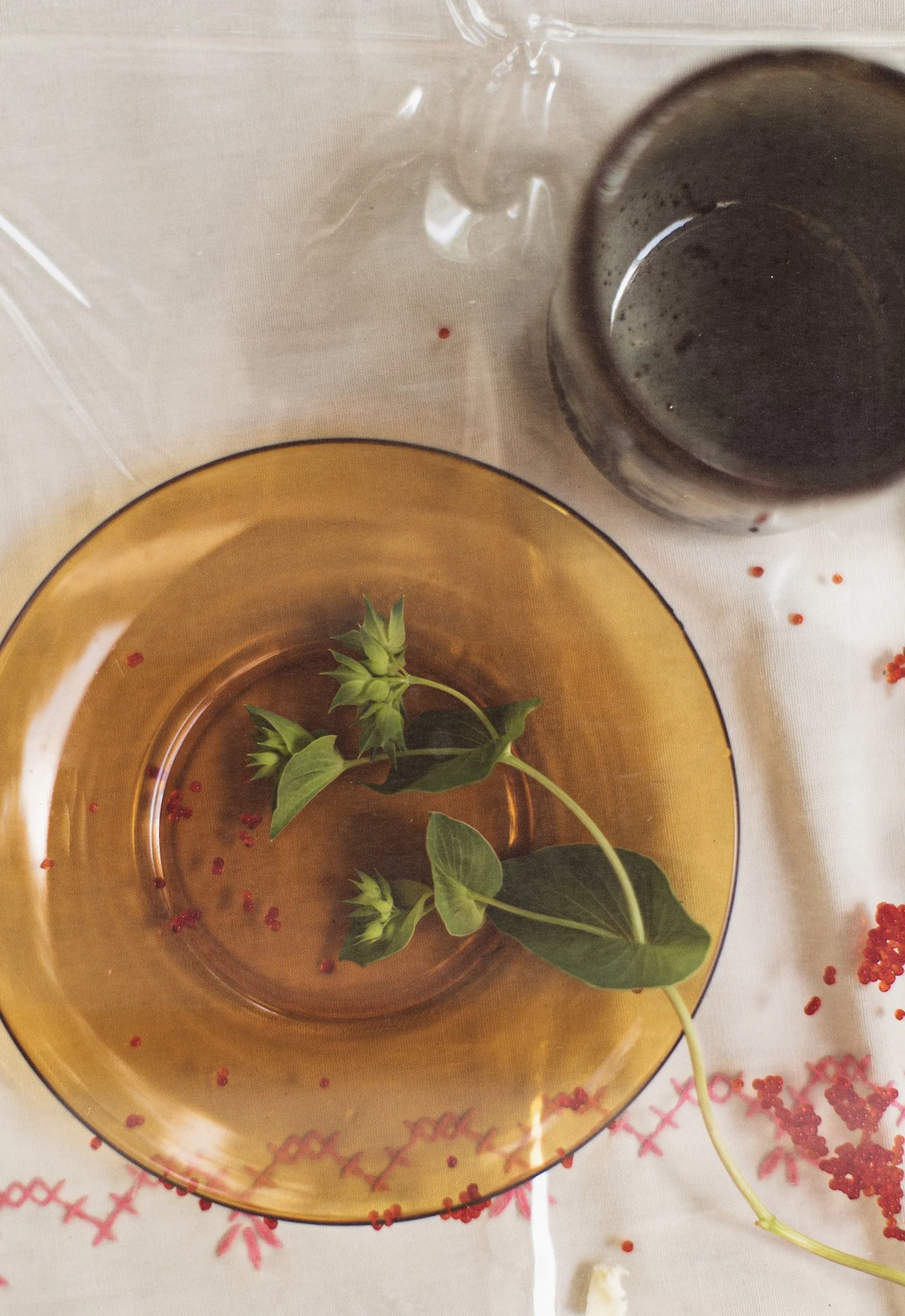
For the evening, I wanted the food and cocktail to feel just as considered as the paintings. Not catering. Not a board. Not a drink station. Something closer to a still life that had started misbehaving.
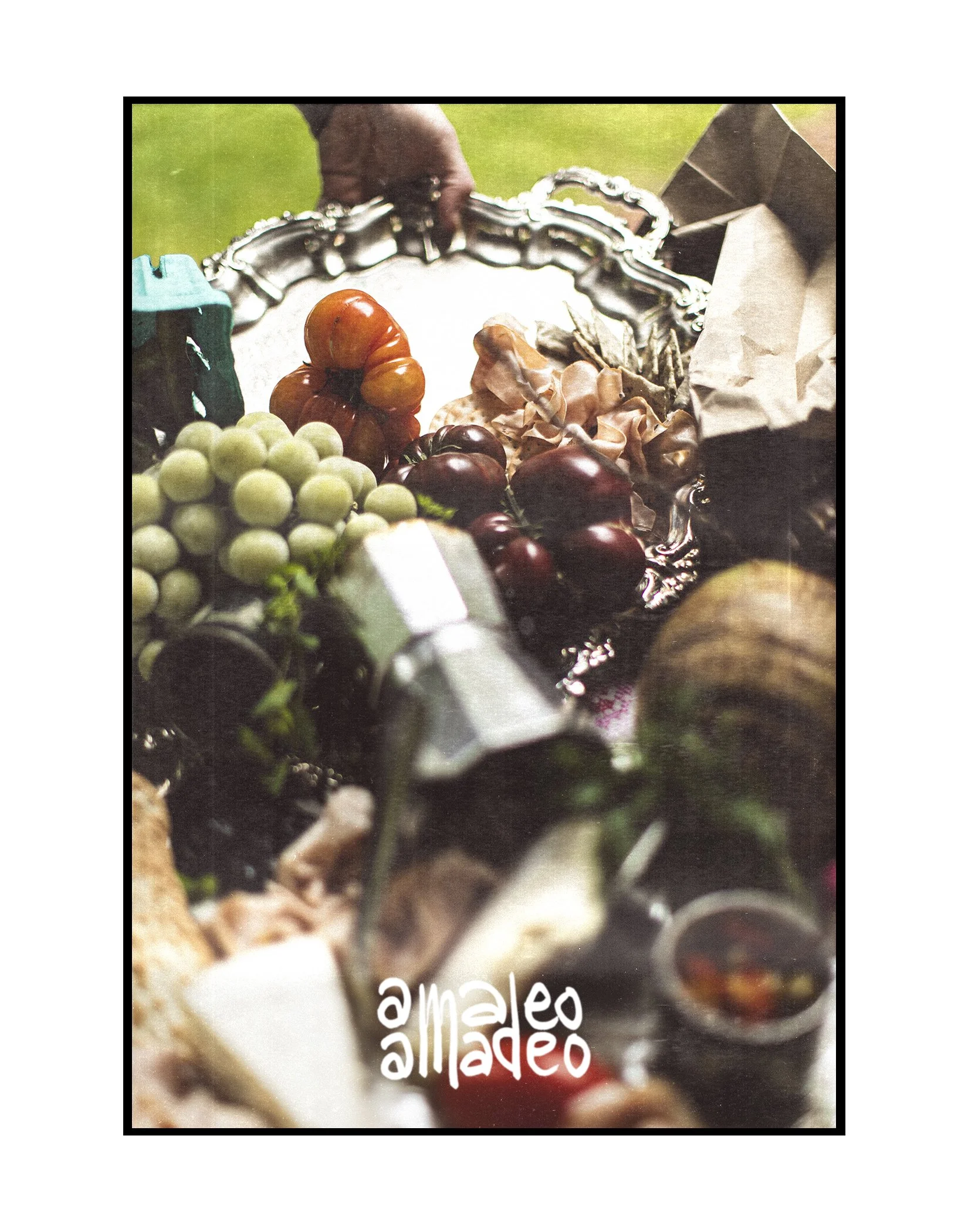
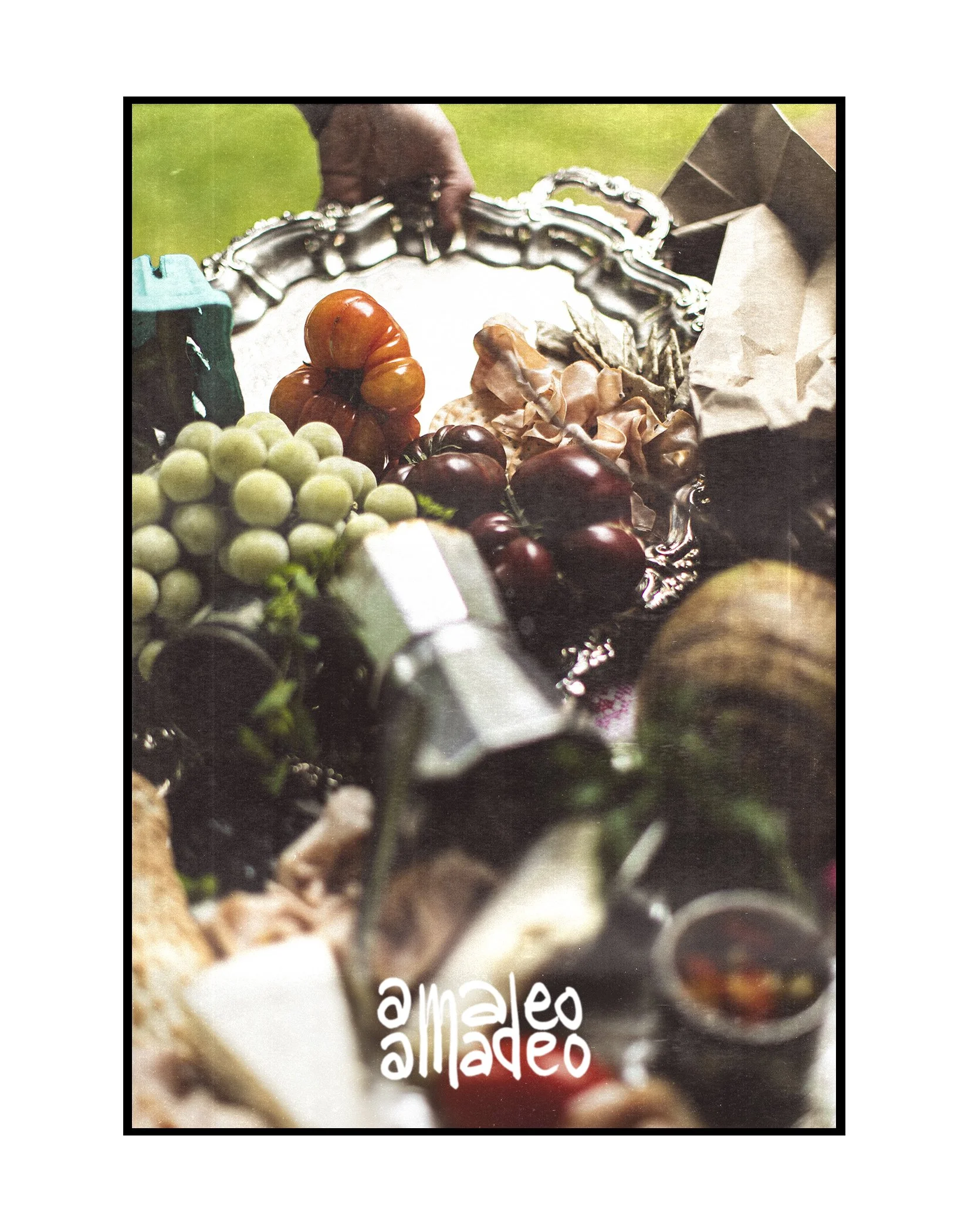
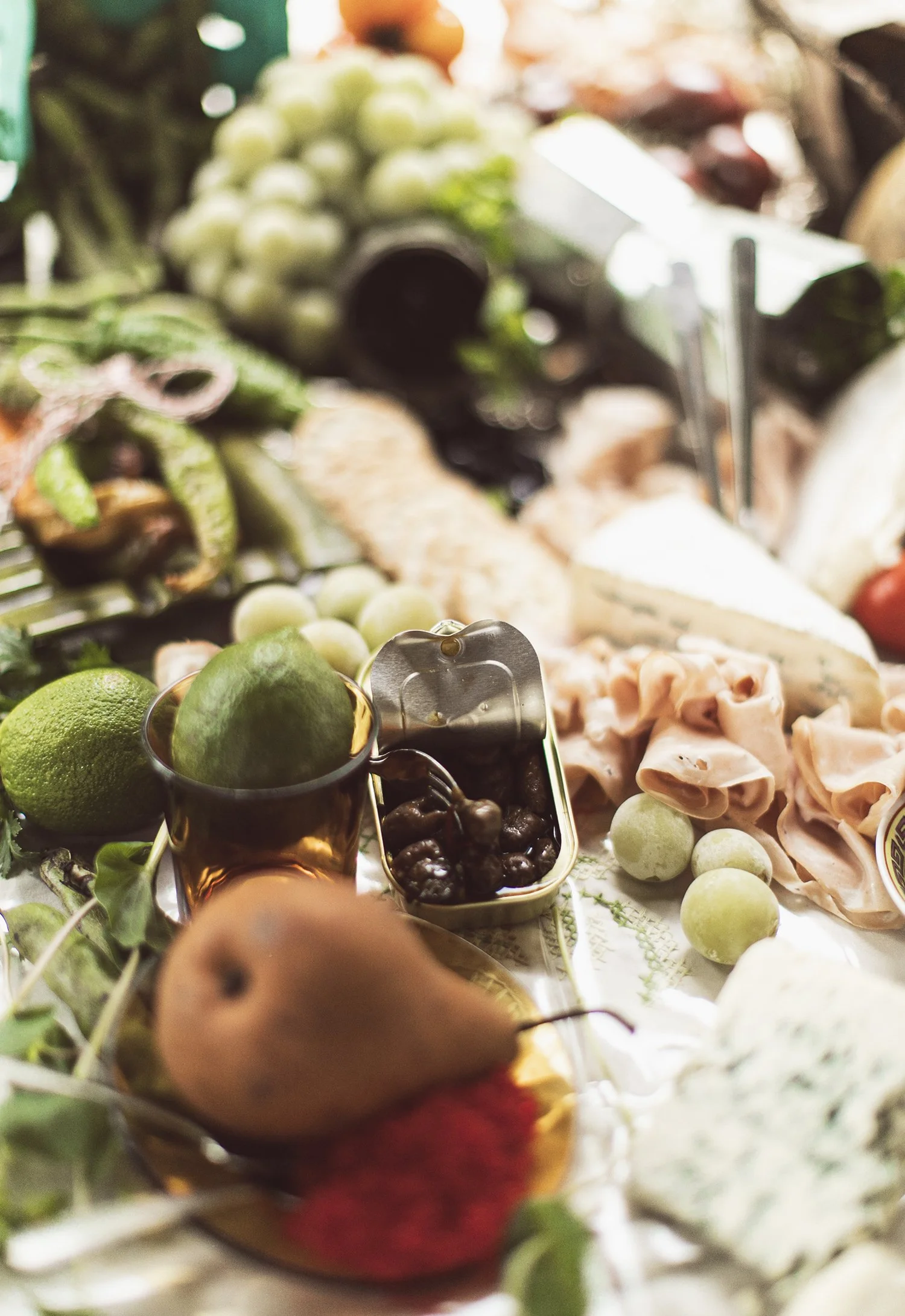
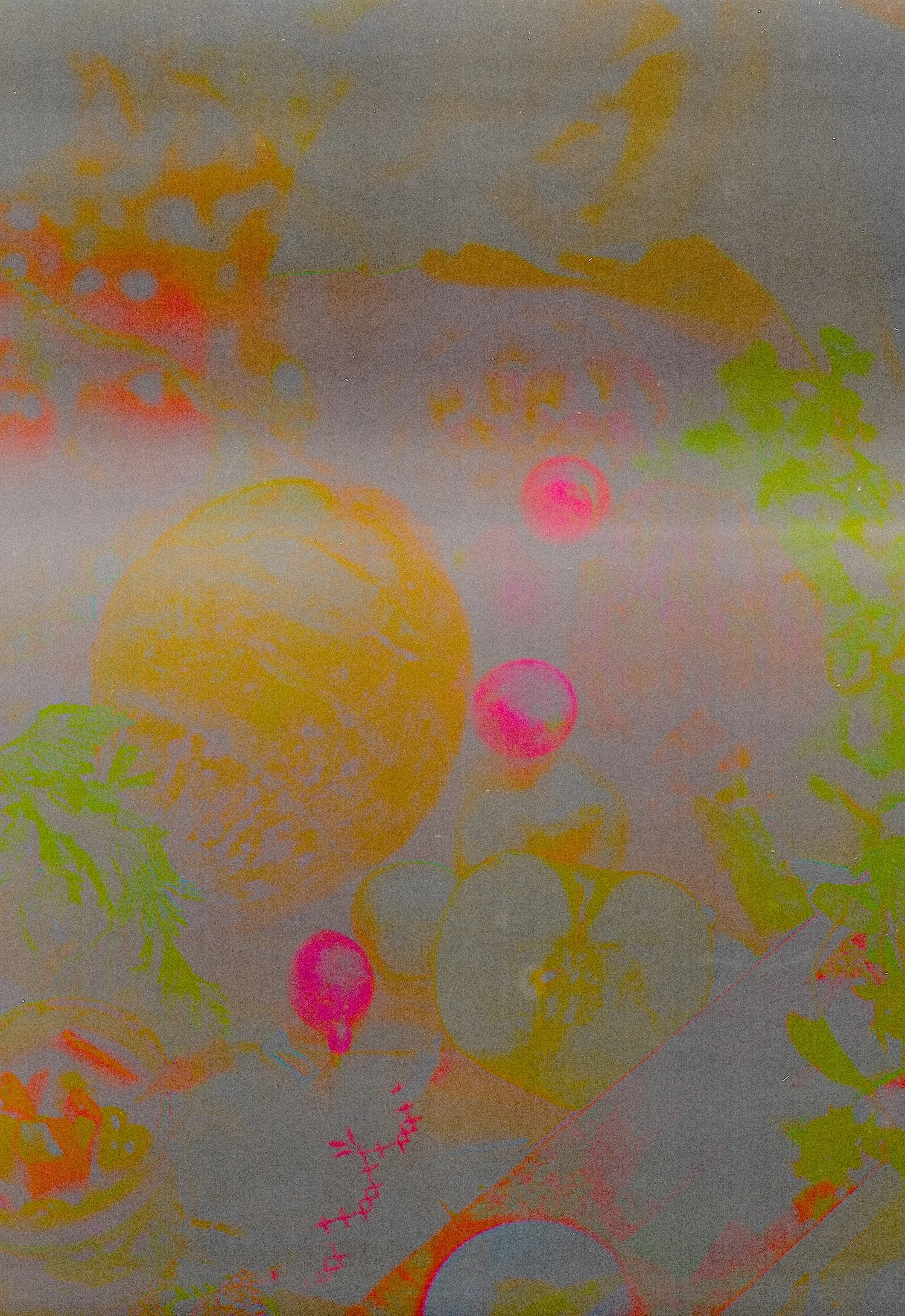
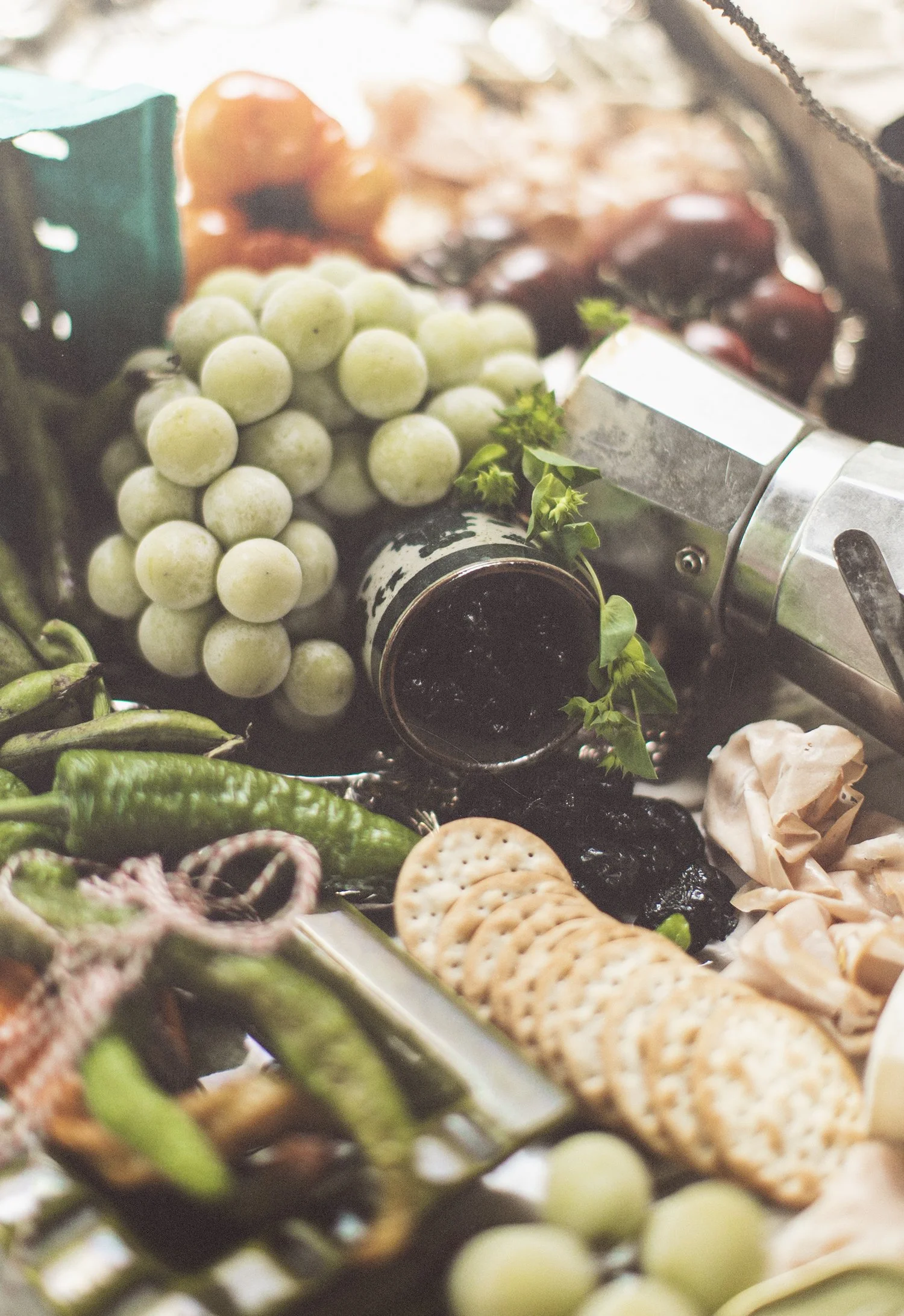
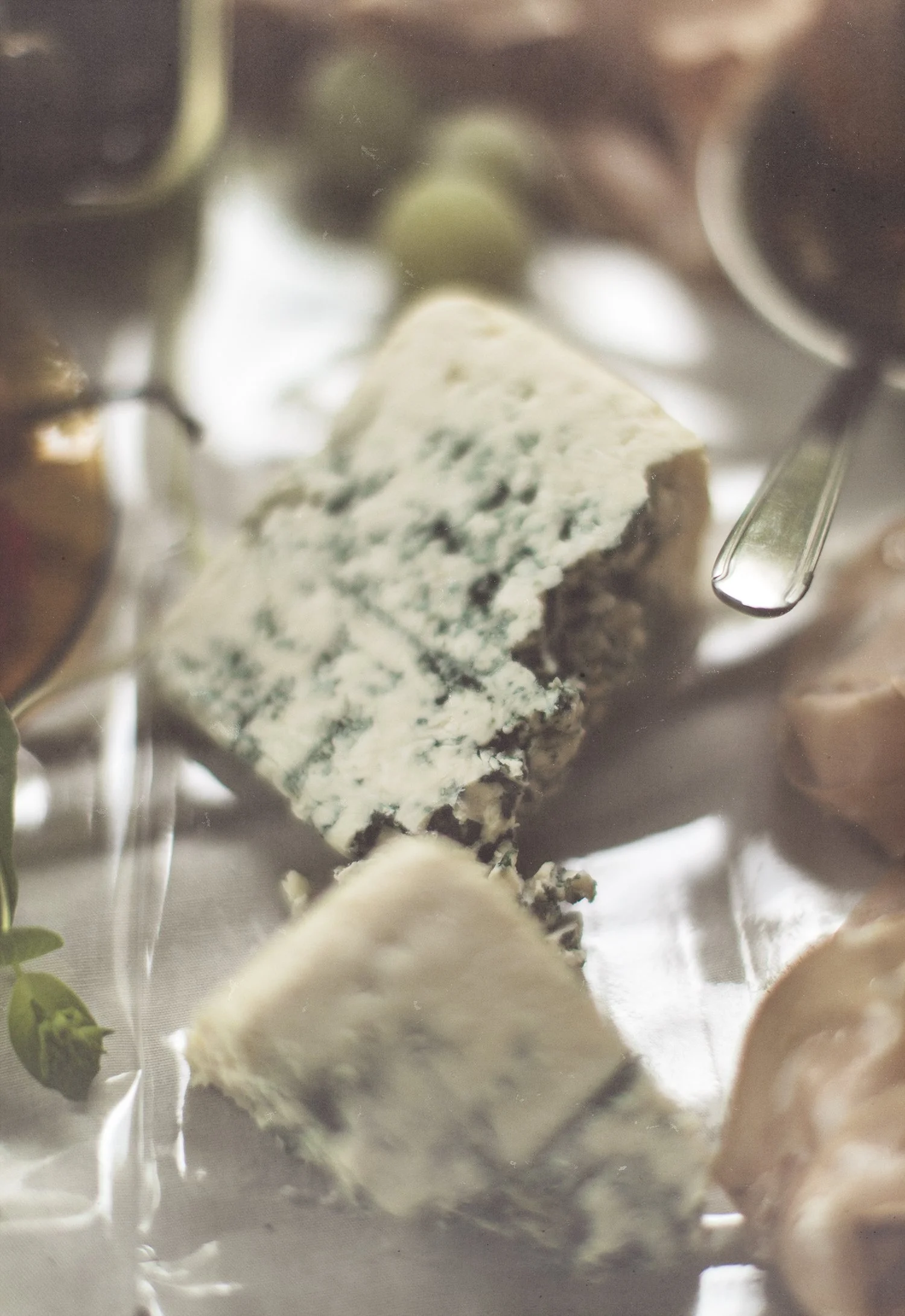
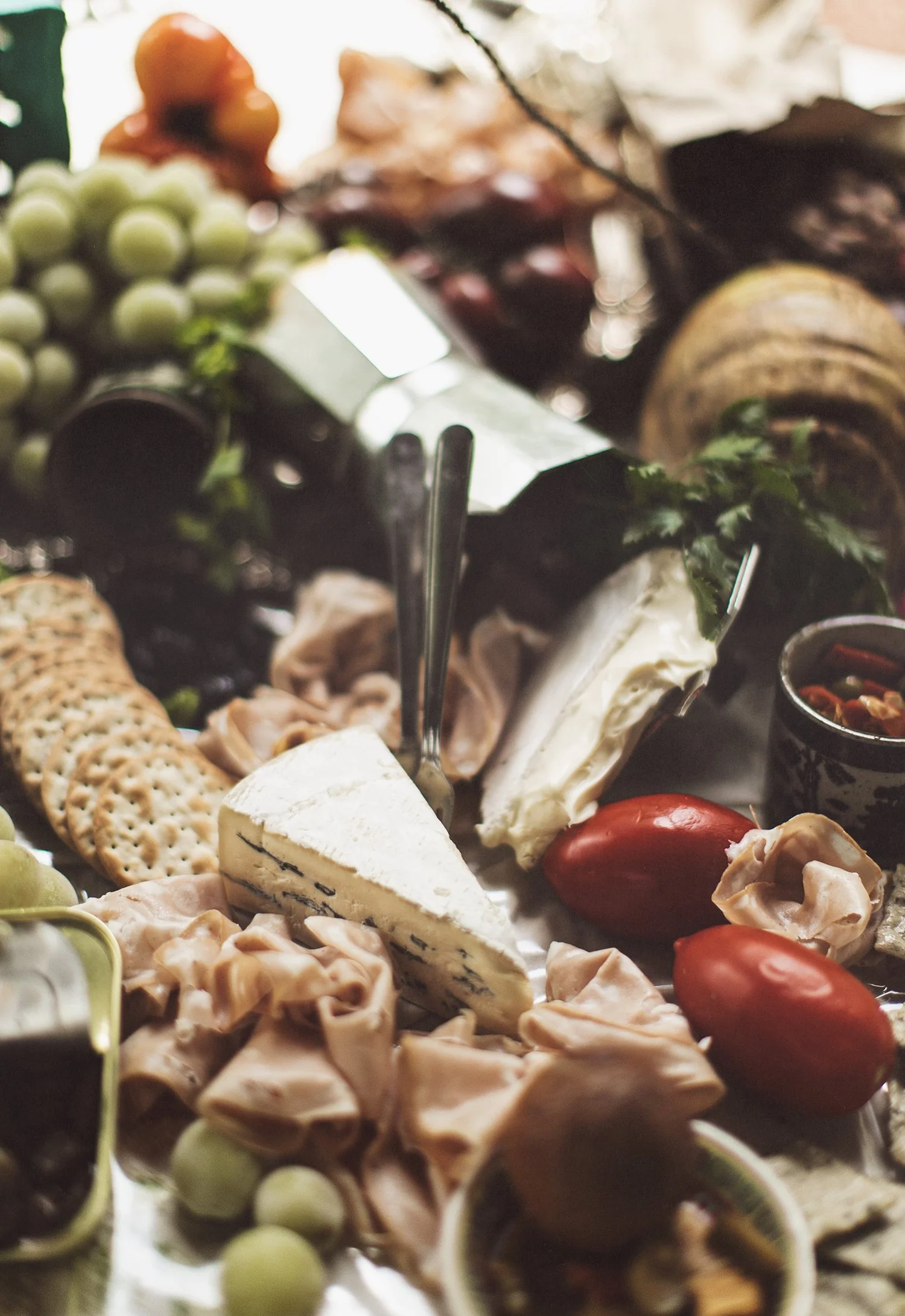
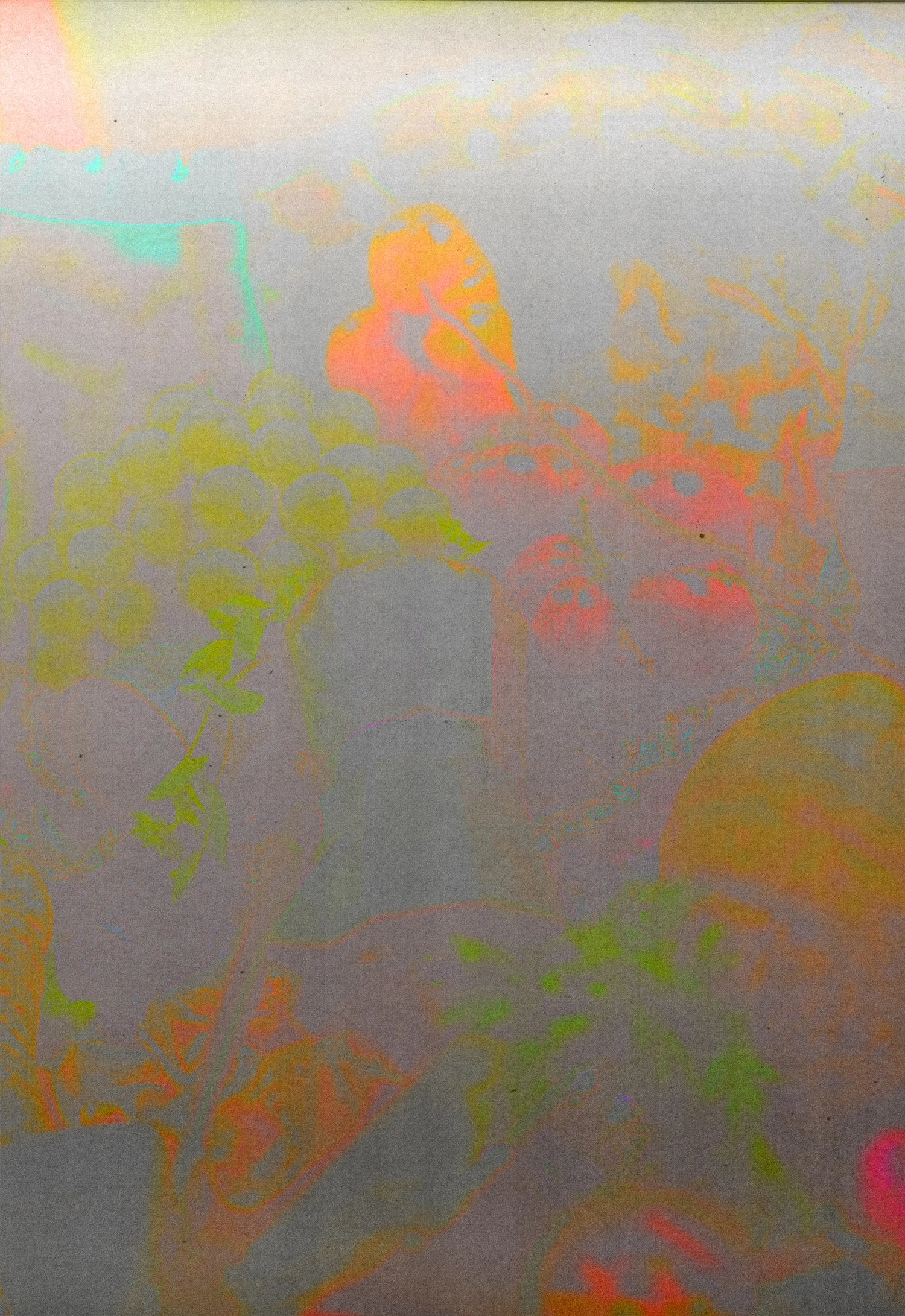
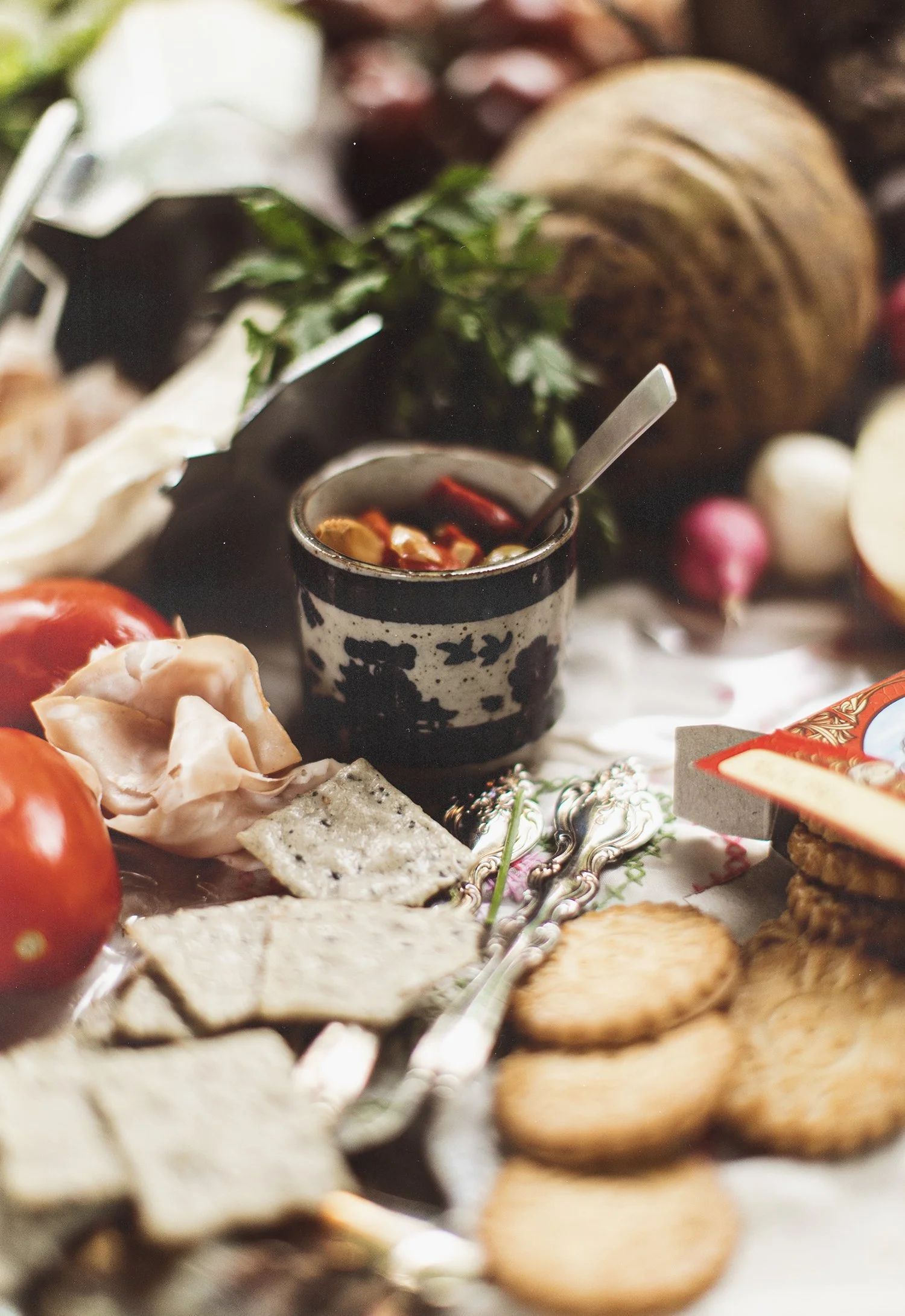
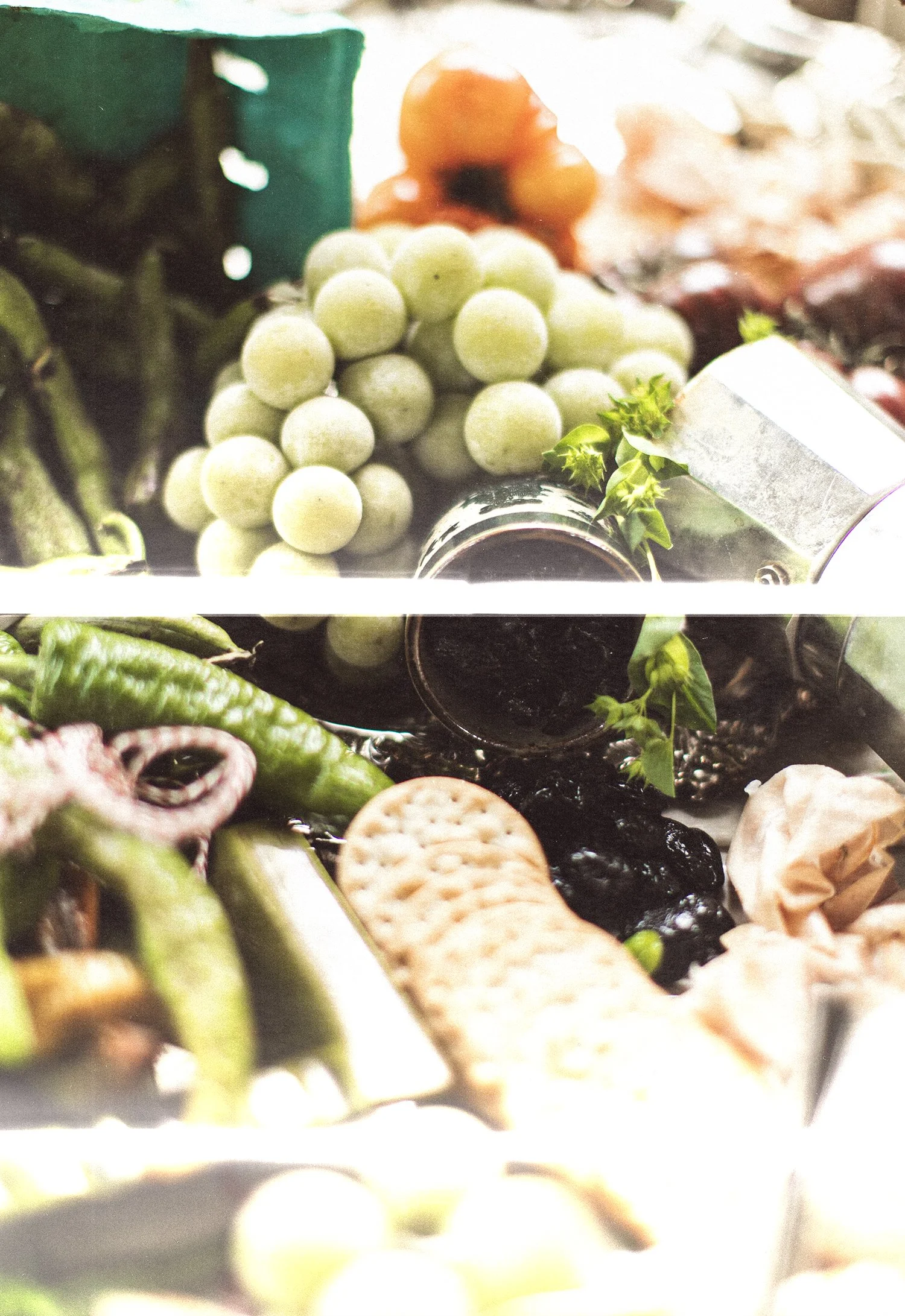
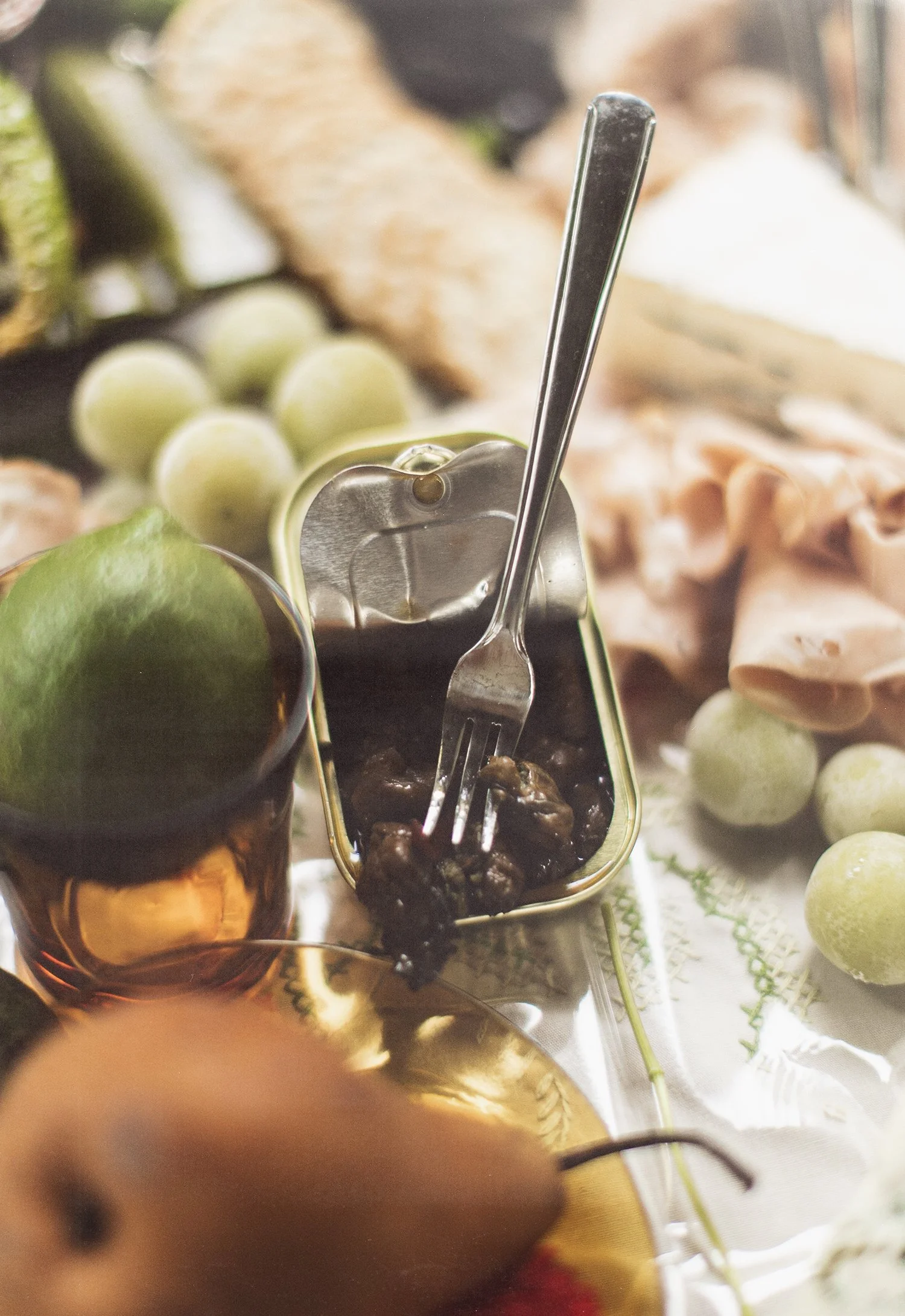
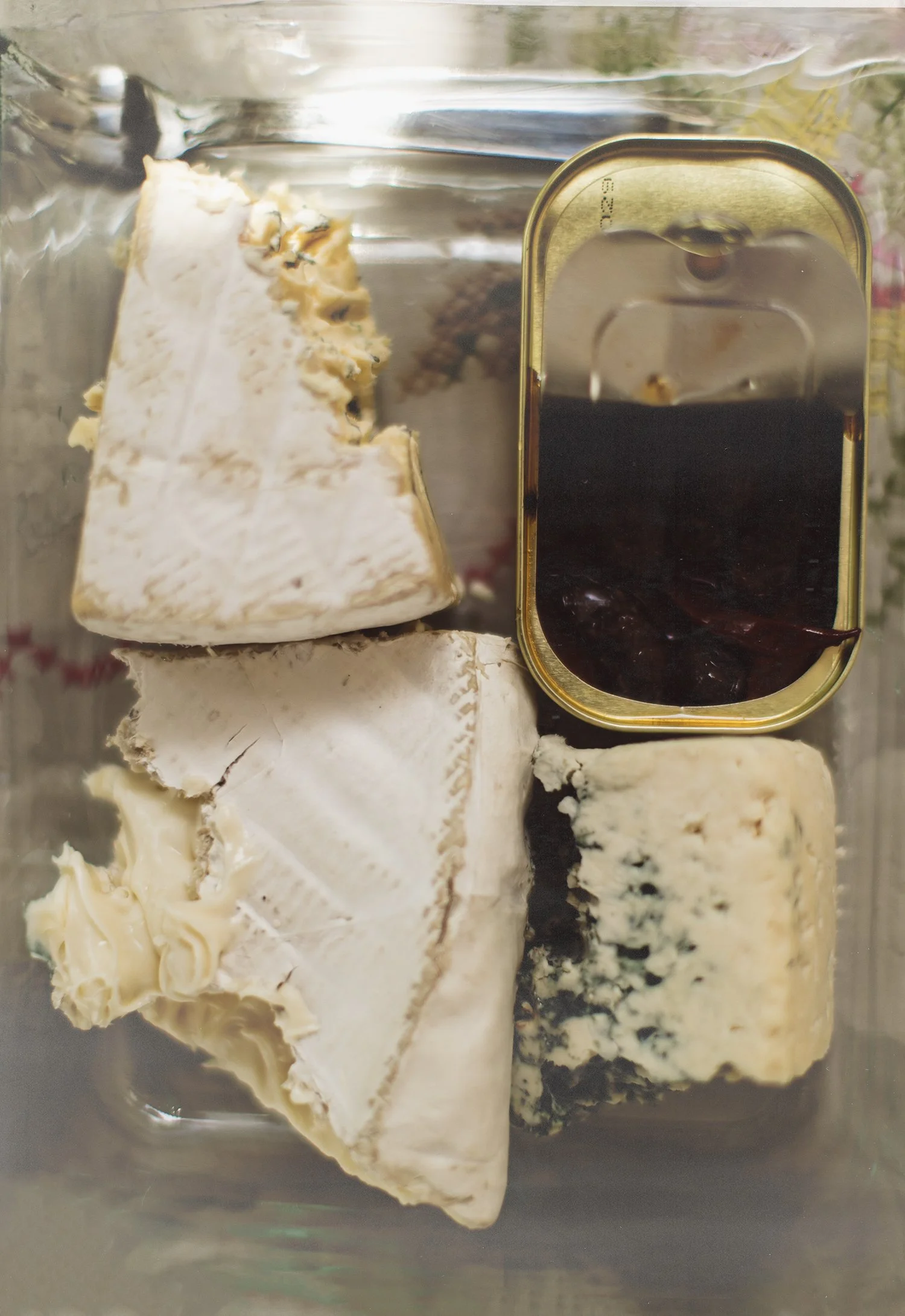
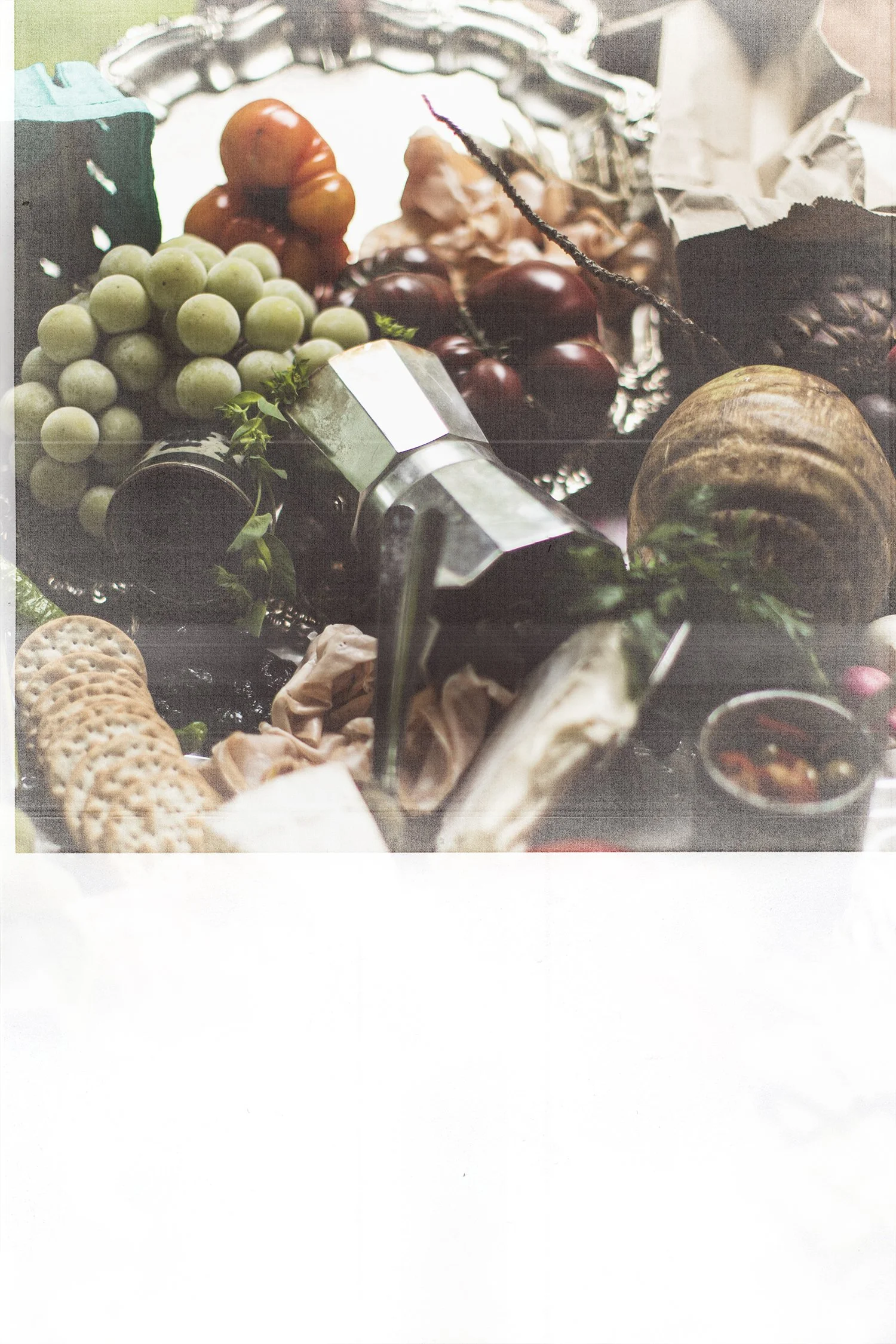
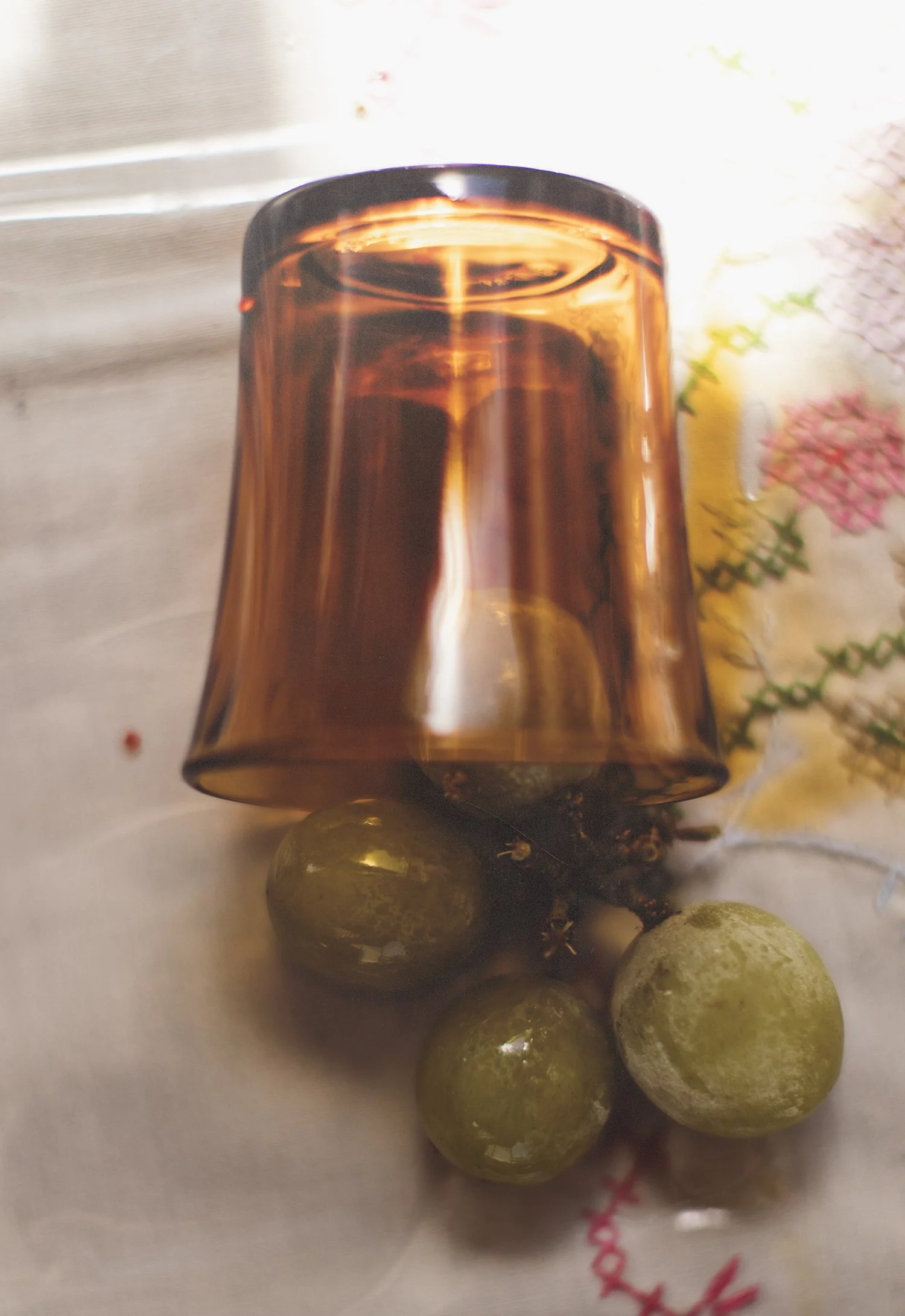
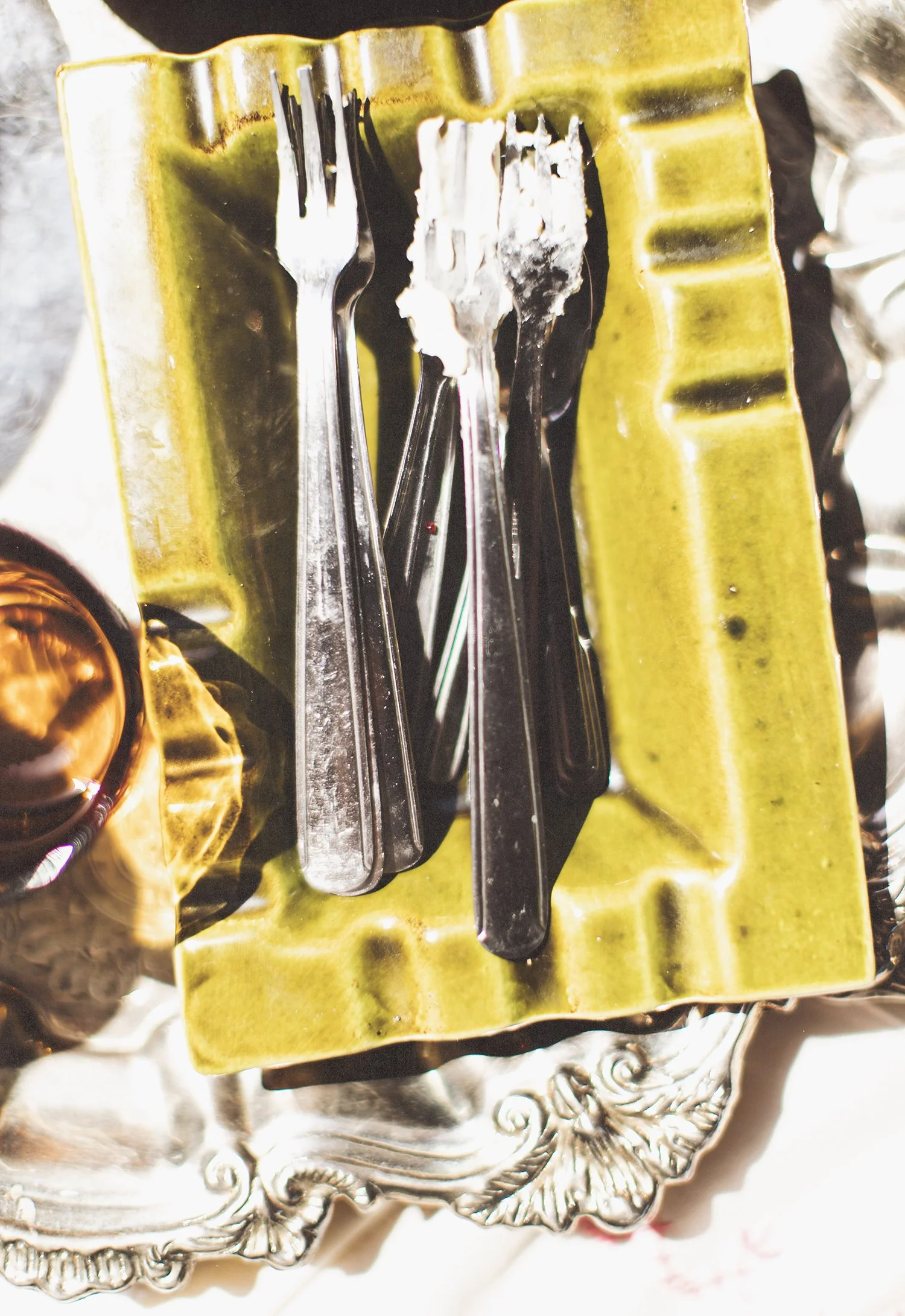
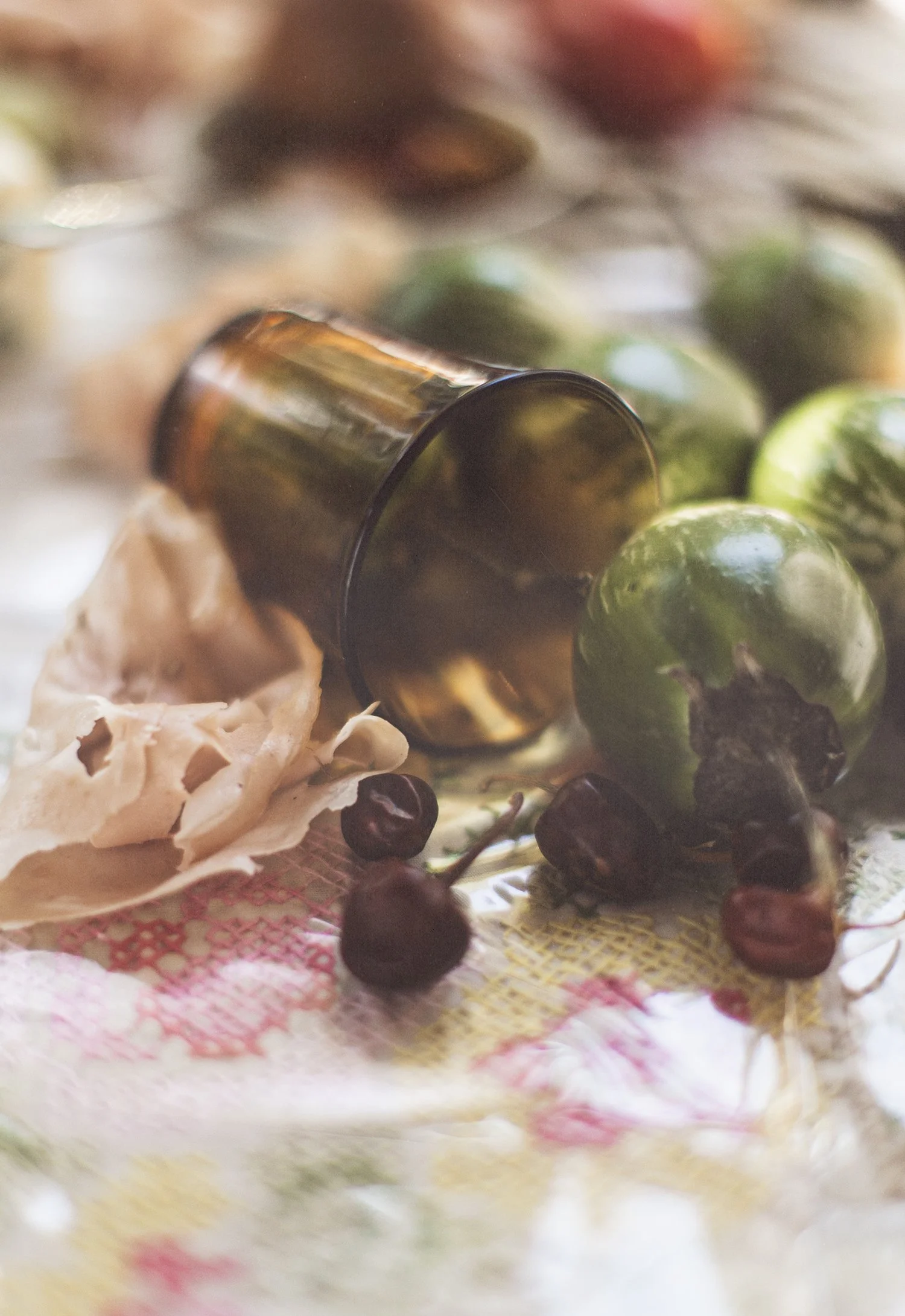
The table was built around a vintage silver platter that looked as if it had been frozen mid-collapse. It was tilted, spilling outward, as though it had just knocked itself over and released everything it had been holding. A moka pot lay overturned. Mortadella was folded in pale, soft layers like fabric. There were smelly cheeses, soft cheeses, blue-veined cheeses, crackers, smoked oysters, masago, whole fruits, vegetables, olives, grapes, and small edible interruptions everywhere.
It was decadent, but not polished. Domestic, but not obedient.
The platter became a cornucopia in the middle of losing control. Something inherited and ornate, suddenly caught in the act of falling apart. The fun of making it was in ignoring the usual rules of a charcuterie board. There are always rules for how something should be done: what belongs next to what, what is too much, what is too strange, what is not proper. But the more interesting part of creating anything is knowing when to break the rules so the thing can start speaking in your own language.
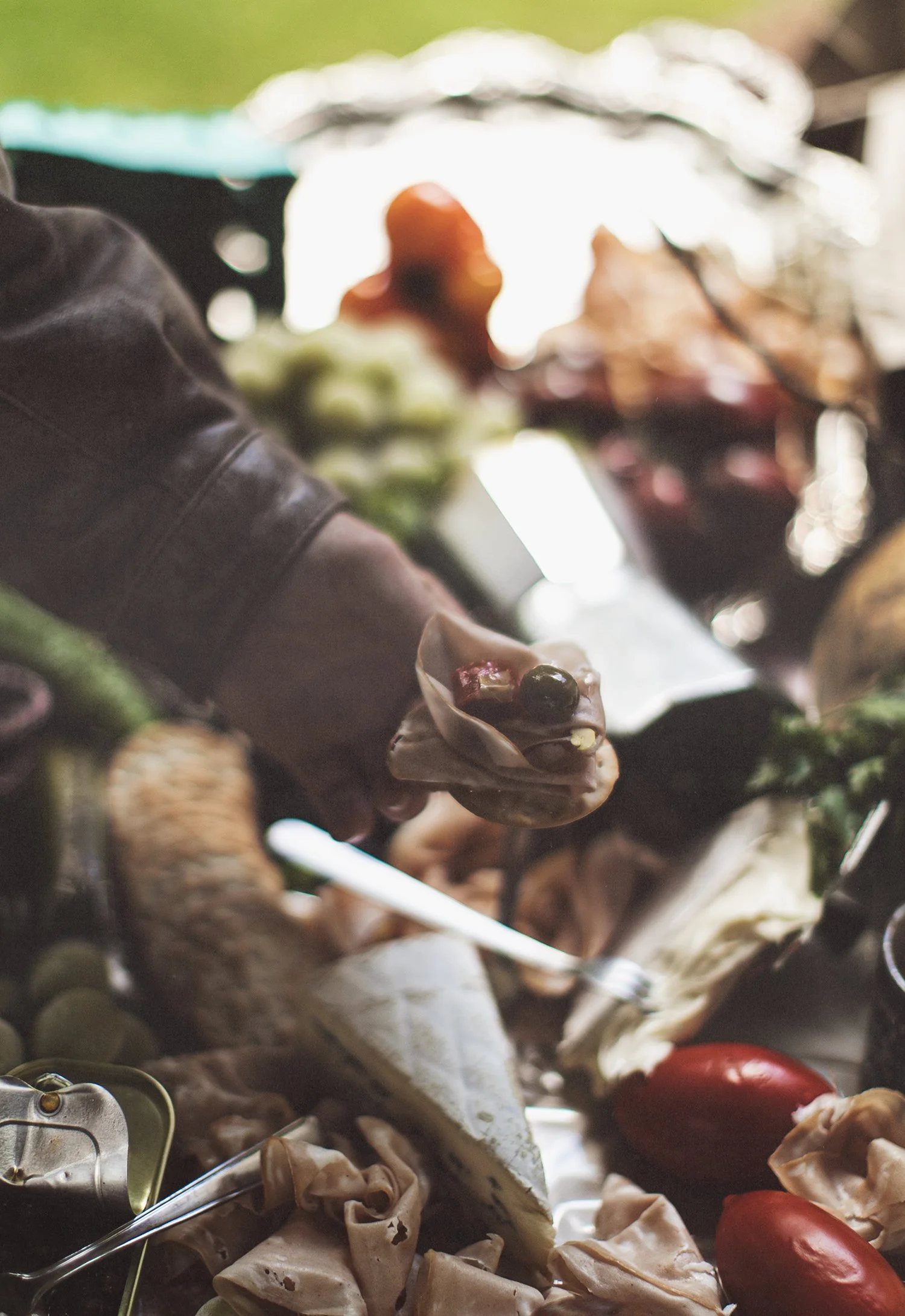
By the end of the night, the board had changed completely. It had been picked at, broken apart, rearranged by hands, appetite, conversation, and curiosity. That was part of the work too. It became less pristine and more alive the longer people gathered around it.
The cocktail followed the same logic. A dirty martini, but made surreal.
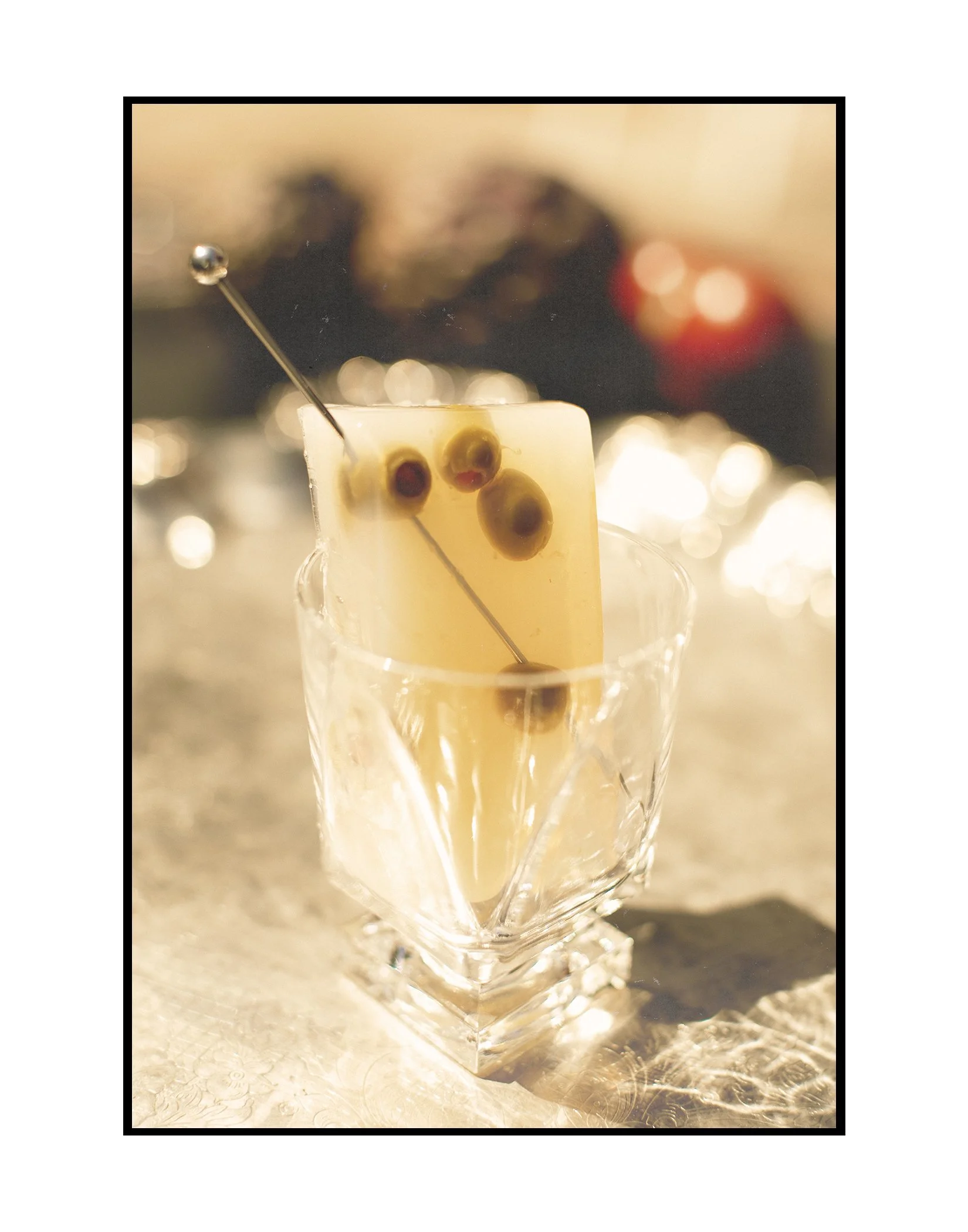
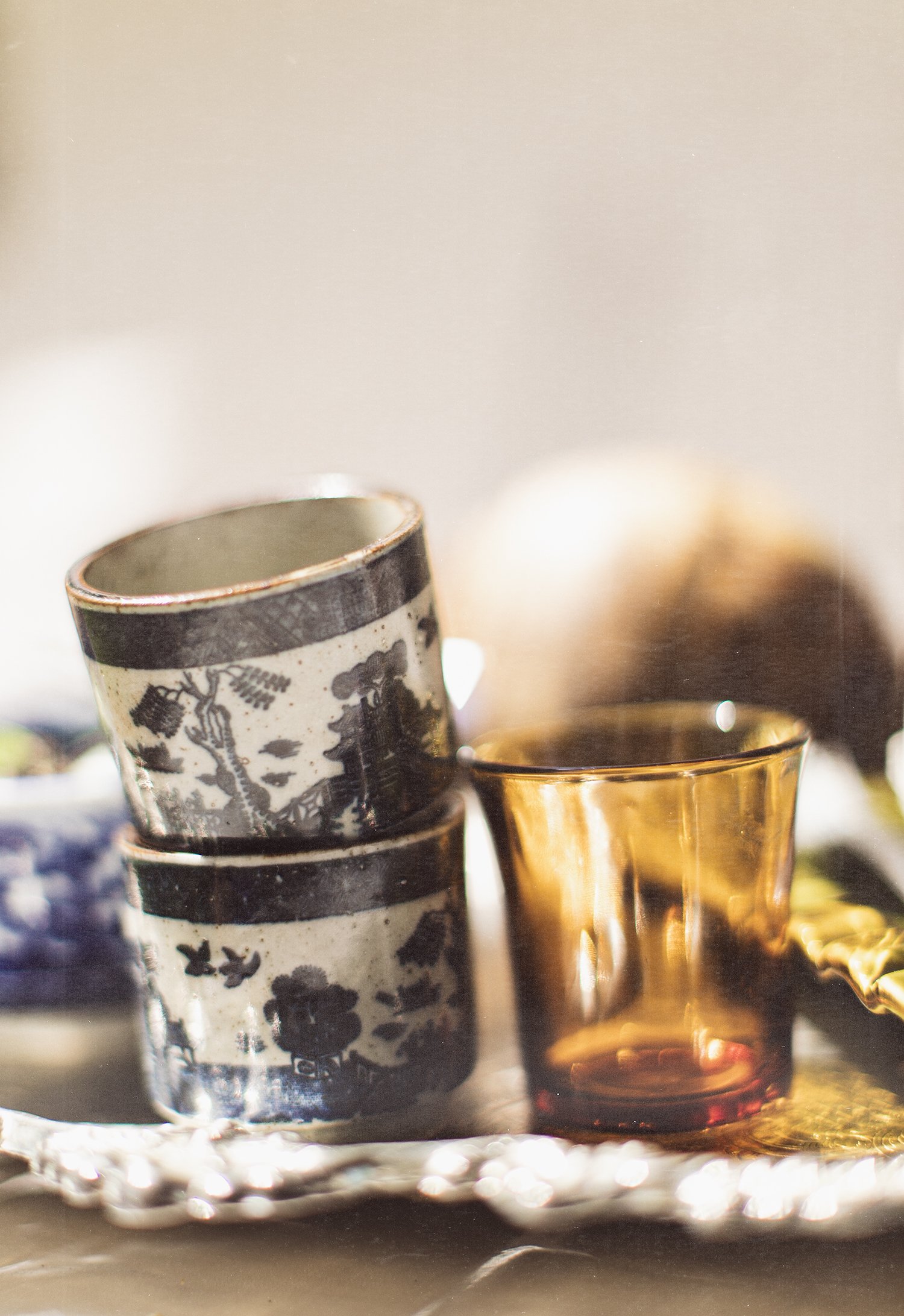
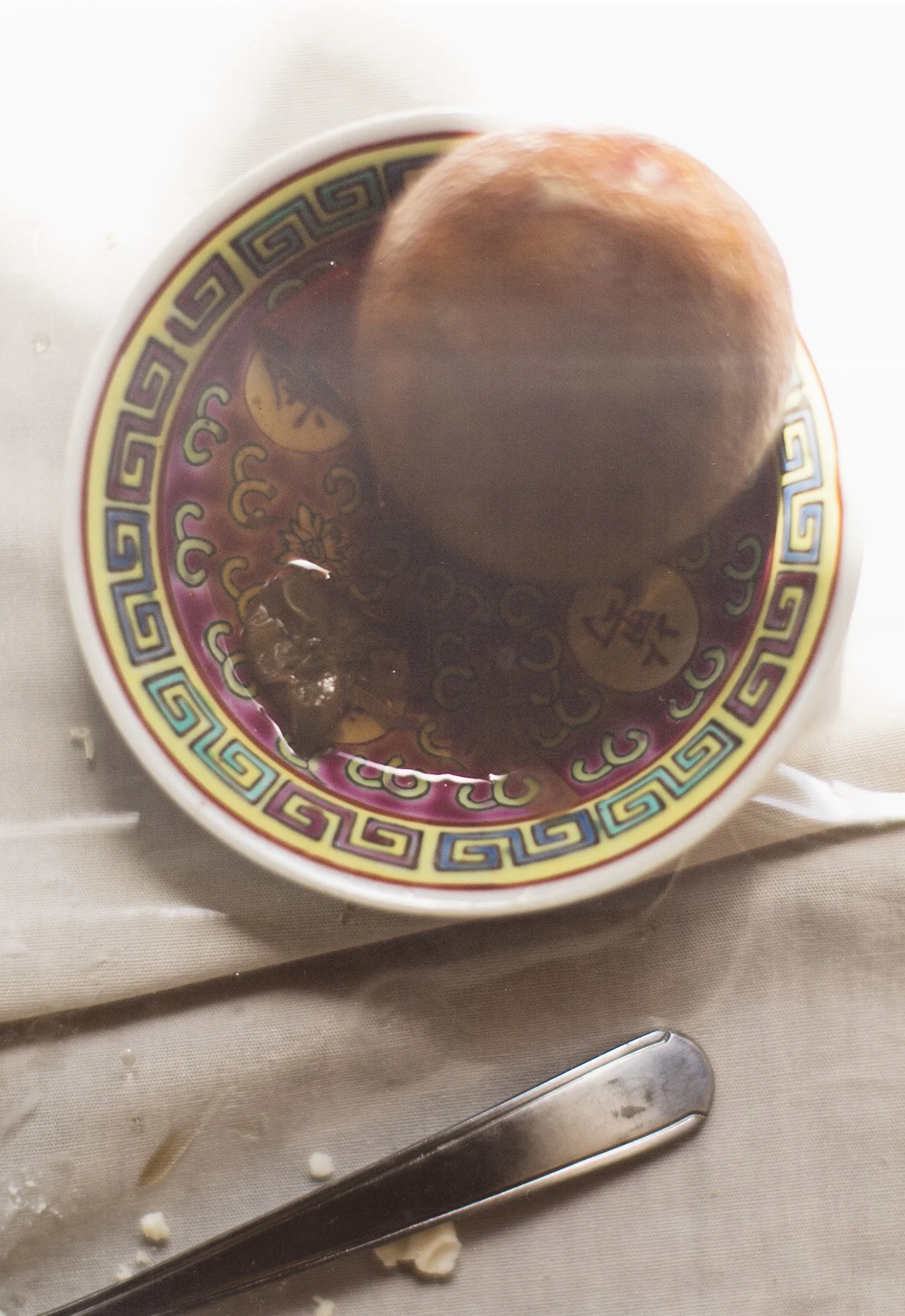
Instead of serving it as a liquid in a glass, I made a gelatin version of a classic dirty martini. A preserved martini. A cube. An olive suspended inside. Something familiar made slightly strange. It was cold, briny, absurd, elegant, and a little wrong in the best way. A cocktail turned into a relic. A martini that could be held, cut, looked at, and eaten.
That small shift—from drink to object—felt important. It turned hospitality into art direction.
Throughout the evening, there was the smell of incense, grass, cheese, smoke, brine, fruit, and spring air. The paintings lived between the trees. The food slowly collapsed into enjoyment. The martini became gelatin. The silver reflected everything. Nothing needed to be too loudly announced. The point was to let people discover.
That is what I want amadeo amadeo to be known for: the creation of moments that alter the senses and open a small door into fantasy, curiosity, and wonder. Not fantasy as escape, but fantasy as attention. A reminder that there is so much to see, taste, smell, arrange, touch, and witness if we refuse to take ordinary things for granted.
A backyard can become a gallery.
A painting can become scent.
An incense can become color.
A cheese board can become a domestic collapse.
A martini can become a cube.
A spring evening can become a ritual.
Nocturne in the Garden was the first gathering of this kind for amadeo amadeo, but it does not feel like it should be the last. It felt like the beginning of a language. A way to gather people not only around objects, but around atmosphere. Around taste. Around storytelling. Around the pleasure of seeing something familiar become unfamiliar again.
The evening brought together many of the things that amadeo amadeo is built from: creative direction, art direction, scent, painting, food, graphic design, curation, event planning, and culture. All of it working toward one feeling. One world.
And for one night, that world existed in the garden.
Paintings among trees.
Incense in the grass.
Silver on the table.
Smoke in the air.
A little fantasy, served cold.

Recollections in a Bottle: The Story of No. 37
There are moments in life so vivid, so deeply woven into the fabric of who we are, that their memories feel like they have their own fragrance. For me, that moment was at the house of Aunt Mary and Uncle Bozo. It’s not just a house; it’s a world filled with layered scents—a garden in full bloom, the elegance of Aunt Mary’s perfume, and the grounding warmth of Uncle Bozo’s den. These are the inspirations behind No. 37, a fragrance I’ve created to encapsulate this treasured memory.
There are moments in life so vivid, so deeply woven into the fabric of who we are, that their memories feel like they have their own fragrance. For me, that moment was at the house of Aunt Mary and Uncle Bozo. It’s not just a house; it’s a world filled with layered scents—a garden in full bloom, the elegance of Aunt Mary’s perfume, and the grounding warmth of Uncle Bozo’s den. These are the inspirations behind No. 37, a fragrance I’ve created to encapsulate this treasured memory.

From The Codex, Page 36: A synesthetic interpretation of No. 37.
Walking through their garden on a sunny spring morning, the air was fresh and earthy. There was a sense of vitality in the freshly cut greens and the damp soil, the sun awakening every leaf and bloom. The top notes of No. 37 evoke this exact moment, an invitation to step into a lush, living space where nature sings its brightest song.
Inside the house, Aunt Mary’s presence filled the room, not just through her kindness but through the delicate floral trail she left wherever she went. Lily of the valley, lilac, rose, and jasmine danced in the air, anchored by the warm embrace of amber. The middle notes of No. 37 are a tribute to her—a celebration of her elegance and the way her scent turned a house into a home.
Then there was Uncle Bozo’s den, a place of mystery and grounding energy. It smelled of well-worn leather, musky tones, and a faint whisper of tobacco. It was a world that felt lived-in and storied, where every object had purpose and history. The base notes of No. 37 capture this darker, earthier side—a counterbalance to the brightness of the garden and the softness of the florals.
Creating No. 37 wasn’t just about capturing a moment; it was about preserving a feeling. It’s a scent that tells a story, one that can transport you to a time and place where the air is thick with love, history, and life itself. I’ve always believed that scent is the most intimate form of storytelling, and No. 37 is my way of sharing a piece of my heart with you.
If you close your eyes and breathe it in, maybe you’ll find your own memories within its layers. Maybe it will remind you of a garden you’ve walked through, a loved one’s perfume, or the comfort of a space you’ve called home. Or maybe it will create new memories entirely, ones you’ll carry forward.
No. 37 is more than a fragrance; it’s a doorway. Where will it take you?
While the fragrance is still in the works, the stories and concepts behind it are already unfolding. Stay tuned as No. 37 takes shape, becoming a physical expression of the memories and emotions it seeks to capture. Coming soon.