Nocturne in the Garden
There are certain evenings that do not feel like they are happening in real time. They feel arranged. Suspended. As if every object, scent, sound, and gesture has been placed inside a small spell.
The first gathering by amadeo amadeo
There are certain evenings that do not feel like they are happening in real time. They feel arranged. Suspended. As if every object, scent, sound, and gesture has been placed inside a small spell.
Nocturne in the Garden was the first gathering by amadeo amadeo created to bring together art, scent, curation, food, drink, and atmosphere. A small evening in the backyard, surrounded by trees, spring growth, and soft green light, became a way to show what the brand is slowly becoming: not only a collection of objects, but a world built through feeling.
The idea was simple at first. Three paintings. Three incense scents. One garden.
But simplicity, when treated carefully, can become its own kind of fantasy.
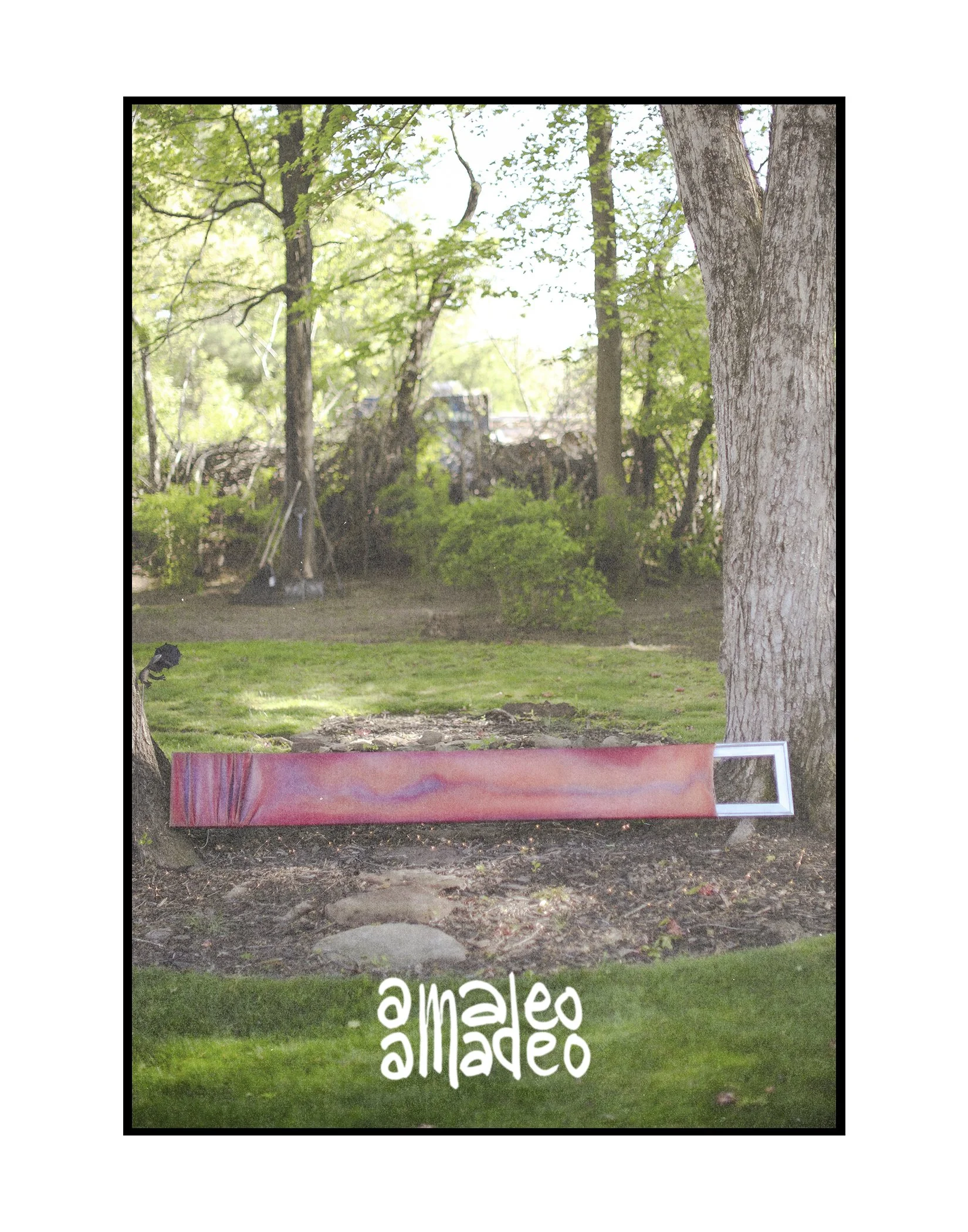
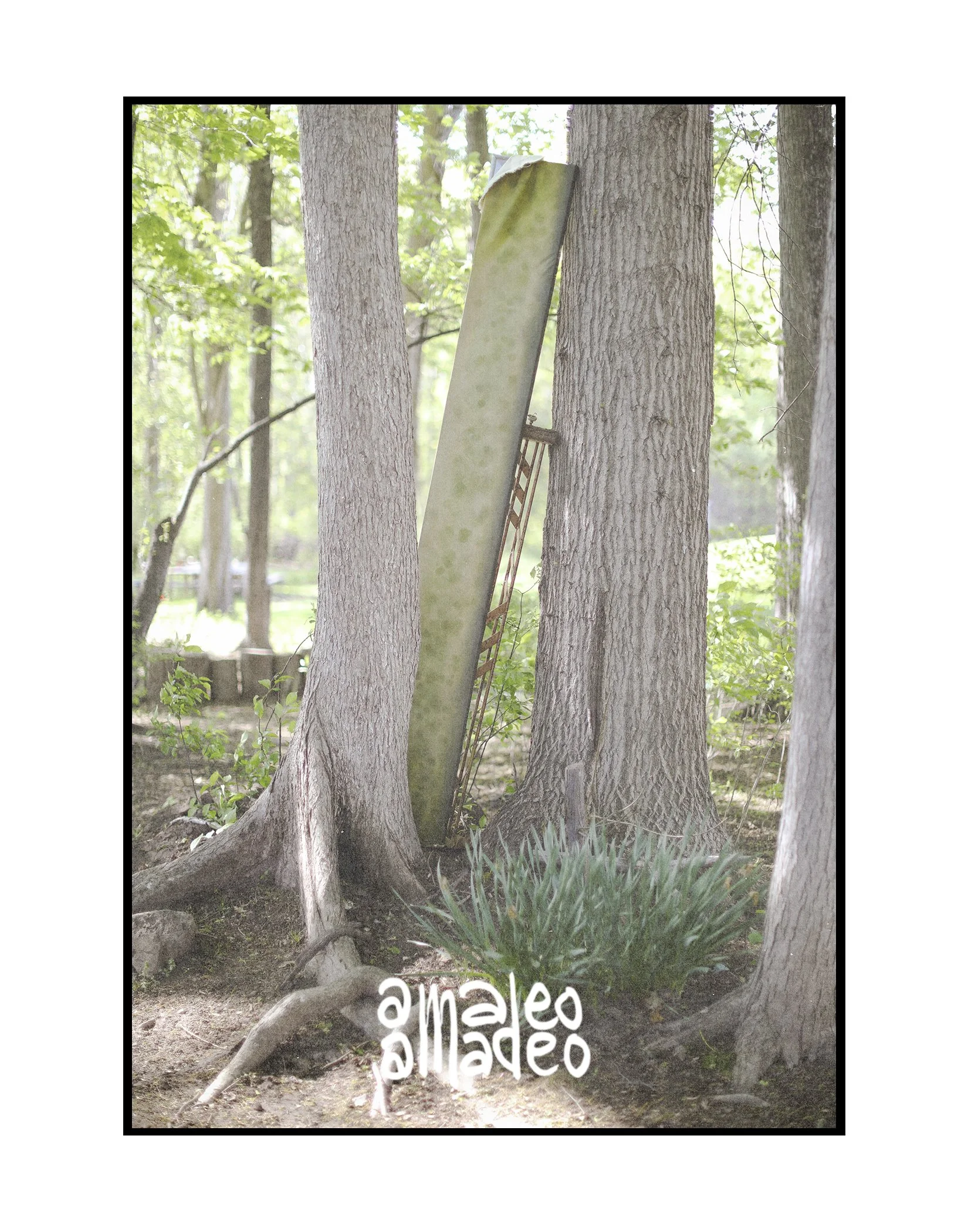
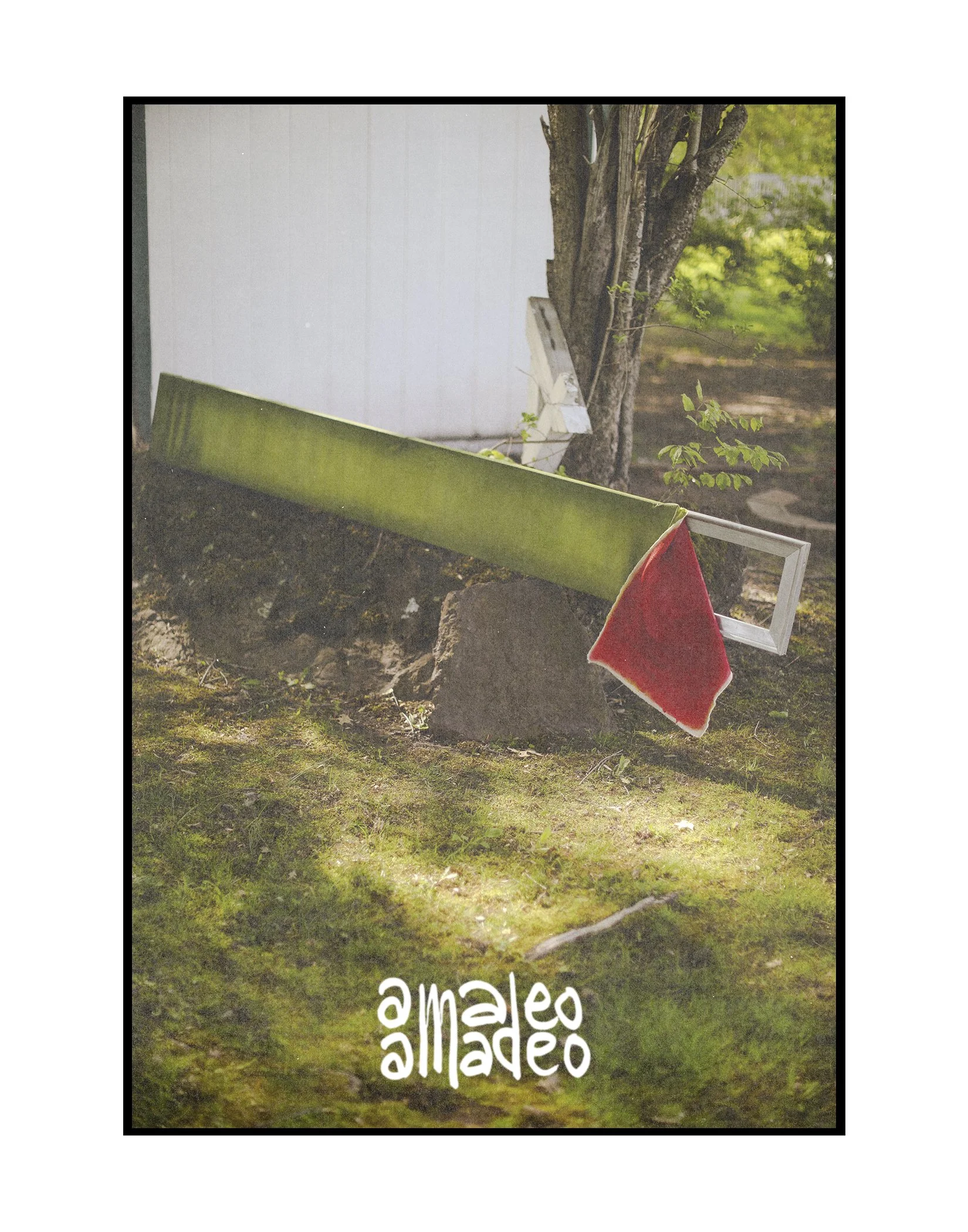
The three paintings were placed throughout the lawn and trees as if they had grown there. Each one measured nearly eight feet long and only twelve inches high, a strange and narrow proportion that made them feel less like traditional paintings and more like fragments, relics, banners, or architectural remains. They leaned into the landscape, slipped between trunks, and stretched across the grass with the quiet confidence of something planted there long before anyone arrived.
Each painting was created as a synesthetic translation of one of the three house incense scents of amadeo amadeo: Rose and Clove, Geranium and Slate, and Frankincense and Tomato Leaf.
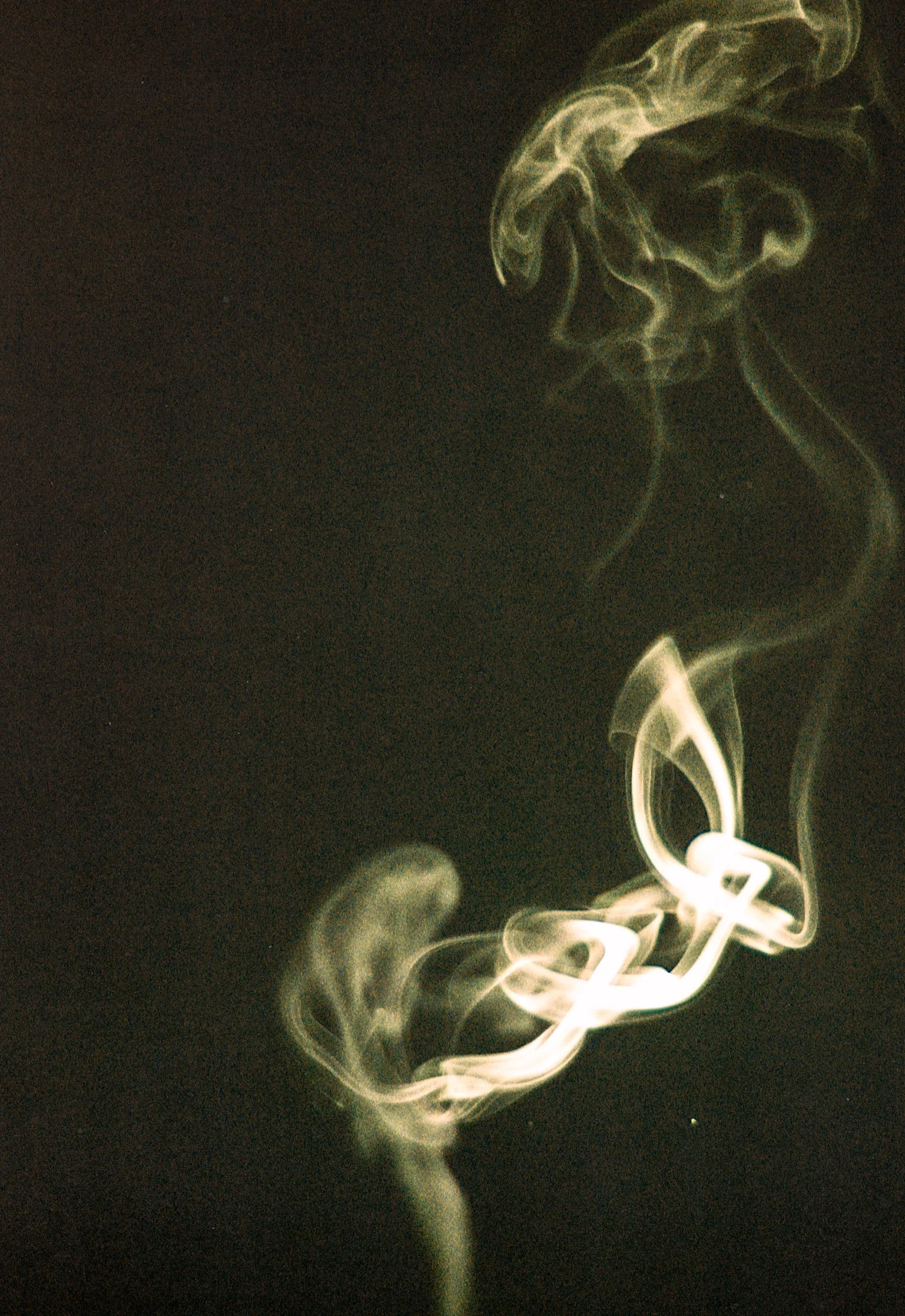
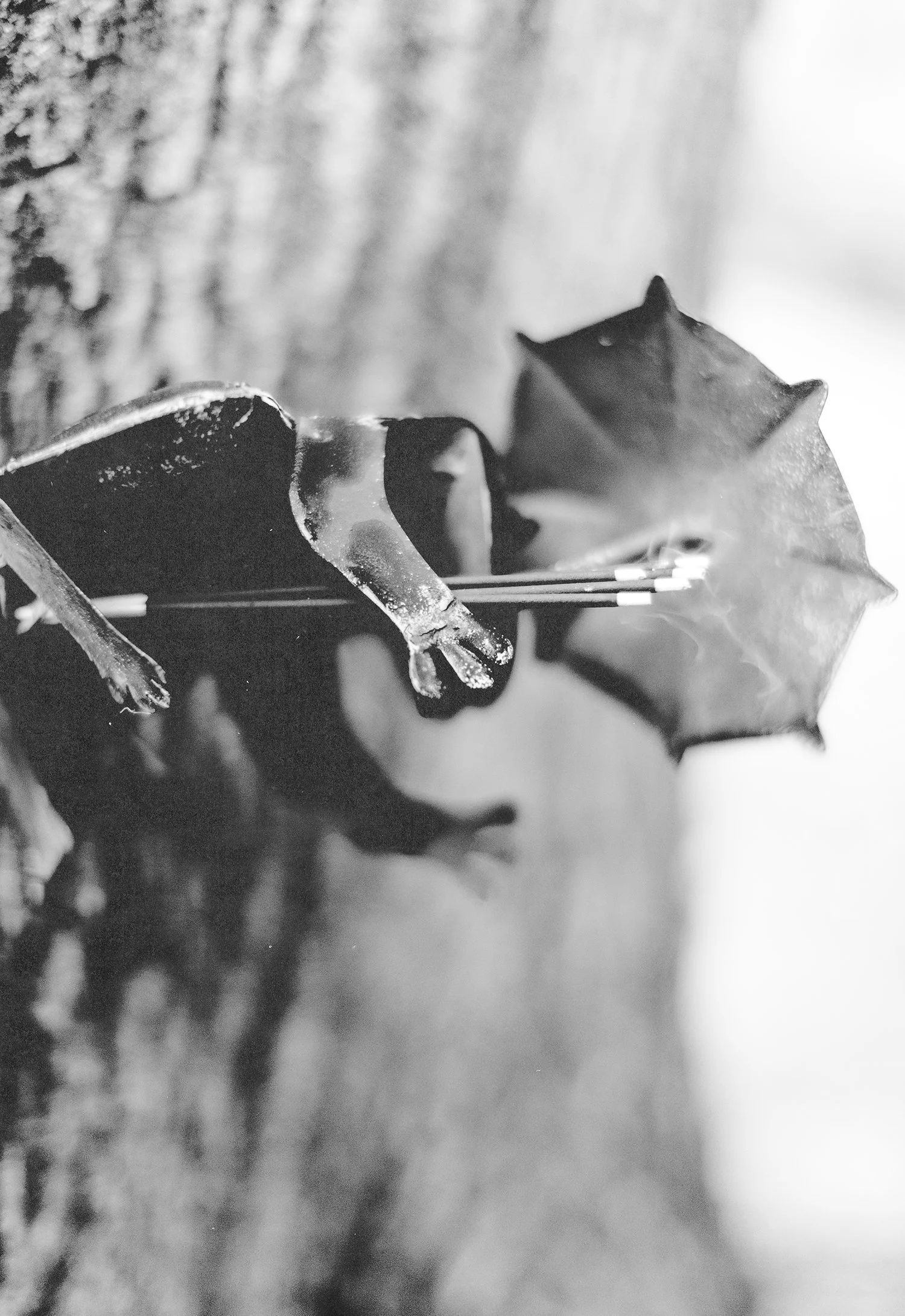
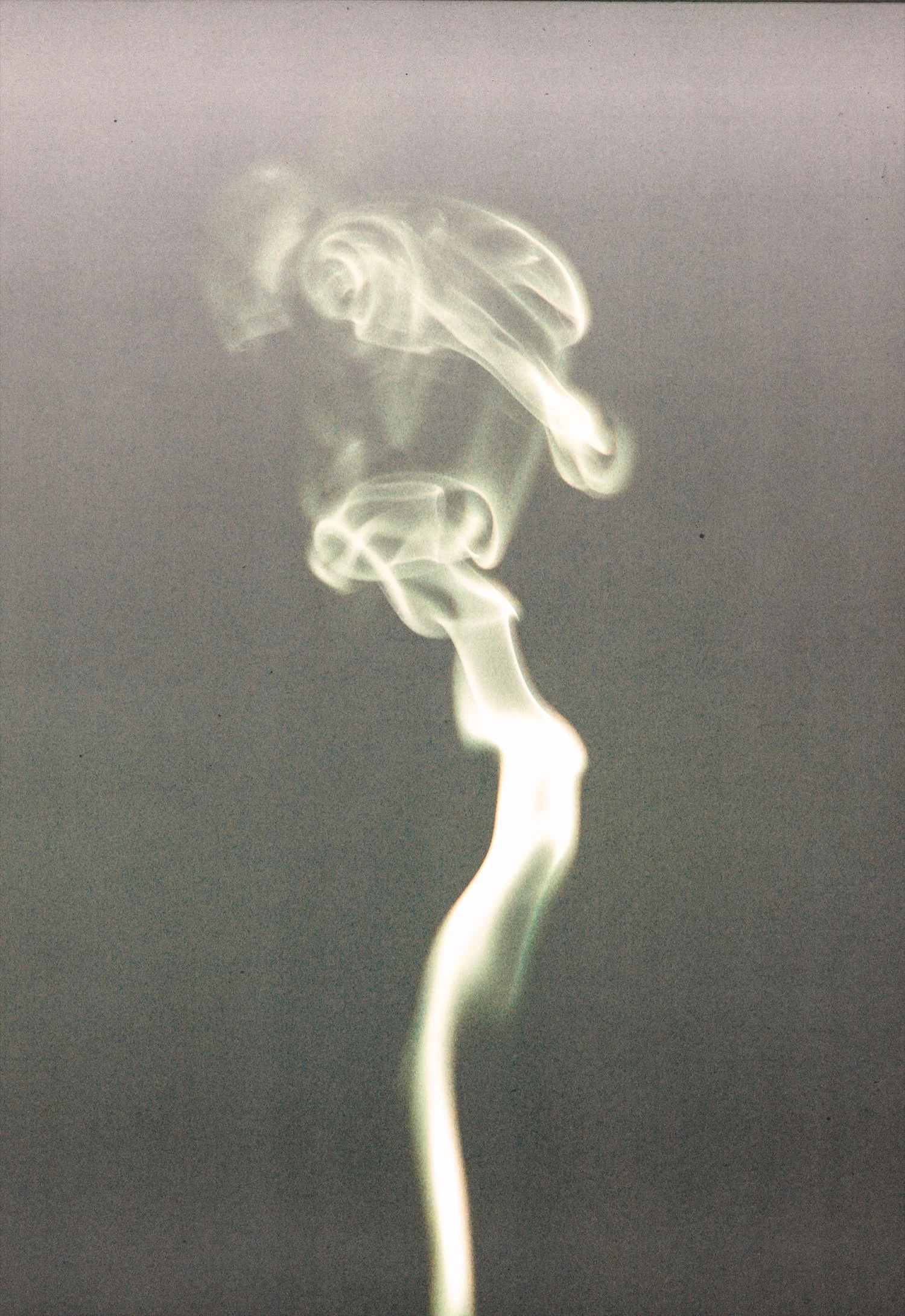
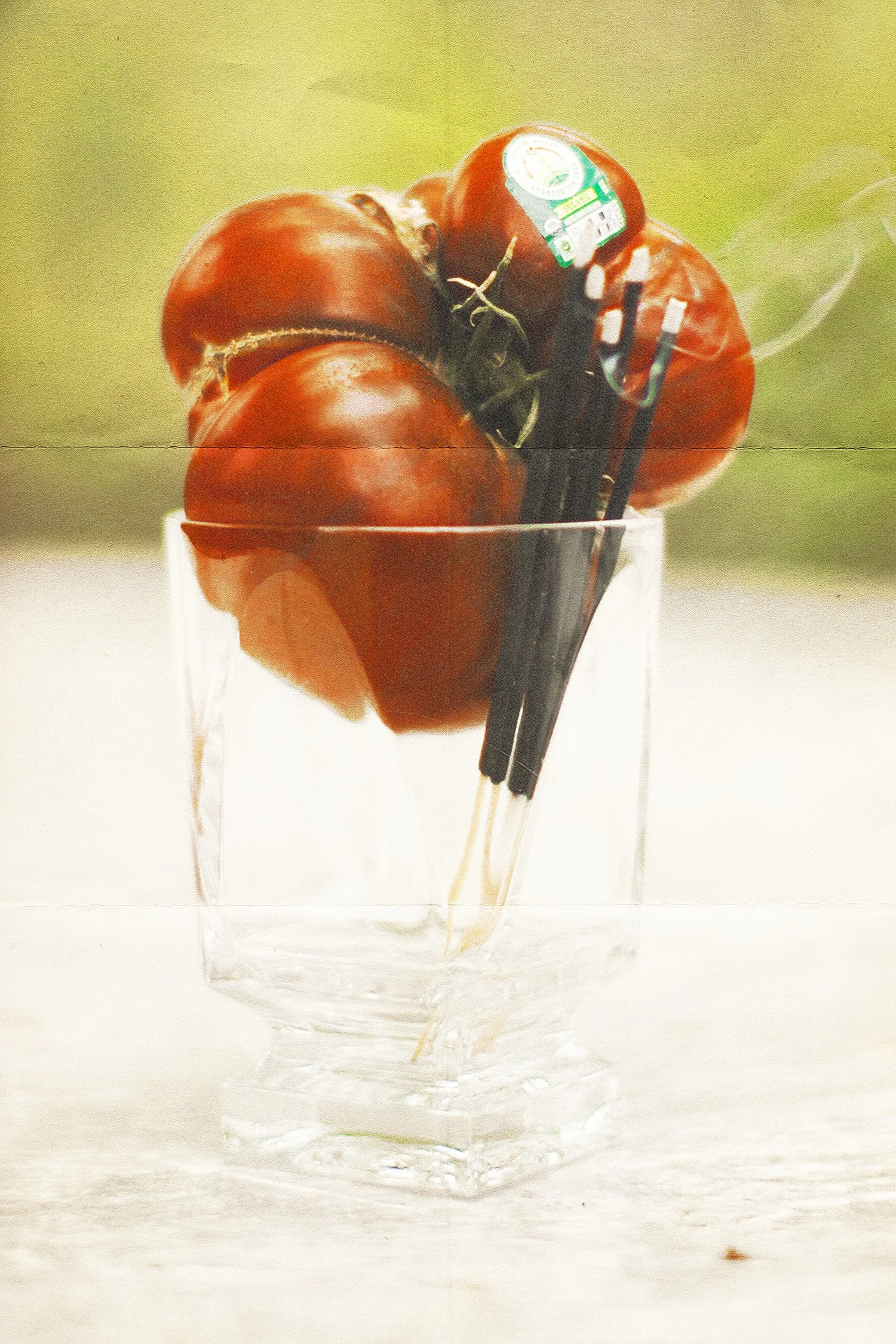
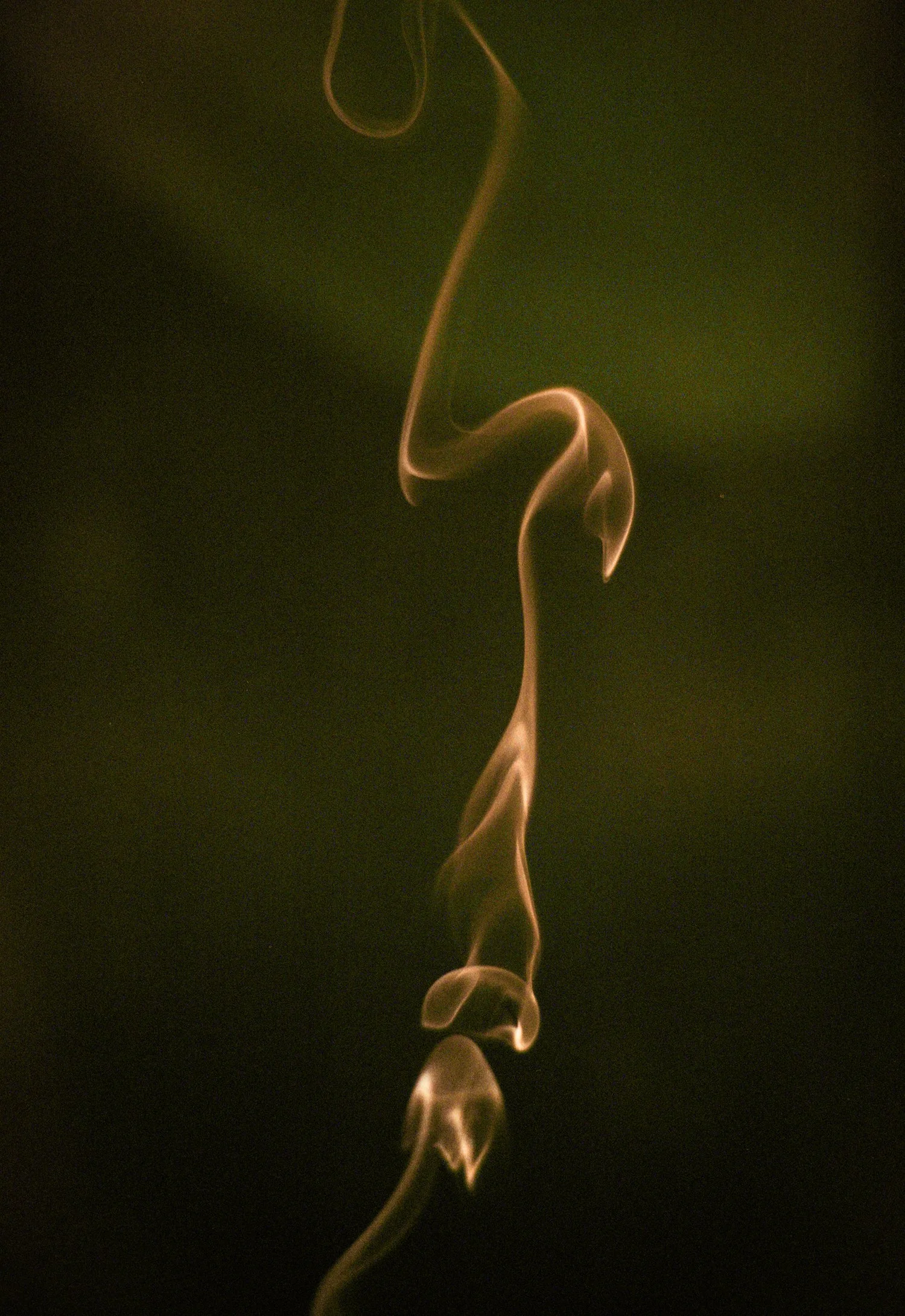
I wanted to understand what these scents might look like if they stopped being smoke and became color. What does rose become when it is not a flower, but a surface? What does clove look like when it darkens the edge of a painting? Can geranium become green without becoming literal? Can slate become texture? Can tomato leaf turn into something sharp, wet, and alive? Can frankincense stretch itself into a pale, sacred haze?
The paintings became answers without needing to explain themselves.
Near each painting, its corresponding incense burned in the grass. The smoke moved differently depending on the air, sometimes rising straight upward, sometimes bending into the trees, sometimes disappearing entirely. The paintings were not just being viewed. They were being scented. The lawn became a kind of open-air gallery where the work could be seen, smelled, and walked around. It was not about separating the senses. It was about letting them interrupt each other.
That is where amadeo amadeo feels most alive.
A visual object does not have to remain only visual. A scent does not have to stay invisible. Food can become sculpture. A drink can become an object. A backyard can become a stage. Domestic life can go beautifully rogue.
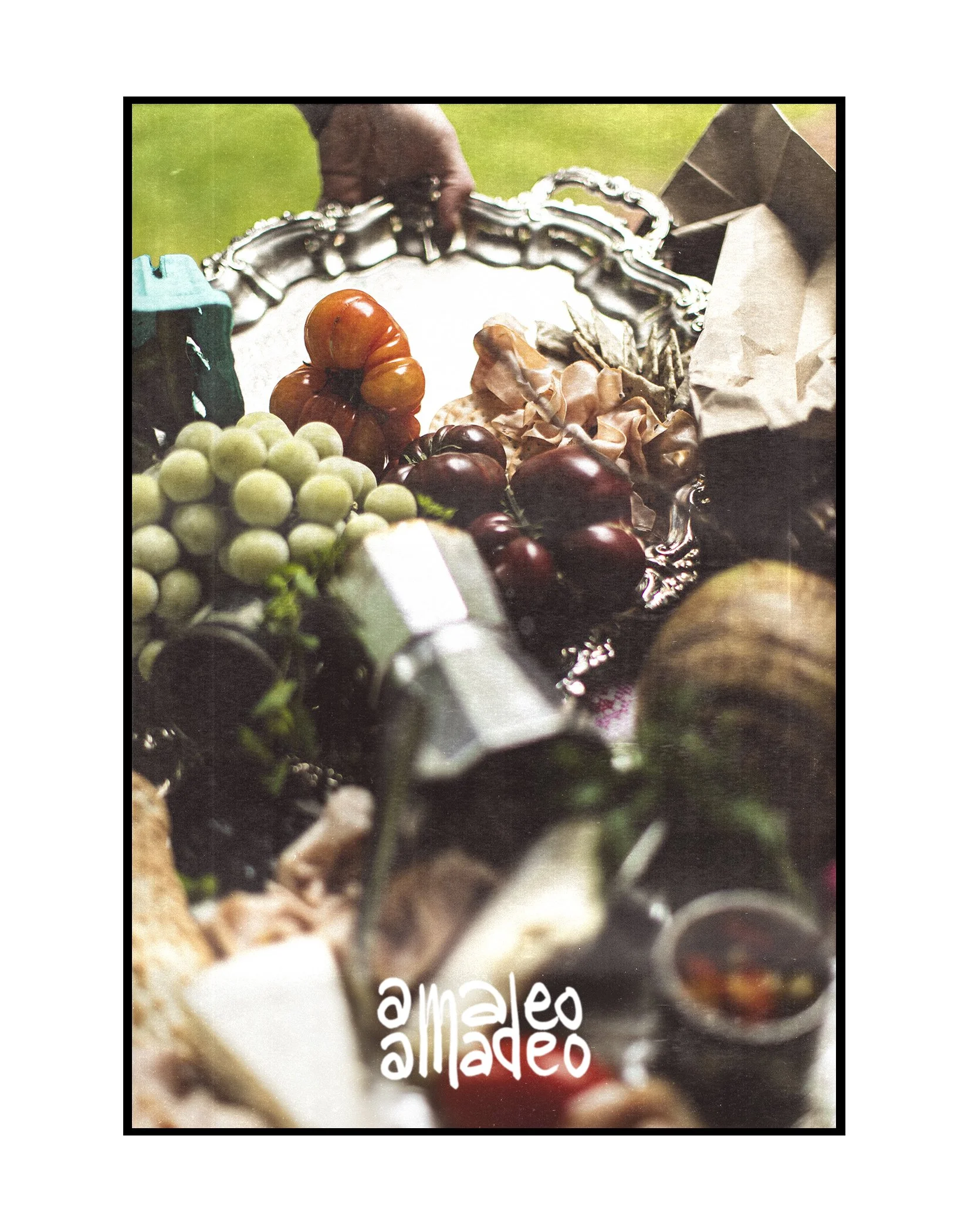
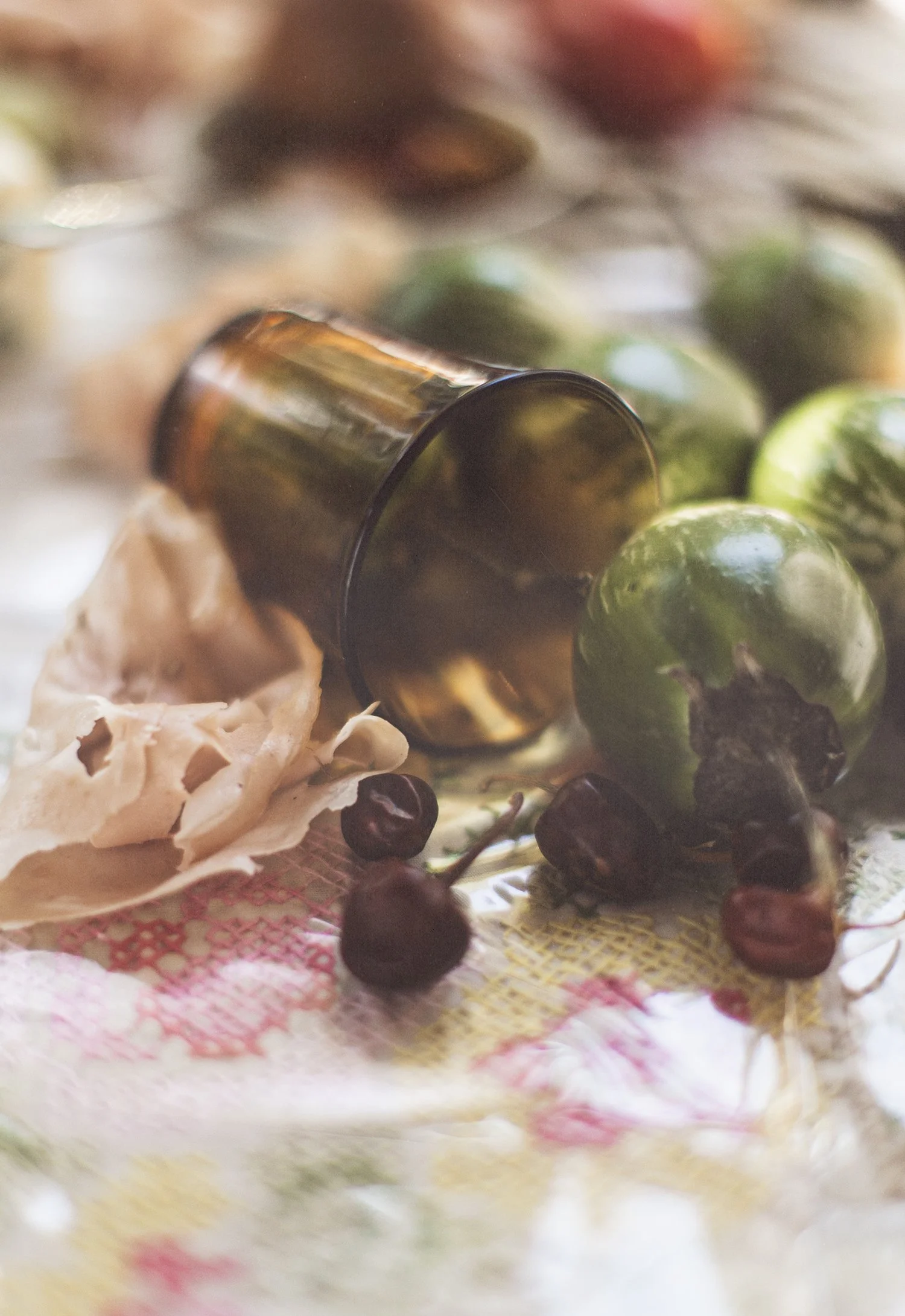
For the evening, I wanted the food and cocktail to feel just as considered as the paintings. Not catering. Not a board. Not a drink station. Something closer to a still life that had started misbehaving.
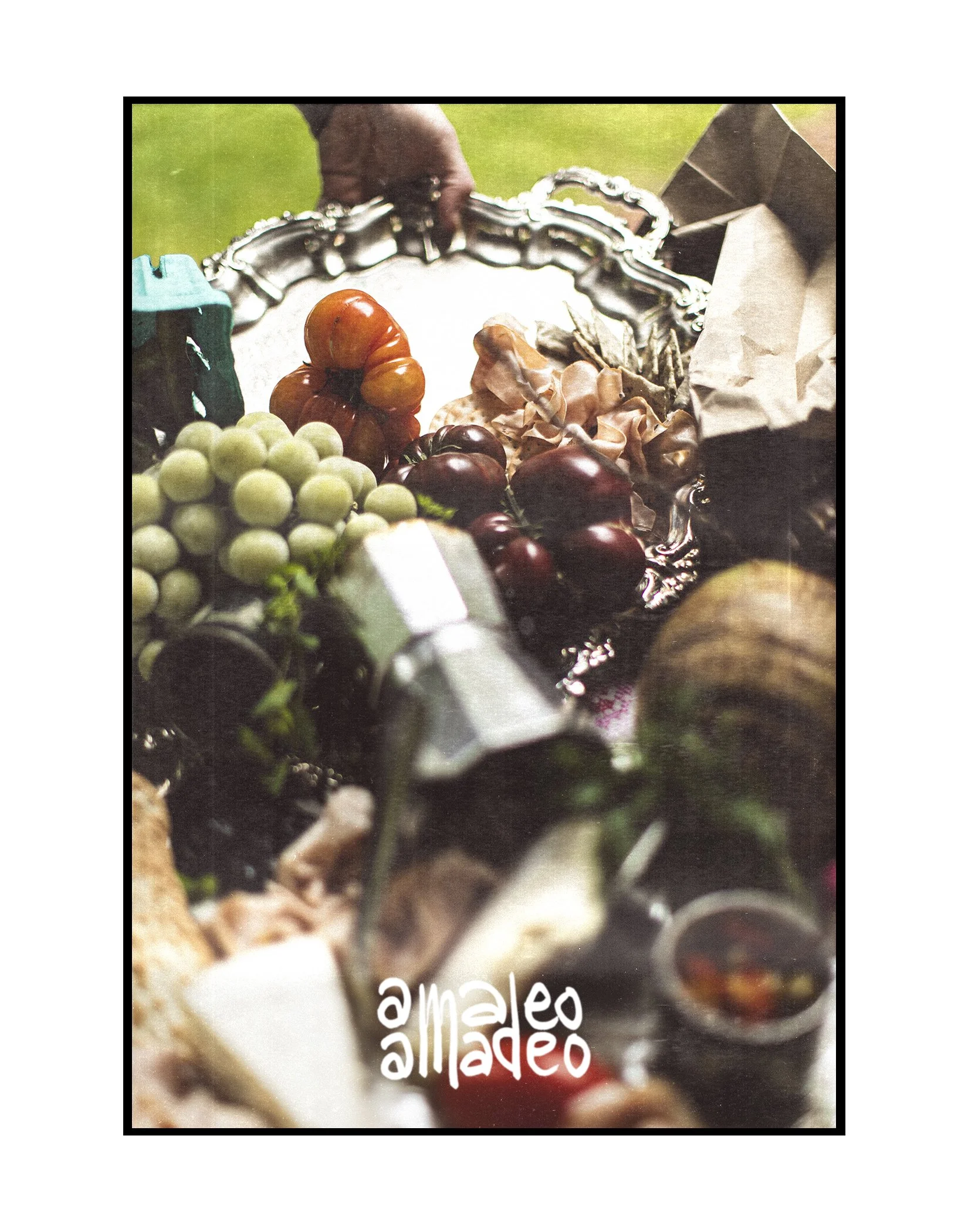
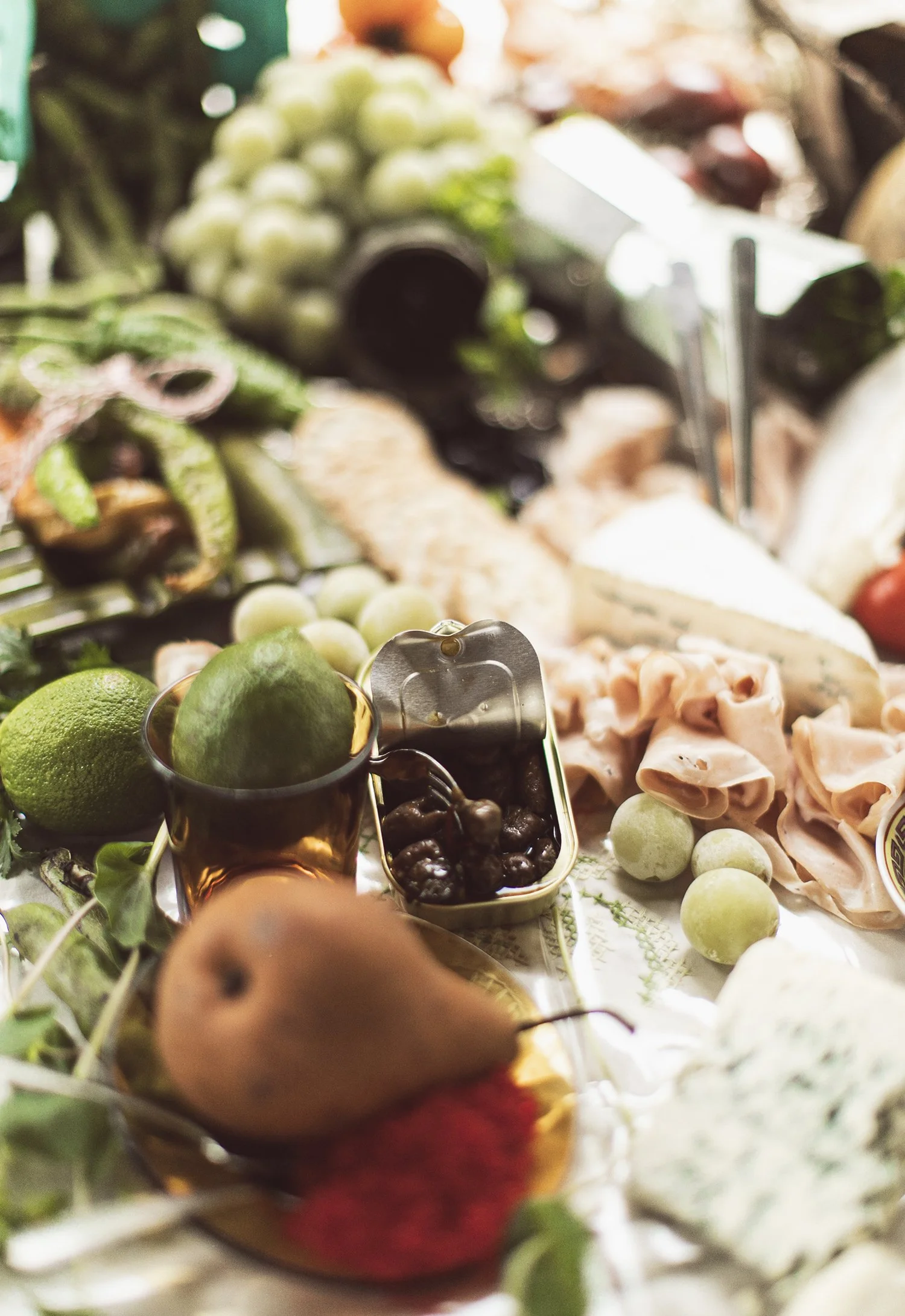
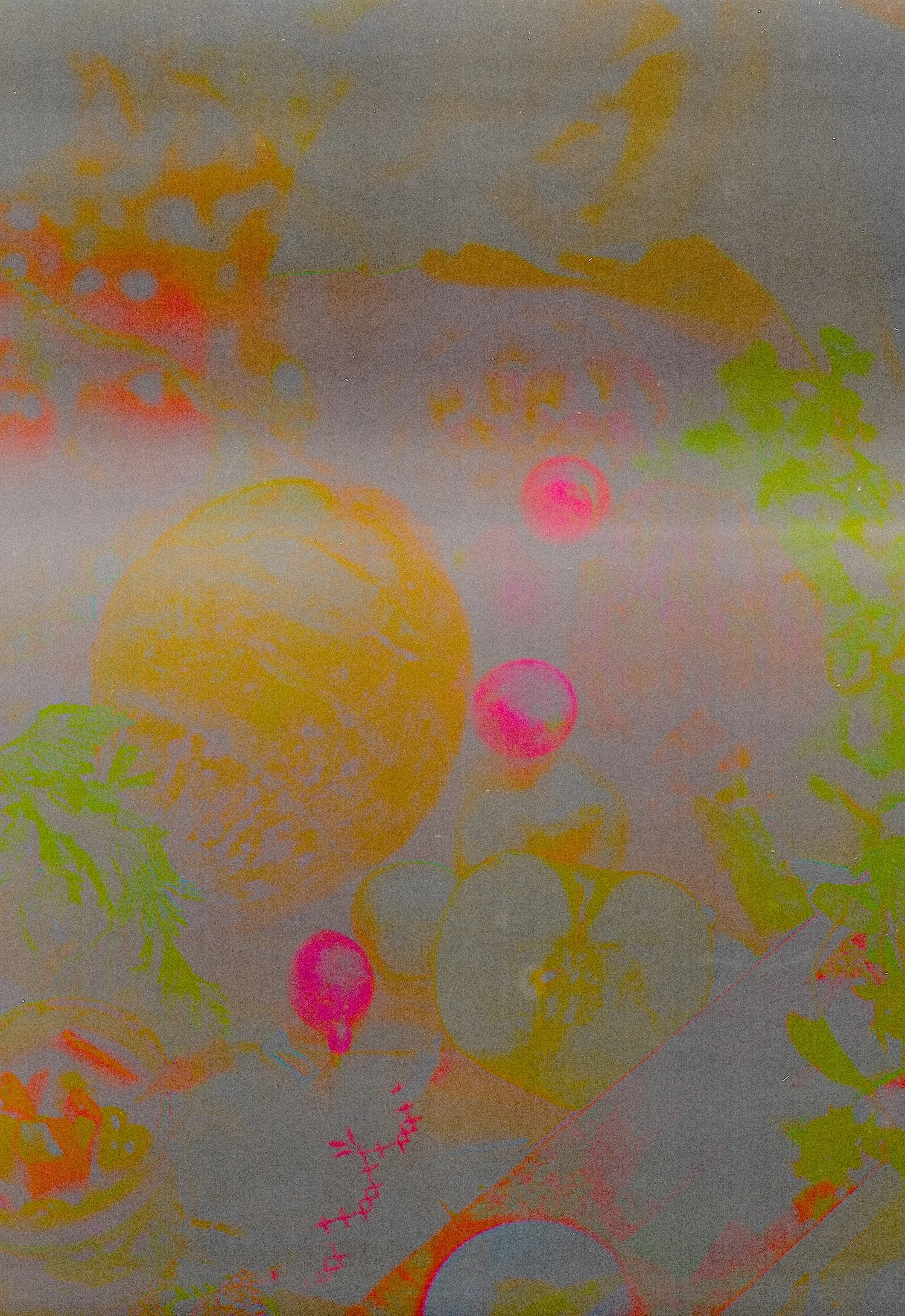
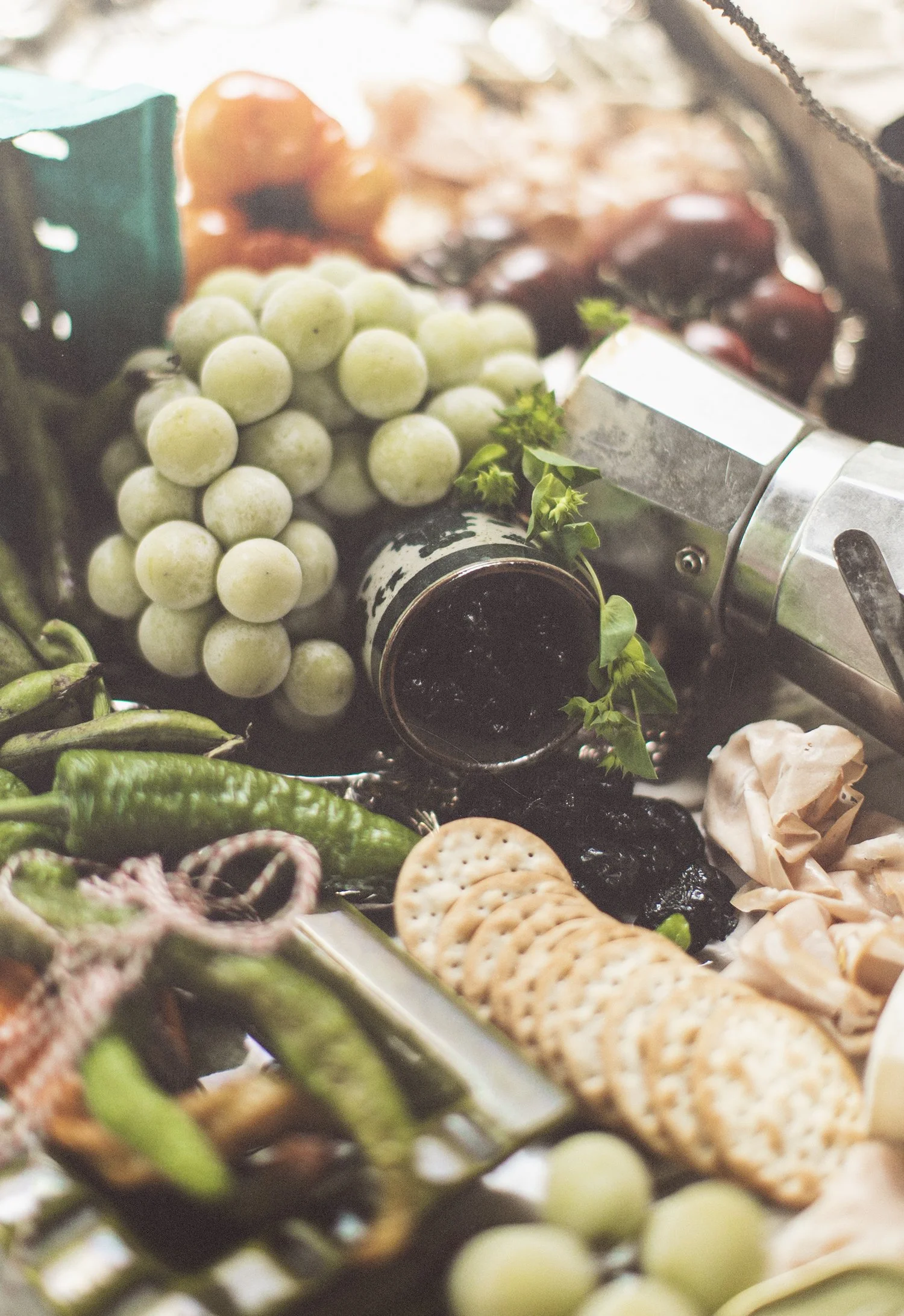
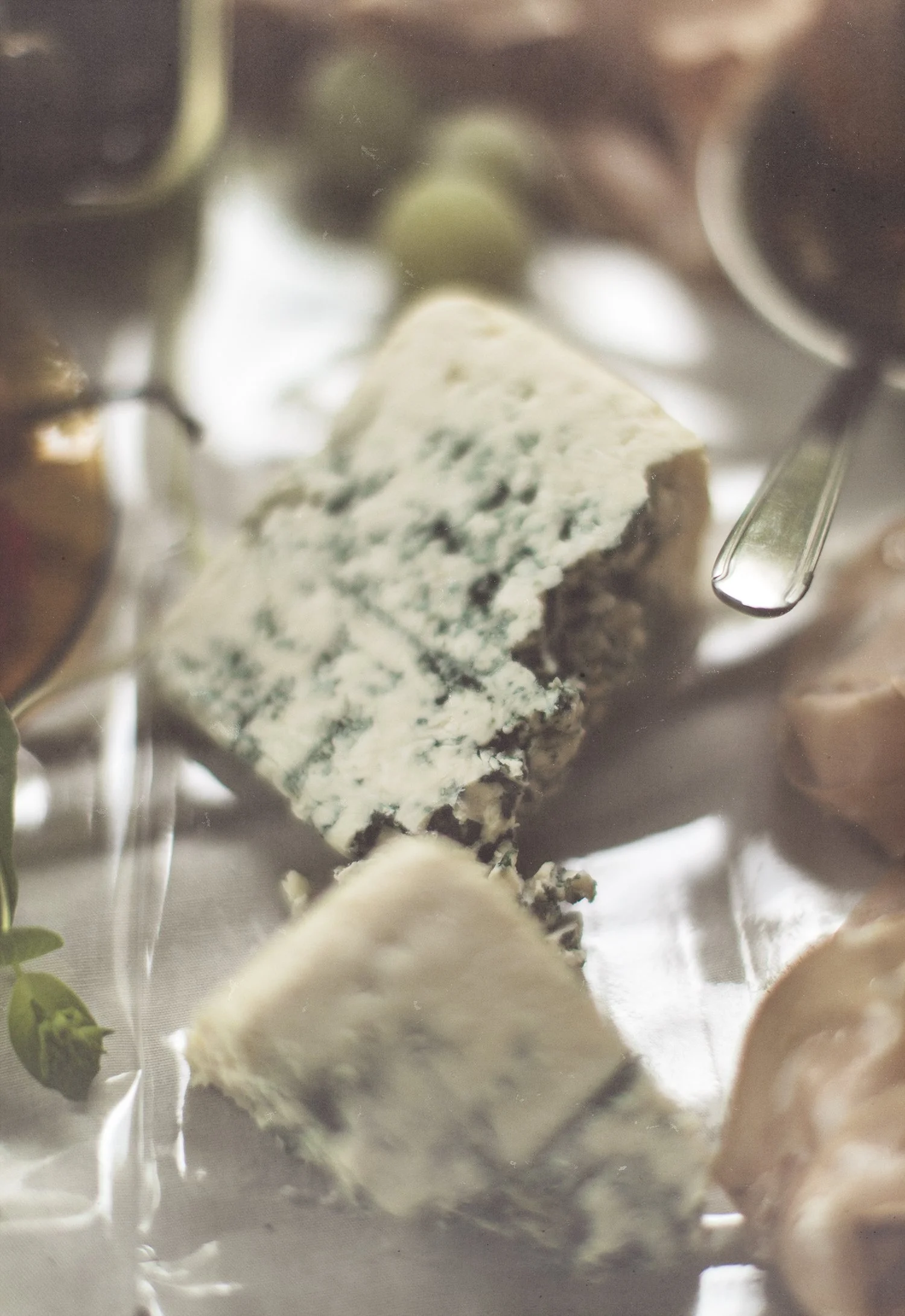
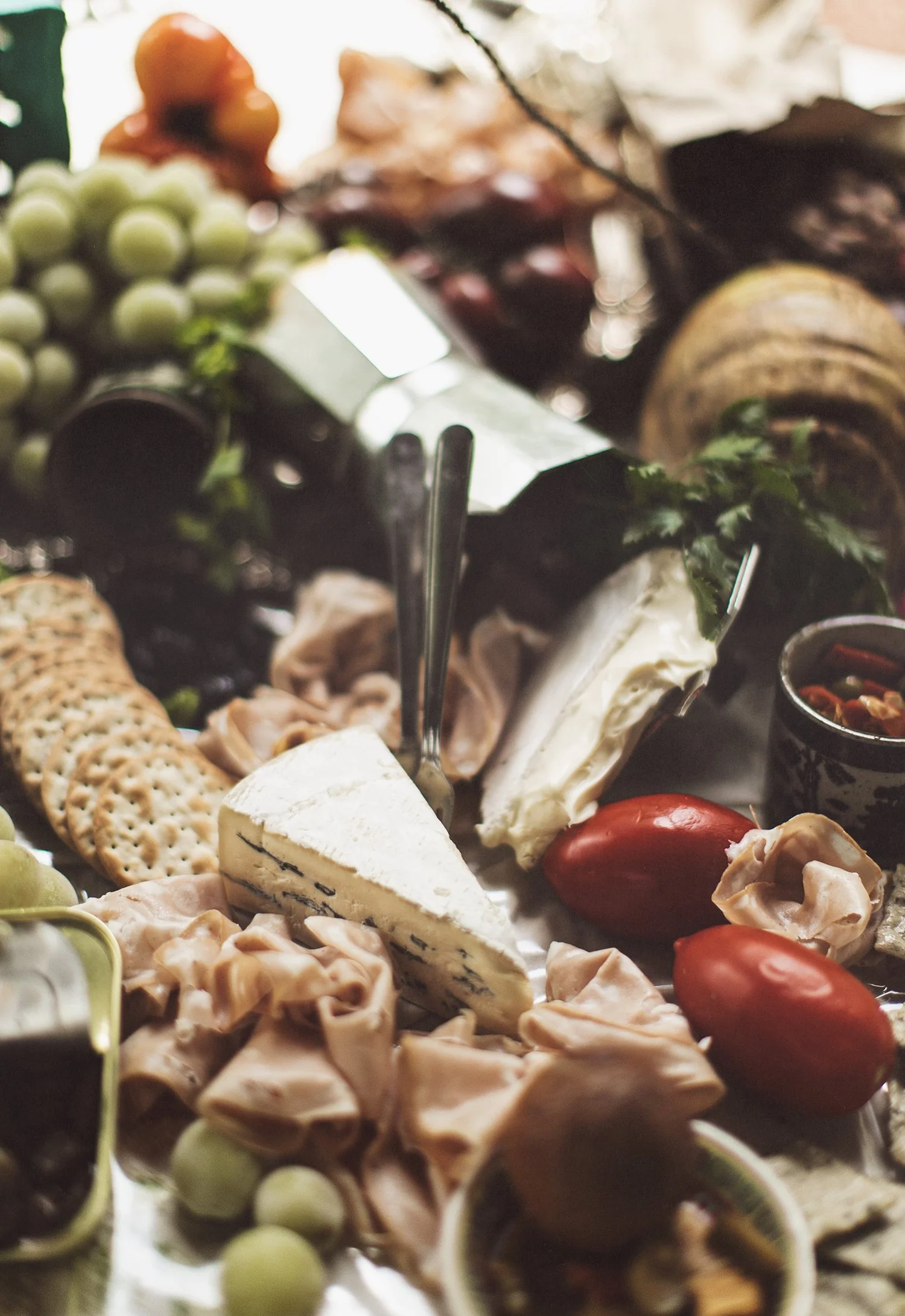
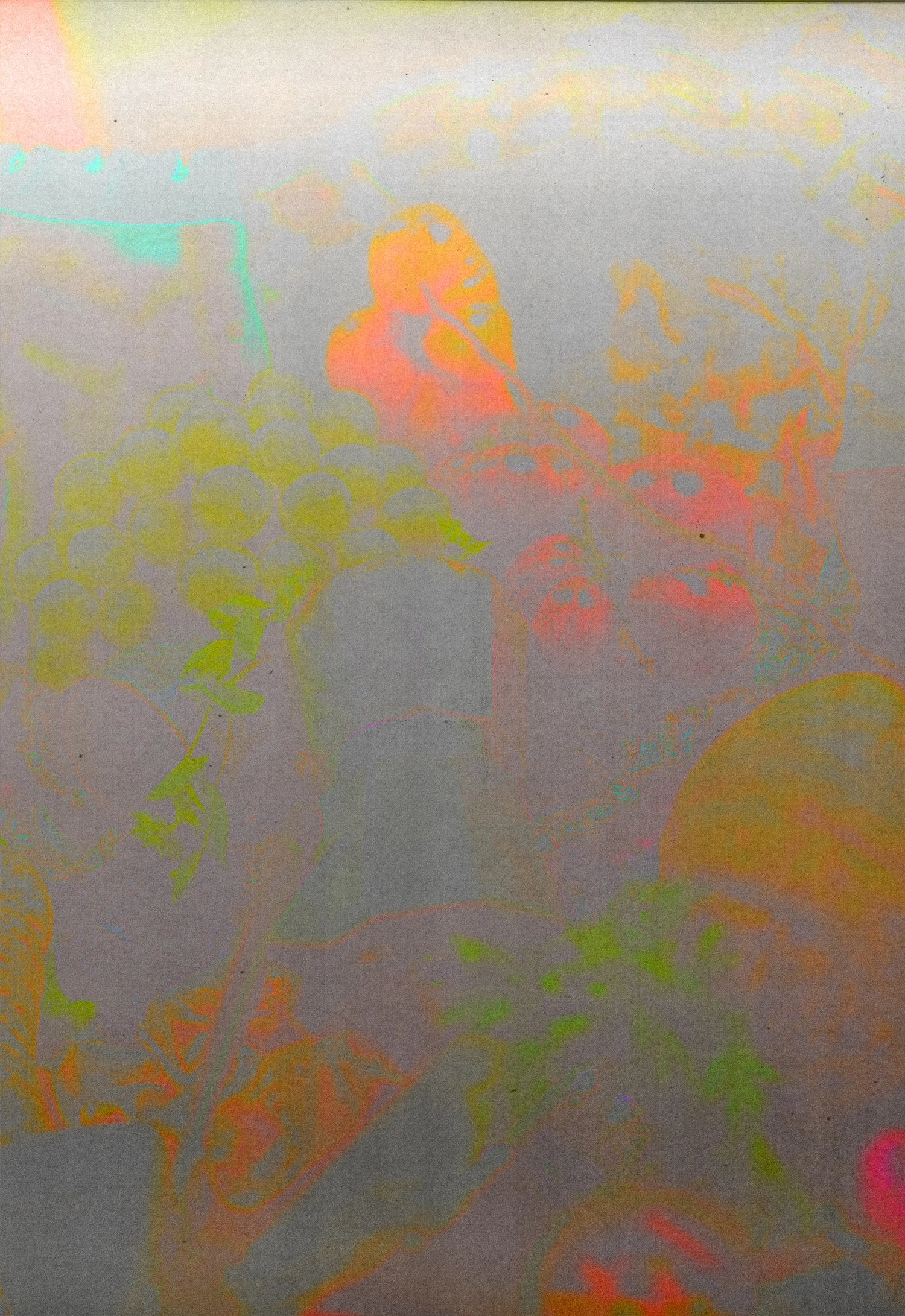
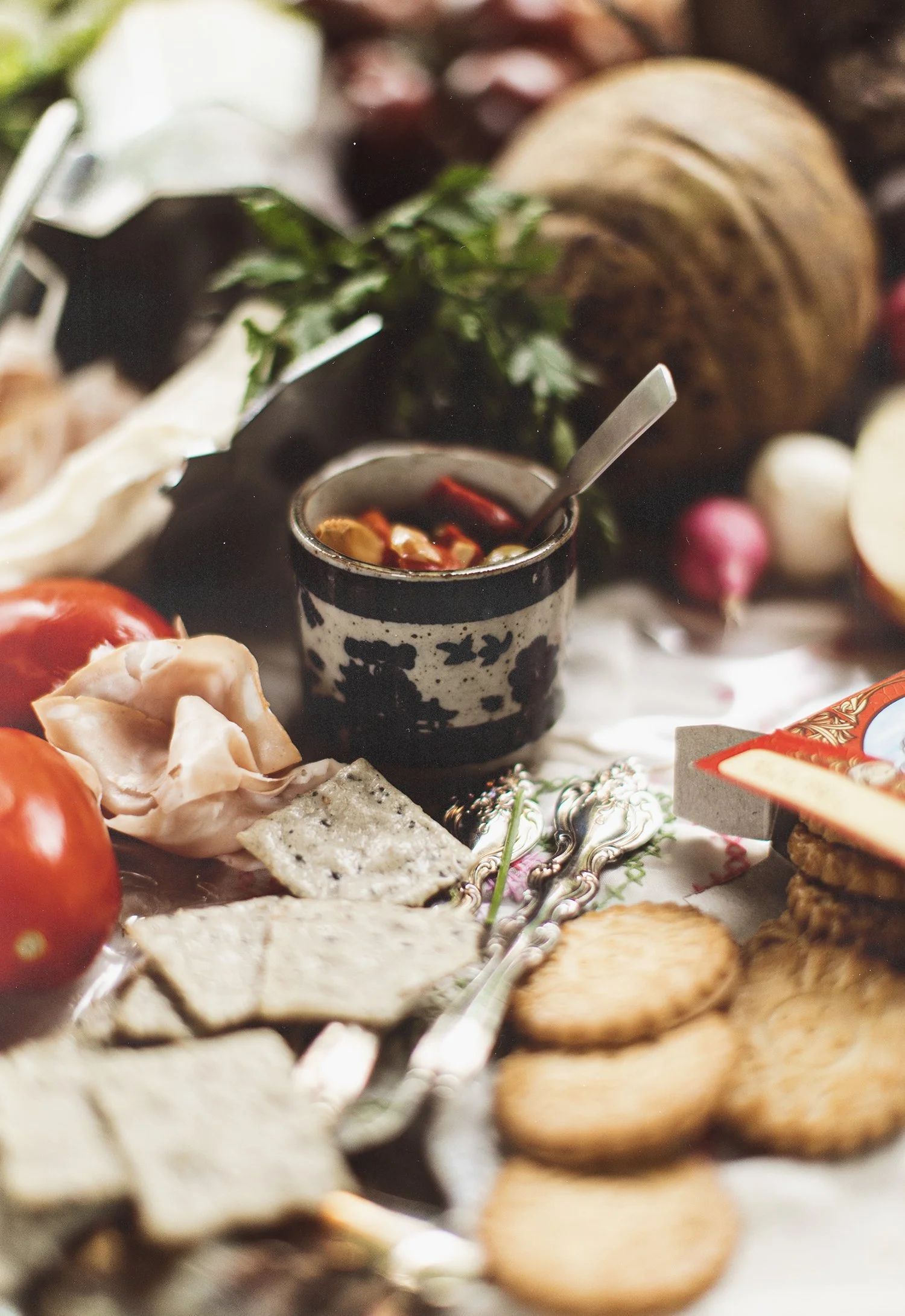
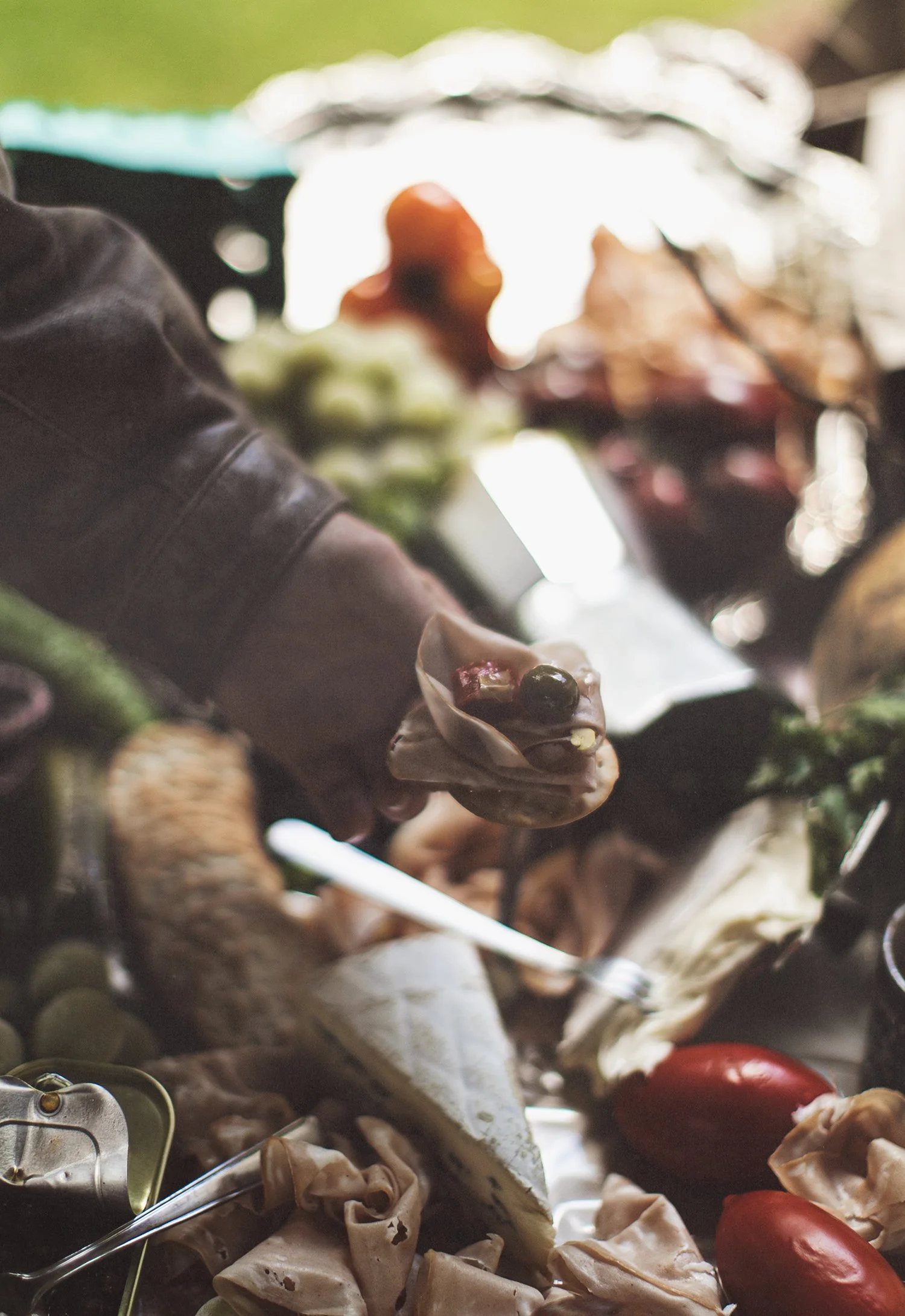
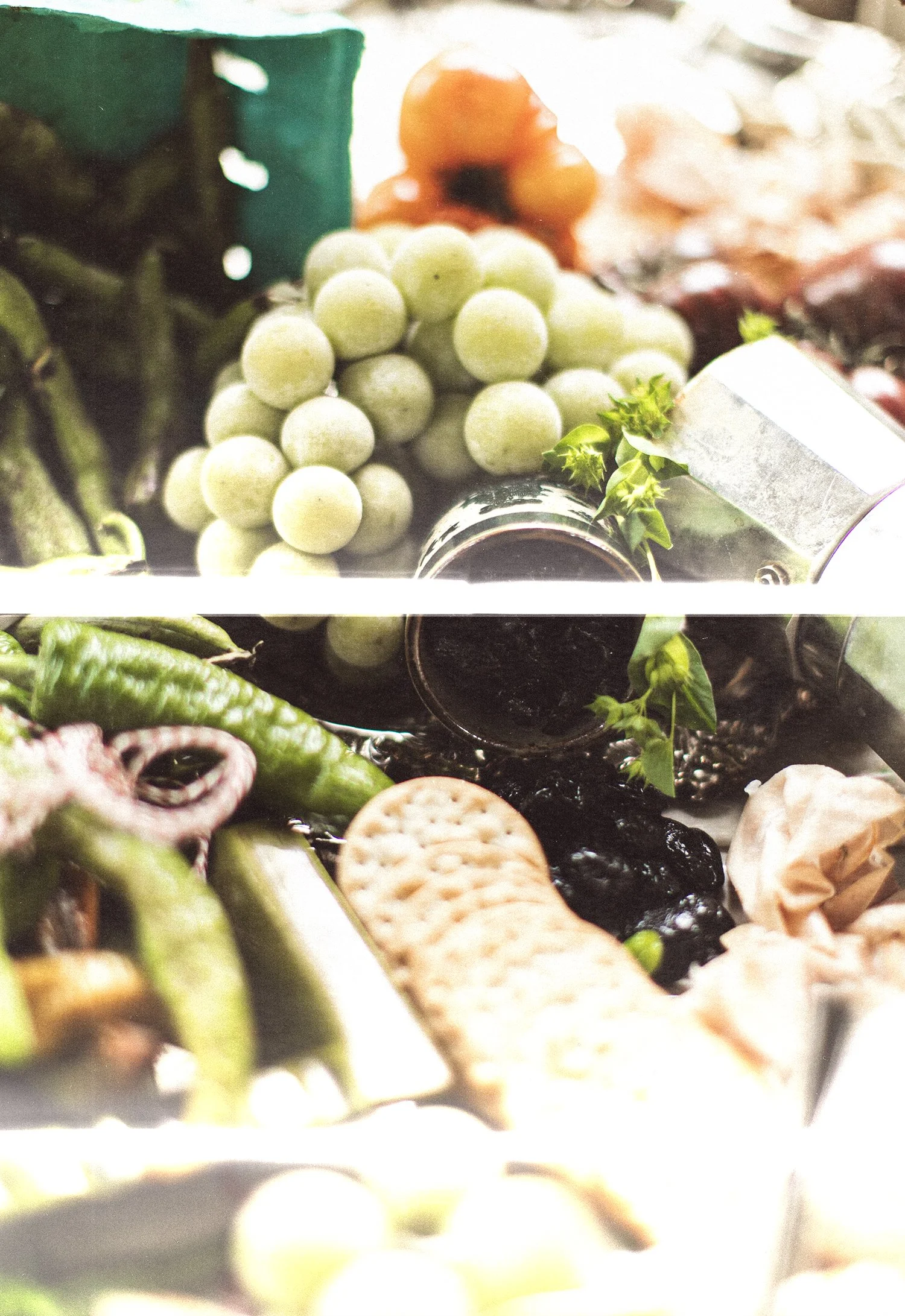
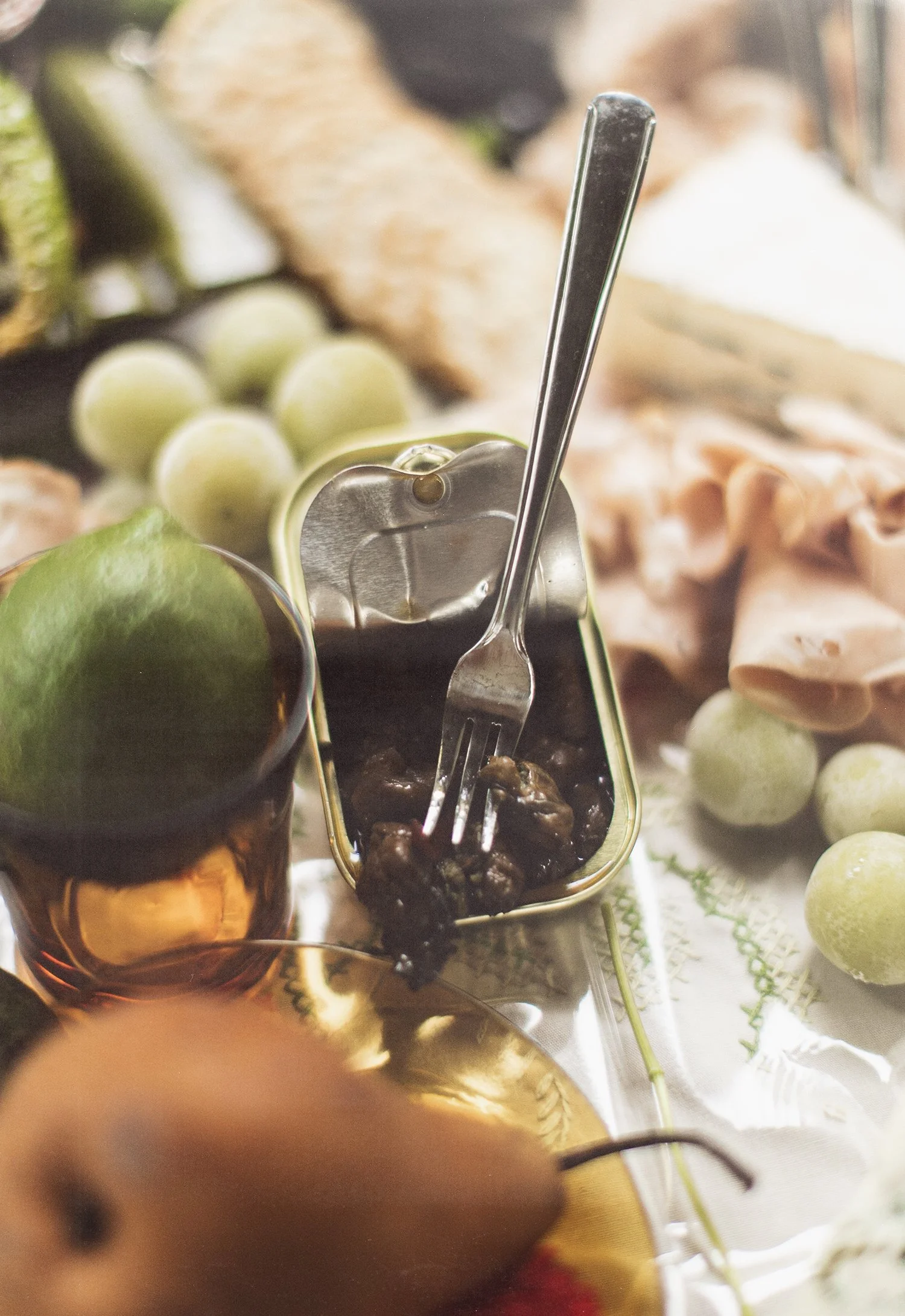
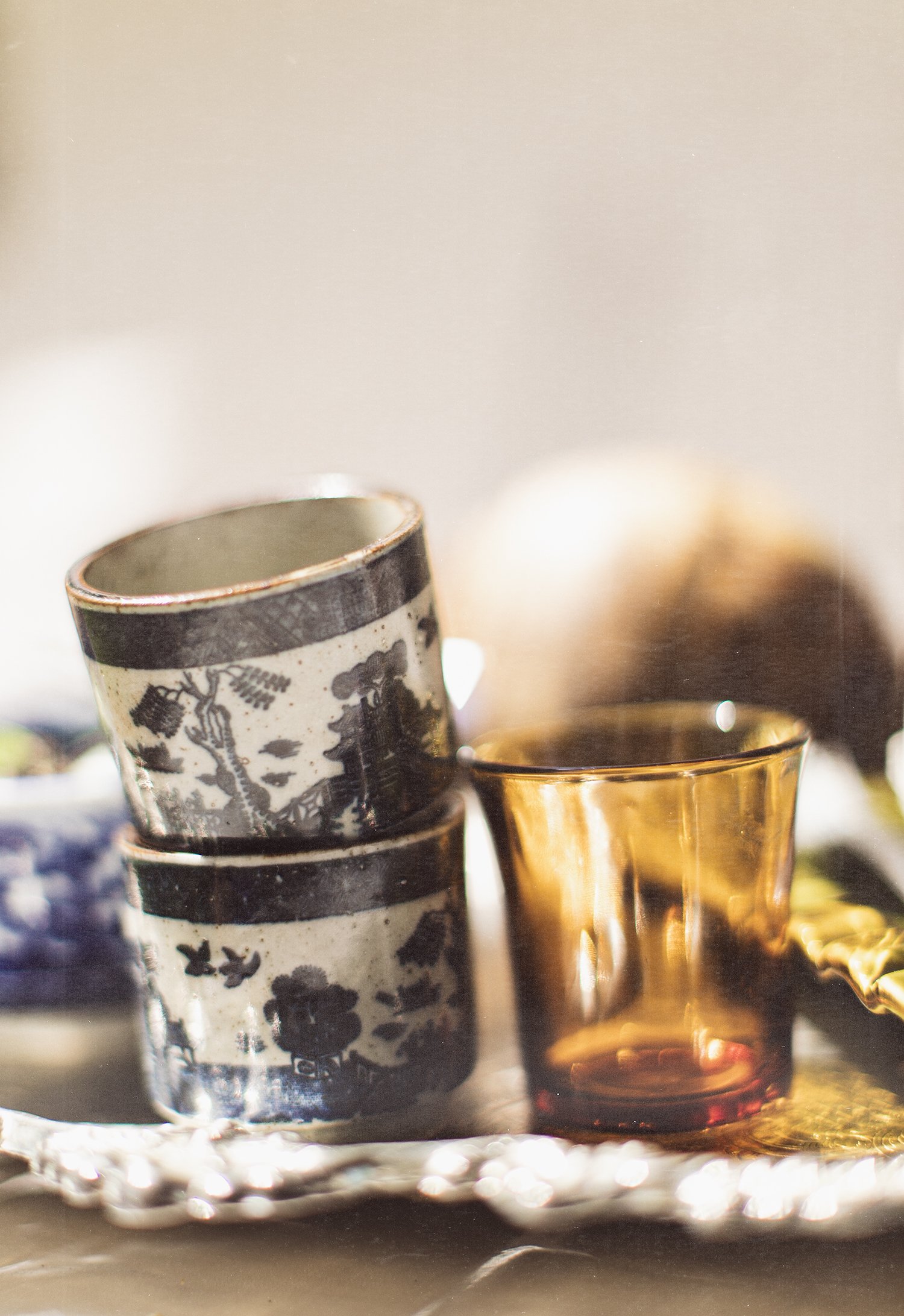
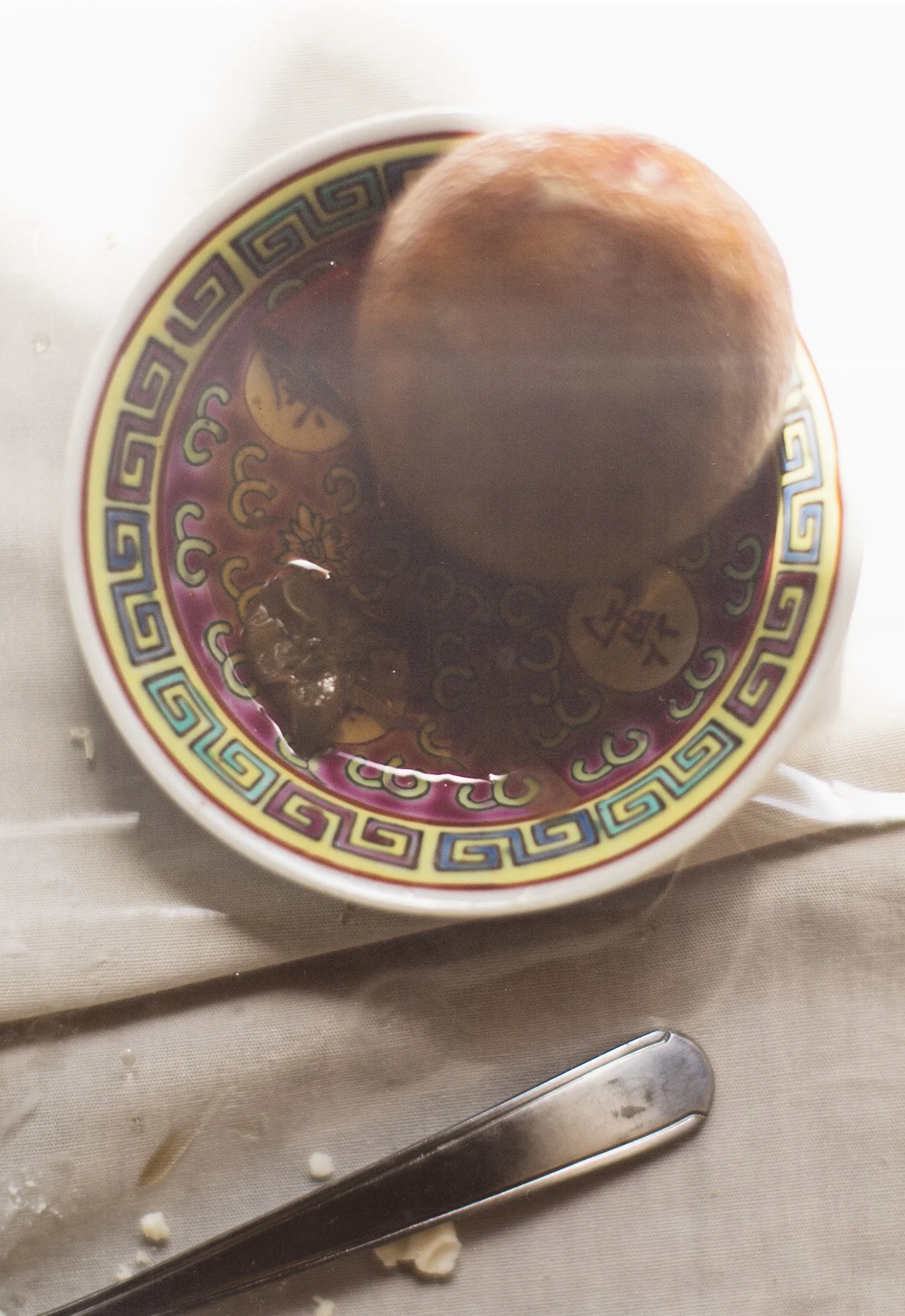
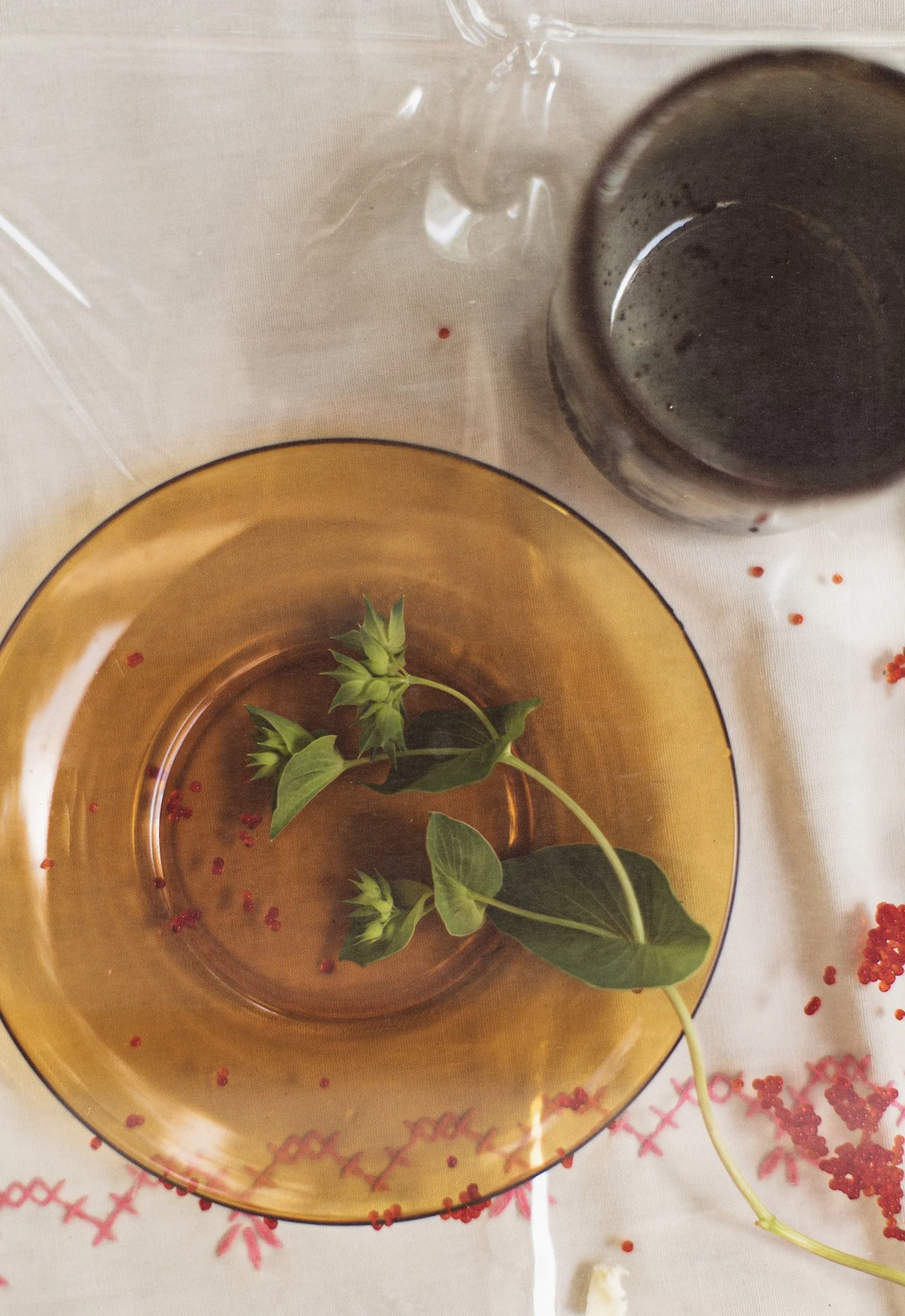
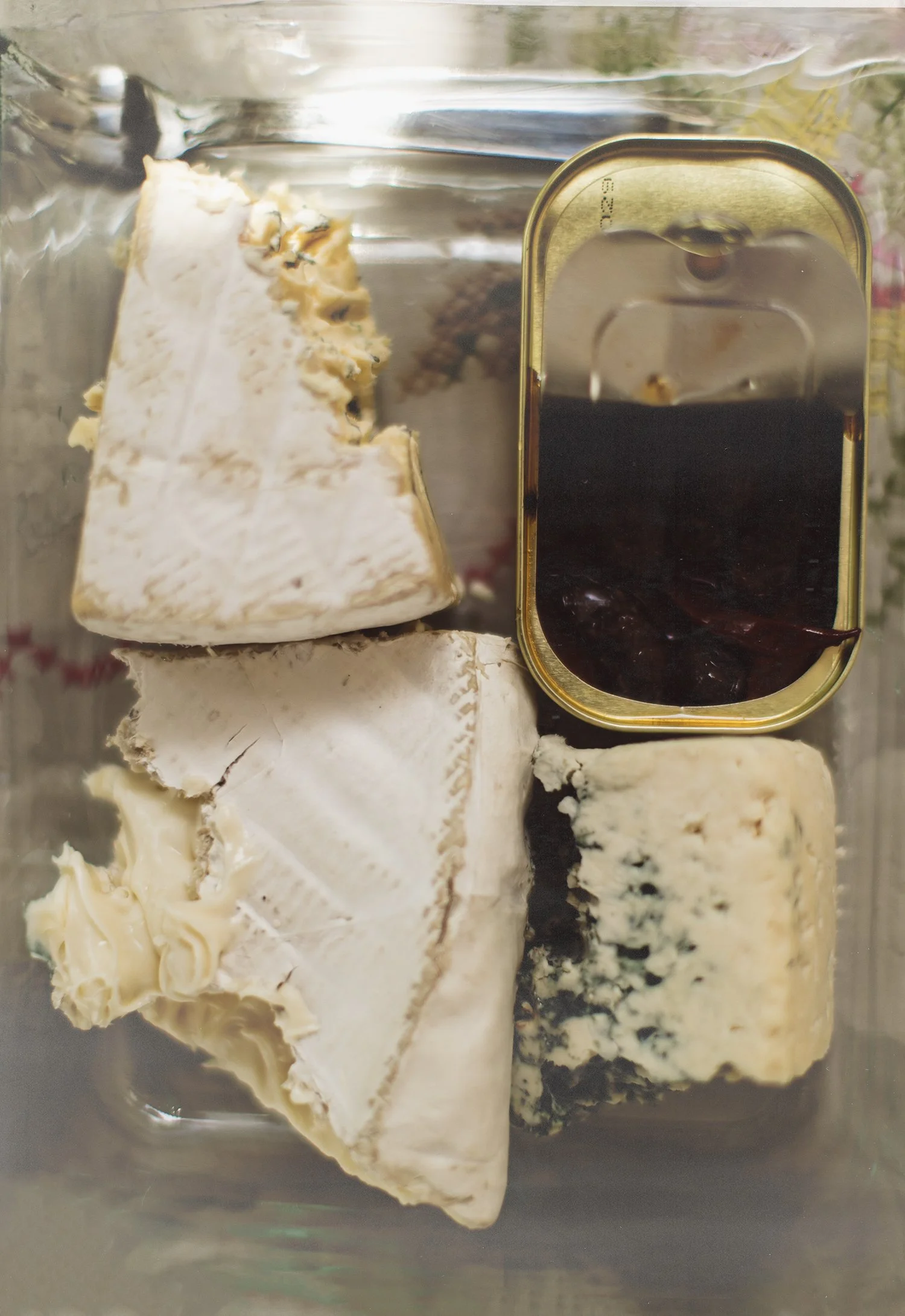
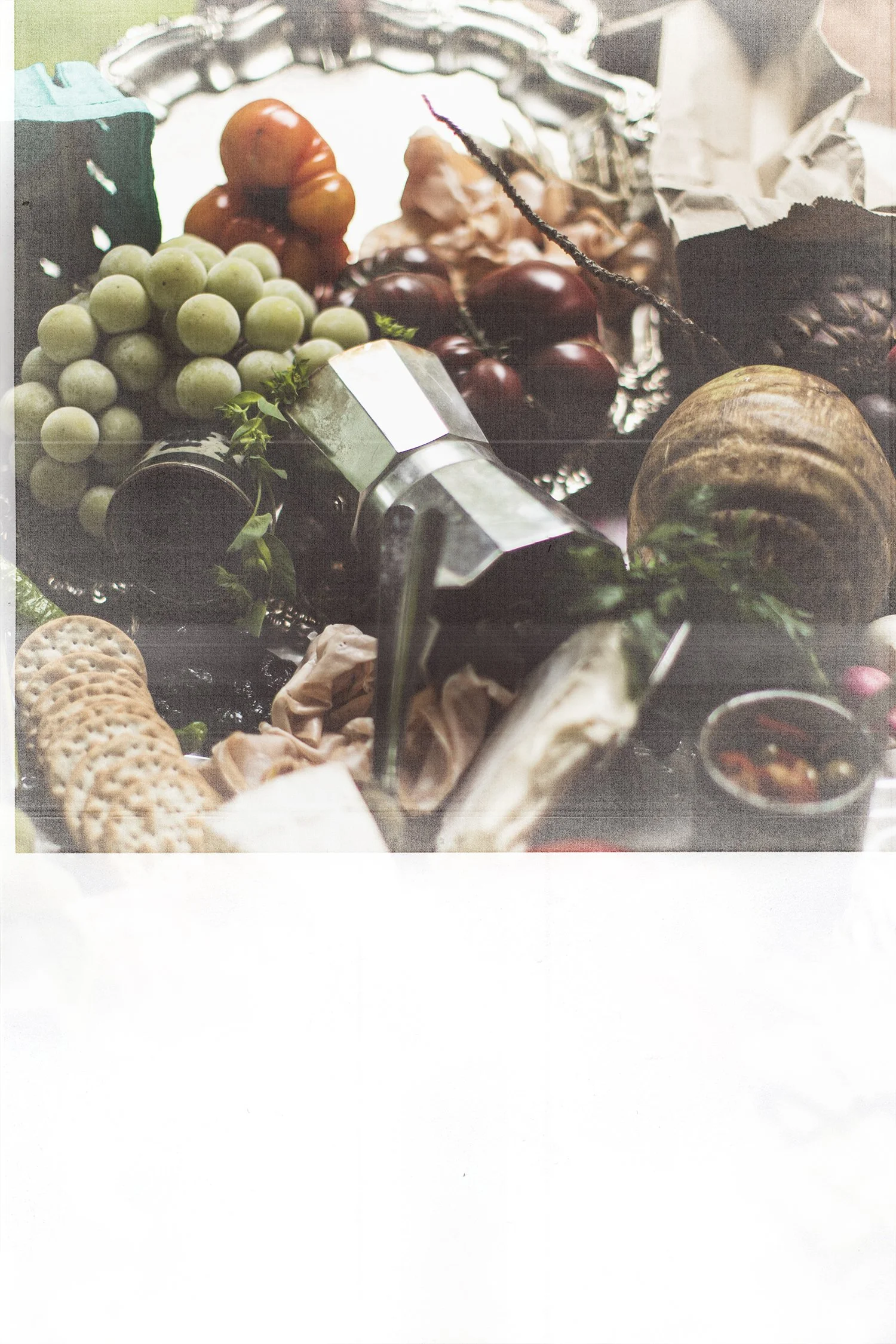
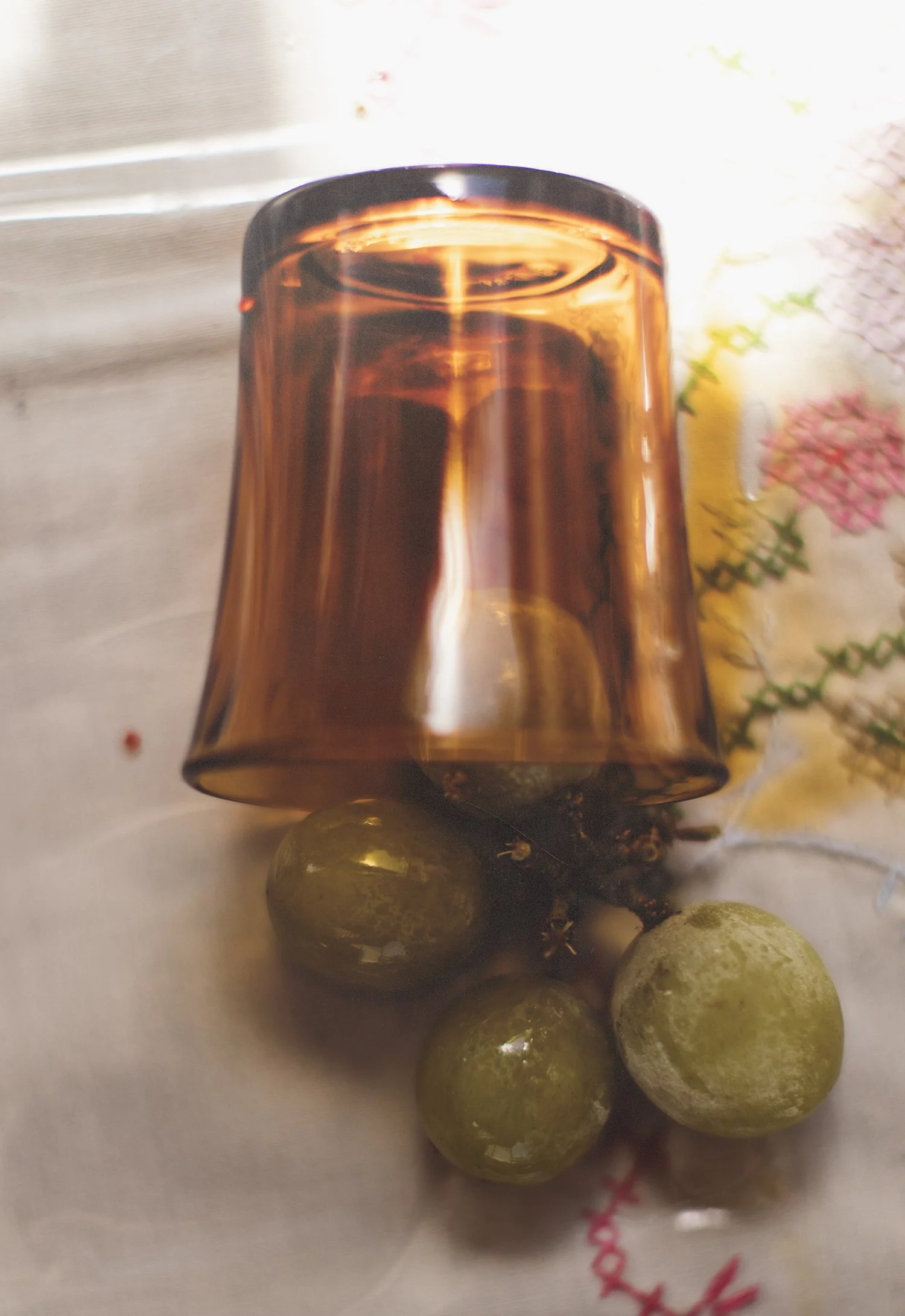
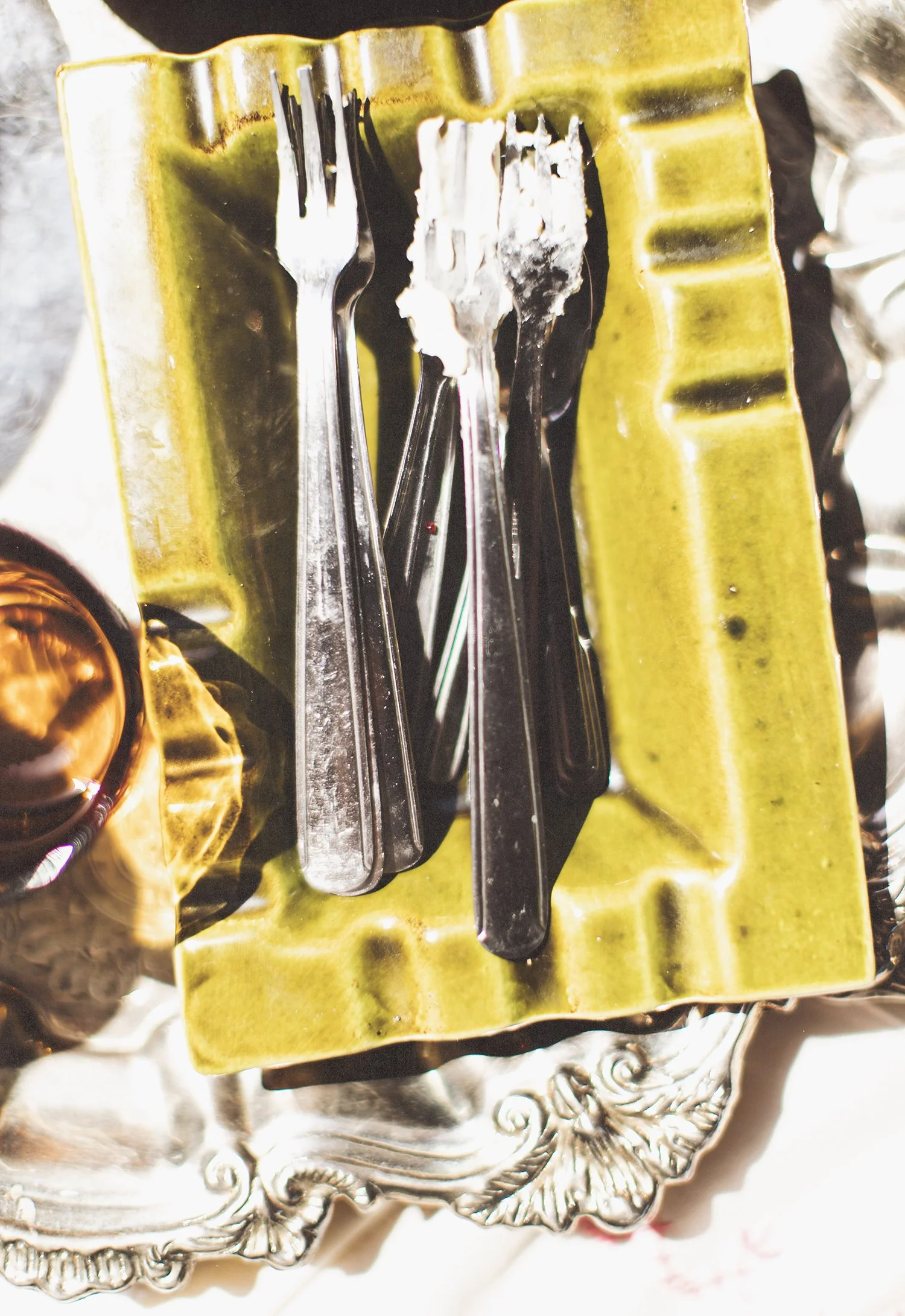
The table was built around a vintage silver platter that looked as if it had been frozen mid-collapse. It was tilted, spilling outward, as though it had just knocked itself over and released everything it had been holding. A moka pot lay overturned. Mortadella was folded in pale, soft layers like fabric. There were smelly cheeses, soft cheeses, blue-veined cheeses, crackers, smoked oysters, masago, whole fruits, vegetables, olives, grapes, and small edible interruptions everywhere.
It was decadent, but not polished. Domestic, but not obedient.
The platter became a cornucopia in the middle of losing control. Something inherited and ornate, suddenly caught in the act of falling apart. The fun of making it was in ignoring the usual rules of a charcuterie board. There are always rules for how something should be done: what belongs next to what, what is too much, what is too strange, what is not proper. But the more interesting part of creating anything is knowing when to break the rules so the thing can start speaking in your own language.
By the end of the night, the board had changed completely. It had been picked at, broken apart, rearranged by hands, appetite, conversation, and curiosity. That was part of the work too. It became less pristine and more alive the longer people gathered around it.
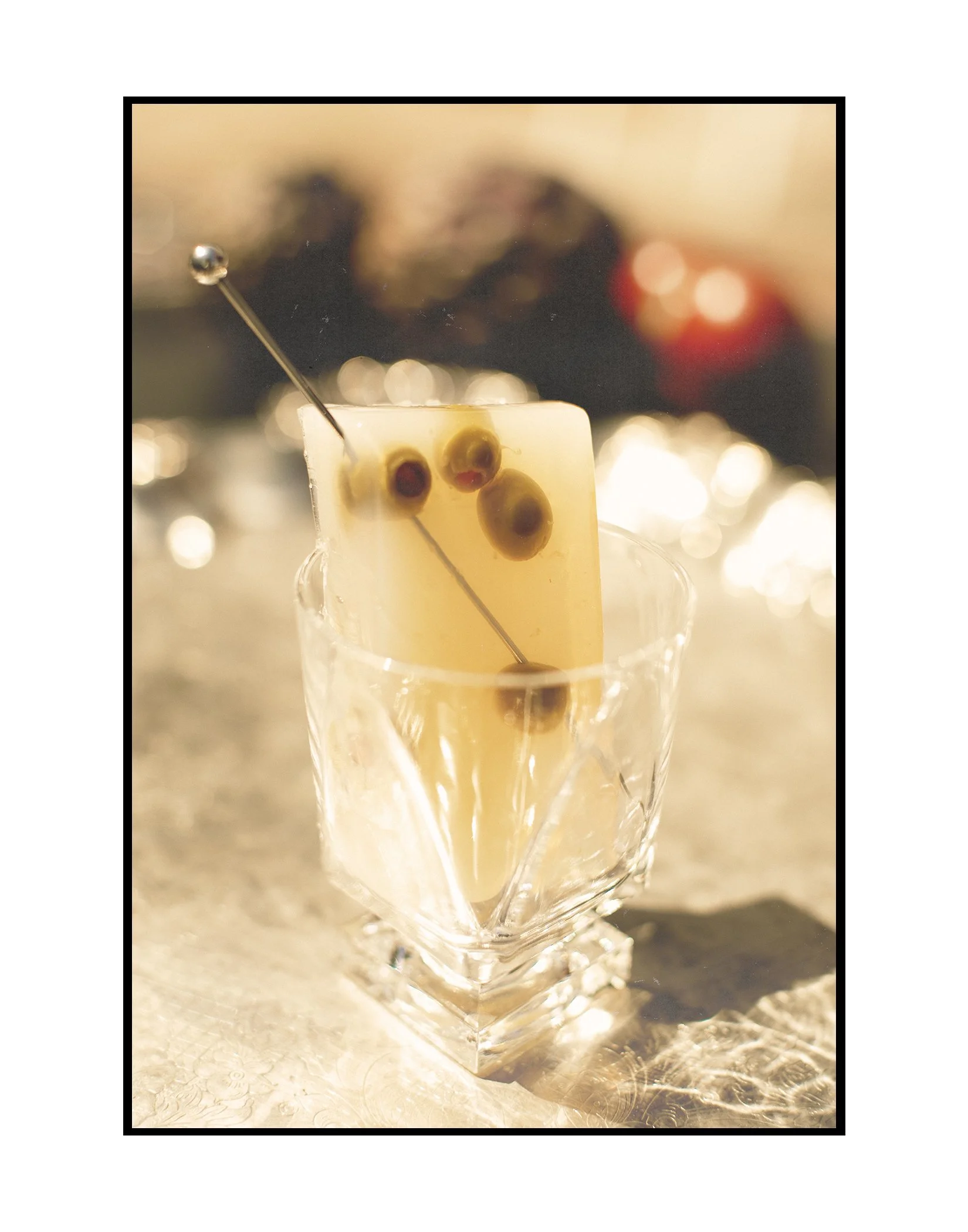
The cocktail followed the same logic. A dirty martini, but made surreal.
Instead of serving it as a liquid in a glass, I made a gelatin version of a classic dirty martini. A preserved martini. A cube. An olive suspended inside. Something familiar made slightly strange. It was cold, briny, absurd, elegant, and a little wrong in the best way. A cocktail turned into a relic. A martini that could be held, cut, looked at, and eaten.
That small shift—from drink to object—felt important. It turned hospitality into art direction.
Throughout the evening, there was the smell of incense, grass, cheese, smoke, brine, fruit, and spring air. The paintings lived between the trees. The food slowly collapsed into enjoyment. The martini became gelatin. The silver reflected everything. Nothing needed to be too loudly announced. The point was to let people discover.
That is what I want amadeo amadeo to be known for: the creation of moments that alter the senses and open a small door into fantasy, curiosity, and wonder. Not fantasy as escape, but fantasy as attention. A reminder that there is so much to see, taste, smell, arrange, touch, and witness if we refuse to take ordinary things for granted.
A backyard can become a gallery.
A painting can become scent.
An incense can become color.
A cheese board can become a domestic collapse.
A martini can become a cube.
A spring evening can become a ritual.
Nocturne in the Garden was the first gathering of this kind for amadeo amadeo, but it does not feel like it should be the last. It felt like the beginning of a language. A way to gather people not only around objects, but around atmosphere. Around taste. Around storytelling. Around the pleasure of seeing something familiar become unfamiliar again.
The evening brought together many of the things that amadeo amadeo is built from: creative direction, art direction, scent, painting, food, graphic design, curation, event planning, and culture. All of it working toward one feeling. One world.
And for one night, that world existed in the garden.
Paintings among trees.
Incense in the grass.
Silver on the table.
Smoke in the air.
A little fantasy, served cold.
Preface: Nocturne in the Garden
I think that’s what I’ve been chasing lately.
Juxtapositions that shouldn’t make sense but somehow become balanced. Smoke and flowers. Brutalism and softness. Silver and dirt. A backyard becoming a gallery for one evening.
Tomorrow evening, the garden will hold three paintings suspended between trees. Three paintings made as synesthetic responses to the three incense scents I’ve been developing under amadeo amadeo. Color becoming aroma. Texture becoming memory. Smoke becoming image.
Tonight, though, the house is quiet.
The week has been long in the best way possible. Stretching canvas. Mixing paint. Burning incense late into the night while trying to understand how scent could translate into surface. Hanging lights in the backyard. Thinking about silver trays and flowers and the way guests might move through the garden tomorrow once the sun disappears.
I felt like I needed a drink that could slow everything down for a moment.
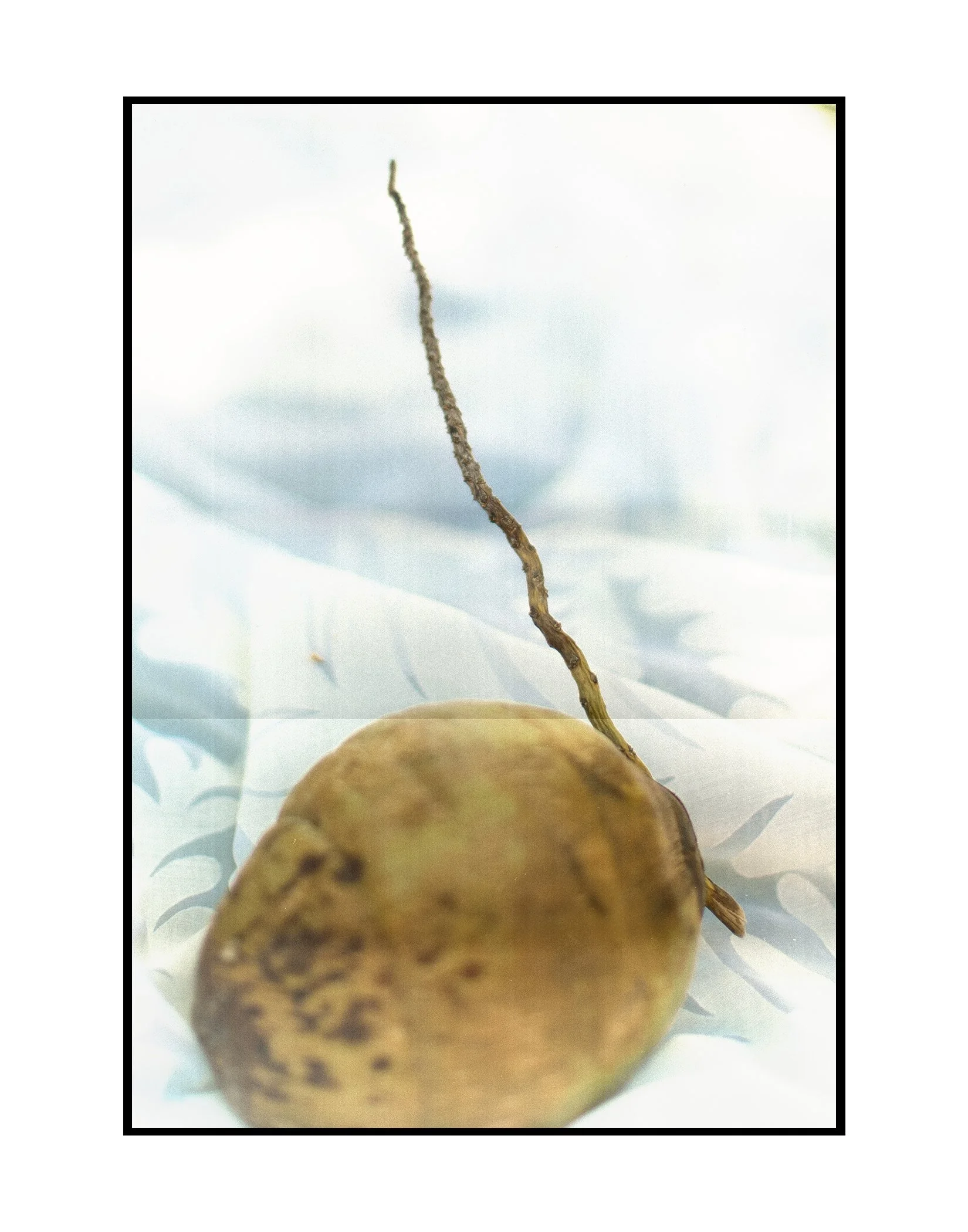
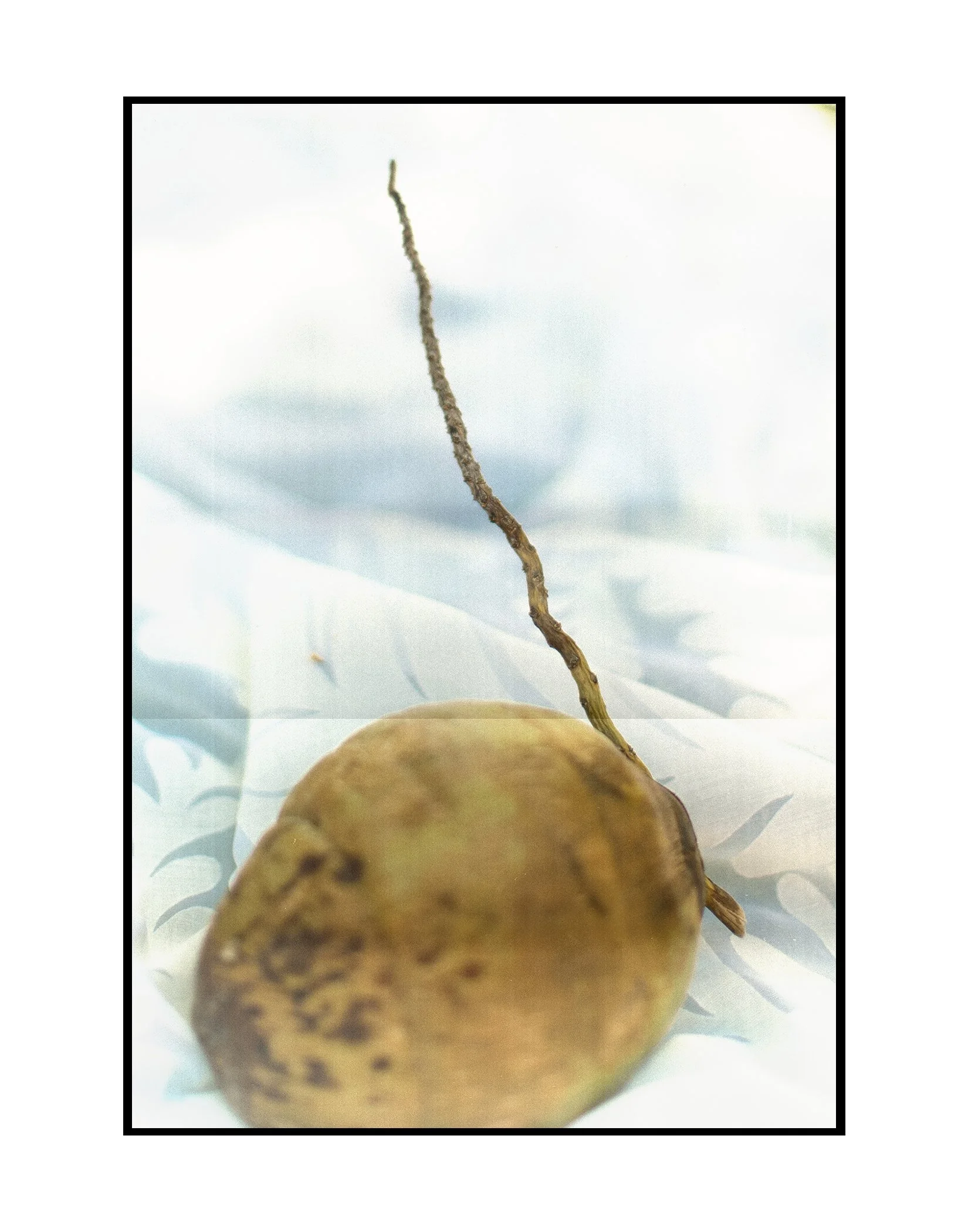
I cut open a young green coconut and poured the water over a tall glass of ice. Added gin. Three dashes of patchouli bitters. Finished with a thick lemon peel resting over the top.
It tasted strange at first. Fresh and green from the coconut water, sharp and botanical from the gin, then suddenly earthy and dark from the patchouli bitters. The lemon lifted everything back upward. Somehow it all worked together in a way that felt oddly familiar and completely new at the same time.
I think that’s what I’ve been chasing lately.
Juxtapositions that shouldn’t make sense but somehow become balanced. Smoke and flowers. Brutalism and softness. Silver and dirt. A backyard becoming a gallery for one evening.
Now I’m sitting here writing this while drinking a warm cup of lapsang souchong. The room smells like smoke, citrus peel, tea leaves, patchouli, and drying paint. Incense still lingers faintly in the background from earlier tonight.
Everything today has revolved around flavor and scent. Not just tasting things, but experiencing atmosphere through them.
Tomorrow, people will arrive to see paintings. But more importantly, I hope they feel something while moving through the garden. I want the evening to feel suspended for a moment in time. Like walking into a still life painting that’s quietly breathing.
For now, though, the lights are off, the tea is still warm, and I’m trying to enjoy the calm before Nocturne in the Garden begins.
A Guide to Moving Along the River (Without Knowing Where You’re Going)
It usually starts with coffee.
Or a question.
Or someone asking you if you are something you are not.
Part I
There is a way to move through a place without deciding where you are going.
It usually starts with coffee.
Or a question.
Or someone asking you if you are something you are not.
From there, it becomes difficult to stop.
You follow a road.
The road follows a river.
The river does not ask you anything, but it keeps offering.
A chair.
A jacket.
A painting you cannot take with you.
And before you realize it, you are no longer looking for anything specific—
you are just responding.
We started somewhere near the river without saying that we were following it.
Avon, Connecticut. A coffee shop that roasts its beans in-house—The Coffee Trade—the kind of place where the air is already thick before you even order. The smell of roasting beans sits low and constant, like something alive in the room. You don’t need to ask what they do there. You can smell it before you speak.
We ordered coffee.
“Are you guys musicians?”
There was a pause. A small laugh. Not because it was funny, but because it felt accurate in a way that didn’t need correcting.
We weren’t.
But we didn’t say that.
We sat in the garden and let that question linger between us, turning it over like something we had just picked up off a shelf. There’s a moment when you realize that people are seeing something in you that you didn’t intentionally present. Or maybe you did, without knowing.
That was the first shift.
If you continue down the road long enough, something will appear.
A Goodwill.
A small thrift store.
Something that feels like it wasn’t meant to be a stop, but becomes one anyway.
We went in without expectation.
I was looking for textiles—something that could become something else. Curtains that weren’t meant to be worn. Table linens that had already lived one life. Materials for Chiddu ca tinemu. The things that we keep, even when we don’t know why yet.
We left with sheer curtains. Tablecloths. Fabric that held memory in its weight.
At the next stop, Nikko found a jacket.
A perfectly worn brown leather bomber—soft in the way that only time can make something soft. He put it on in the middle of the store. The women behind the counter watched, smiling, approving, as if they had been waiting for someone to come in and take it home.
There’s a moment when clothing stops being clothing and becomes a role.
Before the jacket: cords, a hoodie, something quiet.
After the jacket: something else entirely.
We didn’t say it out loud, but it was understood.
We were becoming more visible.
The road kept moving and so did we.
The river stayed just within reach—sometimes hidden, sometimes running parallel like a second thought. The Farmington River doesn’t demand your attention, but if you notice it once, you keep looking for it again.
We ended up in Collinsville.
An antique mall—Collinsville Antique Mall—the kind of place where time folds in on itself. Every booth a different version of someone else’s past, arranged for you to walk through.
This is where things slow down.
You start to notice details:
a brown suede rocking chair worn into itself
a tray of colorful vintage flatware, each piece slightly off from the next
a wood panel with an inlaid clown, quietly plucking the petals from a flower
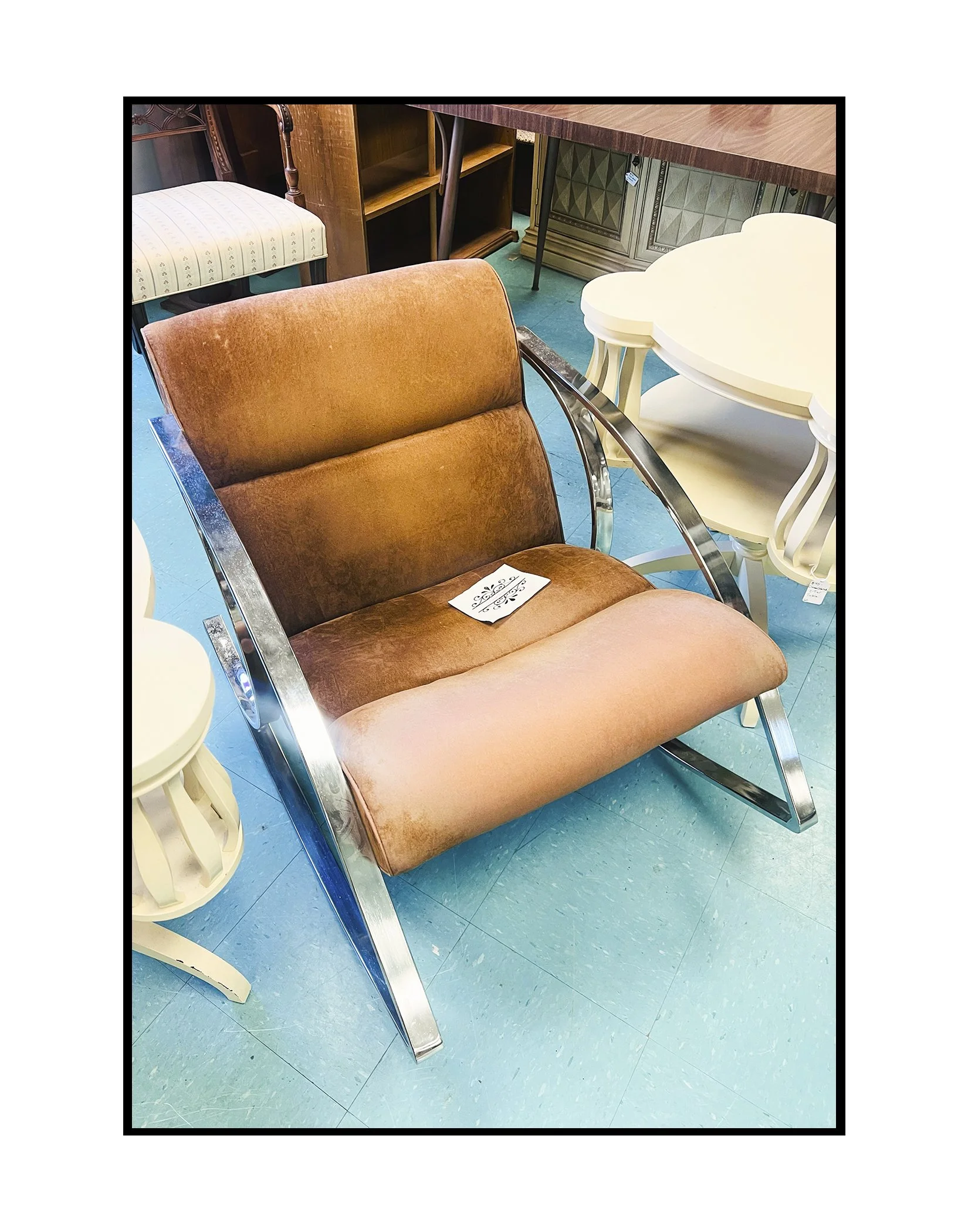
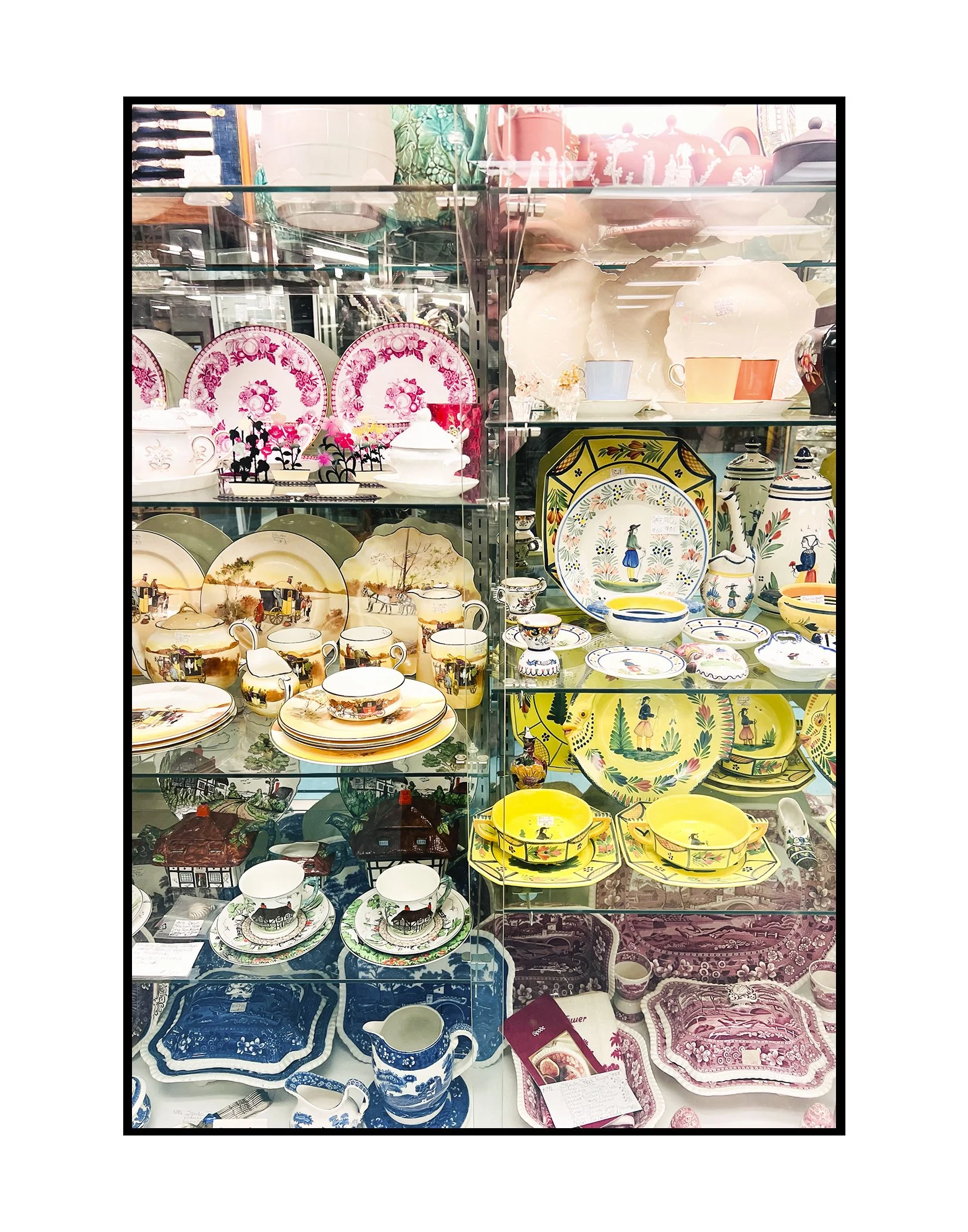
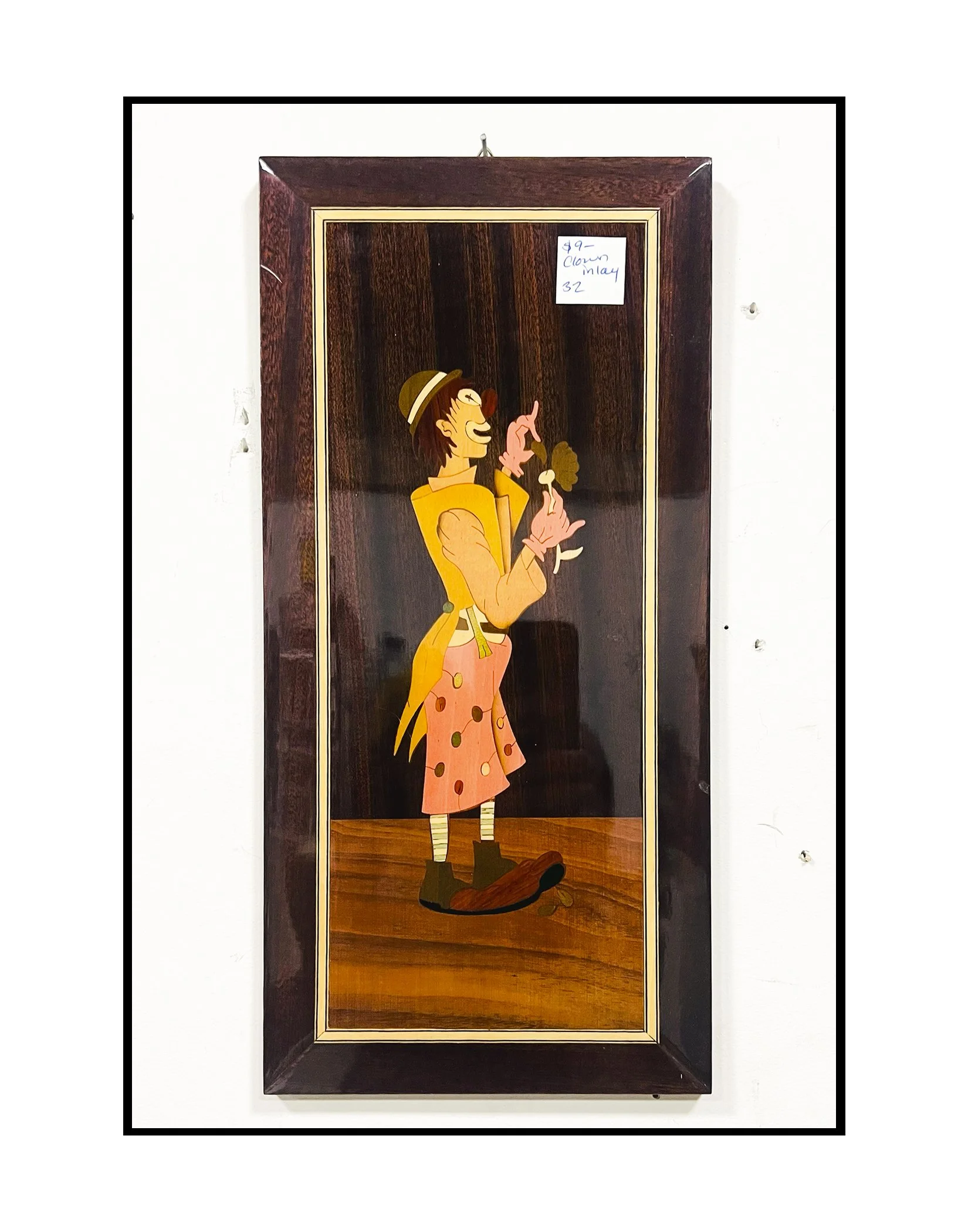
The clown stayed with me longer than I expected.
Not loud. Not exaggerated. Just there.
Doing something repetitive. Waiting.
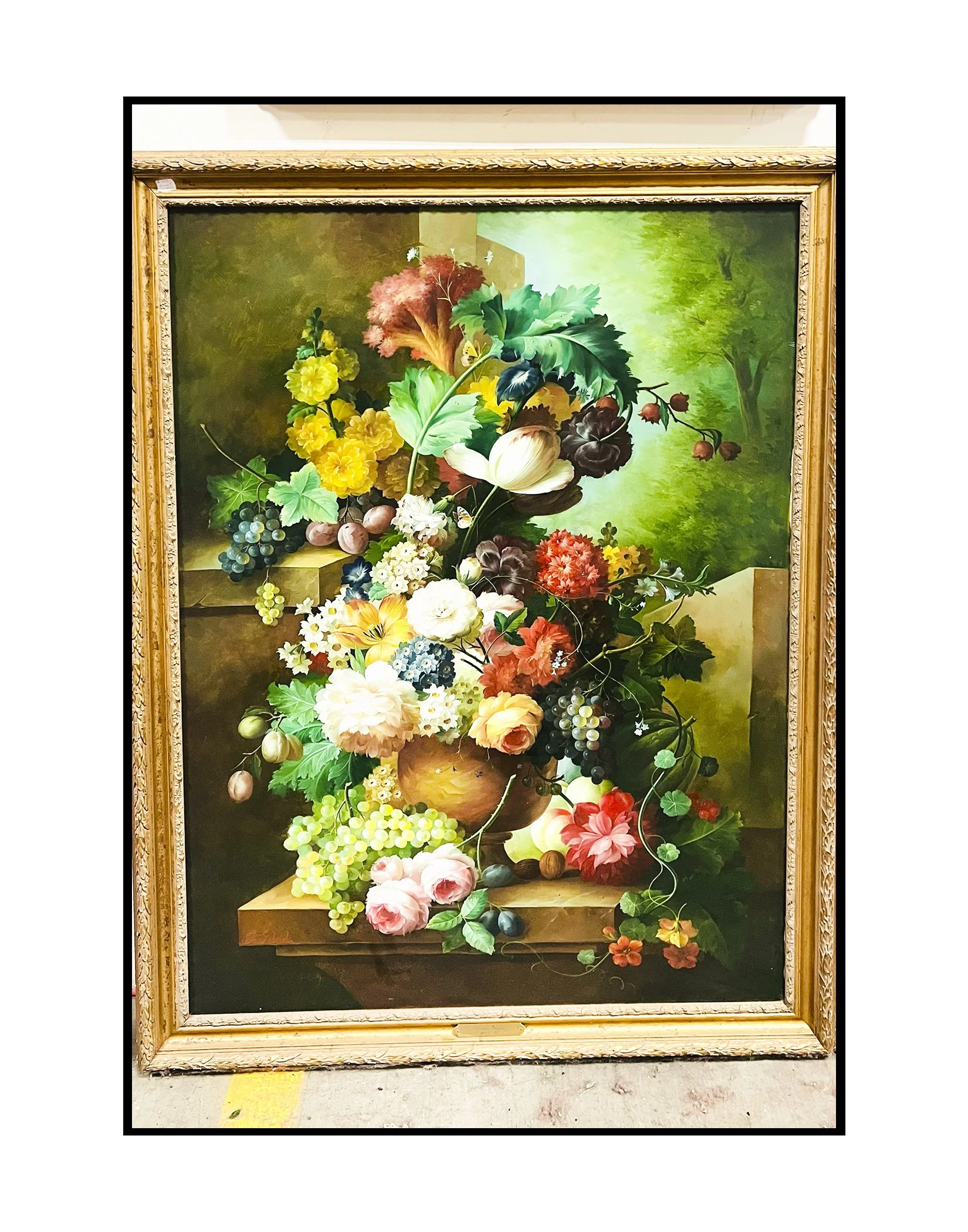
There was a painting too. Large. Oil. Flowers that felt almost too alive for the room they were in.
I wanted it.
Not in the way you want something decorative—but in the way you want something that feels like it already belongs to you.
I took a photo instead.
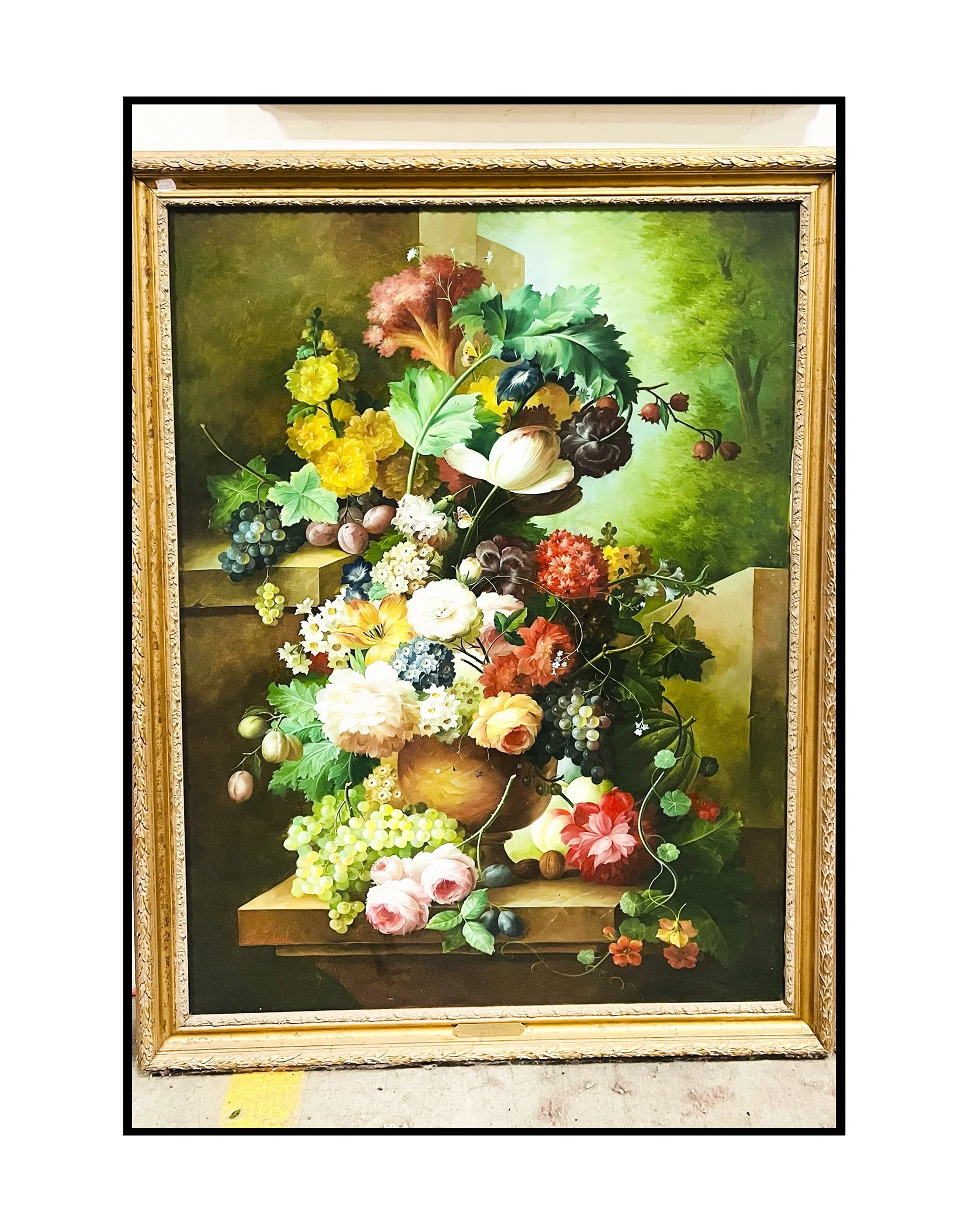
Some things you don’t take.
Some things you leave so they can keep existing where they are.
We walked out with an embroidered tablecloth. Flowers stitched into it carefully, deliberately. Something that would become something else later.
Again—collection, but not for keeping.
Collection for transformation.
We went home, but not really.
The body returned, but the momentum didn’t.
The fabrics came out immediately—laid across surfaces, held up to light, pulled, folded, tested. I wanted to see how they moved before they became anything permanent. There’s a moment before creation where everything is still possible, and it’s almost better to stay there.
That feeling doesn’t last long.
It turned into something else quickly—
paintings, collages, sewing.
An urgency.
The kind where you feel like if you don’t make something now, it might disappear.
At some point, the conversation shifted.
What is art?
What makes someone an artist?
Is there a difference between being creative and being an artist, or is that something we’ve decided to separate?
There wasn’t an answer.
There still isn’t.
It’s the kind of question that doesn’t resolve—it just expands.
The next day, we followed the same instinct.
No plan. Just direction.
We decided to go further down the river.
Chester, Connecticut—Chester—a town that doesn’t feel real when you first drive into it. The buildings sit too perfectly. The street feels staged. Like something built for a film, but left there after production ended.
We parked near a cemetery.
And again—coffee.
Simons Marketplace—espresso, cinnamon buns, a window seat facing Main Street. The kind of place where you sit and watch people move, and for a moment, you feel like you’re outside of it all.
Then back into it.
Cheshire Vintage—a perfectly curated shop. We spoke with one of the owners for a while. There’s something different about small towns like this. The conversations last longer. The recommendations matter more.
She sent us a few doors down.
Dina Varano Gallery—crystals, jewelry, objects that feel like they hold energy whether you believe in that or not.
There was a pattern forming.
We weren’t finding places.
We were being sent to them.
At some point, we noticed a small house.
White picket fence. Eyebrow dormer. Slightly elevated from the street as if it needed to be approached with intention.
We walked up.
There are moments where you don’t ask questions—you just follow the pull.
Next door, a door was open.
Leif Nilsson Spring Street Studio and Gallery.
We walked in.
Paintings filled the space. Impressionist, but not distant—alive in a way that made you feel like you had stepped into them rather than looking at them.
And then you realize:
the person standing there is the one who made them.
Leif.
The conversation started easily and didn’t feel like it needed to end. Stories about painting. About sailing. About working from a boat. About the house itself—once a hotel in the 1800s, now something else entirely.
We learned that the small studio we noticed outside was his too.
That everything we had just walked into was part of a larger life we hadn’t known existed ten minutes before.
At one point, I stepped back and saw Nikko standing in front of a long painting, looking up at it.
Still.
There are moments when someone becomes part of a scene without realizing it.
I took a photo.
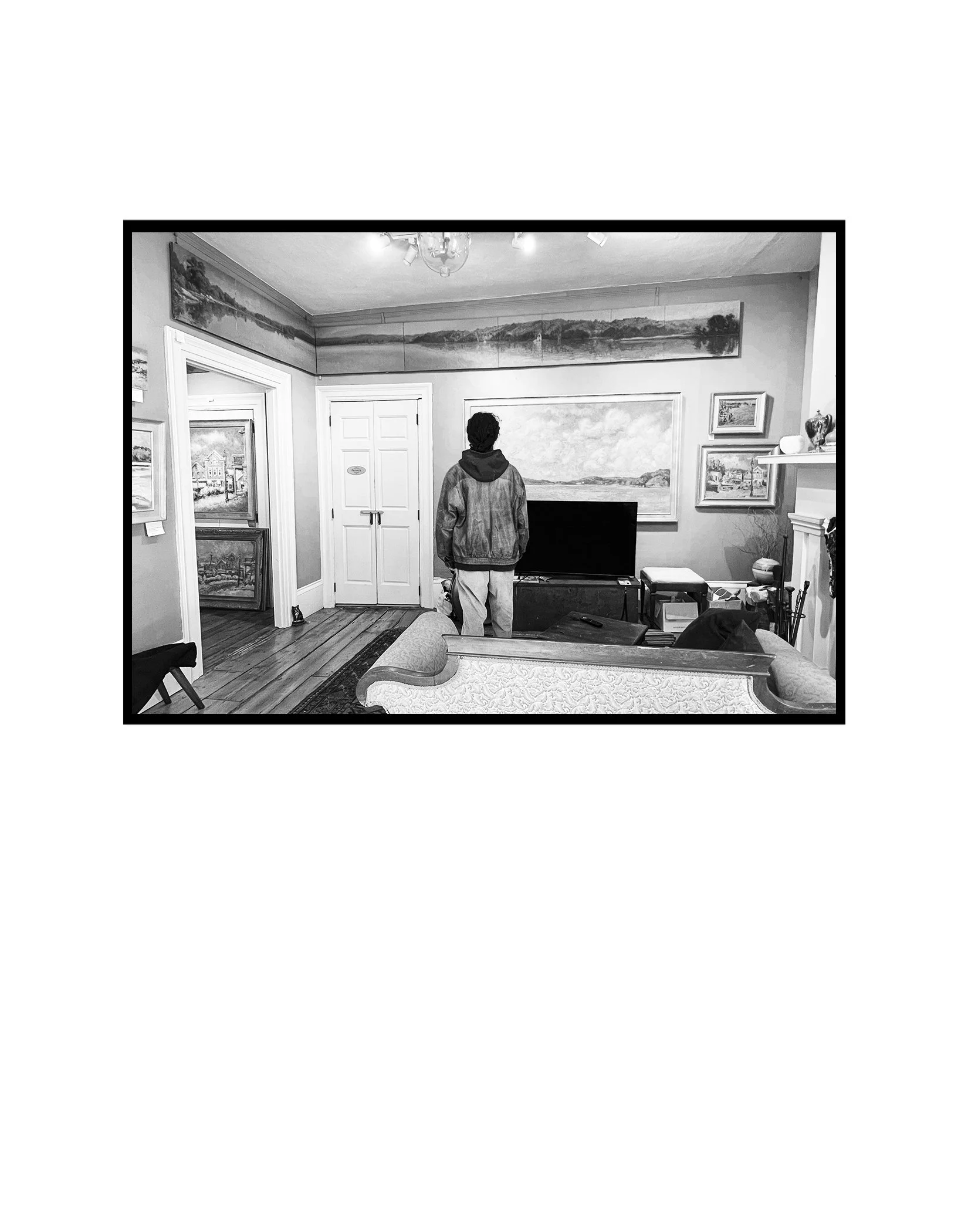
Nikko Amadeo inside Leif Nilsson’s gallery
Not many—just enough to remember that it happened.
Before we left, he mentioned something casually.
An art show.
The next day.
We should come by.
We said we would.
Or maybe we said we might.
We left Chester and drove to New Haven.
The shift was immediate.
The Owl Shop—dark wood, leather chairs, amber lights hanging low over the bar. The kind of place that exists outside of time, or at least outside of whatever time you were in before you walked in.
We sat down.
Picked cigars.
Ordered beers.
I had brought fragrance with me—something I had been thinking about all day without knowing why.
Lily of the valley.
And Muskara Aquilaria from Fueguia 1833.
We layered it into the room without asking permission.
The sweetness cut through the smoke.
The smoke settled back into it.
For a moment, the air felt constructed.
Not accidental.
We sat there, surrounded by low conversation, glass, wood, and heat, and returned to the same questions.
What is art?
What makes someone an artist?
Is it making something?
Or is it seeing something differently?
I don’t know when the conversation stopped and just became part of the atmosphere.
It felt like we had stepped into another version of the day.
Or another version of ourselves.
At some point, we left.
Not because anything ended, but because something was continuing somewhere else.
We talked about Chester the entire way back.
About Leif.
About the studio.
About the fact that we could go back the next day.
We said it casually, but it didn’t feel casual.
Some places open something.
Some people do too.
We said we might go back.
And for some reason, that felt like the most important decision we had made all weekend.
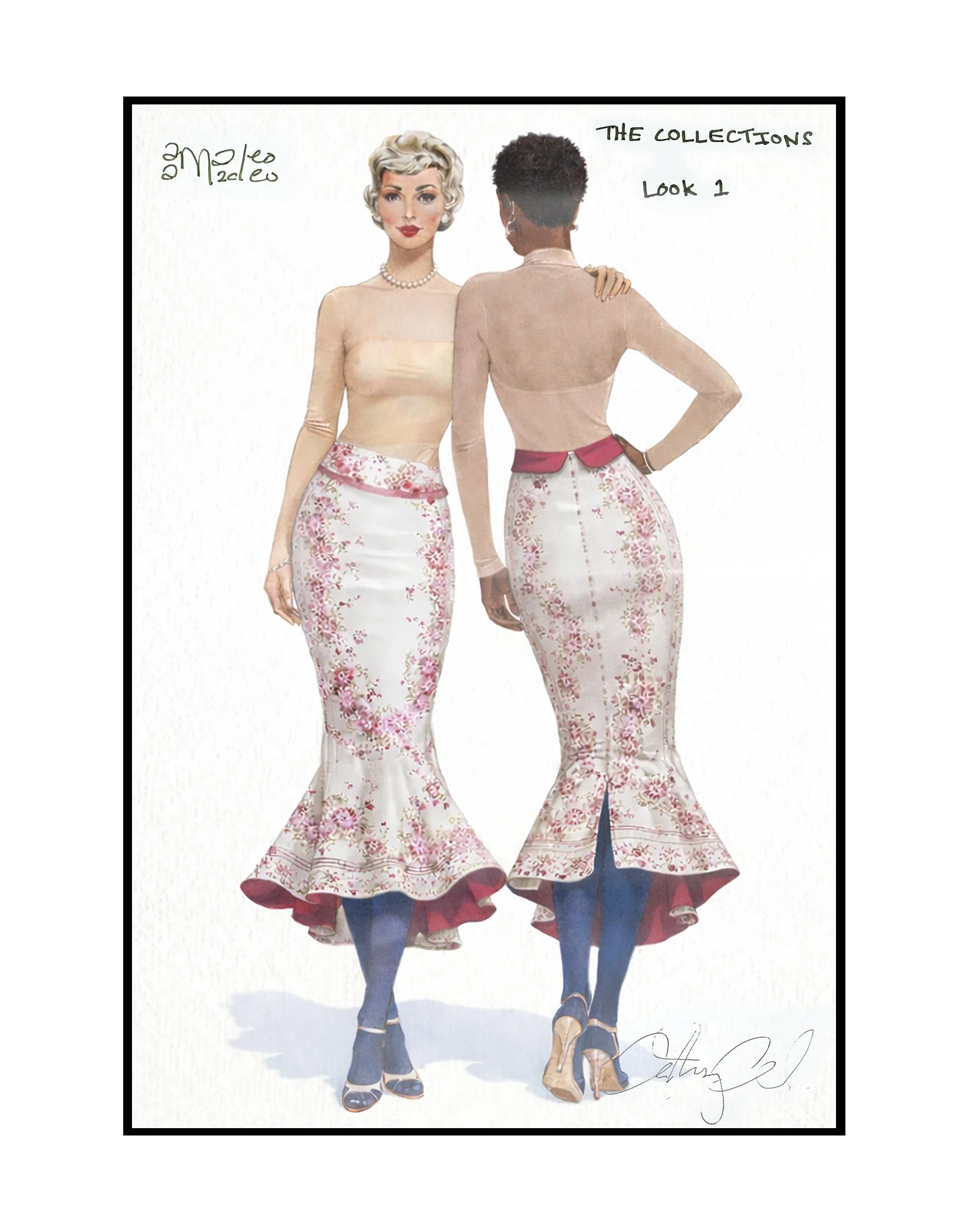
Collection 1: Chiddu ca tinemu
Collection 1, Chiddu ca tinemu, has existed long before it had a name—long before it had an image, a look number, or a reason to be introduced. It lived first in memory, in gesture, in domestic spaces that shaped the way glamour was understood before it was ever worn.
Collection 1: Chiddu ca tinemu
Some collections arrive loudly.
This one has been waiting.
Collection 1, Chiddu ca tinemu, has existed long before it had a name—long before it had an image, a look number, or a reason to be introduced. It lived first in memory, in gesture, in domestic spaces that shaped the way glamour was understood before it was ever worn.
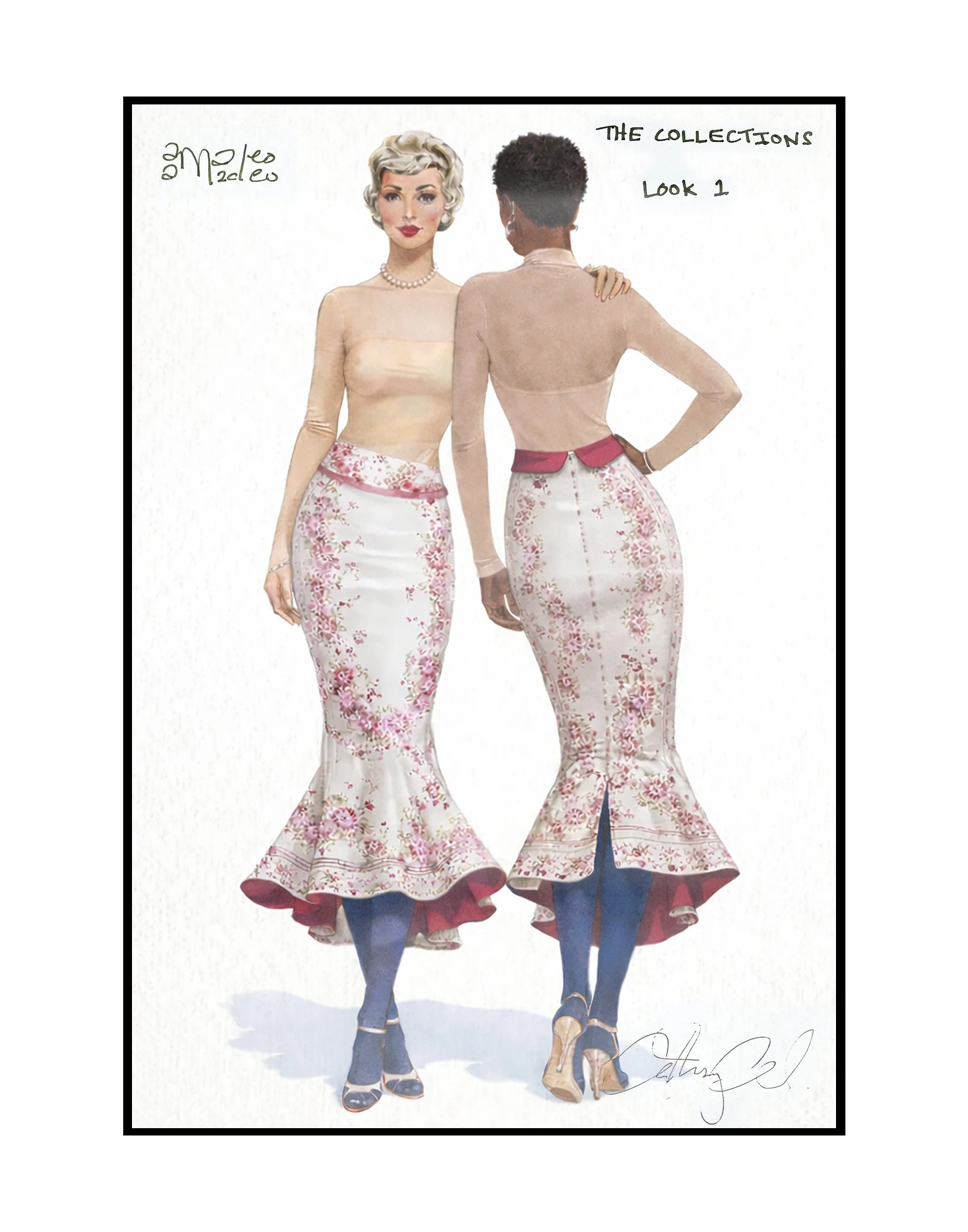
Look 1 is the quiet beginning. Or rather, the moment when something already in motion allows itself to be seen.
The skirt—hand-sewn, intuitively patterned, repurposed from a vintage tablecloth—is the sole focus of this introduction. There is no distraction. No styling spectacle. Just the garment…
This collection is rooted in youth—not nostalgia, but aspiration. The kind that forms early, quietly, while sitting at kitchen tables and listening more than speaking. Watching great aunts and uncles move through their routines. Observing how they spoke about the future. How they made beauty out of what they had. How suburban life, when lived fully, could feel cinematic.
There was glamour there. Not imported, not purchased—constructed. Set hair, pressed linens, lipstick before errands. Domestic rituals elevated through care and intention. These women did not wait for a bigger life to arrive. They built one where they stood.
Chiddu ca tinemu is about that inheritance.
Every piece in the collection is made from repurposed domestic textiles—tablecloths, bed linens, table runners, lace, and unexpected household relics that carry history in their weave. These materials once lived in private spaces. Now they are reinterpreted into silhouettes that suggest women who are self-possessed, aspirational, and quietly commanding. Women who understand that intimacy and ambition are not opposites.
The garments are entirely hand sewn. The patterns arrived intuitively, guided by repetition, touch, and trust rather than rigid structure. Seams are visible. Decisions remain present. The hand is not erased. This is not about perfection—it is about presence.
As the collection unfolds, it will appear slowly, deliberately—through press, editorials, and continued documentation. Each reveal is meant to feel earned, not consumed.
This first look is not a statement.
It is a signal.
A reminder that glamour can live inside domesticity.
That heritage can be worn forward.
That aspiration often begins by watching the women who came before you and deciding, quietly, to go further.
Collection 1: Chiddu ca tinemu has been waiting.
Now, it begins to speak.
—
Closely tied to this collection is amadeo amadeo fragrance No. 37 — ECLOGUE, a scent drawn from the same domestic landscapes and private rituals. It will be stocked soon.
This is not the full picture.
It’s an opening.
THE NOVEMBER INVENTORY
Every year around this time, I feel like I’m standing in the middle of my own studio floor, surrounded by boxes labeled: Keep, Toss, Transform.
What I’m Carrying Into the New Year (and What I’m Leaving Behind)
The Journal — November 30
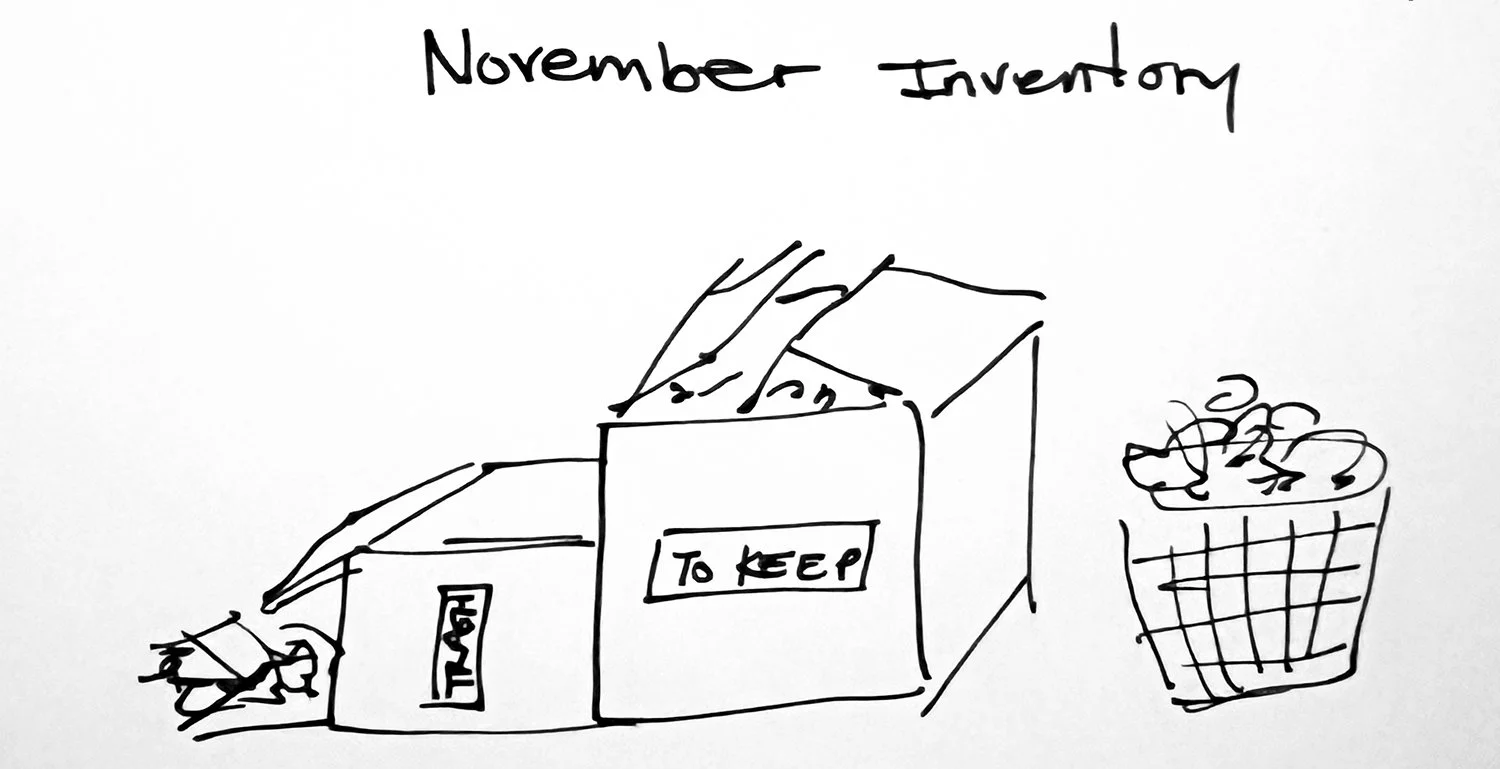
Every year around this time, I feel like I’m standing in the middle of my own studio floor, surrounded by boxes labeled: Keep, Toss, Transform.
The end of November has always been that soft threshold for me.
Not quite the end.
Not quite the beginning.
Just the moment where I pause, look around at everything I’ve made, everything I’ve tried, everything I’ve survived—and decide what’s coming with me into the next chapter.
This is my November inventory.
What I’m Carrying Forward
The world in my head
The drive to keep building the creative universe that I live in internally—and keep opening the door wider so other people can step further inside. amadeo amadeo is not just a brand; it’s a world. I’m choosing to lean into that fully.
Dadaist humor
The absurdity, the sideways jokes, the moments where things shouldn’t make sense but somehow do. Dadaism, to me, is a way of saying: I can tell the truth by breaking the rules of how truth is usually told. I’m carrying that with me in how I write, design, photograph, and perform.
Collaging in new ways
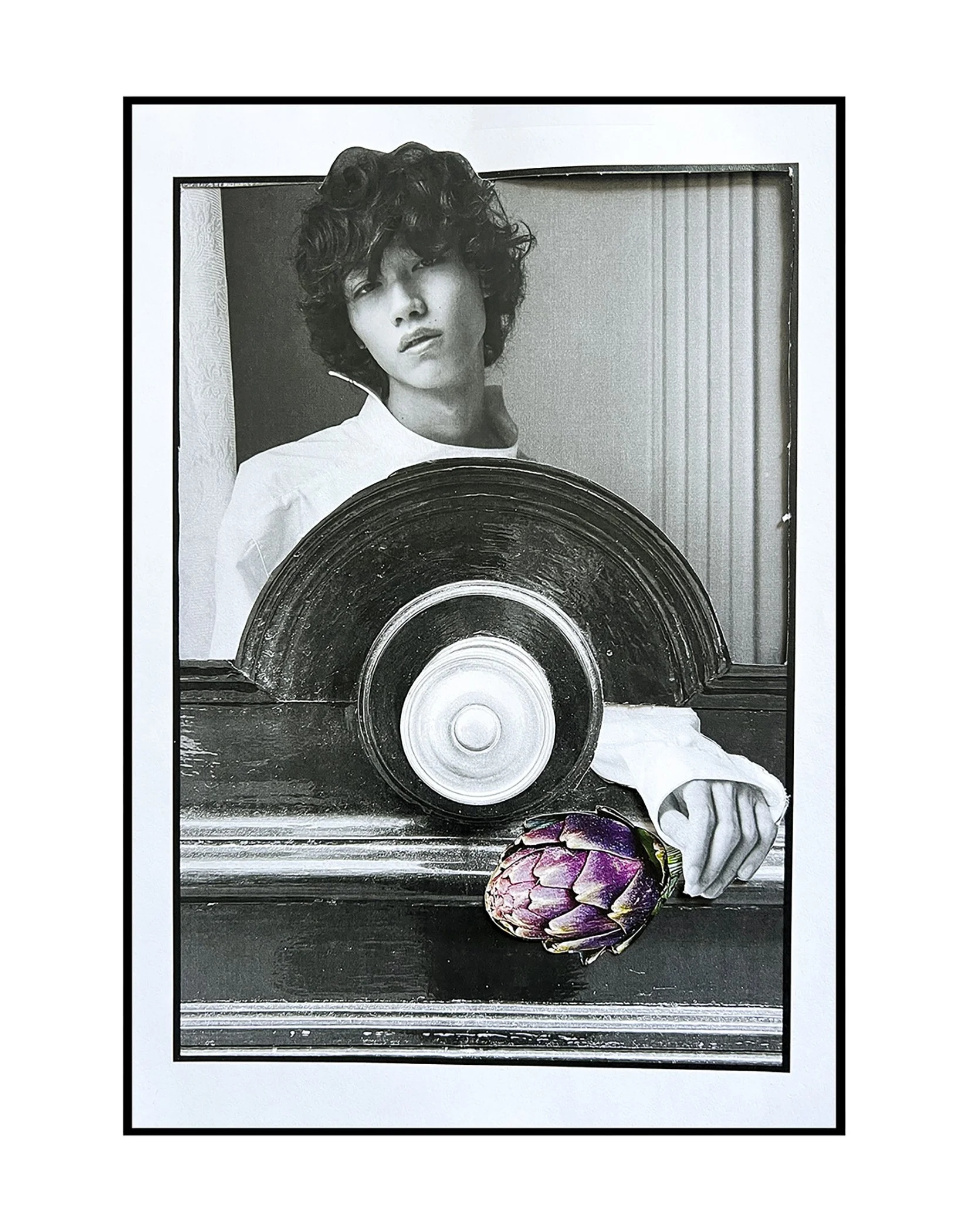
Not just paper, scissors, glue. Collaging feelings, timelines, faces, scents, archives. Analog collages, digital collages, and life collages. I’m bringing forward the urge to keep cutting things up and putting them back together in ways that tell a deeper story.
Painting as sculpture
I’m keeping the curiosity of: what even is a painting?
Layering, texturing, pulling paint across canvas like fabric, sculpting with brushstrokes, creating pleats and folds in color. Exploring color blocking not just as aesthetics, but as architecture.
Photographing fashion through abstraction
Continuing to photograph, but always with that amadeo amadeo twist: fashion as character, abstraction as truth, the body as a moving sculpture. Making images that sit somewhere between a campaign, a memory, and a glitch in reality.
Storytelling through scent
The Codex, the incense, the skin scents and rooms that smell like memory. I’m carrying forward my obsession with telling stories through top notes, heart notes, and drydowns—turning my life into olfactory chapters.
Clowning and the act of clowning
Bellamy, A. Clown, the Town Crier—the entire clown universe. I’m not leaving that behind. I’m deepening it. Clowning as a form of storytelling, as self-portrait, as emotional honesty. The clown as a mirror.
Learning through craft
I never want to sit stagnant. I’m carrying forward the commitment to keep learning—technically, emotionally, conceptually. To master things and then break the mold on purpose. To keep asking, what else can this become?
What I’m Leaving Behind
Burnout as a personality trait
I love to constantly be creating and thinking. That part I’m keeping.
But I’m leaving behind the version of myself that doesn’t know how to pause.
I want to build more space between ideas so curiosity has room to creep in instead of being chased.
Scattered ideas
My brain loves ten tracks at once. I’m leaving behind the chaos of letting each one run in a different direction with no center. I want all the different avenues—clowning, collage, fragrance, fashion, painting—to live on one path of identity. One story, many expressions.
Self-doubt and emotional clutter
I’m done carrying the heavy box of “Is this good enough?” and “Does this make sense?” My work makes sense in the way my world makes sense. That’s enough. I’m leaving behind the extra noise that tries to convince me otherwise.
What I’m Bringing In
Reinvention of the past
I don’t want to abandon where I’ve been; I want to reinvent it. I’m inviting in new ways of revisiting old work—new edits, new contexts, new mediums, new mashups. Old ideas with upgraded skins.
New scents, new collages, new worlds
More fragrances, more Codex chapters, more collage work, more layering of mediums. New explorations—geographically, emotionally, artistically. New ways of connecting people to the amadeo amadeo world.
A deeper amadeo amadeo universe
I’m calling in a richer, more immersive version of everything I’ve started: more entry points for people to step into, more continuity between the different projects, more cohesion in the chaos.
Investigation
Lots of deep digging into my past—family, memories, early work, first attempts—to understand what my future actually looks like. Letting the earlier versions of me sit at the same table as who I am now and who I’m becoming.
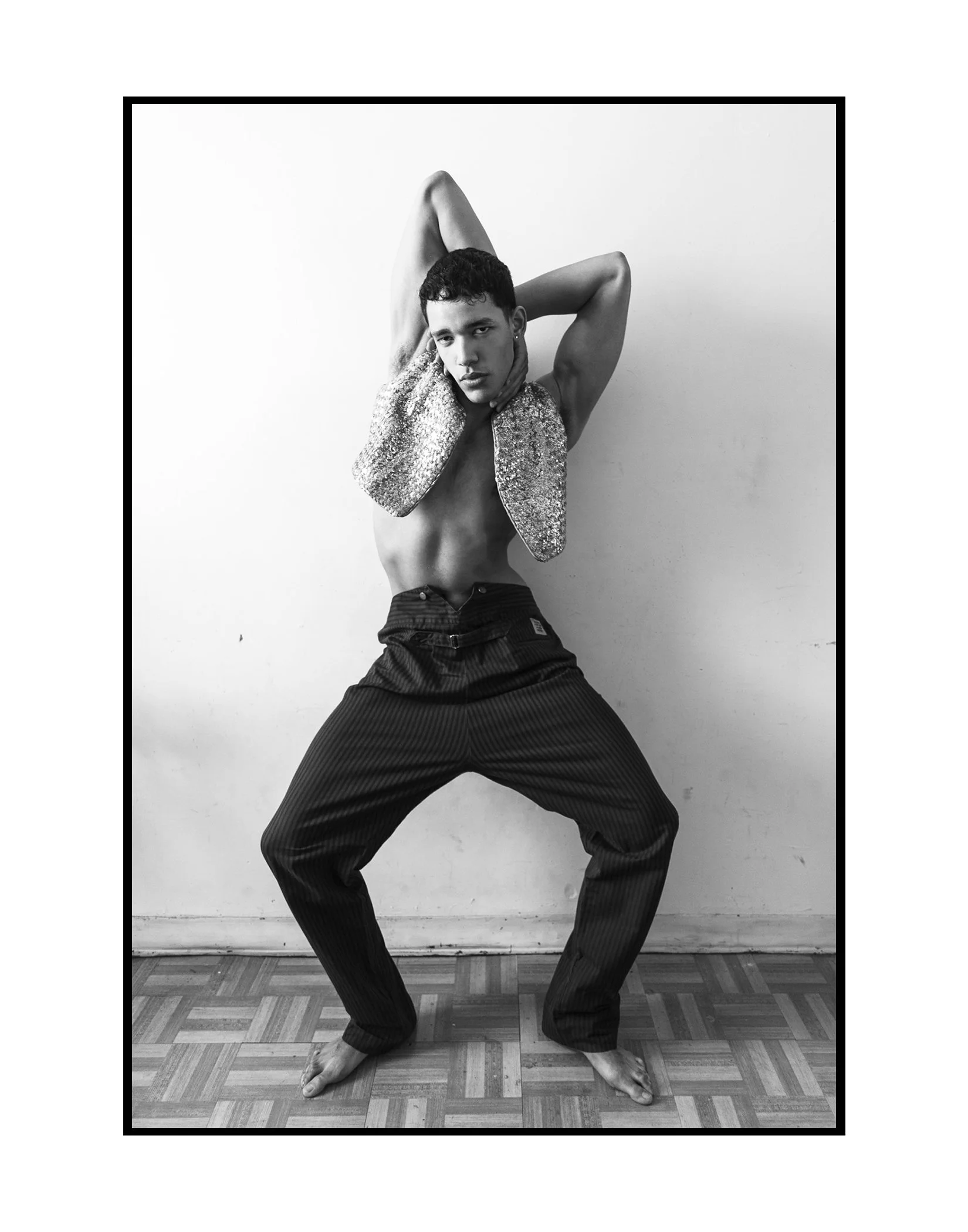
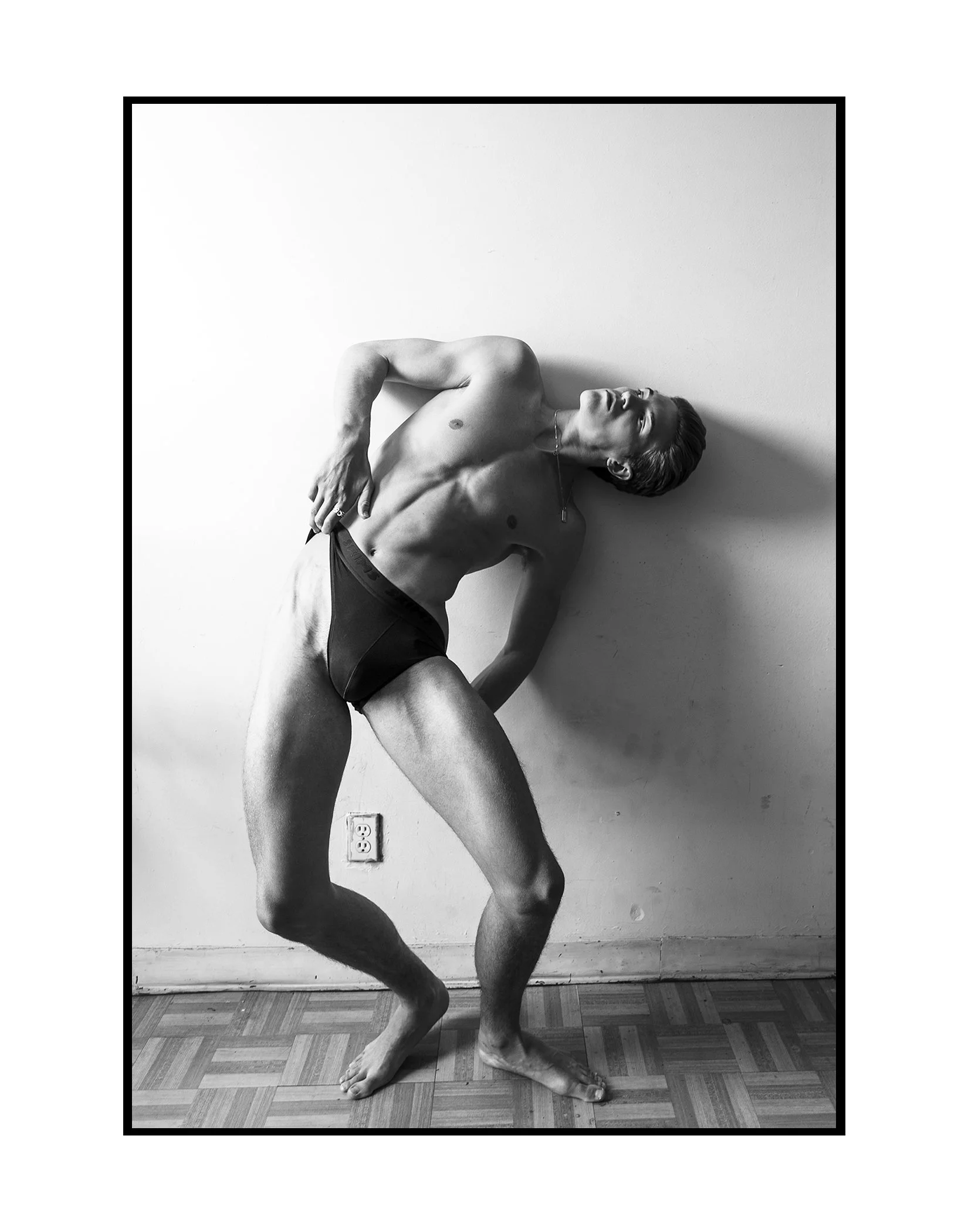
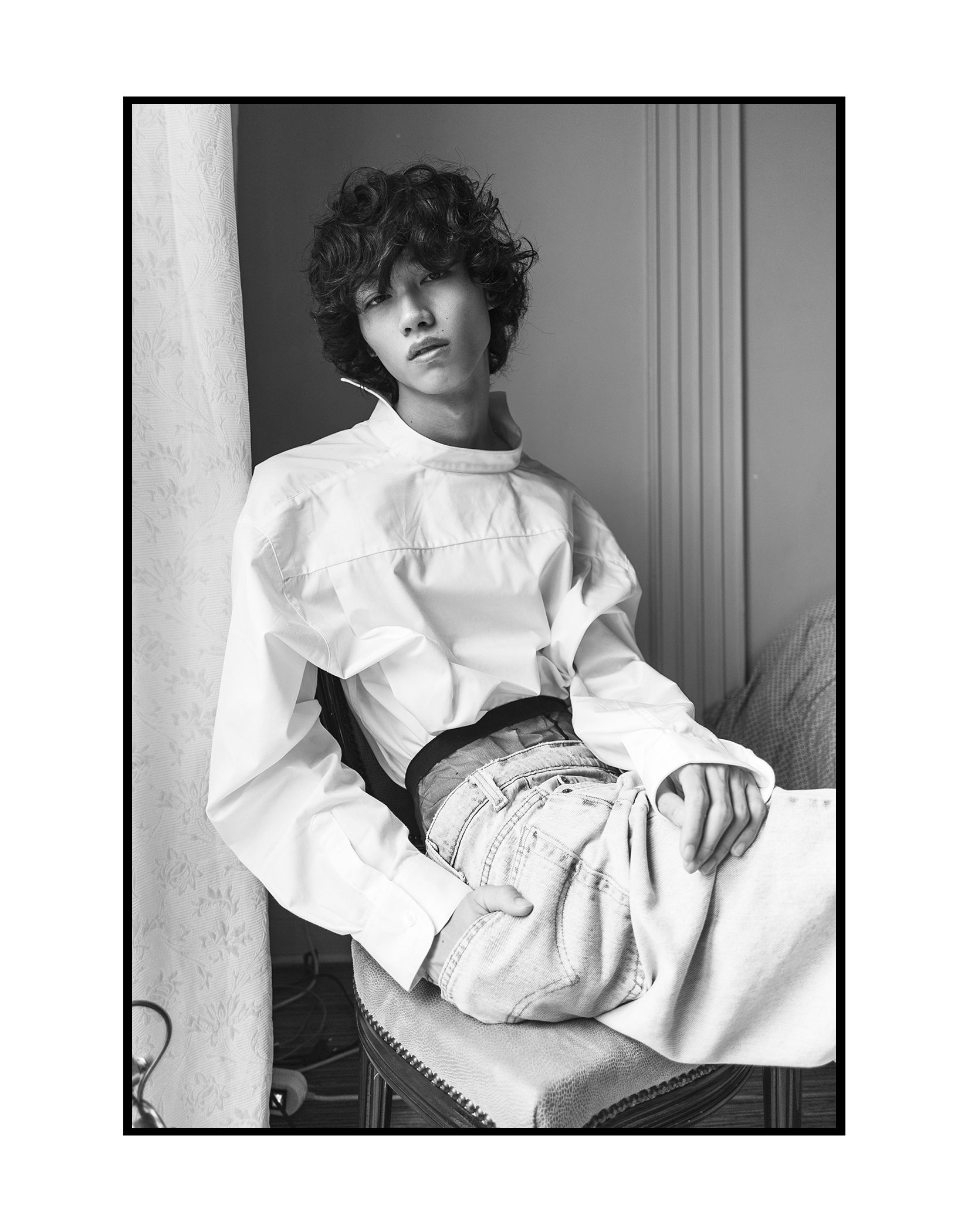
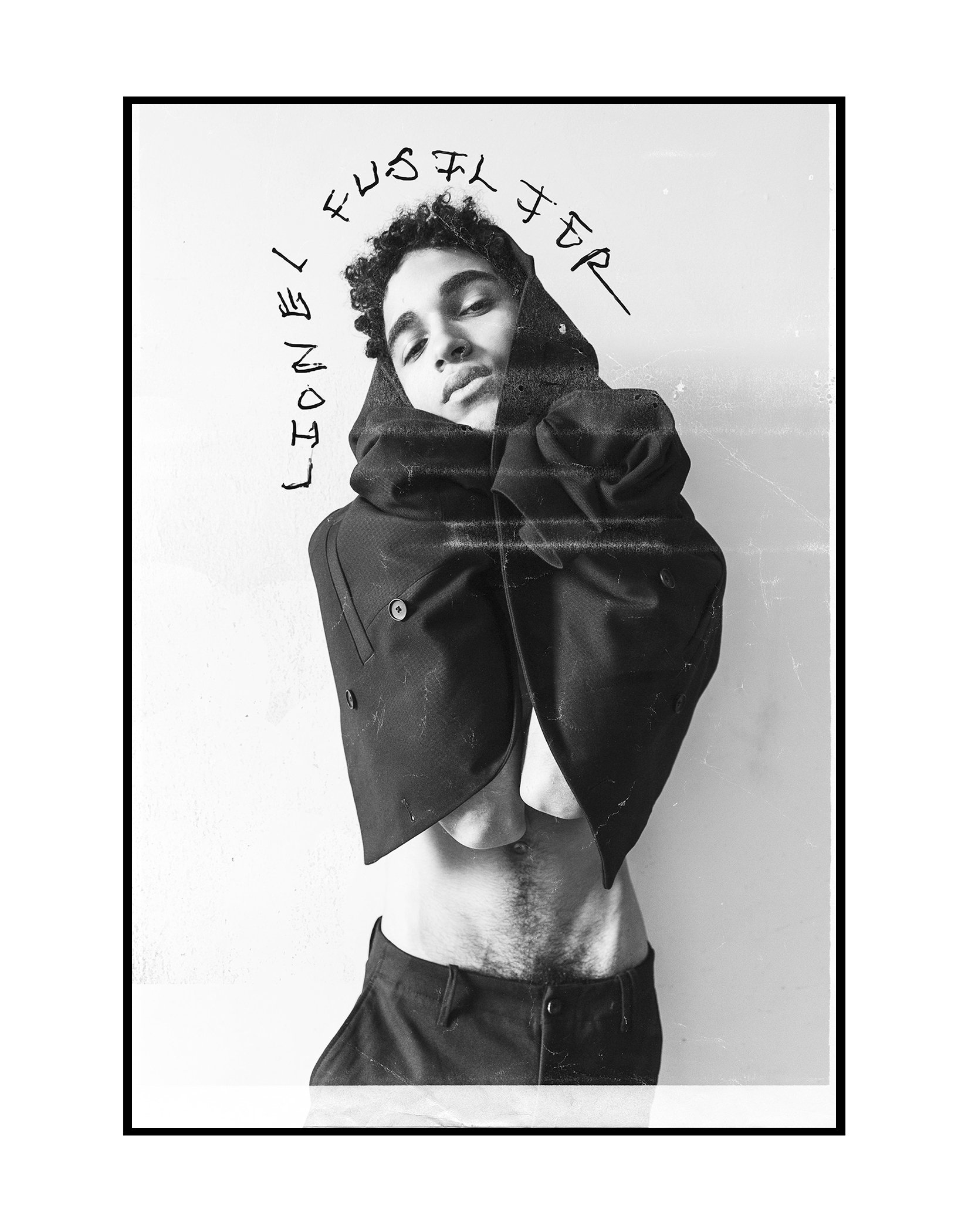
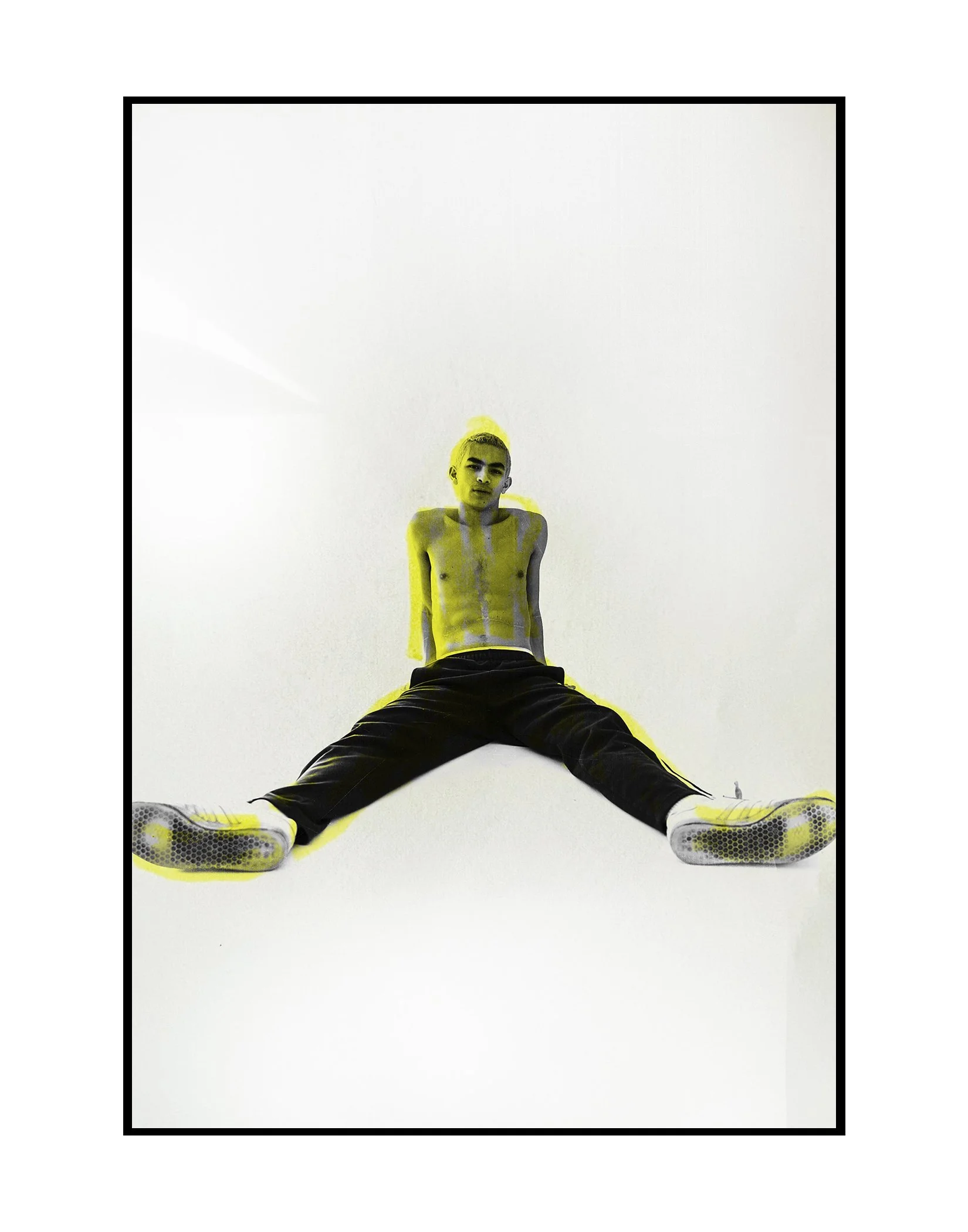
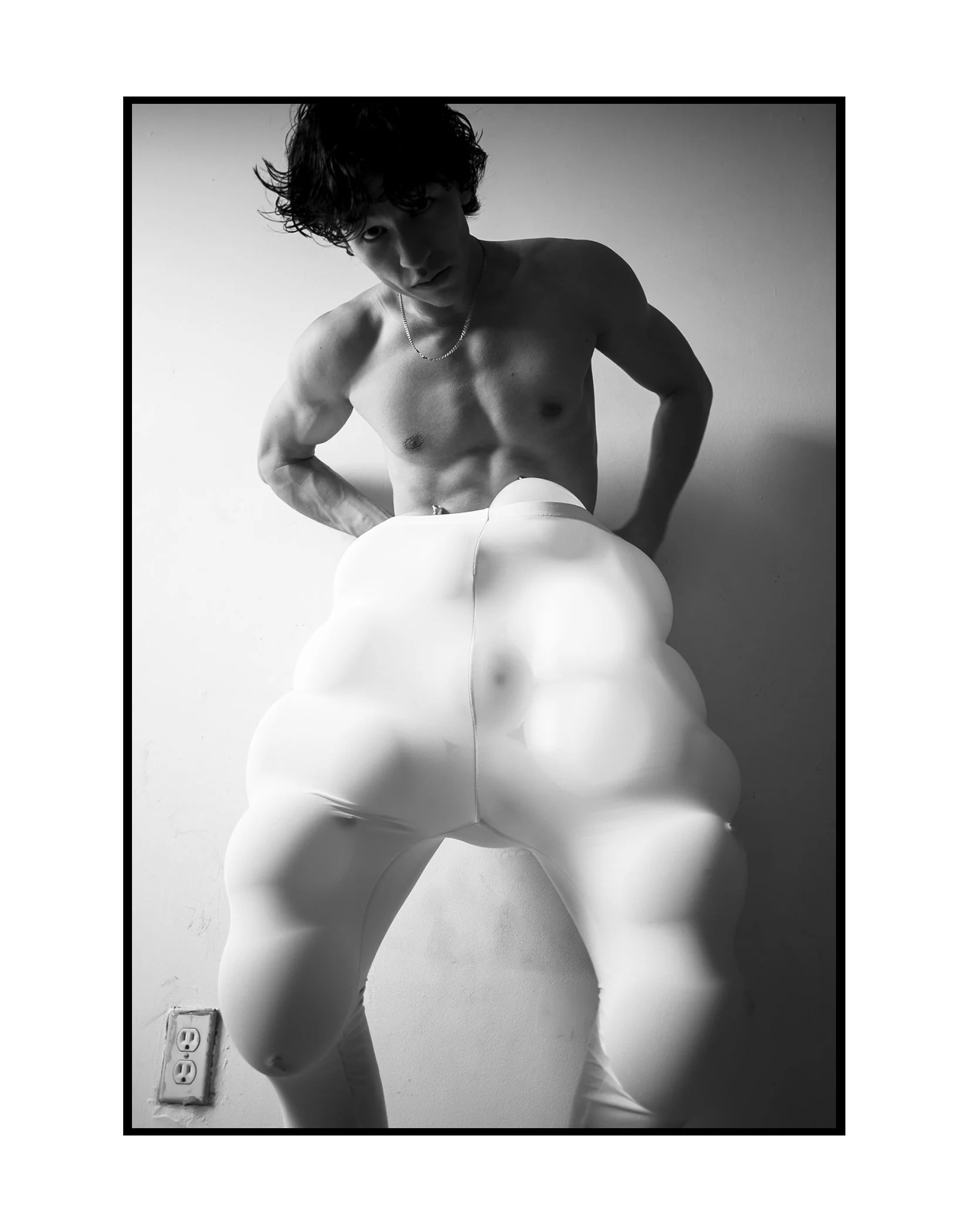
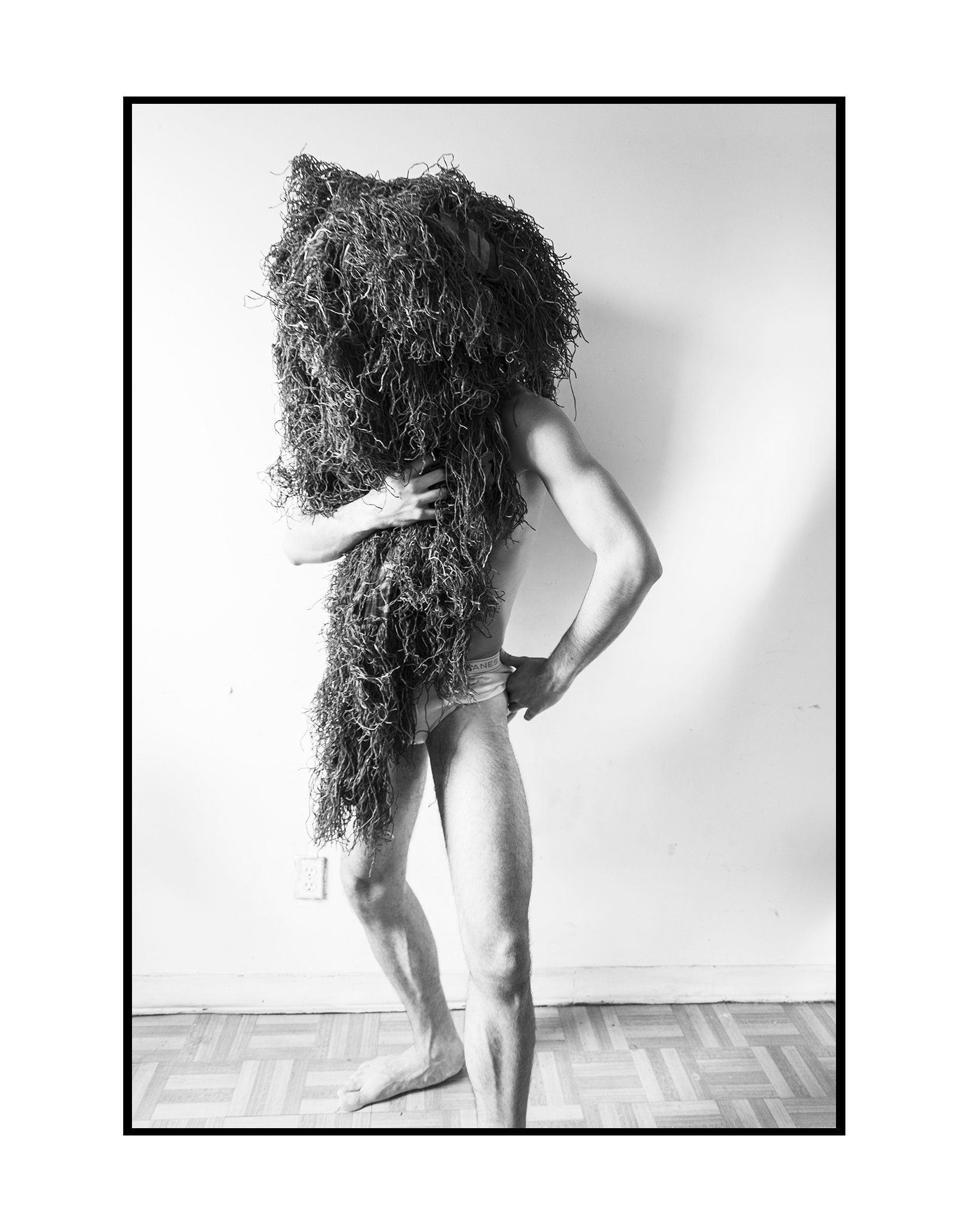
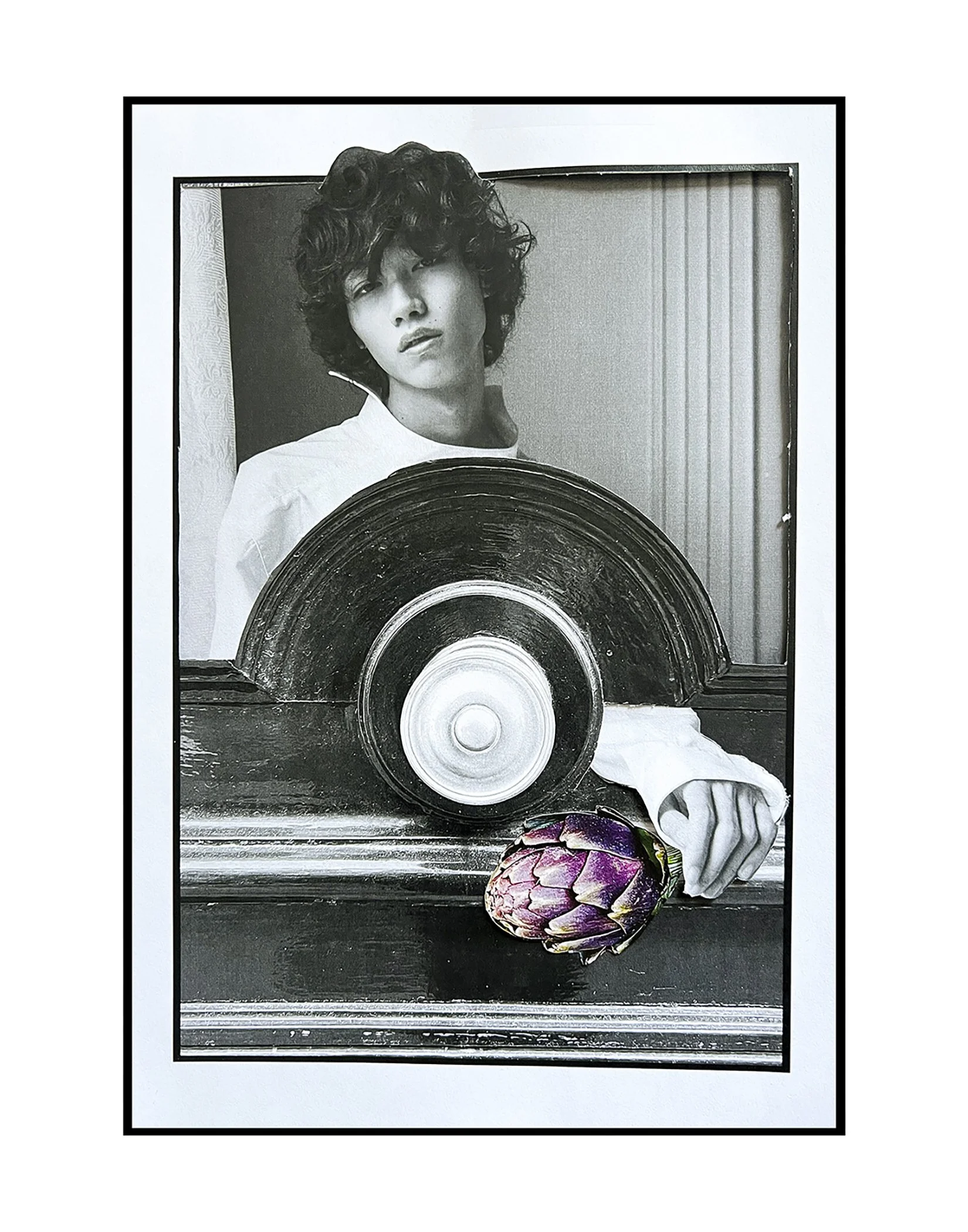
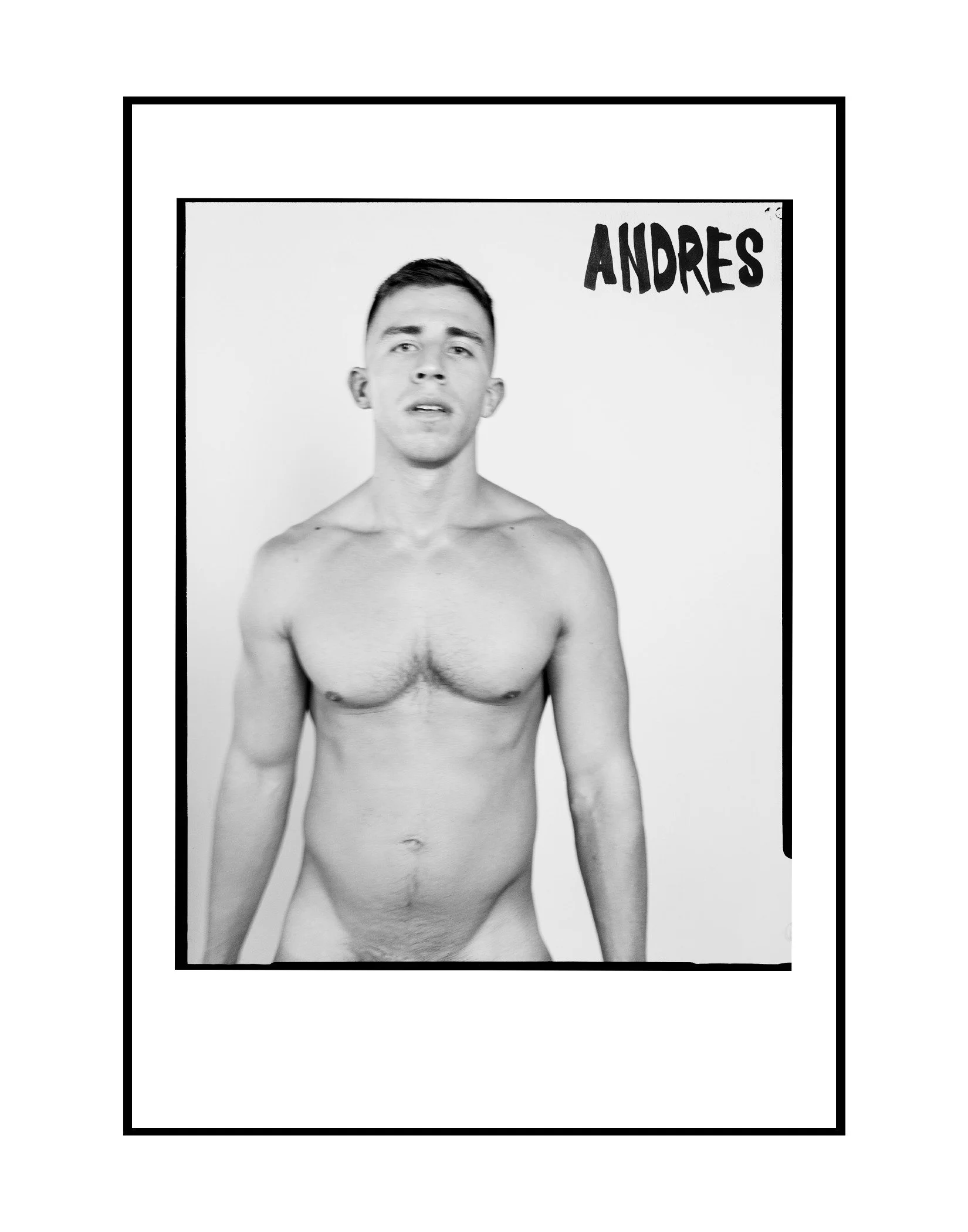
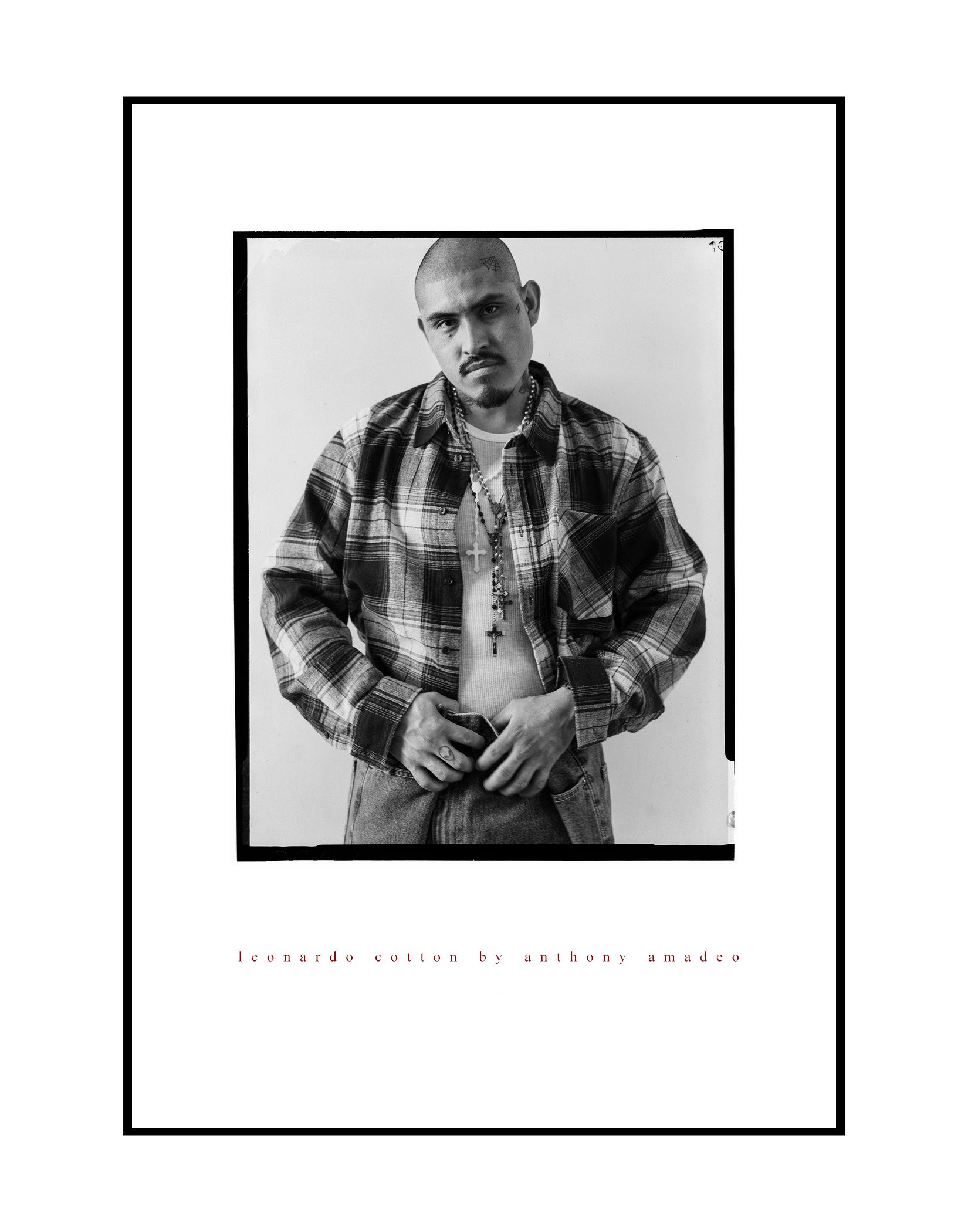
This is my inventory:
what stays, what goes, what’s invited in.
If you’re reading this, you’re already inside the world a little bit.
Next year, I want to pull you even further in.
— Anthony / amadeo amadeo

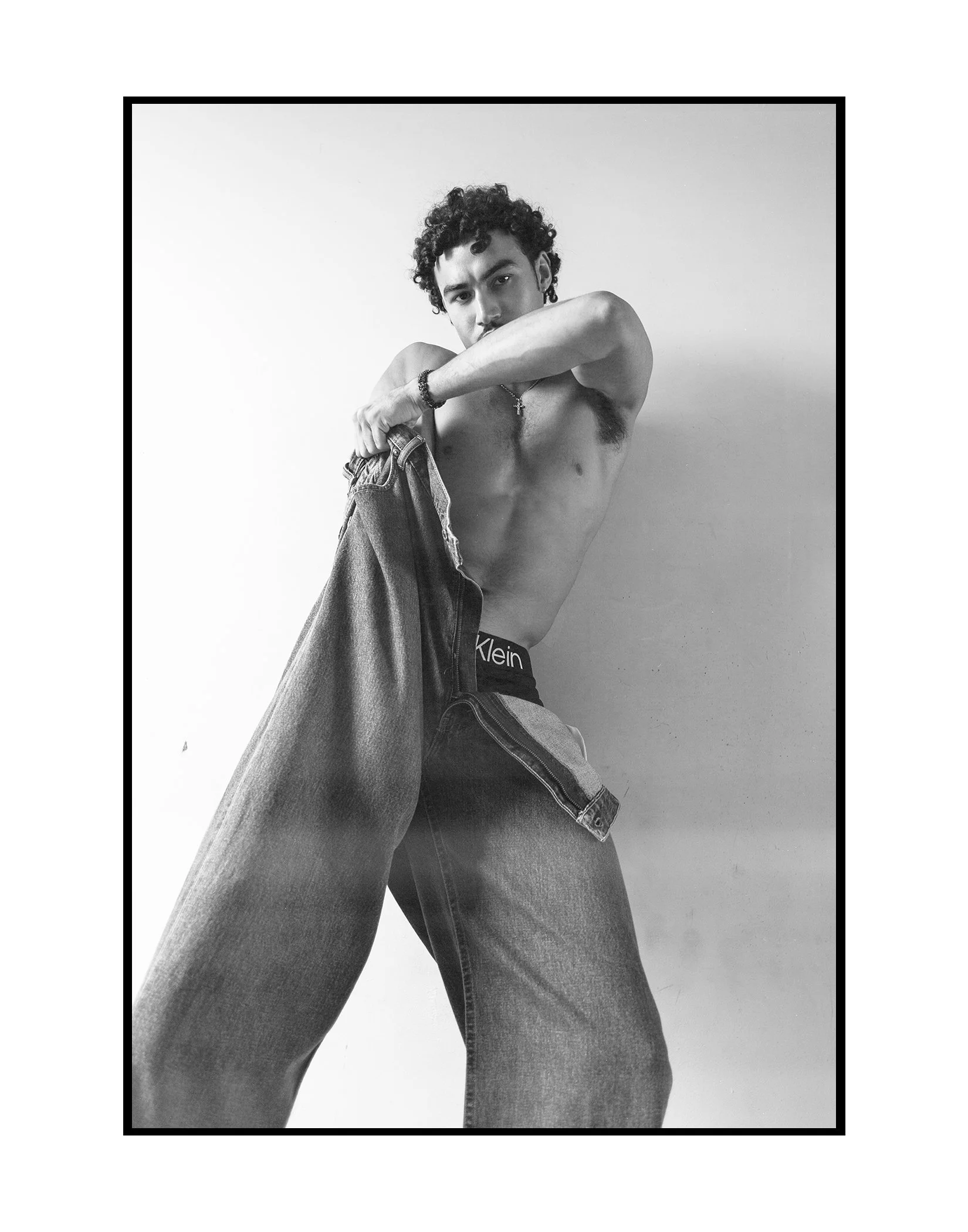
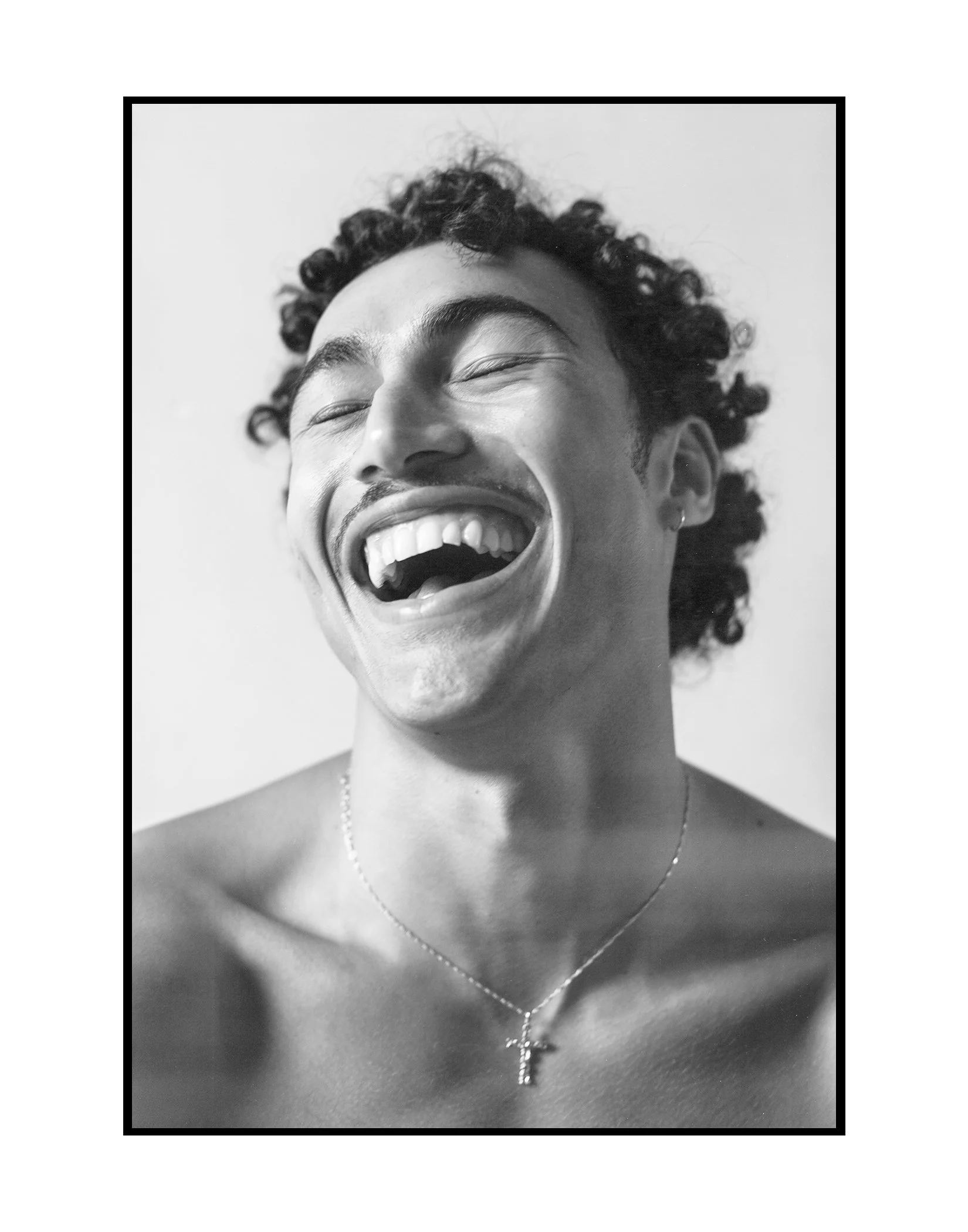
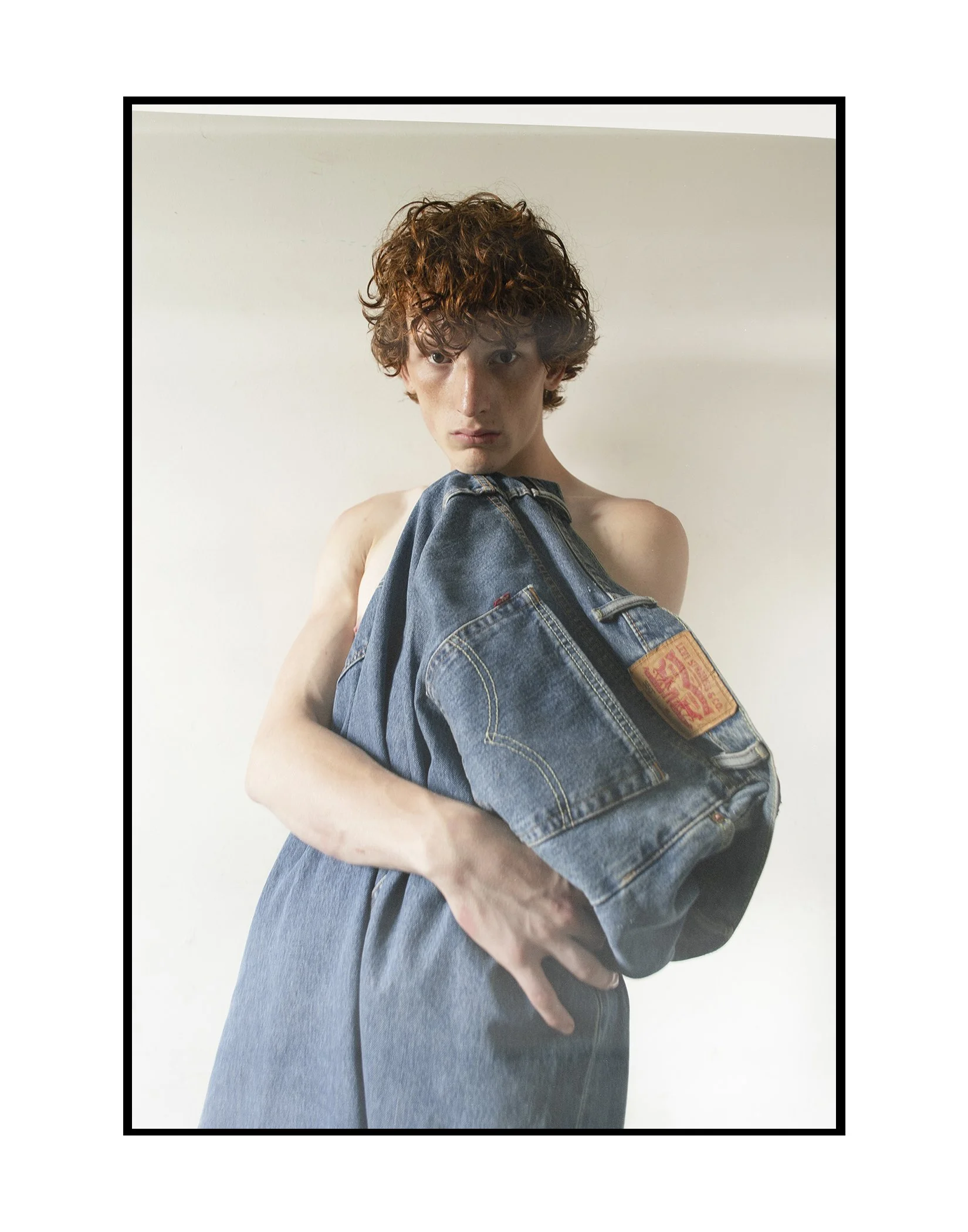
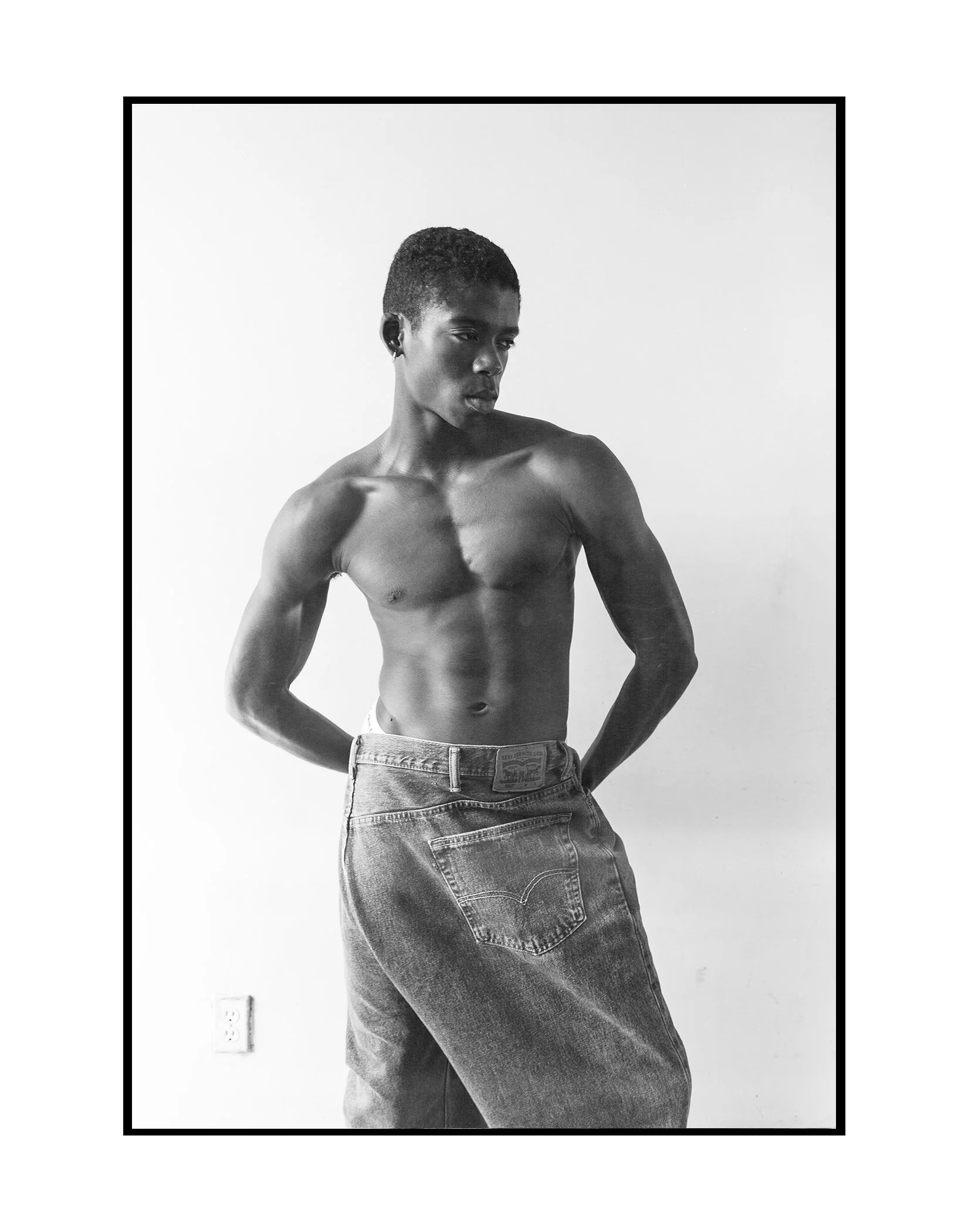
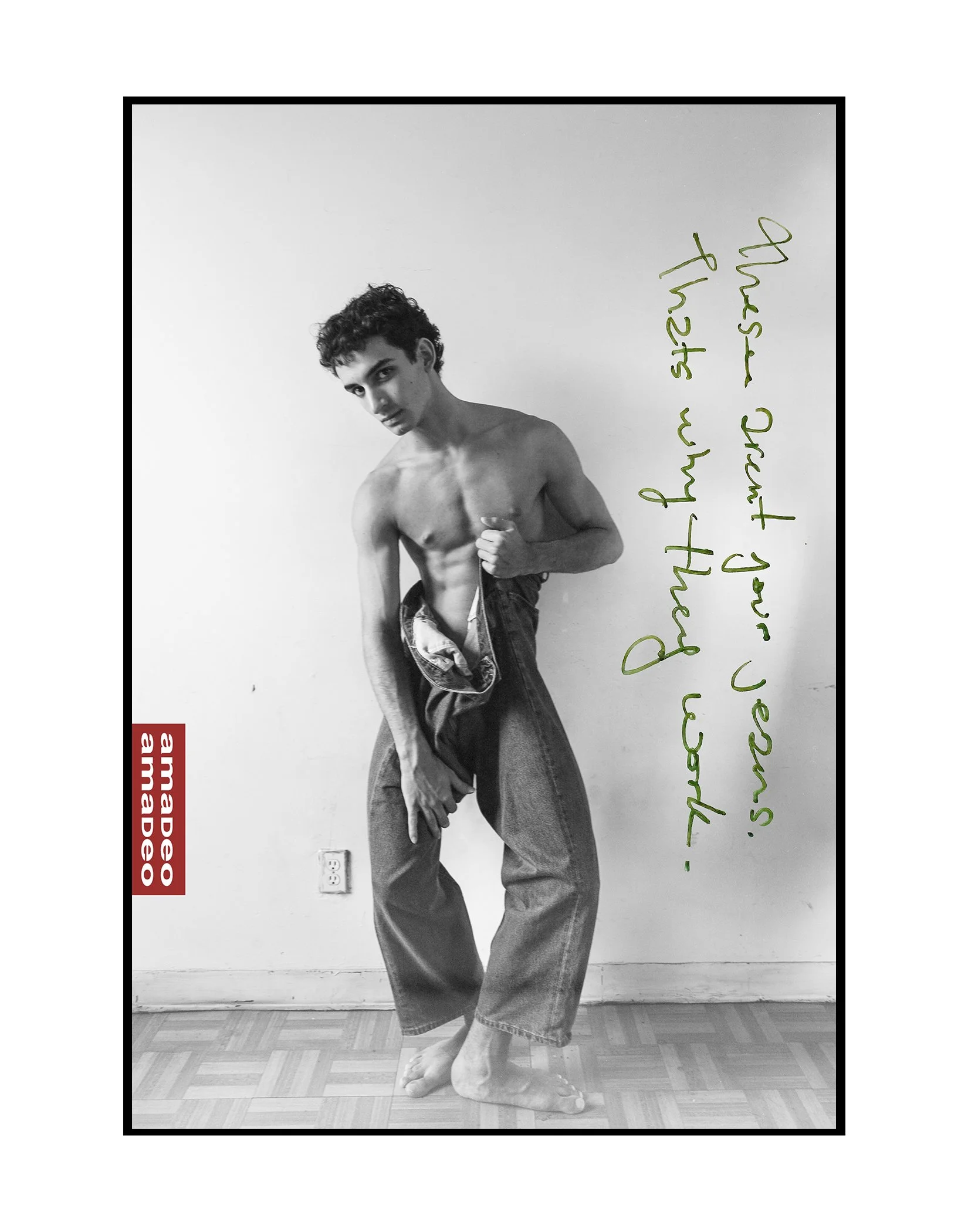
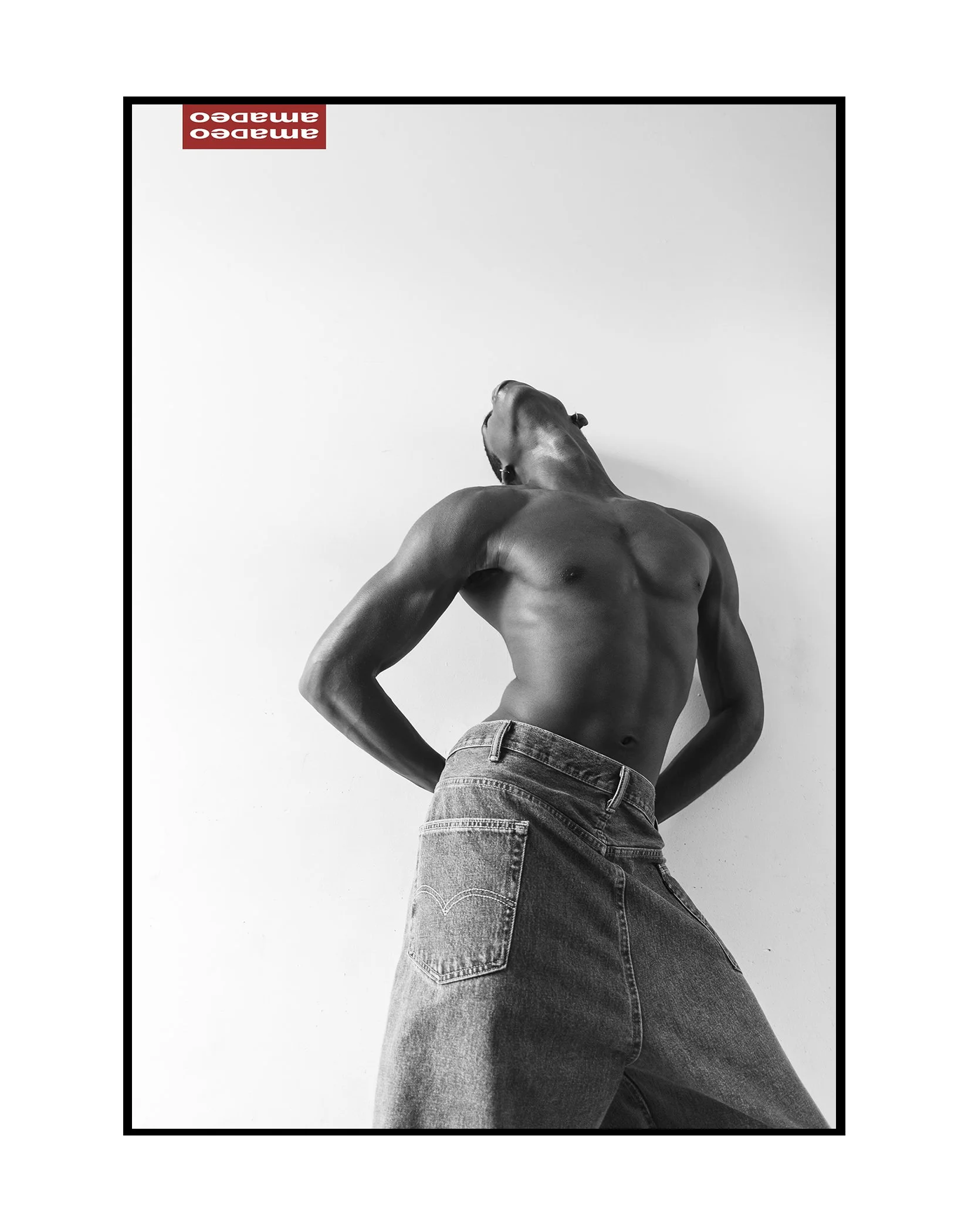
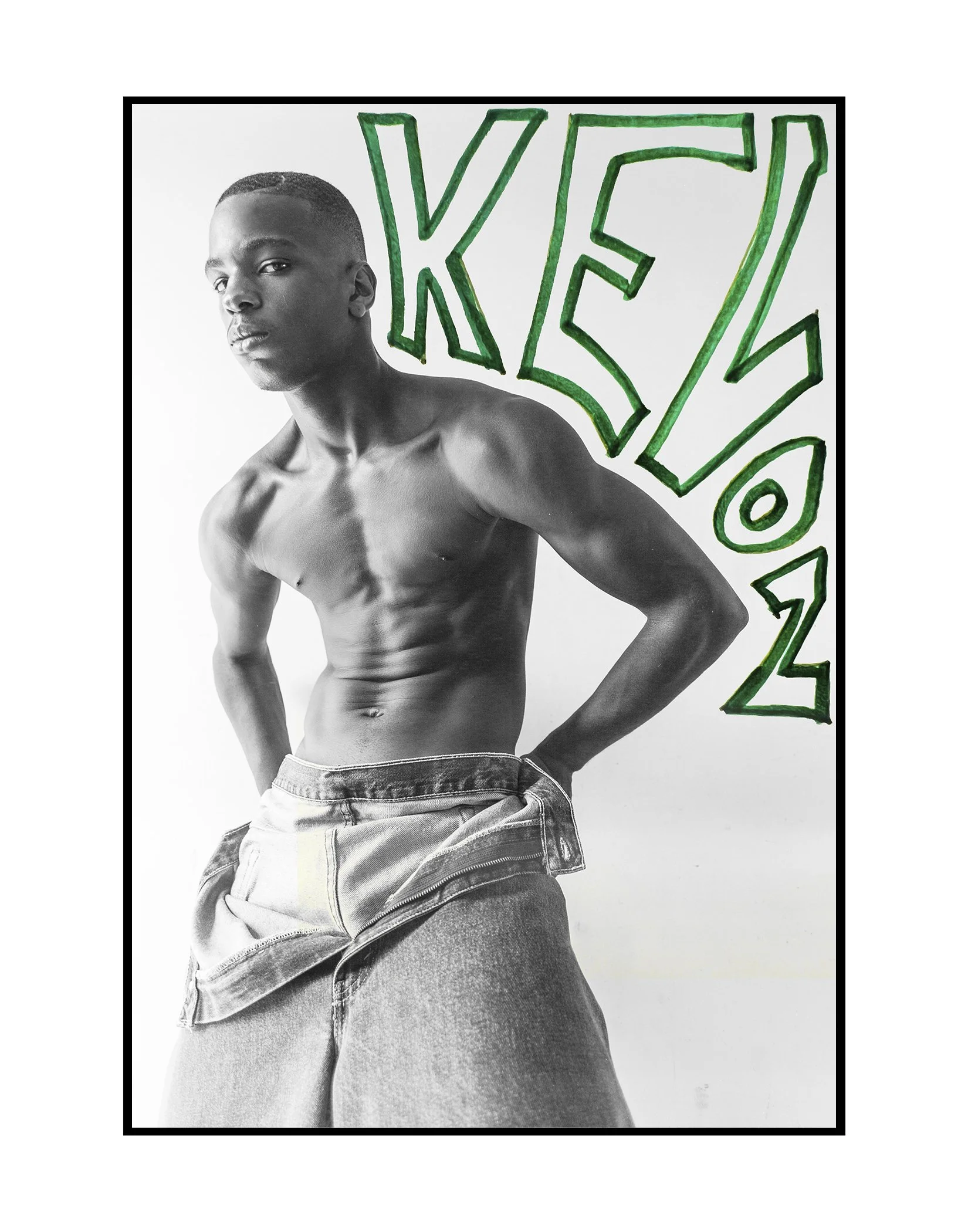
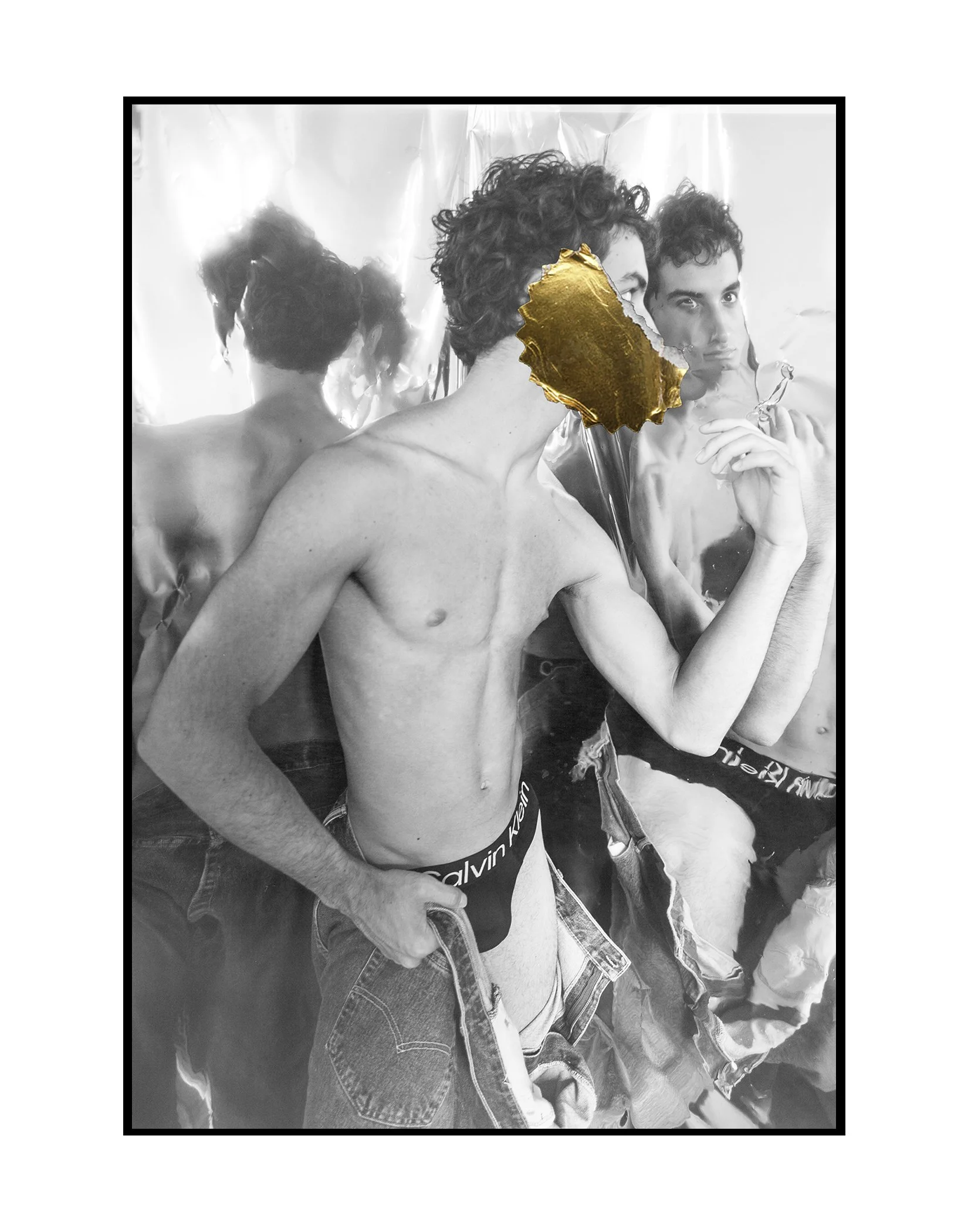
Giant Jeans
A short reflection on scale, shape, and the feeling of not fitting in. A written piece from Anthony Amadeo—before the images, just the words.
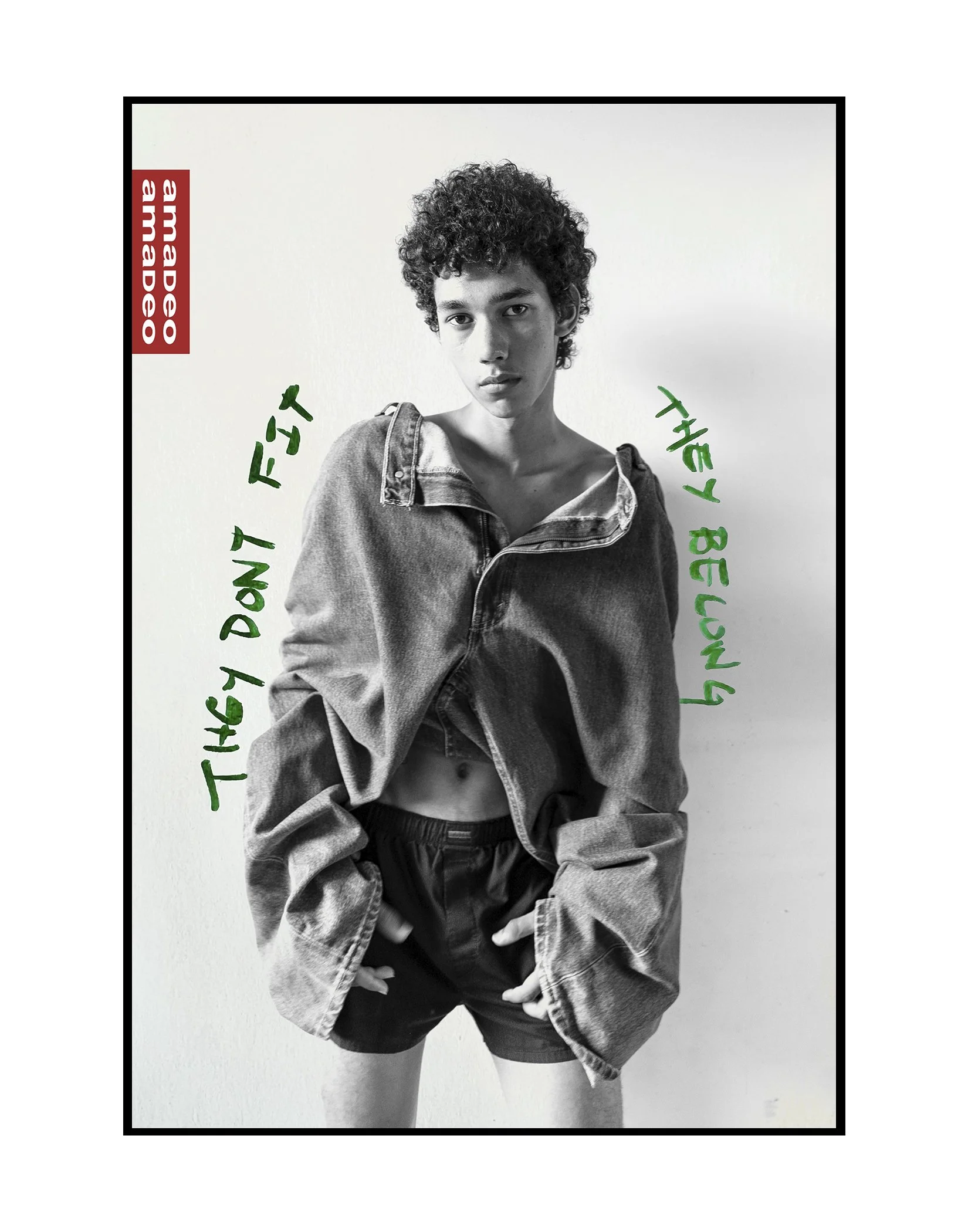
They don’t fit. They belong.
By Anthony Amadeo
Published in The Journal
There was a pair of jeans.
They arrived uninvited.
No tag. No origin. No proof of purchase.
Only folds. Only volume.
They hung like silence.
They draped like history.
They did not fit.
Which, in many circles, would be considered failure.

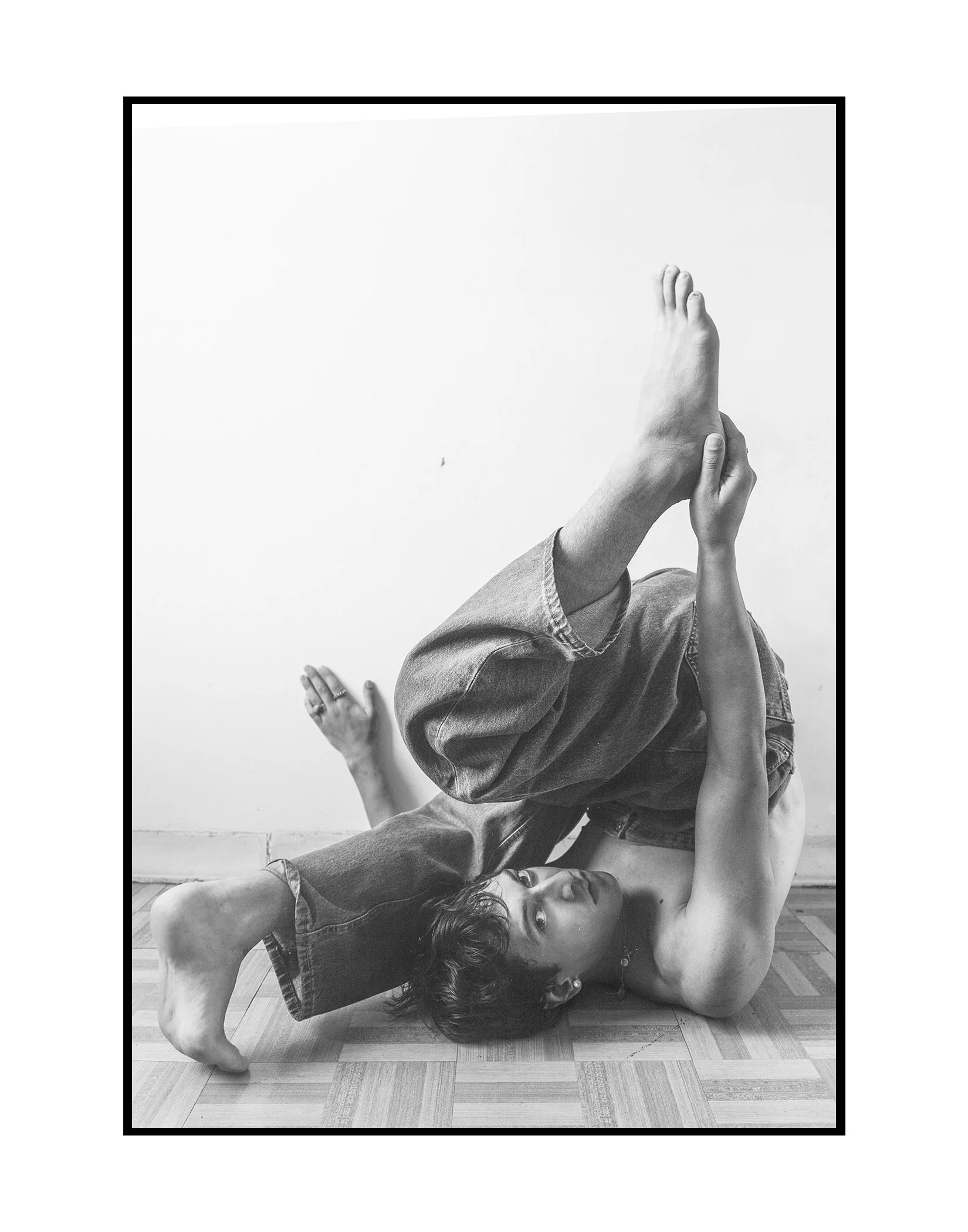
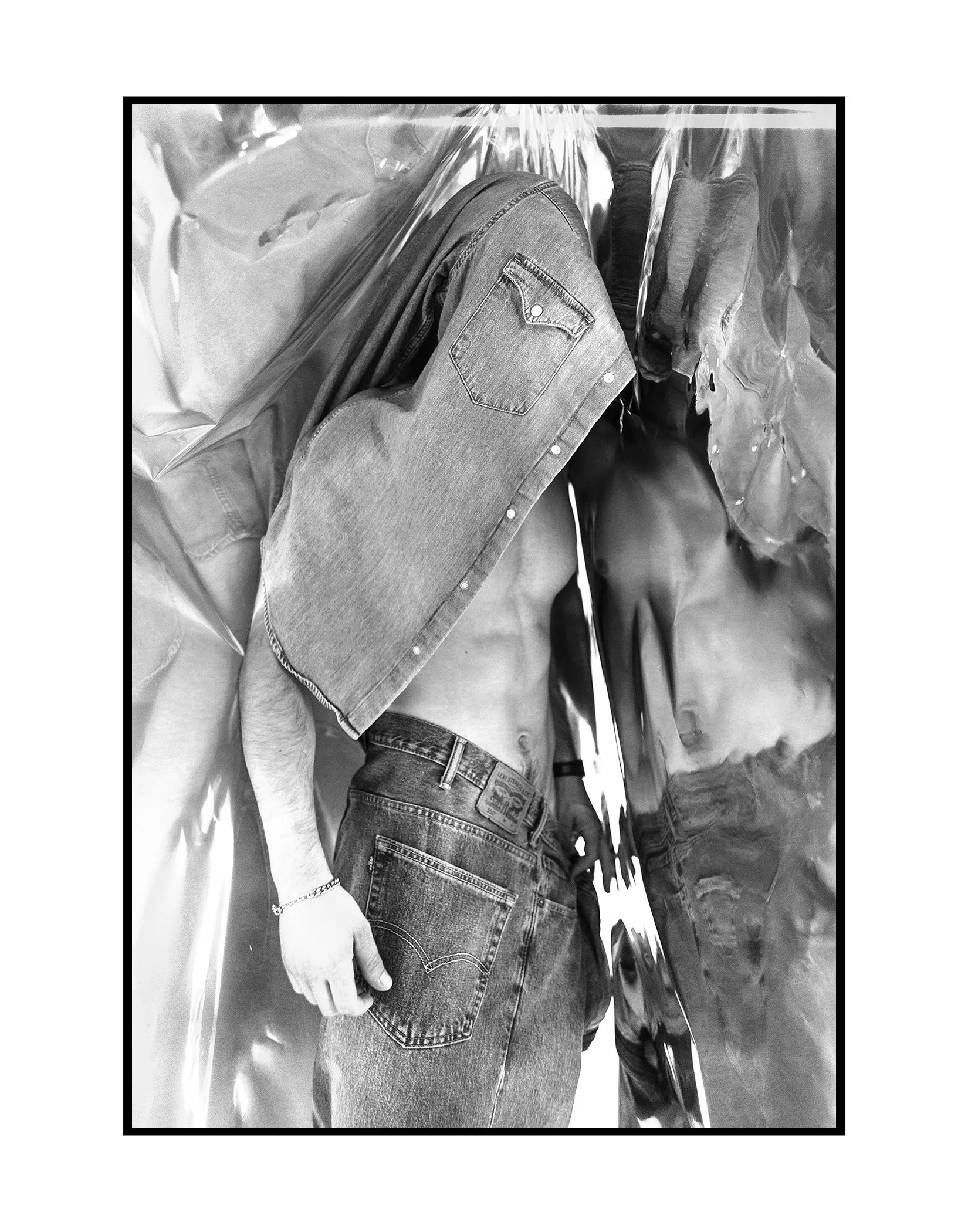
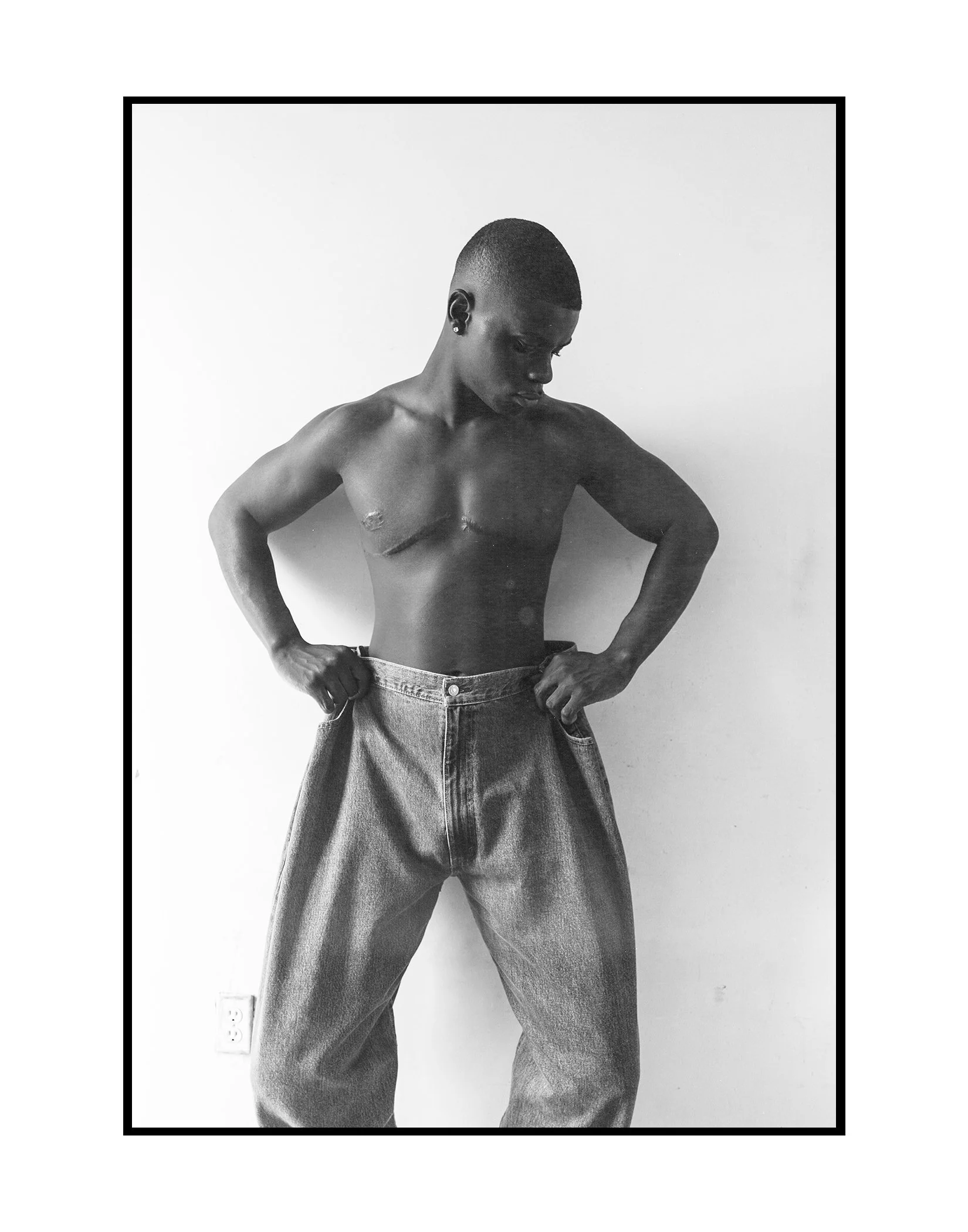

Tailors whispered. Stylists measured.
Photographers blinked.
They tried to make sense of the scale.
“Who are they for?”
“Where are the darts?”
“Should we hem them?”
The answer was no.
The answer was not now.
The answer was: they already are.
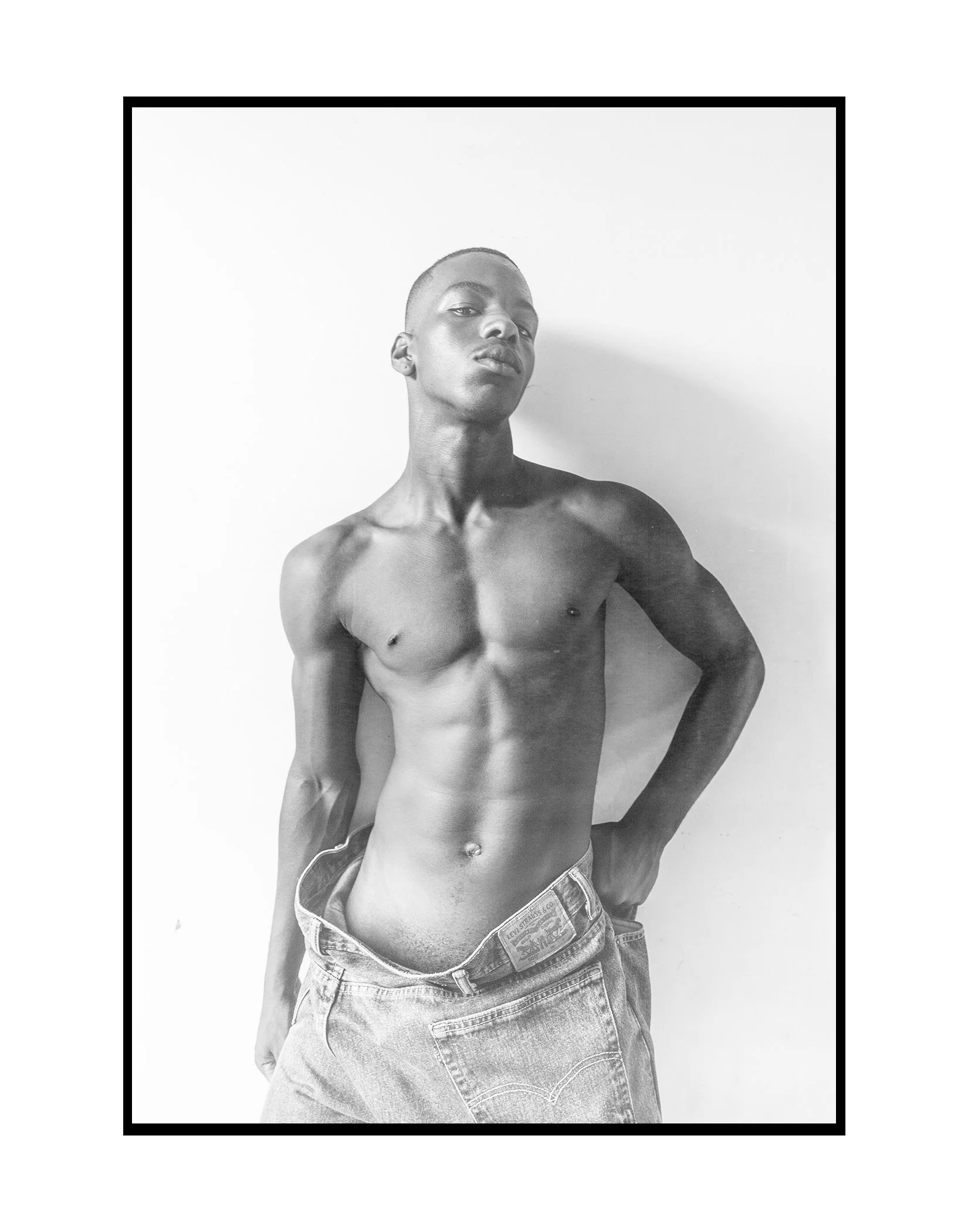
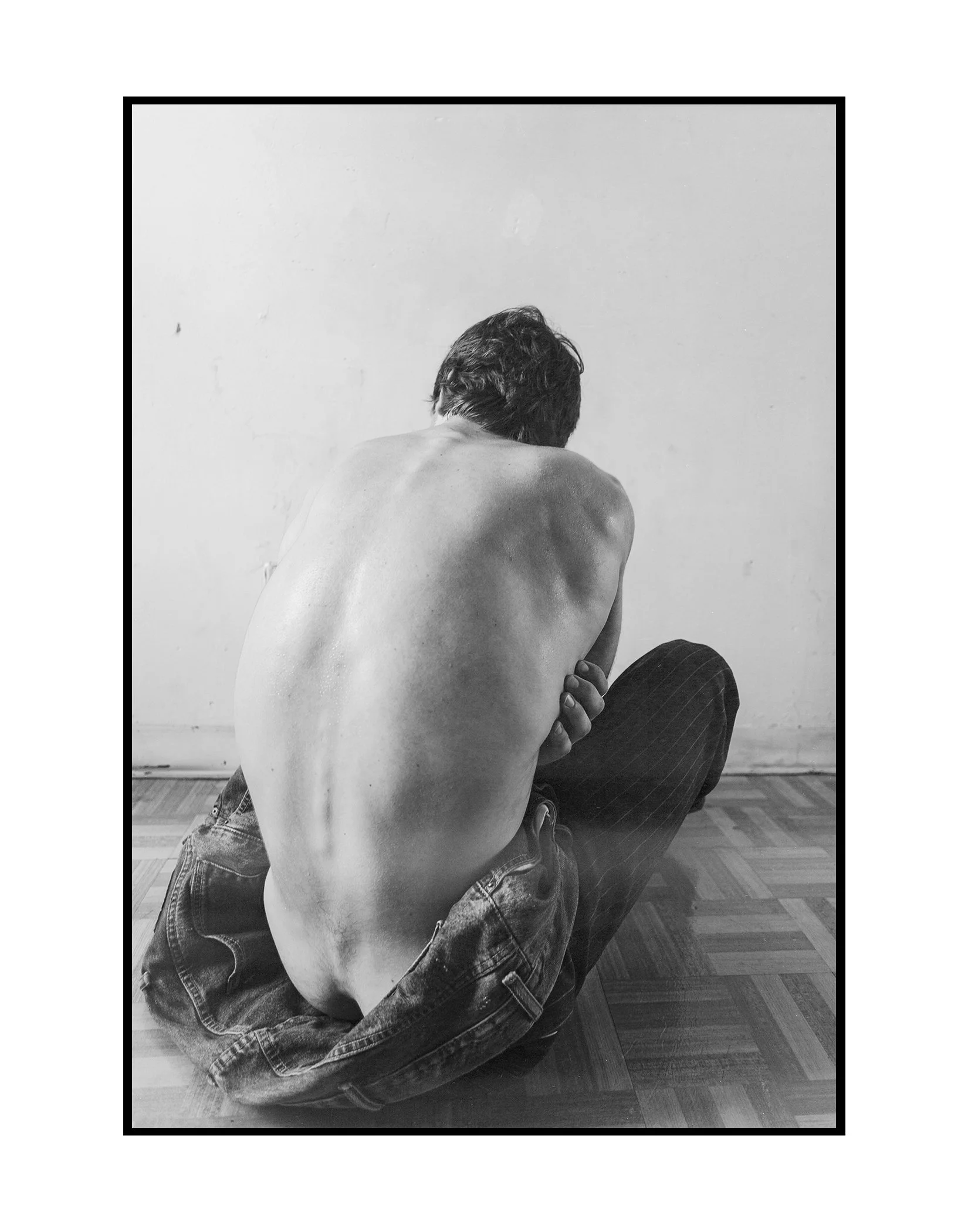
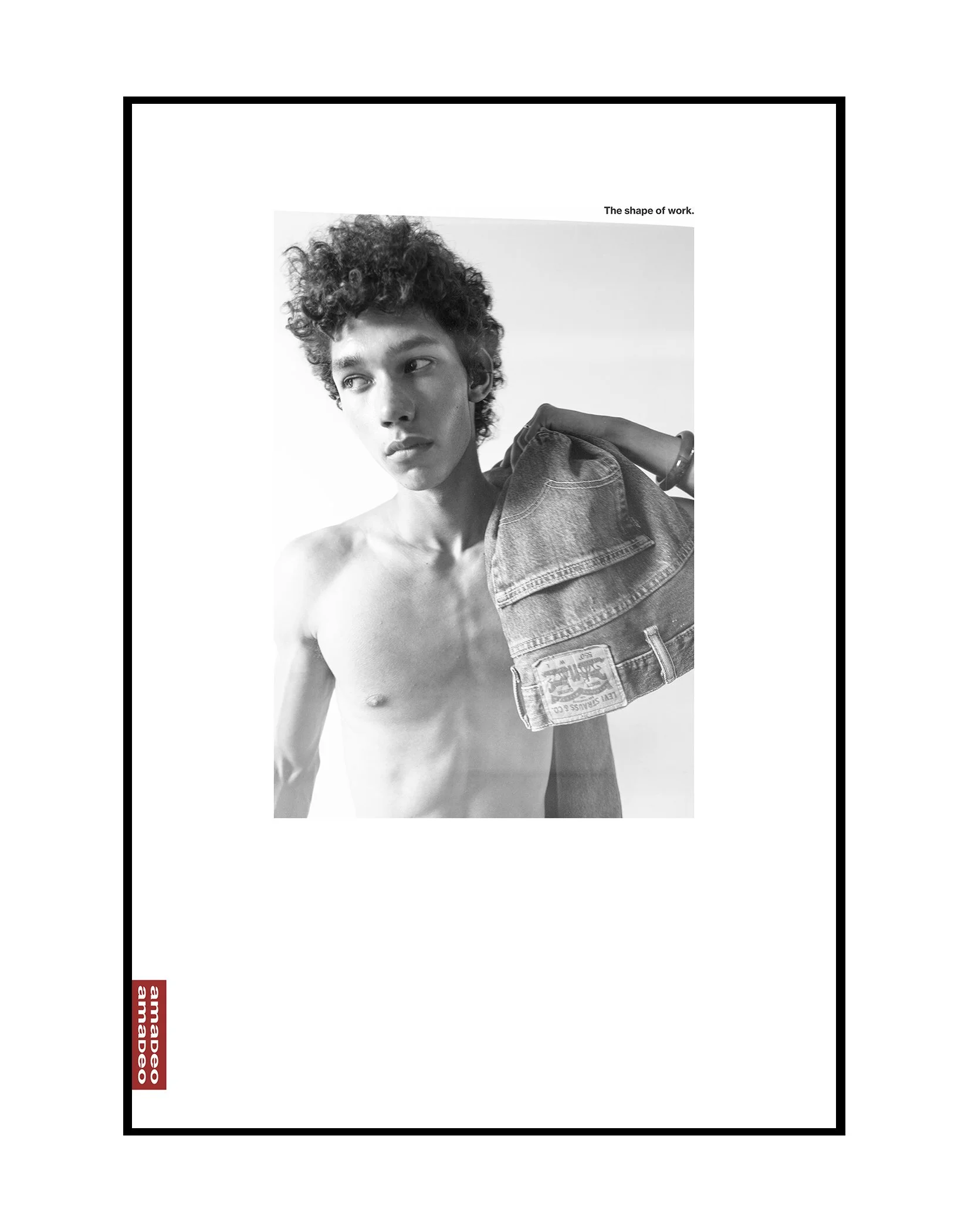
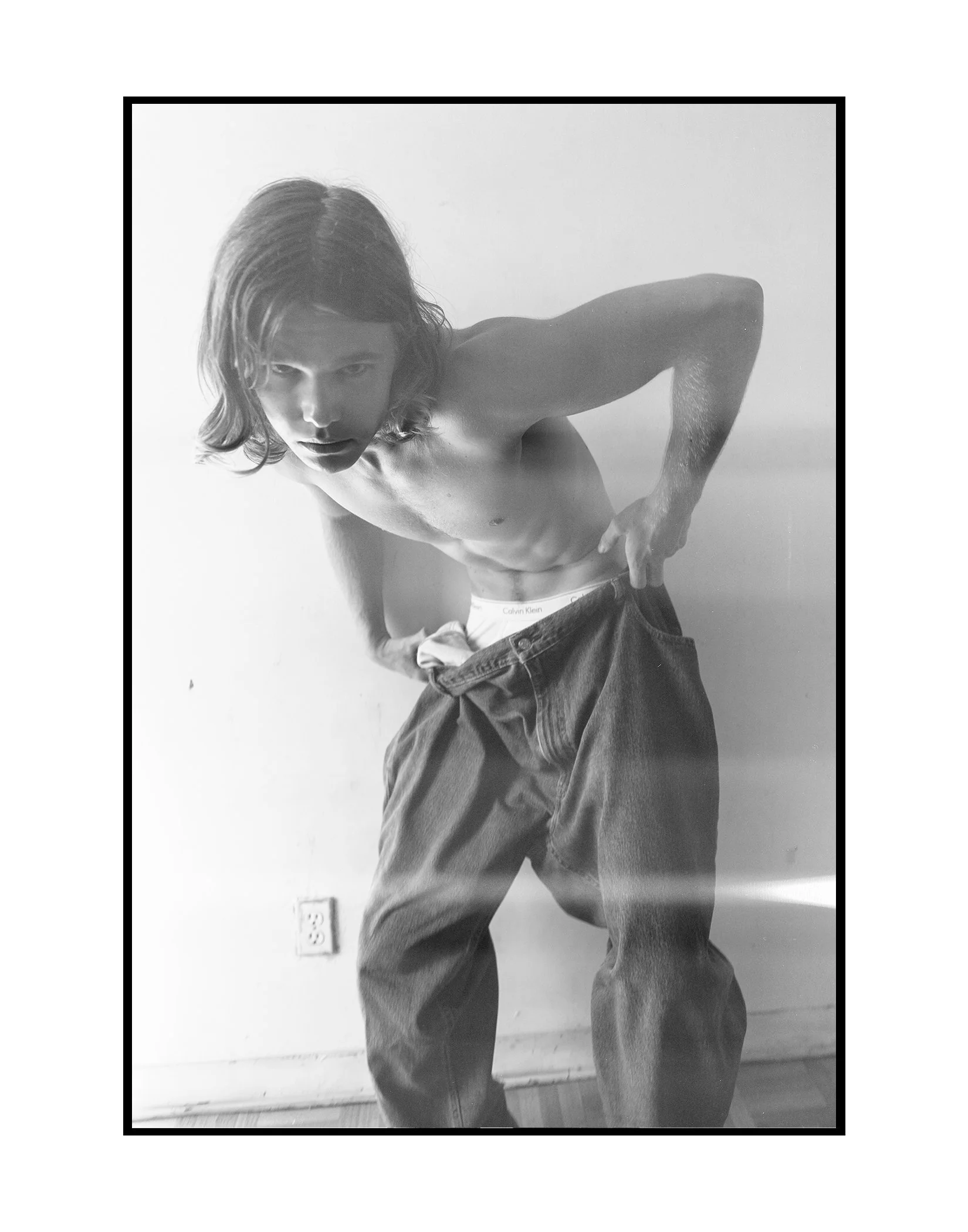
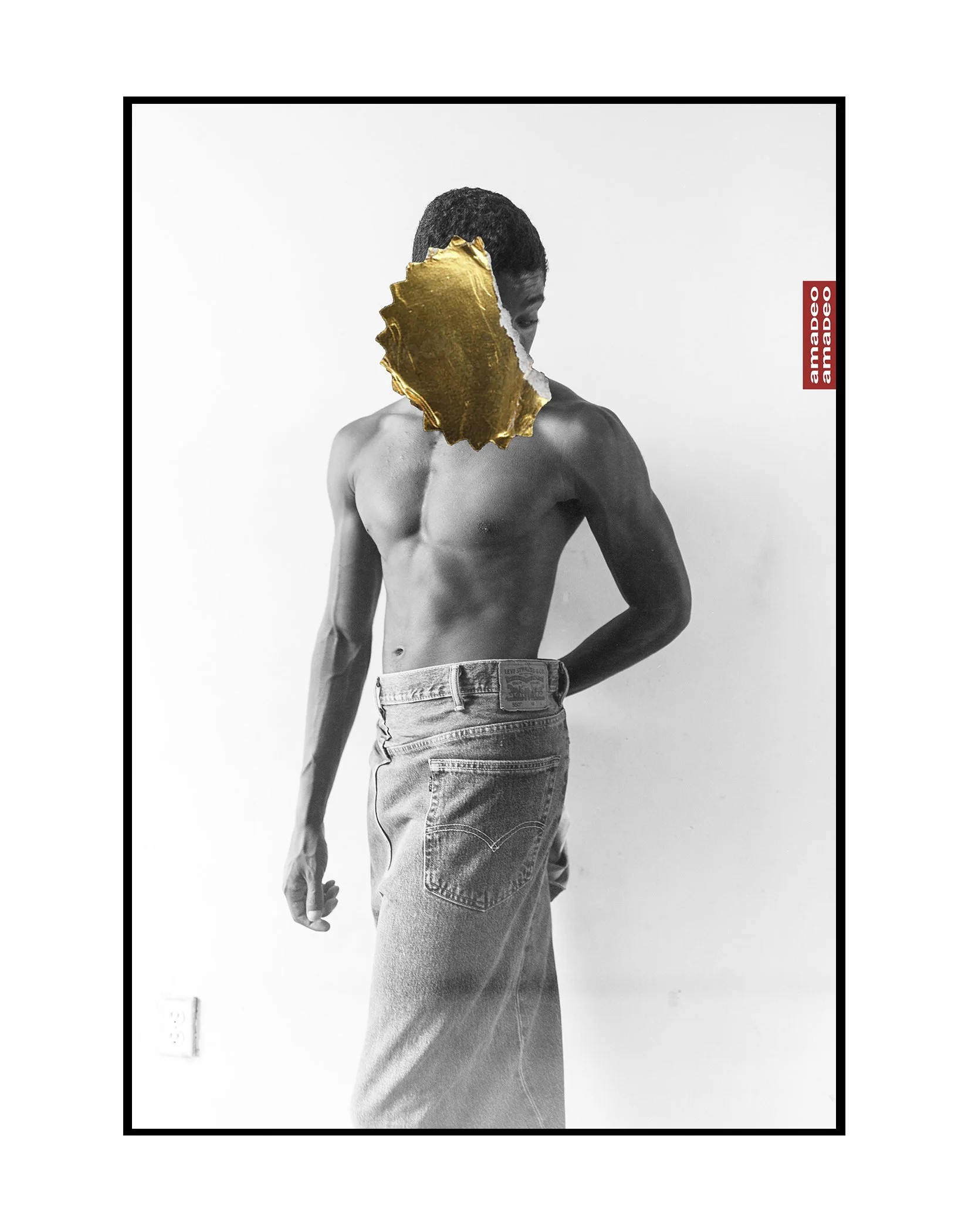

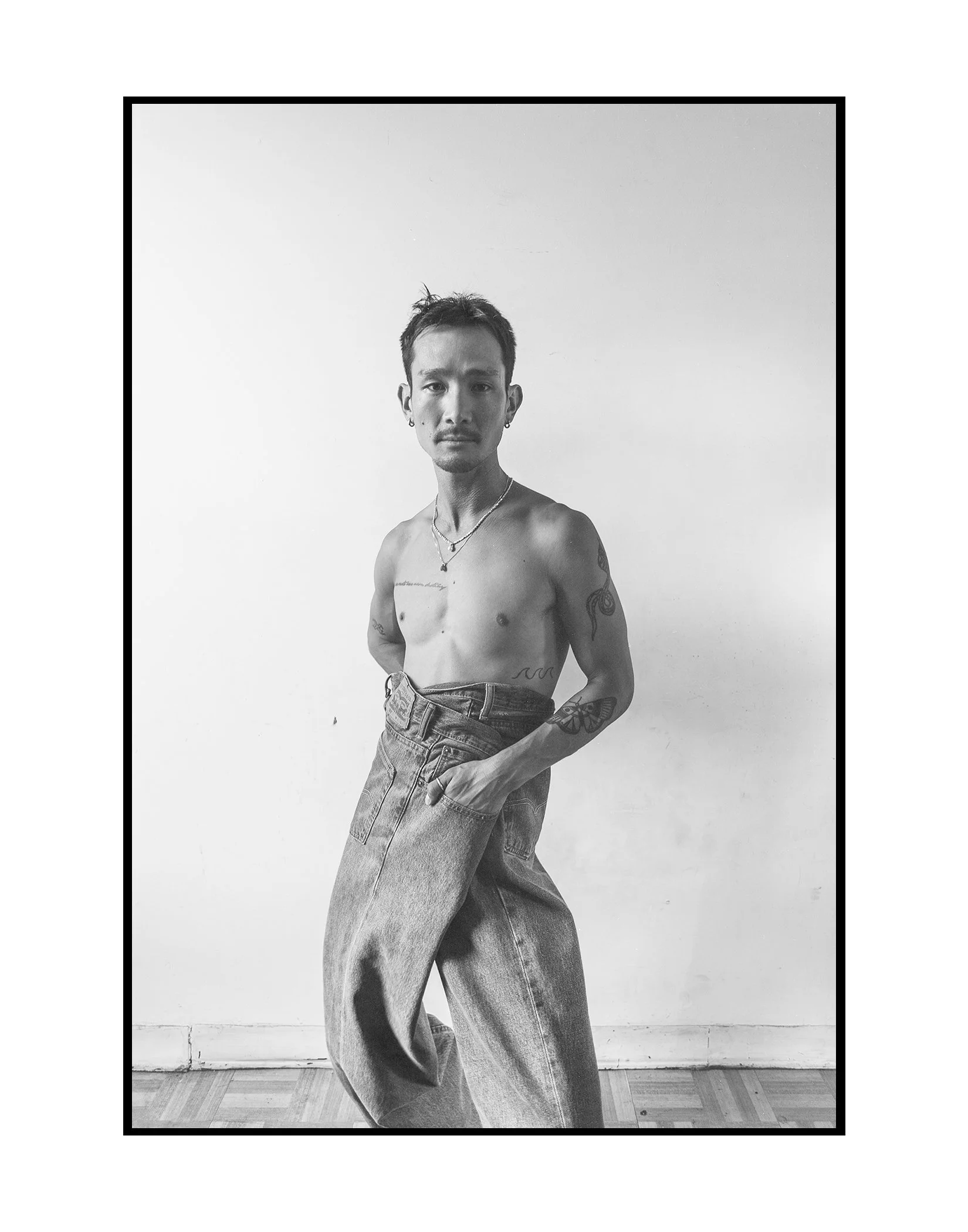
You see, the Giant Jeans weren’t made to flatter.
They were made to frame.
They weren’t worn to impress.
They were worn to exist.
Not a fit—an environment.
Not a garment—a gesture.
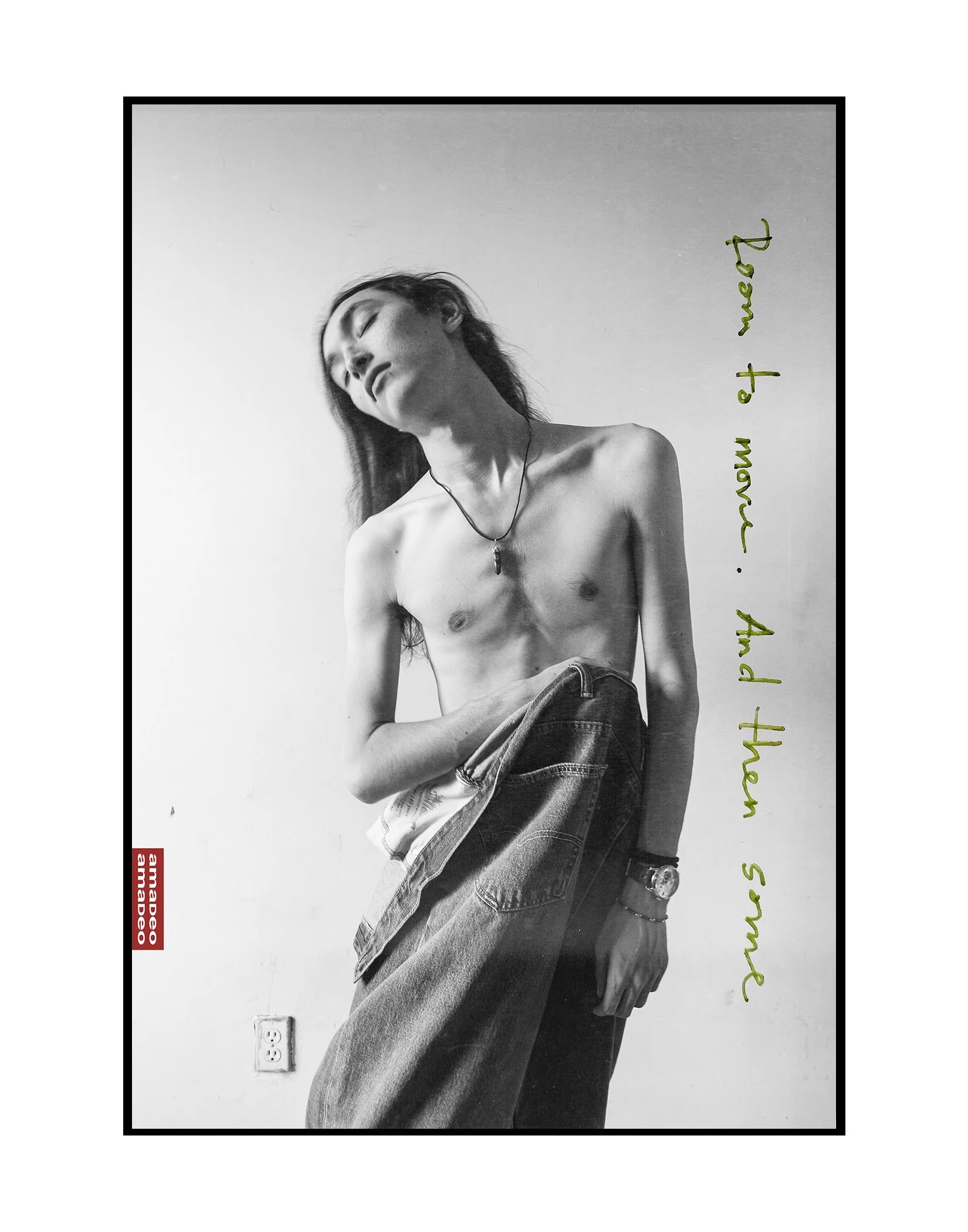
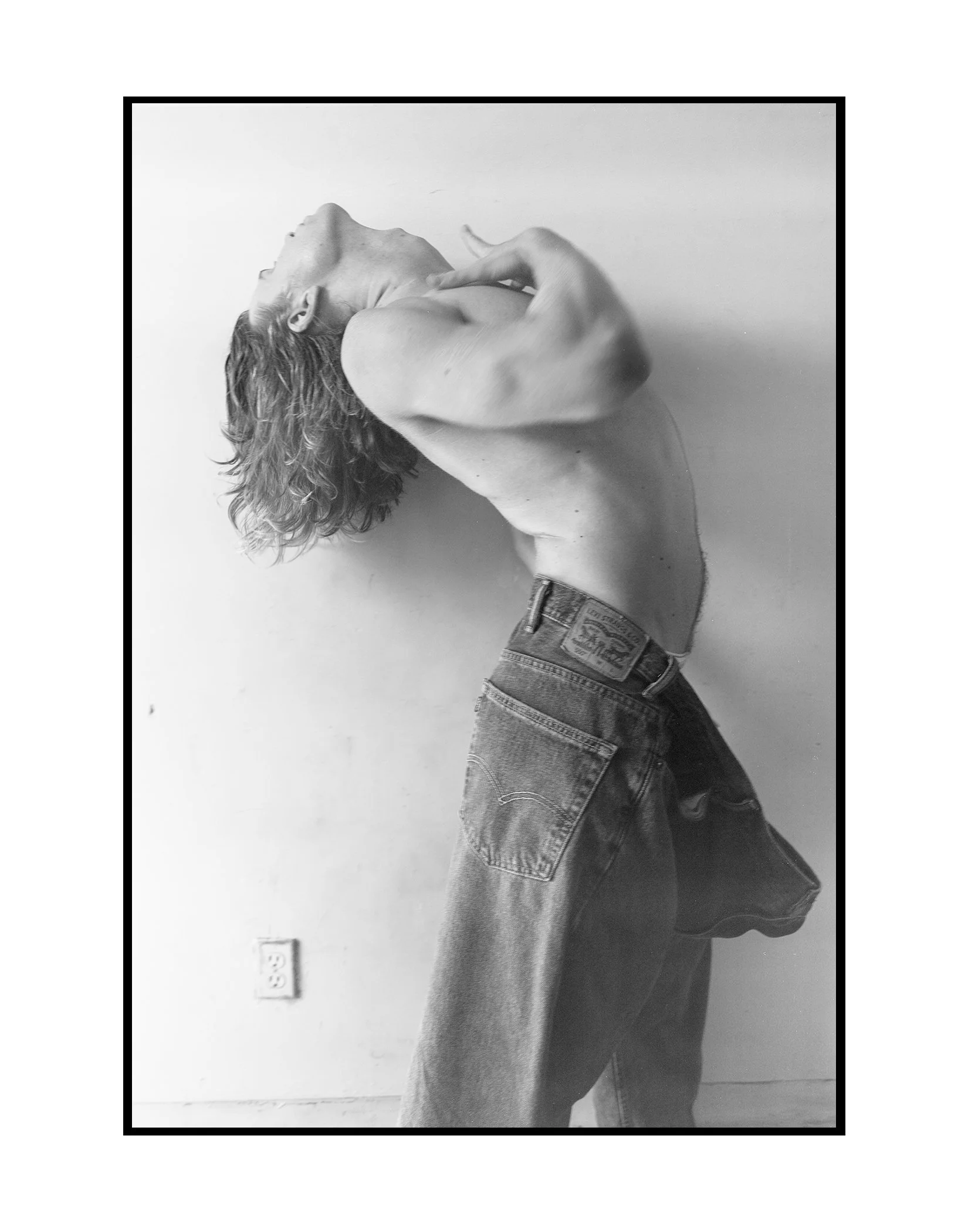
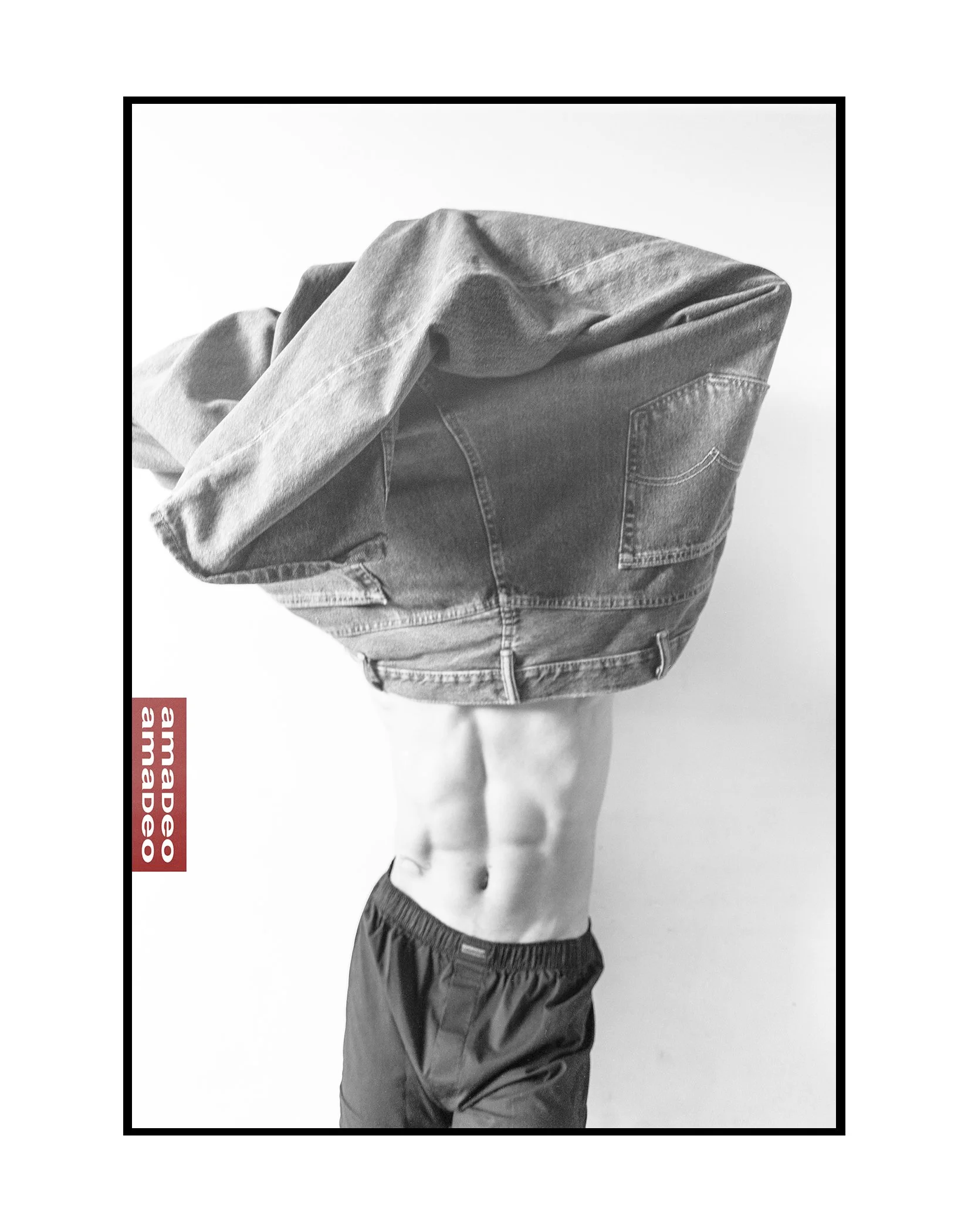

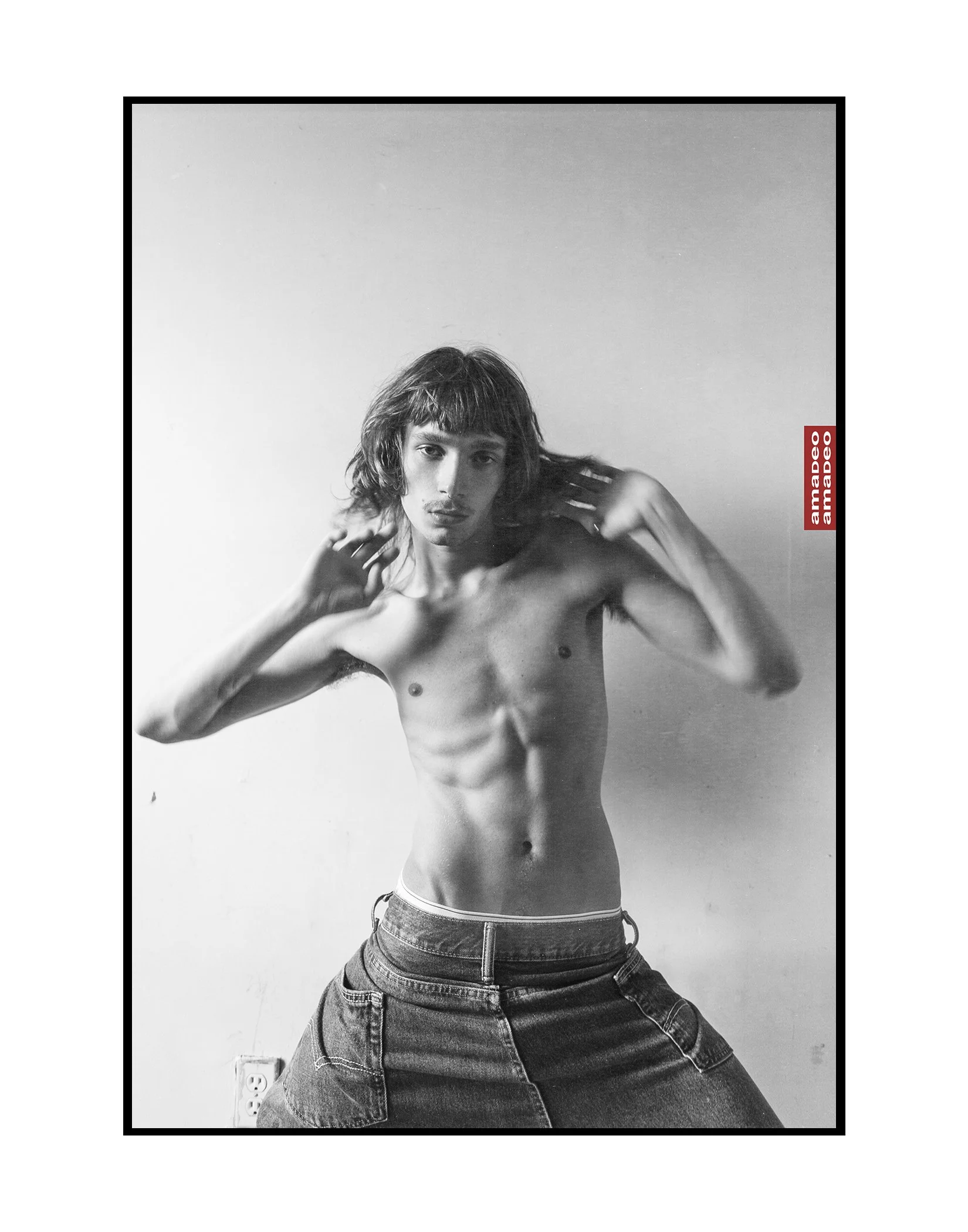
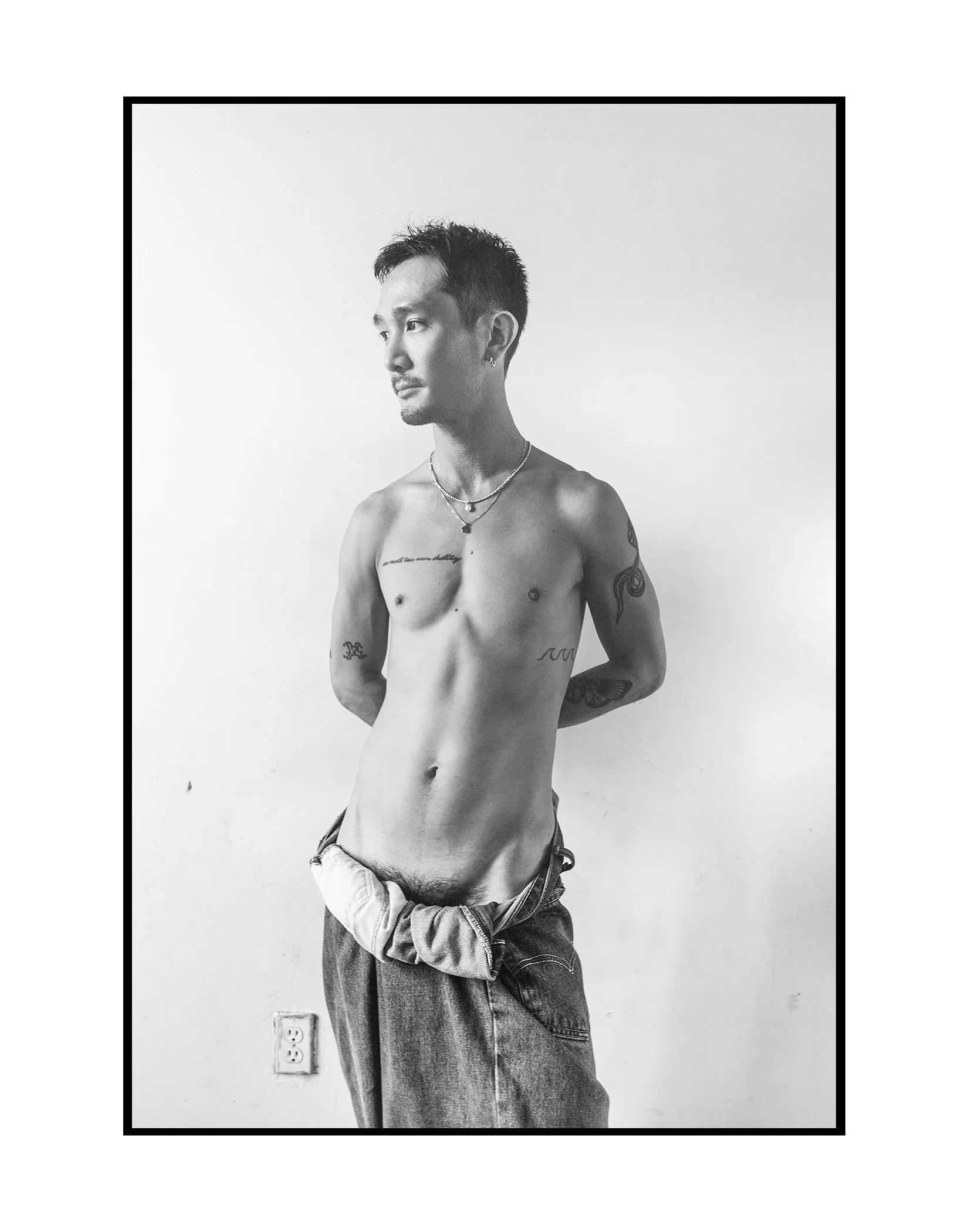

They moved through light like a second shadow.
They swallowed knees, hugged air, trailed behind like stories.
No one knew how to wear them “correctly.”
And yet, every body they touched looked... correct.

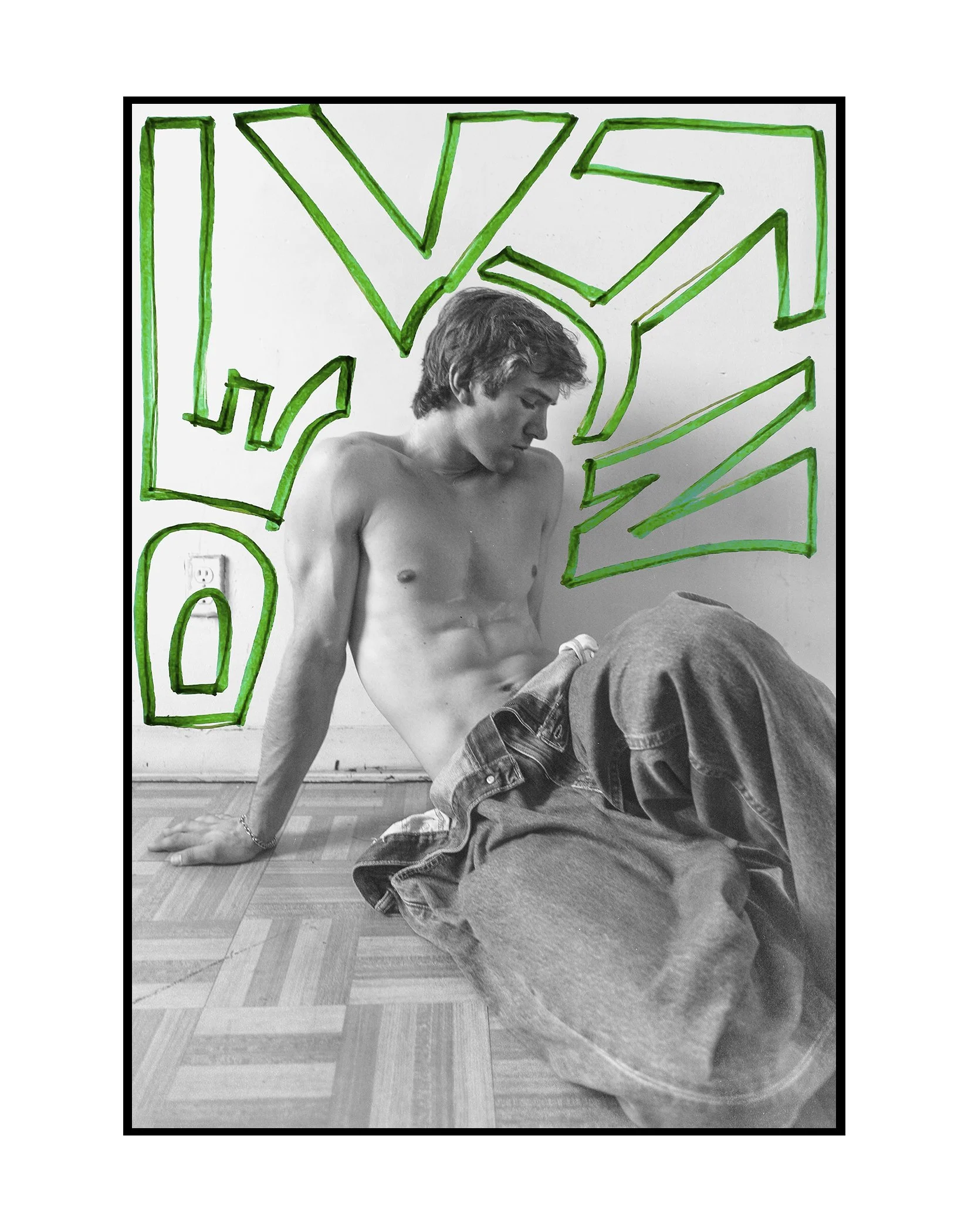


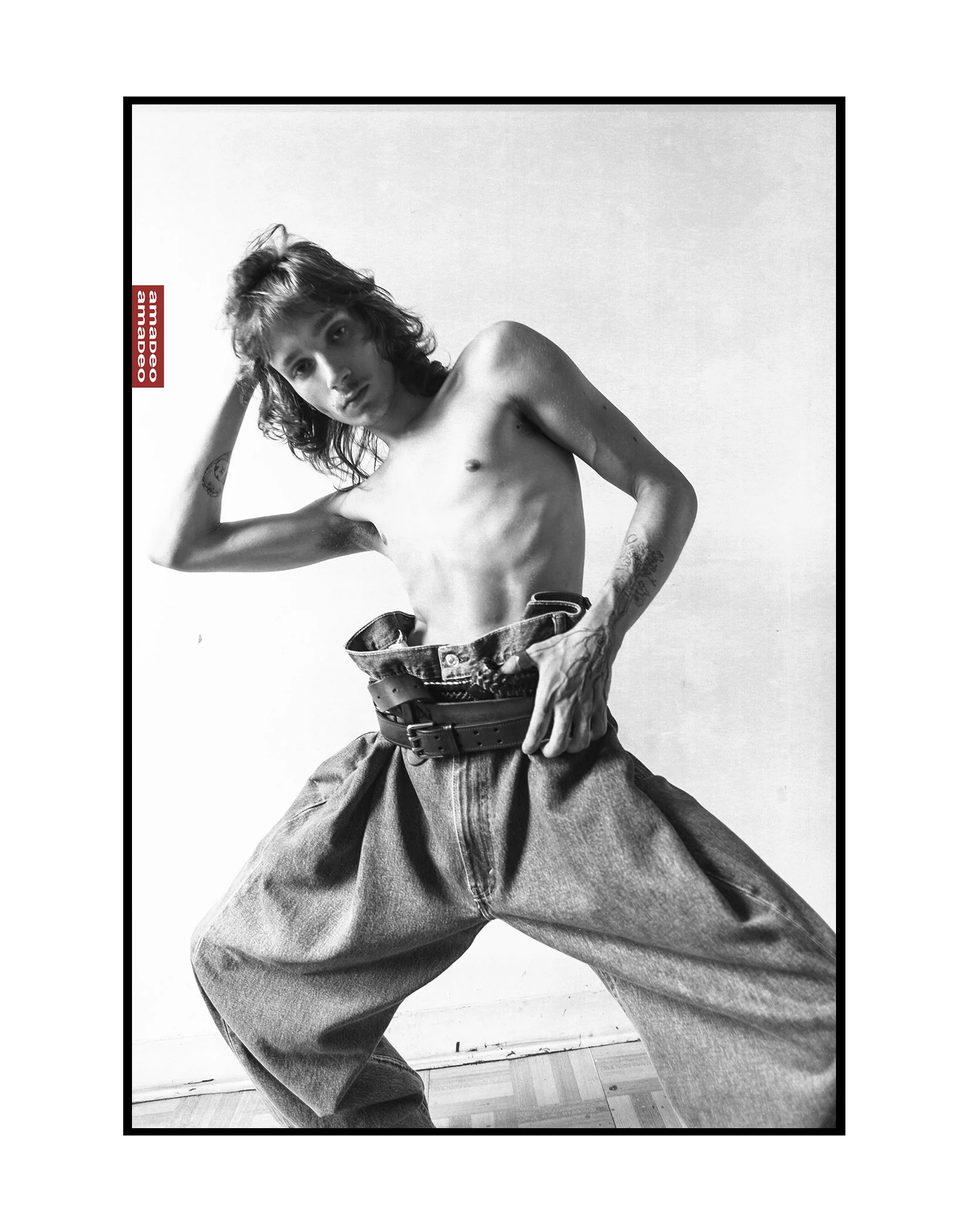

People began to talk.
Theorists. Teenagers.
Former models turned archivists.
They said the jeans weren’t real.
They said the photos were fake.
They said no one would make jeans that didn’t fit.
But they were wrong.
Or they were right.
Or both.
Because maybe the point was never to fit.
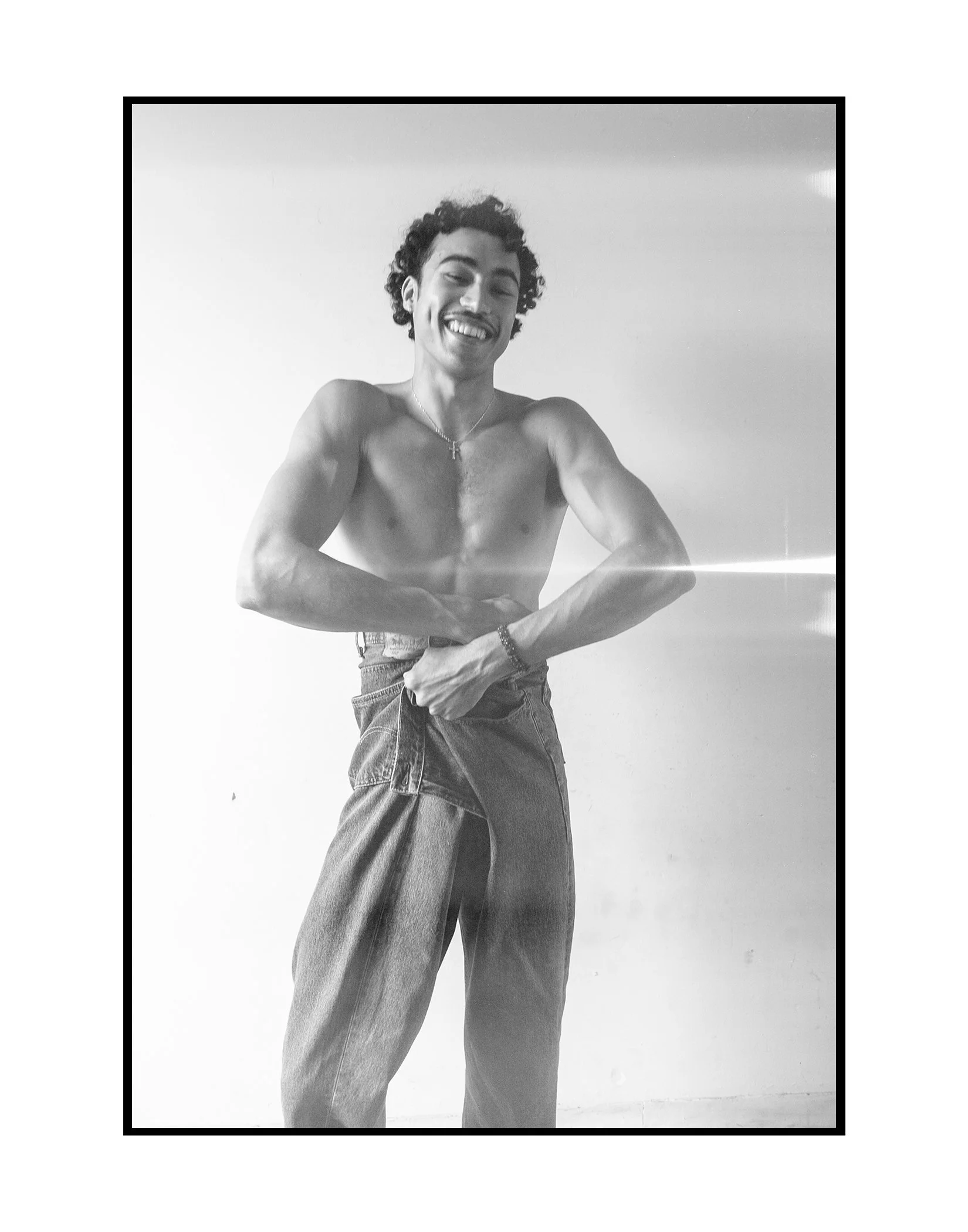
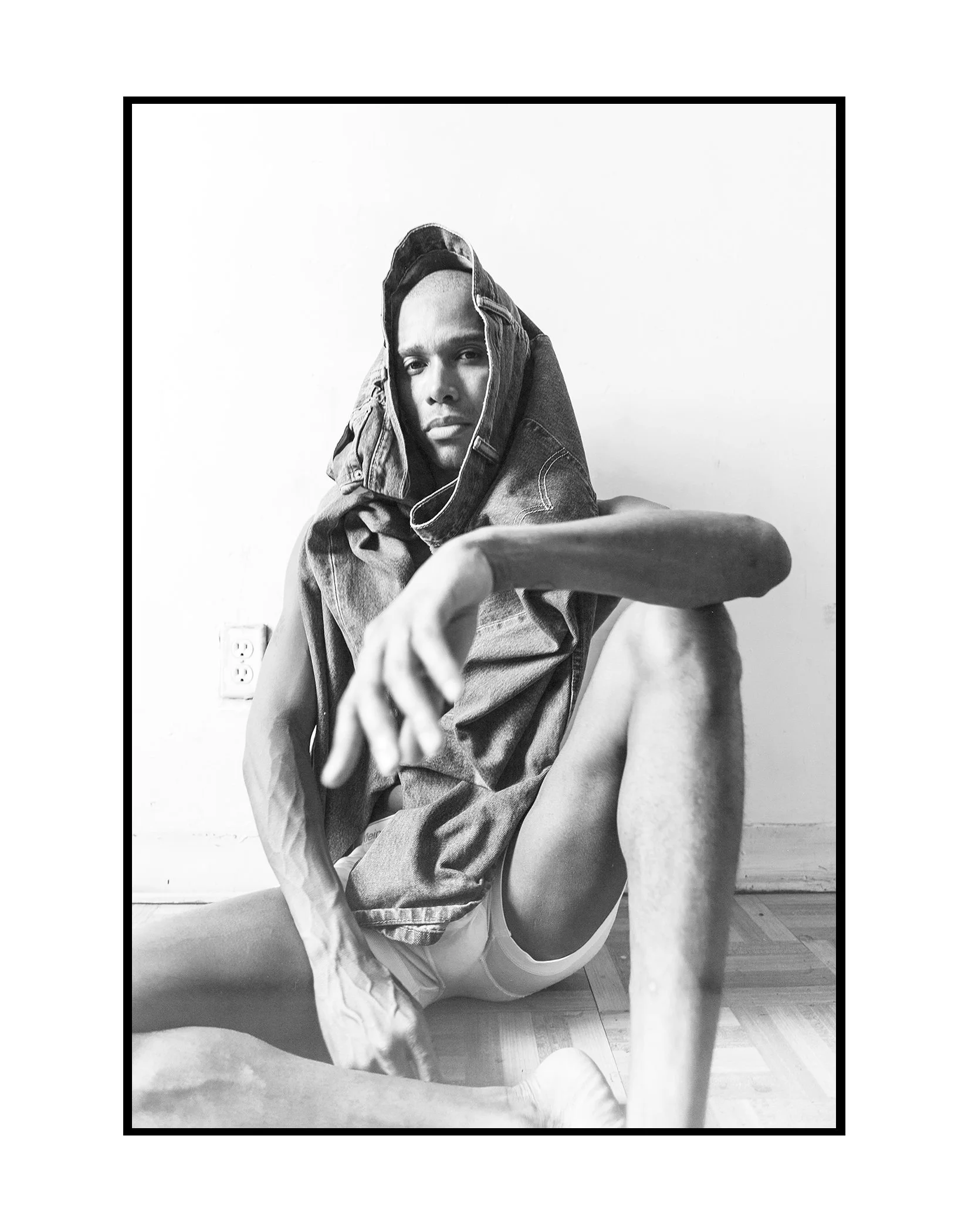
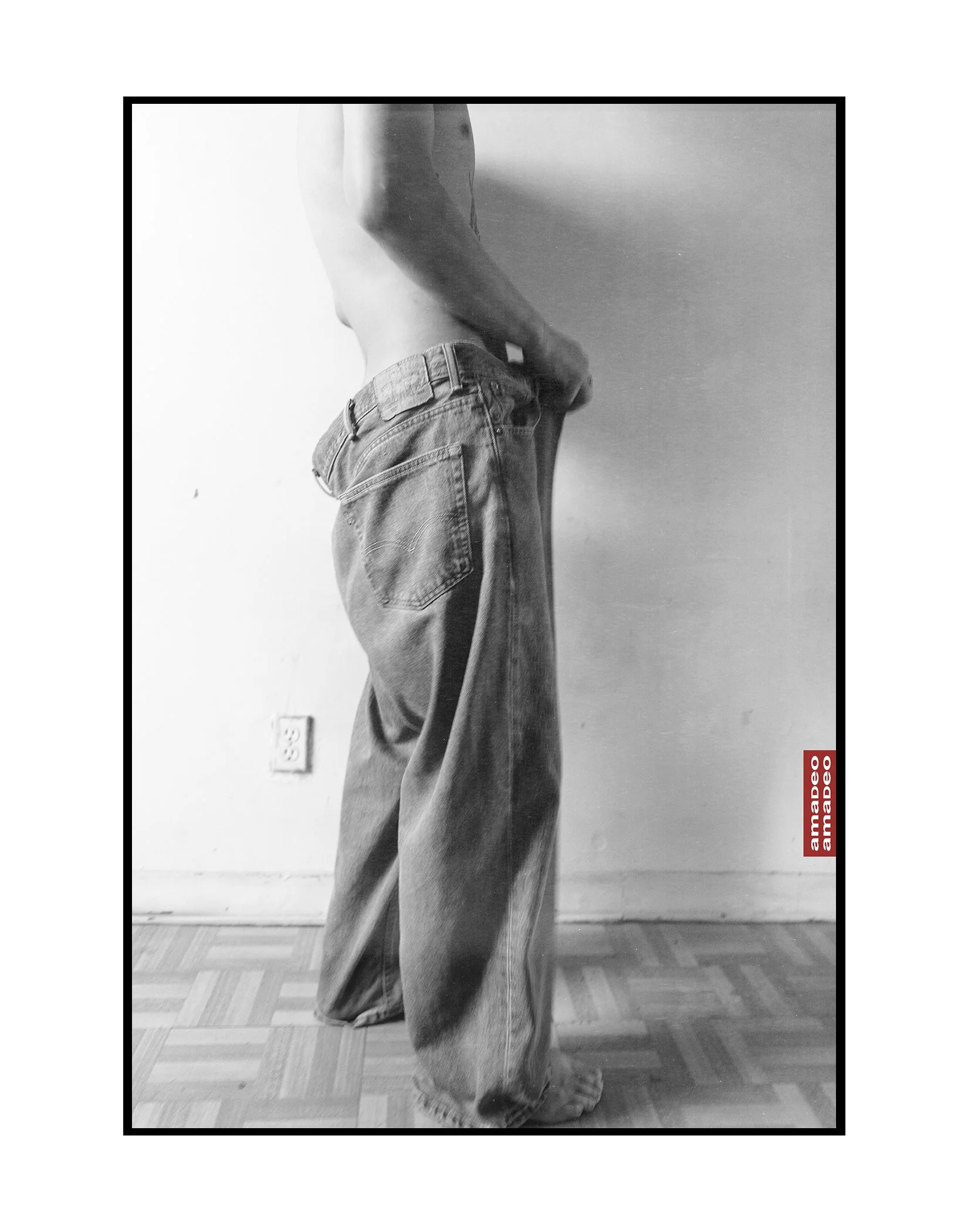
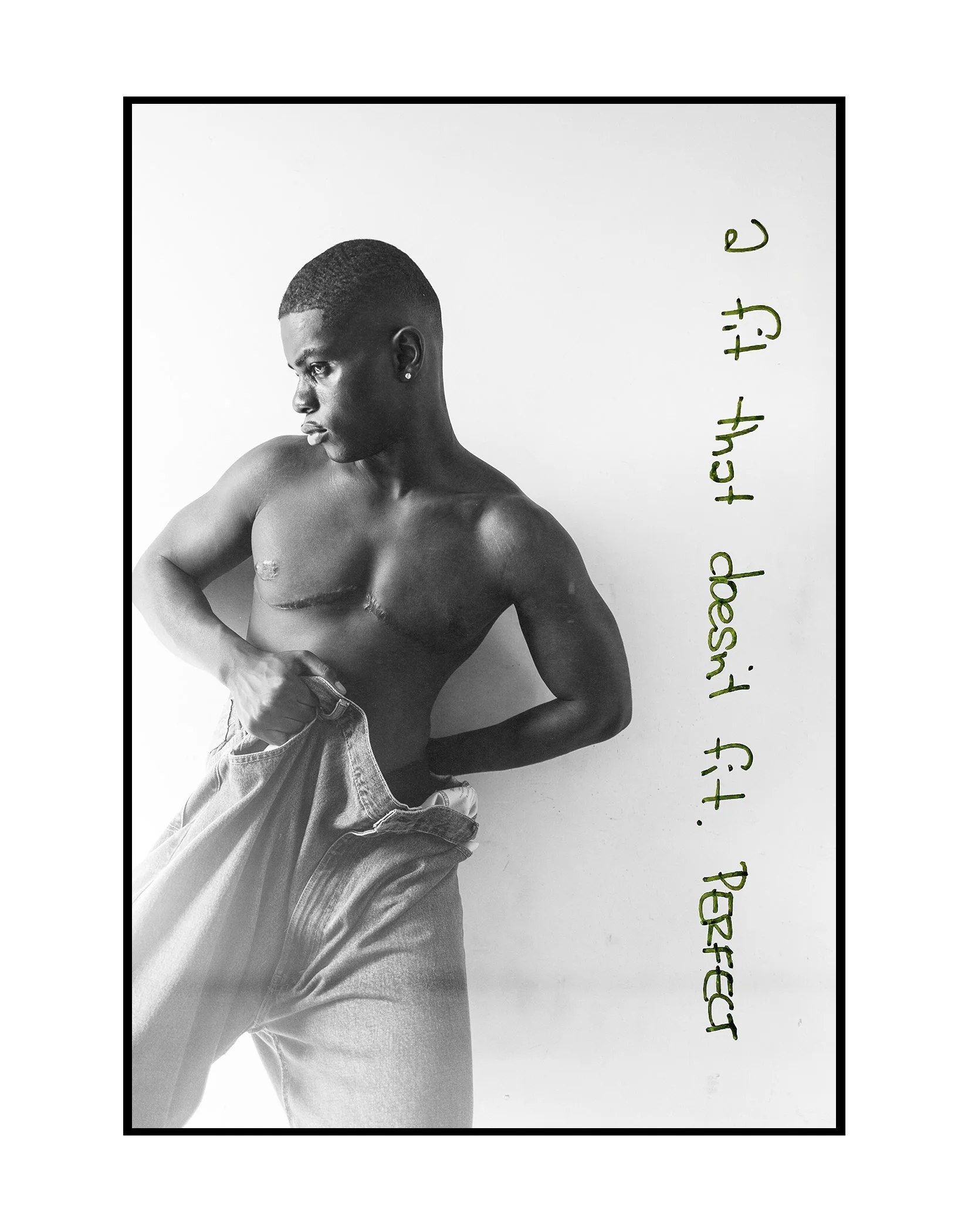
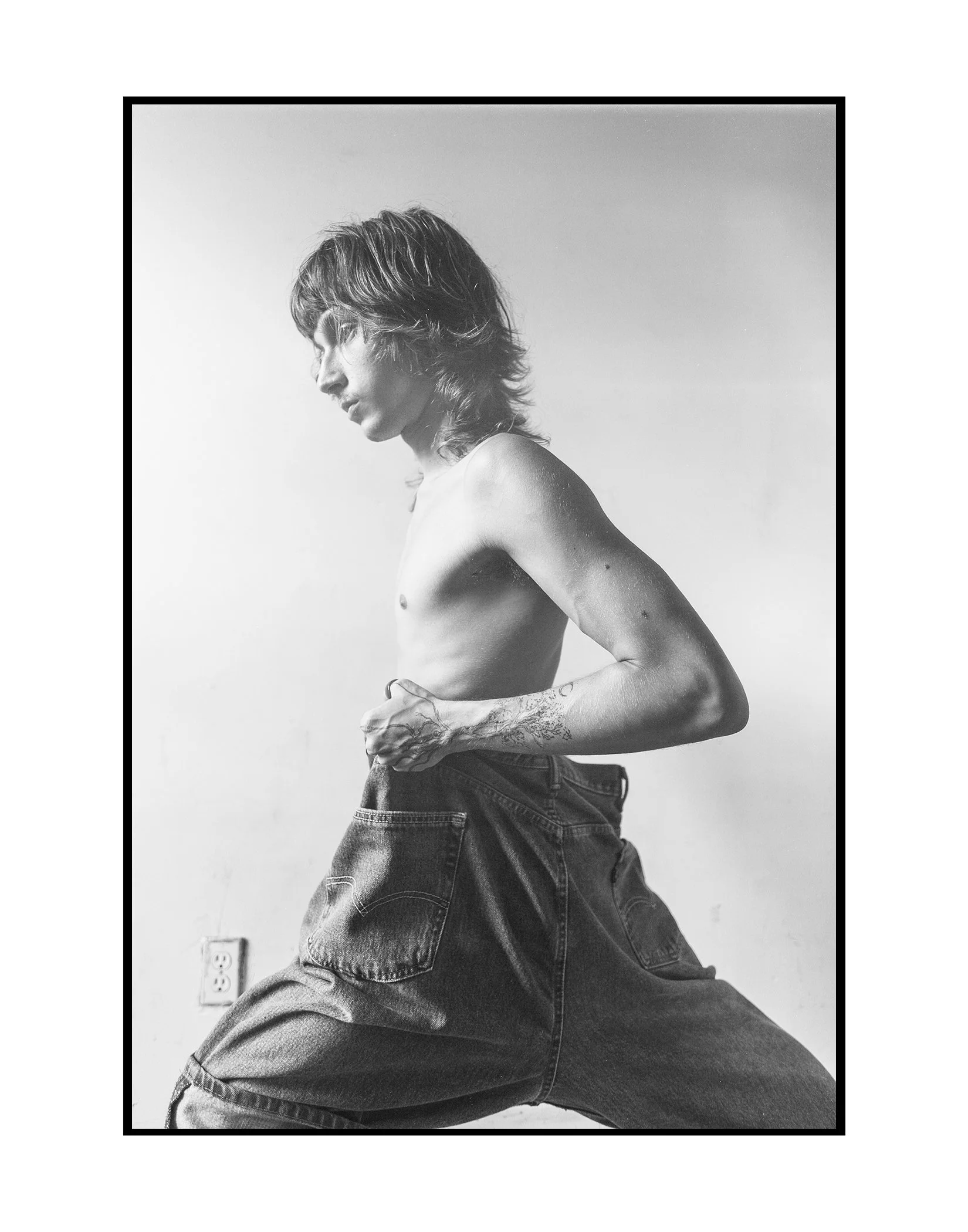
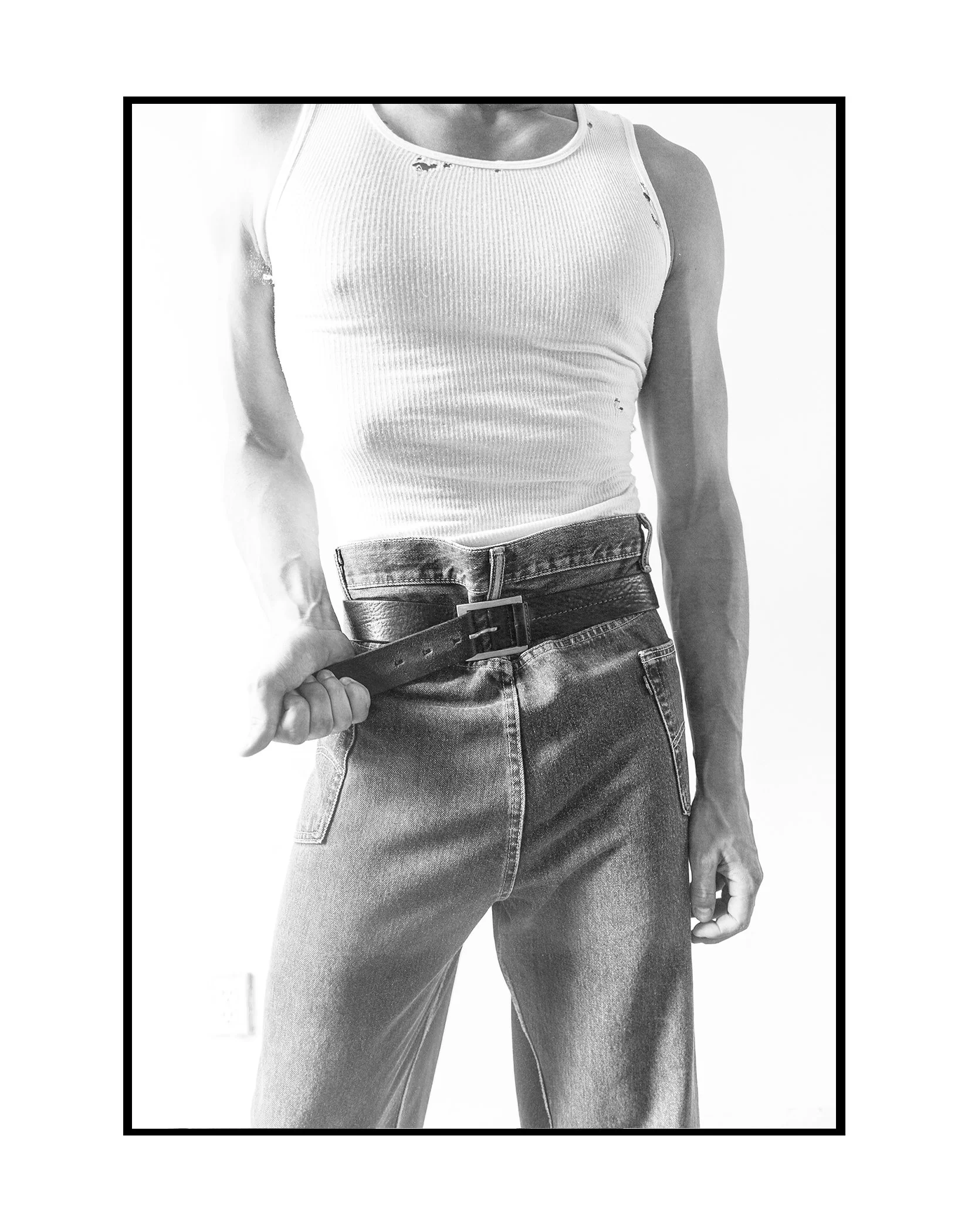
The campaign, if we’re calling it that, isn’t about jeans.
It’s about proportions that don’t apologize.
It’s about shape without shame.
It’s about showing up exactly as you are—too big, too loud, too much—and realizing:
You belonged here the whole time.
You were the fit.
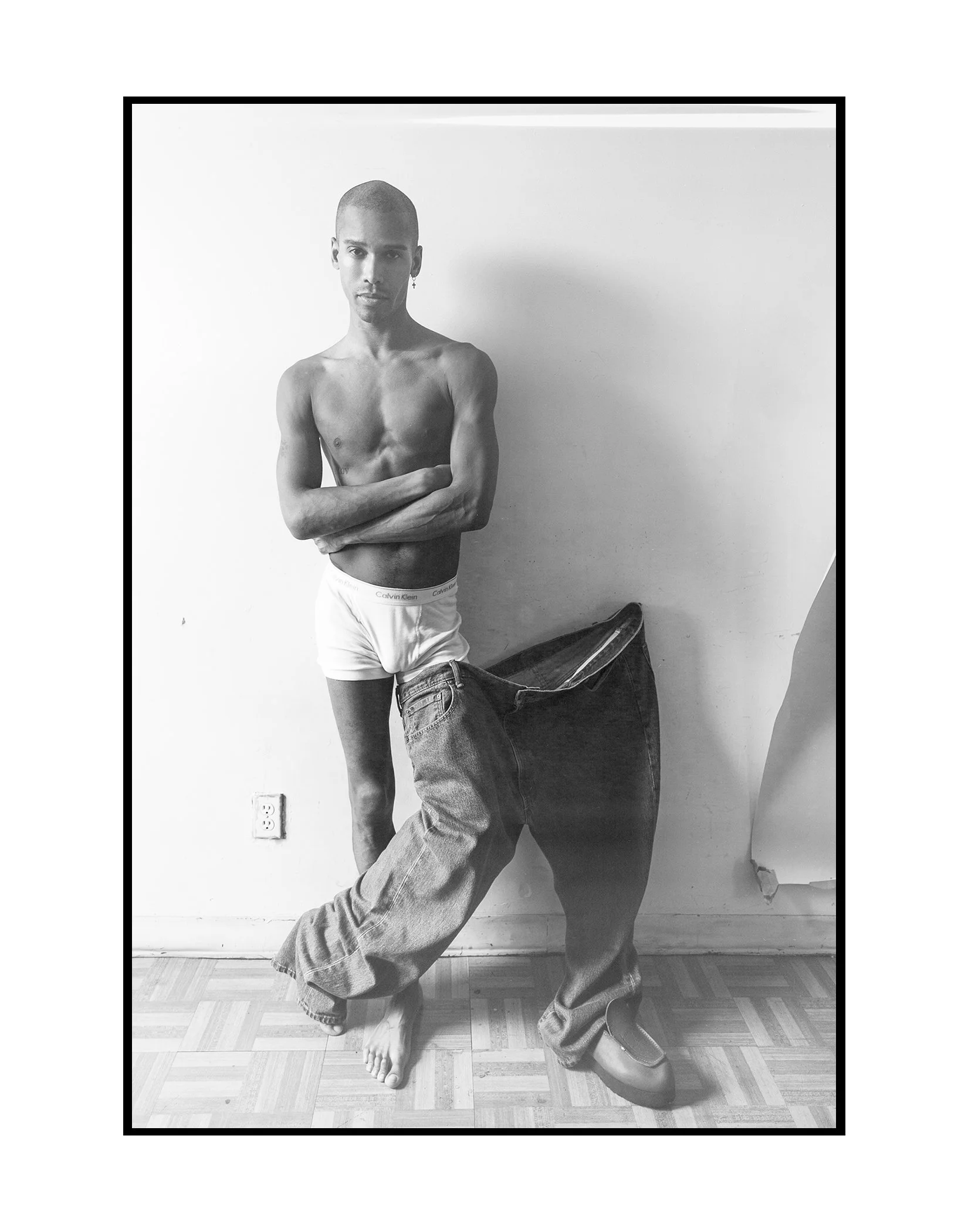
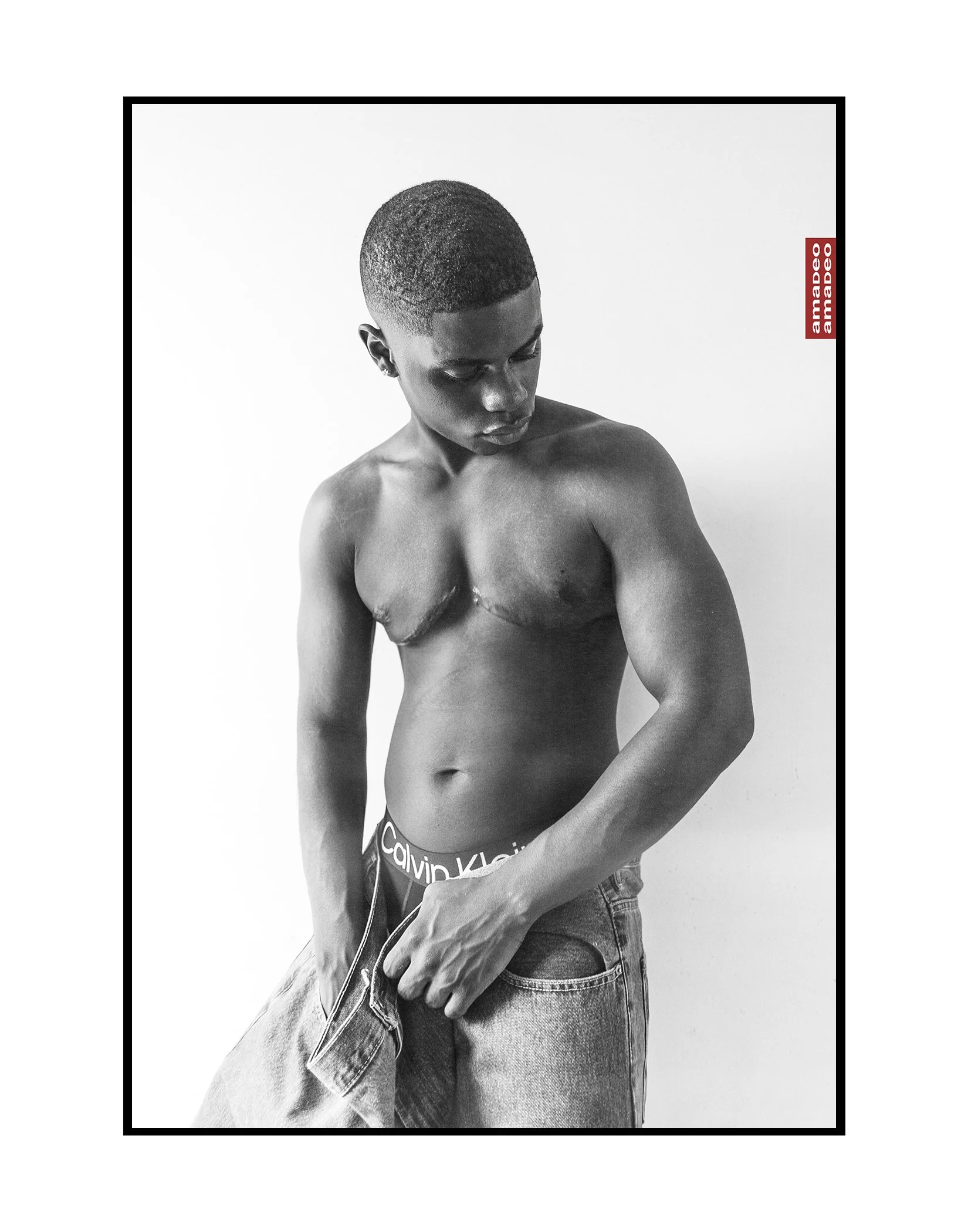

Let the others tailor themselves into silence.
Let them cinch and compress and conform.
Let them ask what size you wear.
You don’t answer.
You walk.
In Giant Jeans.
Moving like a fact.
Unfolding into the space that was always yours.
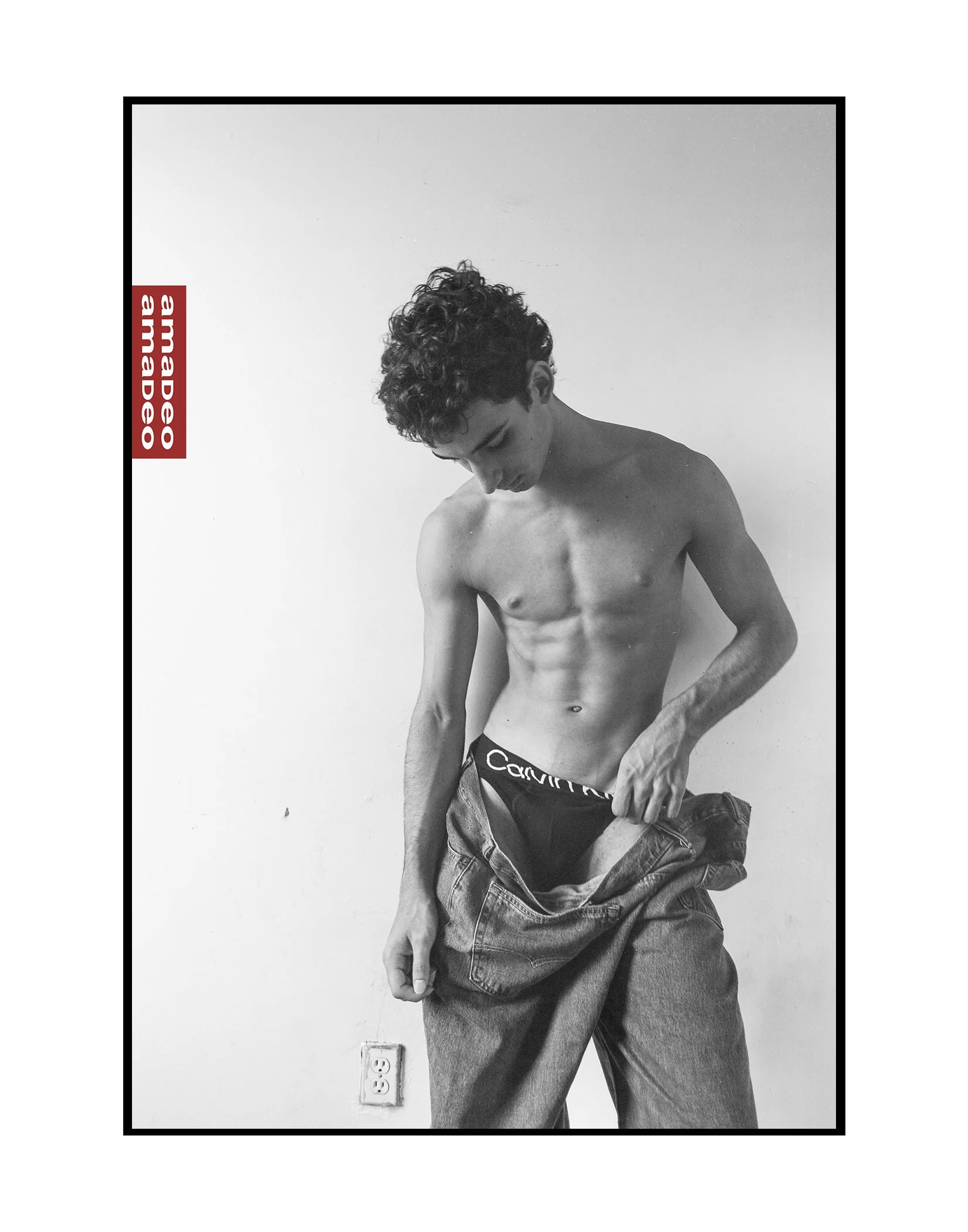
Photography + Art Direction by Anthony Amadeo
@anthonyxamadeo | @amadeoxamadeo
This is not a campaign. This is a confirmation.