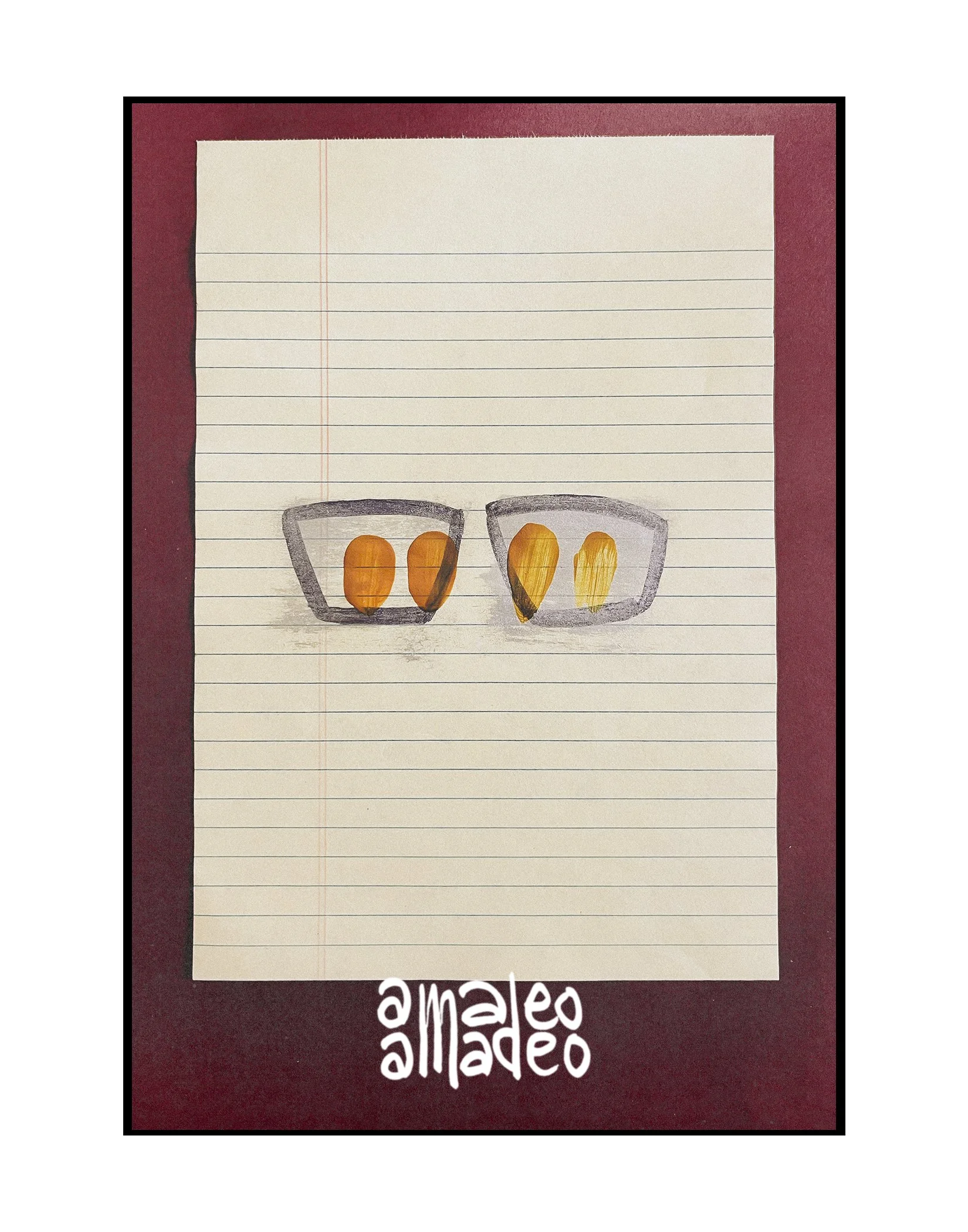
LOOK BETWEEN THE LINES
Maybe these portraits exist in the space between those two perceptions.
Or maybe they exist in a space that doesn't exist at all.
Because how often do we actually see the person we believe we're showing other people?
And how often are other people seeing something in us that we've never noticed ourselves?
19 portraits on perception, instinct, and the creative mind
Last night I asked people on Instagram to send me a favorite self-portrait or selfie.
Not just any photograph of themselves. I wanted the one they chose. The image they liked enough to say: this is how I want to be seen.
That choice was important.
A self-portrait already contains at least one act of interpretation before I ever see it. Someone has looked at themselves, photographed themselves, edited through the possibilities and decided that one particular image represents something they recognize—or perhaps something they want other people to recognize.
I wasn't interested in drawing that photograph.
I wanted to know what would happen if I looked at it until I stopped seeing a person.
I wanted to see movement. Weight. A line through a shoulder. The shape made between an arm and a torso. Hair becoming repetition. Light against shadow. The reflection in a pair of glasses. An interruption of color. The direction an image seems to move even though nothing inside of it is moving.
I wanted to see what my eye saw before my brain had enough time to explain it.
The first gesture
Before making anything, I spent about an hour gathering materials.
Nothing was purchased for the project.
I went through what I already had in my studio: an old yellow lined pad, paint, pens, a brush marker, metallic wax. I decided on a very limited palette before beginning.
That restriction became important.
Once the color, paper and materials were decided, there were fewer decisions left to make. I didn't have to ask myself which color came next or what surface would be more interesting. Those questions had already been answered.
Now I could react.
I made all 19 portraits in approximately three hours.
No redrawing.
No starting over.
No spending twenty minutes deciding whether a mark was correct.
I would look at the photograph and wait for something to announce itself. Sometimes it was a silhouette. Sometimes eyes. Sometimes a shadow. Sometimes a curve. Sometimes nothing I could name.
Then came the first gesture.
That first gesture became something like a proposition to myself.
A line.
And then I reacted to the line.
Another line might follow it. Paint might obscure part of it. A shape might oppose it. Twenty repetitions might grow from one mark. Something might suddenly need to disappear underneath silver.
At a certain point I would feel that the thought had been said.
Then I stopped.
There is no formula I can give for knowing when that happens. I know it physically.
The hand knows a lot.
I think much of my art practice is an attempt to make something physical out of something mental.
How I think. How I smell. How I listen. How I see. How something physically feels against my body. How something makes me feel emotionally.
Those things all exist somewhere inside of me before I have language for them.
The objects I make are ways of translating them.
Sometimes that translation is a photograph. Sometimes it is paint. Sometimes clothing. Sometimes scent. Sometimes collage. Sometimes I can put a vial of an old perfume on a pedestal and feel that it says exactly what I needed to say.
Is that enough?
Is that art?
Is that creativity?
I don't know that those questions need to be answered every time.
Maybe the object isn't the thought. Maybe the object is evidence that the thought happened.
That distinction matters to me.
I don't think creativity lives inside a camera, a paintbrush, a sewing machine or an expensive material. Those are instruments.
People sometimes ask me which camera I use, and I've always found the question strange. I understand why someone asks it technically, but the camera doesn't explain the photograph.
The camera did not decide what I noticed.
It did not decide where I stood.
It did not decide when something became beautiful to me.
It did not decide why I needed to photograph it.
What is a creative person?
This is where things get complicated.
I believe everyone is capable of being creative.
I don't necessarily believe everyone is a creative person.
And even writing that makes me want to argue with myself.
Technical ability and creativity aren't the same thing to me. Someone can spend years becoming extraordinary at the mechanics of painting and be capable of reproducing almost anything they see. Someone else may barely know how to hold a brush but make one strange mark that opens an entirely new way of thinking.
Which one is creative?
Maybe both.
Maybe neither.
Maybe asking who is "a creative" is already asking the wrong question.
We have become very comfortable saying, You're so creative. Or, That is so creative. Or even calling someone a creativeas though creativity were a job title that could be printed on a business card.
But what are we actually recognizing?
Production?
Originality?
Technical proficiency?
Taste?
Imagination?
Volume?
Vision?
And who exactly are we proving any of it to?
I don't think the physical evidence of art necessarily proves creativity. And I don't think someone who has tremendous creativity but little technical ability somehow possesses less of it.
For me, creativity may have more to do with translation.
Seeing one thing and allowing it to become another.
Looking at a body and finding architecture.
Hearing music and seeing a color.
Smelling something and remembering a room that hasn't existed for thirty years.
Finding an ordinary object and understanding that, under the right circumstances, it can carry an entire emotional world.
A creative person, to me, is someone who dreams in real life.
Looking and seeing
Photography has probably trained this part of my brain more than I realize.
When I'm editing photographs, sometimes I almost look through an image rather than directly at it. I can let my eyes lose focus and suddenly the photograph stops being a photograph of somebody.
It becomes shapes.
Negative space.
Darkness.
Light.
Weight.
Rhythm.
I did something similar with these portraits.
I didn't want responsibility for faithfully representing how each participant wanted to be seen. Their chosen photograph gave me their perception of themselves; my drawing would become my perception of that perception.
Two ways of seeing the same person colliding.
Maybe these portraits exist in the space between those two perceptions.
Or maybe they exist in a space that doesn't exist at all.
Because how often do we actually see the person we believe we're showing other people?
And how often are other people seeing something in us that we've never noticed ourselves?
A person can choose their favorite photograph believing they're showing confidence, while someone else might first notice the curve of their back.
They might choose an image because of their face, while I might become obsessed with a triangle of empty space beside their elbow.
One photograph contained direct eye contact and suddenly the eyes became impossible for me to ignore.
Another had no eye contact whatsoever, and the person dissolved into lines.
There is something interesting about that.
What we believe we are communicating isn't always what someone else receives.
A portrait doesn't require resemblance.
I consider all 19 works portraits.
Not abstract studies inspired by portraits.
Portraits.
They are my character illustrations of these people.
I don't need the nose to resemble their nose.
I don't need the body to remain a body.
Recognition can happen somewhere else.
It can be in posture.
Rhythm.
Scale.
Distance.
Repetition.
An interruption.
An empty space.
That is also why I don't want to publish the original photographs beside these pieces.
The moment the original appears, the exercise changes.
People begin solving a puzzle.
Oh, I see why he did that.
Or:
That doesn't look anything like the photograph.
Neither response interests me very much.
I want the work to exist without proof.
The original photograph belongs to the participant. The abstraction becomes something else.
They are the only person who gets to hold both images together.
I actually like that intimacy.
Trust
Whenever someone allows me to create freely with their image, there is trust involved.
I never take that lightly.
These people essentially handed me an image and said, Here is a version of myself that I like.
Then they allowed me to dismantle it.
I hope when I send each participant their piece they are excited, but I also hope they're curious.
I hope they look at it and wonder what I saw.
Maybe they recognize something.
Maybe they don't.
Maybe it makes them look at the original photograph differently.
Maybe it makes them think about themselves differently.
Recognition wasn't the motive.
Exploration was.
Permission from whom?
One of the fastest ways for me to lose creativity is to begin asking permission.
Permission from whom?
Social media?
An audience?
Another artist?
Someone who went to a different school?
Someone with more followers?
Someone selling more work?
An imaginary authority on what art is supposed to look like?
Perfection can kill it too.
So can comparison.
So can money.
So can having too many options.
Even time can work against creativity. Give an idea too long and sometimes you think it to death.
This series couldn't take a week.
That wasn't the thought.
The thought was happening now.
Nineteen photographs came in. I prepared the materials. I responded to them. Three hours later the thing existed.
There is a muscle involved in trusting that.
Every time I make something without asking myself whether it is correct, I strengthen it.
Not confidence that everything I make is good.
Something more useful:
Confidence that what I am making is true to the thought I am having.
Those aren't the same thing.
Look between the lines.
The yellow paper turned out to be perfect, although there wasn't a grand concept behind choosing it.
It was simply there.
I had kept it.
That is another part of my practice that I value: using things that have accumulated around me and allowing them to become useful when their moment arrives.
But now, looking at the finished works, the lines mean something to me.
Lines are supposed to organize information.
Stay between them.
Write here.
Keep things straight.
Follow the structure.
And across these 19 pages I've painted over them, followed them, fought against them, repeated them and ignored them.
Maybe that's creativity too.
Take something that already has instructions and discover another use for it.
The hand knows a lot.
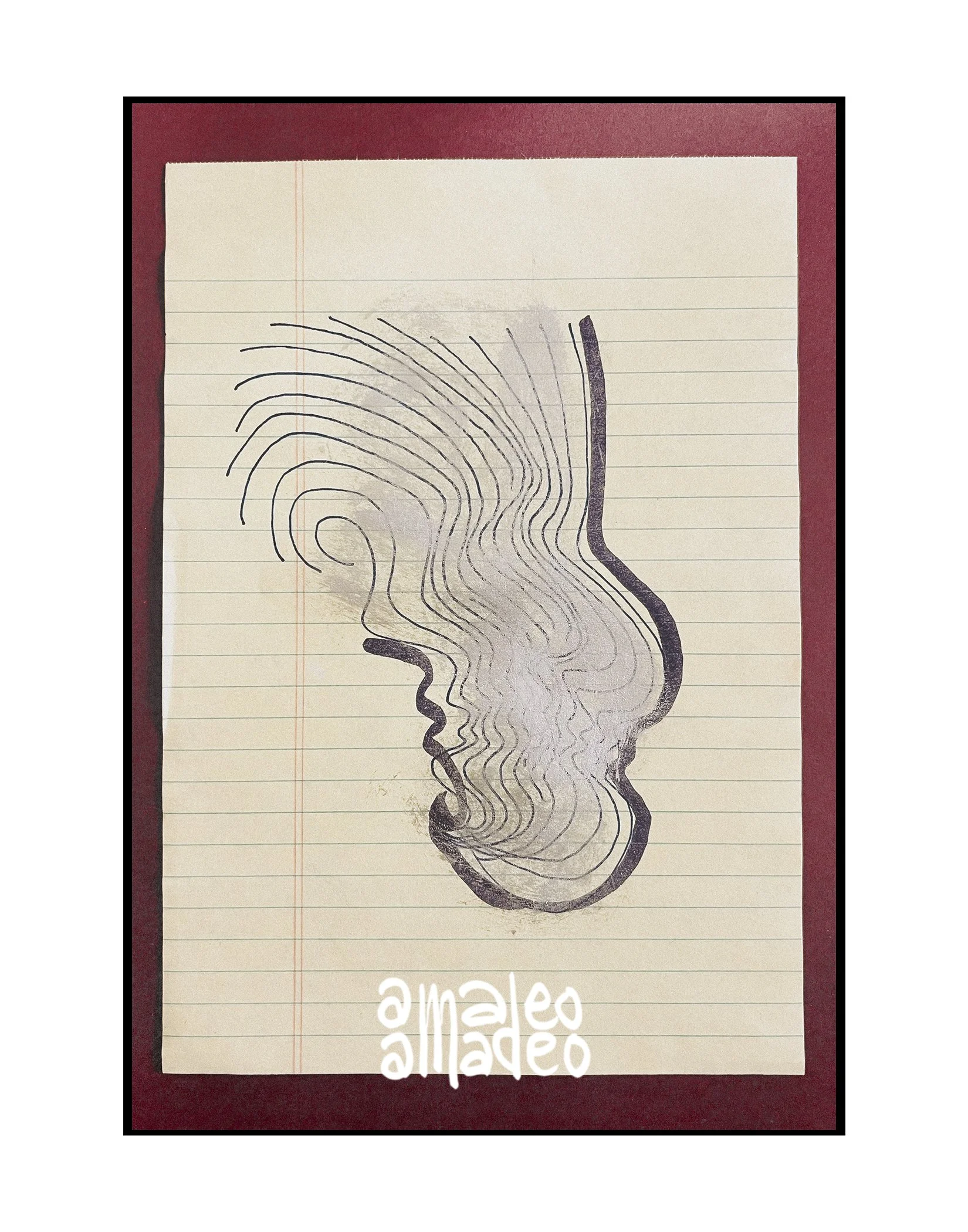
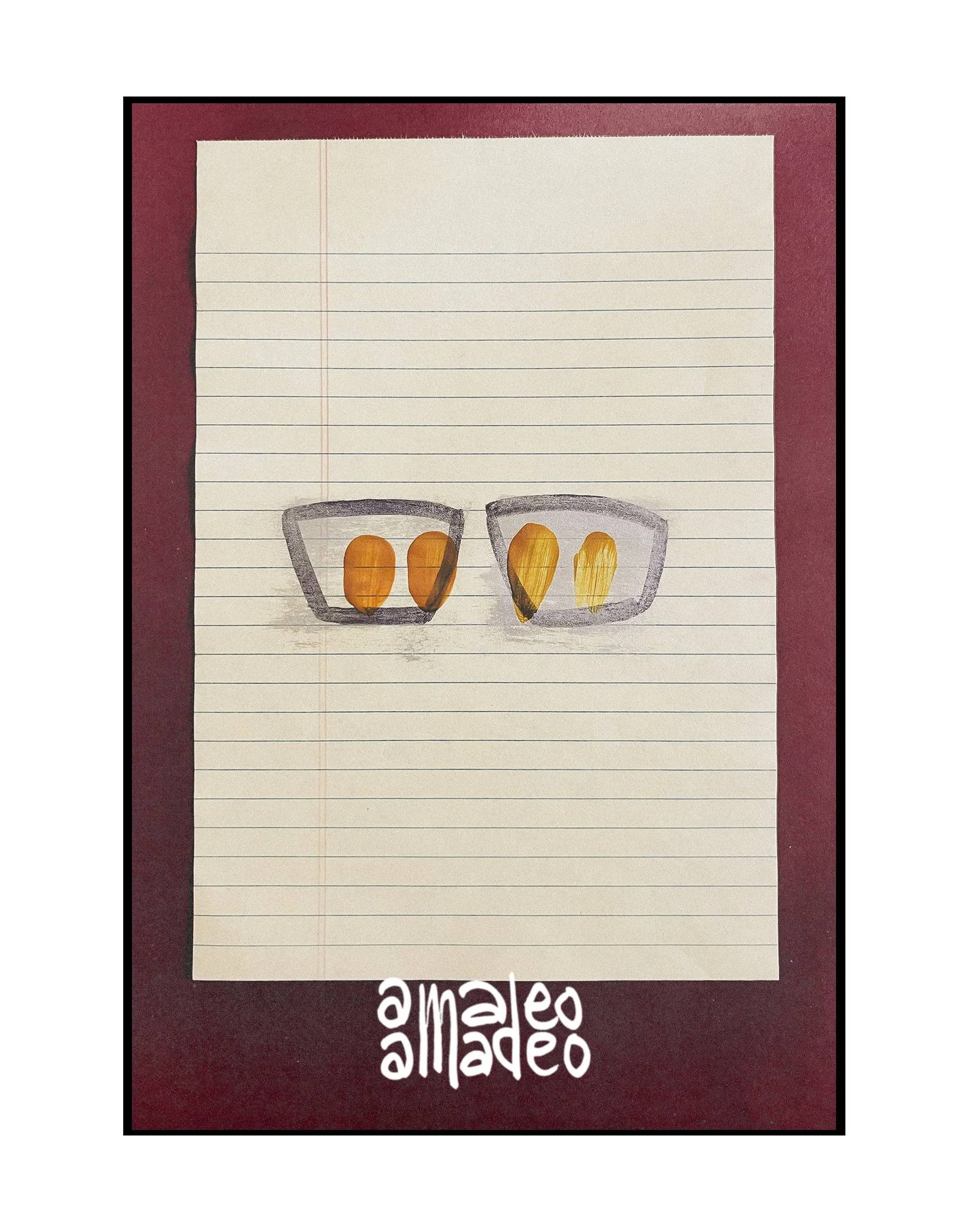
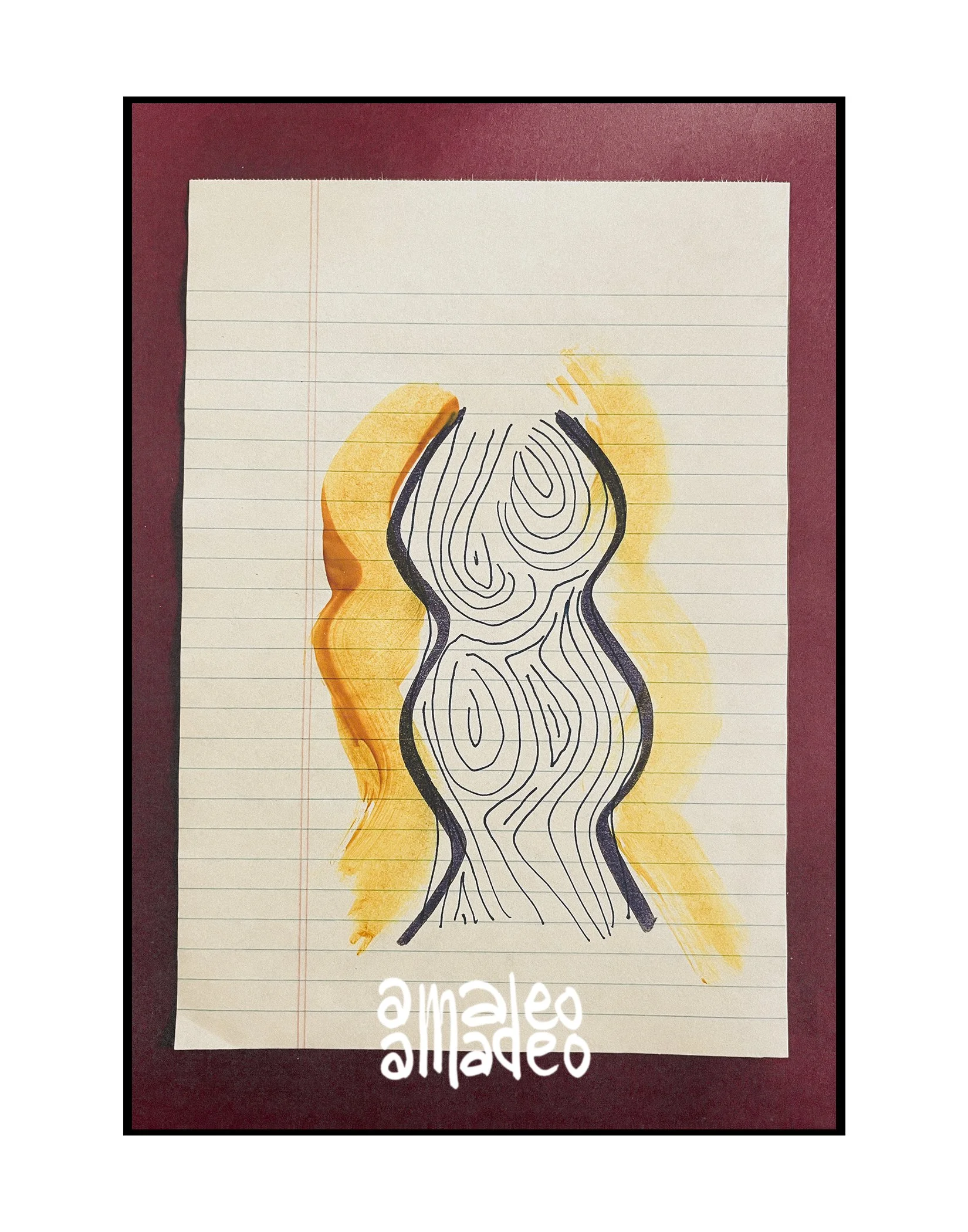
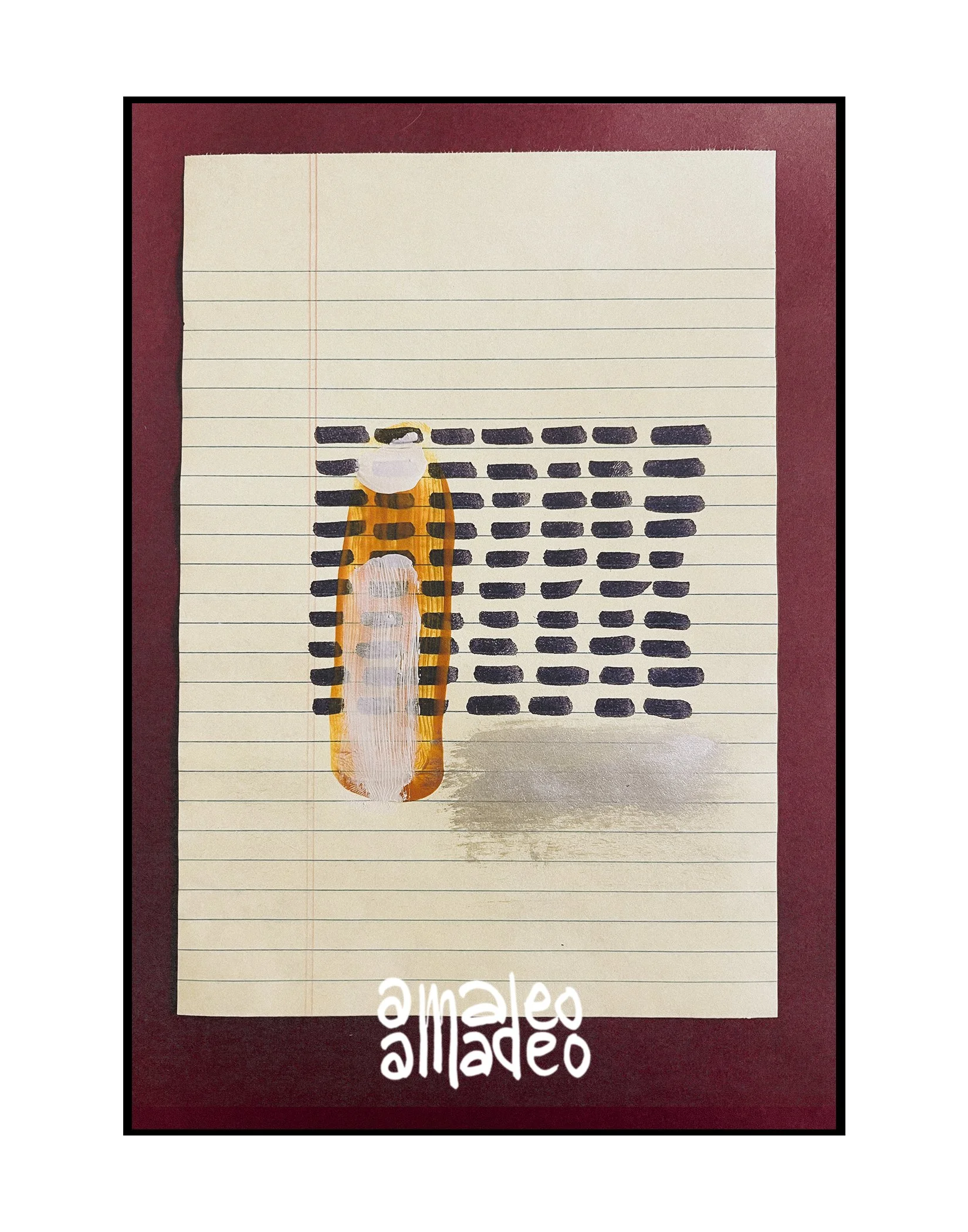
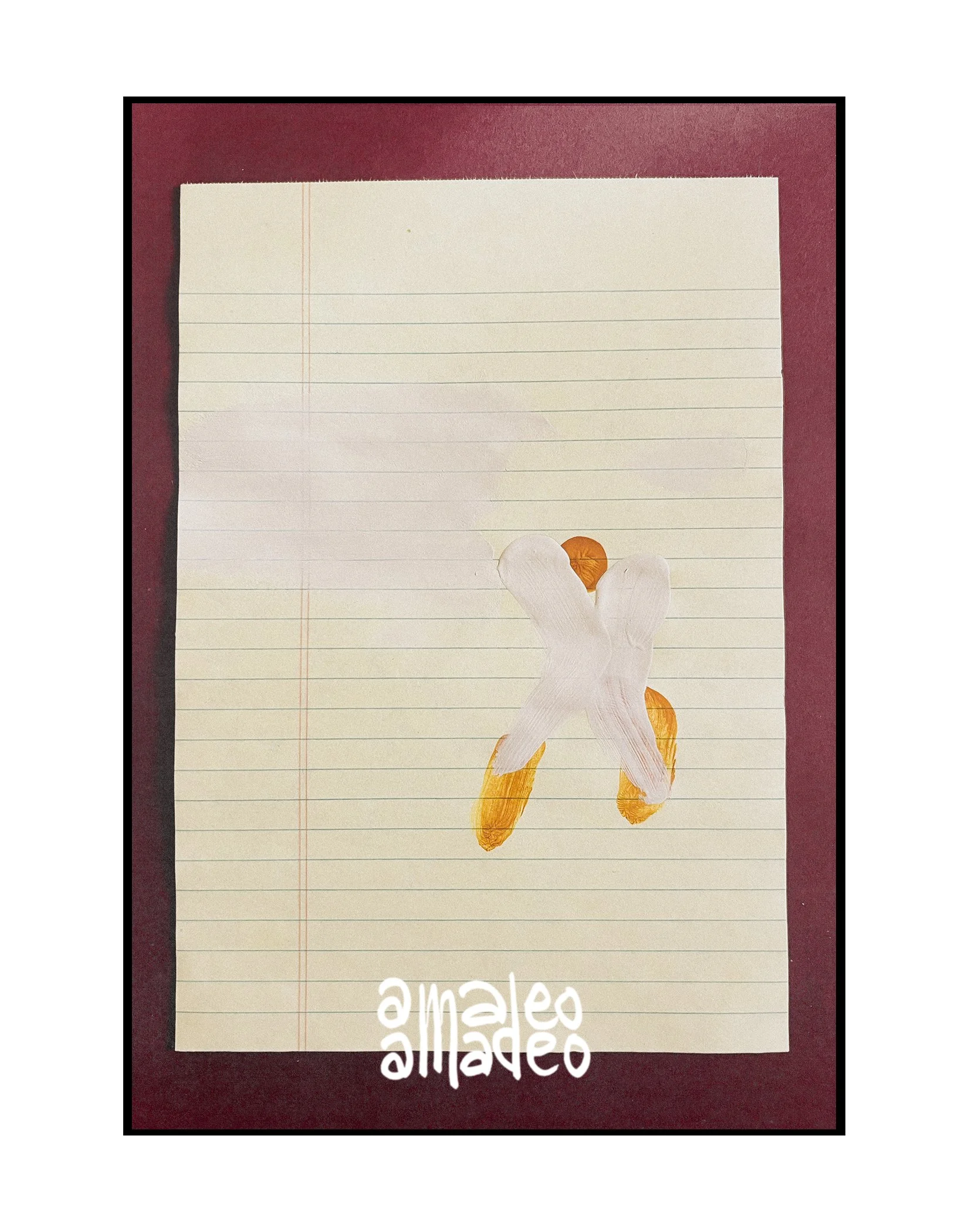
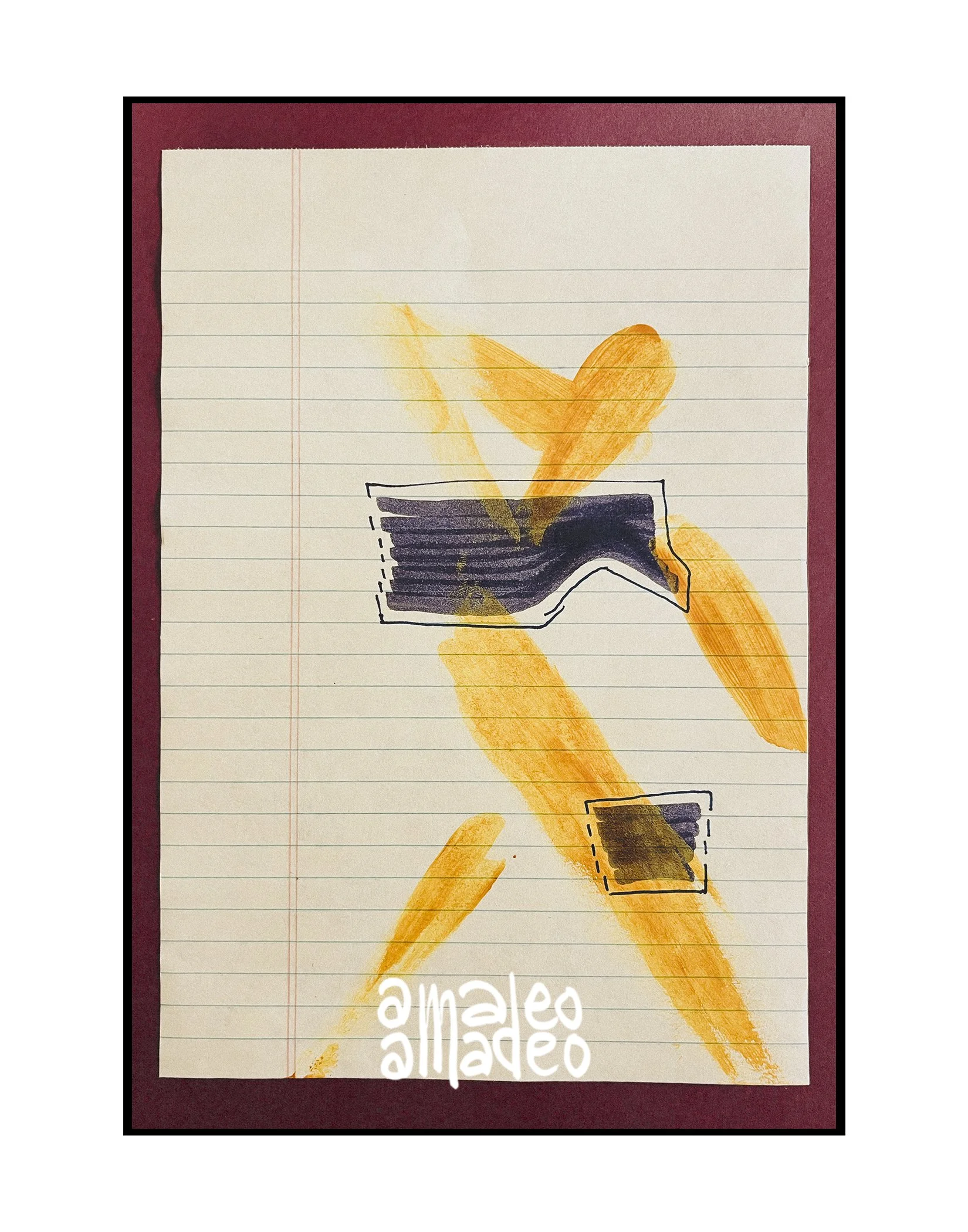
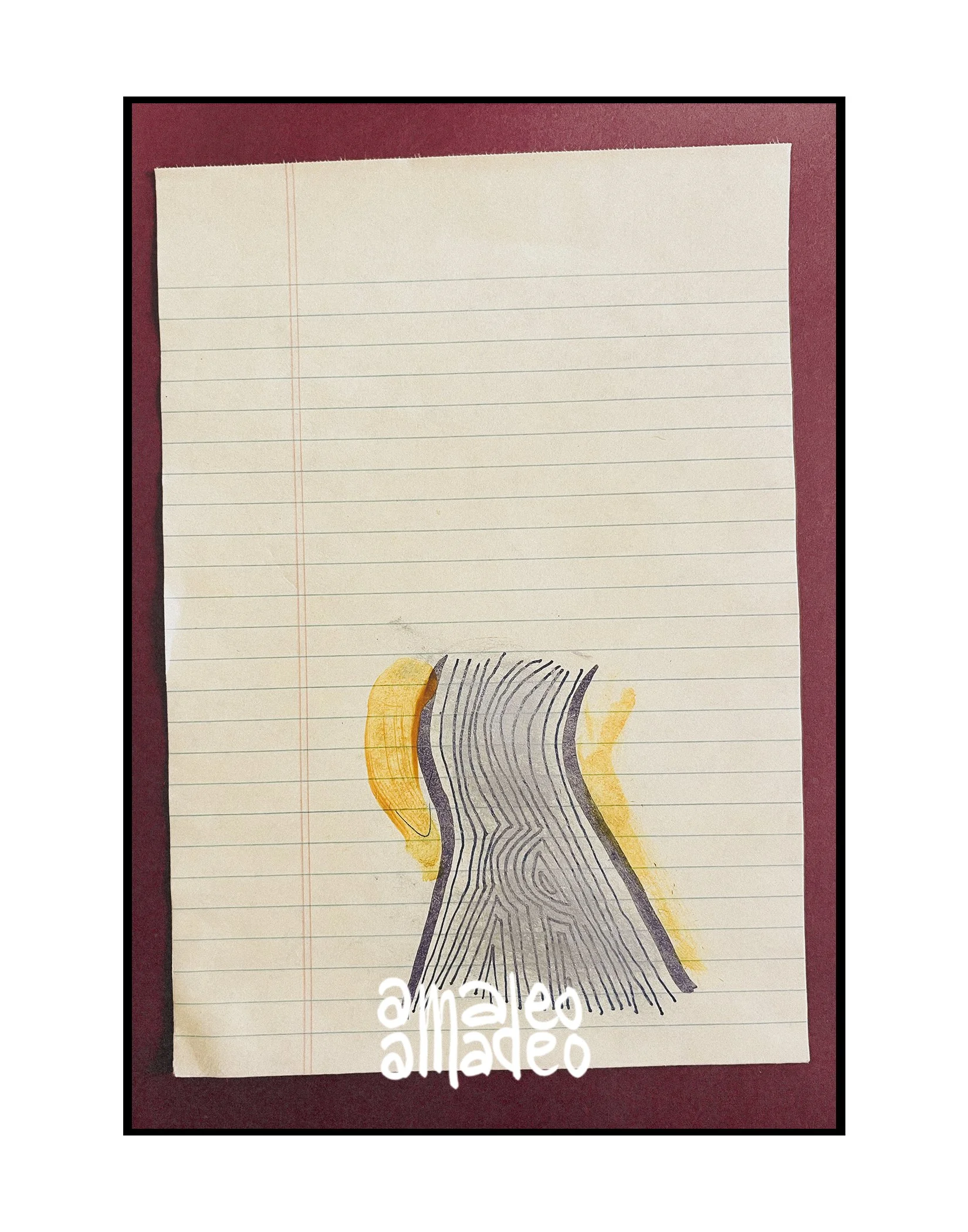
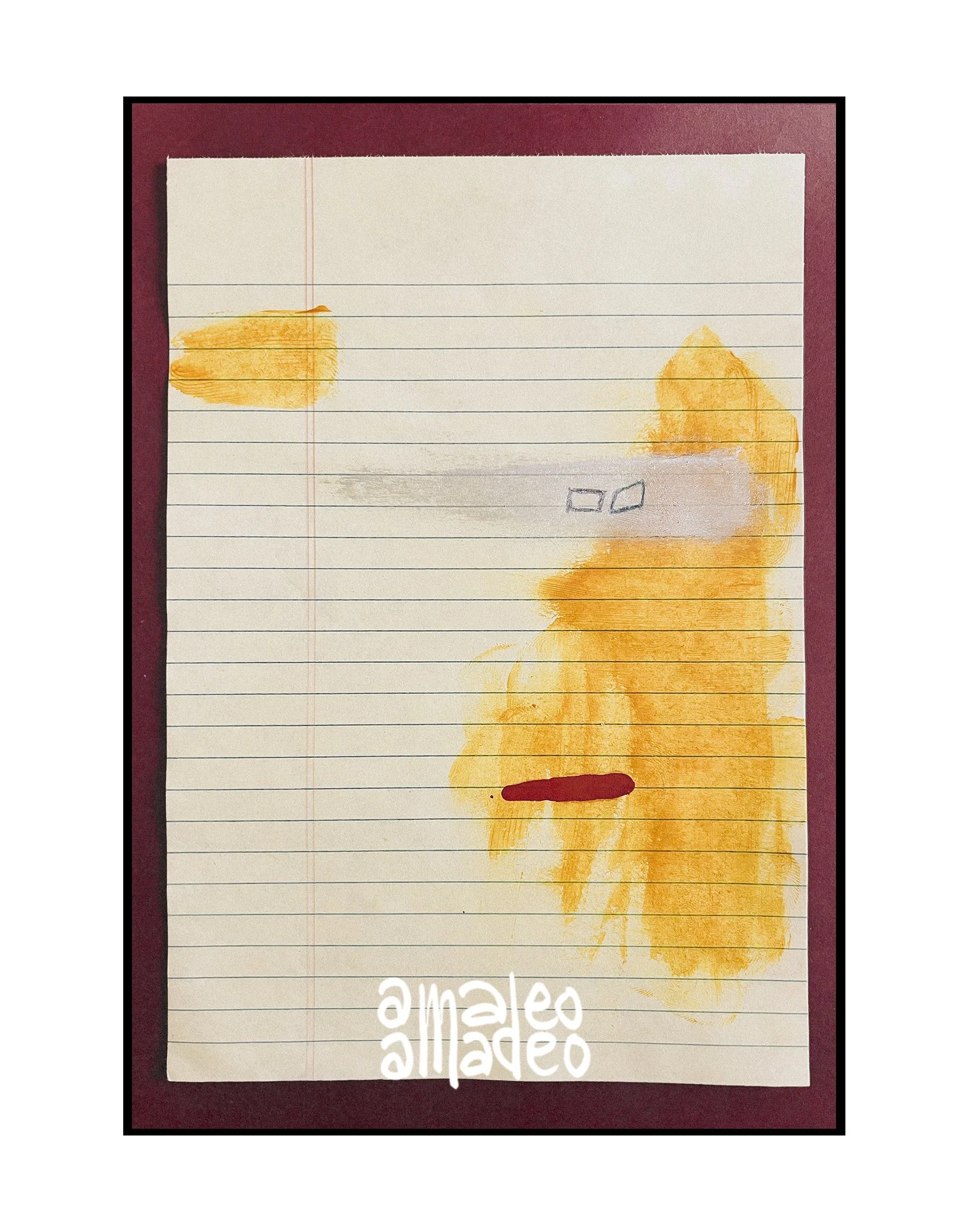
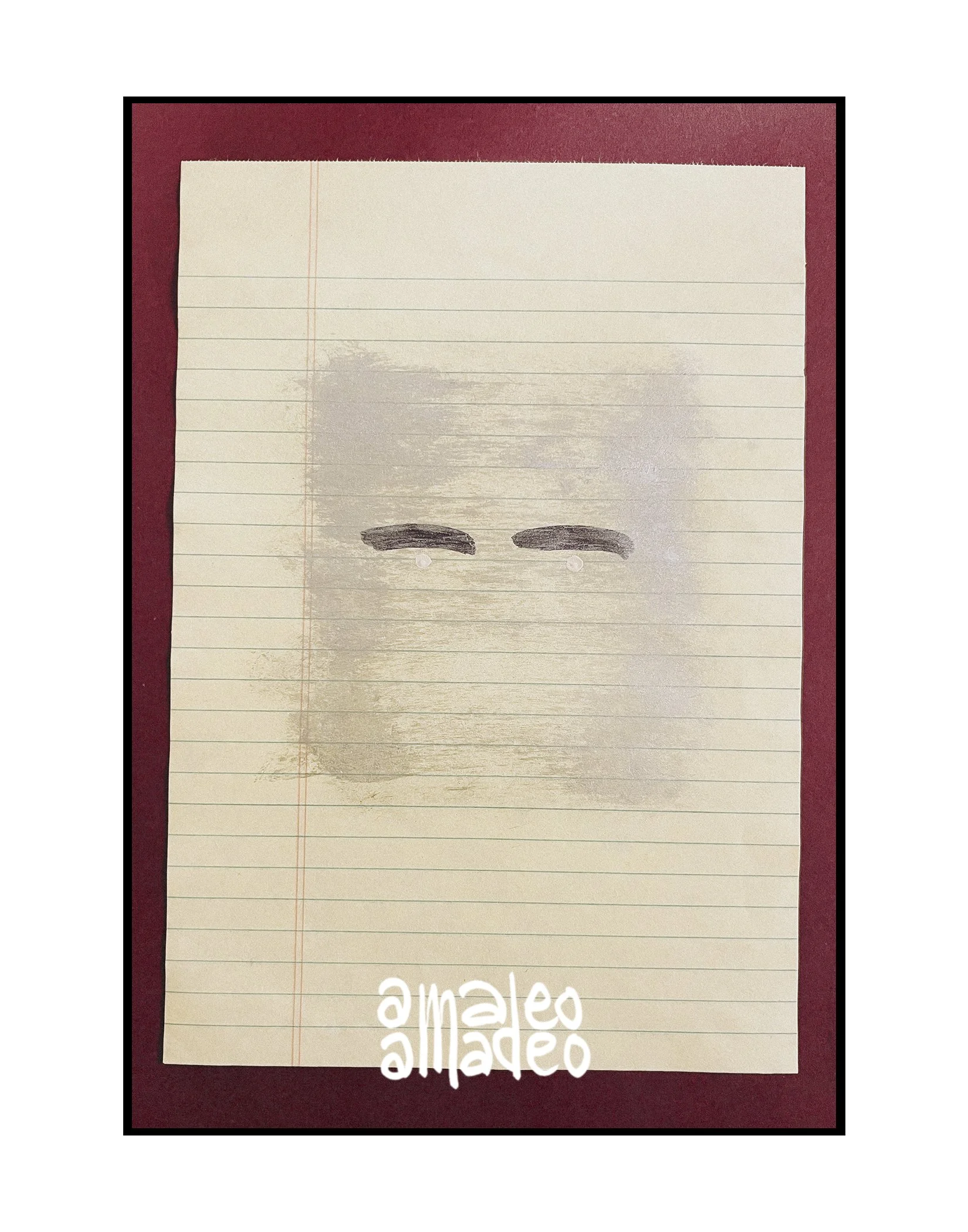
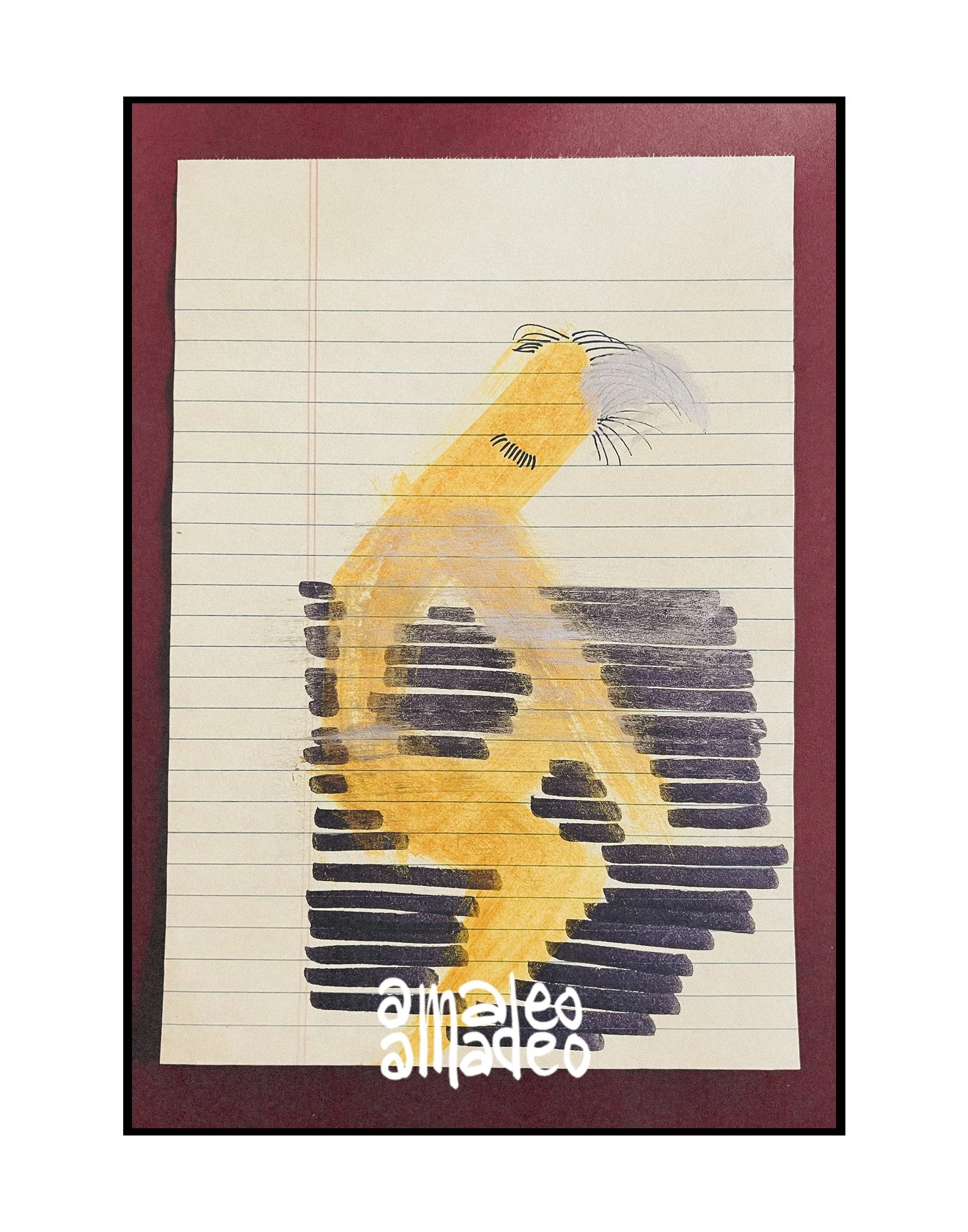
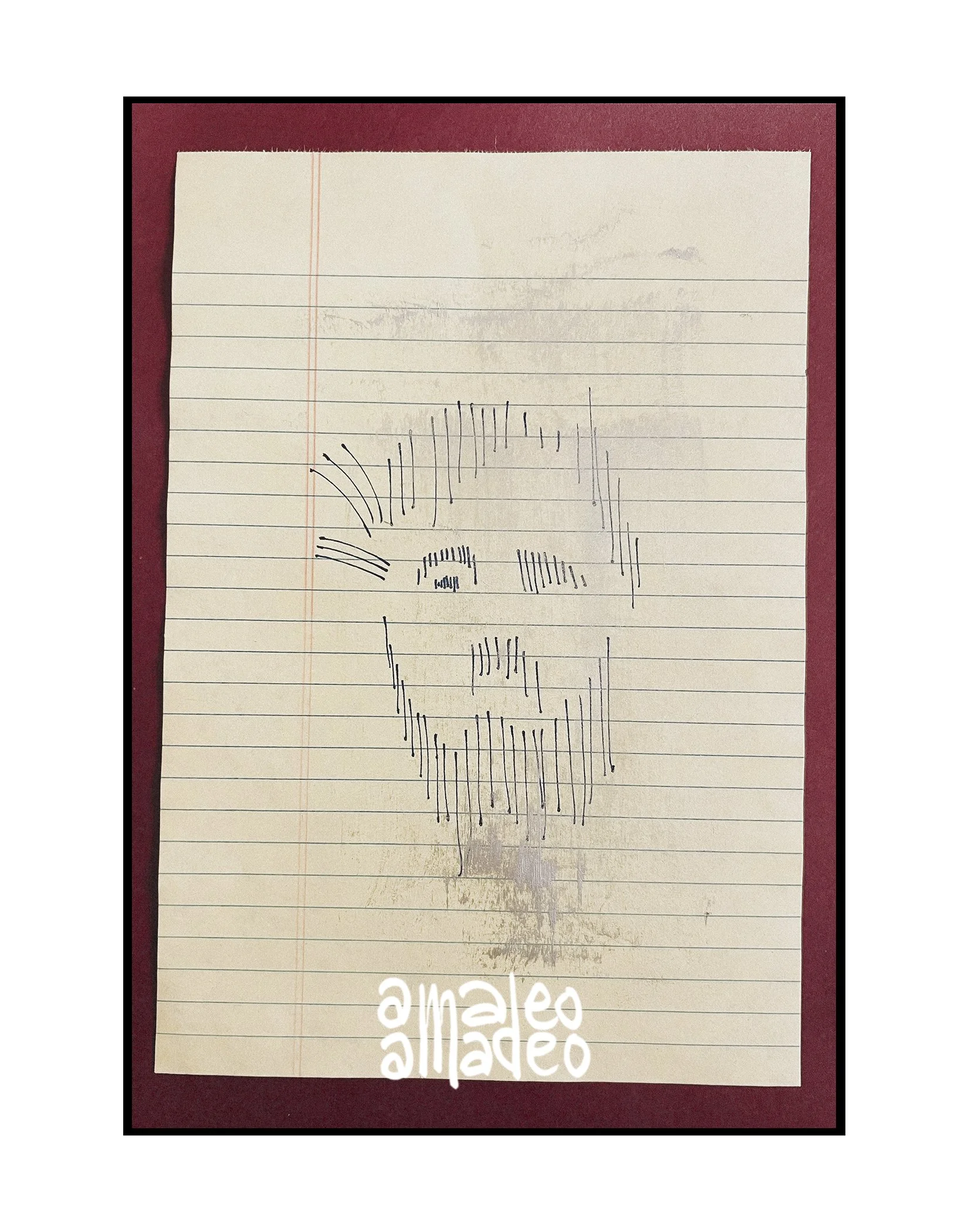
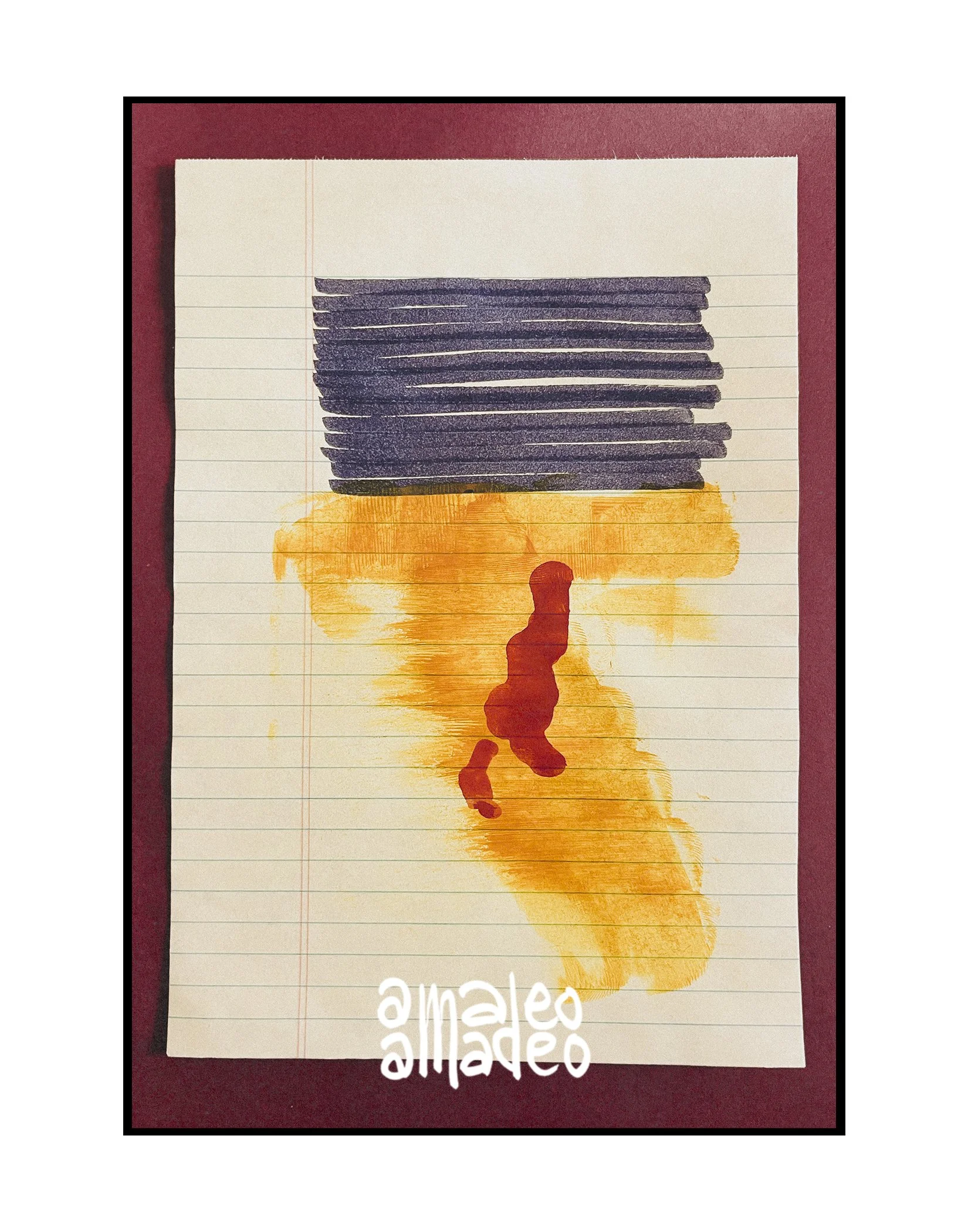
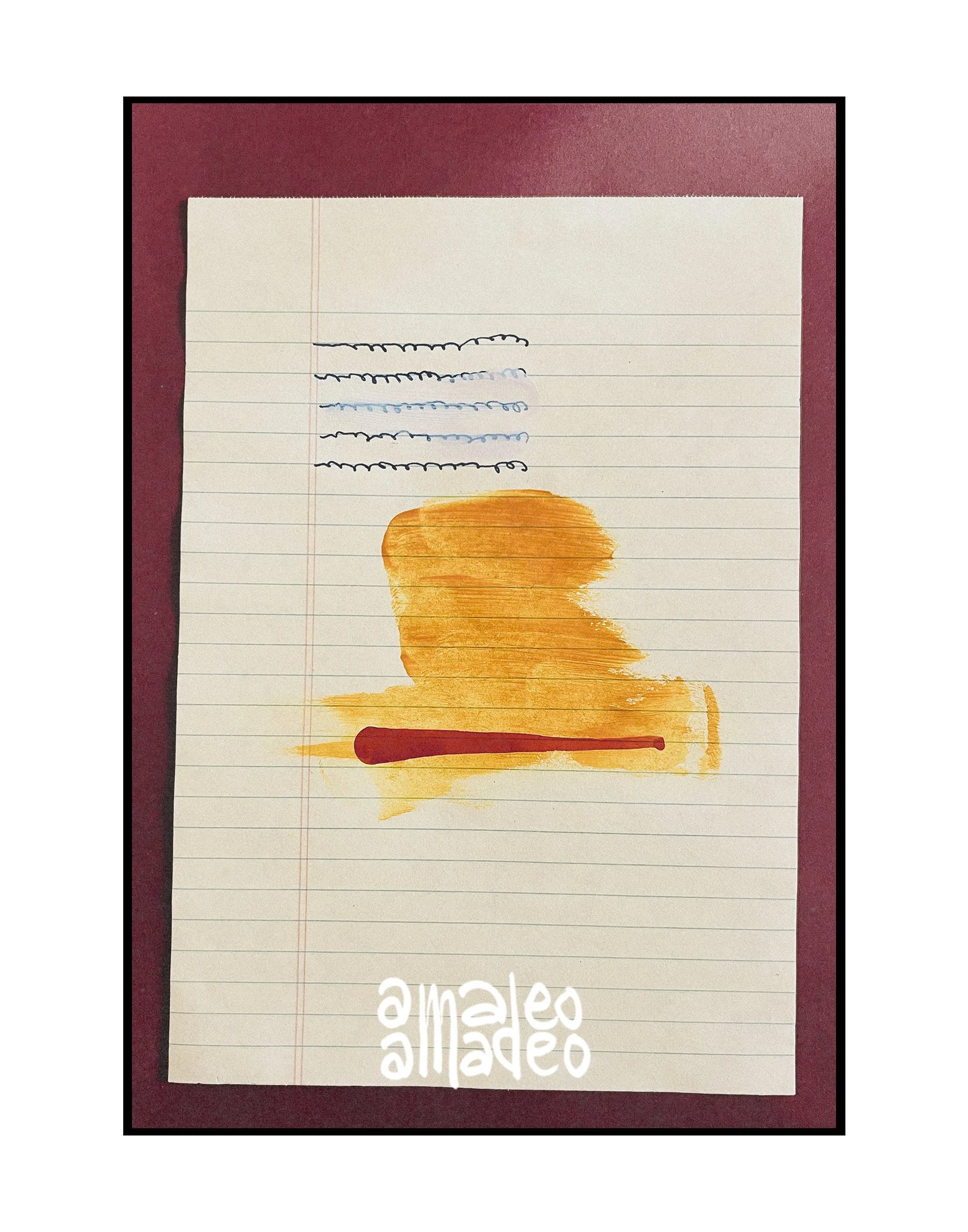
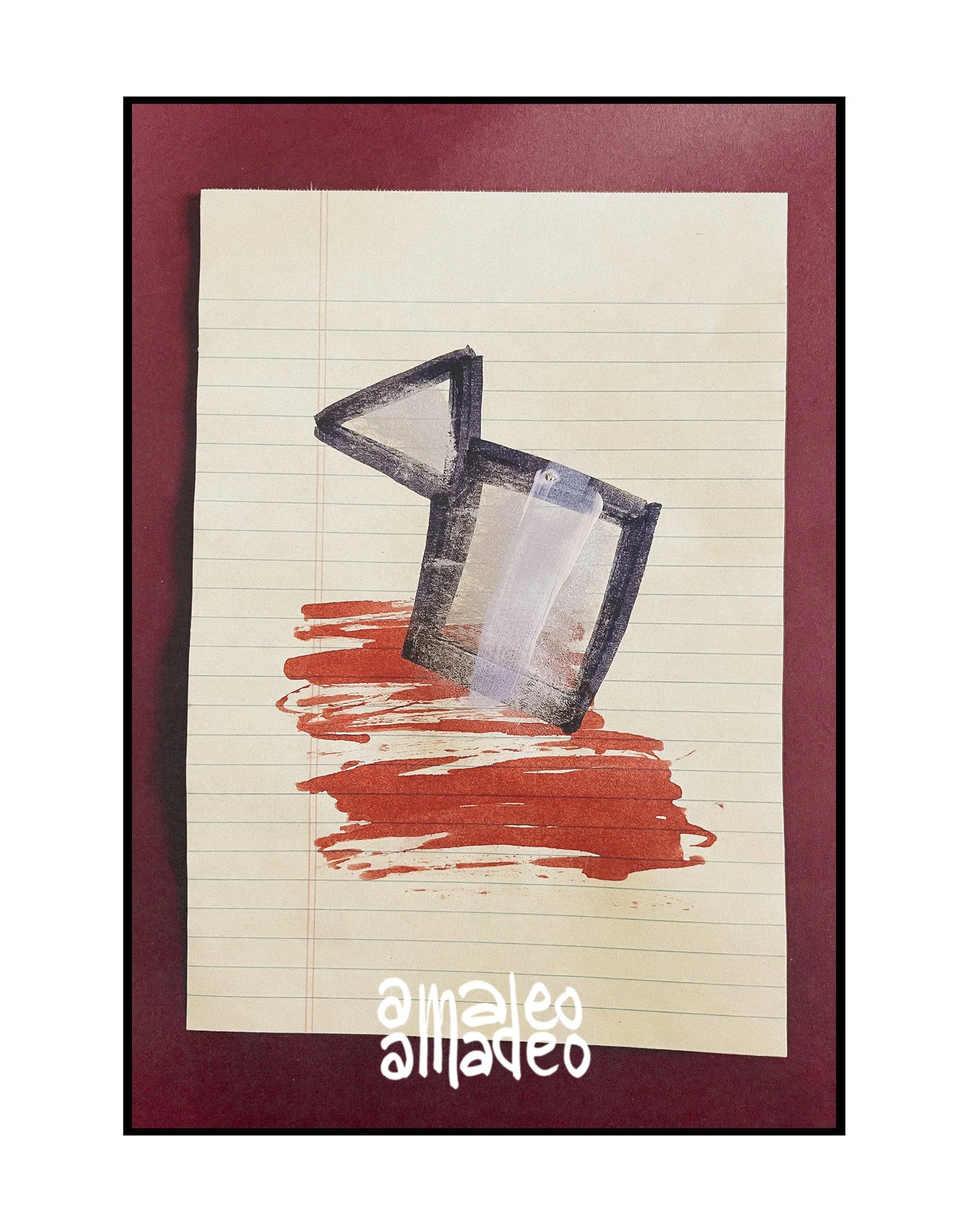
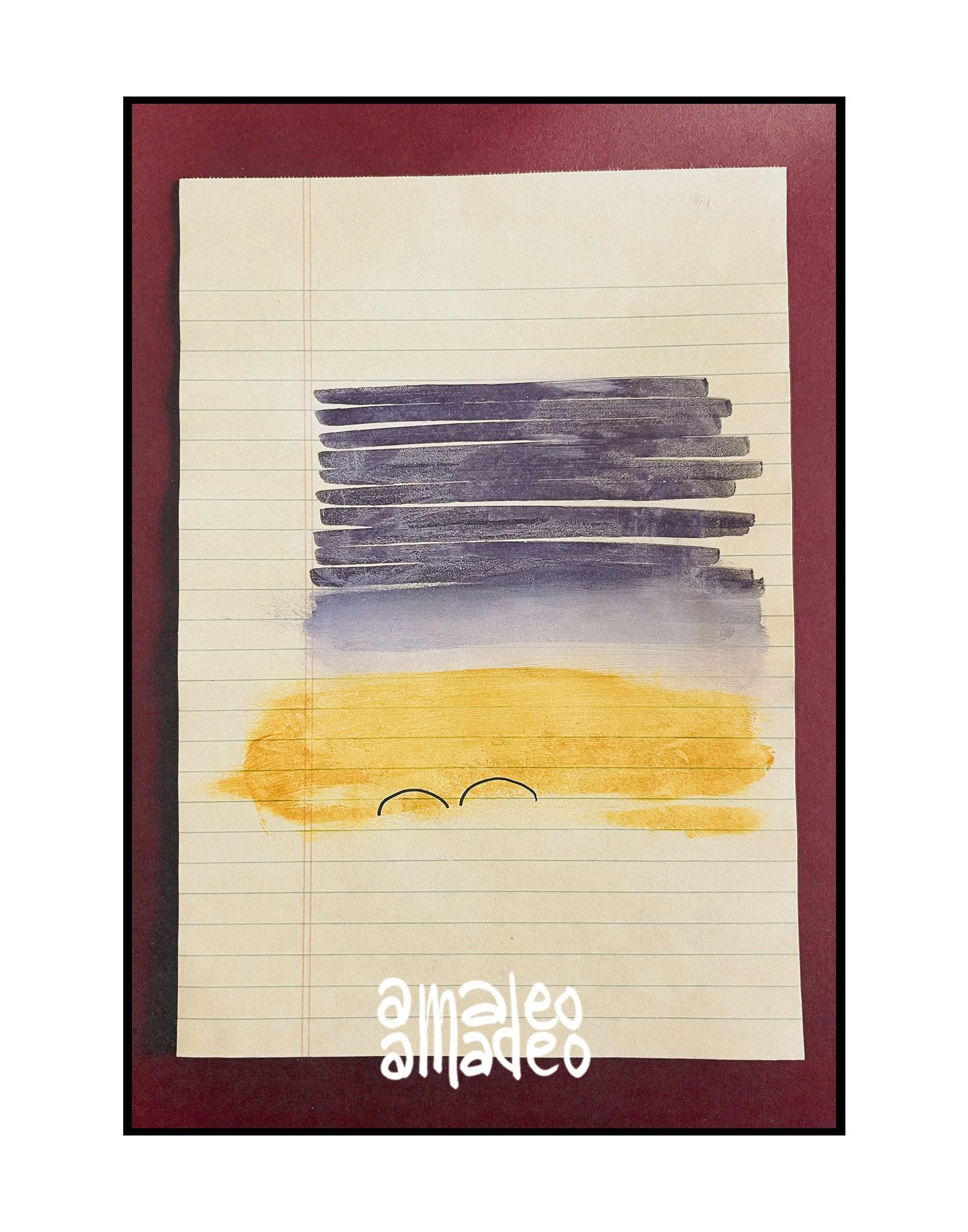
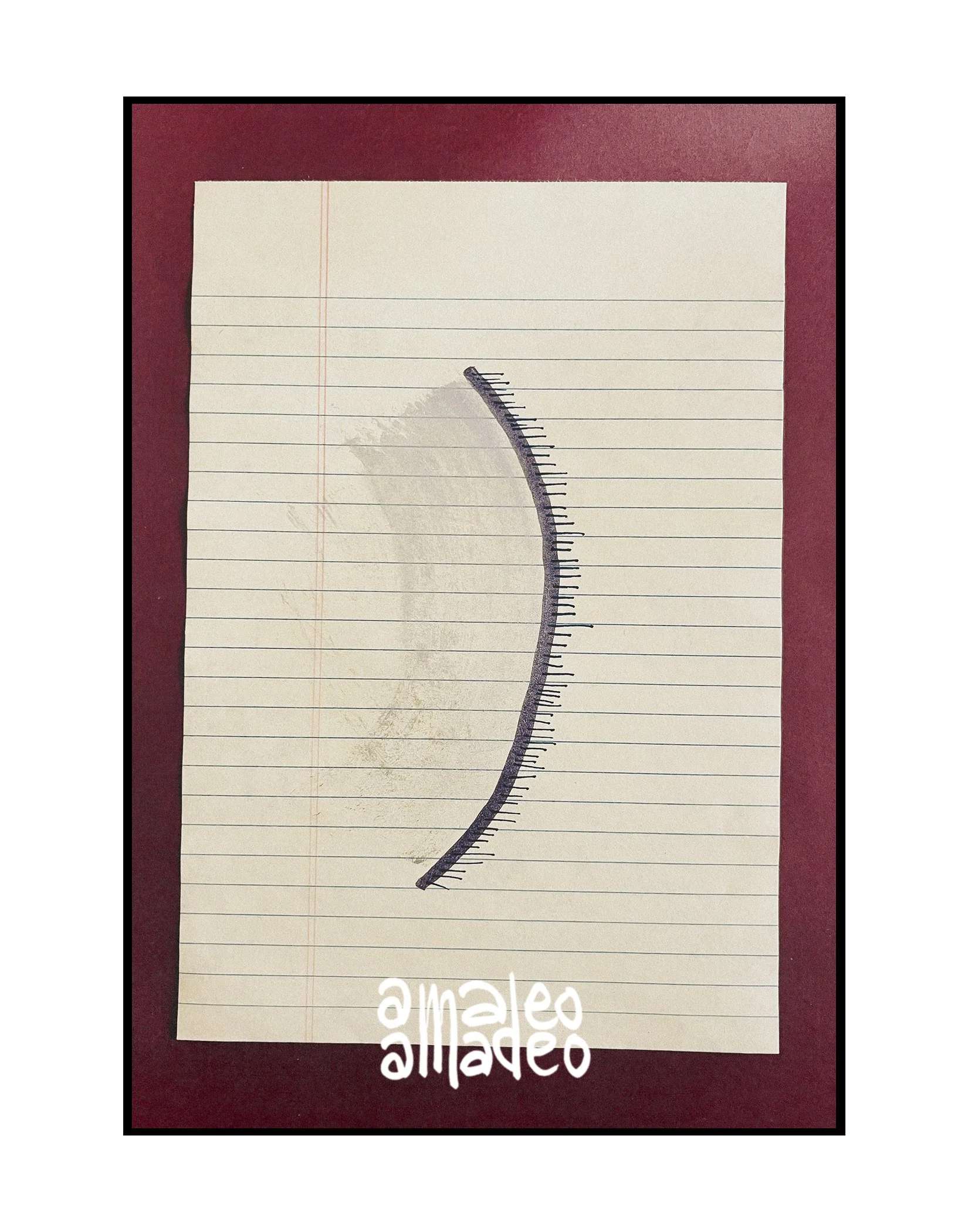
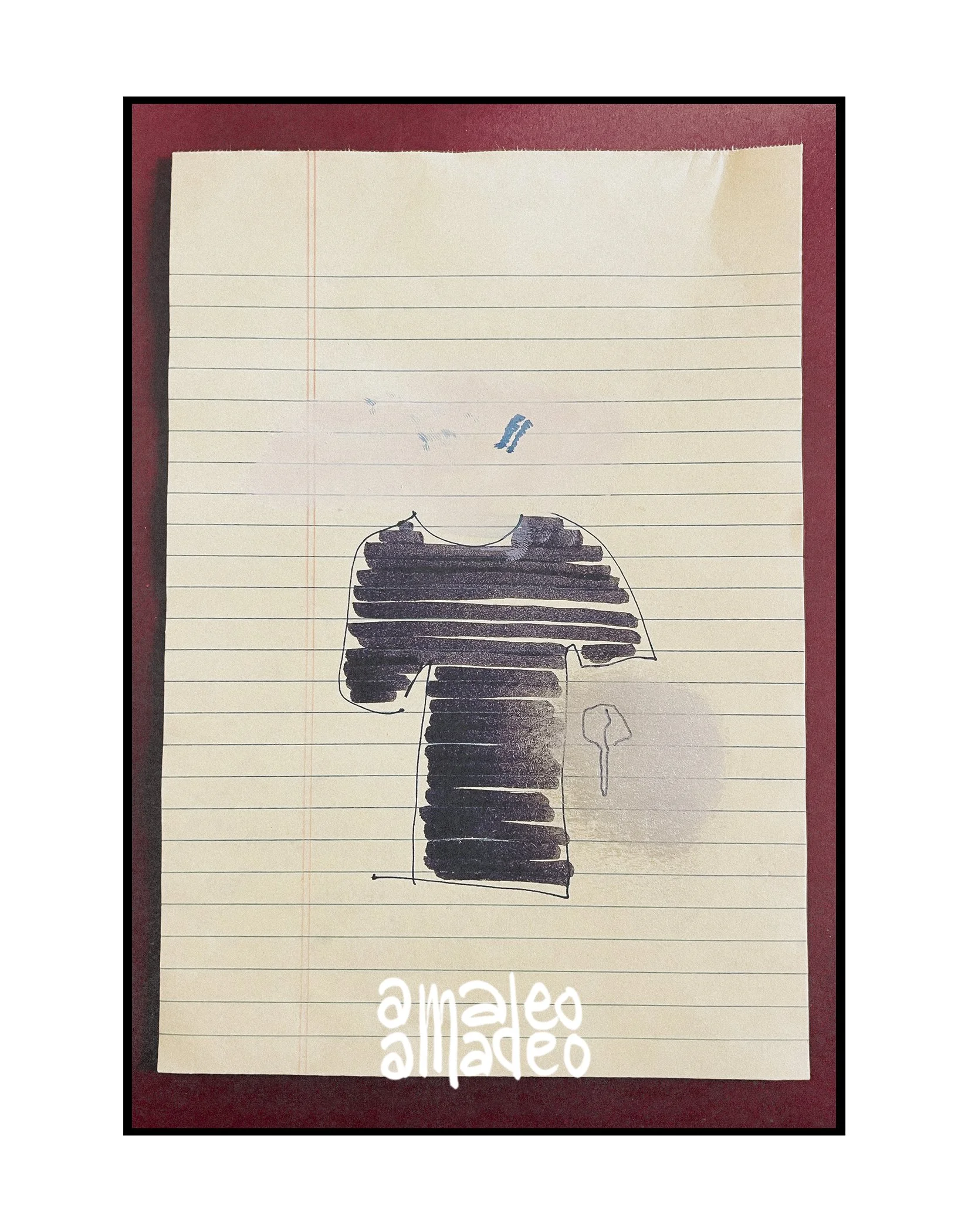
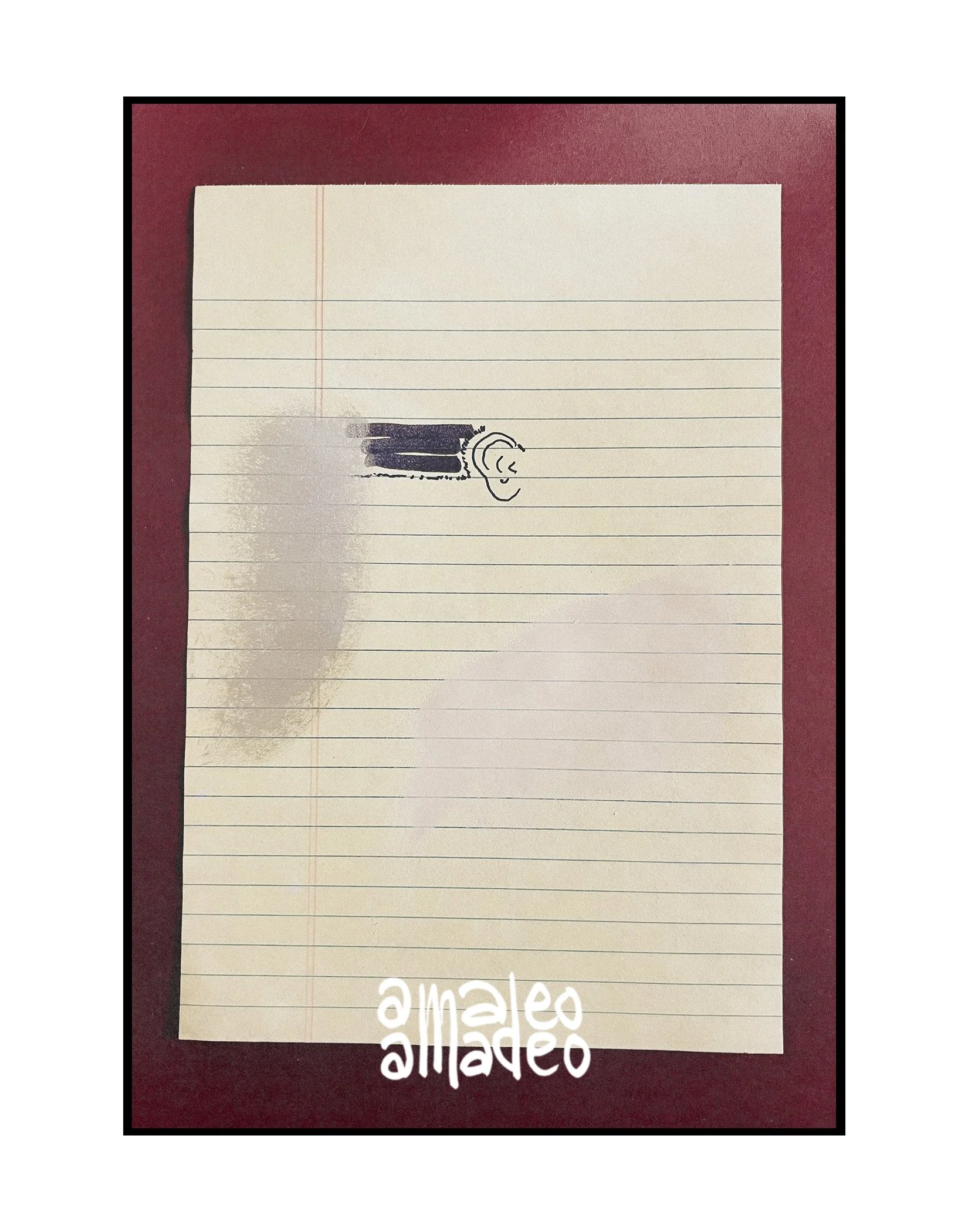
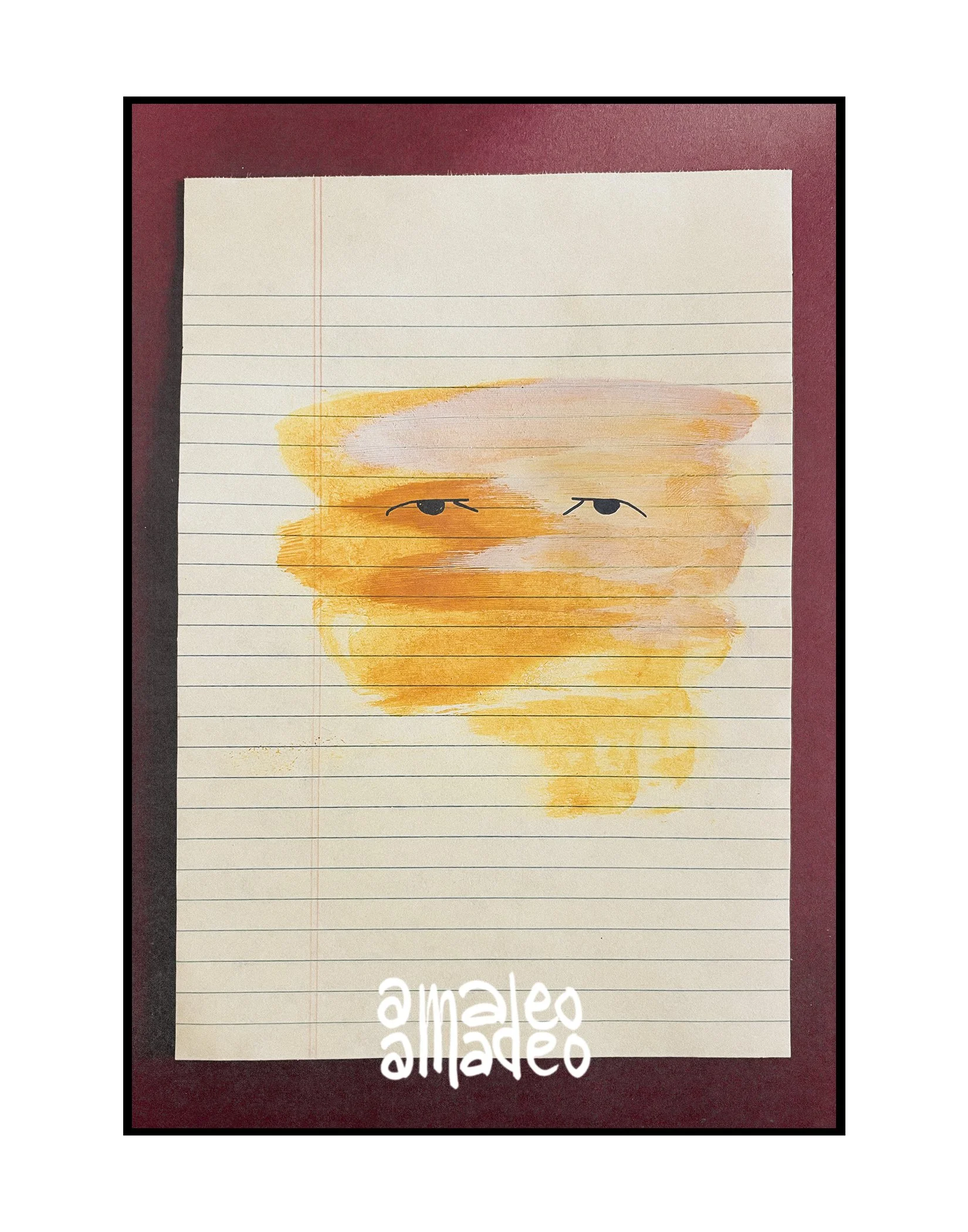
Draw a straight line twenty times, one beside another.
Try to make every one identical.
Then look.
Not only at the lines.
Look between the lines.
That's where something starts happening.
WHAT’S IN MY CATCH-ALL No. 5?
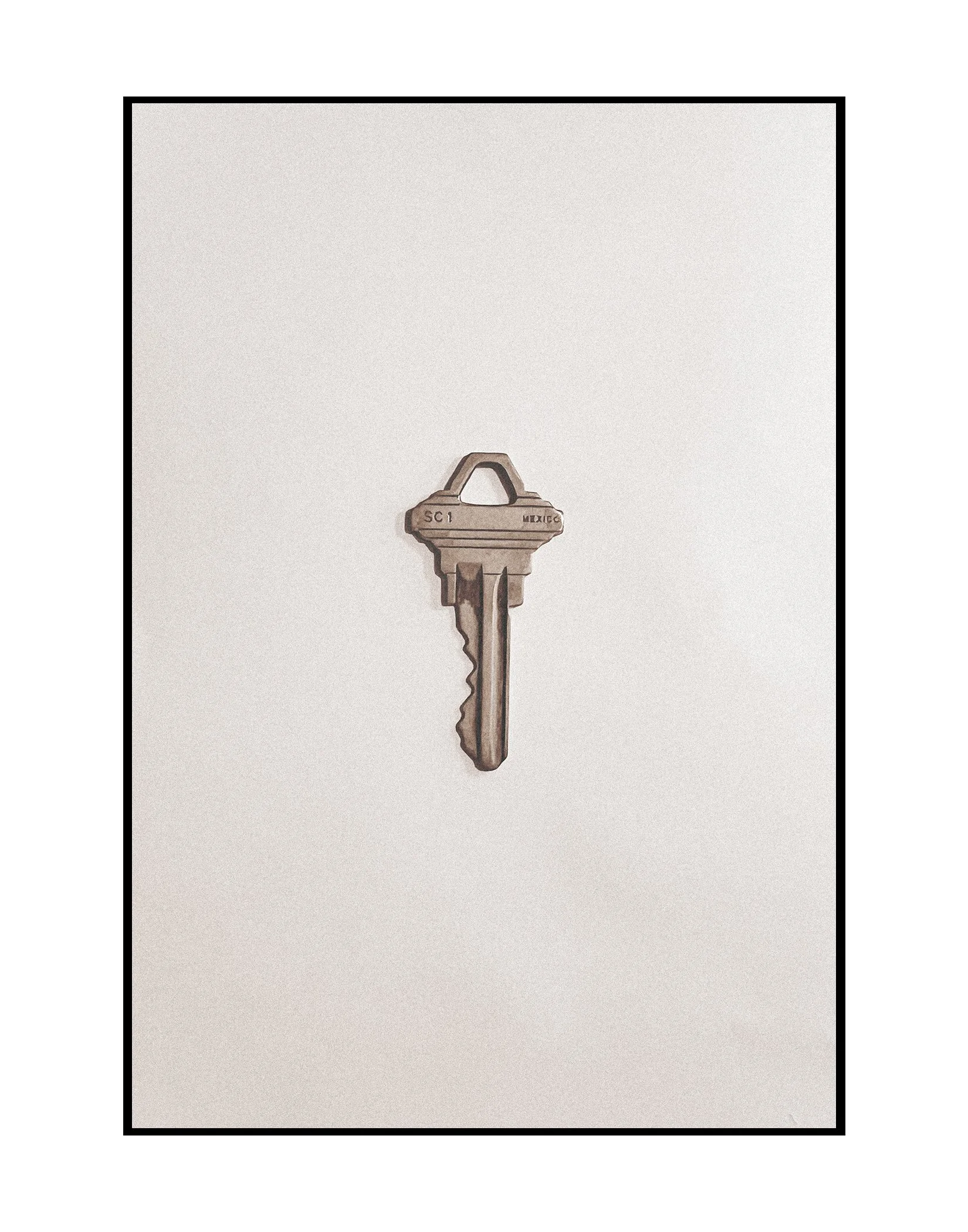
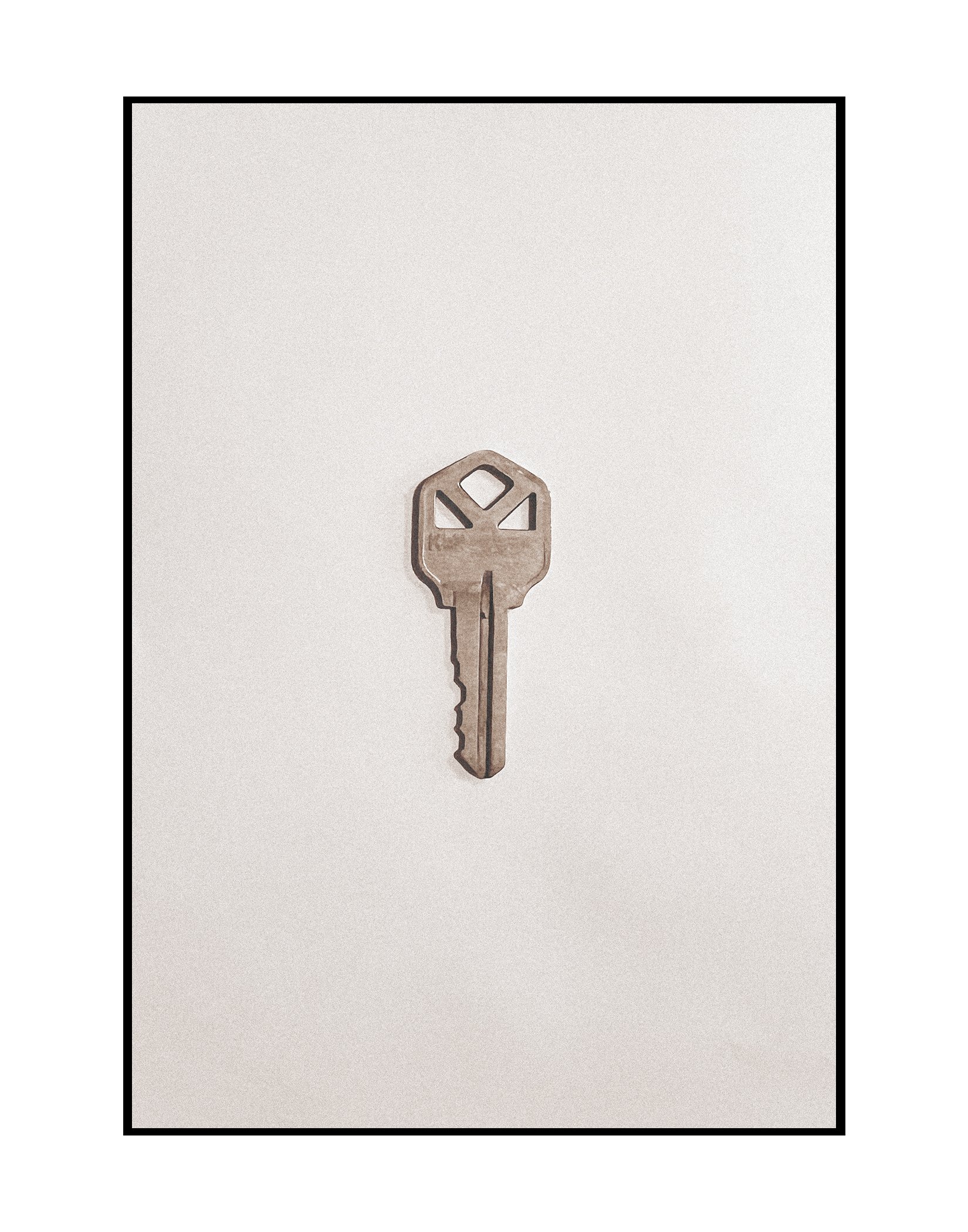
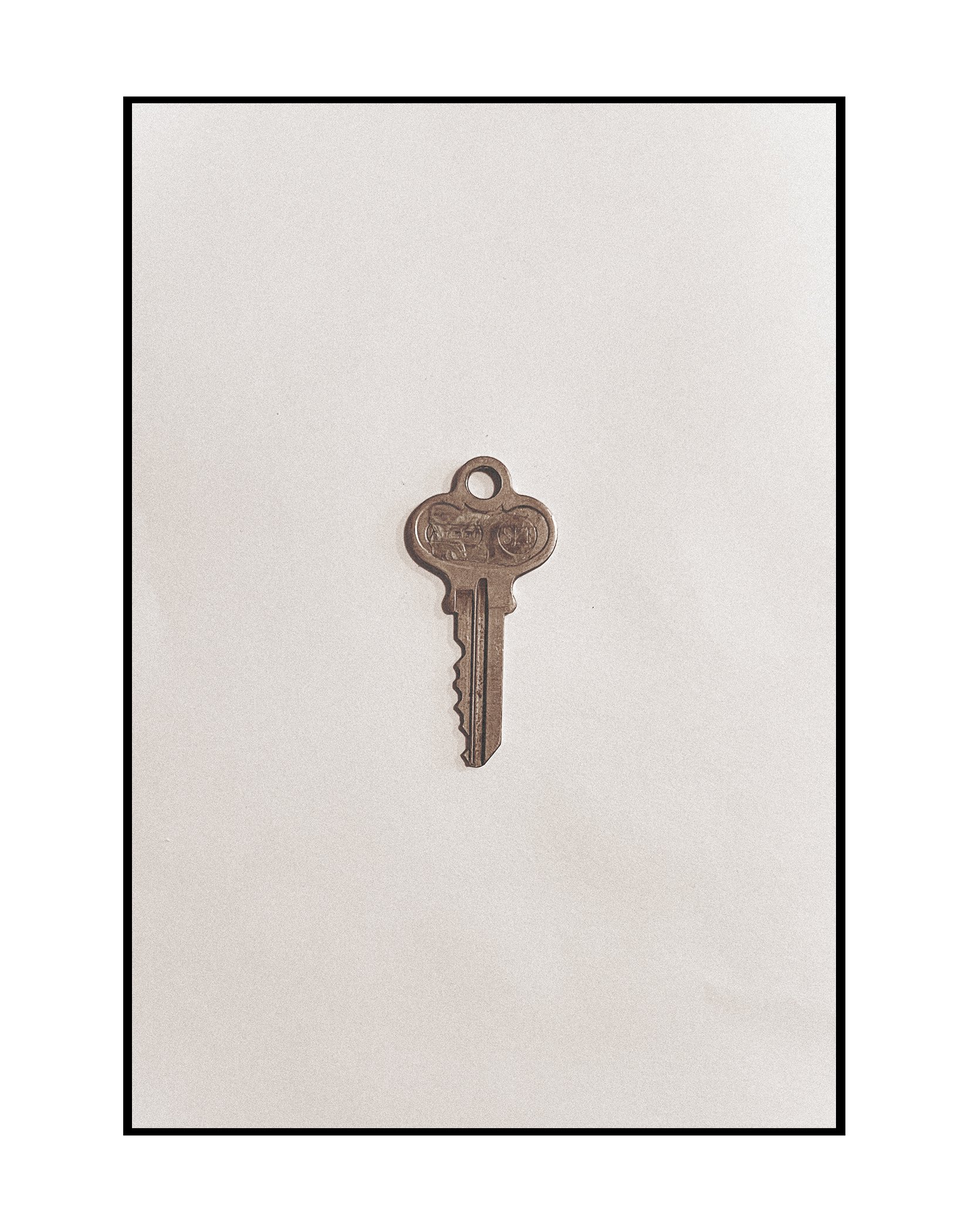
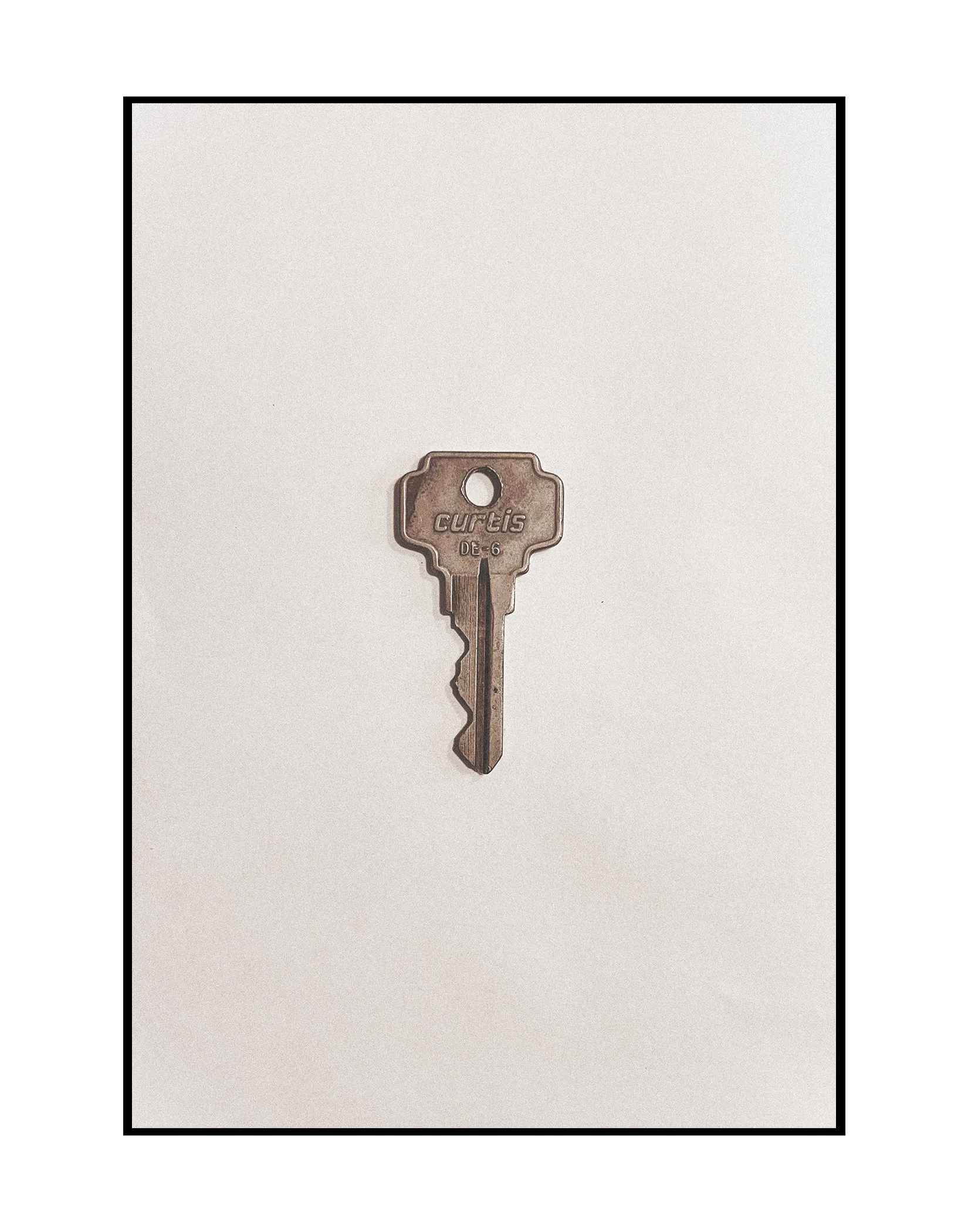
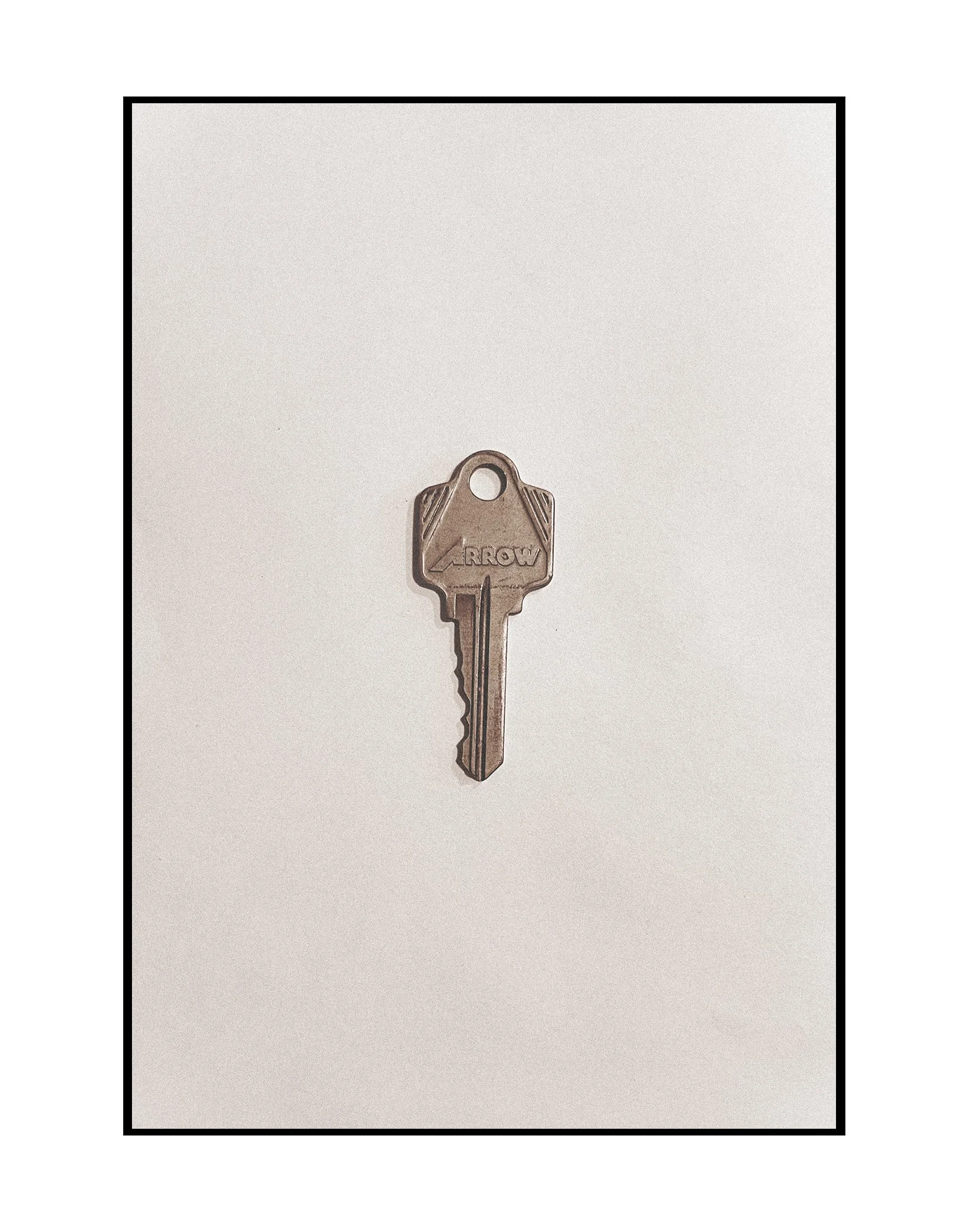
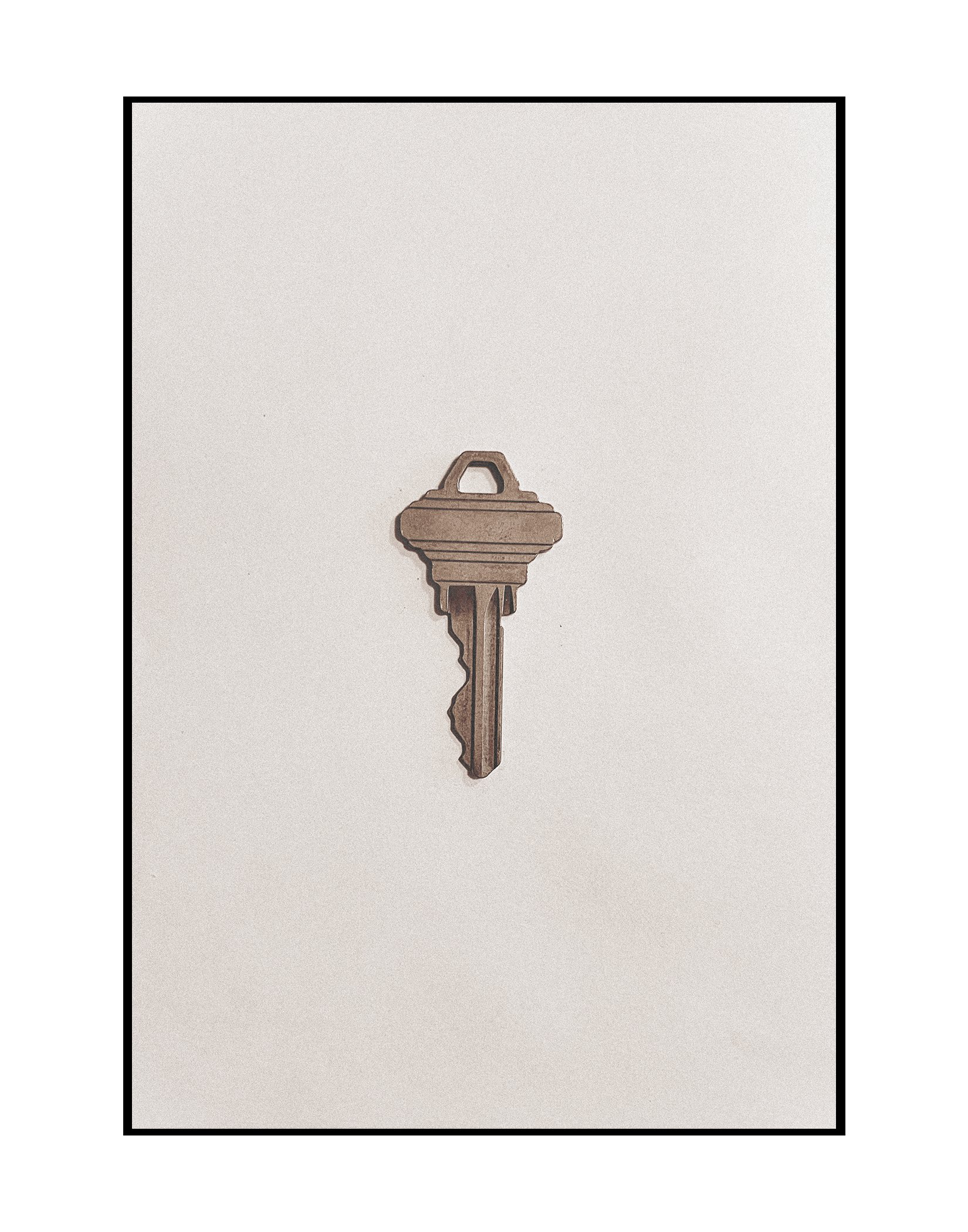
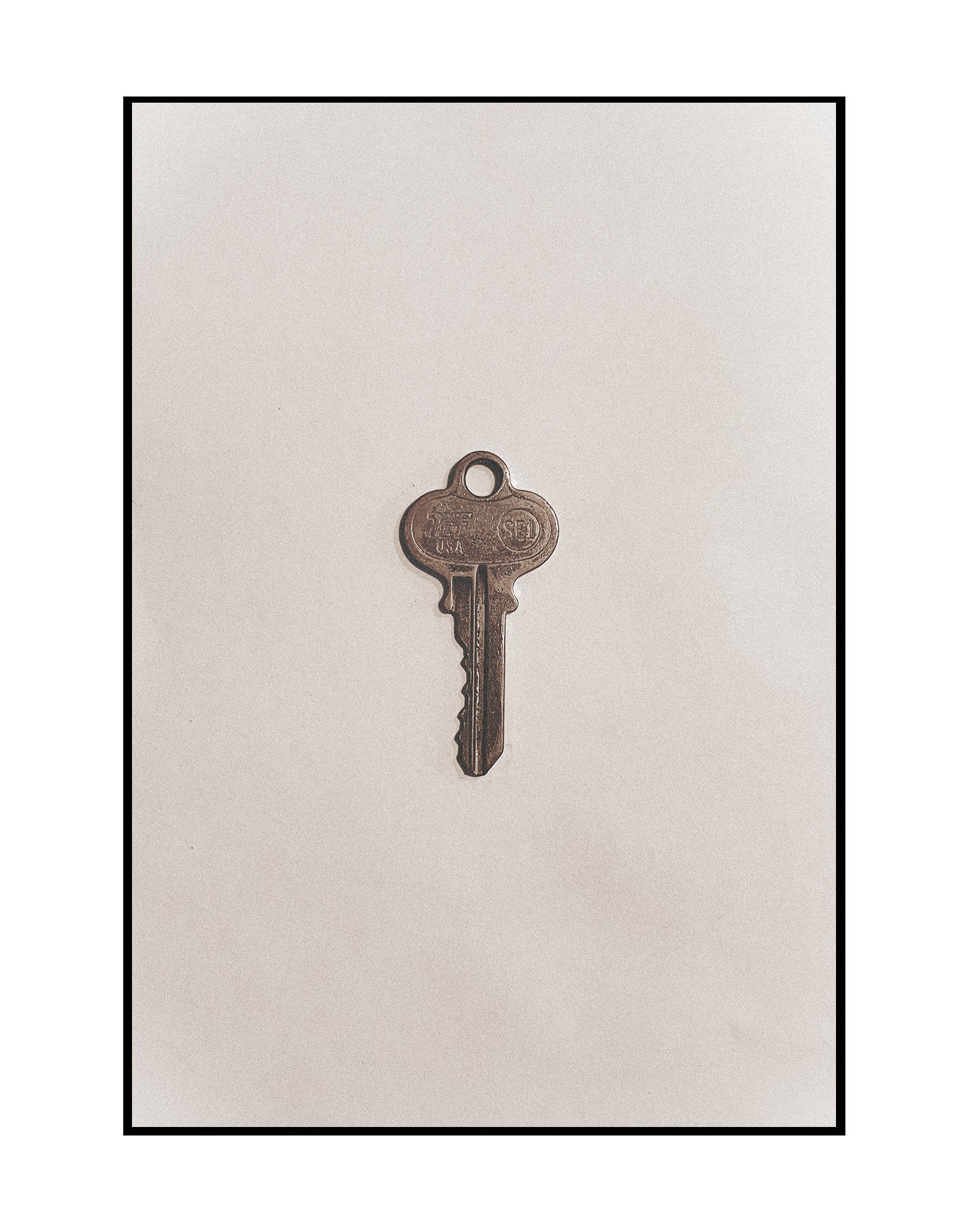
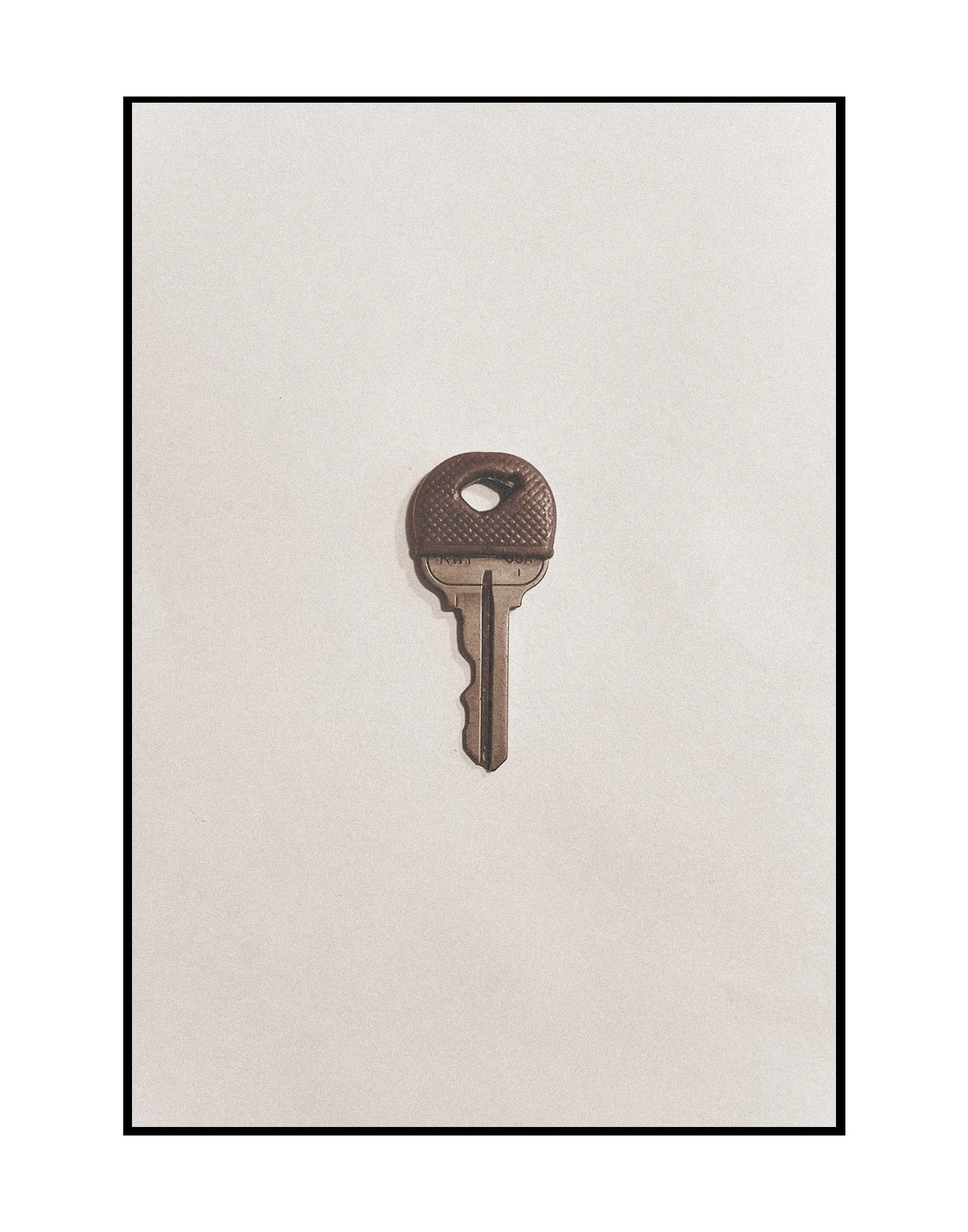
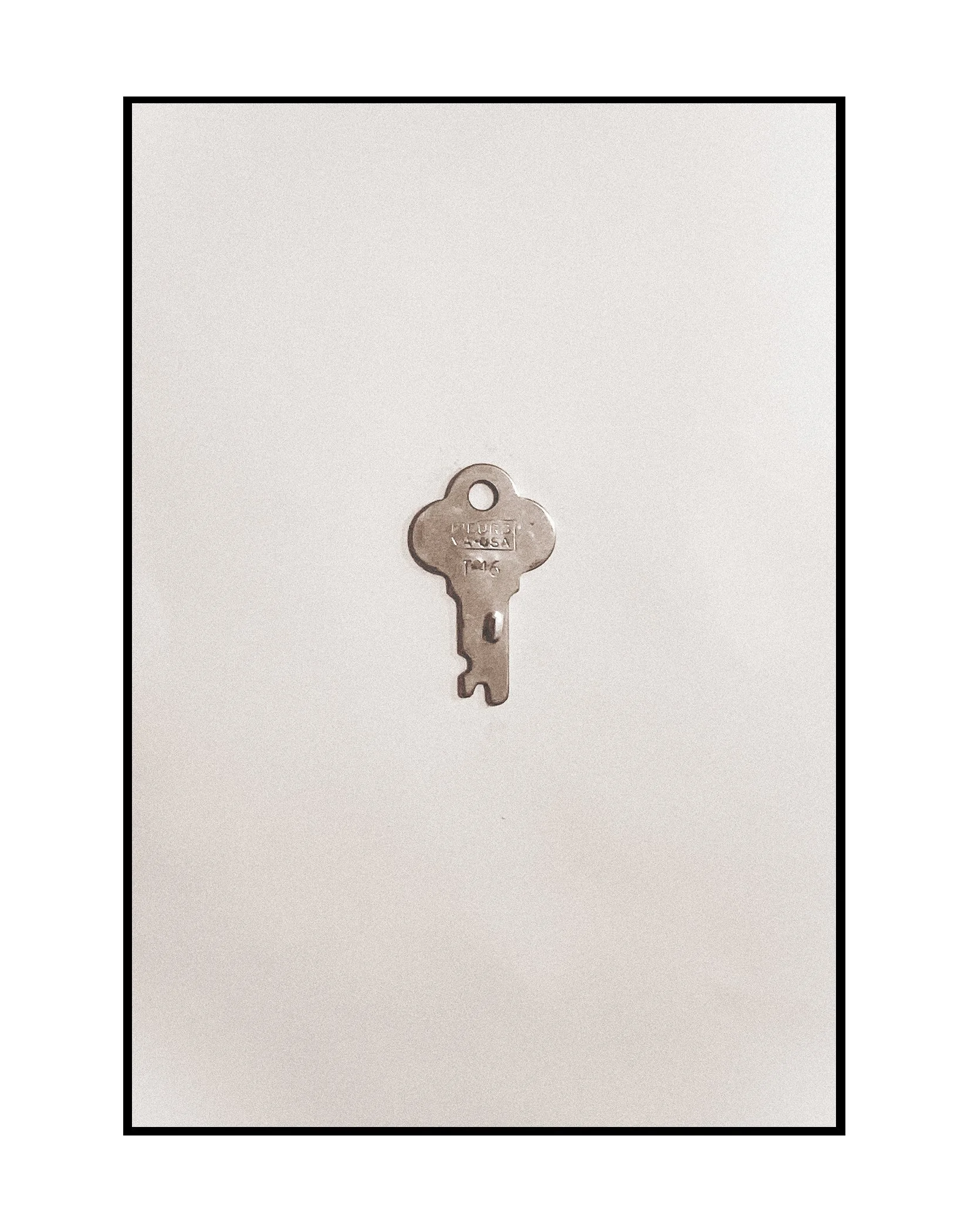
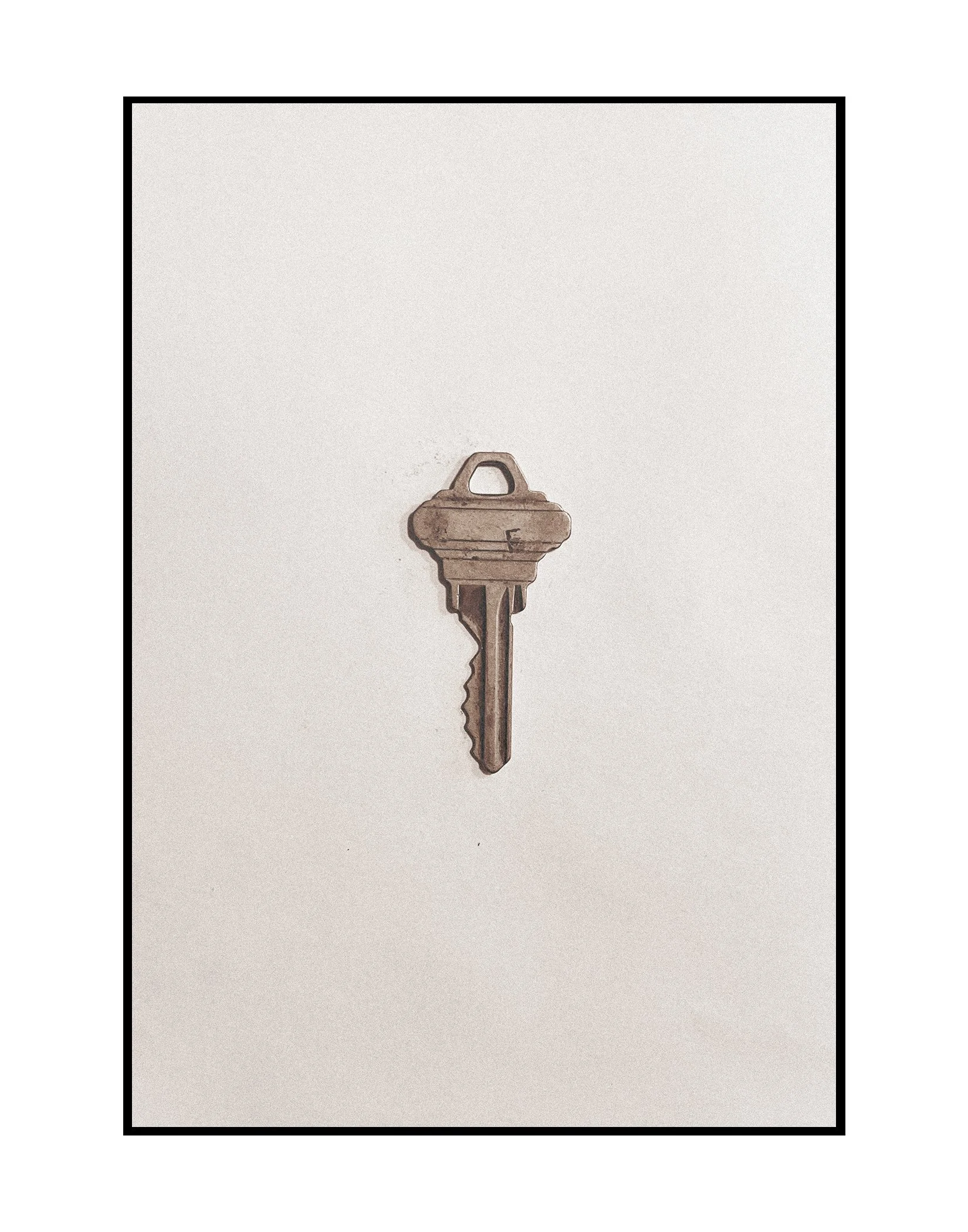
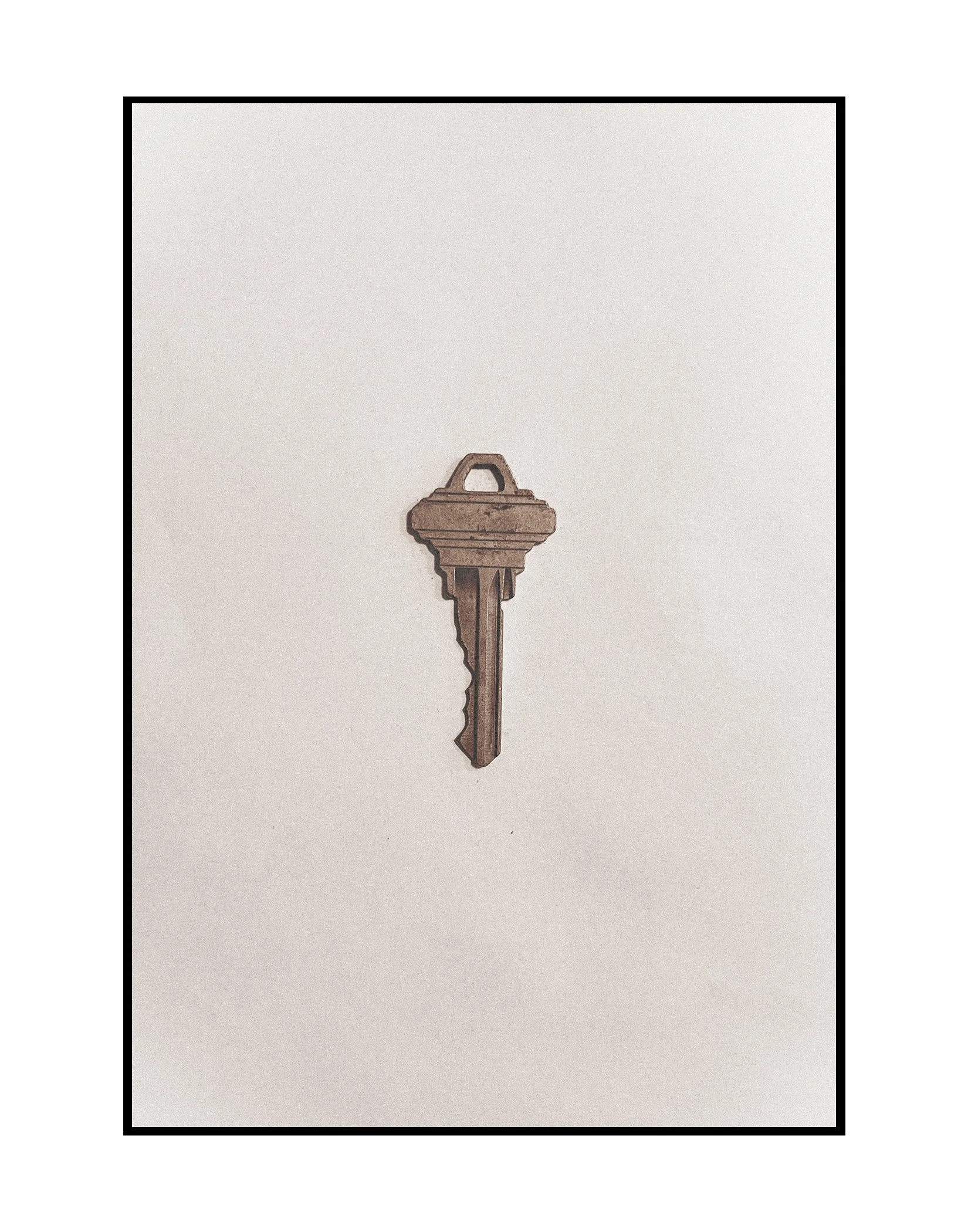
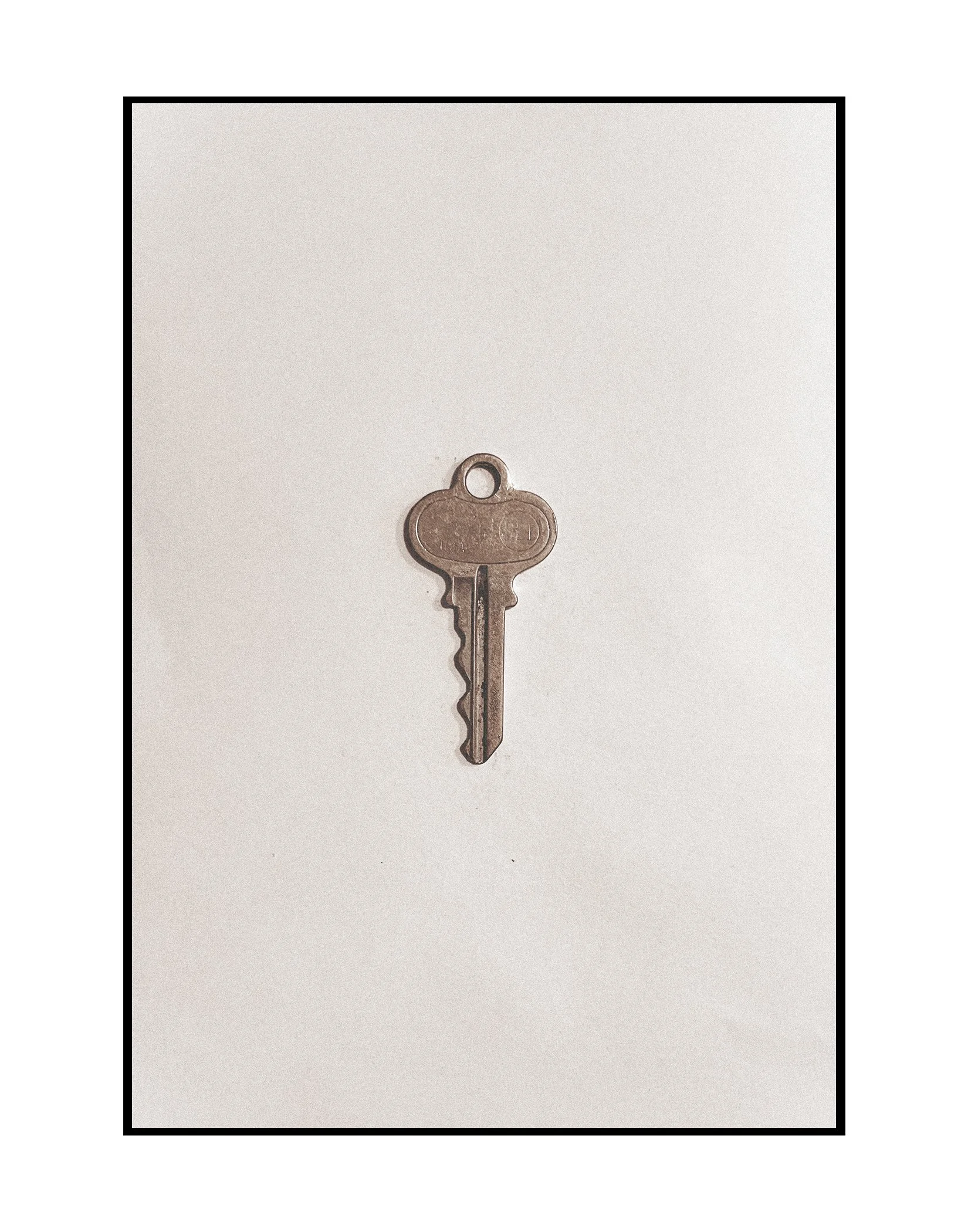
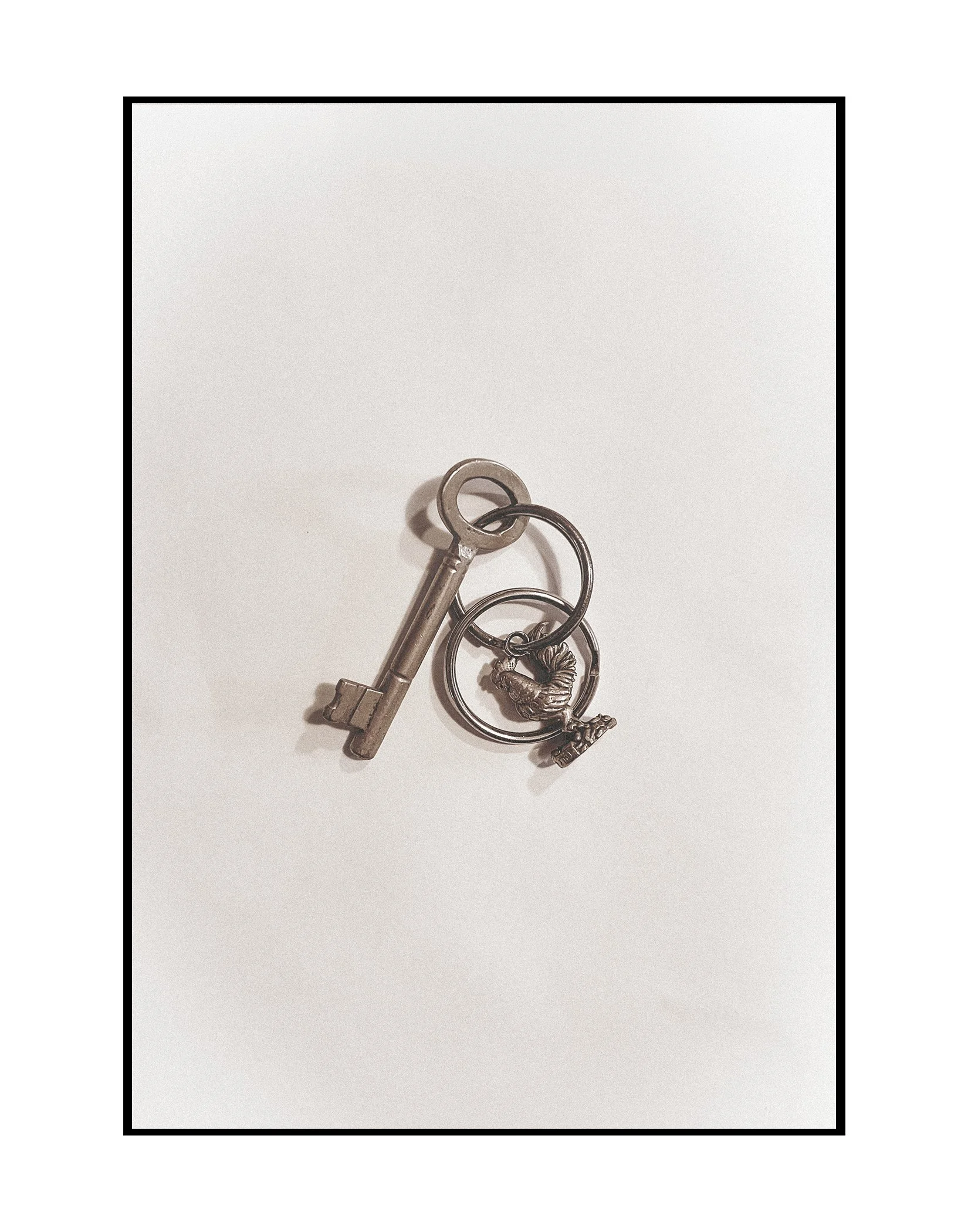
I don’t live behind most of these doors anymore. Some of the apartments belong to strangers now. Locks have probably been changed. Mailboxes have new names inside them. I don’t know where the handcuffs are. I’m not entirely certain which apartment one of the mailbox keys belonged to. One key may have belonged to a lockbox, but even that memory is beginning to dissolve.
SPARE KEYS
Some keys I remember because of what they opened. Some I remember because of who gave them to me. Some I don’t remember at all.
I kept them anyway.
For years I carried an enormous ring of keys clipped to my waist. It eventually became less of a keychain and more of a key pom-pom. A noisy little metal object that announced itself whenever I walked into a room.
It didn’t begin intentionally.
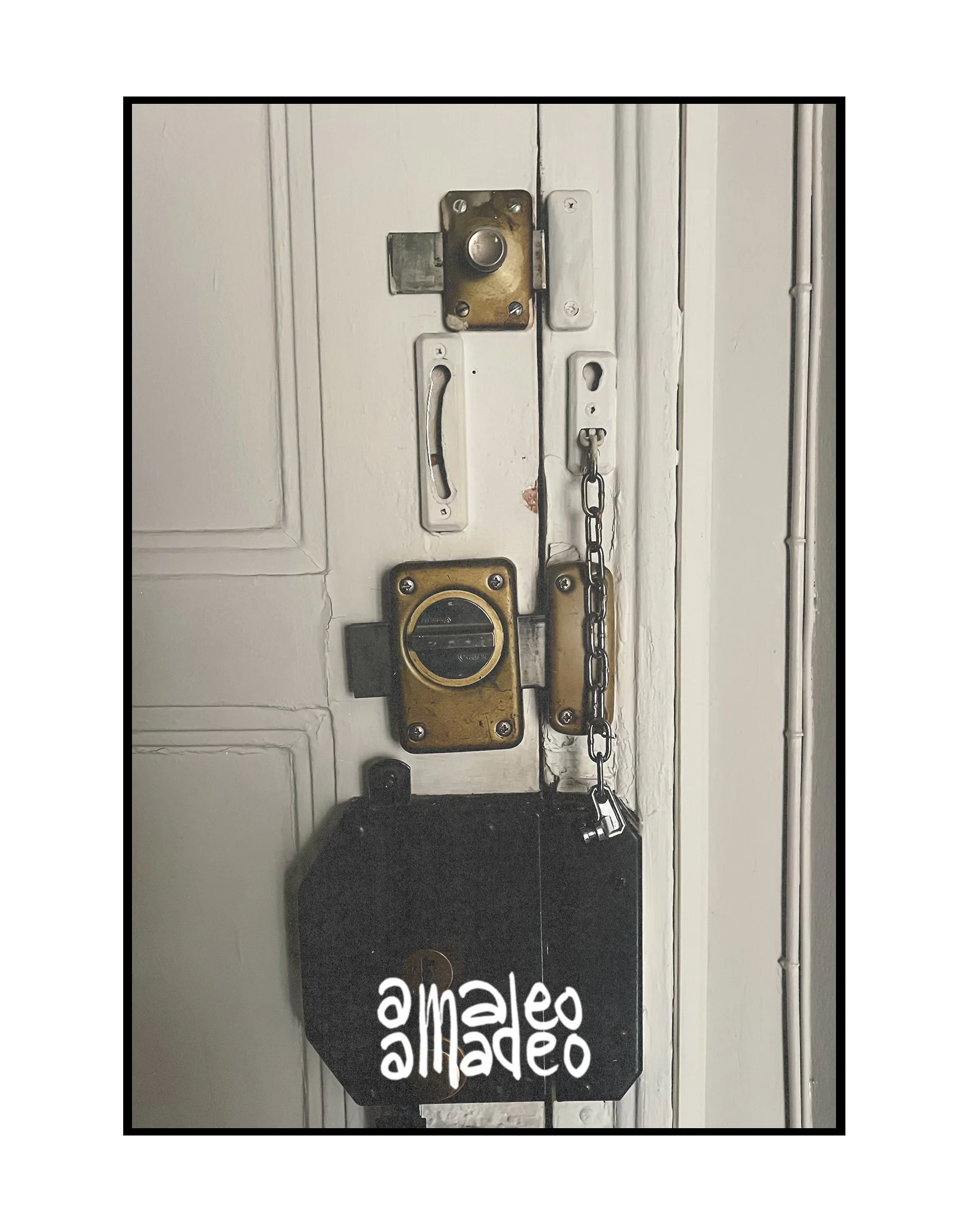
A long time ago I lived in a crazy artist loft in Williamsburg. Just getting into my apartment required what now feels like an unnecessarily elaborate sequence of events.
First, a key to open the street-level door of the building.
Up a flight of stairs.
Another key for a giant steel door.
Down a hallway.
Up three little steps.
Then my apartment door: one lock on the doorknob, a deadbolt and another lock toward the bottom corner of the door. Once you were inside, there was also a chain.
Getting home felt less like entering an apartment and more like completing a procedure.
There were locked rooms inside the apartment too. I had a safe. A lockbox. There were more keys.
Then I already had a key left over from the apartment I had lived in before Williamsburg.
Two more keys belonged to a friend’s apartment — one for the street-level entrance and another for their apartment door.
There is something strangely intimate about being given someone else’s spare keys.
You are being given permission to enter their private space even when they aren’t there. You’re trusted with the possibility of being needed. Feed the cat. Water the plants. Pick something up. Check on the apartment. Come in.
It always makes me think of that Seinfeld episode where Jerry, George, Elaine and Kramer get caught up in the politics of who gets to keep whose spare keys.
It’s funny because it actually is a little political.
Who gets the keys?
Who do you trust?
Who gets access?
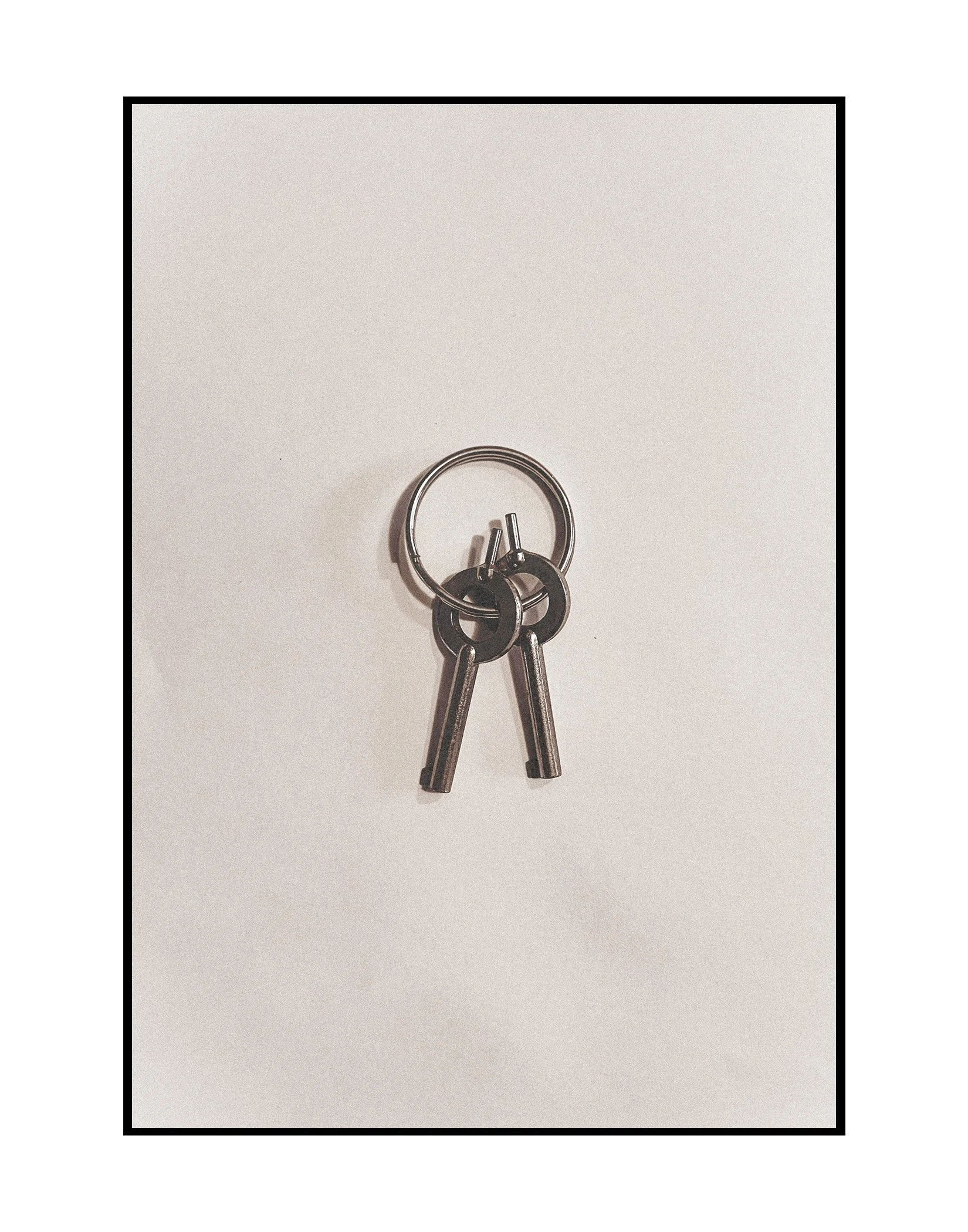
Somewhere among all of these are also two tiny keys that belonged to a pair of handcuffs.
I wore the handcuffs to Heidi Halloween once as part of a costume.
I have no idea where the handcuffs are anymore.
I still have the keys.
That might be the strangest thing about this collection. A key can outlive its lock.
I don’t live behind most of these doors anymore. Some of the apartments belong to strangers now. Locks have probably been changed. Mailboxes have new names inside them. I don’t know where the handcuffs are. I’m not entirely certain which apartment one of the mailbox keys belonged to. One key may have belonged to a lockbox, but even that memory is beginning to dissolve.
Still, I have the keys.
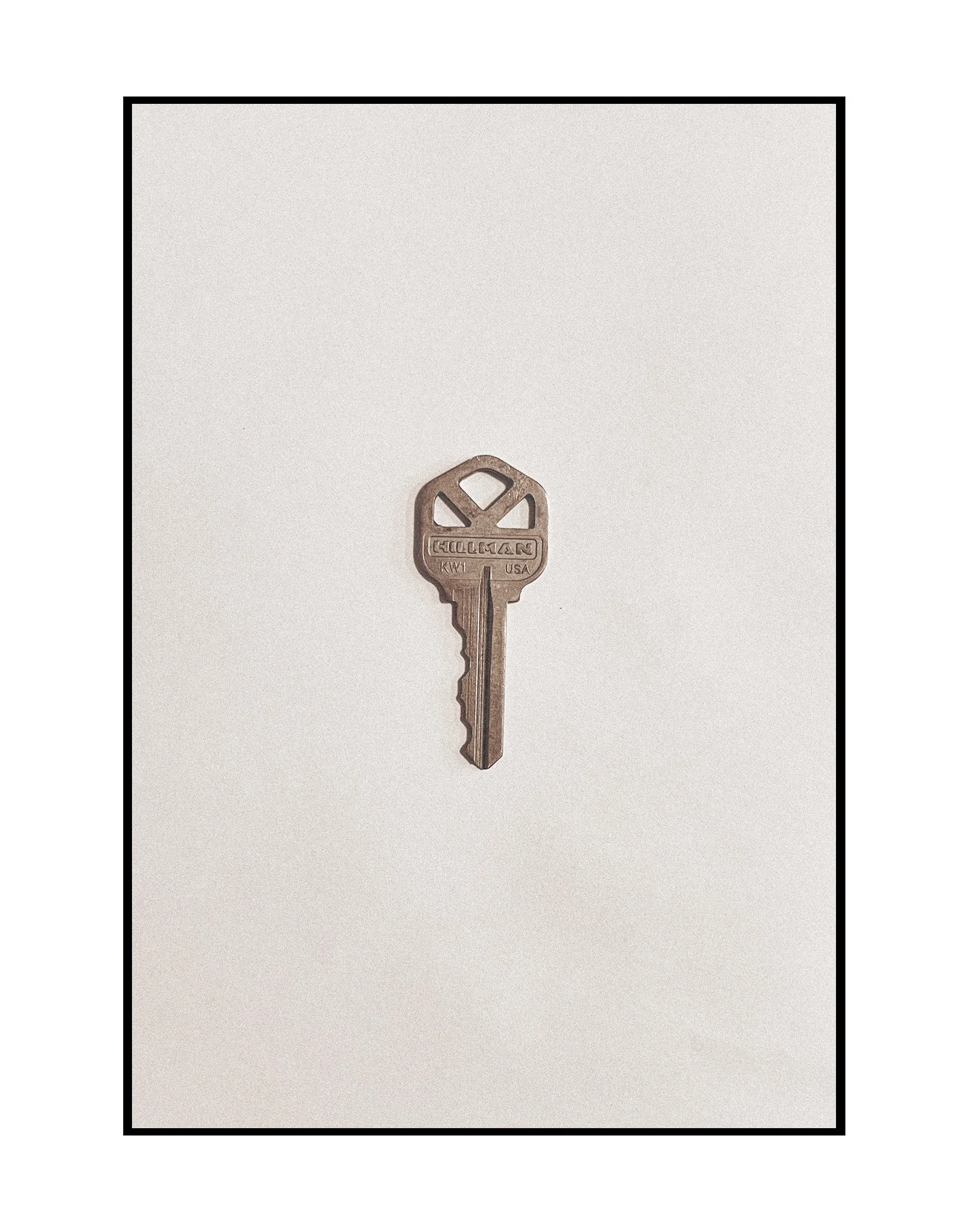
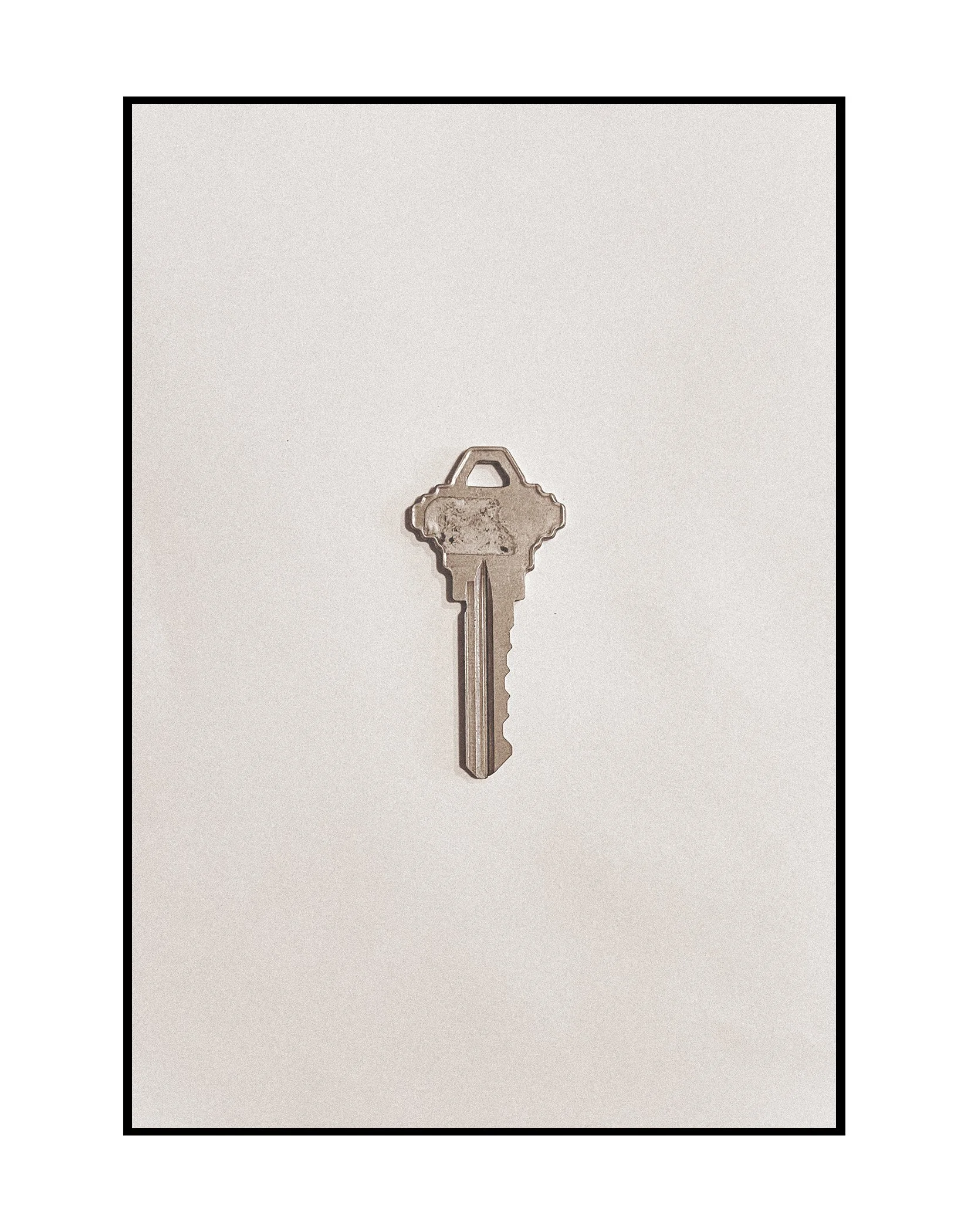
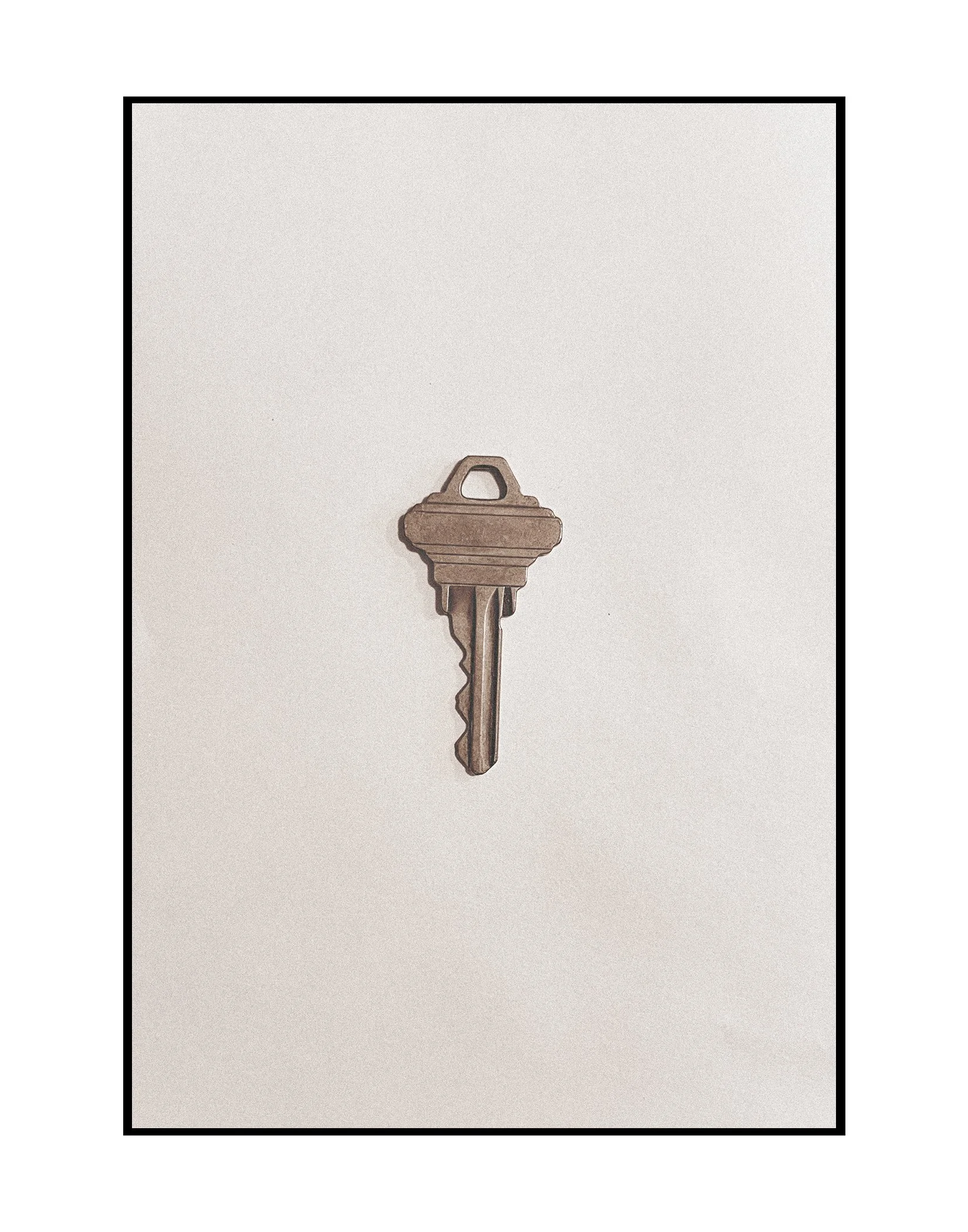
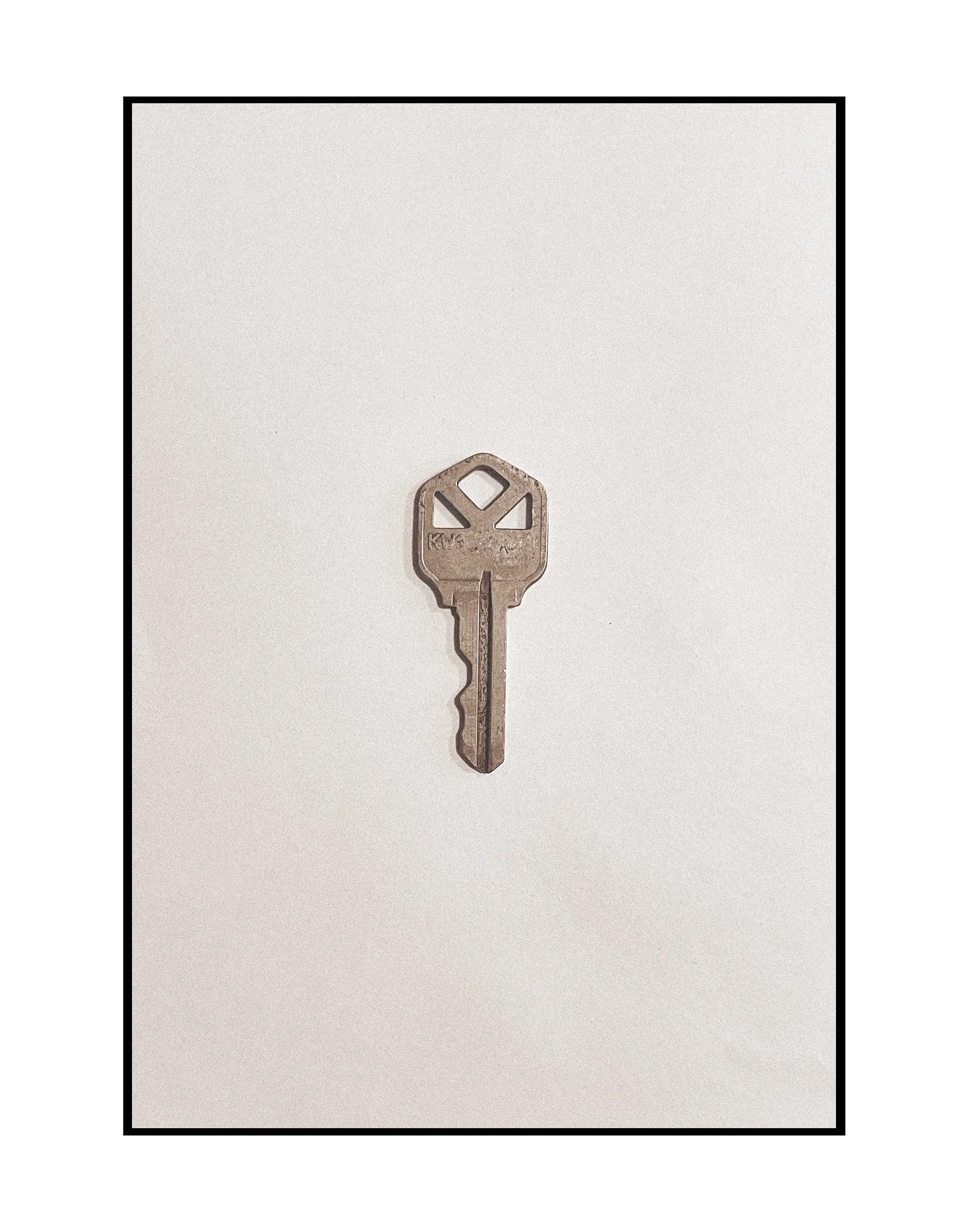
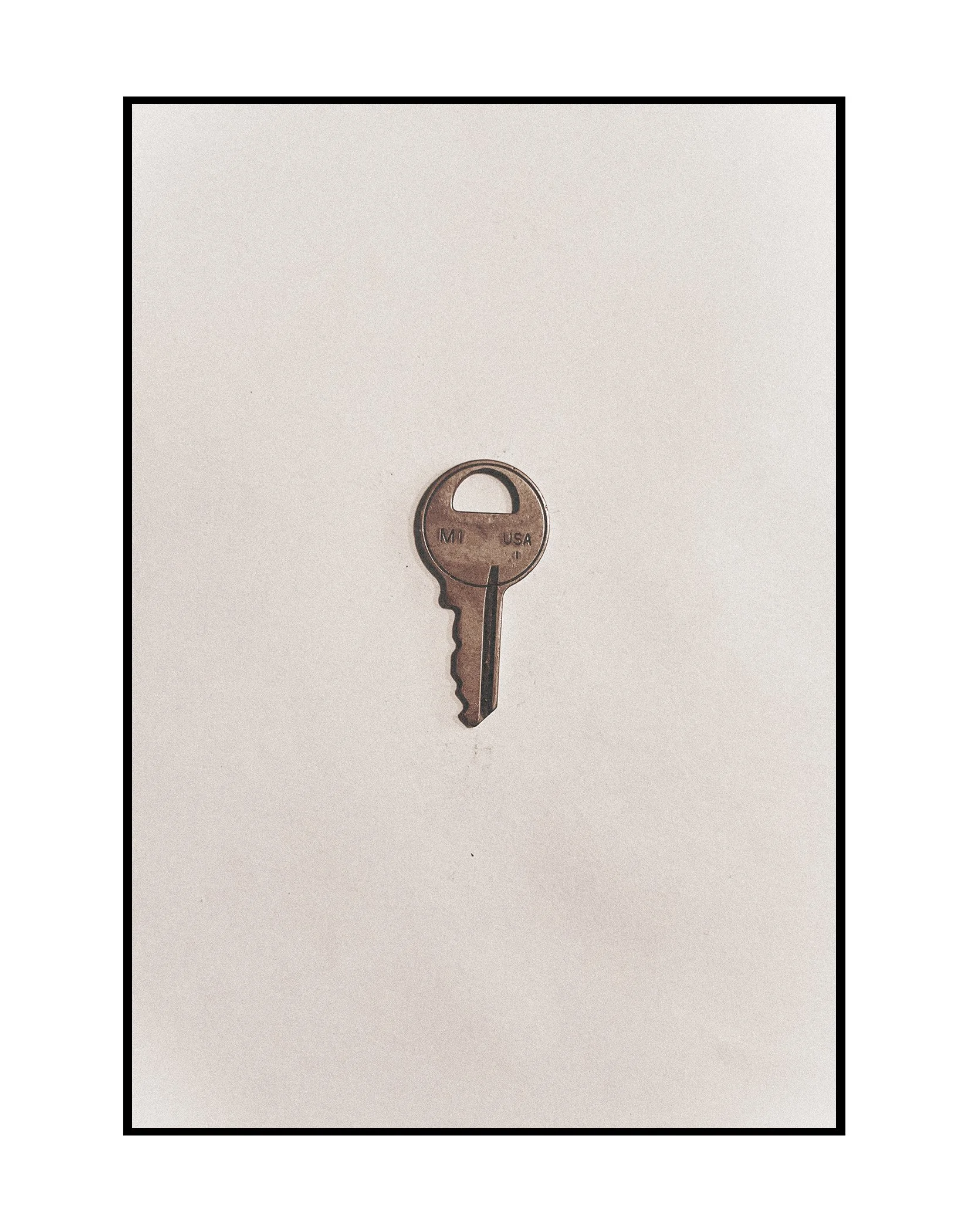
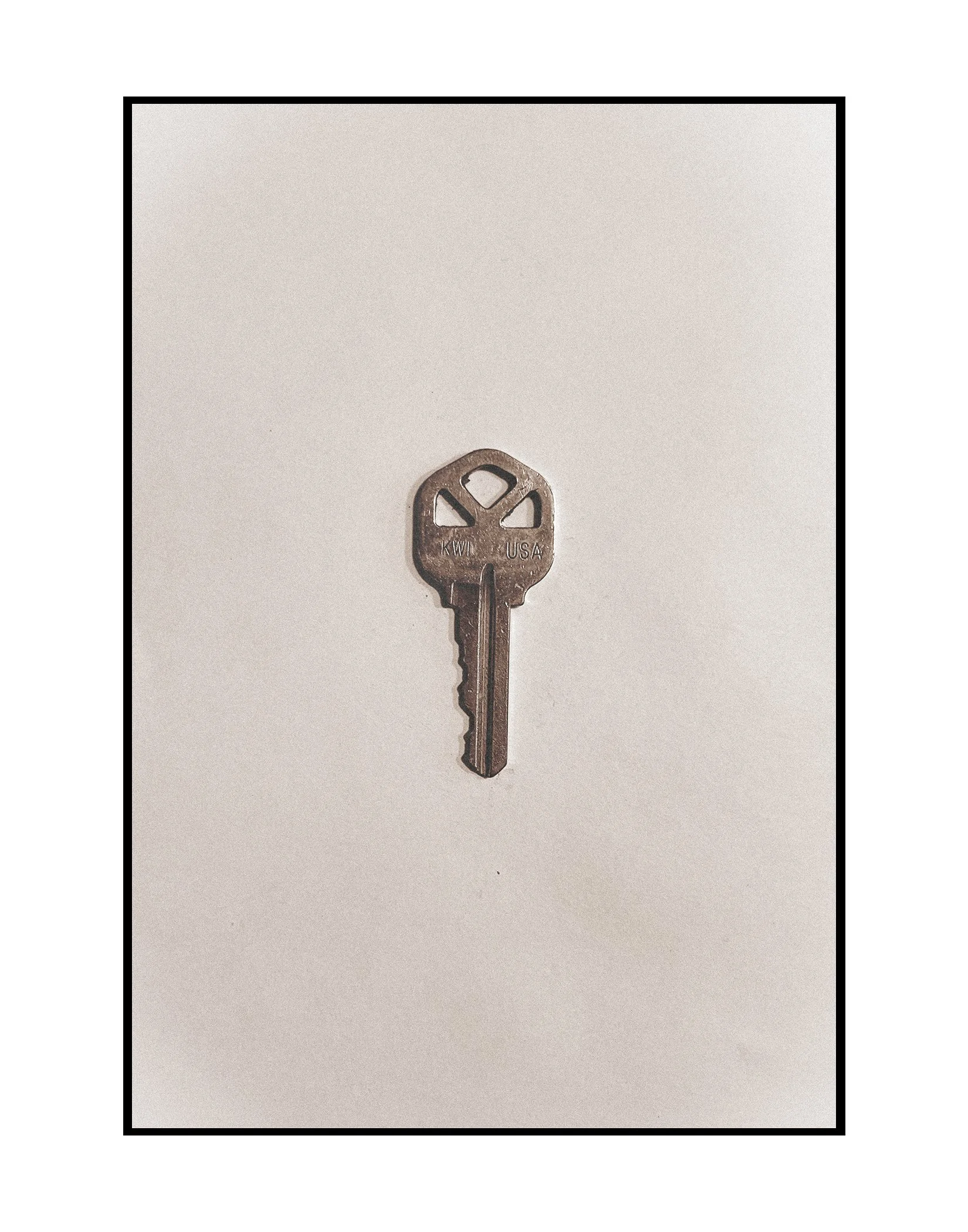
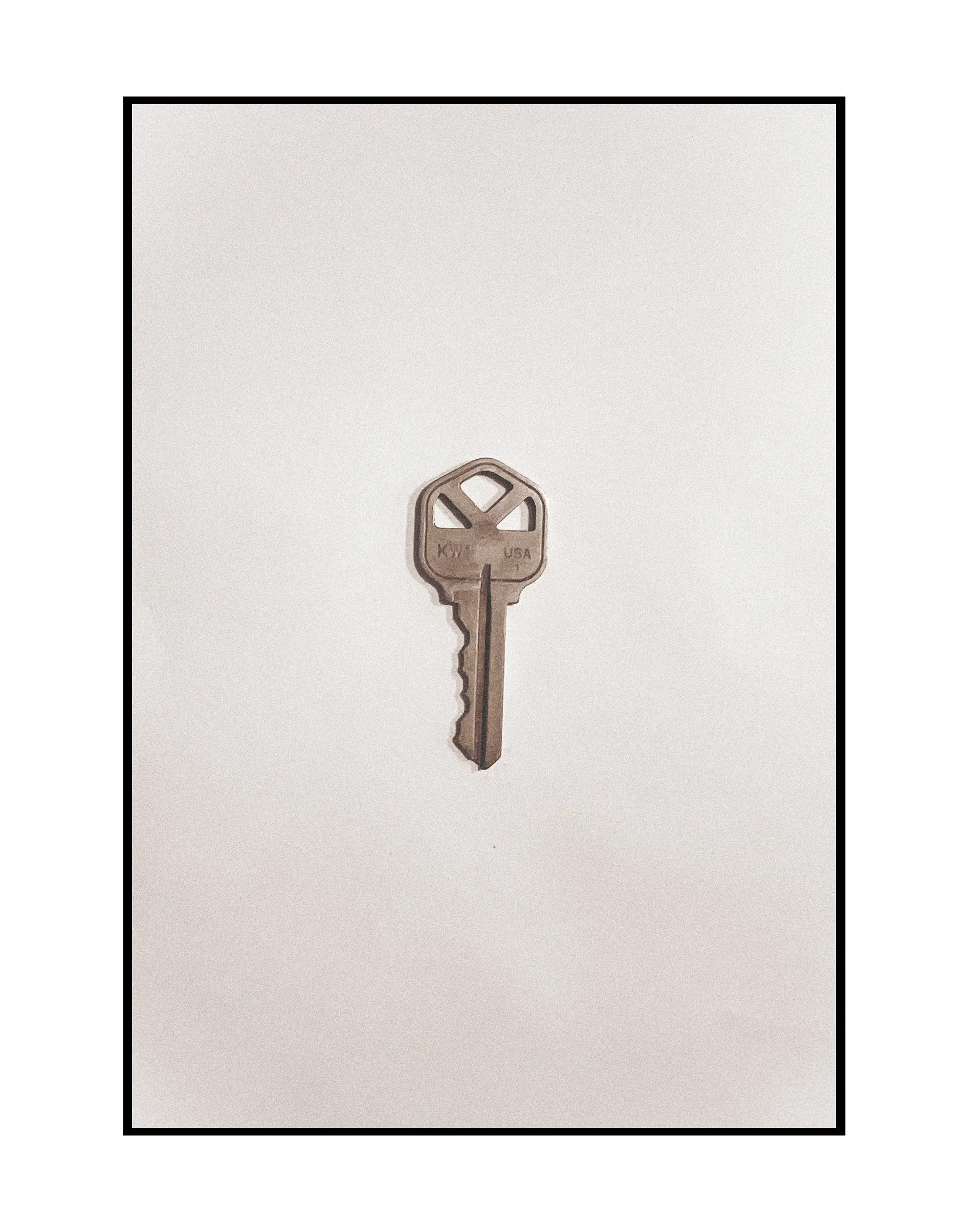
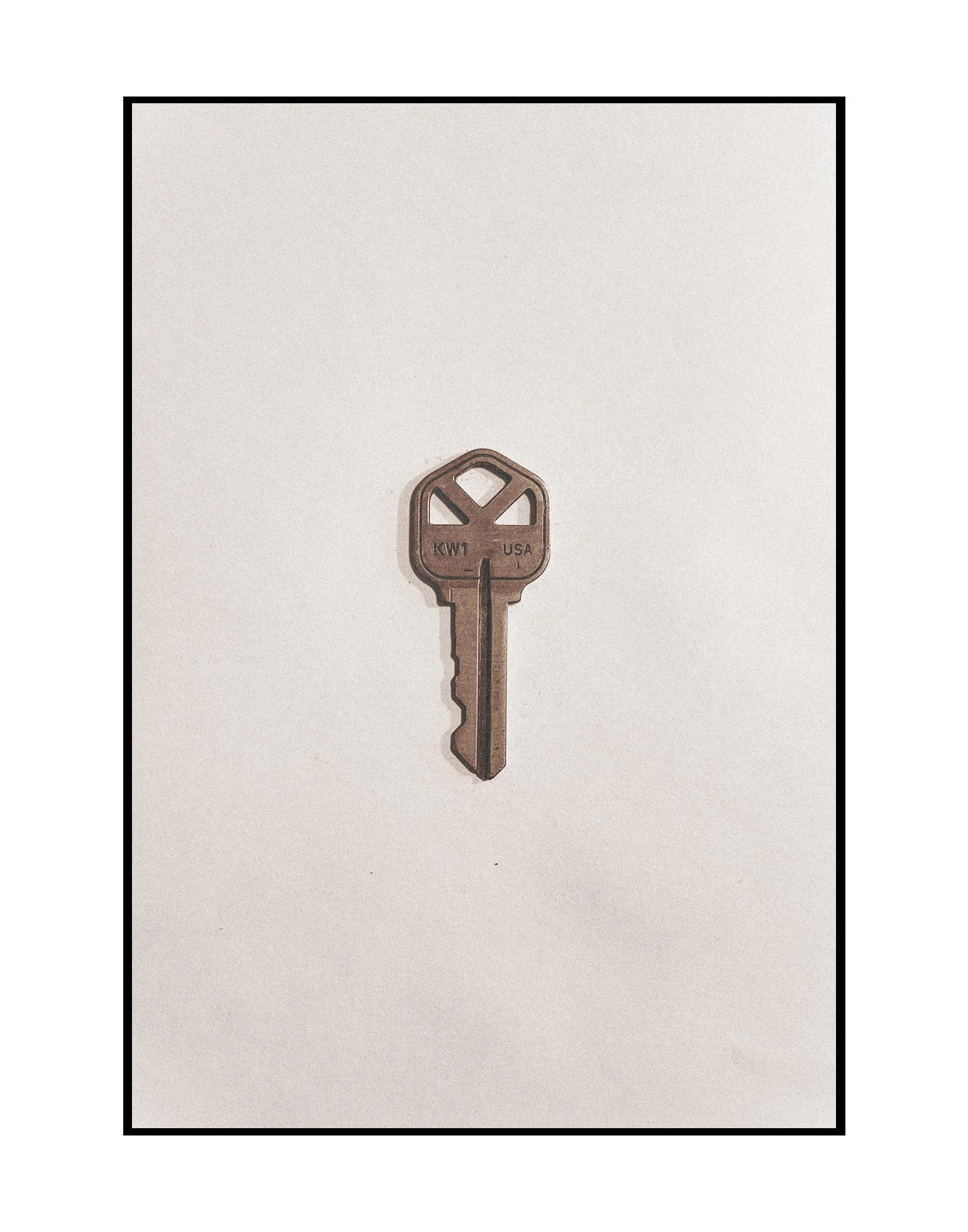
One I know opened the enormous hallway door of the Williamsburg loft.
Another opened the lock on my apartment doorknob.
One belongs to a mailbox.
Two belonged to my friend’s apartment.
One, I think, opened a lockbox.
A few of them I can stare at for as long as I want and absolutely nothing comes back to me.
Unknown.
Unknown.
Unknown.
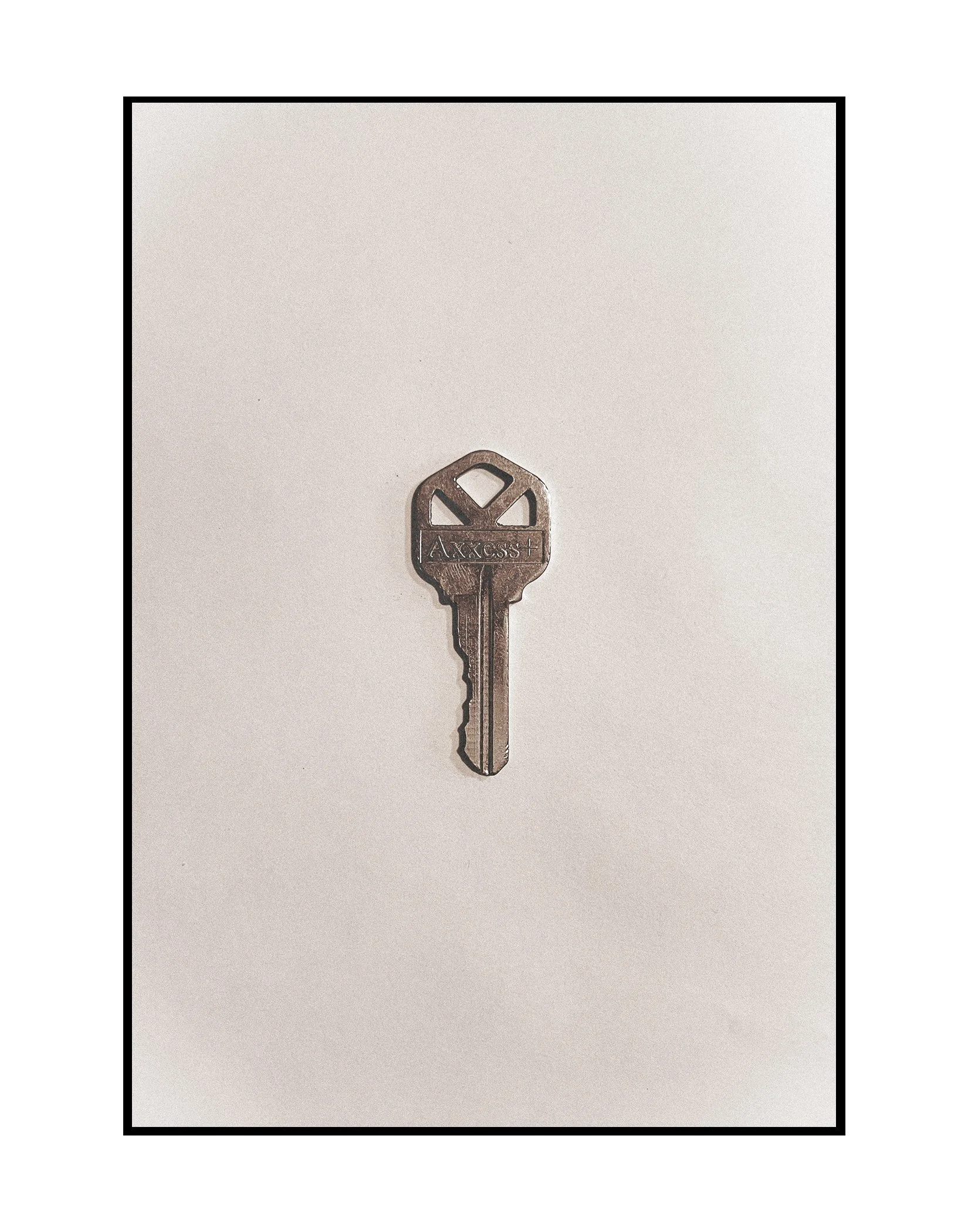
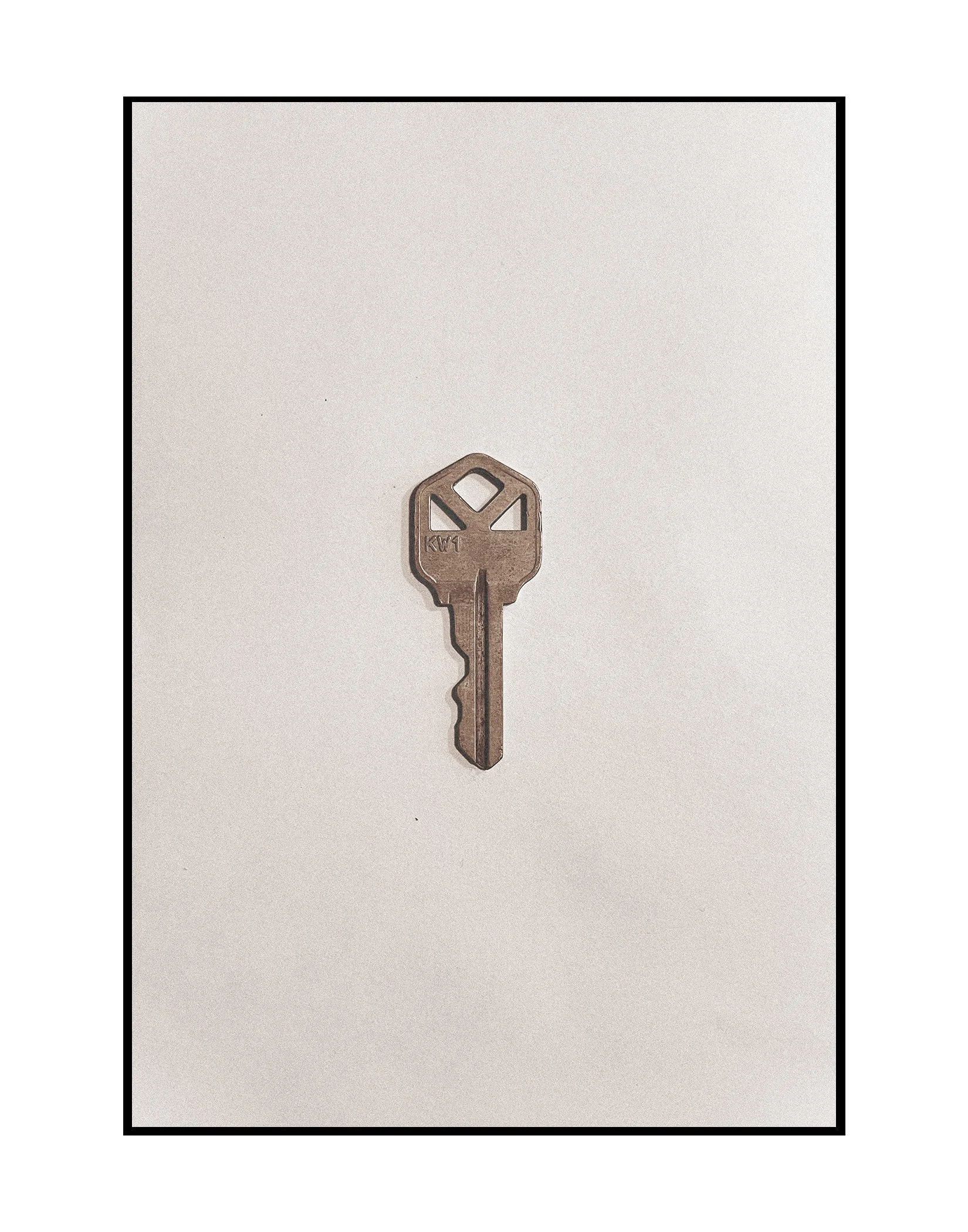
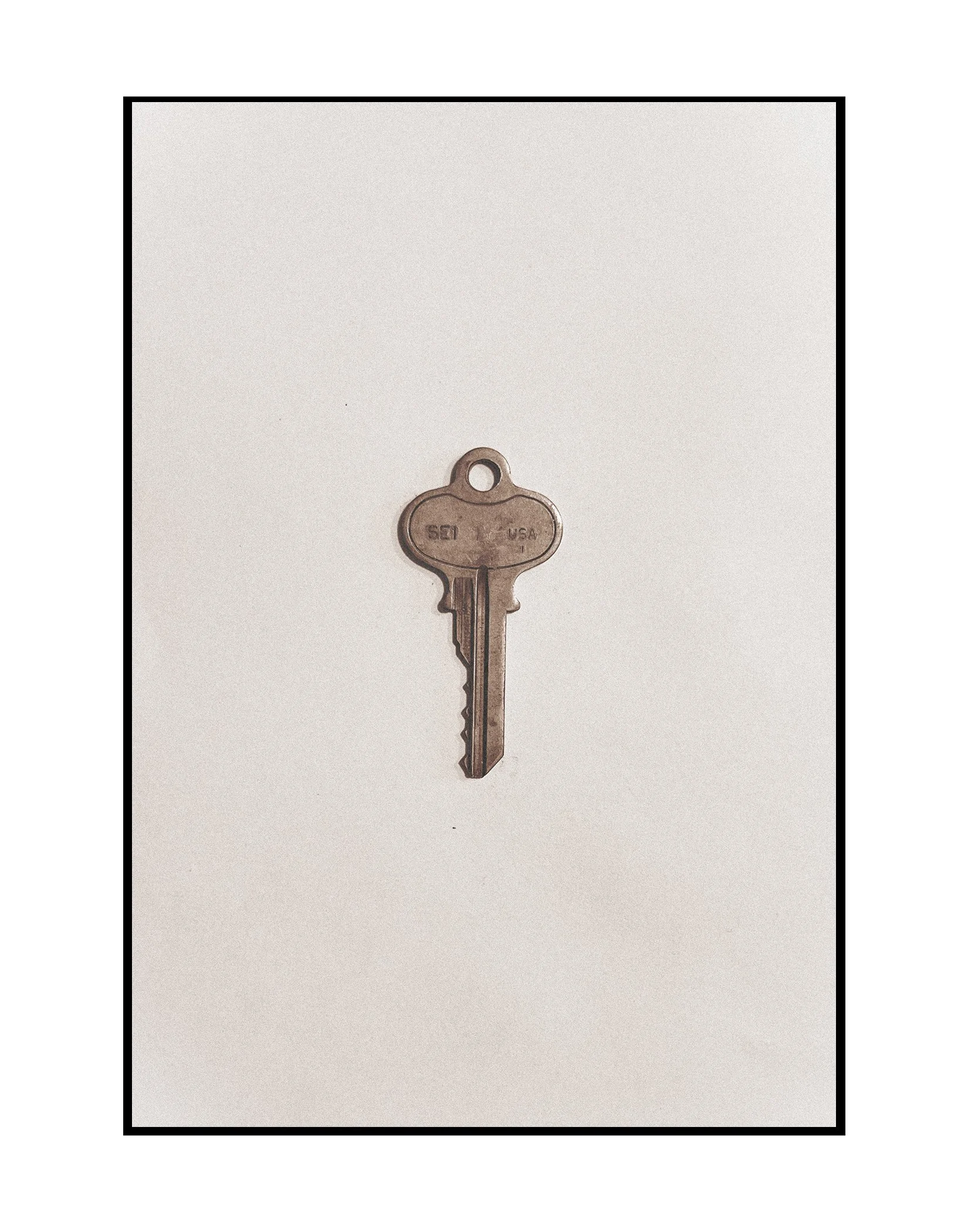
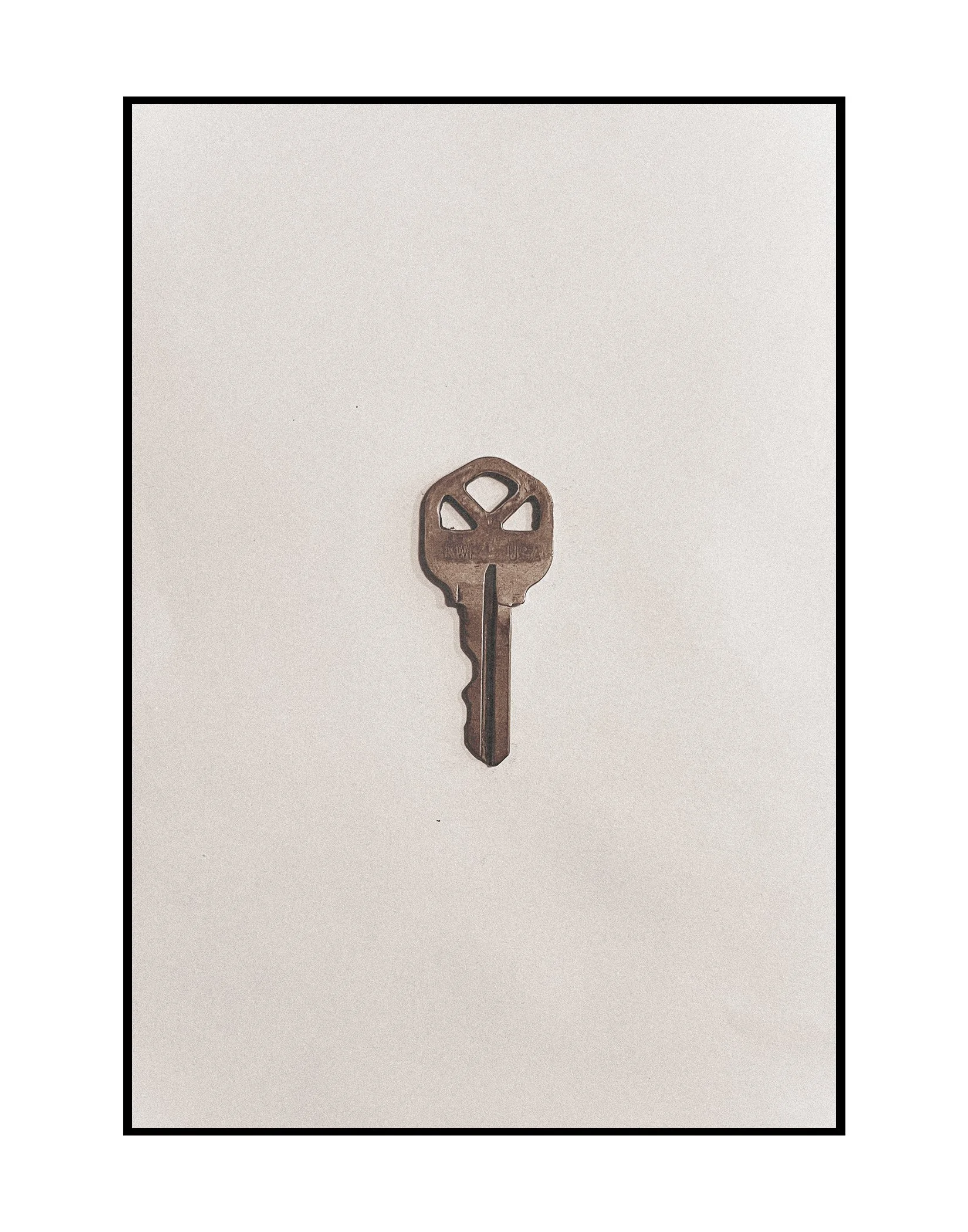
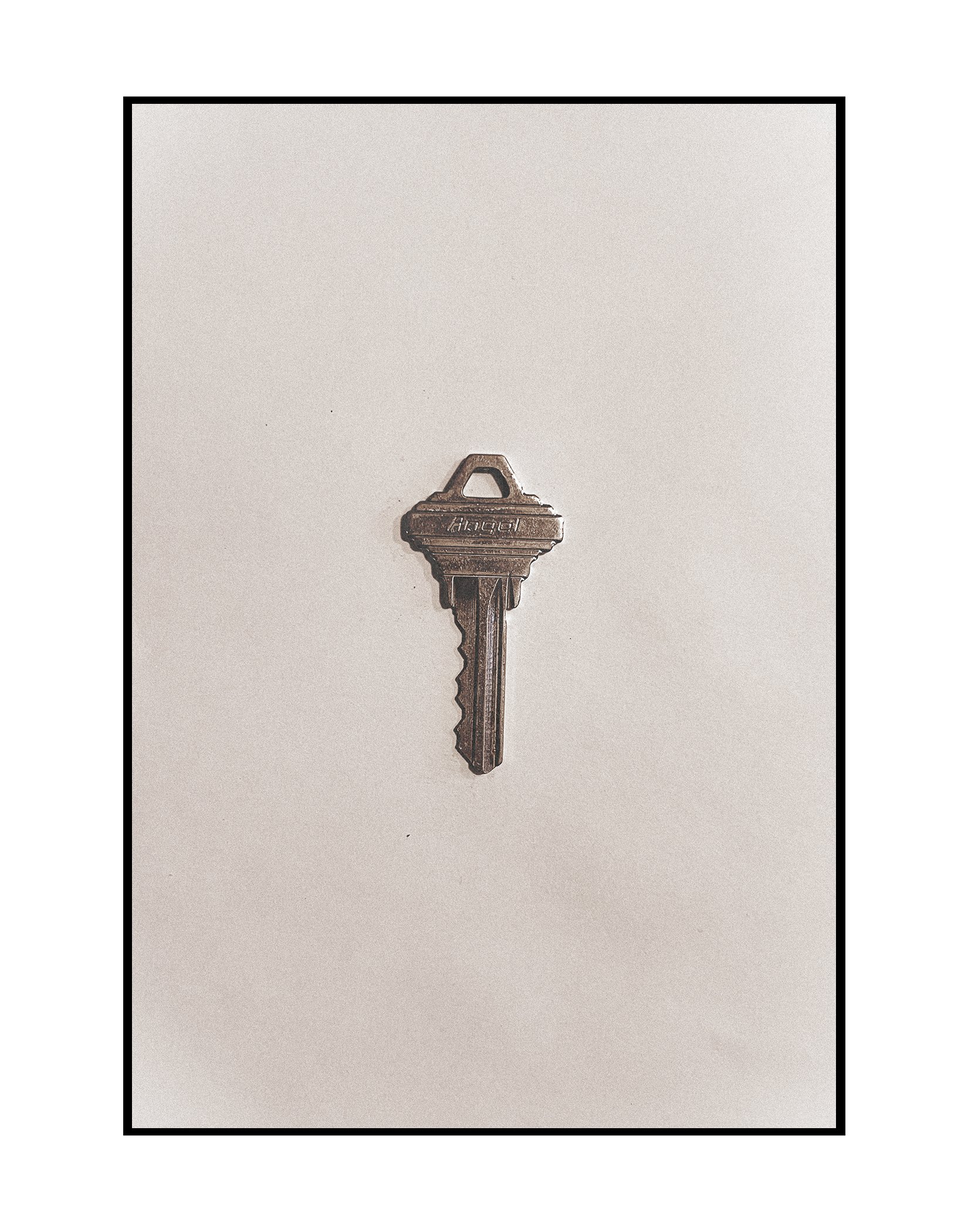
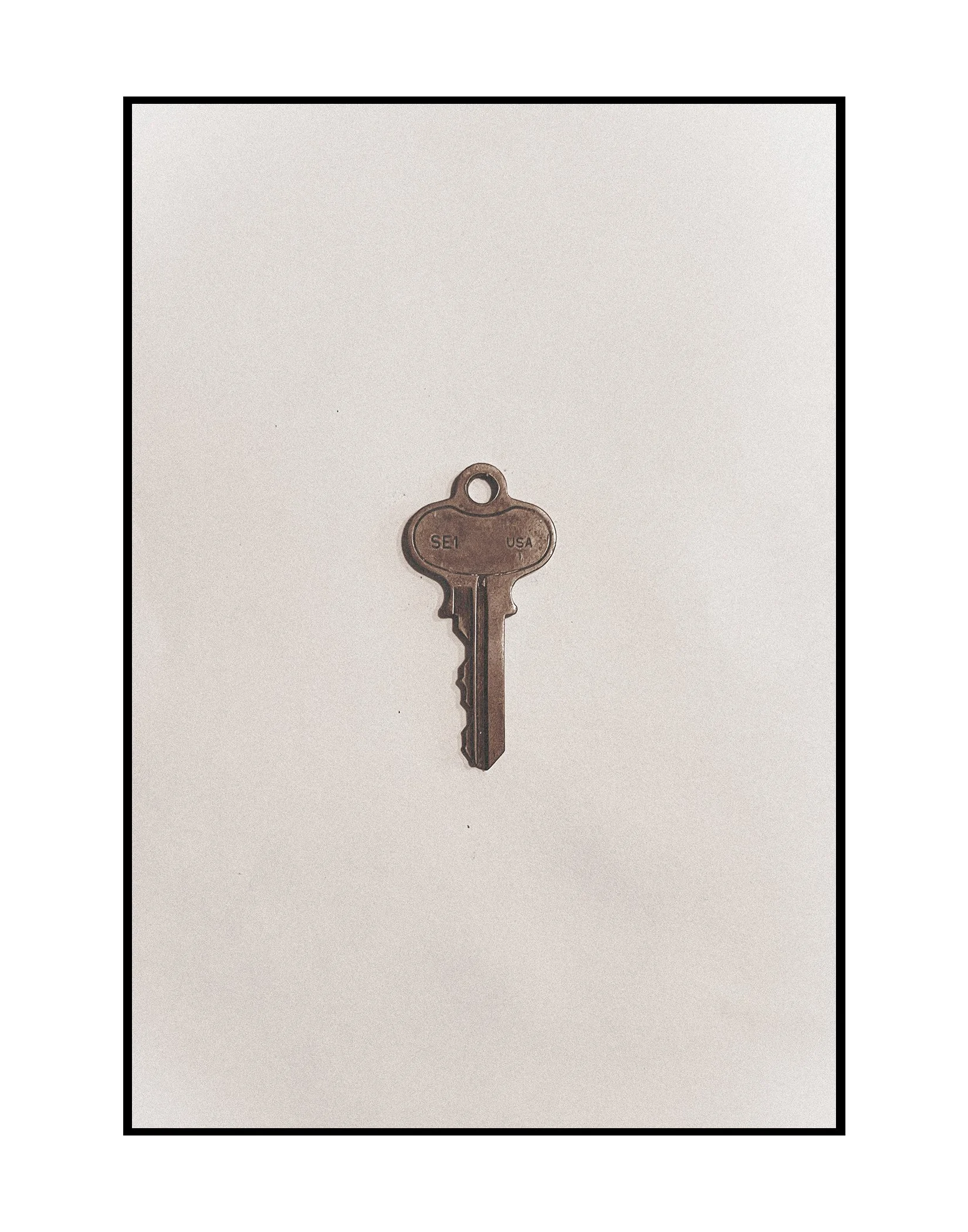
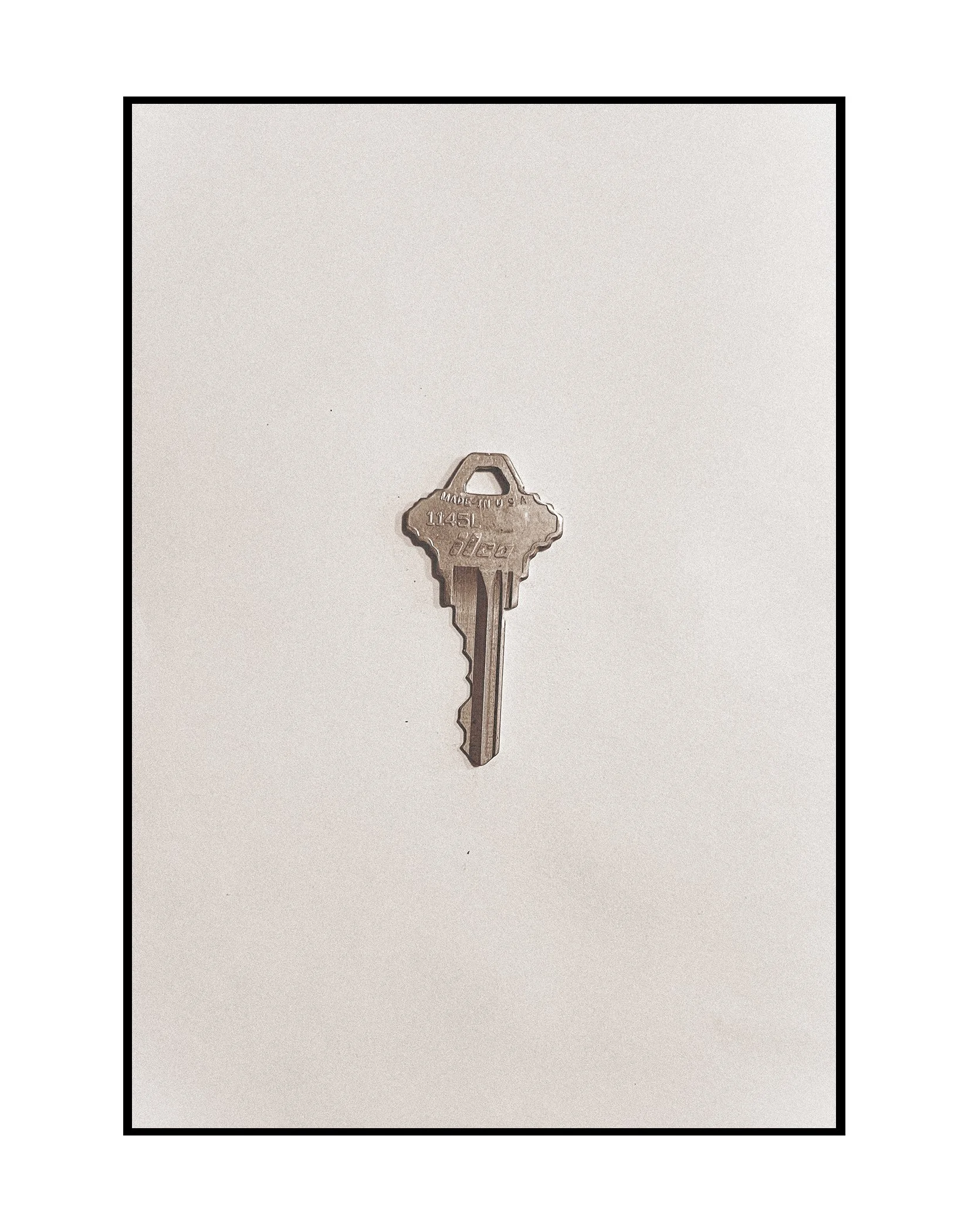
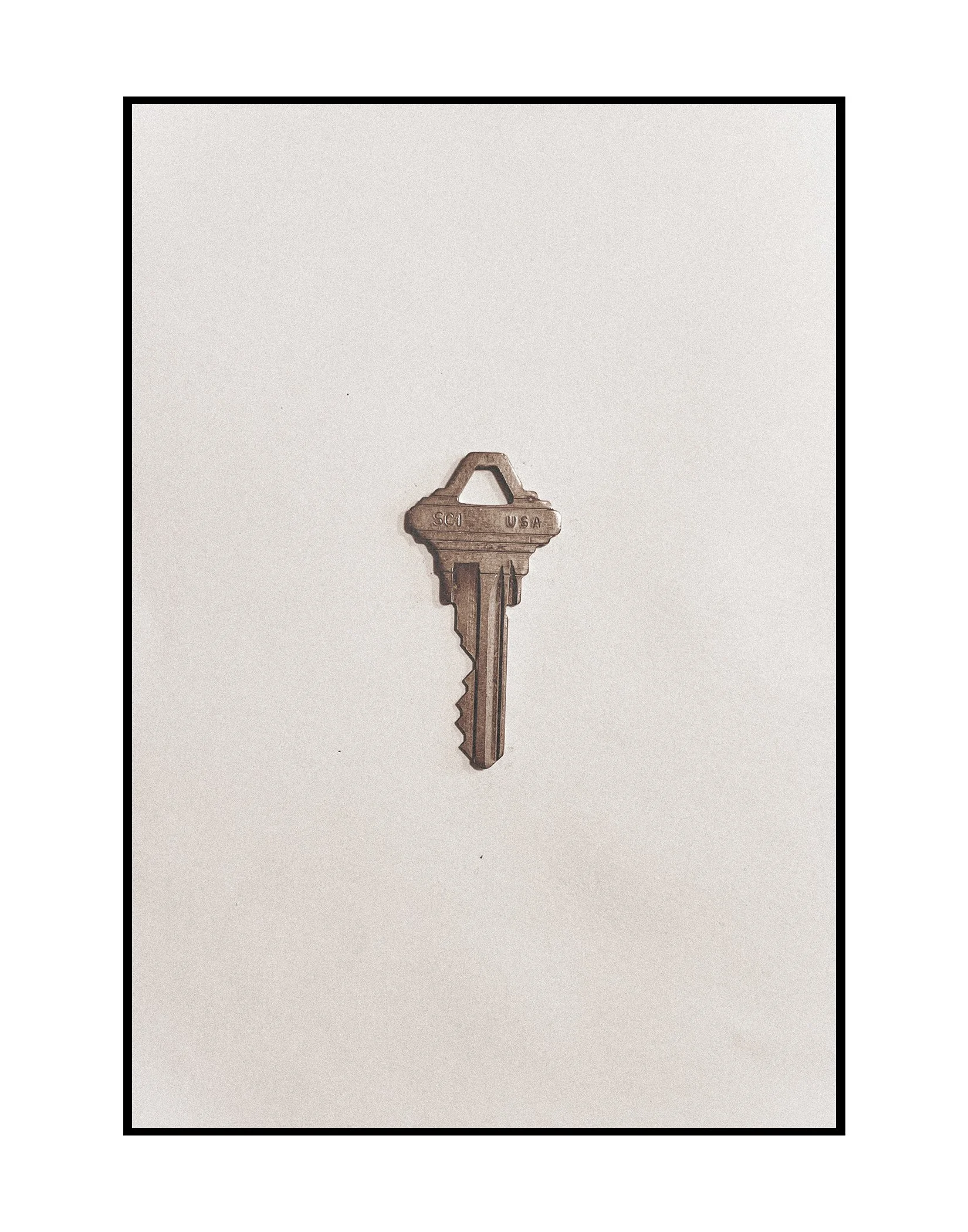
And perhaps that makes them more interesting.
If I can no longer remember what something opened, am I allowed to give it a new lock?
Maybe one of these is the key to an apartment I haven’t lived in yet.
Maybe one opens the amadeo amadeo showroom.
Maybe one belongs to a door in Paris that I have absolutely no business having a key to.
Maybe another opens nothing at all.
Apparently that hasn’t stopped me from carrying it for fifteen years.
At some point I added a large vintage skeleton key to the ring.
It didn’t open anything that belonged to me. As far as I know, it didn’t open anything at all.
But once that key appeared among all the others, people really started noticing the collection.
“What are you, a janitor?”
I heard some variation of that more than once.
And I always remember thinking: well, what if I was?
There’s nothing wrong with being a janitor.
If anything, the comment made me want to keep adding keys.
Fine.
Call me the janitor.
I stay opening doors and cleaning up.
The enormous keychain eventually became part of how I moved through the world. I’d sit down at a bar, unclip the keys from my waist and place them beside my phone.
CLUNK.
Suddenly this absurd pile of metal was sitting on the bar.
Someone would inevitably look at it.
“What are all those keys for?”
And there it was.
A conversation.
A stranger became someone I was talking to. Someone wanted to know where I lived, why there were so many, what the giant key opened, whether I really needed all of them.
Something that had originally existed purely to give me access to locked spaces had found another purpose.
Eventually the keys stopped opening doors and started opening conversations.
That may be why I never got rid of them.
They became a little archive without me realizing I was building one.
Apartments.
Friends.
Costumes.
Mailboxes.
Safes.
Doors.
Things I was trusted with.
Places where I lived.
Places where somebody else lived but allowed me inside.
And places I no longer remember at all.
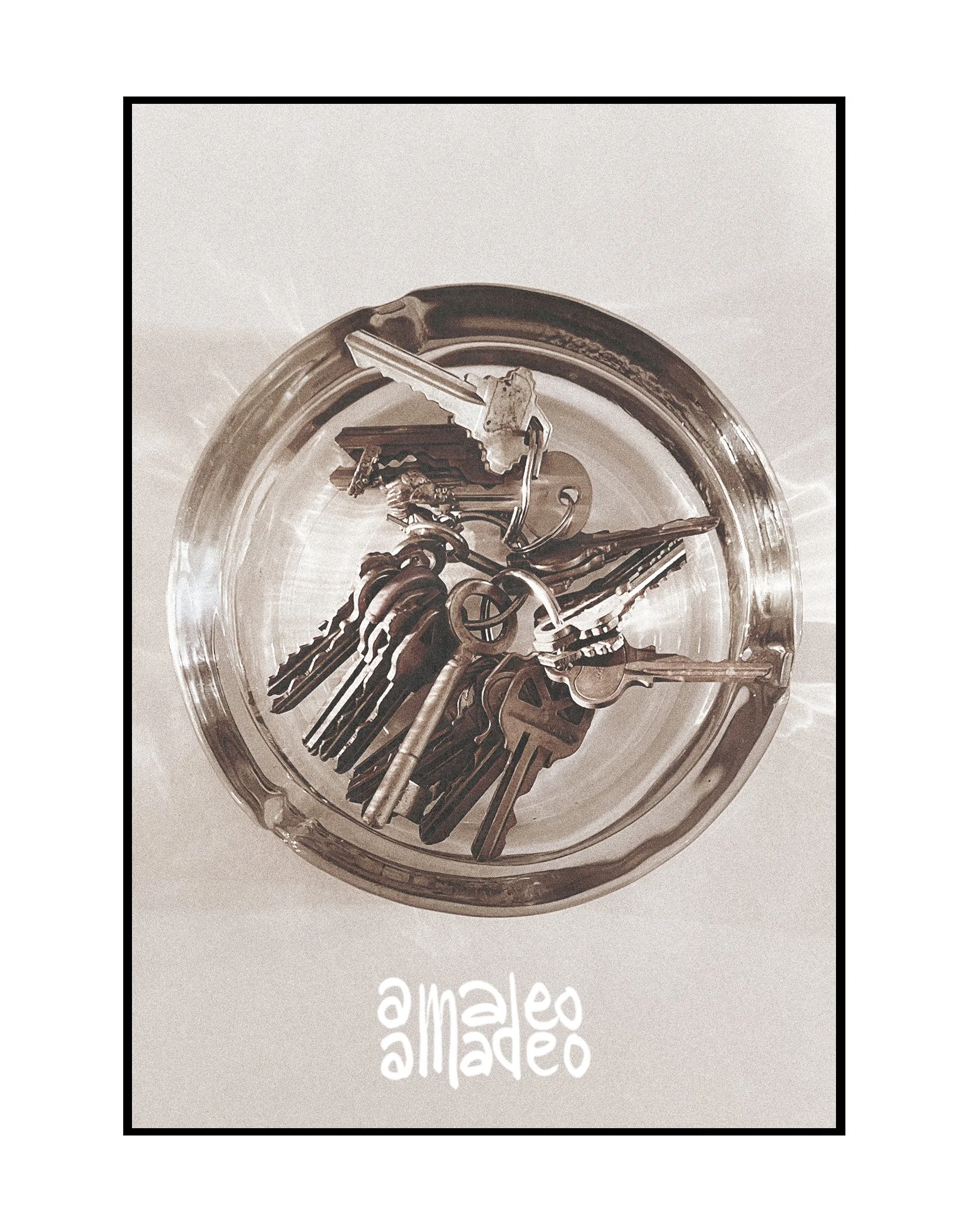
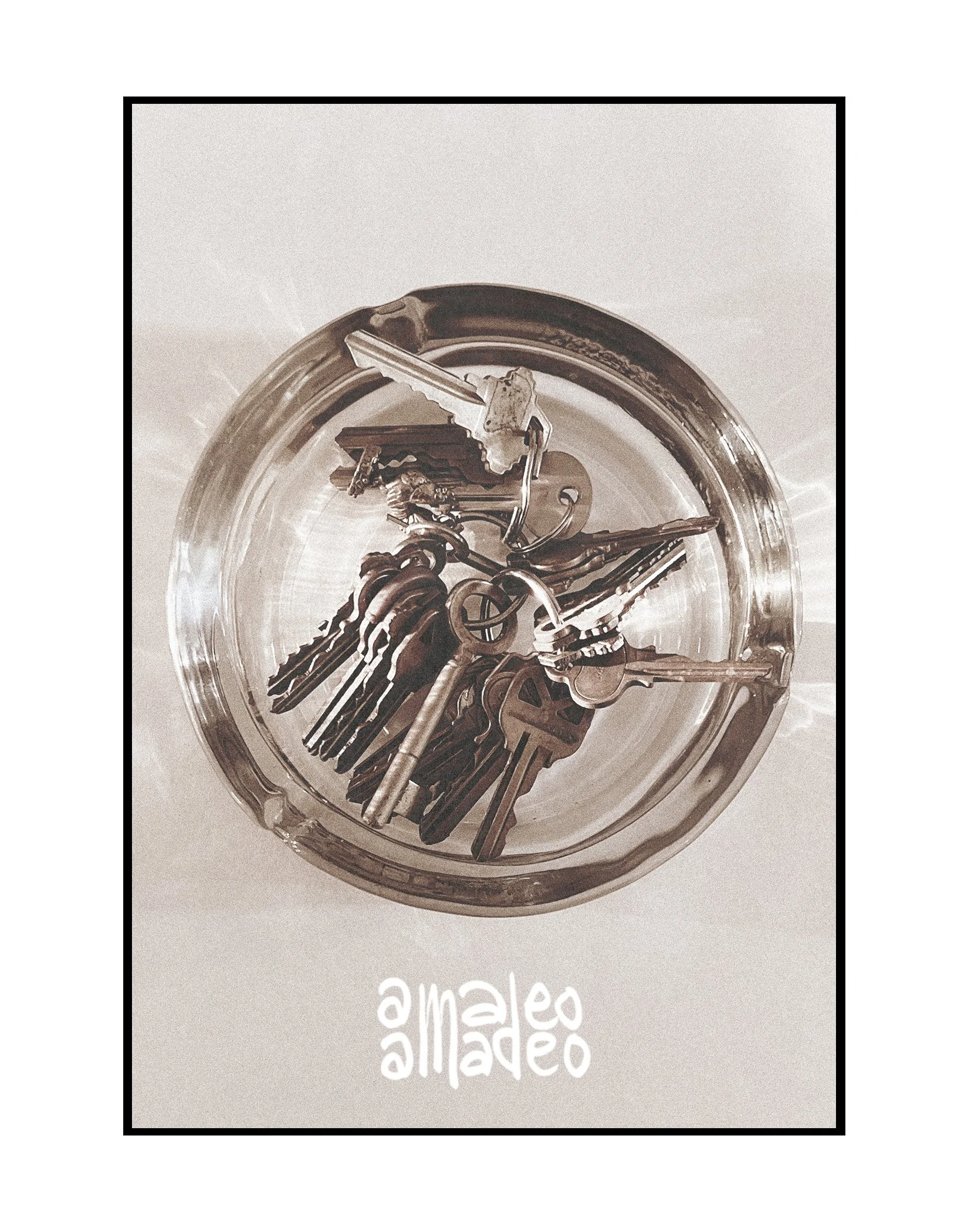
For this Catch-All, I took the entire collection apart.
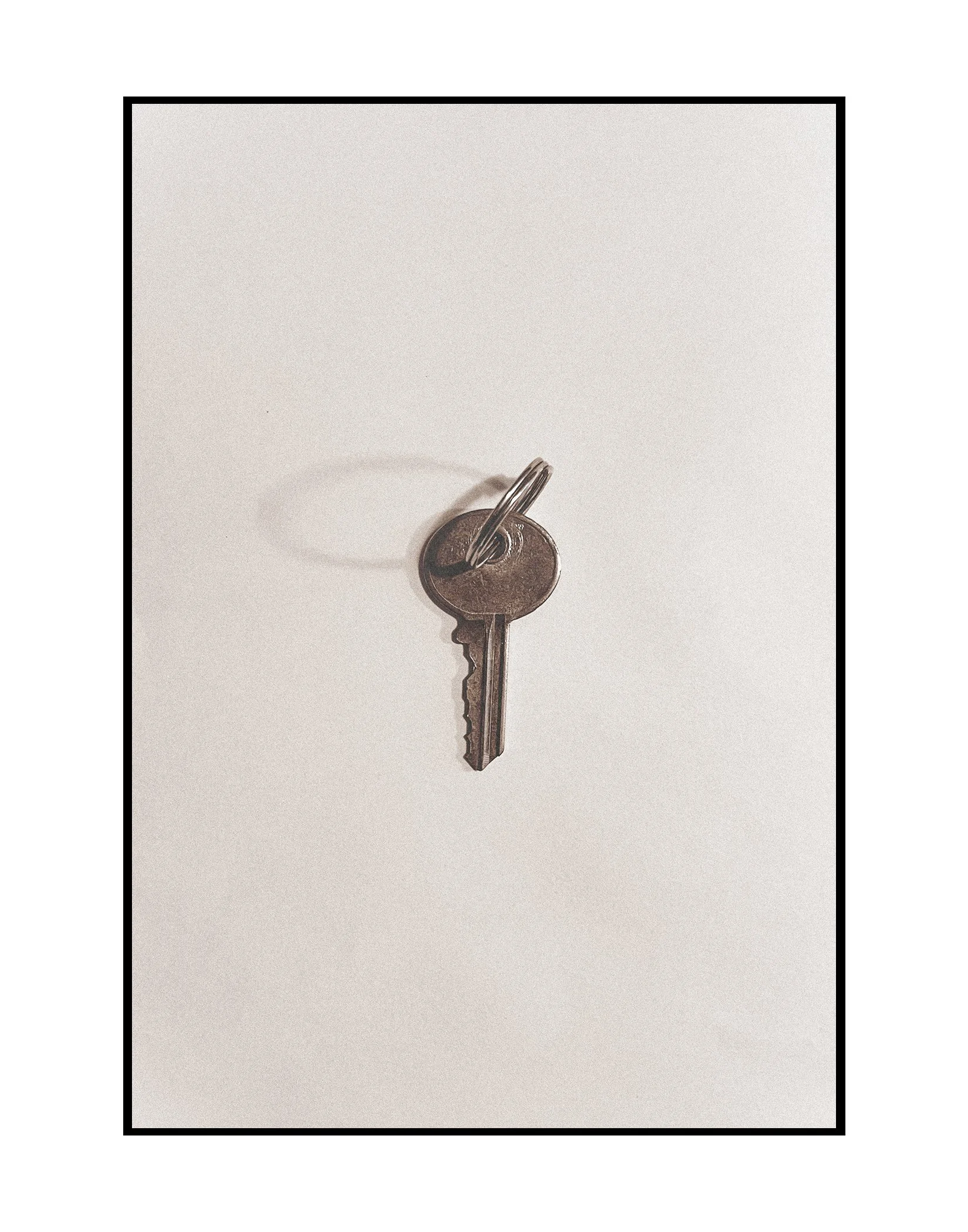
The keys are usually tangled together, layered over one another so densely that I don’t really look at any single one. Once they were separated and photographed individually, they became strangely anonymous.
A key without its lock tells you very little.
It can tell you that something was once protected.
That someone once needed permission to enter.
That somewhere, at some point, there was a matching mechanism waiting for these particular little cuts in a piece of metal.
But without the lock, the rest has to come from memory.
And memory is unreliable.
I know.
I think.
Maybe.
Probably.
I have absolutely no idea.
Now they’re all sitting inside a thick glass ashtray that I found in my grandparents’ house.
Another object from another home.
An old ashtray holding the remnants of several others.
There is something I like about that.
The ashtray has survived its original purpose too.
No cigarette.
No ash.
Just keys.
Objects don’t always stop being useful when their original purpose disappears.
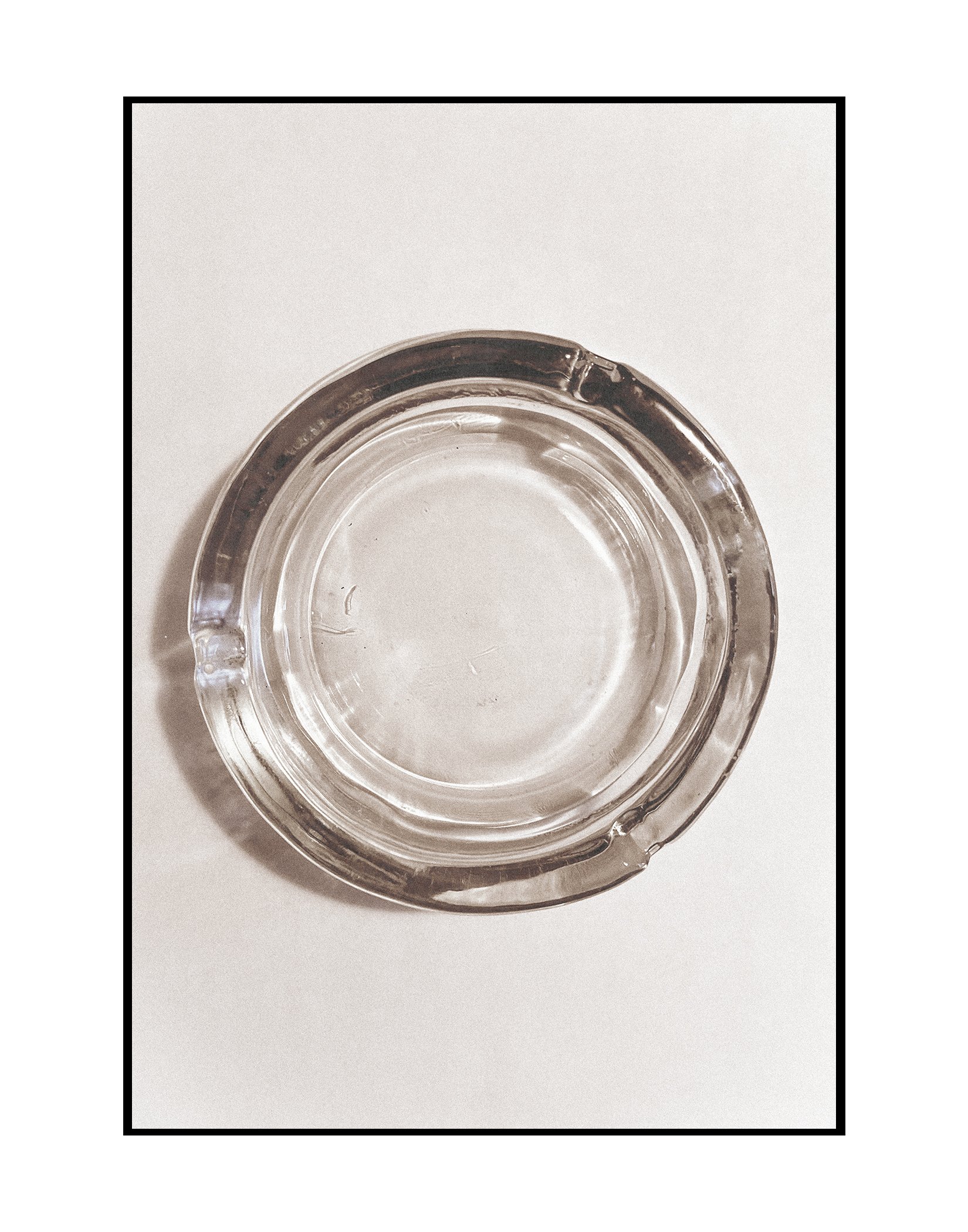
Sometimes they just start holding something else.
THINKING / NOT THINKING
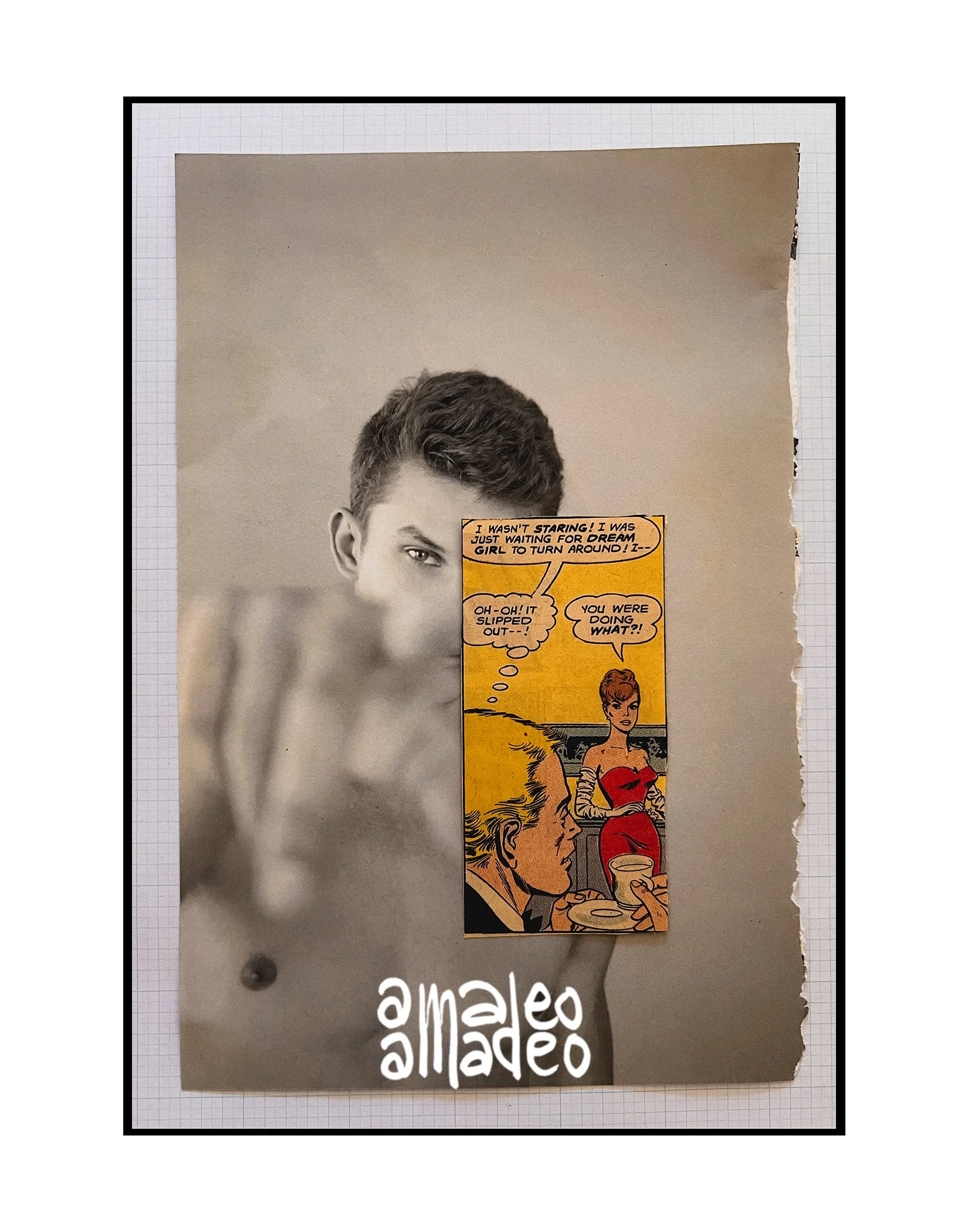
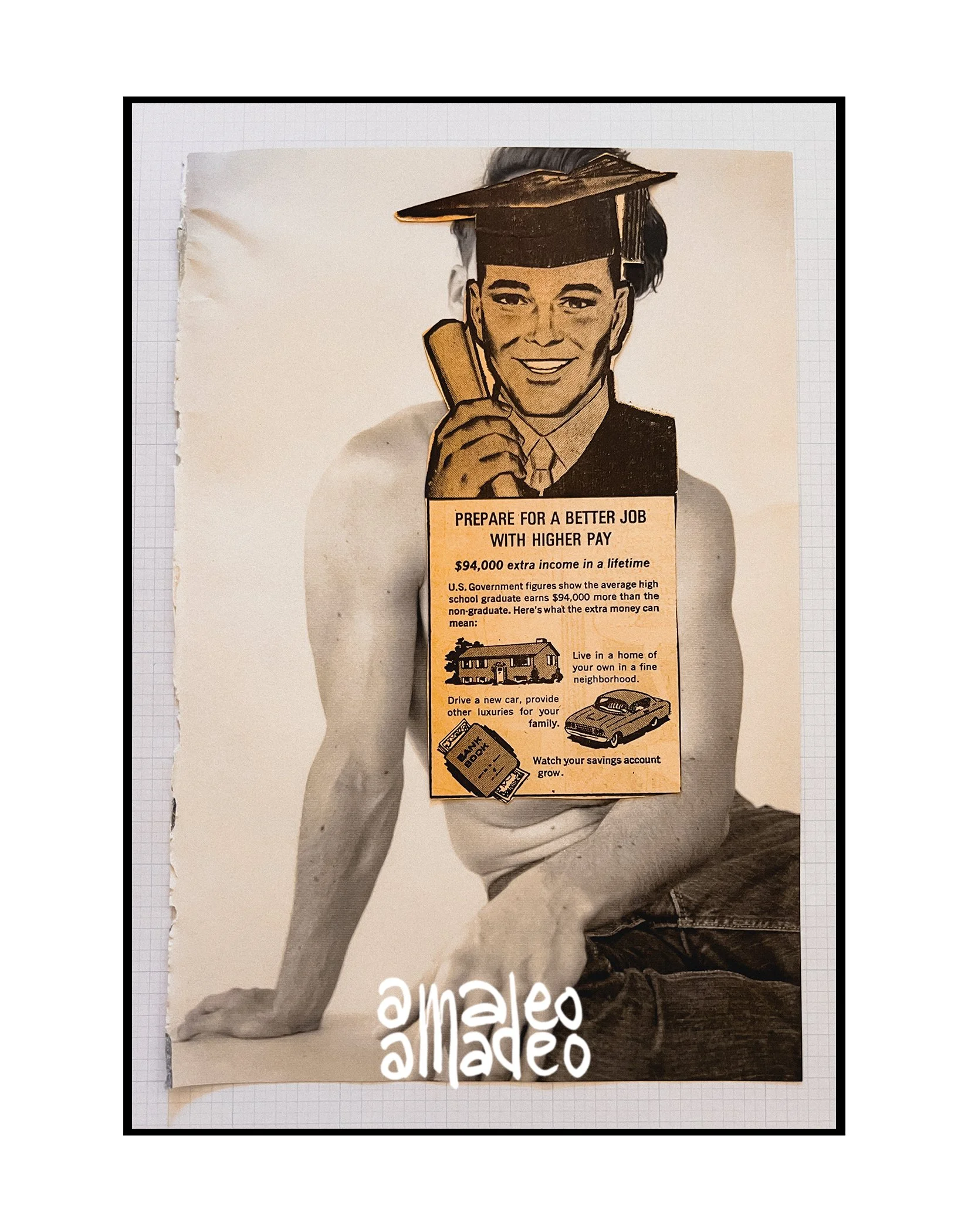
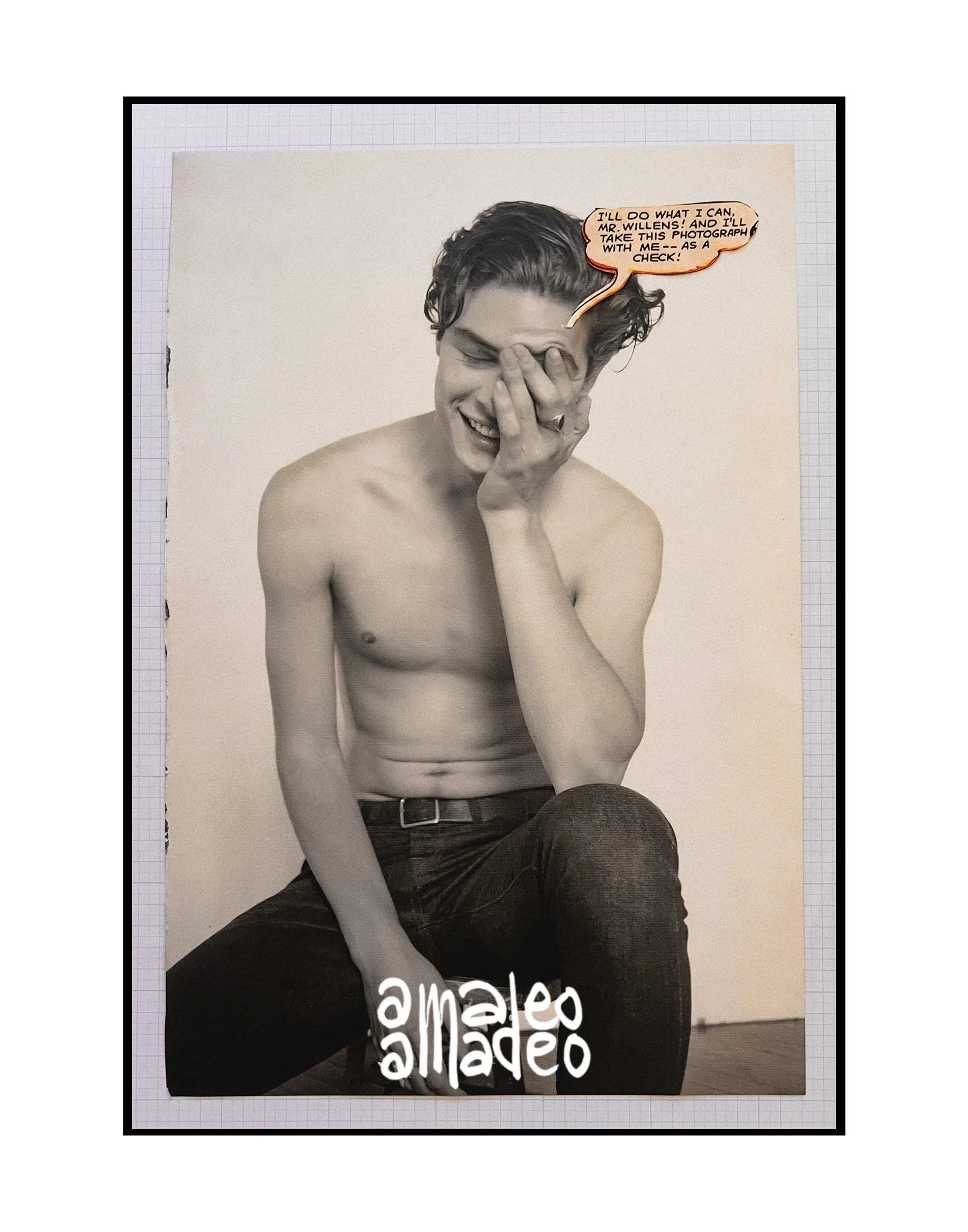
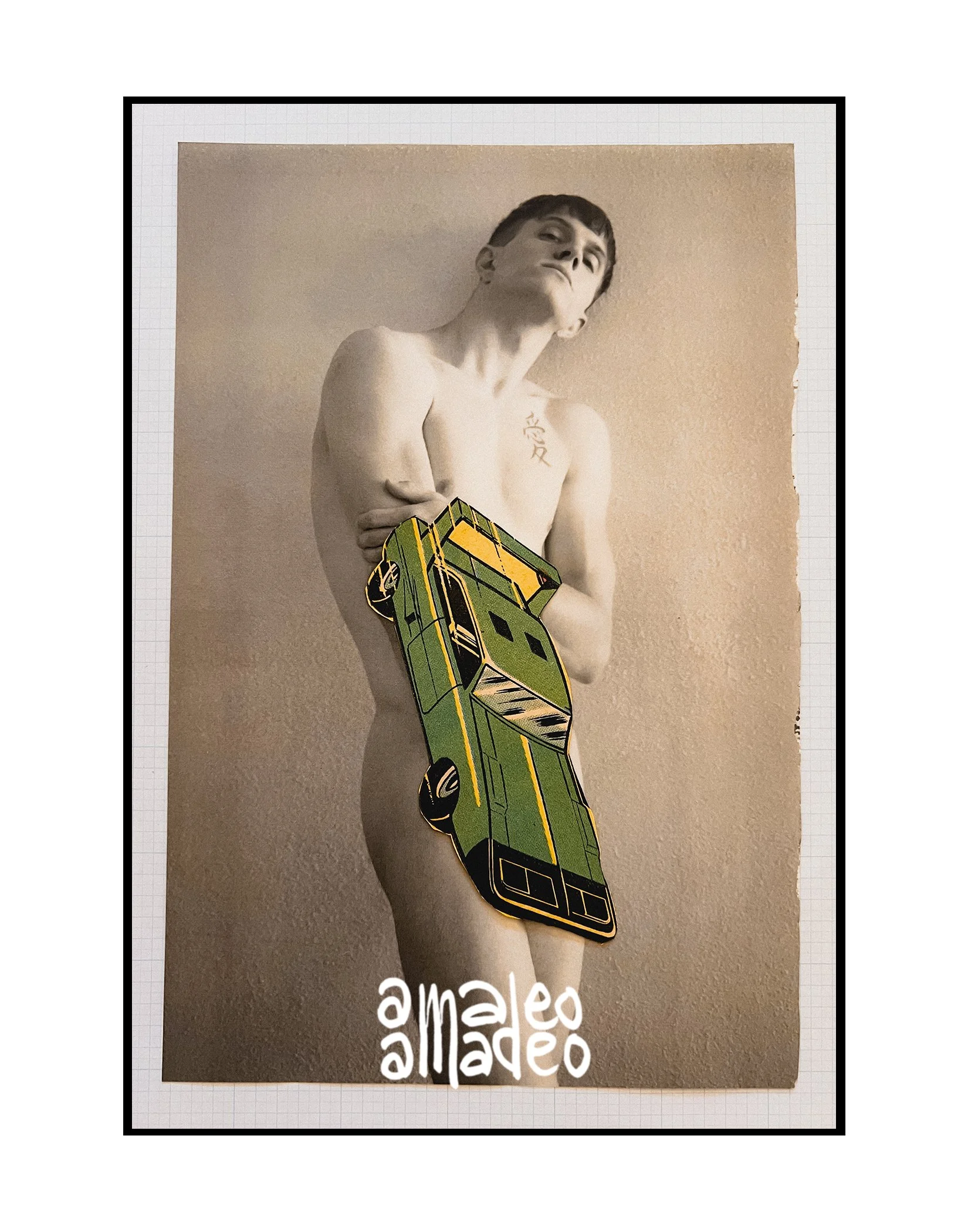
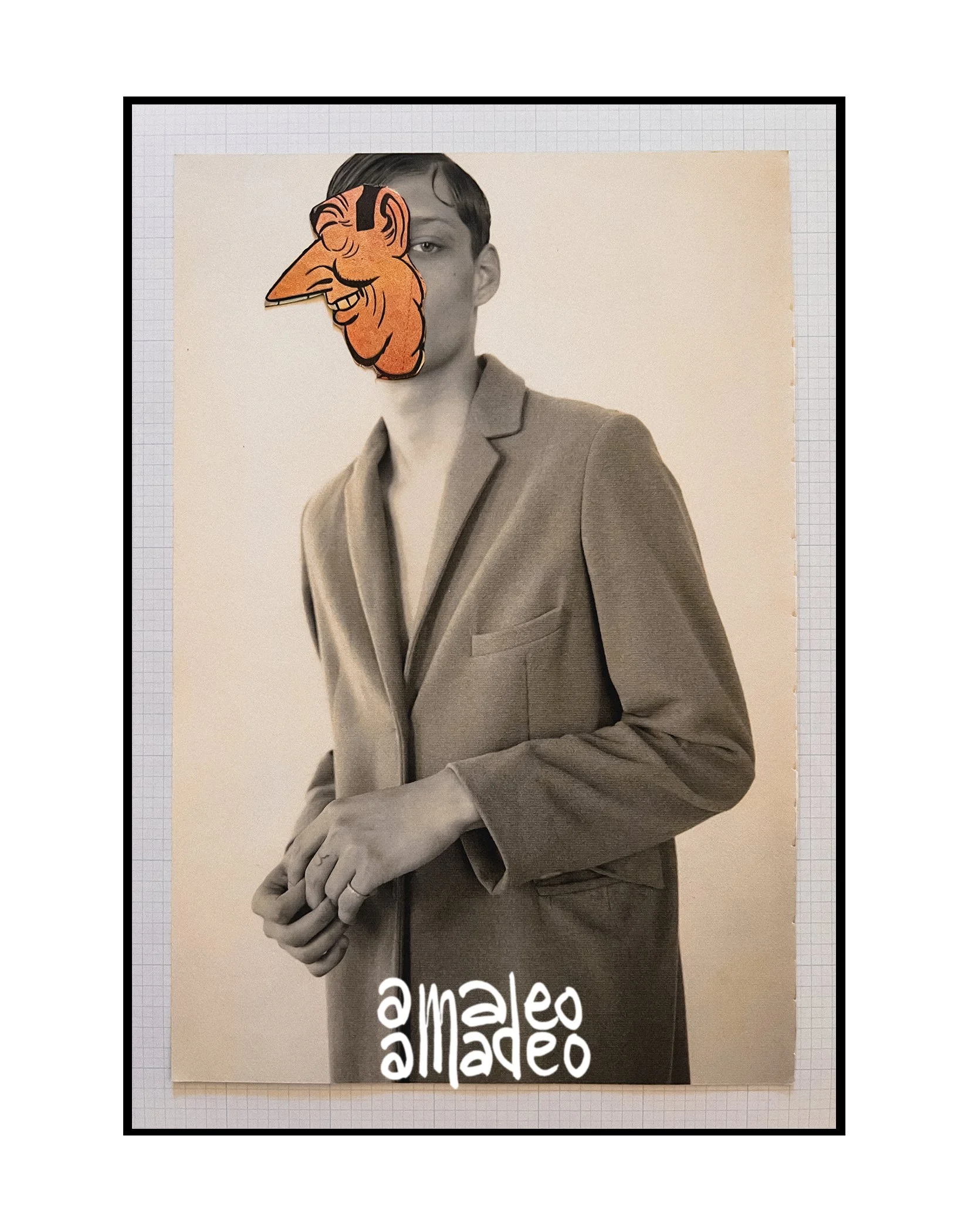
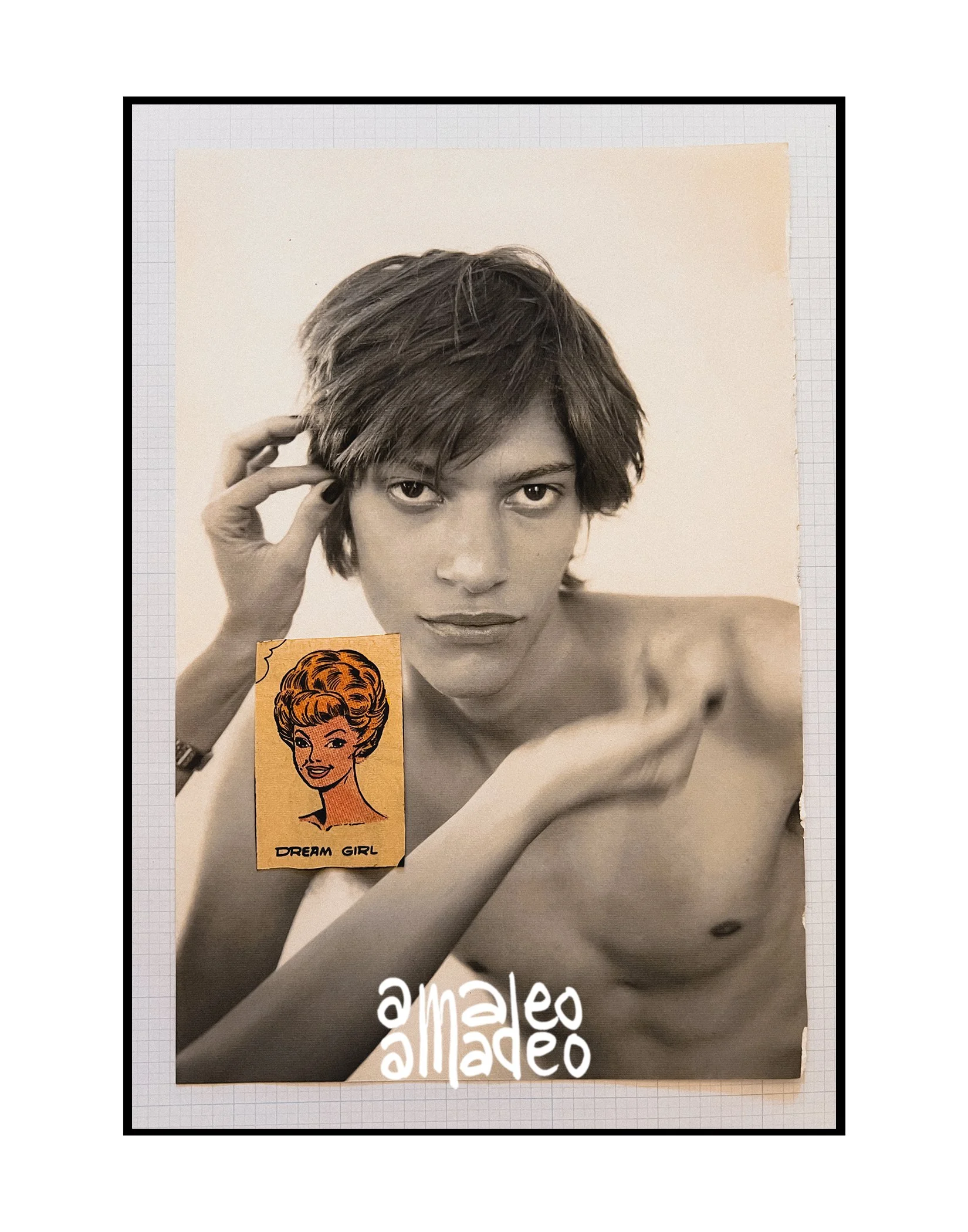
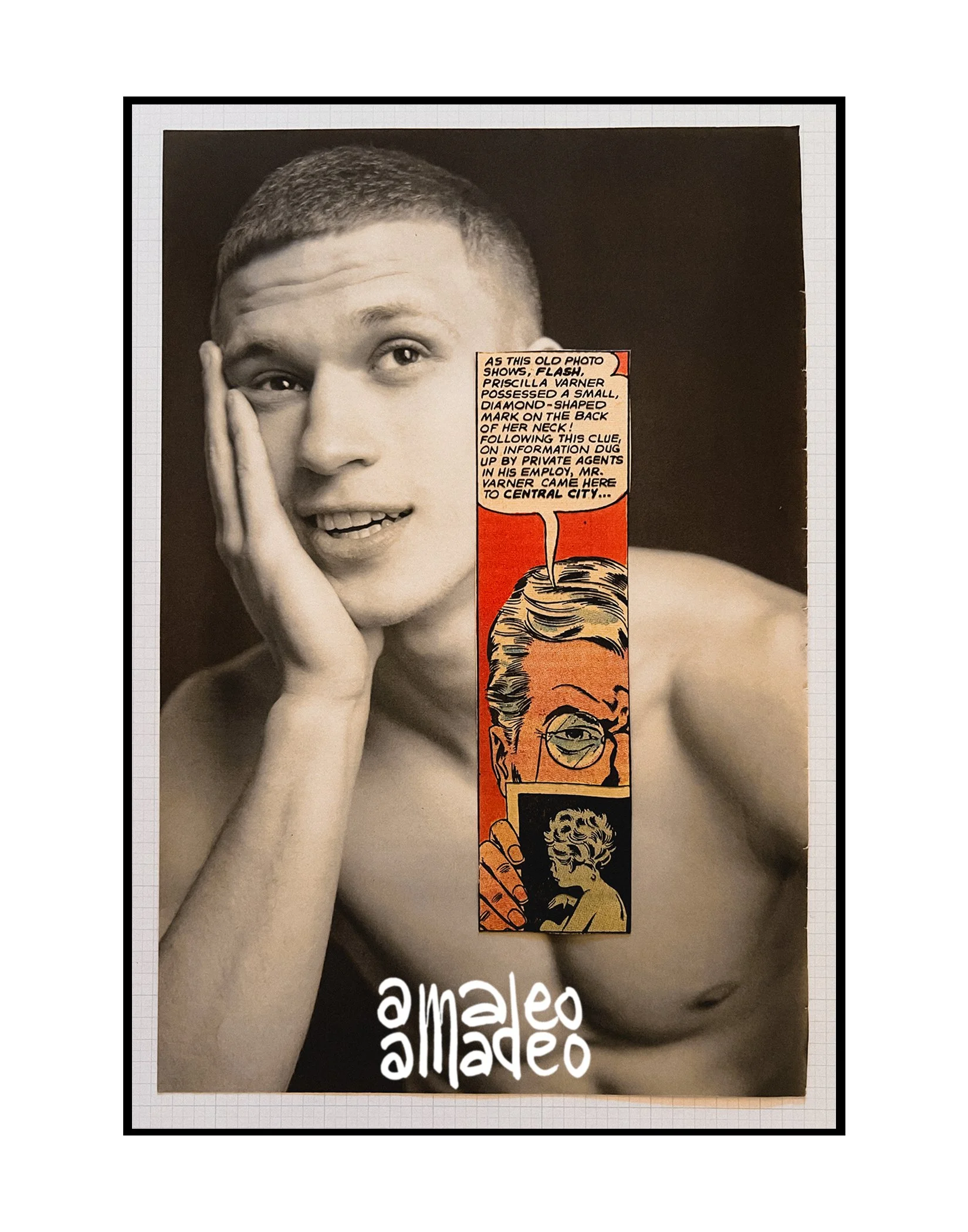
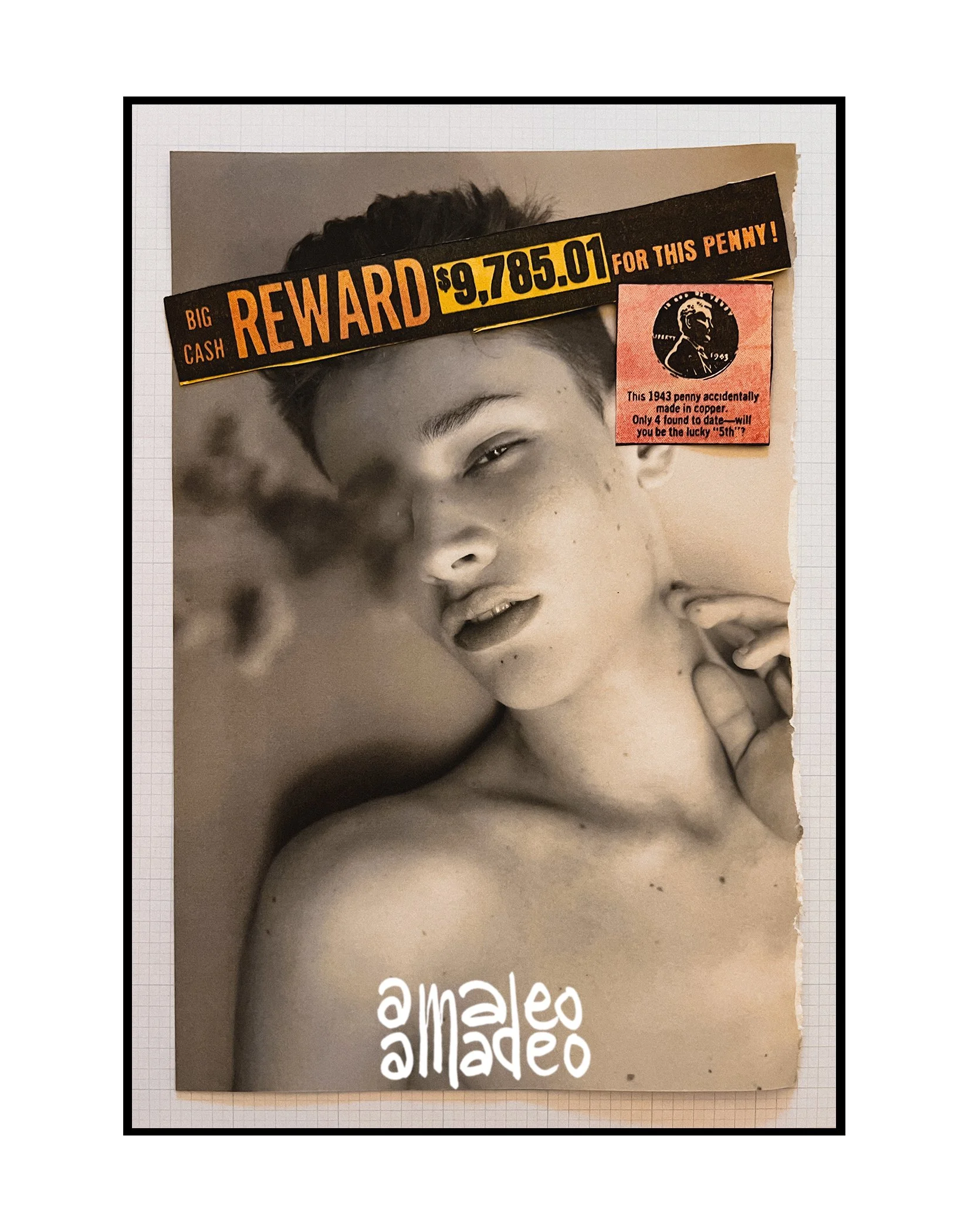
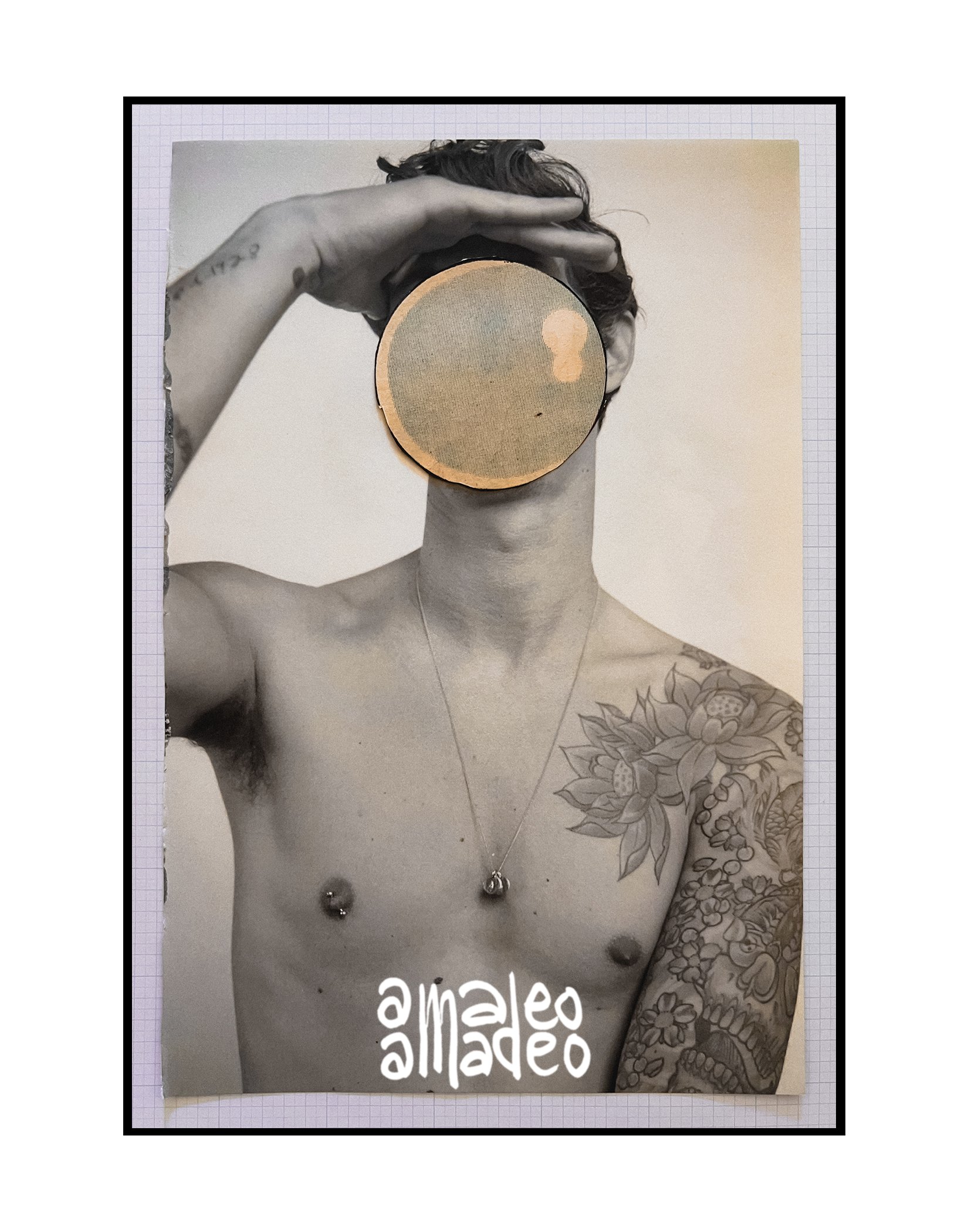
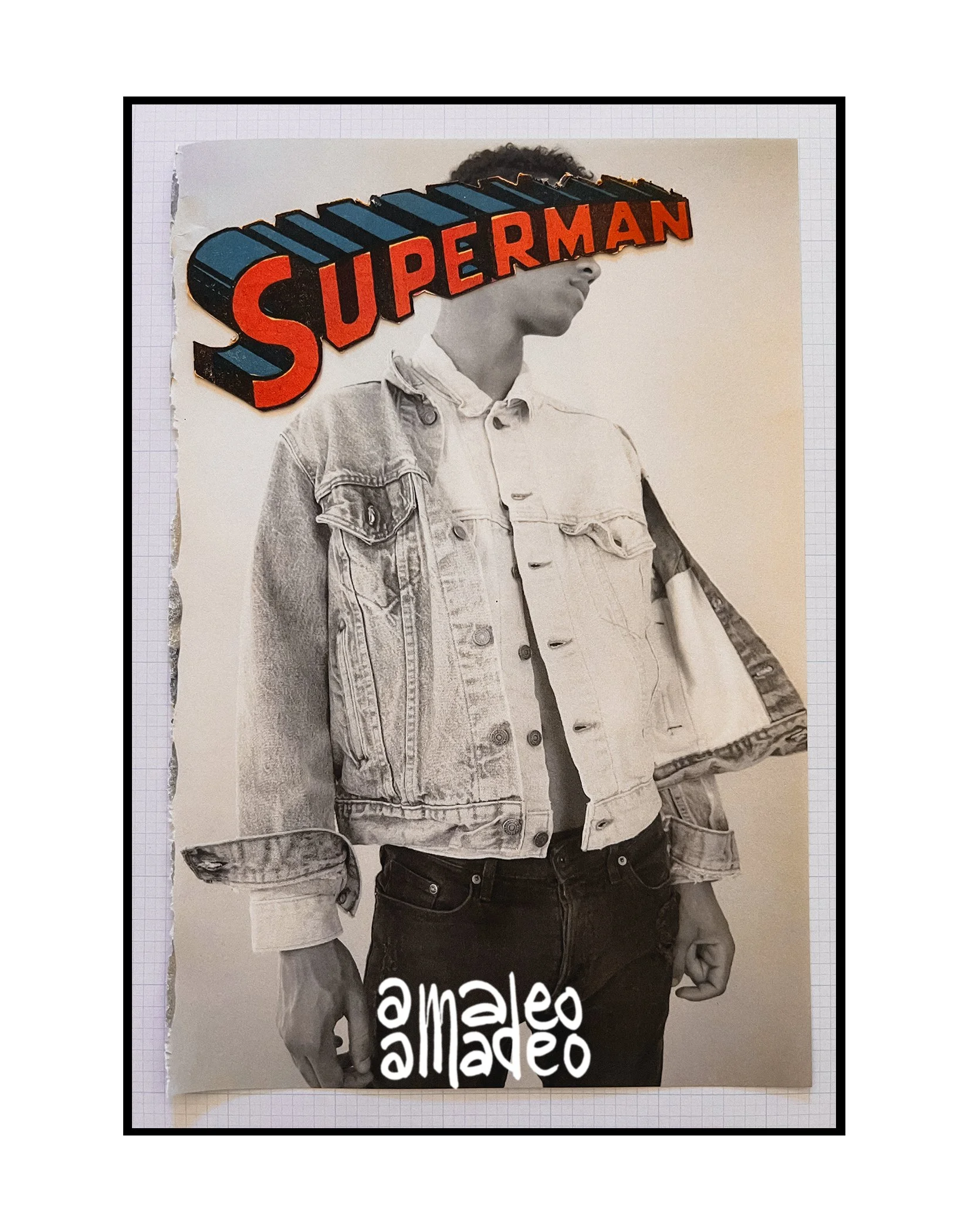
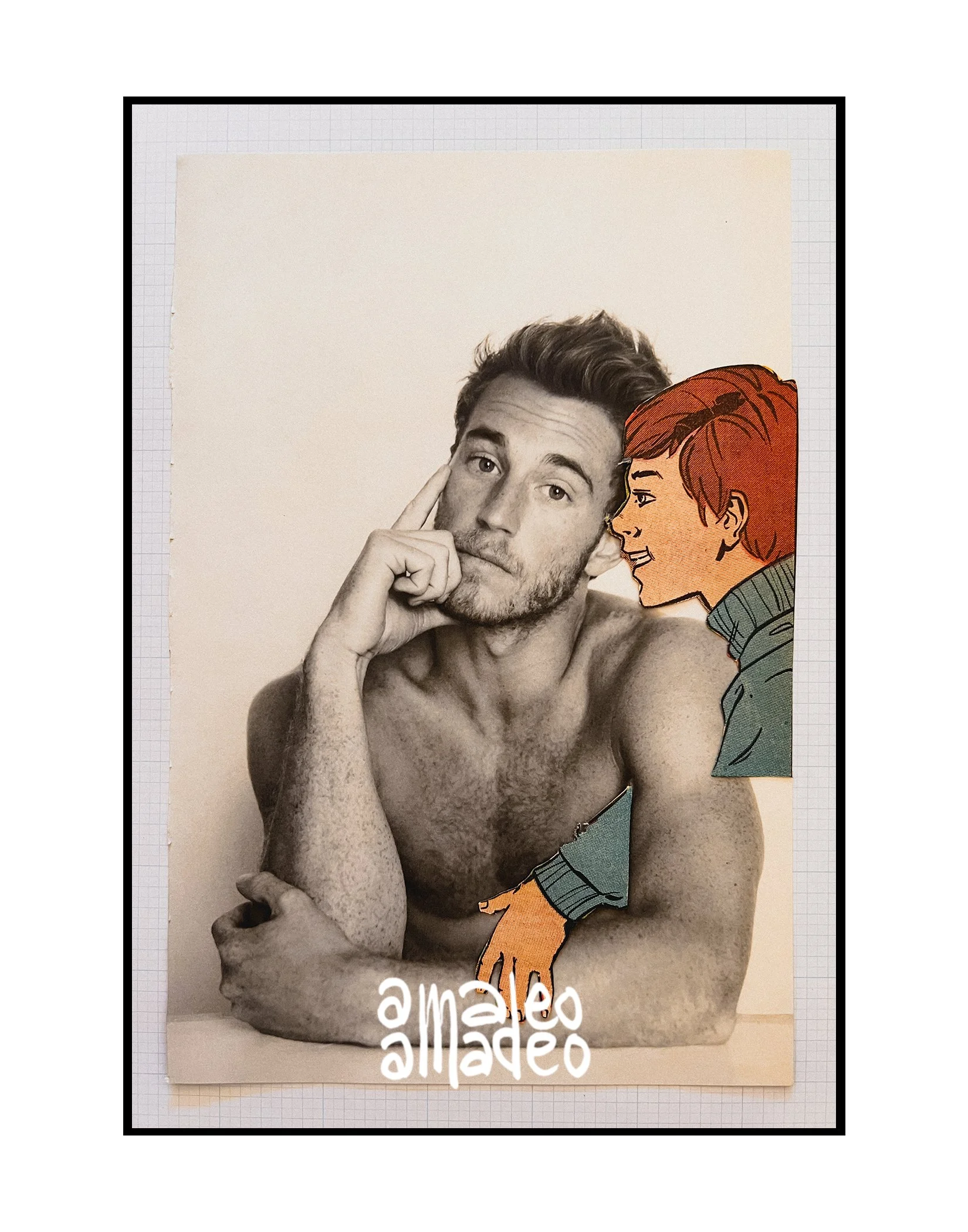
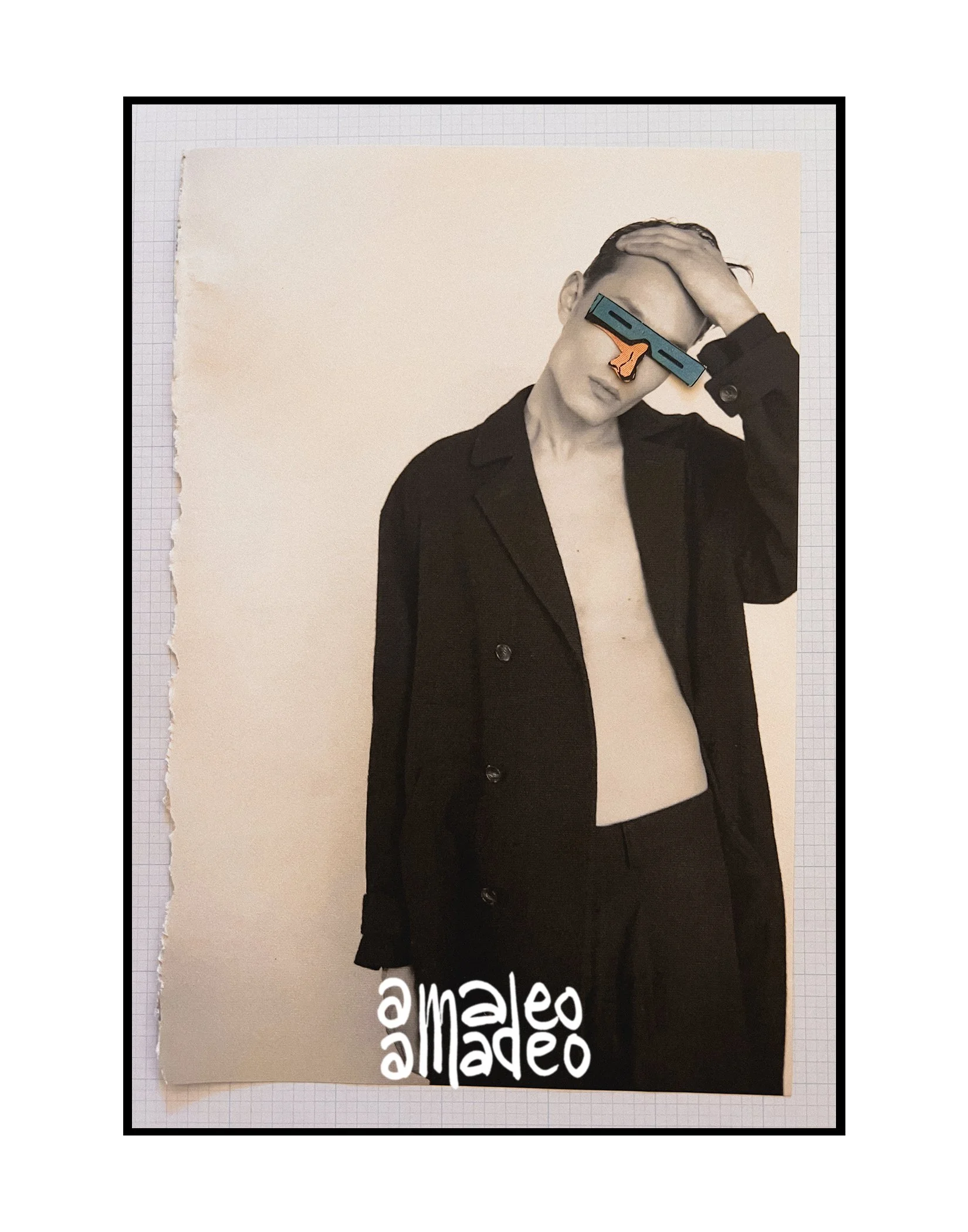
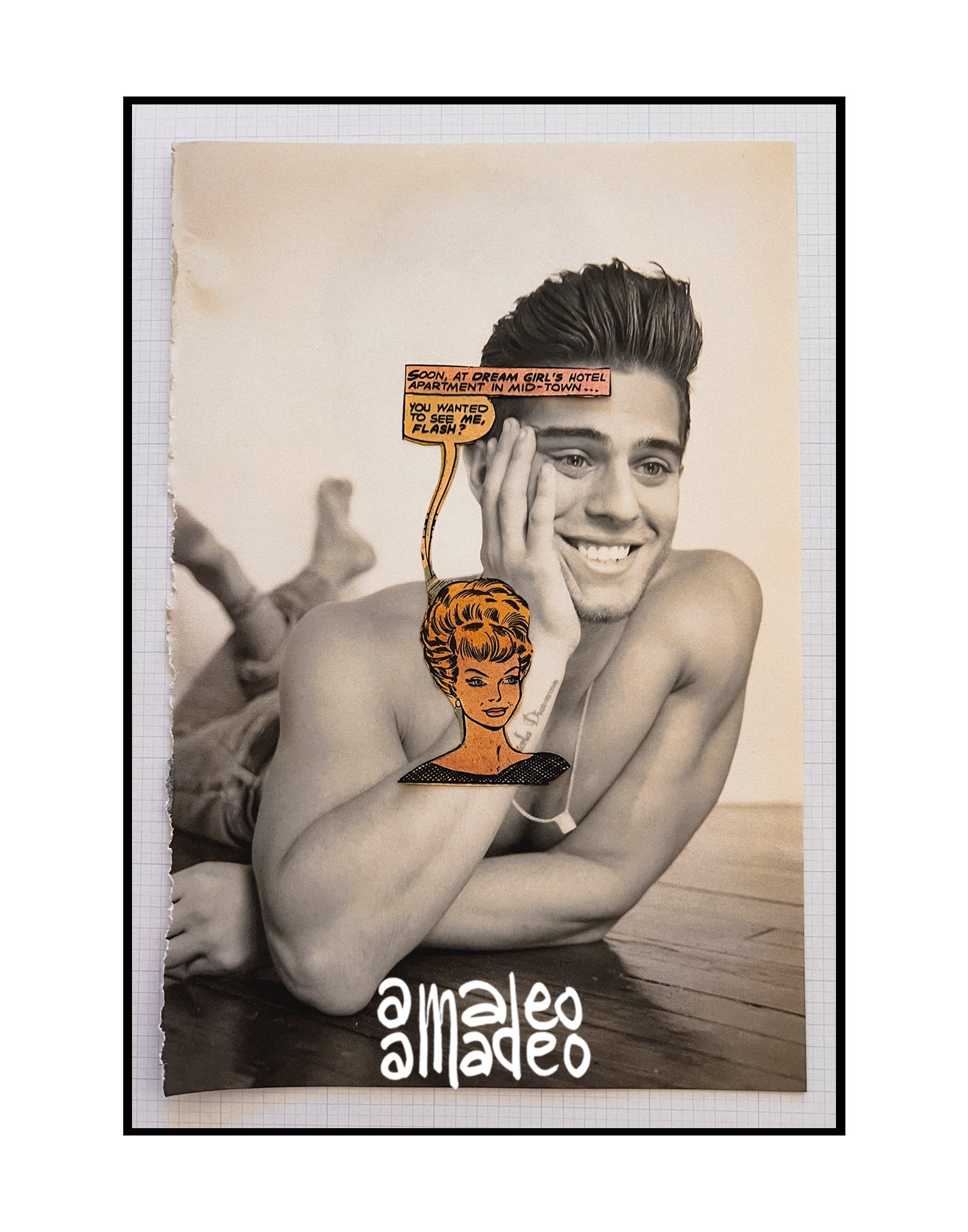
There is something I really enjoy about destroying something I previously considered finished. Ten years ago these photographs were selected, edited, sequenced, printed and bound together because I had decided, at that moment, this is the object.
A collage exercise in instinct, interruption and making something tangible.
Sometimes I need to make something for absolutely no reason.
Not for a collection.
Not for a client.
Not because I need another image.
Not because I already know what it is supposed to become.
I just need to make.
This started with an old promotional booklet of my photography that I made about a decade ago. It had been sitting around long enough that I no longer felt particularly precious about it. So I ripped it apart.
Page by page.
There is something I really enjoy about destroying something I previously considered finished. Ten years ago these photographs were selected, edited, sequenced, printed and bound together because I had decided, at that moment, this is the object.
Finished.
Now it was material.
I spread the photographs out and started going through the boxes and piles of things I have saved for collage. Scraps of paper. Old printed matter. Things that caught my attention years ago for reasons I probably couldn't explain then and still couldn't explain now.
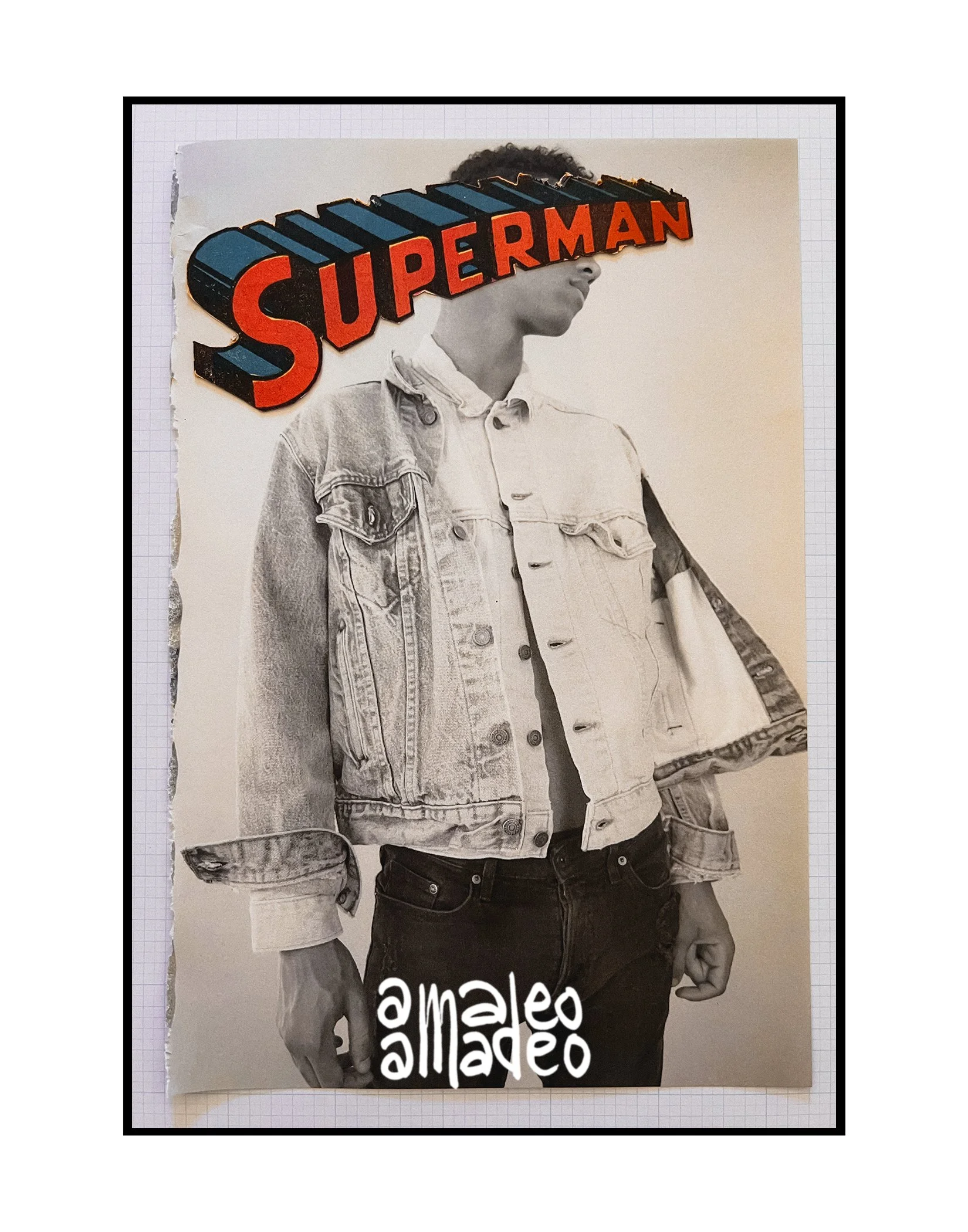
Eventually I found a Superman comic book from 1971.
So I started cutting it apart too.
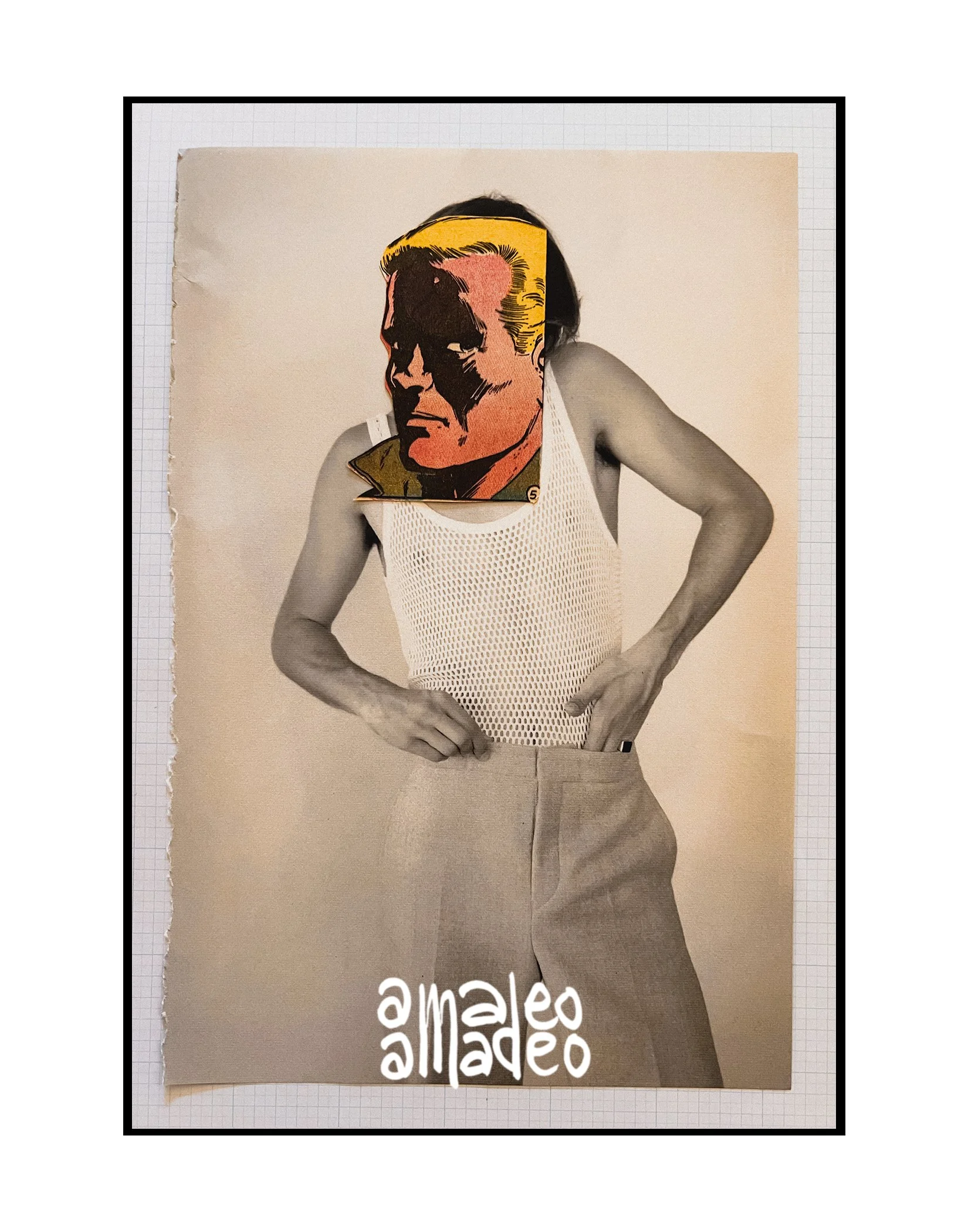
A face.
A speech bubble.
A car.
A strange advertisement.
A hand.
A headline.
A piece of someone's body.
SUPERMAN.
DREAM GIRL.
$9,785.01 FOR THIS PENNY!
Things completely detached from whatever story they originally belonged to.
That is when it gets interesting to me.
Once I cut something out, I don't really care anymore about what it was supposed to mean.
The man in the comic is no longer necessarily a man in a comic. A car doesn't have to be a car. A speech bubble doesn't need the conversation that came before it. A piece of someone's face can become somebody else's face.
I started placing these pieces over my photographs.
Move it left.
No.
Turn it.
Too obvious.
Cover his face.
Yes.
Maybe cover his entire head.
Better.
Put the car there.
Why?
I don't know.
Good.
And I think that I don't know is an incredibly important part of making things.
I spend so much of my life thinking. Looking. Editing. Rearranging. Imagining ten different versions of something before I've even made the first one. My brain can build an entire world very quickly, which is useful until that same brain starts demanding explanations for everything inside of it.
Why is that there?
What does it mean?
Is this good?
Does this belong with the other work?
Will someone understand it?
And sometimes the only answer I want is:
because I put it there.
There is something very Dada about that permission.
Not randomness exactly. I don't think these collages are random at all.
Every placement is a decision.
But it is a decision made before language has a chance to interfere with it.
My eye says yes before my brain can prepare the PowerPoint presentation explaining why.
That is the exercise.
Think.
Think.
Think.
Then stop thinking.
Do.
Cut.
Move.
Place.
Glue.
Next.
I wanted to strengthen the part of my brain that recognizes something before it understands something.
Because I think that is where a lot of my creative work begins.
A feeling appears first.
The explanation usually arrives later.
Sometimes much later.
And turning that feeling into something physical is how I begin to understand what was going on inside my head in the first place.
That is probably why collage has always made sense to me. It gives thought a body.
Something completely internal suddenly exists on a piece of paper in front of me.
You can point at it.
You can hold it.
You can photograph it.
The thought has become an object.
And these particular collages became strange little collisions between two already-existing worlds.
My photographs were one world.
The 1971 Superman comic was another.
Neither needed the other.
But once they were cut apart and placed together, a third thing appeared.
The photographs stopped behaving completely like portraits.
The comic stopped behaving completely like a comic.
Sometimes the men disappear underneath illustrated men. Sometimes something masculine gets interrupted by something feminine. A graphic advertisement becomes clothing. A car becomes modesty. A cartoon face becomes a mask. Words written more than fifty years ago suddenly sound like they are being spoken by somebody I photographed decades later.
I like not completely knowing what I am looking at.
Is it one of my portraits?
Yes.
Is it a comic book page?
Yes.
Is it neither anymore?
Probably.
That little confusion is exciting to me.
It is an escape.
Not necessarily an escape from reality, but an escape deeper into my own creative brain.
And I have always found that place incredibly adventurous.
There are rooms in there I haven't been inside yet.
There are combinations I haven't seen.
Objects I haven't made.
Photographs I haven't taken.
Ideas I haven't learned how to explain.
Sometimes I think creating is just finding different ways of opening those doors.
This time the door happened to be an old photography booklet, a pair of scissors and a Superman comic from 1971.
No sketch.
No plan.
No correct answer.
No incorrect answer.
Just enough thinking to begin—
and then getting out of my own way.
amadeo amadeo
WHAT’S IN MY CATCH-ALL? NO. 4
You are probably thinking, “ANTHONY, why do you have a deviled egg shaped like a baby in a bassinet?”
Sometimes the most mundane object becomes a catch-all.
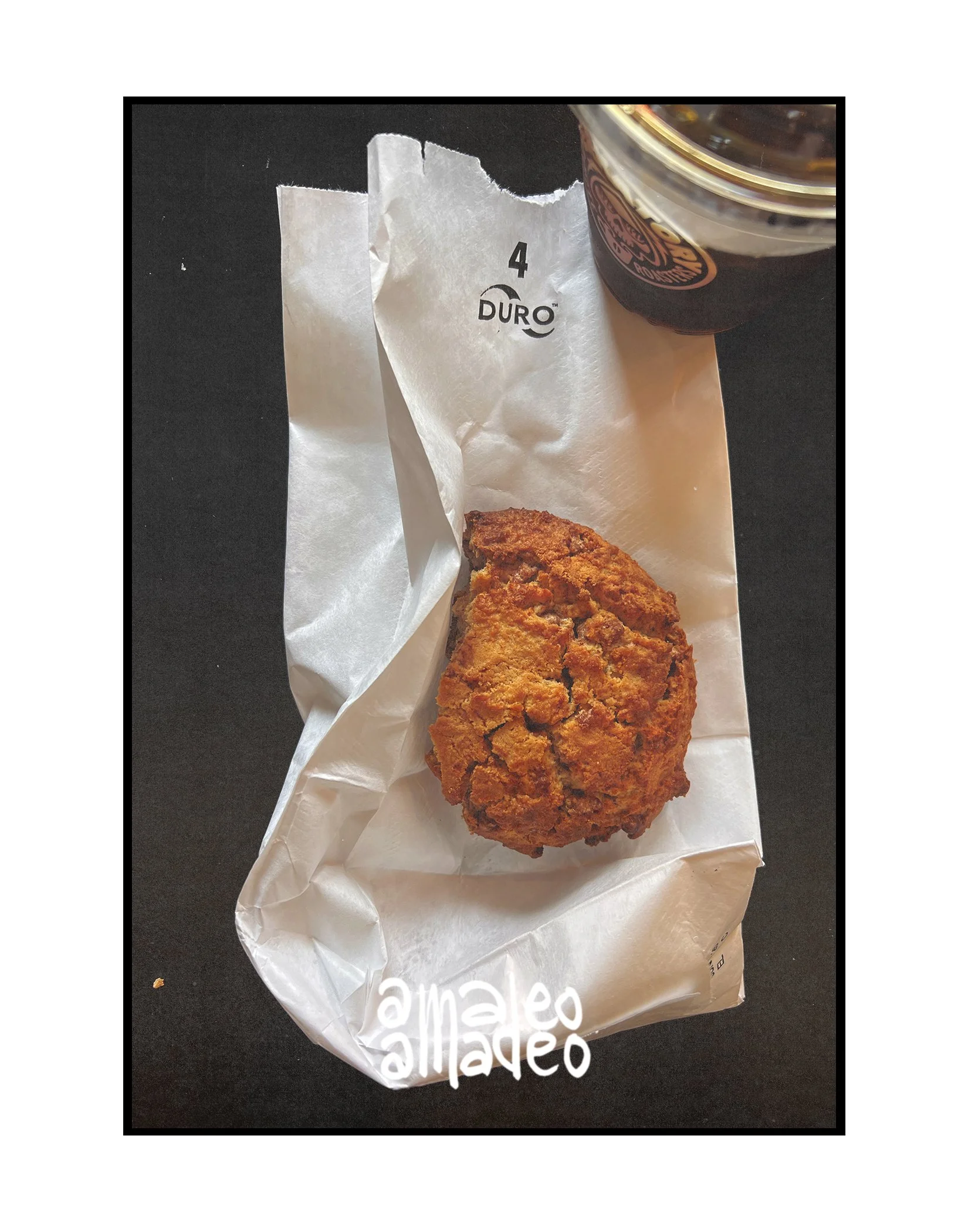
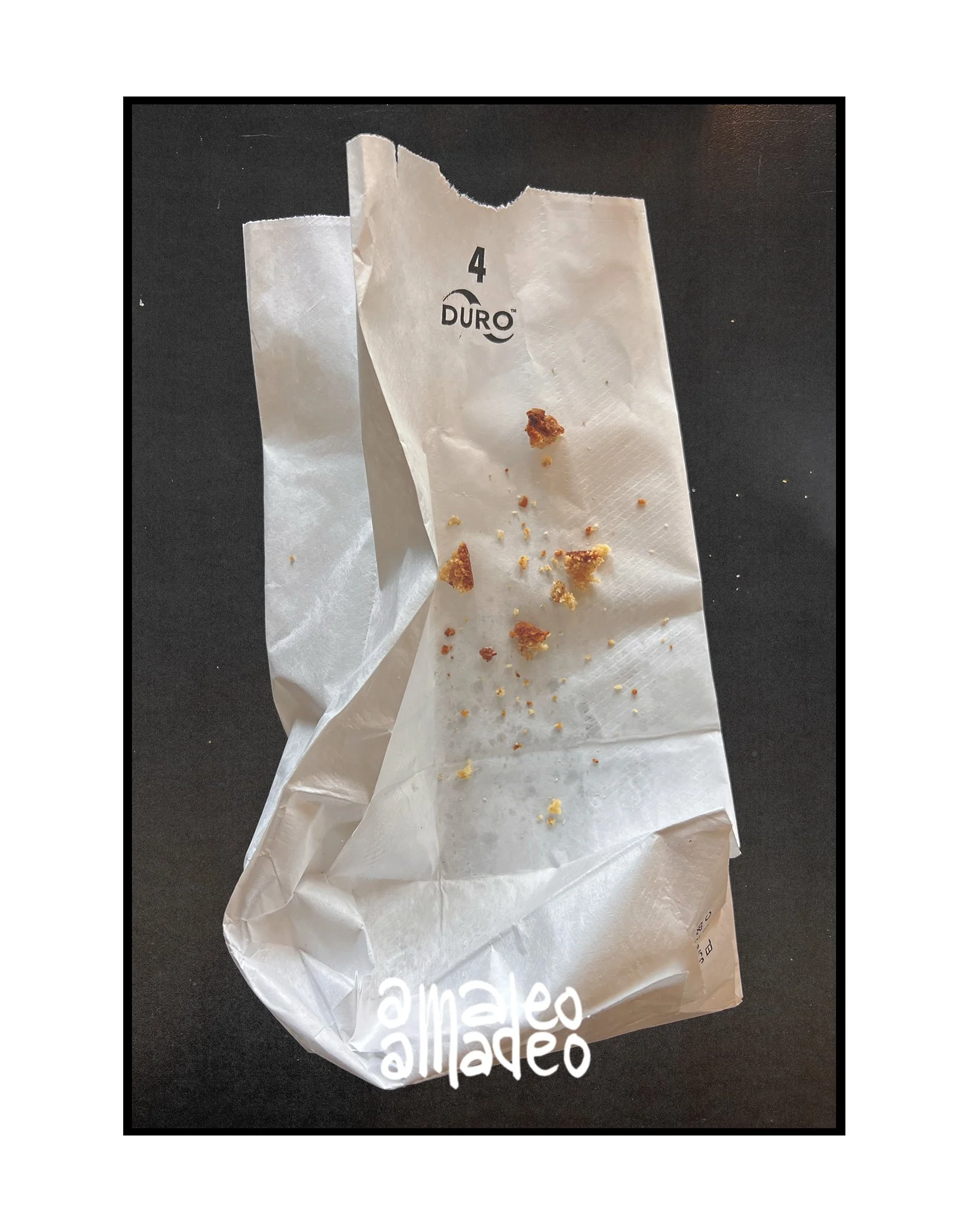
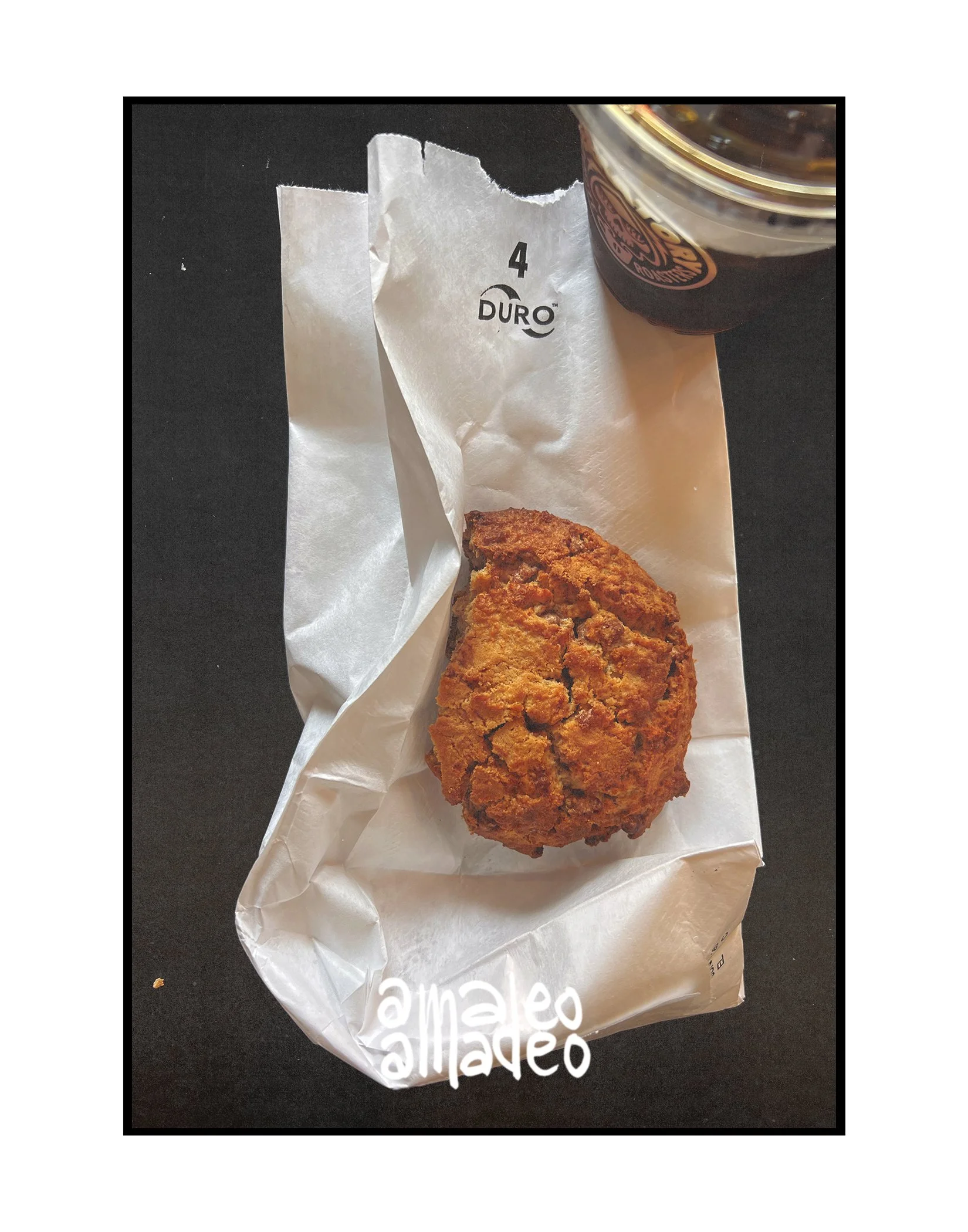
The paper pastry bag from the coffee shop has become one of mine.
I think I like anything that gives things a place to be for a moment. Something that holds them in place, isolates them, gives me a little area to look at. The pastry bag becomes this temporary white background wherever I happen to be. A non-permanent catch-all for when I’m out in the world and nowhere near all the other catch-alls I have at home.
Sometimes there’s a scone sitting on it. Then there isn’t a scone anymore, just the crumbs left behind. And somewhere between those two moments it becomes a moving still life.
Other days it collects crumpled straw wrappers, a croissant, paper clips pulled from my journals. I use paper clips as placeholders for ideas I’ve written down, so occasionally those ideas end up sitting on the pastry bag too.
A sweating iced Americano leaves rings from the condensation. A piece of gum I don’t know what to do with gets stuck to it and, if left there long enough, starts stretching across the paper and turning into its own little sculpture.
Sometimes it’s scraps from a collage I’m working on. My phone. Receipts from the day crumpled into little balls. I actually like looking at the way a receipt crumples. Every one becomes a slightly different sculpture.
Maybe there’s a glob of jalapeño cream cheese because sometimes there is just wayyyy too much cream cheese on a bagel and eventually it falls off, marking the paper like a tiny Jackson Pollock.
One time my pastry-bag catch-all held a deviled egg meticulously shaped like a baby in a bassinet.
You are probably thinking, “ANTHONY, why do you have a deviled egg shaped like a baby in a bassinet?”
Well, because the whimsy fairy, AKA Katie, once made me an entire nursery of deviled eggs for my birthday. She made a tray of edible whimsy, packed them into a glass jar and shuffled through the tunnels of Manhattan to bring them to me.
Obviously one needed to sit on my catch-all for a brief moment before I ate it.
I still remember that tiny edible baby sitting completely alone on its paper stage in my photo studio against a solid backdrop.
And maybe that’s what I like about the paper catch-all.
Nothing on it is meant to stay.
A scone becomes crumbs.
Ice becomes a water ring.
Gum stretches.
Cream cheese smears.
Receipts get crushed.
Ideas come loose from journals.
Then eventually the whole catch-all gets thrown away.
For a little while, though, it held everything exactly where it needed to be.
WHAT’S IN MY CATCH-ALL? No. 02
By keeping the paintings hidden, I was able to remove some of that judgment from their creation. I couldn't adjust them after seeing them. I couldn't decide one wasn't successful and hide it. A gallerist couldn't choose the strongest ones beforehand.
Tools Become Artifacts
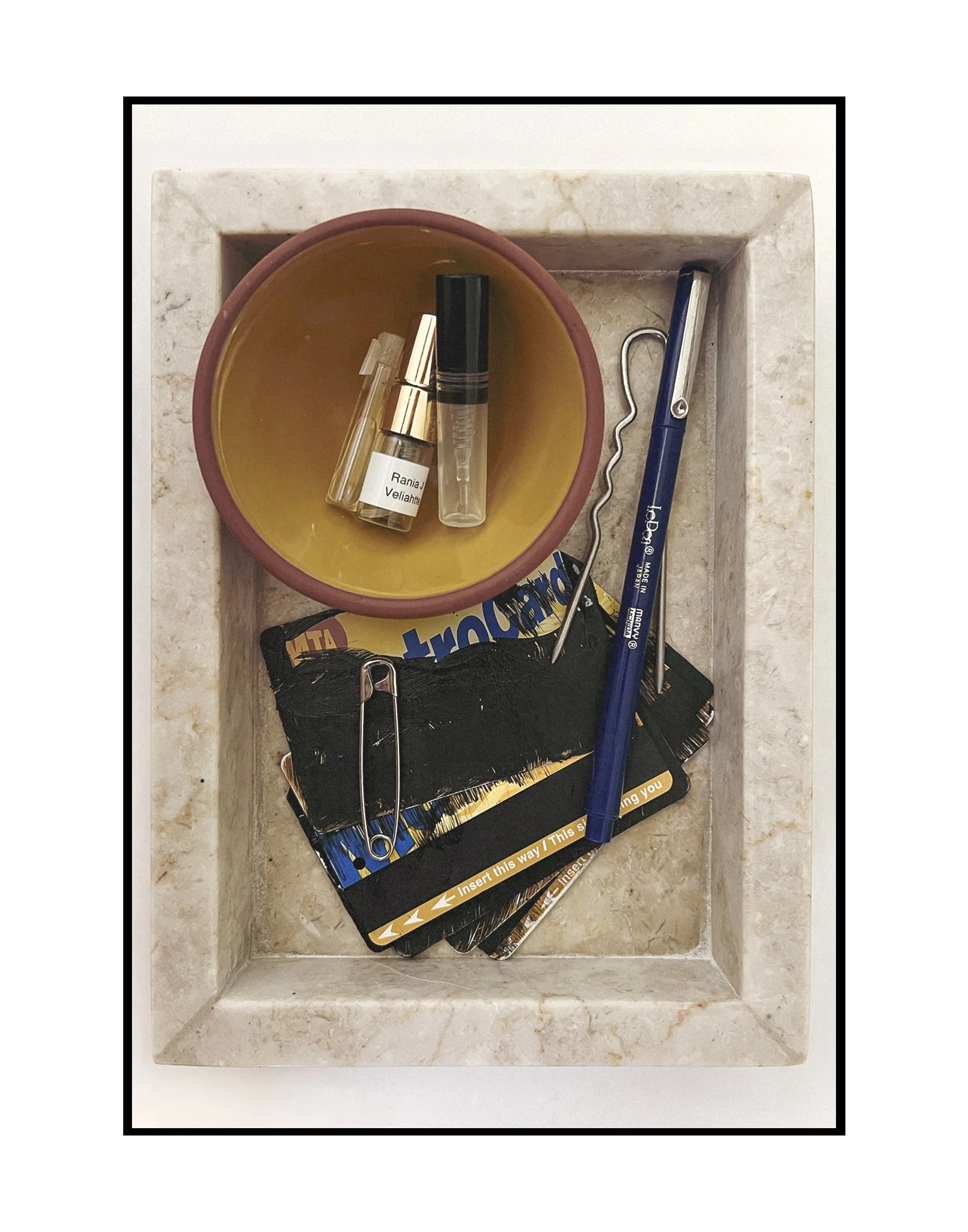
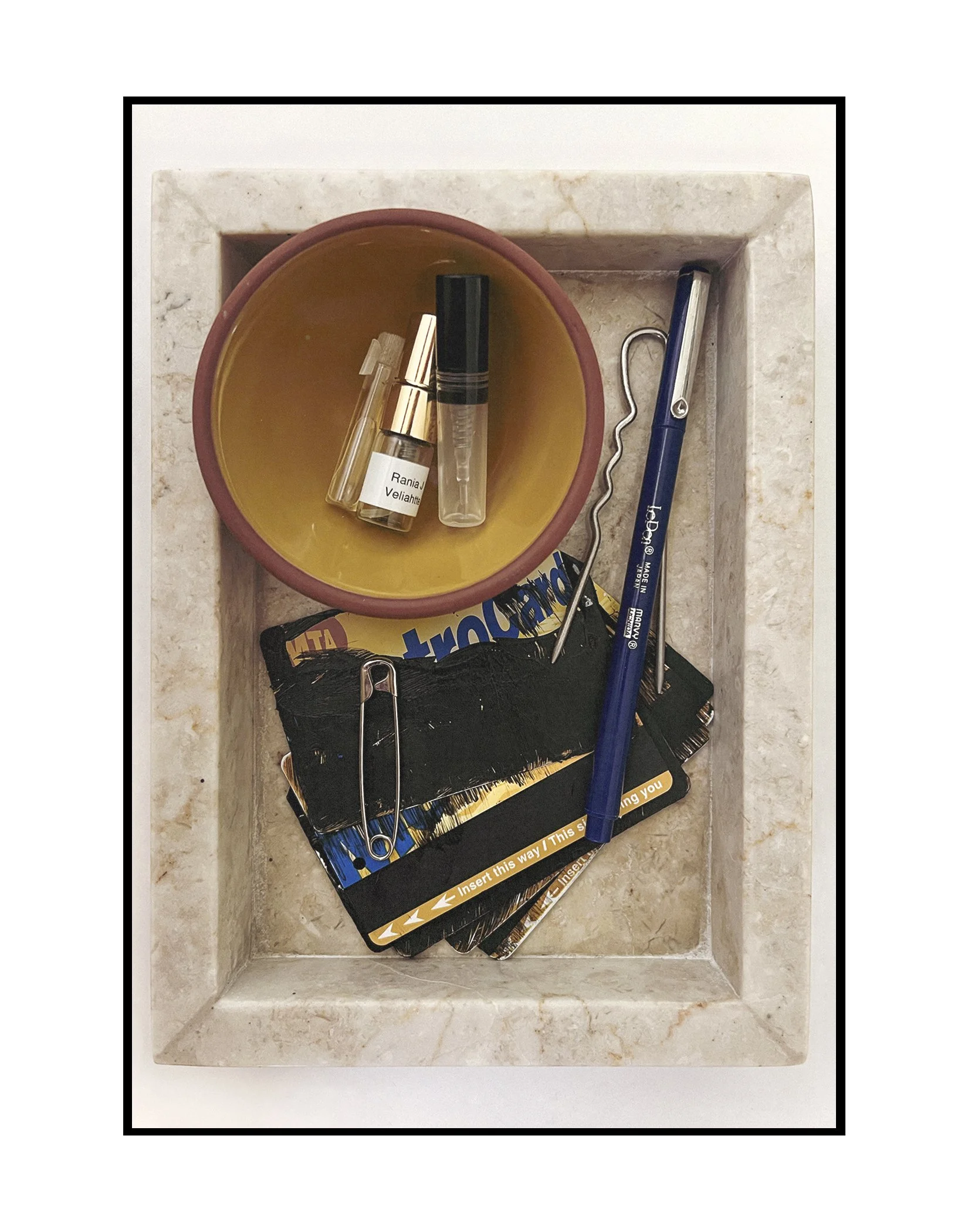
There are two catch-alls inside this catch-all.
The larger one is a rectangular stone tray, a birthday gift from my friend Anthony, another photographer. We were both living in Los Angeles at the time. I have so many memories with Anthony between New York and LA that it becomes difficult to isolate one, although for some reason I always think about our long drives to 99 Ranch to get groceries.
Inside the stone tray is a smaller ceramic bowl given to me by my friend Gary, an incredible florist. It is slightly rough on the outside and smooth inside. Nothing overly precious about it. It is exactly the right size to keep nearby and absentmindedly throw small things into.
Maybe that is what I like most about catch-alls. They aren't really meant to become collections. They become collections because we live around them.
Things migrate in. Some leave. Some apparently decide to stay for years.
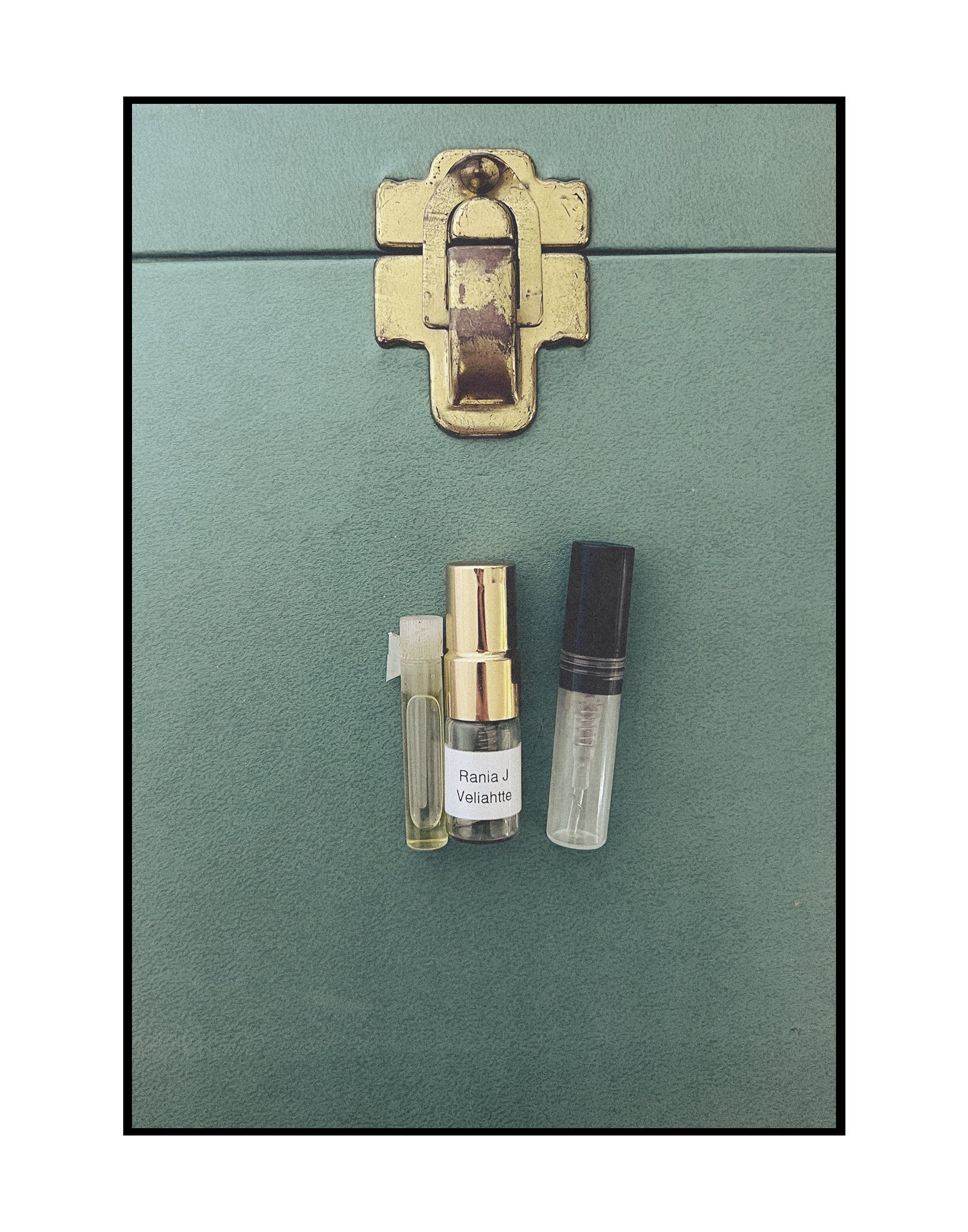
At the moment, Gary's bowl is holding three fragrance decants: Né Il Giorno Né L’Ora by Filippo Sorcinelli, Khanjar by Omanluxury and Veliahtte by Rania J.
All three have been sitting somewhere in the back of my mind lately. I still haven't completely decided whether I want to live with full bottles of them, which might be exactly why I keep returning to them. They're polarizing to me. There is something dirty in their personalities that attracts me and then makes me question them again.
I like that.
As summer starts disappearing and the air becomes colder and more crisp, I find myself wanting fragrances with more dirt, depth and confrontation. Perfumes that don't immediately try to make themselves likable.
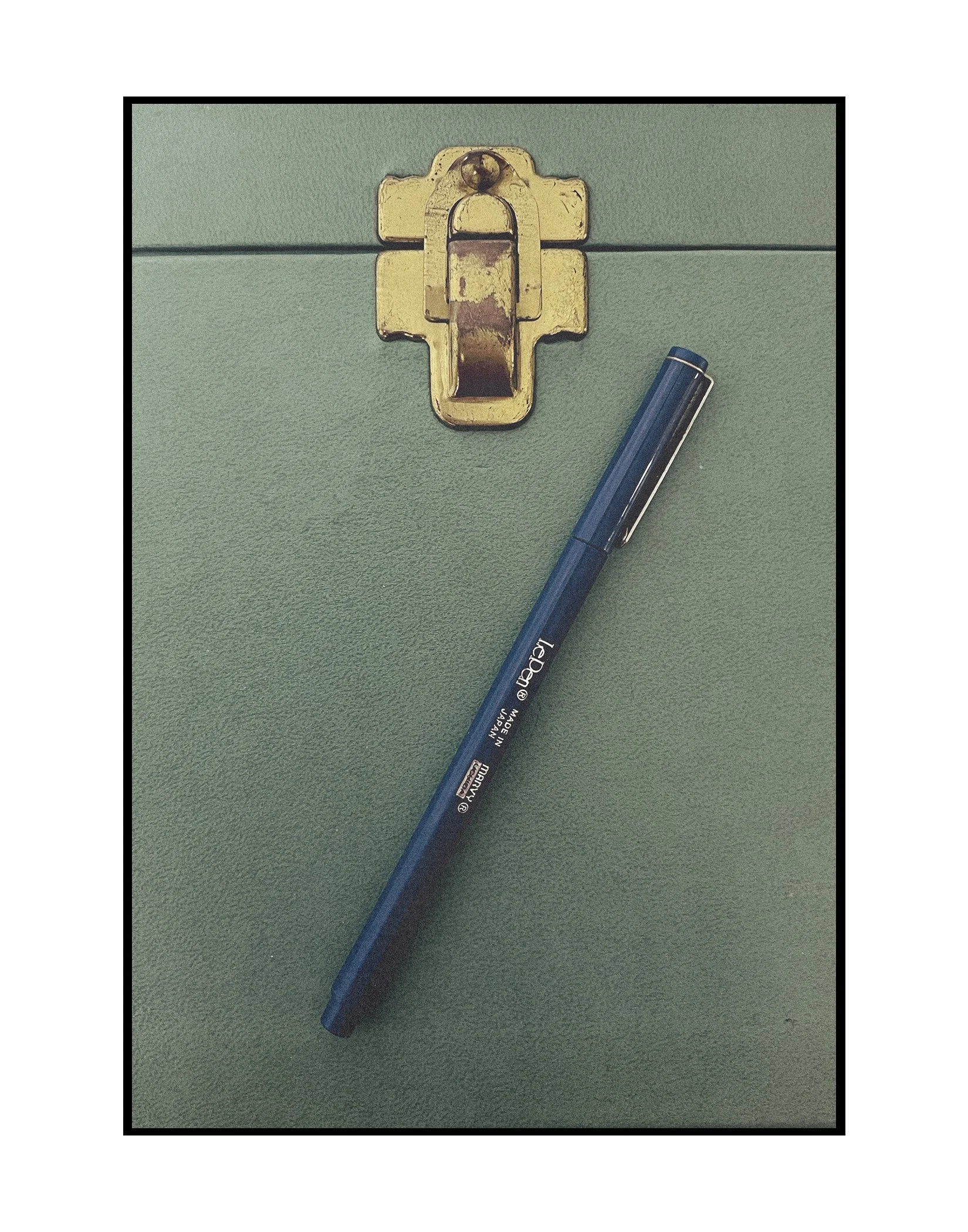
Sitting outside the bowl is my current LePen.
Blue.
I'm strangely particular about what I write with. This is the pen I keep reaching for, and every time I need another one I tend to choose a different color. Before blue, it was green. When I flip backward through old notebooks, the color of the writing almost creates its own timeline. Entire periods of my life suddenly belong to one color of ink.
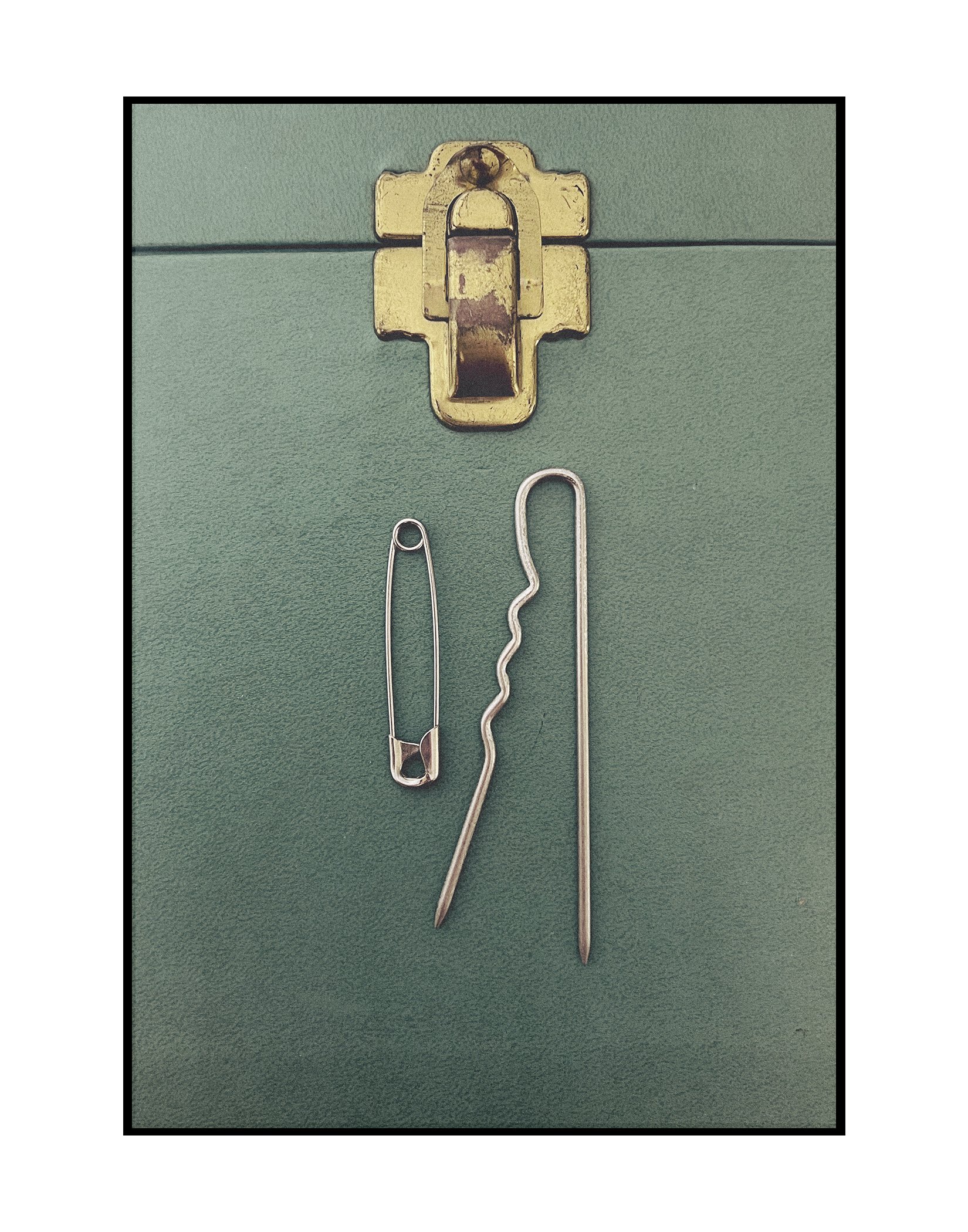
There is also a large metal hairpin from the milliner and artist Heather Huey.
Years ago, Heather handed me a Ziploc bag filled with things from her childhood and collections. There were small bowls, Chinese soup spoons that I still use constantly, and this pin.
I don't actually know whether she used this particular pin while making hats. I've just always imagined that she did.
And somehow that possibility has mattered to me.
I love holding onto working tools that come from other artists. They feel different from ordinary possessions. There is an energy attached to something that may have been repeatedly held by somebody while they were making.
People talk about the value of owning a brush Picasso painted with, but I don't think the artist has to be Picasso for the object to possess that kind of charge.
Sometimes it is simply knowing whose hands it passed through.
The most worn things in this catch-all, though, might also be the most important.
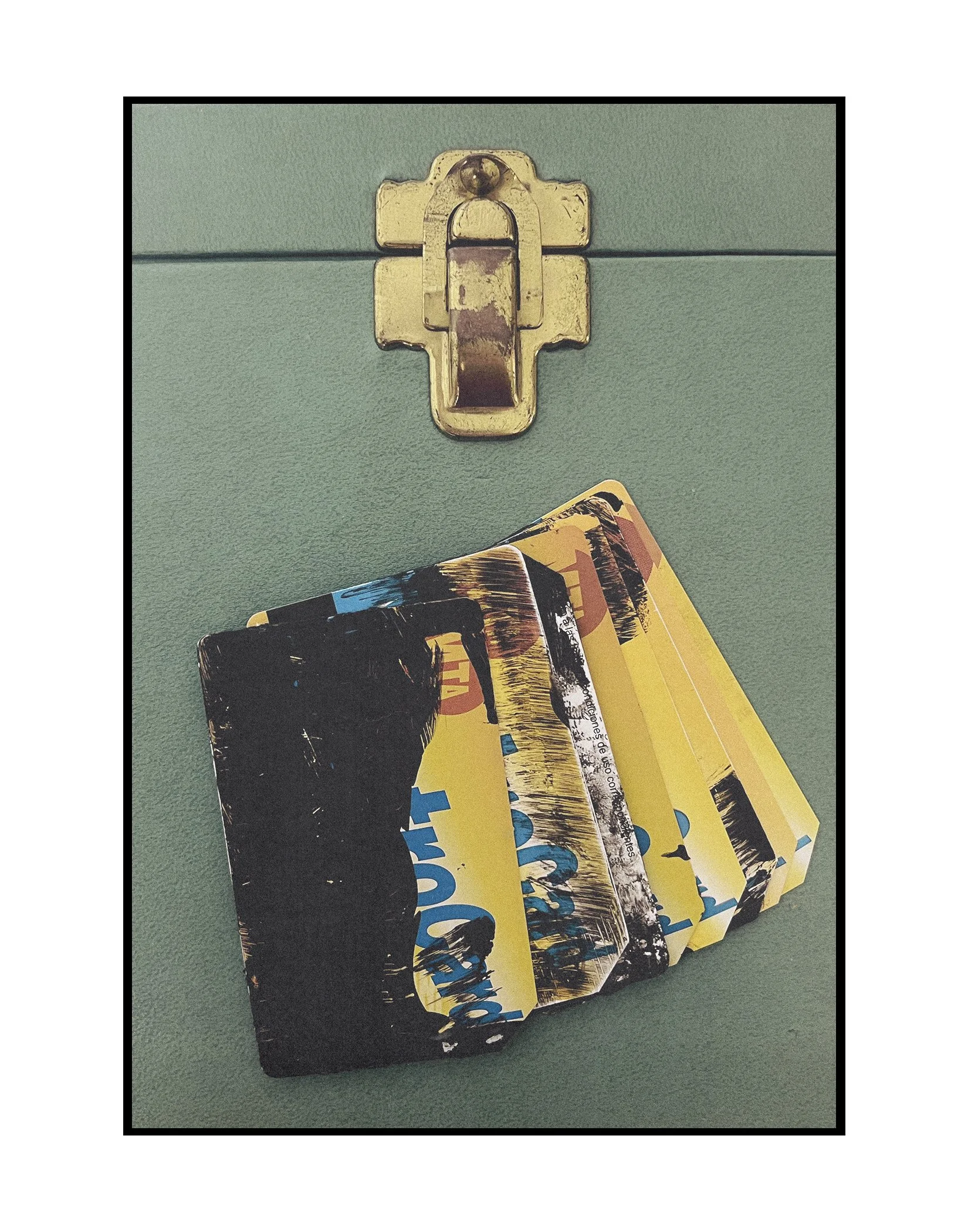
A stack of old MTA MetroCards covered in black acrylic paint.
They were my paintbrushes.
Years ago I began a body of work called Faces in the Dark: nineteen canvases, each painted entirely black.
I used the MetroCards to work the surface. Thin layer after thin layer of different black acrylics were applied and scraped across the canvas until I reached the particular texture I wanted in the black.
I didn't have money for proper brushes at the time.
I had MetroCards.
So MetroCards became painting tools.
But the black surface was only the beginning.
The faces themselves were finger-painted while I was blindfolded.
Someone had to be present every time I made one—not to help me paint, but as a witness that I remained blindfolded throughout the process.
When I finished, we waited together until the painting was dry enough to wrap.
Then it disappeared.
Once a canvas was wrapped, I wasn't allowed to look at it again until I found a gallery willing to exhibit the entire series.
Some of them remained wrapped in my studio for years.
It took approximately five years to complete all nineteen paintings and find a gallery that wanted to show them.
The project became partially about painting and partially about controlling my anxiety.
There was the immediate anxiety of wanting to unwrap them.
Just one corner.
Just one look.
Then there was another anxiety underneath that one: the fear that eventually someone would see them and decide whether they were “good.”
I became interested in how strange that word is when we talk about art.
Good according to whom?
The artist?
The gallery?
The collector?
The person standing there with a glass of wine at the opening?
By keeping the paintings hidden, I was able to remove some of that judgment from their creation. I couldn't adjust them after seeing them. I couldn't decide one wasn't successful and hide it. A gallerist couldn't choose the strongest ones beforehand.
Nobody knew what they looked like.
Including me.
Eventually, the work was shown at a gallery in Chinatown in Manhattan.
The intention from the beginning had been that I would unwrap the paintings for the first time at the opening and see them at the exact same moment as everyone else.
I remember being incredibly nervous.
Far more people came than I expected.
Suddenly I was standing in a gallery filled with people who were waiting for me to reveal nineteen paintings that, in a very real way, I couldn't promise were any good.
And then we opened them.
Years of resisting the urge to look ended publicly.
Now, more than a decade later, some of the MetroCards that helped make those paintings are sitting inside a stone catch-all in my studio.
I can still see expiration dates from 2013 and 2014 printed on them.
At the time they weren't precious. They were what I had.
First they were transit cards.
Then they became paintbrushes.
Now they've become artifacts.
That transformation is probably one of the things I find most interesting about objects.
We don't always know which things we're supposed to keep while we're living through them.
A piece of plastic can become evidence of an entire period of your life.
A hairpin becomes another artist's hand.
A pen becomes a calendar.
A little ceramic bowl becomes a friend.
A stone tray becomes Los Angeles, birthdays, long car rides and 99 Ranch.
A vial of perfume can become the beginning of a season.
And somehow all of those places and people can coexist within a rectangle no larger than a sheet of paper.
Looking at the MetroCards again also makes me want to find the Faces in the Dark paintings.
Maybe show them again.
Maybe photograph them.
Maybe finally frame the MetroCards themselves.
Maybe even give one away.
Mostly, though, it reminds me that I need to show my work more.
I think creatives have a responsibility to let things escape from their heads once in a while.
I already know what is happening inside mine. I can see it. Hear it. Smell it. Feel it.
Making the thing is how I let somebody else experience it.
Maybe that's why I've kept so many of these objects.
They are little pieces of the translation process.
And for now, they live together in my catch-all.
A Day of Looking
I woke up wanting to see something.
Not necessarily anything specific. I just wanted to be around art, architecture, objects, texture—things that might make me look a little differently at whatever I was going to make next.
New Haven, Connecticut
Art, architecture, gold, perfume, cigar smoke, pizza—and the feeling of autumn beginning to arrive.
I woke up wanting to see something.
Not necessarily anything specific. I just wanted to be around art, architecture, objects, texture—things that might make me look a little differently at whatever I was going to make next.
Sometimes I can spend too much time trying to force myself to come up with an idea. Sitting at a desk, staring at the same things around me and expecting some entirely new thought to suddenly appear. Yesterday I wanted the opposite. I wanted to go somewhere and just look.
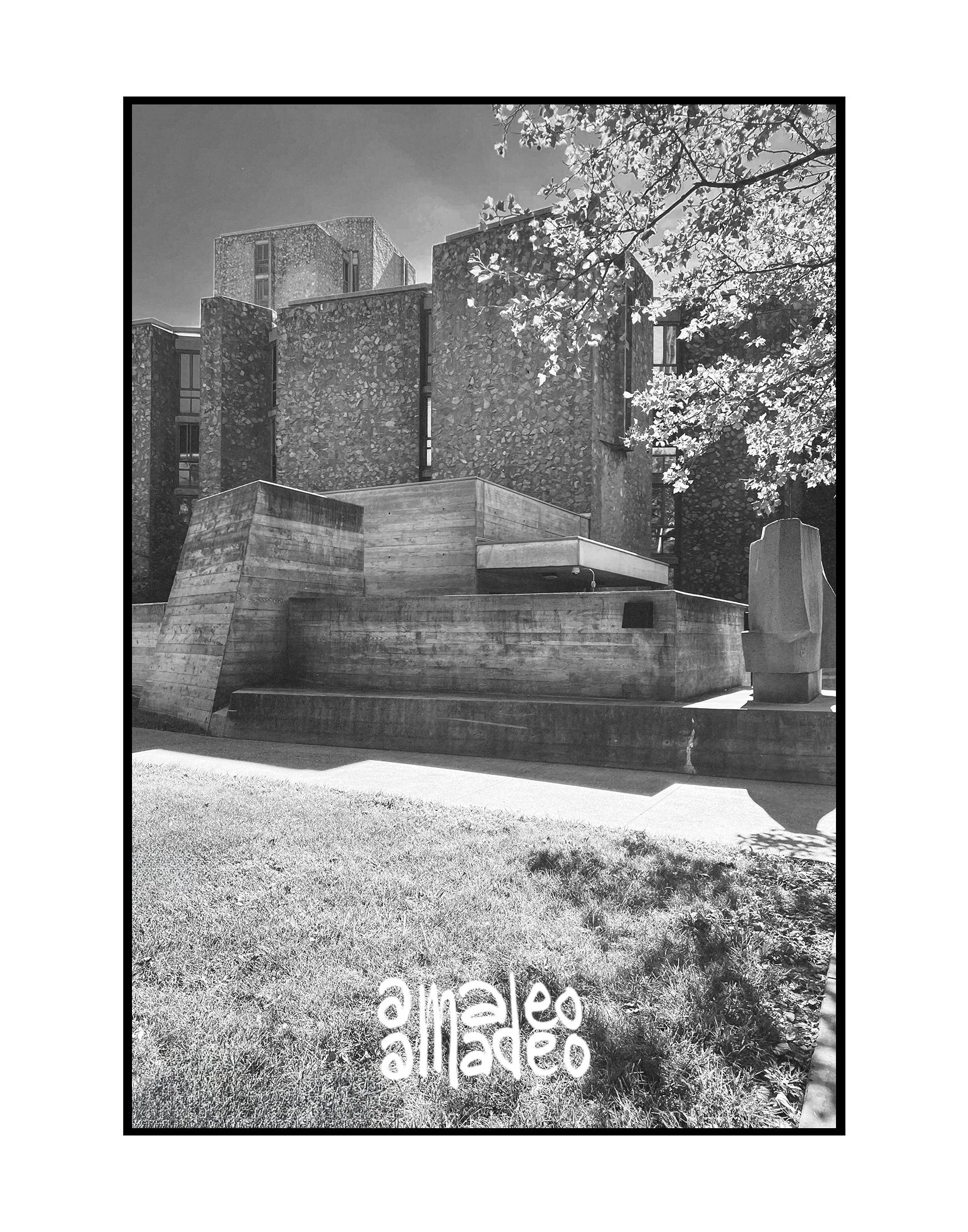
On the drive to New Haven I spotted a building sitting in the grass that immediately caught my attention. Brutalist, heavy, almost sculptural. It didn't really feel like a building from the road. It felt like someone had placed an enormous concrete object in the landscape.
Of course, I had to photograph it.
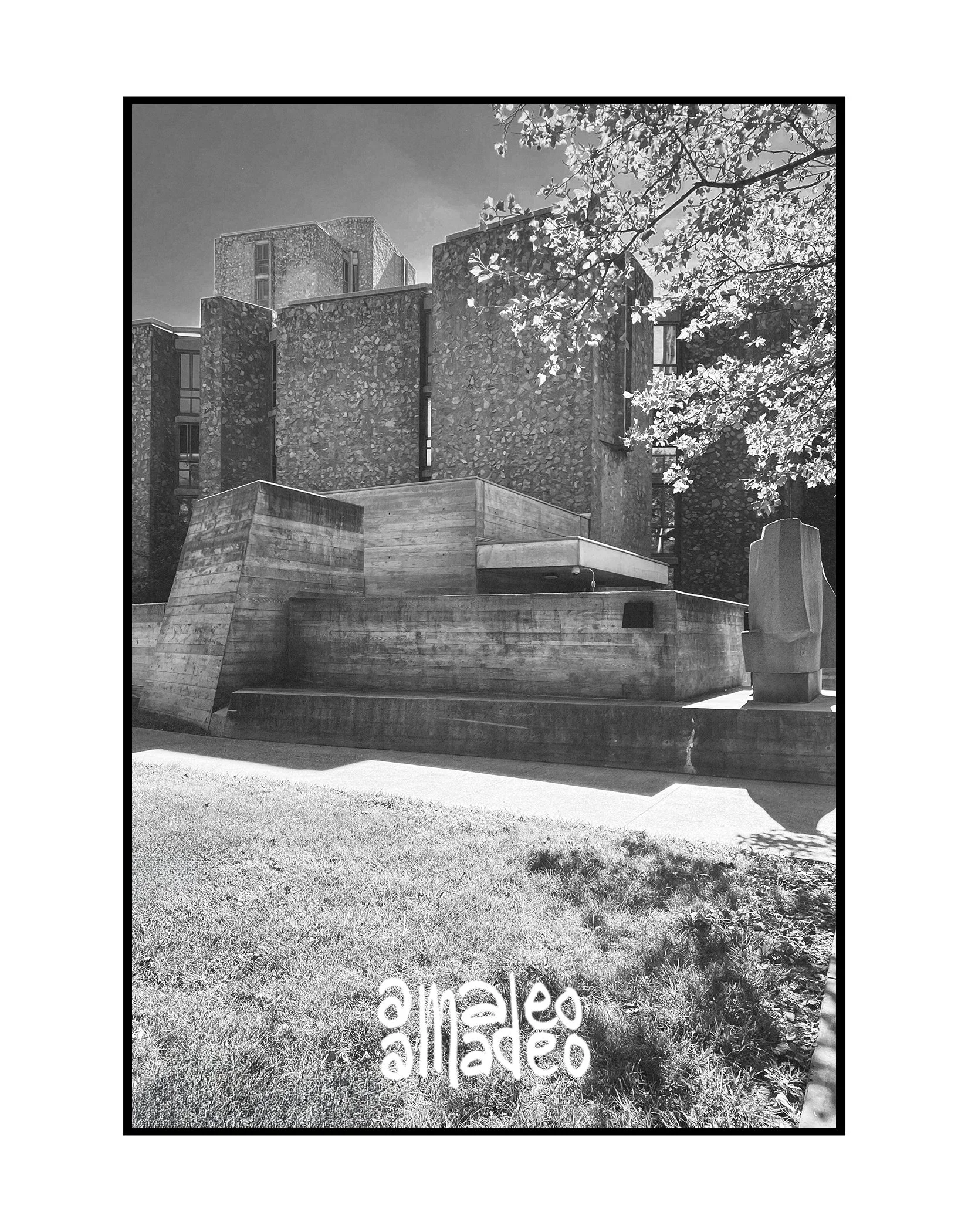
I love when architecture does that—when its purpose almost becomes secondary to its shape. Concrete can feel cold and institutional, but against grass and trees it becomes something completely different. There is something I continue to love about putting severe modernism against something organic, old, romantic or imperfect.
It was a good indication of where my head was going for the rest of the day.
By the time I got to New Haven, however, art could wait for about ten minutes. I needed caffeine.
Coffee first. Museum second.
I arrived at the Yale University Art Gallery with only about an hour before closing, which turned out to be almost perfect. There wasn't enough time to feel obligated to see everything. I couldn't approach the museum like a checklist. I just wandered and photographed the things that made me stop.
And there were many.
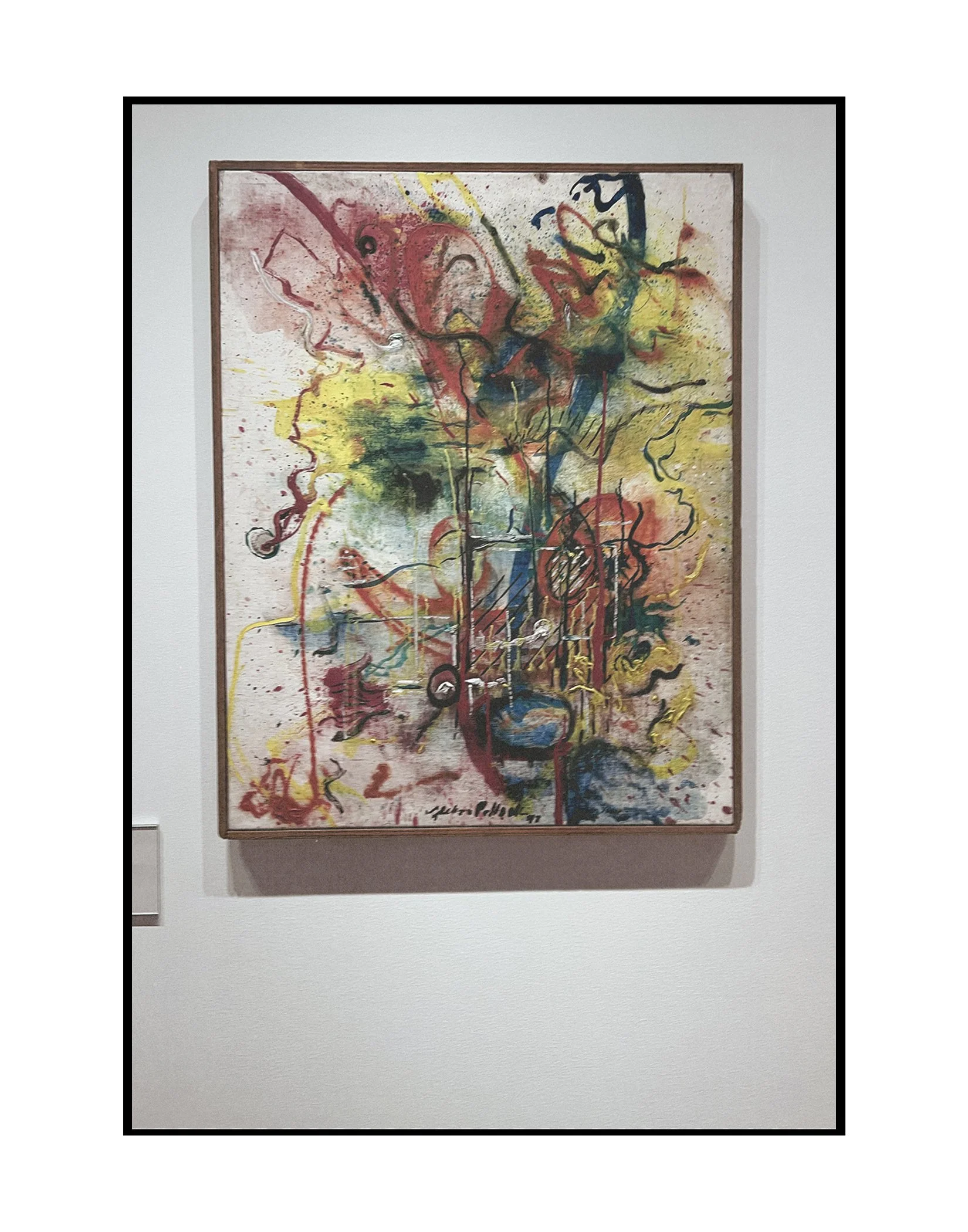
There is something exciting about walking into a museum collection and suddenly encountering an artist whose work you've seen reproduced hundreds of times—but not this work.
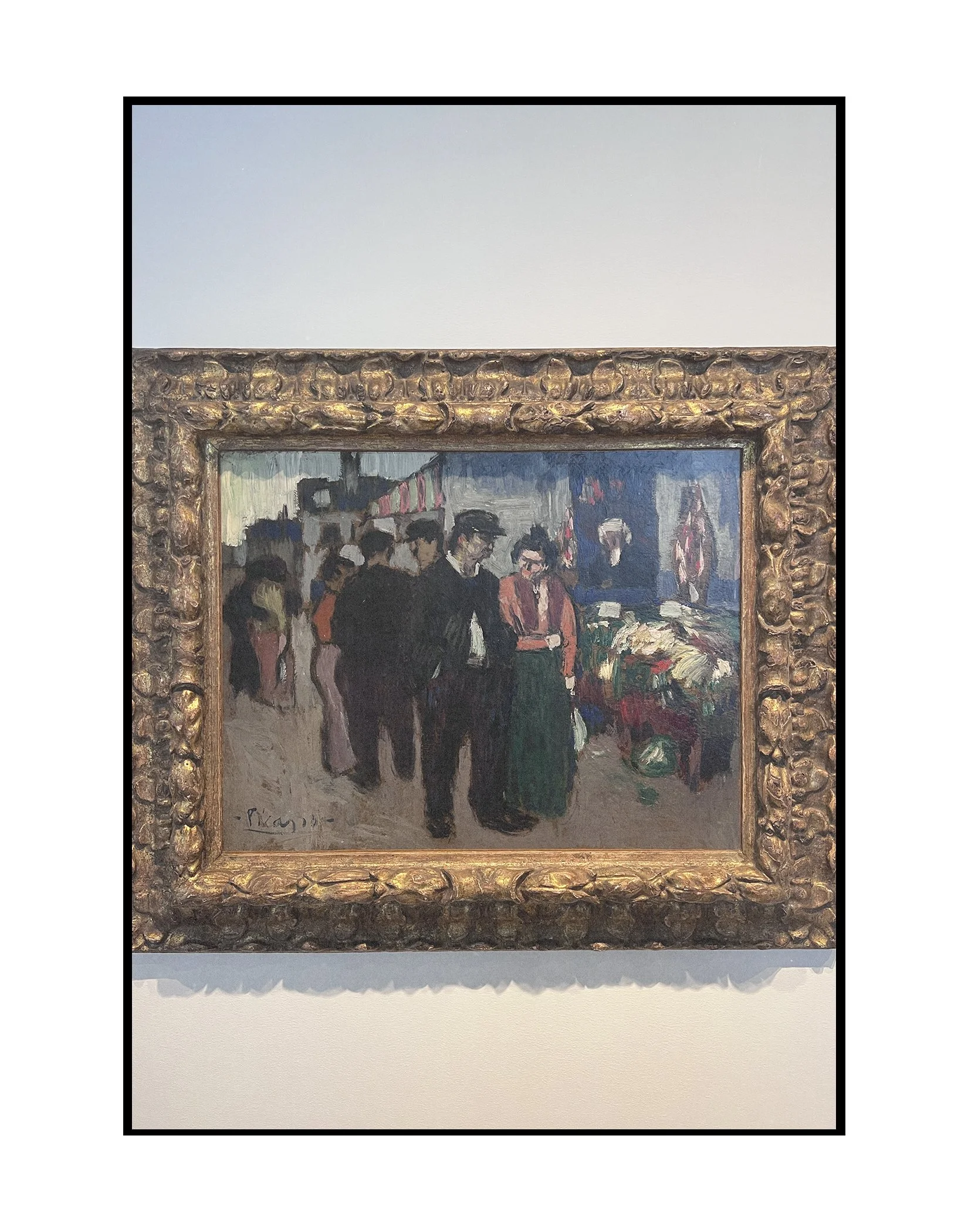
Pollock. Mondrian. Calder. Picasso.
Artists whose work I've encountered in enormous museums around the world were suddenly appearing here in New Haven, through pieces I had never stood in front of before.
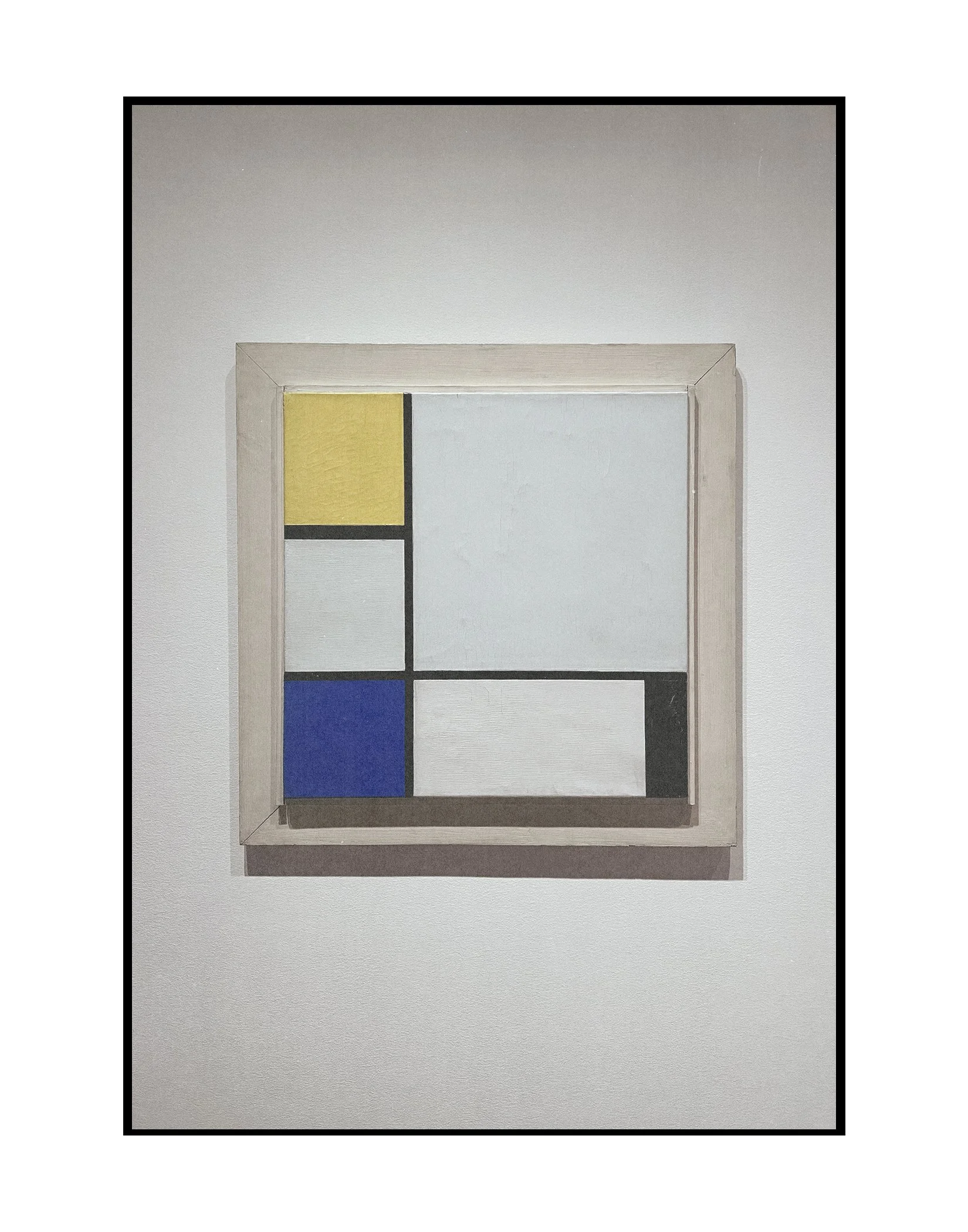
Seeing the Mondrian was particularly interesting because his vocabulary is so familiar that you almost think you already know what you're going to see: the black divisions, the white space, the primary colors.
But a reproduction flattens everything.
Standing in front of it, you see the object. You see the paint. You see the frame. You see scale. You notice that what has become an icon of modernism was first a physical thing made by someone's hands.
That distinction kept coming back to me throughout the museum.
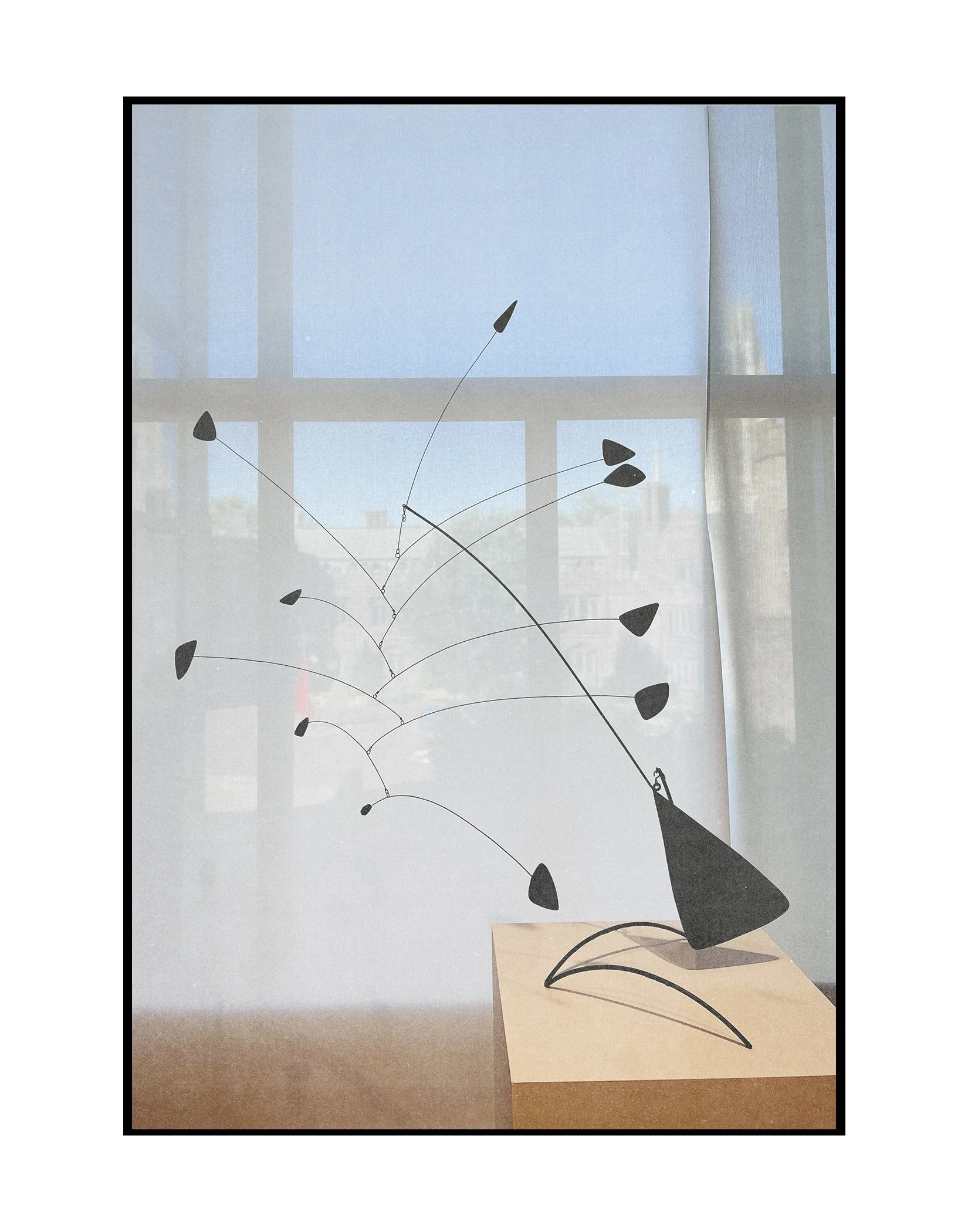
The Calder felt almost like punctuation in the room.
Lines drawing themselves through the air. Shape without mass. Movement waiting to happen.
I kept thinking about how little material is actually necessary to create a very strong silhouette. A few pieces of wire and metal suddenly take command of all the empty space surrounding them.
As someone constantly thinking about clothing and the body, I found myself looking at it almost like a garment: where does the weight sit? Where does the line begin? What happens when it moves?
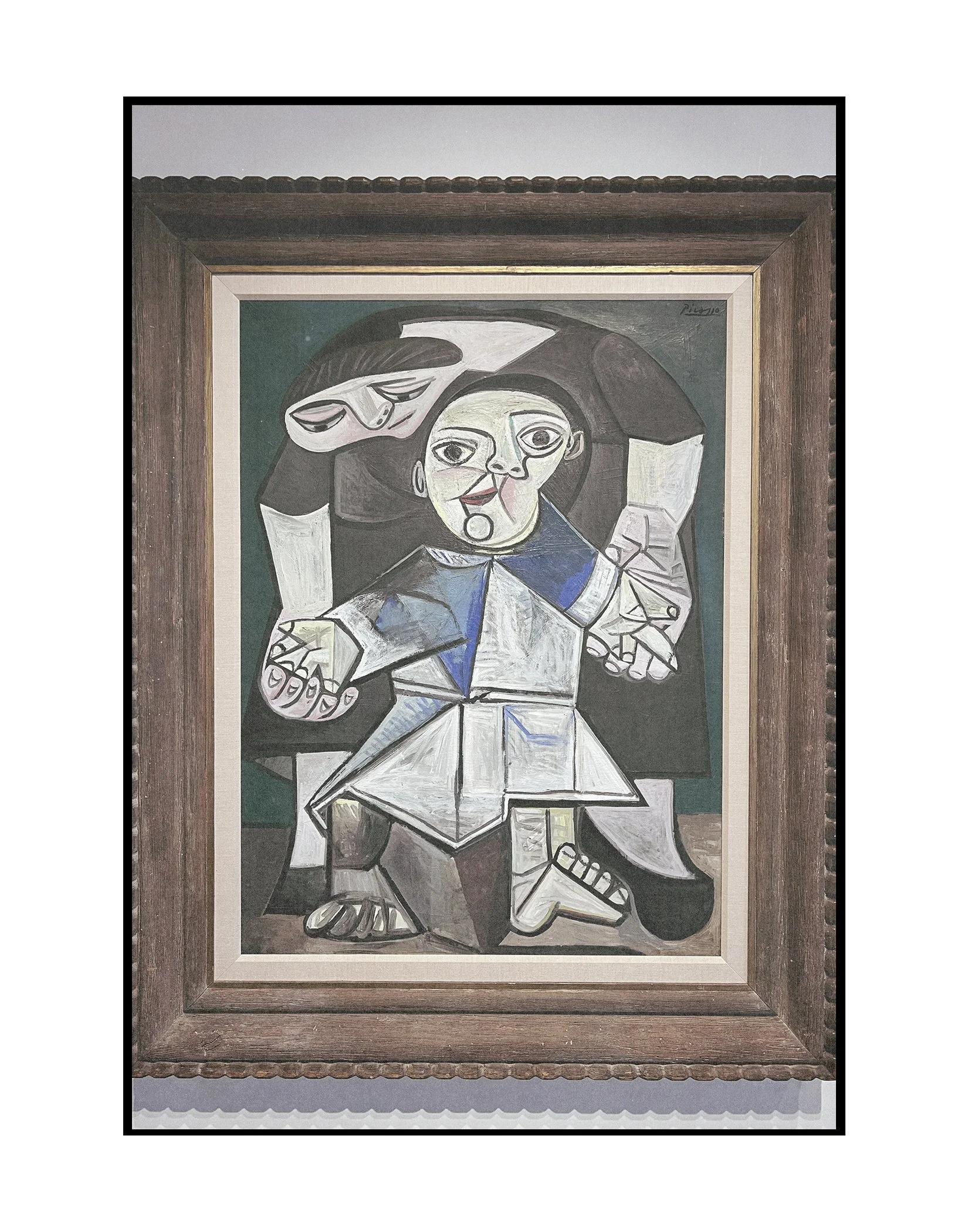
And then Picasso.
I don't think seeing work like this ever needs to become more complicated than the strange thrill of realizing: there it is.
Something that belongs to the history books is sitting a few feet away from you.
But some of the objects that stayed with me most weren't paintings at all.
Objects made to become alive
I became completely absorbed by the African galleries.
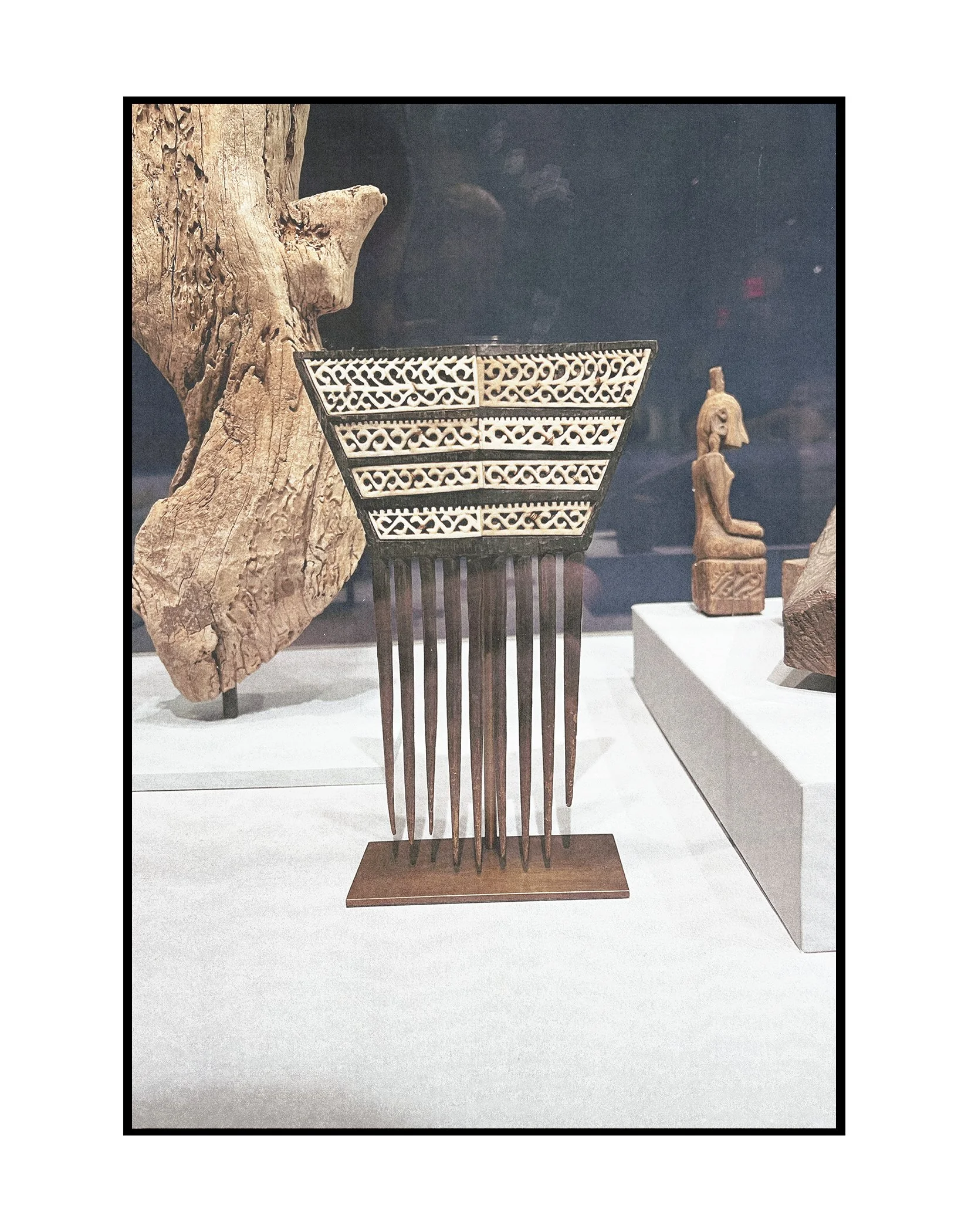
Hair ornaments. Combs. Hats. Jewelry. Ceremonial objects.
Immediately I stopped seeing them as static artifacts sitting behind glass and started trying to imagine them attached to people.
Moving.
Dancing.
Catching light.
Making sound.
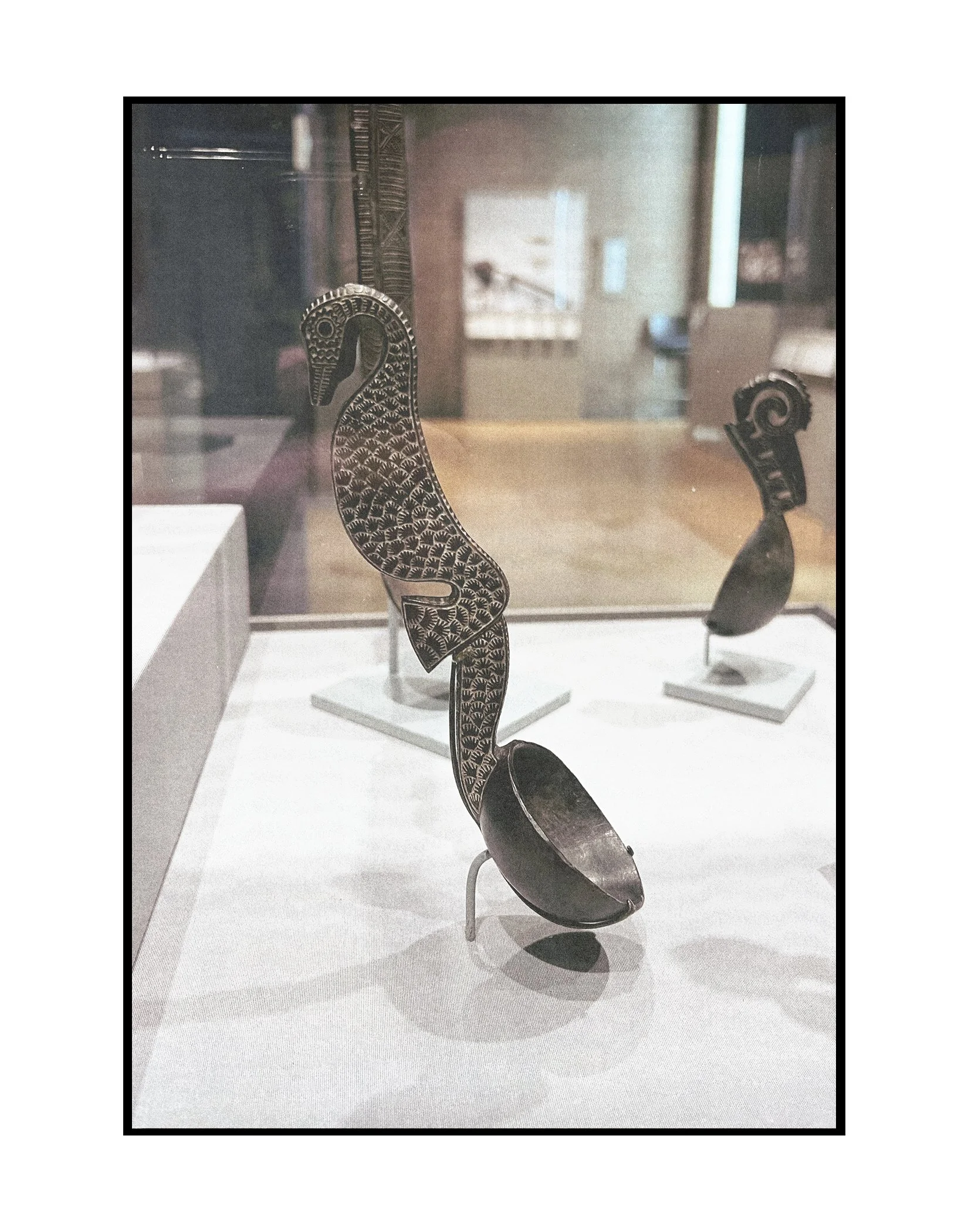
The combs especially interested me. They were practical objects, but they were also sculpture. Decoration and usefulness weren't separated from each other.
That is something I think about constantly.
Why shouldn't the thing you use every day also be beautiful?
Why shouldn't the beautiful thing also be useful?
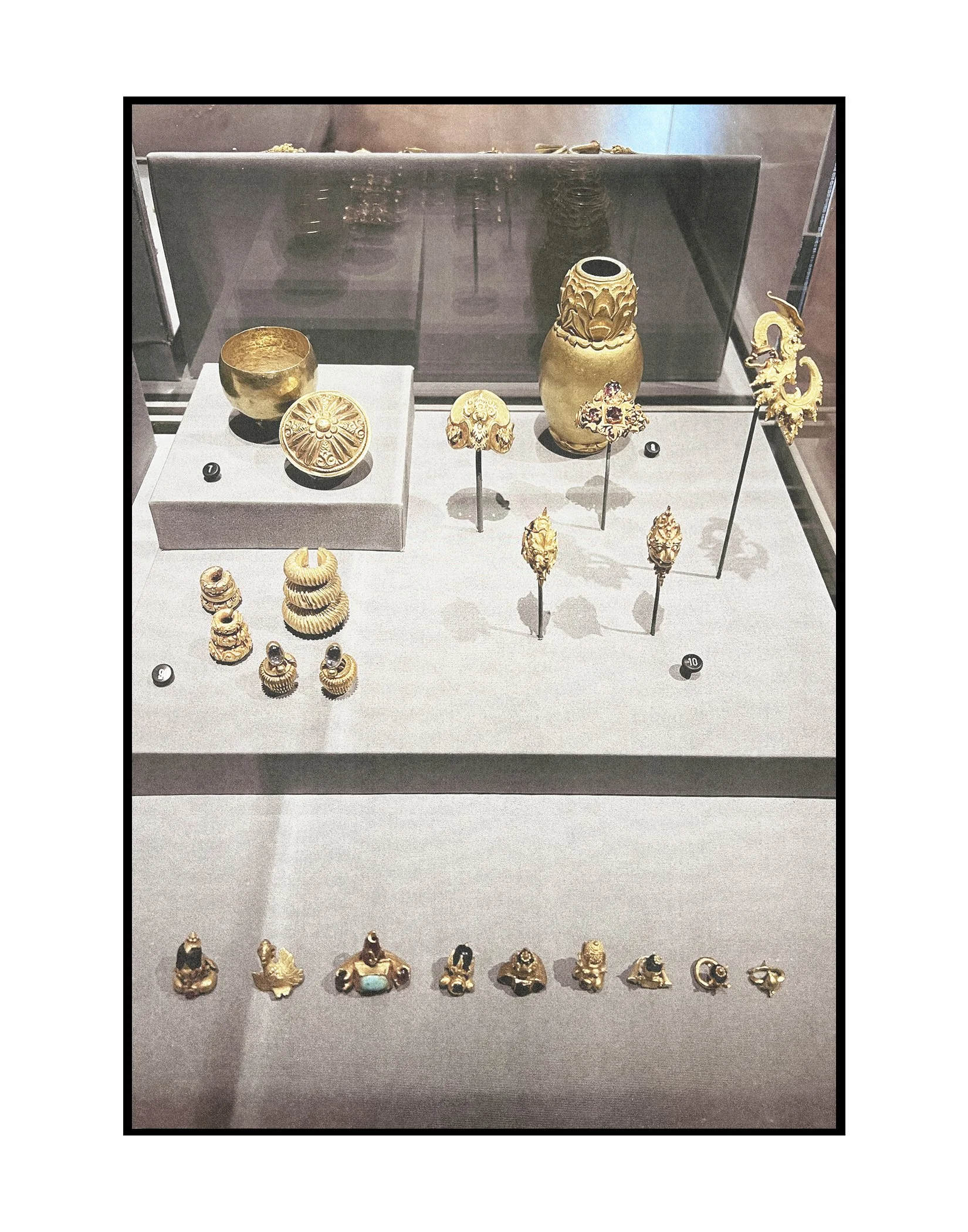
Then there was all the gold.
Tiny rings, ornaments and pieces of jewelry laid out like miniature sculptures.
The scale made me want to get closer. Some of the pieces were so small and yet carried such an extraordinary amount of decoration and symbolism.
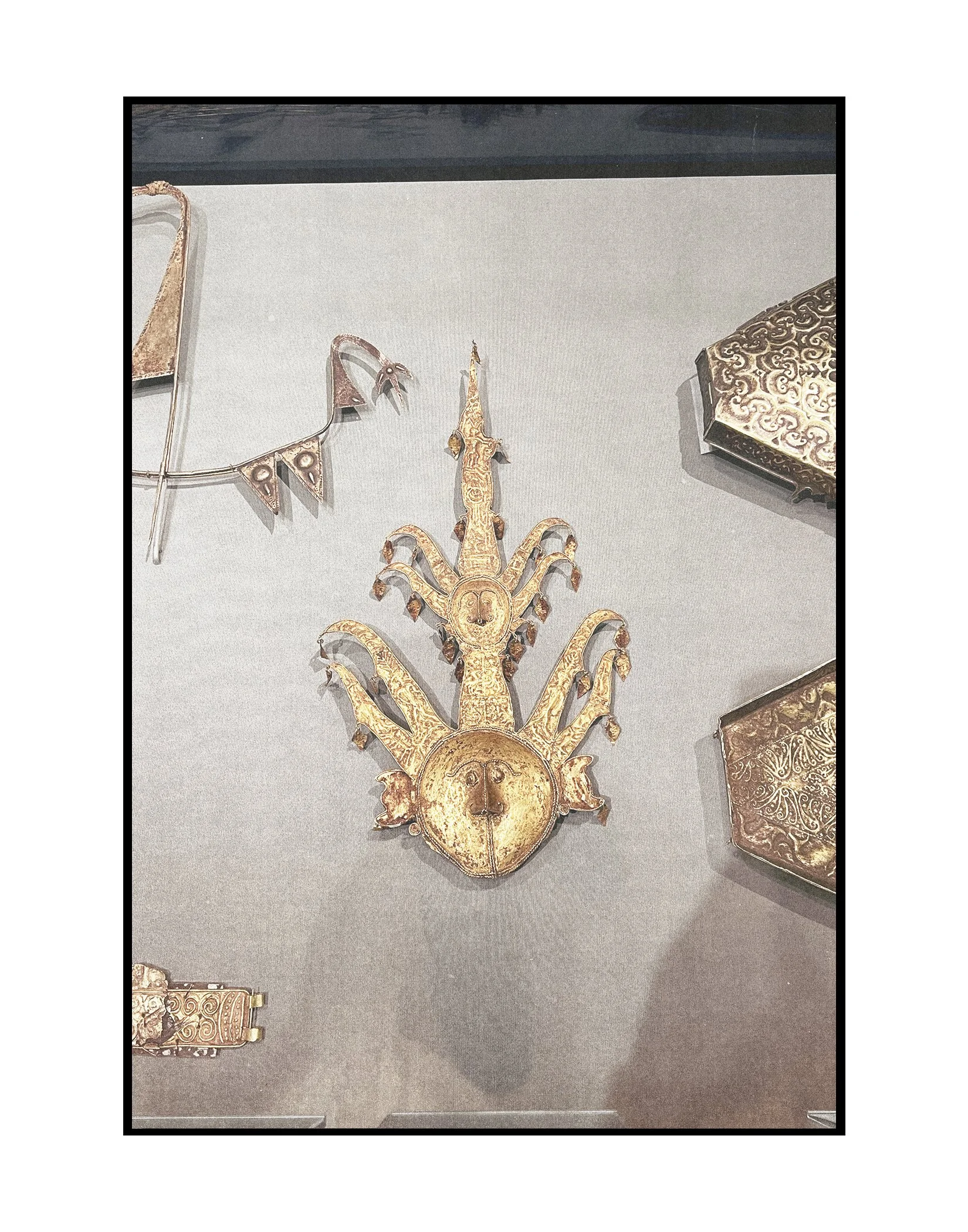
Gold always changes depending on its environment. Here it wasn't polished luxury-store gold. It felt ancient. Ceremonial. Almost spiritual.
It made me think again about objects accumulating meaning through handling, ritual and time.
A piece of metal becomes precious not simply because the material is valuable, but because someone has decided that it means something.
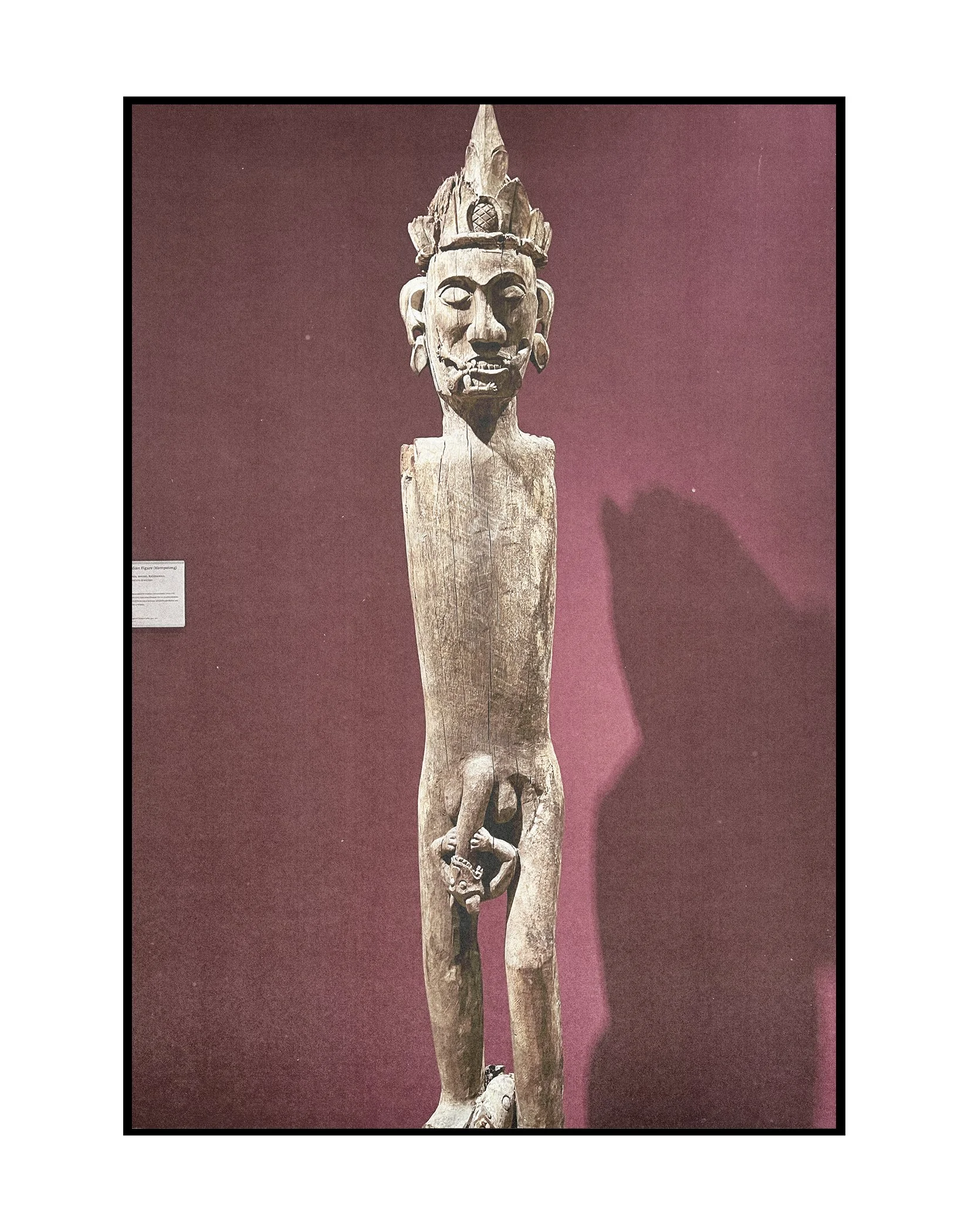
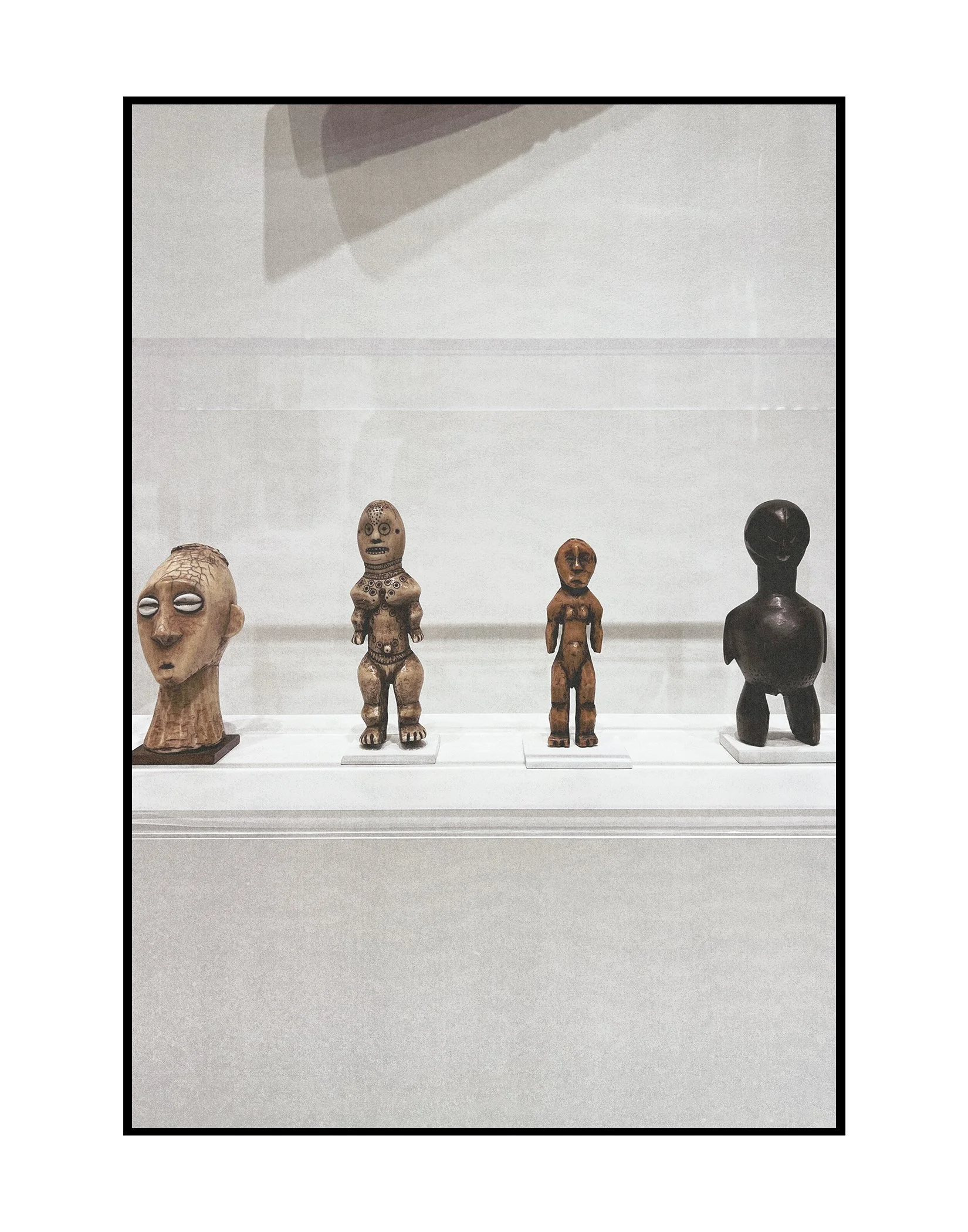
The figures were another thing entirely.
Long bodies. Distorted proportions. Faces reduced to particular gestures.
I love objects where anatomy doesn't need to be anatomically correct in order for the body to feel incredibly present.
And then the masks and ceremonial costumes.
There were so many.
Standing there, I kept trying to erase the glass vitrines from my mind. I wanted to imagine these pieces where they originally belonged—not motionless under museum lighting but being worn during dances and ceremonies.
Fabric moving.
Raffia shaking.
Jewelry catching firelight.
Bodies underneath transforming the objects completely.
A museum necessarily freezes things. My imagination kept trying to make them move again.
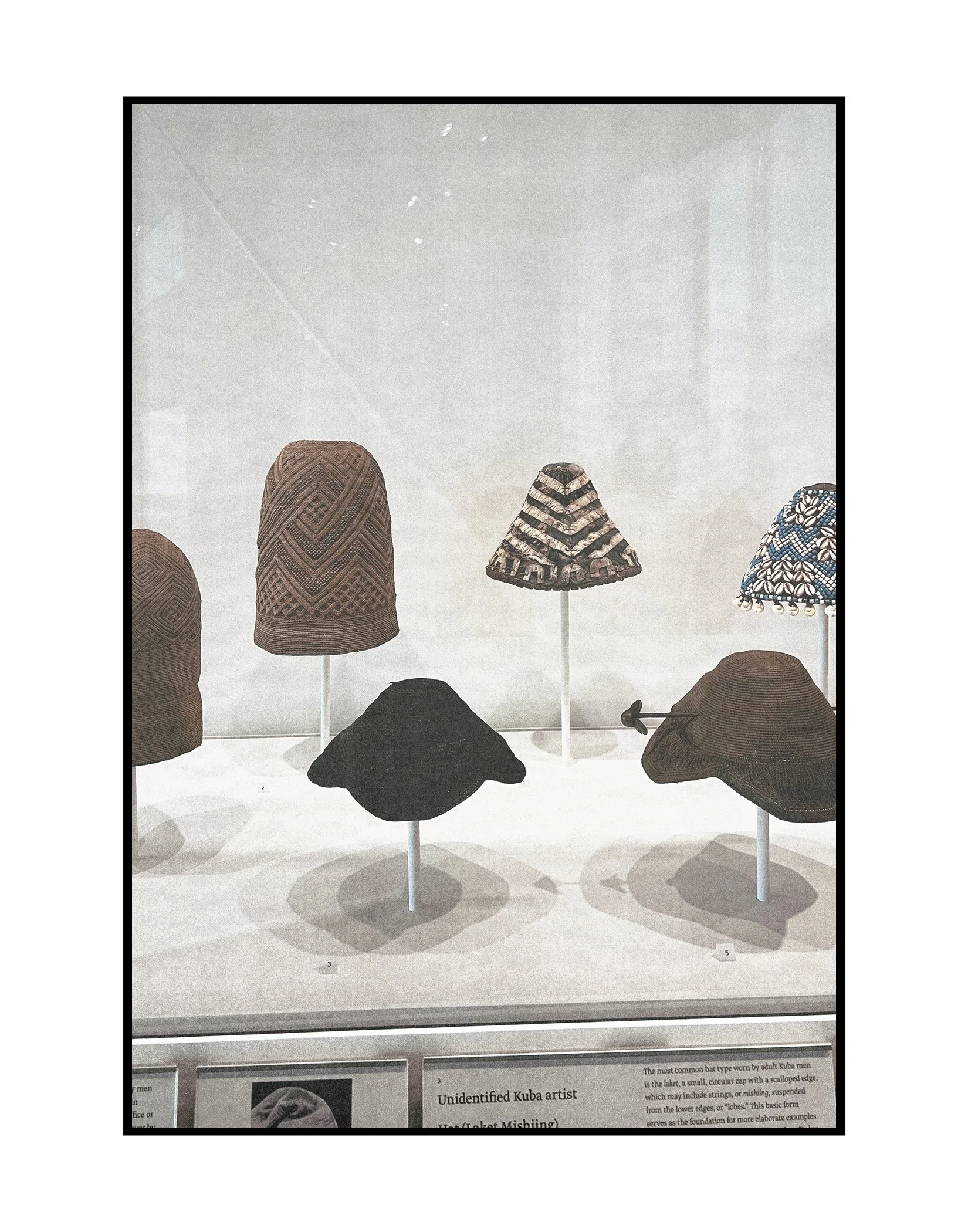
The hats and headpieces especially did this to me.
They made me think about silhouette before clothing even enters the equation. How radically you can alter someone's presence simply by extending, exaggerating or reshaping the head.
It made me want to make something.
Not something copied from what I was looking at—that isn't interesting to me—but something informed by the idea that an object worn on the body can change the way the body occupies space.
Photographs that stopped me
Then I found the documentary photography.
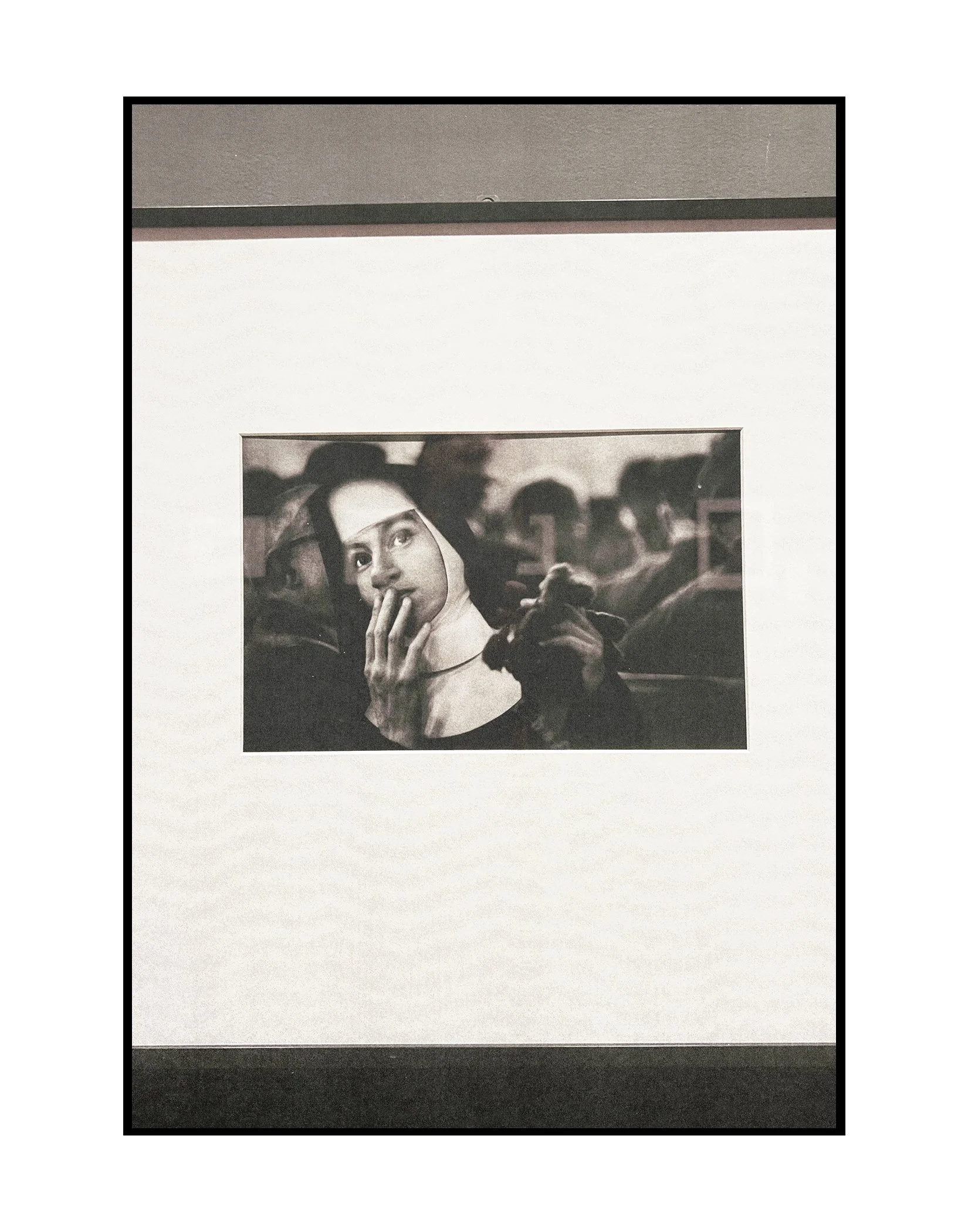
This section might have affected me the most.
There is something about documentary photography from this period that feels almost impossible to manufacture now. Maybe it is the film. Maybe it is the clothes. Maybe it is the relationship people had with cameras. Maybe it is simply knowing that the moment really happened and can never happen again.
The pictures weren't trying desperately to announce themselves as important.
They just were.
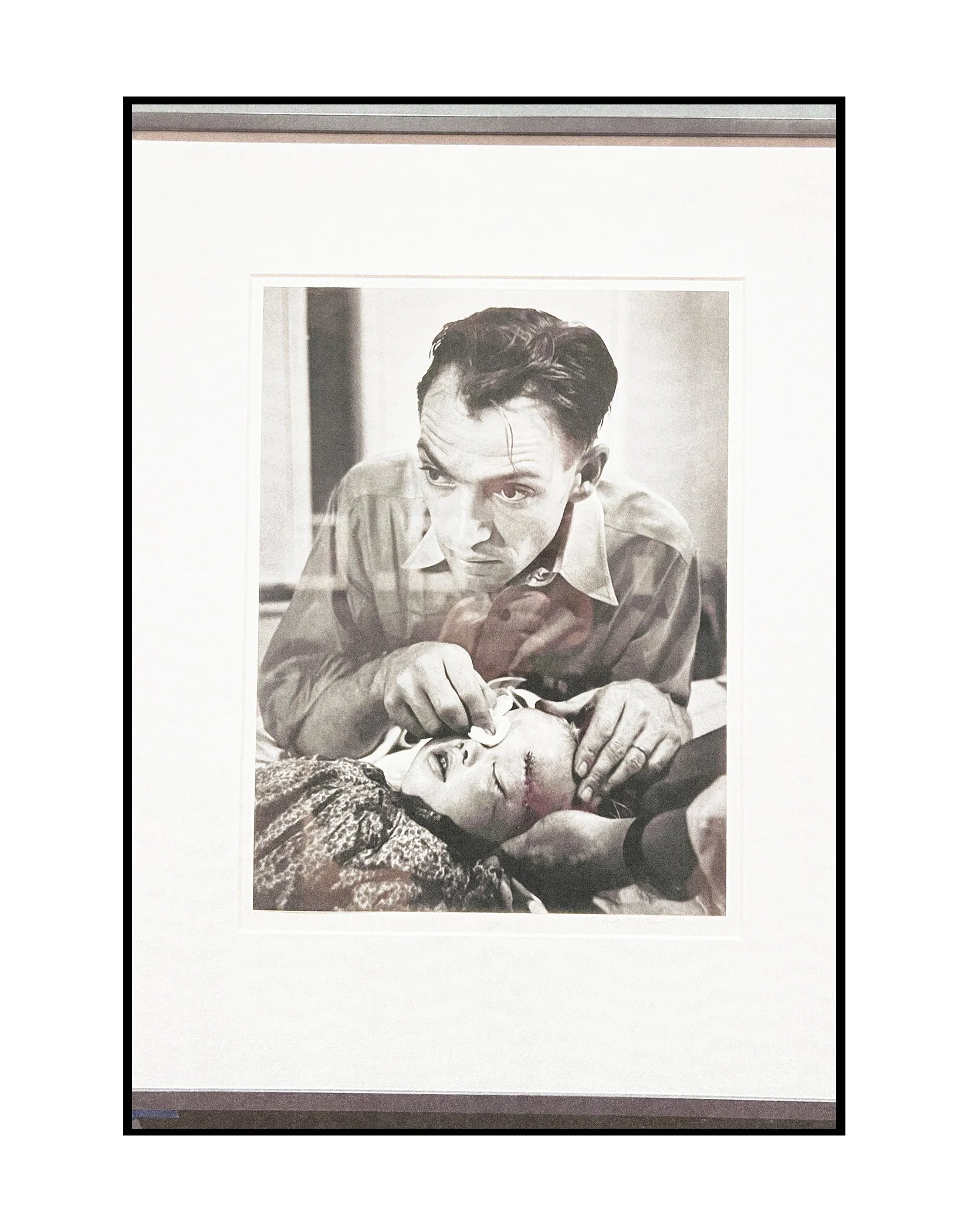
I found myself studying expressions more than compositions.
Hands.
The way someone looked away.
The information hiding around the edges of the photograph.
A photograph can tell you about the person being photographed, but it can also accidentally preserve wallpaper, furniture, clothing, hairstyles, social rituals, architecture—a whole world nobody necessarily realized they were documenting at the time.
That is one of the things I love most about photography.
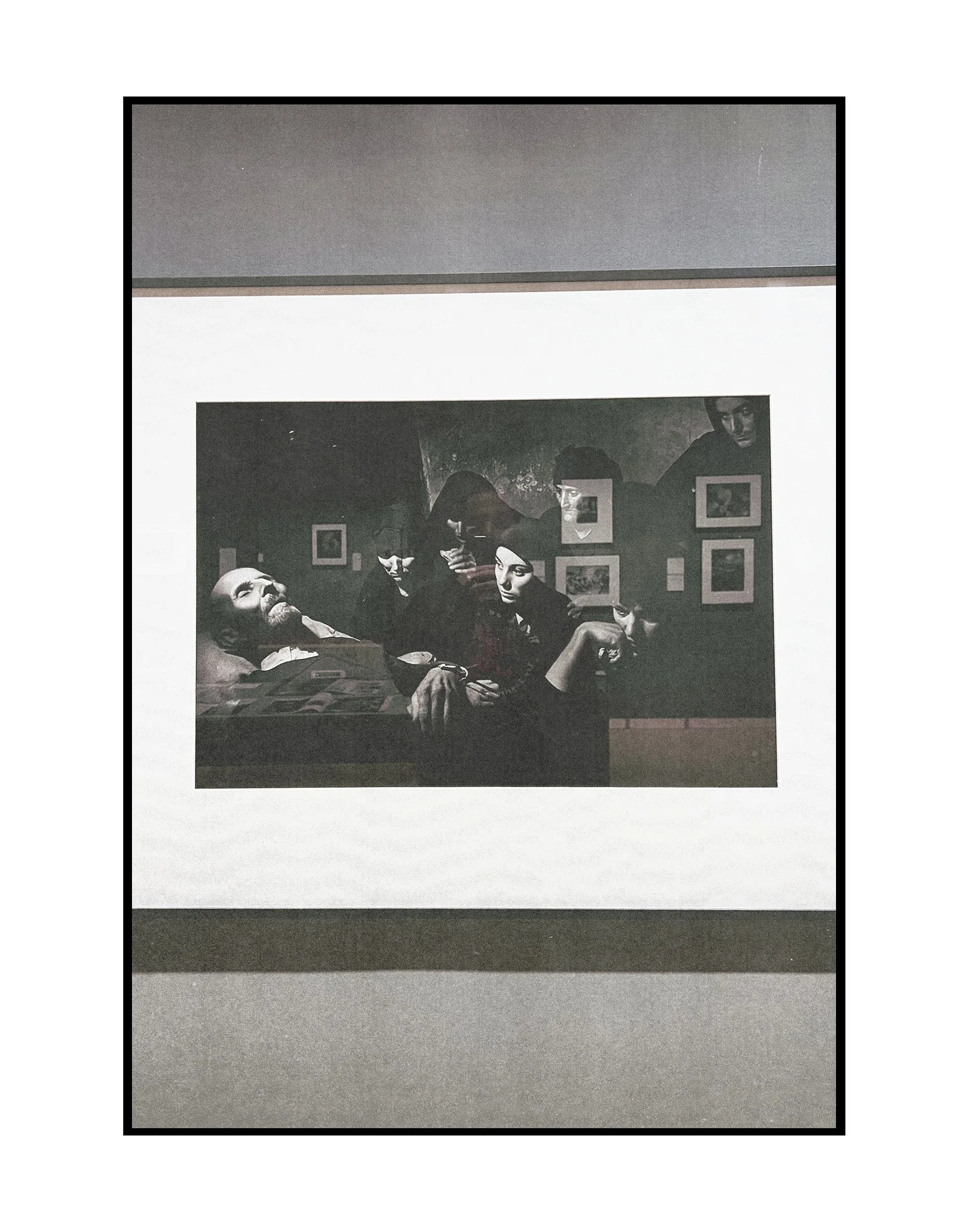
A good photograph keeps getting more valuable as time moves farther away from the instant the shutter clicked.
It becomes evidence.
And sometimes the smallest human gesture is what survives.
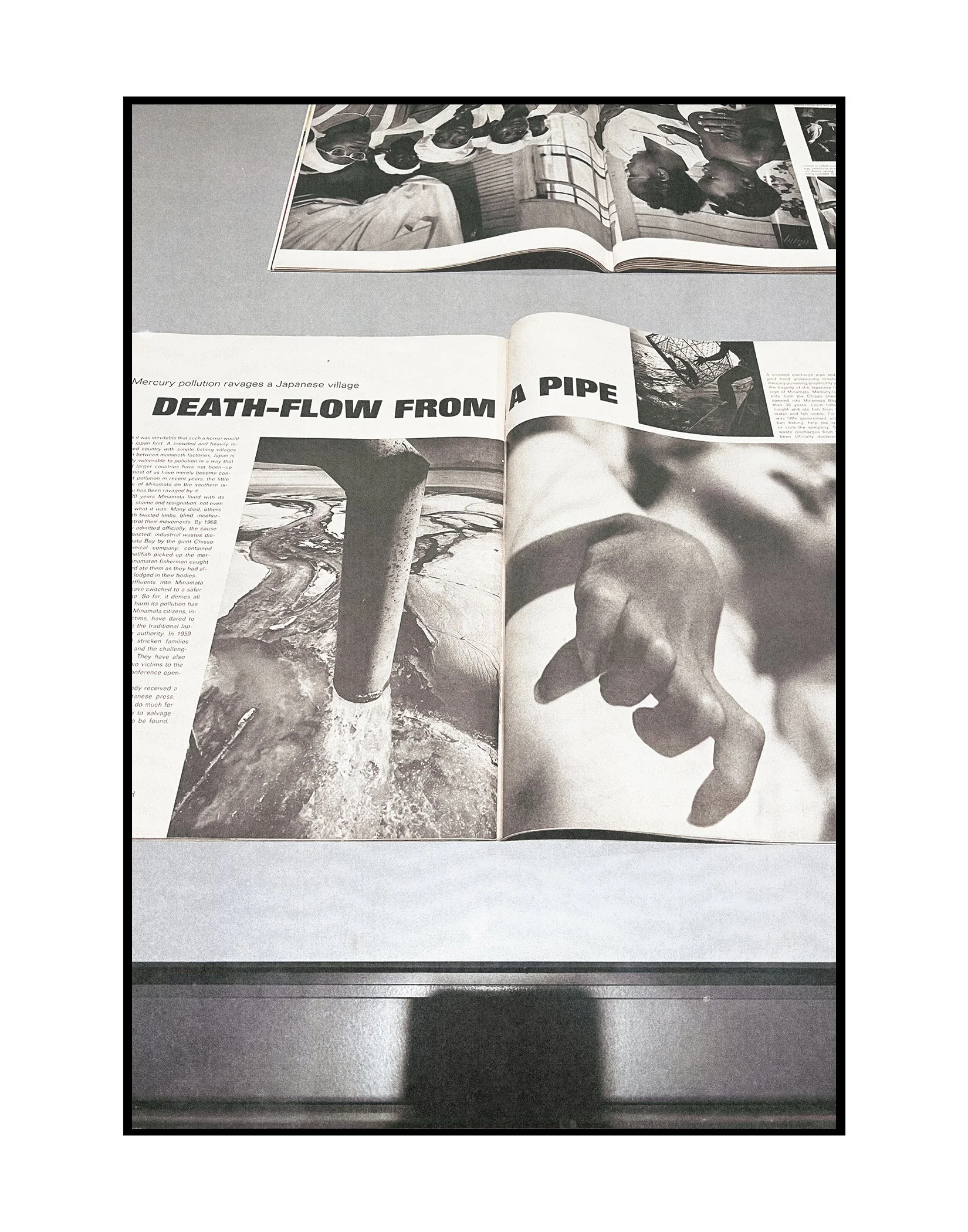
There were also old magazine spreads documenting environmental devastation in Japan.
Seeing photography in its original editorial context was fascinating. Image, typography, headline, sequencing—the photograph wasn't living alone on a white wall anymore. It was information.
That relationship between image and printed page is something I never tire of.
Maybe that's partly why I still love magazines so much.
Things that don't need to match
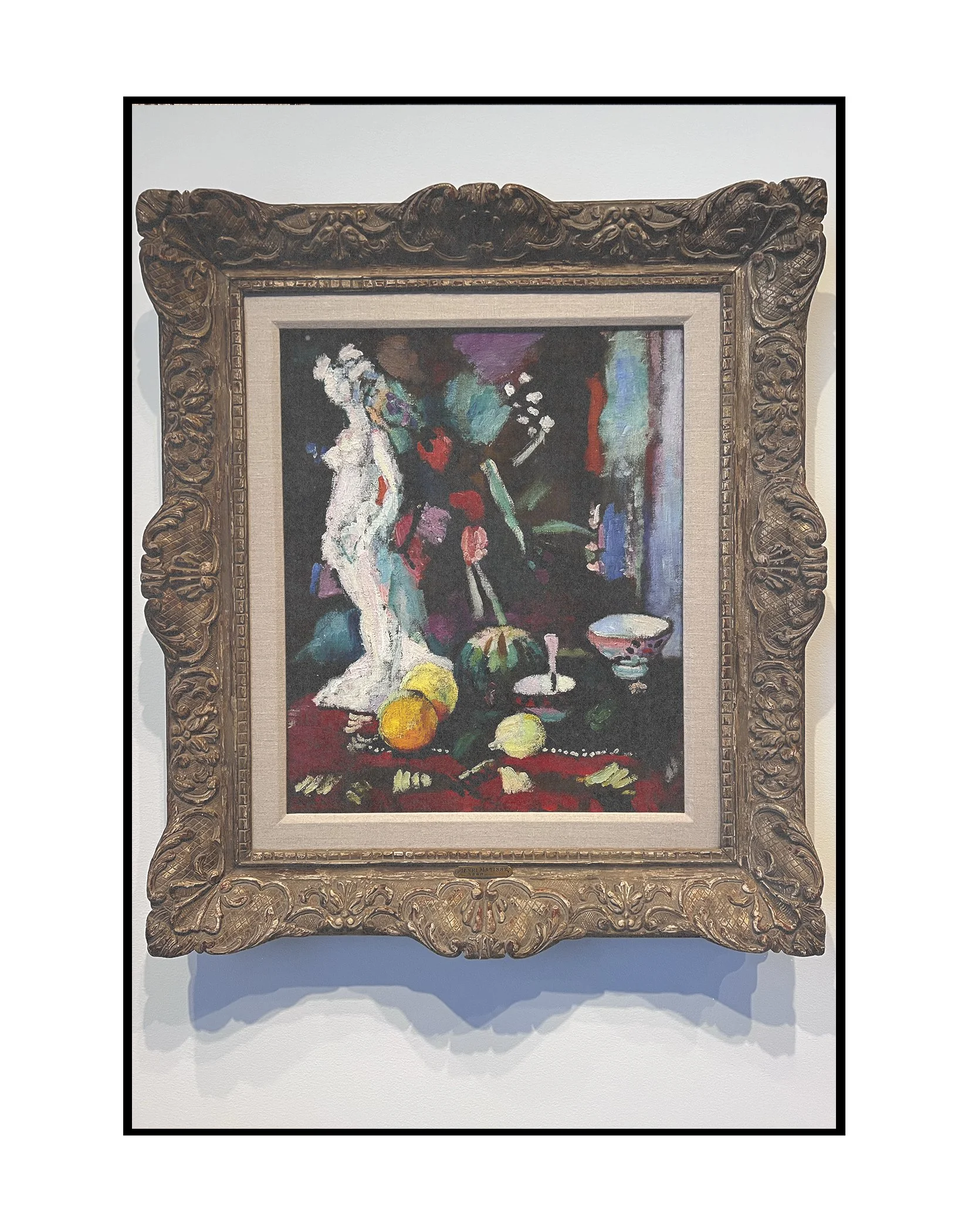
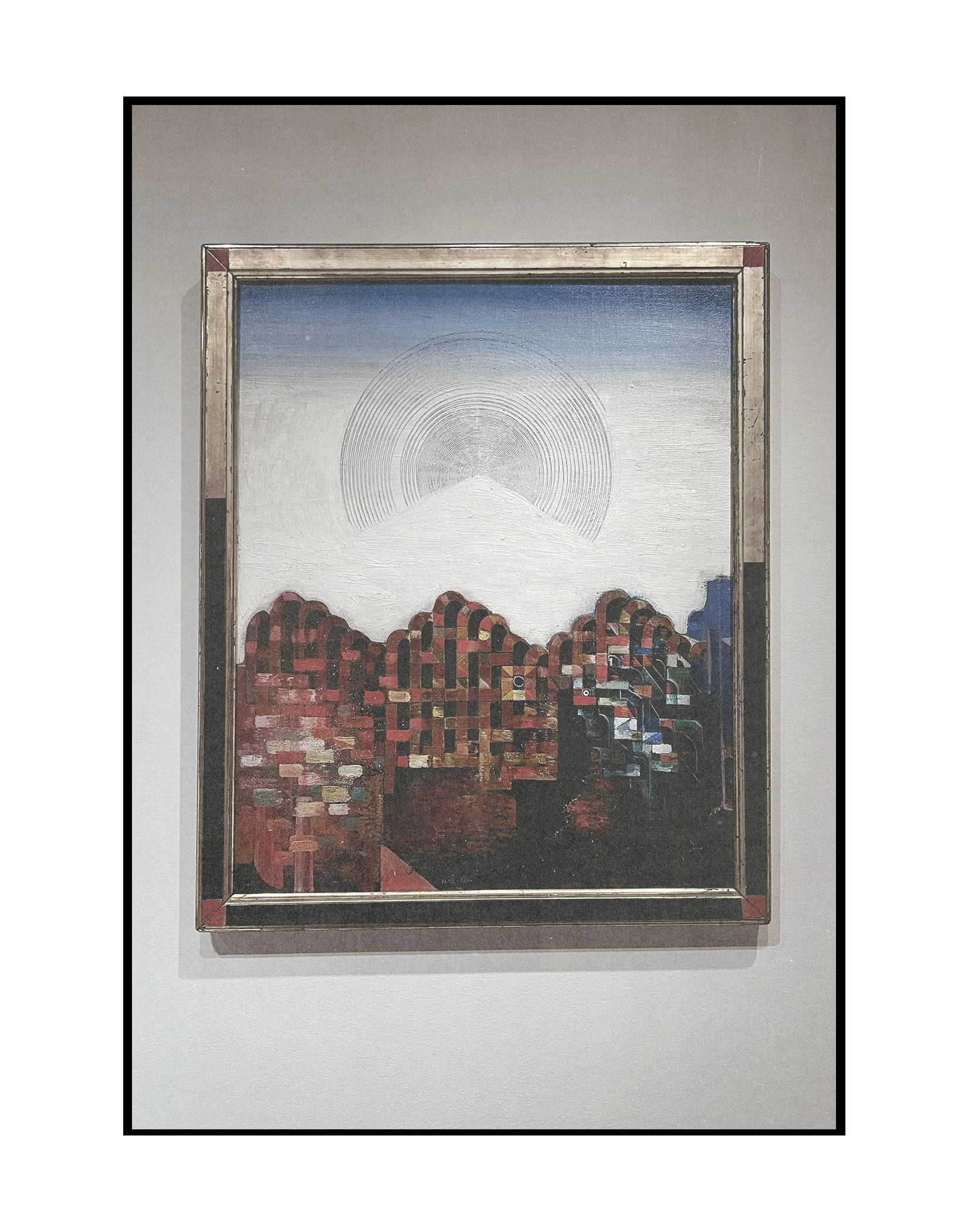
One of my favorite things about wandering a big collection is seeing objects and artworks that technically have absolutely nothing to do with one another begin having conversations inside your head.
An ornate carved frame.
An abstract painting.
A ceremonial gold object.
A modern sculpture.
A photograph.
A wooden figure.
The museum doesn't need to tell me how they're connected.
I can make those connections myself.
That might have been my biggest takeaway from the entire day.
Things don't have to come from the same place, period or discipline to belong in the same world.
They just need a point of view connecting them.
I think I needed to be reminded of that.
When the museum closed, we walked around Yale.
After spending an hour looking at objects made across centuries, suddenly the campus itself became the museum.
Buildings from the early 1700s. Stone. Carving. Ironwork. Windows. Archways. Details sitting thirty feet above the ground that somebody took the time to make beautifully even though most people probably never stop long enough to notice them.
There is something almost unbelievable about seeing architecture survive that amount of time in such immaculate condition.
And then, right beside it, something modern.
Sometimes extremely modern.
Glass against stone.
Concrete against Gothic ornament.
Old and new without one needing to pretend to be the other.
I love that.
The juxtaposition doesn't weaken either one. It makes you notice both more.
And while we were walking, something else had changed.
The air.
The sun was still out, but underneath the warmth I could feel that first crisp little interruption.
Autumn.
Not quite here, but announcing itself.
Immediately I wanted pumpkin-spiced everything.
Rose + Oud
We wandered into Dwell across from the museum.
Housewares, kitchen objects, things meant to live on tables and counters. I'm always fascinated by the small objects people use to organize their lives.
Especially catch-alls.
I love a catch-all.
My workspaces inevitably become little ecosystems of matches, fragrance samples, jewelry, scissors, scraps of paper, pencils, objects I found somewhere and things I swear I am going to deal with later.
A good little dish makes the chaos feel intentional.
But what stopped me there was a soap.
Rose and oud.
I smelled it expecting the combination to potentially feel heavy, but the two materials were dancing together beautifully.
Rose—soft, floral, familiar.
Oud—dark, woody, resinous.
Neither one disappeared.
That kind of juxtaposition seems to have followed me through the entire day.
Old and new architecture.
Gold beside wood.
Geometry beside gesture.
Rose beside oud.
From there, another smell.
We stopped at The Owl Shop because I wanted a cigar.
The Owl Shop is one of those places where you could easily lose an afternoon. Cigars, wood, leather, alcohol—the smell of the room hits you before anything else really does.
This time I wasn't staying.
I picked up an Italian cigar to take home, something I already know I will enjoy smoking later and probably enjoy smelling just as much.
I think scent becomes especially interesting when it isn't trying to be perfume.
A cigar shop isn't designing an ambient fragrance. Yet the combination of tobacco, old wood, leather, spirits and smoke creates something more memorable than most deliberately scented spaces.
I filed that away.
1740
Then we happened upon Lower Forms.
Vintage clothing is enough to make me stop, but what really pulled me farther into the shop was their selection of niche fragrance.
I started smelling.
One after another.
Until one made everything else disappear for a second.
1740 Marquis de Sade by Histoires de Parfums.
Leather.
Sweet resin.
Herbs.
Something dry.
Something antique.
And immortelle.
The immortelle in particular kept pulling me back.
The fragrance felt like I had somehow walked back into the cigar shop, except now everything was warmer, sweeter and stranger. Boozy. Deeply masculine. Resinous. Almost dusty.
It smelled old without smelling dated.
That distinction interests me.
I bought a sample because I don't think fragrances should always be understood in a store. I want to wear it. Let it heat up on my skin. Smell what remains several hours later. See what memories start attaching themselves to it.
And now I want to explore immortelle much further.
One new material can sometimes open an entire door.
By then, we were hungry.
And if you are wandering around New Haven and suddenly need dinner, pizza begins to feel less like a suggestion and more like an obligation.
We ended up at Ernie's Pizzeria.
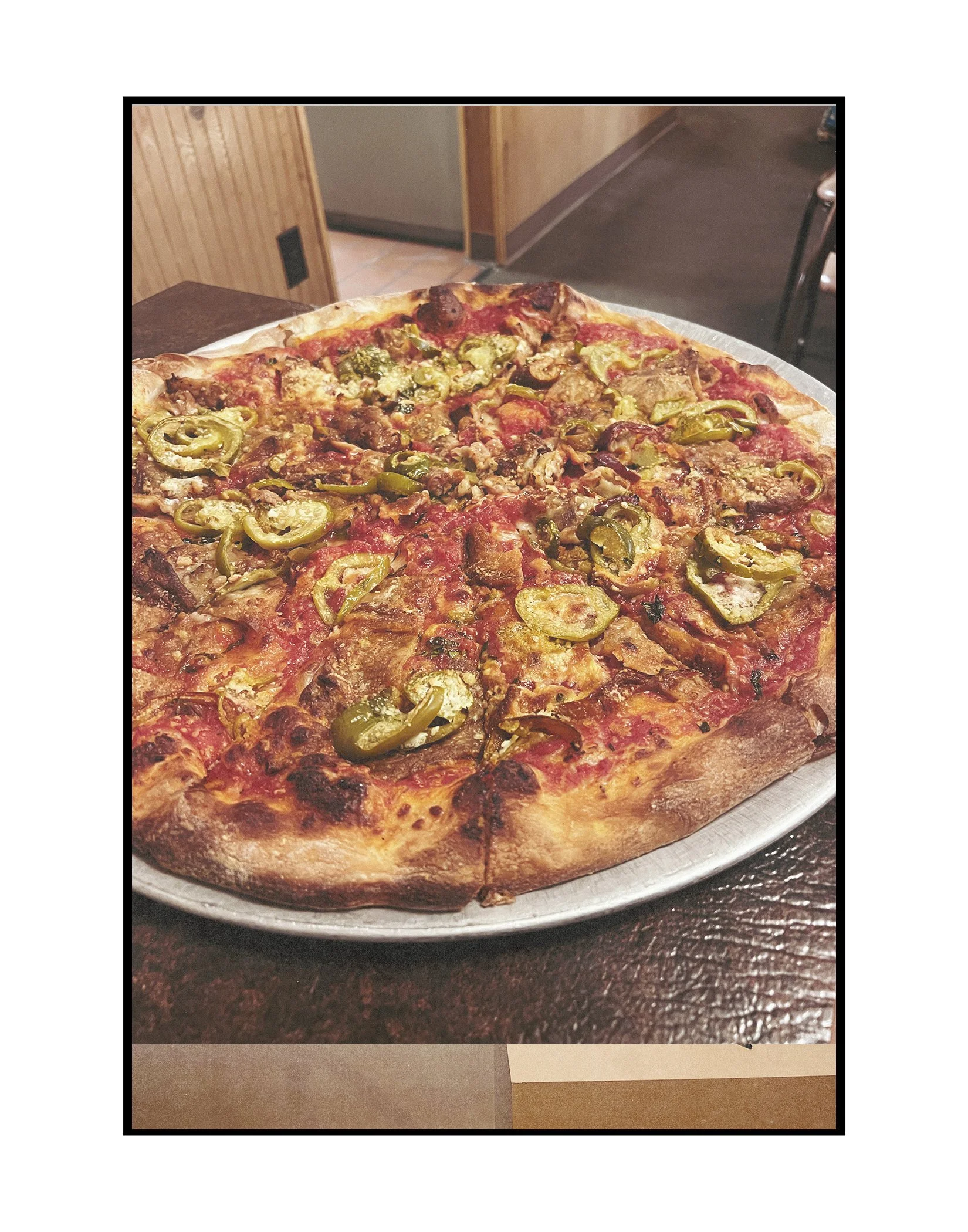
Walking inside felt like stepping backward in time.
Wood paneling.
Brown leather booths.
Linoleum.
Nothing looked like someone had recently sat down and decided to manufacture nostalgia. It simply looked as if the place had continued being itself.
That difference is enormous.
My first job was in a pizza shop, so immediately there was another little memory connection happening.
I ordered hot cherry peppers, eggplant and grated cheese.
It was so good.
Our waitress told us the restaurant was celebrating its 55th anniversary, which made the whole space feel even better.
Fifty-five years of pizza.
Fifty-five years of families sitting in booths.
First dates. Friday dinners. Regulars. Kids growing up and eventually bringing their own kids back.
The restaurant was filled with people who seemed to know the place.
I love seeing a mom-and-pop business survive like that.
Not reinventing itself every eighteen months.
Not chasing whatever is currently trending.
Just becoming more itself with time.
There might be a lesson in there too.
By the time we left, I realized I'd gotten exactly what I had been looking for that morning.
Not an idea.
Input.
Gold.
Concrete.
Wire.
Wood.
Photography.
Masks.
Rose.
Oud.
Leather.
Immortelle.
Tobacco.
Old stone.
Crisp air.
Cherry peppers.
Brown leather booths.
All completely unrelated until they passed through the same day.
I think creativity sometimes gets treated as if it only happens when you're producing something.
Painting.
Photographing.
Designing.
Writing.
But looking is part of making too.
Smelling is part of making.
Eating is part of making.
Walking around a city and noticing the building nobody else in the car cared about is part of making.
You fill yourself back up.
Yesterday made me feel full again.
And I didn't come home knowing exactly what I am going to make next.
I think that's better.
I came home wanting to make something.
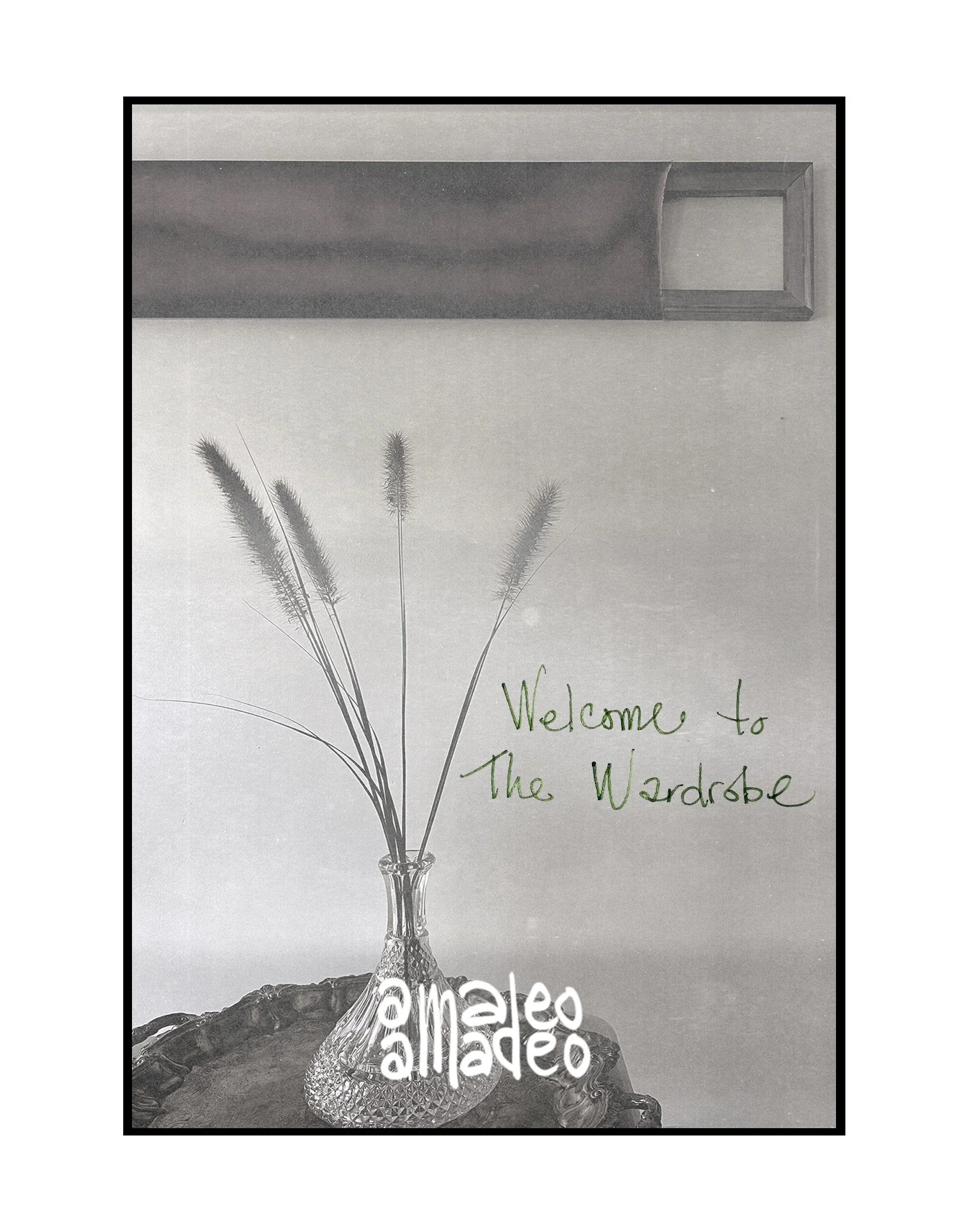
The Wardrobe: A Collection of Clues
The idea for The Wardrobe has been around for a long time. Maybe longer than I realized. Turning it into something tangible has simply taken years of work, experimenting, collecting, making and figuring out how to translate something that, for most of my life, has existed primarily inside my head.
The Wardrobe is not a collection of products. It is a collection of clues.
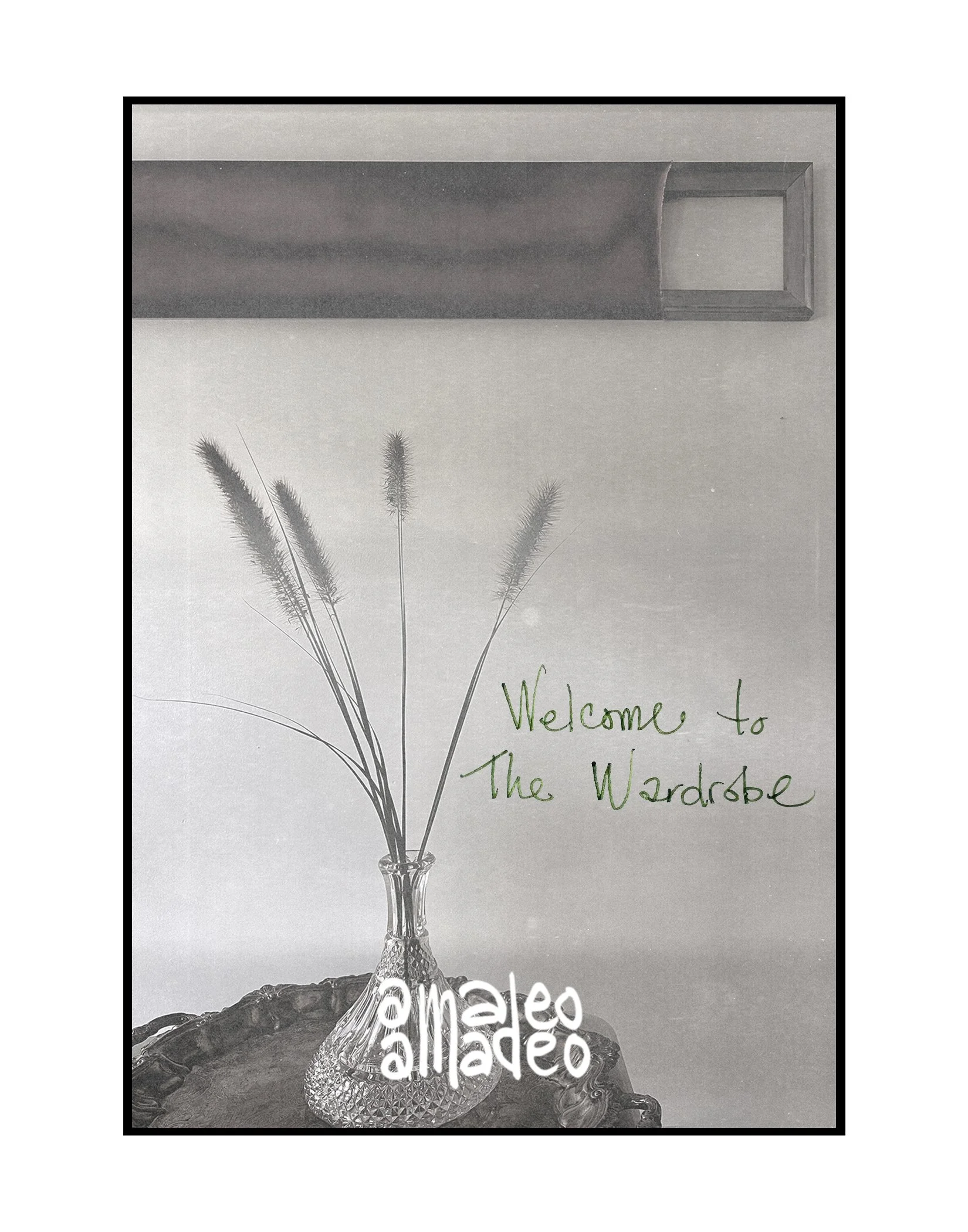
The idea for The Wardrobe has been around for a long time. Maybe longer than I realized. Turning it into something tangible has simply taken years of work, experimenting, collecting, making and figuring out how to translate something that, for most of my life, has existed primarily inside my head.
Over the past few years I’ve also started to understand that my art isn’t just photography. It isn’t painting. It isn’t clothing, fragrance, collage or objects either.
My art is the world around all of those things.
It comes from dreams. From memories. From the way I’ve seen things since I was a little boy. The places I want to visit, the rooms I want to sit in, the people I want to surround myself with. It comes from what I see, but also from what I hear, touch and smell.
I think I’ve spent a lot of my life trying to explain that world to people.
The physical things I make and collect have become my translation tools.
A photograph can communicate one part of it. A garment can communicate another. A fragrance can describe something that neither of them can. An old silver serving piece, an ashtray, a book, a ceramic bowl or a piece of someone else’s artwork can somehow explain another small corner.
Individually, they are things.
Together, they begin to build a world.
The Wardrobe is where those things finally get to live together.
Inside The Wardrobe
There will be clothing from several different origins, but I don’t necessarily see them as separate entities.
Some pieces will simply be vintage garments that I’ve found and loved exactly as they are.
Others will pass through the amadeo amadeo studio and be reinterpreted.
That reinterpretation can be very small. An incredible jacket might have a broken button that interrupts the story I see for it, so I’ll find vintage buttons that feel more appropriate. Another piece might need embellishment. Something else might need things taken away rather than added. Proportions can change. Garments can be reconstructed, dyed, repaired or completely reconsidered.
Sometimes a piece only needs the smallest adjustment to pull it slightly inward toward the amadeo amadeo world.
Those garments will have marker tags inside identifying that they have been altered by the amadeo amadeo studio.
Then there are pieces from The Collections themselves—garments conceived and made as amadeo amadeo from the beginning, carrying their own labels and their own histories.
I like having all three coexist.
Something new beside something old. Something untouched beside something manipulated.
I don’t want to erase the age from vintage clothing. Quite the opposite.
The natural distressing, fading, wear and imperfections are often what attracted me to a garment in the first place. They show that the piece has already had a life. That is its soul.
Luxury, to me, has never meant keeping something pristine forever.
I like the idea of owning beautiful things and actually living with them until they begin to carry evidence of you too.
The Cabinet of Art & Objects
Within The Wardrobe will also be The Cabinet of Art & Objects.
This might be the part that explains my brain most clearly.
There are objects I have collected for years that are ready to be dusted off and given another life. Things I found somewhere and immediately felt connected to. Things from my own past. Heirloom pieces. Artwork. Strange little objects that made me feel like they already belonged to the world I had been dreaming about.
Why keep all of them to myself?
The Cabinet will hold antique serving pieces, catchalls, ashtrays, objects designed to hide other objects, books, incense, photography, collages, ceramics, my own artwork and work from other creatives.
And whatever else wanders in.
I want it to have the feeling of looking through someone’s home rather than browsing a perfectly categorized department.
You discover something.
You pick it up.
You wonder where it came from.
Maybe you take it home and it begins another life.
Shopping a World
I don’t necessarily see The Wardrobe as a rejection of traditional retail.
I see it as an investment in what I believe the future of retail can be.
I want shopping to become experiential again.
Instead of simply buying a thing, you can enter a lifestyle. You can experience it for a while, decide which parts resonate with you and find different ways of carrying a piece of that world home.
The Wardrobe online is the beginning of that.
Eventually, I want you to physically walk into it.
I want a brick-and-mortar amadeo amadeo showroom where you can touch the clothes, try them on, pick up the objects, smell the fragrances, look through the books, sit down and stay for a while.
Online, I can give you the image.
Eventually, I want to give you the texture.
The smell.
The sound.
The entire room.
The world itself is difficult to describe because it is built from contradictions.
It is domestic meeting futurism.
It is unapologetically stylish.
It smells like classic fragrance and stale cigarettes.
There is sharp tailoring, but somebody has already lived in it.
There is early Hollywood glamour imagined through the eyes of someone far away from Hollywood.
Beautiful things aren't protected from living. Luxury objects are used until they're falling apart.
Old things meet new ideas.
Polish meets decay.
Sentimentality meets experimentation.
Past and future exist in the same room.
For years I thought this was the world I wished I could live in.
At some point I realized I had been living in it the entire time.
I just needed to build the walls around it.
The Future Showroom
The dream is eventually to open an amadeo amadeo showroom on the East Coast and, as that world grows, another on the West Coast.
But I don’t want it to become the kind of store you visit because, I need to buy a shirt today.
I want someone to tell a friend:
You need to go see this place.
Maybe you come in and buy a jacket.
Maybe you leave with an ashtray.
Maybe a fragrance reminds you of someone.
Maybe you find a painting.
Maybe you sit there for twenty minutes and leave with nothing other than an idea.
That counts too.
Because ultimately The Wardrobe is not about filling a closet.
It is about offering an entrance.
Every garment, scent, photograph, painting, book, antique and object is another piece of the puzzle. Another clue. Another translation of something I have seen, imagined, remembered or dreamed.
And slowly, as all of those pieces come together, perhaps the world I have been trying to describe all these years becomes something you can see too.
Welcome to The Wardrobe.
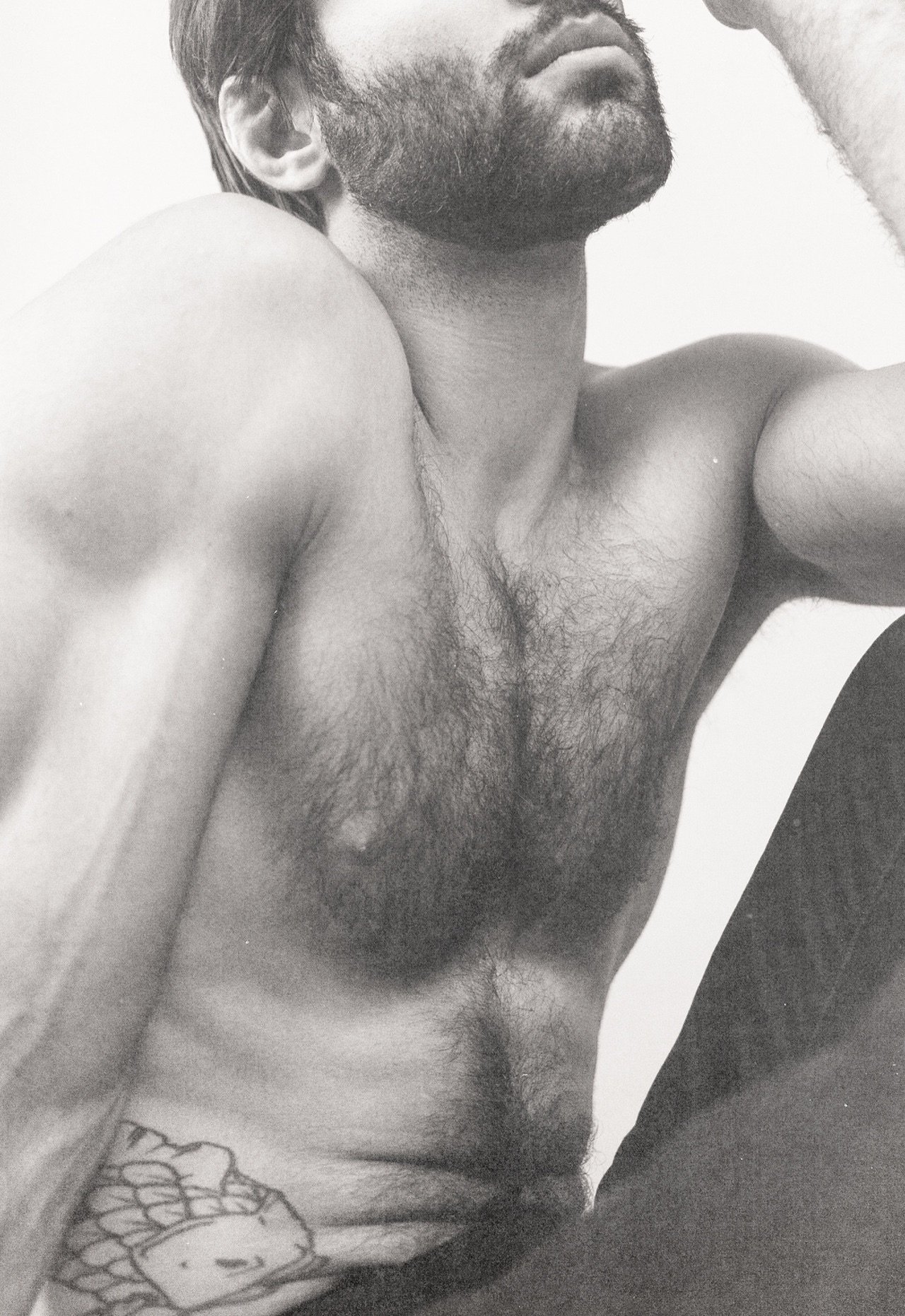
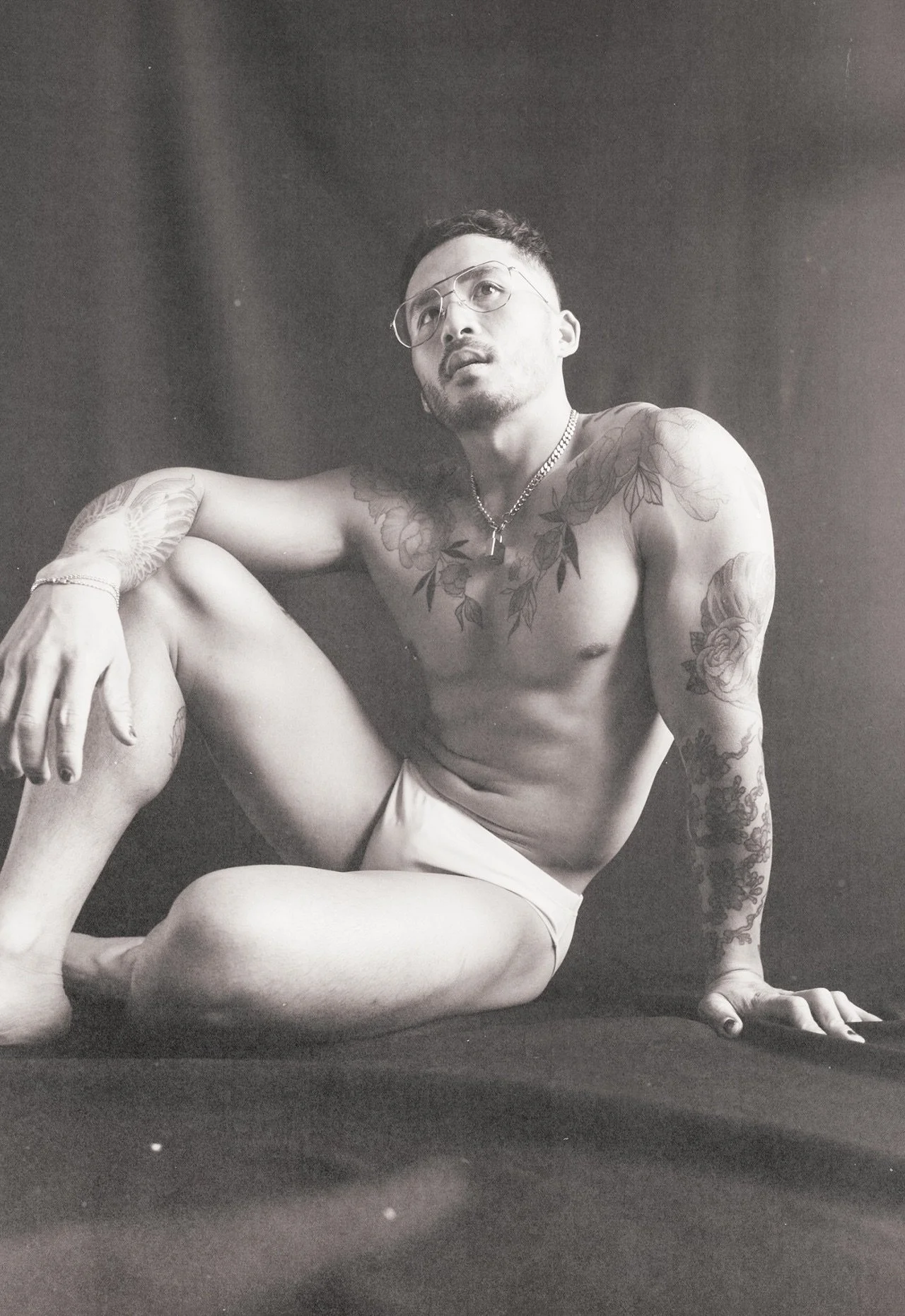
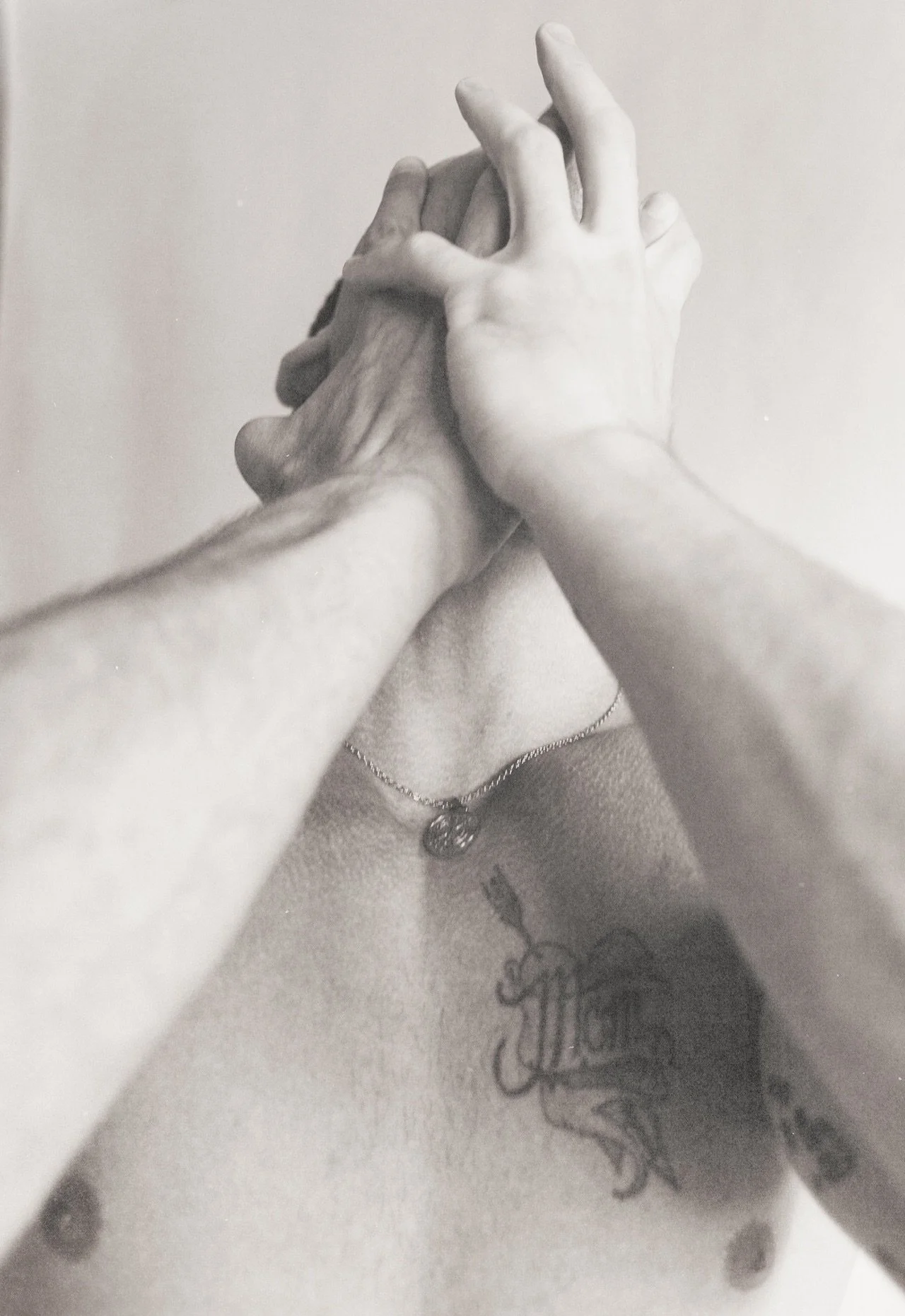
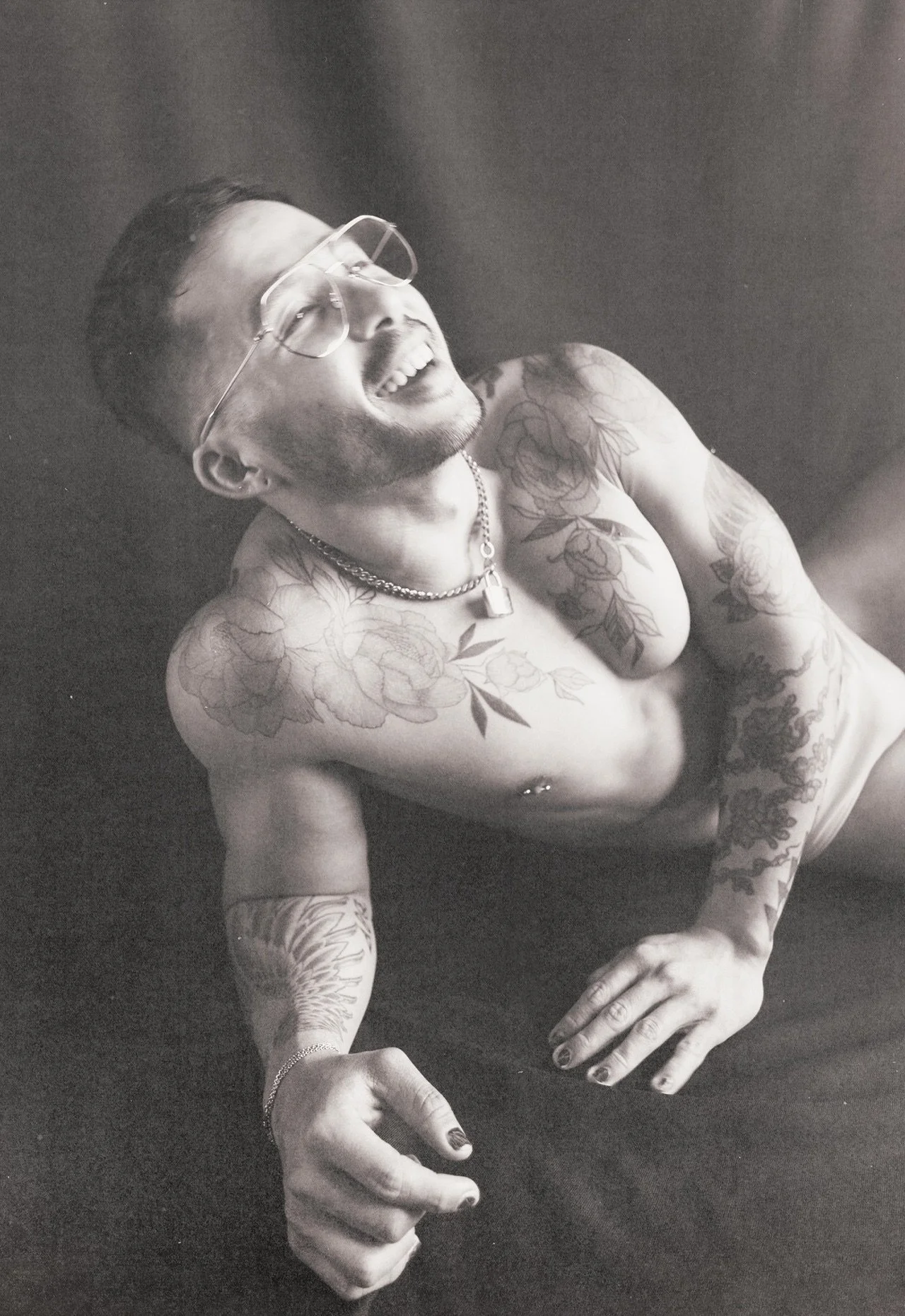
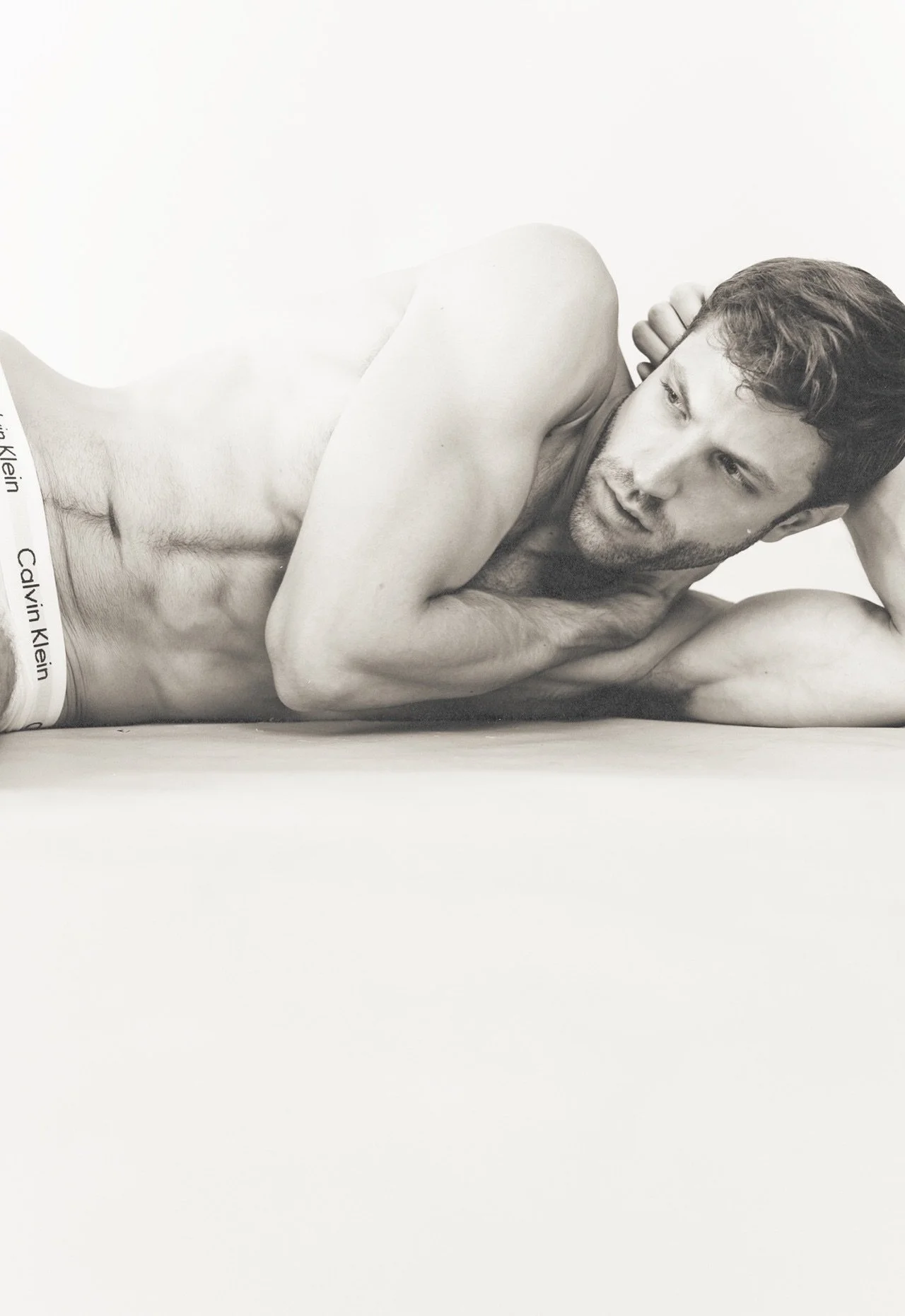
An Abundant Amount of A
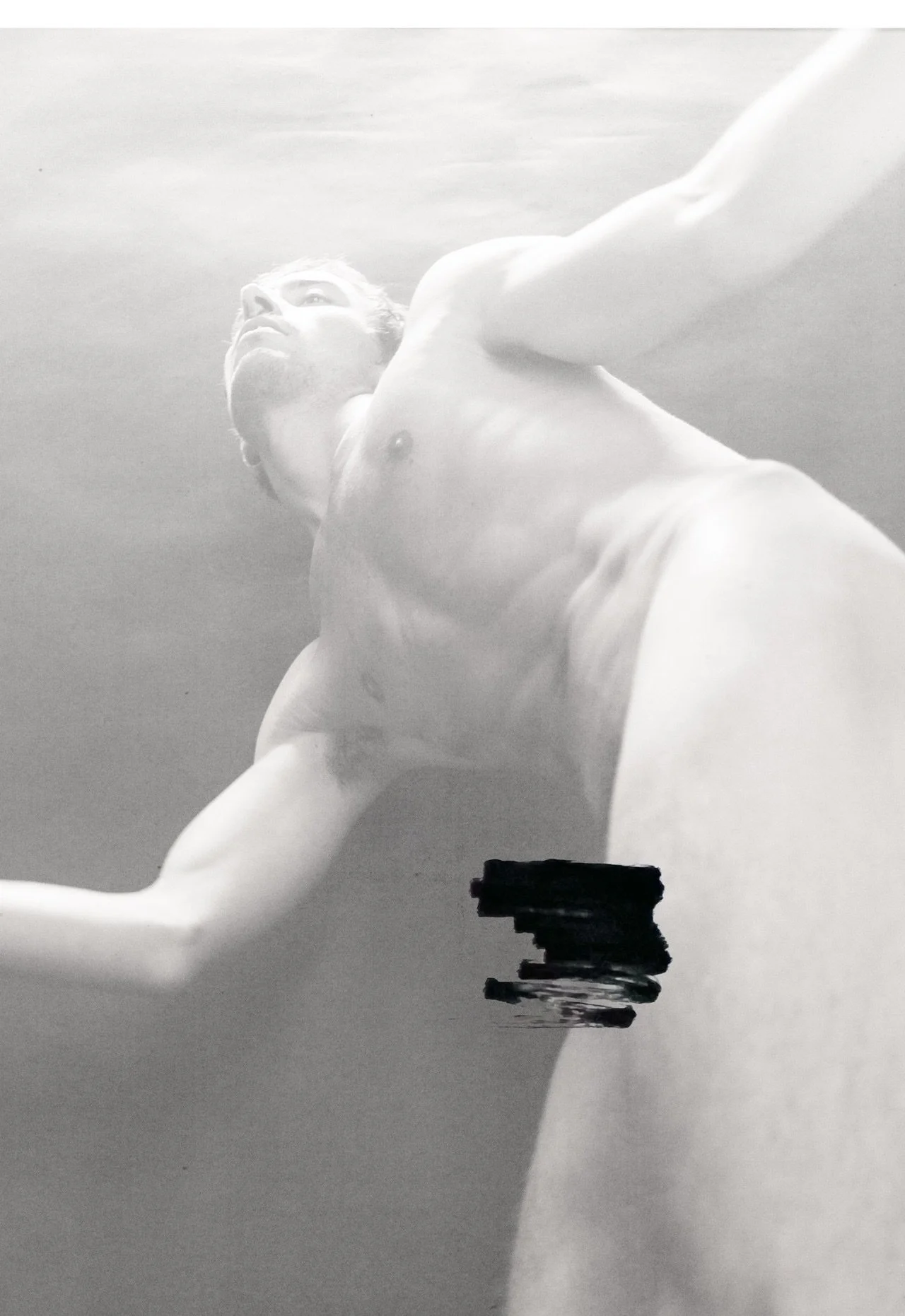
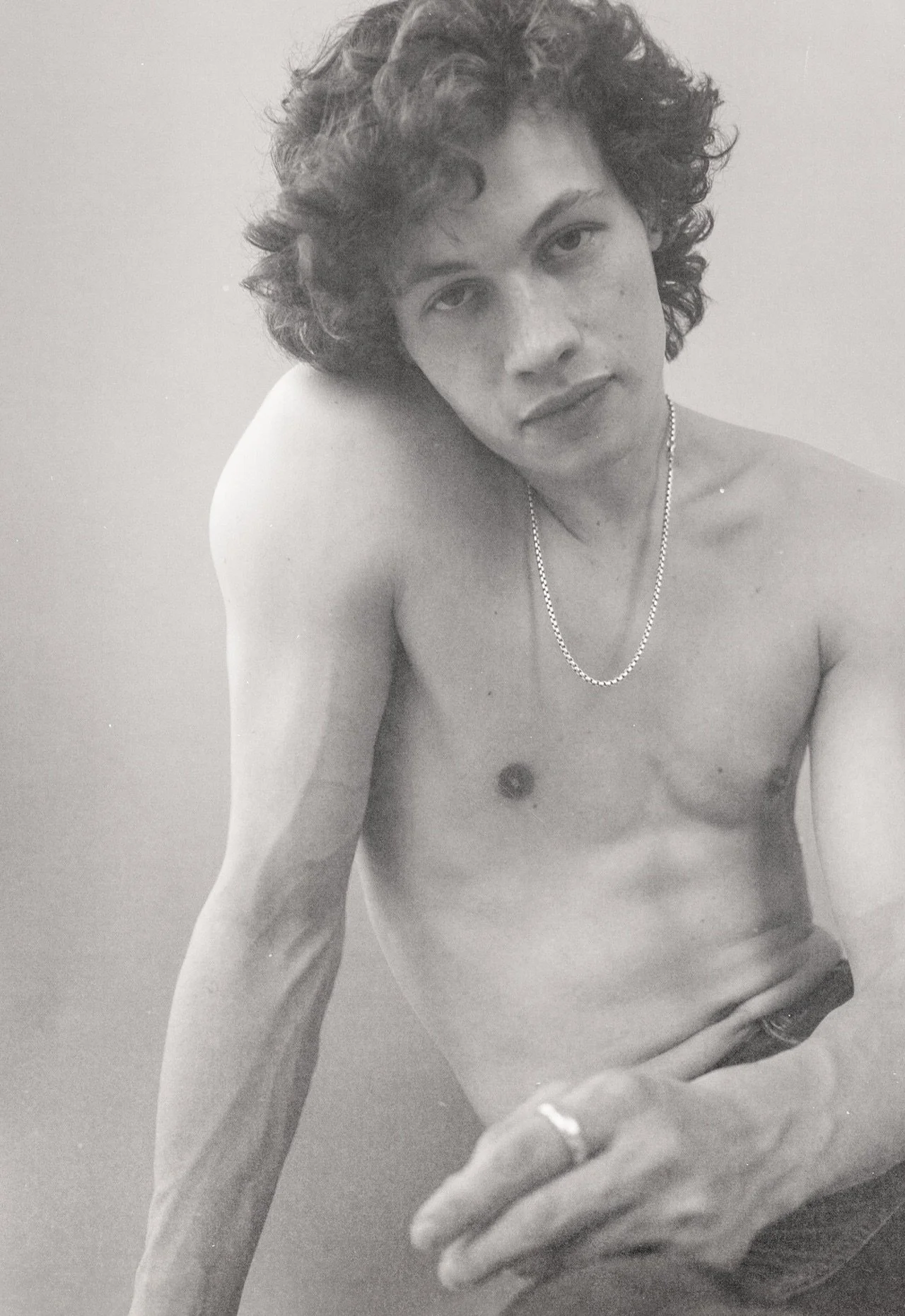
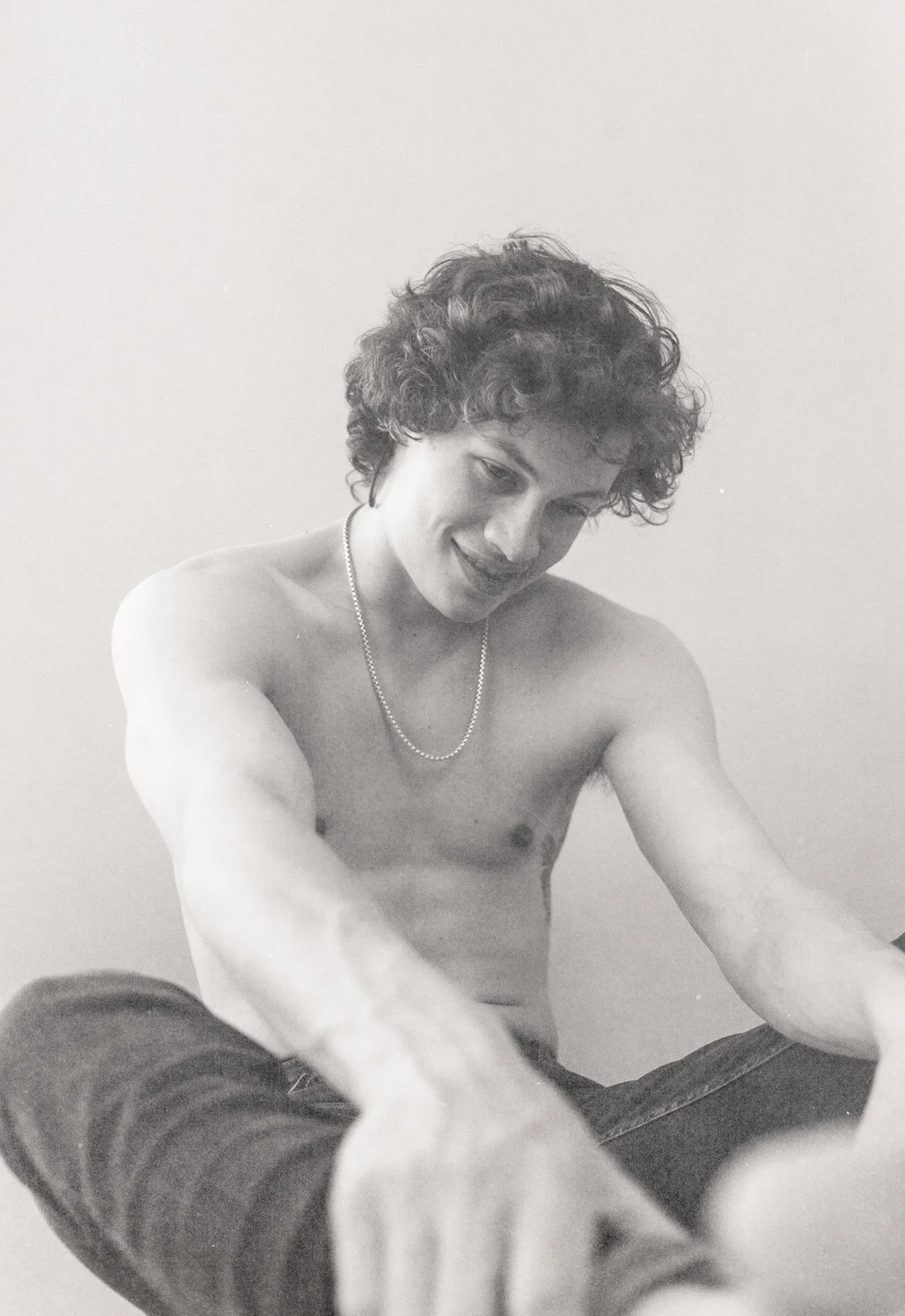
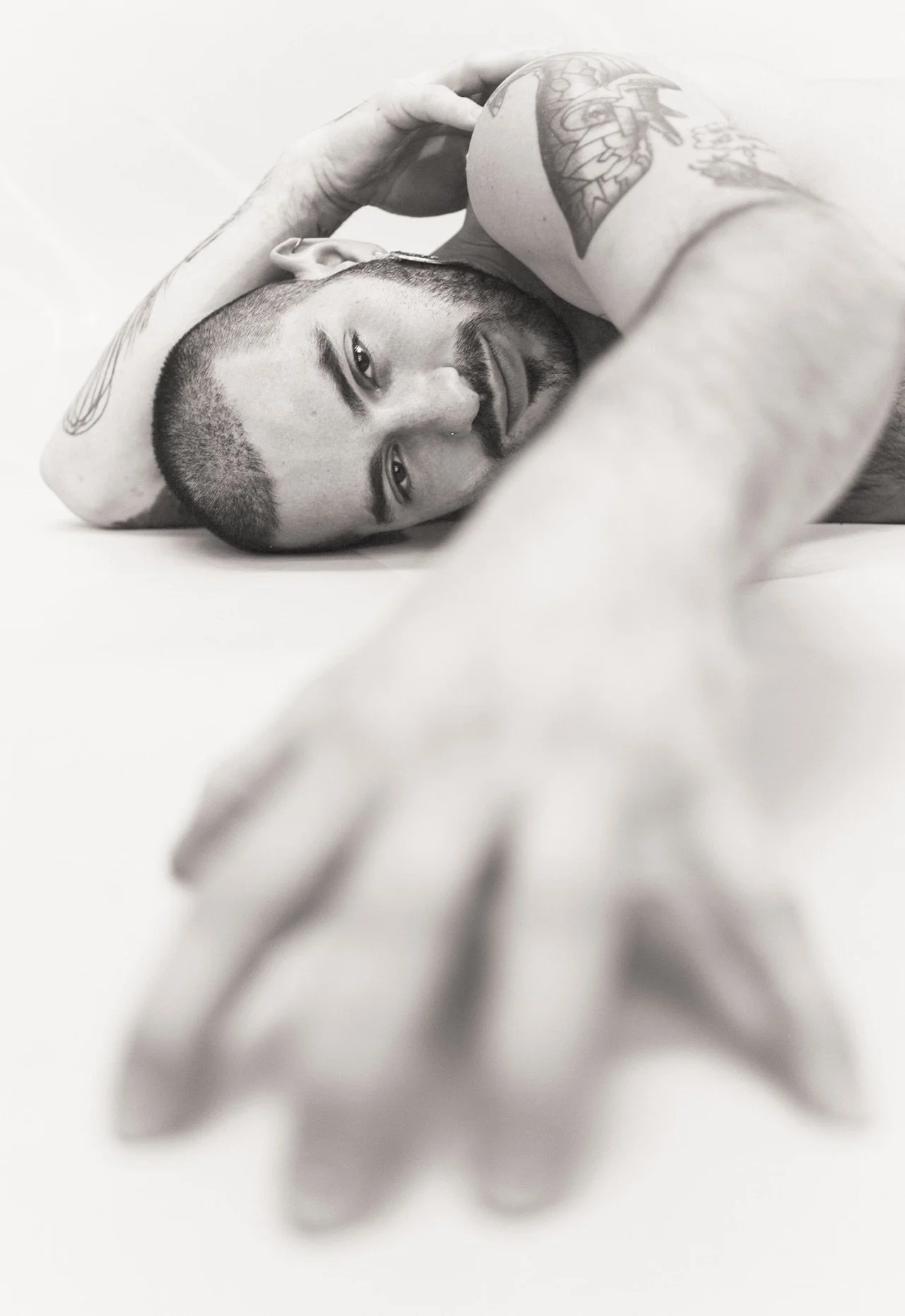
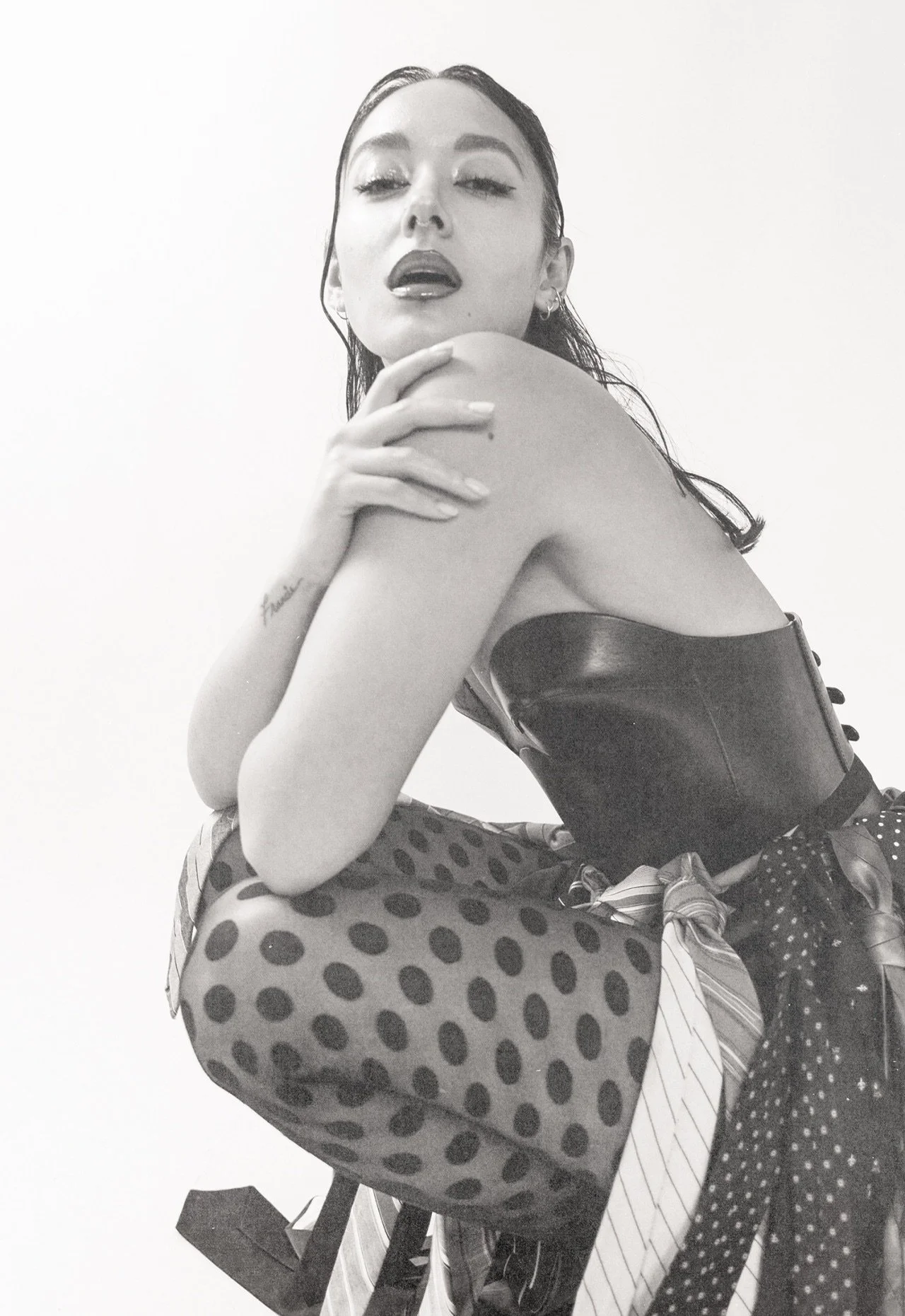
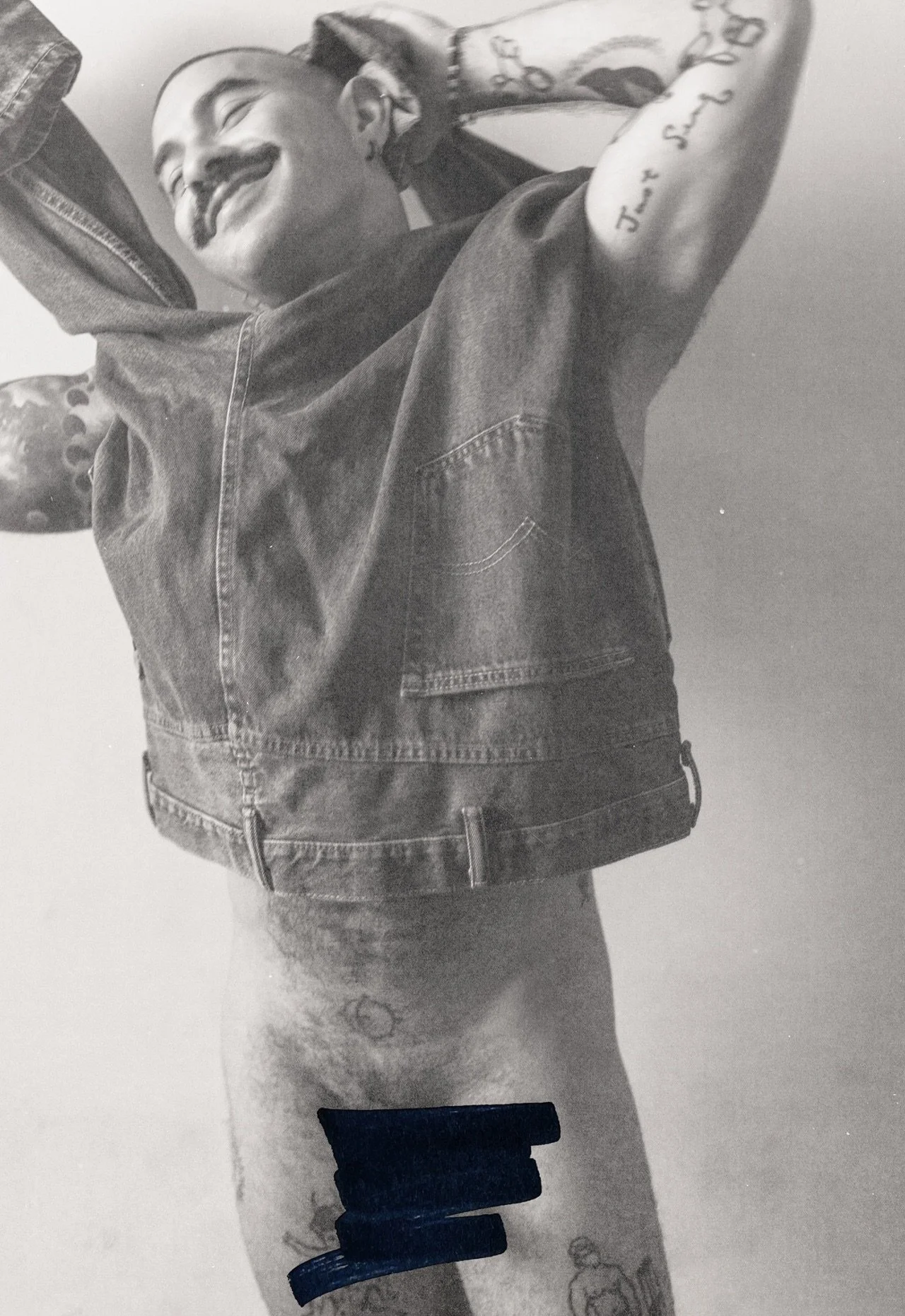
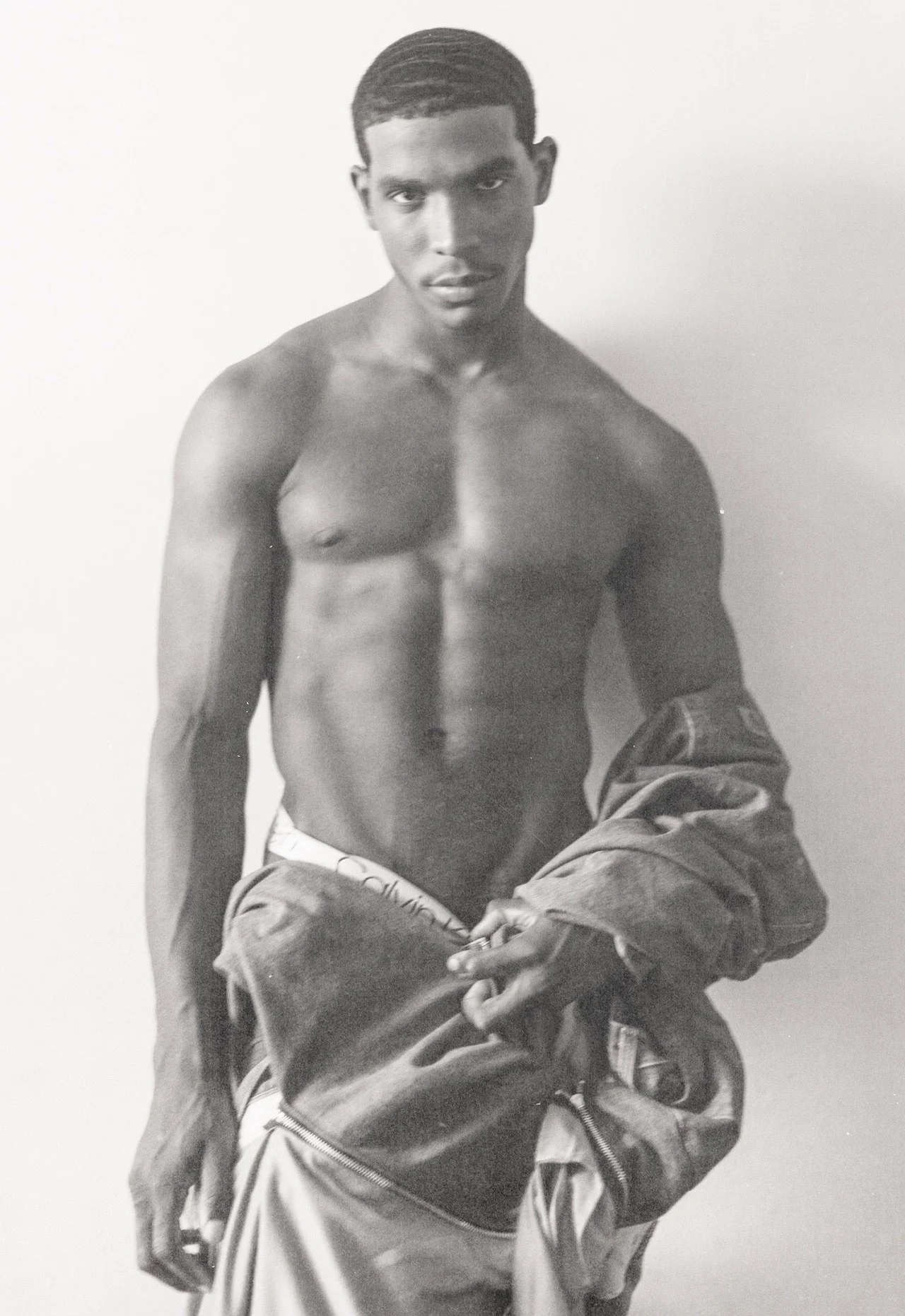
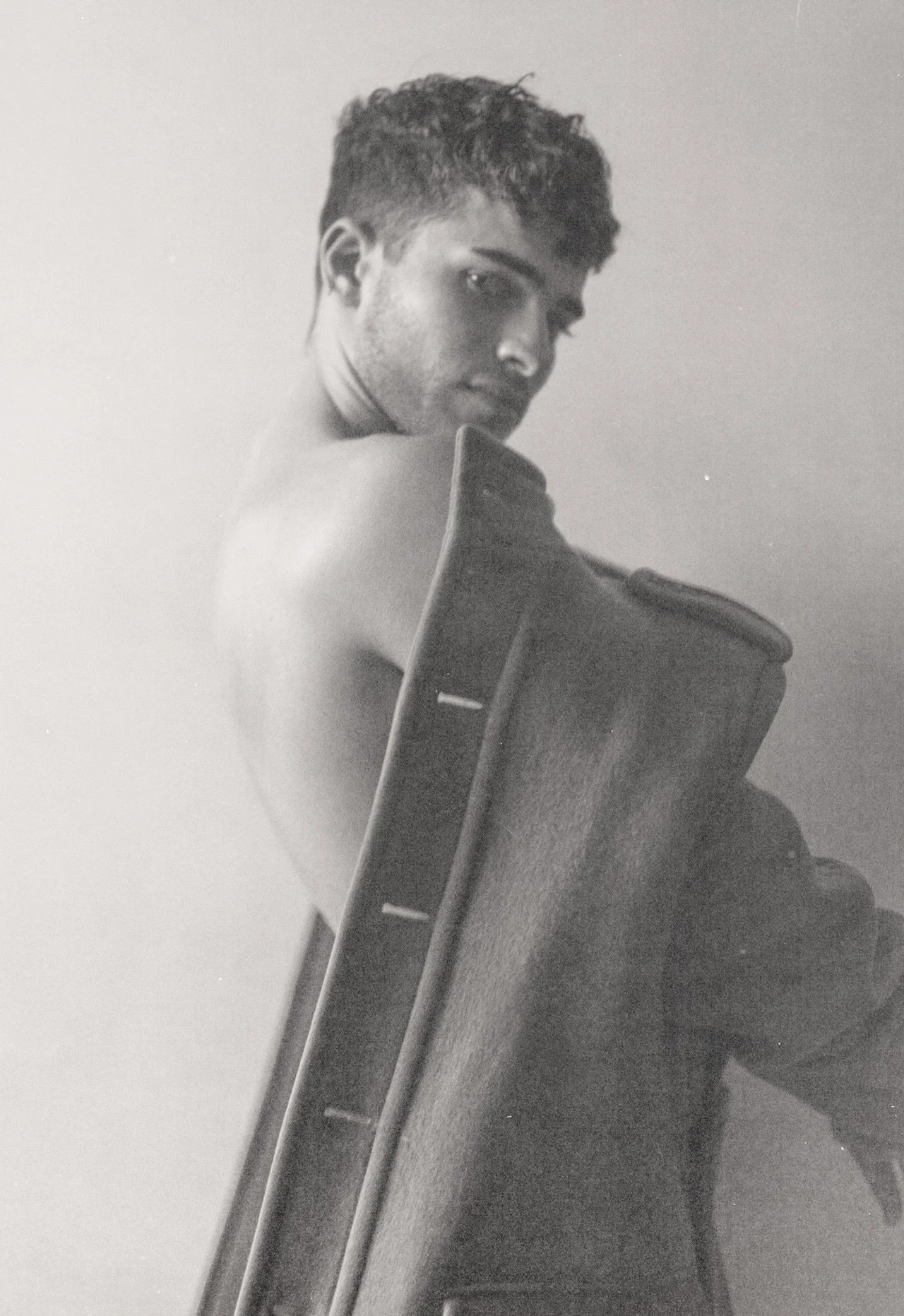
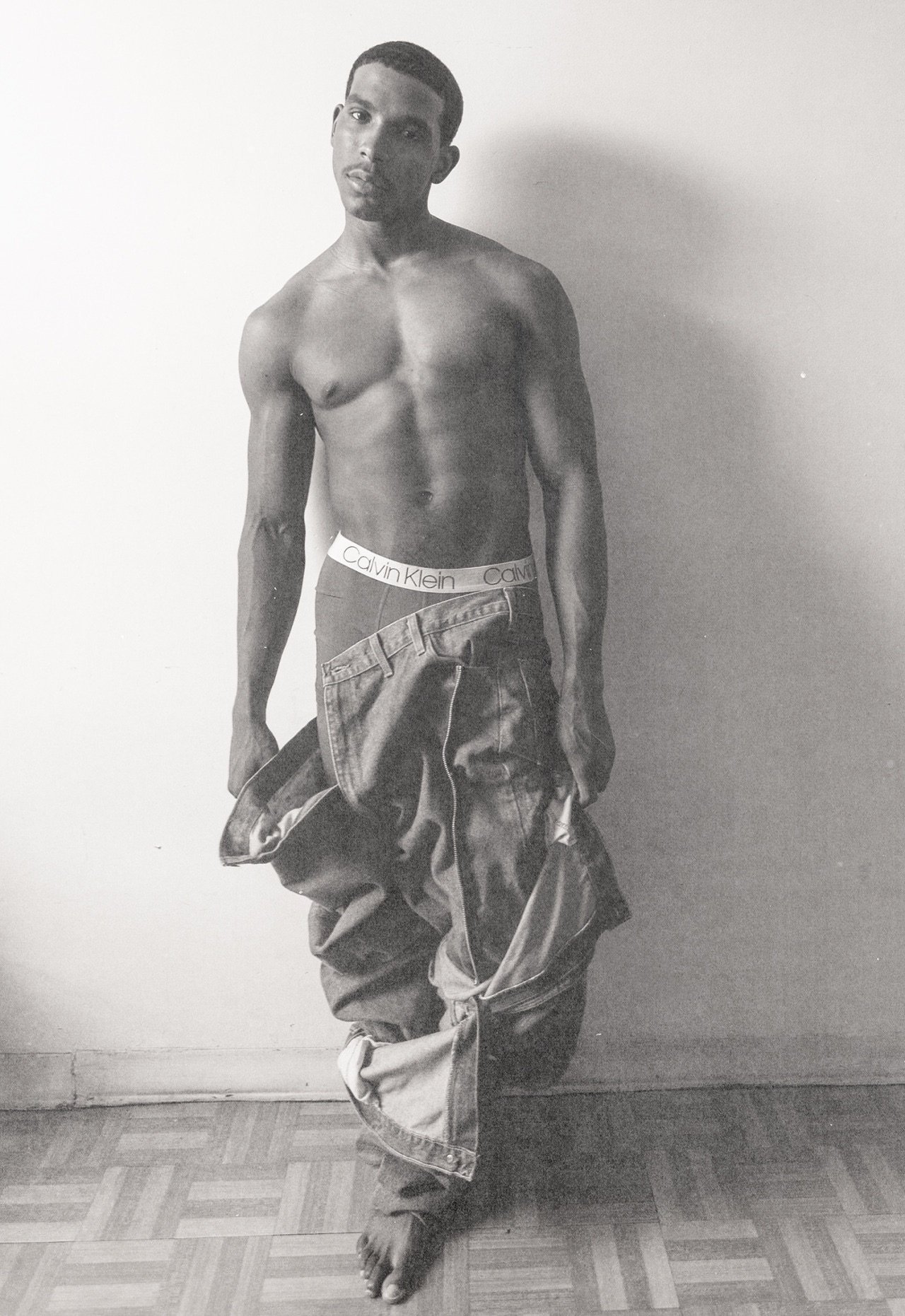
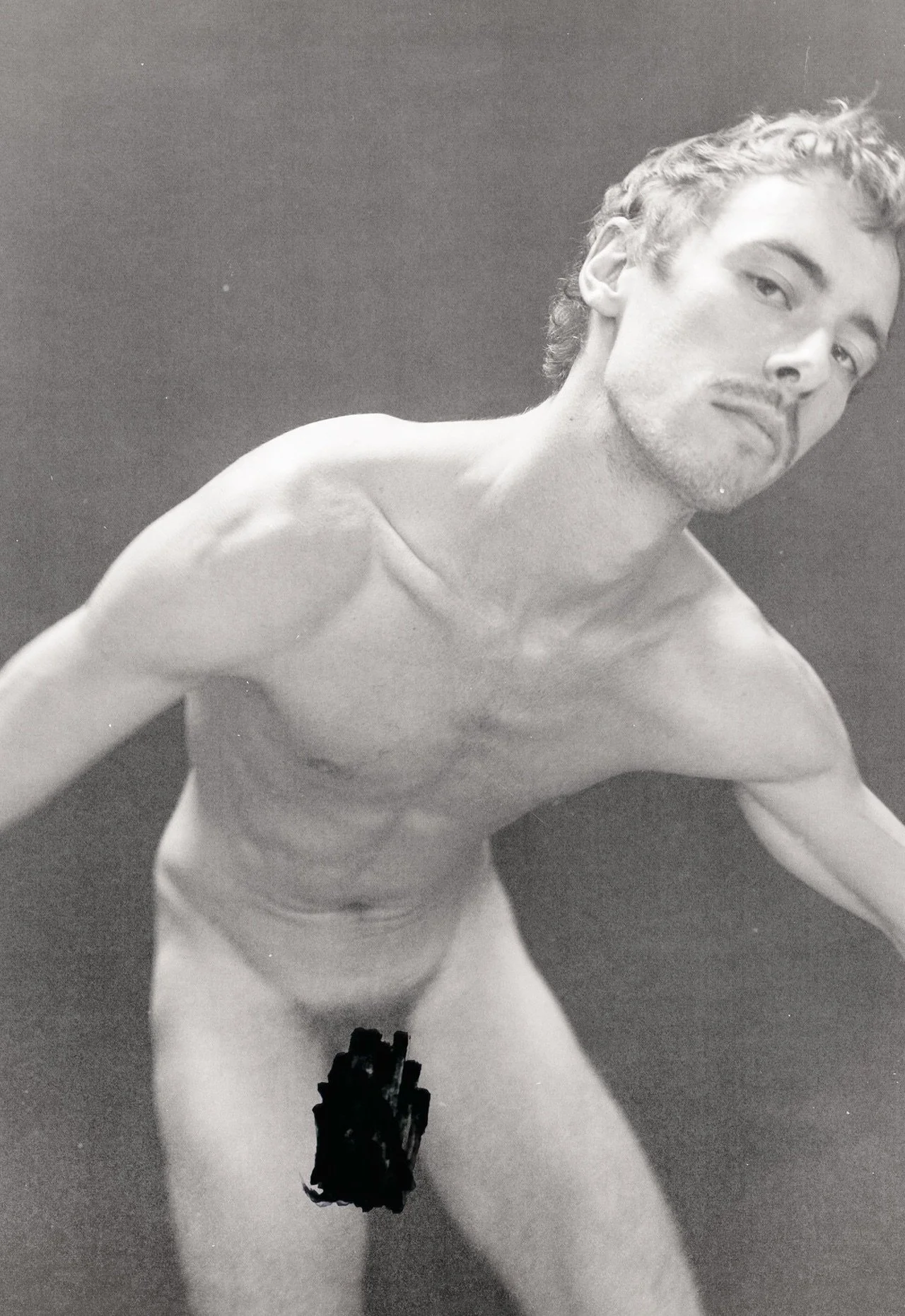
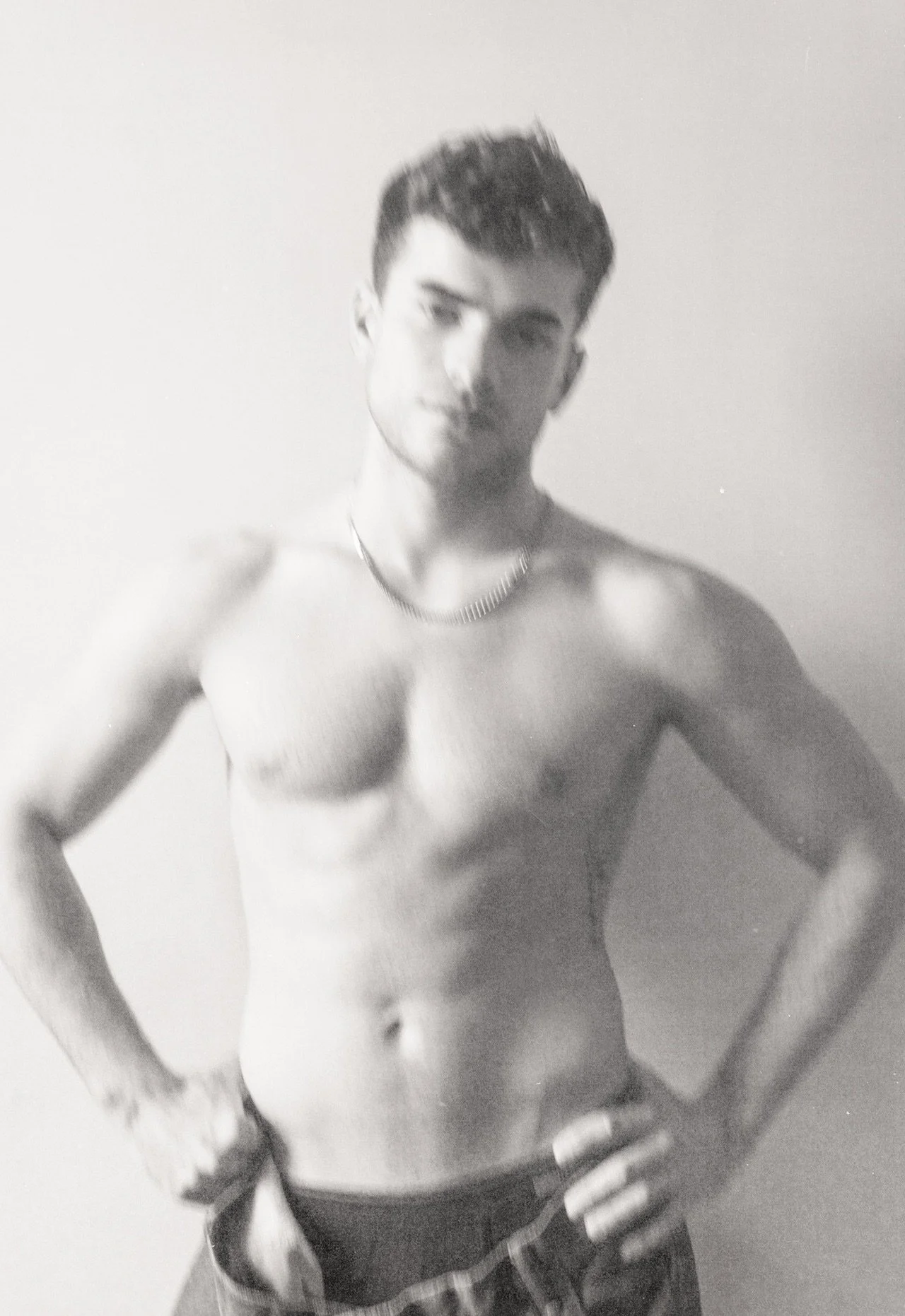
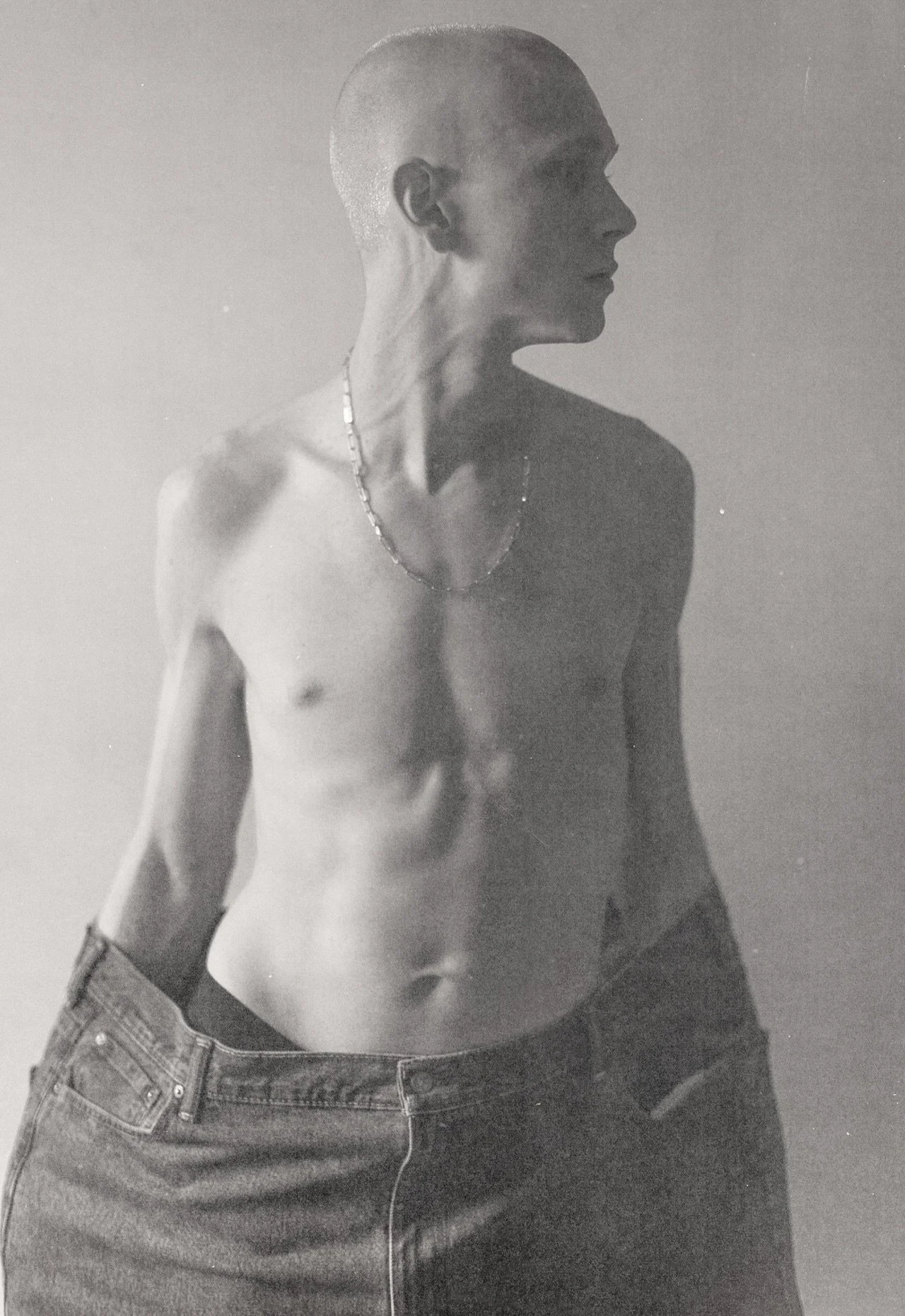
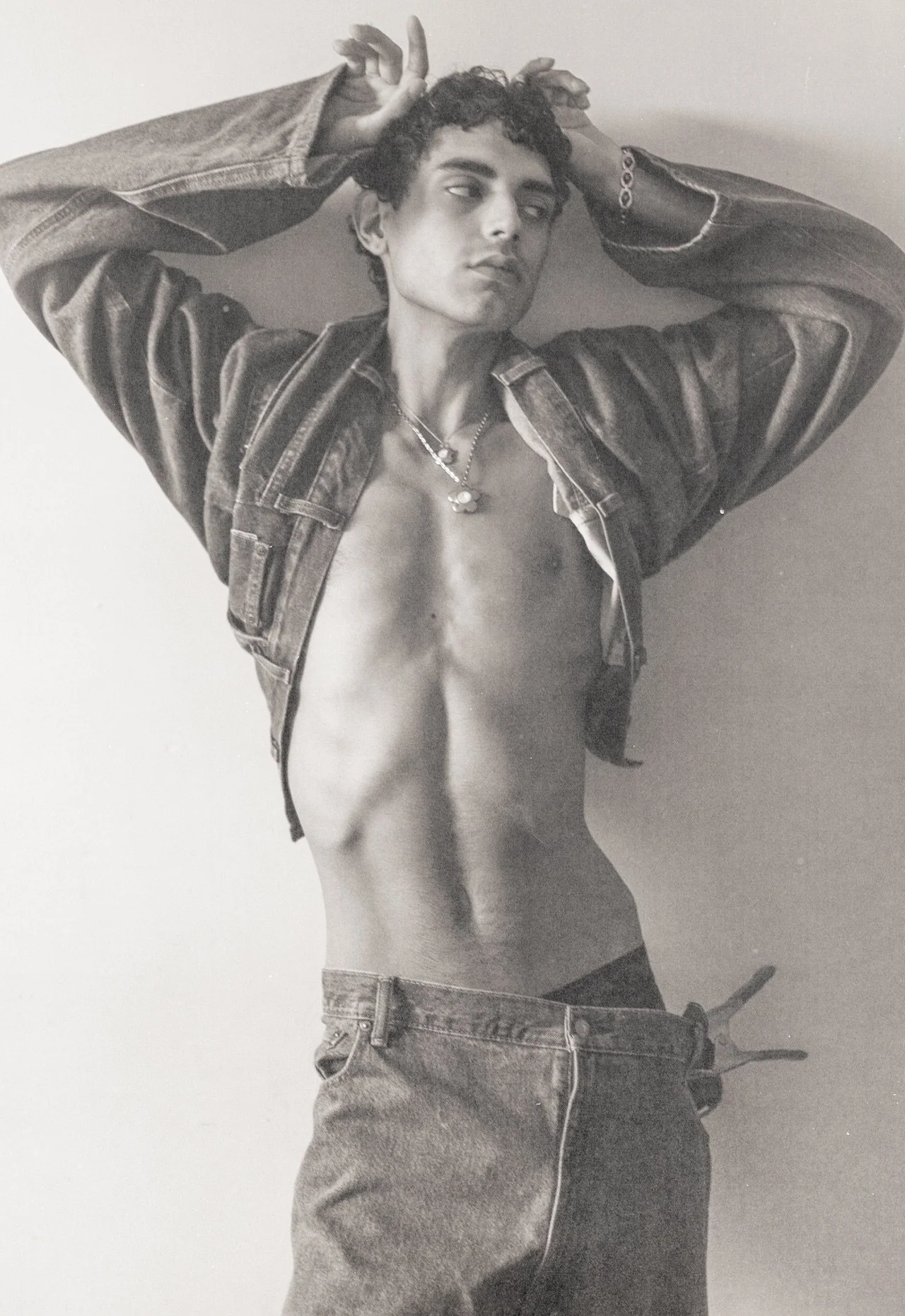
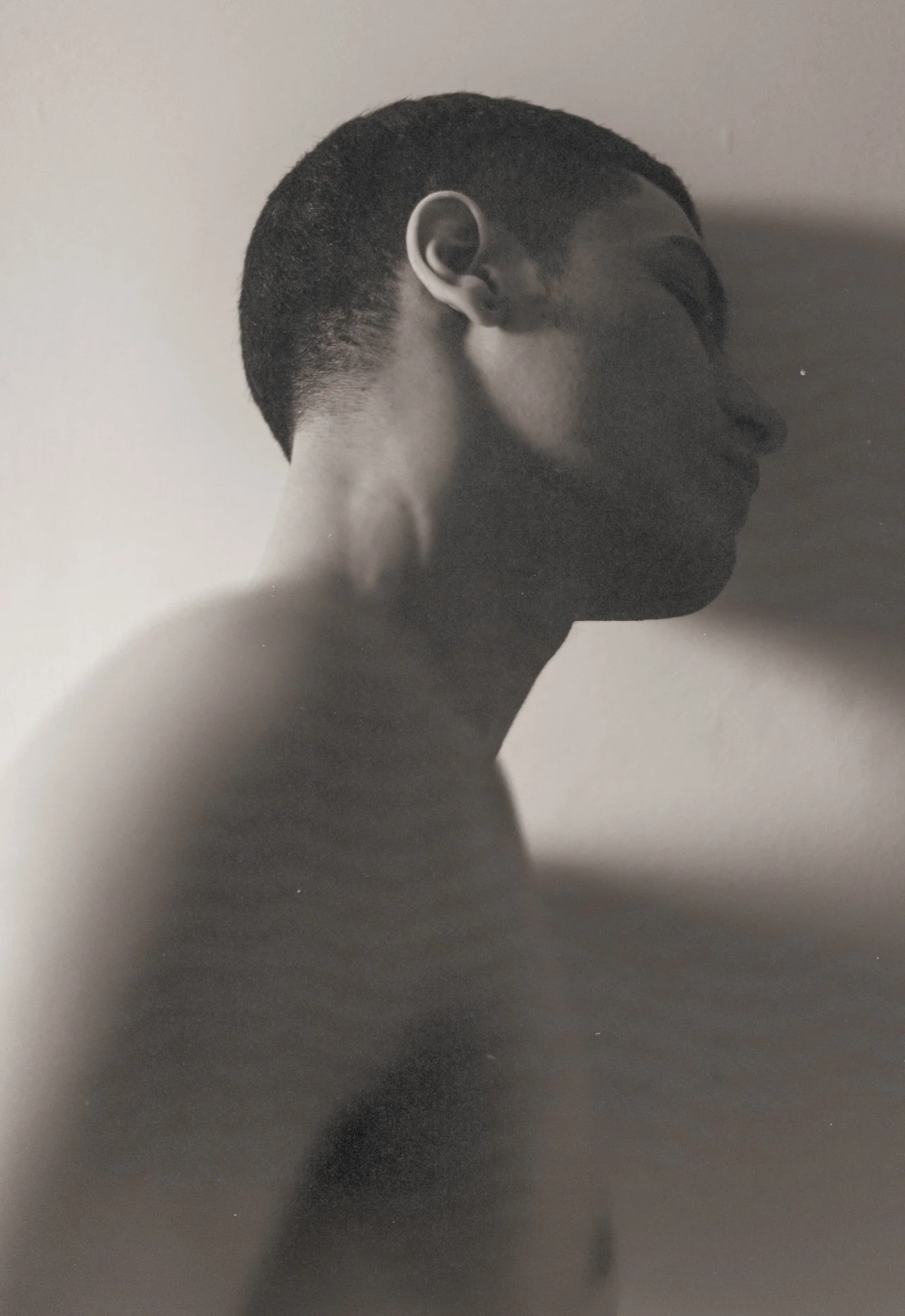
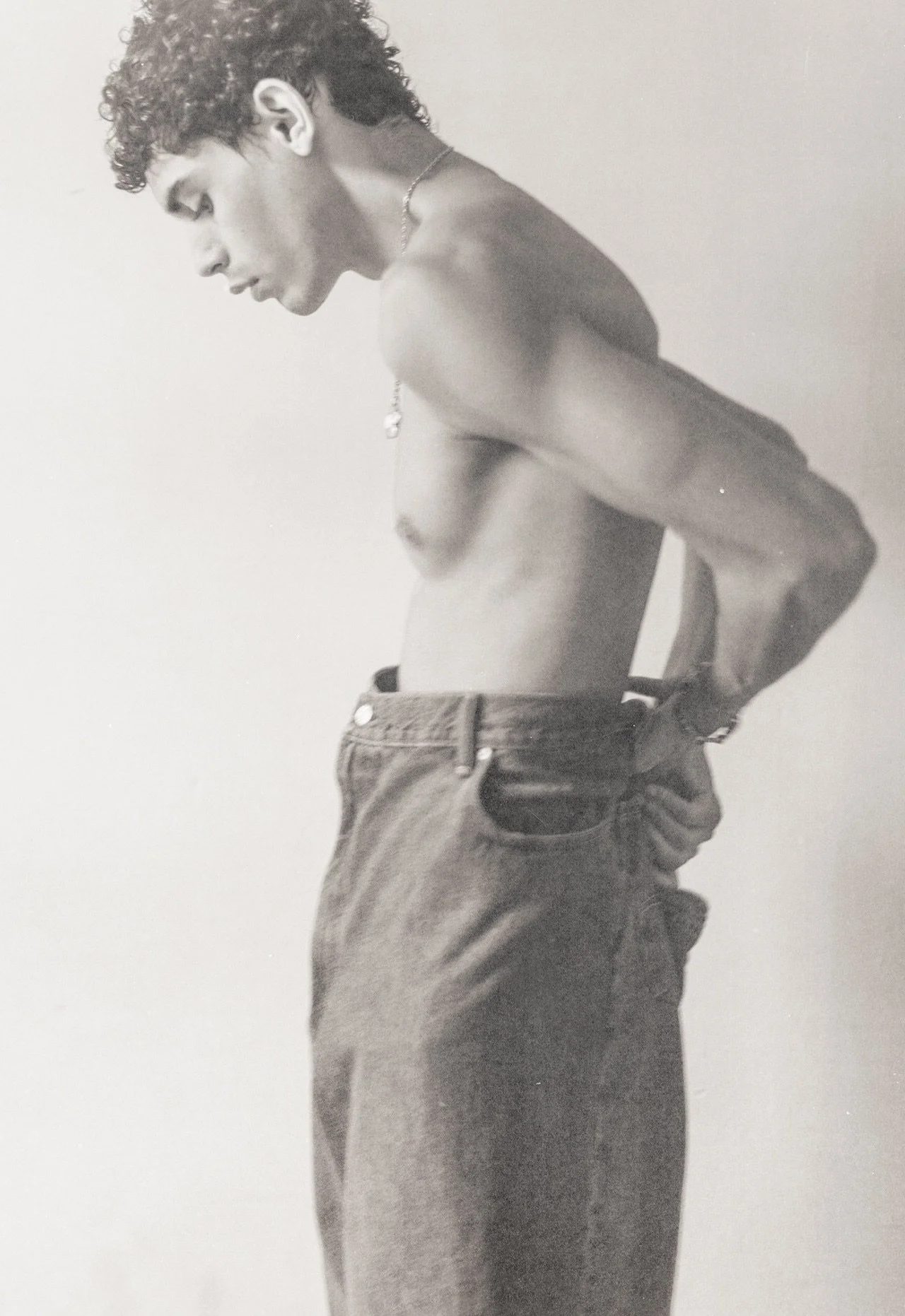
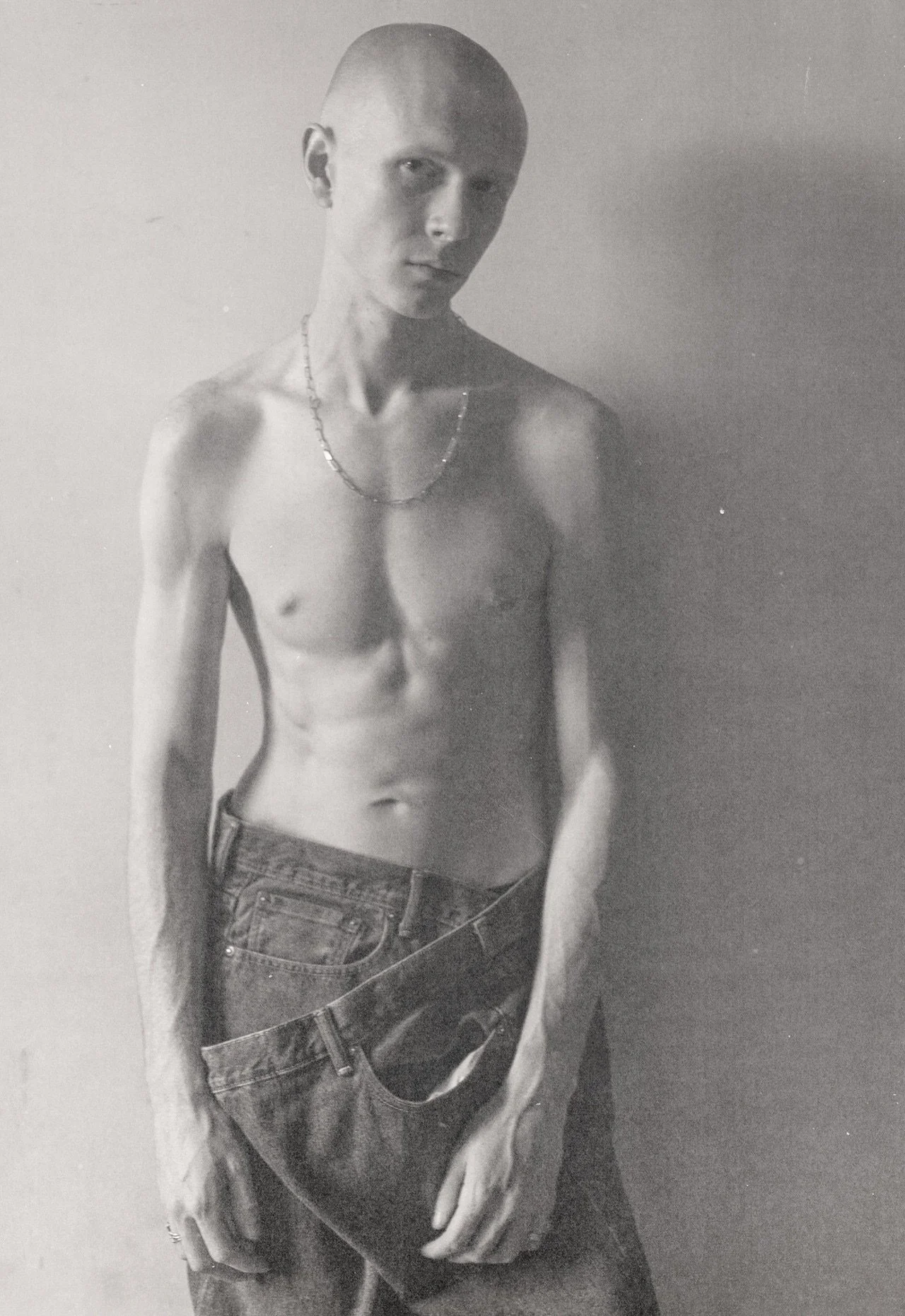
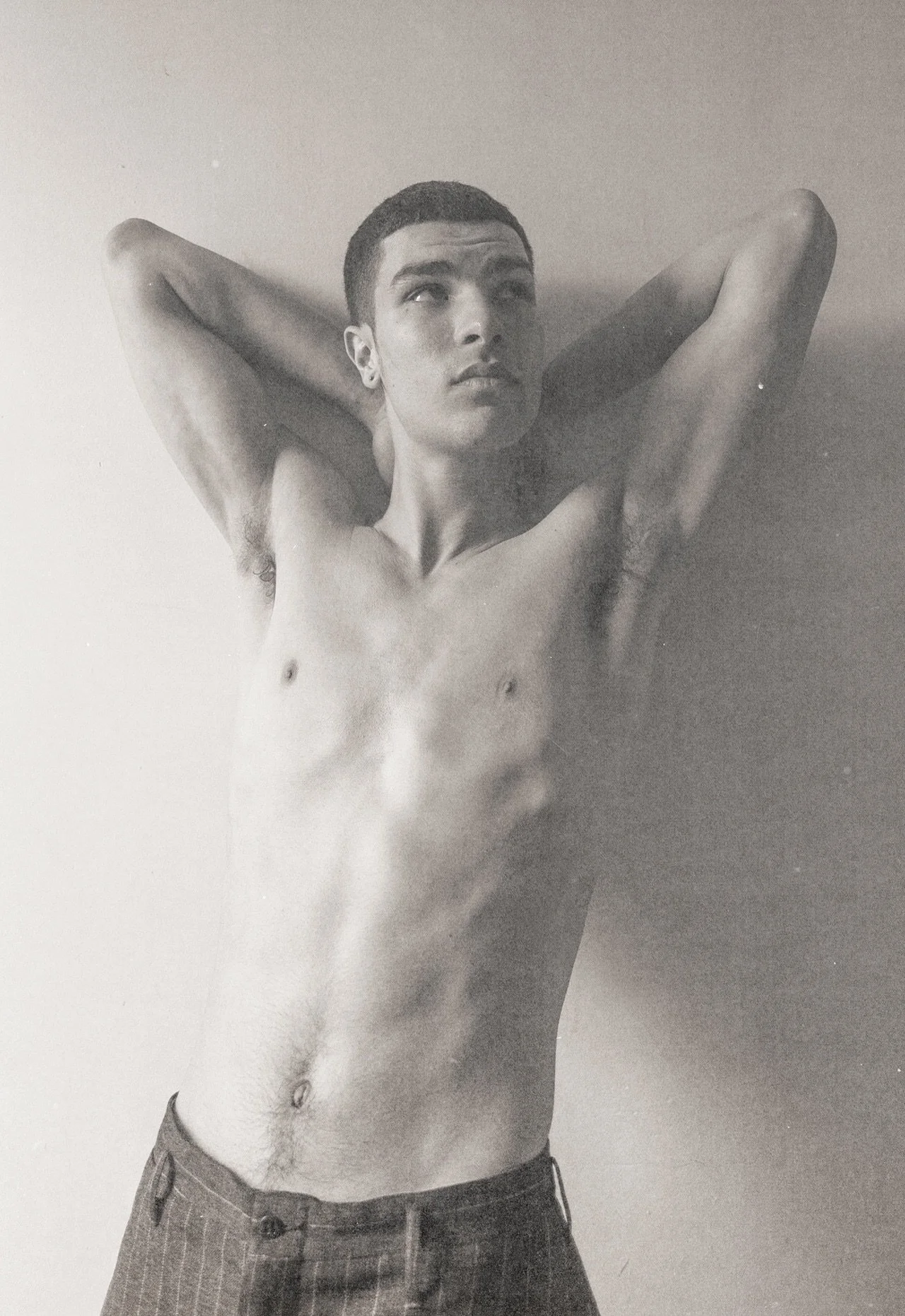
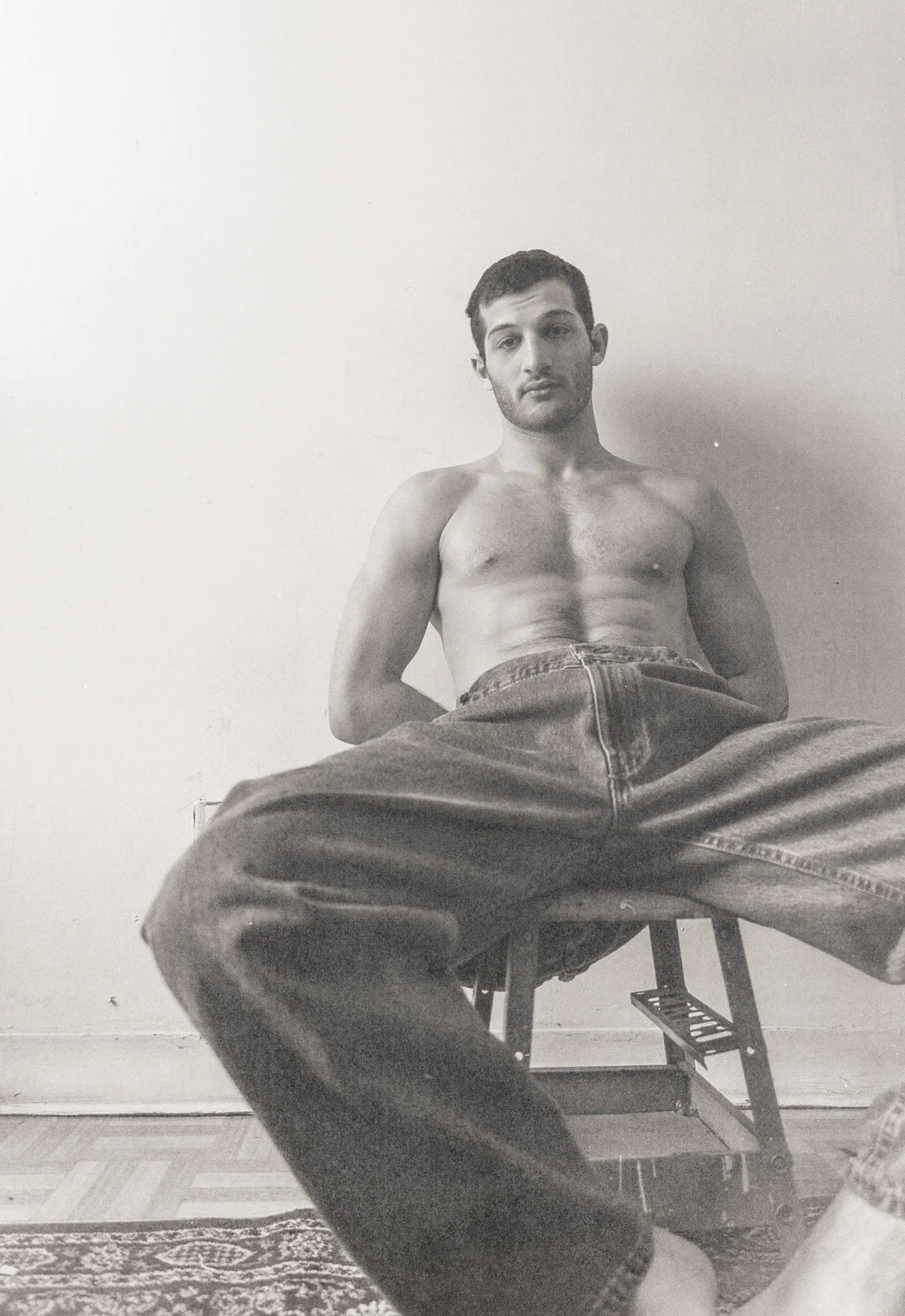
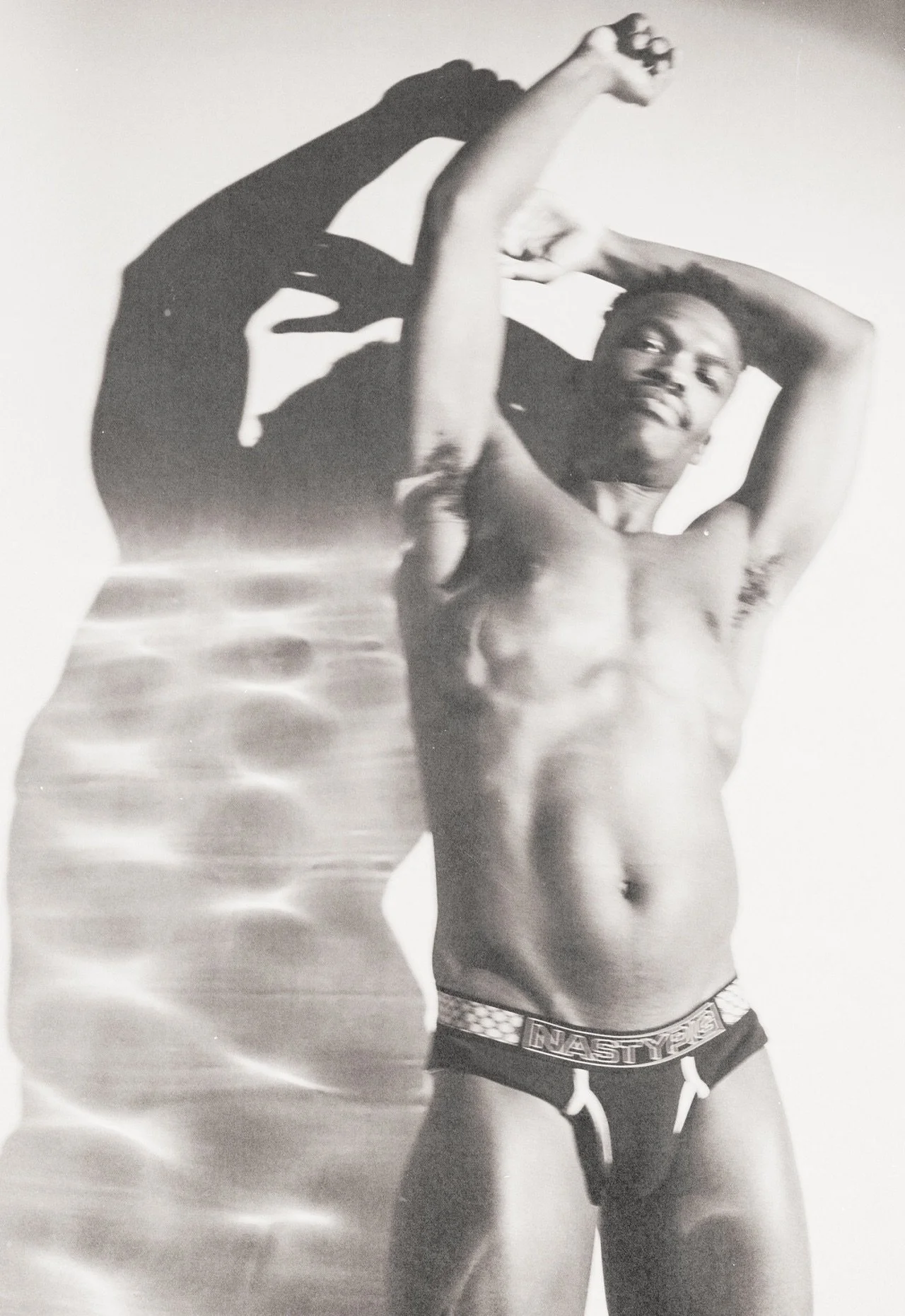
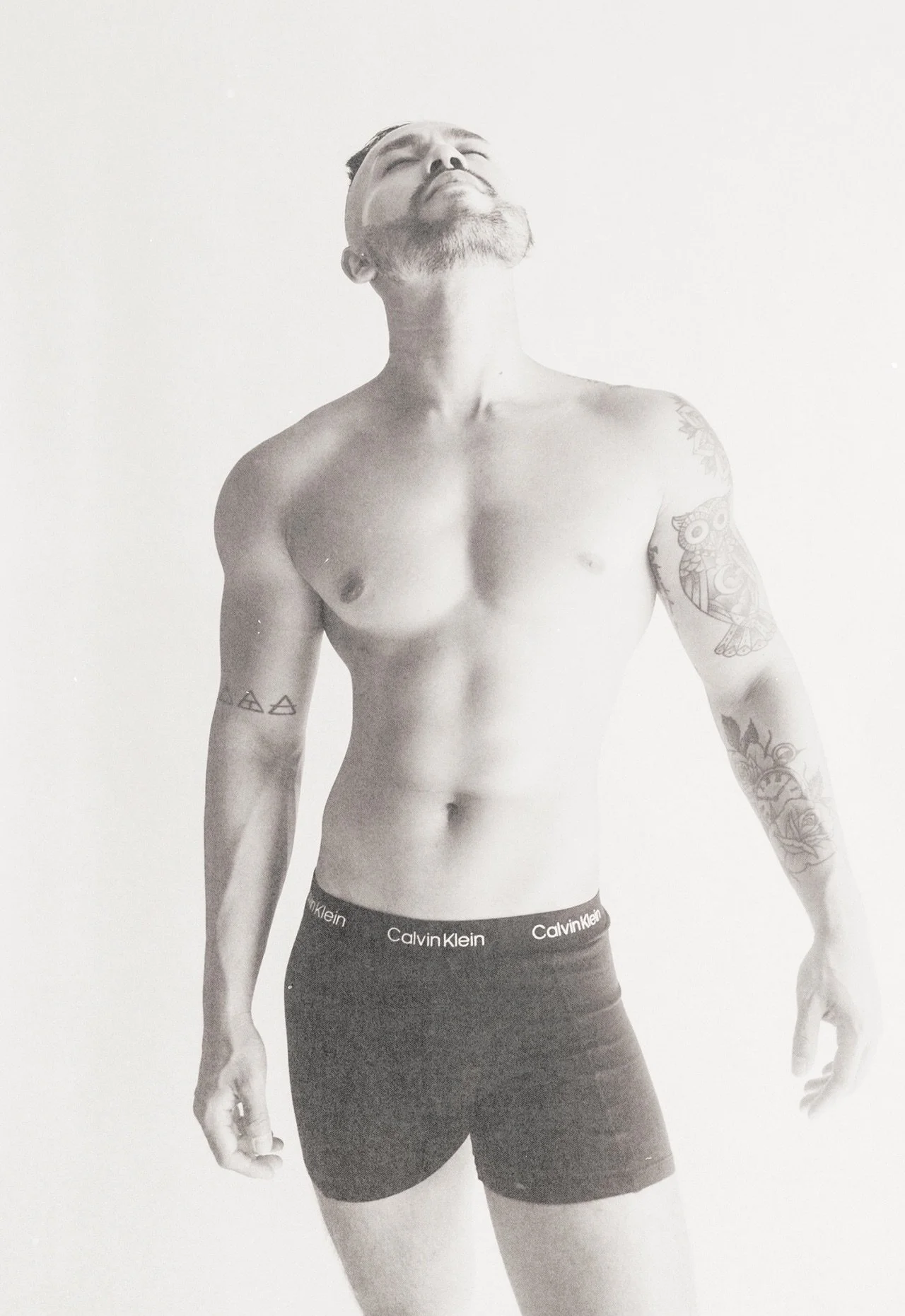
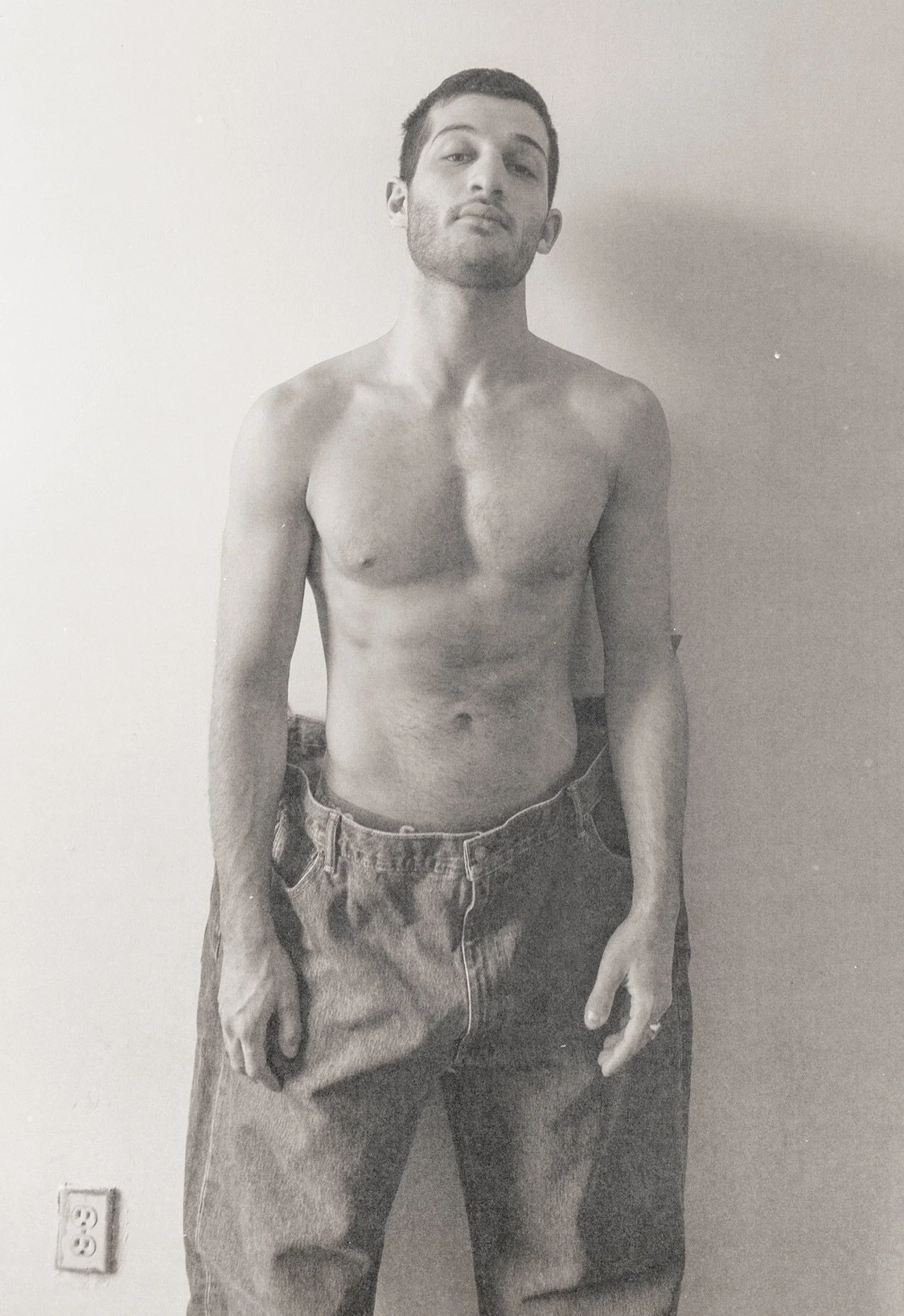
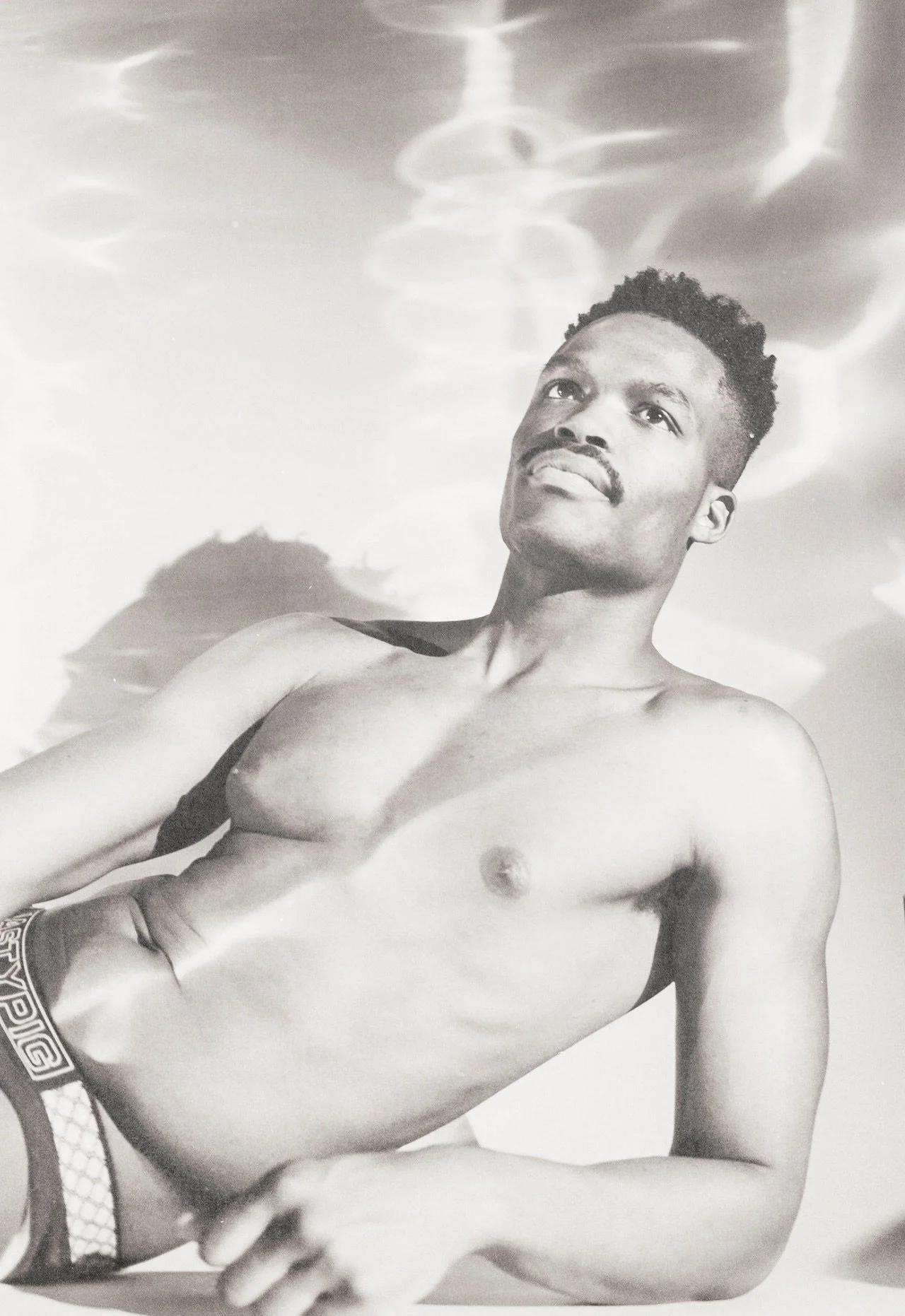
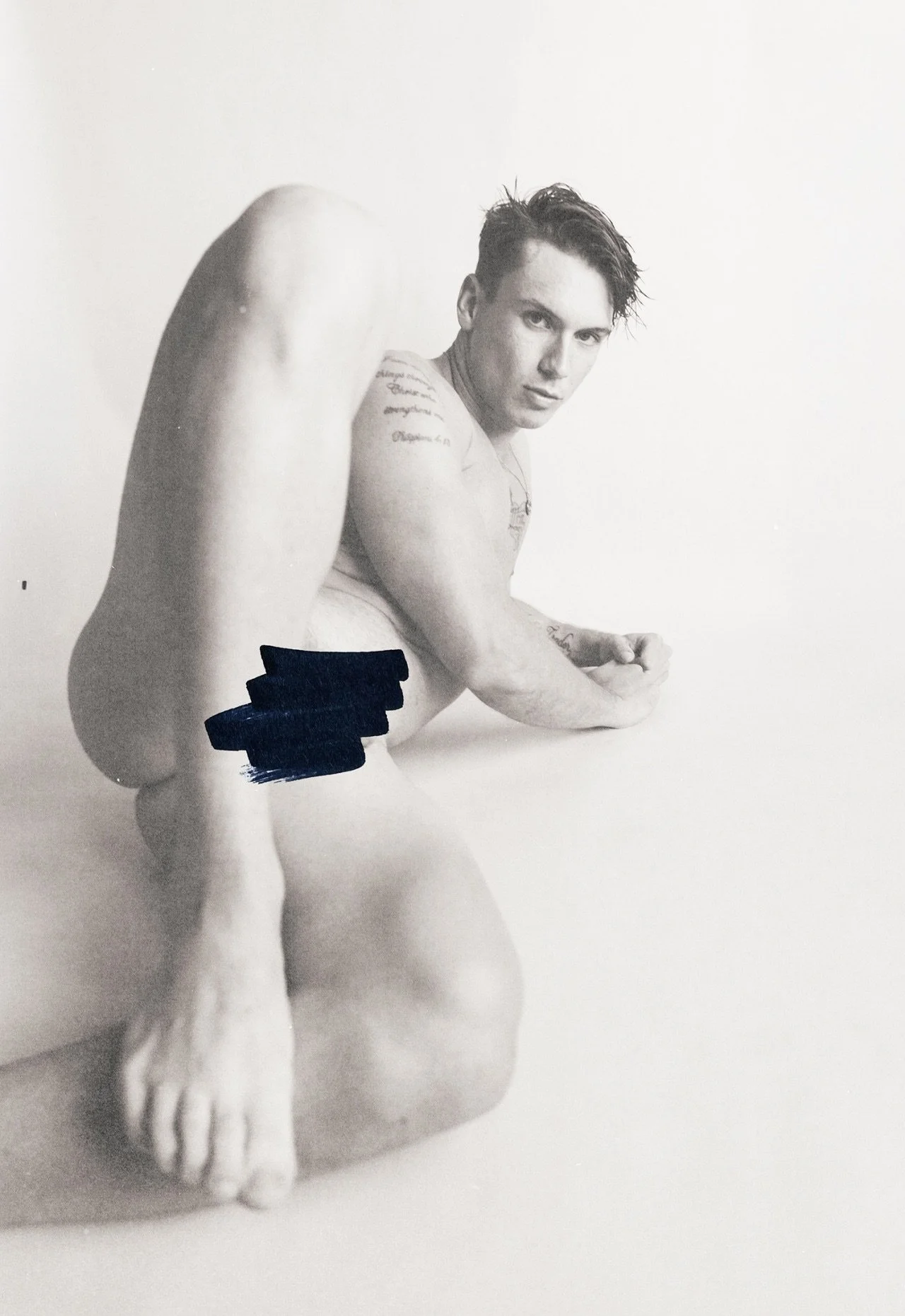
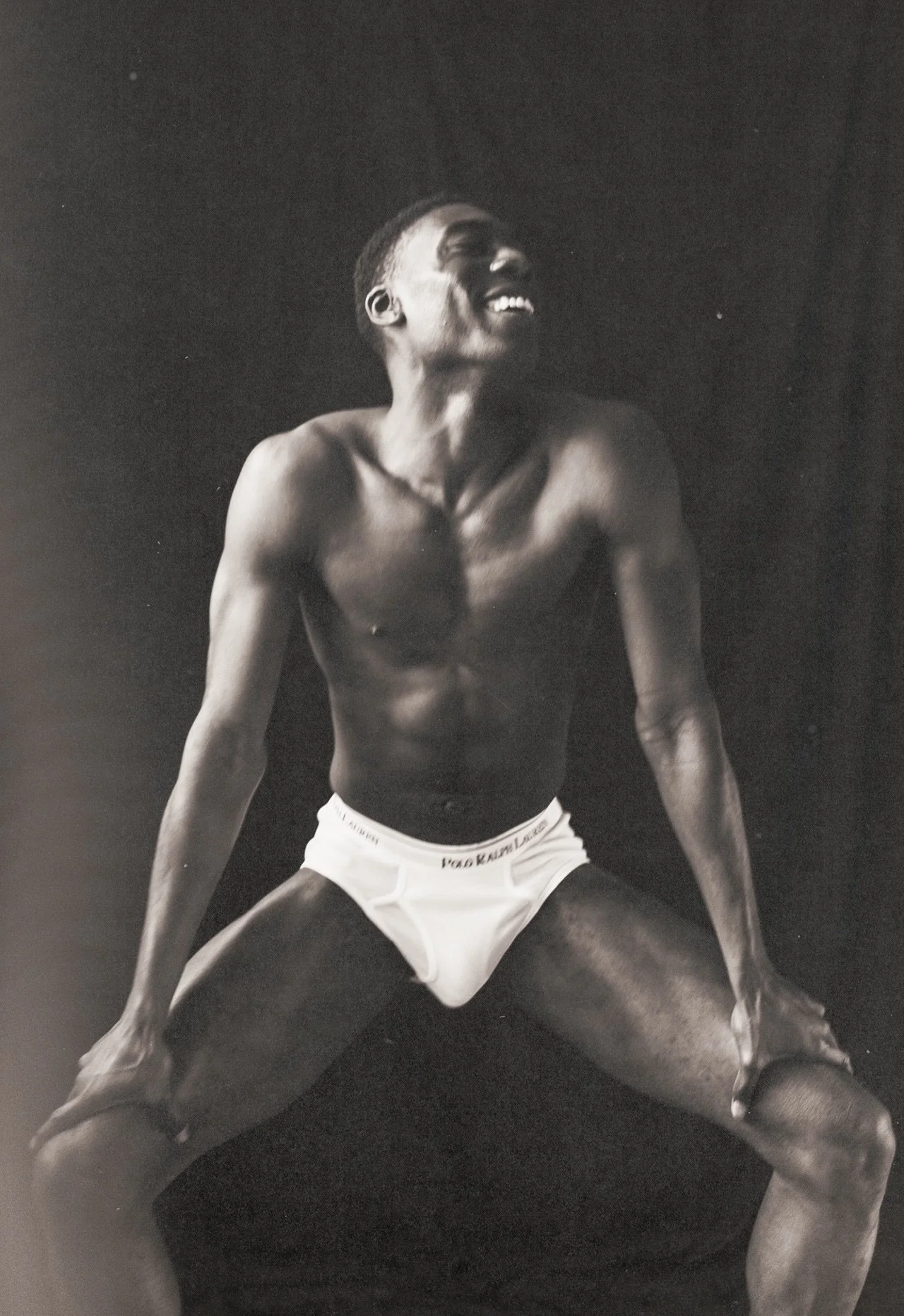
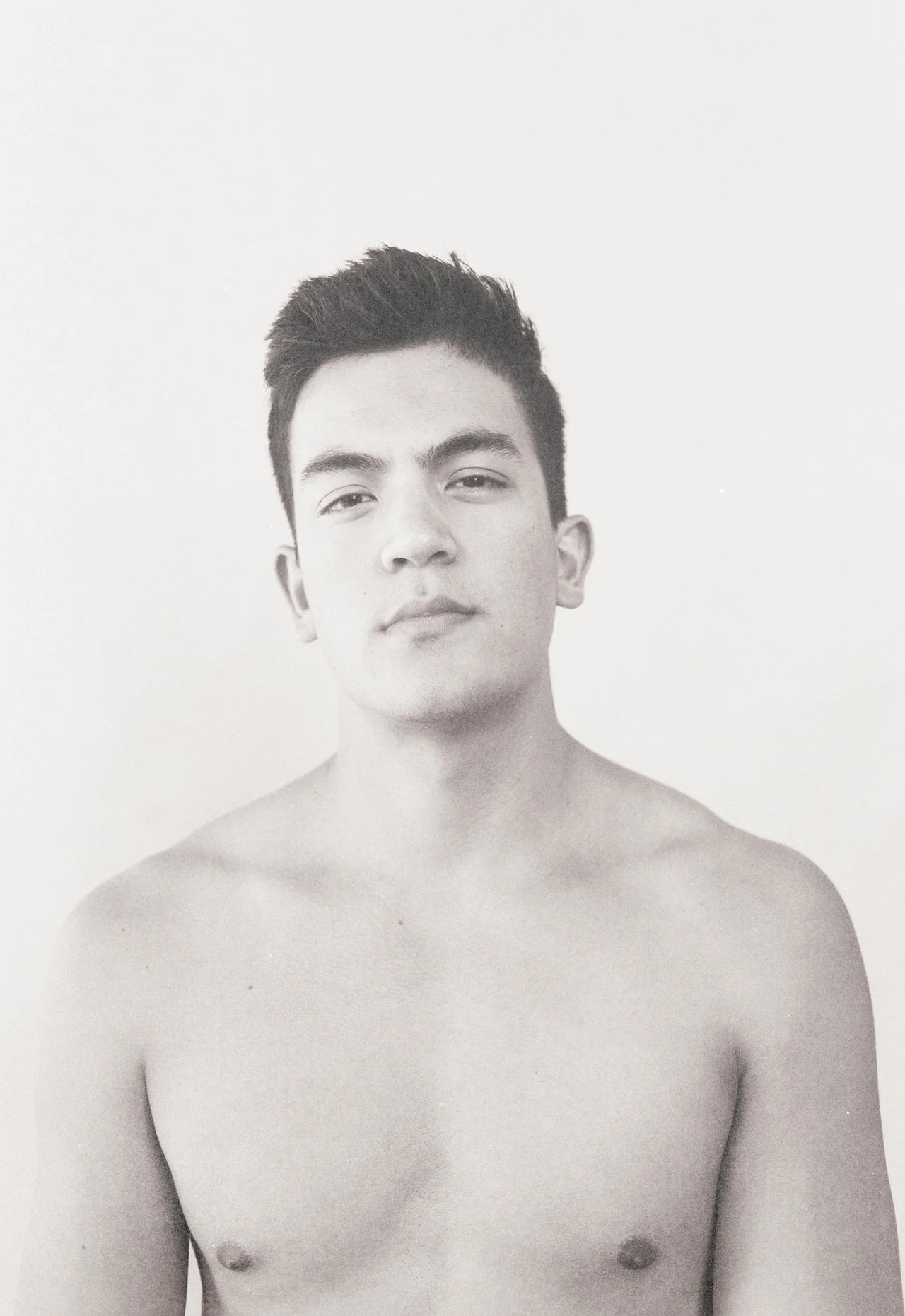
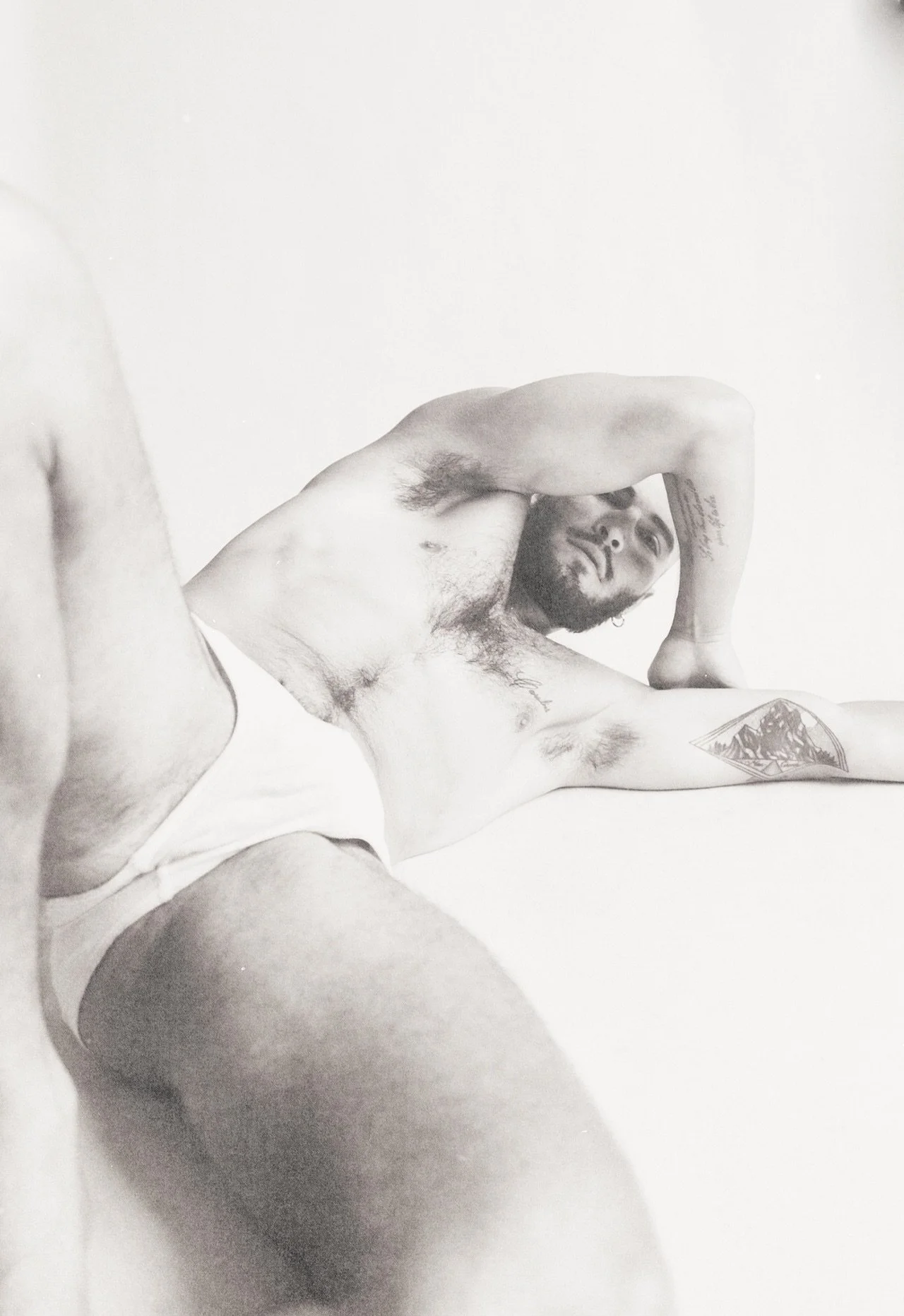
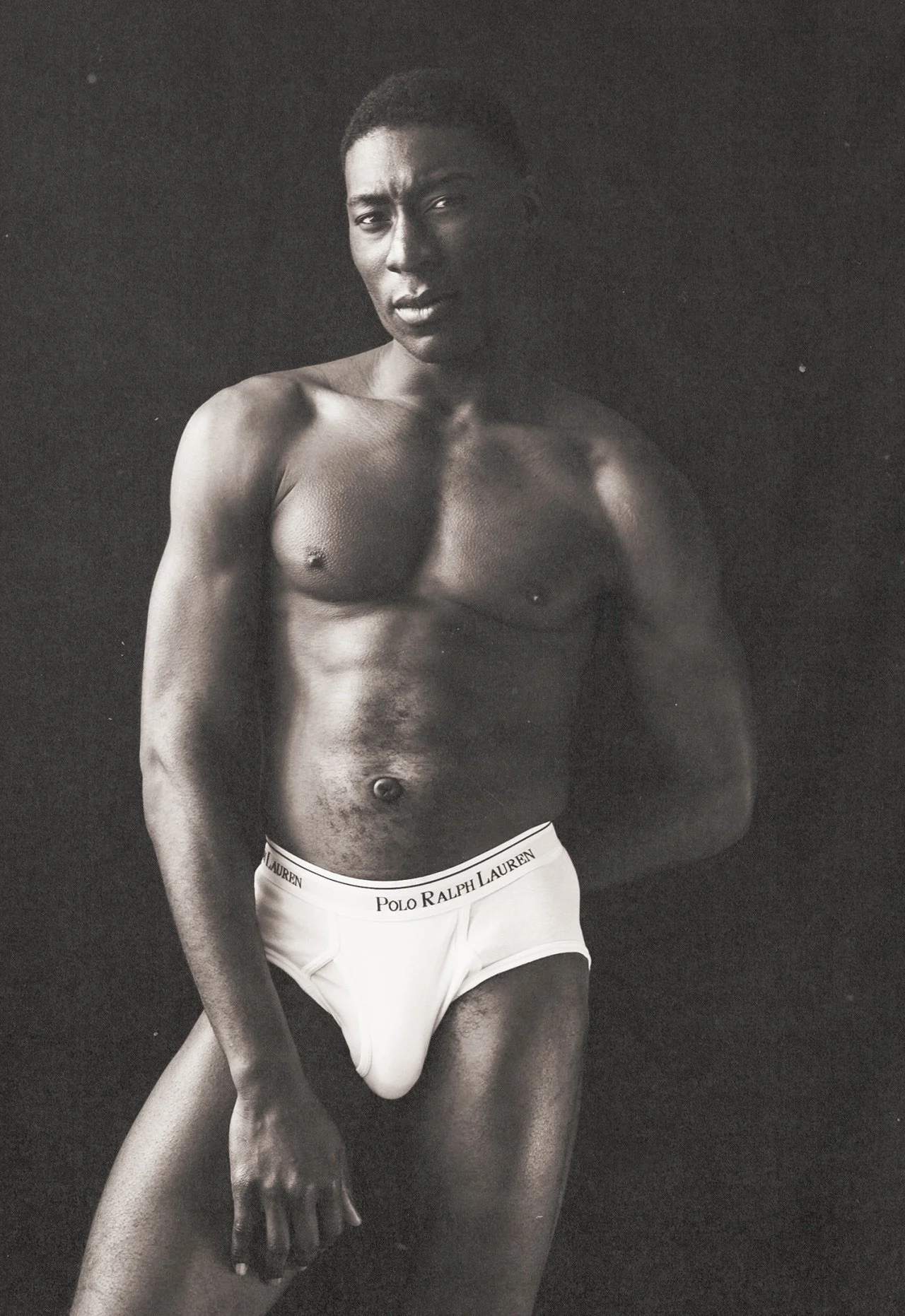
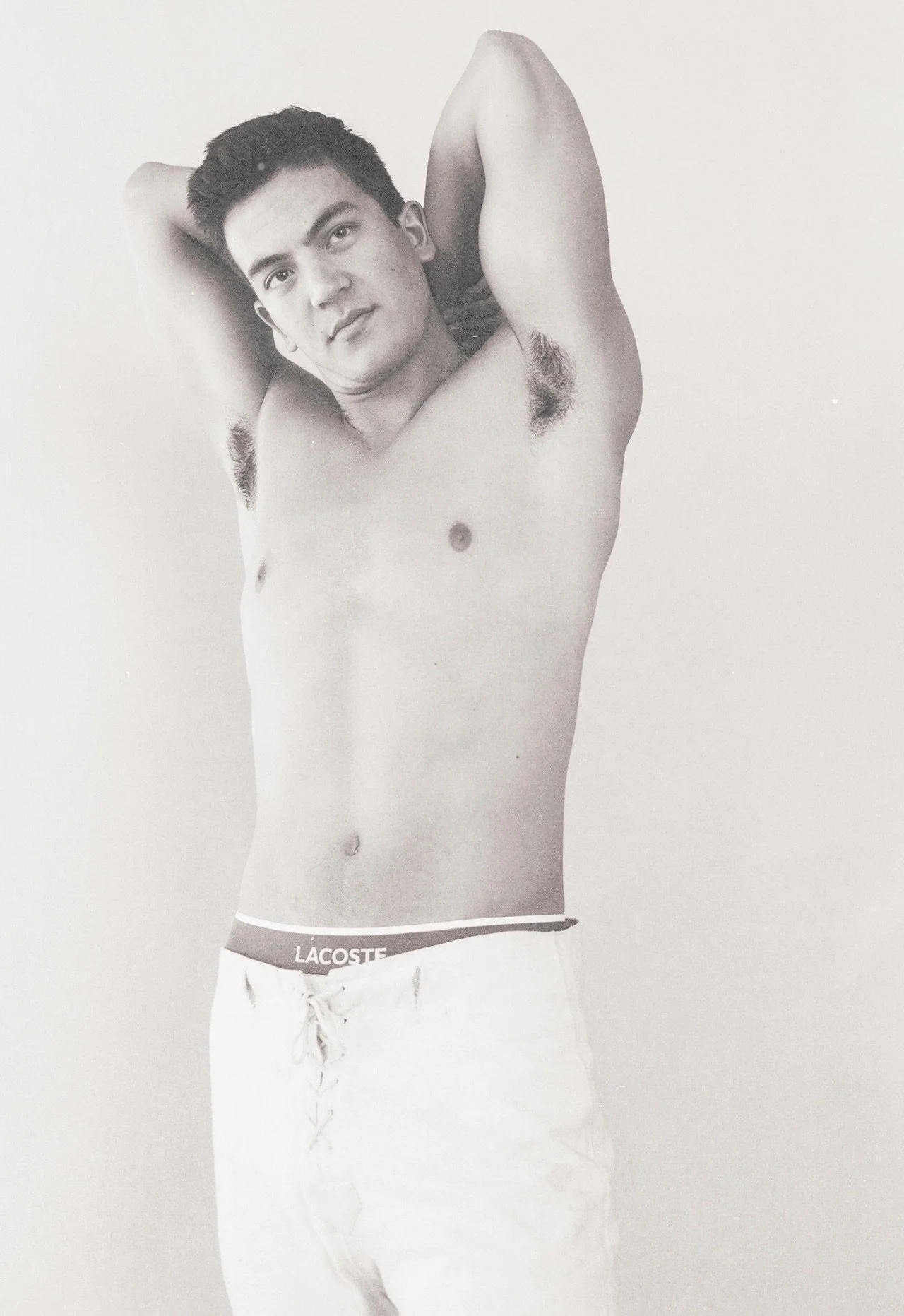
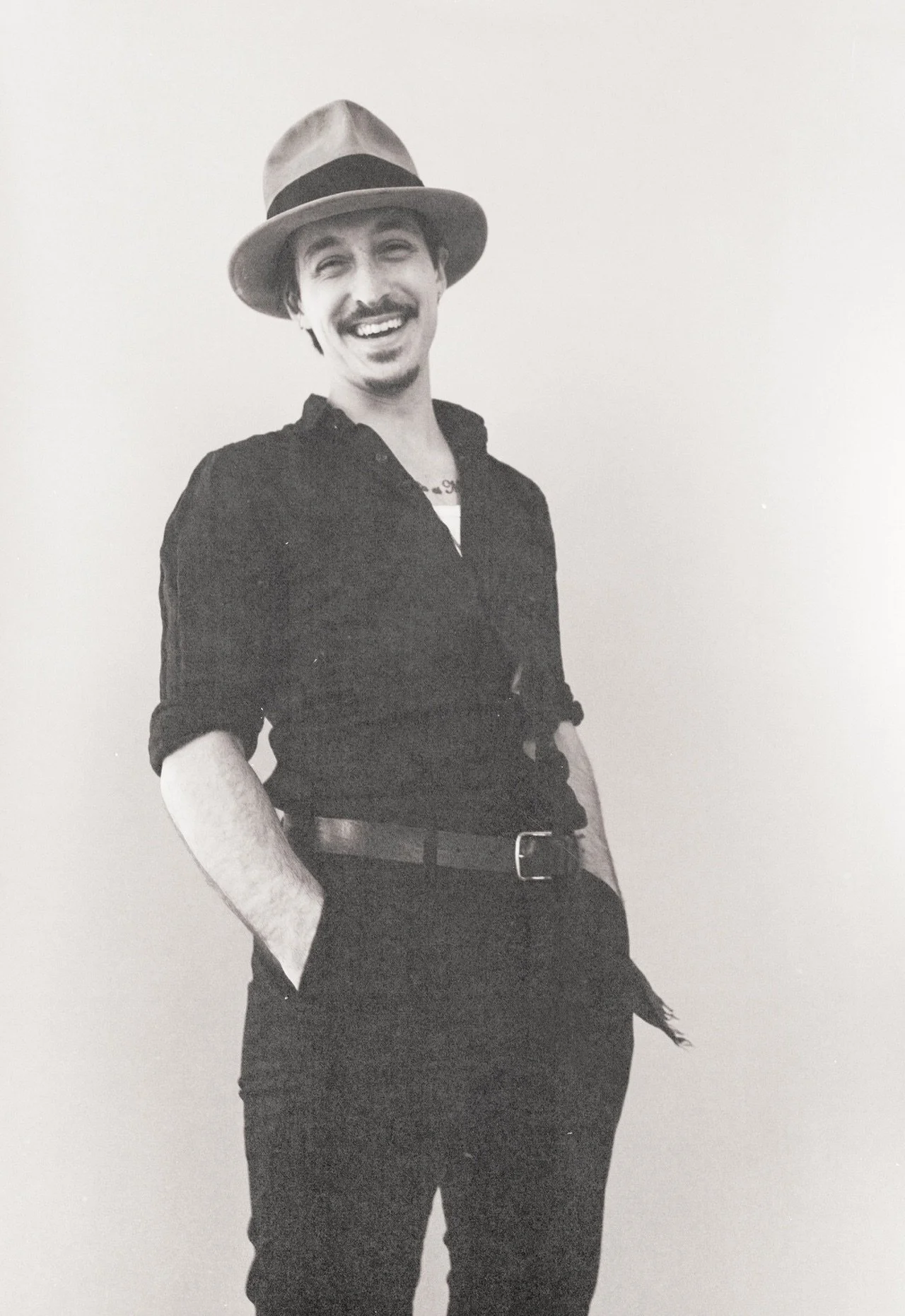
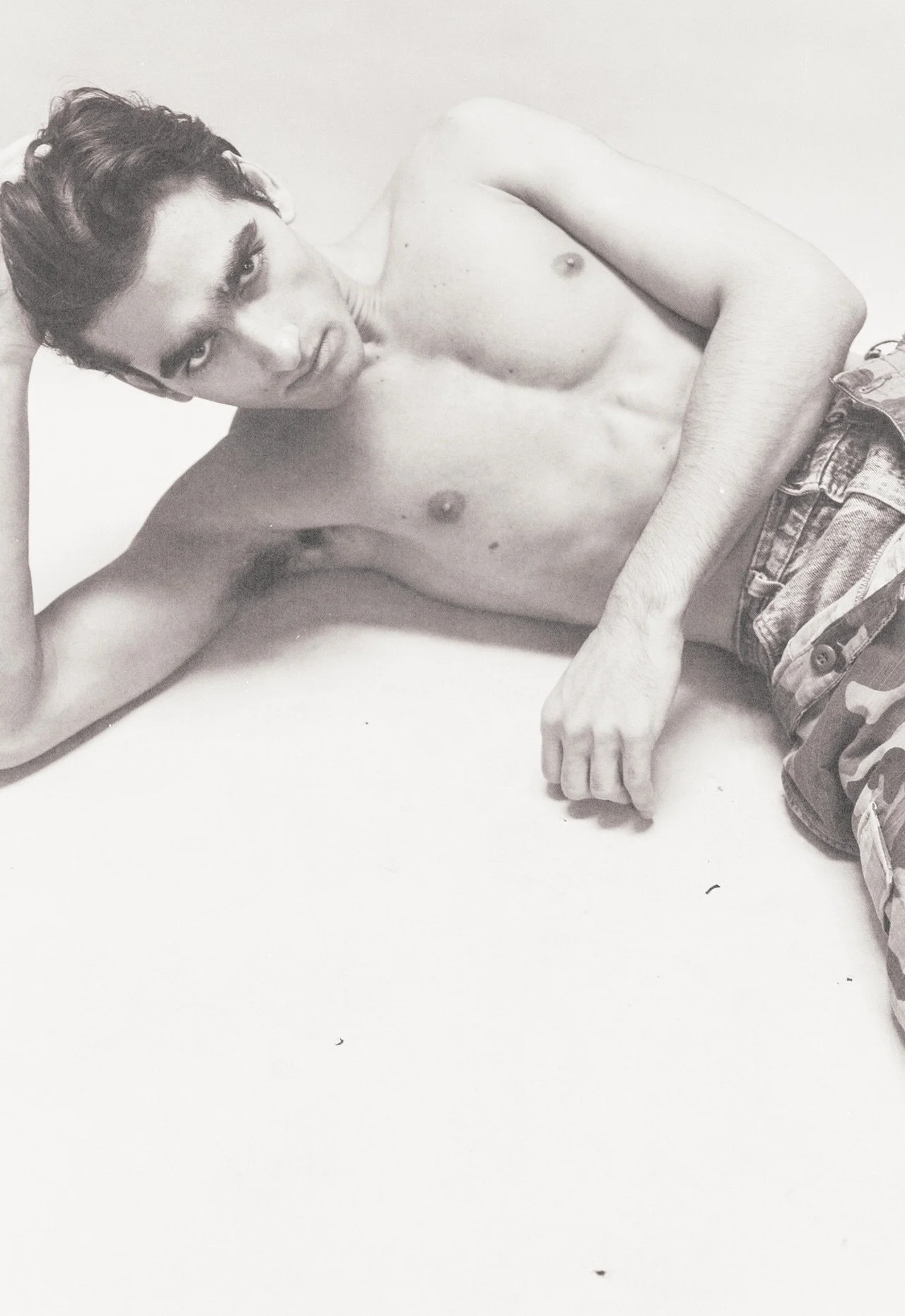
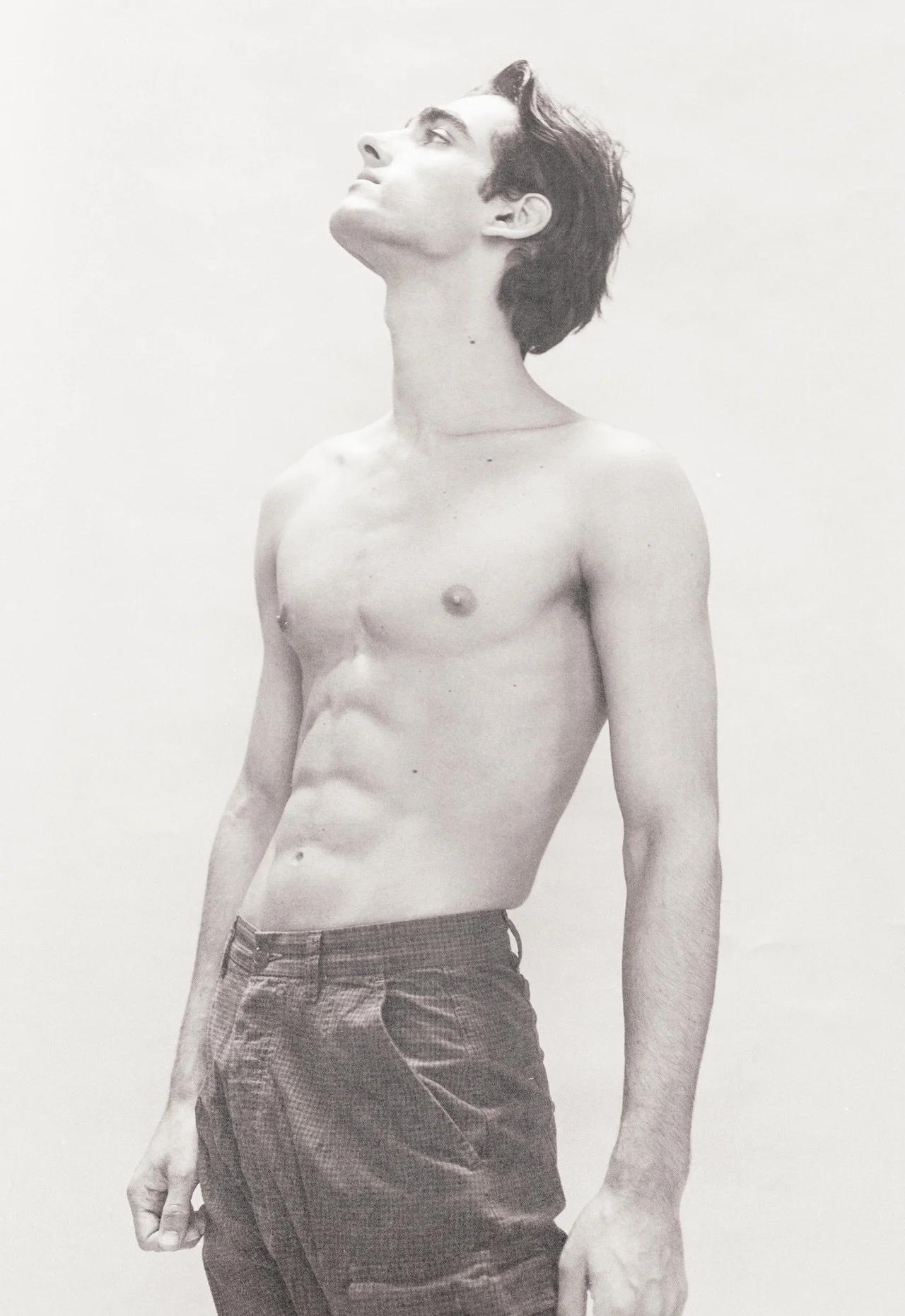
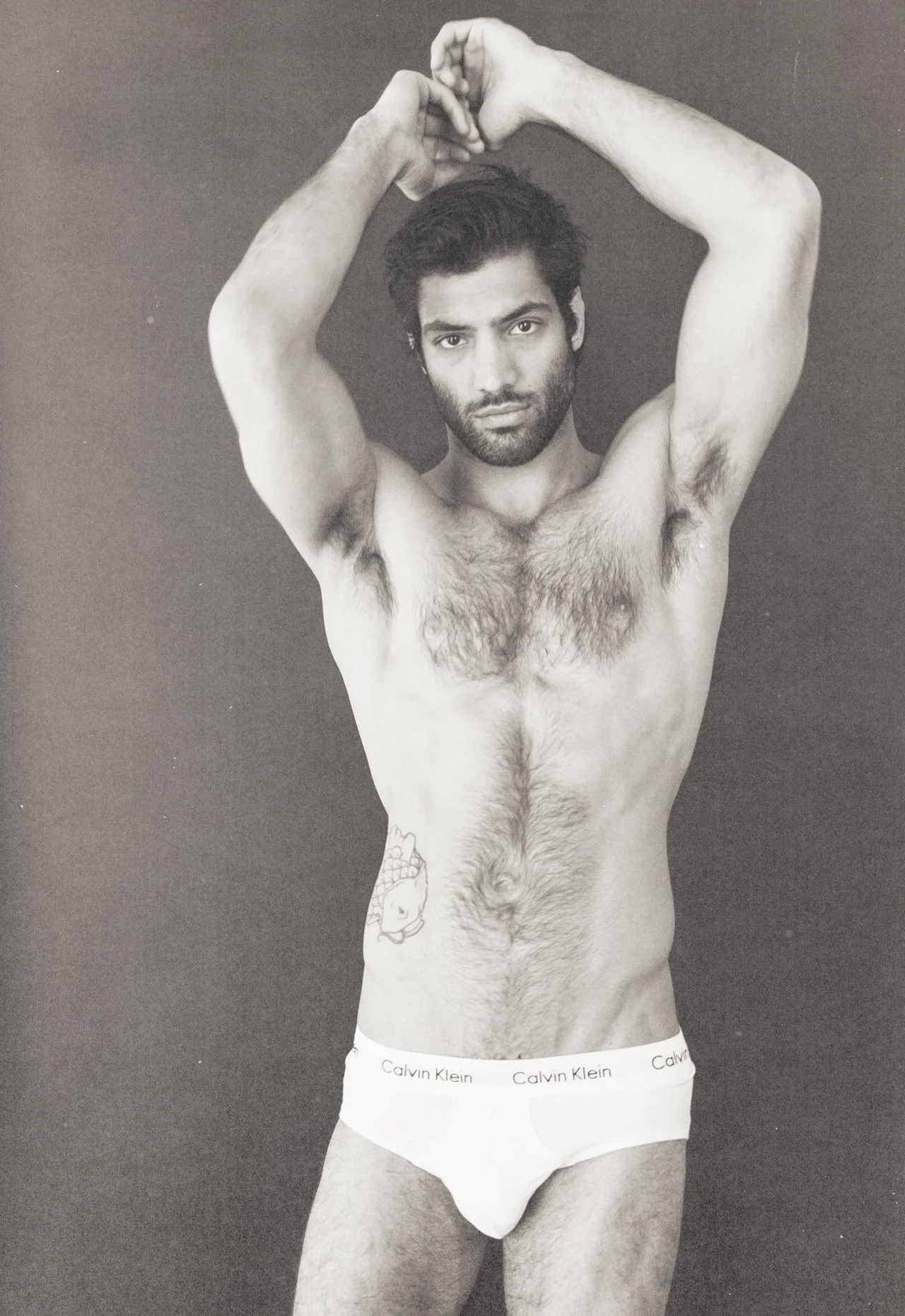
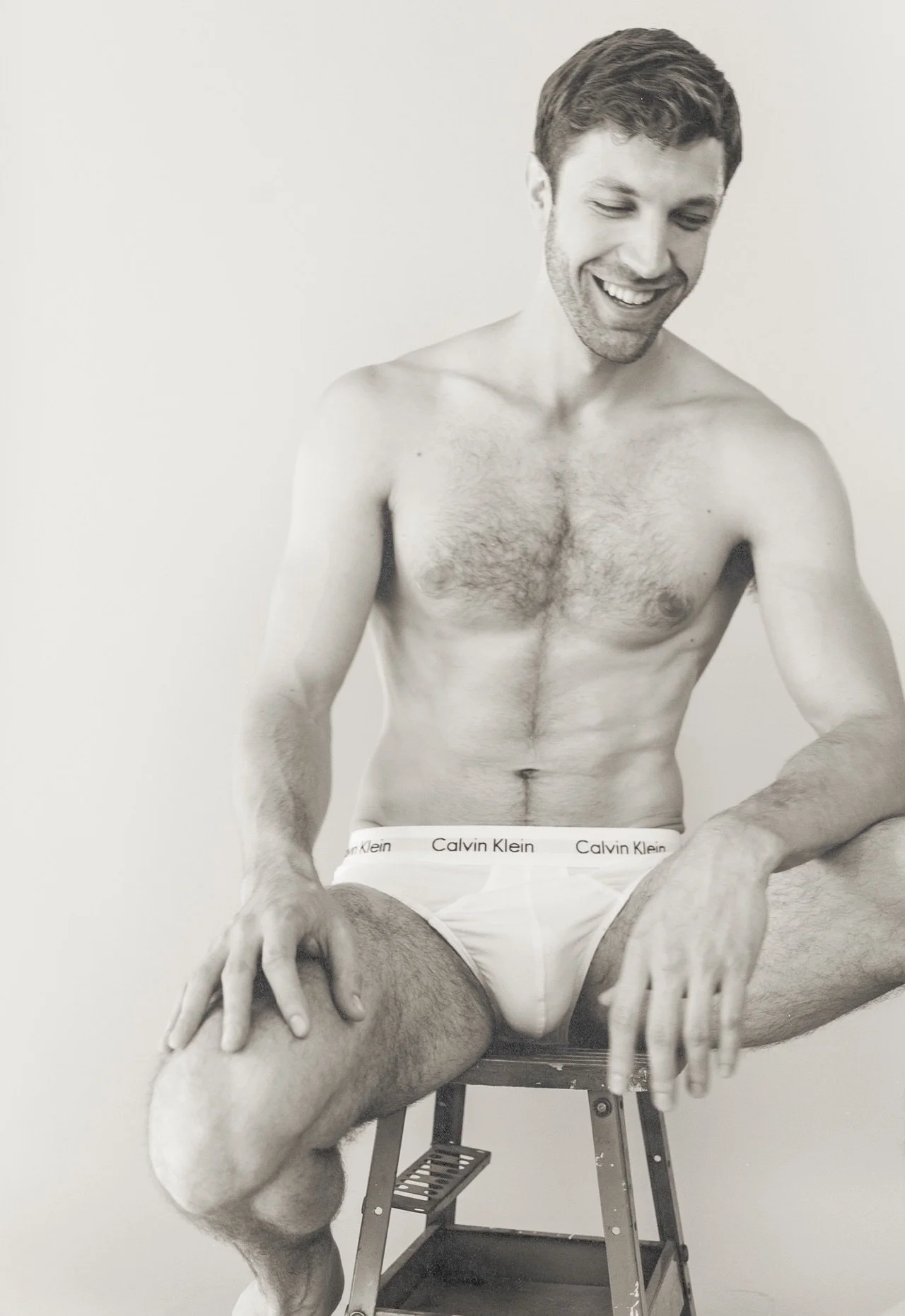
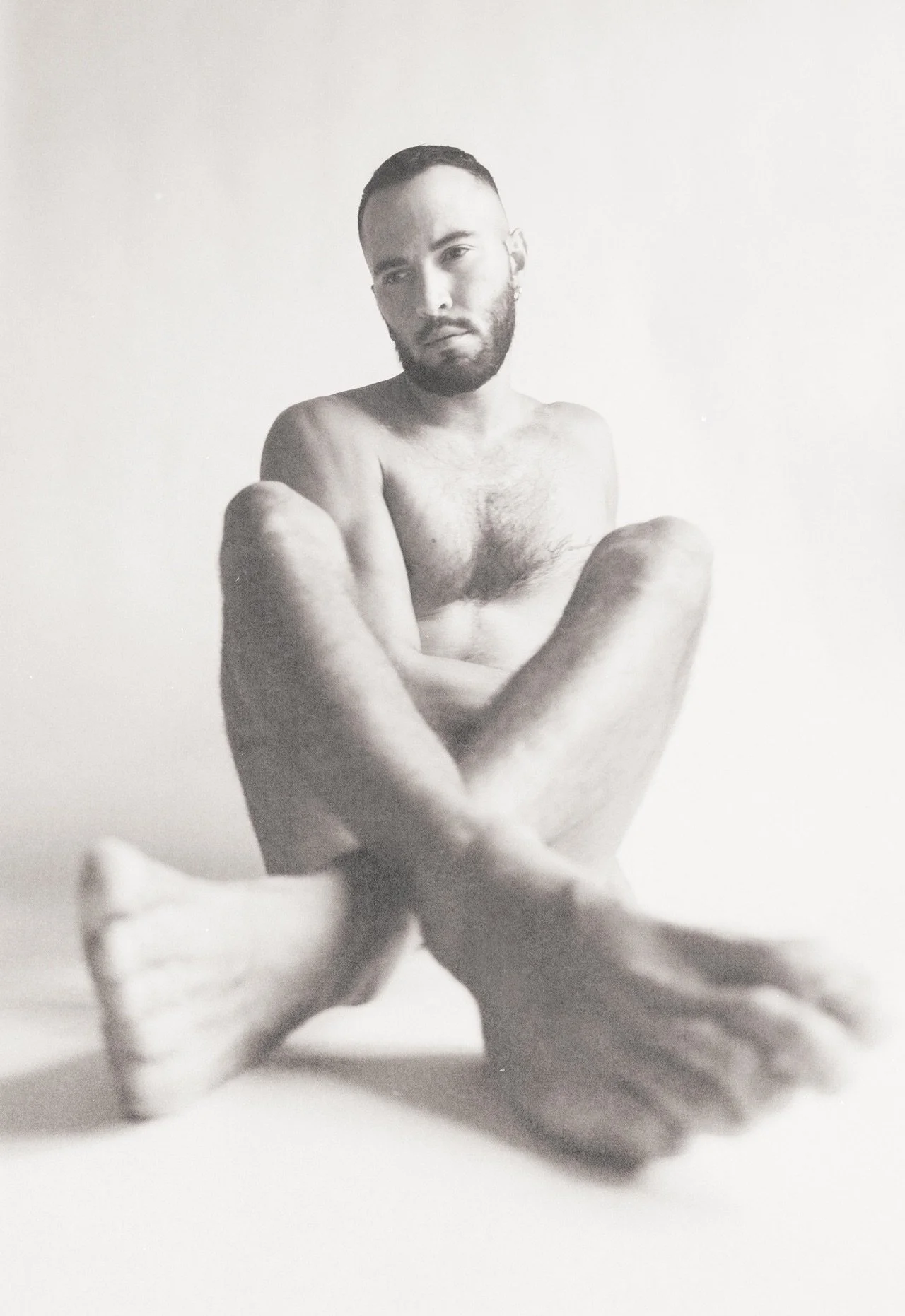
A week spent inside the Anthony Amadeo archive, editing Ahmad, Adam, Andres, Andreas, Ali, Aja, Adrian—and an almost absurd number of additional A’s.
A week spent inside the Anthony Amadeo archive, editing Ahmad, Adam, Andres, Andreas, Ali, Aja, Adrian—and an almost absurd number of additional A’s.
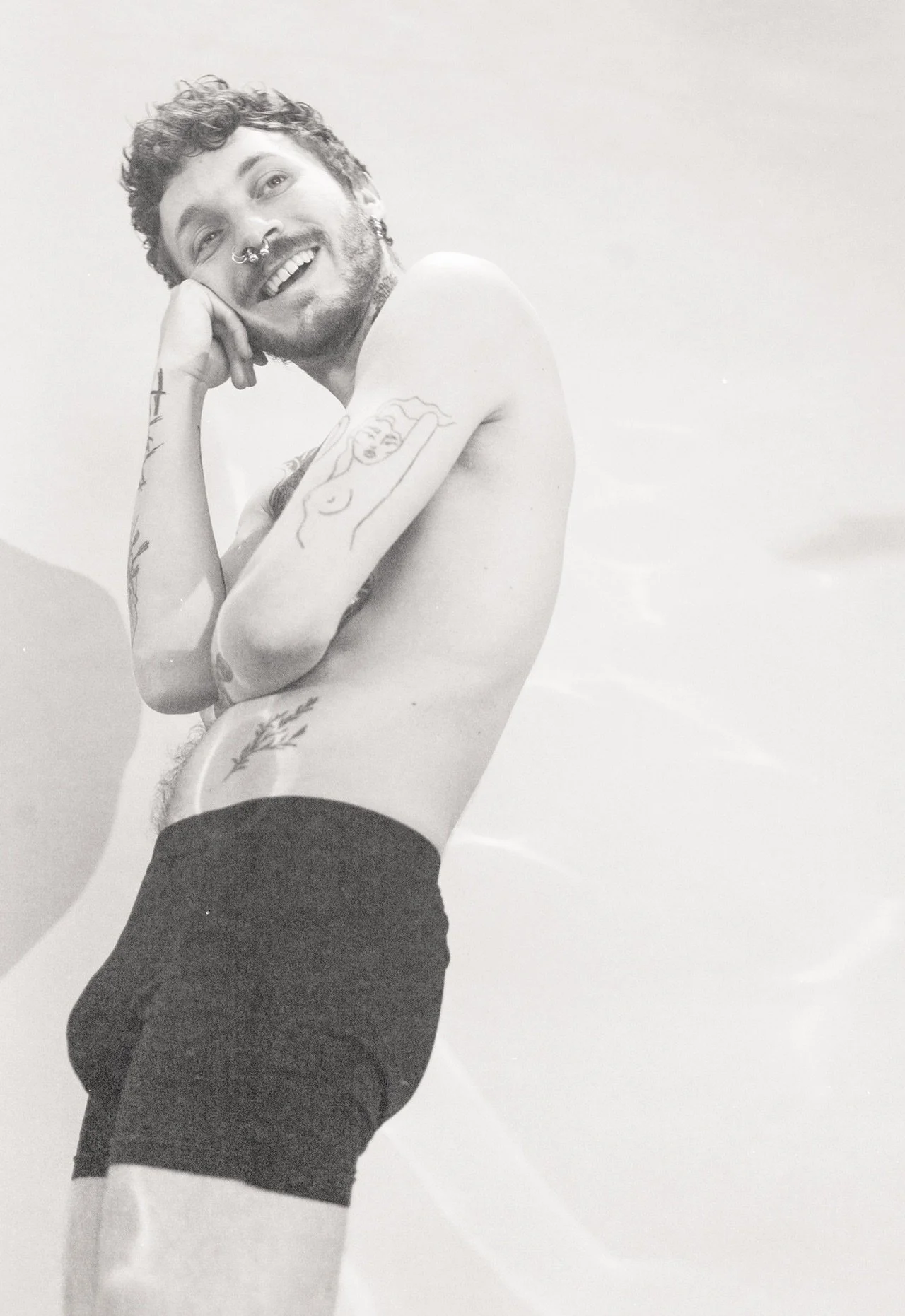
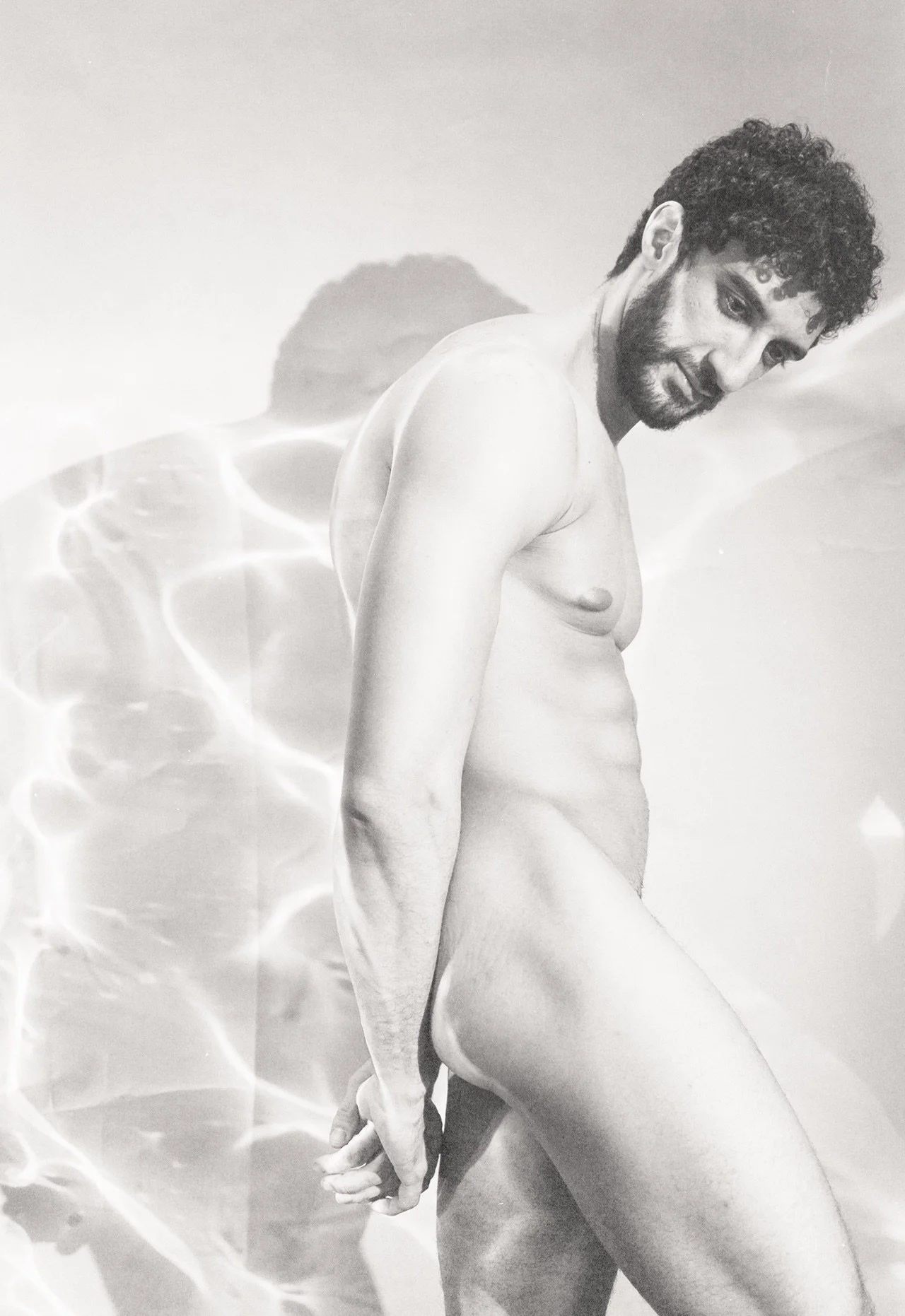
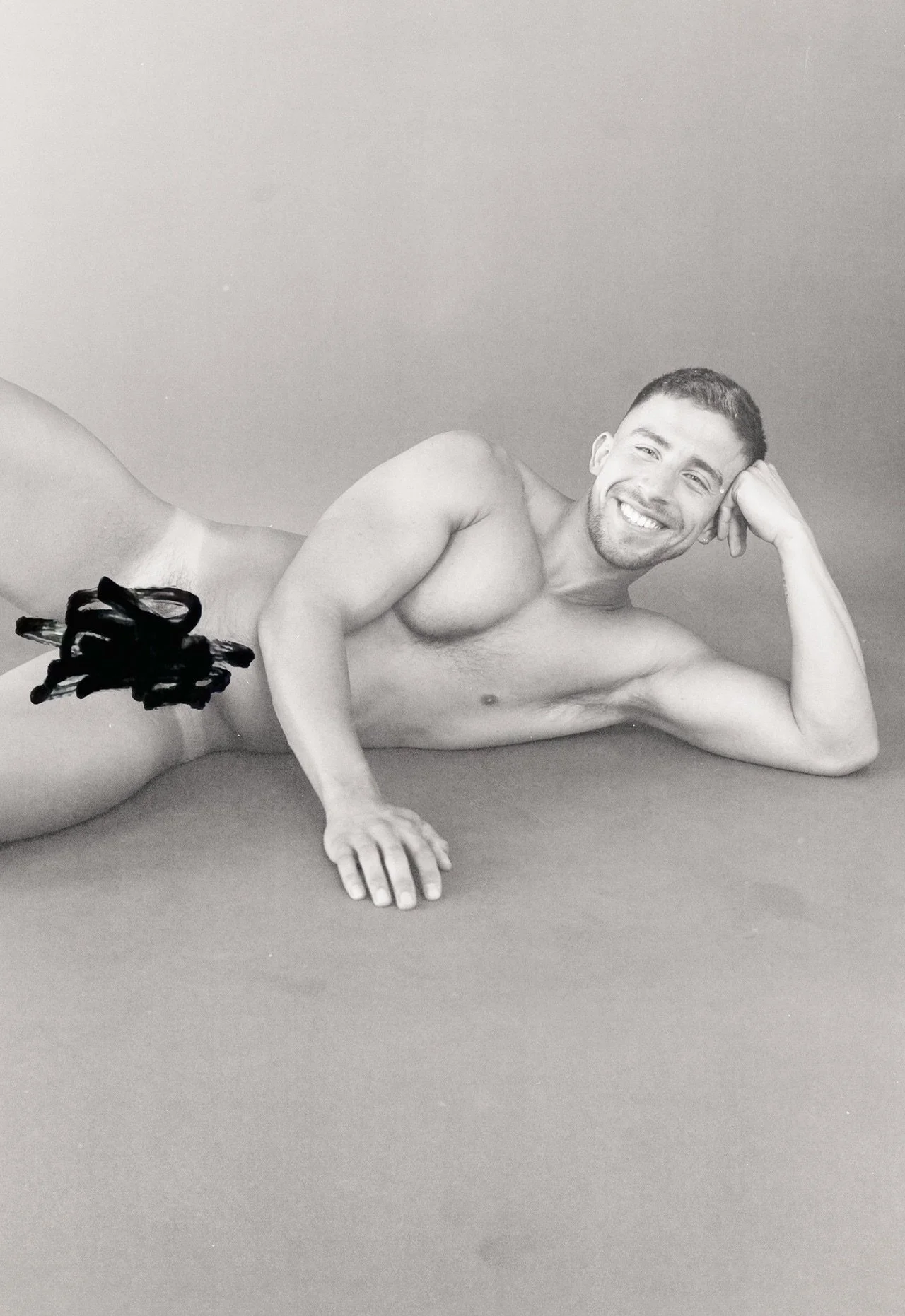
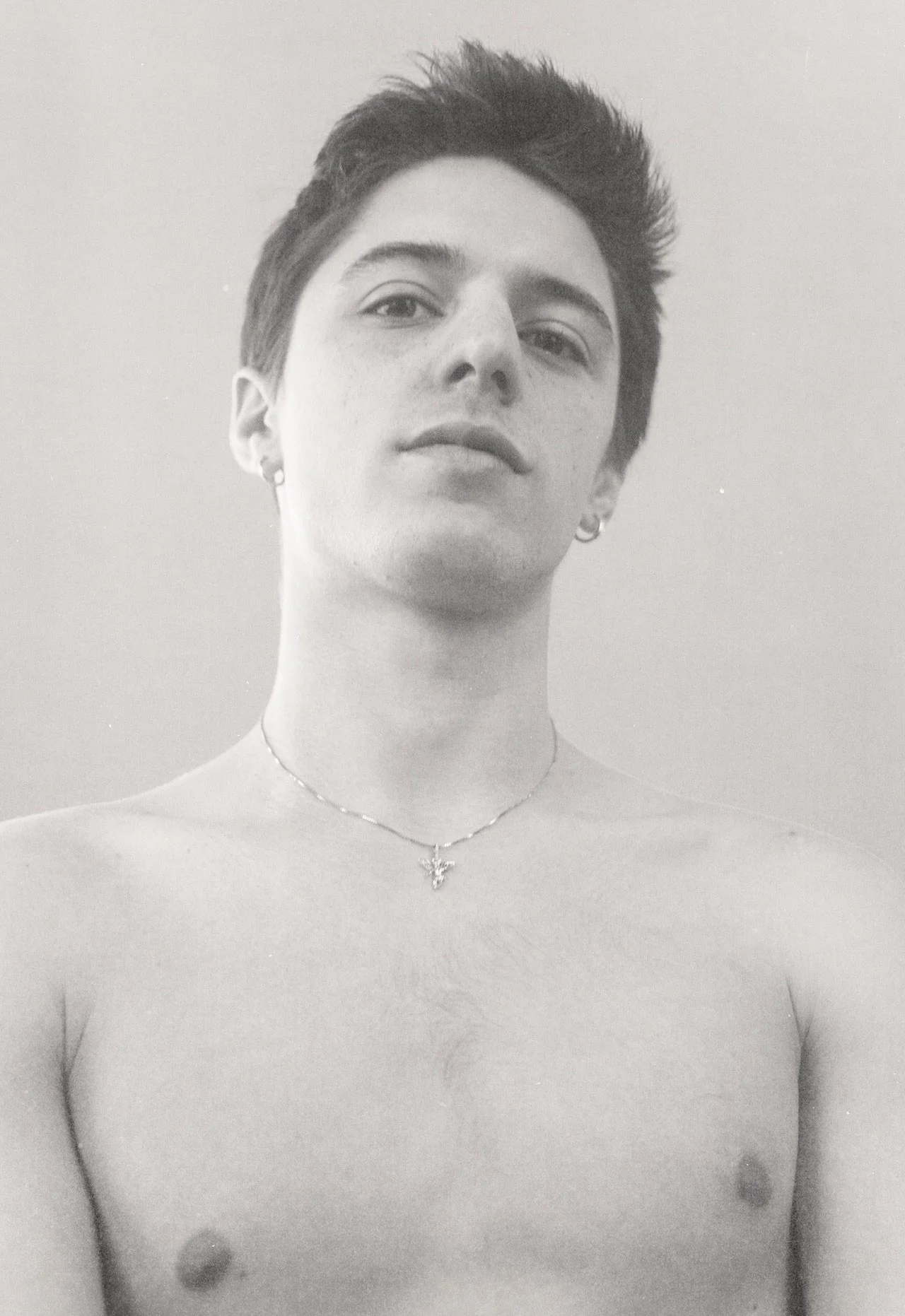
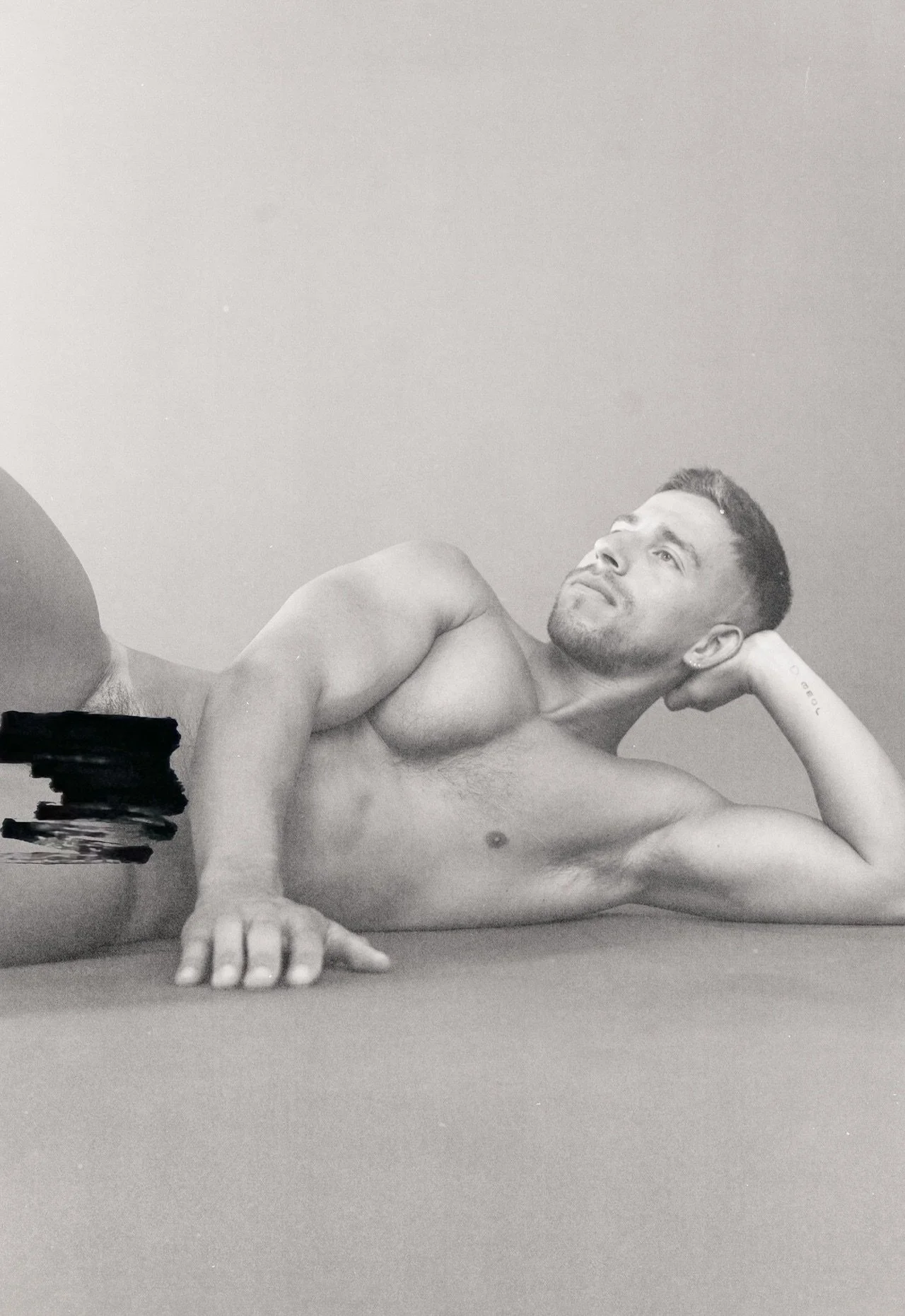
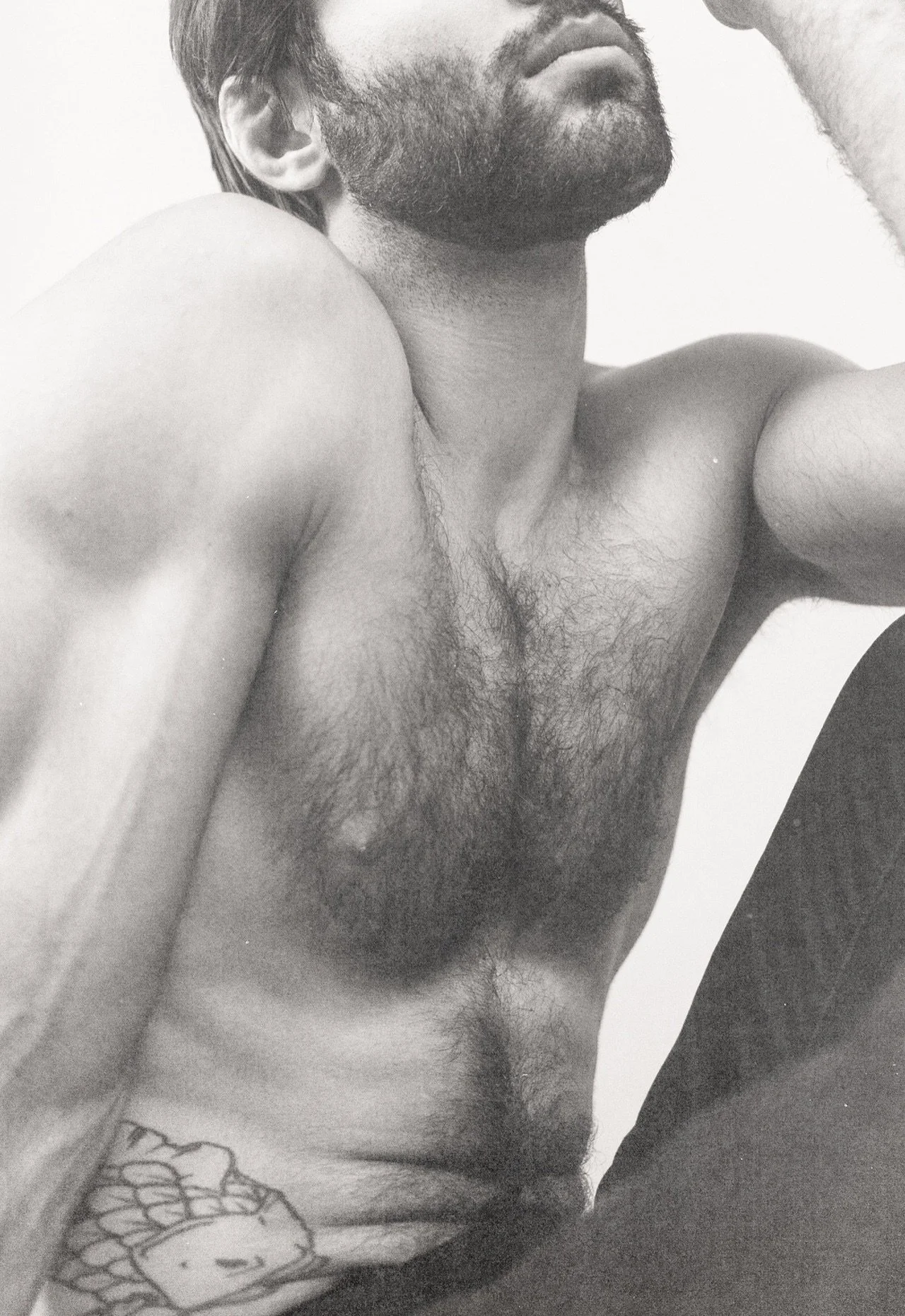

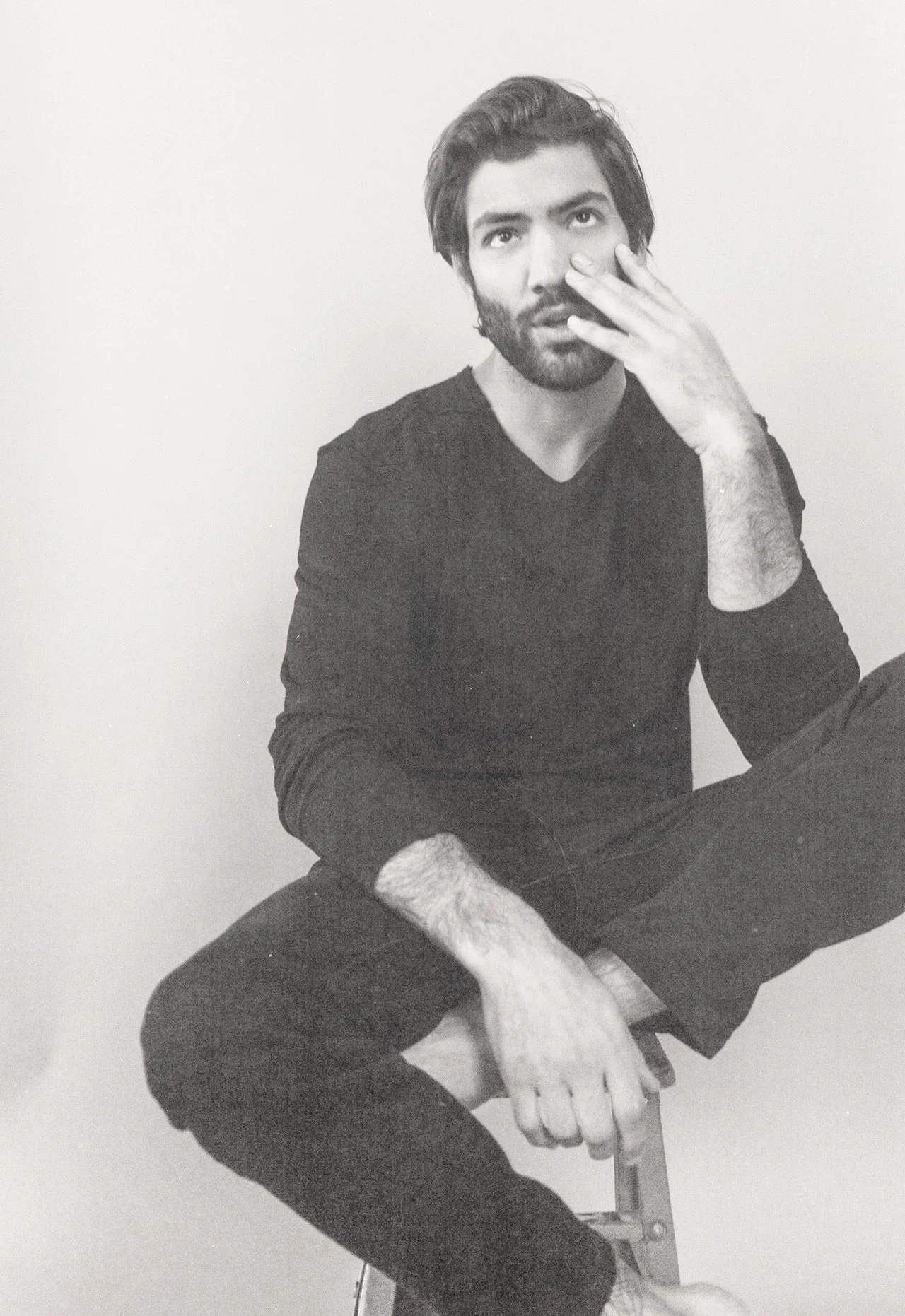
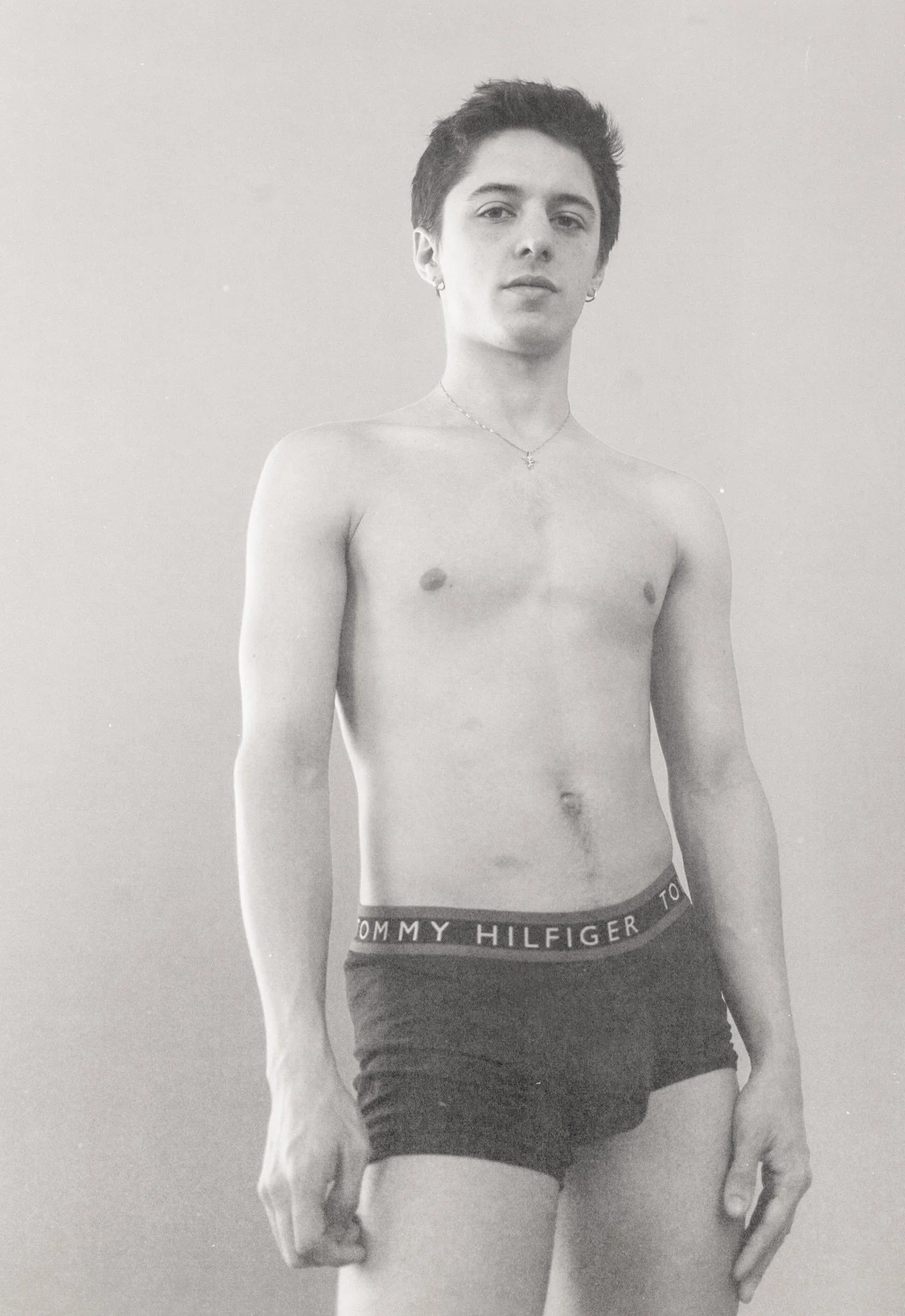
After writing about the subtle differences between two photographs taken only a few frames apart, I kept editing.
And editing.
And editing.
The deeper I went into my old shoots, the more I began to realize the sheer number of people I have photographed. Faces, bodies, gestures, personalities, passing expressions, accidental movements and entire little worlds have accumulated inside my archive. Some shoots I remember perfectly. Others return to me one frame at a time.
In an attempt to give this enormous archive some kind of order, I decided to begin with something simple: the alphabet.
More specifically, the letter A.
Surely, I thought, I could spend a few days going through the models whose names begin with A, finish the group and then continue on to B.
That was adorable.
One full week later, I was still inside the A’s.
Ahmad. Adam S. Andres. Andreas. Ali. Aja. Adrian J. Adam R. Adam M. Arthur. Abneudy. Aaron M. Aidan. Amaury. Antonio C. Aaron B. Andrew. Airon. Ahseem. Adrian A. Ace. Austin. Antonio P. And somehow, Aaron M. again.
An abundant amount of A names.
Each name opened another folder, another shoot and another version of myself as a photographer. Different apartments. Different cities. Different windows. Different qualities of light. Different ideas of beauty that I was exploring at the time.
Some portraits immediately told me what they needed. Others were more ambiguous. A slight adjustment to the grey scale could make someone appear distant or inviting. A darker crop could turn an ordinary glance into something almost cinematic. An image I had ignored years ago could suddenly feel more alive than the one I originally selected.
The archive was not asking me to simply clean it up. It was asking me to reconsider it.
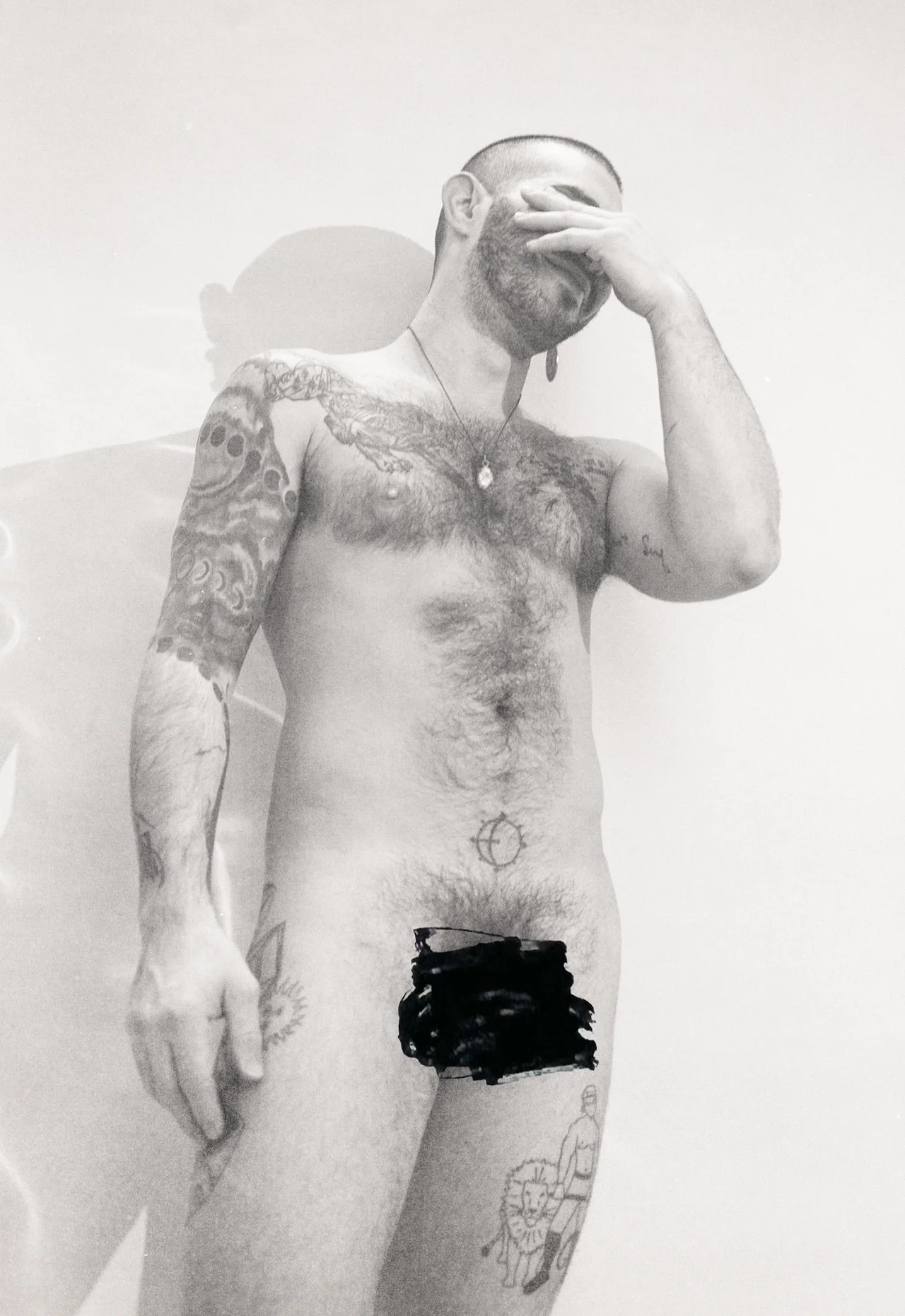
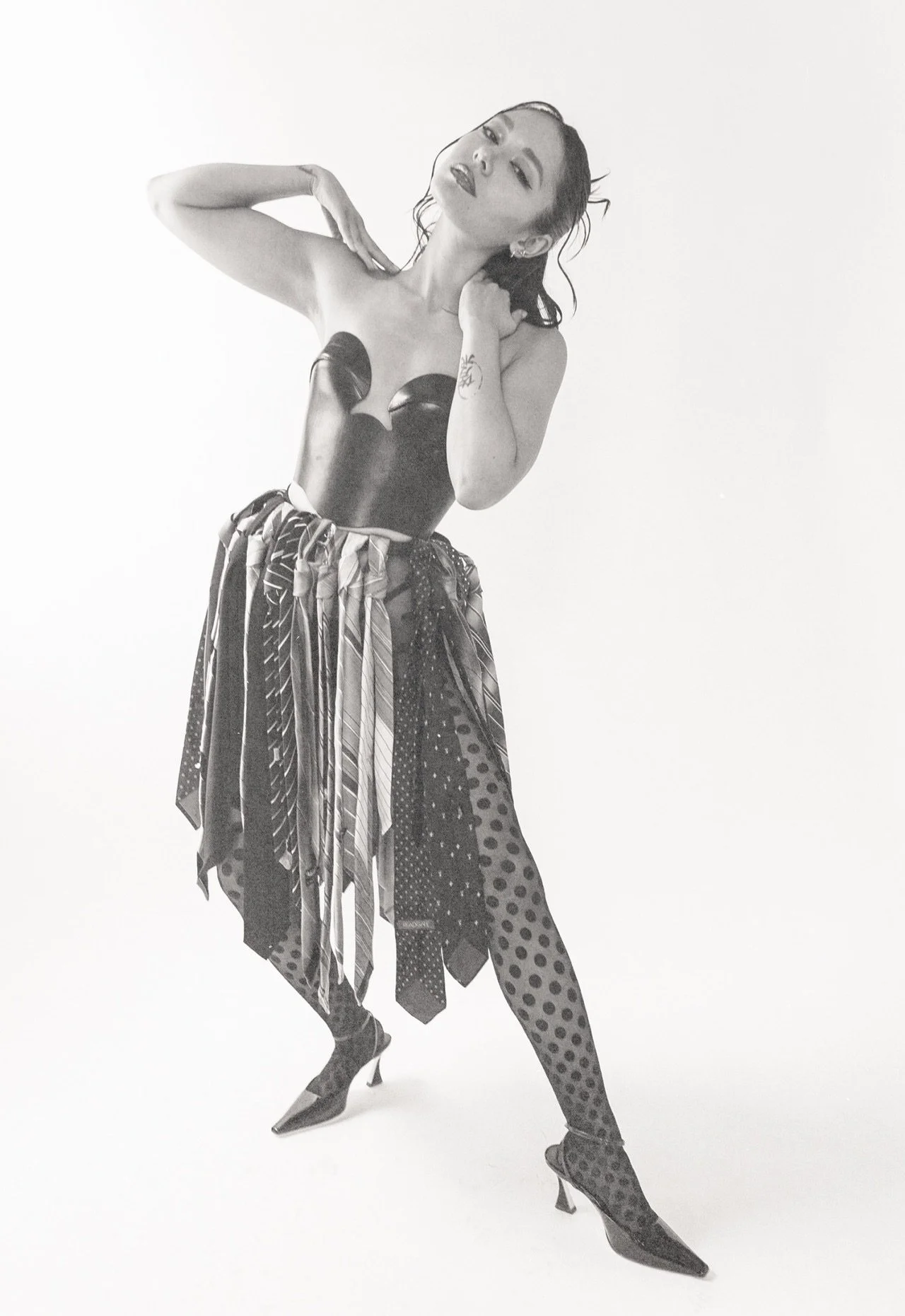
A Week Consumed by A
After several days, the letter began following me outside of the computer.
Anthony Amadeo.
amadeo amadeo.
The abundance of the archive.
The apples I was eating while editing.
I started noticing A’s everywhere, as though the letter had appointed itself the creative director of my week. It appeared in names, signs, sentences and thoughts. Every activity seemed to arrive already alliterated.
I began assembling a list of my favorite A words—the ones that feel connected to the way I make photographs and art:
Abundant. Abstract. Accord. Aesthetic. Ambiguous. Audacious. Authentic. Accentuated.
They began to sound less like vocabulary words and more like instructions.
Be abundant with ideas.
Allow an image to remain ambiguous.
Make something audacious.
Accentuate what makes a person impossible to overlook.
Aim for authenticity, even when the photograph itself is a complete invention.
Eventually, I tried to create an A-based tongue twister. My answer to “Peter Piper picked a peck of pickled peppers” became something like:
amadeo amadeo asked an audacious assembly of A-named artists about angles, attitude and accidental allure.
It does not become easier to say with practice.
An Assembly of Individuals
What became most apparent while moving through these portraits was that the alphabet might organize the folders, but it cannot organize the people.
The A’s have very little in common beyond the first letter of their names and the fact that, at some point, they stood in front of my camera.
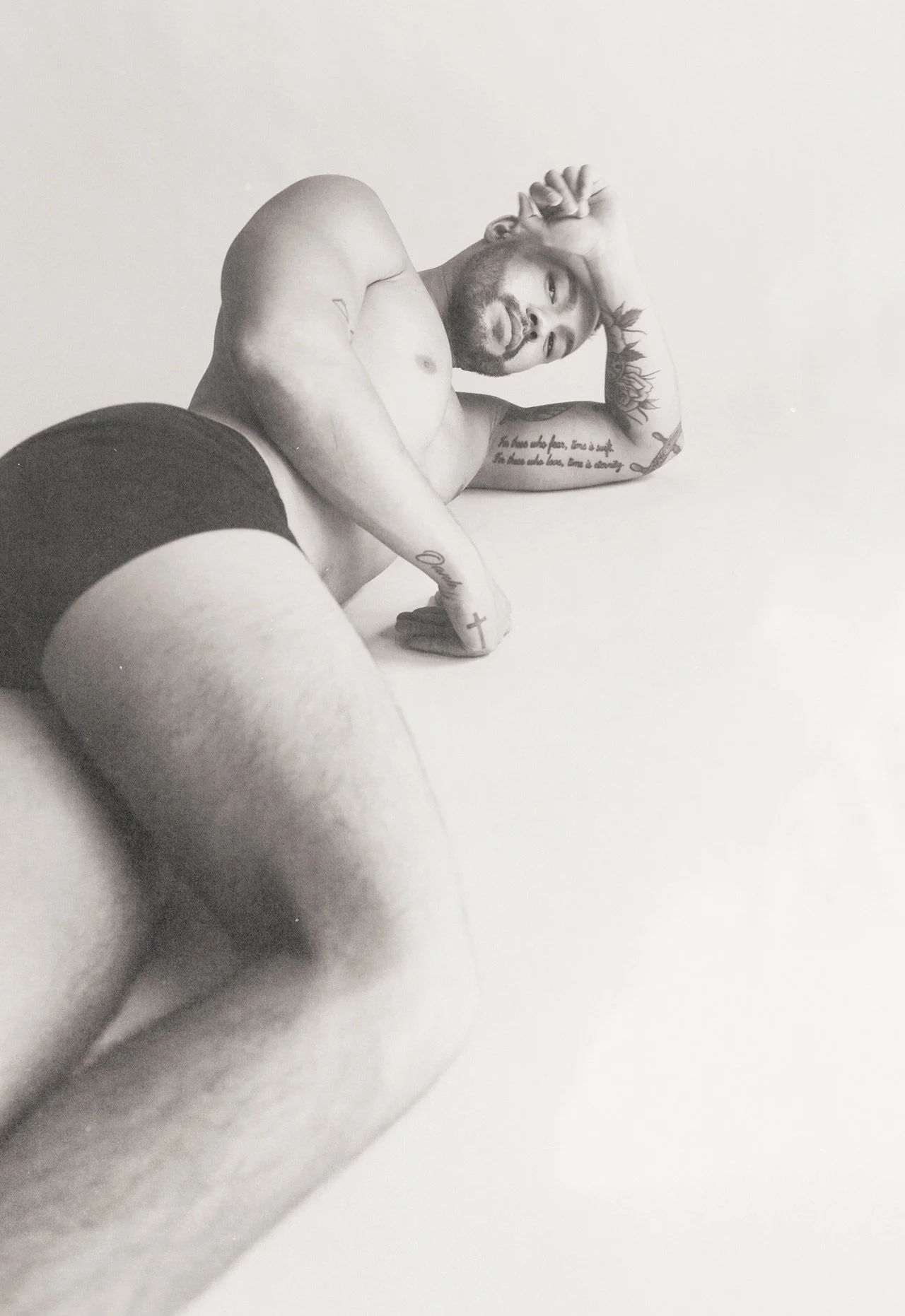
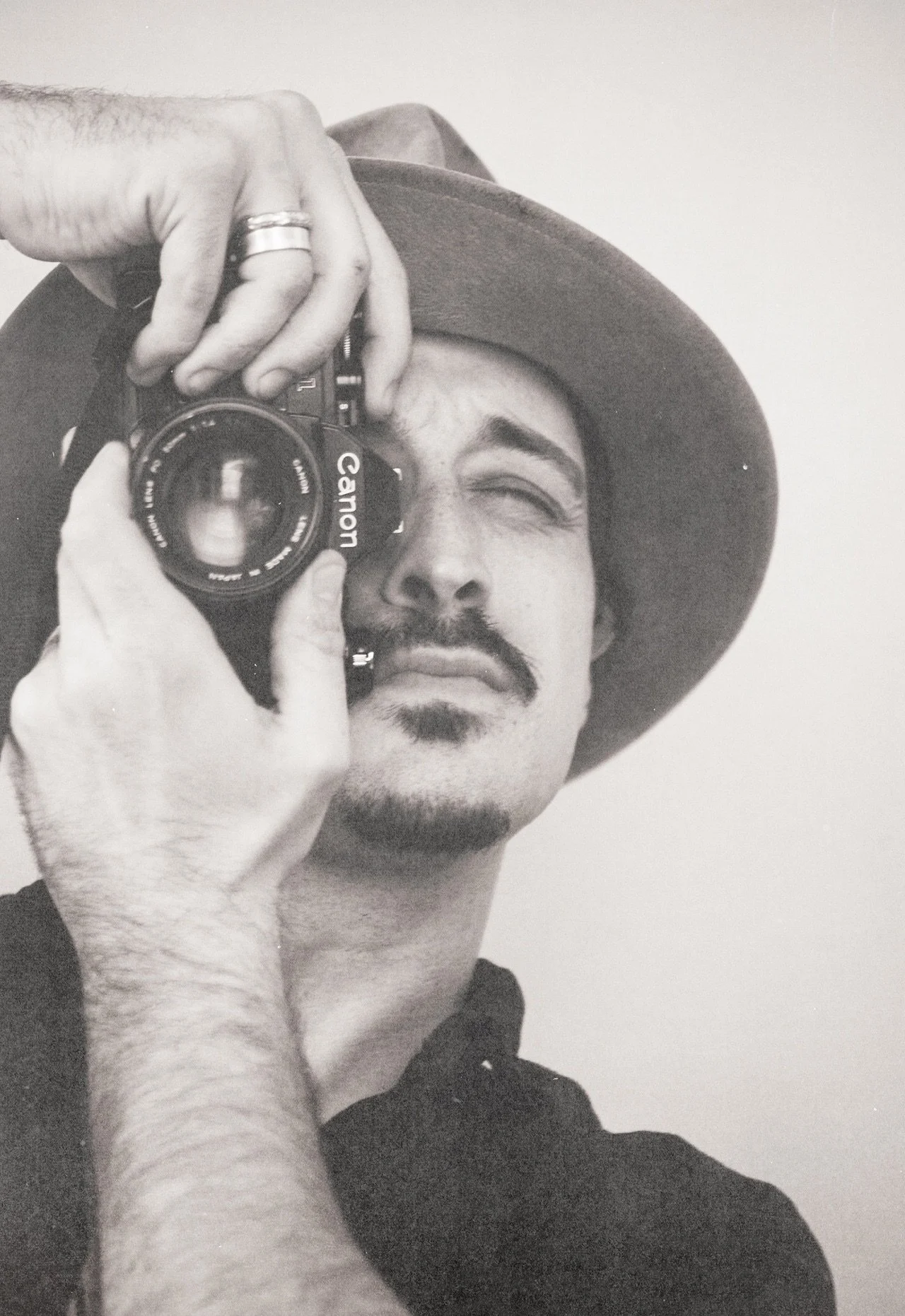
One person might offer a quiet, almost imperceptible shift in expression. Another might arrive with enough energy to alter the entire direction of the shoot. Some faces invite closeness. Others become more interesting when they remain slightly inaccessible. Some people understand a strange direction immediately. Others need to arrive at it through conversation, movement, laughter or accident.
That exchange is always part of the photograph.
The finished portrait may look still, but making it rarely is. There is talking, waiting, adjusting, reconsidering and occasionally abandoning the original idea altogether. There are the conscious directions I give and the subconscious ones the model somehow understands before I have properly explained them.
Editing all these A’s together made the archive feel less like a storage system and more like an enormous ongoing conversation.
Each portrait answers something the previous portrait asked.
Advantageous Ab-Libbing
I wanted this week to feel productive. I wanted to complete the A’s, move on to the B’s and watch the archive fall obediently into place.
Instead, the letter A expanded until it consumed the entire week.
And perhaps that was the actual assignment.
I am trying to anticipate what might come from getting all this work done: rediscovered photographs, new articles, new opportunities, a more complete understanding of what I have made and perhaps even a clearer idea of what I want to make next.
At the same time, I am learning to become more accepting of the ad-libbing of activity that comes my way.
A day begins with a plan. Then an image catches my attention. That image leads to another folder. The folder recalls a person, a place or an unfinished idea. Suddenly the intended task has transformed into something else entirely.
It can feel like distraction, but sometimes it is discovery.
This was an awesome and unexpectedly advantageous week—an alphabetical excavation through years of faces, gestures and fleeting moments. I still have not finished editing every A, but I have accepted that abundance rarely arrives neatly organized.
For now, A is for archive.
A is for attention.
A is for all the people who have allowed me to photograph them.
And somewhere inside the hard drive, the letter B is already becoming impatient.
The Distance Between Two Frames
Recently, I have been returning to shoots I photographed nearly a decade ago. Even after all that time, there are still frames I have never fully considered. I can open an old folder and immediately feel the personality of the person I photographed. I remember whether they were shy or extroverted, cautious or theatrical. I remember the energy in the room.
On trust, direction, editing, and the strange abundance of a photographic archive.
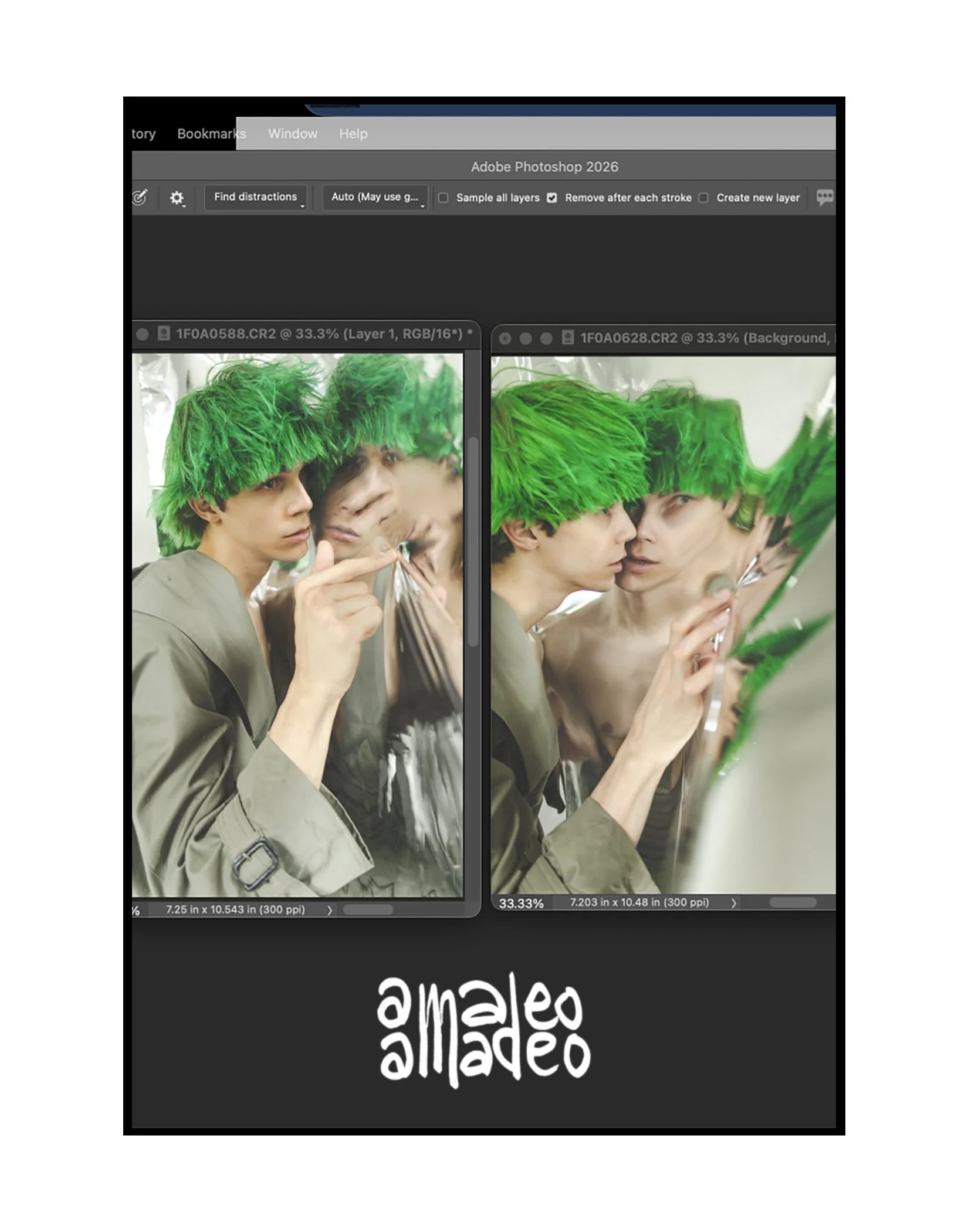
These two photographs were made within five frames of each other. Technically, almost nothing changed. The same model, the same light, the same Mylar mirror, the same room. Yet to me, they exist in completely different worlds.
In the first image, there is a quietness. The model seems absorbed by the reflection, as though he has momentarily forgotten that I am there. The folds of the garment, the softness of his expression and the repetition of his face inside the Mylar make the portrait feel inward and almost private.
The second image has a different tension. The faces move closer together. The body is more exposed. The reflection feels less like an echo and more like another person entering the frame. It becomes intimate, slightly confrontational and more surreal. Only a few seconds separate the two photographs, but the emotional temperature has completely shifted.
This is why editing is so important to me.
Photography is often discussed as the act of taking a picture, but so much of the work happens afterward, when I return to everything that occurred during the shoot. Editing is where I decide which fraction of a second contains the energy I remember—or perhaps reveals an energy I did not fully recognize while I was shooting.
The difference might be a softened mouth, a hand moving an inch, the direction of someone’s eyes or the exact moment a reflection becomes distorted. It may be the frame before a person settles into a pose, or the one immediately after they believe the photograph has already been taken.
Color grading changes that world again. A slight adjustment in the green, the warmth of the skin or the softness of the highlights can alter the emotional language of an image. The editing is never simply about making the photograph look better. It is about deciding what the photograph is trying to say.
The Mylar mirror makes that decision especially unpredictable. It never creates the same image twice. Every movement changes its surface. A face stretches, disappears and returns. One person becomes three, then five, then something that no longer looks completely human. The portrait is constantly rebuilding itself in front of me.
Directing someone inside that environment becomes its own strange conversation.
I might tell the model, “Look at me,” but I am not necessarily asking him to look toward the camera. I may be speaking to one of his reflections. I might ask him to move toward a face that exists only inside the mirror, or to follow the version of himself that has been pulled apart by the material. Sometimes I am directing the model; sometimes I am directing his reflection.
I work instinctively when I photograph. There are cues that come out before I have had time to intellectualize them. Look here. Move your chin slightly. Hold that. Forget about me. Look at yourself. Now look through yourself.
I like to move between images in which the subject acknowledges the camera and images in which they seem completely unaware of it. That variation creates its own rhythm. The direct gaze can feel powerful, but the moment immediately beside it—the glance away, the breath, the uncertainty—can reveal something entirely different.
None of this works without trust.
A model has to trust that I am not waiting for them to look bad. They have to believe that I am paying attention, that I will recognize the moments worth keeping and that I will not abandon them inside an uncomfortable gesture. My responsibility is to make the person feel secure enough to become casual, curious and strange.
I love directing models into poses, but I also direct through conversation. I may ask someone, “If you were a color, how would that color move through the air?” The question is not meant to produce a literal answer. It is meant to interrupt the person’s awareness of posing. Their body begins to solve the question before their mind can explain it.
A good photograph requires so many things to align: the model, the photographer, the light, the conversation, the clothing, the accident, the atmosphere and the shape that appears for only a moment. All of those things cooperate for perhaps 1/60th of a second.
Then they disappear.
Editing is where I search for them again.
Recently, I have been returning to shoots I photographed nearly a decade ago. Even after all that time, there are still frames I have never fully considered. I can open an old folder and immediately feel the personality of the person I photographed. I remember whether they were shy or extroverted, cautious or theatrical. I remember the energy in the room.
In the past few months, I have added hundreds of images from my archive to Tumblr. The collection has now grown to more than 12,000 portraits.
Sometimes I worry that people will think, That again? Another portrait? Isn’t this too much? Aren’t these nearly the same image?
Perhaps I simply like abundance.
I like seeing the infinite number of expressions that exist inside one face. I like the gestures people forget they made. I like the frames that appear almost identical until you spend time with them. One photograph may show confidence; the next, made a second later, may show doubt. A mouth closes. The eyes move. The posture softens. The person briefly returns to themselves.
The differences are minute, but they are not insignificant.
Looking through the archive also allows me to see how I have changed. My earlier photographs reveal a different understanding of direction. There were periods when I wanted the subject to appear completely in control. Now I understand that I can create the feeling of their control while remaining deeply involved in constructing the image.
That is one of the central illusions of portraiture: the subject appears to possess the moment, while the photographer quietly arranges everything around it.
My editing has evolved in the same way. What my eye notices now is light-years away from what it noticed ten years ago. The photographs have not changed, but I have. Images I once overlooked suddenly feel essential. A frame does not have one permanent meaning. It waits for the photographer to become capable of seeing it.
Perhaps that is why an archive never truly becomes finished. There will always be another expression, another reflection and another fraction of a second waiting to be rediscovered.
The magic of photography is not contained in one perfect image. It exists in the multitude—in all the nearly identical moments that reveal, upon closer inspection, that nothing ever happens exactly the same way twice.
A Summer Salad for a New Find
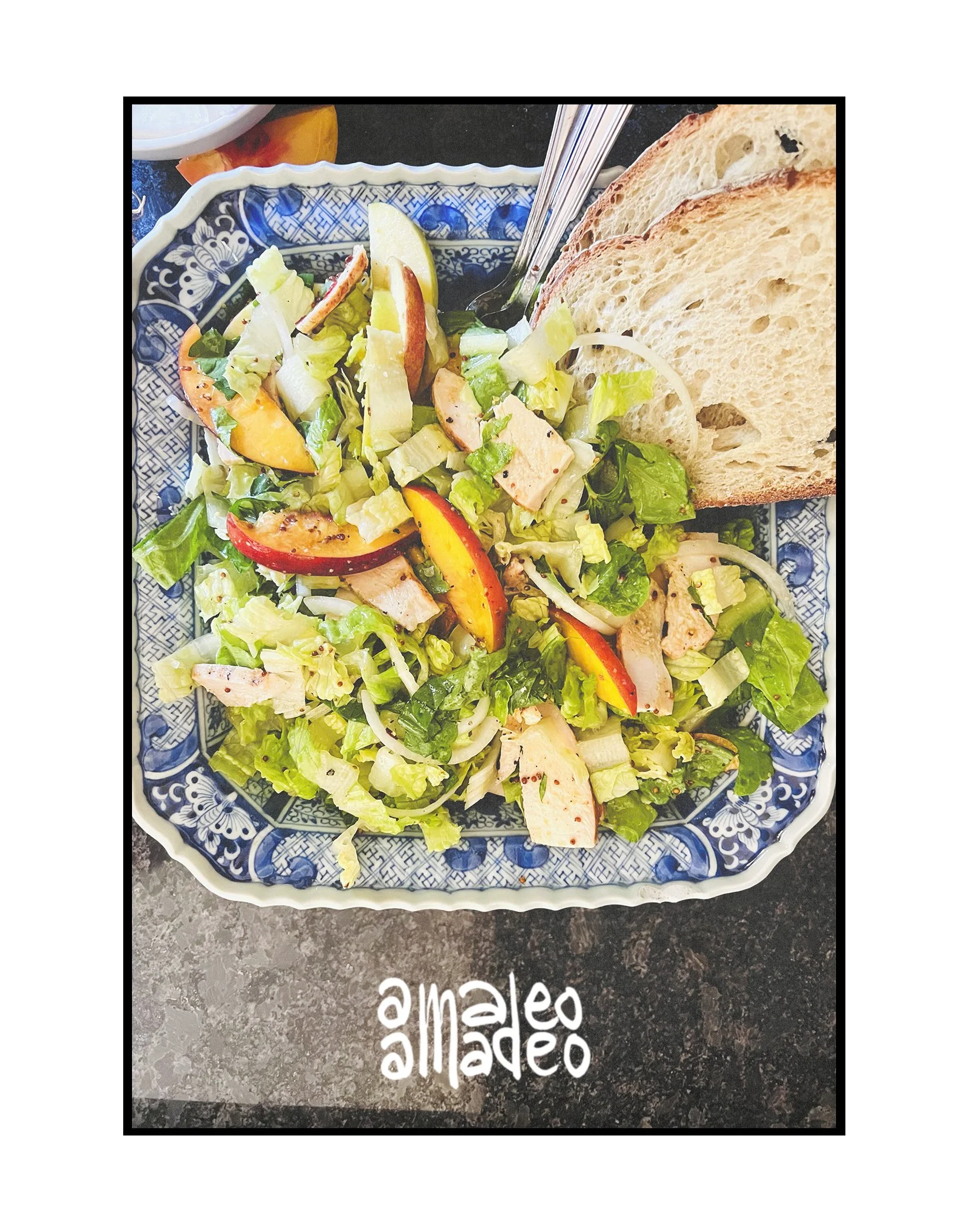
On an antiquing trip that didnt go according to plan, I was still able to find something in the hunt: a bowl
On an antiquing trip that didnt go according to plan, I was still able to find something in the hunt: a bowl
What first drew me in was the blue. That rich cobalt against the soft white porcelain felt instantly alive, classic, and full of possibility. I loved that the bowl was clearly hand-painted—the slight irregularities in the lines, the movement in the brushwork, the evidence of a person’s hand still present in the object. The ceramic has a beautiful thinness to it as well, delicate but still meant to be used. There are little mineral markings and subtle moments in the glaze that make it feel even more alive, as if the material itself wanted to leave behind its own record of being made.
I always love when an object can move quickly from being admired to being useful. This bowl felt like it wanted to hold something fresh and full of color. On such a hot summer day, a salad felt right—something crisp, fragrant, juicy, and bright. I wanted to make something simple but layered: greens, fruit, herbs, chicken, and a dressing with a little sweetness, acidity, spice, and depth.
So the bowl became the beginning of lunch.
Summer Salad with Peach, Apple, Herbs, and Chicken
Ingredients
For 2 generous servings:
1 grilled chicken breast, sliced
1 large head or heart of romaine, chopped
1 peach, sliced into wedges
1 apple, thinly sliced
1/4 onion, very thinly sliced
A handful of fresh basil, torn
A handful of parsley, roughly chopped
Black pepper
Optional: chili flakes, sesame seeds, garlic powder, coriander, or a little cumin
Quick onion treatment
Put the sliced onion in a small bowl with:
Juice of 1/2 lime
Pinch of salt
Tiny pinch of sugar or a drizzle of maple syrup
Let it sit for 10 minutes while you make the dressing. This makes the onion sharper, prettier, and less harsh.
Dressing
generous amount of olive oil
2 tablespoons soy sauce
1 lime, juiced
1 teaspoon mustard
1 teaspoon maple syrup
Pinch of chili flakes
Pinch of coriander
Black pepper, to taste
Optional pinch of garlic powder or onion powder
Method
In a small bowl, whisk together the olive oil, soy sauce, lime juice, mustard, maple syrup, chili flakes, coriander, and black pepper until combined.
Arrange the chopped romaine in the bowl, then layer in the sliced chicken, peach, apple, onion, basil, and parsley. Drizzle with the dressing and toss lightly until everything is coated. Serve with slices of sourdough on the side.
Putting the salad together was one of those small pleasures that feels larger than it is. Watching the colors come alive against the blue of the bowl made the whole thing feel even fresher. The basil, especially, was so aromatic on such a hot day—bright and peppery and green as I picked and tore it. Even eating the salad, everything felt fragrant. It was a burst of freshness: garden-earthy, sweet, crisp, tart. Each bite gave something a little different—sometimes more parsley, sometimes apple, sometimes the soft sweetness of peach, then the gentle heat of the chili flake. The coriander, soy sauce, lime, and maple syrup all came together in a kind of symphony. It was a fragrant playscape, full of contrast and brightness, and exactly the kind of lunch this bowl seemed to ask for.
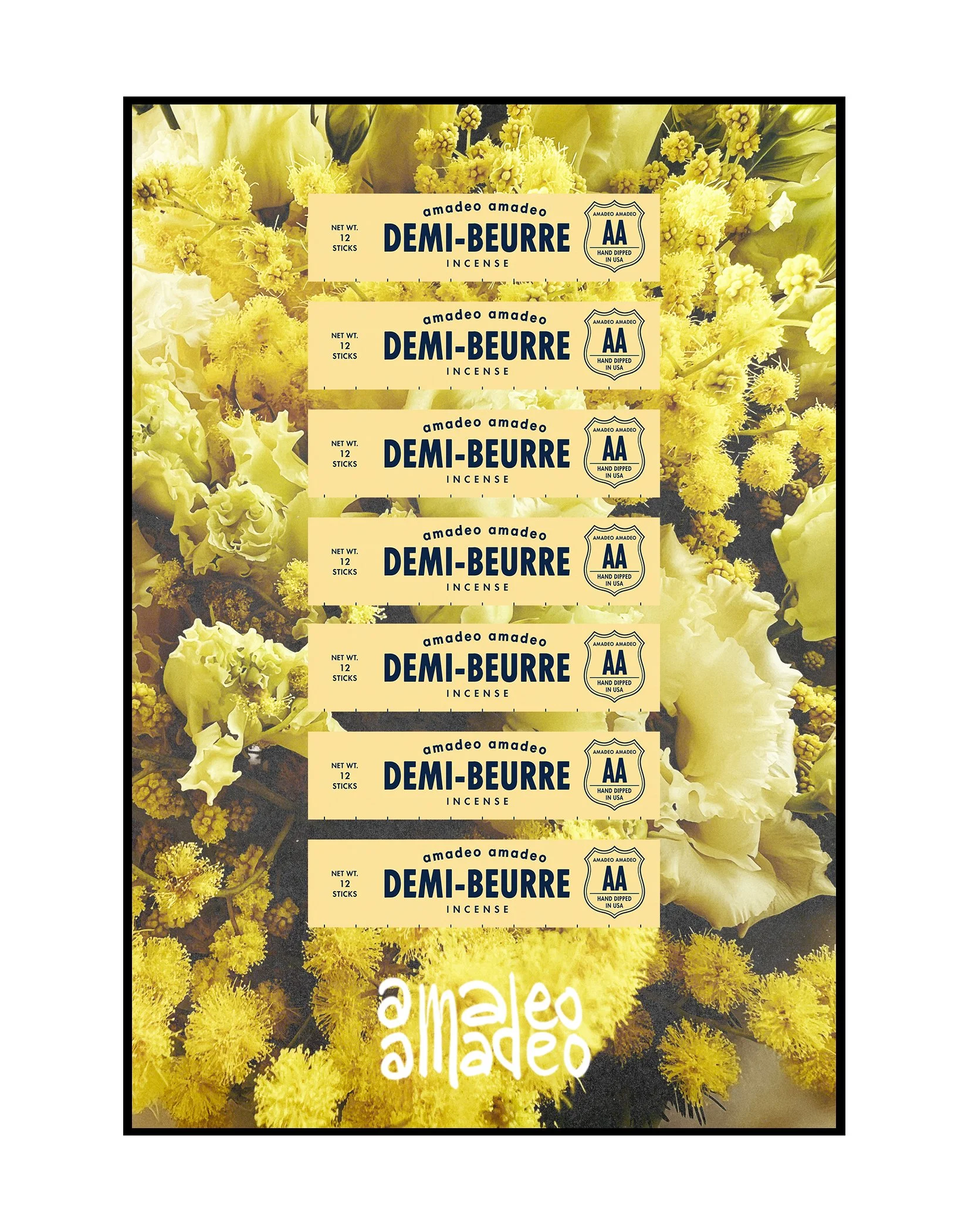
demi-beurre
For the past few years, scent has become another medium for me to tell stories.
Sometimes those stories are large and obvious. Other times they are small moments that would otherwise disappear if nobody stopped to pay attention to them.
demi-beurre began as one of those small moments.
For the past few years, scent has become another medium for me to tell stories.
Sometimes those stories are large and obvious. Other times they are small moments that would otherwise disappear if nobody stopped to pay attention to them.
demi-beurre began as one of those small moments.
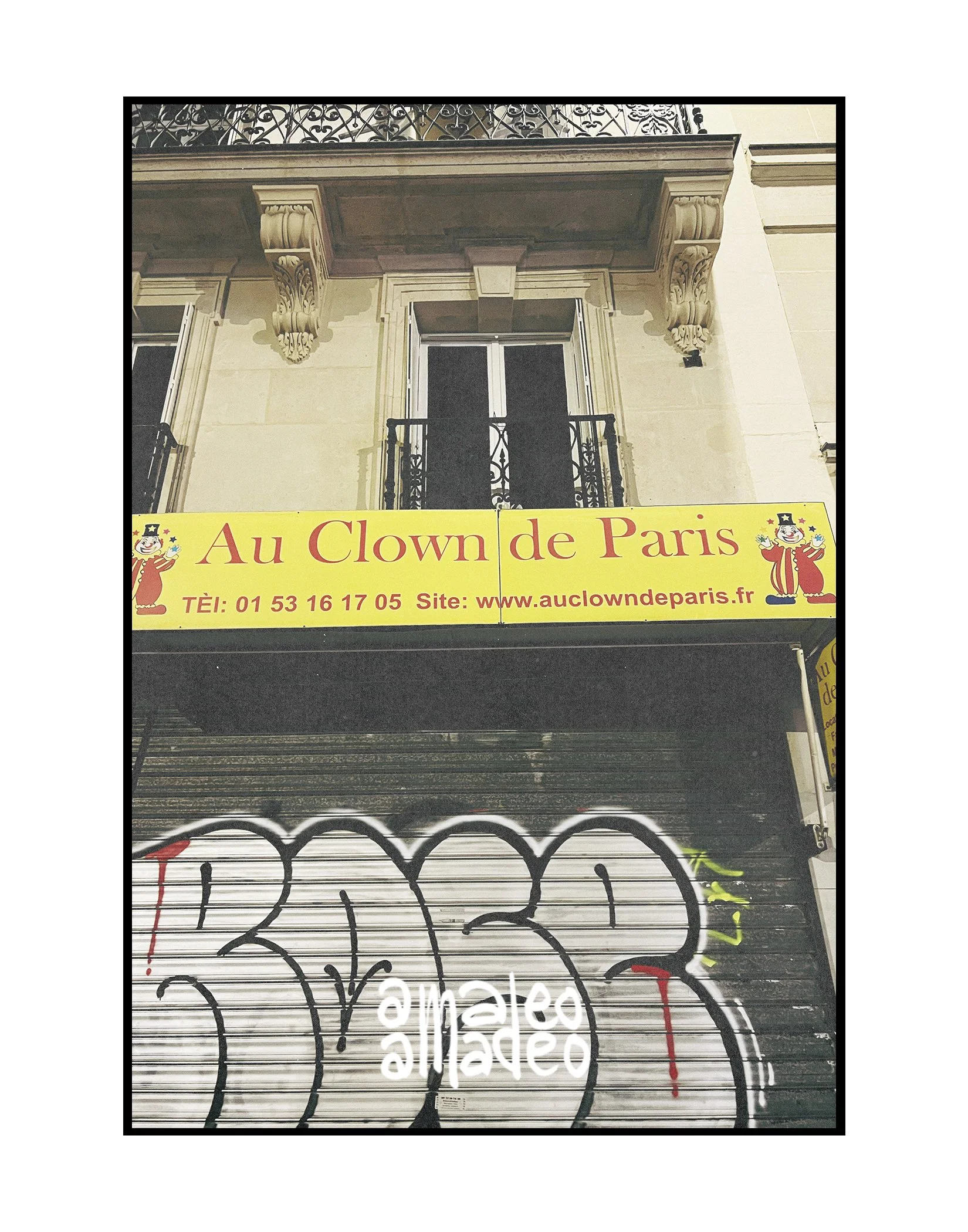
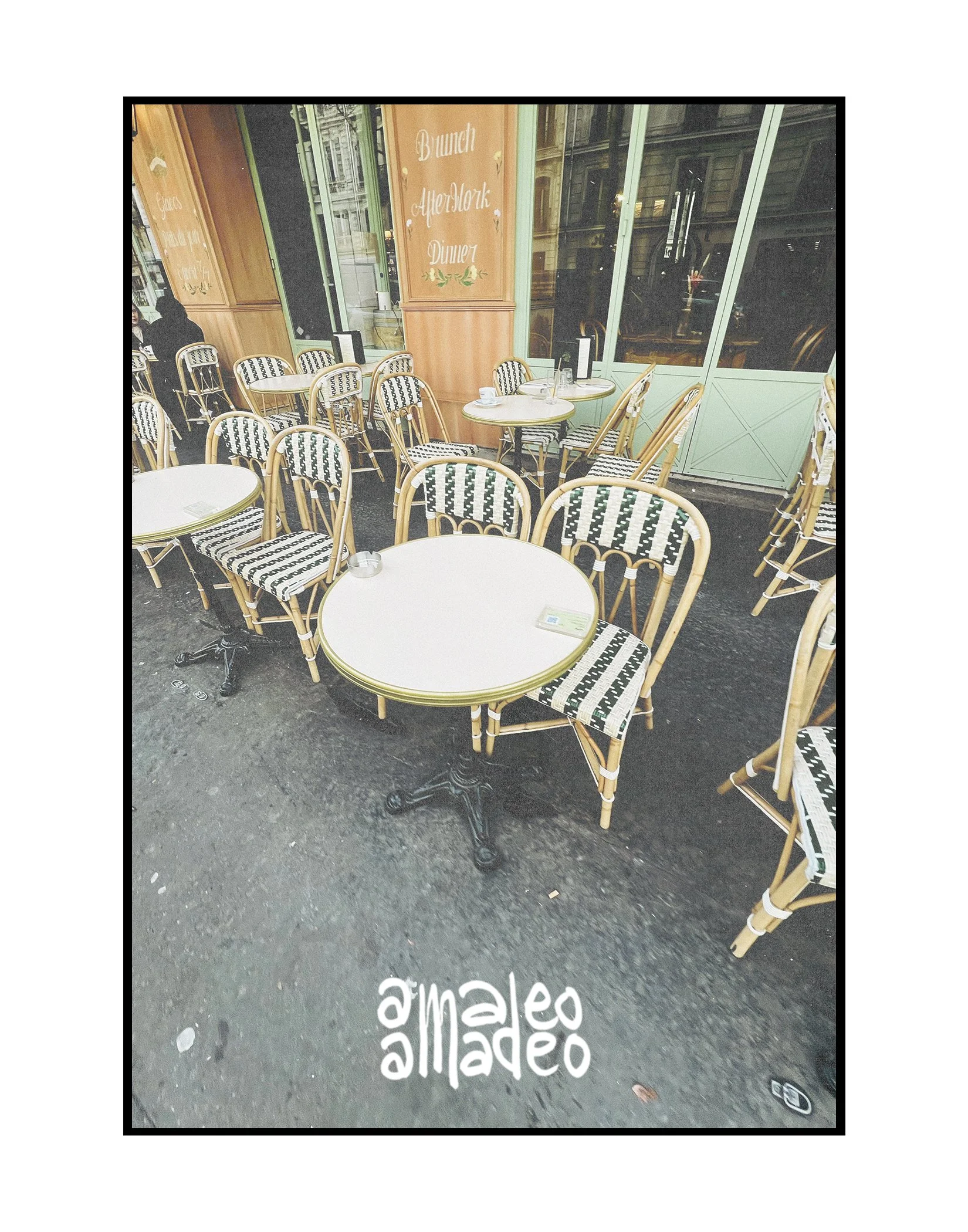
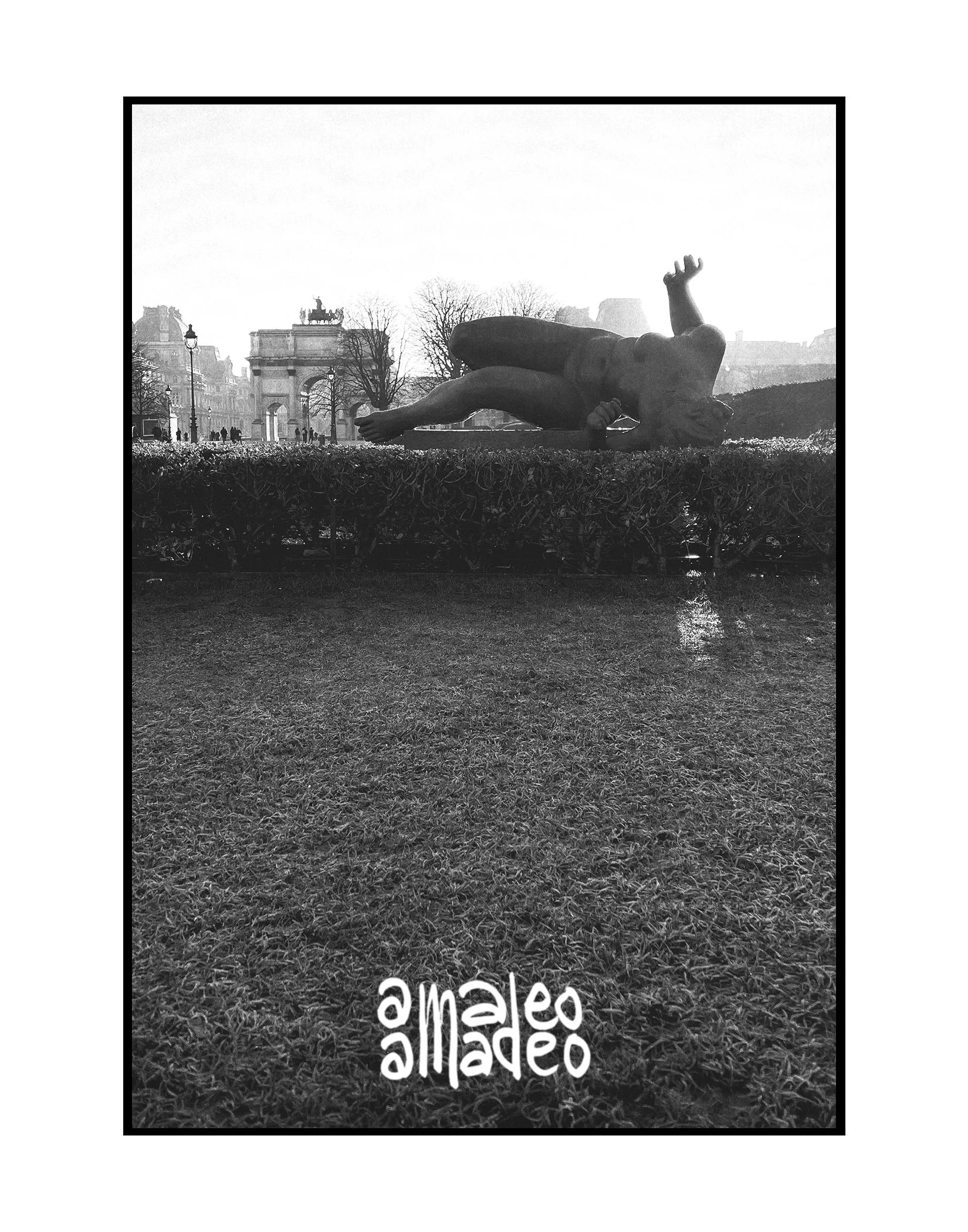
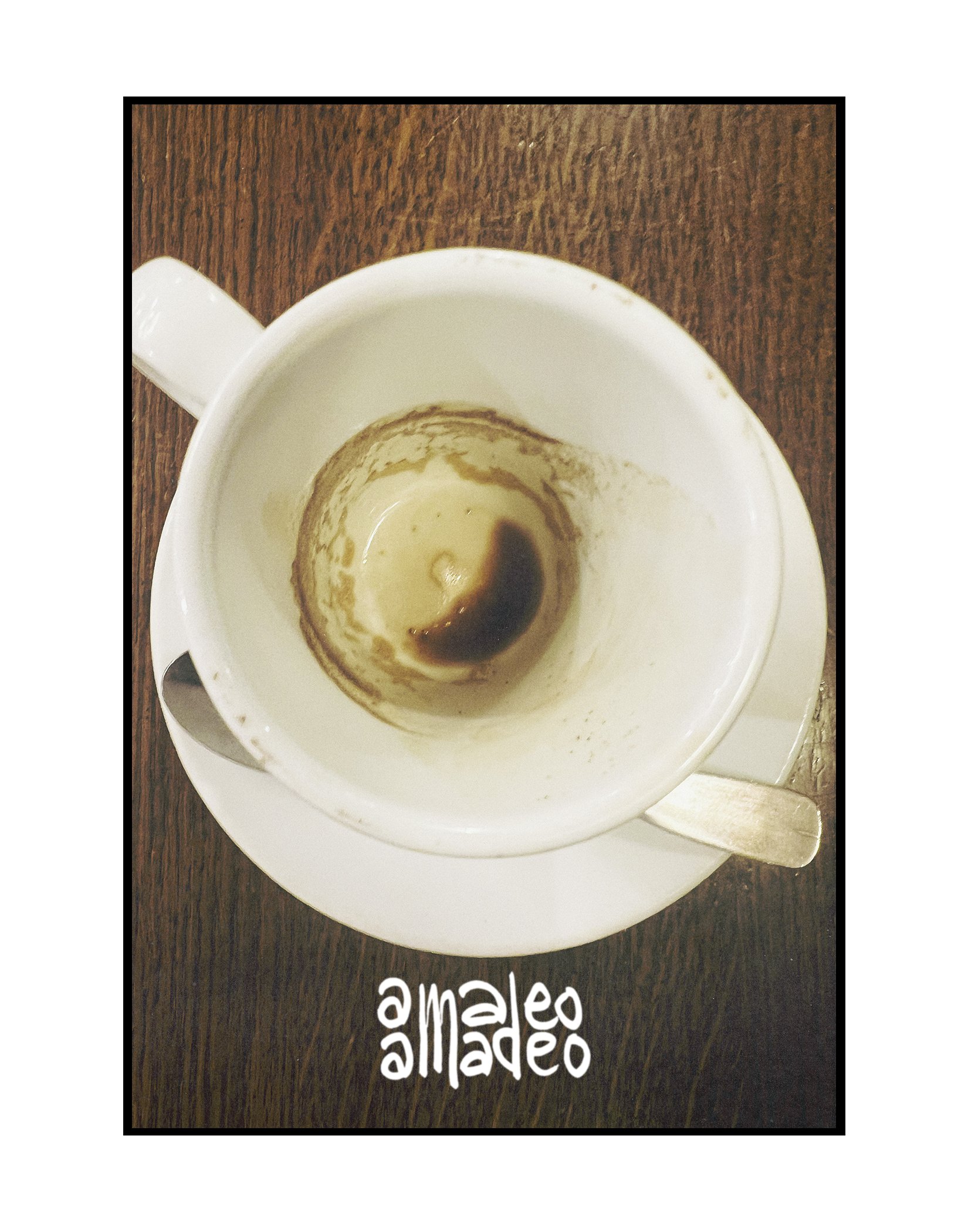
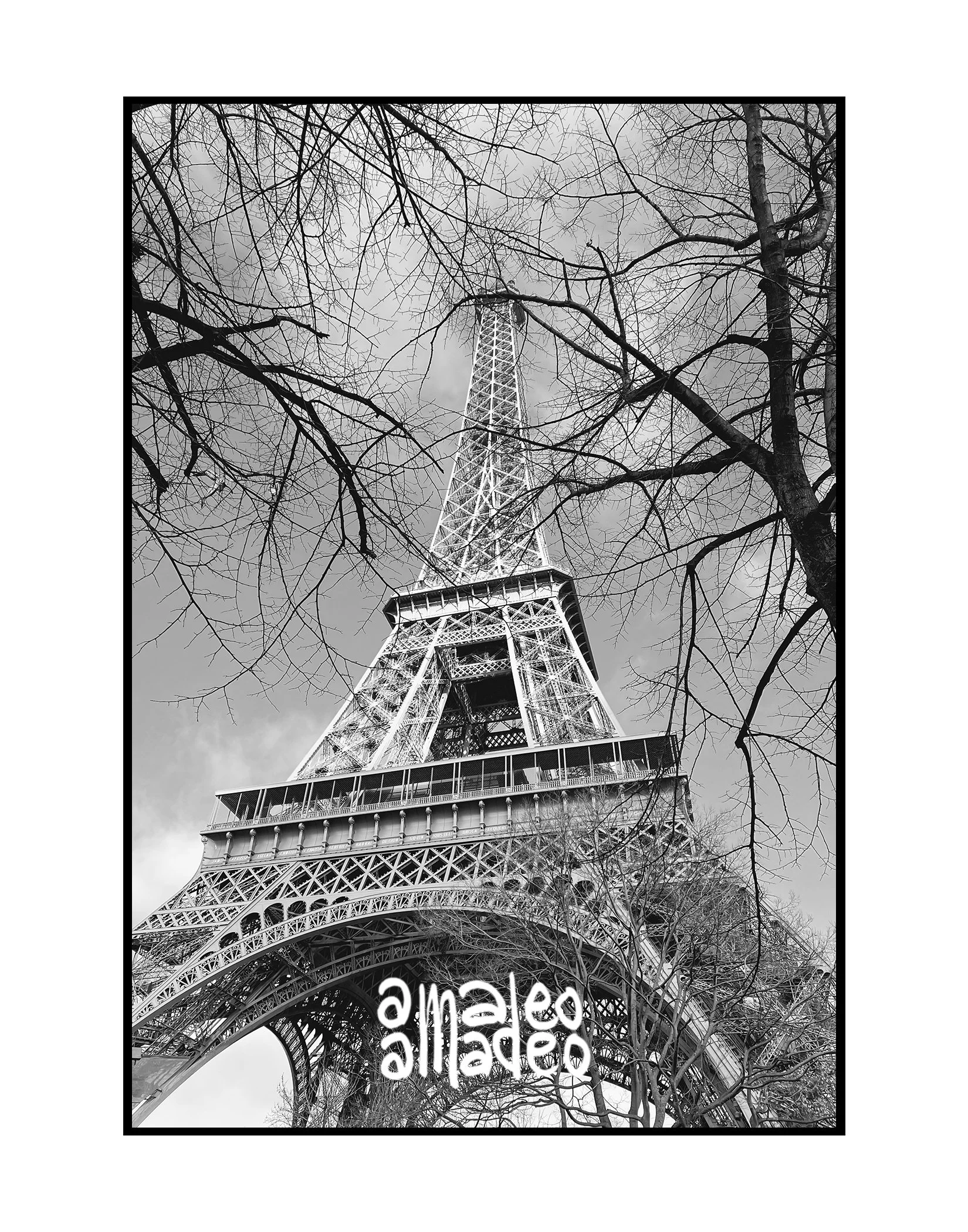
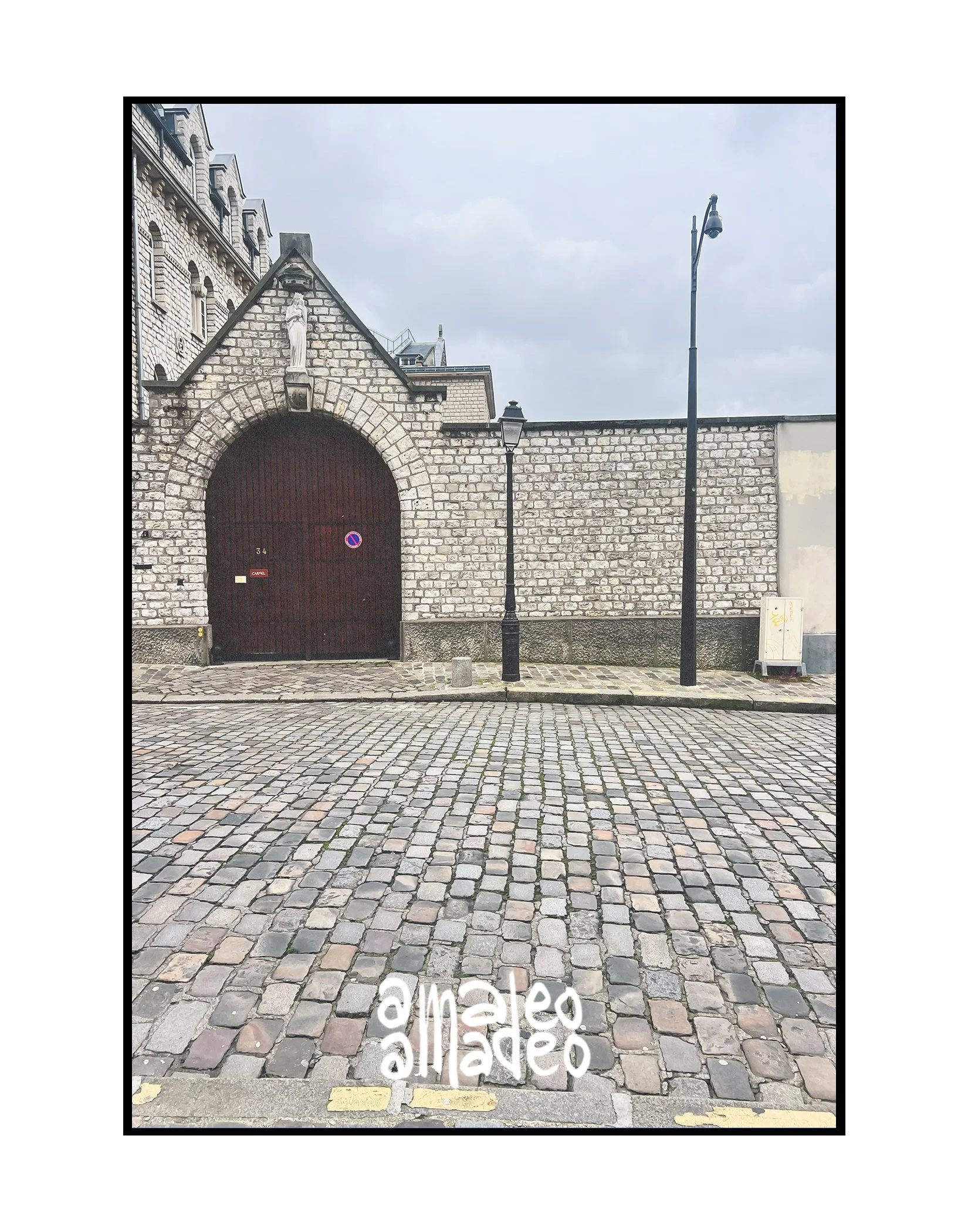
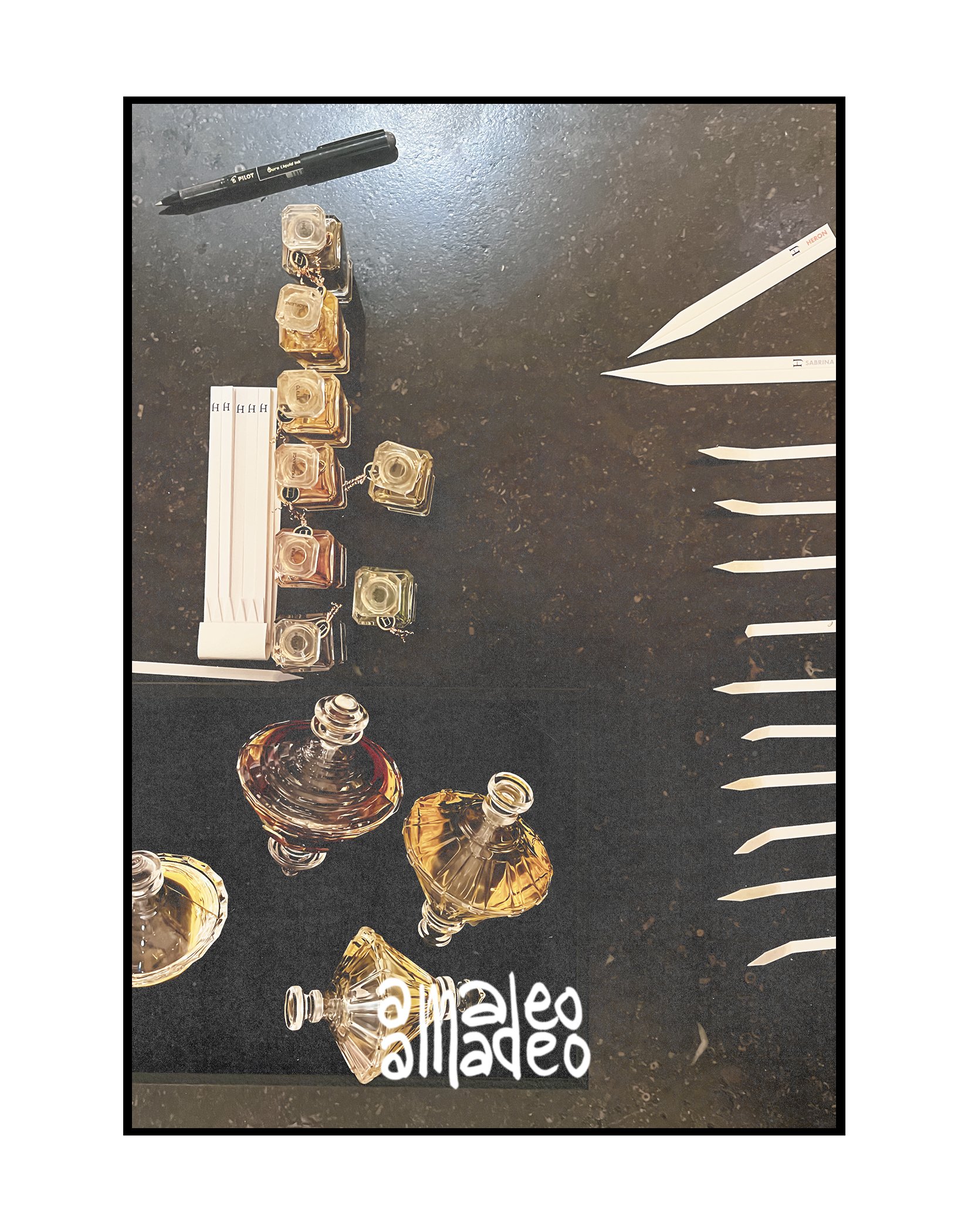
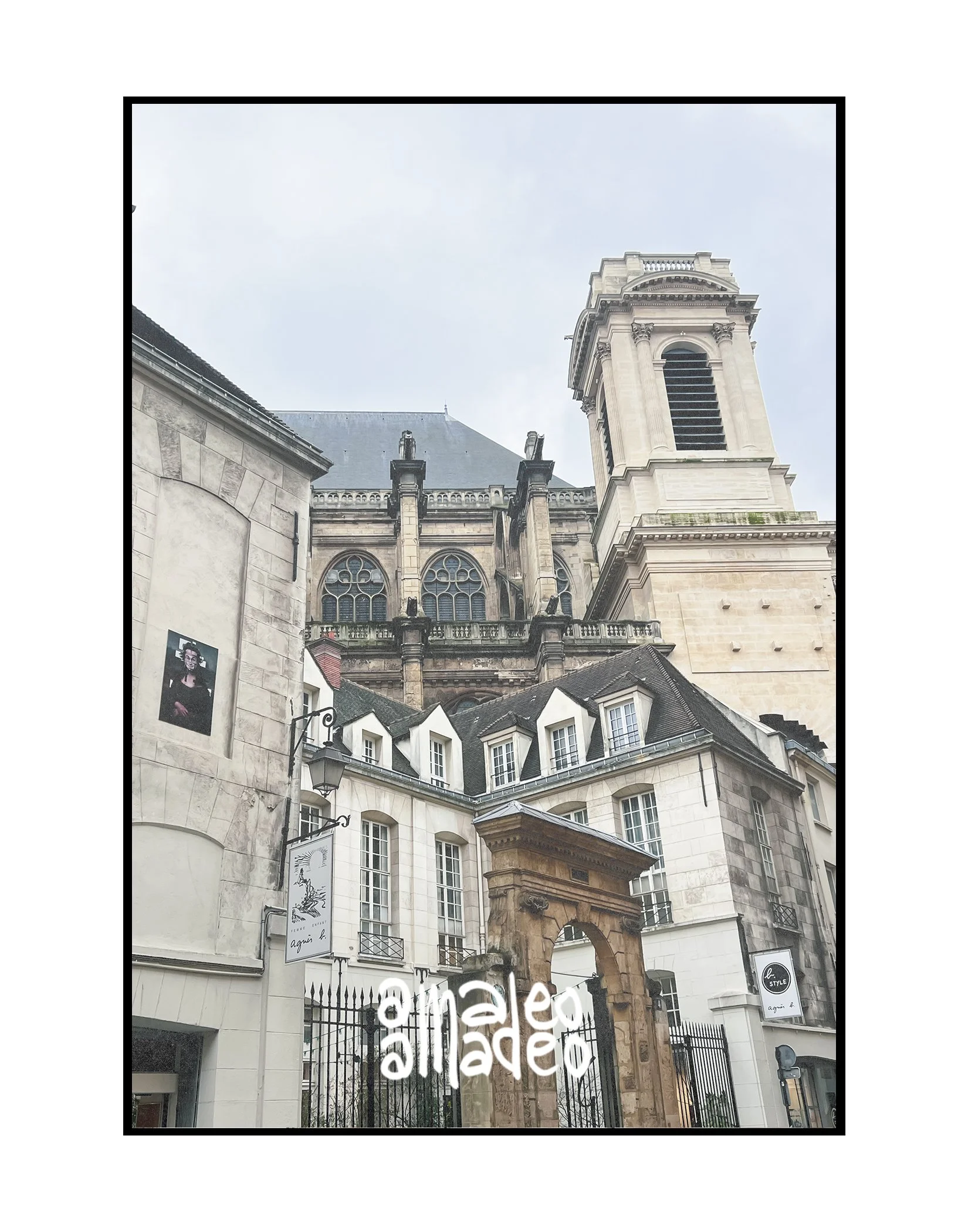
When I was in Paris, my mornings were always slow. I would wake up with the sun and leave before the city was fully awake. There was something special about experiencing Paris during its preparation. Before the cafés filled, before the shops opened, before the streets became busy.
The city was getting ready for the day.
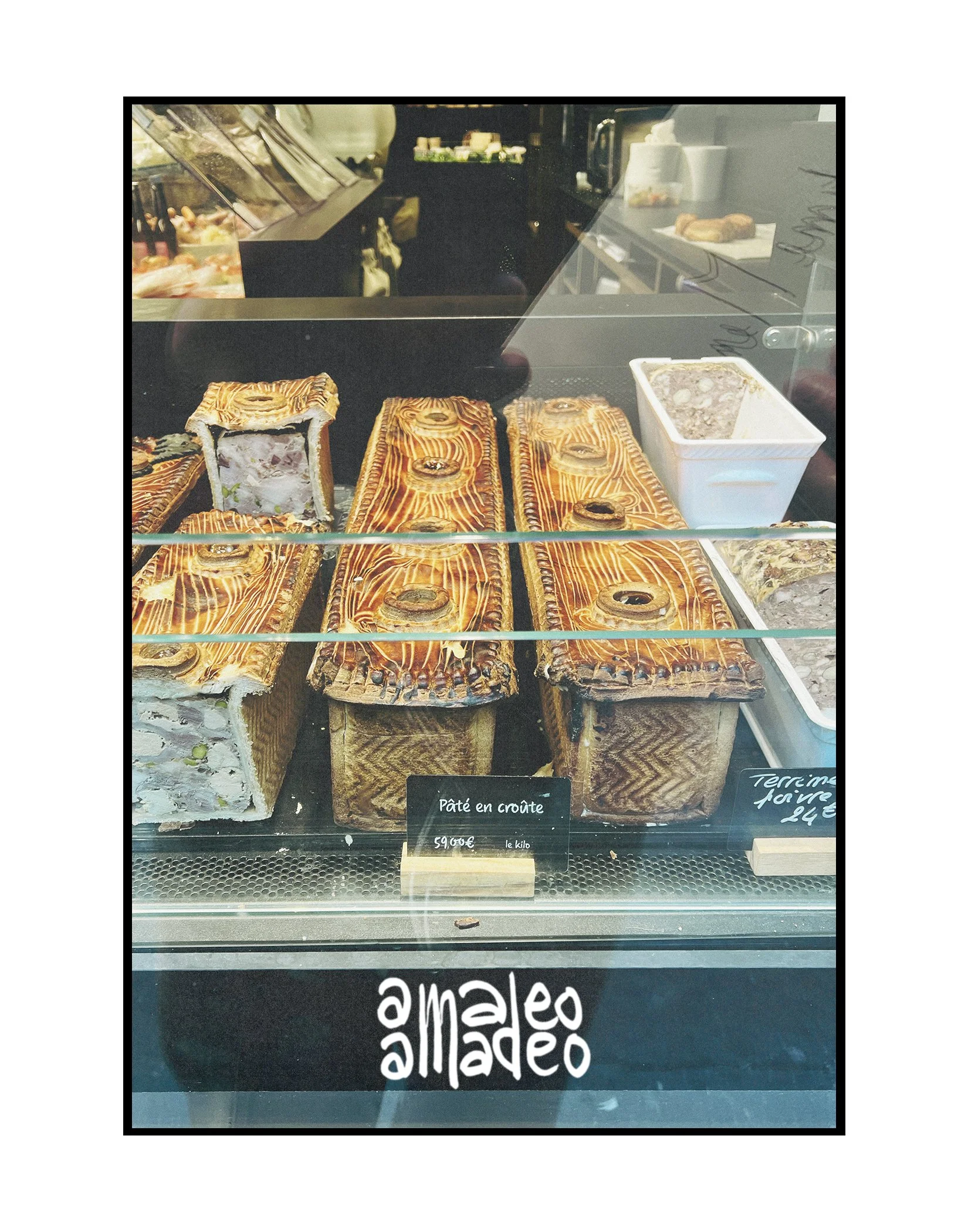
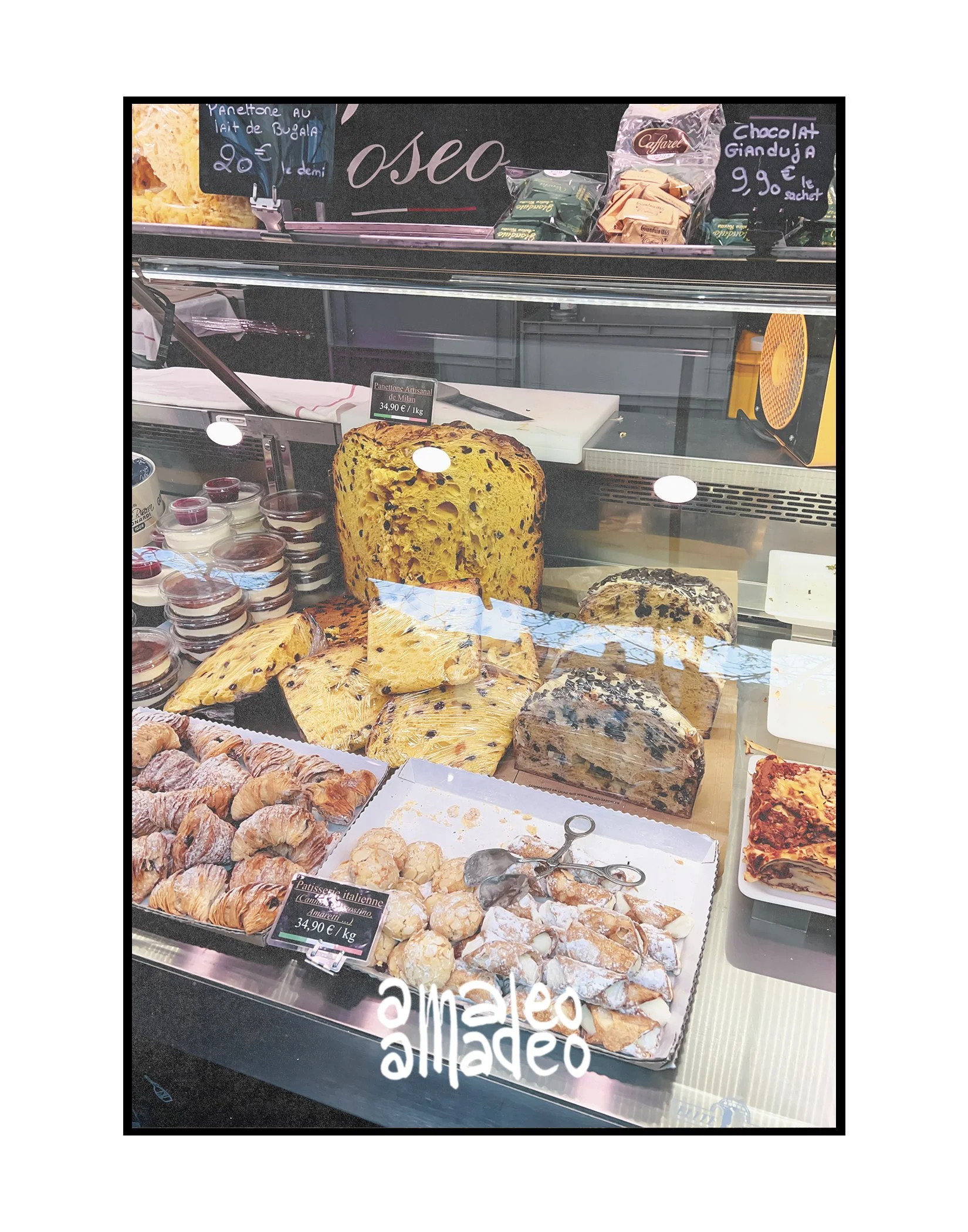
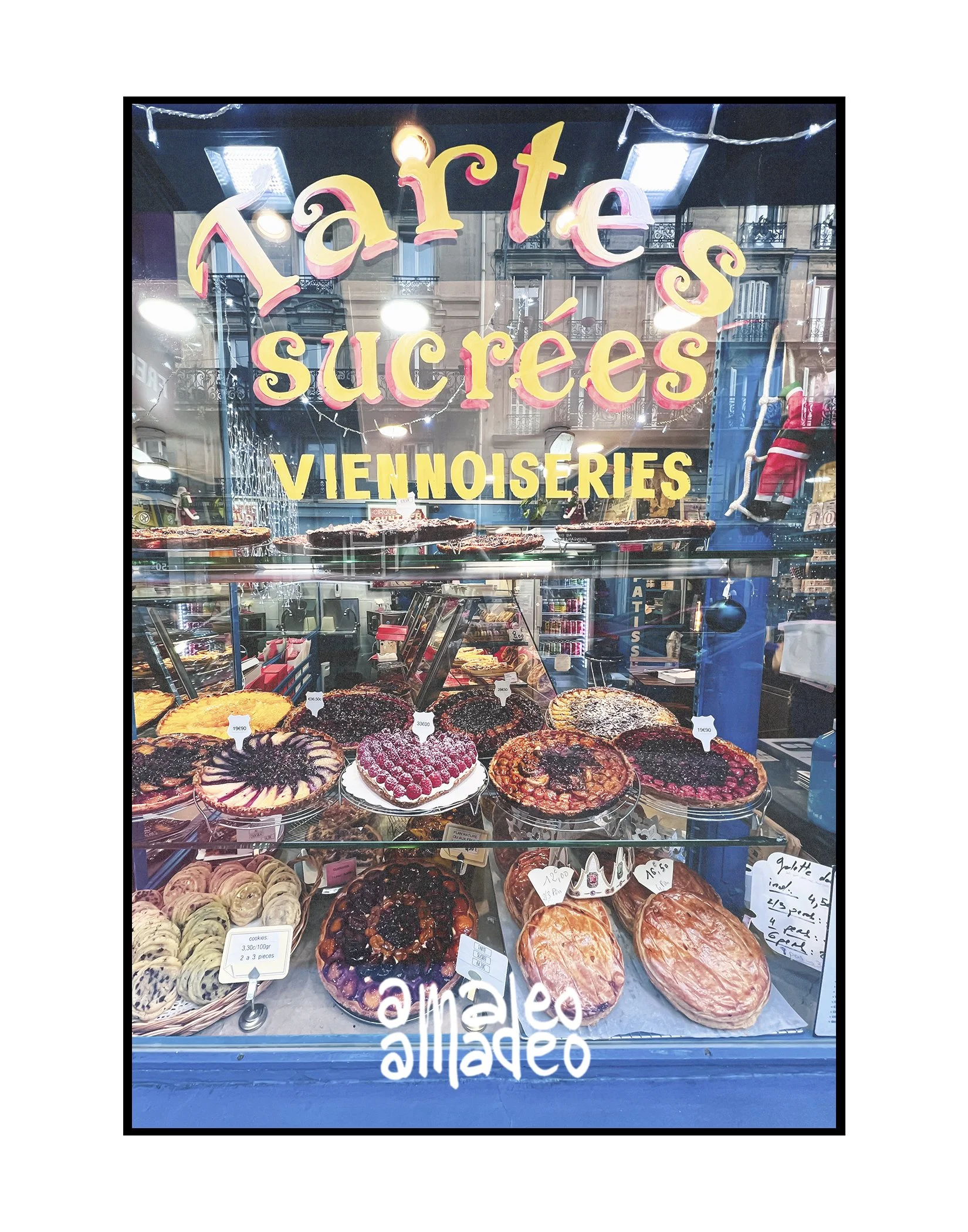
I would walk through the arrondissements and witness these tiny rituals taking place around me. Bakers preparing croissants and pastries for the morning rush. The smell of warm butter drifting from open doors. Florists bringing out buckets overflowing with mimosa flowers. Antique dealers sweeping the thresholds of their shops. A cigarette lit in the quiet of an empty street.
The French morning was coming alive.
What fascinated me most was how ordinary it all seemed to the people living it. These small actions were simply part of their routine, yet together they created an atmosphere that felt luxurious beyond anything money could buy.
One morning, I passed a man wearing a floor-length fur coat. Under one arm he carried a baguette. Between his fingers was a cigarette. In his other hand, a bouquet of flowers. As he hurried across the street he jumped over a puddle, splashing the bottom of his coat in the process.
I remember laughing to myself.
The abundance of that single moment felt almost cinematic.
Bread.
Flowers.
Smoke.
Rain.
Fur.
A city waking up.
He was probably just running errands, yet somehow it felt impossibly elegant.
That image stayed with me long after I returned home.
For months I found myself thinking about those walks and the idea that luxury often exists in places we overlook. Not in grand gestures, but in everyday experiences. The smell coming from a bakery. The first cigarette of the morning. Flowers being unloaded from a truck before sunrise.
I wanted to create something that captured that feeling.
The result became demi-beurre.
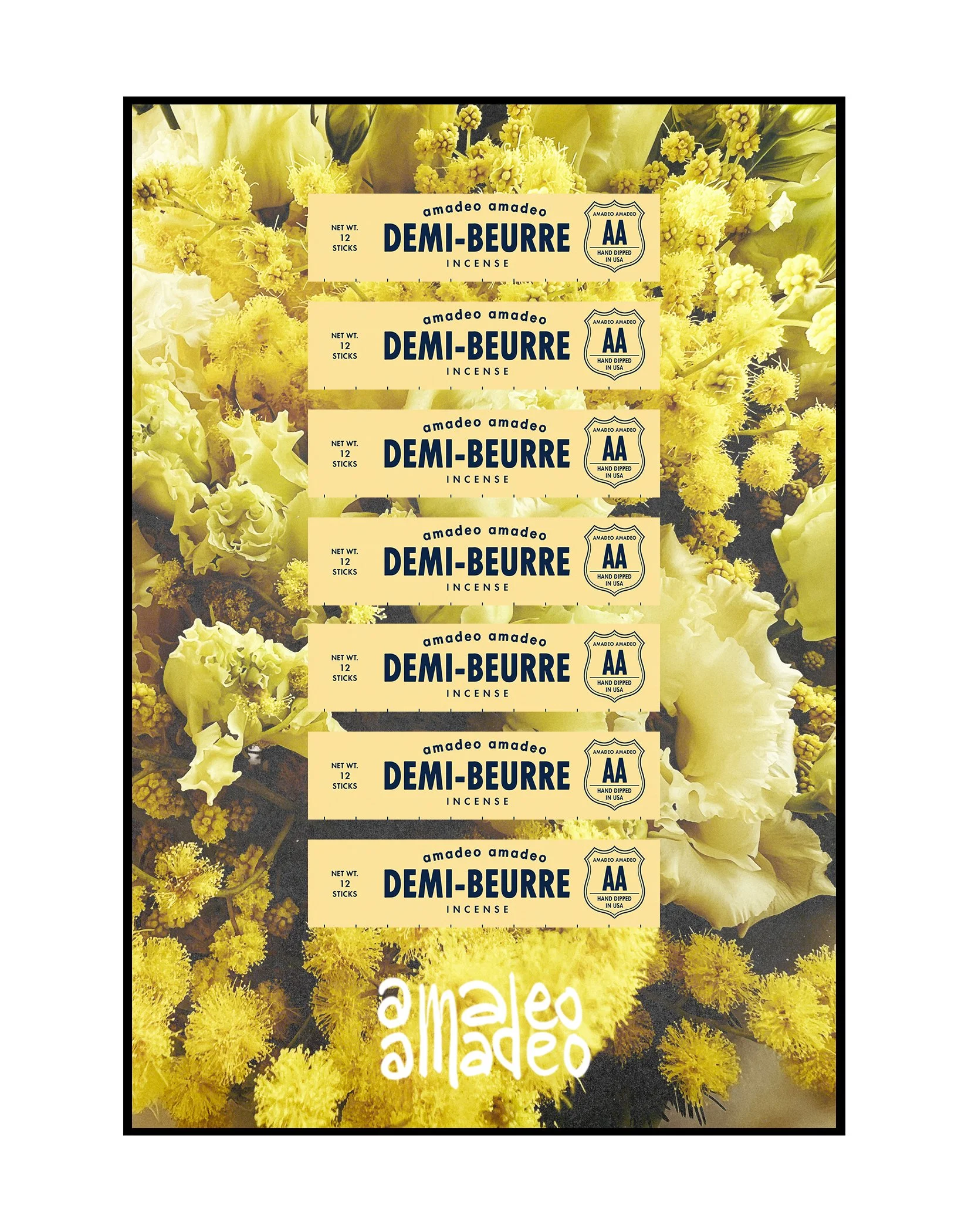
Built around notes of butter, tobacco, and mimosa flower, this limited-release incense is my attempt to package one of those mornings and bring it into the home. The warmth of freshly baked pastries. The distant trace of cigarette smoke. The brightness of flowers waiting to be arranged.
I imagine lighting one while making coffee before the rest of the house wakes up.
I imagine lighting one while reading the newspaper on a Sunday morning.
I imagine lighting one while opening the windows on the first warm day of spring.
Most of all, I imagine lighting one when you want to slow down and appreciate the small things happening around you.
The things that create an experience before we even realize they are there.
This is the first limited release incense from amadeo amadeo and a project that has been quietly developing for quite some time. I am excited to finally share it.
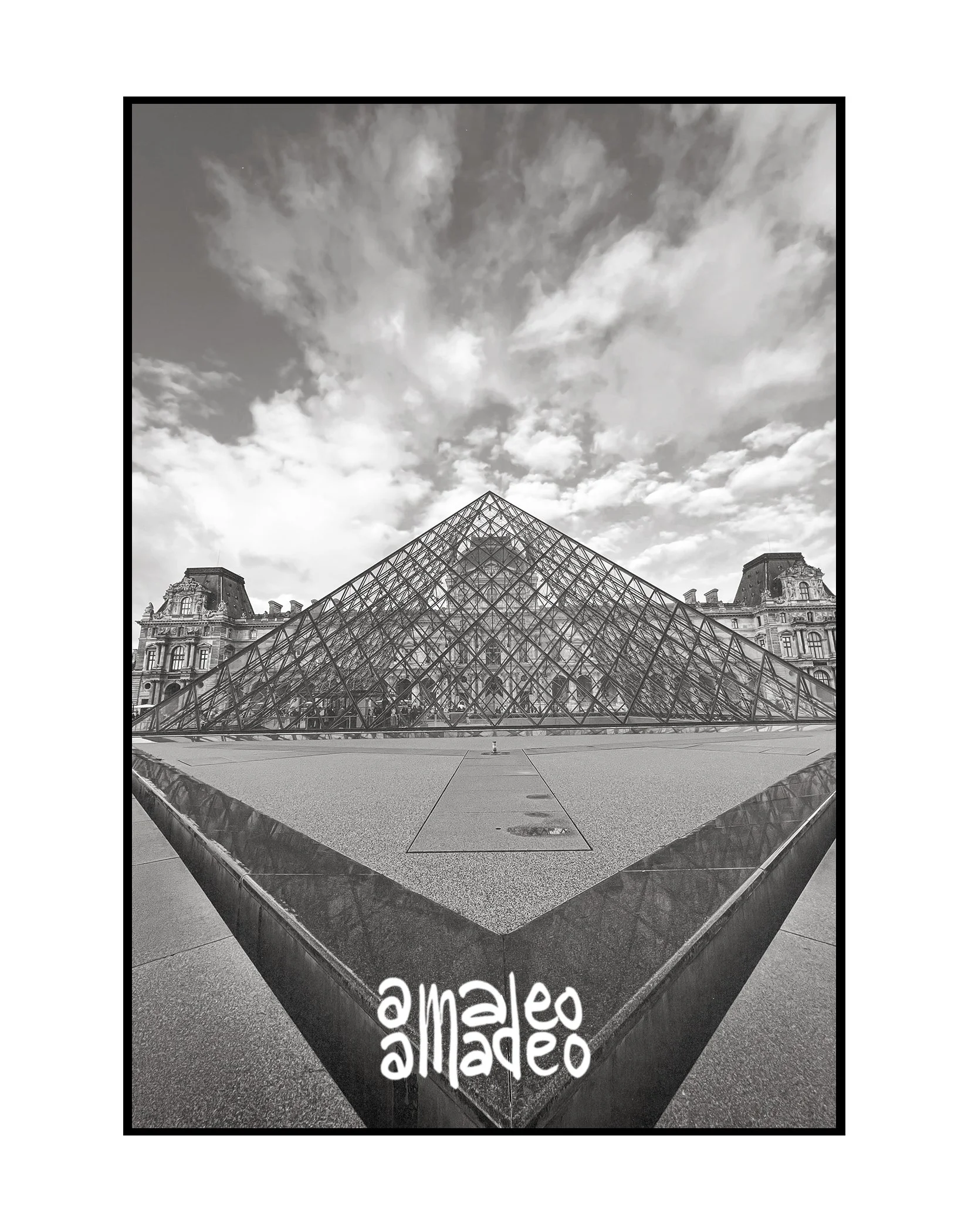
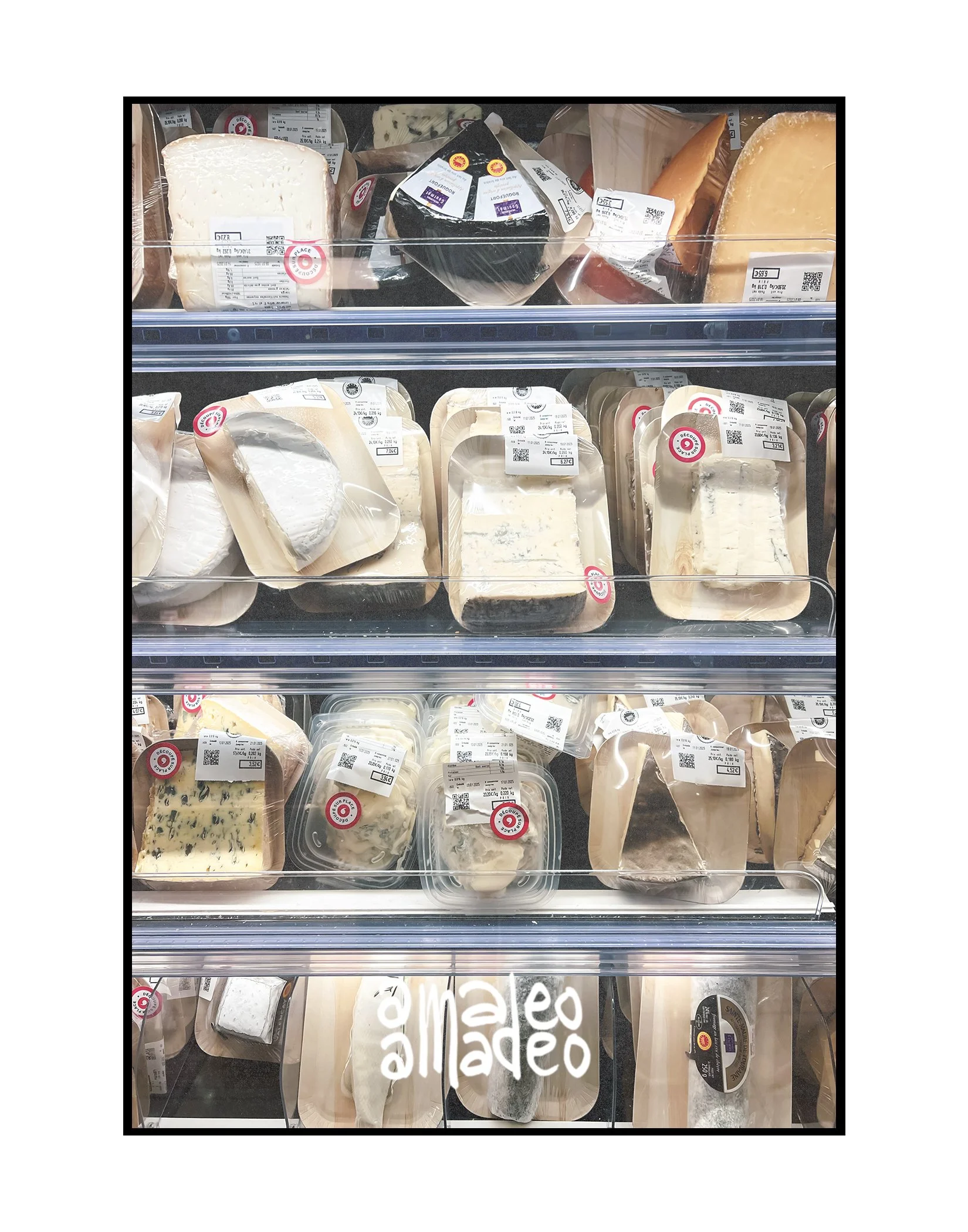
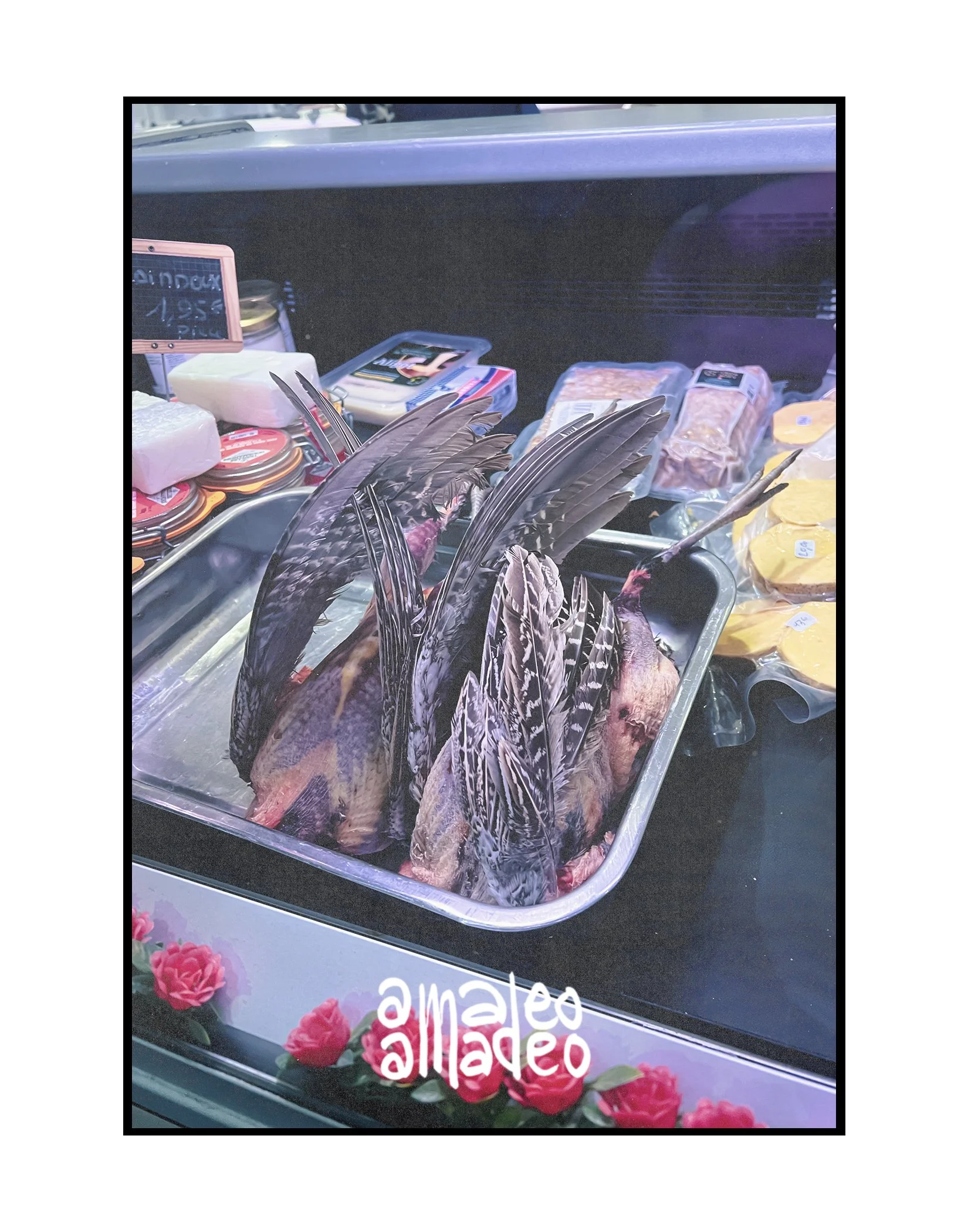
Over the next few weeks I will be sharing photographs from Paris alongside the packaging and development of the incense. Before its release, I would love to hear your thoughts and feedback. The scents I create are often built from memories, but they only become complete once they begin creating memories for someone else.
demi-beurre will be released in a limited quantity in approximately 3–4 weeks.
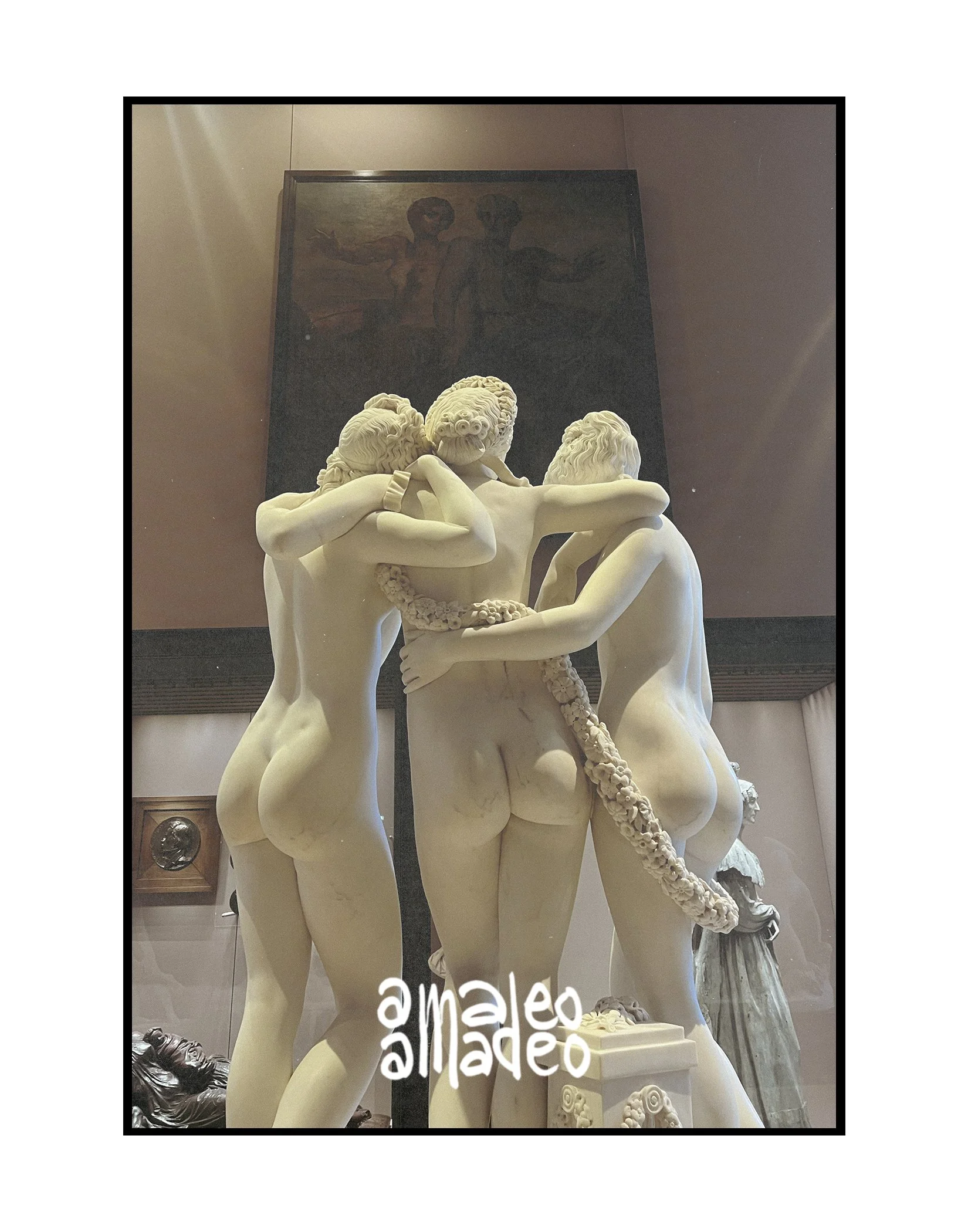
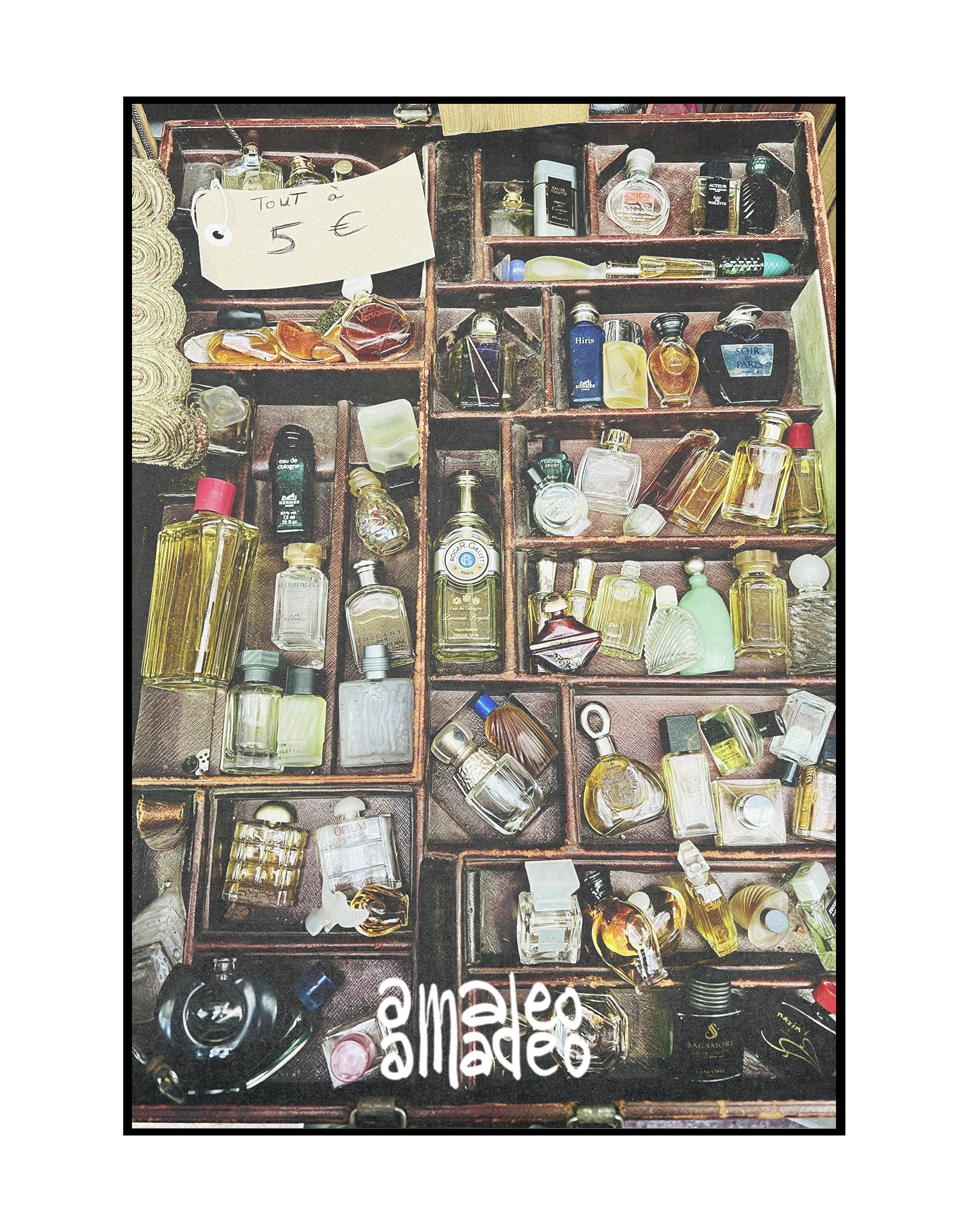
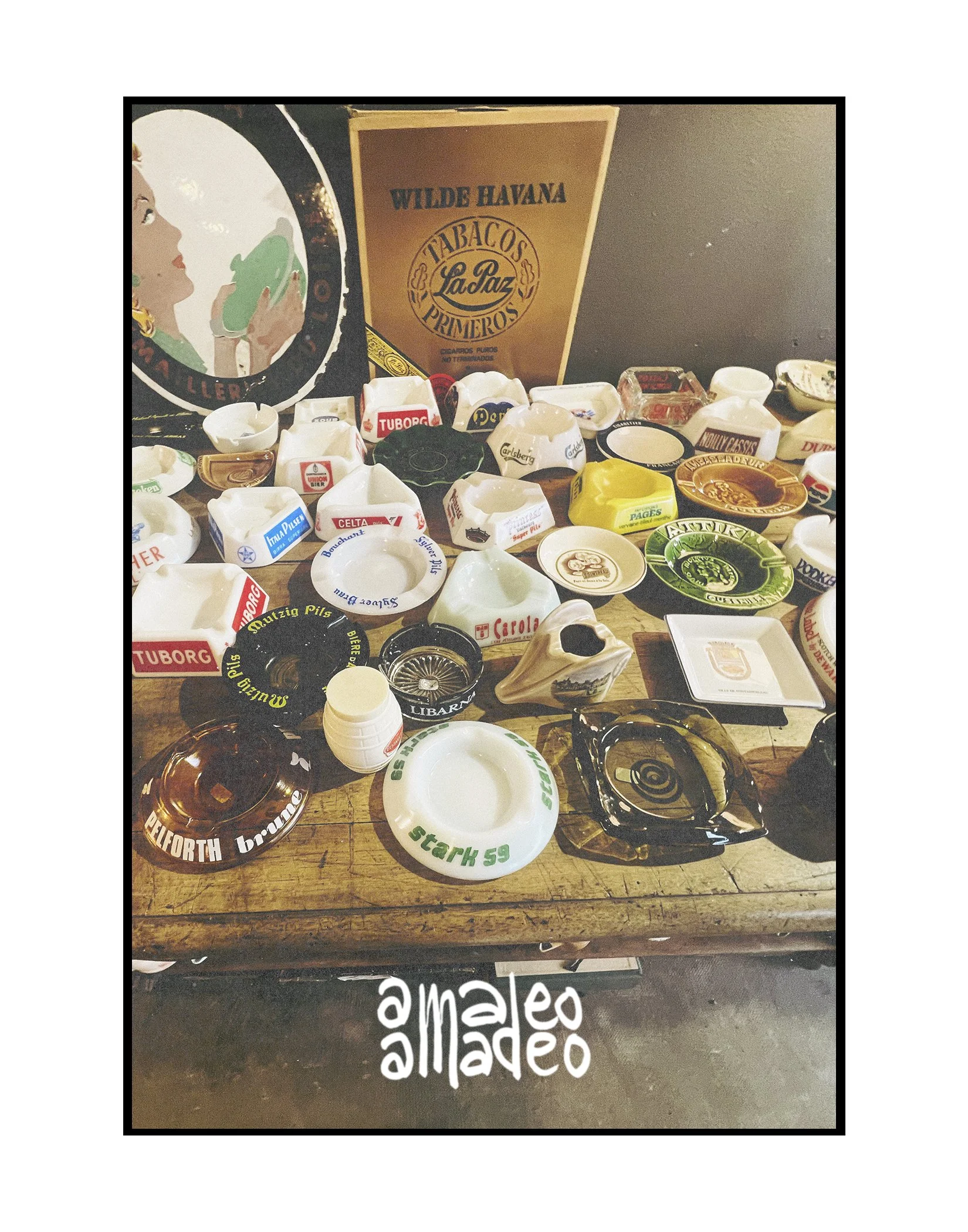
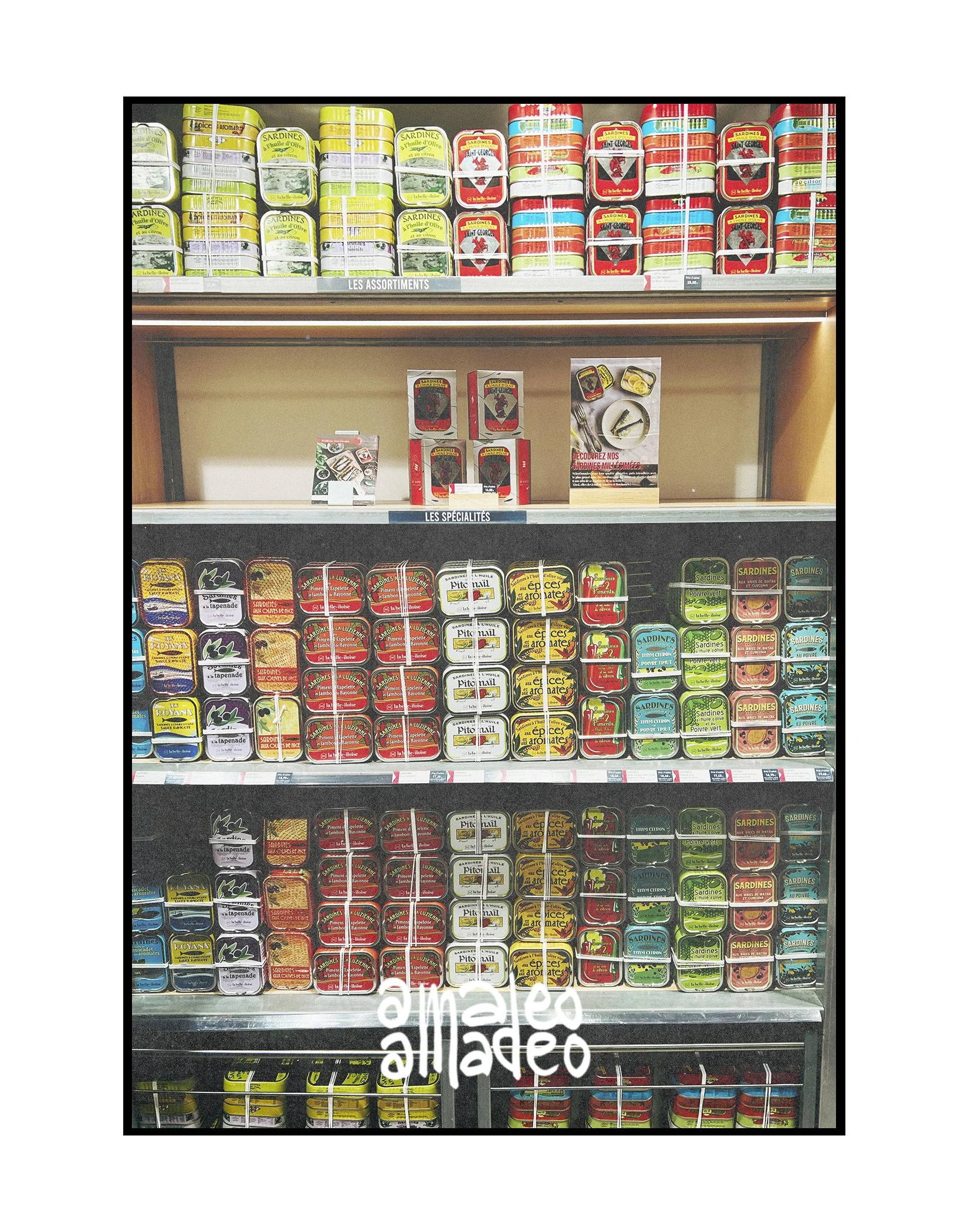
I can't wait for you to experience it.
Nocturne in the Garden
There are certain evenings that do not feel like they are happening in real time. They feel arranged. Suspended. As if every object, scent, sound, and gesture has been placed inside a small spell.
The first gathering by amadeo amadeo
There are certain evenings that do not feel like they are happening in real time. They feel arranged. Suspended. As if every object, scent, sound, and gesture has been placed inside a small spell.
Nocturne in the Garden was the first gathering by amadeo amadeo created to bring together art, scent, curation, food, drink, and atmosphere. A small evening in the backyard, surrounded by trees, spring growth, and soft green light, became a way to show what the brand is slowly becoming: not only a collection of objects, but a world built through feeling.
The idea was simple at first. Three paintings. Three incense scents. One garden.
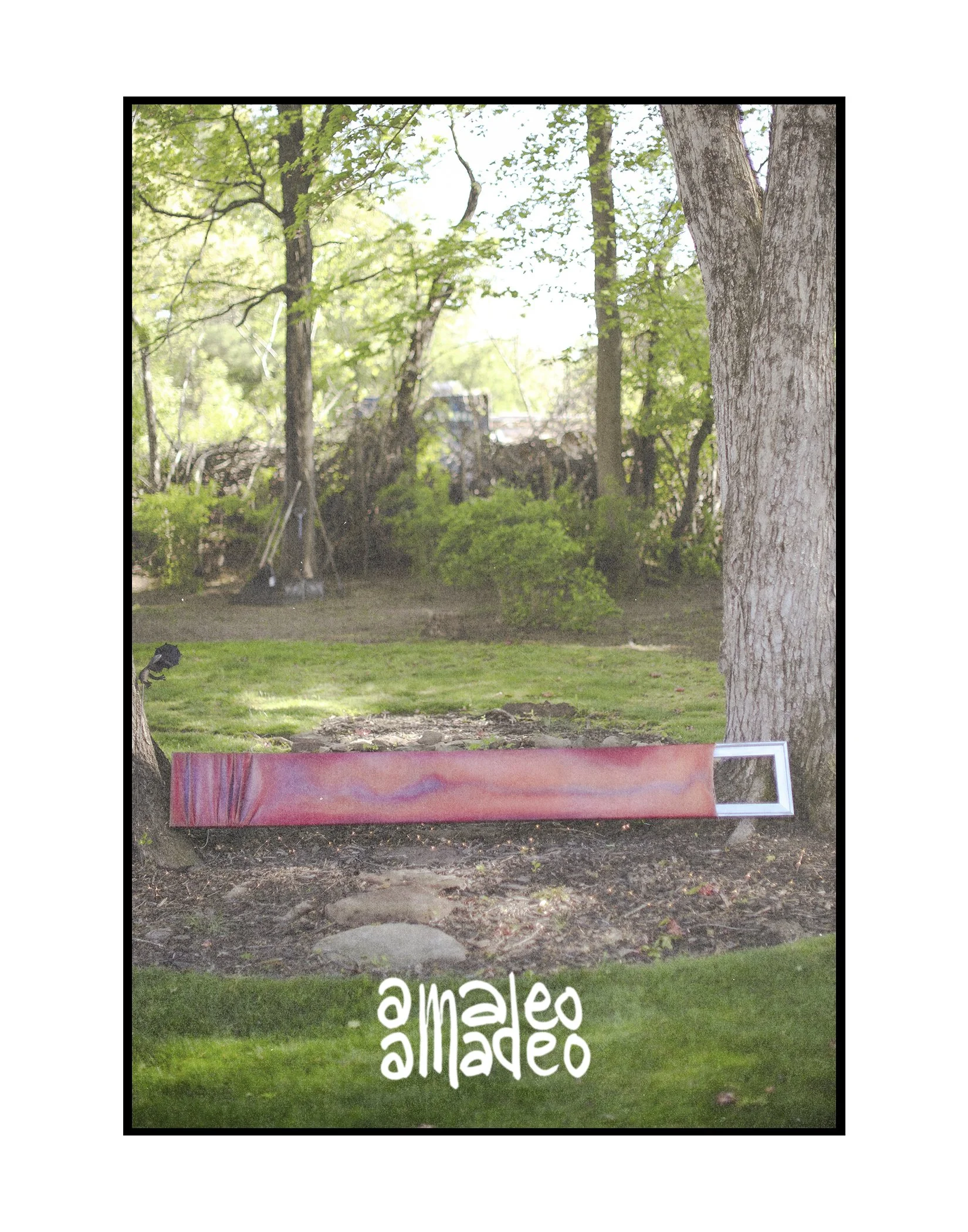
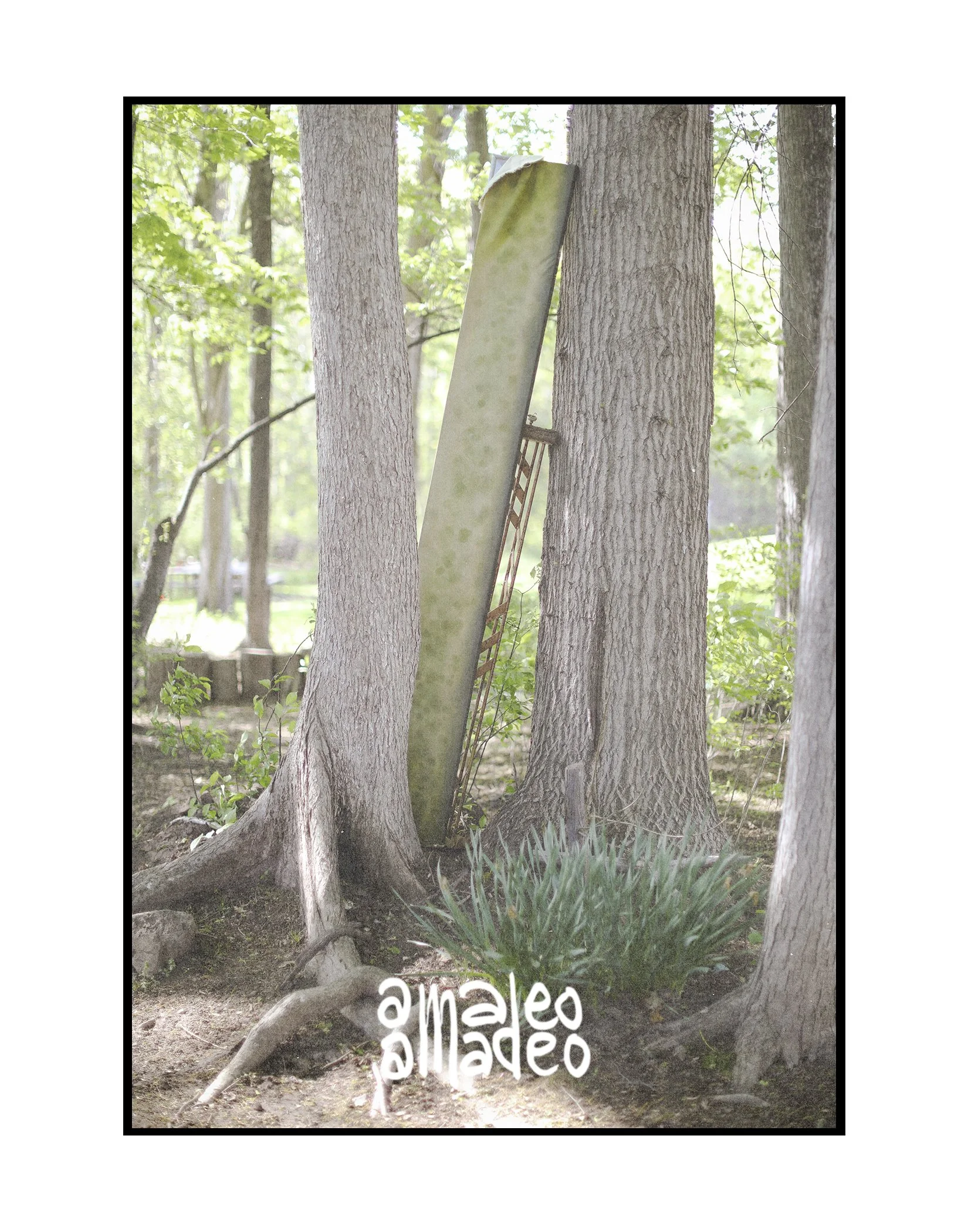
But simplicity, when treated carefully, can become its own kind of fantasy.
The three paintings were placed throughout the lawn and trees as if they had grown there. Each one measured nearly eight feet long and only twelve inches high, a strange and narrow proportion that made them feel less like traditional paintings and more like fragments, relics, banners, or architectural remains. They leaned into the landscape, slipped between trunks, and stretched across the grass with the quiet confidence of something planted there long before anyone arrived.
Each painting was created as a synesthetic translation of one of the three house incense scents of amadeo amadeo: Rose and Clove, Geranium and Slate, and Frankincense and Tomato Leaf.
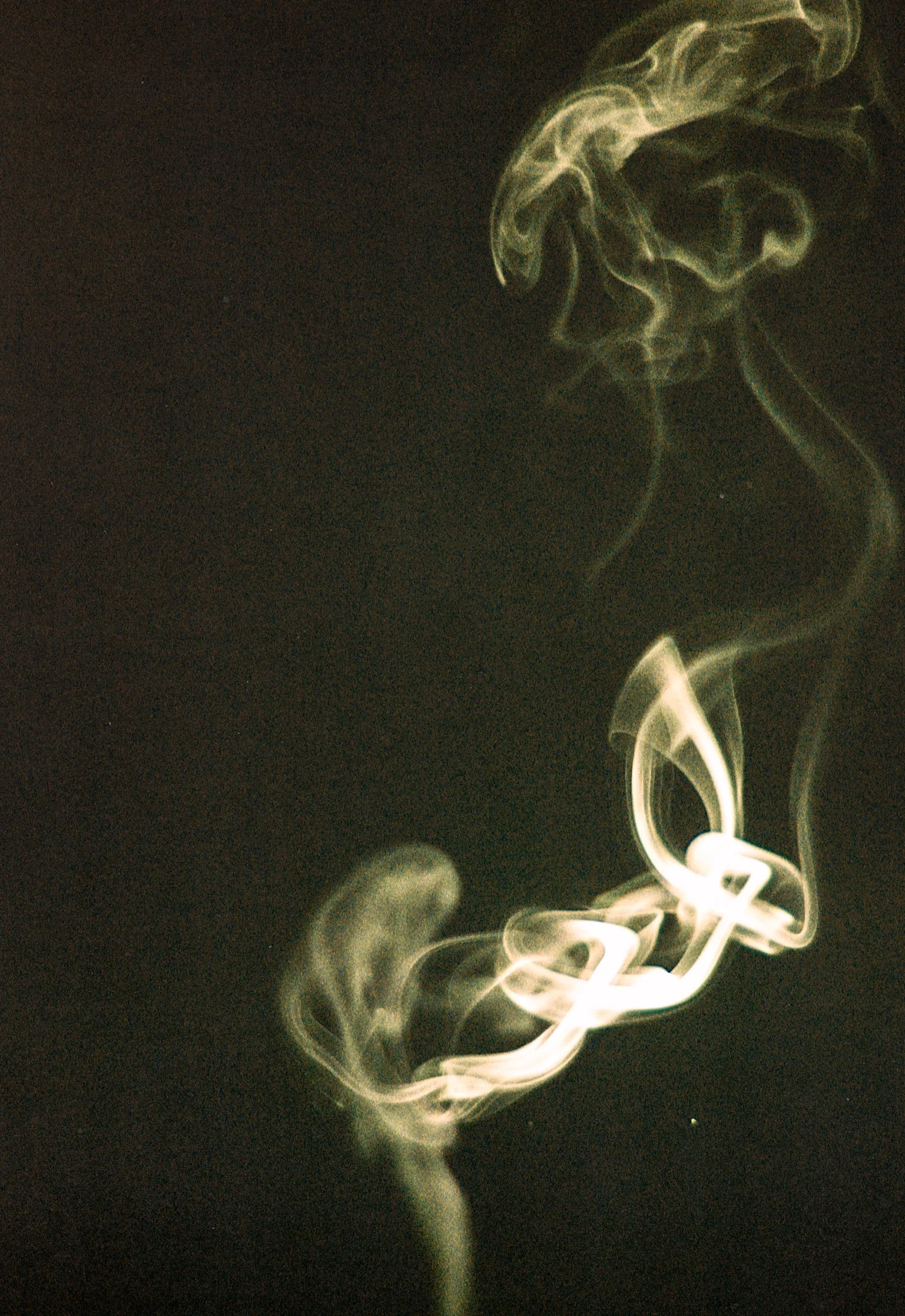
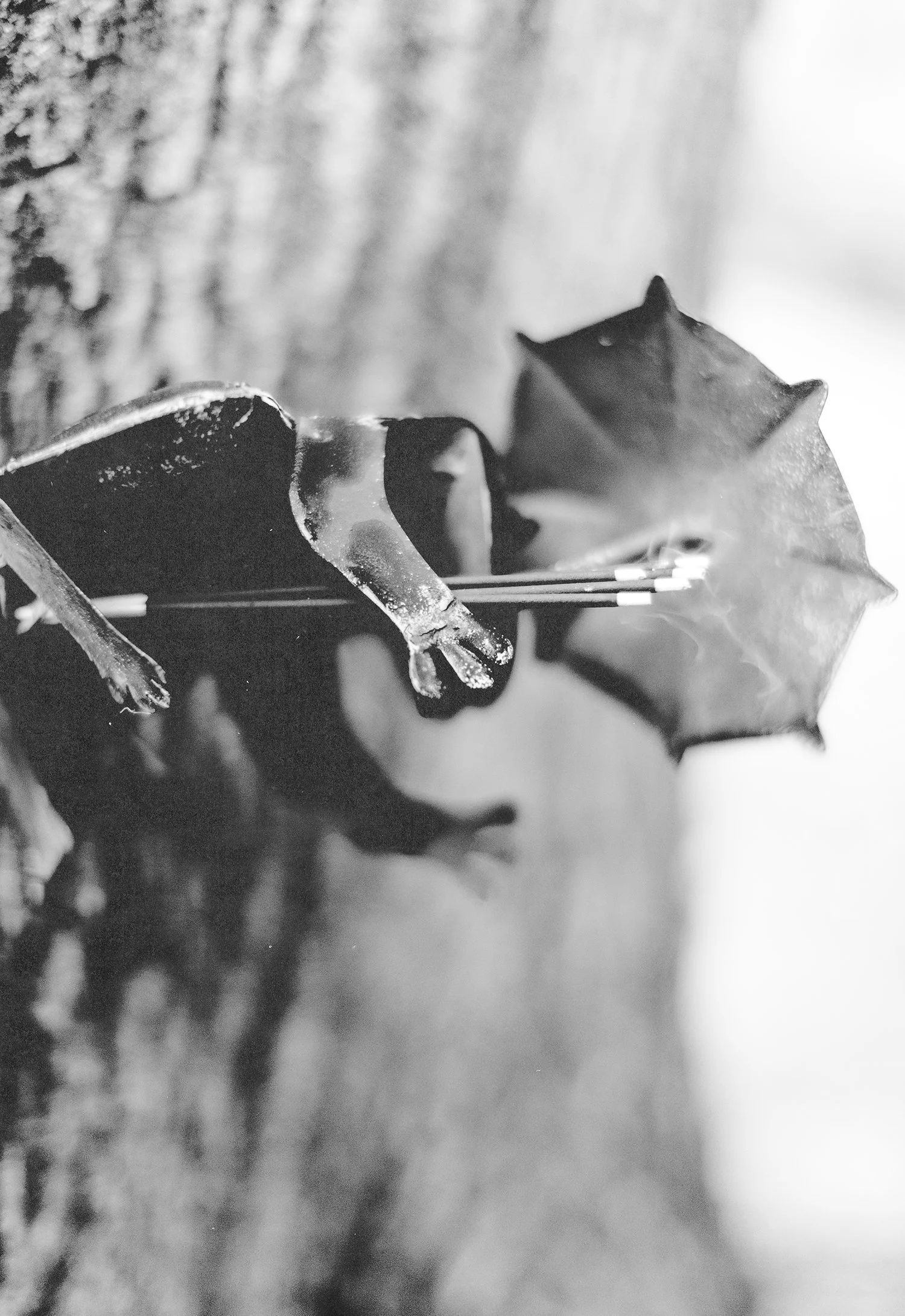
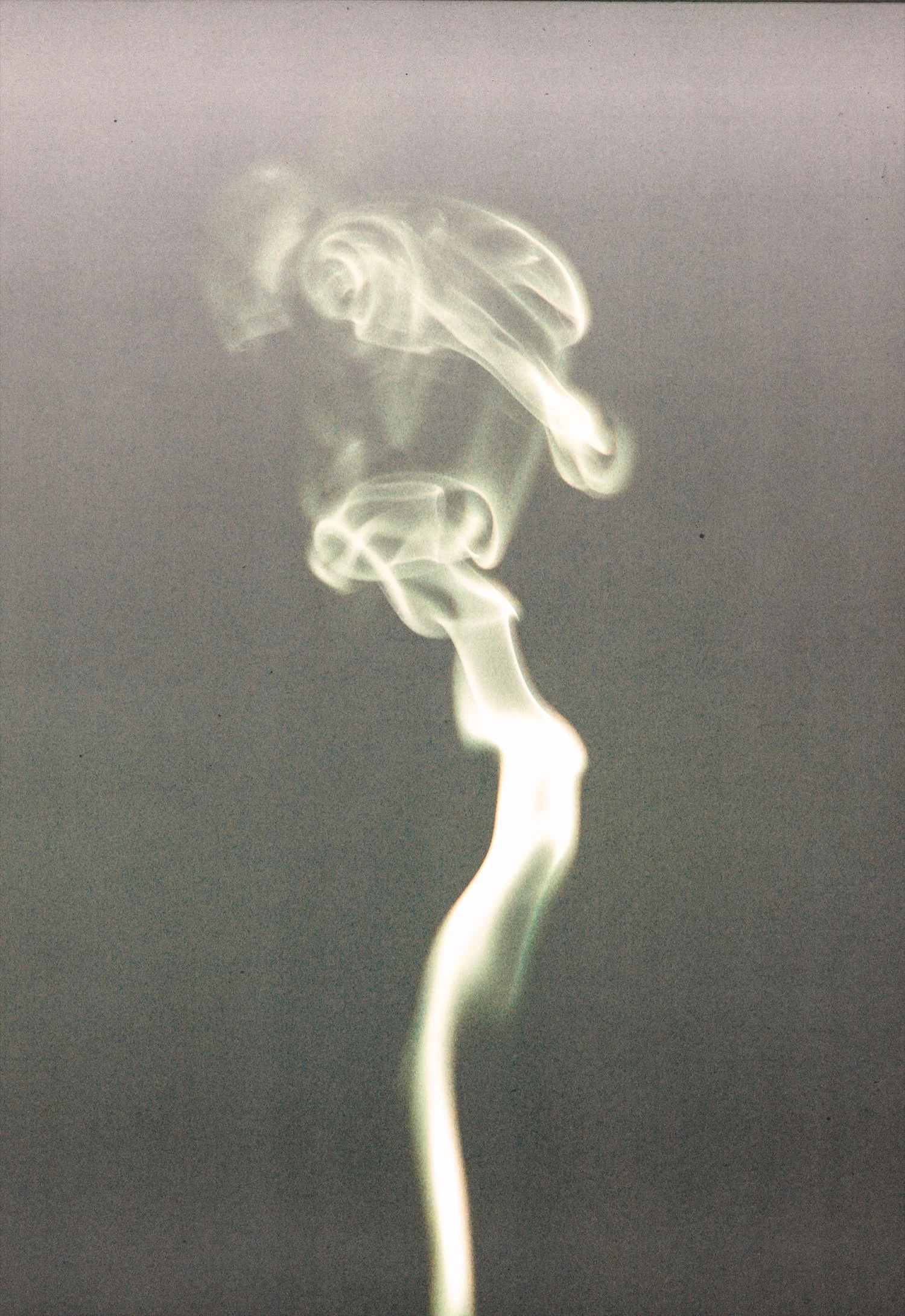
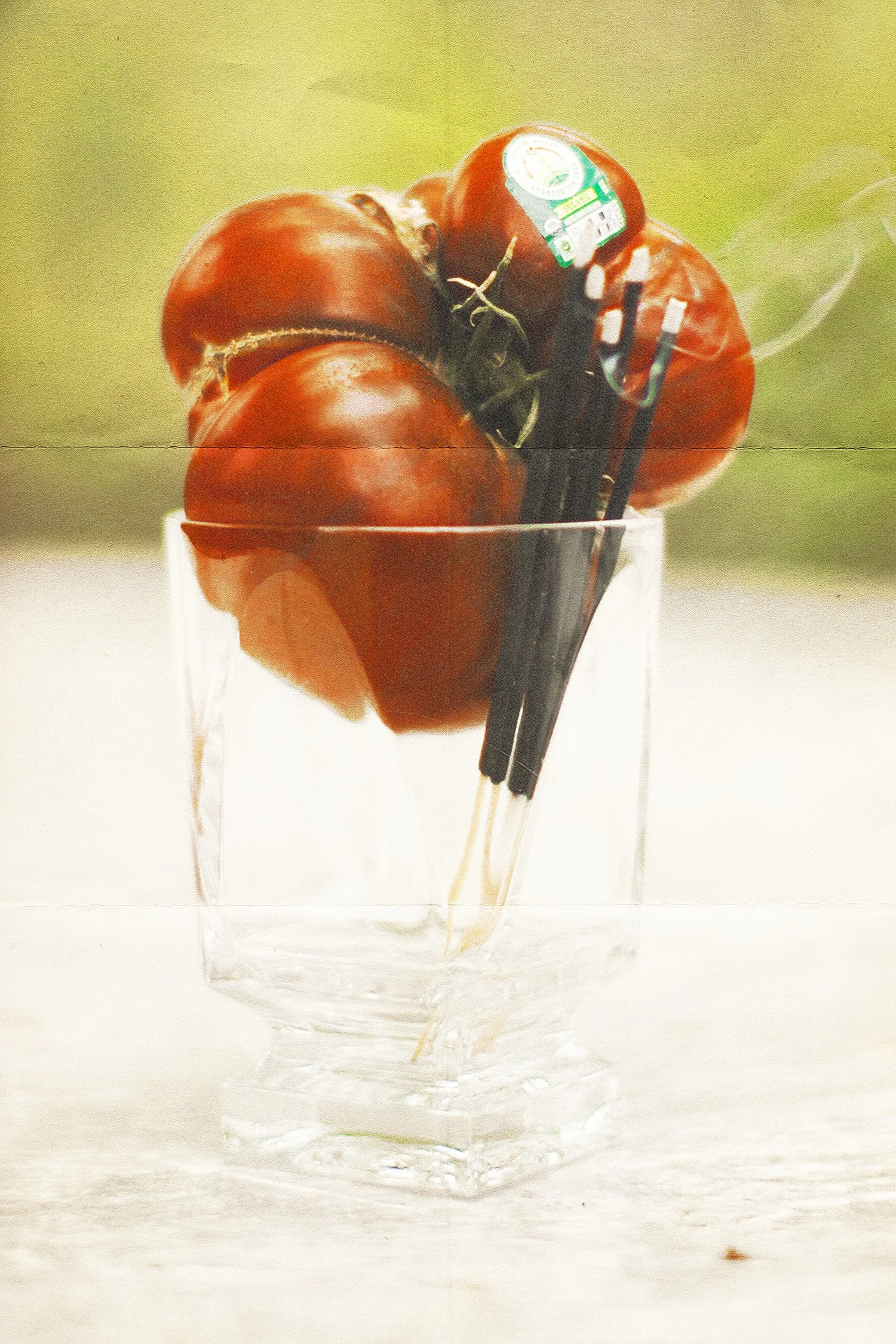
I wanted to understand what these scents might look like if they stopped being smoke and became color. What does rose become when it is not a flower, but a surface? What does clove look like when it darkens the edge of a painting? Can geranium become green without becoming literal? Can slate become texture? Can tomato leaf turn into something sharp, wet, and alive? Can frankincense stretch itself into a pale, sacred haze?
The paintings became answers without needing to explain themselves.
Near each painting, its corresponding incense burned in the grass. The smoke moved differently depending on the air, sometimes rising straight upward, sometimes bending into the trees, sometimes disappearing entirely. The paintings were not just being viewed. They were being scented. The lawn became a kind of open-air gallery where the work could be seen, smelled, and walked around. It was not about separating the senses. It was about letting them interrupt each other.
That is where amadeo amadeo feels most alive.
A visual object does not have to remain only visual. A scent does not have to stay invisible. Food can become sculpture. A drink can become an object. A backyard can become a stage. Domestic life can go beautifully rogue.
For the evening, I wanted the food and cocktail to feel just as considered as the paintings. Not catering. Not a board. Not a drink station. Something closer to a still life that had started misbehaving.
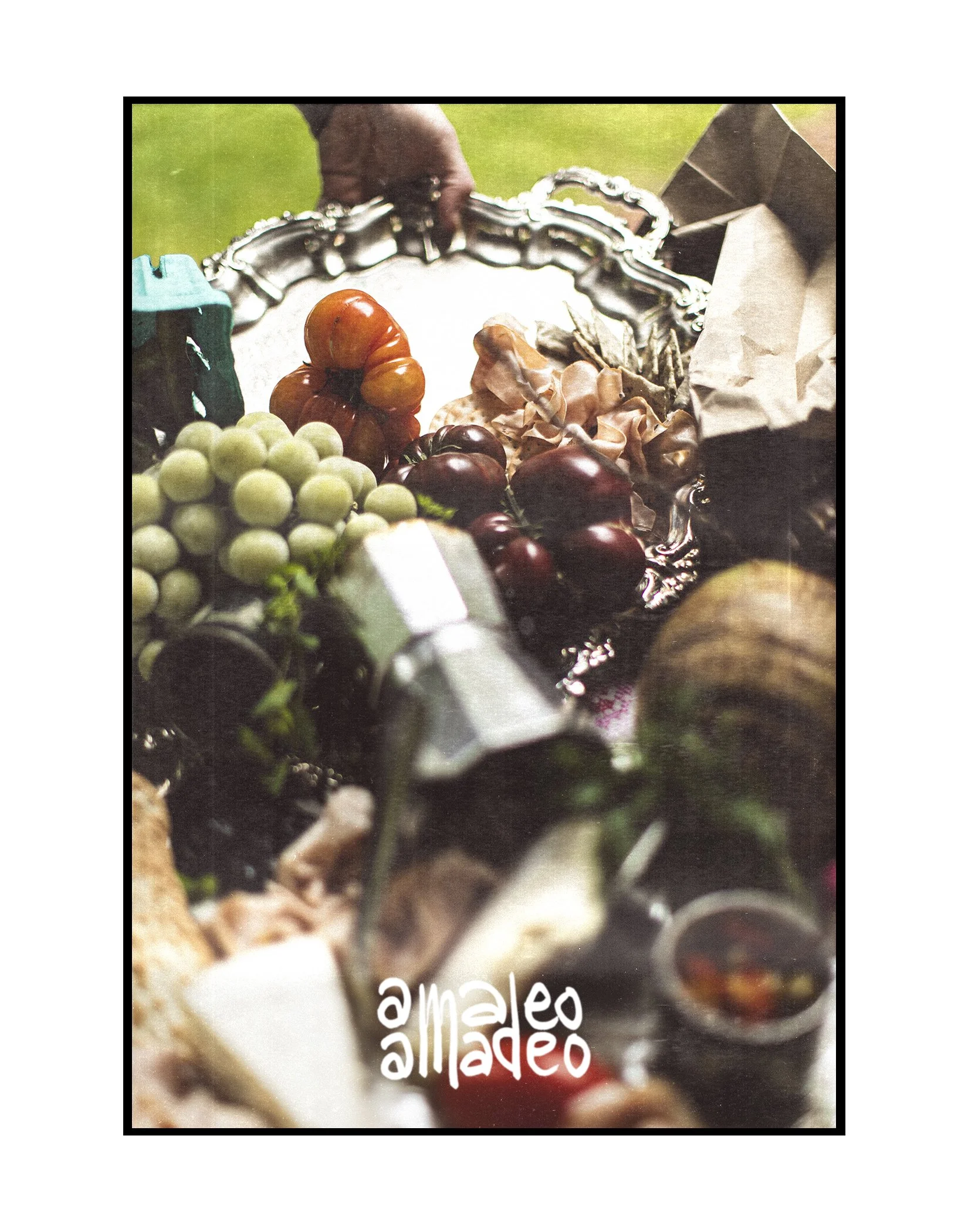
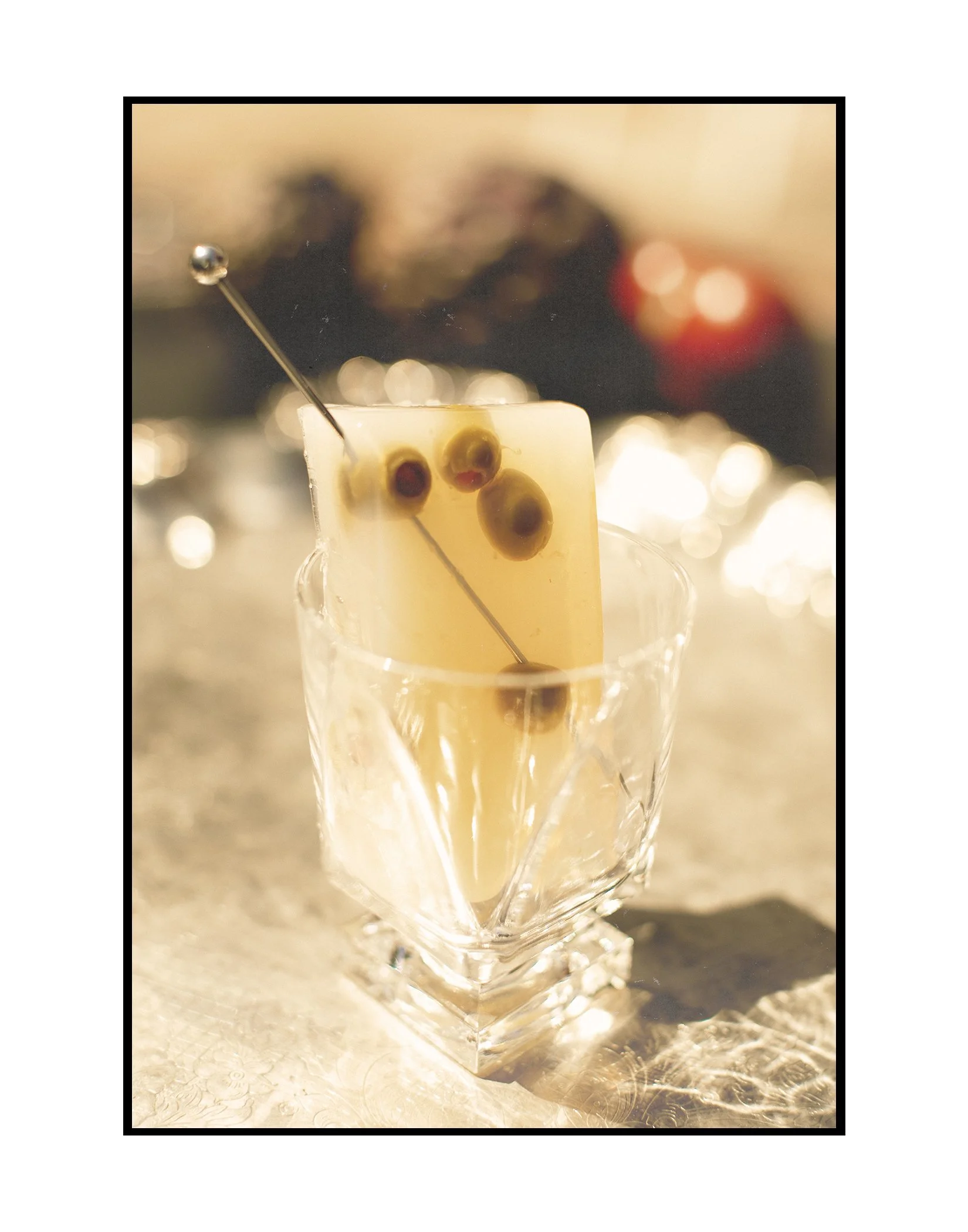
The table was built around a vintage silver platter that looked as if it had been frozen mid-collapse. It was tilted, spilling outward, as though it had just knocked itself over and released everything it had been holding. A moka pot lay overturned. Mortadella was folded in pale, soft layers like fabric. There were smelly cheeses, soft cheeses, blue-veined cheeses, crackers, smoked oysters, masago, whole fruits, vegetables, olives, grapes, and small edible interruptions everywhere.
It was decadent, but not polished. Domestic, but not obedient.
The platter became a cornucopia in the middle of losing control. Something inherited and ornate, suddenly caught in the act of falling apart. The fun of making it was in ignoring the usual rules of a charcuterie board. There are always rules for how something should be done: what belongs next to what, what is too much, what is too strange, what is not proper. But the more interesting part of creating anything is knowing when to break the rules so the thing can start speaking in your own language.
By the end of the night, the board had changed completely. It had been picked at, broken apart, rearranged by hands, appetite, conversation, and curiosity. That was part of the work too. It became less pristine and more alive the longer people gathered around it.
The cocktail followed the same logic. A dirty martini, but made surreal.
Instead of serving it as a liquid in a glass, I made a gelatin version of a classic dirty martini. A preserved martini. A cube. An olive suspended inside. Something familiar made slightly strange. It was cold, briny, absurd, elegant, and a little wrong in the best way. A cocktail turned into a relic. A martini that could be held, cut, looked at, and eaten.
That small shift—from drink to object—felt important. It turned hospitality into art direction.
Throughout the evening, there was the smell of incense, grass, cheese, smoke, brine, fruit, and spring air. The paintings lived between the trees. The food slowly collapsed into enjoyment. The martini became gelatin. The silver reflected everything. Nothing needed to be too loudly announced. The point was to let people discover.
That is what I want amadeo amadeo to be known for: the creation of moments that alter the senses and open a small door into fantasy, curiosity, and wonder. Not fantasy as escape, but fantasy as attention. A reminder that there is so much to see, taste, smell, arrange, touch, and witness if we refuse to take ordinary things for granted.
A backyard can become a gallery.
A painting can become scent.
An incense can become color.
A cheese board can become a domestic collapse.
A martini can become a cube.
A spring evening can become a ritual.
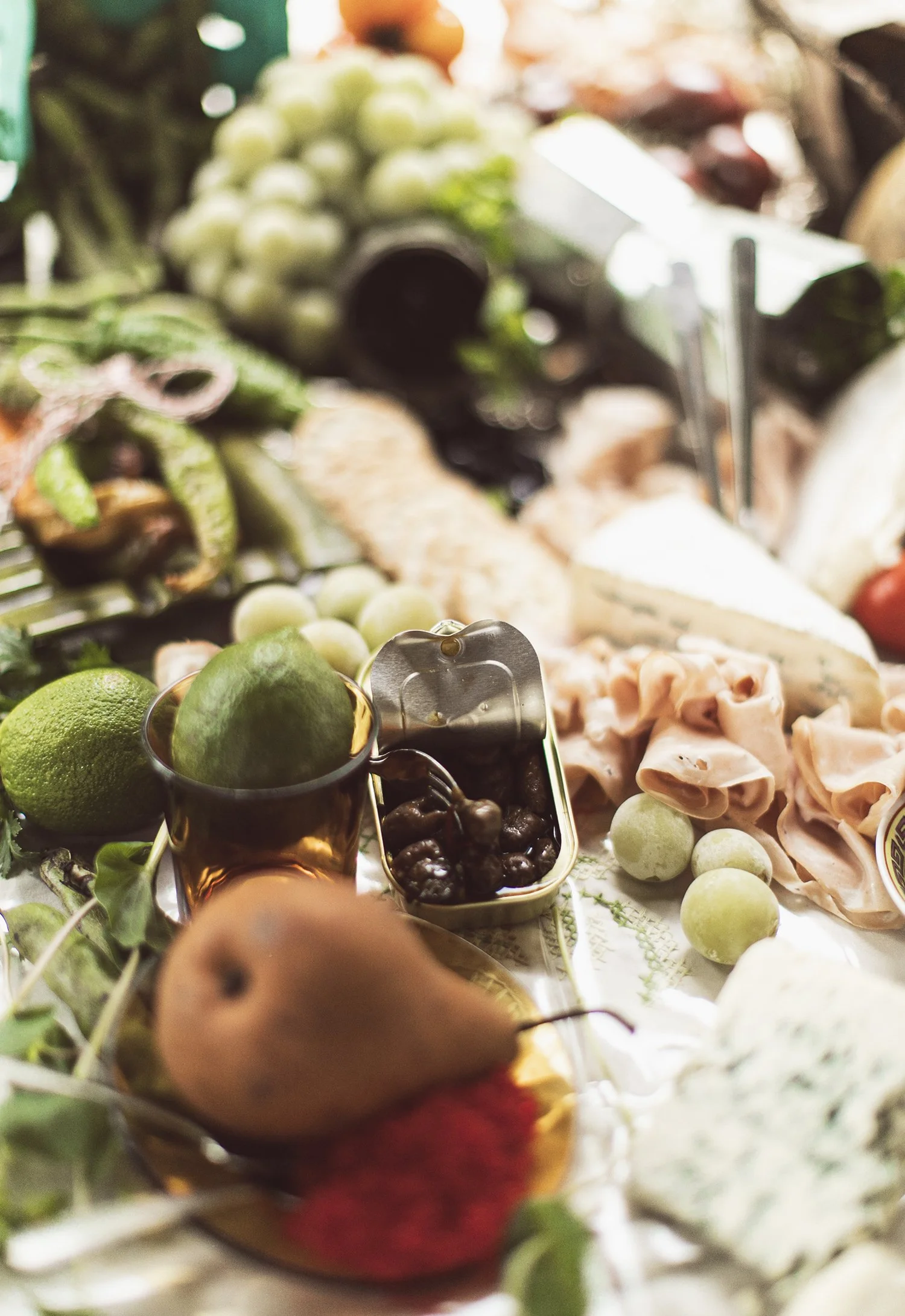
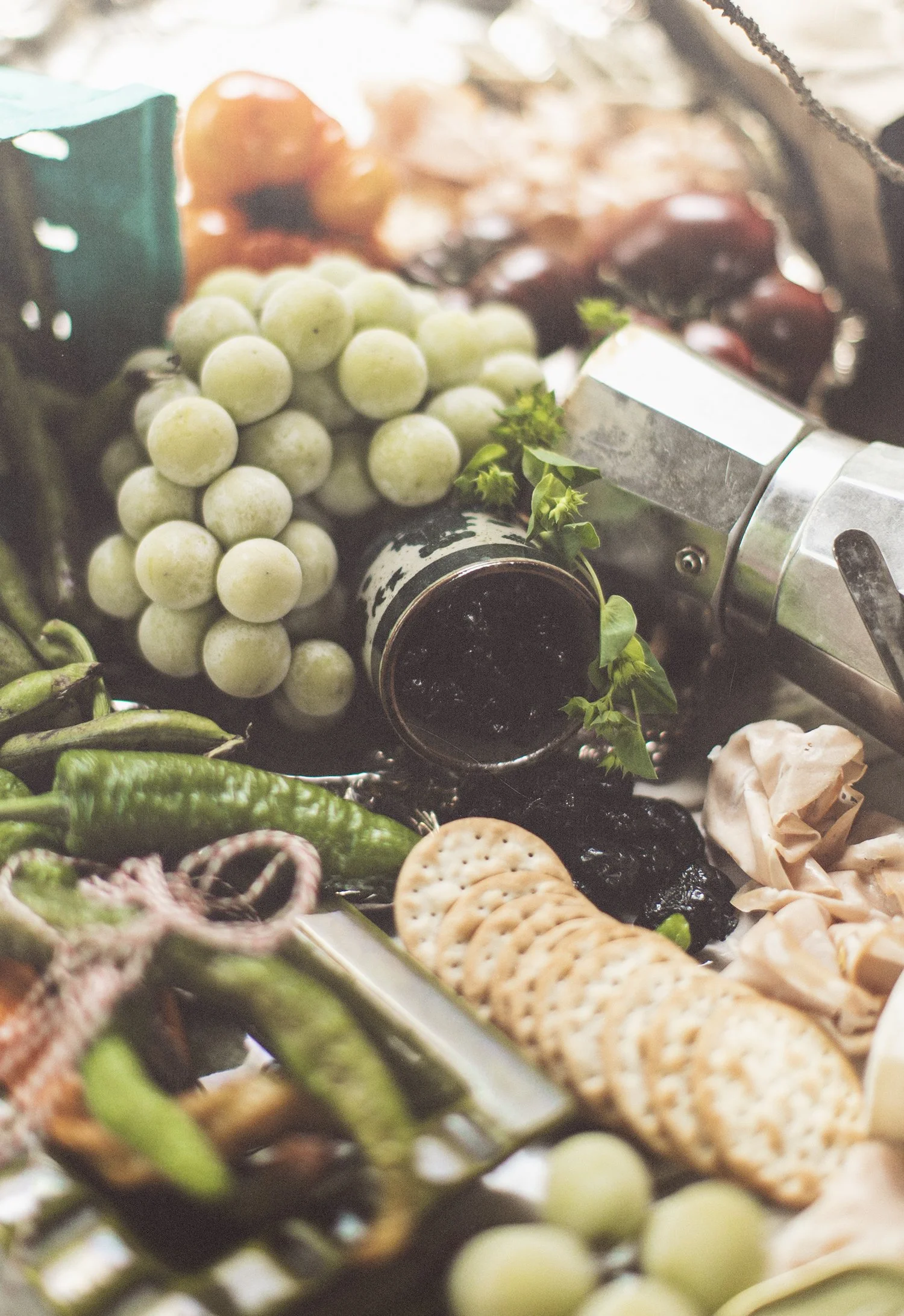
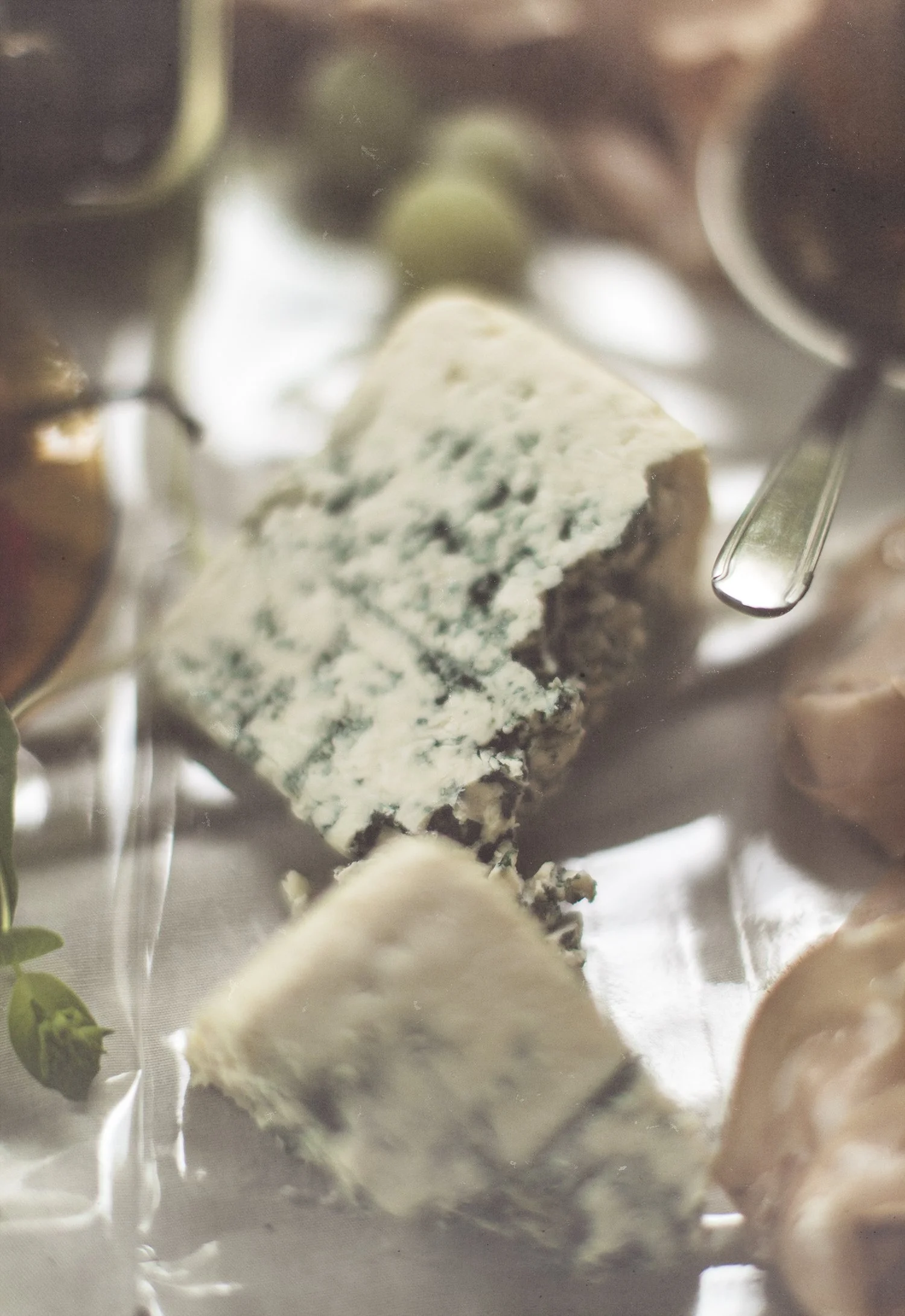
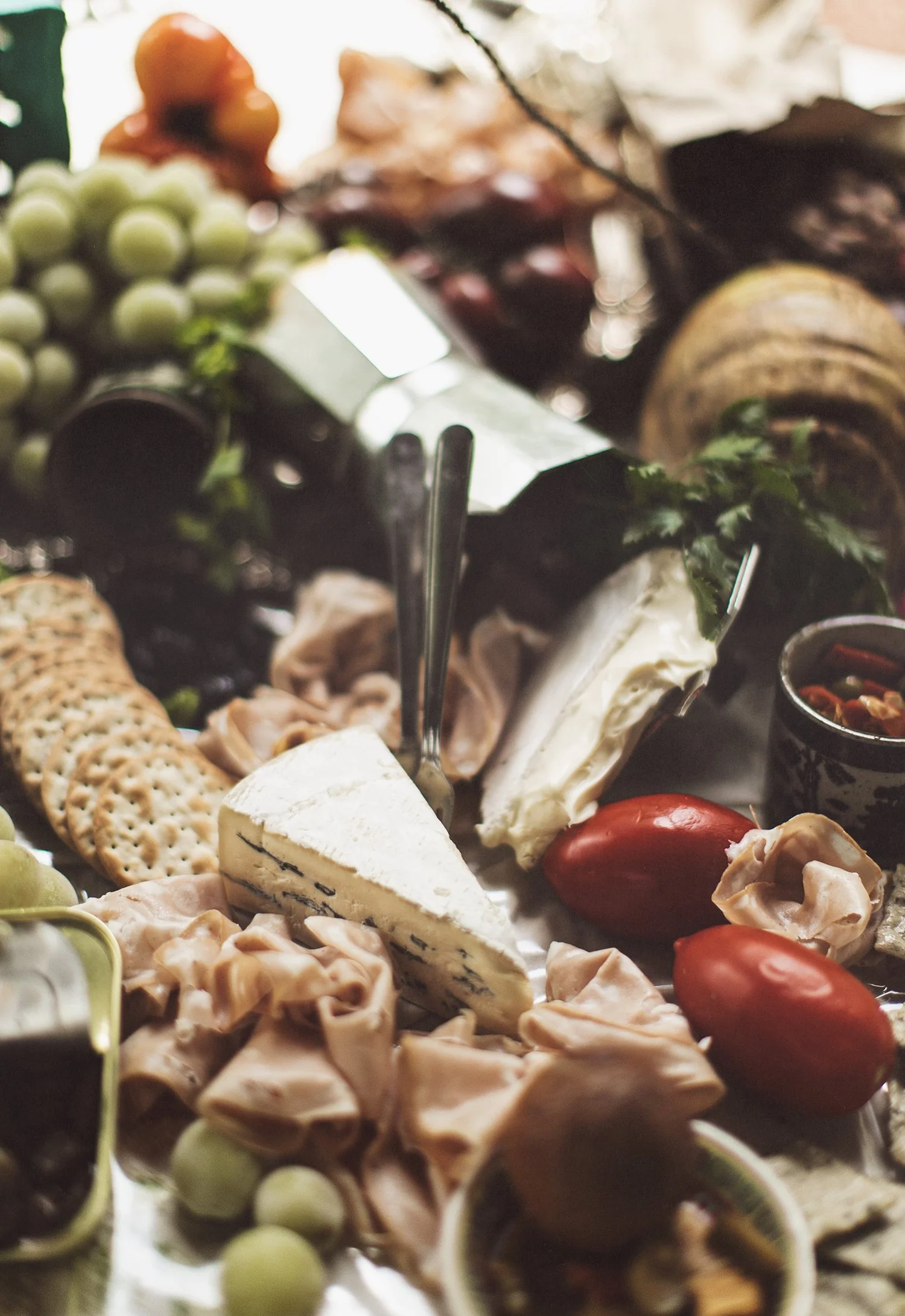
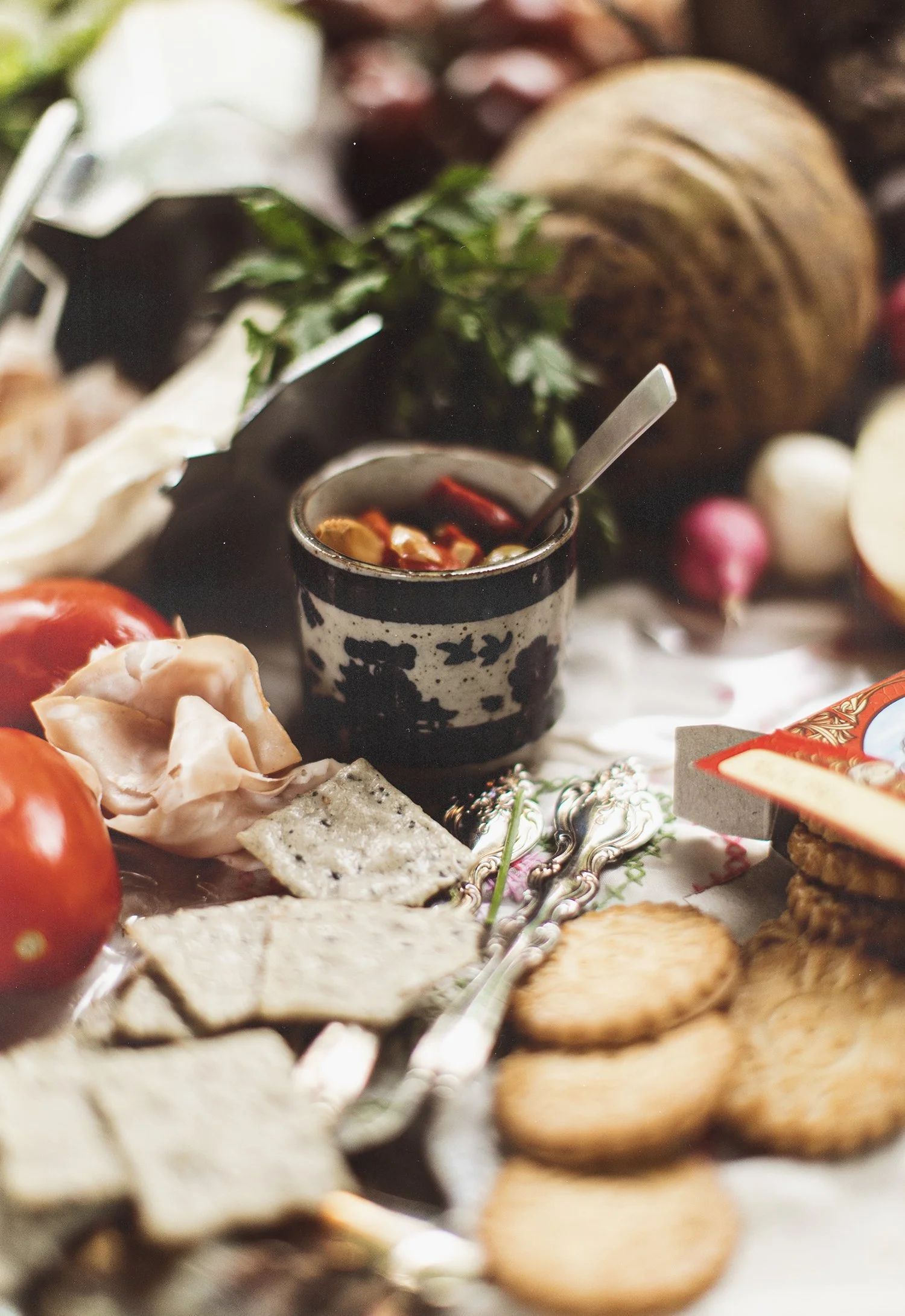
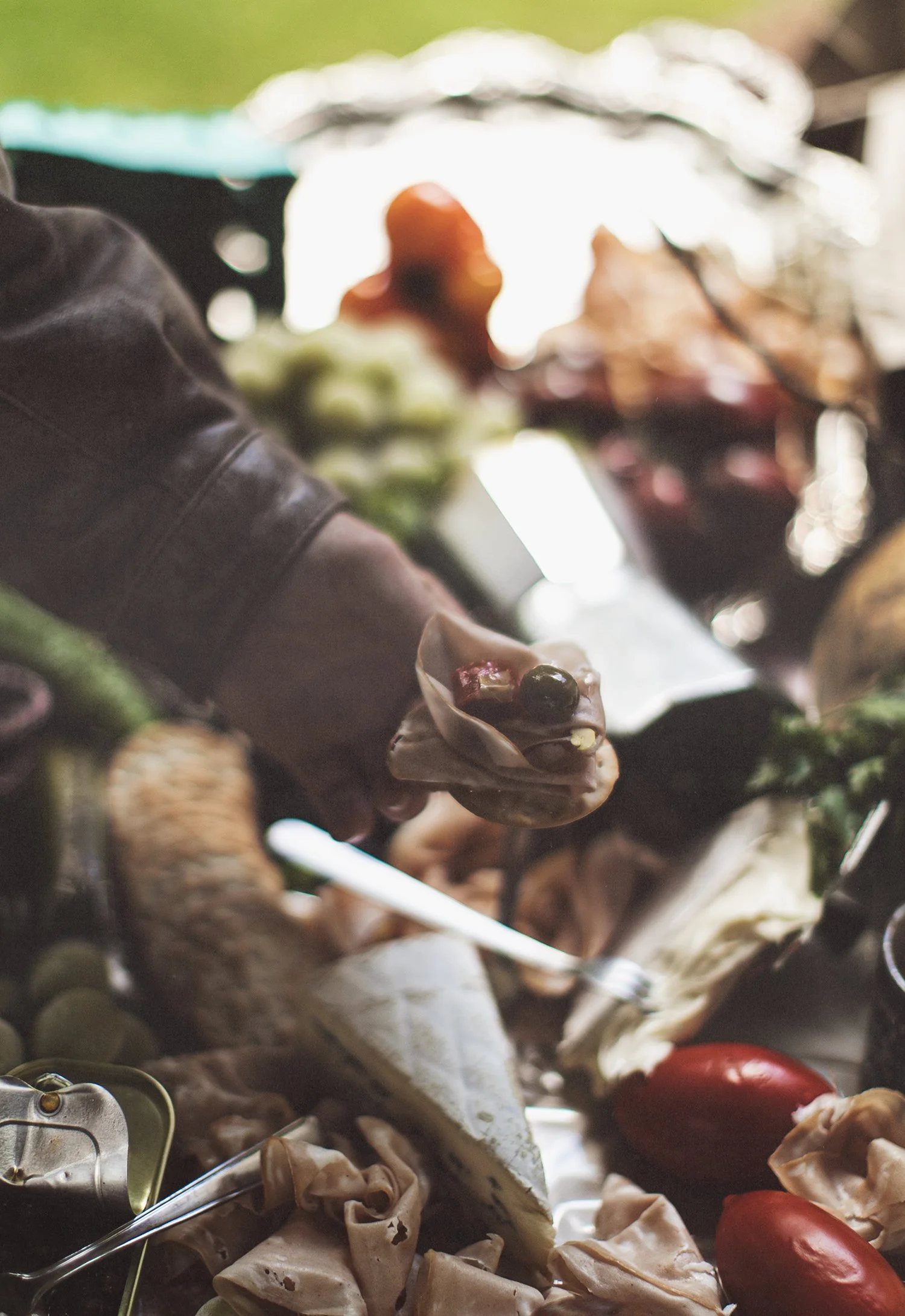
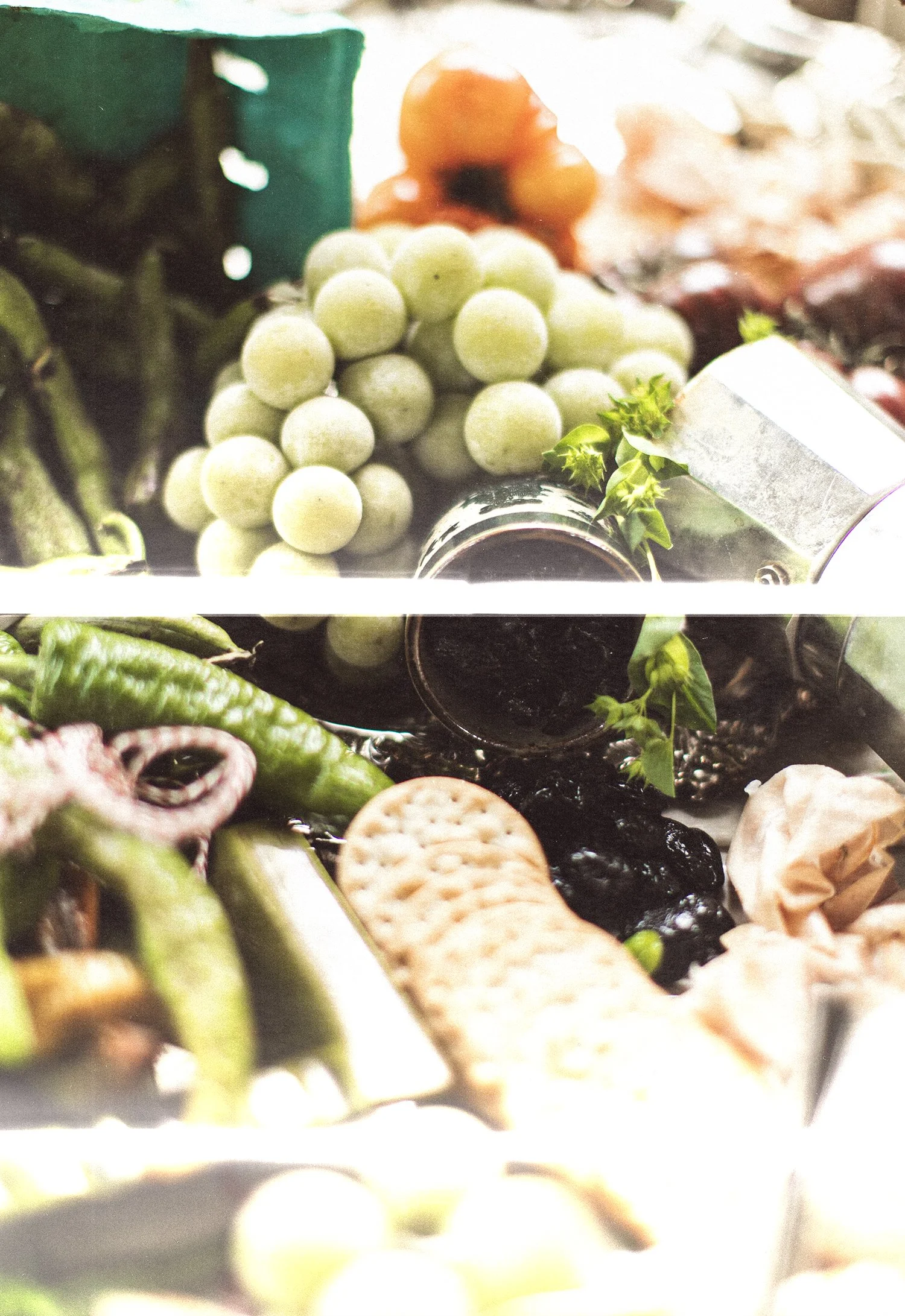
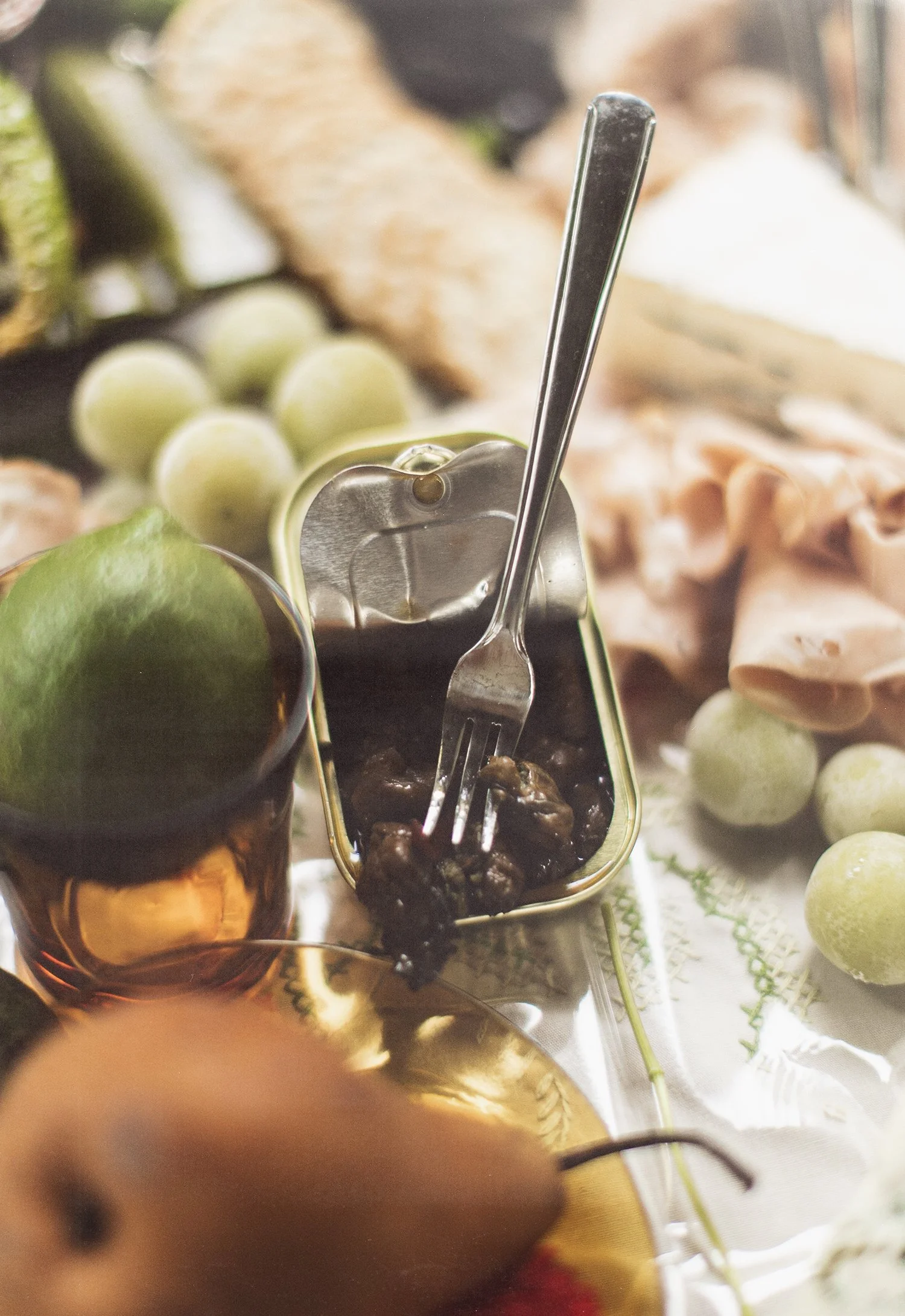
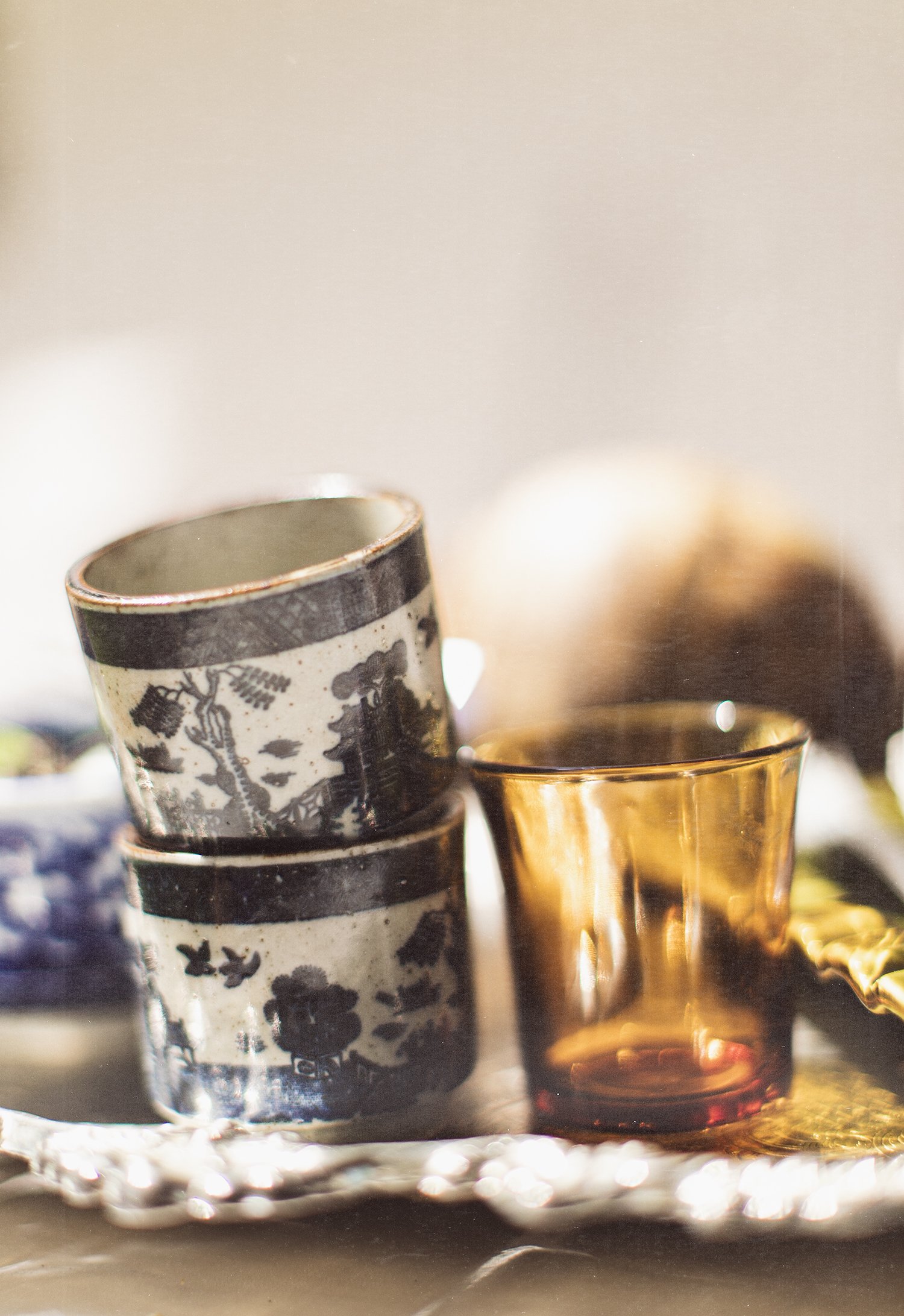
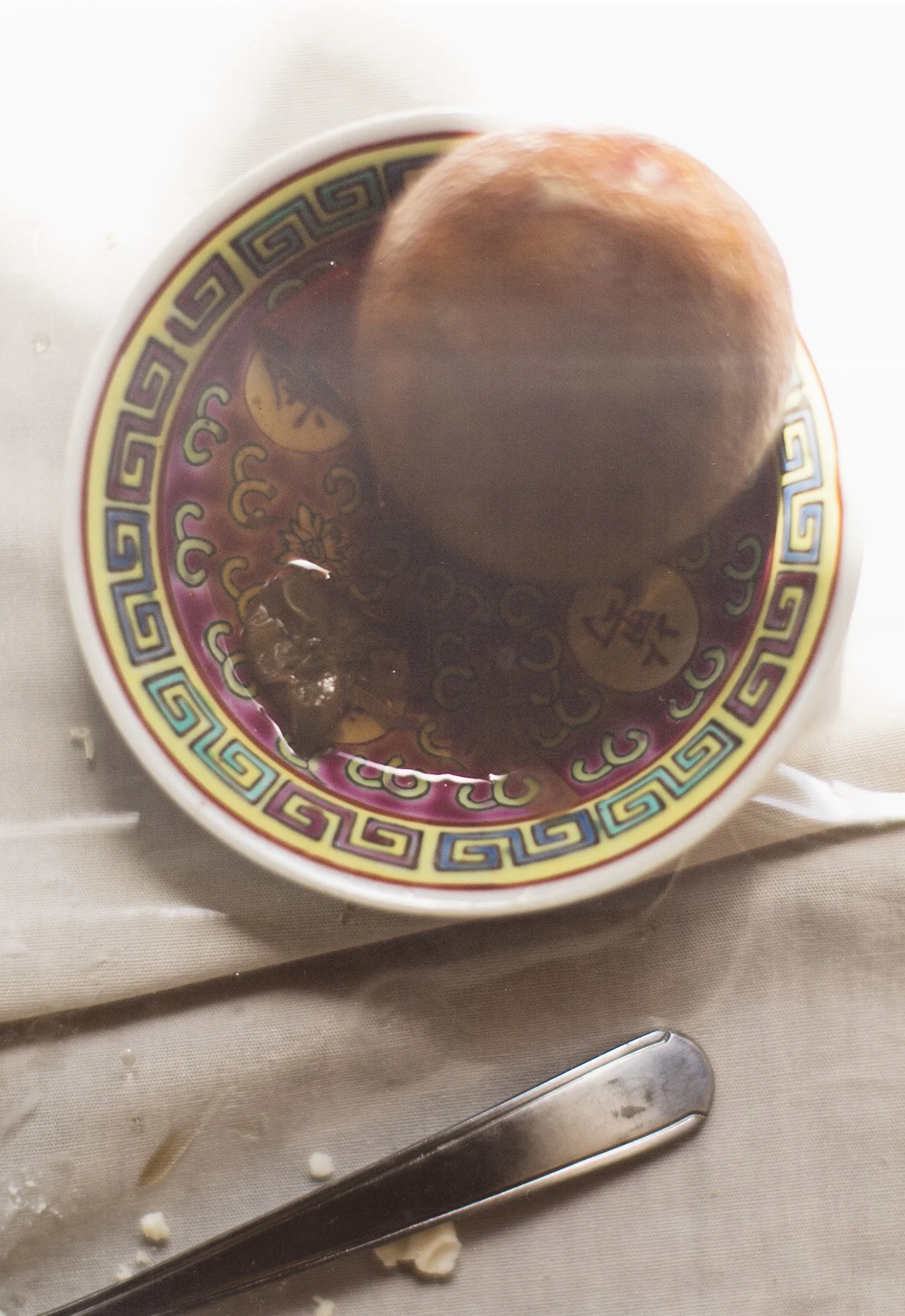
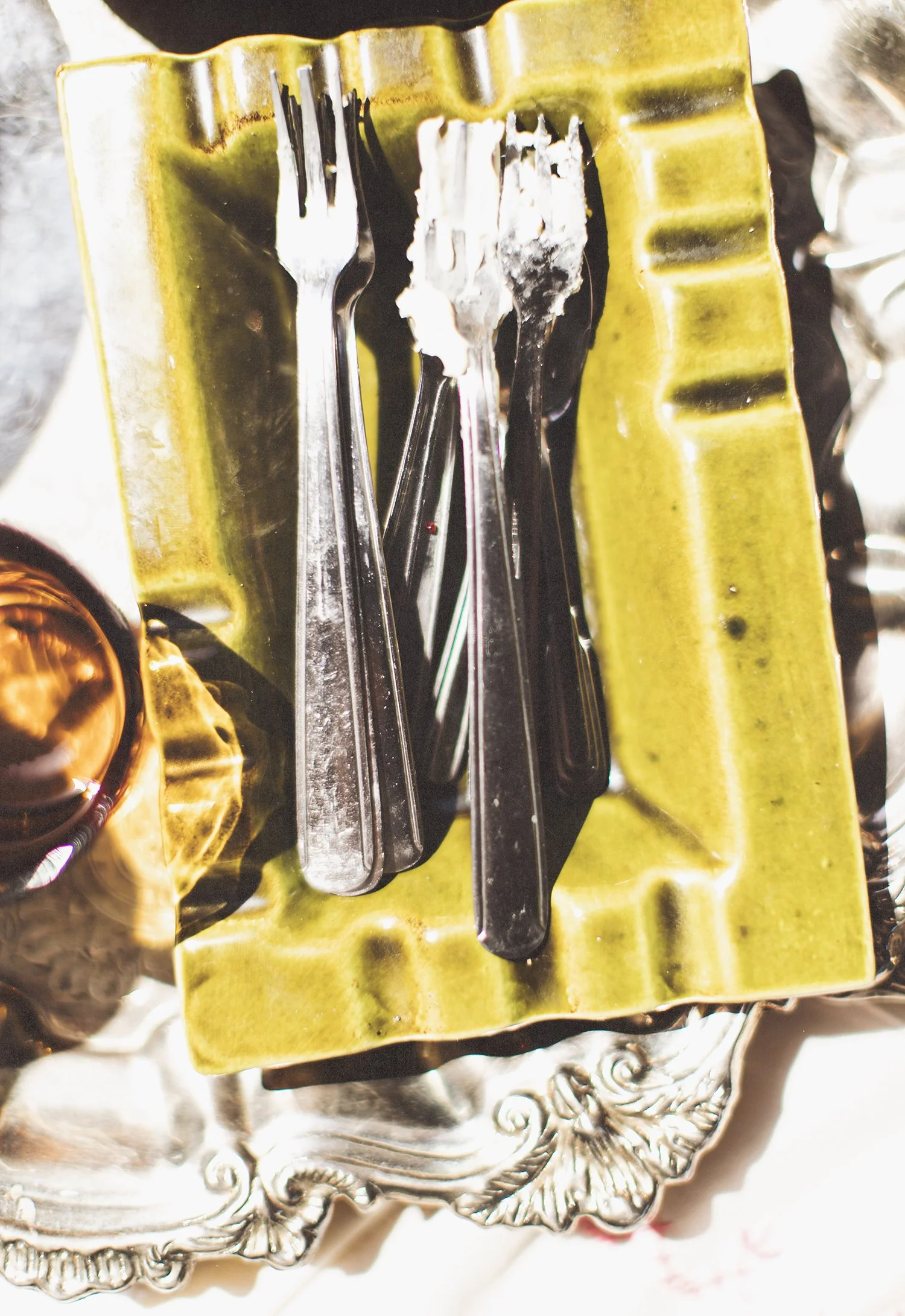
Nocturne in the Garden was the first gathering of this kind for amadeo amadeo, but it does not feel like it should be the last. It felt like the beginning of a language. A way to gather people not only around objects, but around atmosphere. Around taste. Around storytelling. Around the pleasure of seeing something familiar become unfamiliar again.
The evening brought together many of the things that amadeo amadeo is built from: creative direction, art direction, scent, painting, food, graphic design, curation, event planning, and culture. All of it working toward one feeling. One world.
And for one night, that world existed in the garden.
Paintings among trees.
Incense in the grass.
Silver on the table.
Smoke in the air.
A little fantasy, served cold.
Preface: Nocturne in the Garden
I think that’s what I’ve been chasing lately.
Juxtapositions that shouldn’t make sense but somehow become balanced. Smoke and flowers. Brutalism and softness. Silver and dirt. A backyard becoming a gallery for one evening.
Tomorrow evening, the garden will hold three paintings suspended between trees. Three paintings made as synesthetic responses to the three incense scents I’ve been developing under amadeo amadeo. Color becoming aroma. Texture becoming memory. Smoke becoming image.
Tonight, though, the house is quiet.
The week has been long in the best way possible. Stretching canvas. Mixing paint. Burning incense late into the night while trying to understand how scent could translate into surface. Hanging lights in the backyard. Thinking about silver trays and flowers and the way guests might move through the garden tomorrow once the sun disappears.
I felt like I needed a drink that could slow everything down for a moment.
I cut open a young green coconut and poured the water over a tall glass of ice. Added gin. Three dashes of patchouli bitters. Finished with a thick lemon peel resting over the top.
It tasted strange at first. Fresh and green from the coconut water, sharp and botanical from the gin, then suddenly earthy and dark from the patchouli bitters. The lemon lifted everything back upward. Somehow it all worked together in a way that felt oddly familiar and completely new at the same time.
I think that’s what I’ve been chasing lately.
Juxtapositions that shouldn’t make sense but somehow become balanced. Smoke and flowers. Brutalism and softness. Silver and dirt. A backyard becoming a gallery for one evening.
Now I’m sitting here writing this while drinking a warm cup of lapsang souchong. The room smells like smoke, citrus peel, tea leaves, patchouli, and drying paint. Incense still lingers faintly in the background from earlier tonight.
Everything today has revolved around flavor and scent. Not just tasting things, but experiencing atmosphere through them.
Tomorrow, people will arrive to see paintings. But more importantly, I hope they feel something while moving through the garden. I want the evening to feel suspended for a moment in time. Like walking into a still life painting that’s quietly breathing.
For now, though, the lights are off, the tea is still warm, and I’m trying to enjoy the calm before Nocturne in the Garden begins.
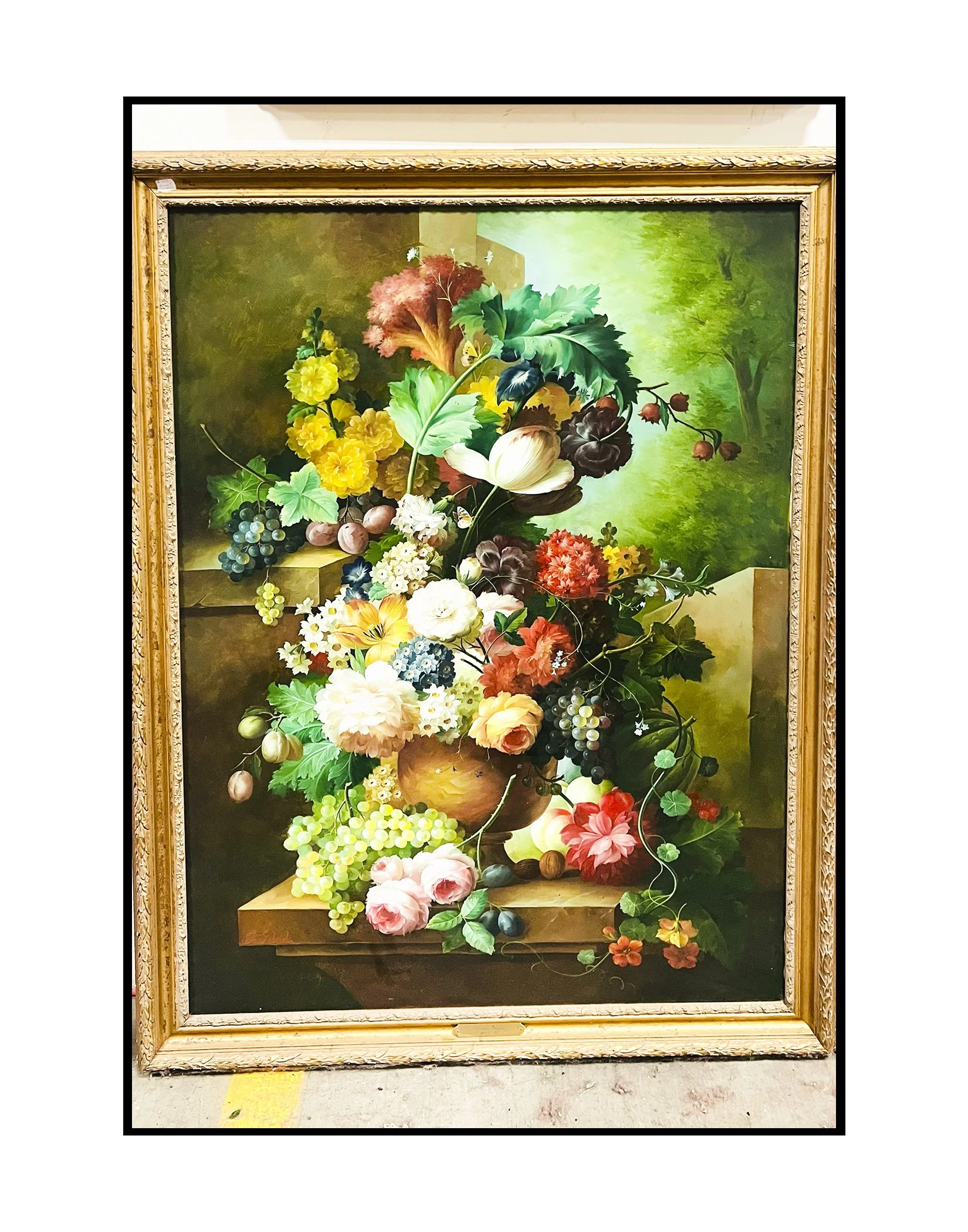
A Guide to Moving Along the River (Without Knowing Where You’re Going)
It usually starts with coffee.
Or a question.
Or someone asking you if you are something you are not.
Part I
There is a way to move through a place without deciding where you are going.
It usually starts with coffee.
Or a question.
Or someone asking you if you are something you are not.
From there, it becomes difficult to stop.
You follow a road.
The road follows a river.
The river does not ask you anything, but it keeps offering.
A chair.
A jacket.
A painting you cannot take with you.
And before you realize it, you are no longer looking for anything specific—
you are just responding.
We started somewhere near the river without saying that we were following it.
Avon, Connecticut. A coffee shop that roasts its beans in-house—The Coffee Trade—the kind of place where the air is already thick before you even order. The smell of roasting beans sits low and constant, like something alive in the room. You don’t need to ask what they do there. You can smell it before you speak.
We ordered coffee.
“Are you guys musicians?”
There was a pause. A small laugh. Not because it was funny, but because it felt accurate in a way that didn’t need correcting.
We weren’t.
But we didn’t say that.
We sat in the garden and let that question linger between us, turning it over like something we had just picked up off a shelf. There’s a moment when you realize that people are seeing something in you that you didn’t intentionally present. Or maybe you did, without knowing.
That was the first shift.
If you continue down the road long enough, something will appear.
A Goodwill.
A small thrift store.
Something that feels like it wasn’t meant to be a stop, but becomes one anyway.
We went in without expectation.
I was looking for textiles—something that could become something else. Curtains that weren’t meant to be worn. Table linens that had already lived one life. Materials for Chiddu ca tinemu. The things that we keep, even when we don’t know why yet.
We left with sheer curtains. Tablecloths. Fabric that held memory in its weight.
At the next stop, Nikko found a jacket.
A perfectly worn brown leather bomber—soft in the way that only time can make something soft. He put it on in the middle of the store. The women behind the counter watched, smiling, approving, as if they had been waiting for someone to come in and take it home.
There’s a moment when clothing stops being clothing and becomes a role.
Before the jacket: cords, a hoodie, something quiet.
After the jacket: something else entirely.
We didn’t say it out loud, but it was understood.
We were becoming more visible.
The road kept moving and so did we.
The river stayed just within reach—sometimes hidden, sometimes running parallel like a second thought. The Farmington River doesn’t demand your attention, but if you notice it once, you keep looking for it again.
We ended up in Collinsville.
An antique mall—Collinsville Antique Mall—the kind of place where time folds in on itself. Every booth a different version of someone else’s past, arranged for you to walk through.
This is where things slow down.
You start to notice details:
a brown suede rocking chair worn into itself
a tray of colorful vintage flatware, each piece slightly off from the next
a wood panel with an inlaid clown, quietly plucking the petals from a flower
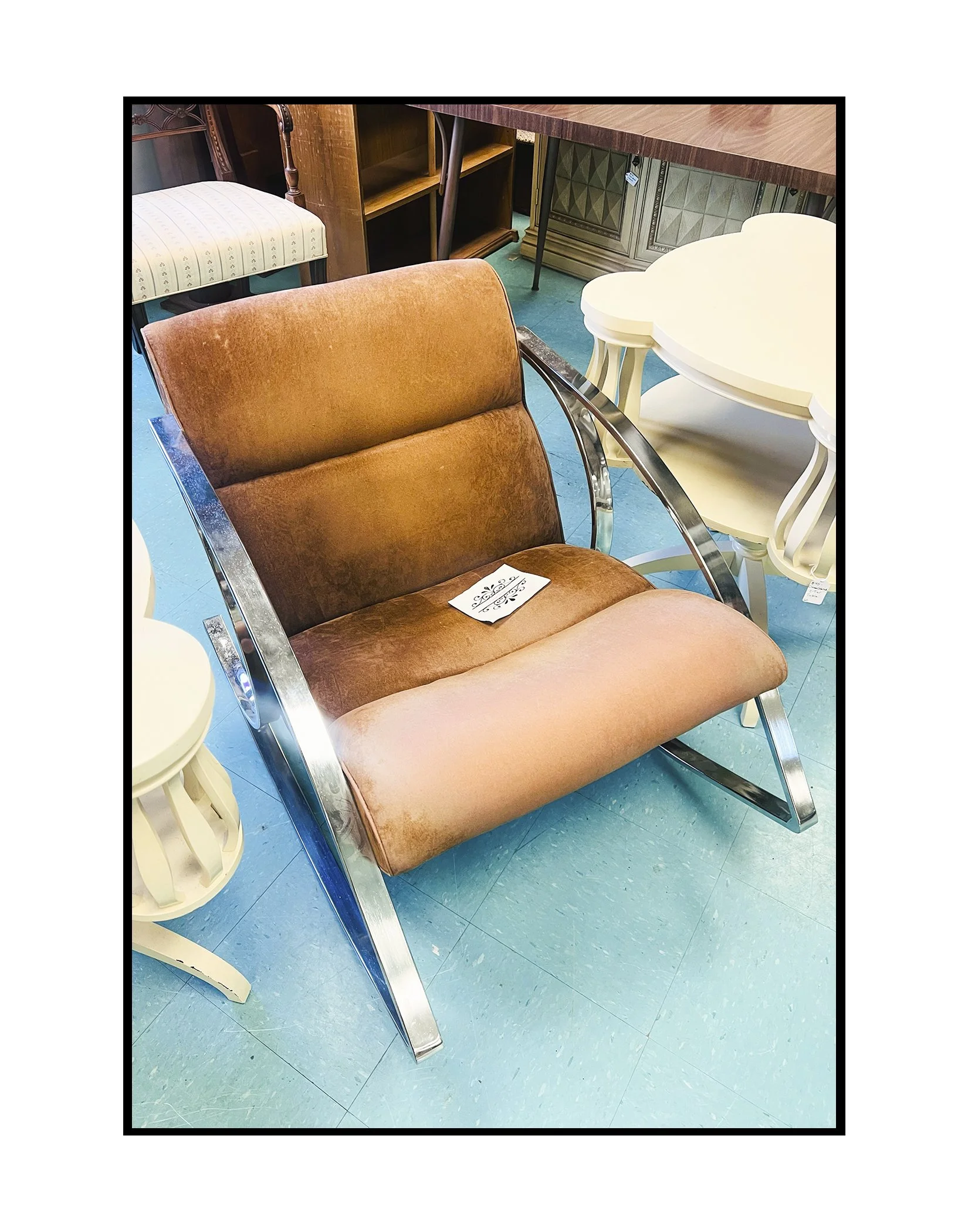
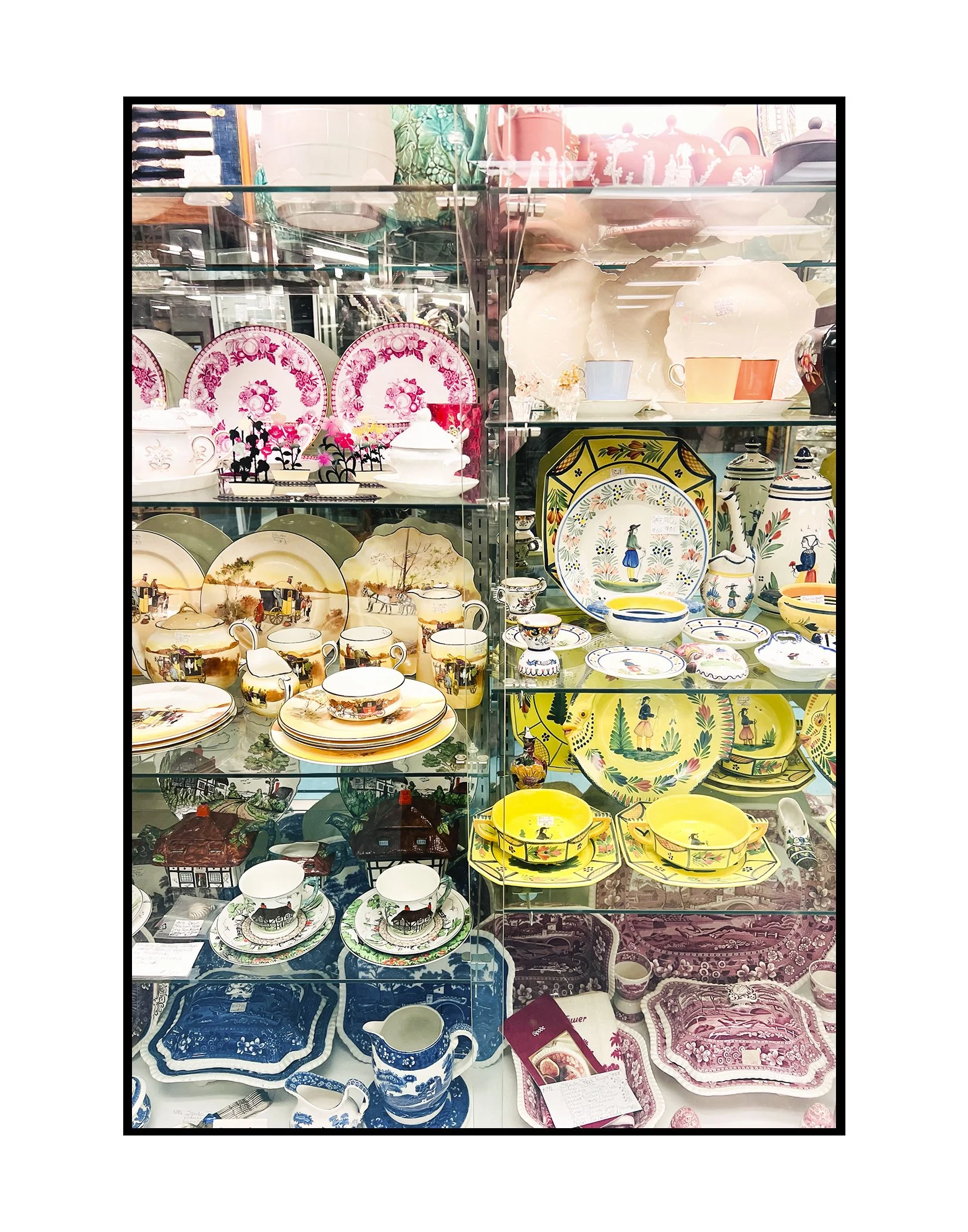
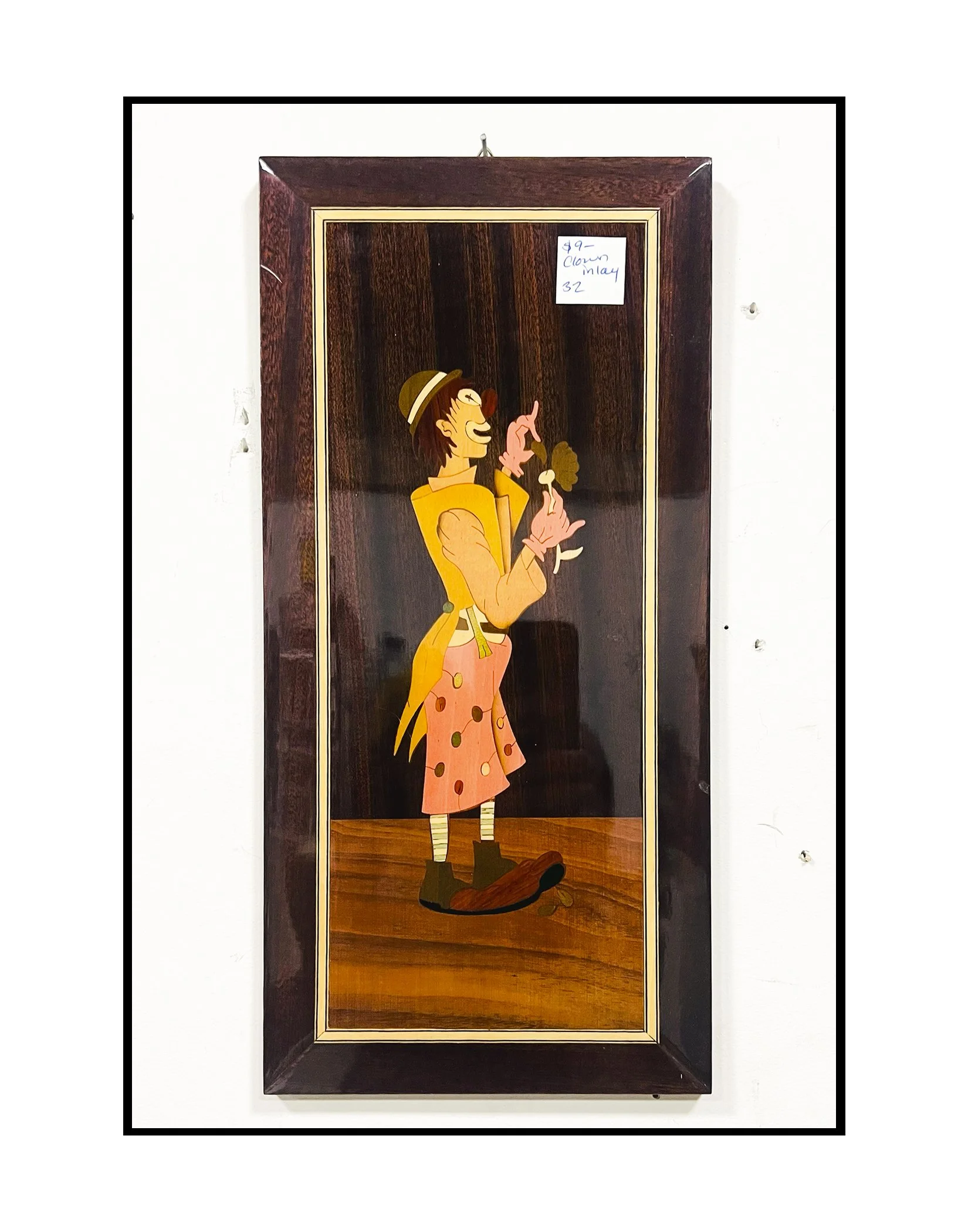
The clown stayed with me longer than I expected.
Not loud. Not exaggerated. Just there.
Doing something repetitive. Waiting.
There was a painting too. Large. Oil. Flowers that felt almost too alive for the room they were in.
I wanted it.
Not in the way you want something decorative—but in the way you want something that feels like it already belongs to you.
I took a photo instead.
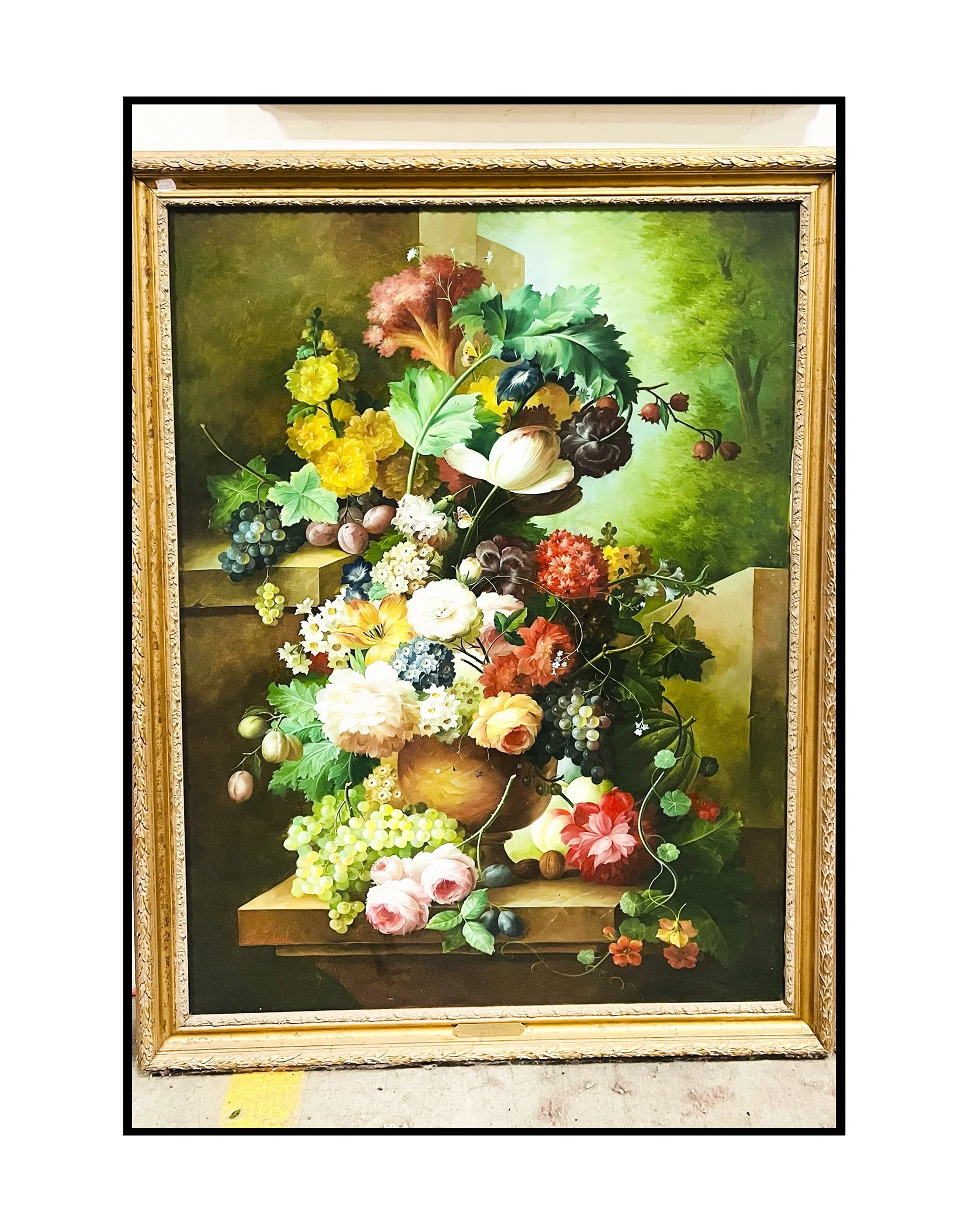
Some things you don’t take.
Some things you leave so they can keep existing where they are.
We walked out with an embroidered tablecloth. Flowers stitched into it carefully, deliberately. Something that would become something else later.
Again—collection, but not for keeping.
Collection for transformation.
We went home, but not really.
The body returned, but the momentum didn’t.
The fabrics came out immediately—laid across surfaces, held up to light, pulled, folded, tested. I wanted to see how they moved before they became anything permanent. There’s a moment before creation where everything is still possible, and it’s almost better to stay there.
That feeling doesn’t last long.
It turned into something else quickly—
paintings, collages, sewing.
An urgency.
The kind where you feel like if you don’t make something now, it might disappear.
At some point, the conversation shifted.
What is art?
What makes someone an artist?
Is there a difference between being creative and being an artist, or is that something we’ve decided to separate?
There wasn’t an answer.
There still isn’t.
It’s the kind of question that doesn’t resolve—it just expands.
The next day, we followed the same instinct.
No plan. Just direction.
We decided to go further down the river.
Chester, Connecticut—Chester—a town that doesn’t feel real when you first drive into it. The buildings sit too perfectly. The street feels staged. Like something built for a film, but left there after production ended.
We parked near a cemetery.
And again—coffee.
Simons Marketplace—espresso, cinnamon buns, a window seat facing Main Street. The kind of place where you sit and watch people move, and for a moment, you feel like you’re outside of it all.
Then back into it.
Cheshire Vintage—a perfectly curated shop. We spoke with one of the owners for a while. There’s something different about small towns like this. The conversations last longer. The recommendations matter more.
She sent us a few doors down.
Dina Varano Gallery—crystals, jewelry, objects that feel like they hold energy whether you believe in that or not.
There was a pattern forming.
We weren’t finding places.
We were being sent to them.
At some point, we noticed a small house.
White picket fence. Eyebrow dormer. Slightly elevated from the street as if it needed to be approached with intention.
We walked up.
There are moments where you don’t ask questions—you just follow the pull.
Next door, a door was open.
Leif Nilsson Spring Street Studio and Gallery.
We walked in.
Paintings filled the space. Impressionist, but not distant—alive in a way that made you feel like you had stepped into them rather than looking at them.
And then you realize:
the person standing there is the one who made them.
Leif.
The conversation started easily and didn’t feel like it needed to end. Stories about painting. About sailing. About working from a boat. About the house itself—once a hotel in the 1800s, now something else entirely.
We learned that the small studio we noticed outside was his too.
That everything we had just walked into was part of a larger life we hadn’t known existed ten minutes before.
At one point, I stepped back and saw Nikko standing in front of a long painting, looking up at it.
Still.
There are moments when someone becomes part of a scene without realizing it.
I took a photo.
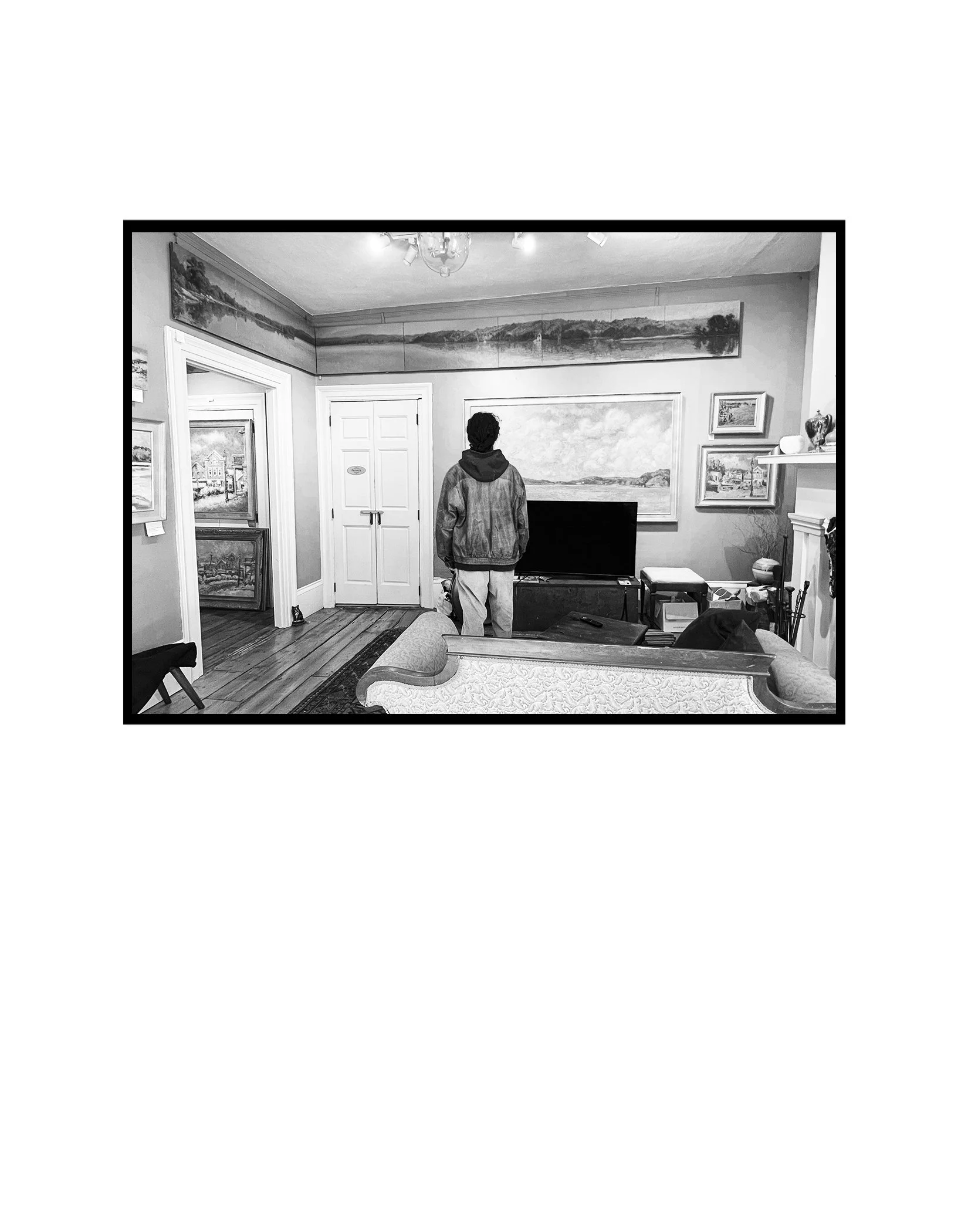
Nikko Amadeo inside Leif Nilsson’s gallery
Not many—just enough to remember that it happened.
Before we left, he mentioned something casually.
An art show.
The next day.
We should come by.
We said we would.
Or maybe we said we might.
We left Chester and drove to New Haven.
The shift was immediate.
The Owl Shop—dark wood, leather chairs, amber lights hanging low over the bar. The kind of place that exists outside of time, or at least outside of whatever time you were in before you walked in.
We sat down.
Picked cigars.
Ordered beers.
I had brought fragrance with me—something I had been thinking about all day without knowing why.
Lily of the valley.
And Muskara Aquilaria from Fueguia 1833.
We layered it into the room without asking permission.
The sweetness cut through the smoke.
The smoke settled back into it.
For a moment, the air felt constructed.
Not accidental.
We sat there, surrounded by low conversation, glass, wood, and heat, and returned to the same questions.
What is art?
What makes someone an artist?
Is it making something?
Or is it seeing something differently?
I don’t know when the conversation stopped and just became part of the atmosphere.
It felt like we had stepped into another version of the day.
Or another version of ourselves.
At some point, we left.
Not because anything ended, but because something was continuing somewhere else.
We talked about Chester the entire way back.
About Leif.
About the studio.
About the fact that we could go back the next day.
We said it casually, but it didn’t feel casual.
Some places open something.
Some people do too.
We said we might go back.
And for some reason, that felt like the most important decision we had made all weekend.
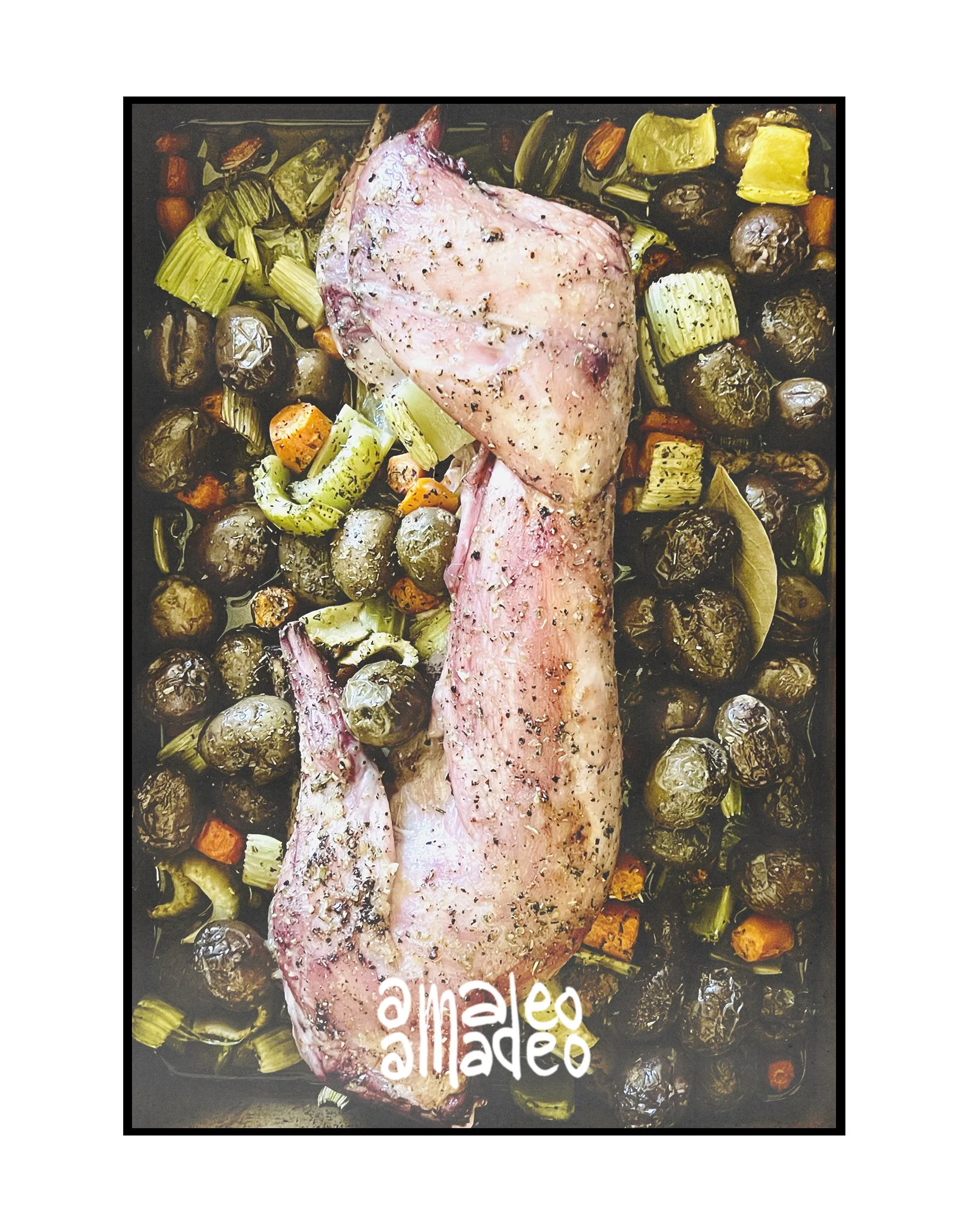
A Rabbit Dinner
And as a kid, that just made sense to me.
Easter bunny… rabbit… dinner.
No questions asked.
That Which We Keep
There are things we keep without realizing we’ve decided to keep them.
Not objects. Not always.
Sometimes it’s the way someone ties an apron.
The way garlic hits hot oil.
The sound of a wooden spoon against a pot.
The smell of vinegar lifting through a stew.
Chiddu ca tinemu.
That which we keep.
Last week, I made rabbit stemperata.
It’s something I’ve only ever known as an Easter dish. Not because someone told me that’s when you eat it—but because that’s when he made it. My grandfather. Pop.
In my family, it wasn’t chicken. It was rabbit. Always rabbit.
And as a kid, that just made sense to me.
Easter bunny… rabbit… dinner.
No questions asked.
I remember going with him to get it.
There was one place in town—Meadow Meat—down by the river.
You didn’t just walk into a store.
You walked into a giant refrigerator.
A heavy door. Cold air rushing out.
That immediate chill that hits your face and stays in your clothes.
Inside, it felt like a world not everyone knew about.
Almost like a private club for people who really cooked.
There were peppers for roasting.
Heads of garlic.
Jars of capers.
Hot peppers soaking in vinegar.
And somewhere in there, always, a hand-written sign:
“Sicilian green olives with pit.”
Pop would always get them.
A lot of them.
Because when we got home, he’d put on his white apron and start cooking—and one of the first things he’d do was pound the olives.
Not chop. Not slice.
Pound.
I didn’t know why at the time. I just knew it mattered.
And I knew I had to watch.
Even as a kid, there was this quiet feeling:
Pay attention. This is important.
No one said it out loud.
But I understood it.
At school, it was different.
I’d talk about what we ate at home—excited, proud.
Rabbit stew. Vinegar. Olives.
And it was always the same reaction:
“Ew.”
“Wait… rabbit??”
Laughter.
And I remember thinking—
How could something that feels this good, this full, be something to laugh at?
I didn’t have the language for it then, but I get it now:
Not everything meaningful translates.
Some things are meant to be experienced, not explained.
Last week, my brother and I went back.
Same place. Same building. Same door.
Meadow Meat
Nothing had changed.
It was still full of people who knew exactly why they were there.
People looking for something just a little more special than what you find in a grocery store.
We asked for rabbit.
The butcher disappeared into the back, and that’s when I saw it again:
“Sicilian green olives with pit.”
Of course.
When he came back, he asked,
“Anything else?”
And without even thinking:
“Yeah—one pound of green olives.”
He smiled.
“Ah… stemperata?”
Yes.
Exactly that.
There’s something about returning to a place like that—
not as a kid being brought along,
but as someone choosing to go back.
Choosing to continue it.
It stops being memory and becomes action.
This is what Chiddu ca tinemu is about.
Not just what we keep—but what we carry forward.
The recipes.
The rituals.
The small, specific ways of doing things that don’t exist anywhere else.
The things that might not make sense to everyone—
but mean everything to you.
This is the beginning of The Collection.
The pieces, the garments, the objects, the images—
they all come from this place.
From memory.
From inheritance.
From moments like standing in a cold room, watching someone you love prepare something with care.
Over the next few weeks, I’ll be sharing more of what I’ve kept.
Objects from my grandparents’ home.
Fragments. Textures.
Pieces of the collection.
All of it leading toward the full lookbook for
Collection 1: Chiddu ca tinemu.
Because at the end of the day,
this is what we really pass down:
Not things.
But ways of living.
This is Chiddu ca tinemu…
that which we keep, so we can one day give it away.
Studio Rituals: Flowers on the Desk
Yesterday I brought something simple into the studio—flowers.
It had been a while since I picked up flowers just to place in a vase for myself. No reason other than wanting a little life in the room. I found a few calla lilies and some chamomile and brought them back to the studio to arrange.
Yesterday I brought something simple into the studio—flowers.
It had been a while since I picked up flowers just to place in a vase for myself. No reason other than wanting a little life in the room. I found a few calla lilies and some chamomile and brought them back to the studio to arrange.
What I loved most was how naturally they worked together. Both sat in the same quiet palette of creams and soft yellows, but their textures couldn’t have been more different. The calla lilies stood tall and sculptural—almost architectural—while the chamomile scattered little sun-like blooms around them. Smooth against delicate. Structure against softness.
The juxtaposition made the arrangement feel alive.
While arranging them I even thought about adding a few sprigs of parsley as a green filler—something humble and unexpected—to give the bouquet another layer of texture. I’ve always loved playing with contrast when arranging flowers. Different shapes, different densities, different personalities all sharing the same space.
Now the arrangement sits on my desk in the studio.
The blooms quietly bring signs of spring with them, even if the season hasn’t fully arrived yet. It changes the room in a small but noticeable way. A little warmth. A little softness. A reminder that life outside is beginning to wake up again.
At one point I stopped working and photographed one of the calla lilies. Just a simple portrait. A way to keep the flower immortal for a moment before time inevitably takes it. The photographs below are from that small pause in the day.
What I love most about keeping flowers around is watching them change. Every day the arrangement shifts slightly—blooms opening, stems leaning, petals softening, eventually wilting. It’s a tiny living sculpture that evolves quietly in the corner of the studio.
It’s also a reminder.
Beautiful things are often here for only a short time.
And that’s exactly why we should enjoy them while they’re here.
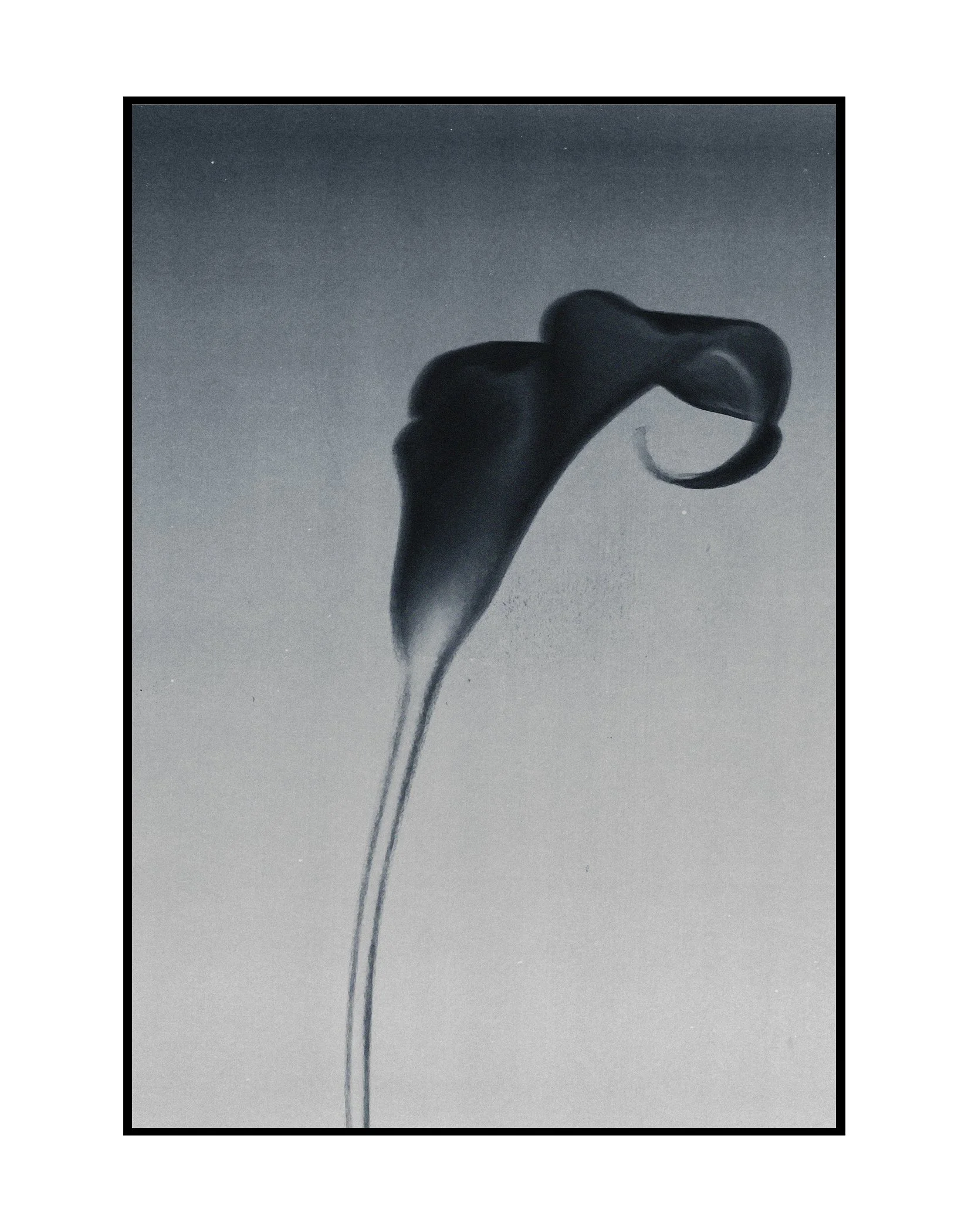
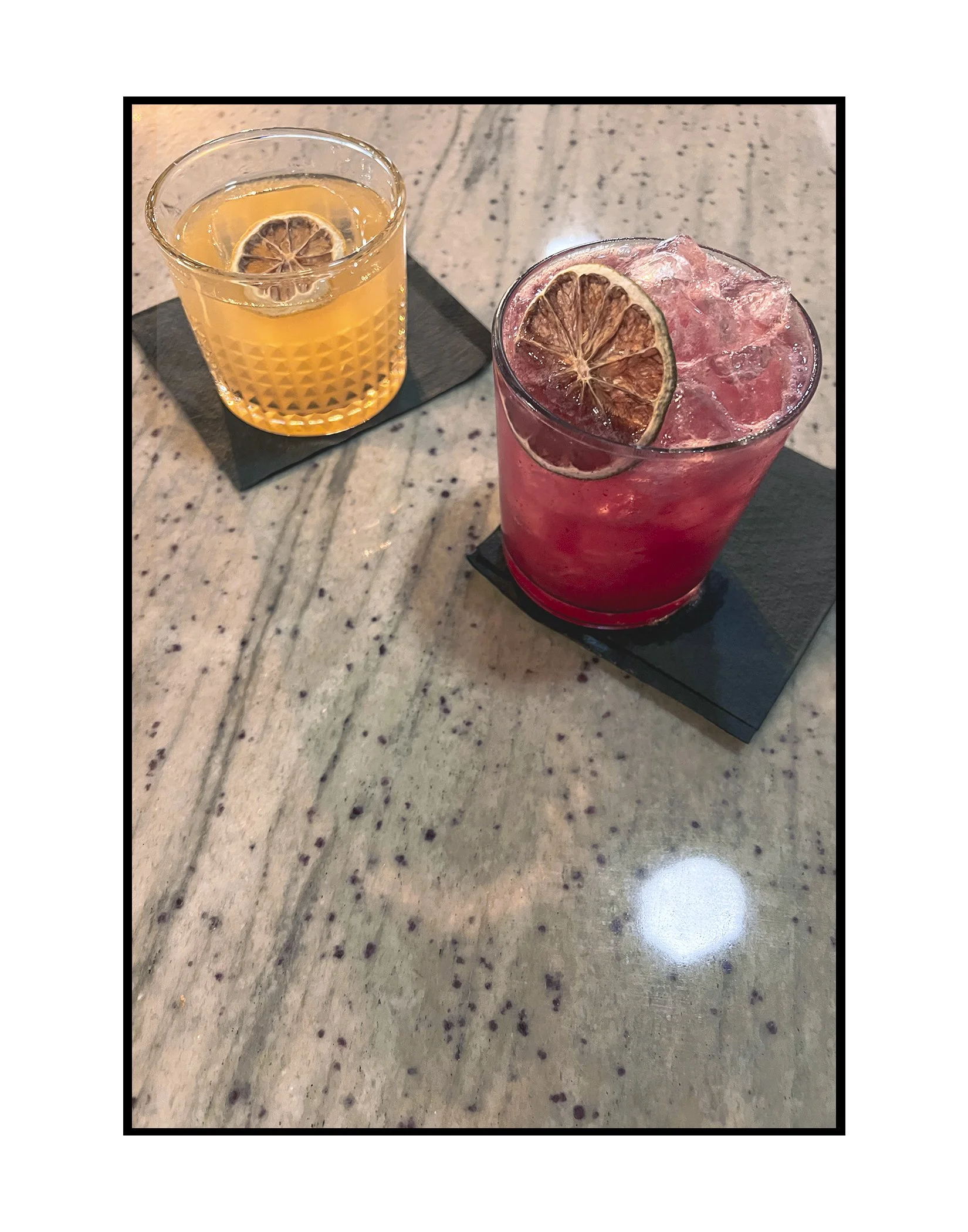
Heirloom at Comstock Ferre
Last night, my brother Nikko and I slipped into Heirloom at Comstock Ferre just as the evening settled in — around six, that soft hour when daylight is thinning but the room hasn’t fully turned to night.
Heirloom at Comstock Ferre
Old Wethersfield, Connecticut
There are places that feel designed for lingering.
Not rushed through. Not optimized. Just quietly built to hold people for a while.
Last night, my brother Nikko and I slipped into Heirloom at Comstock Ferre just as the evening settled in — around six, that soft hour when daylight is thinning but the room hasn’t fully turned to night.
We were greeted first by the pastry counter, still generously full in a way that immediately signals care. Cookies lined in rows. Cakes cut into clean slices. And, most importantly, the sourdough — weekend-only loaves that you learn quickly not to take for granted. When they’re gone, they’re gone.
We ordered instinctively.
A slice of cake that read like a cousin to tiramisu, but brighter — layered with lemon curd running through the center. Light but grounded. Alongside it, a maple pecan cookie, which Nikko already knew to love.
Pastries in hand, we asked to sit at the bar.
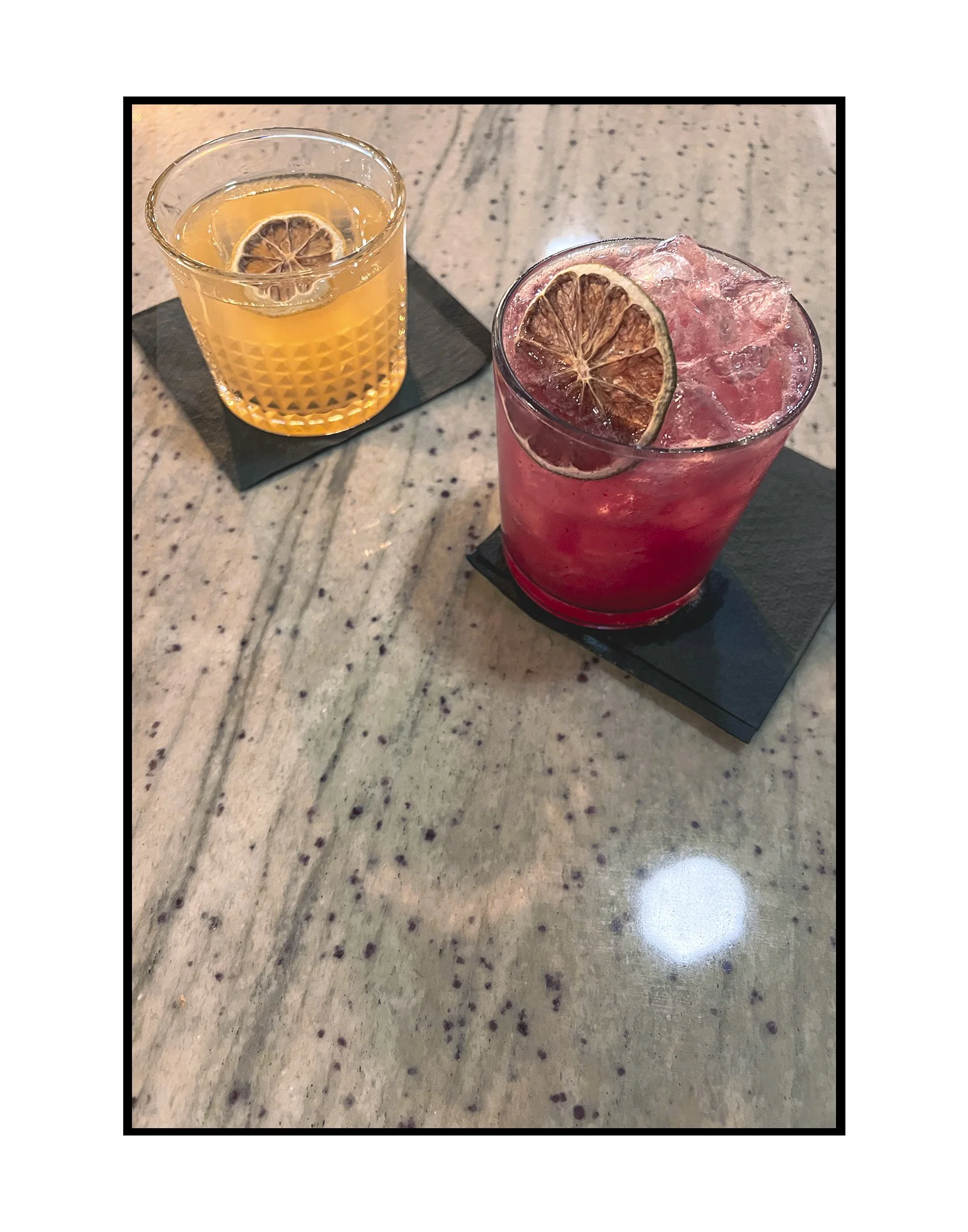
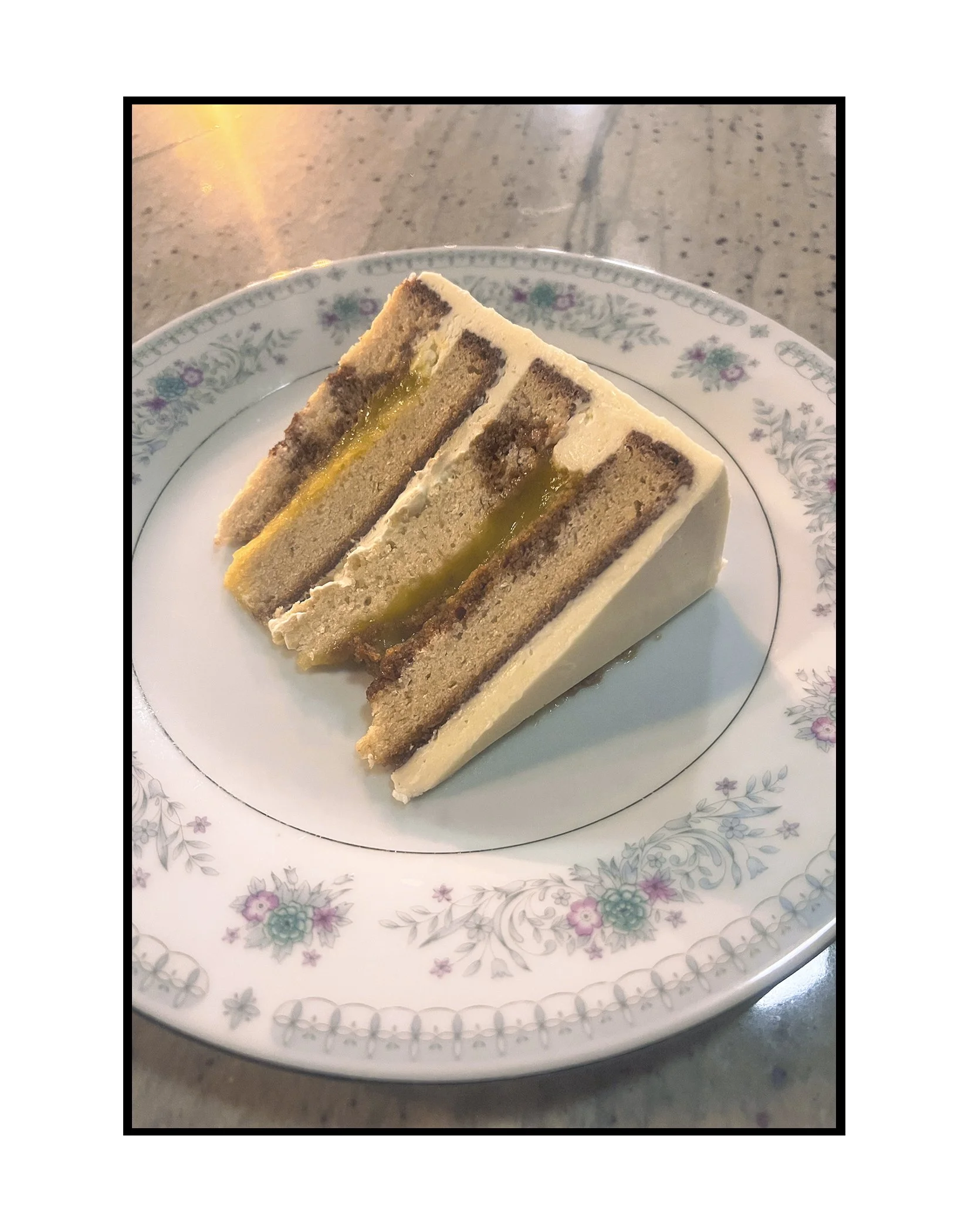
At the Far End of the Bar
The bar was softly active — exactly the right temperature of energy.
Two women sat nearby, settled into their cocktails. Two men worked quietly on laptops. One had ordered a slice of pizza that looked convincing enough to note mentally for next time.
The music was low but rhythmic, just enough to hold the room together without asking for attention. It created that rare condition where conversation can unfold without strain — no raised voices, no leaning in too close just to be heard.
A place to talk.
A place to think.
The Drinks
Nikko ordered the Honey Hole — Tomcat gin, lemon, ginger, honey lavender, finished with a scotch float.
When it arrived, the color was the first thing — a kind of liquid sunlight. He lifted the glass and immediately caught the scotch on the nose before even tasting.
The first sip led with the smoke of the float, quickly rounded by honey and the gentle heat of ginger. Warm but bright. Structured but easy.
His immediate read was simple:
perfect for any season.
Something that could warm you in winter but still feel refreshing in summer — a careful juxtaposition that kept revealing itself with each sip.
I ordered the Spicy Berry and Hibiscus — reposado, lime, blueberry, raspberry, hibiscus jam, finished with Scrappy’s bitters.
Where Nikko’s leaned golden, mine sat deeper in tone. Dark, warm, slightly spiced. The kind of drink that feels most at home beside a fireplace in the colder months. Soft fruit, gentle heat, and enough body to make you slow down while drinking it.
Both cocktails carried intention without heaviness.
Small Moments That Make a Room
At one point, a family with young children came in and took seats nearby.
Behind the bar, the bartender began torching large marshmallows — slow, deliberate passes of the flame — before placing them on top of the children’s hot chocolates. The room shifted almost instantly.
You could hear it happen.
Small oohs and ahhs from nearby tables. Curious glances. That quiet, shared delight that moves through a space when something simple is done well.
Later, the woman next to me ordered a cocktail garnished with a sprig of rosemary. The bartender passed the torch over it briefly, releasing that sharp, green aroma into the air.
For a few minutes, the room carried layers of scent:
Pastry sugar.
Toasted marshmallow.
Warm rosemary.
Fragrant citrus and spirits.
It punctuated the evening in the best way — subtle but immersive.
Conversations at the Bar
The bartender was warm and easy to talk with — the kind of presence that makes asking questions feel natural.
I had to ask about the bacon, egg, and cheese.
I’ve had it there before, and it lingers in memory the way truly good simple food does. Unfortunately, they were sold out for the evening — a disappointment, but an understandable one.
What softened the blow was learning what they offer to take home.
Par-baked biscuits.
House-made cinnamon buns ready for the oven.
Even sourdough dough available to bring back to your own kitchen.
This detail matters.
It extends the experience beyond the room itself — letting the ritual continue at home.
And then: the small victory.
Back at the pastry counter, two sourdough loaves remained. We managed to claim one of the last of the day — the kind of small win that quietly makes an evening feel complete.
Why Places Like This Matter
As we sat there — pastries half-finished, cocktails slowly disappearing — the conversation inevitably turned toward amadeo amadeo and the kind of world I’m building.
What struck me most is how aligned the atmosphere at Heirloom feels with a slower, more intentional way of living.
Nothing about the space pushes you out the door.
Nothing feels overworked.
There is craftsmanship here, but it isn’t performative.
In a town like Old Wethersfield, places like Heirloom matter because they create more than just a stop for coffee or a drink. They build a pocket of community. A place where you can sit, talk, work quietly, bring your family, or simply pause for a moment.
More personally, it offers something even harder to manufacture:
The feeling of being taken care of.
Of being able to settle in.
Of being allowed — even encouraged — to slow down in the middle of everything else moving quickly.
And in this moment, that kind of space feels less like a luxury and more like a necessity.
Winter Citrus & Fennel Ritual Plate
After time spent at Comstock Ferre — moving slowly between the produce, the seeds, the bread counter — it felt right to assemble something simple. Something seasonal. Something meant to be placed in the center of the table and passed between hands.
This plate began with sourdough from Heirloom at Comstock Ferre. Warm, structured, meant to be torn rather than carefully sliced. The kind of bread that immediately shifts a table into something more communal.
Everything else gathered around it.
Blood oranges for brightness in the depth of February.
Fennel for clean, cool lift.
Endive for bitterness.
Mint and parsley for green sharpness.
Olive oil, salt, pepper — enough, but not too much.
Toasted pistachios for texture.
Nothing here is rigid. Everything is adjustable.
This is less a fixed recipe and more a way of sharing time.
Winter Citrus & Fennel Ritual Plate
You’ll need (loosely):
Blood oranges (or any winter citrus you find)
1 fennel bulb, shaved thin
A few endives, leaves separated or sliced
Fresh mint
Fresh parsley
Extra virgin olive oil
Flaky sea salt
Fresh cracked black pepper
Toasted pistachios, lightly crushed
Sourdough from Heirloom at Comstock Ferre
Optional: a soft cheese such as ricotta or burrata
To assemble
Slice the citrus into thin rounds or soft half-moons, removing any seeds. Let the juice fall naturally onto the plate — it becomes part of the dressing.
Arrange the citrus across a large shallow platter. Scatter the shaved fennel over and between the slices so the textures begin to intermingle.
Tuck in the endive leaves, allowing some height and structure to form naturally. Tear the mint and parsley gently with your hands and let them fall where they may.
Drizzle generously with good olive oil. Finish with flaky sea salt, several turns of black pepper, and a loose scattering of toasted pistachios.
If using cheese, add soft spoonfuls or torn pieces across the plate — not too neat.
To serve
Grill or warm the sourdough until the edges are crisp and the interior stays tender.
Place the bread alongside the platter and serve immediately, encouraging everyone at the table to tear, scoop, and build their own bites.
This dish is meant to be moved through slowly — passed, adjusted, shared.
Swap the citrus.
Change the herbs.
Use what looks best that day.
The ritual matters more than the precision.
Break the bread.
Pour the oil.
Stay at the table a little longer than planned.
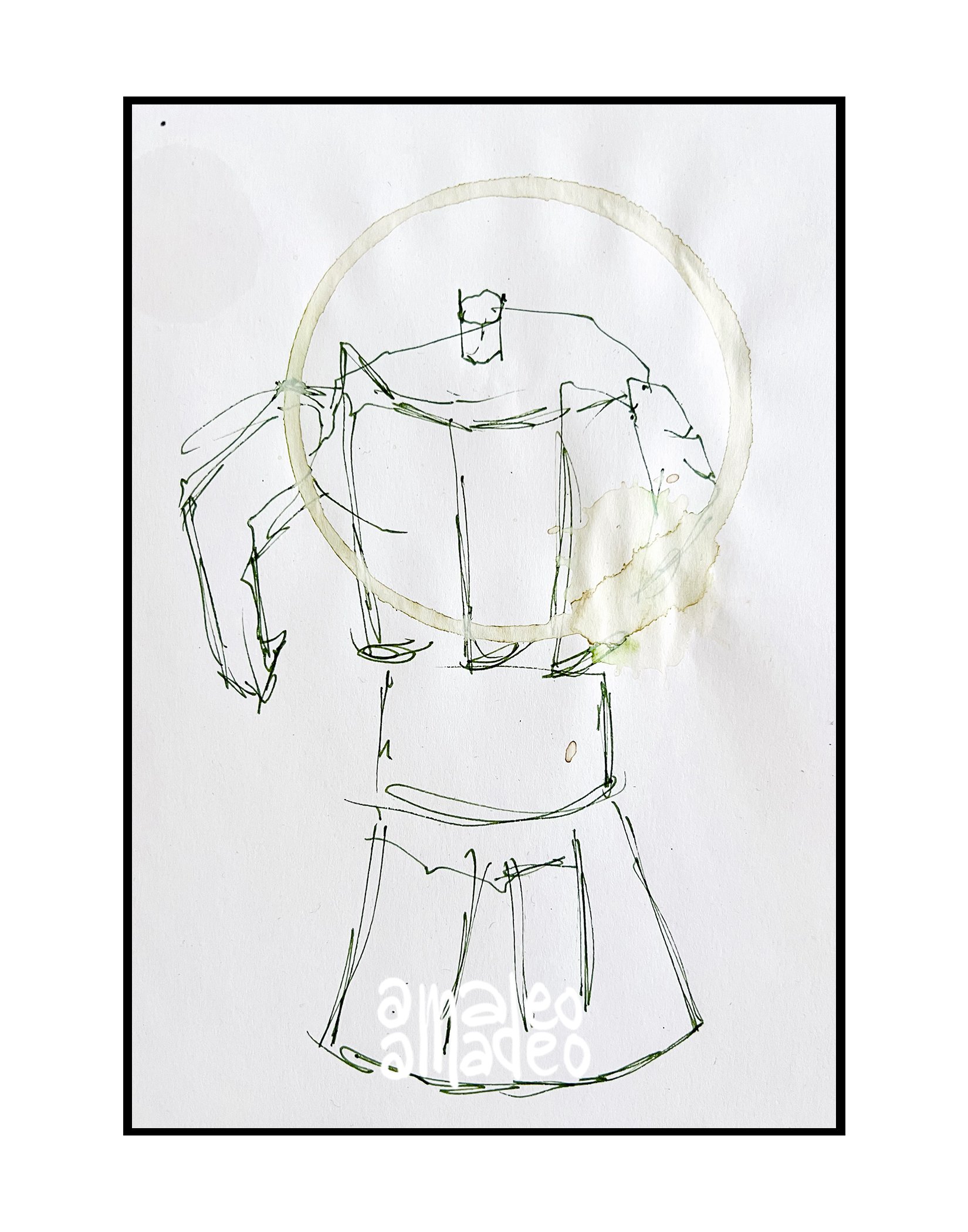
Red, Mirrors, and Watermelon
Not dramatic. Not catastrophic. Just a shedding that happens quietly while you’re still going about your days. I’ve been walking through this one with heightened senses — as if everything is slightly louder, brighter, more symbolic than usual.
Pain can do that. It sharpens color.
Some weeks feel like molting.
Not dramatic. Not catastrophic. Just a shedding that happens quietly while you’re still going about your days. I’ve been walking through this one with heightened senses — as if everything is slightly louder, brighter, more symbolic than usual.
Pain can do that. It sharpens color.
Red Everywhere
Lunar New Year unfolded in Chinatown like a fever dream in the best way.
Red poured down the streets. Gold flashed from storefronts. Drums pounded so hard it felt like the pavement had a heartbeat. Lion dancers — often called dragons, but technically lions — went door to door blessing businesses for the year ahead. They bowed. They blinked. They snapped their jaws open and shut, playful and fierce at once.
The ritual is ancient. It calls in prosperity. It wards off bad spirits. It invites luck in through the front door.
Children carried tanghulu — fruit skewered on sticks and dipped in melted sugar, hardened into glass. The fruit glowed like jewels. Hawthorn berries sealed in sweetness. Sticky and shining.
Confetti stuck to the bottoms of shoes. Cymbals clashed. The dragon undulated down the street — long, embroidered, shimmering — powered by many bodies moving as one.
It felt like collective optimism.
I stood there thinking: yes. Let’s try that. Let’s try optimism again.
Entering the Void (On Purpose)
I saw Anish Kapoor at Lisson Gallery and walked straight into a mirror that swallowed me.
His surfaces bend reality until your sense of proportion dissolves. One piece curved inward with a severity that almost nodded to Richard Serra — heavy, minimal — but Kapoor’s mirrored voids do something stranger. They erase edges. They destabilize your footing.
You step closer and your reflection stretches, fragments, disappears.
It felt like entering a dimension without friction. A quiet void. A pause in the noise.
There is something deeply comforting about distortion. It reminds you that perception is flexible. That what feels fixed might not be.
I stayed in that calm for a long time.
The Moka Pot and Repetition
Back home, I’ve been drawing my moka pot over and over again.
Line. Line. Line.
No erasing. No fixing. Just repetition.
The moka pot is all pressure and release. Water heated. Steam forced upward. Something bitter turned warm.
Drawing it feels like holding something steady while everything else rearranges itself. The repetition quiets the static. It’s almost funny how something so small can anchor a day.
If you draw something enough times, it starts to feel like prayer.
Watching From the Periphery
Fashion Week unfolded like theater from a slight distance.
Khaite still understands tension.
Diotima feels intentional and exact.
Ralph Lauren remains cinematic — a master of atmosphere.
Marc Jacobs plays with proportion like it’s a joke only he understands.
And Tory Burch — something fresh there. A subtle shift over the last few seasons. Cleaner. Sharper. Less eager.
It’s interesting to watch from a different vantage point. Less frenzy. More observation.
Watermelon, Metal, Oud
I finally stopped into Naked Ghosts — a perfumery that feels less like retail and more like conversation.
We talked about scent as sculpture. As distortion. As memory.
One fragrance — Strinking by Rich Mess — opened with shockingly ripe watermelon. Wet. Metallic. Almost too bright. It lingered longer than expected, then melted into something ambery and woody, still whispering fruit.
I keep imagining layering it over something dark. Dirty oud underneath bright sugar-water fruit.
Sweet over smoke. Youth over age. Fresh over ancient.
Juxtaposition again.
Blossoms in Dirty Snow
This week has felt like blossoms pushing through snow that hasn’t fully melted yet.
Things are rough. My body and mind are not entirely aligned. Healing feels slow. But there have been flashes — red confetti, mirrored voids, sugar fruit, coffee steam — that remind me how alive things still are.
You can feel unwell and grateful at the same time.
You can hurt and still notice beauty.
You can reset without announcing it.
For now, I am drawing small objects. Watching lions bless storefronts. Standing inside mirrors. Plotting the year quietly. Sending applications into the distance. Letting sweetness sit over something darker.
Molting.
Let’s see what emerges.
-Anthony Amadeo
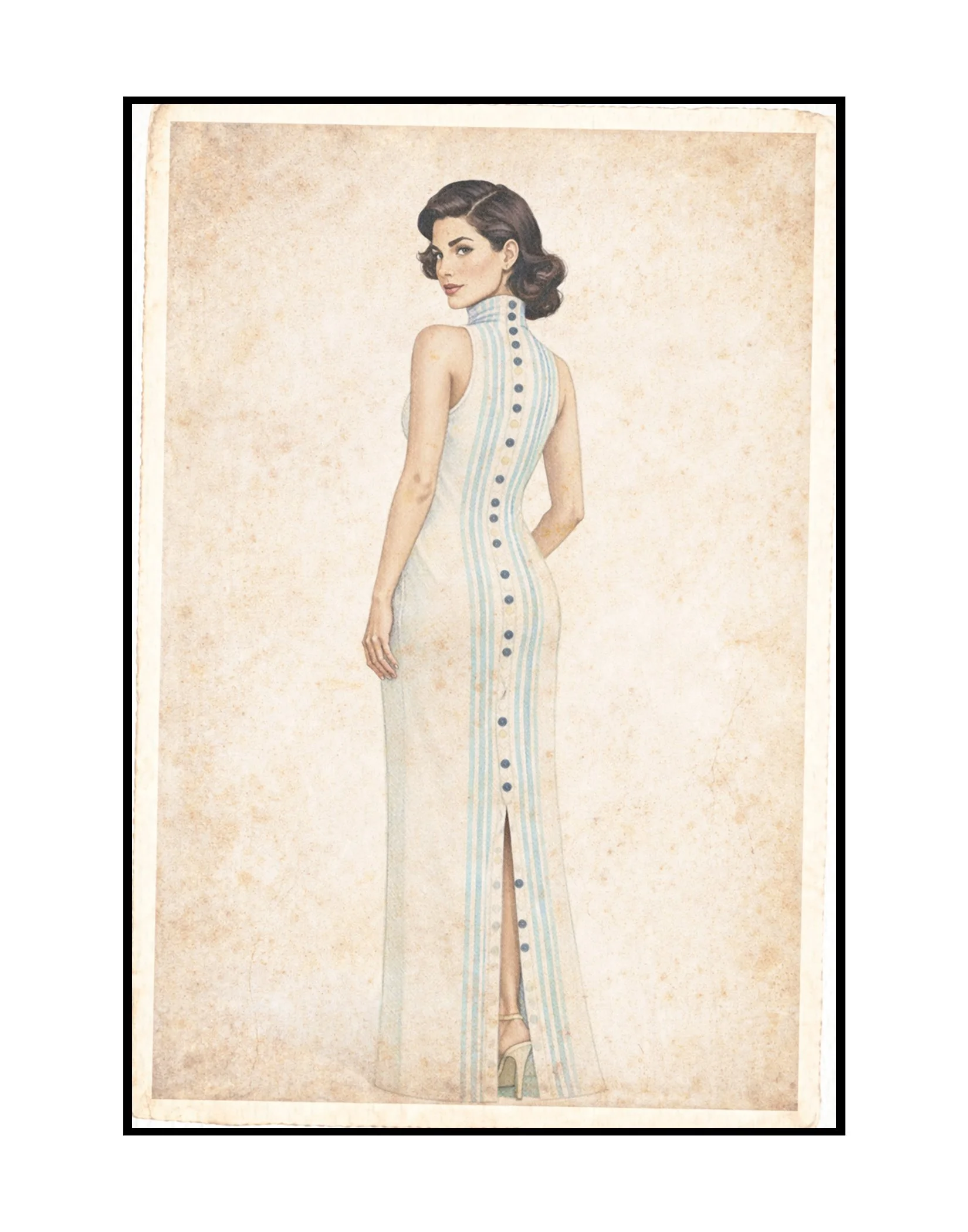
Collection 1 — Look 2
Suddenly I was a child again, watching my family make hundreds and hundreds of cookies for special occasions. Every surface of the house covered—tables, counters, chairs—lined with trays cooling before being packed into tins. Cookie tins collected over decades. Tins passed from hand to hand. Picked up by family. Dropped off at gatherings. Always meant to be shared.
This dress began as a tablecloth.
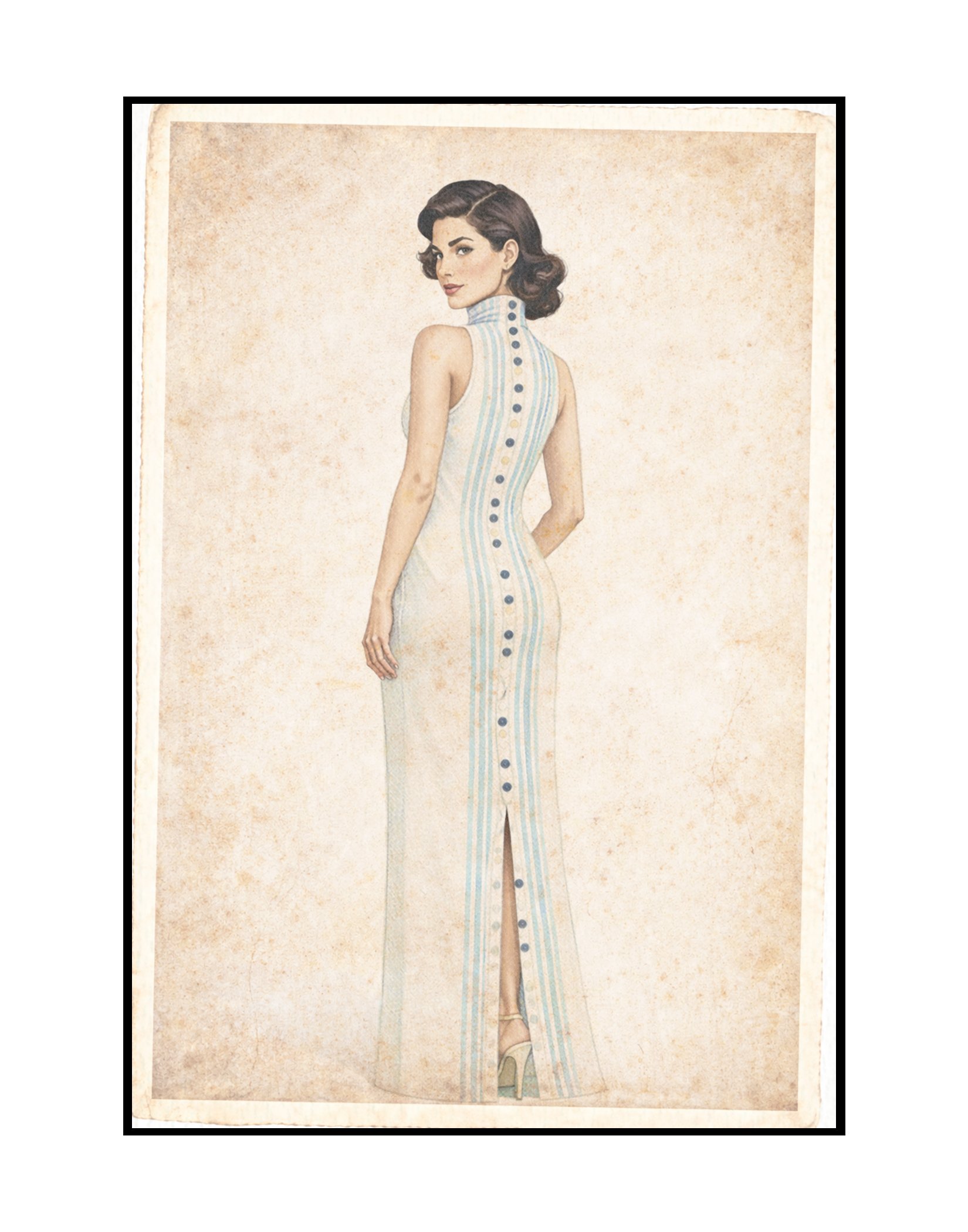
Not a pristine one—one that had lived.
One that had been folded and unfolded, washed and stained, pulled from drawers for holidays and ordinary Sundays alike. A tablecloth that knew hands, heat, crumbs, and time.
When I reinterpreted it into a maxi dress with a turtleneck, I wanted to keep all of that history intact. The marks stayed. The wear stayed. The fabric wasn’t cleaned of its past—it was elevated by it.
As I steamed the dress for the first time, something unexpected happened.
The smell came back.
Steam mixed with almond paste, flour, powdered sugar. That unmistakable scent of Italian cookies—especially the S cookies—cooling on the table, fresh from the oven. Clean fabric and warm sugar layered together. It stopped me in my tracks.
Suddenly I was a child again, watching my family make hundreds and hundreds of cookies for special occasions. Every surface of the house covered—tables, counters, chairs—lined with trays cooling before being packed into tins. Cookie tins collected over decades. Tins passed from hand to hand. Picked up by family. Dropped off at gatherings. Always meant to be shared.
What stayed with me most wasn’t just the smell, but the process.
The repetition.
The patience.
The quiet perfection of doing something the exact same way generation after generation.
The recipes were written on distressed, handwritten note cards—soft at the corners from years of use. The proportions were never small. No recipe ever made just a dozen cookies. Everything was measured for abundance. Enough for everyone. Enough so you could still sneak a few straight off the tray while they were cooling.
That’s what this dress represents to me.
Generations of shared knowledge.
Love passed through hands.
Practice, patience, and care repeated until it becomes instinct.
I attached my collection of buttons—ones I’ve been gathering for nearly fifteen years—like a timeline running down the back. Each button different. Each one chosen. Each one holding its own quiet history.
This garment was hand sewn slowly, deliberately, with the same kind of attention I watched growing up in kitchens filled with heat and laughter and flour-dusted hands.
Even without an abundance of material things, there is always an abundance of love.
And when love is practiced—over and over again—it becomes something you can feel, wear, and share.
This is Collection 1, Look 2.
A dress made from memory.
A dress made to hold generations.
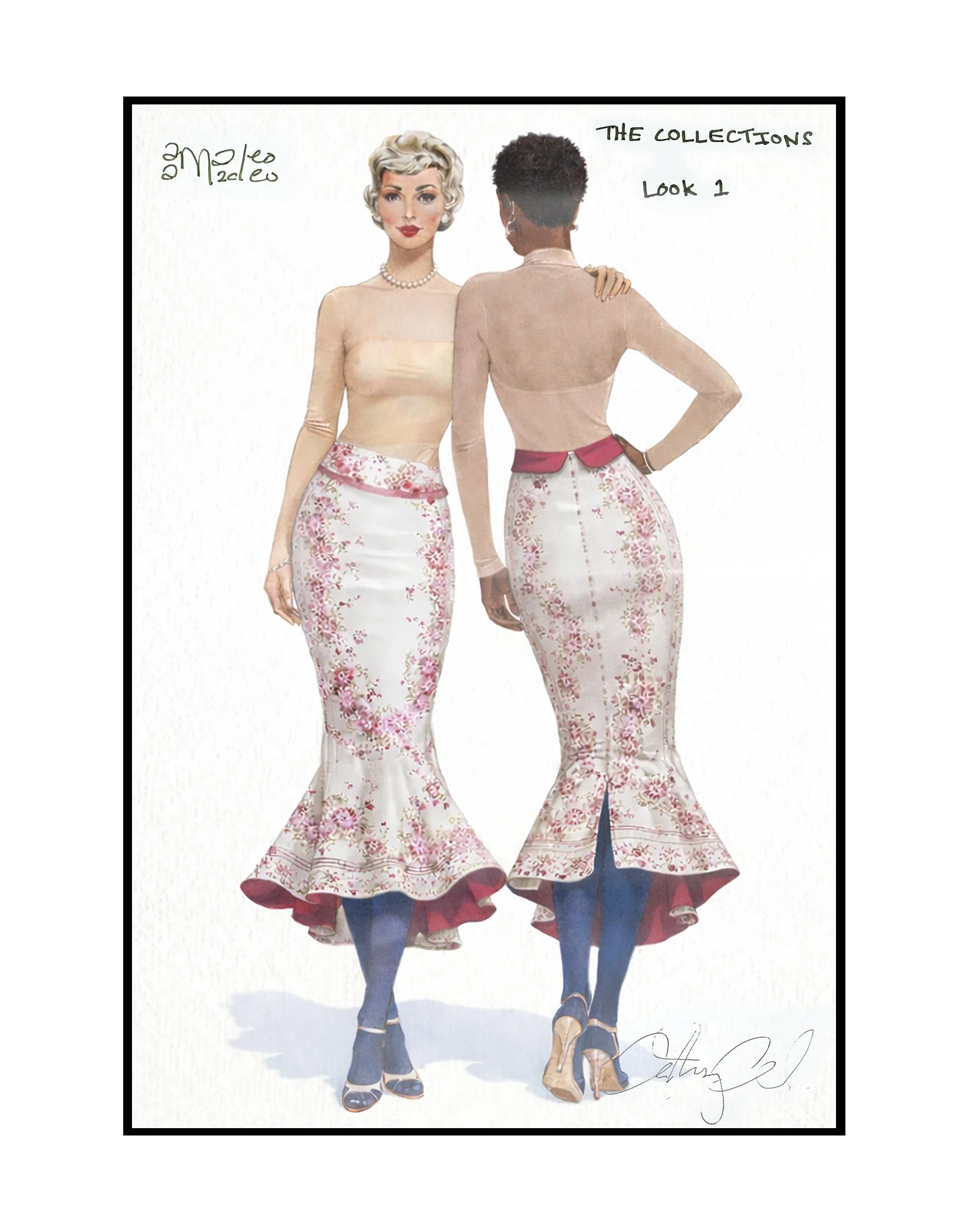
Collection 1: Chiddu ca tinemu
Collection 1, Chiddu ca tinemu, has existed long before it had a name—long before it had an image, a look number, or a reason to be introduced. It lived first in memory, in gesture, in domestic spaces that shaped the way glamour was understood before it was ever worn.
Collection 1: Chiddu ca tinemu
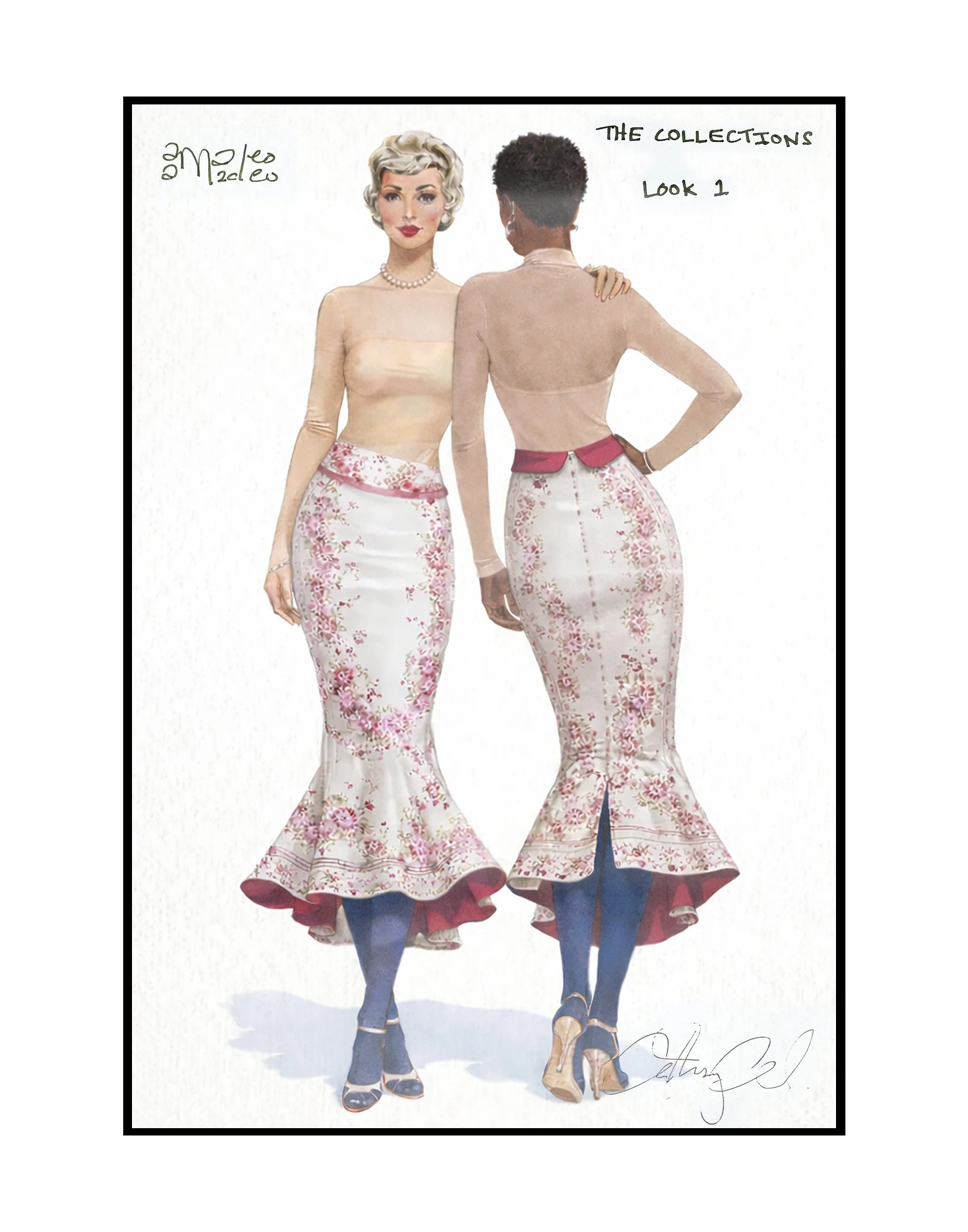
Some collections arrive loudly.
This one has been waiting.
Collection 1, Chiddu ca tinemu, has existed long before it had a name—long before it had an image, a look number, or a reason to be introduced. It lived first in memory, in gesture, in domestic spaces that shaped the way glamour was understood before it was ever worn.
Look 1 is the quiet beginning. Or rather, the moment when something already in motion allows itself to be seen.
The skirt—hand-sewn, intuitively patterned, repurposed from a vintage tablecloth—is the sole focus of this introduction. There is no distraction. No styling spectacle. Just the garment…
This collection is rooted in youth—not nostalgia, but aspiration. The kind that forms early, quietly, while sitting at kitchen tables and listening more than speaking. Watching great aunts and uncles move through their routines. Observing how they spoke about the future. How they made beauty out of what they had. How suburban life, when lived fully, could feel cinematic.
There was glamour there. Not imported, not purchased—constructed. Set hair, pressed linens, lipstick before errands. Domestic rituals elevated through care and intention. These women did not wait for a bigger life to arrive. They built one where they stood.
Chiddu ca tinemu is about that inheritance.
Every piece in the collection is made from repurposed domestic textiles—tablecloths, bed linens, table runners, lace, and unexpected household relics that carry history in their weave. These materials once lived in private spaces. Now they are reinterpreted into silhouettes that suggest women who are self-possessed, aspirational, and quietly commanding. Women who understand that intimacy and ambition are not opposites.
The garments are entirely hand sewn. The patterns arrived intuitively, guided by repetition, touch, and trust rather than rigid structure. Seams are visible. Decisions remain present. The hand is not erased. This is not about perfection—it is about presence.
As the collection unfolds, it will appear slowly, deliberately—through press, editorials, and continued documentation. Each reveal is meant to feel earned, not consumed.
This first look is not a statement.
It is a signal.
A reminder that glamour can live inside domesticity.
That heritage can be worn forward.
That aspiration often begins by watching the women who came before you and deciding, quietly, to go further.
Collection 1: Chiddu ca tinemu has been waiting.
Now, it begins to speak.
—
Closely tied to this collection is amadeo amadeo fragrance No. 37 — ECLOGUE, a scent drawn from the same domestic landscapes and private rituals. It will be stocked soon.
This is not the full picture.
It’s an opening.