The Distance Between Two Frames
Recently, I have been returning to shoots I photographed nearly a decade ago. Even after all that time, there are still frames I have never fully considered. I can open an old folder and immediately feel the personality of the person I photographed. I remember whether they were shy or extroverted, cautious or theatrical. I remember the energy in the room.
On trust, direction, editing, and the strange abundance of a photographic archive.
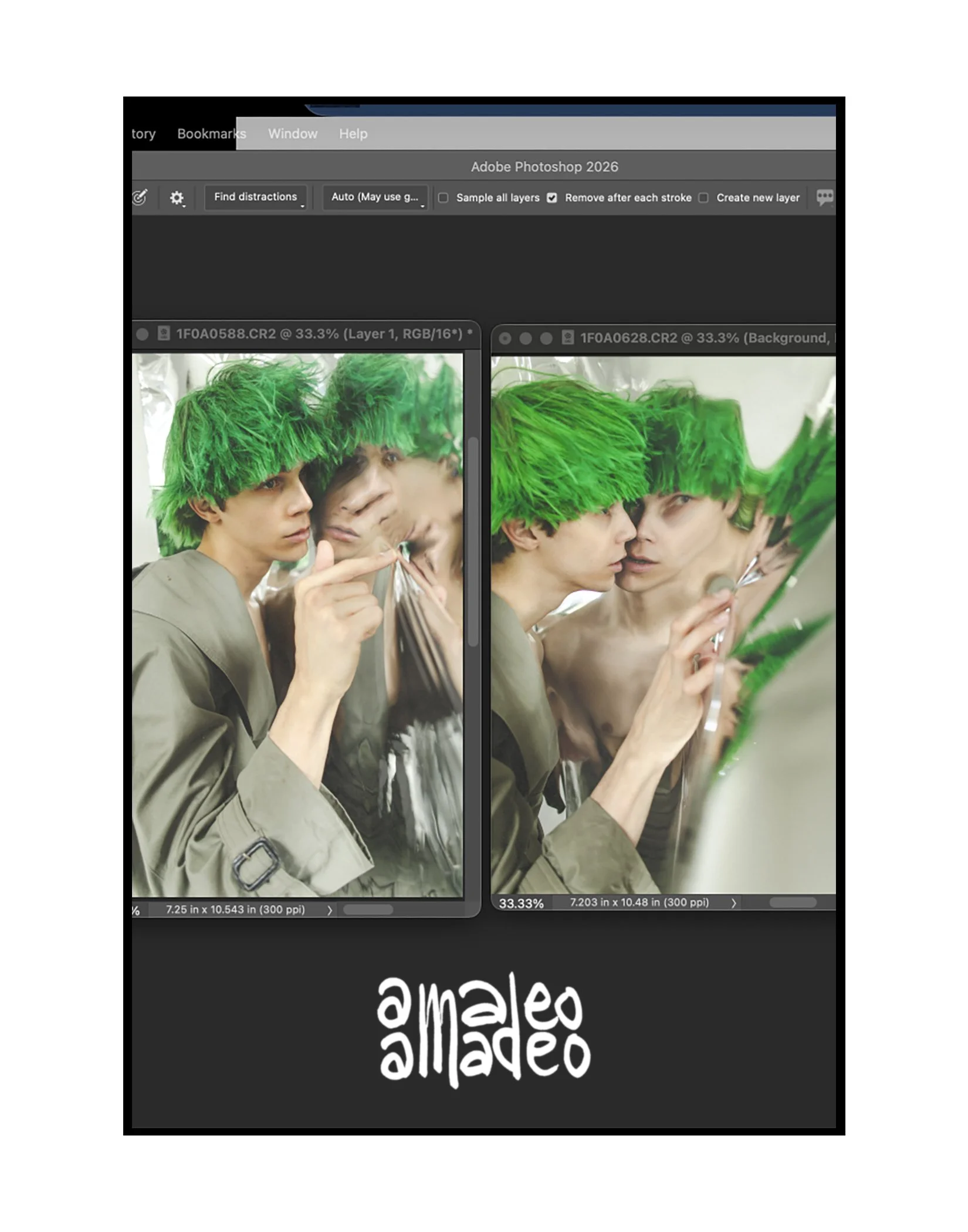
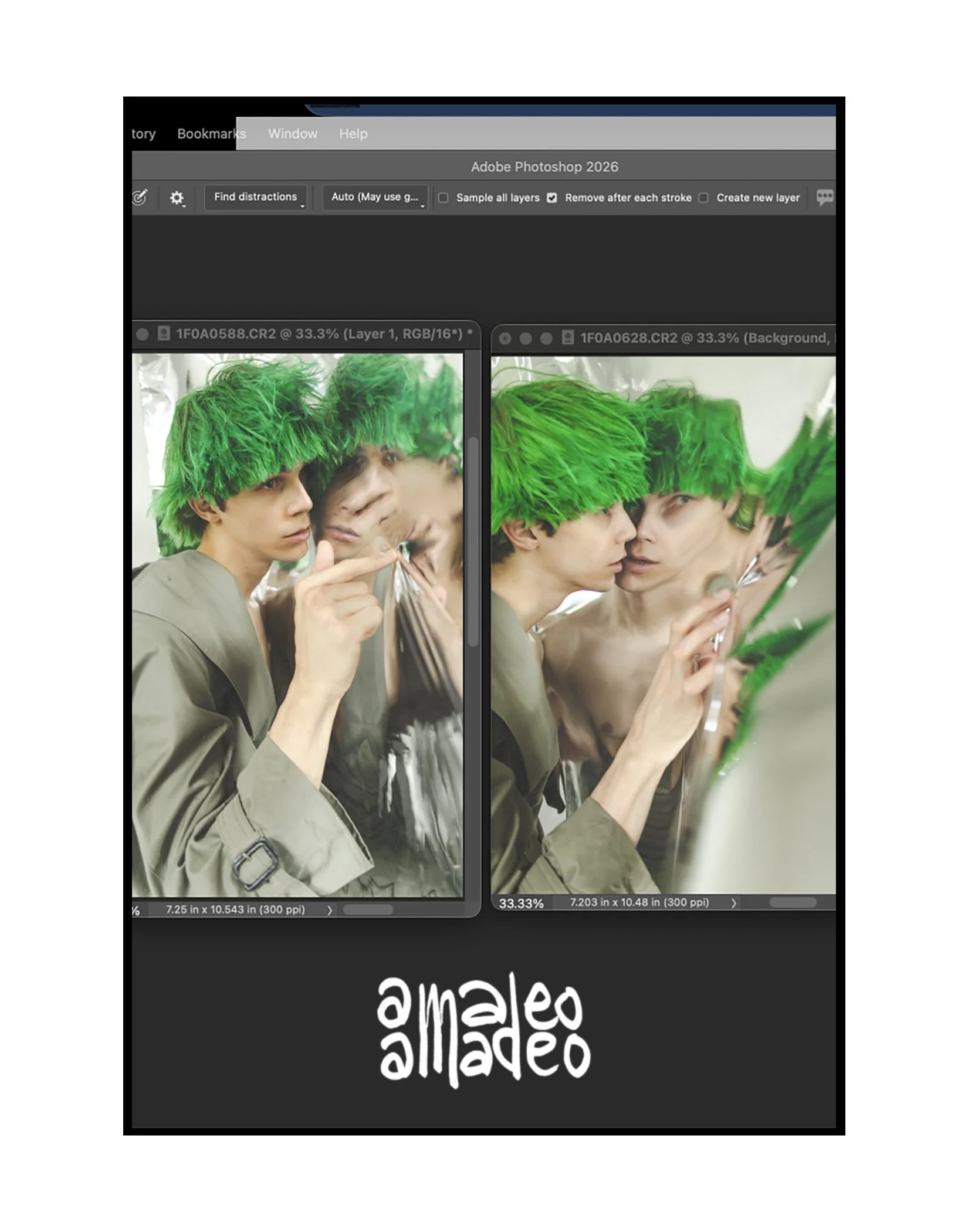
These two photographs were made within five frames of each other. Technically, almost nothing changed. The same model, the same light, the same Mylar mirror, the same room. Yet to me, they exist in completely different worlds.
In the first image, there is a quietness. The model seems absorbed by the reflection, as though he has momentarily forgotten that I am there. The folds of the garment, the softness of his expression and the repetition of his face inside the Mylar make the portrait feel inward and almost private.
The second image has a different tension. The faces move closer together. The body is more exposed. The reflection feels less like an echo and more like another person entering the frame. It becomes intimate, slightly confrontational and more surreal. Only a few seconds separate the two photographs, but the emotional temperature has completely shifted.
This is why editing is so important to me.
Photography is often discussed as the act of taking a picture, but so much of the work happens afterward, when I return to everything that occurred during the shoot. Editing is where I decide which fraction of a second contains the energy I remember—or perhaps reveals an energy I did not fully recognize while I was shooting.
The difference might be a softened mouth, a hand moving an inch, the direction of someone’s eyes or the exact moment a reflection becomes distorted. It may be the frame before a person settles into a pose, or the one immediately after they believe the photograph has already been taken.
Color grading changes that world again. A slight adjustment in the green, the warmth of the skin or the softness of the highlights can alter the emotional language of an image. The editing is never simply about making the photograph look better. It is about deciding what the photograph is trying to say.
The Mylar mirror makes that decision especially unpredictable. It never creates the same image twice. Every movement changes its surface. A face stretches, disappears and returns. One person becomes three, then five, then something that no longer looks completely human. The portrait is constantly rebuilding itself in front of me.
Directing someone inside that environment becomes its own strange conversation.
I might tell the model, “Look at me,” but I am not necessarily asking him to look toward the camera. I may be speaking to one of his reflections. I might ask him to move toward a face that exists only inside the mirror, or to follow the version of himself that has been pulled apart by the material. Sometimes I am directing the model; sometimes I am directing his reflection.
I work instinctively when I photograph. There are cues that come out before I have had time to intellectualize them. Look here. Move your chin slightly. Hold that. Forget about me. Look at yourself. Now look through yourself.
I like to move between images in which the subject acknowledges the camera and images in which they seem completely unaware of it. That variation creates its own rhythm. The direct gaze can feel powerful, but the moment immediately beside it—the glance away, the breath, the uncertainty—can reveal something entirely different.
None of this works without trust.
A model has to trust that I am not waiting for them to look bad. They have to believe that I am paying attention, that I will recognize the moments worth keeping and that I will not abandon them inside an uncomfortable gesture. My responsibility is to make the person feel secure enough to become casual, curious and strange.
I love directing models into poses, but I also direct through conversation. I may ask someone, “If you were a color, how would that color move through the air?” The question is not meant to produce a literal answer. It is meant to interrupt the person’s awareness of posing. Their body begins to solve the question before their mind can explain it.
A good photograph requires so many things to align: the model, the photographer, the light, the conversation, the clothing, the accident, the atmosphere and the shape that appears for only a moment. All of those things cooperate for perhaps 1/60th of a second.
Then they disappear.
Editing is where I search for them again.
Recently, I have been returning to shoots I photographed nearly a decade ago. Even after all that time, there are still frames I have never fully considered. I can open an old folder and immediately feel the personality of the person I photographed. I remember whether they were shy or extroverted, cautious or theatrical. I remember the energy in the room.
In the past few months, I have added hundreds of images from my archive to Tumblr. The collection has now grown to more than 12,000 portraits.
Sometimes I worry that people will think, That again? Another portrait? Isn’t this too much? Aren’t these nearly the same image?
Perhaps I simply like abundance.
I like seeing the infinite number of expressions that exist inside one face. I like the gestures people forget they made. I like the frames that appear almost identical until you spend time with them. One photograph may show confidence; the next, made a second later, may show doubt. A mouth closes. The eyes move. The posture softens. The person briefly returns to themselves.
The differences are minute, but they are not insignificant.
Looking through the archive also allows me to see how I have changed. My earlier photographs reveal a different understanding of direction. There were periods when I wanted the subject to appear completely in control. Now I understand that I can create the feeling of their control while remaining deeply involved in constructing the image.
That is one of the central illusions of portraiture: the subject appears to possess the moment, while the photographer quietly arranges everything around it.
My editing has evolved in the same way. What my eye notices now is light-years away from what it noticed ten years ago. The photographs have not changed, but I have. Images I once overlooked suddenly feel essential. A frame does not have one permanent meaning. It waits for the photographer to become capable of seeing it.
Perhaps that is why an archive never truly becomes finished. There will always be another expression, another reflection and another fraction of a second waiting to be rediscovered.
The magic of photography is not contained in one perfect image. It exists in the multitude—in all the nearly identical moments that reveal, upon closer inspection, that nothing ever happens exactly the same way twice.
Doug, Giant Denim, and an Impossible Puzzle
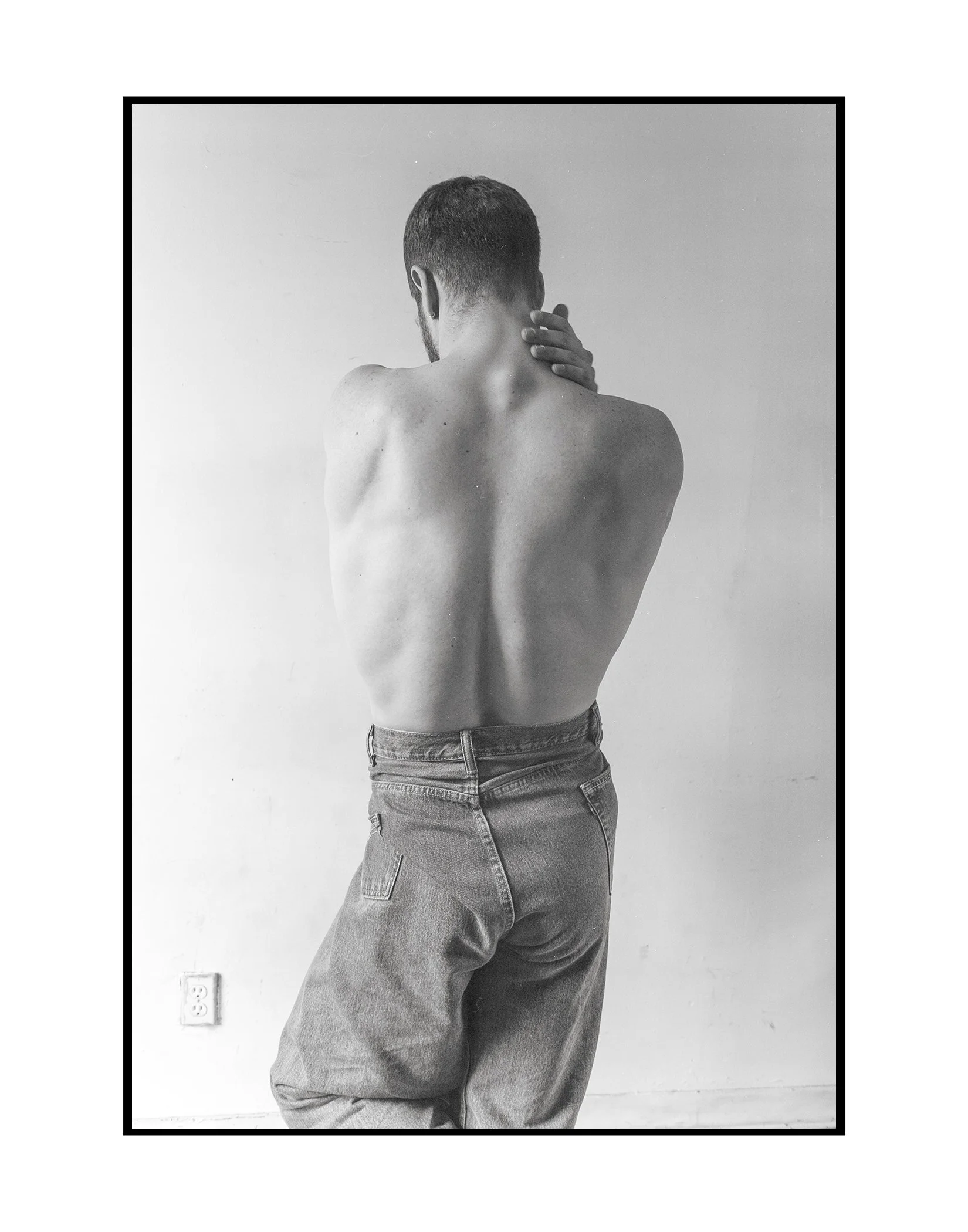
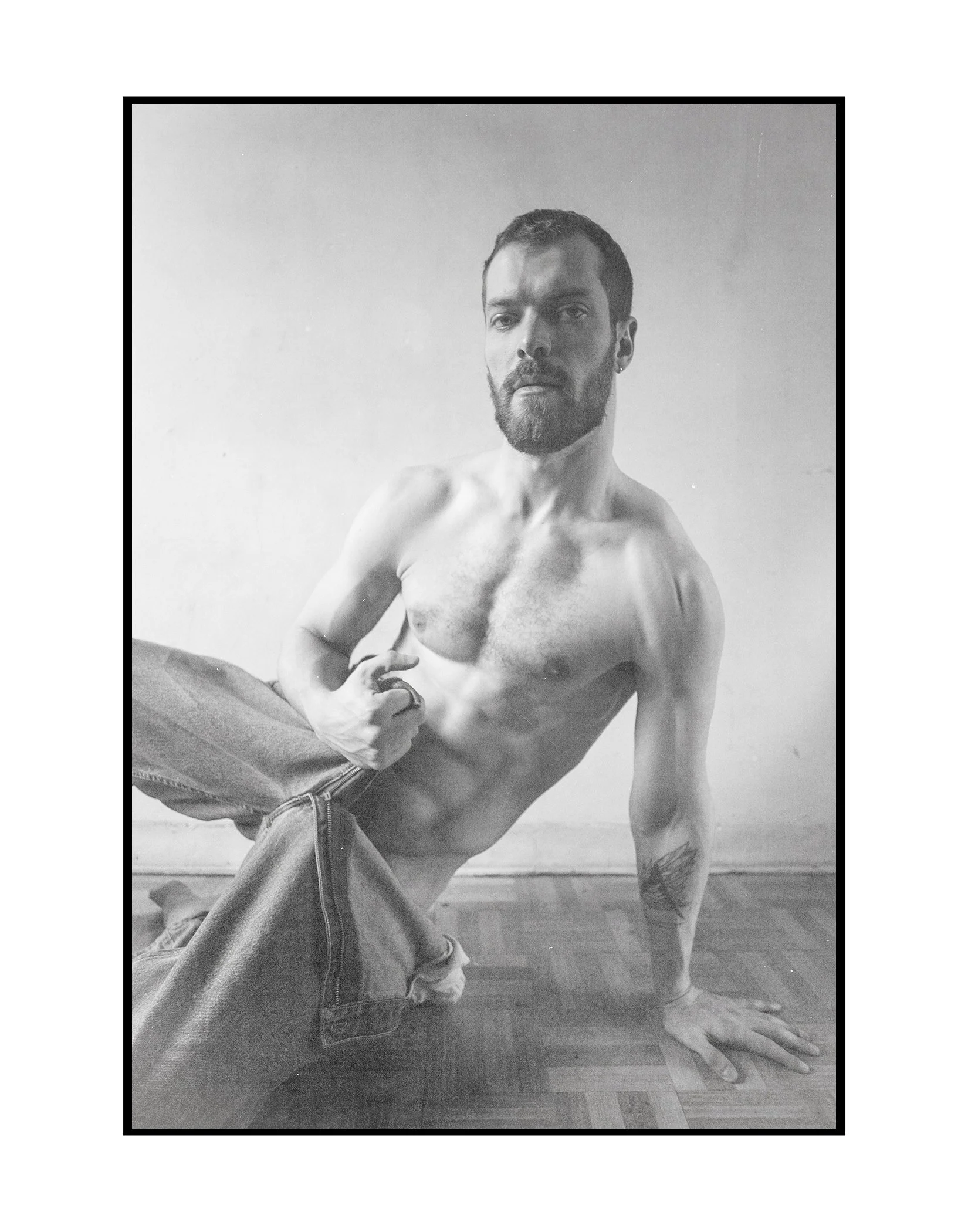
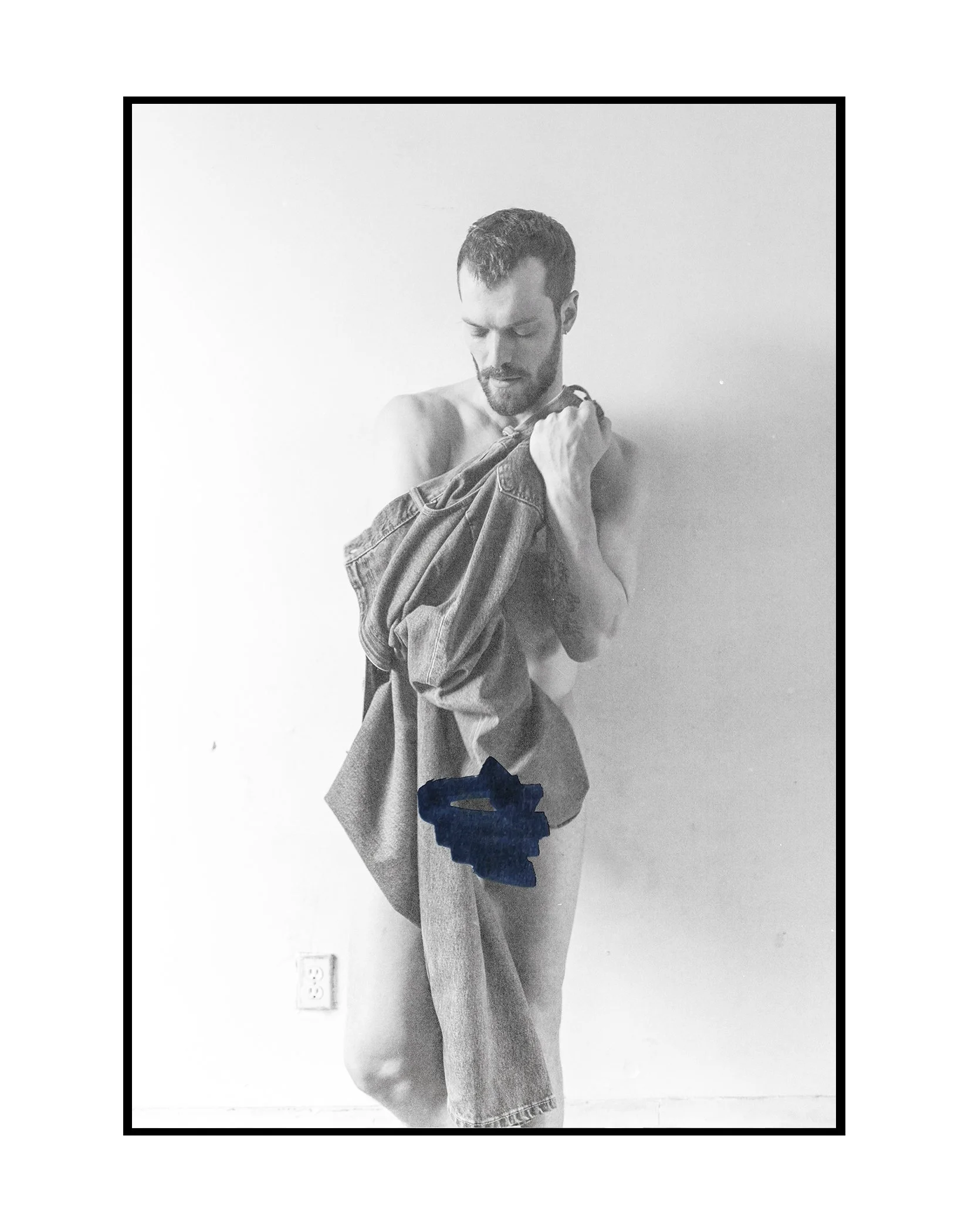
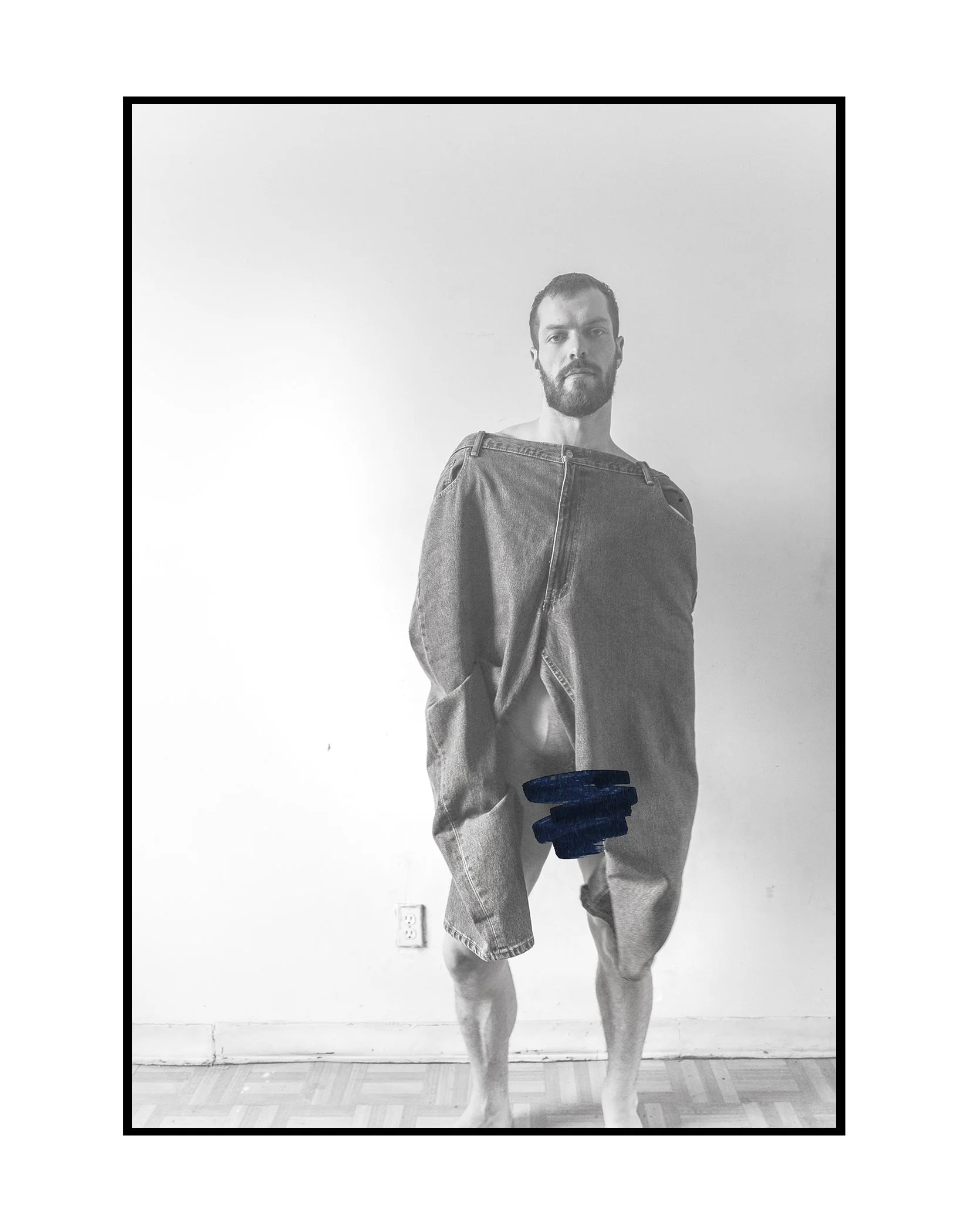
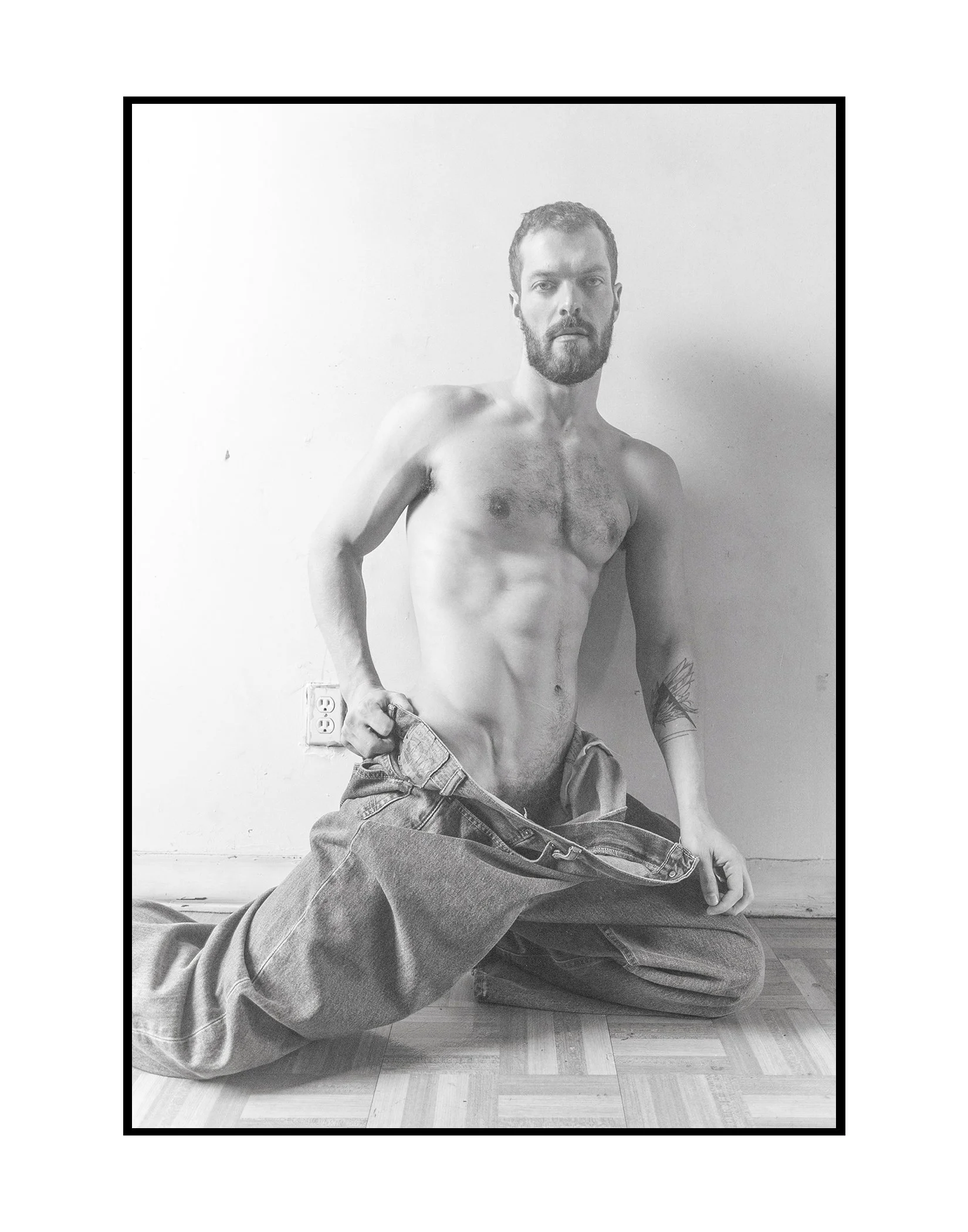
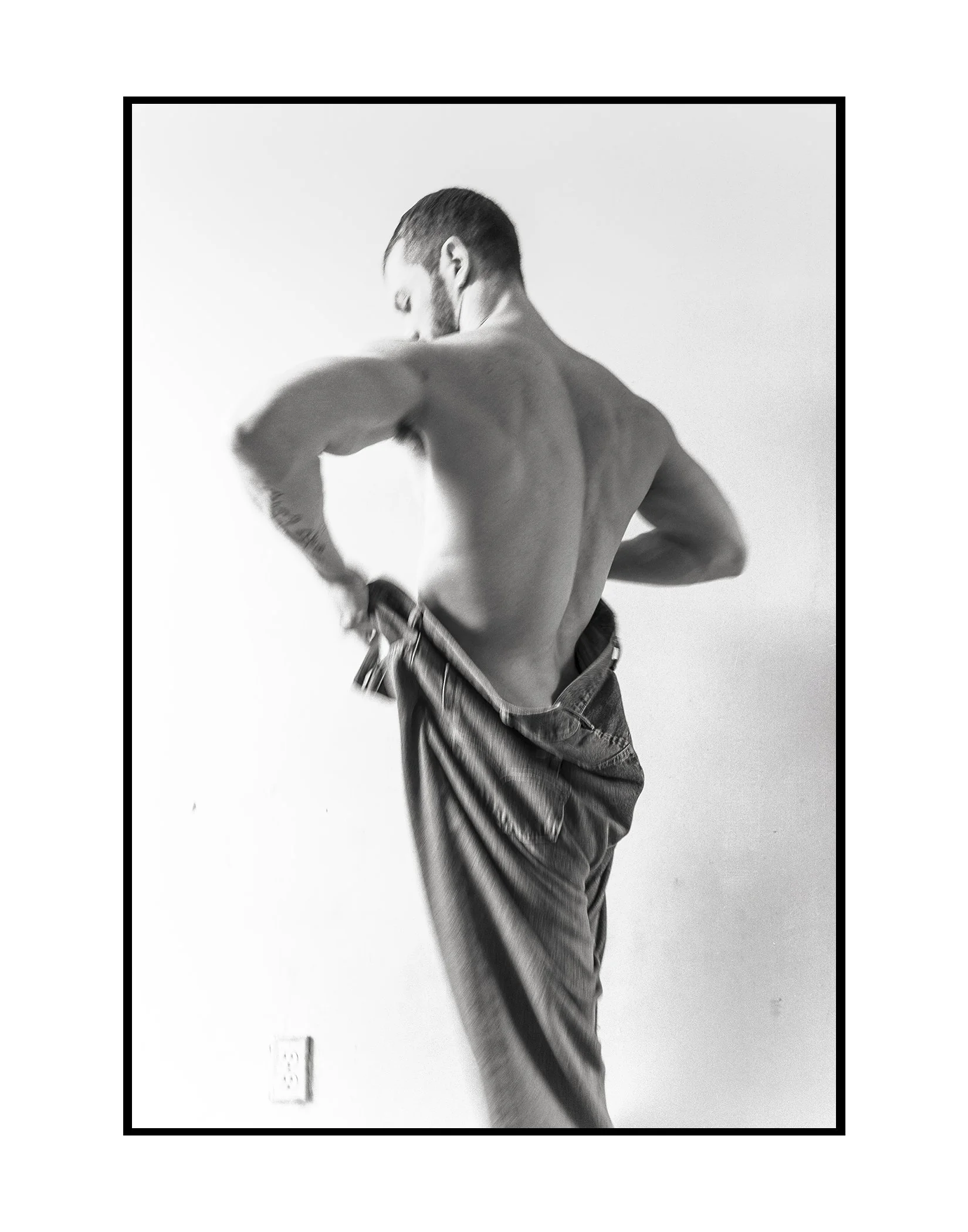
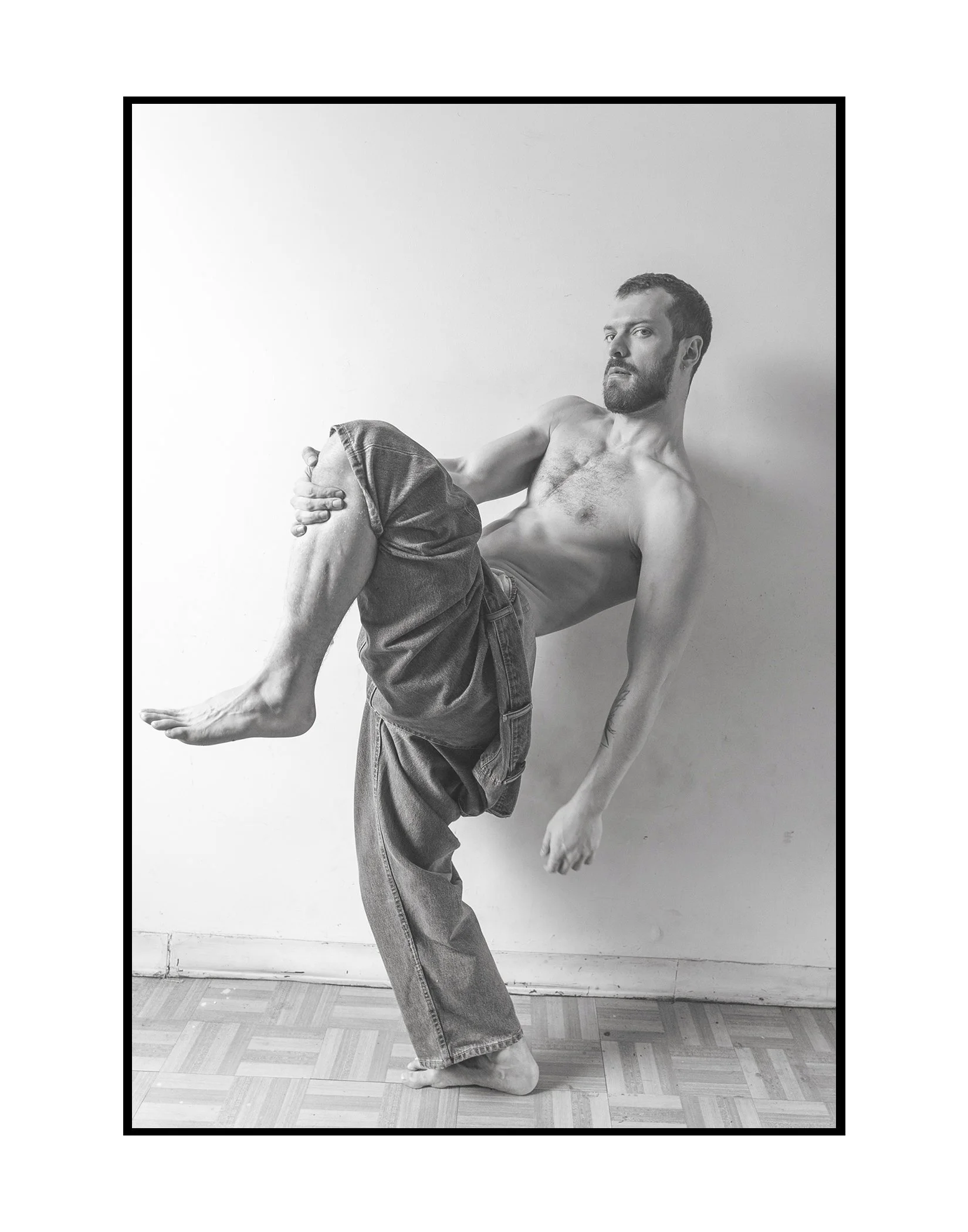
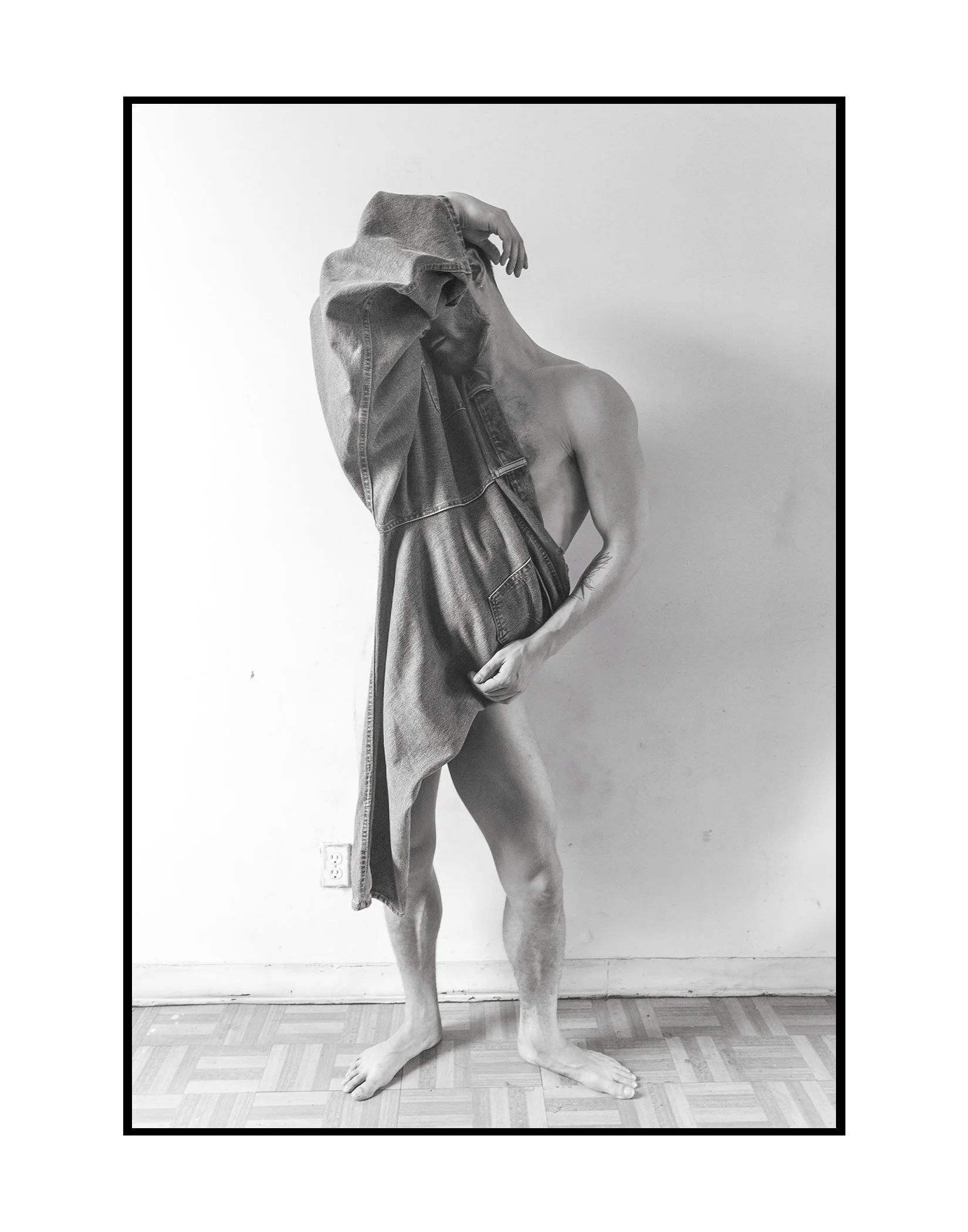
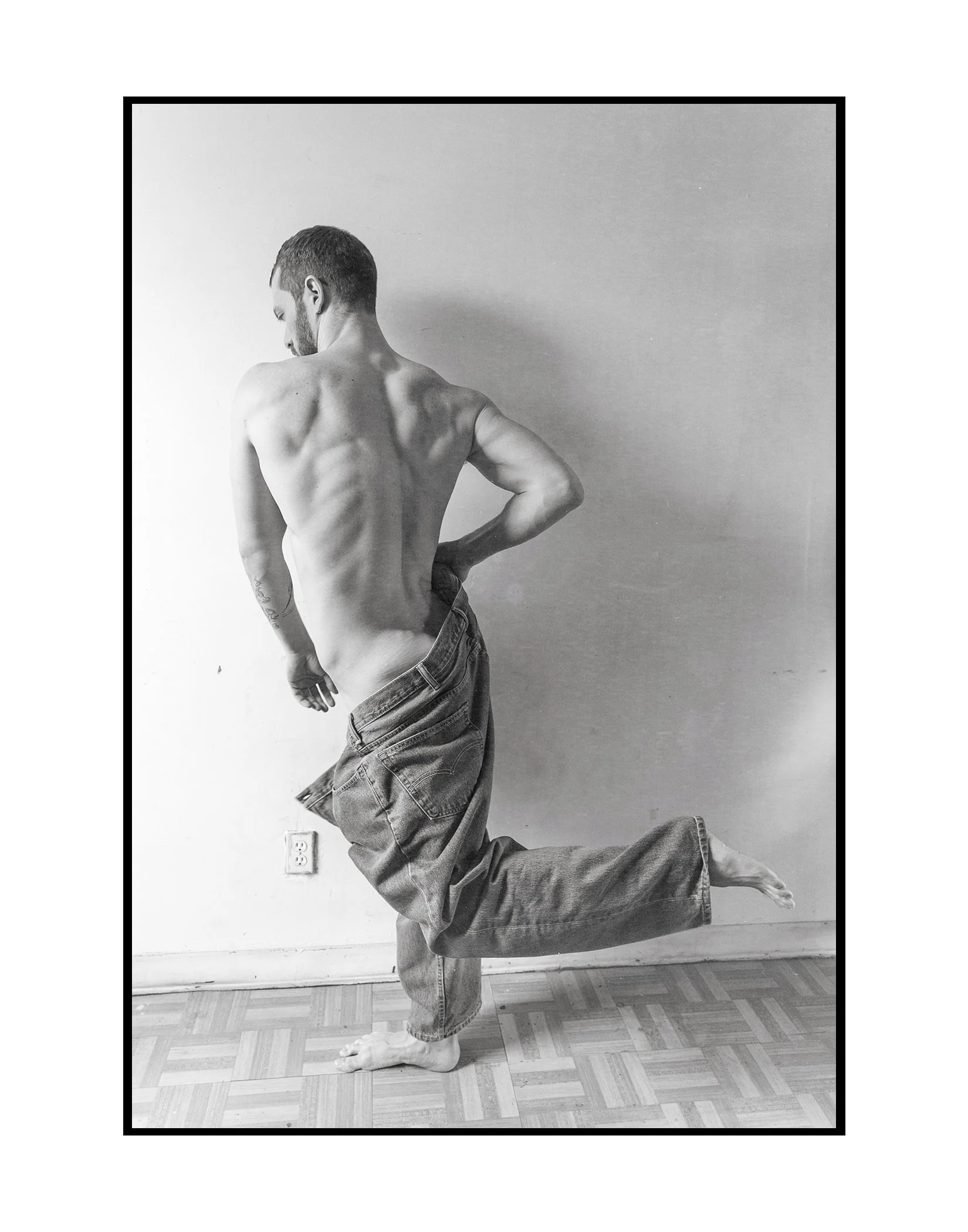
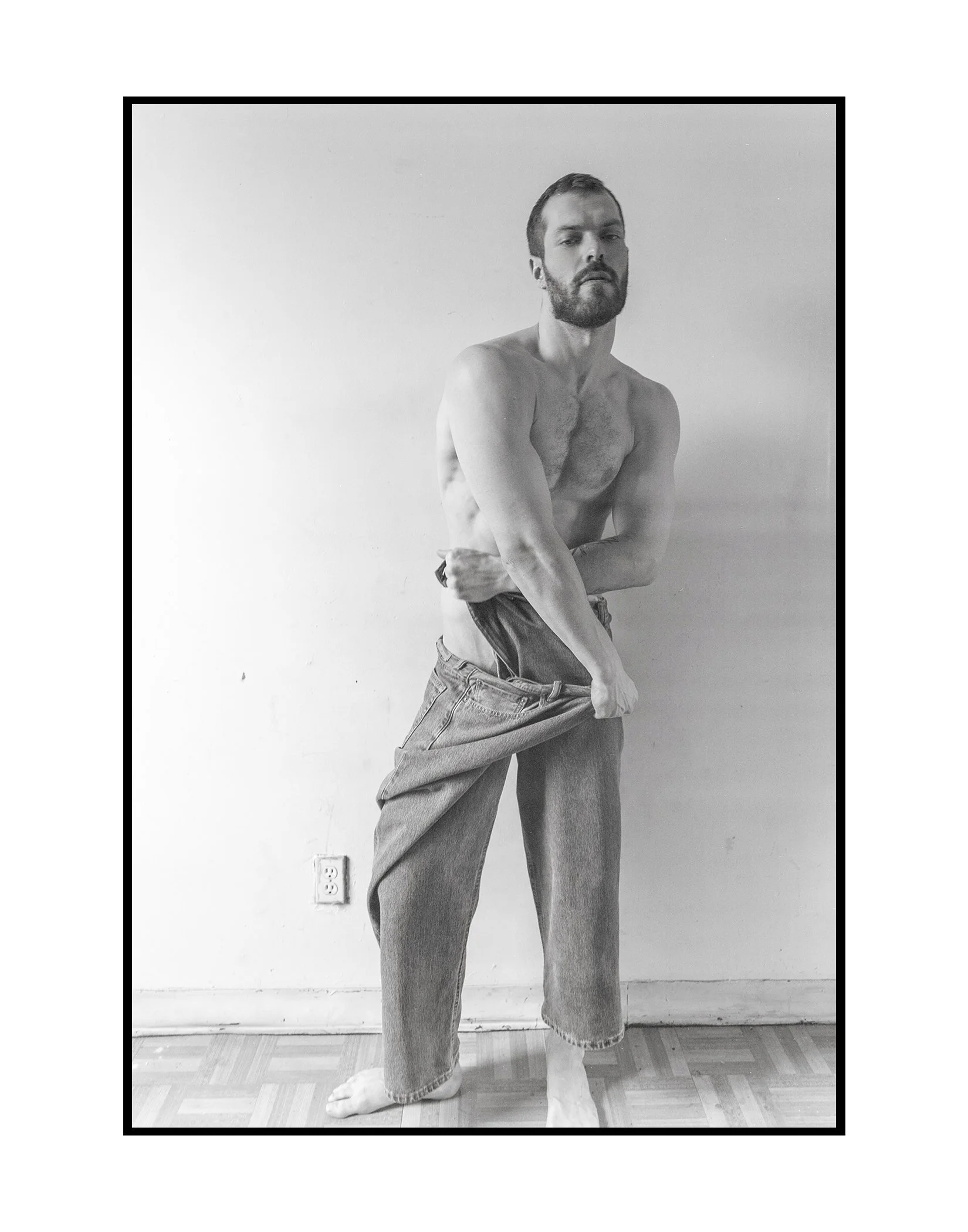
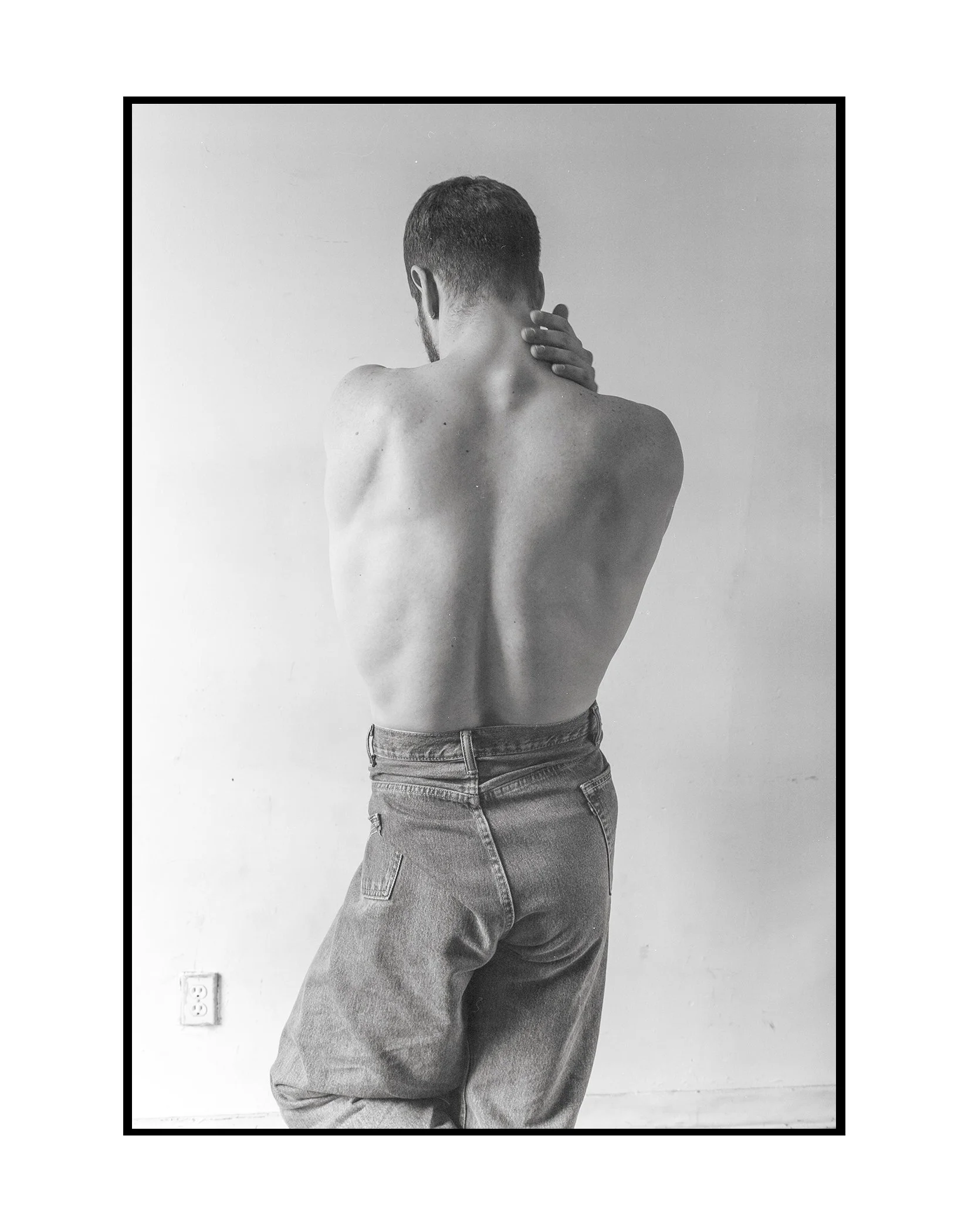
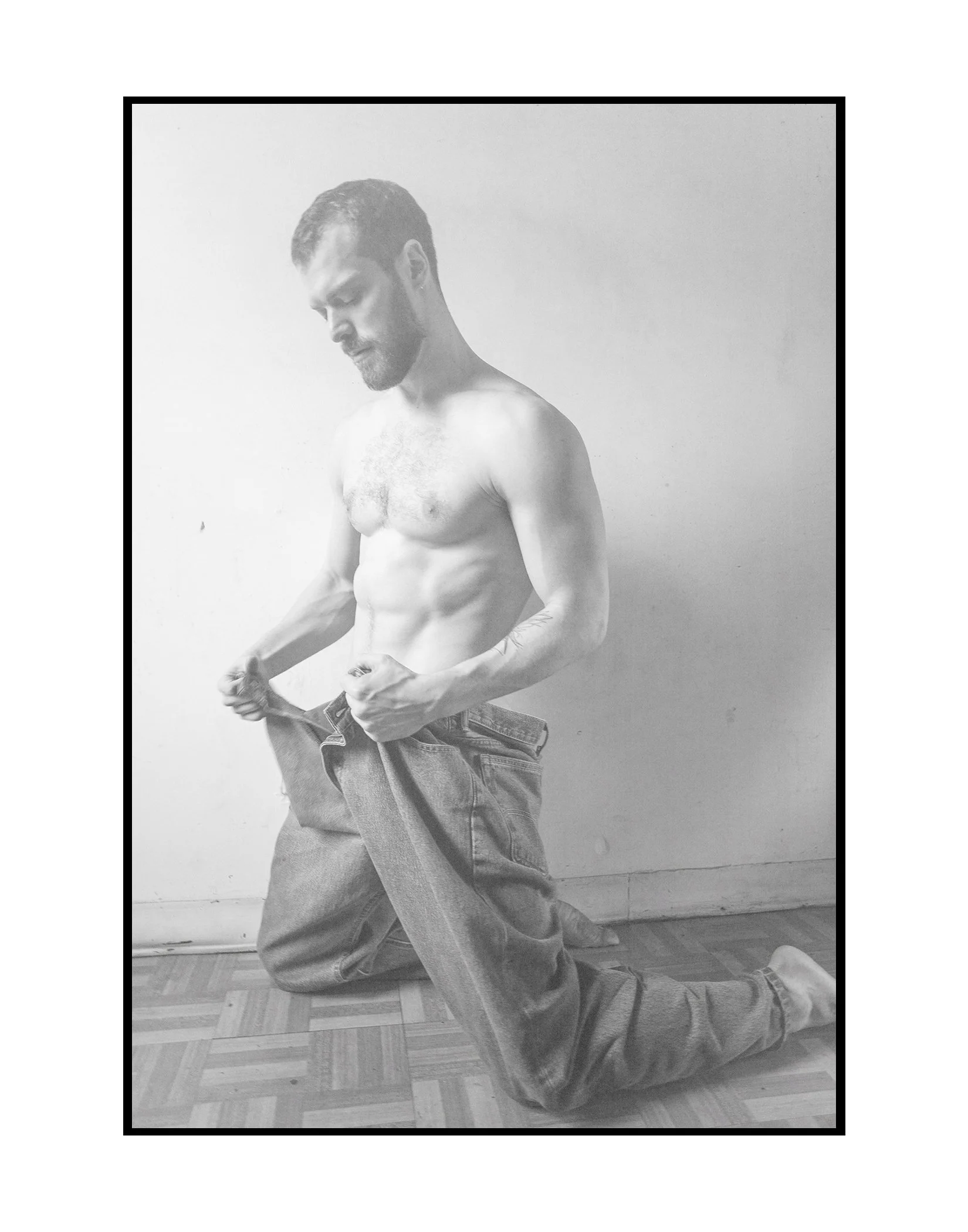
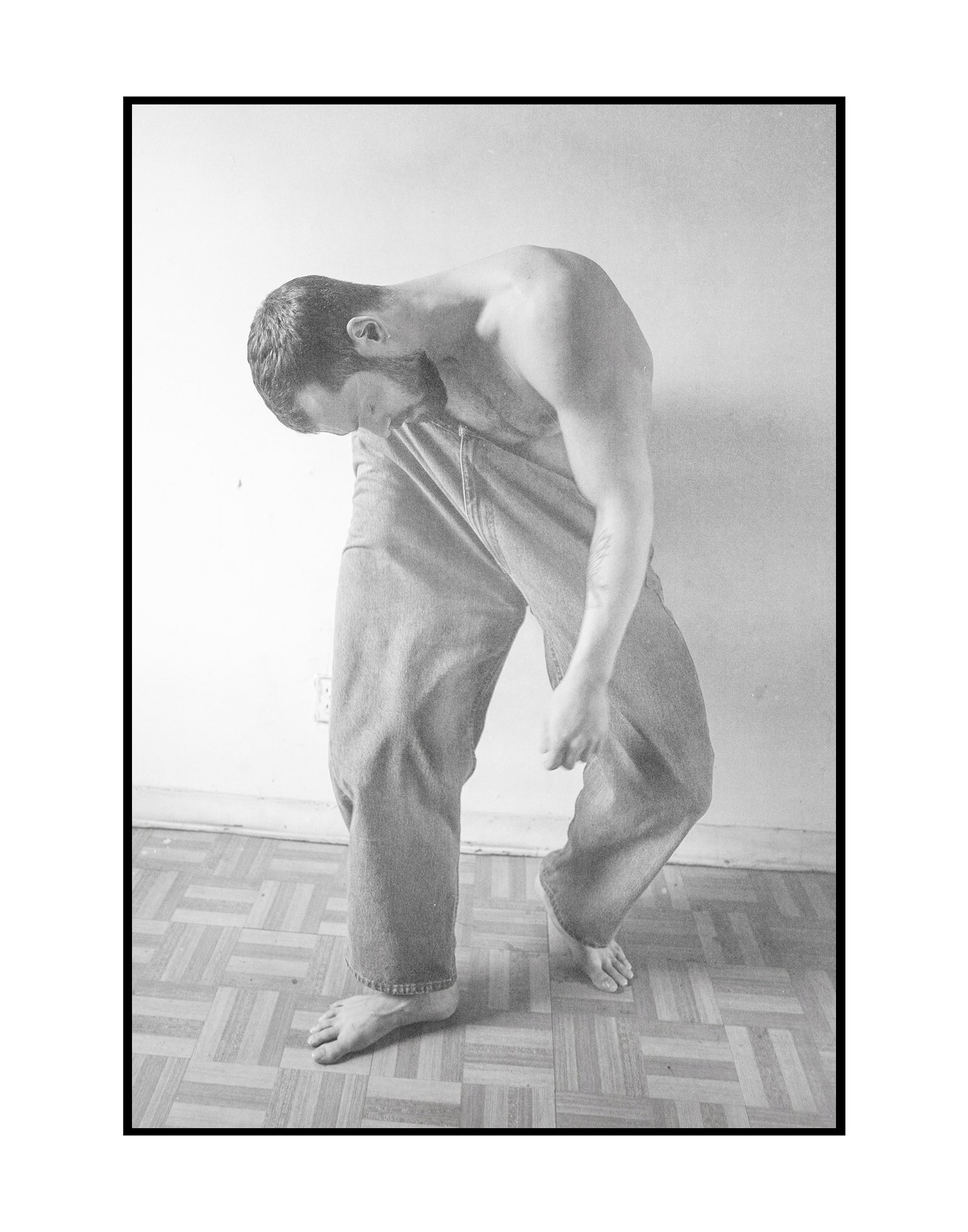
Today I photographed Doug, and the shoot unfolded exactly how you hope these days unfold—focused, fluid, and generous.
Doug, Giant Denim, and an Impossible Puzzle
Today I photographed Doug, and the shoot unfolded exactly how you hope these days unfold—focused, fluid, and generous.
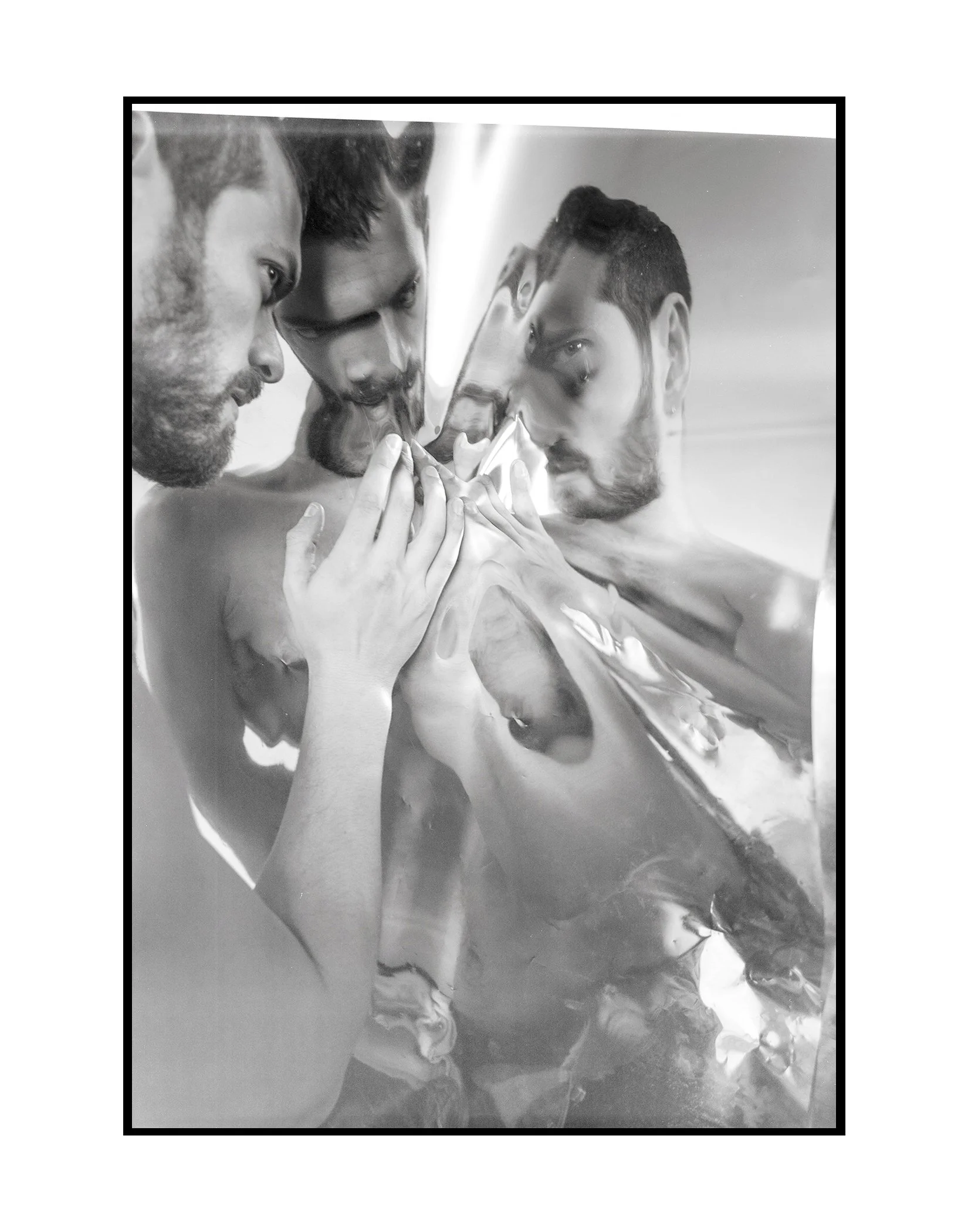
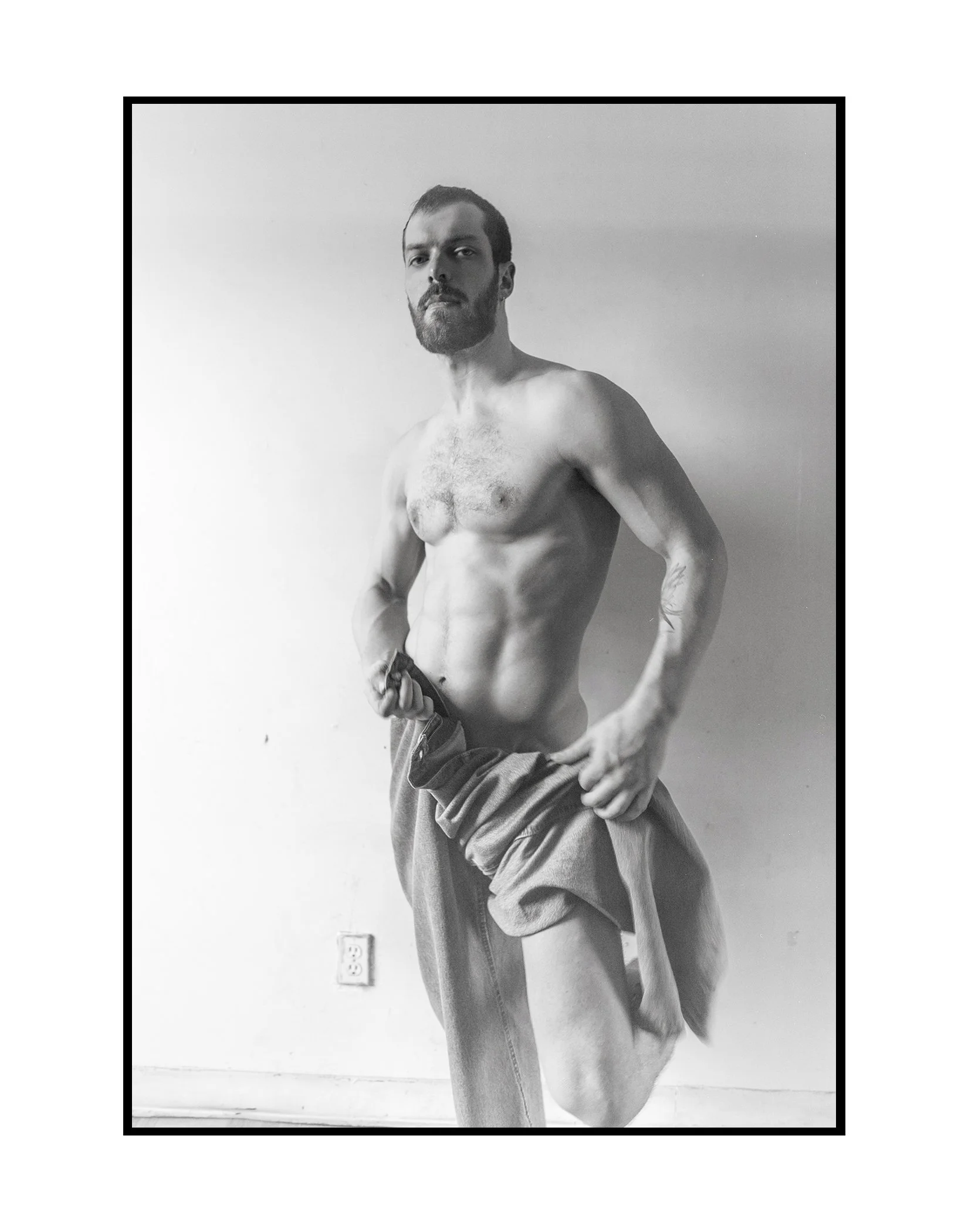
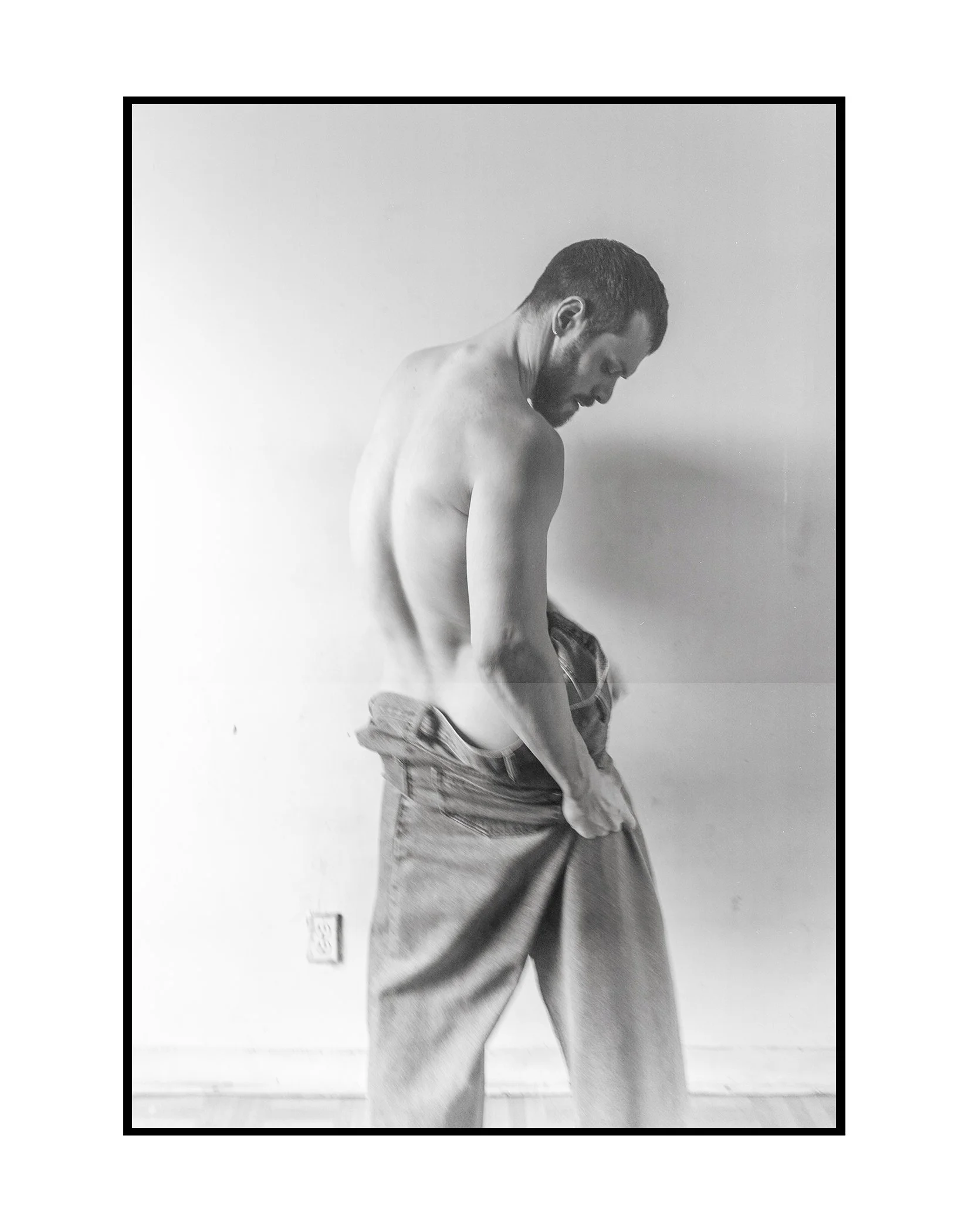
Doug is a dancer, and you feel that immediately in front of the camera. There’s an innate understanding of movement, pause, and shape that can’t be taught. In the giant denim, his body did what it needed to do—stretching fabric, finding negative space, creating moments that feel both controlled and accidental. The kind of presence that makes the work better without trying to.
I was able to get deep into editing and retouching right after the shoot, which felt like continuing the conversation rather than closing it. What you see here are some of the images so far—fragments of a larger body of work that keeps evolving with each person who steps into the denim.
You can see more from this shoot (and what’s coming next) on my Instagram:
@aanthonyamadeo
And follow Doug’s work here:
@douglasburkhardt
Somewhere between exporting files and living with the images for a bit, I also made a new Impossible Puzzle.
The Impossible Puzzles are 1,000-piece puzzles made from my portraits. They’re “impossible” not because they can’t be finished—but because the white backdrops create long stretches of ambiguity. Large fields of almost-nothing. You’re forced to slow down, to look harder, to trust subtle shifts in tone and texture. It’s frustrating in the best way, and incredibly satisfying when it finally comes together.
This new puzzle comes from the Giant Denim series—and yes, it’s as challenging as it sounds.
The puzzle is available now.
I dare you to try.
— Anthony
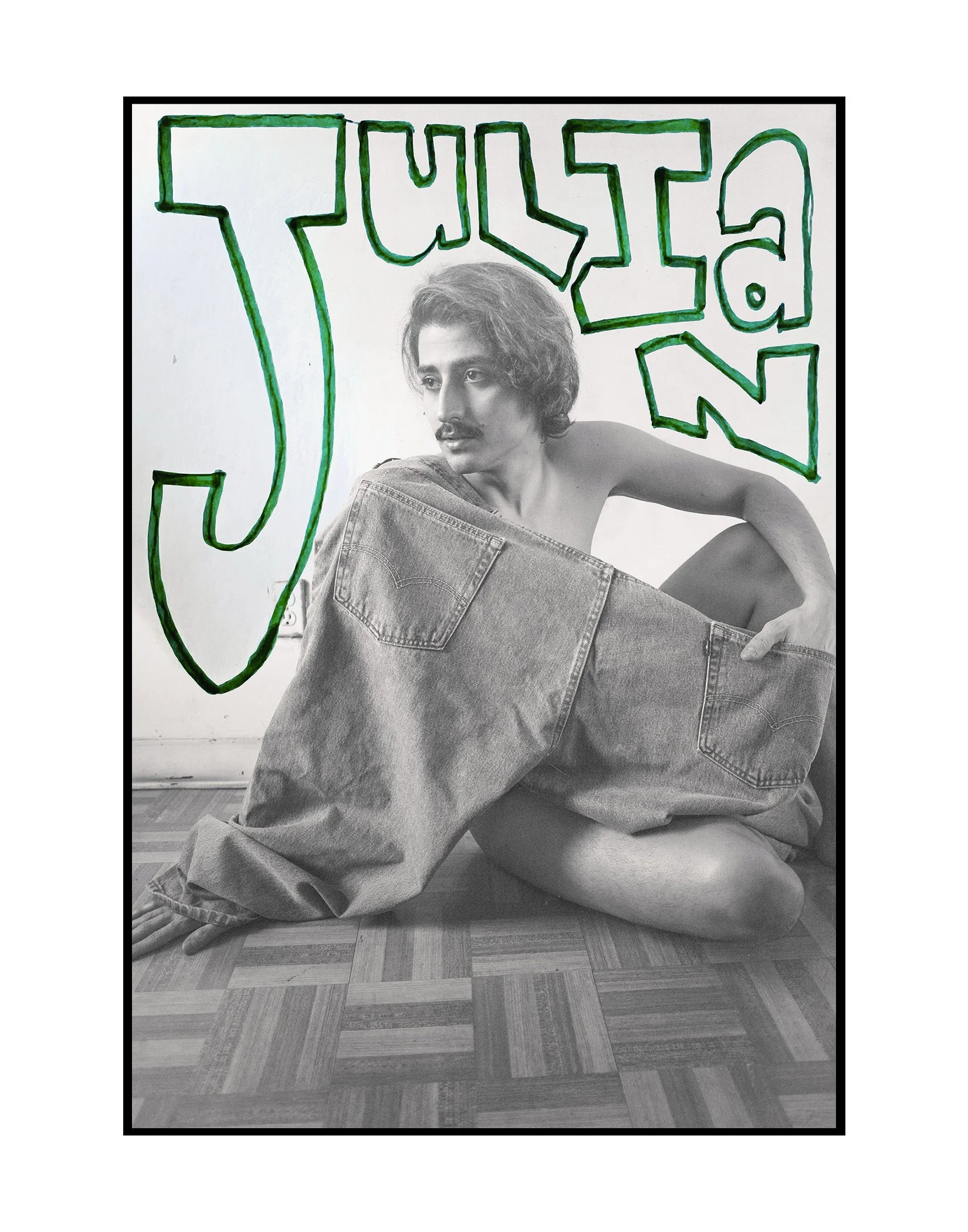
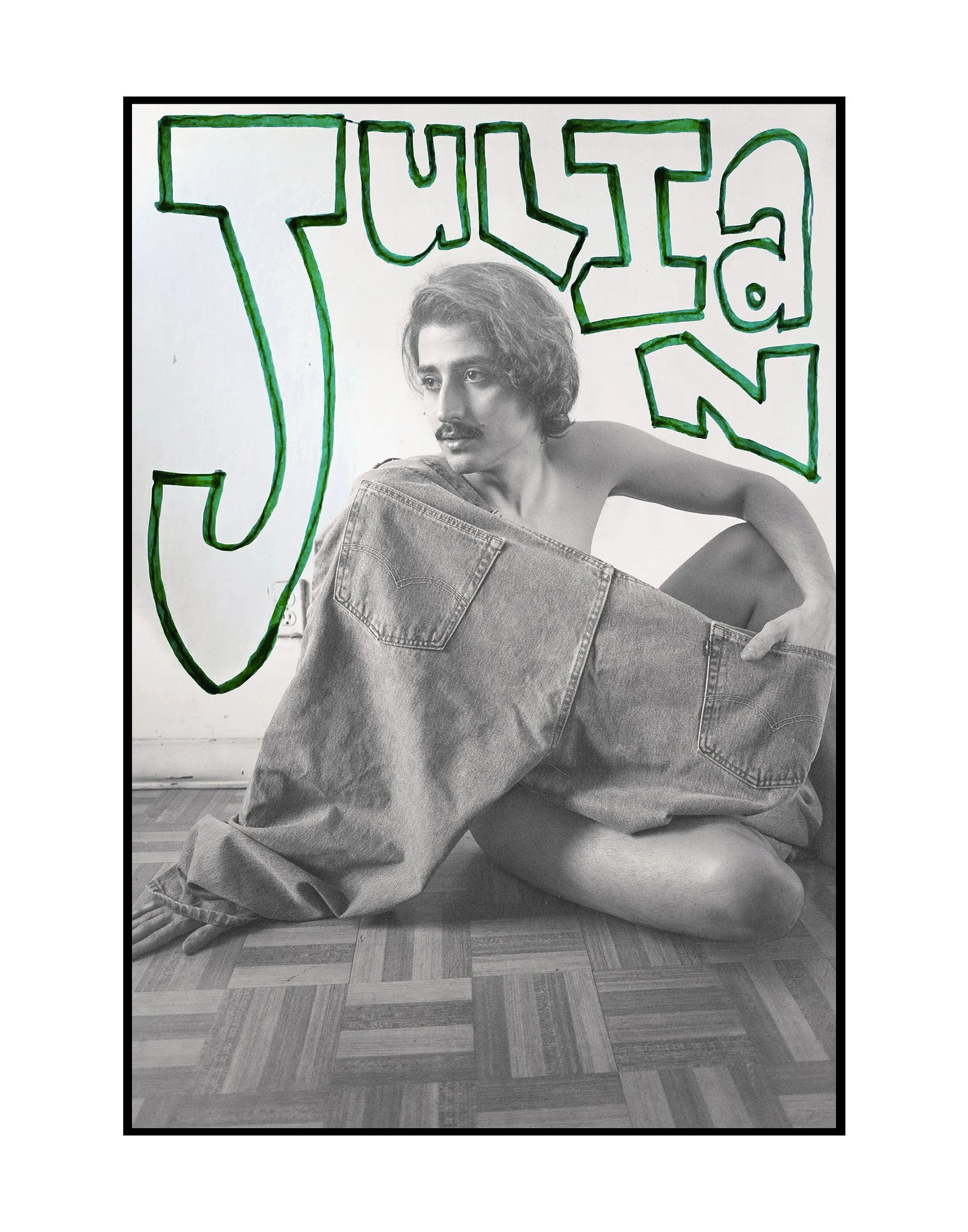
Julian — In the Studio
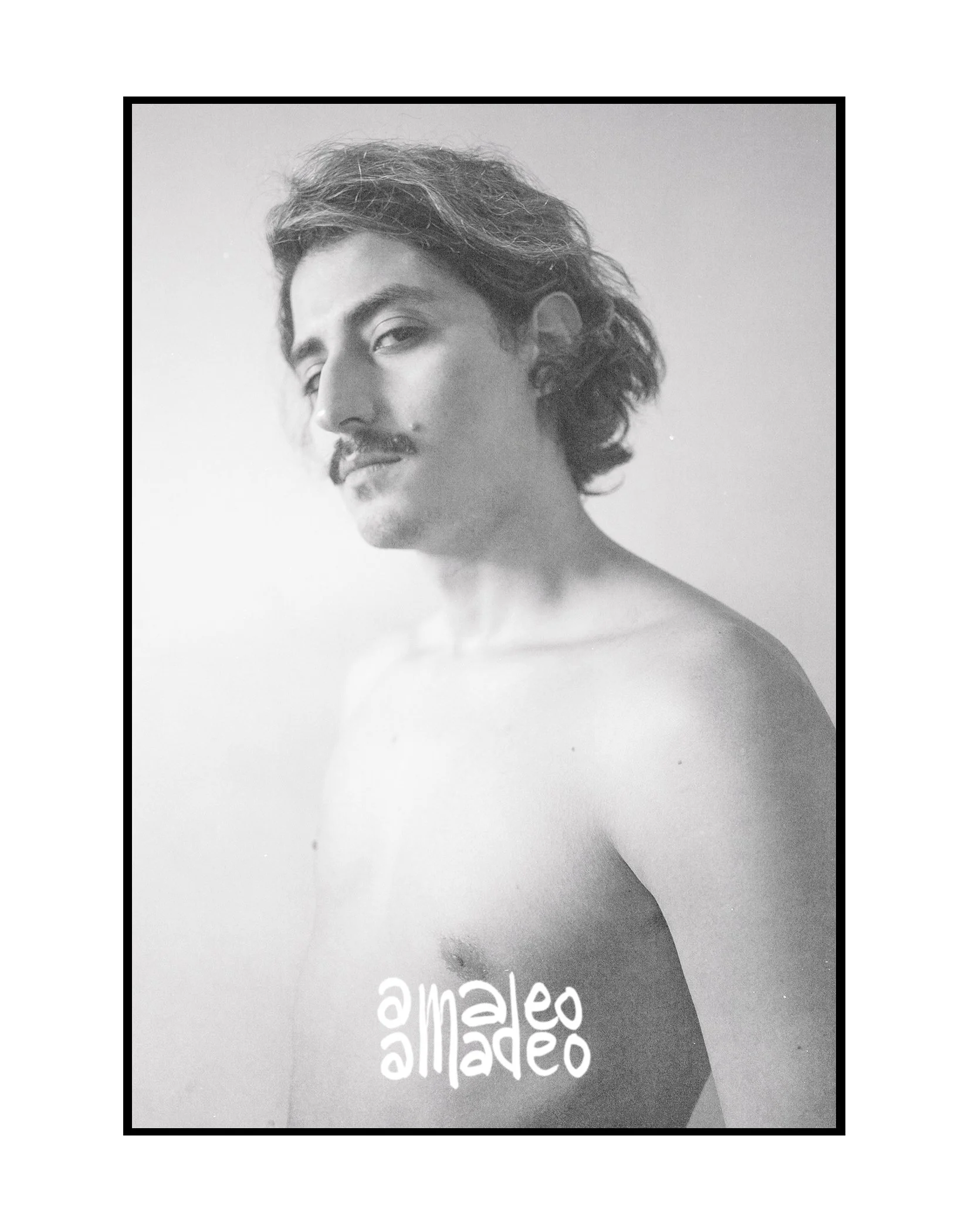
Julian Barbarino - An artist in the portrait studio of Anthony Amadeo
Julian Barbarino - An artist in the portrait studio of Anthony Amadeo
AA: You’ve been a figure study model for a long time. Do you remember the first time you ever stepped into that role—what pulled you toward it, and what surprised you once you were in the room?
JB: Like it was yesterday. I was 18 years old and at the end of my freshman year in college. I had a friend, Derek, and he wanted to do some photographs for his portfolio which involved body painting and I jumped right in. I think it’s like many art models get into modeling, they pose for a friend and it evolves from that. A couple of months later, because of how flexible the schedule could be for a full time student, I modeled my first figure drawing course. I have to admit it was a little awkward because I was modeling for a professor who was still teaching me in some courses and at the same time I had friends taking the course. I was incredibly nervous for that class, but what really surprised me was how natural it all seemed, as if nobody really cared that their friend was naked in front of them and that after a minute ot two it was just fine, they were focused on drawing and I was just posing.
—
AA: Figure modeling teaches a very specific awareness of the body—balance, tension, weight, negative space. How do you think that experience changed the way you move through the world outside the studio?
JB: I think I am more aware of my surroundings. I have become even more observant than I was, and I can carry several conversations at once. That second one comes from listening to students speak while I’m posing, which can be dangerous for those who speak at an earshot of me. Personality wise I haven’t changed at all from in the last 12 years since I started modeling, I’m still the introverted guy that won’t really engage in large groups, which I’m told is a little weird since I don’t have any shyness from being nude in front of 30 people.
—
AA: Watching you move during the shoot felt different—more intentional, more sculptural. When you’re posing, are you thinking like a model, like an artist, or like a material being shaped?
JB: Definitely more intentional, and I am mostly thinking like an artist, not a model. I think it has to do with modeling so long in groups where artists are drawing you from every angle, it made me incredibly aware of what others see. For a while I felt pressure to make sure that no matter what pose I do, everyone gets to do something interesting, not just the ones in front of me. So now when I’m modeling I know what is going to be on the other side from every angle, which is great for drawing sessions in groups, the artists end the session very happy and not thinking “I wish I had a better angle.” On the other hand, I do have to say I think it sometimes affects the spontaneity a session could have and I feel like I could be more relaxed.
—
AA: Where are you from, and what was your early relationship to making things? Was creativity encouraged where you grew up, or something you carved out on your own?
JB: I’m from Puerto Rico, even though I was born in Brooklyn, my family moved to the island in the late 90s and I remained there until 2020. So essentially lived my entire childhood and the early stages of adulthood there. In my family creativity was encouraged, especially from my mother’s side of the family. I remember spending summers and breaks in the town of Ciales, which is a mountain town of Puerto Rico, drawing, coloring books and doing crafts with my cousins, aside from also playing most of the day outside. I think that type of space and upbringing also encouraged us to not spend all of our time on video games and TV, and choose toys that sparked creativity and challenges. My brother would get anything for building and working o electronics like remote control car kits at RadioShack, while I would get anything to paint, draw or legos to build kits or or just make stuff up.
—
AA: Did school play a big role in shaping you as an artist, or did your real education happen elsewhere—studios, streets, sketchbooks, late nights?
JB: School played a crucial role in becoming an artist, especially High school. I took an art class in 11th grade the first one in 4 years, the teacher, Mayra Aguilar, took a huge interest in me and pushed me because she saw my potential. She would give me assignments and even donated materials for me to do the assignments, she had me read books and research artists. She eventually introduced me to my art school by giving me a private tour of it while completing my senior year, which I appreciated because at the time I didn’t think Puerto Rico had a dedicated art school, and I was mostly ready to jump to any college with a science program, which I was good at. I fell in love with the arts, and I wouldn’t be where I am today or do the things I have done if it wasn’t for Mayra’s push.
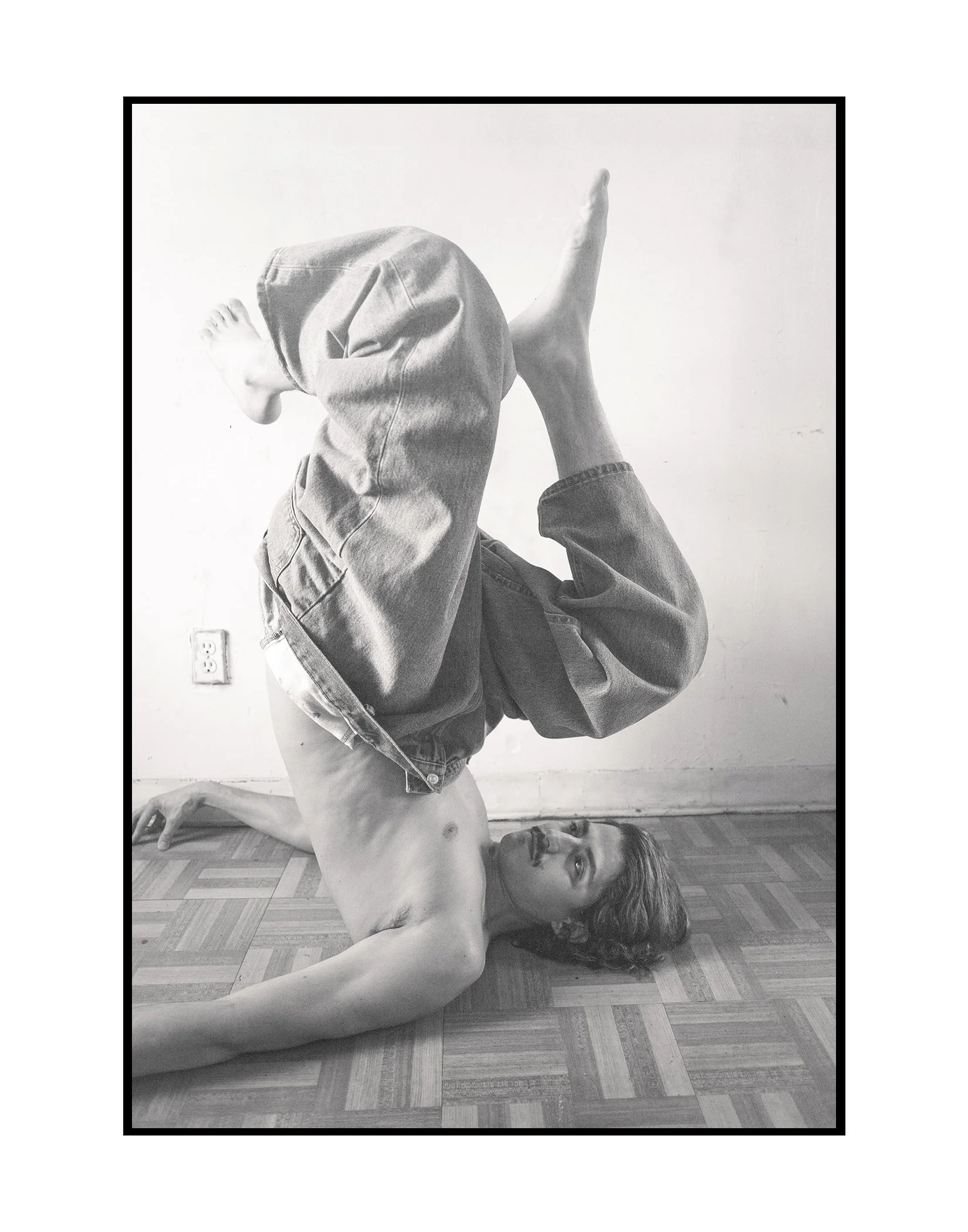
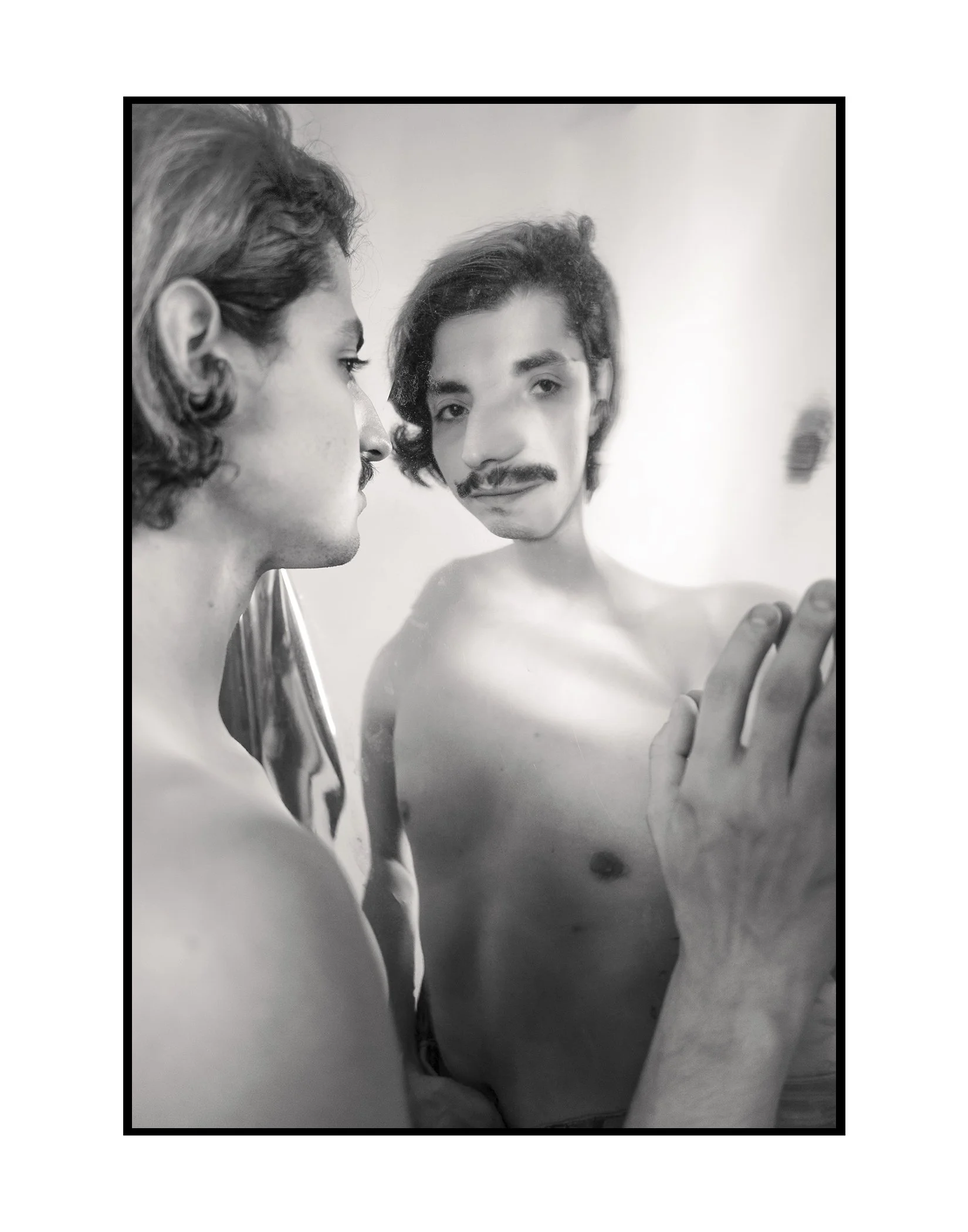
AA: You work across multiple mediums. Which ones do you return to the most, and which ones do you turn to when you’re stuck or restless?
JB: The one i feel like I always come back to is drawing. It’s how I work out most of my concepts, and use to get an idea running visually. I don’t do it as much anymore as I have been working with abstract concepts for the past year, but I do always try to get in a sketch whenever I can to keep the motor running, so to speak.
—
AA: Is there a medium that feels like “home” to you—and another that feels like a risk every time you touch it?
JB: I don’t think I have a medium the feels like home other than drawing, even then I don’t do it as much as I used to. I think working across different mediums keeps me learning, and there’s something underneath that won’t let me be comfortable with one medium and then stick with it for a long period of time. I always have this urge to change it up when working on a new idea which for is the risk for me. Trying out a new medium, most of the time learning it on my own, and trying to marry a concept with it is so difficult because I’m always trying and it doesn’t always work. But that moment you find the right one, it just feels like everything is right.
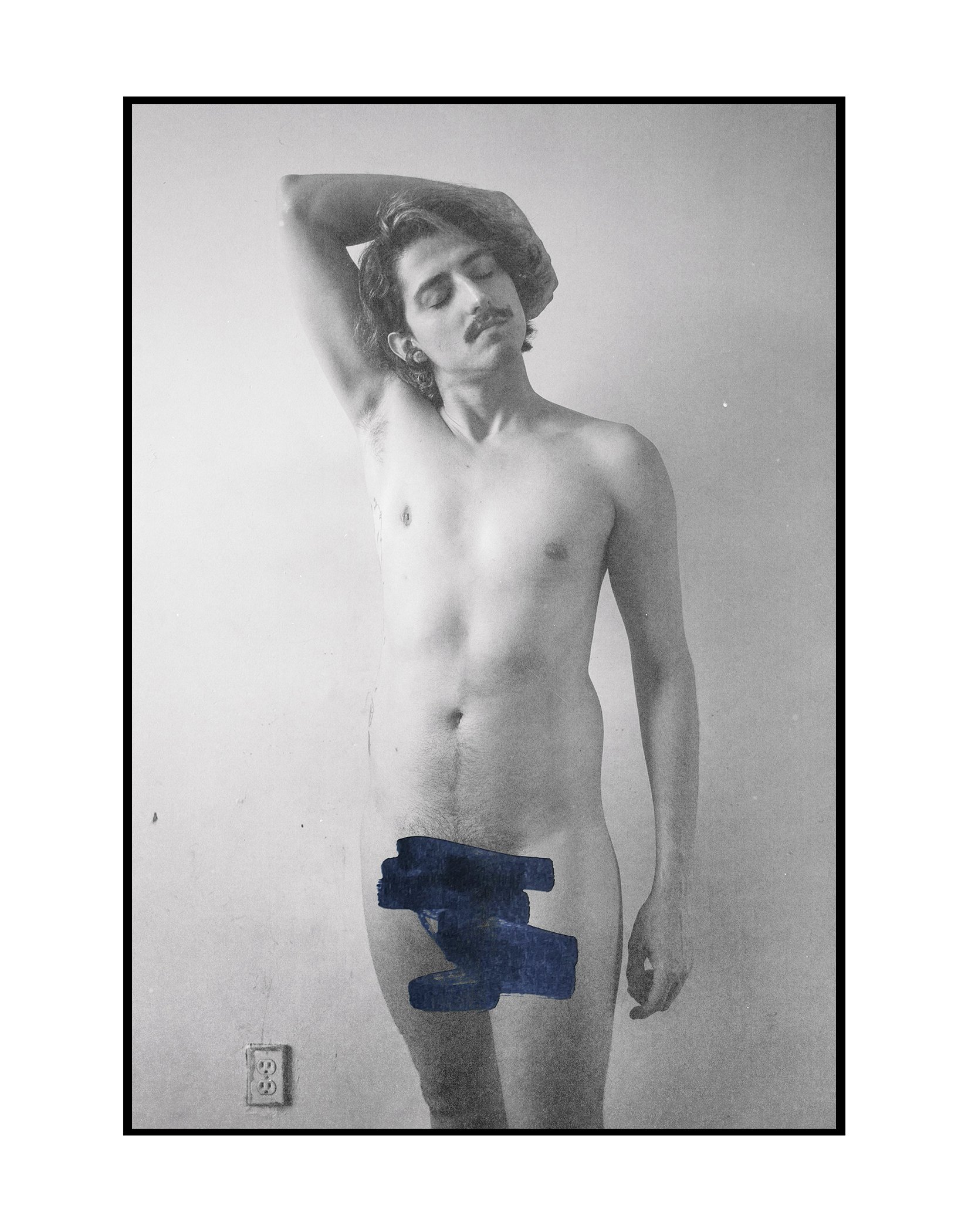
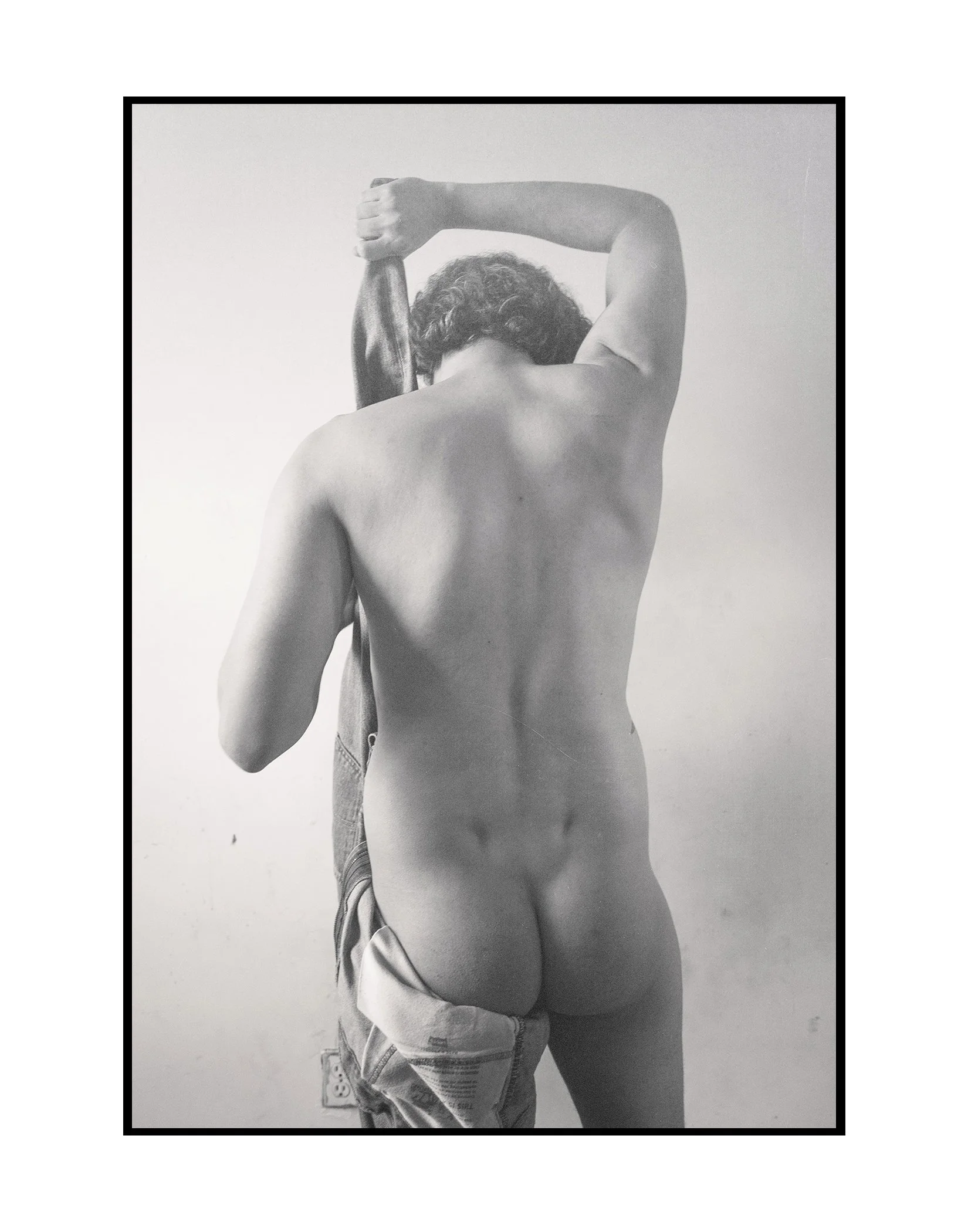
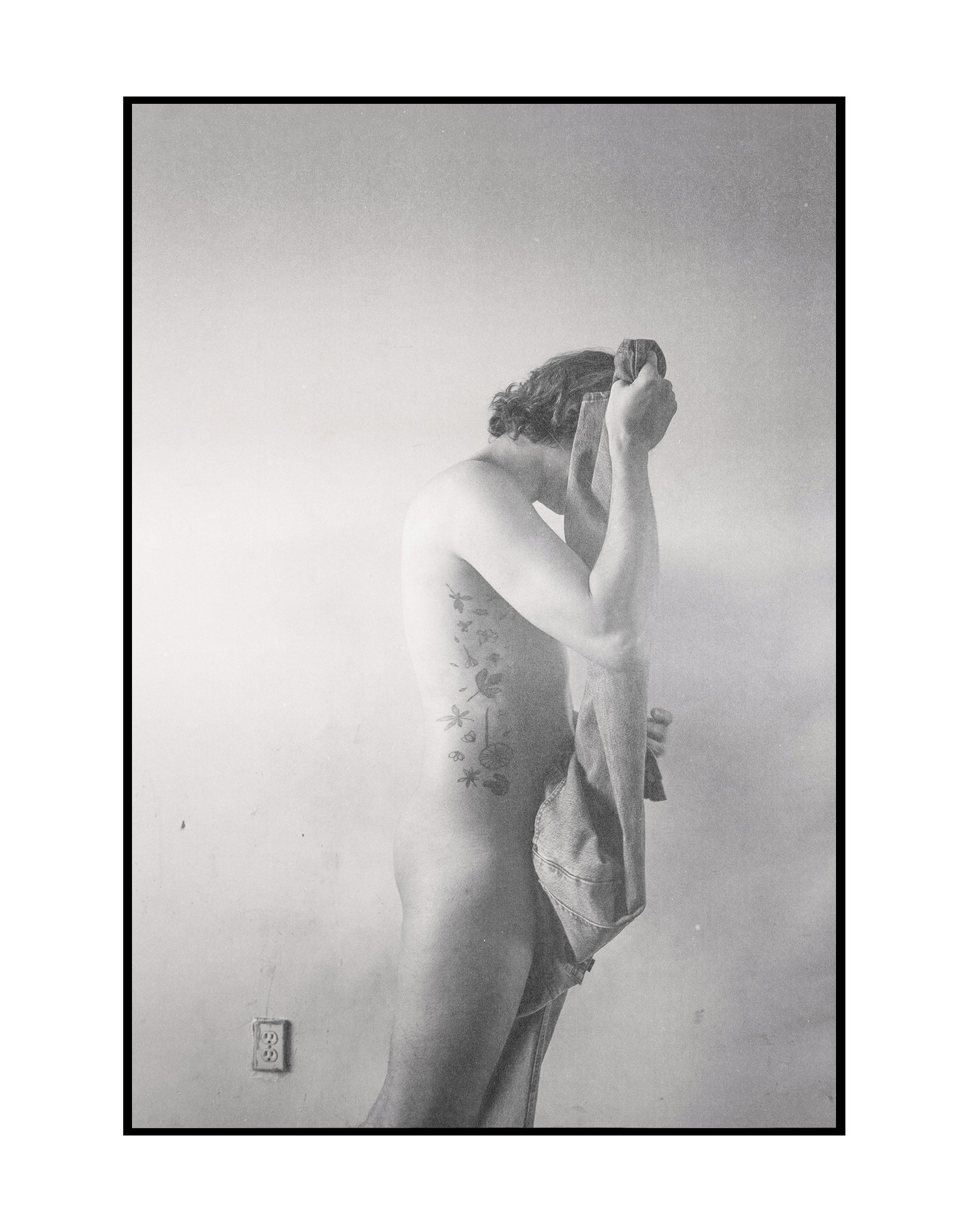
AA: What keeps you creatively alive right now—what are you feeding yourself visually, mentally, emotionally?
JB: What always keeps me creating is learning. It can be learning about history, a new medium or just plain experimenting to gain knowledge. I feel like it keeps my mind going and helps me see the bigger picture of things, especially when it comes to working on my art because it is so personal. I think vulnerability is something a lot of people aren’t comfortable with, and my work is about vulnerability, from the art I create to posing for others in the nude. There’s a certain connection that is made when you are seen without any walls. Not everyone is capable of being comfortable in front of vulnerability, and that’s where i try to sit in because It’s ok to be vulnerable. I think there’s so much we can learn about ourselves when we are.
—
AA: When creativity slows down (because it always does), what helps you reconnect—movement, music, solitude, conversation, repetition?
JB: When it slows down, I tend to take a break, and it’s not like a day or two, for me it tends to be a few weeks before I create again. In that time I’ll focus on reading, listening to music, share time with friends or even playing video games, anything to unwind and relax. When I feel ready, I can come back fresh and with new eyes, because sometimes when you work on something for too long you can’t always see the mistakes you’re making, so breaks are good and it stops me from burning out or abandoning a project.
—
AA: How does using your body—posing, holding tension, staying still—inform your art-making afterward, if at all?
JB: It tells me a lot. Most of the time when I pose I am not really present, at least for classes where I hold long poses. I’m usually thinking of my projects, I use it as “library” time, I think in my head and art classes tend to be very quiet, because everyone is so focused on their own thing, so they’re good for that. Sometimes seeing people work or seeing and artist do something can sort of spark an idea, and when that happens I feel like it’s just the environment, being in a creative space can just move things along because of the energy.
AA:. If you had to describe your creative process using only three textures, what would they be?
JB: I think I could only choose two, rough and uneven. Most of the process can be so long, and experimenting so much to find that one thing can feel like a very long process, especially when there are so many failures, and other times if feels like you found the right thing and after making a few pieces you look at it and are not “feeling” it and then you start from scratch.
—
AA: Choose one color that feels like your body and one that feels like your mind. Why those?
JB: For my body I would probably go with yellow, to me it's a color that feels like openness and comfort in a very energetic way. I think my mind would be blue, there’s a depth to what goes on, but I feel there’s trust, honesty and a calm that’s present even in the craziest moments.
—
AA: Finish this sentence:
“When I’m making something with my hands, I’m really trying to…”
JB: “… be vulnerable and honest”
AA: What are you currently working on—or quietly dreaming about making next?
JB: Right now I am working on expanding my current series “Geographical Landscapes of the Mind” which is based on damaged Polaroids but in fiber. So I am working with cotton and acrylic yarn that is then tufted or hand punched onto a cotton fabric backing known as monk cloth. Visually I recreate the frame of a Polaroid instant film exposure and then intervened where the photograph would be with degrading colors or patterns that reflect a specific emotional state based on text I had written at nights during a severe episode of depression in 2024. Each one is me pouring my all into each piece and making something that I find beautiful out of a rough time.
AA: Where can people find your work, follow along, or step into your world?
JB: Well that one is easy, you can find me in pretty much all socials under @JulianBarbarino, but Instagram is where I am active the most. Also my website julianbarbarino.com has pretty much everything I have ever done under my archive.

Mason Williams
By the end of a year, especially one packed with ideas, projects, scents, sketches, and long conversations with myself, I crave a reset. Something stripped down. Something honest. Something that reminds me why I make images in the first place.
A reset before the year turns
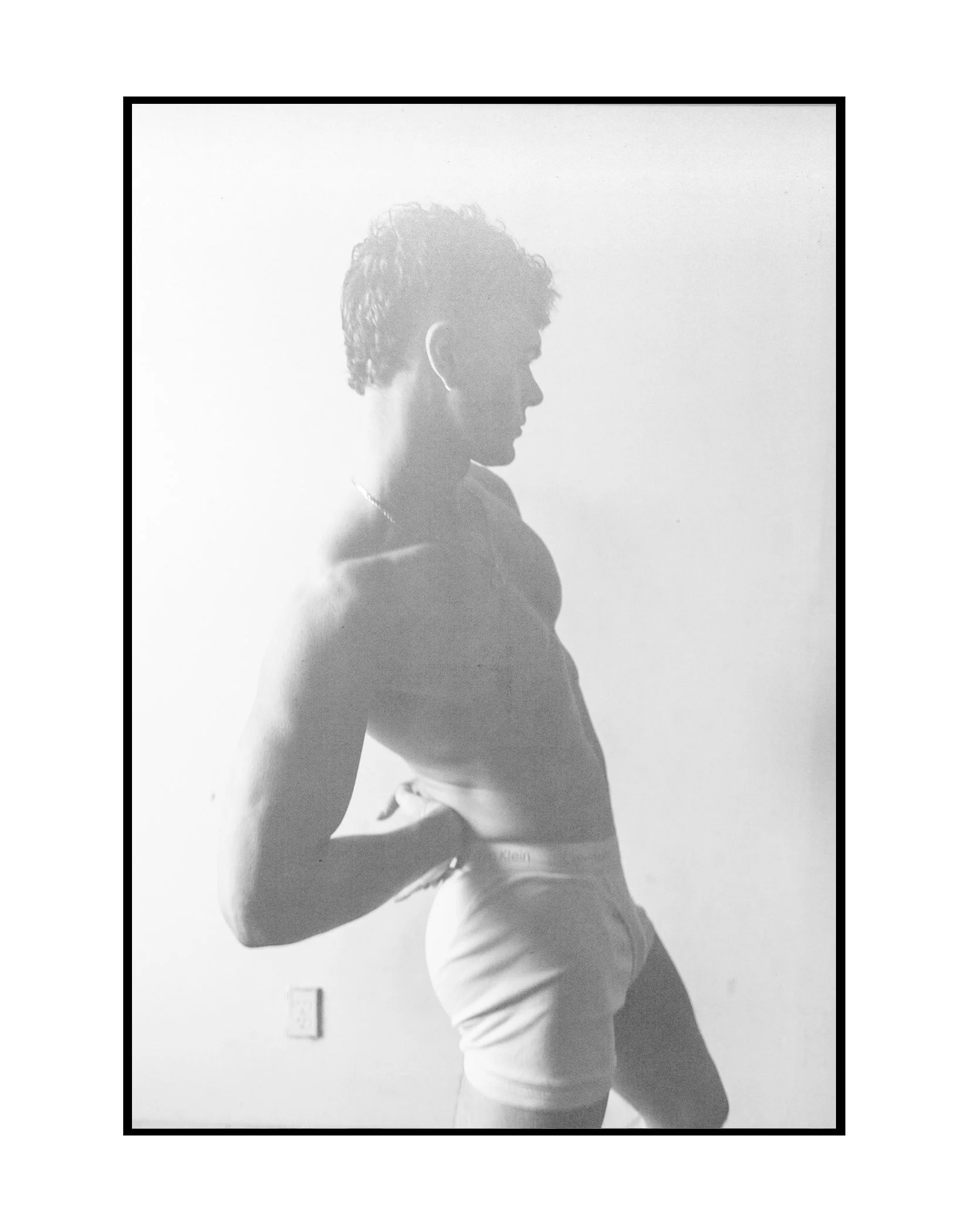
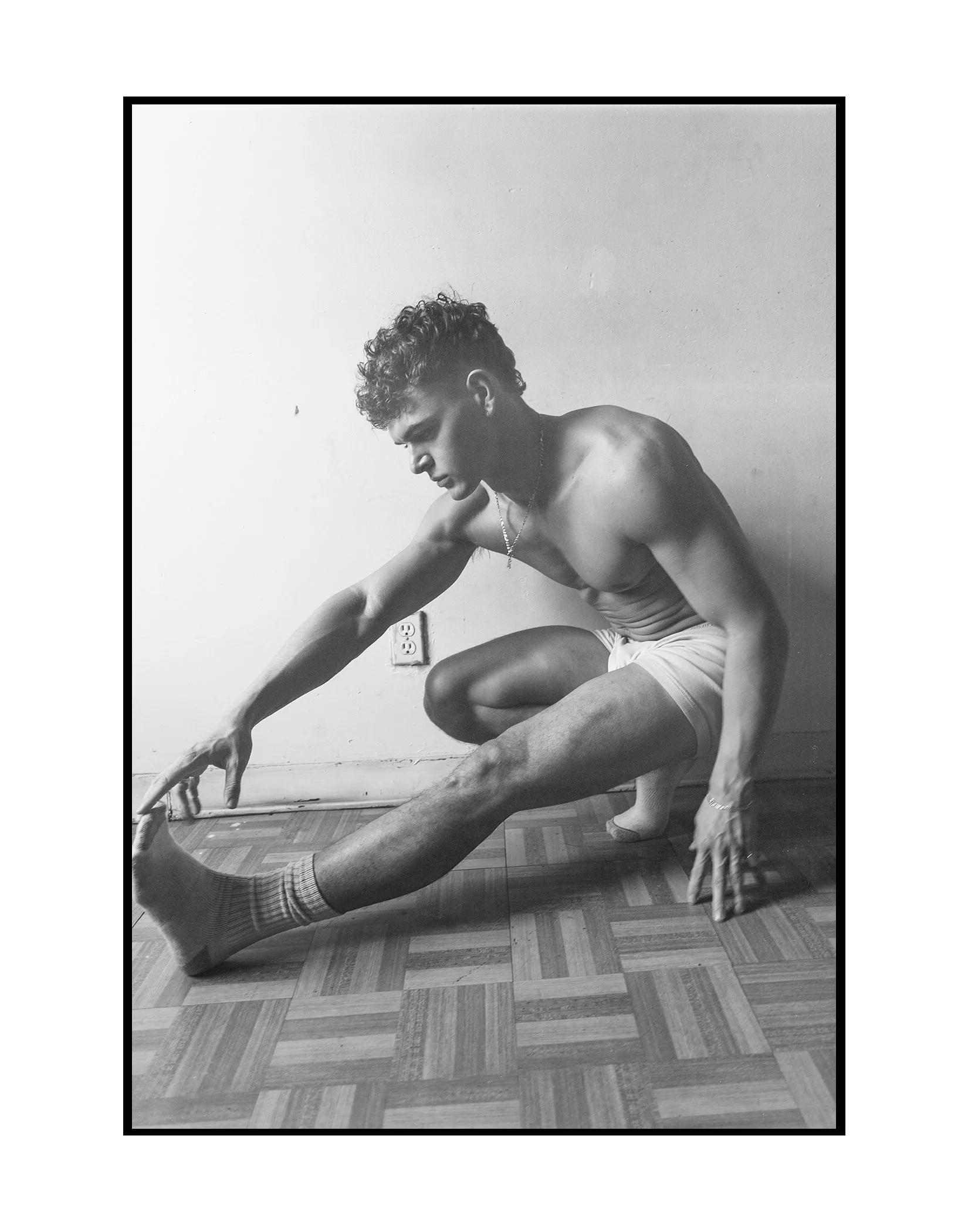
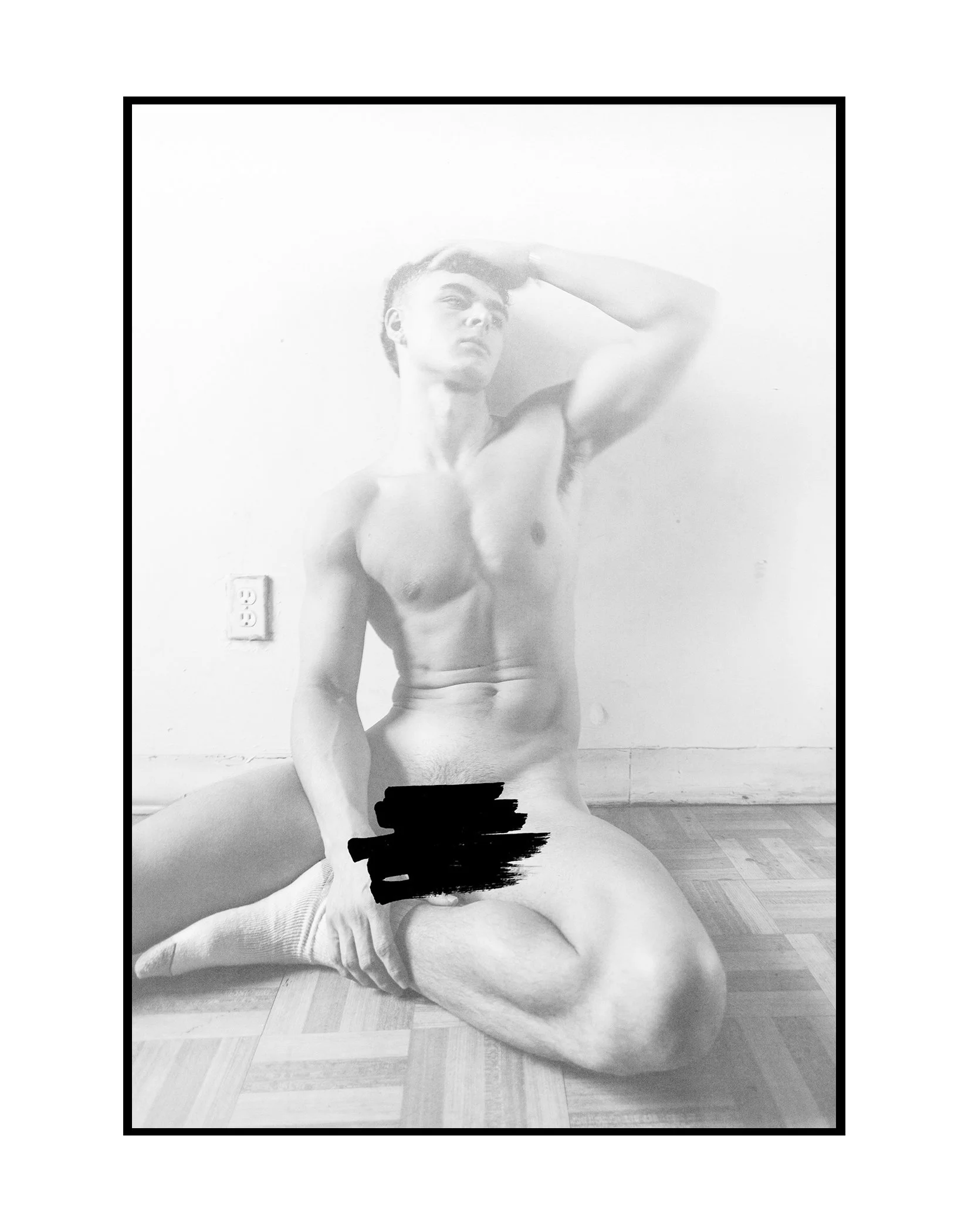
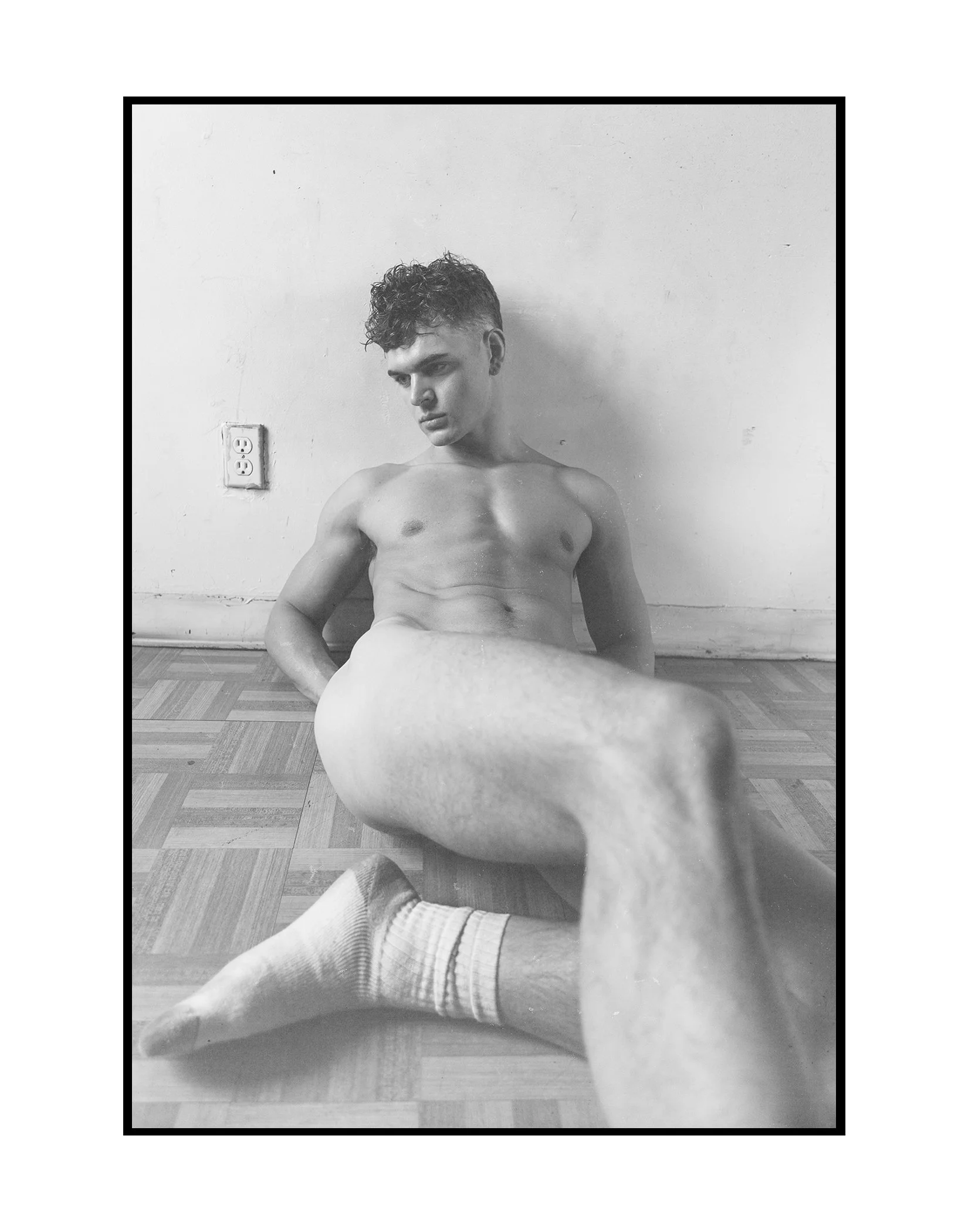
Mason Williams was one of the last shoots of 2025 — and that felt important.
By the end of a year, especially one packed with ideas, projects, scents, sketches, and long conversations with myself, I crave a reset. Something stripped down. Something honest. Something that reminds me why I make images in the first place.
So Mason and I decided to remove almost everything.
No clothes.
No set.
No narrative forced too early.
Just body and soul.
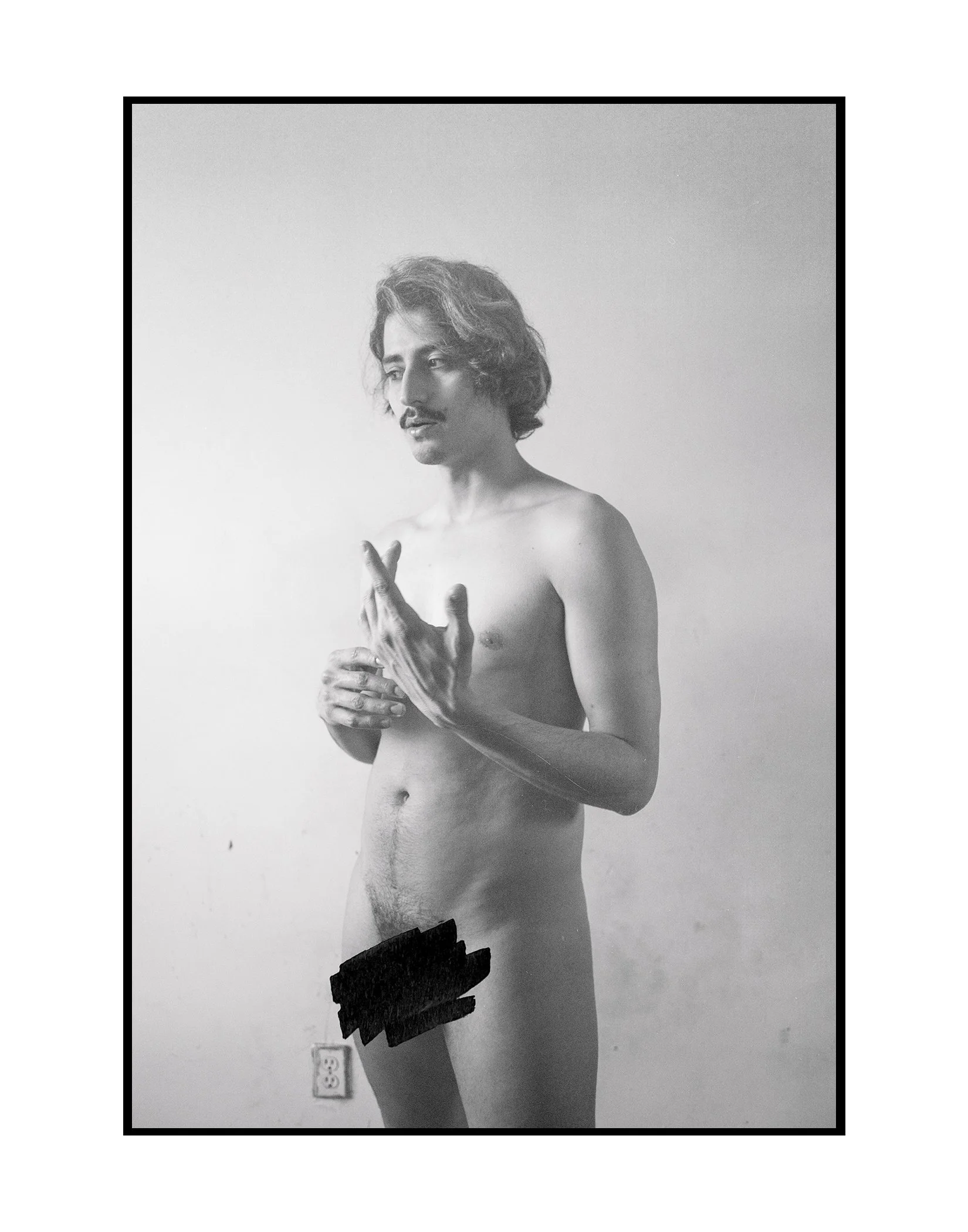
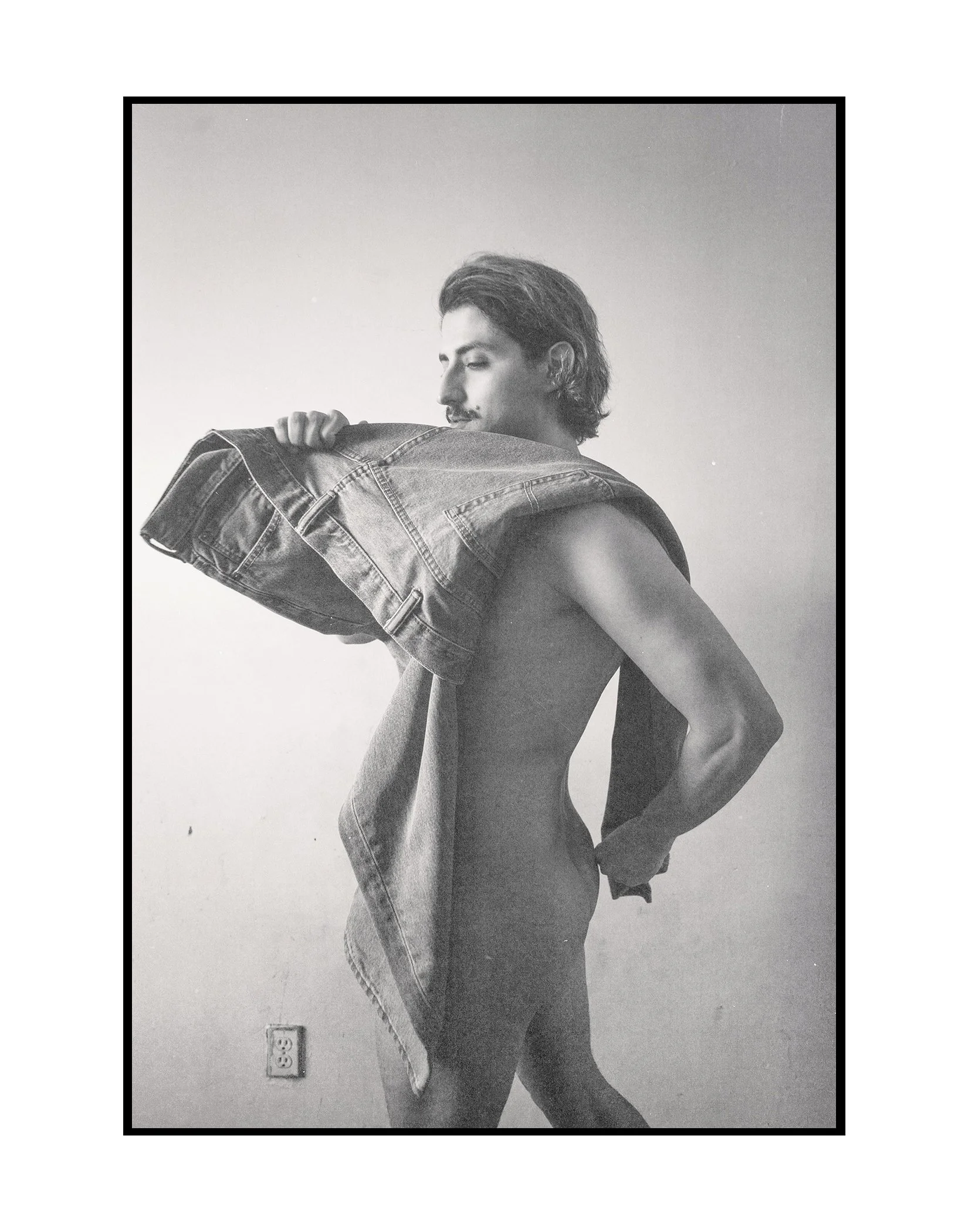
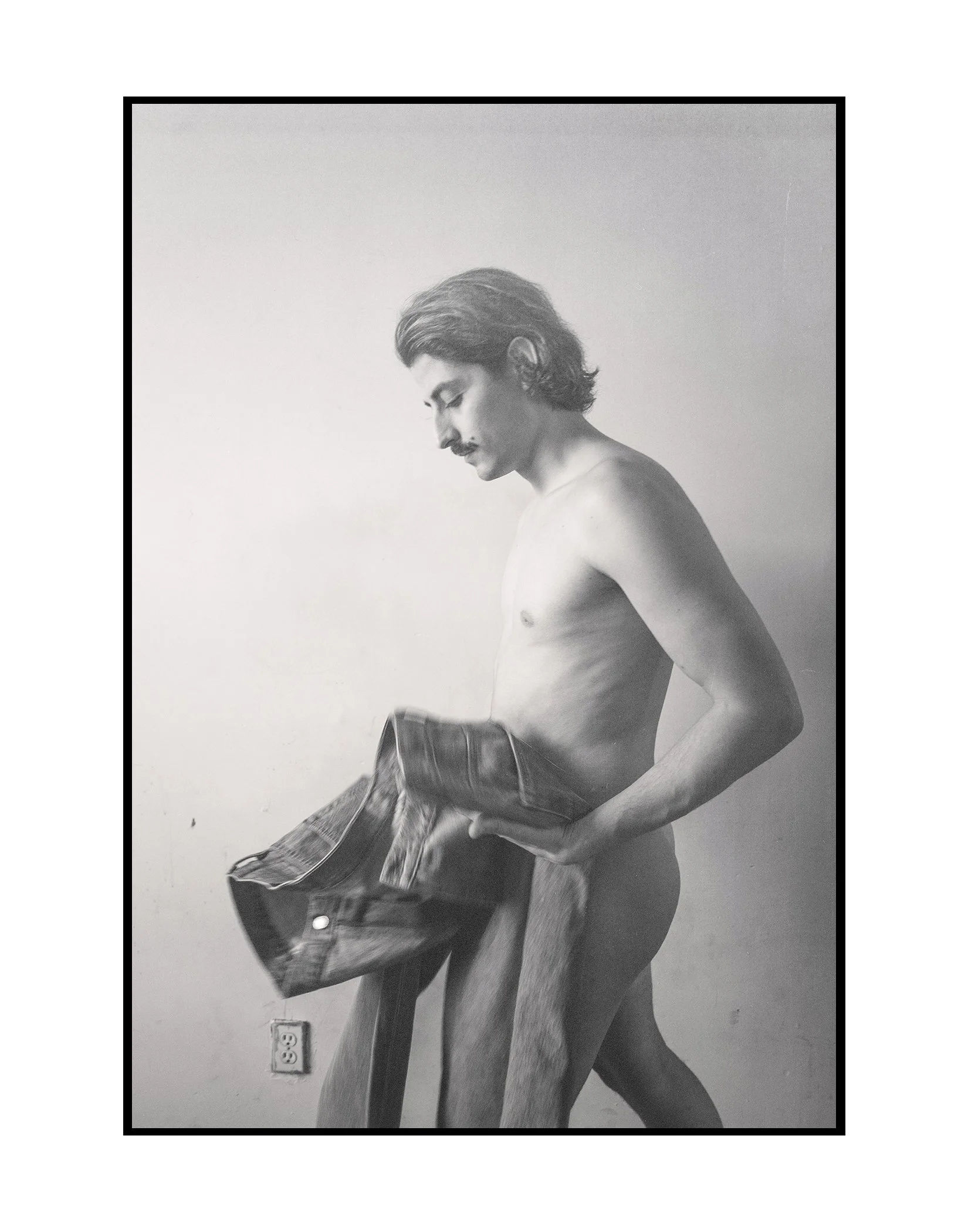
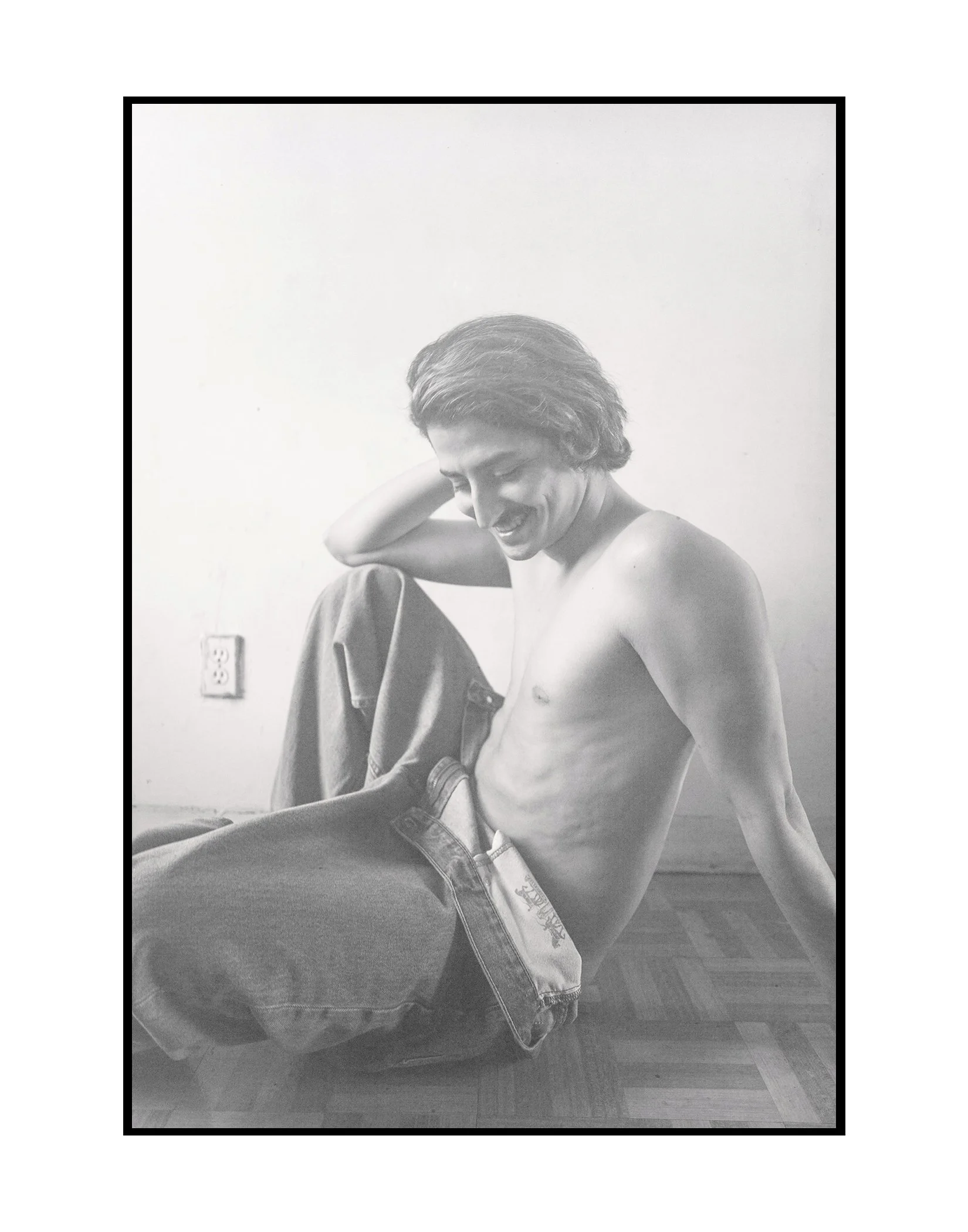
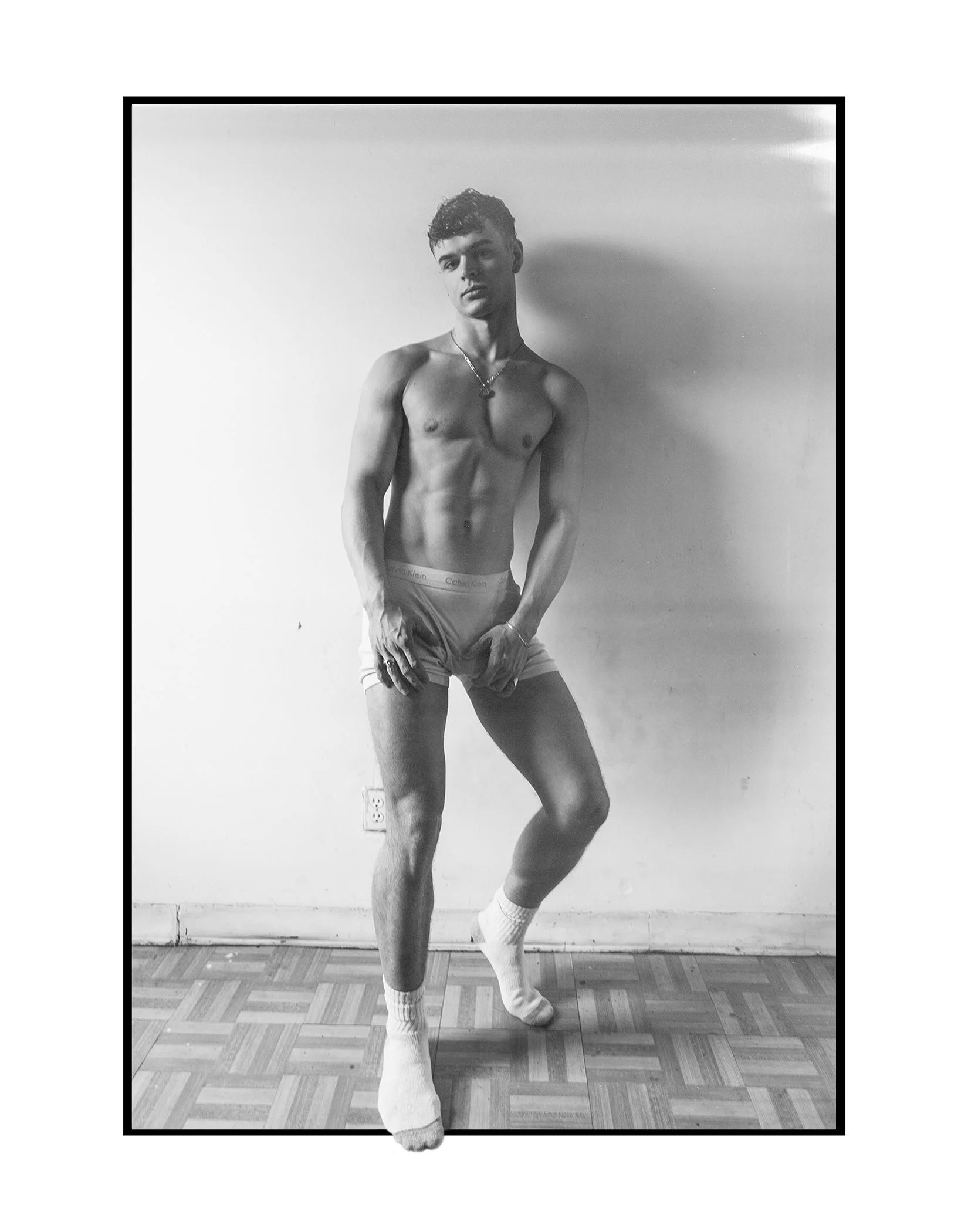
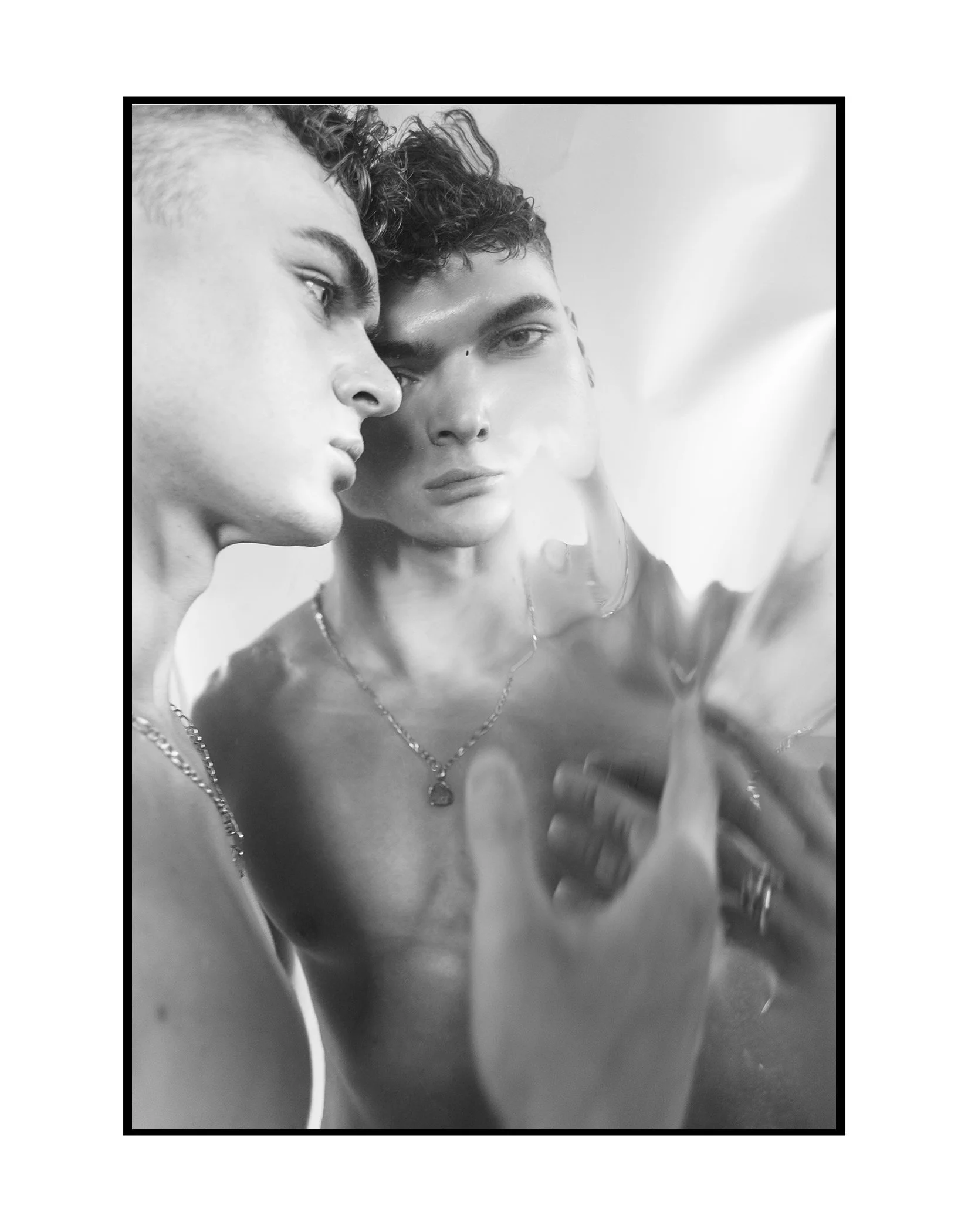
This shoot wasn’t about fashion in the traditional sense. There are no garments to credit, no silhouettes to dissect. And yet — this is fashion. Or at least my idea of it. The movement becomes the garment. The tension becomes the tailoring. The scribbles become the styling.
The censor marks weren’t an afterthought — they are the fashion. Graphic, imperfect, instinctual. They sit on the body the way a well-placed seam or an unexpected cutout would. They interrupt. They frame. They ask you to look again.
Mason moved like someone listening to his body instead of posing for the camera. Every shift felt intentional without being precious. There was strength, softness, hesitation, confidence — sometimes all in the same frame. I didn’t direct much. I didn’t want to. This was about allowing space for presence rather than performance.
The room was quiet.
The light was simple.
The floor creaked when he moved.
That was enough.
I keep thinking about these images as a palette cleanser — a visual deep breath before stepping into everything that’s coming next for amadeo amadeo. Bigger projects. More collaborations. More worlds being built. But before all of that, I needed to return to the body. To gesture. To the idea that fashion isn’t always something you put on — sometimes it’s something you are.
These images feel like a threshold.
A pause.
A clean page.
A reminder that at the core of all of this — photography, scent, clothing, objects, performance — is the human form moving through space, trying to be understood.
Thank you, Mason, for trusting the process and stepping into this moment with me.
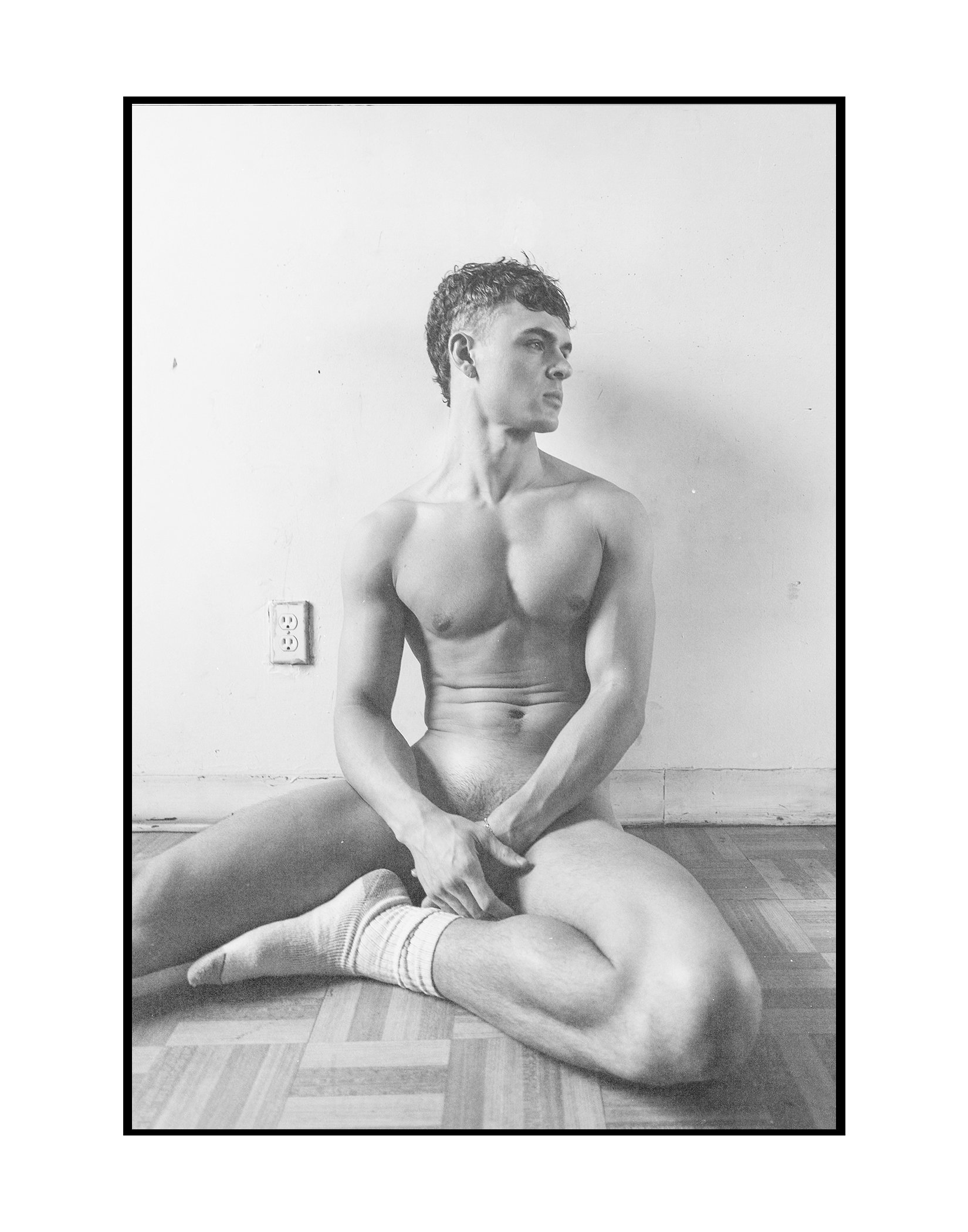
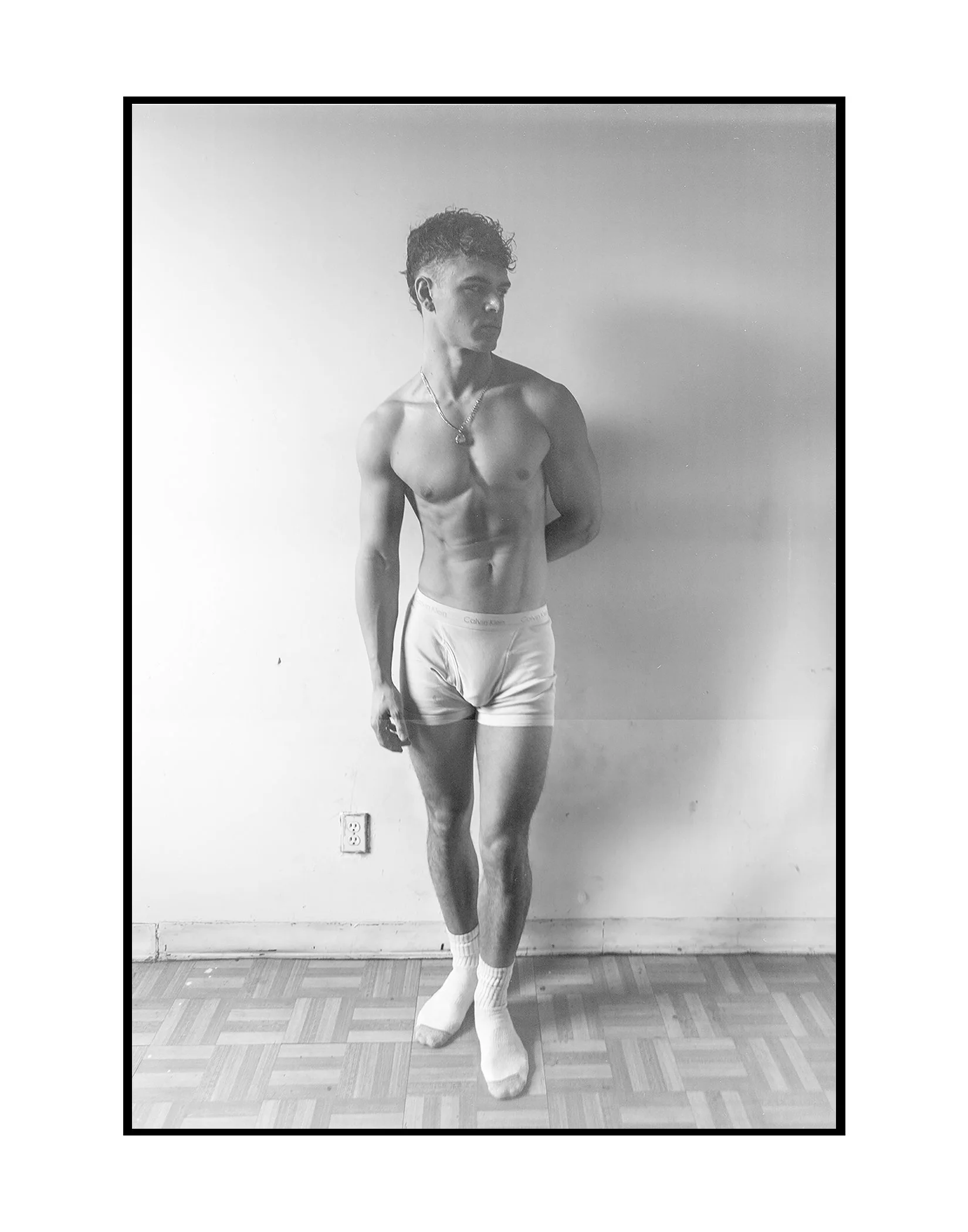
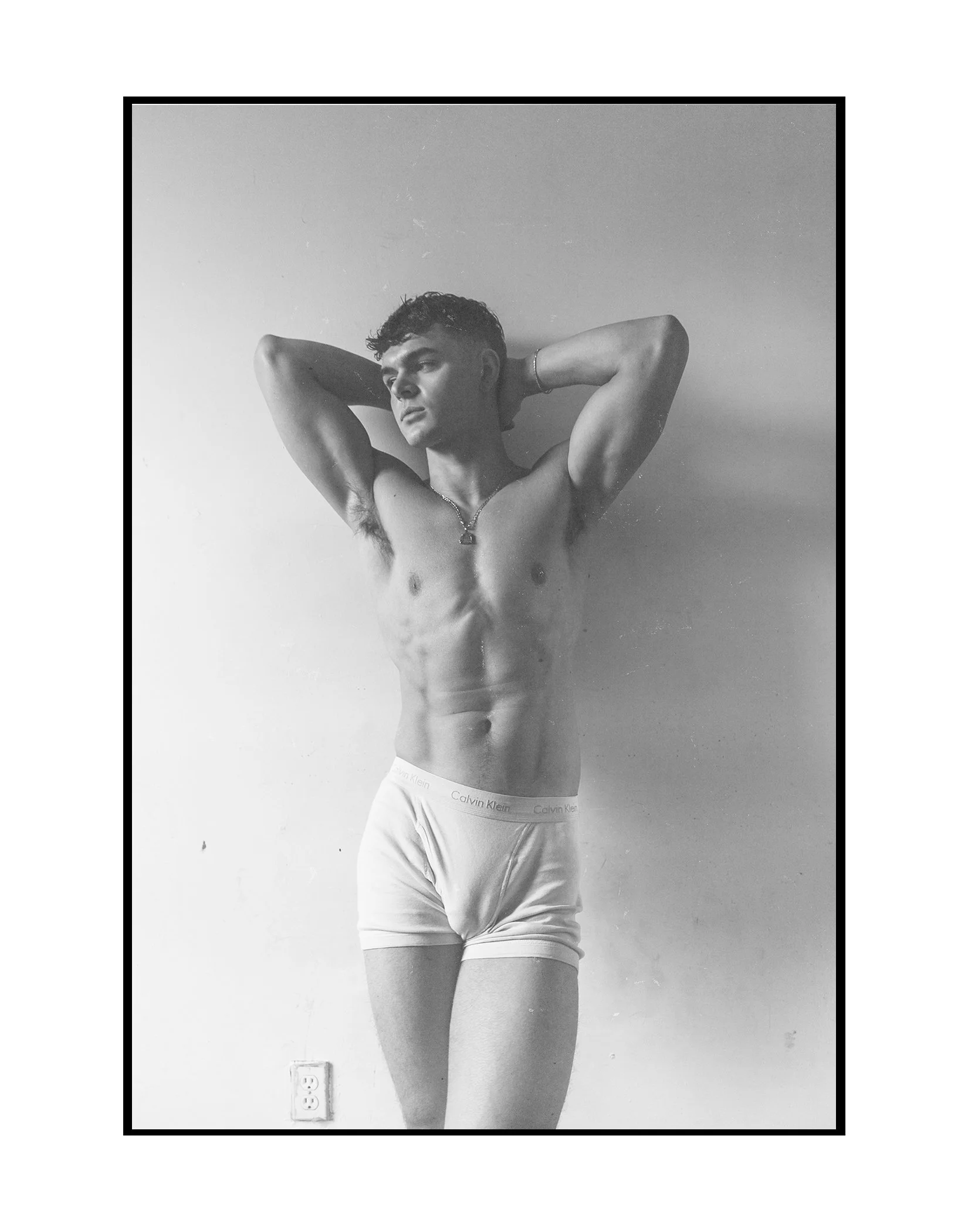
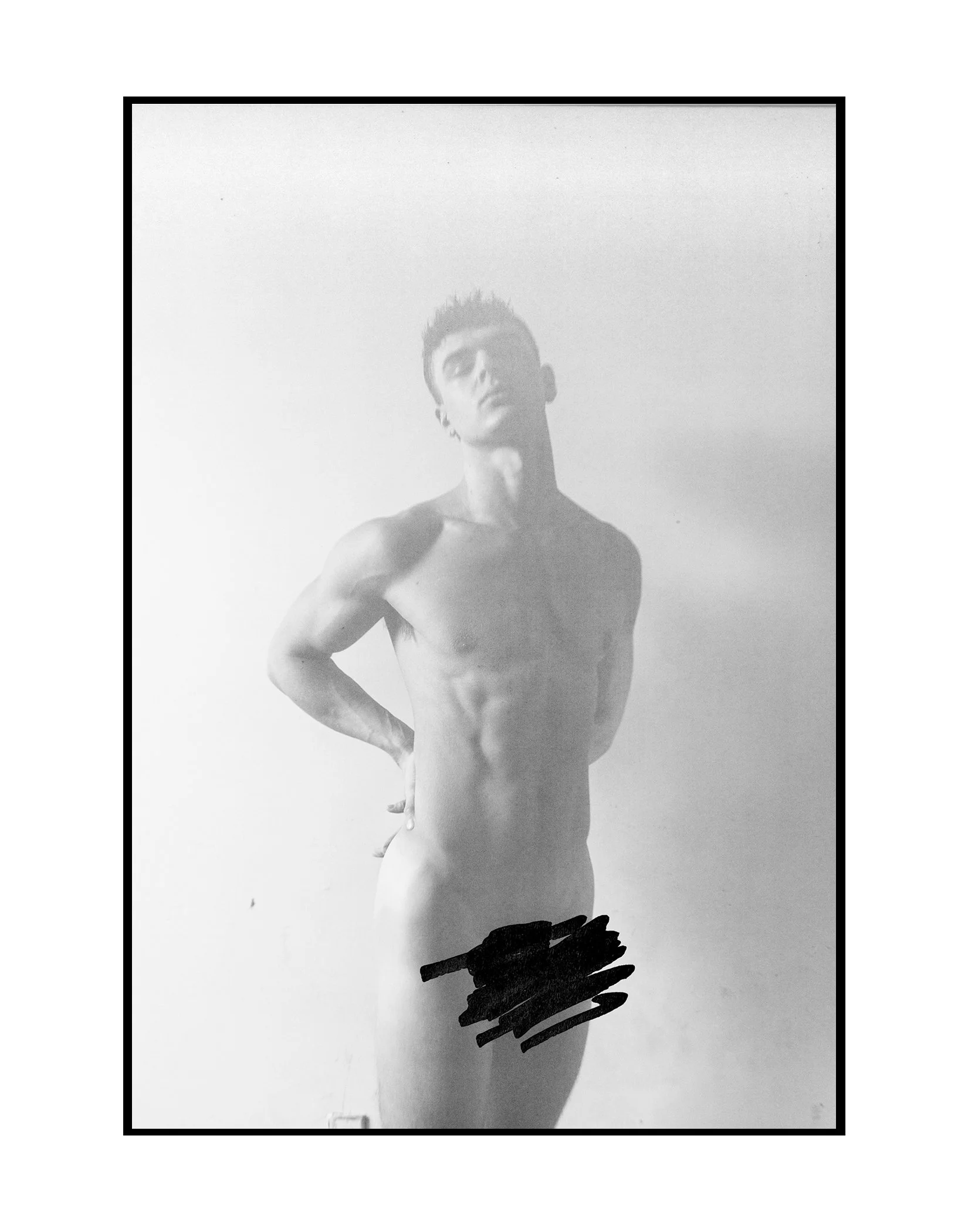
Here’s to the reset.

The Twin Collages — Ronnie & Adam Levi
There’s something about twins that’s always fascinated me — maybe because I am one. There’s an invisible mirror that exists between two people born at the same time, and it’s impossible to look at one without catching a glimpse of the other.
There’s something about twins that’s always fascinated me — maybe because I am one. There’s an invisible mirror that exists between two people born at the same time, and it’s impossible to look at one without catching a glimpse of the other.
This series features Ronnie and Adam Levi — twins who share a likeness so strong it feels cinematic, and yet, when photographed separately, their differences become magnetic. I photographed them individually, studying how they each inhabited their own space — the tilt of a head, a glance, a posture. Then I began to collage the images together, blending their forms into one analog body.
The process became a game of identity and symmetry — pushing, cutting, reassembling — until they began to merge into something that felt both familiar and strange. Each collage reveals a dialogue between them: the parts that align perfectly, and the edges that refuse to.
It was fun and instinctual, but it also stirred something deeper — memories of growing up with my own twin. That constant dance of wanting to be different even though you’re cut from the same photograph. There’s an odd beauty in sharing a life that’s both shared and separate.
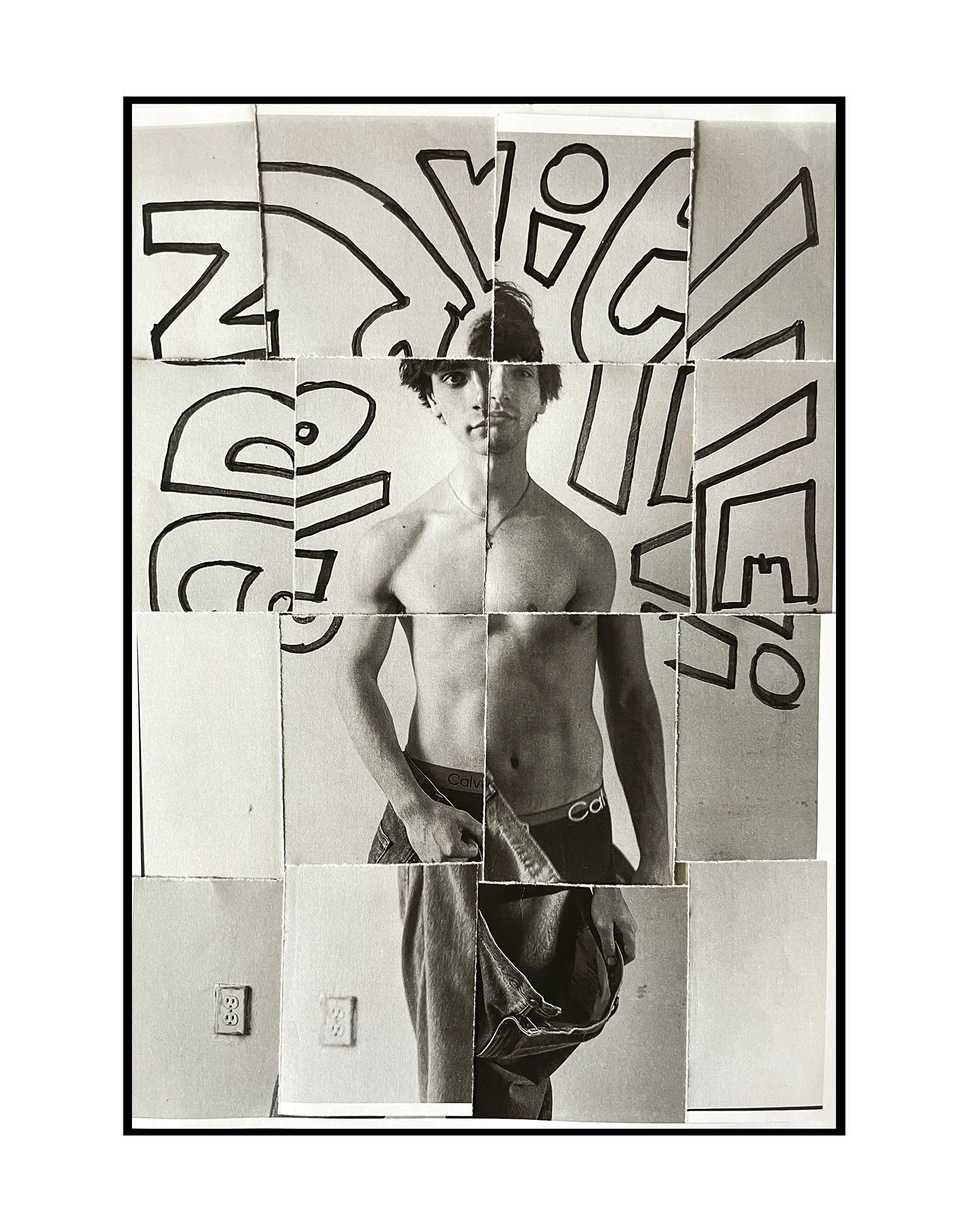


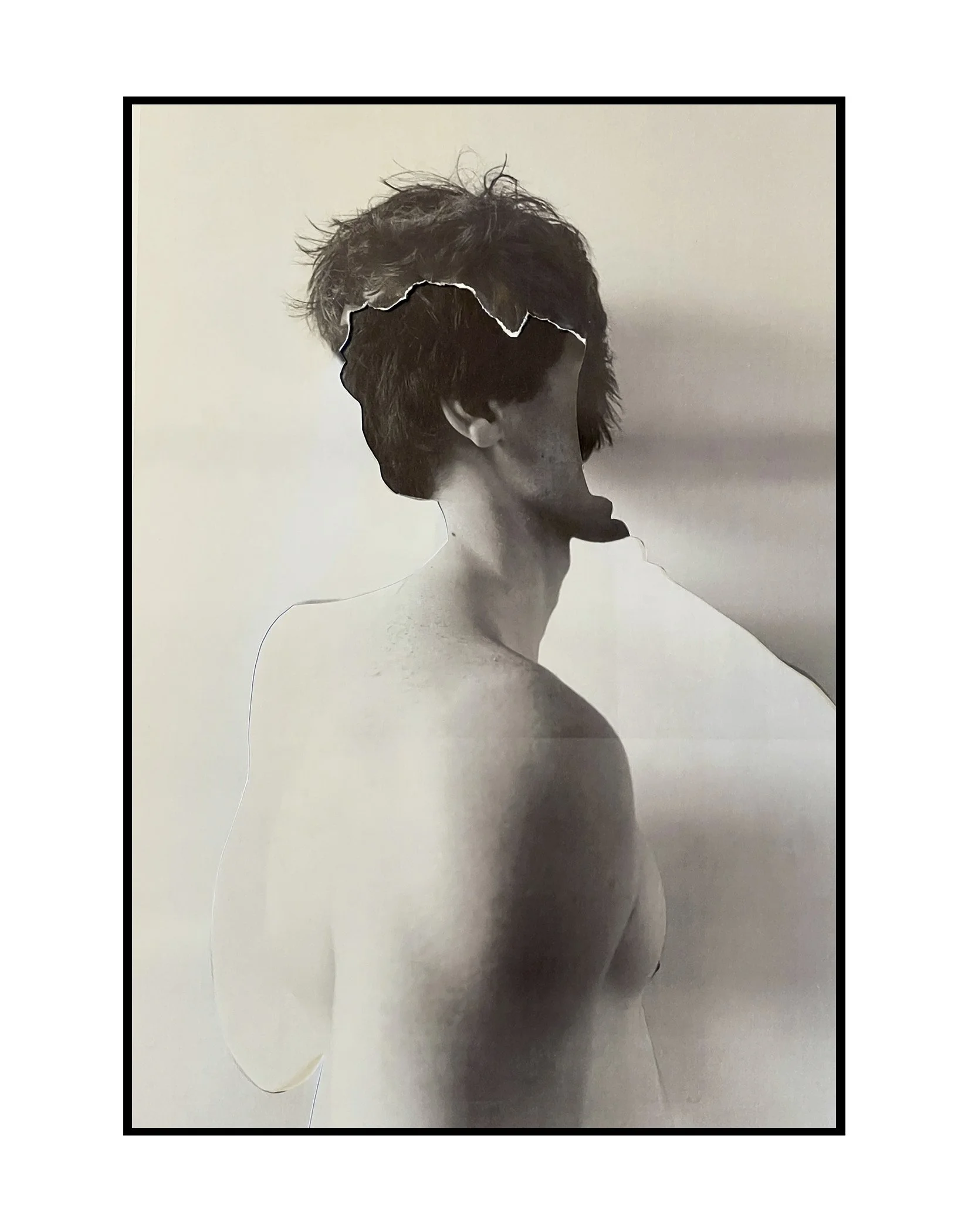
These collages live in that space — where sameness and individuality overlap. Two people, one portrait.

The Power of Scent with Arnold Kouassi
When I first came across Arnold Kouassi on Instagram, I knew instantly that I had to photograph him. There was something in his presence that felt like it belonged in the Giant Denim series—his energy, his movement, his ability to create shapes with his body that felt sculptural. What I loved most, though, was that he kept on his own jewelry for the shoot. Rings, watch, chains, bracelets—personal artifacts that added texture and narrative to the images. Those small details allowed the portraits to hold both his story and mine at the same time.
When I first came across Arnold Kouassi on Instagram, I knew instantly that I had to photograph him. There was something in his presence that felt like it belonged in the Giant Denim series—his energy, his movement, his ability to create shapes with his body that felt sculptural. What I loved most, though, was that he kept on his own jewelry for the shoot. Rings, watch, chains, bracelets—personal artifacts that added texture and narrative to the images. Those small details allowed the portraits to hold both his story and mine at the same time.
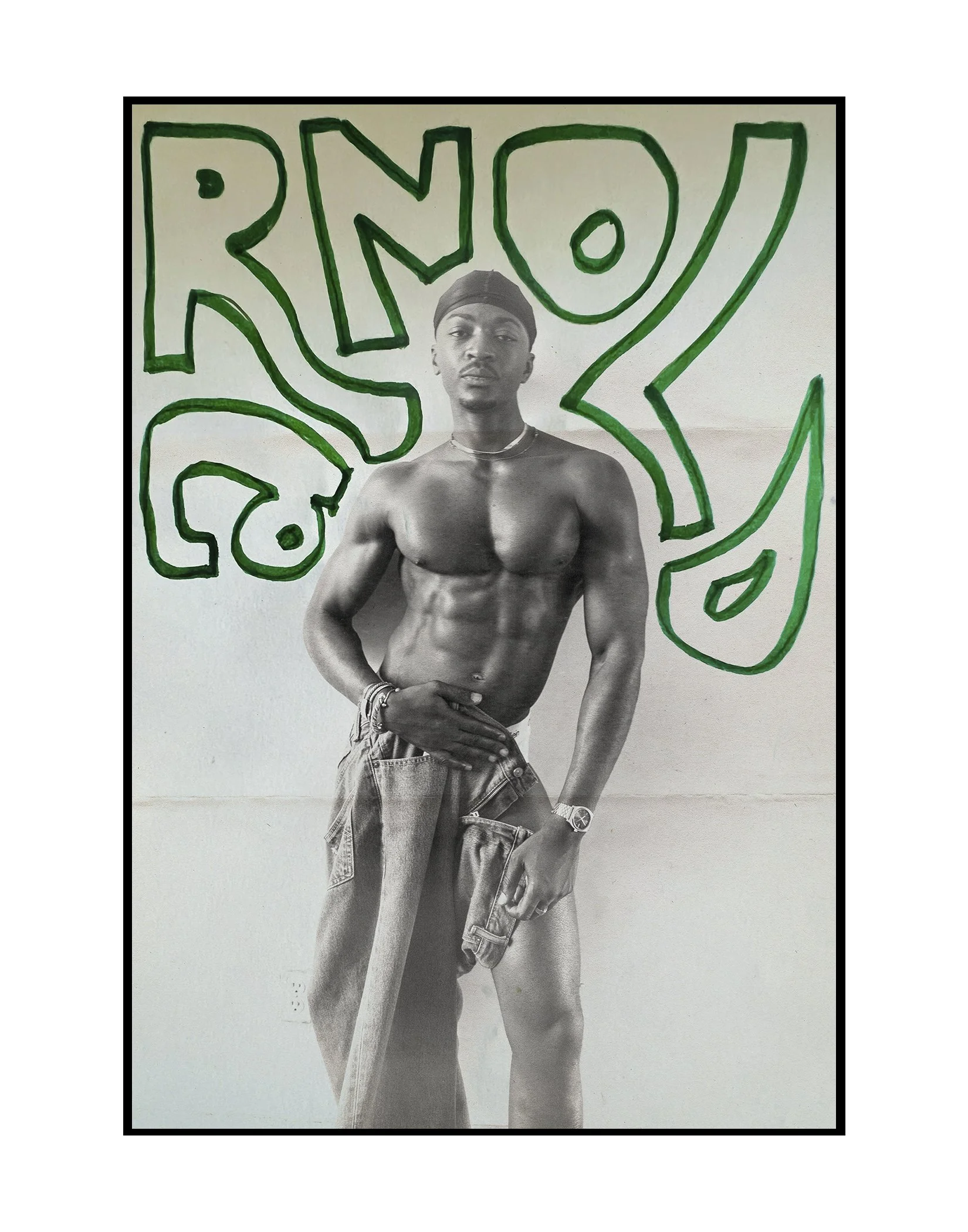
The juxtaposition of his shiny dark skin against the rough texture of oversized denim was magnetic. Every pose carried weight. Every shift in movement created new draping and new shapes. These are the moments that I live for in portraiture—when the collaboration between model and photographer creates something beyond just image-making.
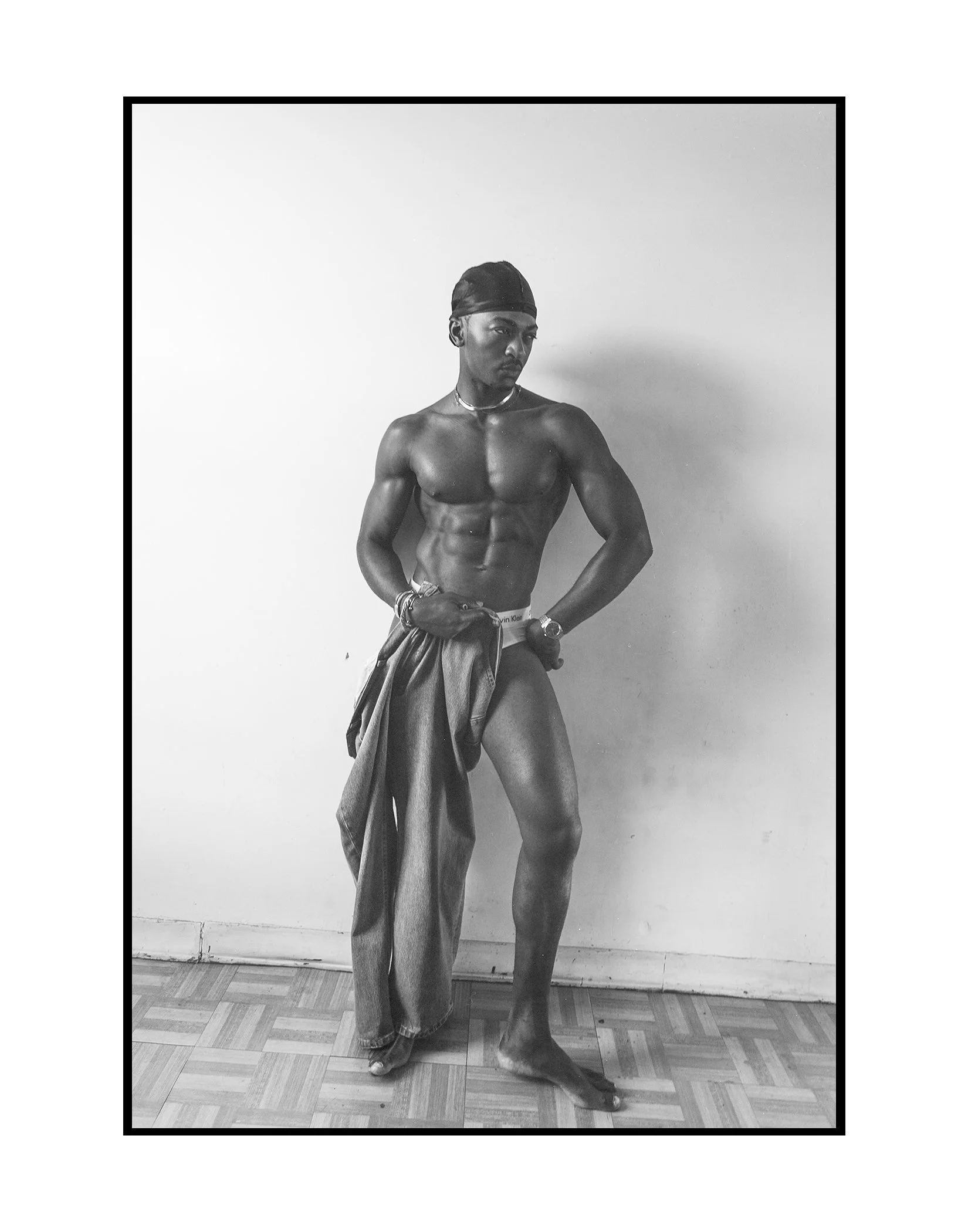

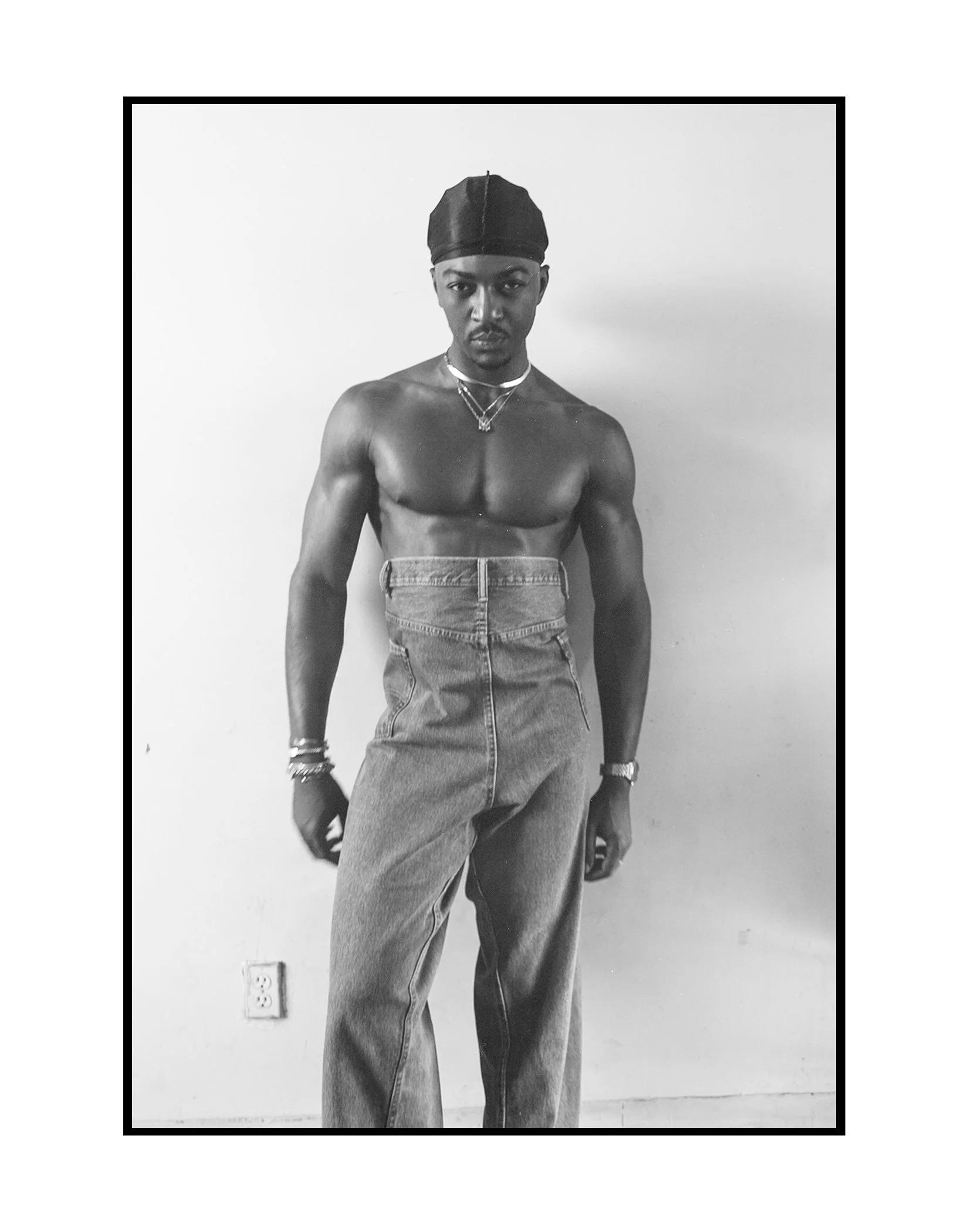
But what struck me most was Arnold’s scent. It carried a familiarity that immediately triggered a memory of my aunt. A flood of warmth, nostalgia, and connection. We started talking about the power of scent—the way it can narrate an entire lifetime of memories without a single word.
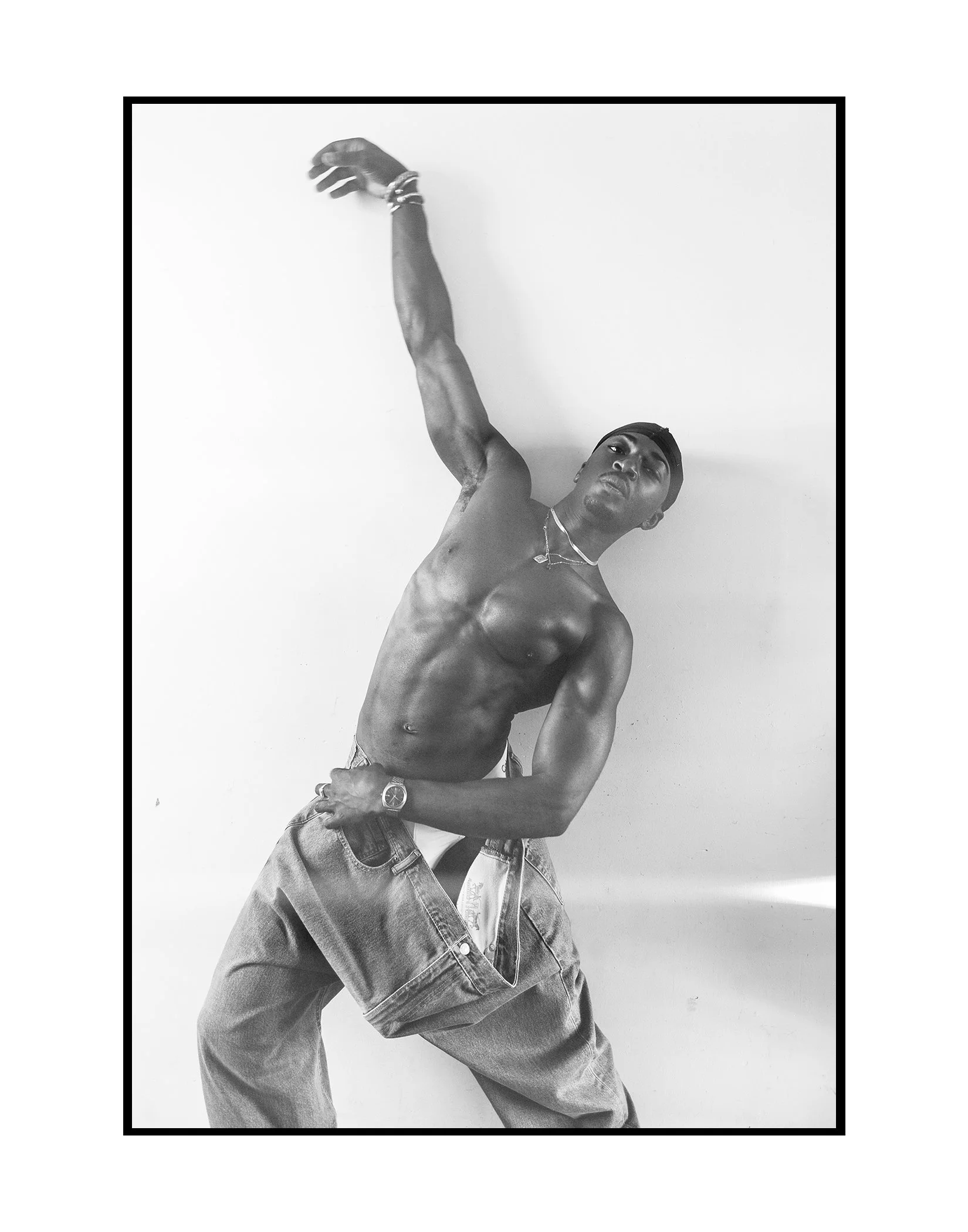
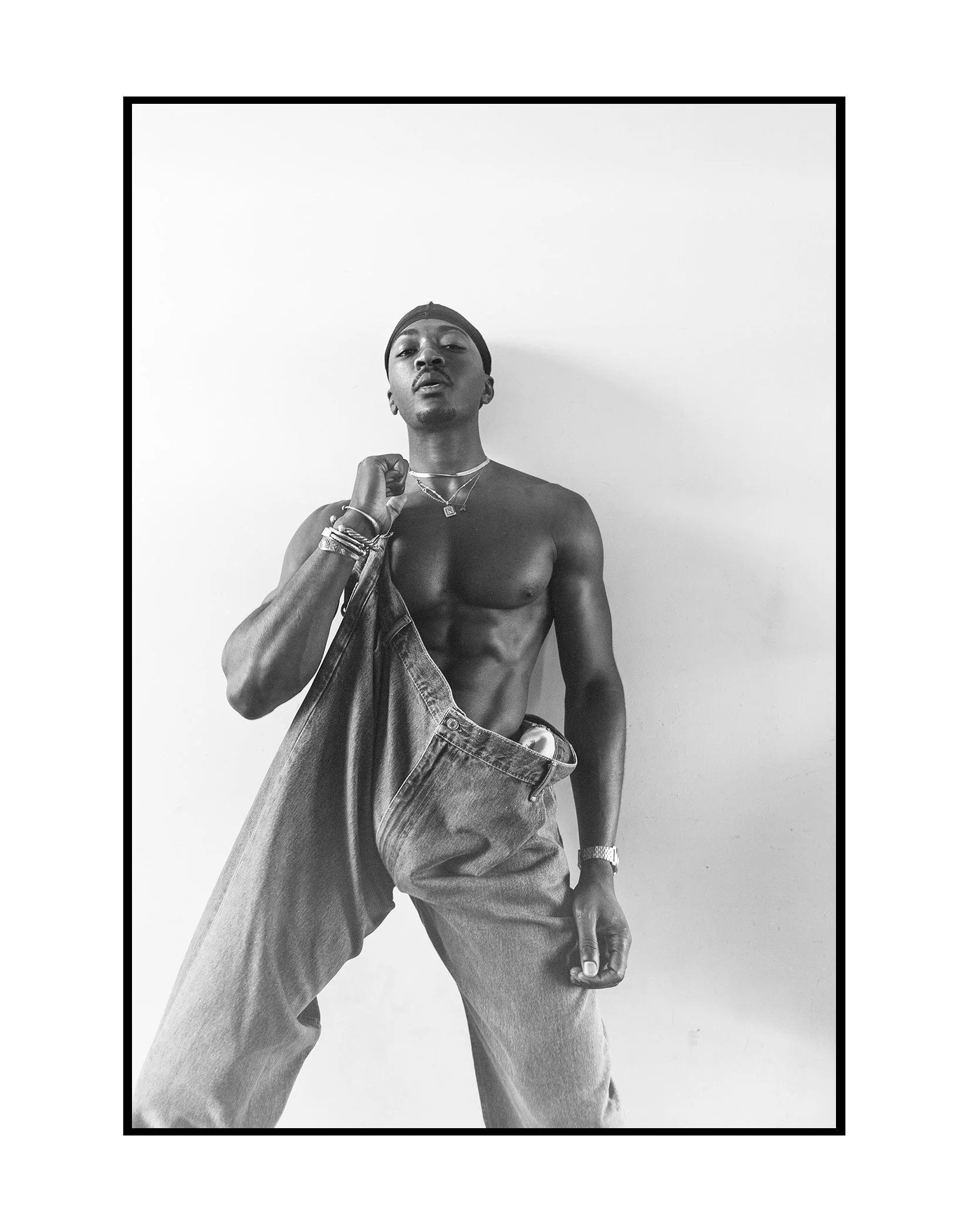
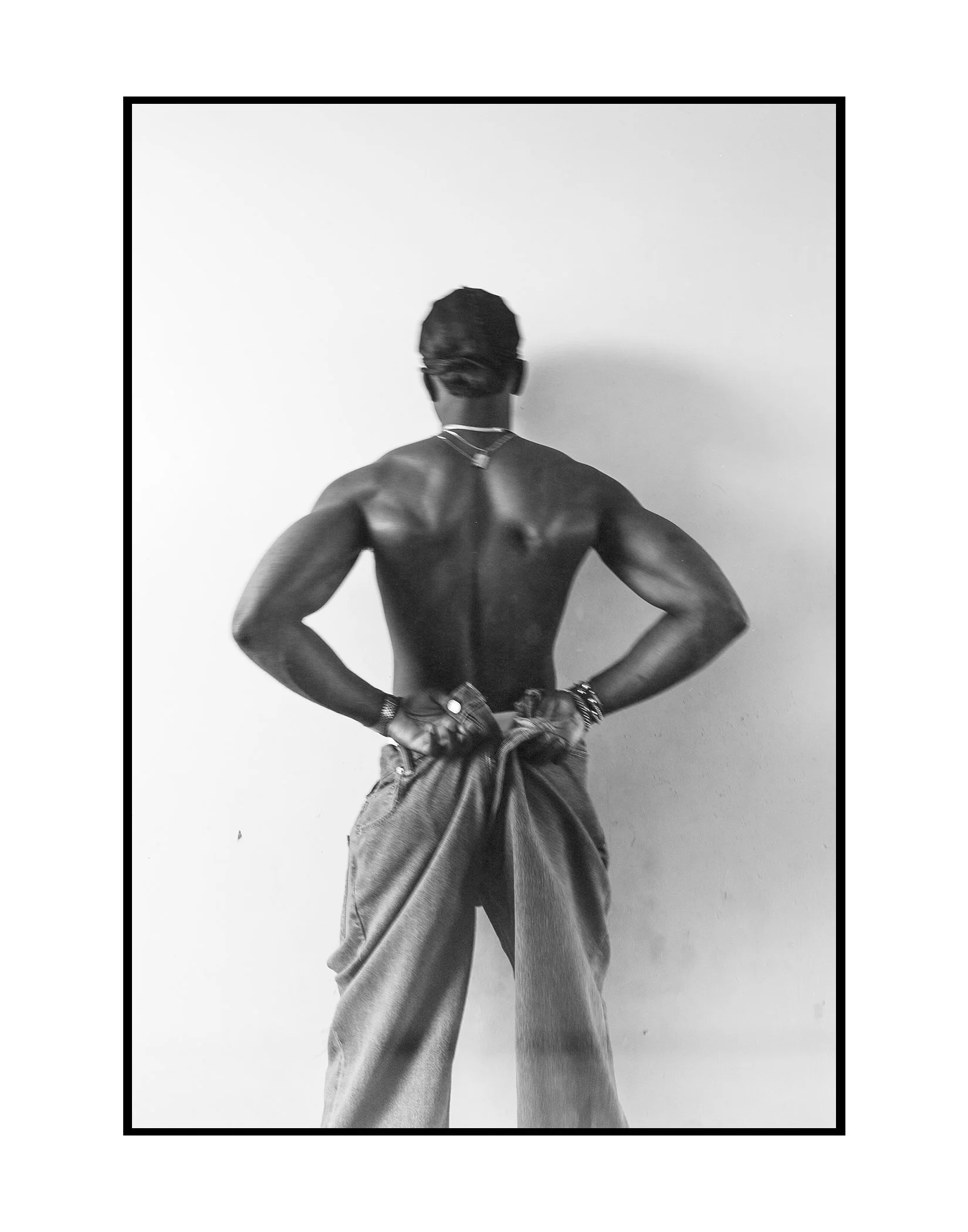
I believe that the very first time you wear a fragrance is sacred. That first wear should be set aside for something special: a new chapter, a celebration, or a moment you want to lock in forever. Because scent has the power to capture a core memory. You might not consciously recall the fragrance later, but your body will remember. When you cross paths with that note again—floral, musky, citrus, smoky—it will transport you back to that exact place, that exact feeling.
Think about the first time you meet someone while wearing a fragrance. They might not register the scent consciously, but they’ll remember you. The way you moved, spoke, or laughed—all tied to that invisible, unforgettable trail in the air. That’s the power of scent. It lingers, it shapes memory, it tells a story long after the moment has passed.
For me, scent is art. It’s a medium as powerful as photography, painting, or sound. It’s intangible yet deeply human. I’m currently working on a few scent-related art pieces that explore this exact idea, and I can’t wait to share them soon.
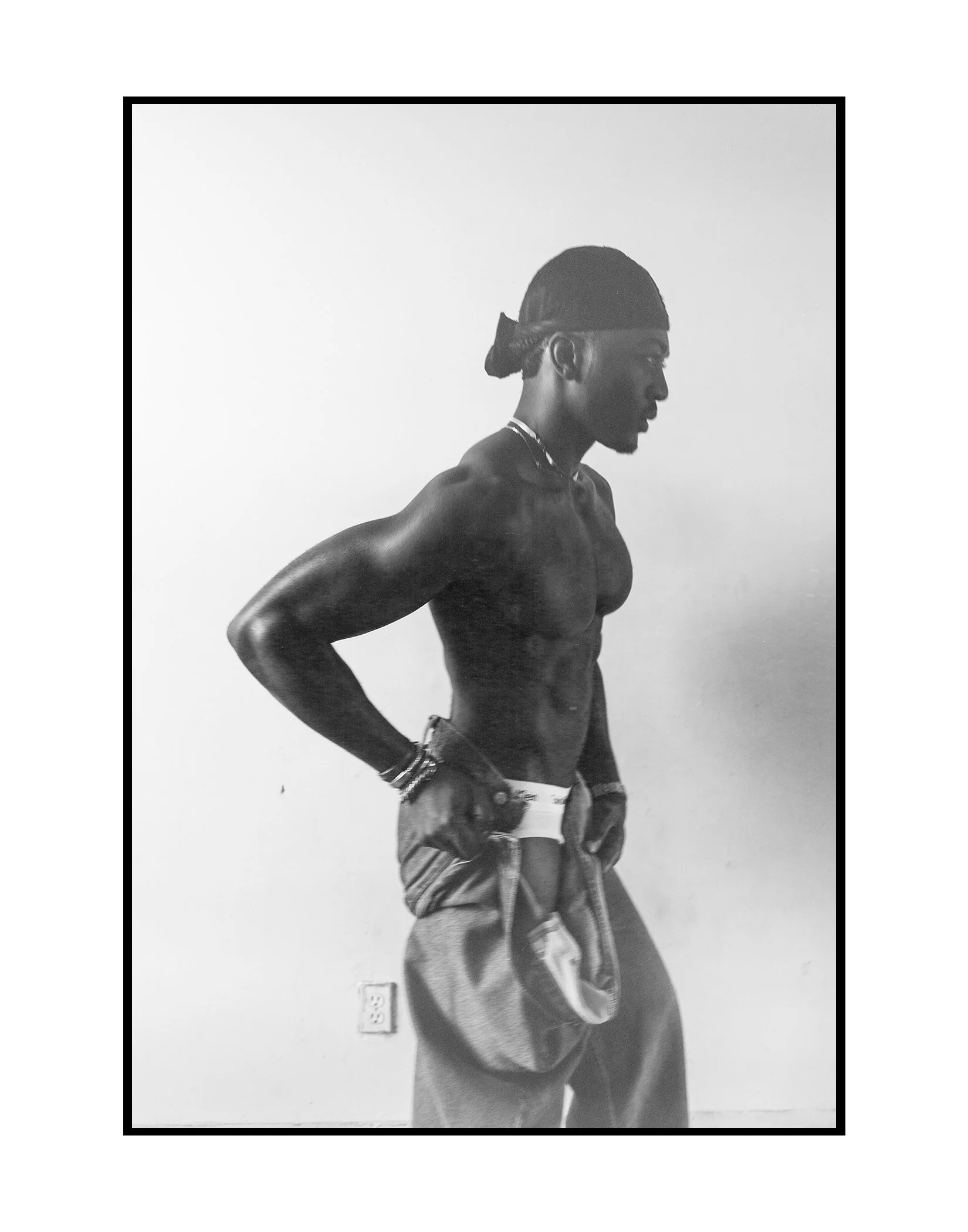
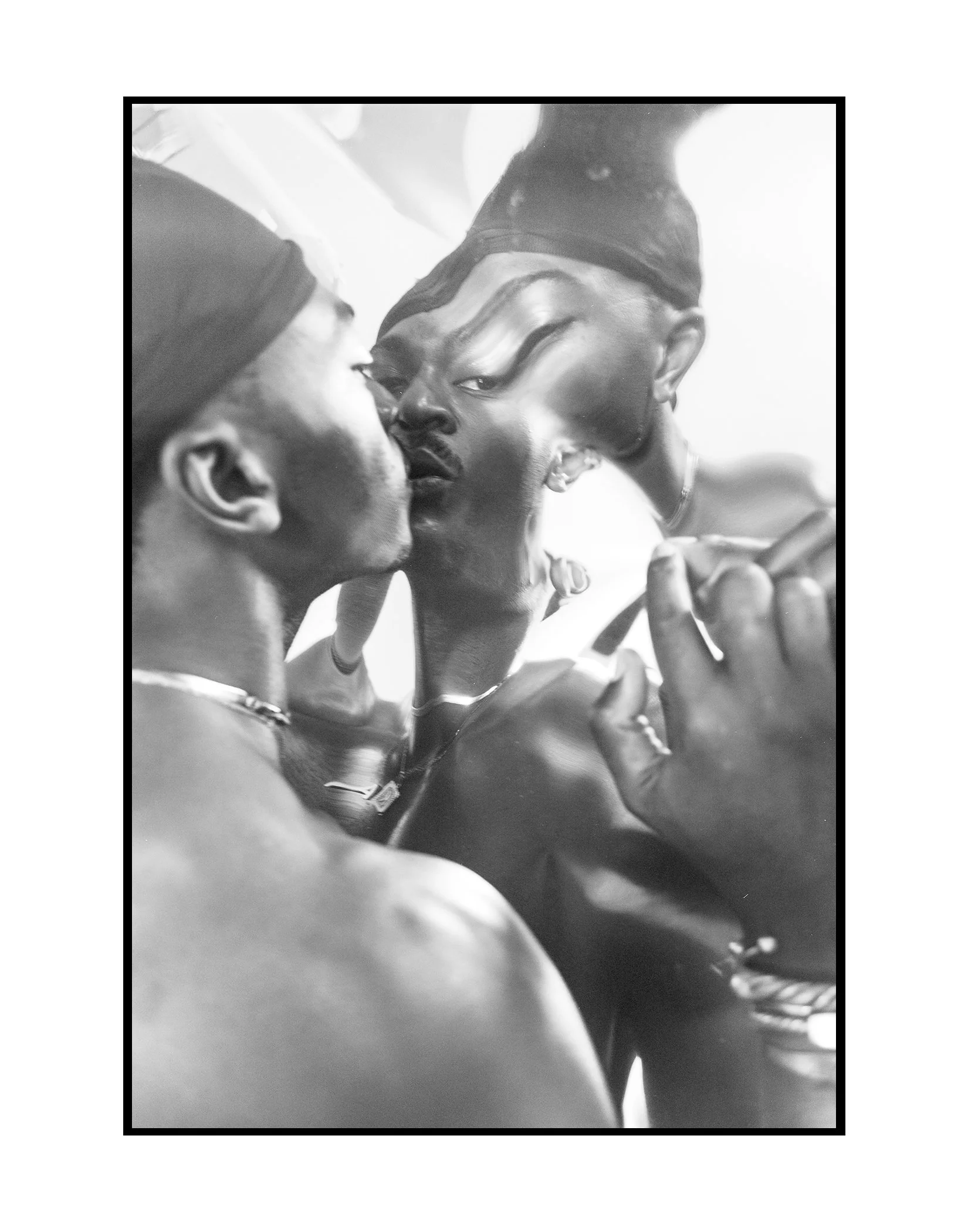
Photographing Arnold was not just about denim or portraits. It was about collaboration, about narrative, and about memory. These images carry the texture of denim, the glint of jewelry, the shine of skin, and the invisible weight of scent—the kind that lingers in your mind as much as in the air.
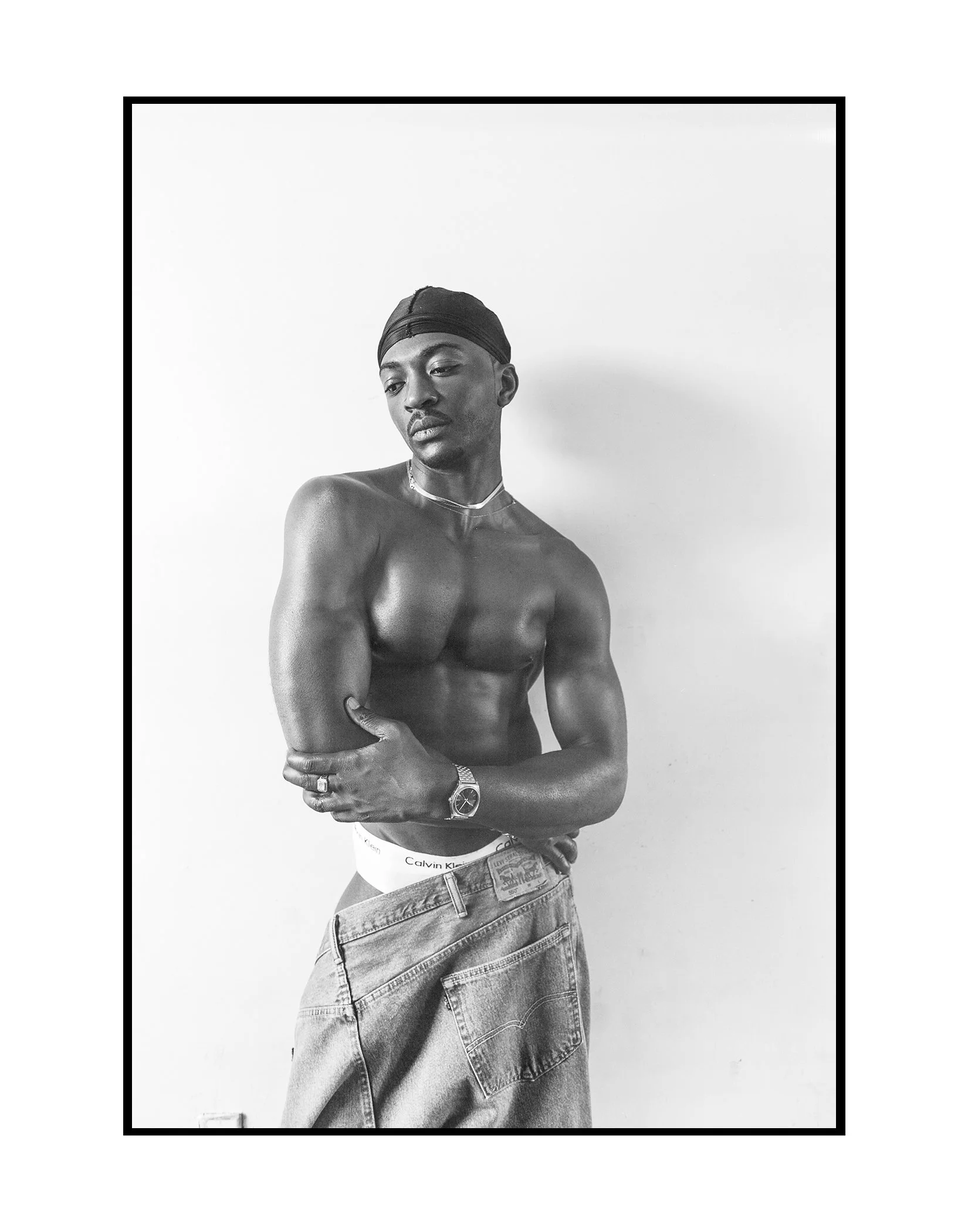
Look out for more images of Arnold from this series across my other platforms. This is just the beginning.
Introducing George Maragkos
There’s a presence in the room before the shutter clicks.
George Maragkos—striking, sharp, and unmistakably cinematic—moves through frame with the ease of someone who’s been here before, even if this is just the beginning.
the first face of amadeo amadeo
There’s a presence in the room before the shutter clicks.
George Maragkos—striking, sharp, and unmistakably cinematic—moves through frame with the ease of someone who’s been here before, even if this is just the beginning.
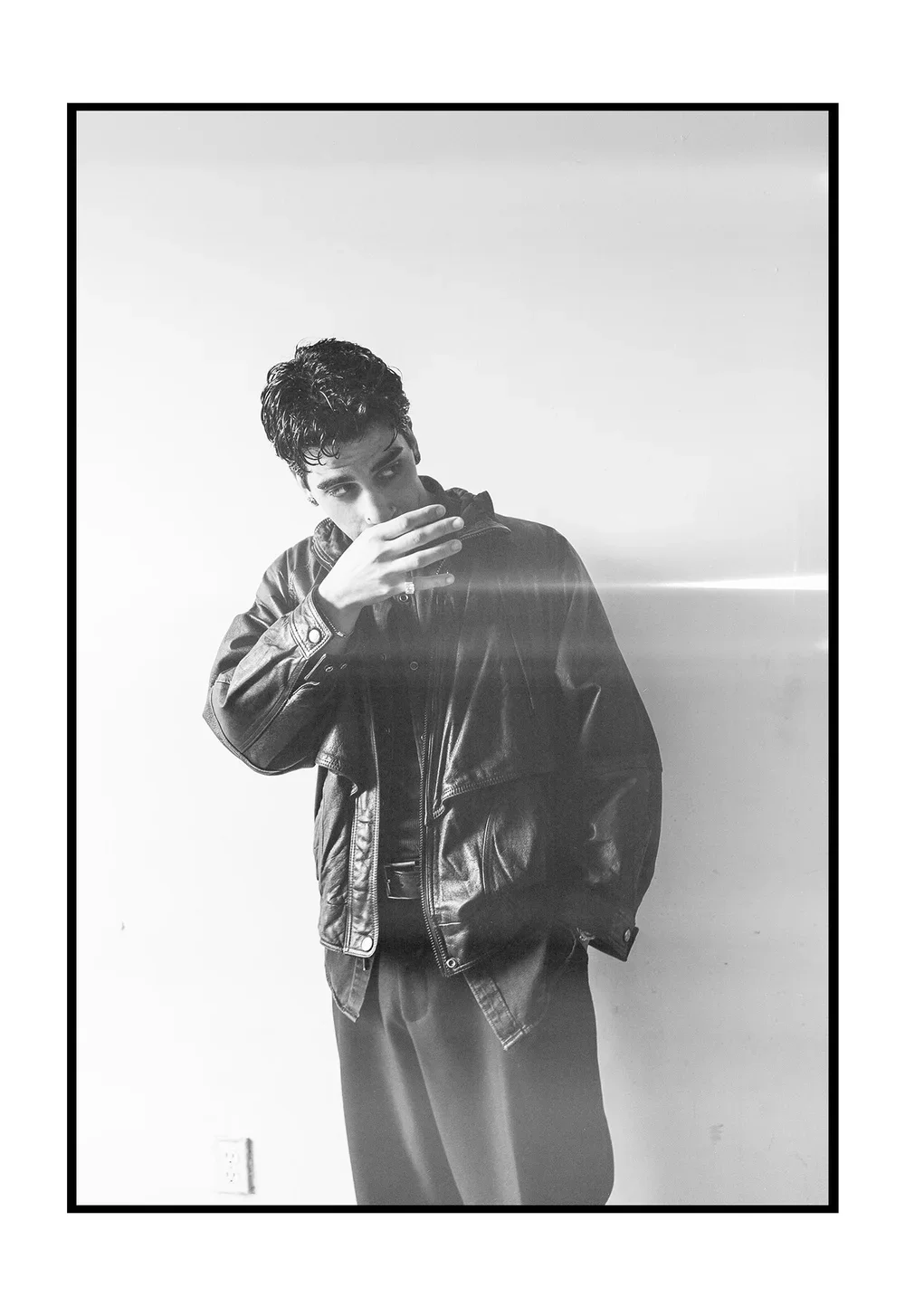
In his debut session with amadeo amadeo, George arrived dressed in all black: pleated trousers, a leather jacket, a tailored blazer—clothing that clung to the light and carved out drama in the shadows. His Greek features carried the weight of myth, but his gestures were thoroughly modern: abstract, fluid, intentional.
We worked through reflections, distortions, and movement. At every turn, George didn’t just pose—he acted, reacted, told. A face not just for fashion, but for storytelling.
These first portraits mark the beginning of a portfolio designed to not only impress, but to mesmerize. He is the prototype of what we’re cultivating here: presence, poise, and personality.
Welcome George Maragkos, the first of many to come.


MASON / MARBLE / DENIM
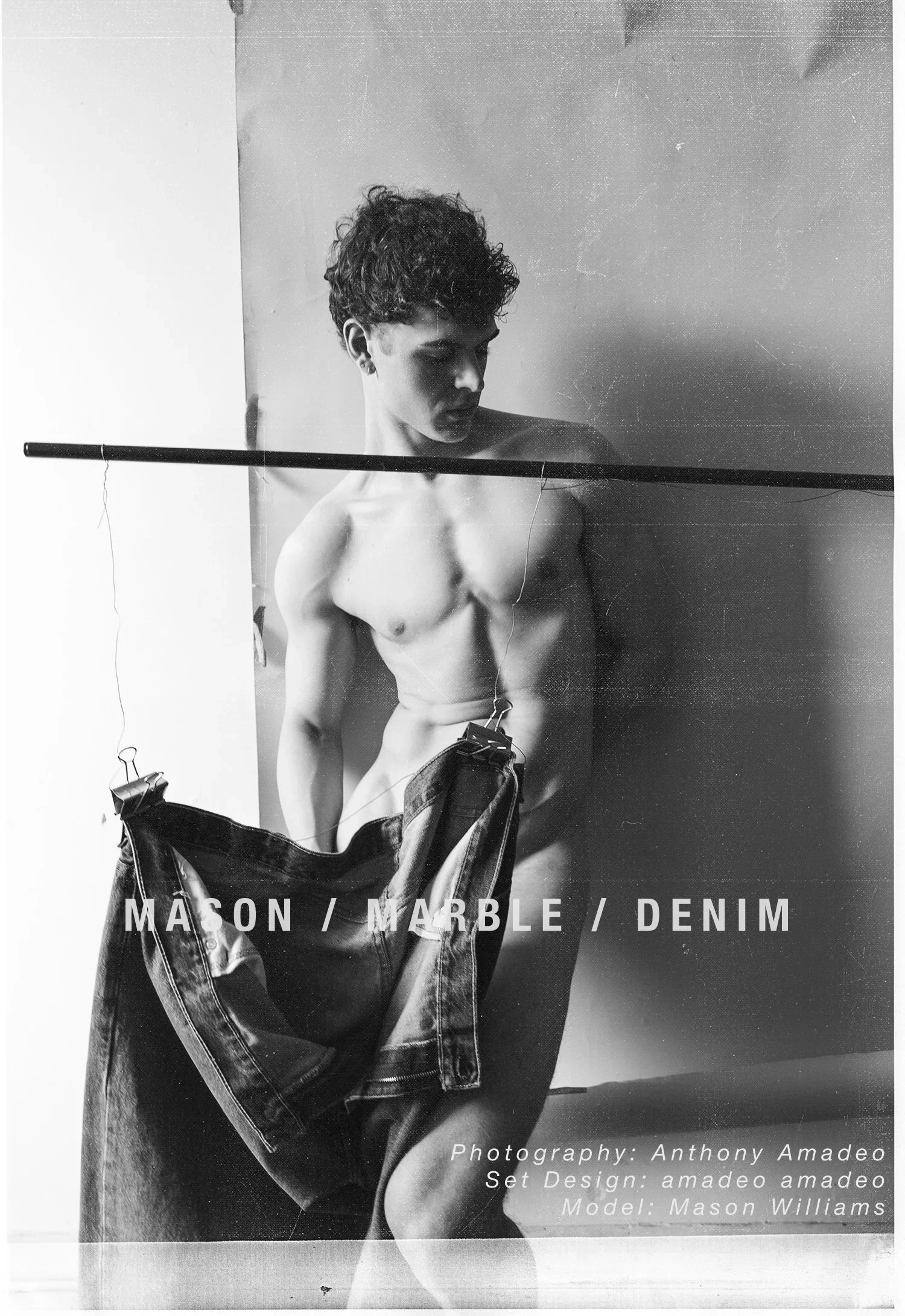
For our third shoot together, Mason Williams returns to the frame—this time suspended in a moment that feels part sculpture, part dream. The now-iconic giant denim makes its reappearance, floating like a relic of fashion surrealism. Hung in air, clipped like a cutout, it becomes a real-life collage, part Venus de Milo, part downtown atelier. Mason’s form echoes the soft shadows of marble statues I sketched while wandering the Louvre.

For our third shoot together, Mason Williams returns to the frame—this time suspended in a moment that feels part sculpture, part dream. The now-iconic giant denim makes its reappearance, floating like a relic of fashion surrealism. Hung in air, clipped like a cutout, it becomes a real-life collage, part Venus de Milo, part downtown atelier. Mason’s form echoes the soft shadows of marble statues I sketched while wandering the Louvre.


Set design: amadeo amadeo.
Photography: Anthony Amadeo.
Model: Mason Williams.


Petar Cvijanovic by Anthony Amadeo
Petar Cvijanovic in a strikingly graphic display of white briefs paired with oversized denim, worn upside-down. His arms slip through the legs of the jeans, creating a visual puzzle: are they legs or arms? Is the image flipped, or are we? The ambiguity of form and function, highlighted by Petar's dynamic poses, challenges the viewer's perception at every glance.
Petar Cvijanovic in a strikingly graphic display of white briefs paired with oversized denim, worn upside-down. His arms slip through the legs of the jeans, creating a visual puzzle: are they legs or arms? Is the image flipped, or are we? The ambiguity of form and function, highlighted by Petar's dynamic poses, challenges the viewer's perception at every glance.
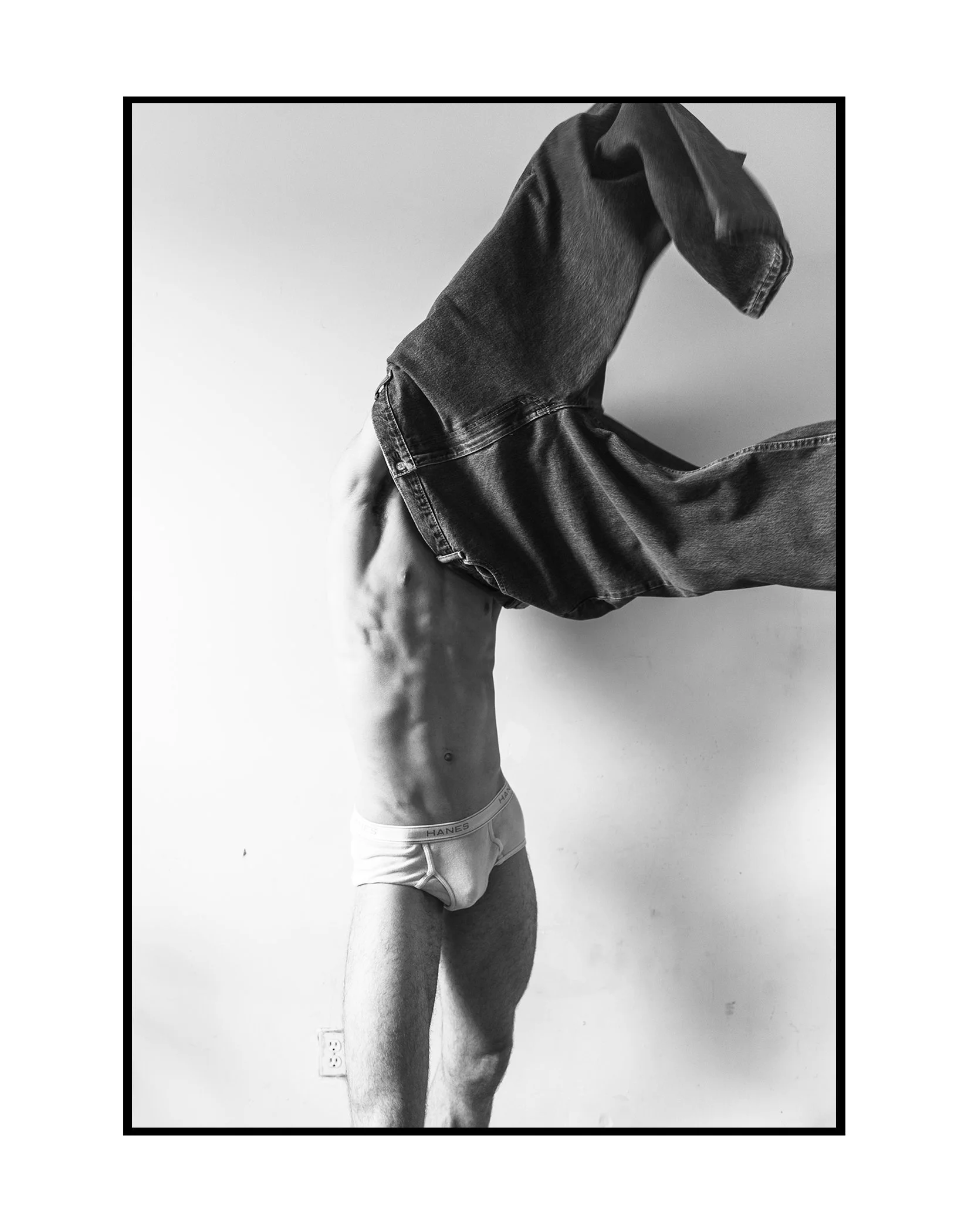

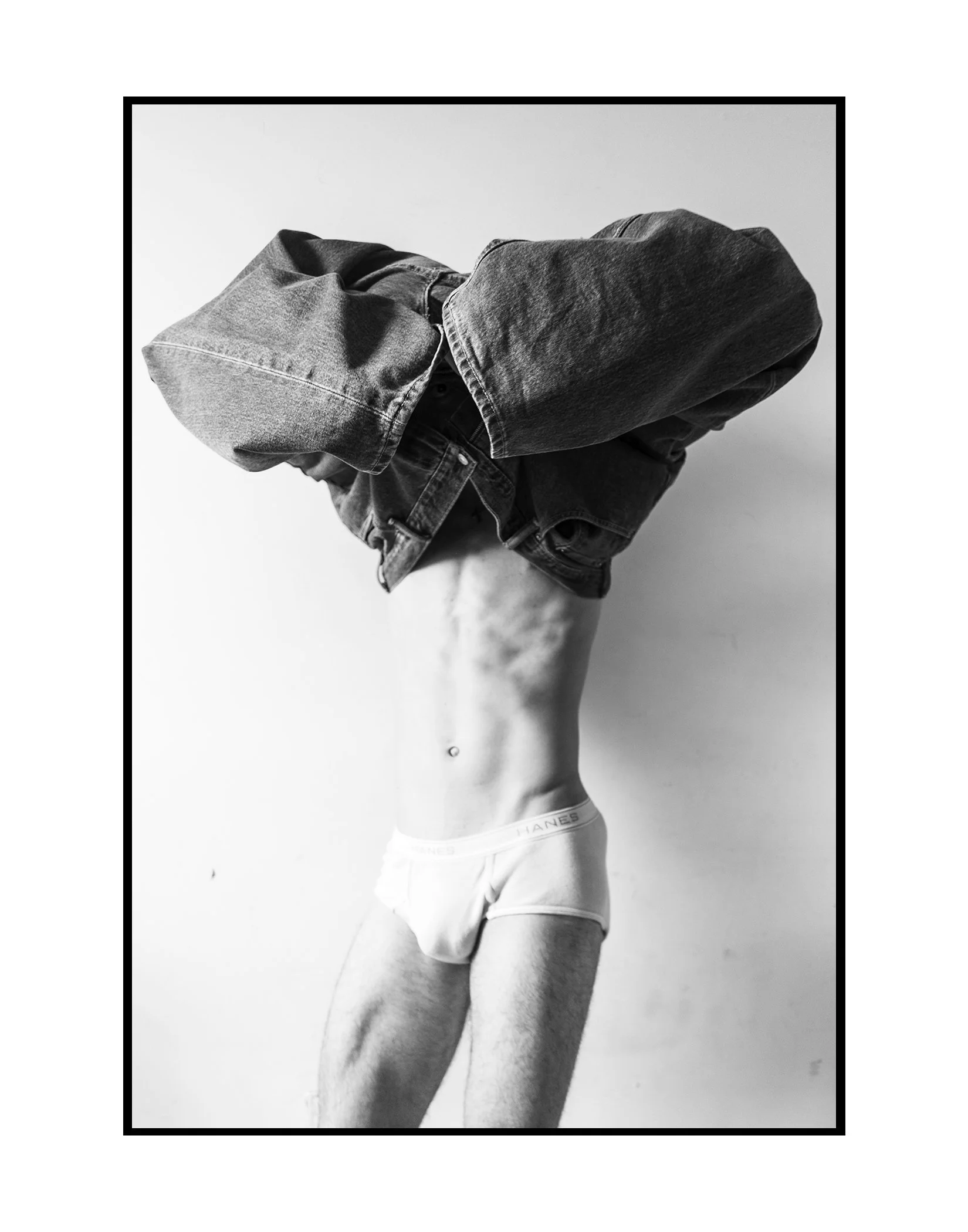


There once was a boy named Petar,
From Jersey, where dreams animate,
In briefs and denim draped so far,
Upturned jeans as arms, contemplate.
With each pose, a story's spun,
Of limbs and fabric intertwined,
Is he falling or has he won?
In every fold, a riddle signed.
This mover, with grace so bold,
Sets scenes in surreal frames,
Denim arcs in tales untold,
Where arms are legs, and games are names.
What vision here, does truth belie?
On head or heels, does he stand or fly?
Stay tuned for more images from this series, where the surreal meets the sartorial in Petar Cvijanovic's fantastic dance of denim. Keep up with Petar’s journey and movement art on his social channels, and look out for more innovative shoots that push the boundaries of fashion and photography.
This editorial invites the audience to dive into a world where the usual rules of clothing and gravity are creatively defied, exploring new perspectives in visual art.

Slice of Style with Christiano
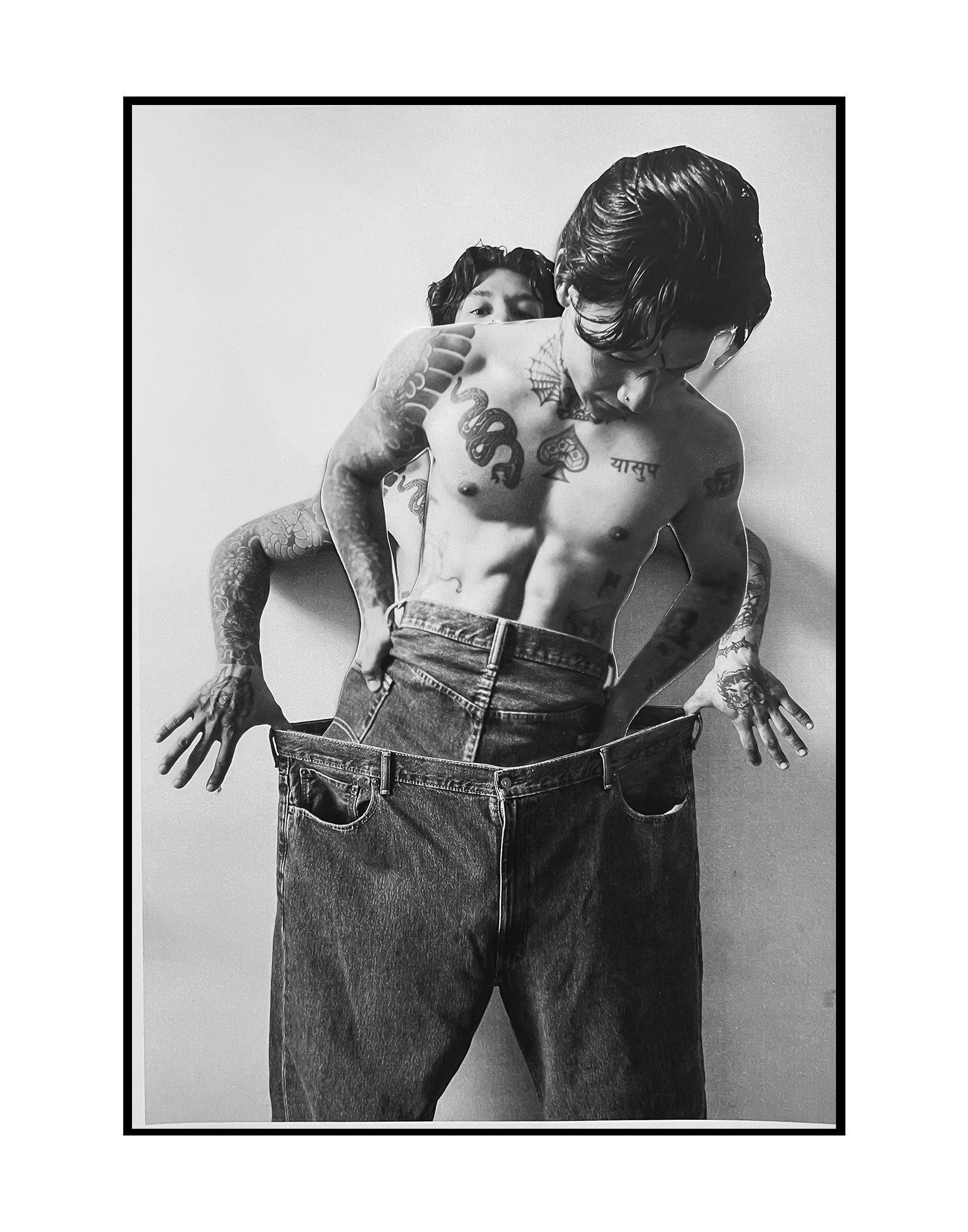
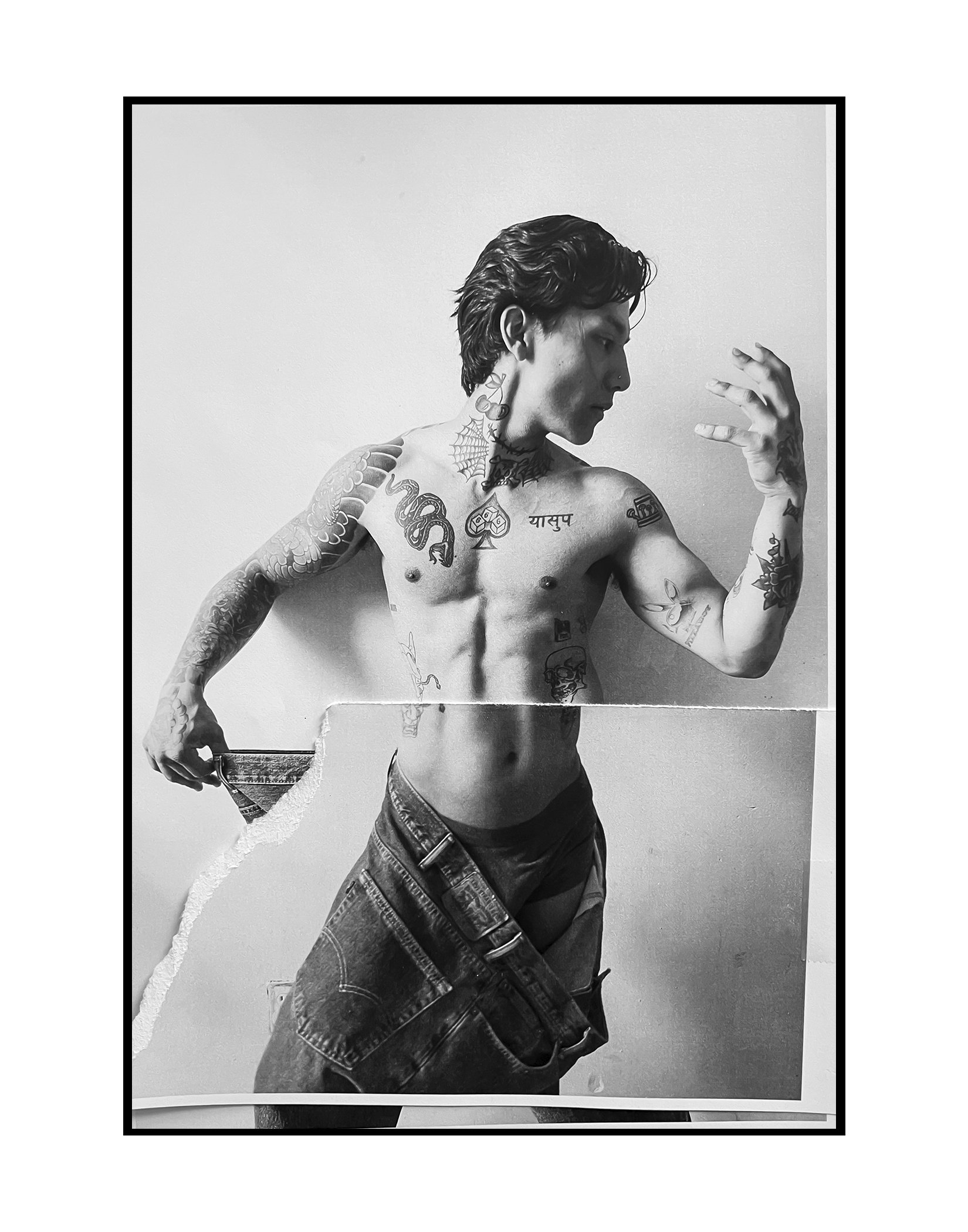
It was here, in this milieu of artistic fervor, that I first spotted Christiano Wennman. His presence was as striking as the backdrop of the show, a canvas ripe for the artistry I envisioned. Christiano, known for his work at Scarr’s Pizza in New York’s Lower East Side, carries with him an aura of cool authenticity that resonates well beyond the confines of the kitchen. The idea of capturing his essence through my lens grew irresistible. Our collaboration in New York City birthed a series of collages that are as much a celebration of his individuality as they are of the cultural tapestry that brought us together. Through these images, infused with the energy and spirit of our surroundings, I invite you to explore a visual narrative that’s stitched from moments of inspiration, connection, and sheer artistic adventure.
Slice of Style with Christiano Wennmann. Photography and Collaging by Anthony Amadeo

In the heart of Paris, amidst the electrifying buzz of Fashion Week, I witnessed the awe-inspiring debut of Willy Chavarria's AW25 collection, "Tarantula." As a fervent admirer of Chavarria’s work and his mastery in melding cultural narratives with bold, street-savvy designs, my anticipation was palpable. Paris, a city that commands the avant-garde, now played host to one of America's most compelling designers, and the show was nothing short of a revelation. Each piece paraded down the runway was a testament to community and unity, woven with the kind of joy that leaps straight from the soul. The textures—rich velvets and meticulous tailoring—paid homage to Parisian elegance while staying fiercely loyal to the essence of Chavarria’s vision.
It was here, in this milieu of artistic fervor, that I first spotted Christiano Wennman. His presence was as striking as the backdrop of the show, a canvas ripe for the artistry I envisioned. Christiano, known for his work at Scarr’s Pizza in New York’s Lower East Side, carries with him an aura of cool authenticity that resonates well beyond the confines of the kitchen. The idea of capturing his essence through my lens grew irresistible. Our collaboration in New York City birthed a series of collages that are as much a celebration of his individuality as they are of the cultural tapestry that brought us together. Through these images, infused with the energy and spirit of our surroundings, I invite you to explore a visual narrative that’s stitched from moments of inspiration, connection, and sheer artistic adventure.






Jamil: From Barcelona to NYC, Captured in Motion
AA: Jamil, it was such a pleasure photographing you during your visit to NYC!
Your profile is incredible to photograph, and you brought such a strong energy to the shoot. How was the experience for you, especially being part of the giant denim jeans series?
AA: Jamil, it was such a pleasure photographing you during your visit to NYC!
Your profile is incredible to photograph, and you brought such a strong energy to the shoot. How was the experience for you, especially being part of the giant denim jeans series?


--
JM: Thanks a lot for your words! It’s always interesting for me to hear about how people perceive my energy. It shows me different ways to look at myself that I usually don’t think about. I really enjoyed the shoot. It felt to me more like a casual conversation between 2 people talking about who they are, their aspirations and how they see the world.
AA: You currently reside in Barcelona—a city I’ve always wanted to visit.
What’s life like there for you? Can you share a bit about the culture, the architecture, and the food? What makes it feel like home?
--
JM: Barcelona is the people, the beach, the vibes. It’s a place where people come to live life.
At least that’s what Barcelona is for me.
I travel often and even though I fall in love with every new place I discover, in the back of my mind I’m always longing to be back in Barcelona. It’s the place where I feel home.
It has such a rich and diverse culture that whatever your interests are you will find it here.
AA: Beyond modeling, what’s your world like?
Tell us a bit about the work or passions you focus on outside of the camera lens. What inspires you creatively in your day-to-day life?
--
JM: Outside modeling I’m a design geek, I work on designing softwares, apps and digital tools. I enjoy swimming a lot, being in nature, you will always find me on the beach in winter and in summer. I’m inspired by cultures, I love discovering new cultures and witnessing how people from different cultures live.
AA: During the shoot, I gifted you some of my incense No. 1.
Have you had a chance to try it? How do you like the scent, and do you enjoy incorporating elements like fragrance into your personal space or routines?
--
JM: Scent for me is related to memory. A memory of a childhood moment, a place I like or a person dear to me. Trying your incense reminded me of some of the conversations we had during the shoot. I loved how scent was a medium where you channel your creativity.
Personally I gravitate more toward natural, earthy, and subtle scents.
AA: Barcelona has such a rich creative energy.
Do you feel like living there influences your sense of style or creativity? Are there any places in the city—maybe a favorite spot or hidden gem—that you’d recommend for inspiration?
--
JM: For sure, as someone who loves discovering and experiencing places, any place can influence my style. Barcelona’s laid back and effortless vibes are definitely present in my style.
Not very hidden but of course the beach is my favorite spot for inspiration and creativity (By now you can see a pattern). Especially during the early mornings where life is still slow and idle, and during sunset hours where life is going back to its balanced rhythm.
AA: Shooting you was such a great experience, and I’d love to do it again.
If we were to collaborate on another shoot, what kind of concept or vibe would you love to explore? Something bold, experimental, or more pared down and intimate?
--
JM: One of the reasons I enjoy modeling is because I get to shoot different concepts and explore different vibes. I would definitely love to shoot something experimental and maybe with different artistic mediums.
AA: Finally, where can people keep up with you?
Do you have any projects, work, or creative endeavors coming up that you’d like to share?
--
JM: I’m actually very excited for 2025! Last year was all about laying the foundation for my growth, both as a model and as a person. Now, I feel ready to embrace this next phase and take things to the next level.
While I can’t talk about all the projects at the moment, there’s so many endeavors that I’m personally looking forward to. With modeling, I’m planning on heading to Paris later in the year and see where that takes me.
I’m excited and very curious what this new phase will bring me. people can keep up with me on my ig @jamilwins where I’ll be sharing more details on the go.
Walter Cook: Redheads, Denim, and Surreal Shapes
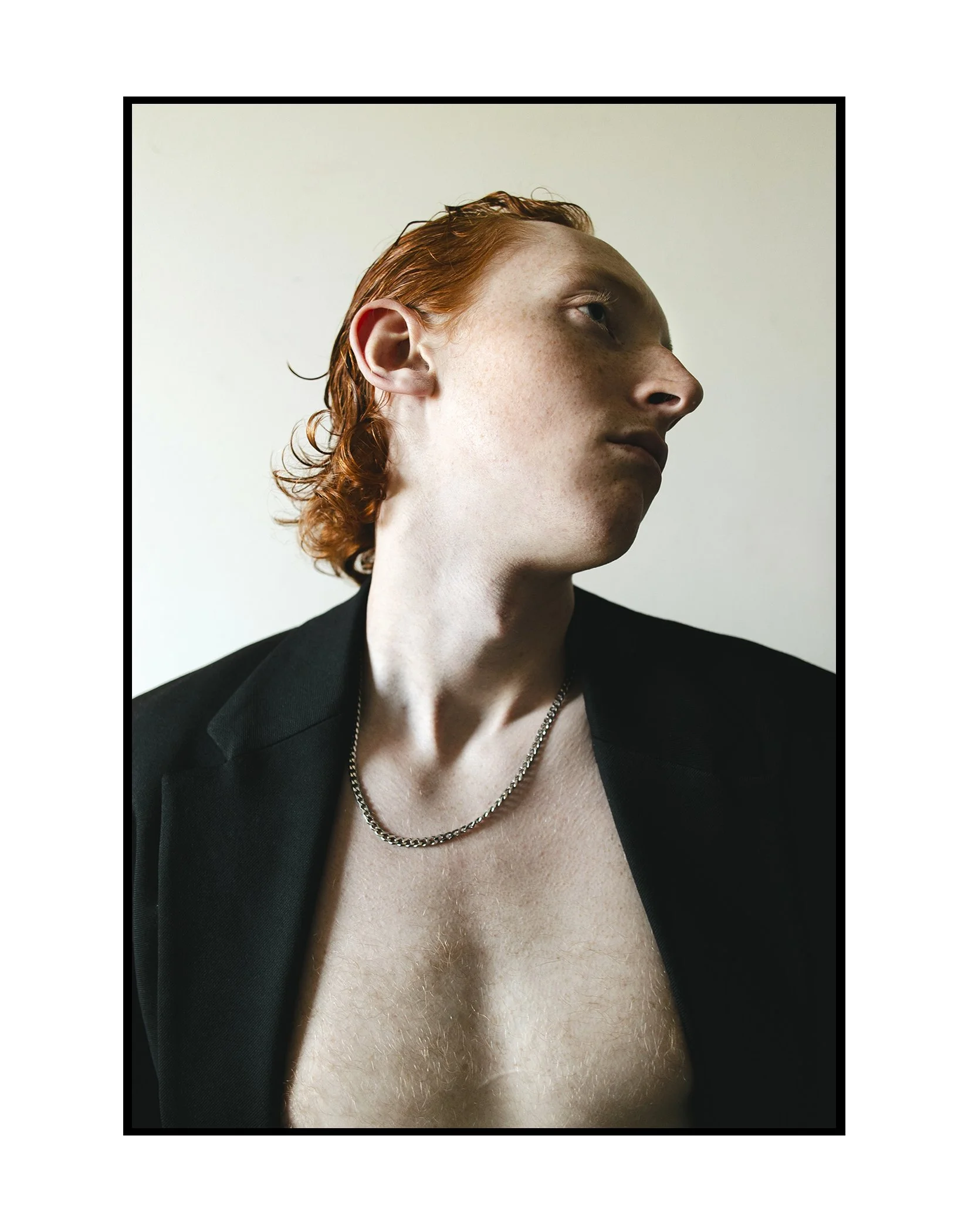
AA: Walter, let’s start with our shoot—it was such a fun day!
We threw everything at it: oversized denim, an oversized black suit, and even a Ghillie suit. What was it like stepping into those surreal and abstract concepts? Did anything surprise you about how the final images turned out?
Anthony Amadeo chats with Walter Cook about abstract shoots, creative trust, and what’s next.
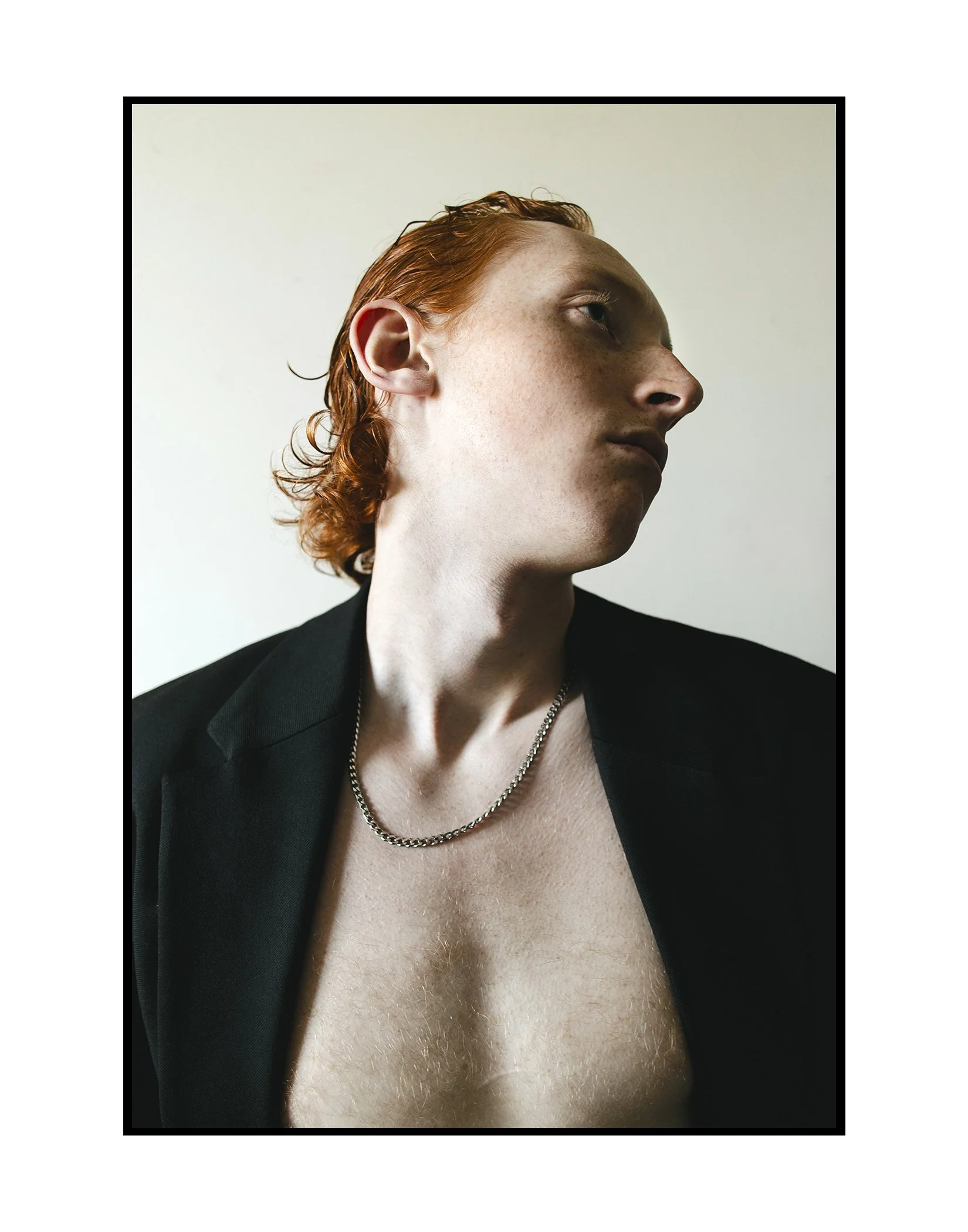
AA: Walter, let’s start with our shoot—it was such a fun day!
We threw everything at it: oversized denim, an oversized black suit, and even a Ghillie suit. What was it like stepping into those surreal and abstract concepts? Did anything surprise you about how the final images turned out?
WC: Going into the shoot I wasn’t sure what to expect. It was my first shoot and I didn’t have any base expectations because of that. The surreal aspect of the clothes made me feel more comfortable than I thought I would be. I wasn’t as worried about making the clothes look perfect or making sure I was standing in exactly the right pose. I was excited to get the images back and they blew me away. In the moment you don’t see the final picture, but afterwards you can look back on the moment when it was taken to see what you were thinking or doing. This just reaffirmed my belief that it isn’t about what I see or want, but what can be captured from another point of view.
AA: You really nailed those abstract shapes and ideas.
That oversized denim became something totally freeform in your hands. How did you approach working with those pieces, and did you feel like you were building something new in each moment?
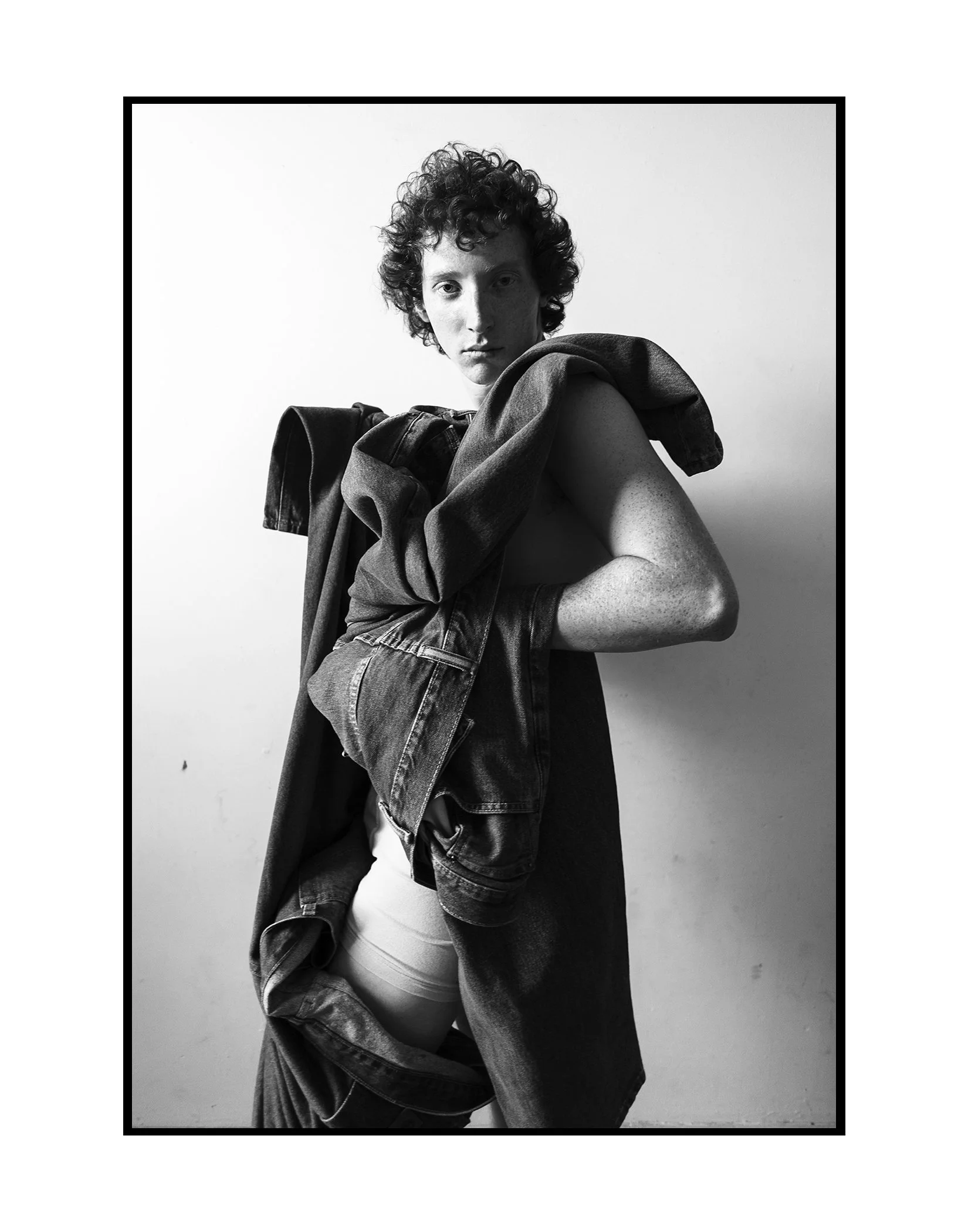
WC: Working with the denim was something that felt very freeing. Trying to find different ways it would move, and to make it stay in those positions for longer than a few seconds before it fell was very fun. I didn’t think of it as clothing while trying to move it which I believe helped create some of the more abstract shapes that emerged.
AA: And let’s not forget the oversized black suit and the Ghillie suit.
The textures, the movement—it was all so dynamic. Do you have a favorite moment or look from the shoot? What stood out to you most about working with those pieces?
WC: One of my favorite looks from the shoot is when we were taking the Ghillie suit pictures. We had taken a couple of pictures before you went over and grabbed the oversized suit and pants. I was thinking I was going to change into them, but you said to just put them on over the ghillie suit. That was unexpected and created some amazing images. I personally love the picture where I have the suit over my shoulder. I remember trying to create that shot with you and I love the way it came out in the end.


AA: We bonded over both having red hair during the shoot—definitely a standout feature!
What’s the funniest or most unexpected comment you’ve ever gotten about being a redhead? Do you think it shapes how people see you or the energy you bring to creative projects?
WC: Having red hair has definitely been something that stands out while doing modeling. It can shape some shoots depending on what the photographer or brand is looking for, but with others it is just an added bonus. As you know it catches people’s eye as they are looking at potential models to work with. Even a second glance makes all the difference in the world. Something to draw the eyes in so they can see what else I have to offer. In terms of unexpected and funny comments there is one I have heard many times. “You know women would kill for hair like yours”. It always comes out at the most unexpected times or from people I have just met which makes it funny to me.
“You know women would kill for hair like yours”
AA: Modeling takes a lot of trust and openness, especially with surreal concepts like ours.
How do you get into the mindset to create? Are there things you do to stay confident and present in front of the camera?
WC: I know that the photographer has an idea in their head. Whether it is a basic concept or a specific vision. I see myself as more of an extension of that vision. It isn’t about me or what I want the images to come out looking like. I think that keeps me in the mindset to create. I am not worried about the way I look on the outside as that has been determined by someone else. My job is to try and bring to light something that someone else has envisioned. I have to work with what I am given as well as the photographer to get to that final image they are looking for.
AA: What’s next for you?
What are your plans with modeling—any exciting campaigns, projects, or new directions you’re wanting to explore?
WC: I am currently working on getting signed with another agency in New York right now. I had originally been signed to a sports and fitness division, but after a little bit I realized that it wasn’t for me. I wasn’t going anywhere and I couldn’t justify staying. I have been talking with some other agencies and am looking forward to working and having many more experiences modeling for all sorts of projects and hopefully campaigns.
AA: Finally, let’s end with some fun: if we were to shoot again, what’s the wildest idea you think we could try?
Would it involve even bigger suits, weirder textures, or something totally unexpected? Let’s brainstorm!
WC: I think trying to get pants big enough for me to fully fit in would be amazing. I tried unsuccessfully to fit in the pants during our first shoot and I think if I pull a bit harder and the pants are a bit bigger I could definitely make it work. Adding in some other textures like a scale pattern or leather might be a good contrast to the wildness of the ghillie suit. I am definitely ready for whatever we come up with and excited to create more images with you in the future. Wherever the shoot takes us is the perfect place to be.
Ali Aksahin: Spotting Creativity in Every Moment
From fun shoots to Dalmatian dots, Anthony Amadeo and Ali dive into the art of staying creative.
From fun shoots to Dalmatian dots, Anthony Amadeo and Ali dive into the art of staying creative.
AA: Ali, let’s take it back to those Brooklyn loft days.
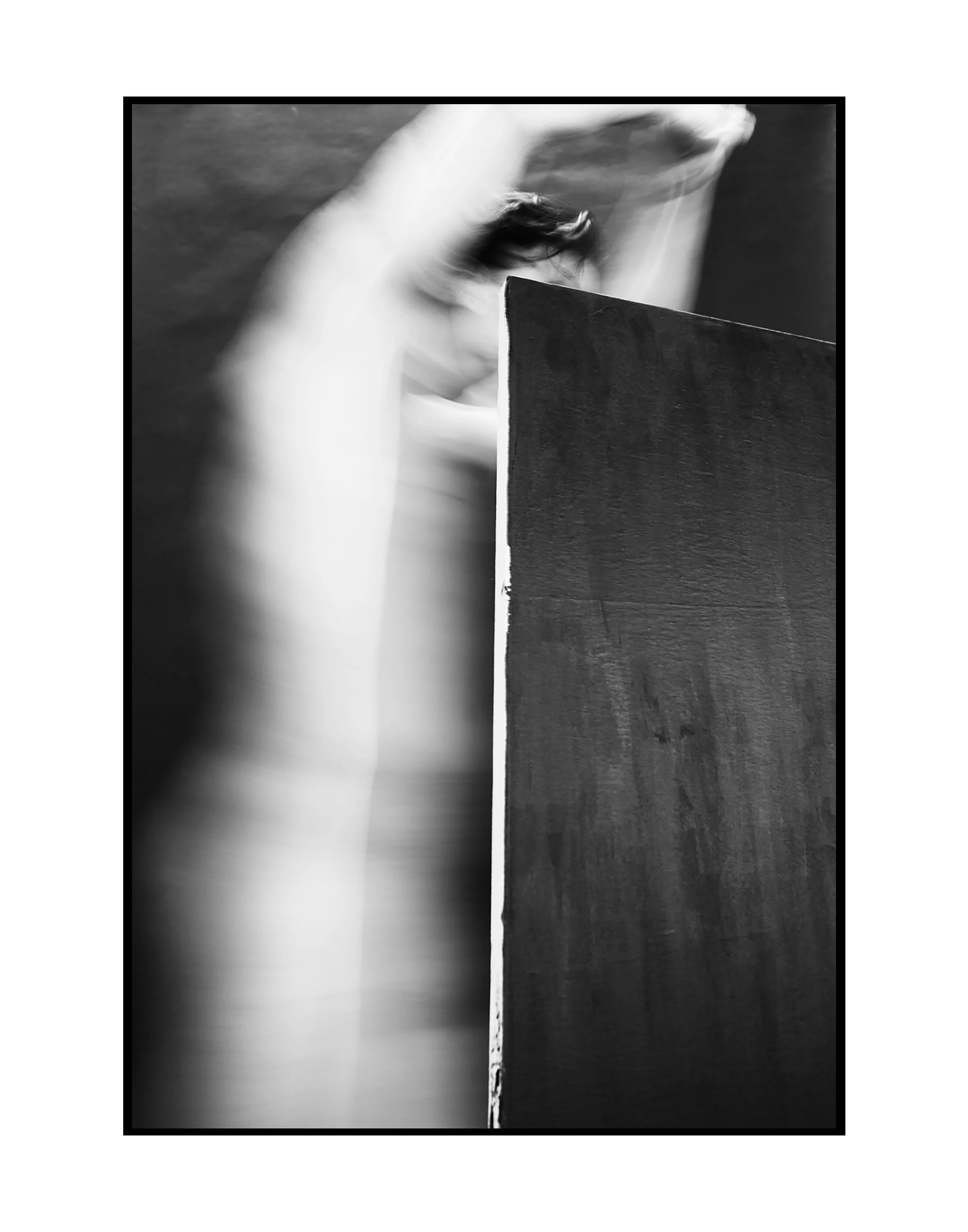
We shot together a couple of times, and I remember experimenting with abstract, blurry photos of you alongside one of my recently finished paintings. How did you feel stepping into those more experimental concepts? Did you enjoy being part of something so abstract and unpredictable?
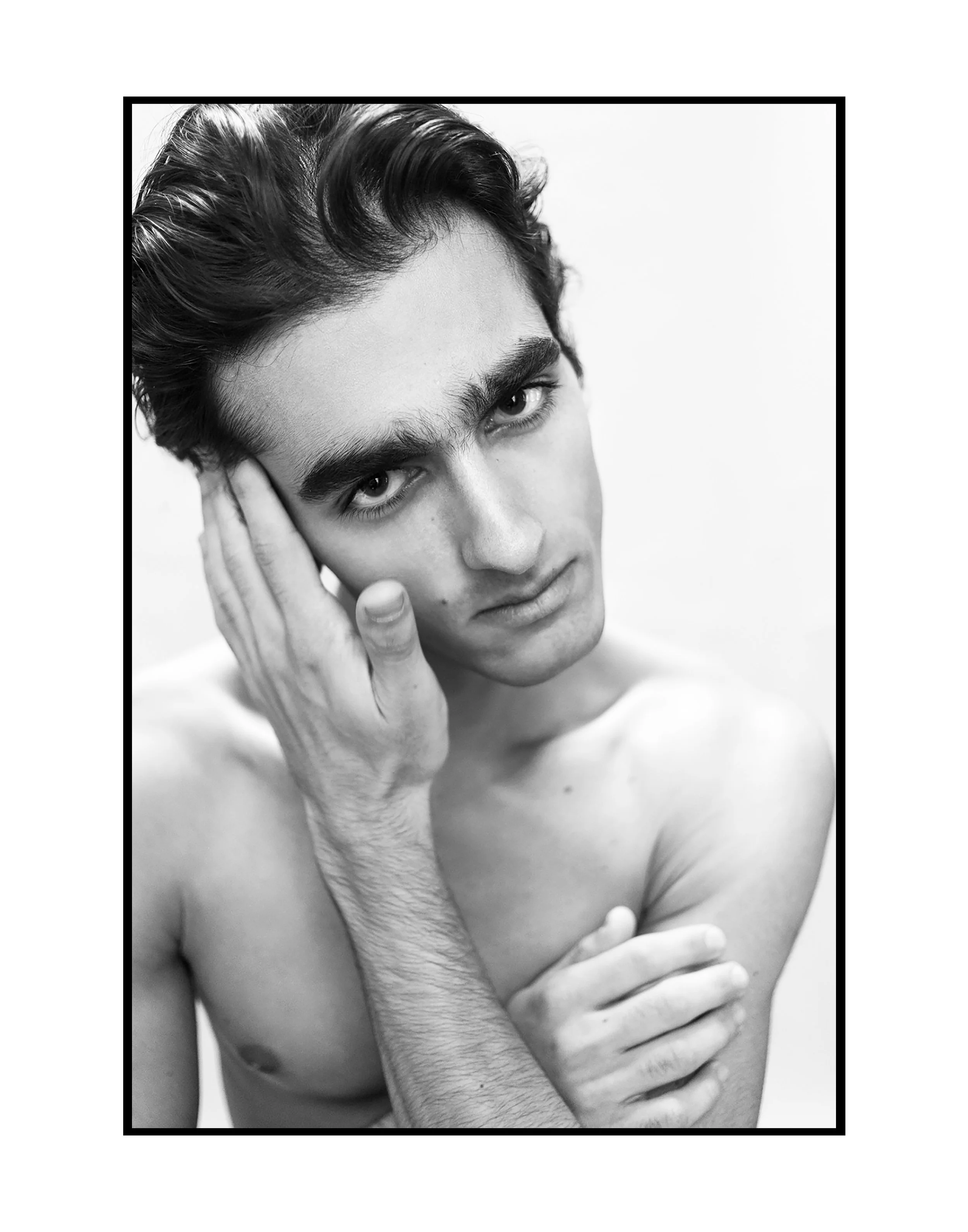
Ali: I enjoyed being part of the experimental concepts you created. It felt freeing to step away from traditional modeling and try something more unpredictable and creative. Working with your paintings and exploring new ideas made the whole process feel more meaningful and exciting.


AA: During lockdown, we even did a remote portrait shoot.
That was such a strange time for creativity. How was that experience for you, and did it change the way you think about photography or connection?
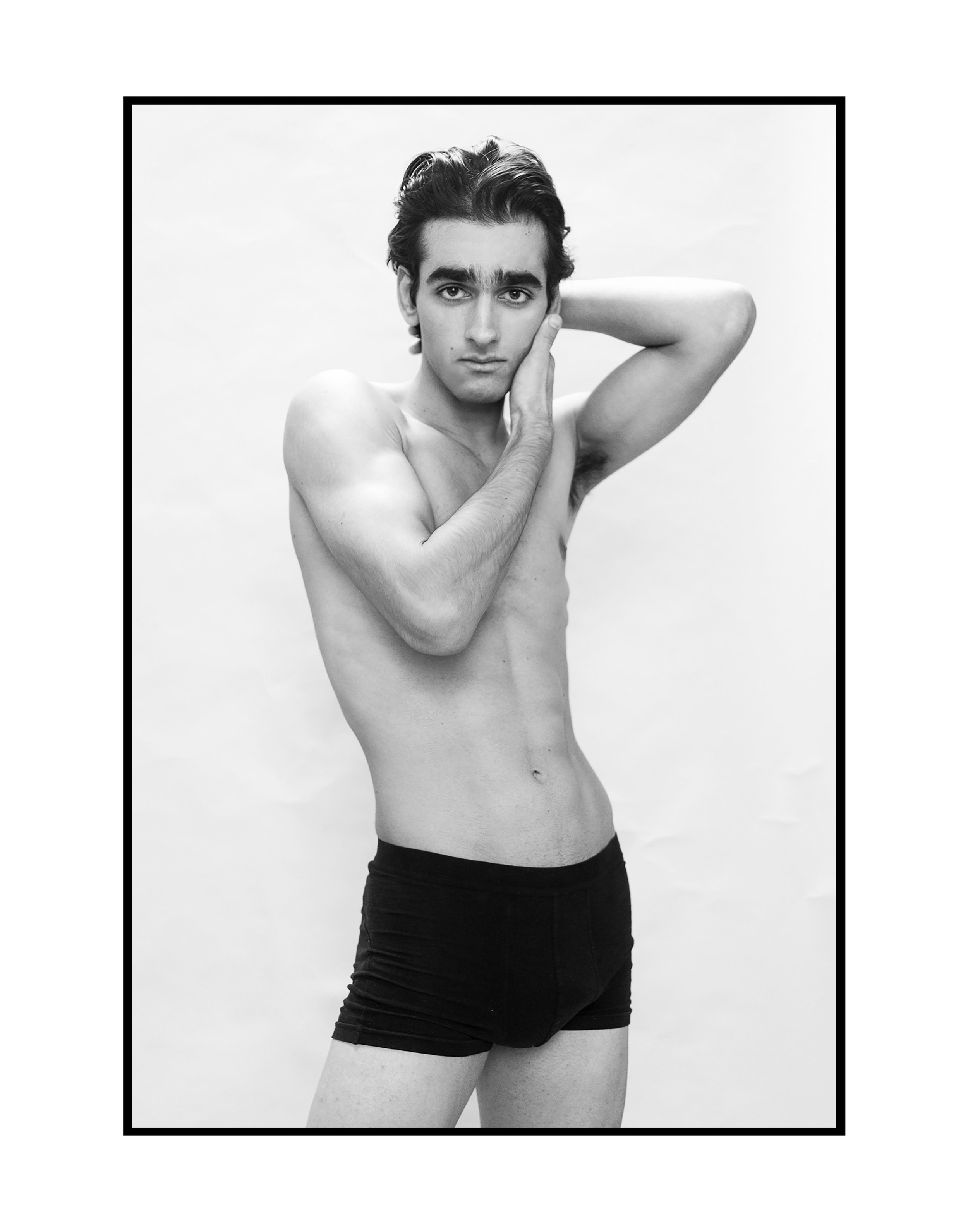
Ali: That remote portrait shoot during lockdown felt like a historic moment. It was inspiring to see how all the creative industries showed their resilience during such a challenging time. I also felt like I was part of documenting that resilience, showing how creativity could adapt and thrive even in the face of uncertainty.
AA: What have you been up to creatively these days?
Whether it’s modeling, art, or another creative pursuit, what’s been fueling your energy lately?
Ali: These days, I’ve been focusing on creative projects that combine storytelling and architecture. One of my recent projects looks at public space and memory, which has been really inspiring. It’s exciting to work on something that challenges perceptions and sparks meaningful conversations through architecture.
AA: Any fun travels recently?
You strike me as someone who’s always inspired by new places. Have there been any trips that sparked creativity or left a lasting impression?
Ali: Recently, I traveled to Argentina, and it was a really inspiring experience. The trip gave me a chance to explore ideas around waste-to-energy and recycling in my architectural research.
AA: Let’s talk about your Dalmatian—I think I remember seeing you walking one through Dime Square!
How does having a dog fit into your life? Do they inspire you creatively, or are they more of a grounding presence?
Ali: Having my Dalmatian Pongo is definitely a grounding presence in my life. They bring so much joy and routine to my day, which helps me stay balanced.
AA: Let’s get interactive: imagine drawing your dalmatian, but here’s the twist.
Create an image using only dots. What would it look like? It could be abstract, playful, or totally unexpected—just dots telling the story. Snap a photo and send it over—I’d love to include it here!

AA: Finally, where can people keep up with you?
Do you have any upcoming projects, shoots, or fun creative ventures that people should know about?
Ali: People can keep up with me through my social media (@Ali.shco), where I will share updates about my creative projects. Right now, I’m focusing on a design research exploring public space and memory, which I’m really excited about.

Mason Williams: Big Dreams and Creative Schemes
Anthony Amadeo chats with Mason Williams about surreal shoots, bold moves, and what’s next in his creative world.
Anthony Amadeo chats with Mason Williams about surreal shoots, bold moves, and what’s next in his creative world.
AA: We’ve shot together a few times now, and it’s always an adventure.
One of my favorite looks we’ve done was the tie series—so simple yet surreal and striking. Do you have a favorite look or moment from our shoots? What made it stand out for you?
MW: The tie series is my favorite as well, particularly when it was paired with the corset. I’ve always been fascinated by exploring the balance between masculine and feminine elements. The tie, a modern symbol of masculinity, combined with the corset, a historical standard of feminine beauty, perfectly encapsulates the interplay of contrasts that I enjoy delving into creatively.


AA: You’re not from New York City, but you’ve brought such a strong energy here.
What’s your perspective on the city? Does it feel creatively inspiring, or do you find yourself missing the vibe of where you’re originally from? How does the city challenge or shape you as a model?
MW: Every visit to New York deepens my appreciation for both the city and my hometown. Having experienced the contrast between a slow-paced, southern lifestyle and the fast-paced energy of the city is something I value deeply. It takes exposure to diverse environments to fully appreciate them. Many people who grow up in one place often lack the desire—or the opportunity, as is often the case in rural Appalachia—to explore vastly different settings.
For me, both my hometown and the city are equally inspiring in their own ways. However, the city motivates me to actively pursue my creative endeavors because it offers greater accessibility, acceptance, and support for artistic expression.
AA: You’re always in amazing shape for shoots.
What’s your secret? Do you follow a specific routine or mindset to keep yourself ready for these creative projects?
MW: I am driven by a constant desire for self-improvement. I often feel that I can always do, be, or look better, which fuels my dedication to staying consistent in the gym. While I don’t follow a strict routine and certainly didn’t start with all the knowledge I needed, a turning point came two years ago when a heartbreak motivated me to commit to personal growth. The gym became one of my primary tools for transformation and self-betterment.
AA: We’ve done some wild concepts before, but let’s imagine the strangest shoot we could craft up next.
What if we shot you covered in mirrors to reflect light in strange patterns, or we suspended you upside down in a room with furniture bolted to the ceiling? What’s the most bizarre or surreal idea you could see us shooting next?
MW: A photoshoot inspired by the four elements—water, fire, earth, and air—offers an incredible opportunity to explore their raw beauty and symbolism. For water, we could create a serene or stormy scene with reflective pools, cascading droplets, and flowing fabrics in shades of blue and silver, evoking the fluidity and depth of the element. Fire could take place in a desert at sunset or a dramatic studio setting with glowing embers, smoke, and bold styling in fiery reds and golds, symbolizing passion and power. Earth could be grounded in a lush forest or rocky canyon, with textured outfits in natural tones, moss, vines, and raw materials that embody strength and connection to nature. Finally, air could emphasize weightlessness and movement, with sheer fabrics, wind machines, and ethereal lighting to create a sense of flight and freedom. I feel this concept could be beautiful with both a huge production or an extremely stripped-back version.
AA: Fashion in our shoots always has this surreal edge.
Who or what inspires you when it comes to your own personal styling? Is there a designer, artist, or even a strange cultural reference that you’d love to bring into a future shoot?
MW: When it comes to personal style, I’m deeply inspired by the interplay between masculinity and femininity. It’s an aesthetic that fascinates me—one that feels both powerful and fluid. A major influence on my approach is Glenn Close’s portrayal of Cruella de Vil. The character’s blend of masculine dominance and power-hungry attitude, juxtaposed with her extravagant, meticulously crafted wardrobe, is something I find endlessly captivating. I’m particularly drawn to her refined color palette, the corseted waist, and the exaggerated shoulders. These elements speak to a sense of boldness and sophistication that I strive to evoke in my own style. Cruella’s essence lingers in the back of my mind with nearly every creative decision I make, and the opportunity to incorporate any aspect of her iconic look into a shoot would truly be a dream.
AA: Modeling can often be about embodying a vision.
When you’re in front of the camera, do you see yourself as a character, or is it more about amplifying your own personality? How do you tap into the surreal ideas we’ve worked on?
MW: When I’m in front of the camera, I definitely view myself as embodying a character. It’s a facet of my personality that’s always present, but not always visible in everyday life. My friends and I have affectionately named this character “Drew.” My legal first name is Andrew, but I’ve always gone by my middle name, Mason. So, “Drew” felt like the perfect fit—close enough to my real name to feel authentic, yet distinct enough to represent a side of me that’s separate, something I don’t formally use but still deeply resonate with.
As for tapping into the surreal concepts we’ve explored, I channel Drew as a way to bridge the gap between my true self and the more exaggerated, imaginative expressions we’ve worked on. It’s almost like giving form to the ideas, allowing them to exist through a character that feels both personal and slightly otherworldly.
AA: Where can people keep up with you?
Anything exciting coming up, or any personal projects you want to share?
MW: You can keep up with me on all platforms @masowilli. Recently, I made the decision to part ways with my agency, and I’m genuinely excited about the opportunities that lie ahead. While it initially felt like starting over, I soon realized that’s far from the truth. The experience has taught me so much, and I now feel more equipped and confident to forge a new path and create something even better.
You’ve been an integral part of my journey, as you were the first photographer I worked with after signing with my agency. Your creativity and perspective have continued to inspire me artistically, and I’m incredibly grateful for the role you’ve played in my growth.