Julian — In the Studio
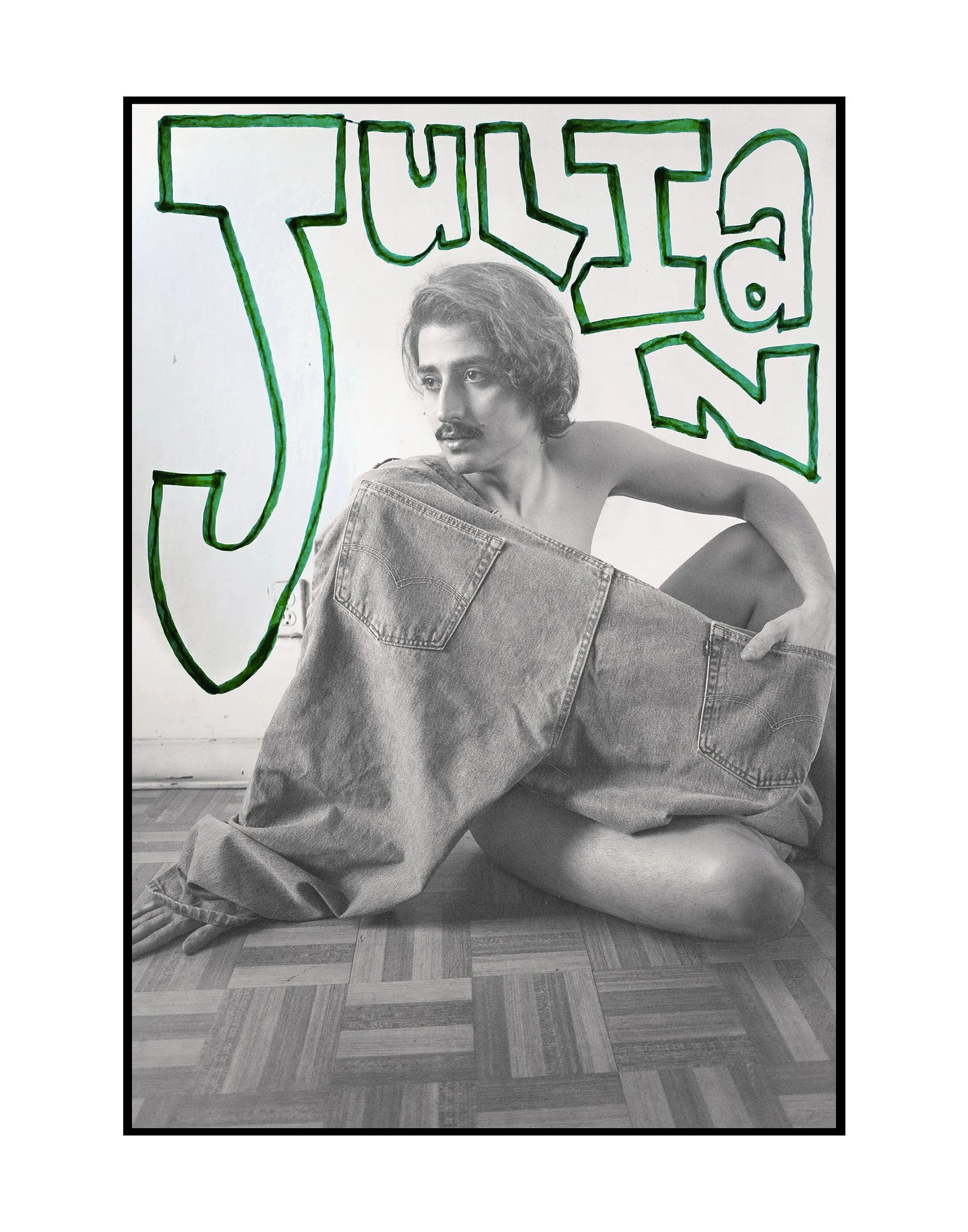
Julian Barbarino - An artist in the portrait studio of Anthony Amadeo
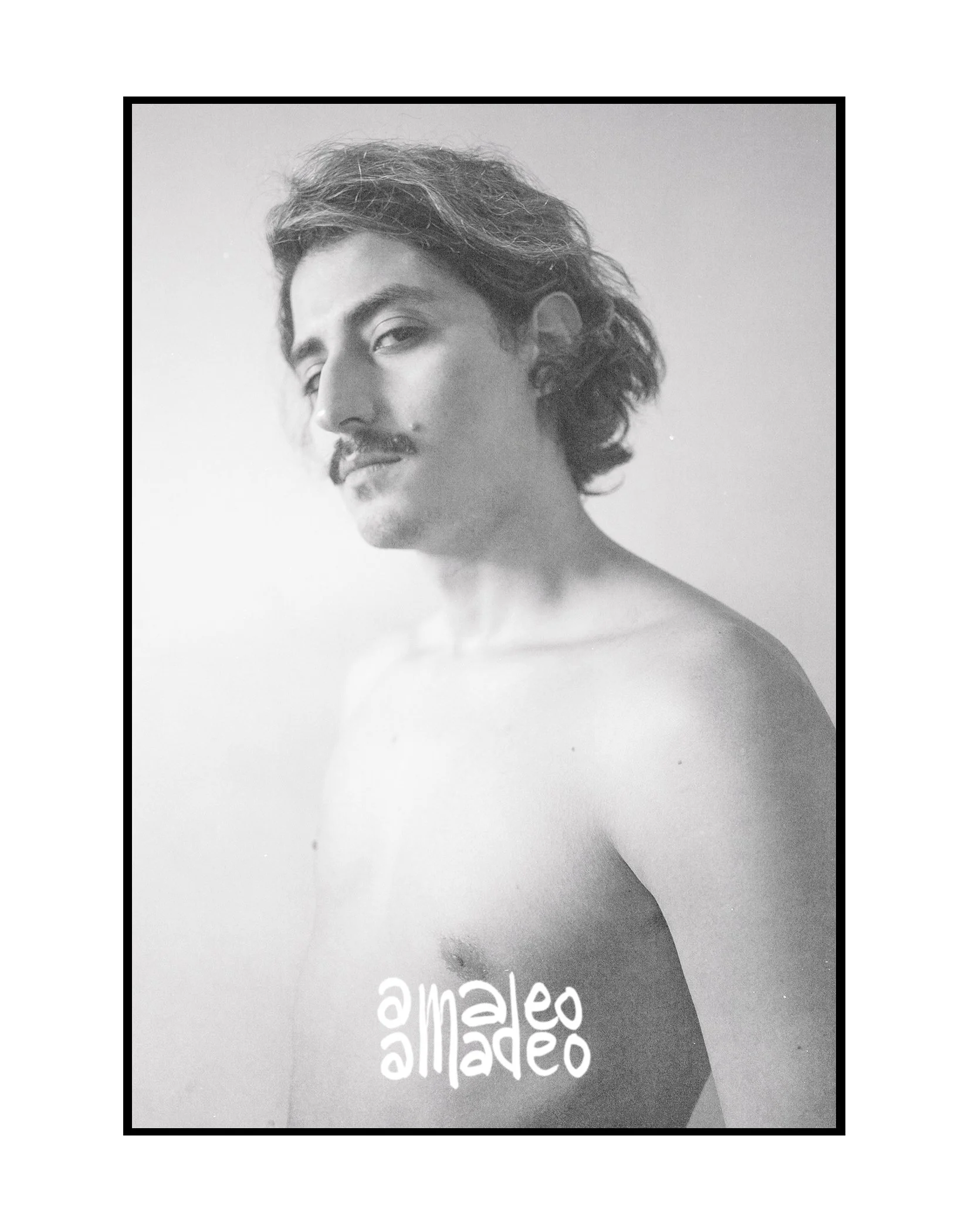
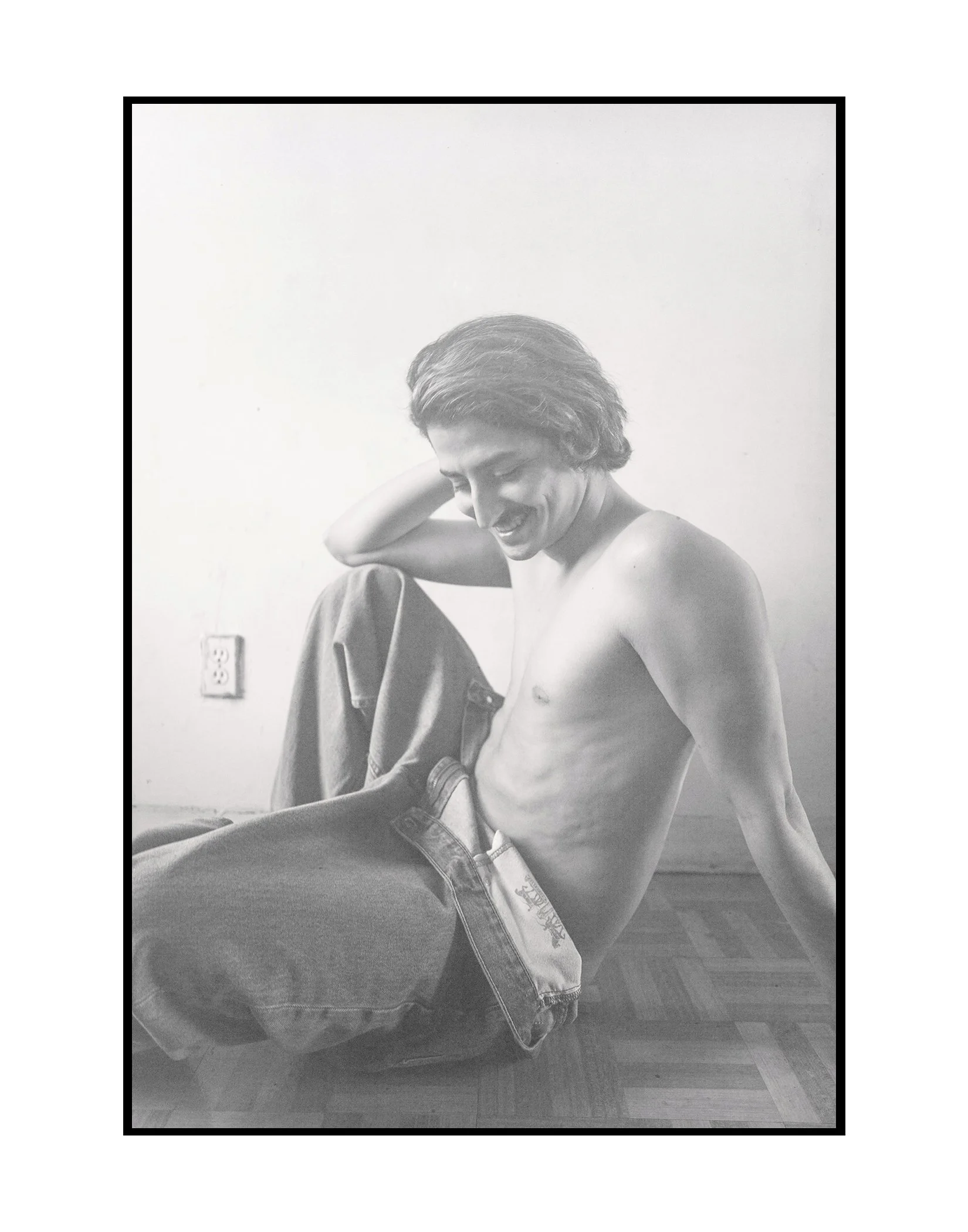
AA: You’ve been a figure study model for a long time. Do you remember the first time you ever stepped into that role—what pulled you toward it, and what surprised you once you were in the room?
JB: Like it was yesterday. I was 18 years old and at the end of my freshman year in college. I had a friend, Derek, and he wanted to do some photographs for his portfolio which involved body painting and I jumped right in. I think it’s like many art models get into modeling, they pose for a friend and it evolves from that. A couple of months later, because of how flexible the schedule could be for a full time student, I modeled my first figure drawing course. I have to admit it was a little awkward because I was modeling for a professor who was still teaching me in some courses and at the same time I had friends taking the course. I was incredibly nervous for that class, but what really surprised me was how natural it all seemed, as if nobody really cared that their friend was naked in front of them and that after a minute ot two it was just fine, they were focused on drawing and I was just posing.
—
AA: Figure modeling teaches a very specific awareness of the body—balance, tension, weight, negative space. How do you think that experience changed the way you move through the world outside the studio?
JB: I think I am more aware of my surroundings. I have become even more observant than I was, and I can carry several conversations at once. That second one comes from listening to students speak while I’m posing, which can be dangerous for those who speak at an earshot of me. Personality wise I haven’t changed at all from in the last 12 years since I started modeling, I’m still the introverted guy that won’t really engage in large groups, which I’m told is a little weird since I don’t have any shyness from being nude in front of 30 people.
—
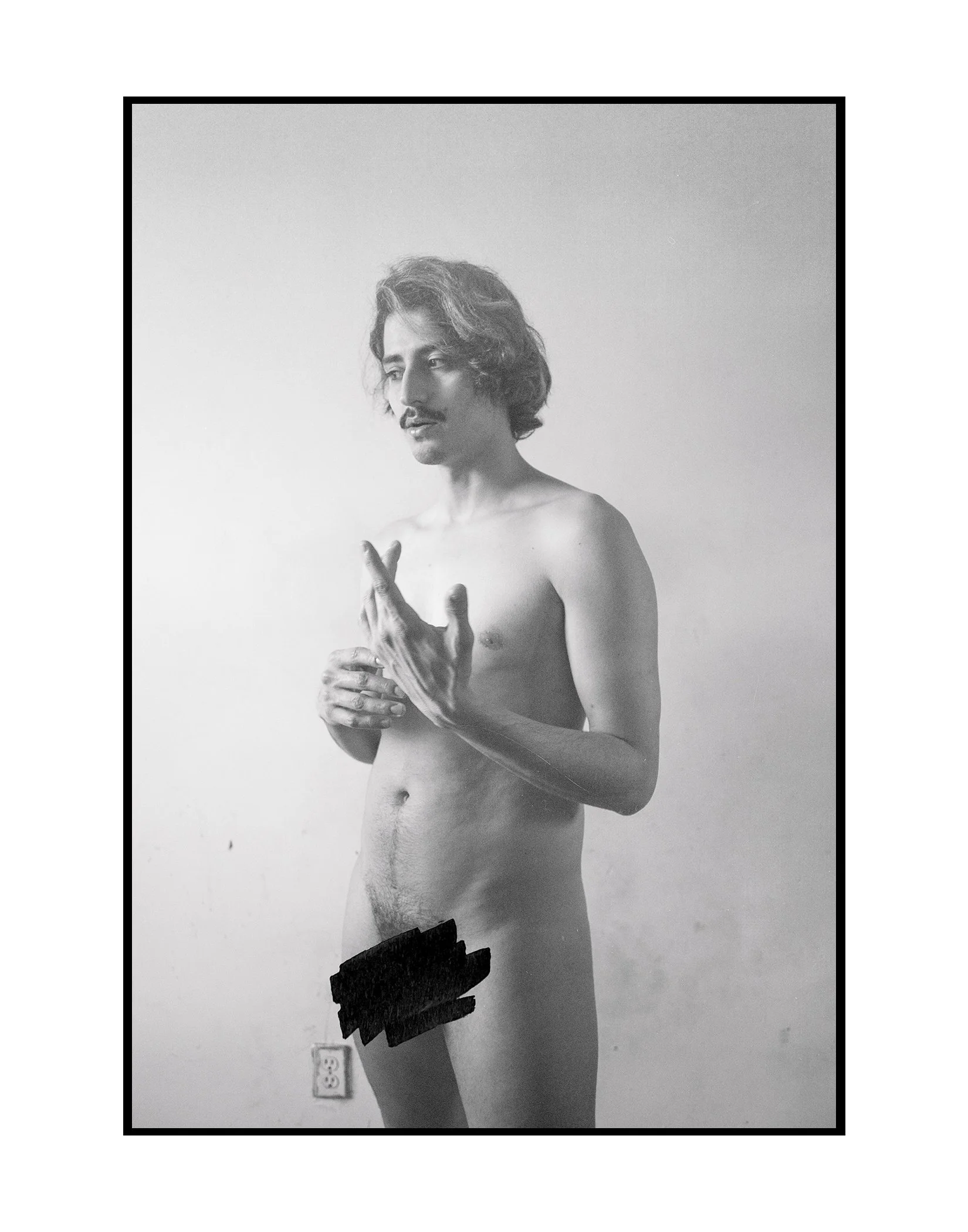
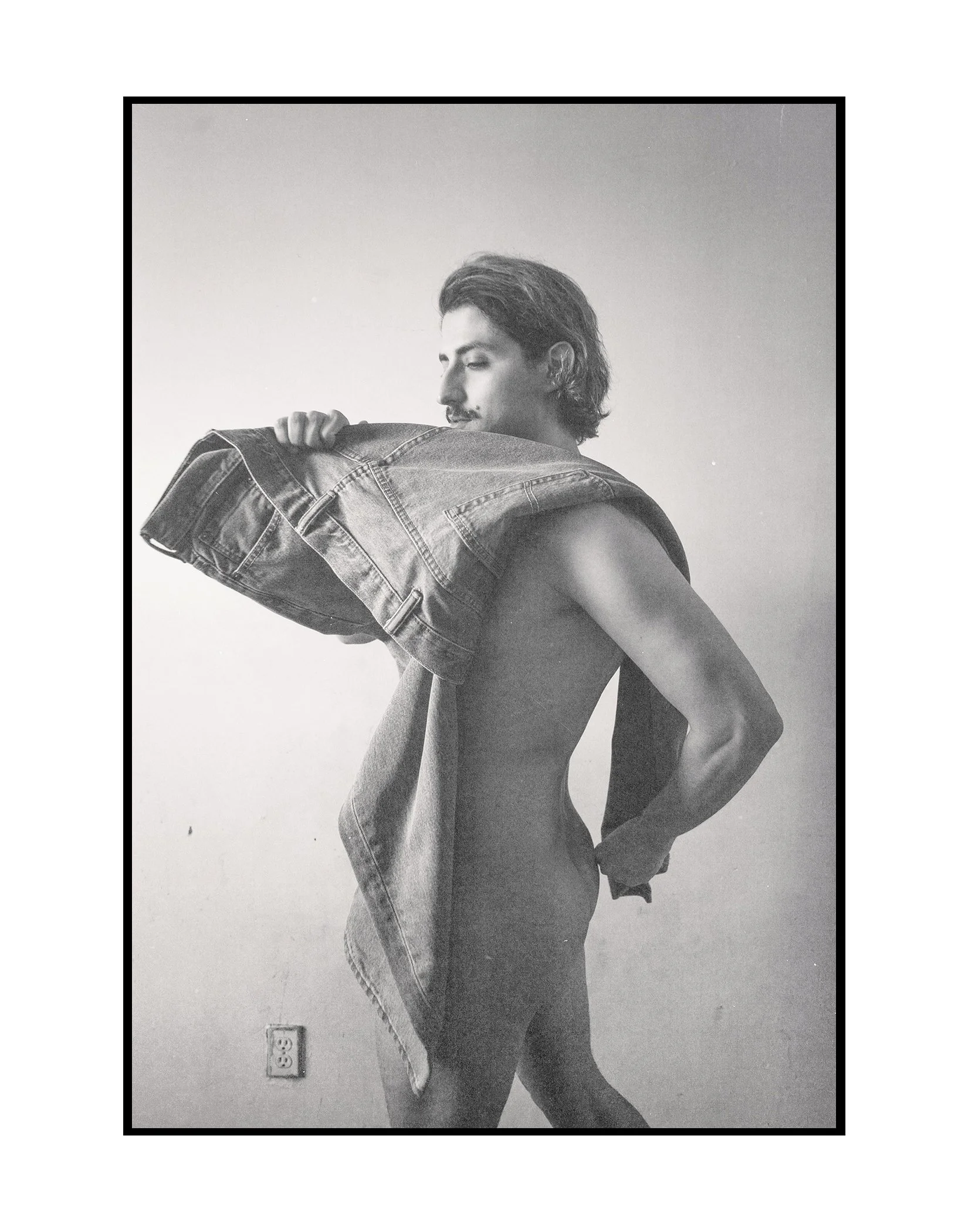
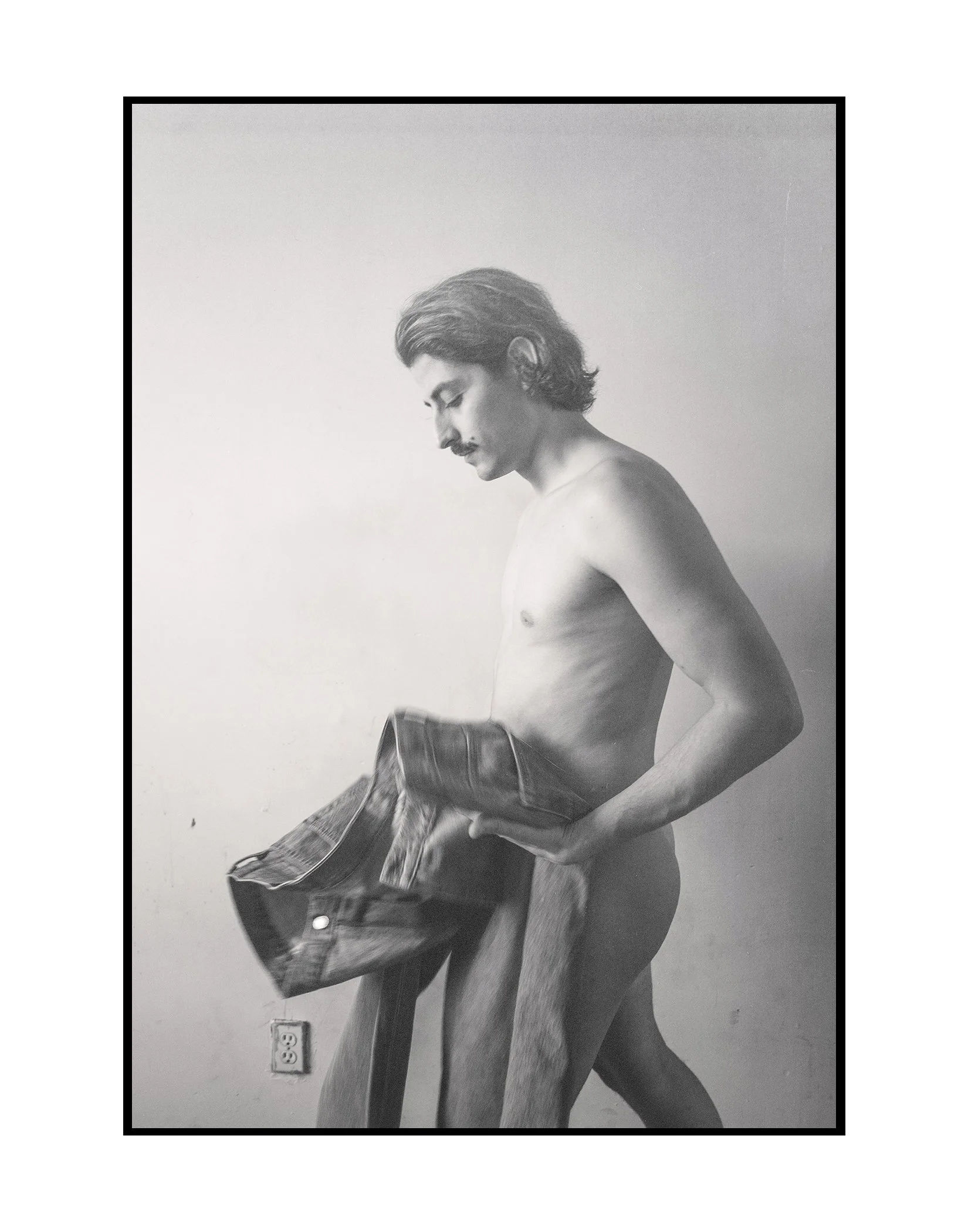
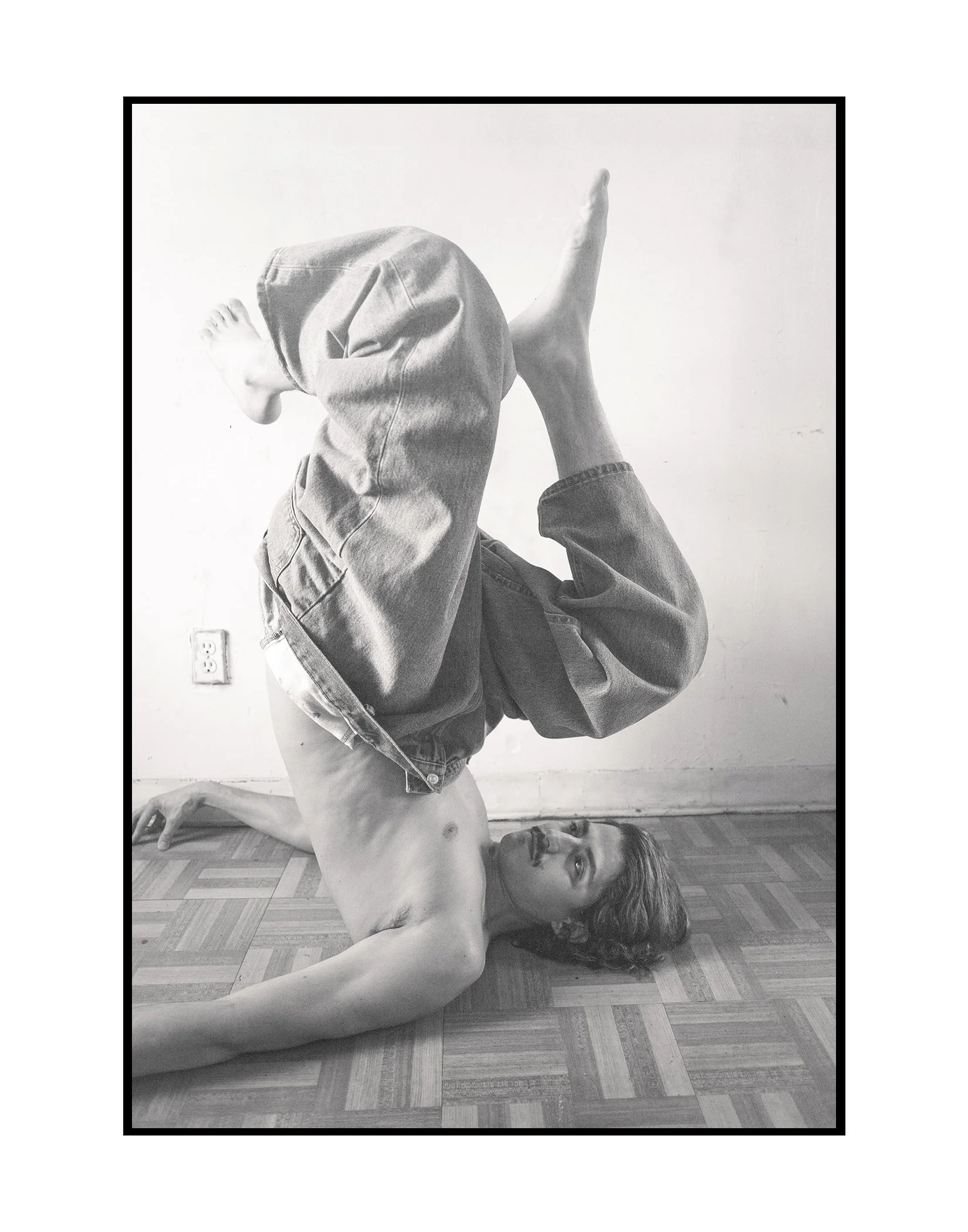
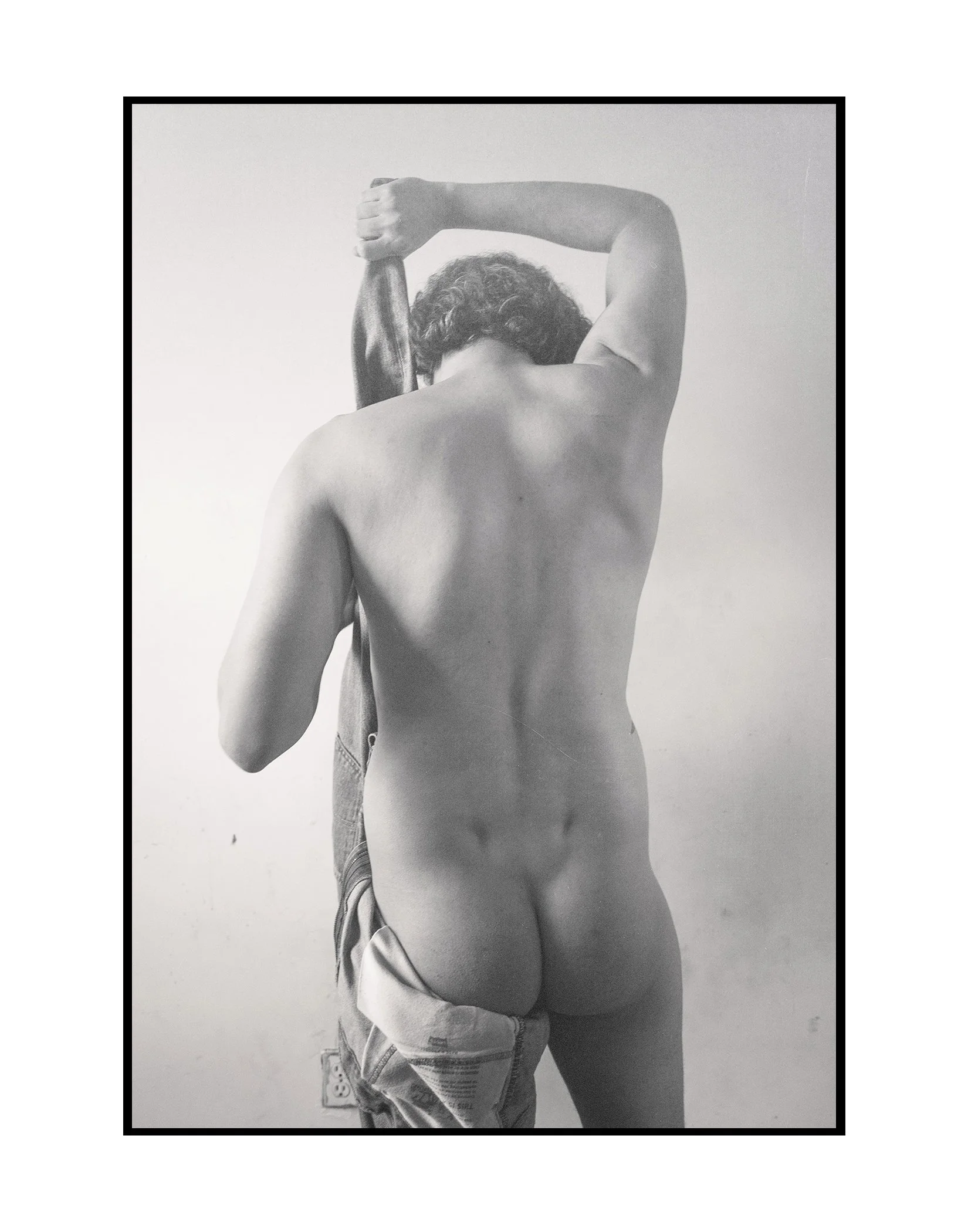
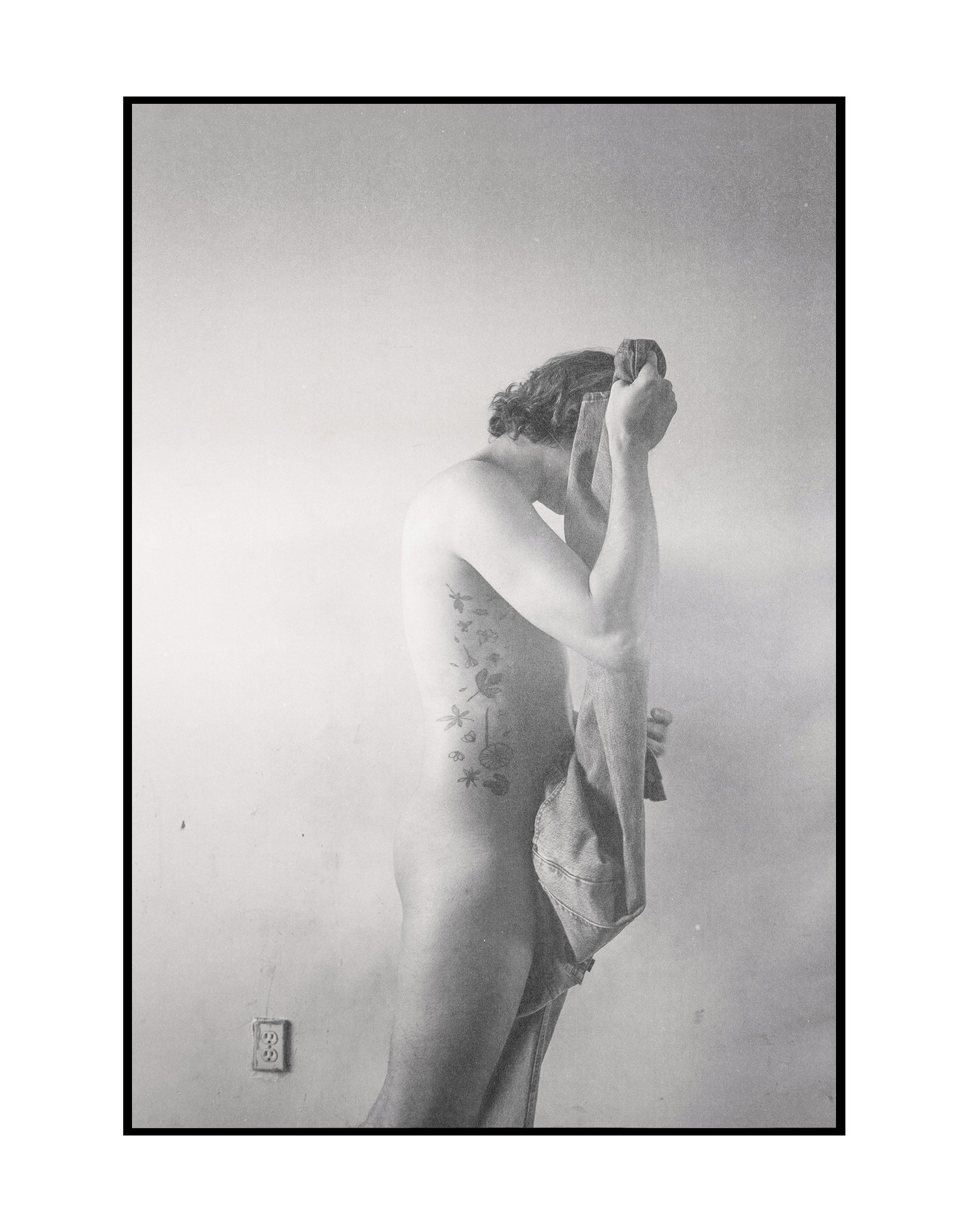
AA: Watching you move during the shoot felt different—more intentional, more sculptural. When you’re posing, are you thinking like a model, like an artist, or like a material being shaped?
JB: Definitely more intentional, and I am mostly thinking like an artist, not a model. I think it has to do with modeling so long in groups where artists are drawing you from every angle, it made me incredibly aware of what others see. For a while I felt pressure to make sure that no matter what pose I do, everyone gets to do something interesting, not just the ones in front of me. So now when I’m modeling I know what is going to be on the other side from every angle, which is great for drawing sessions in groups, the artists end the session very happy and not thinking “I wish I had a better angle.” On the other hand, I do have to say I think it sometimes affects the spontaneity a session could have and I feel like I could be more relaxed.
—
AA: Where are you from, and what was your early relationship to making things? Was creativity encouraged where you grew up, or something you carved out on your own?
JB: I’m from Puerto Rico, even though I was born in Brooklyn, my family moved to the island in the late 90s and I remained there until 2020. So essentially lived my entire childhood and the early stages of adulthood there. In my family creativity was encouraged, especially from my mother’s side of the family. I remember spending summers and breaks in the town of Ciales, which is a mountain town of Puerto Rico, drawing, coloring books and doing crafts with my cousins, aside from also playing most of the day outside. I think that type of space and upbringing also encouraged us to not spend all of our time on video games and TV, and choose toys that sparked creativity and challenges. My brother would get anything for building and working o electronics like remote control car kits at RadioShack, while I would get anything to paint, draw or legos to build kits or or just make stuff up.
—
AA: Did school play a big role in shaping you as an artist, or did your real education happen elsewhere—studios, streets, sketchbooks, late nights?
JB: School played a crucial role in becoming an artist, especially High school. I took an art class in 11th grade the first one in 4 years, the teacher, Mayra Aguilar, took a huge interest in me and pushed me because she saw my potential. She would give me assignments and even donated materials for me to do the assignments, she had me read books and research artists. She eventually introduced me to my art school by giving me a private tour of it while completing my senior year, which I appreciated because at the time I didn’t think Puerto Rico had a dedicated art school, and I was mostly ready to jump to any college with a science program, which I was good at. I fell in love with the arts, and I wouldn’t be where I am today or do the things I have done if it wasn’t for Mayra’s push.
AA: You work across multiple mediums. Which ones do you return to the most, and which ones do you turn to when you’re stuck or restless?
JB: The one i feel like I always come back to is drawing. It’s how I work out most of my concepts, and use to get an idea running visually. I don’t do it as much anymore as I have been working with abstract concepts for the past year, but I do always try to get in a sketch whenever I can to keep the motor running, so to speak.
—
AA: Is there a medium that feels like “home” to you—and another that feels like a risk every time you touch it?
JB: I don’t think I have a medium the feels like home other than drawing, even then I don’t do it as much as I used to. I think working across different mediums keeps me learning, and there’s something underneath that won’t let me be comfortable with one medium and then stick with it for a long period of time. I always have this urge to change it up when working on a new idea which for is the risk for me. Trying out a new medium, most of the time learning it on my own, and trying to marry a concept with it is so difficult because I’m always trying and it doesn’t always work. But that moment you find the right one, it just feels like everything is right.
AA: What keeps you creatively alive right now—what are you feeding yourself visually, mentally, emotionally?
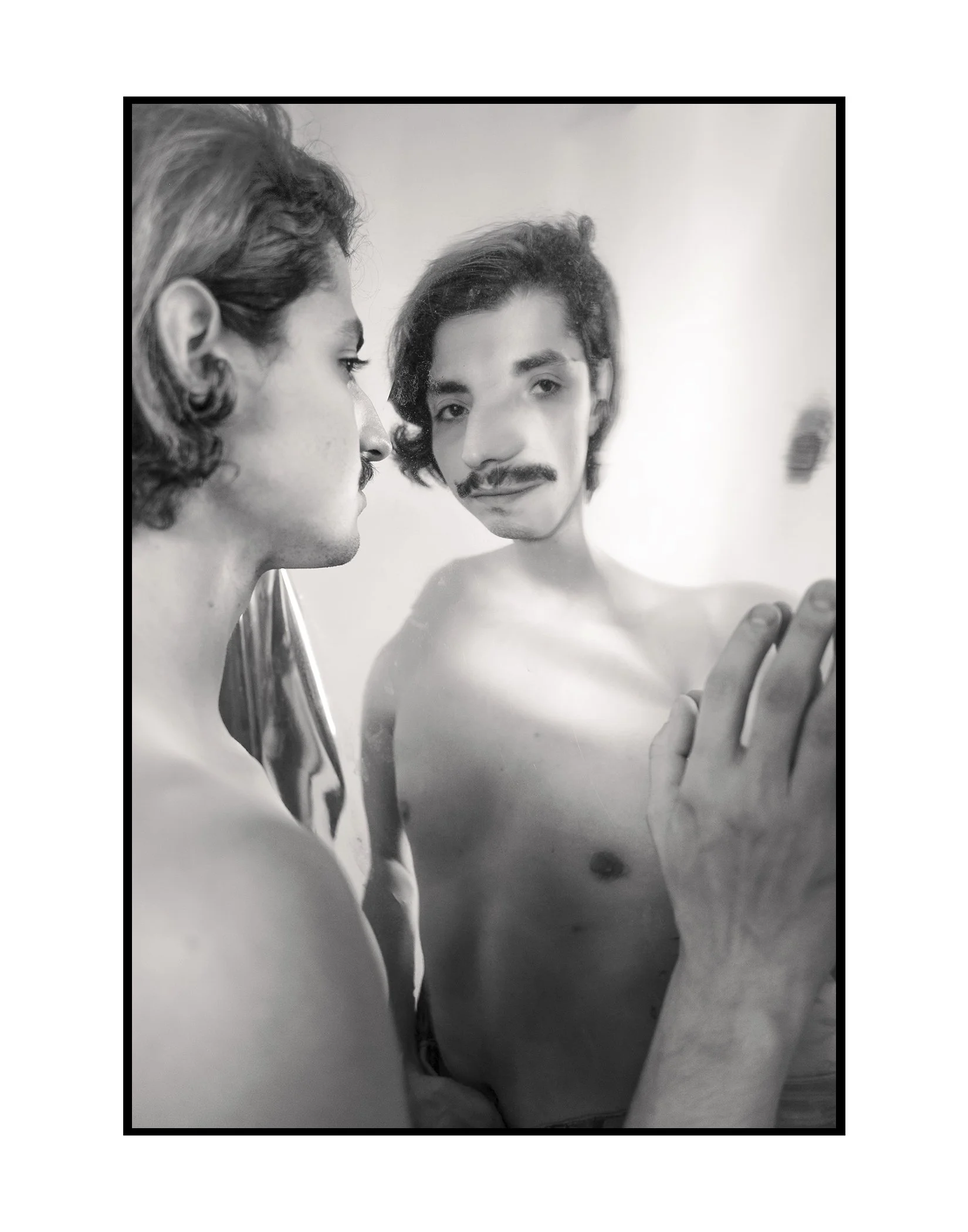
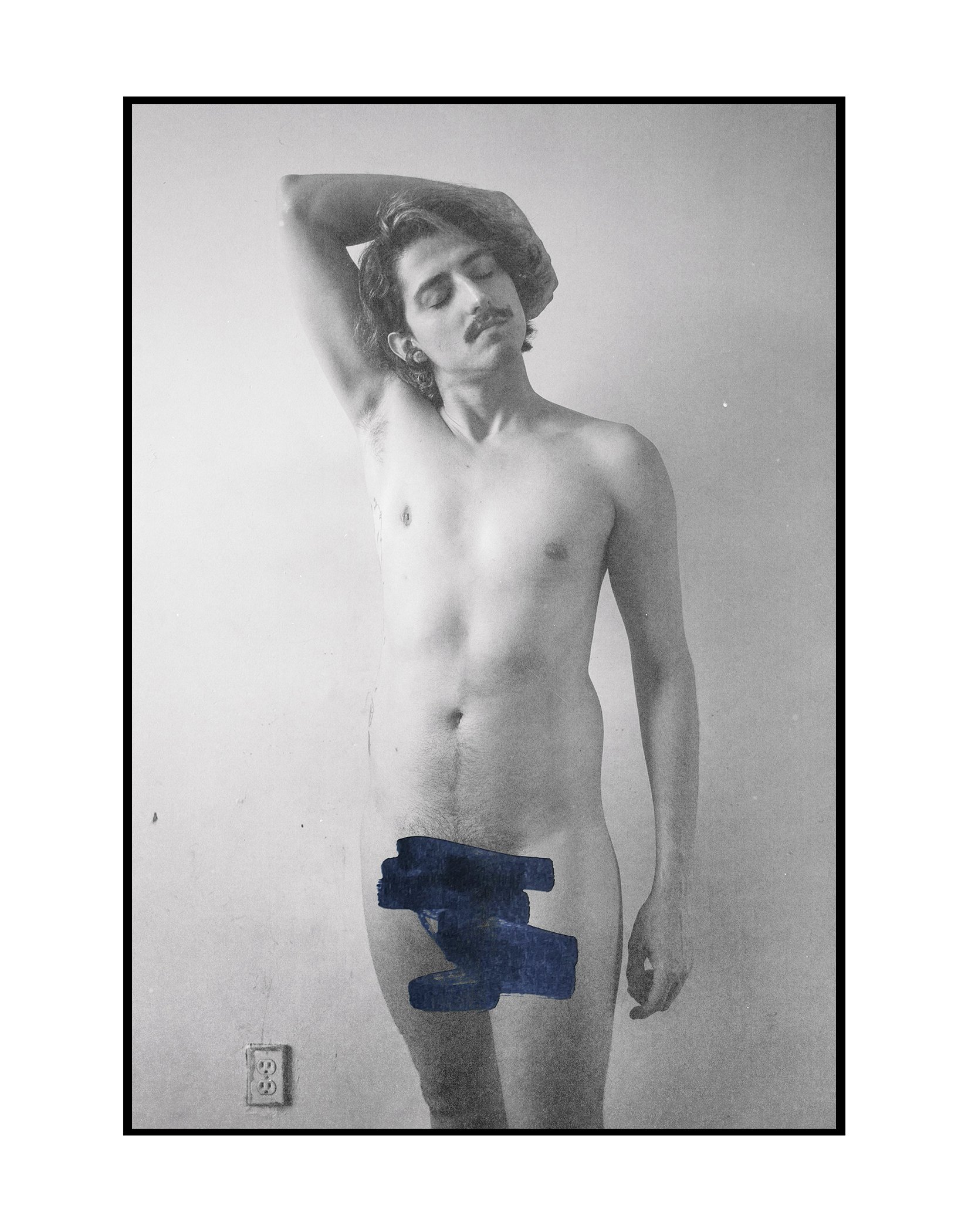
JB: What always keeps me creating is learning. It can be learning about history, a new medium or just plain experimenting to gain knowledge. I feel like it keeps my mind going and helps me see the bigger picture of things, especially when it comes to working on my art because it is so personal. I think vulnerability is something a lot of people aren’t comfortable with, and my work is about vulnerability, from the art I create to posing for others in the nude. There’s a certain connection that is made when you are seen without any walls. Not everyone is capable of being comfortable in front of vulnerability, and that’s where i try to sit in because It’s ok to be vulnerable. I think there’s so much we can learn about ourselves when we are.
—
AA: When creativity slows down (because it always does), what helps you reconnect—movement, music, solitude, conversation, repetition?
JB: When it slows down, I tend to take a break, and it’s not like a day or two, for me it tends to be a few weeks before I create again. In that time I’ll focus on reading, listening to music, share time with friends or even playing video games, anything to unwind and relax. When I feel ready, I can come back fresh and with new eyes, because sometimes when you work on something for too long you can’t always see the mistakes you’re making, so breaks are good and it stops me from burning out or abandoning a project.
—
AA: How does using your body—posing, holding tension, staying still—inform your art-making afterward, if at all?
JB: It tells me a lot. Most of the time when I pose I am not really present, at least for classes where I hold long poses. I’m usually thinking of my projects, I use it as “library” time, I think in my head and art classes tend to be very quiet, because everyone is so focused on their own thing, so they’re good for that. Sometimes seeing people work or seeing and artist do something can sort of spark an idea, and when that happens I feel like it’s just the environment, being in a creative space can just move things along because of the energy.
AA:. If you had to describe your creative process using only three textures, what would they be?
JB: I think I could only choose two, rough and uneven. Most of the process can be so long, and experimenting so much to find that one thing can feel like a very long process, especially when there are so many failures, and other times if feels like you found the right thing and after making a few pieces you look at it and are not “feeling” it and then you start from scratch.
—
AA: Choose one color that feels like your body and one that feels like your mind. Why those?
JB: For my body I would probably go with yellow, to me it's a color that feels like openness and comfort in a very energetic way. I think my mind would be blue, there’s a depth to what goes on, but I feel there’s trust, honesty and a calm that’s present even in the craziest moments.
—
AA: Finish this sentence:
“When I’m making something with my hands, I’m really trying to…”
JB: “… be vulnerable and honest”
AA: What are you currently working on—or quietly dreaming about making next?
JB: Right now I am working on expanding my current series “Geographical Landscapes of the Mind” which is based on damaged Polaroids but in fiber. So I am working with cotton and acrylic yarn that is then tufted or hand punched onto a cotton fabric backing known as monk cloth. Visually I recreate the frame of a Polaroid instant film exposure and then intervened where the photograph would be with degrading colors or patterns that reflect a specific emotional state based on text I had written at nights during a severe episode of depression in 2024. Each one is me pouring my all into each piece and making something that I find beautiful out of a rough time.
AA: Where can people find your work, follow along, or step into your world?
JB: Well that one is easy, you can find me in pretty much all socials under @JulianBarbarino, but Instagram is where I am active the most. Also my website julianbarbarino.com has pretty much everything I have ever done under my archive.