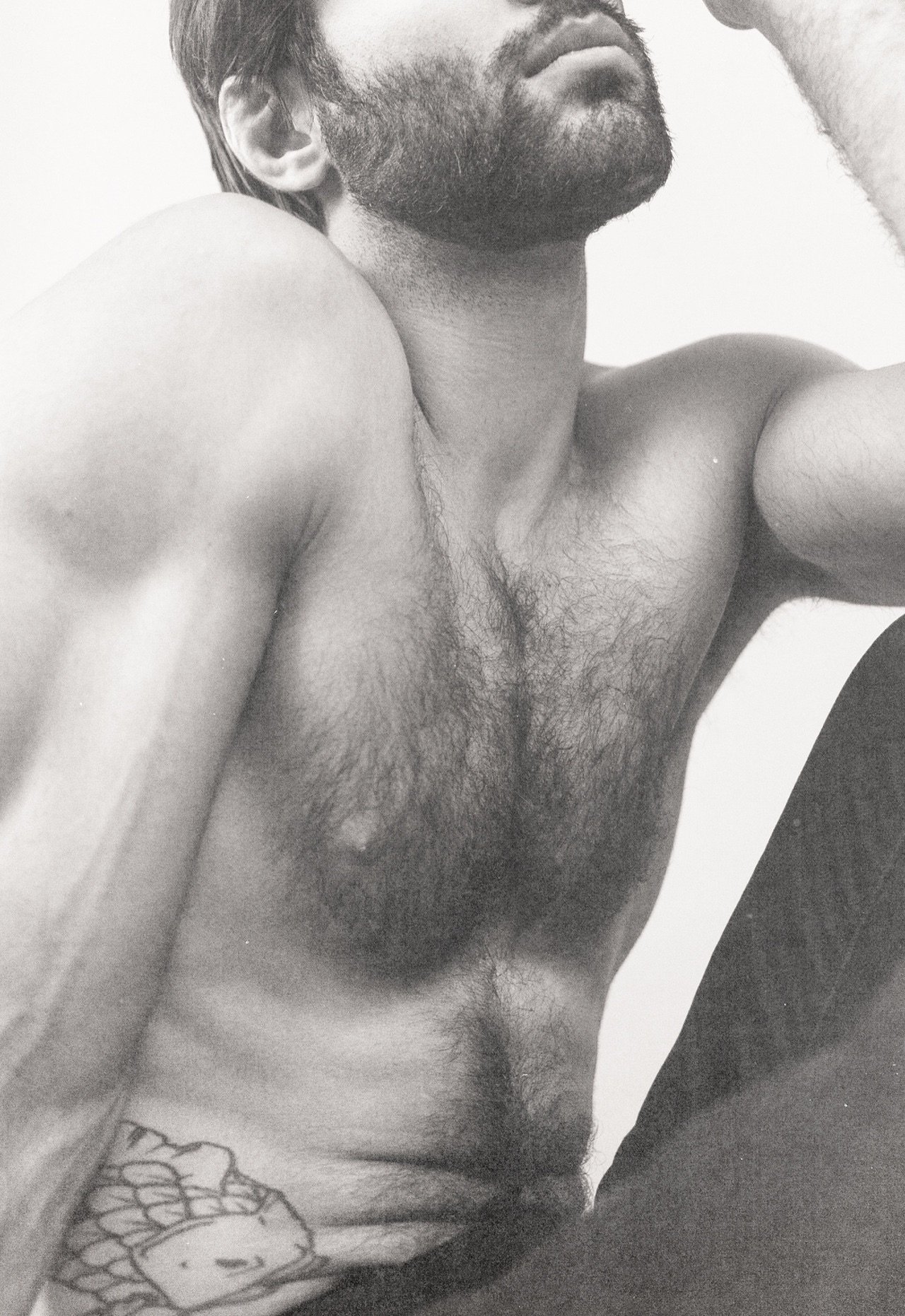
An Abundant Amount of A
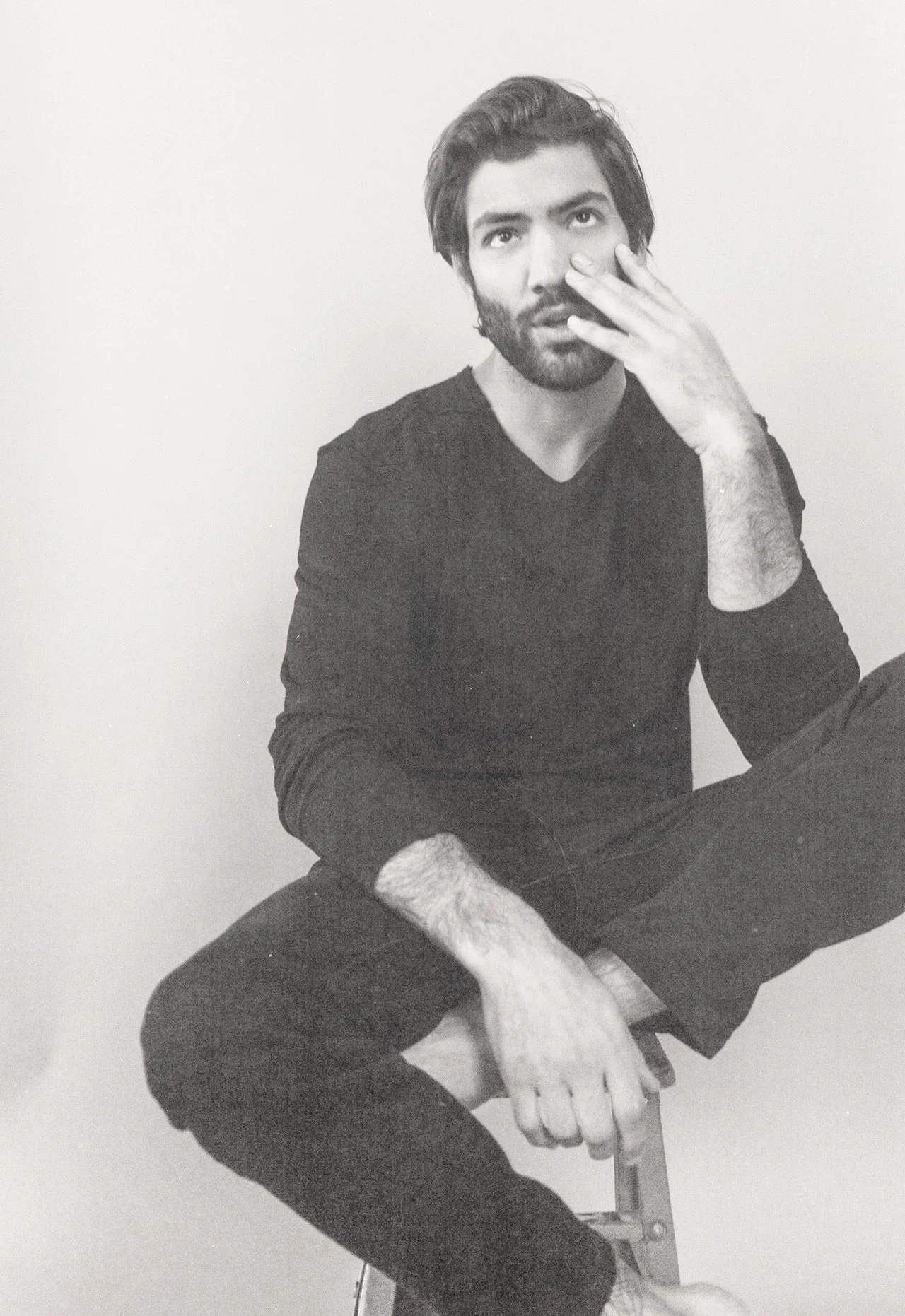
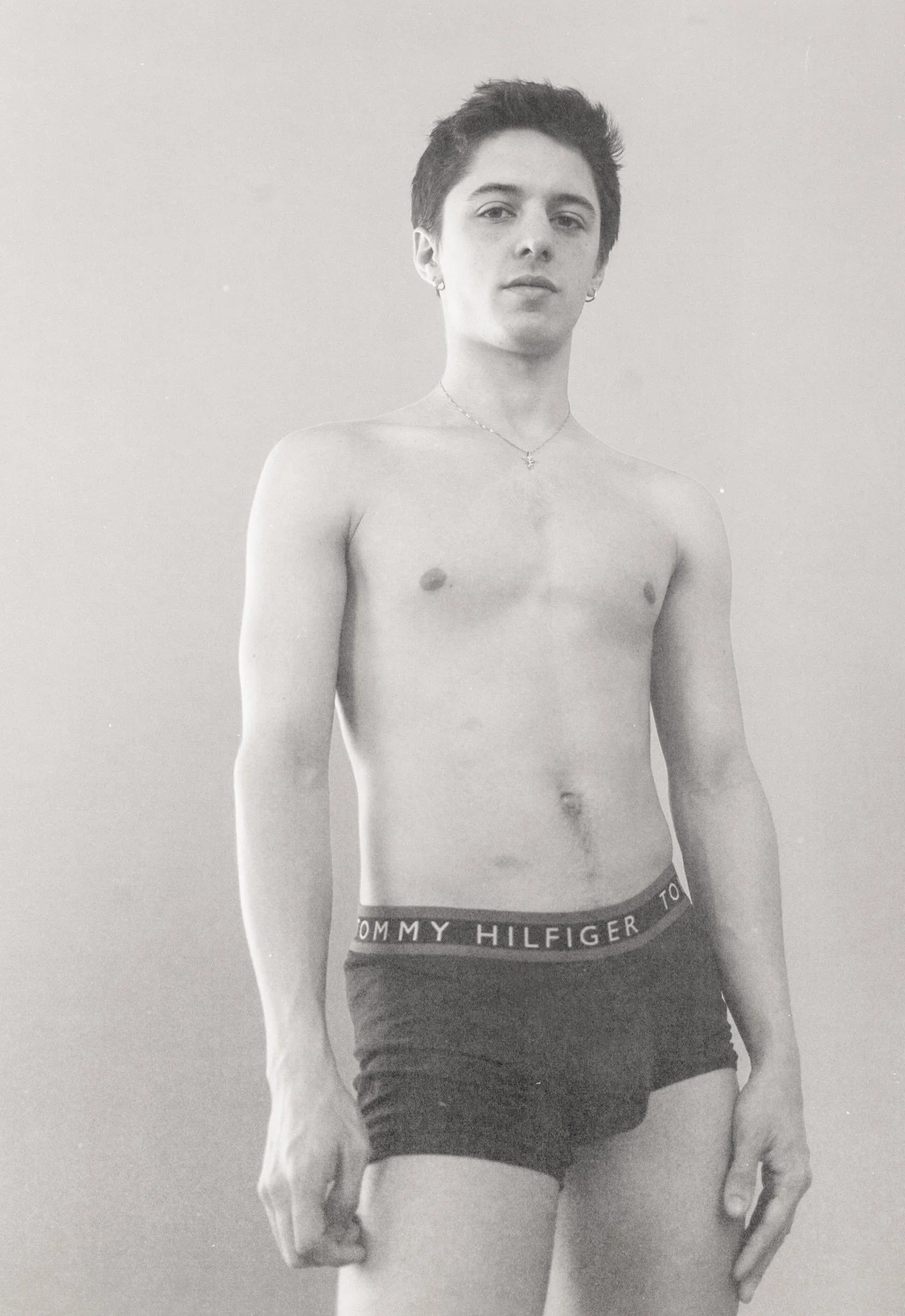
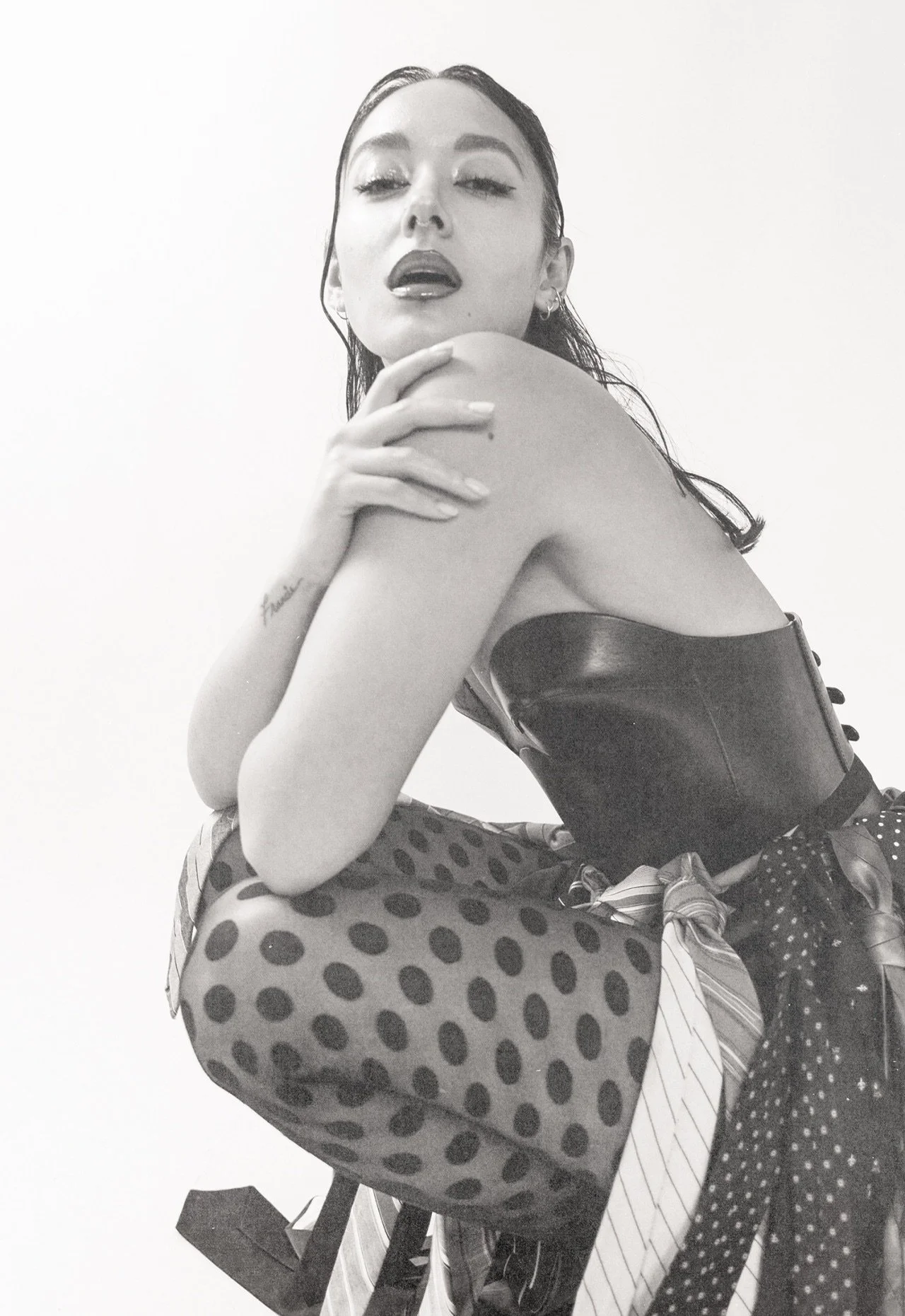
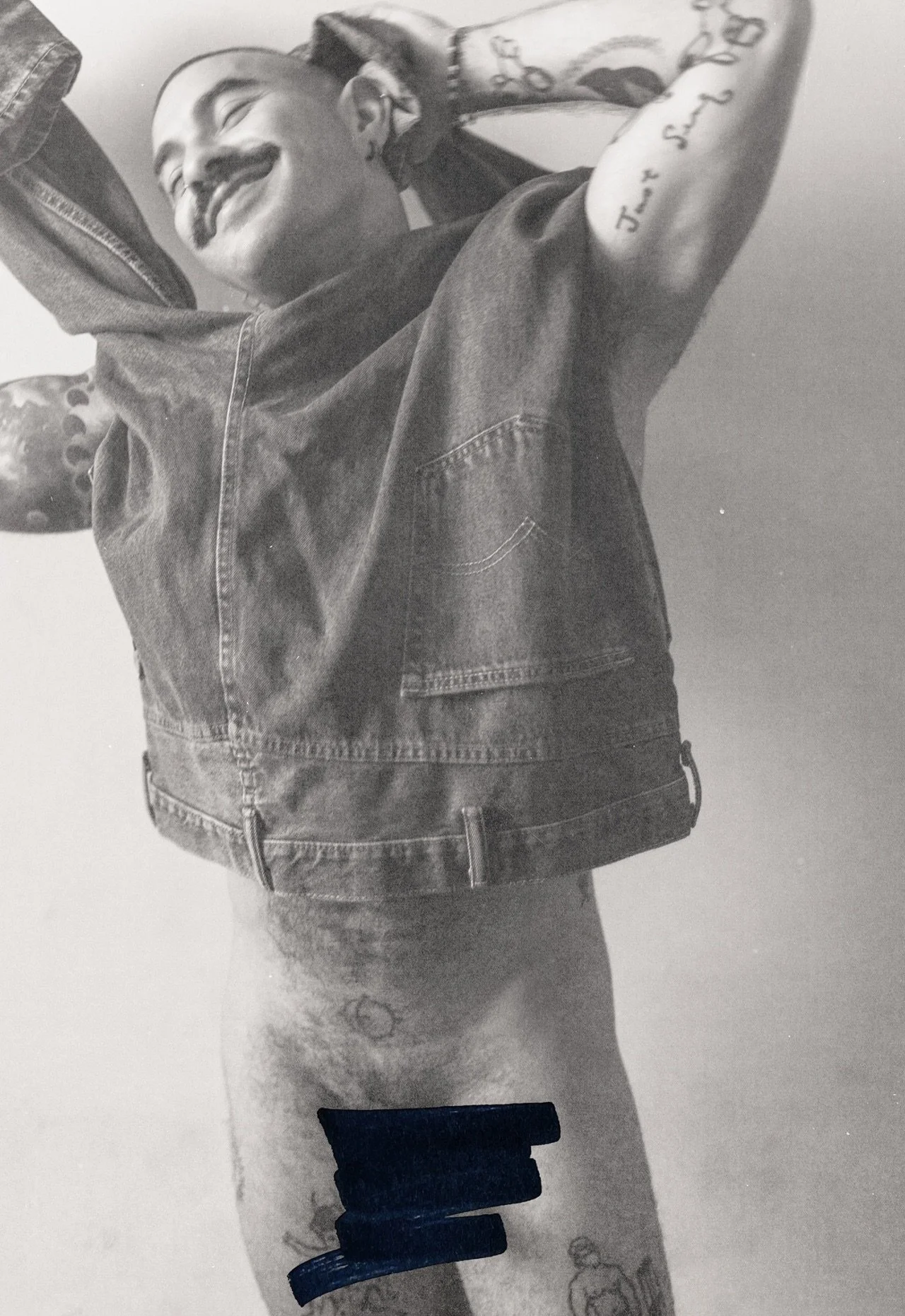
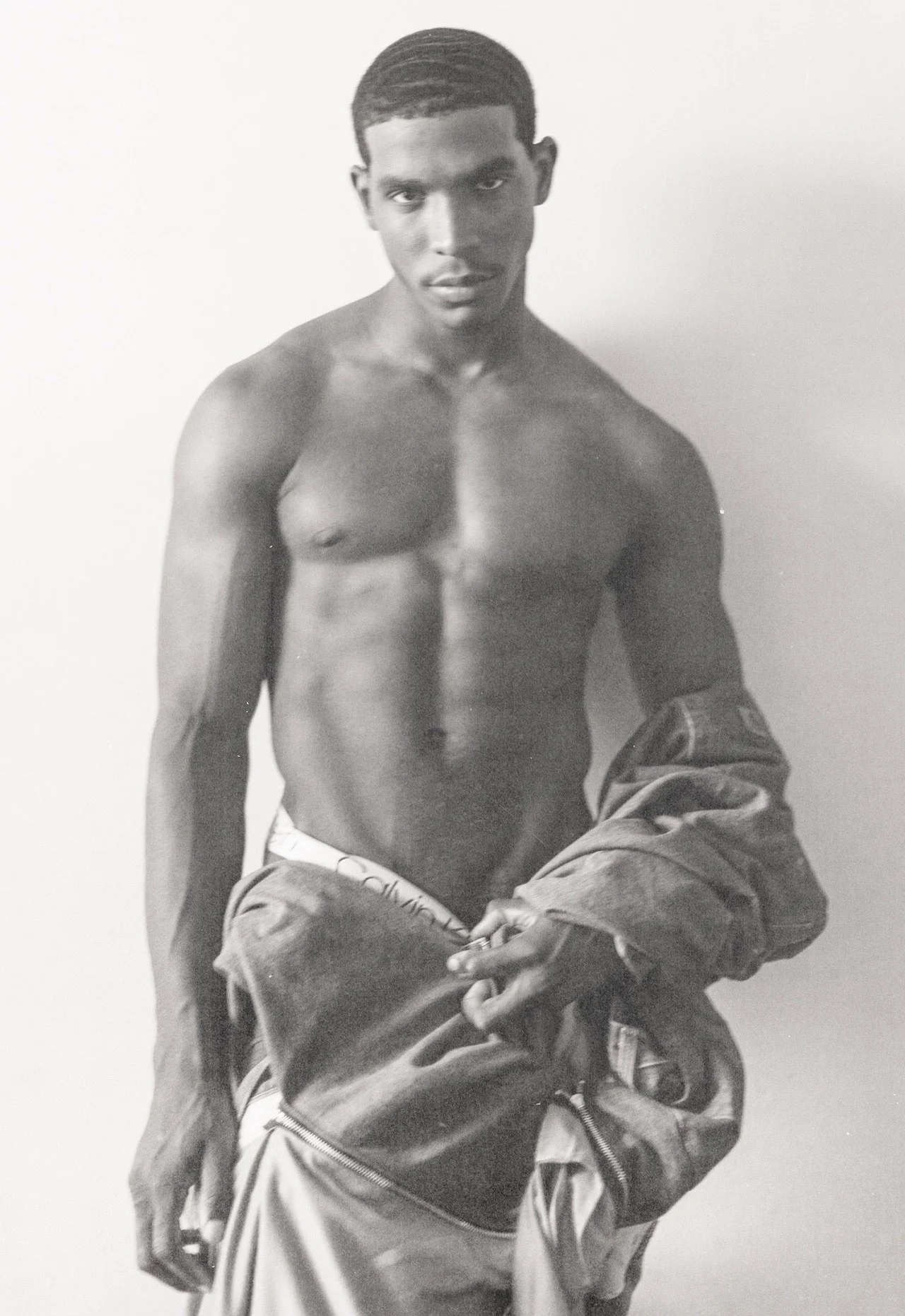
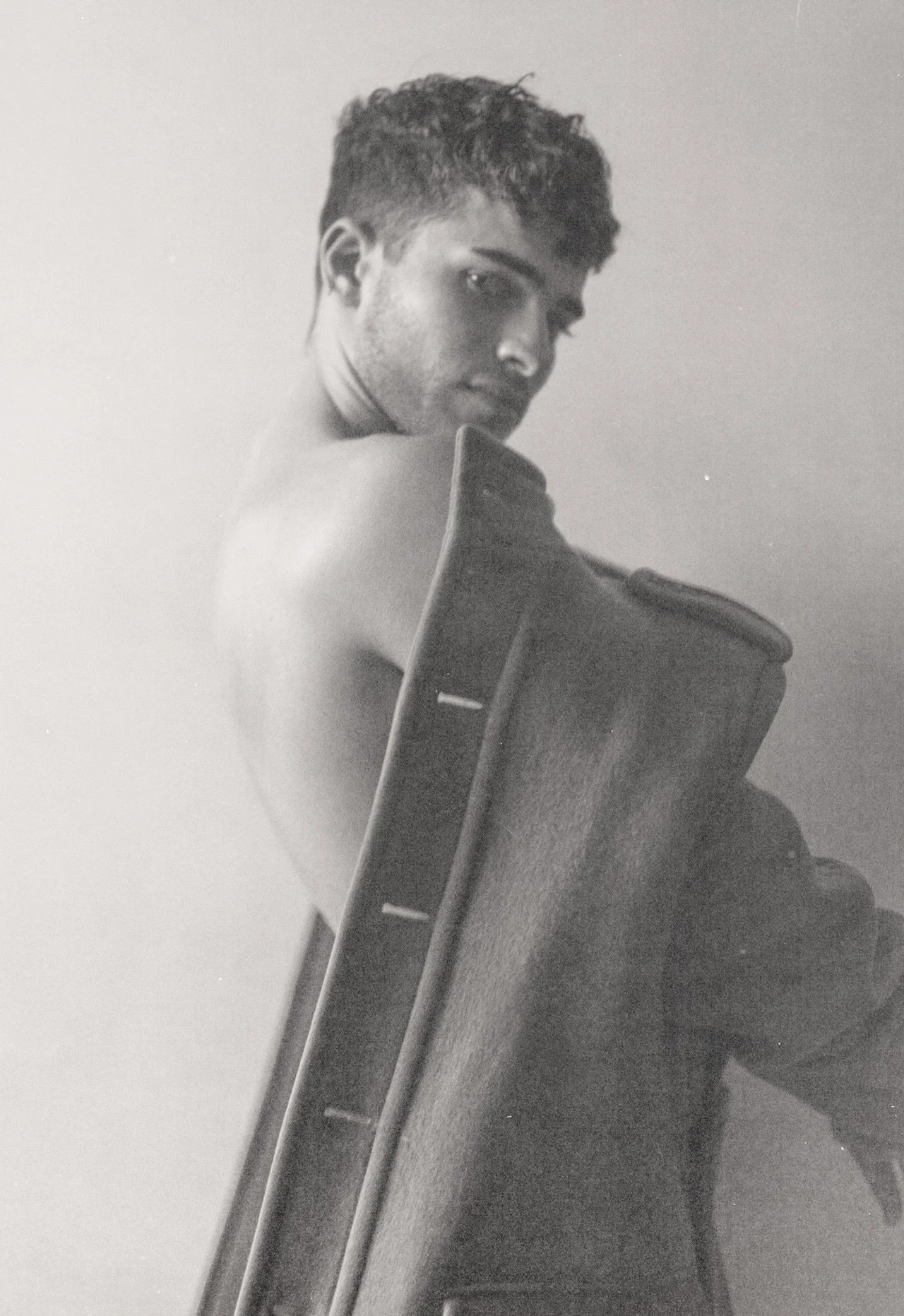
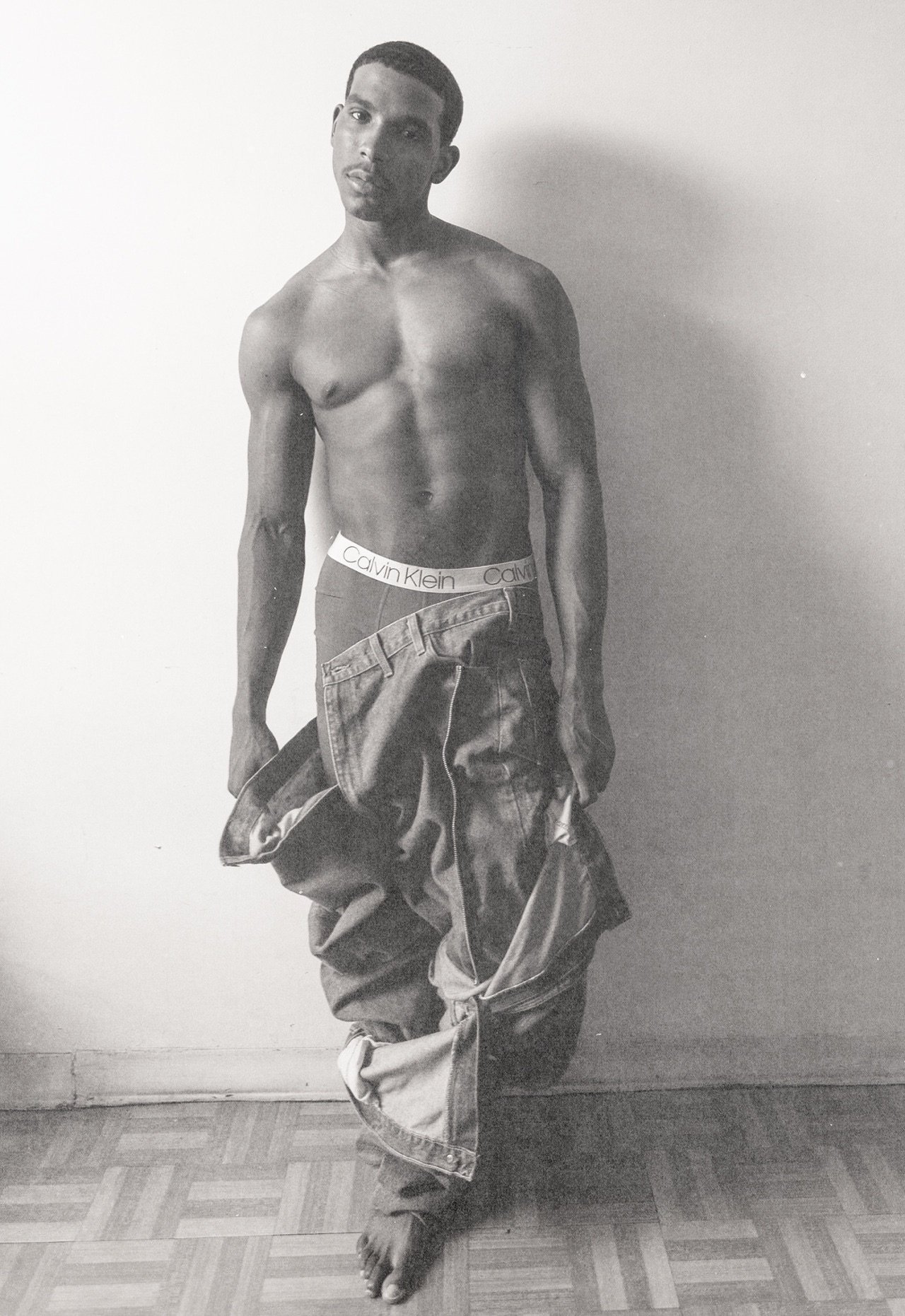
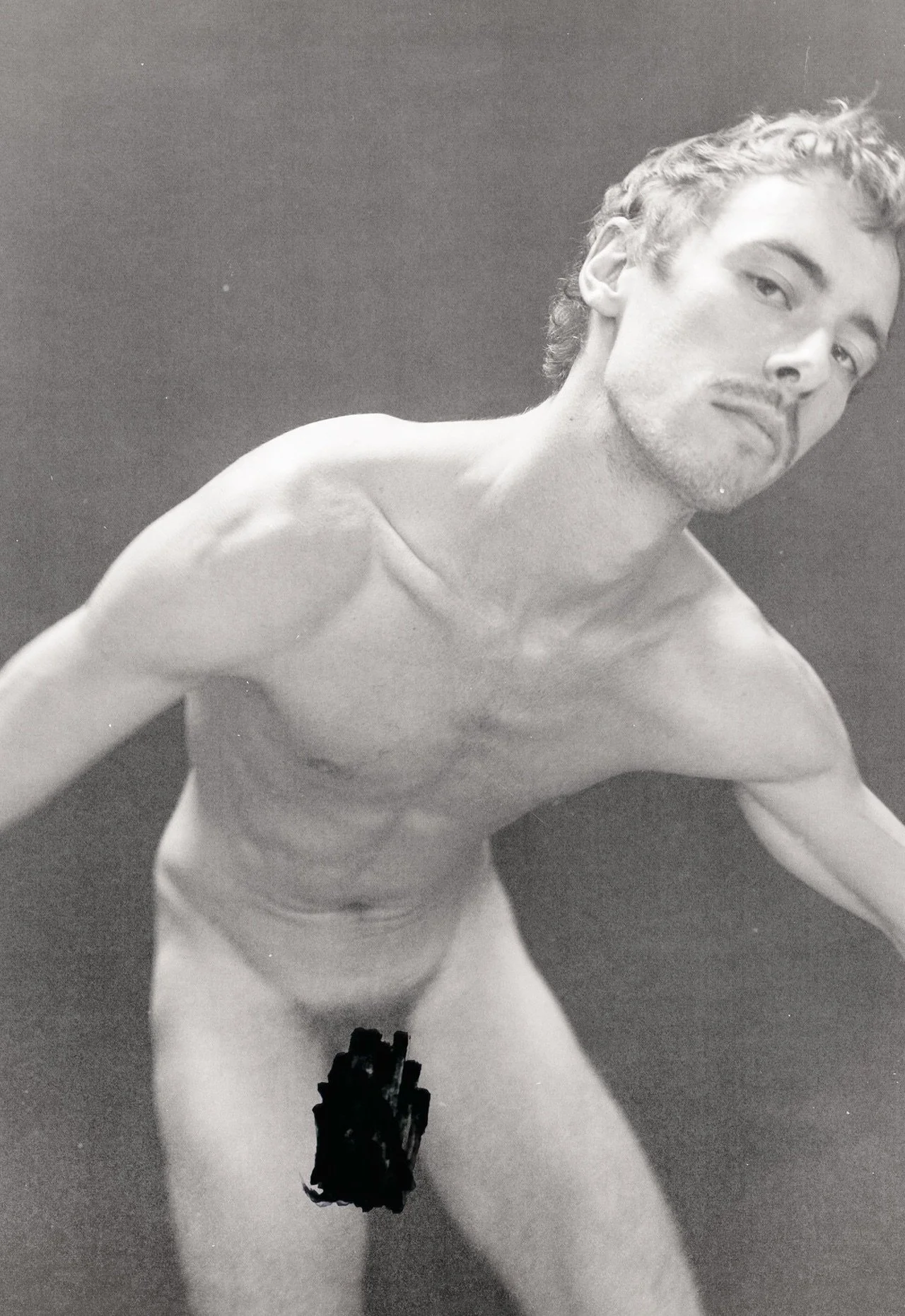
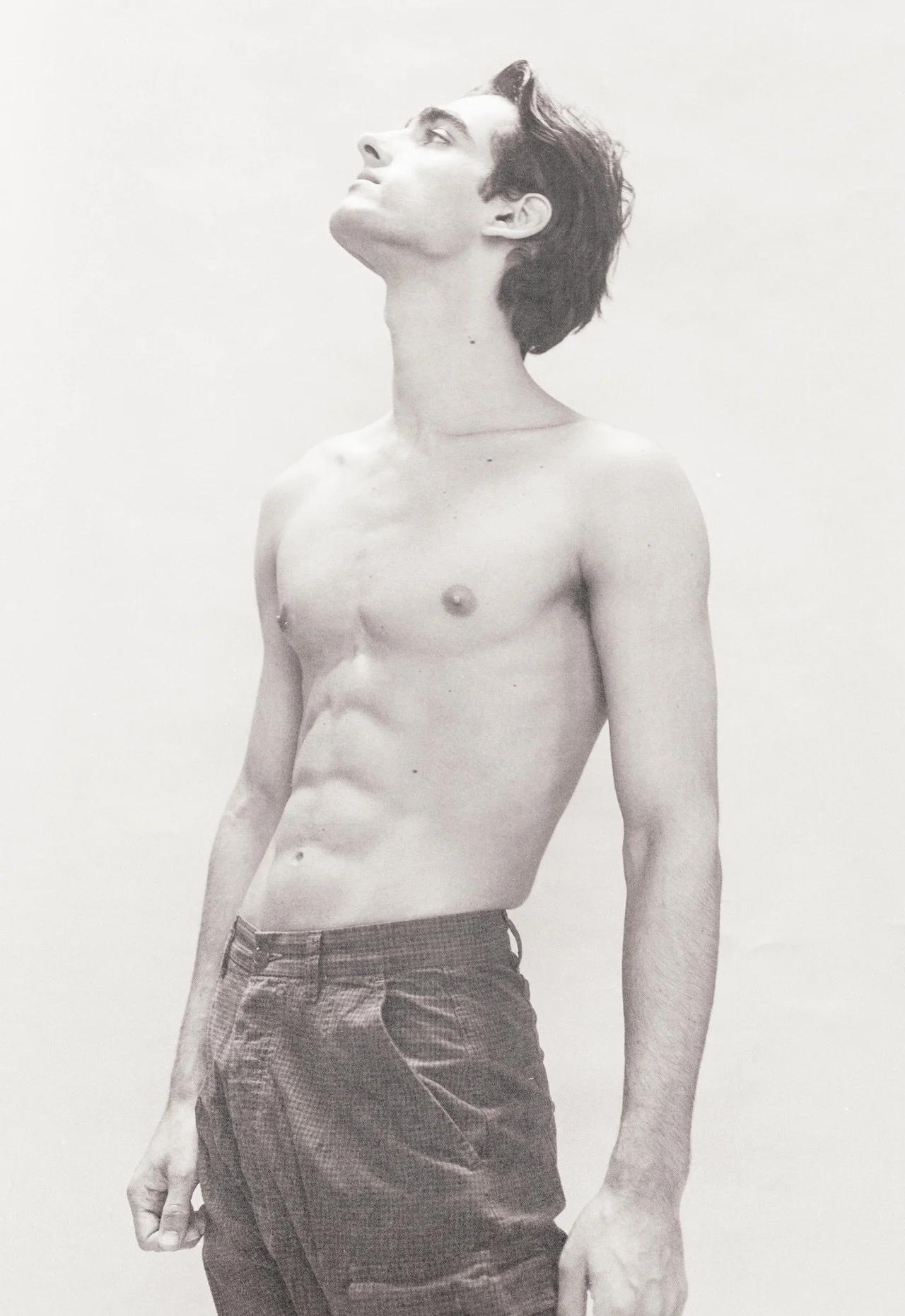
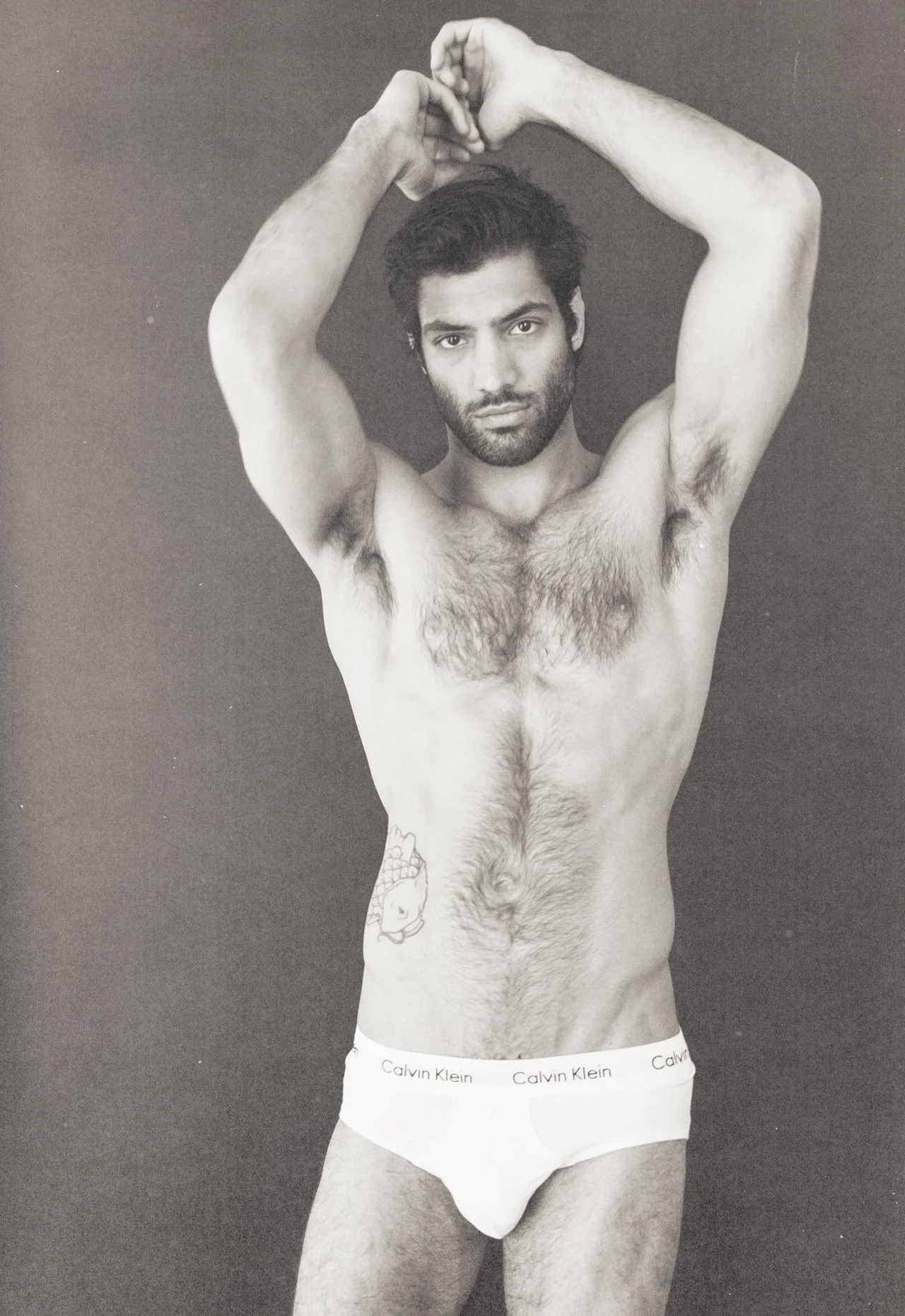
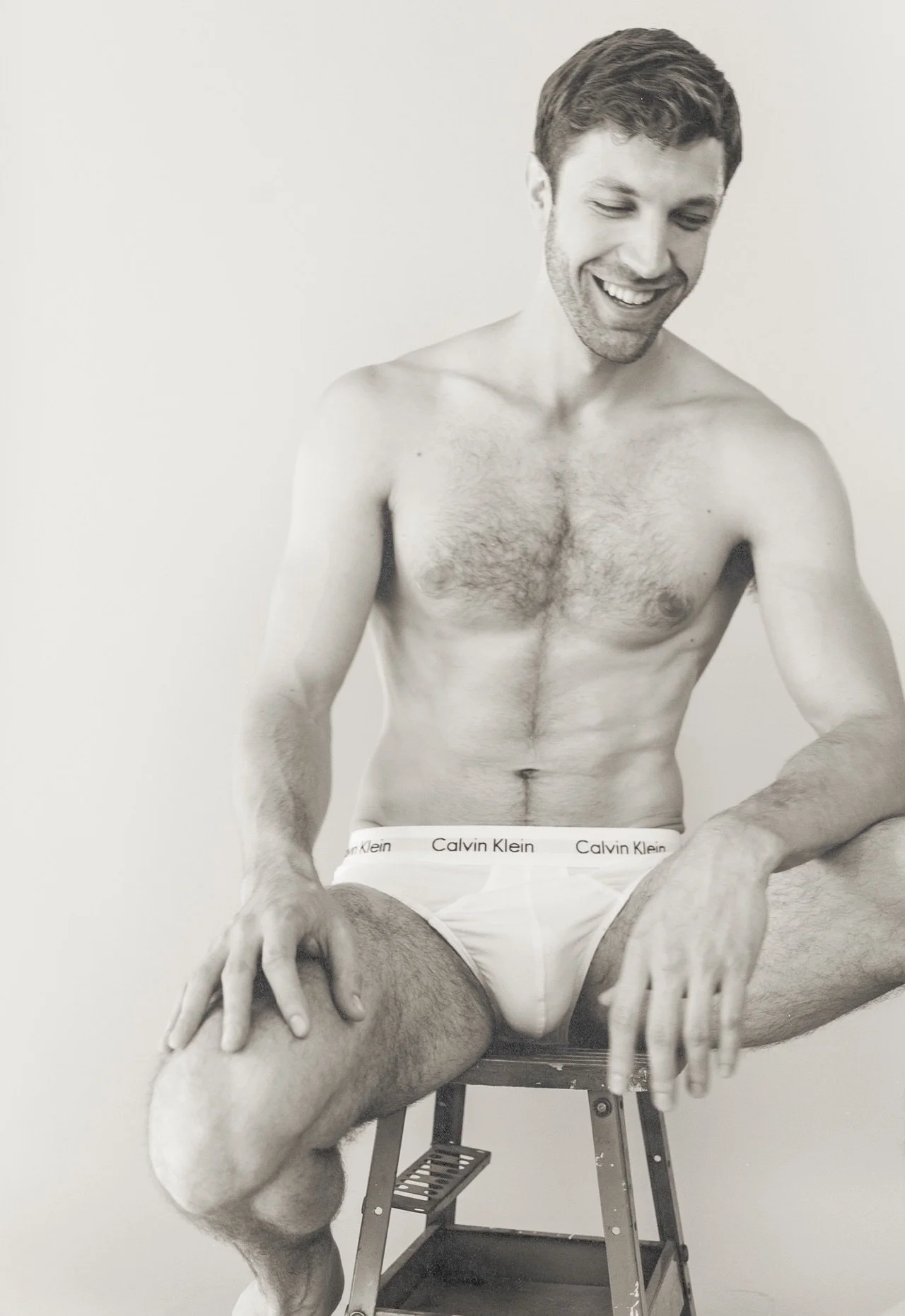
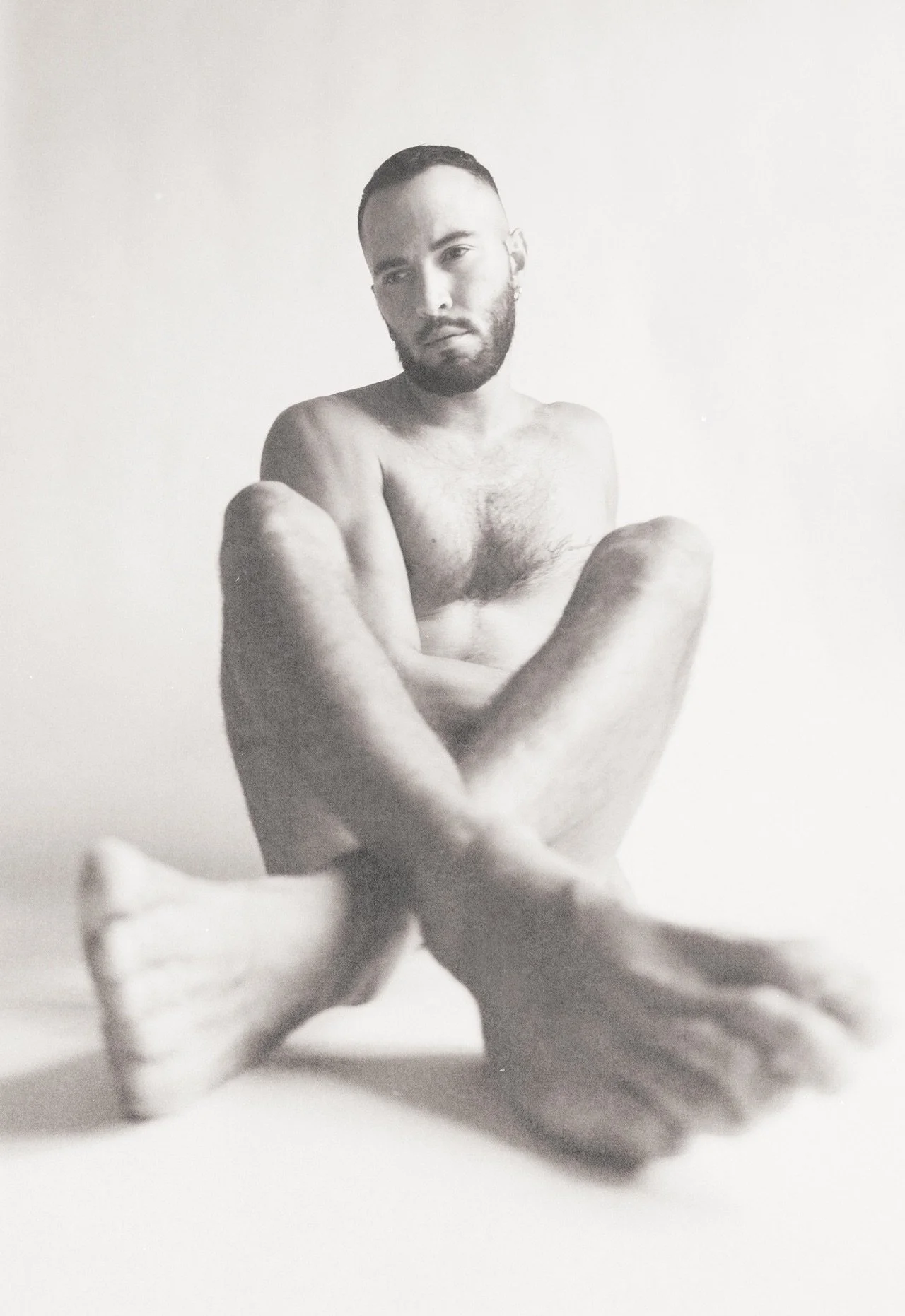
A week spent inside the Anthony Amadeo archive, editing Ahmad, Adam, Andres, Andreas, Ali, Aja, Adrian—and an almost absurd number of additional A’s.
A week spent inside the Anthony Amadeo archive, editing Ahmad, Adam, Andres, Andreas, Ali, Aja, Adrian—and an almost absurd number of additional A’s.
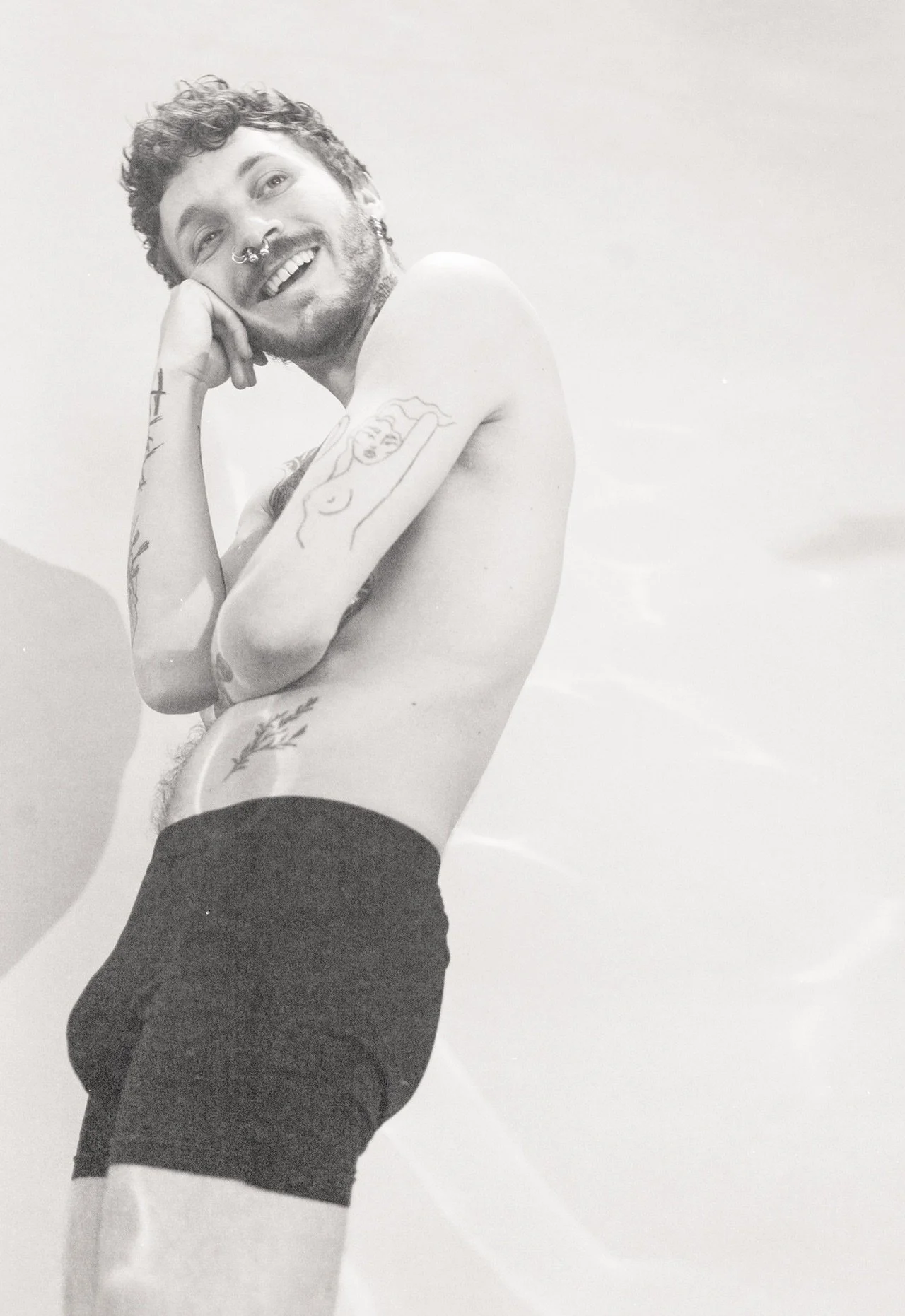
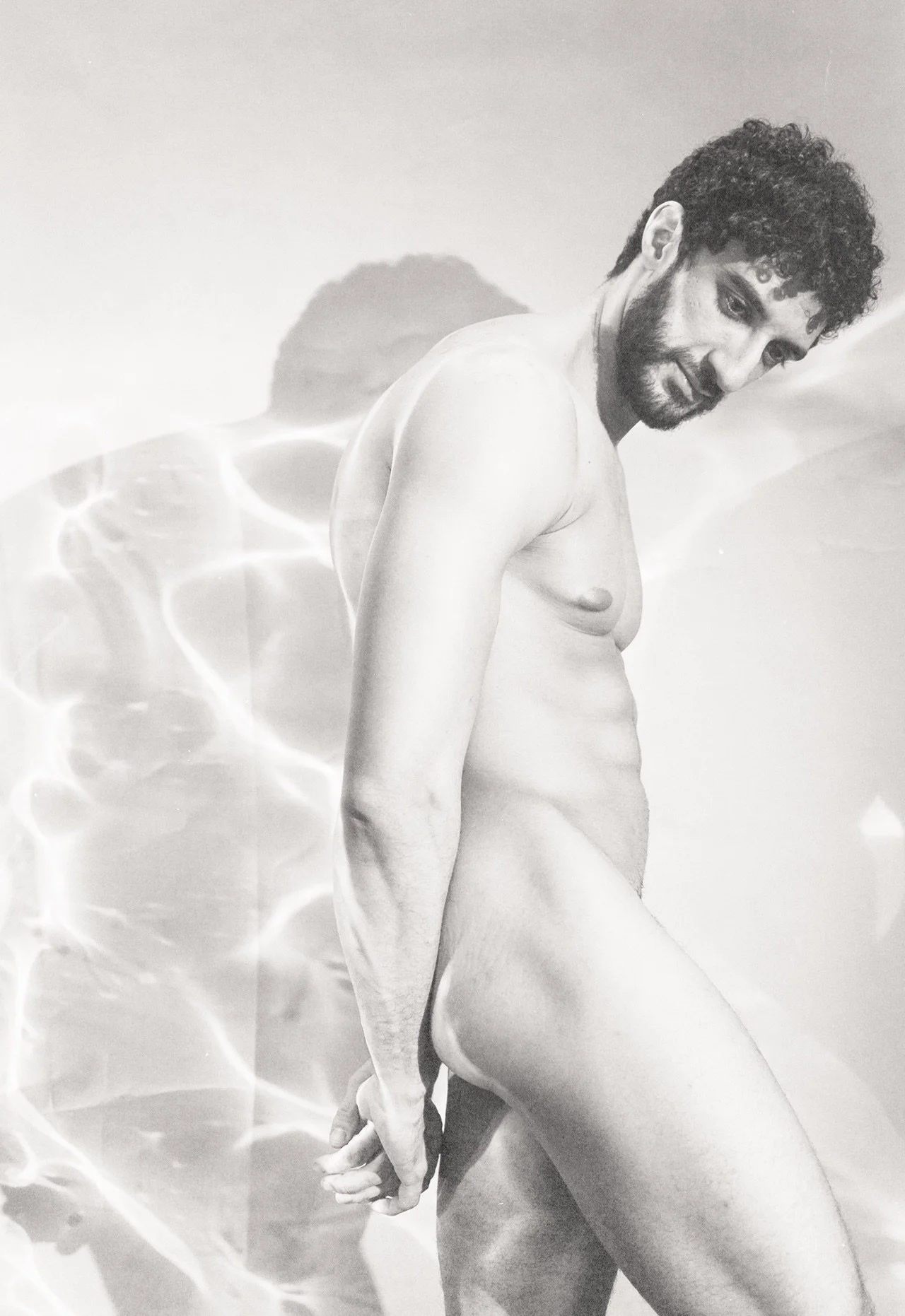
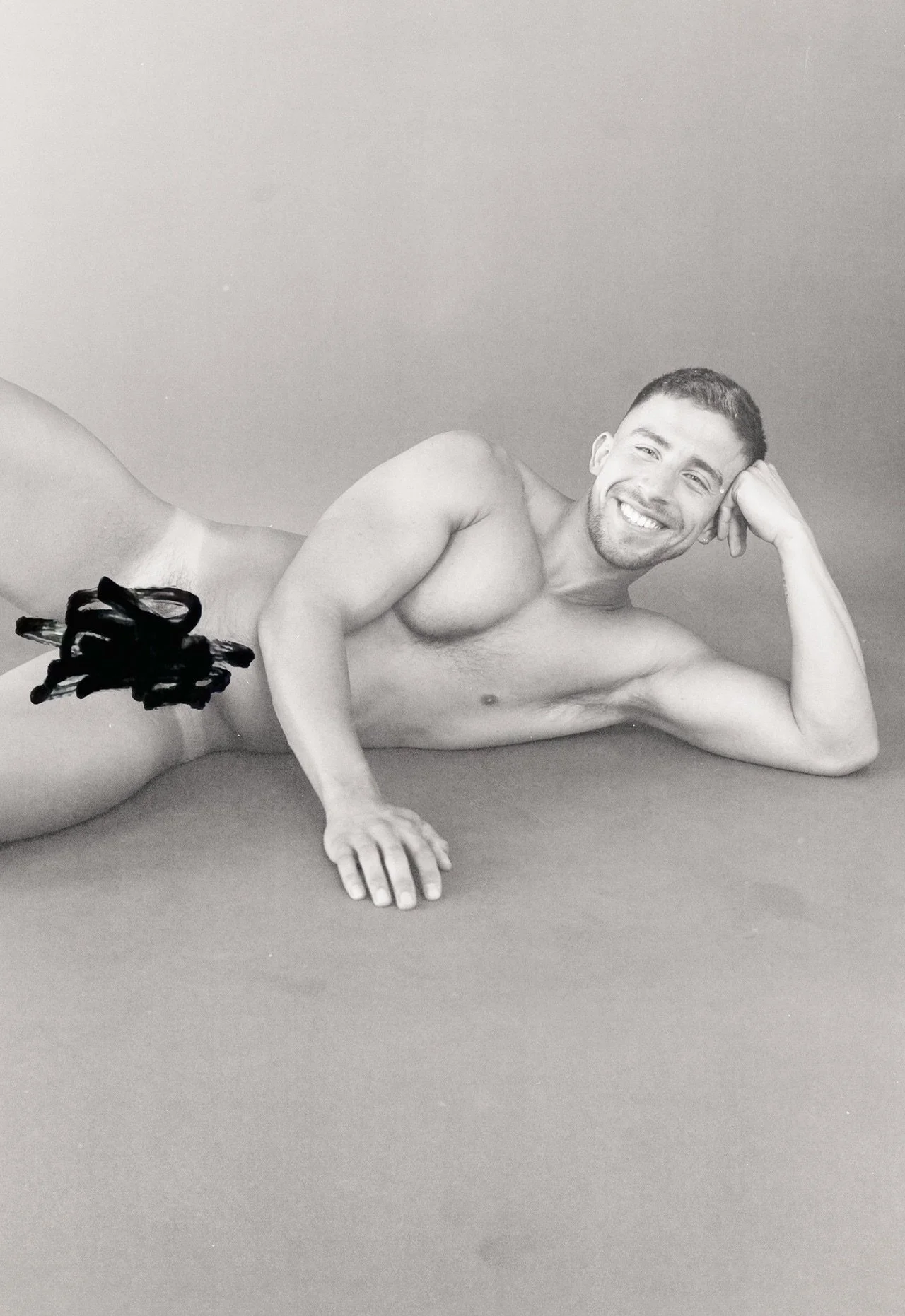
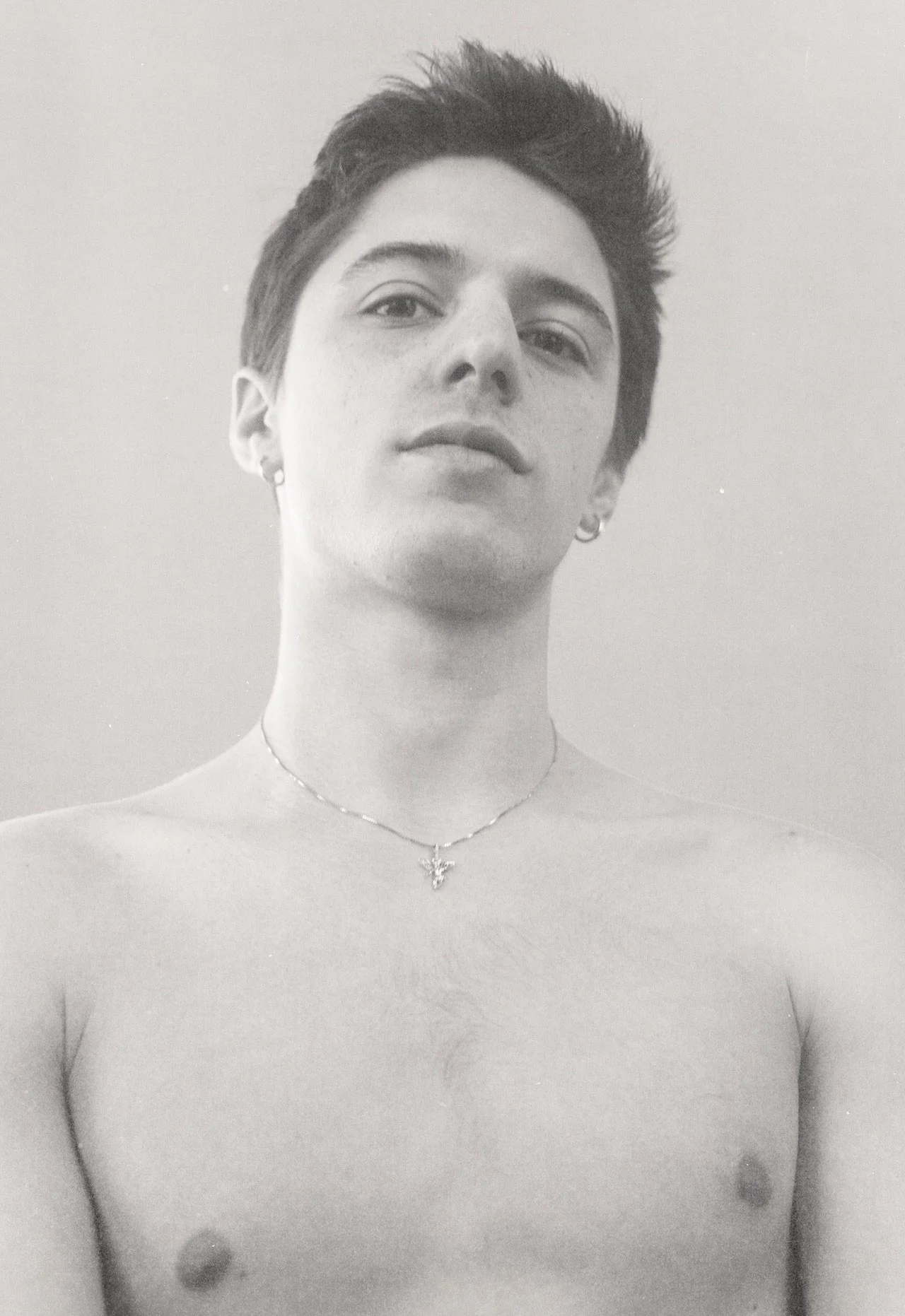
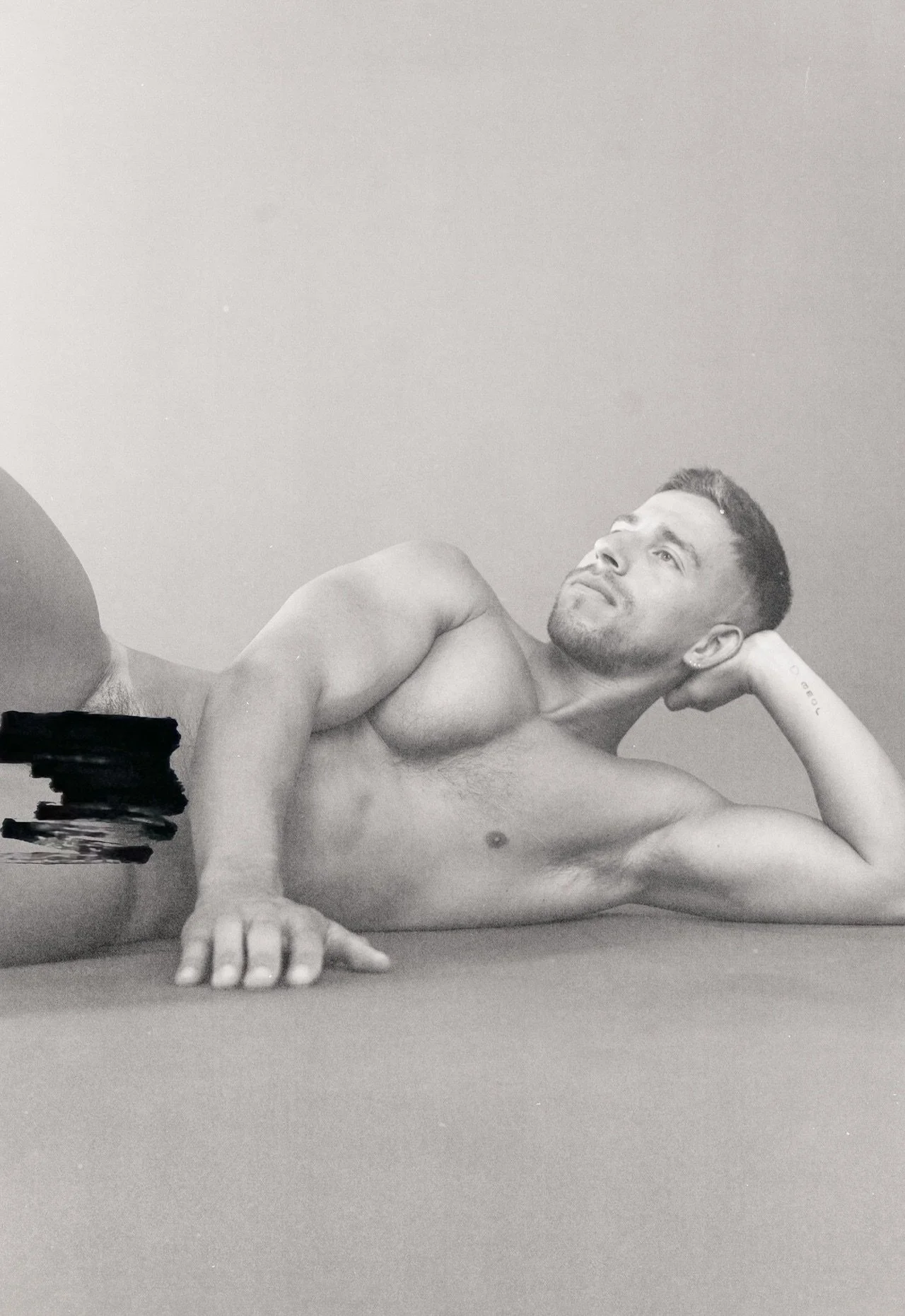
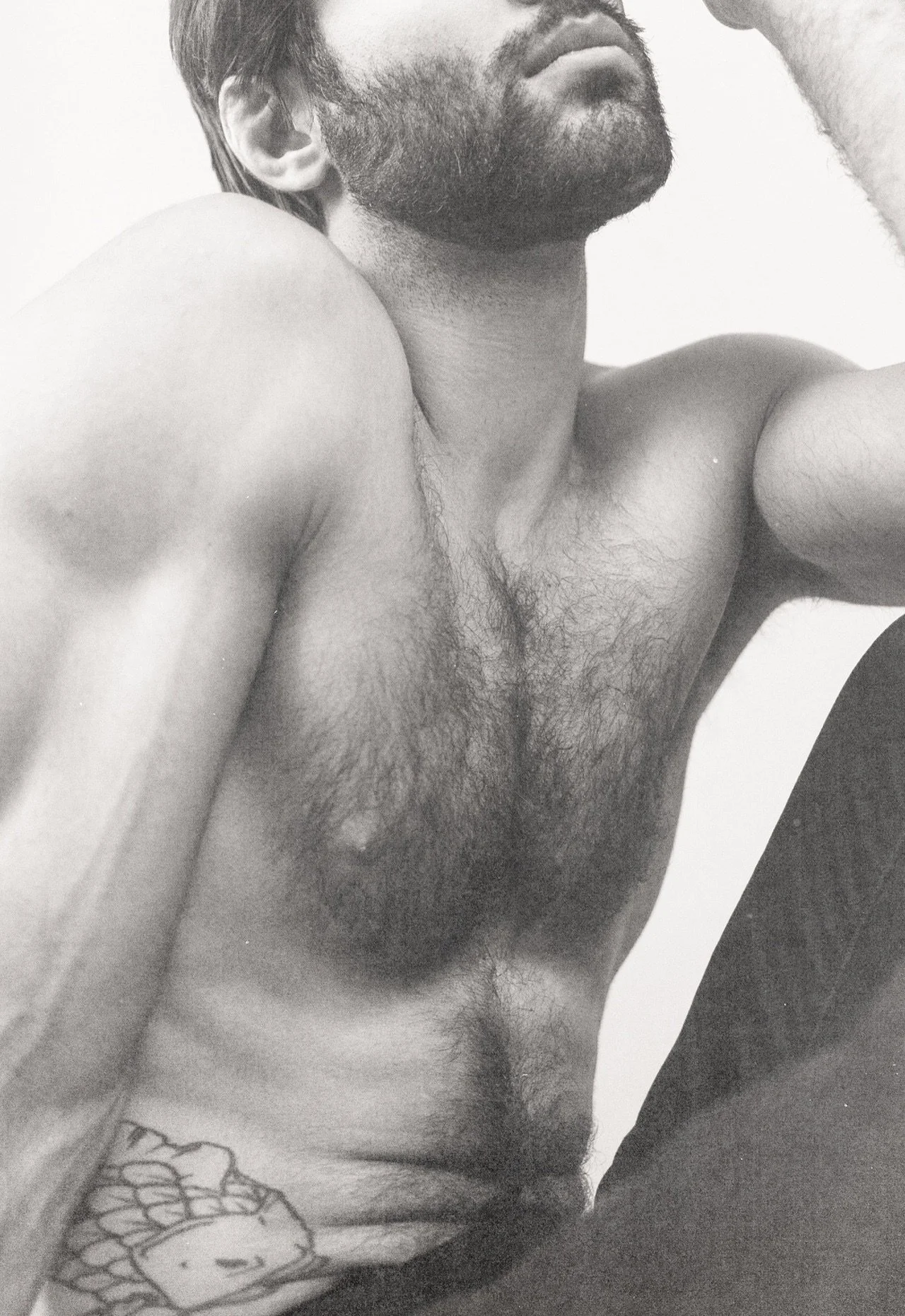
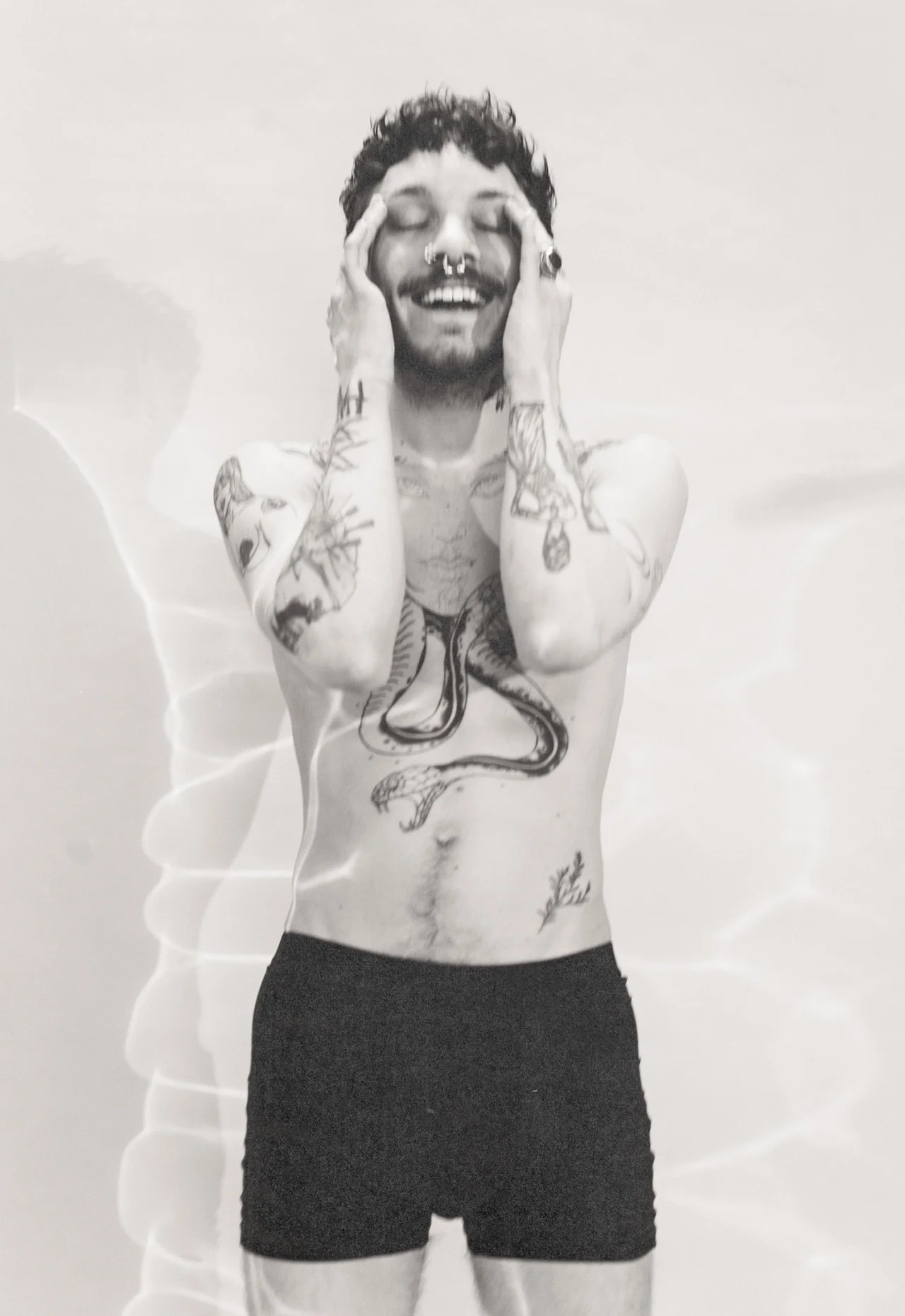
After writing about the subtle differences between two photographs taken only a few frames apart, I kept editing.
And editing.
And editing.
The deeper I went into my old shoots, the more I began to realize the sheer number of people I have photographed. Faces, bodies, gestures, personalities, passing expressions, accidental movements and entire little worlds have accumulated inside my archive. Some shoots I remember perfectly. Others return to me one frame at a time.
In an attempt to give this enormous archive some kind of order, I decided to begin with something simple: the alphabet.
More specifically, the letter A.
Surely, I thought, I could spend a few days going through the models whose names begin with A, finish the group and then continue on to B.
That was adorable.
One full week later, I was still inside the A’s.
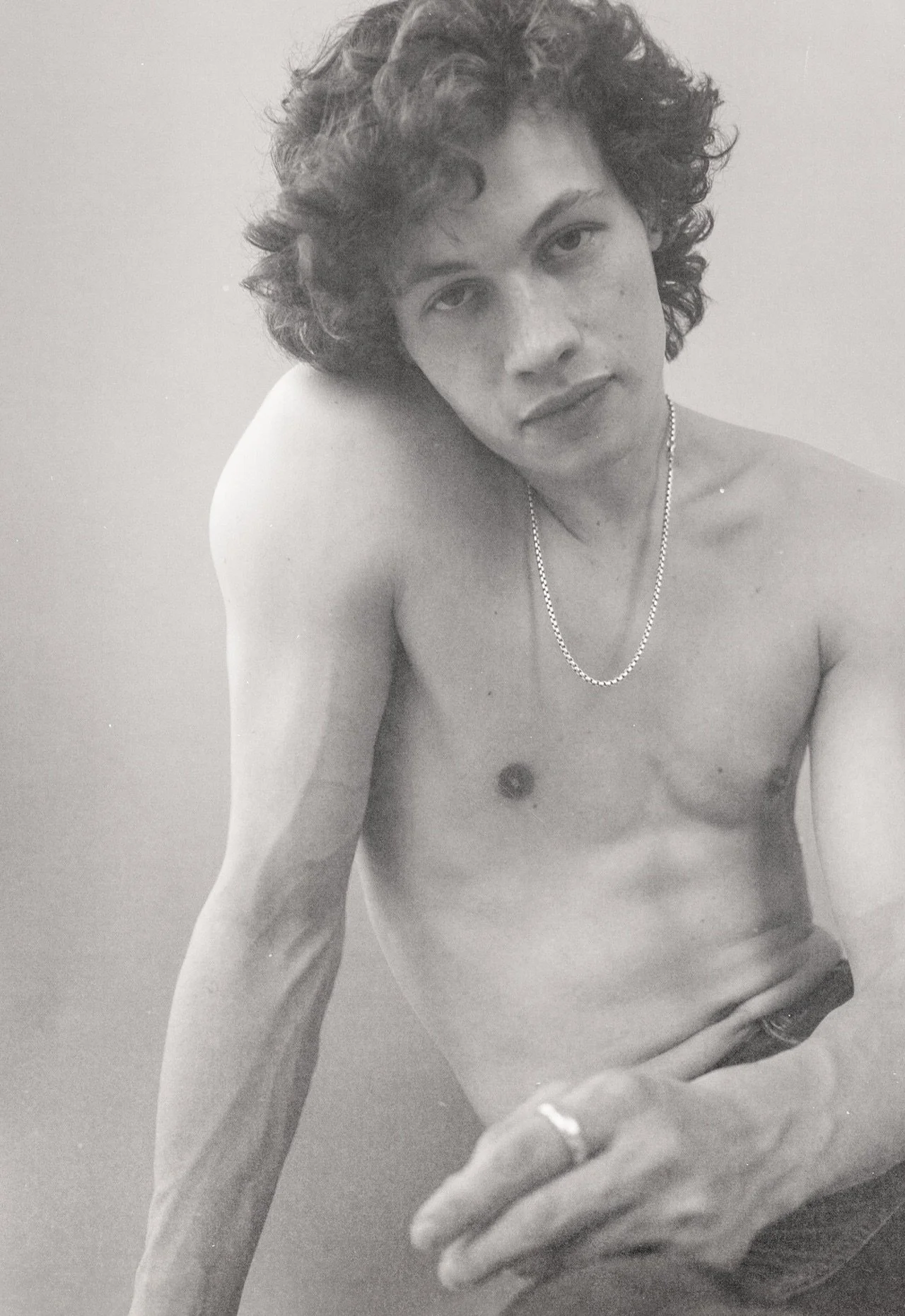
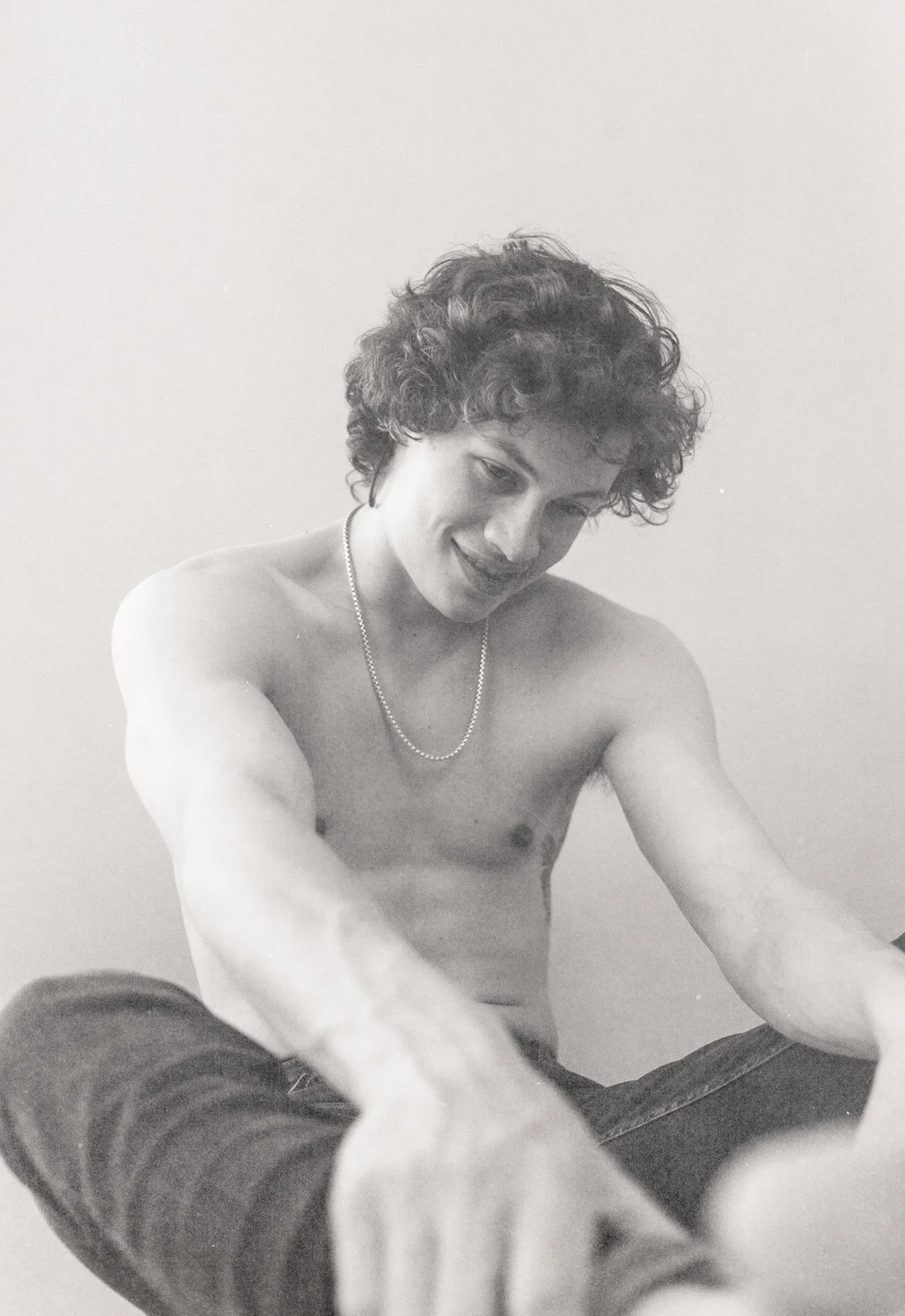
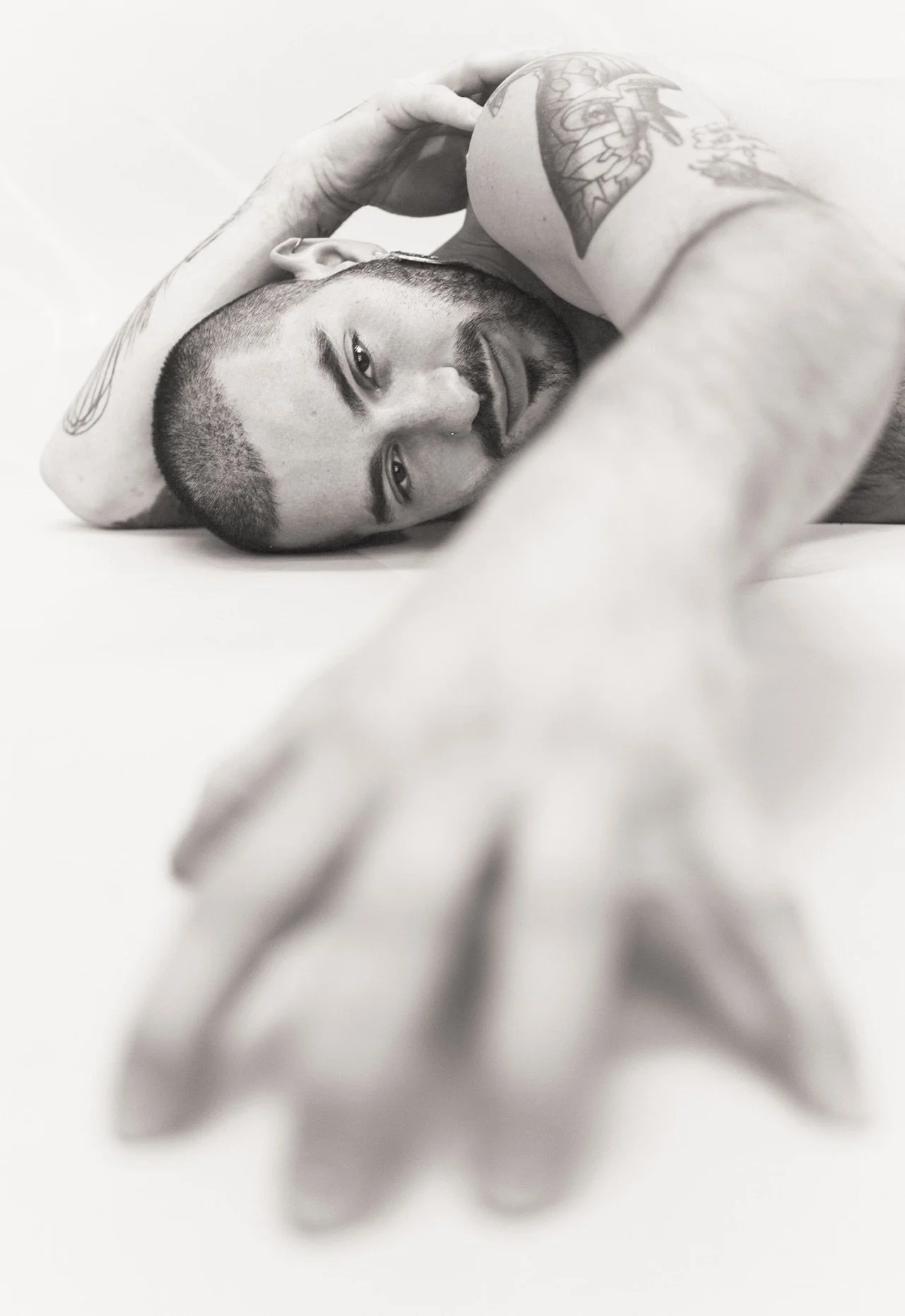
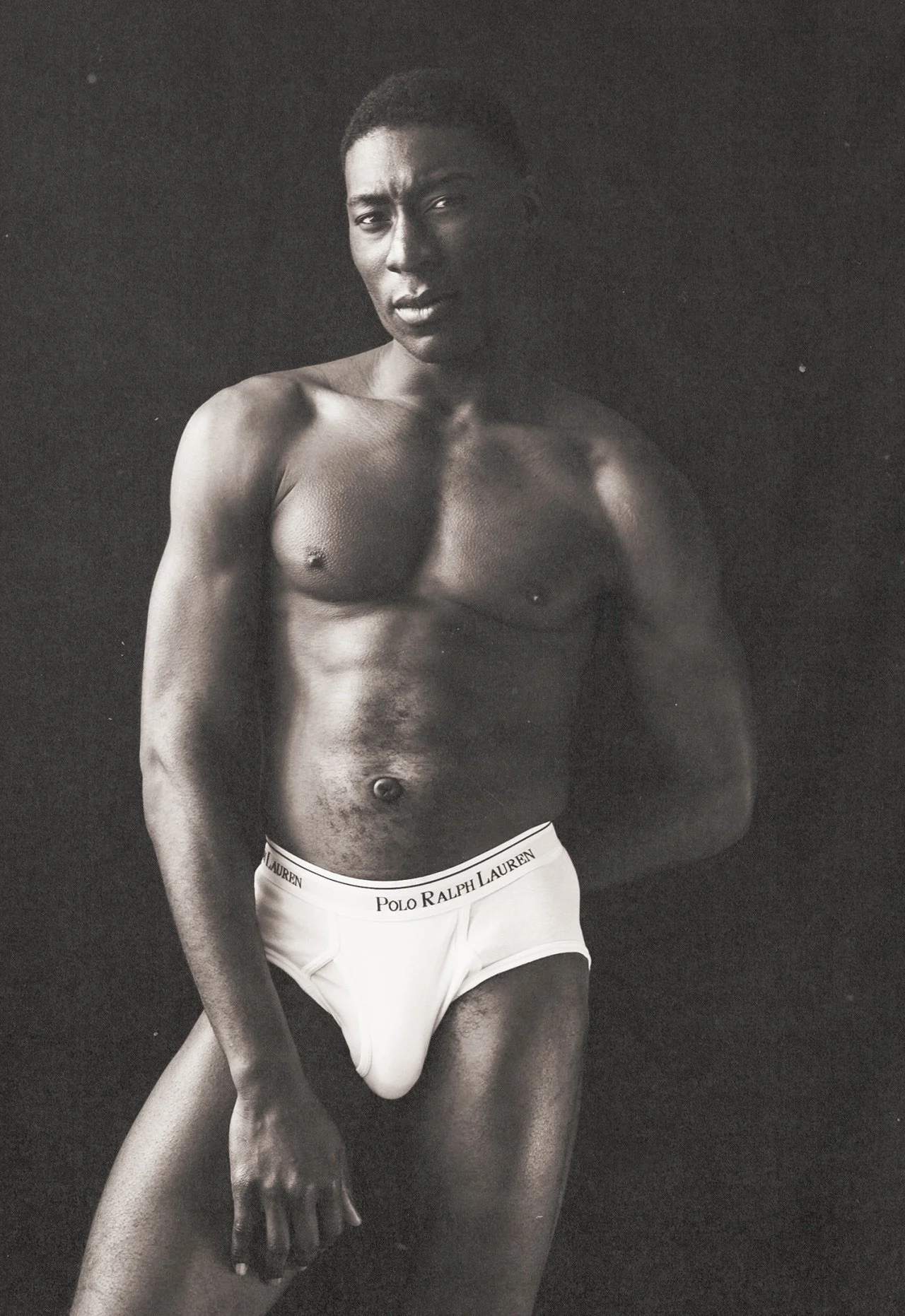
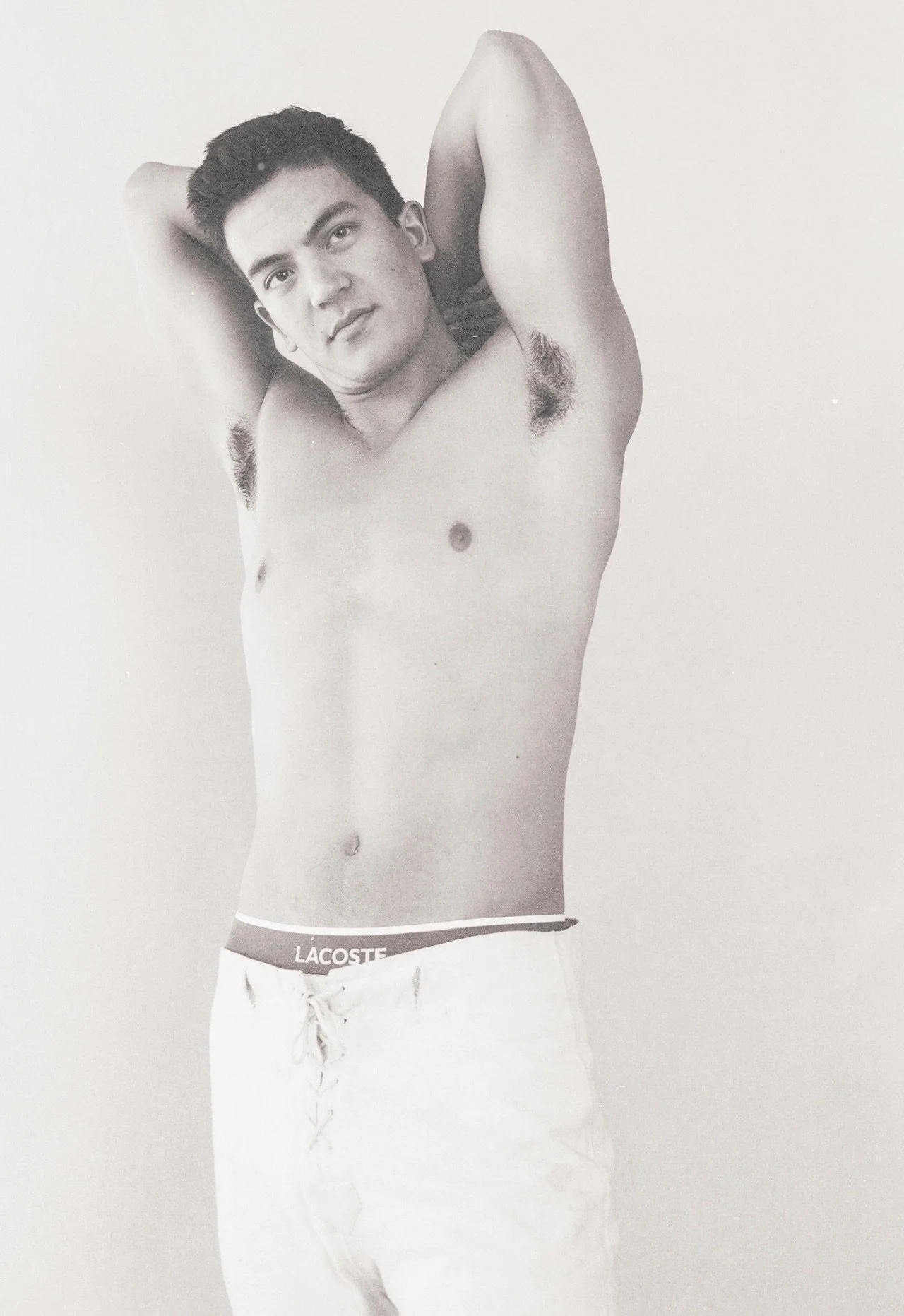
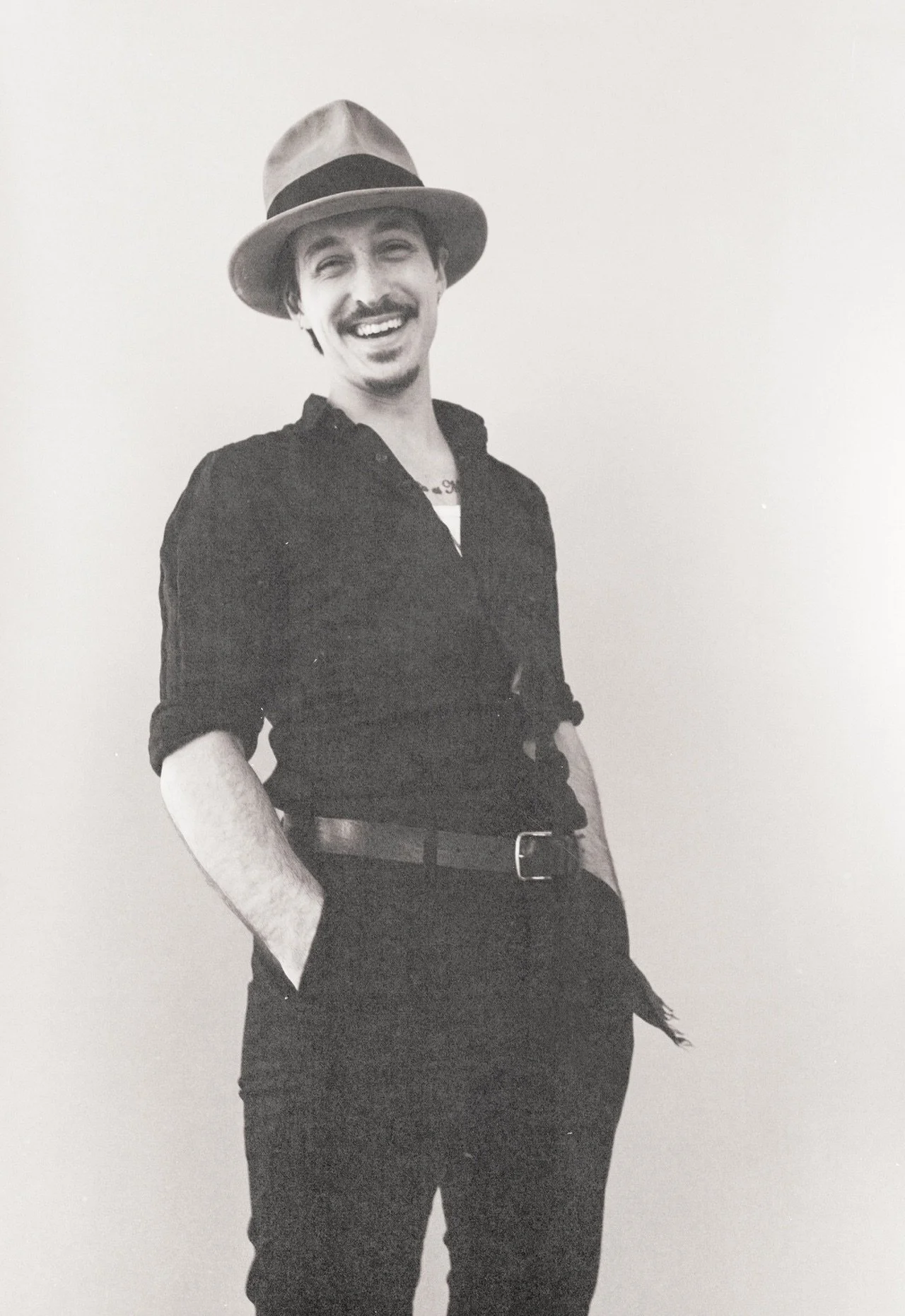
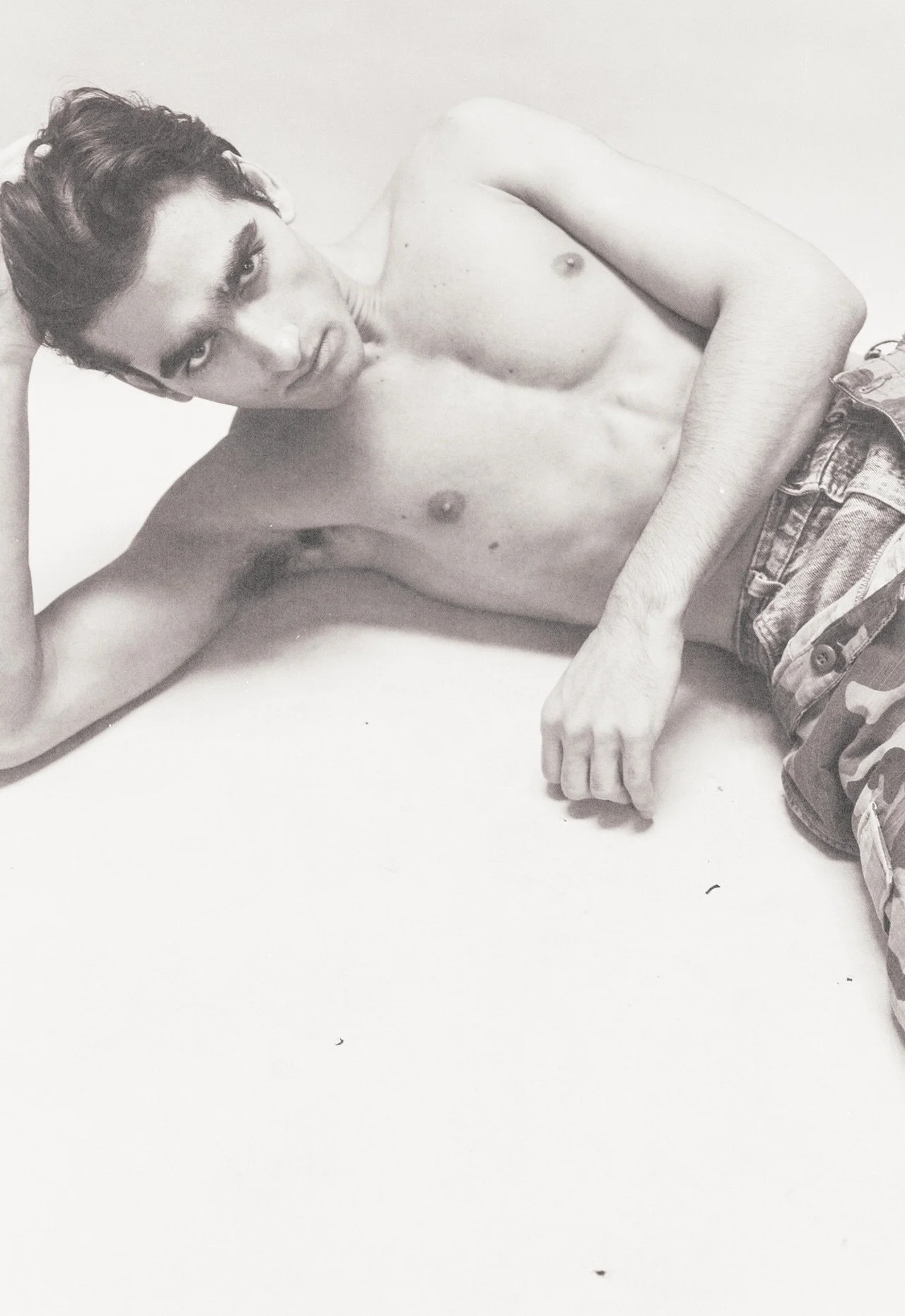
Ahmad. Adam S. Andres. Andreas. Ali. Aja. Adrian J. Adam R. Adam M. Arthur. Abneudy. Aaron M. Aidan. Amaury. Antonio C. Aaron B. Andrew. Airon. Ahseem. Adrian A. Ace. Austin. Antonio P. And somehow, Aaron M. again.
An abundant amount of A names.
Each name opened another folder, another shoot and another version of myself as a photographer. Different apartments. Different cities. Different windows. Different qualities of light. Different ideas of beauty that I was exploring at the time.
Some portraits immediately told me what they needed. Others were more ambiguous. A slight adjustment to the grey scale could make someone appear distant or inviting. A darker crop could turn an ordinary glance into something almost cinematic. An image I had ignored years ago could suddenly feel more alive than the one I originally selected.
The archive was not asking me to simply clean it up. It was asking me to reconsider it.
A Week Consumed by A
After several days, the letter began following me outside of the computer.
Anthony Amadeo.
amadeo amadeo.
The abundance of the archive.
The apples I was eating while editing.
I started noticing A’s everywhere, as though the letter had appointed itself the creative director of my week. It appeared in names, signs, sentences and thoughts. Every activity seemed to arrive already alliterated.
I began assembling a list of my favorite A words—the ones that feel connected to the way I make photographs and art:
Abundant. Abstract. Accord. Aesthetic. Ambiguous. Audacious. Authentic. Accentuated.
They began to sound less like vocabulary words and more like instructions.
Be abundant with ideas.
Allow an image to remain ambiguous.
Make something audacious.
Accentuate what makes a person impossible to overlook.
Aim for authenticity, even when the photograph itself is a complete invention.
Eventually, I tried to create an A-based tongue twister. My answer to “Peter Piper picked a peck of pickled peppers” became something like:
amadeo amadeo asked an audacious assembly of A-named artists about angles, attitude and accidental allure.
It does not become easier to say with practice.
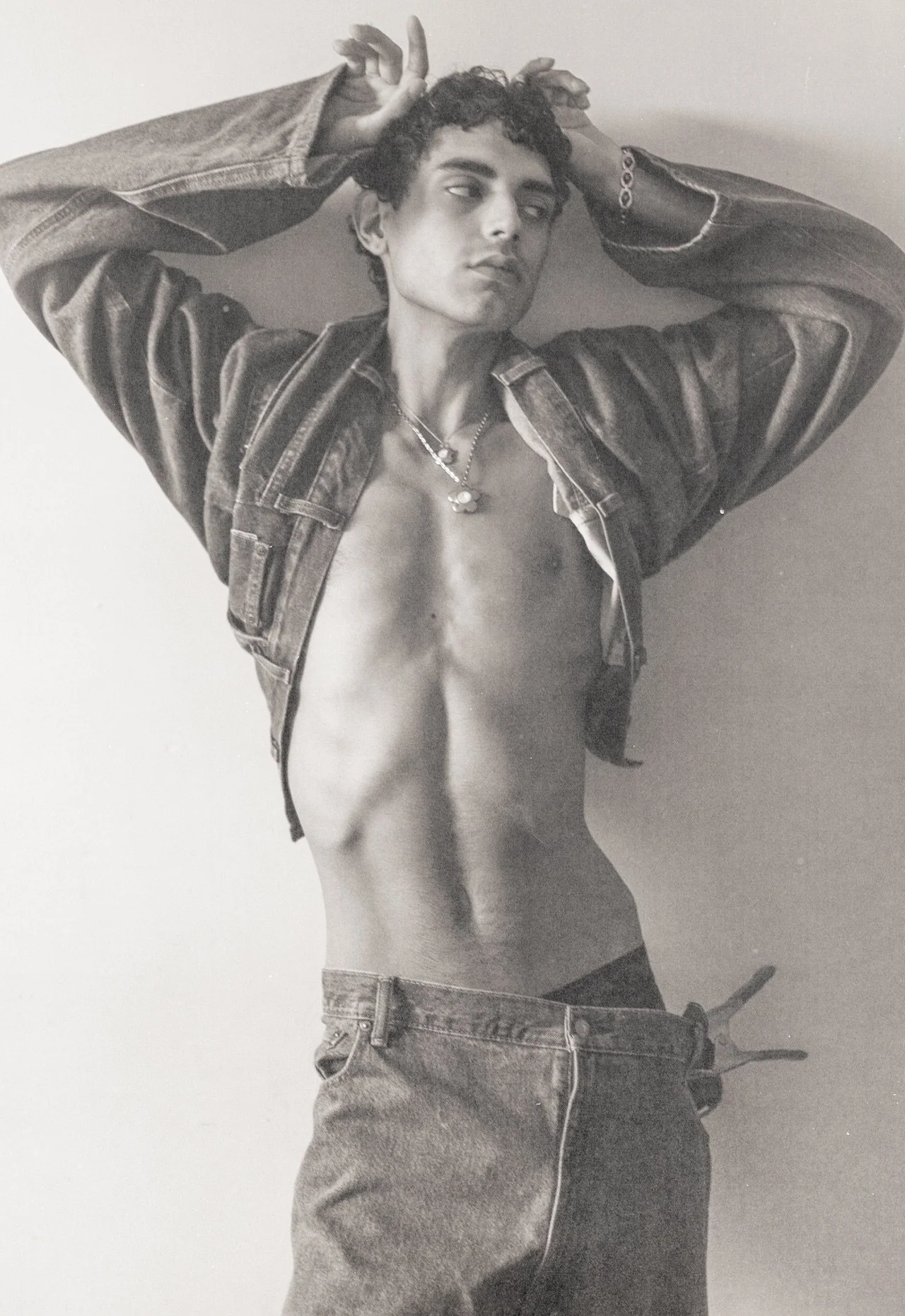
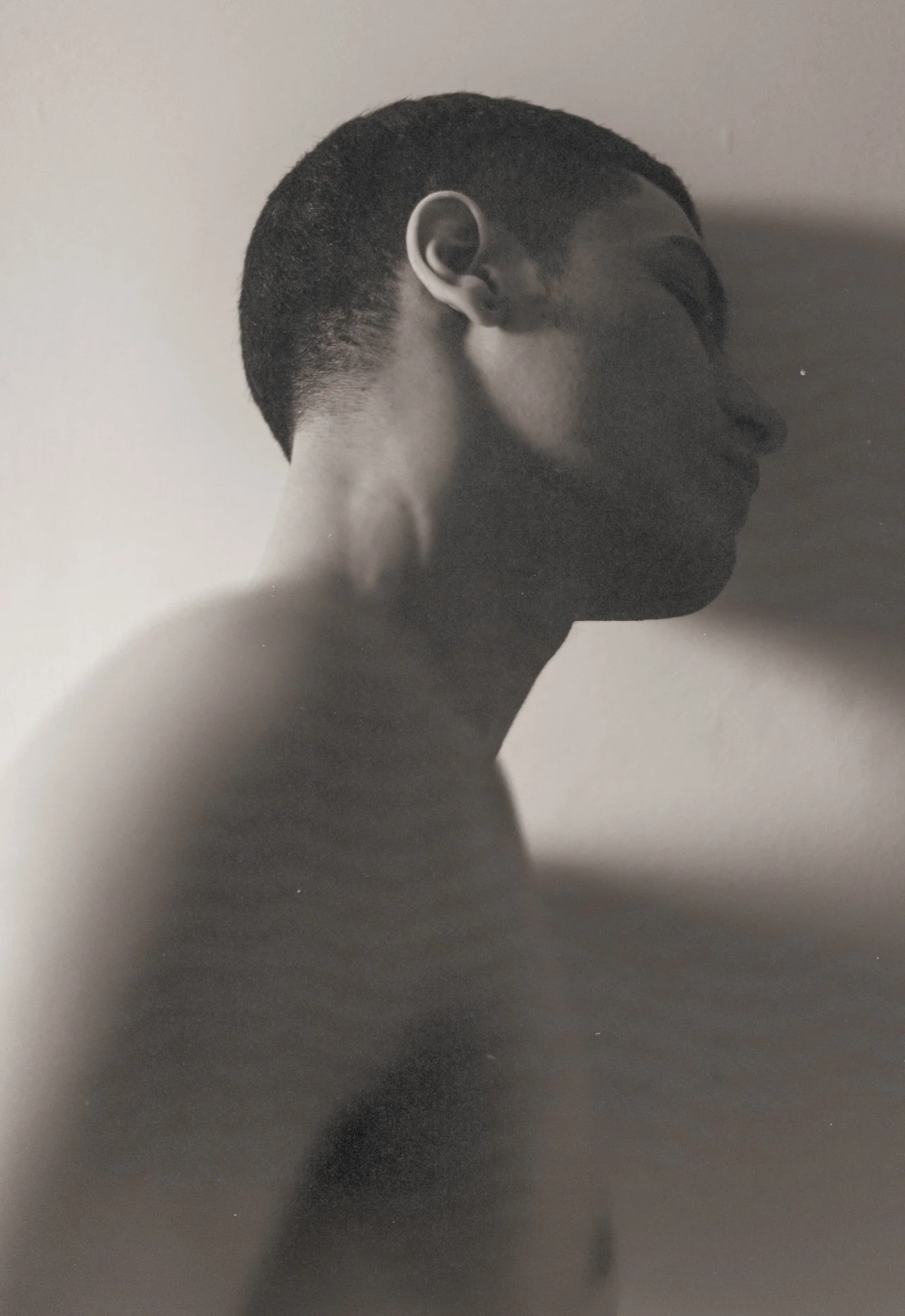
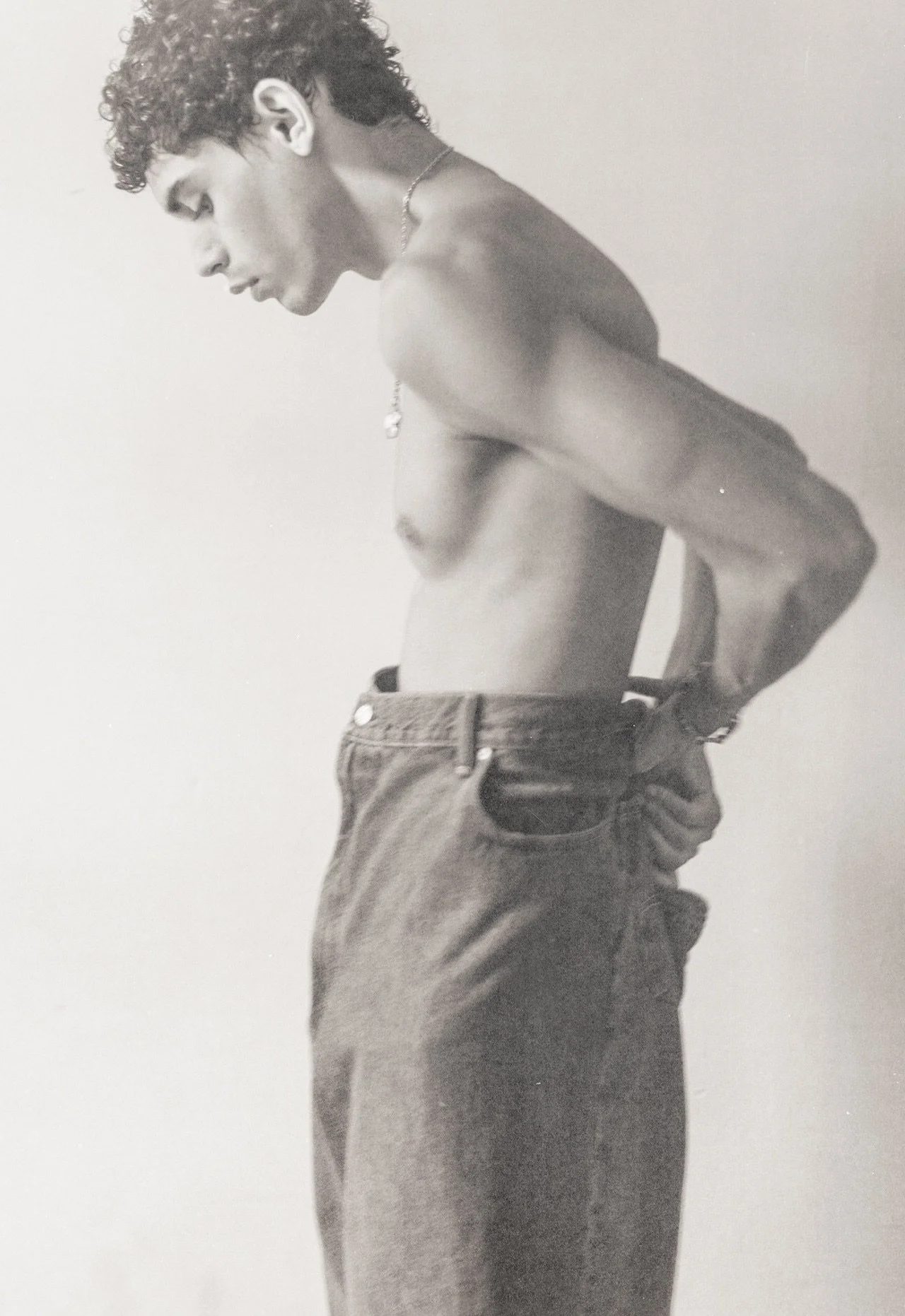
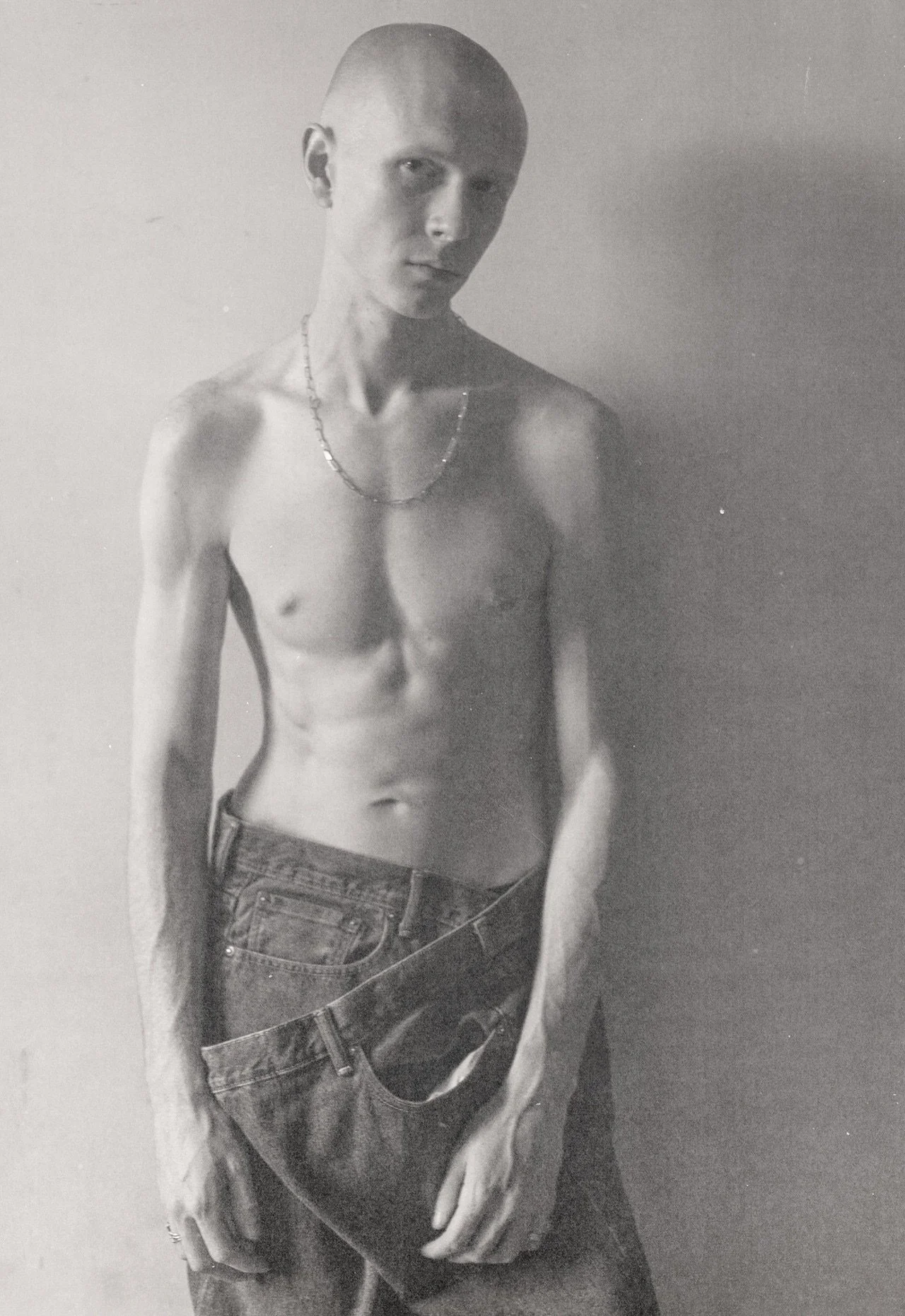
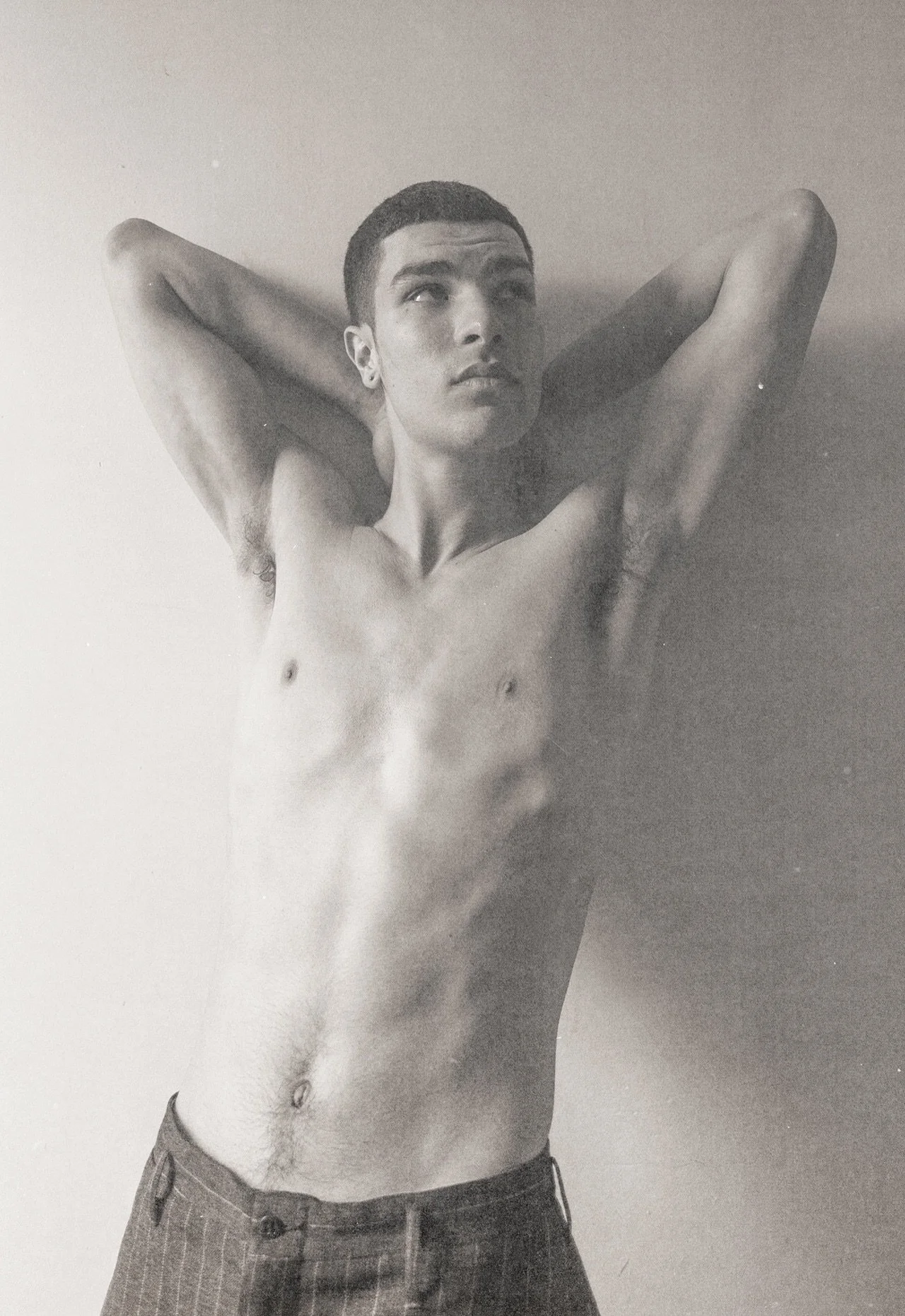
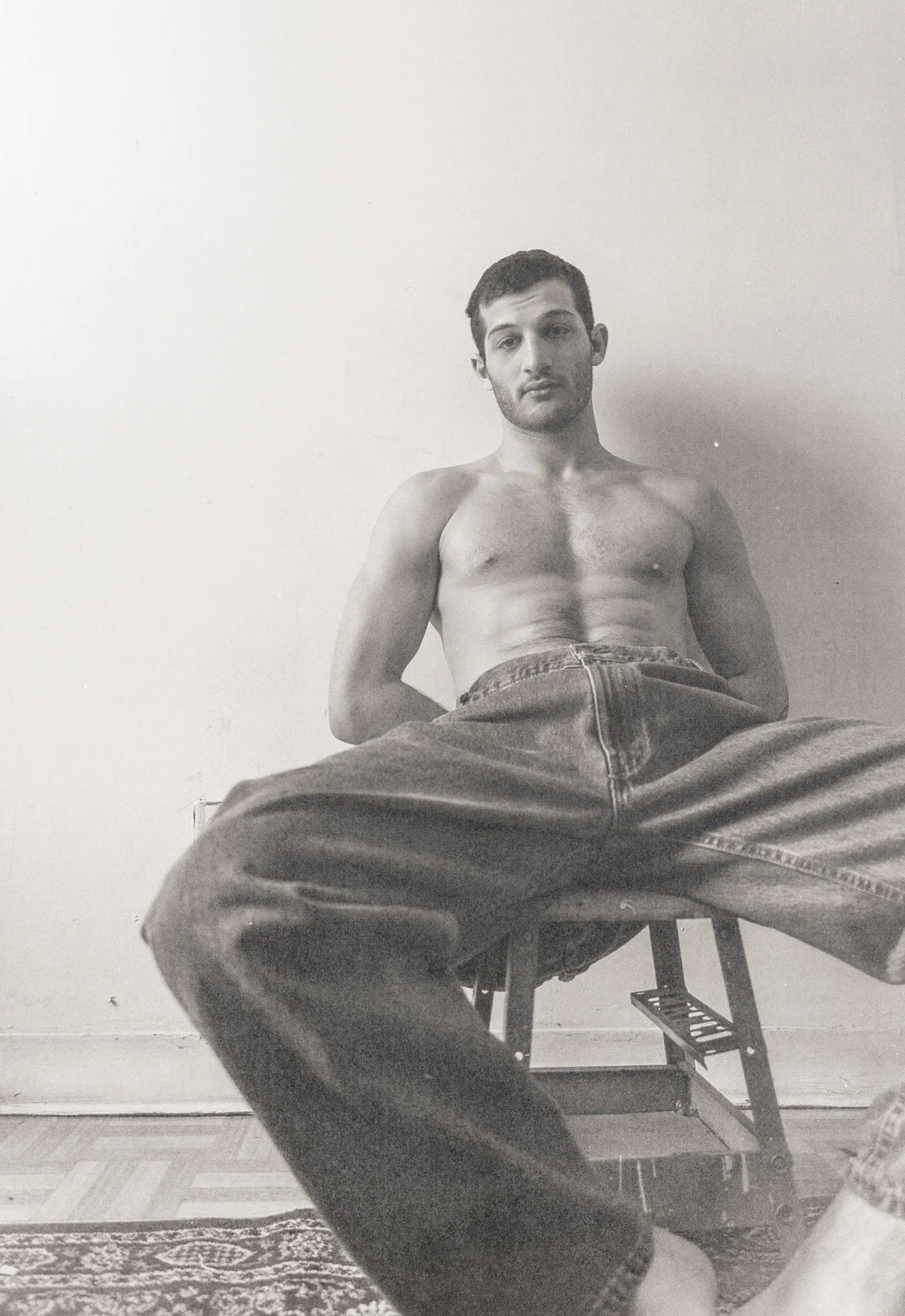
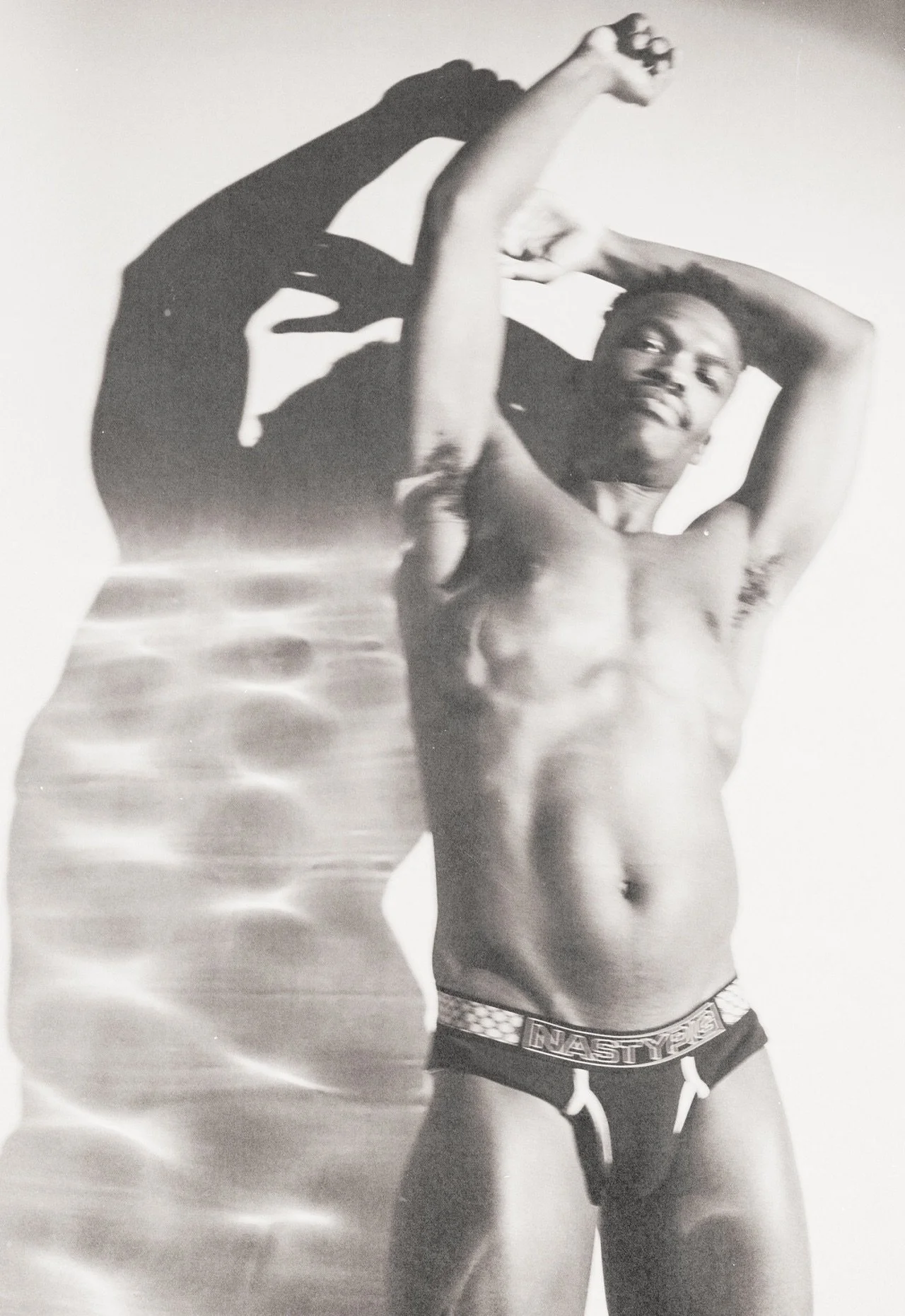
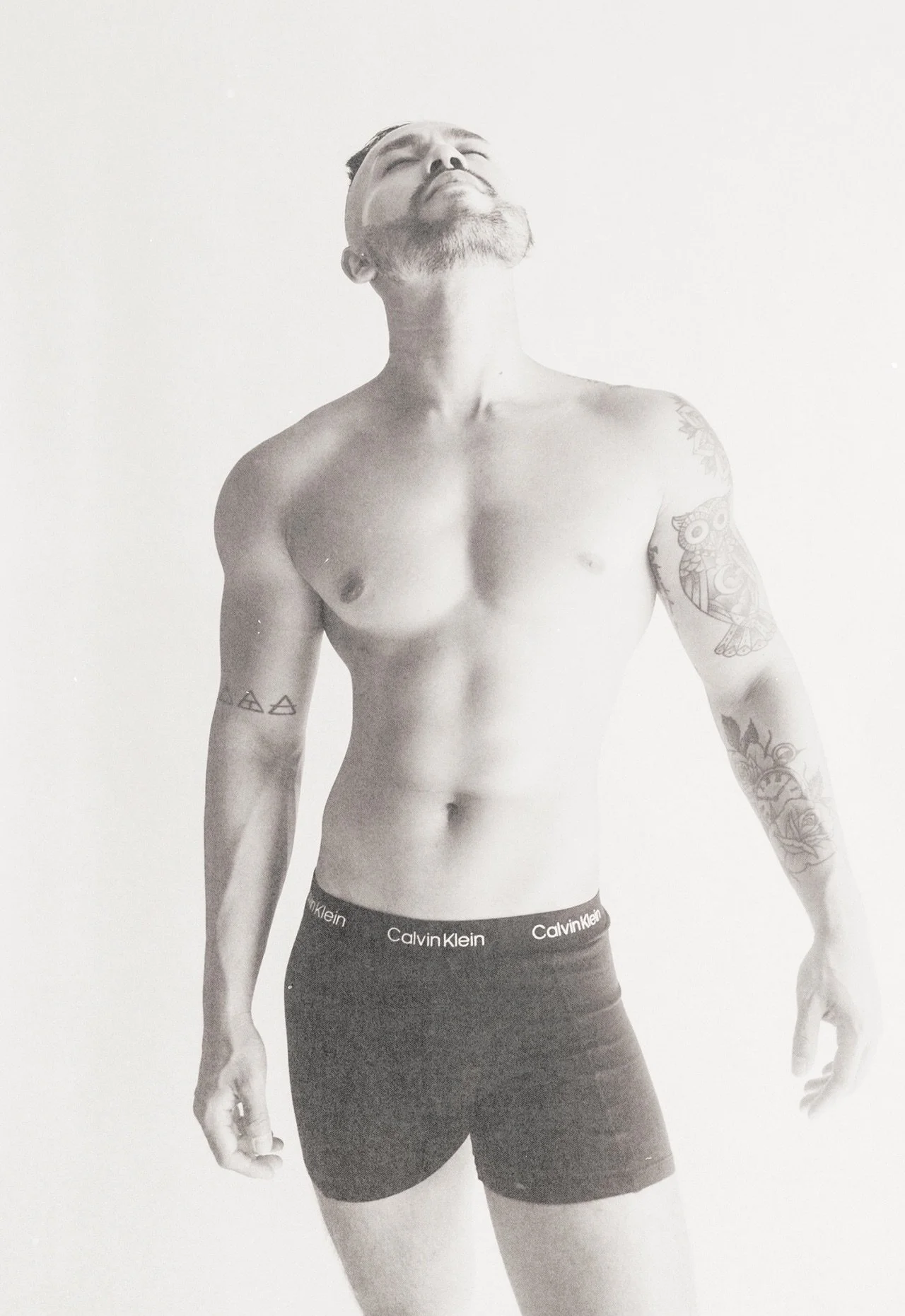
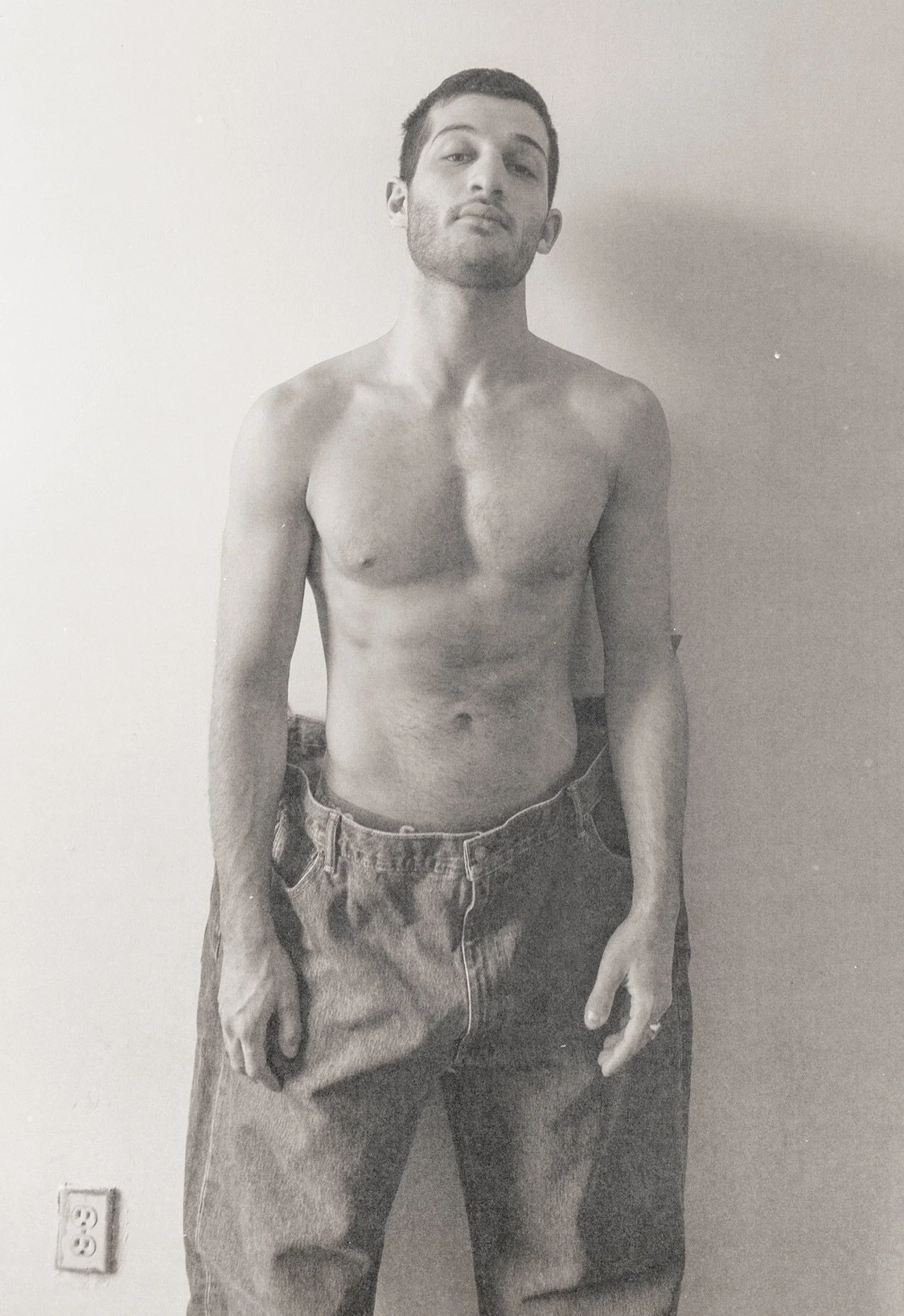
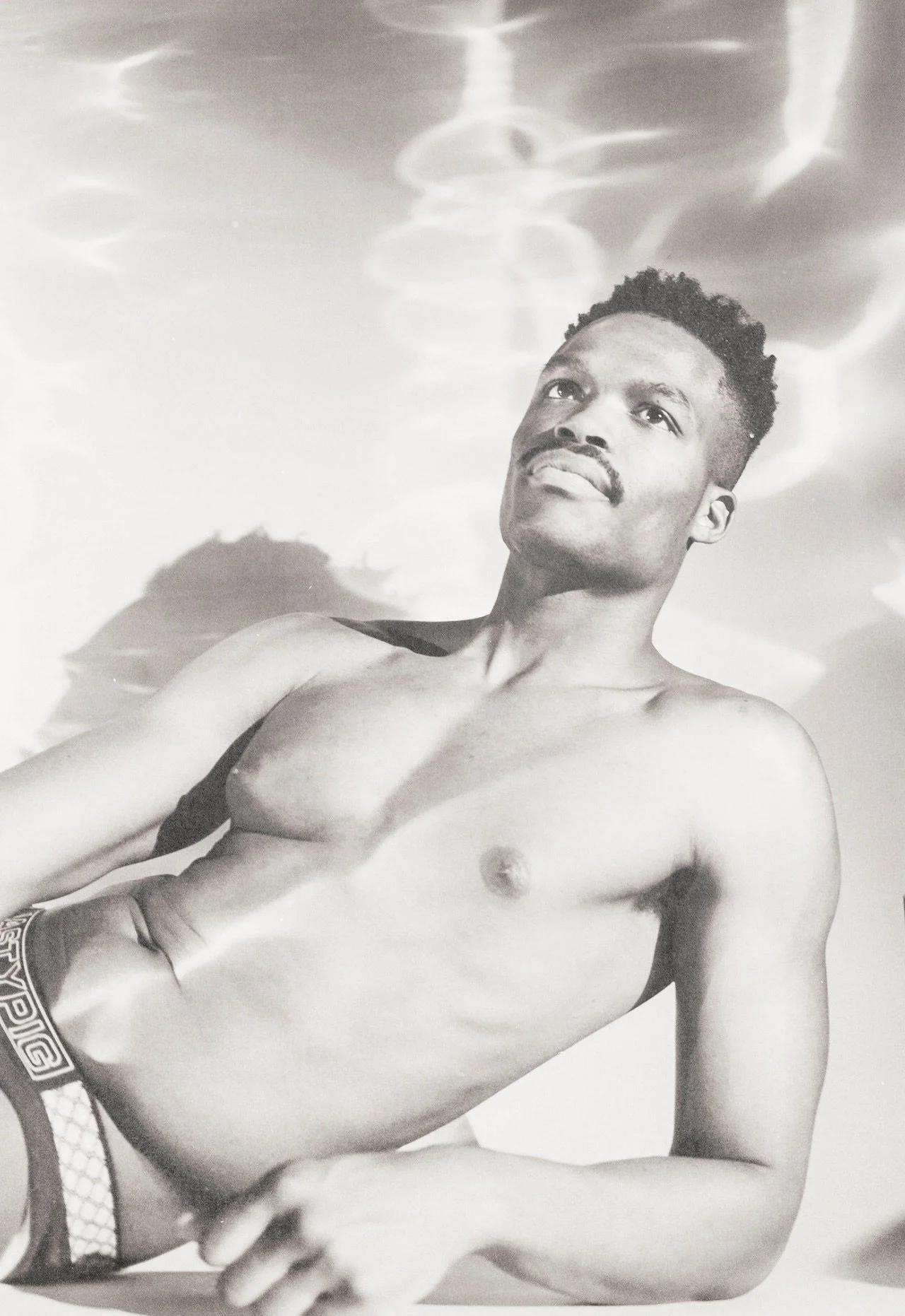
An Assembly of Individuals
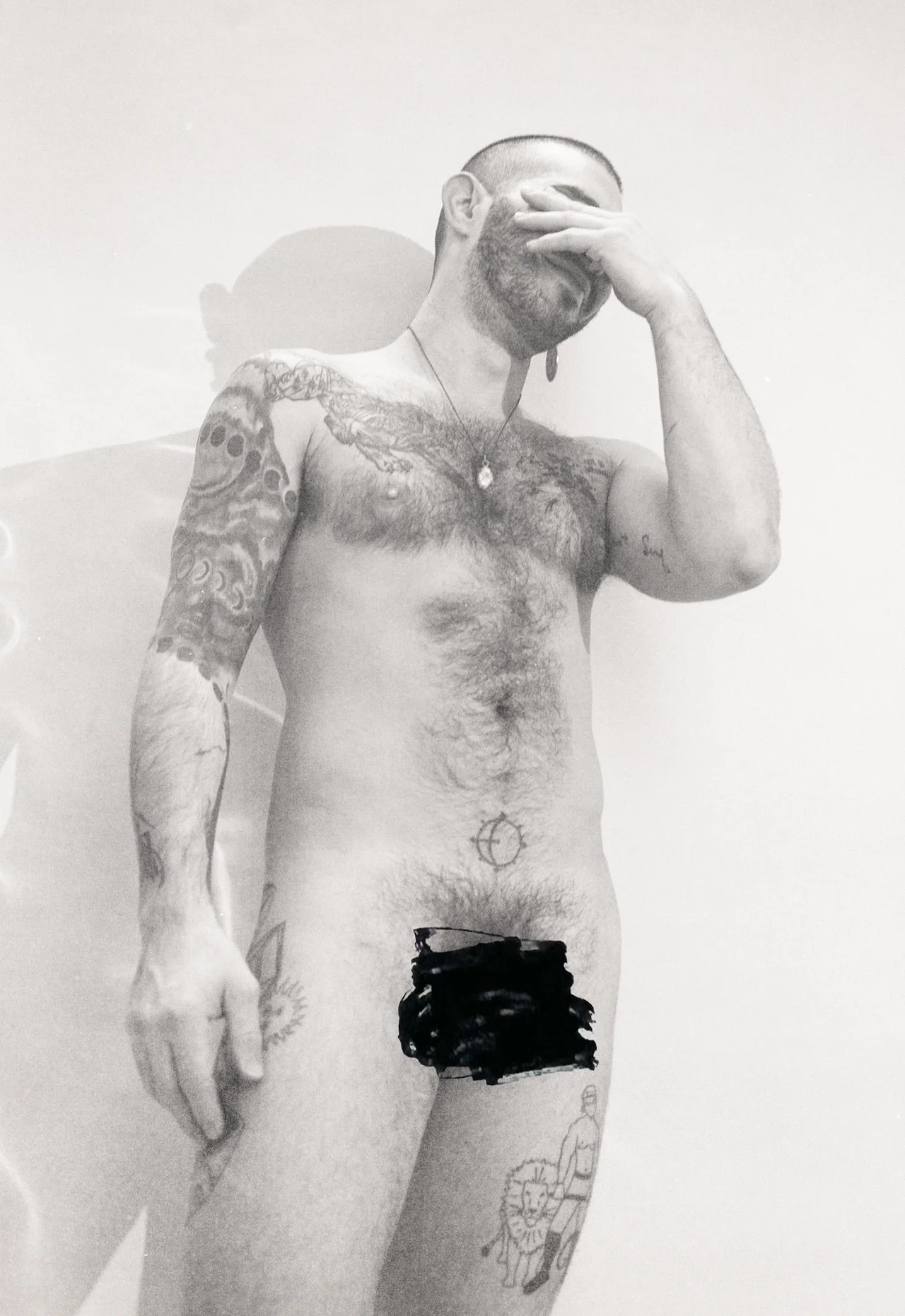
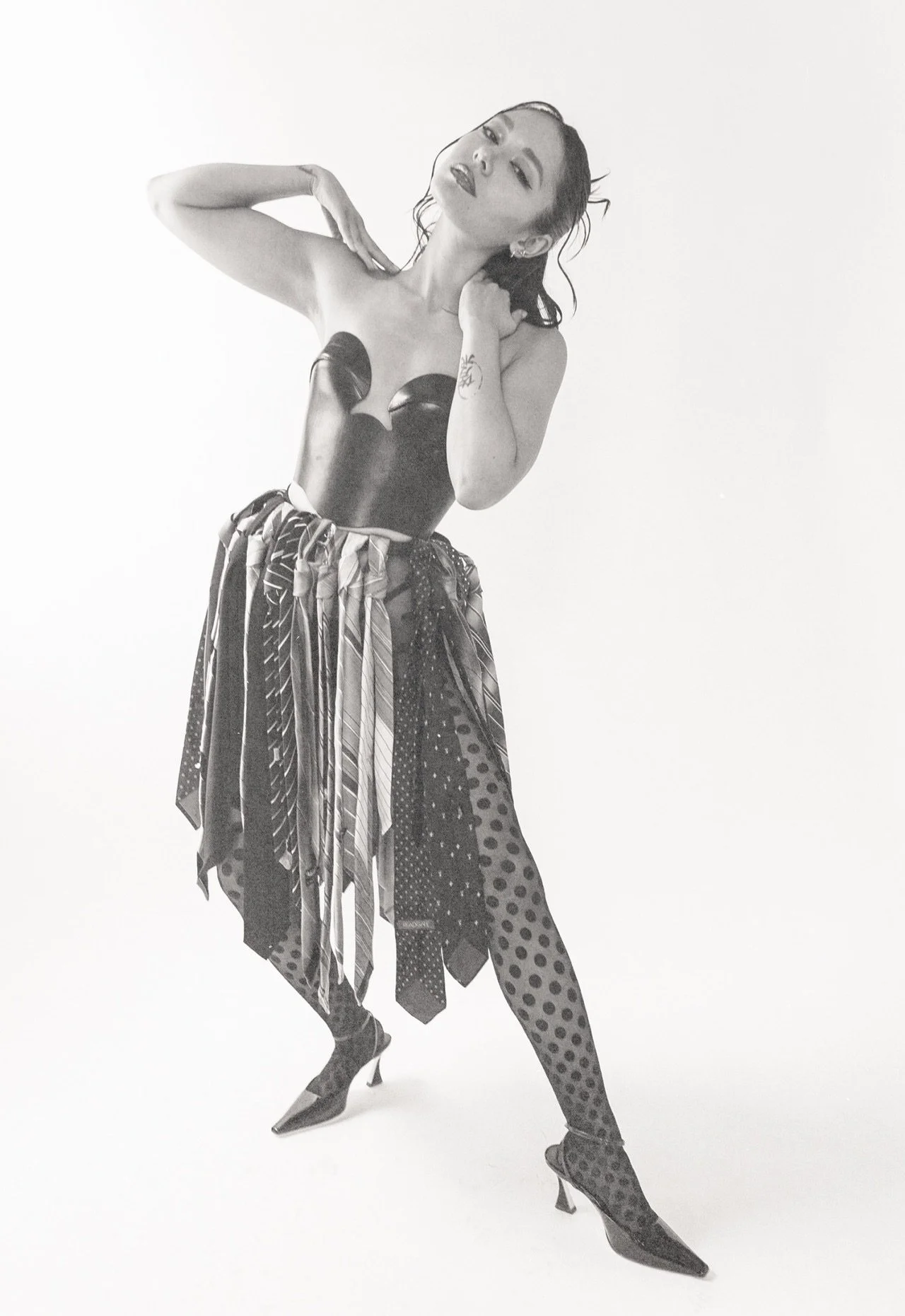
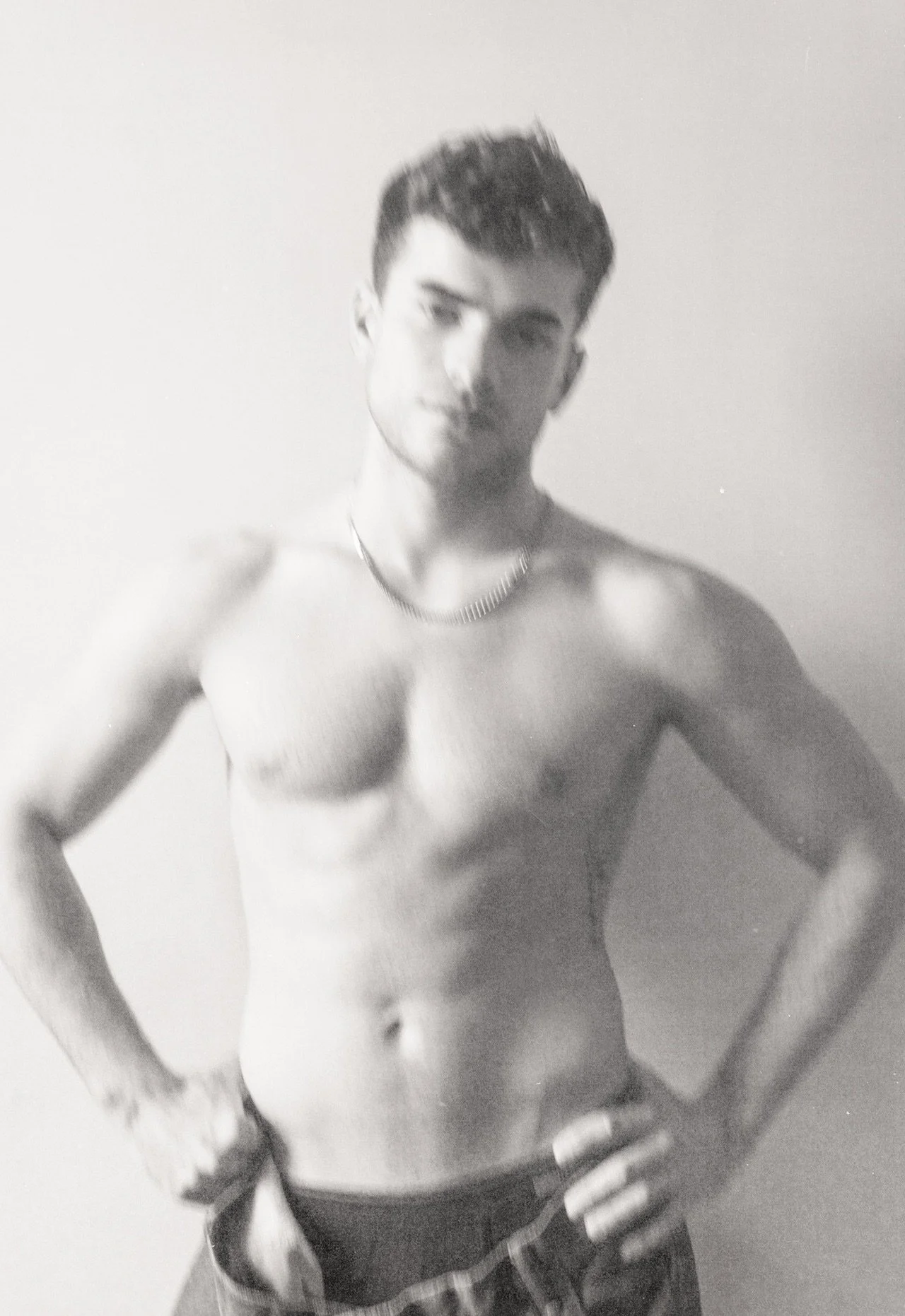
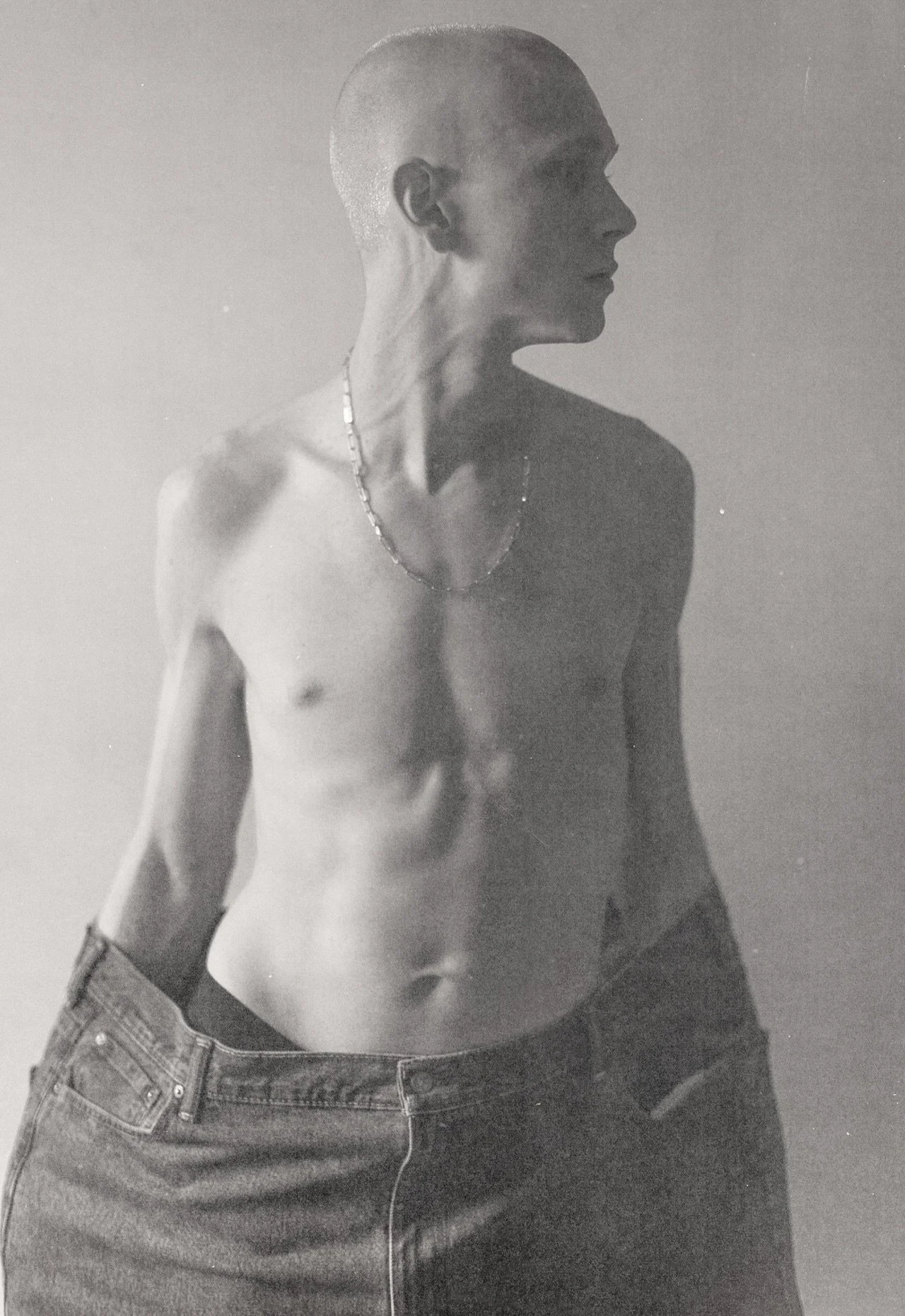
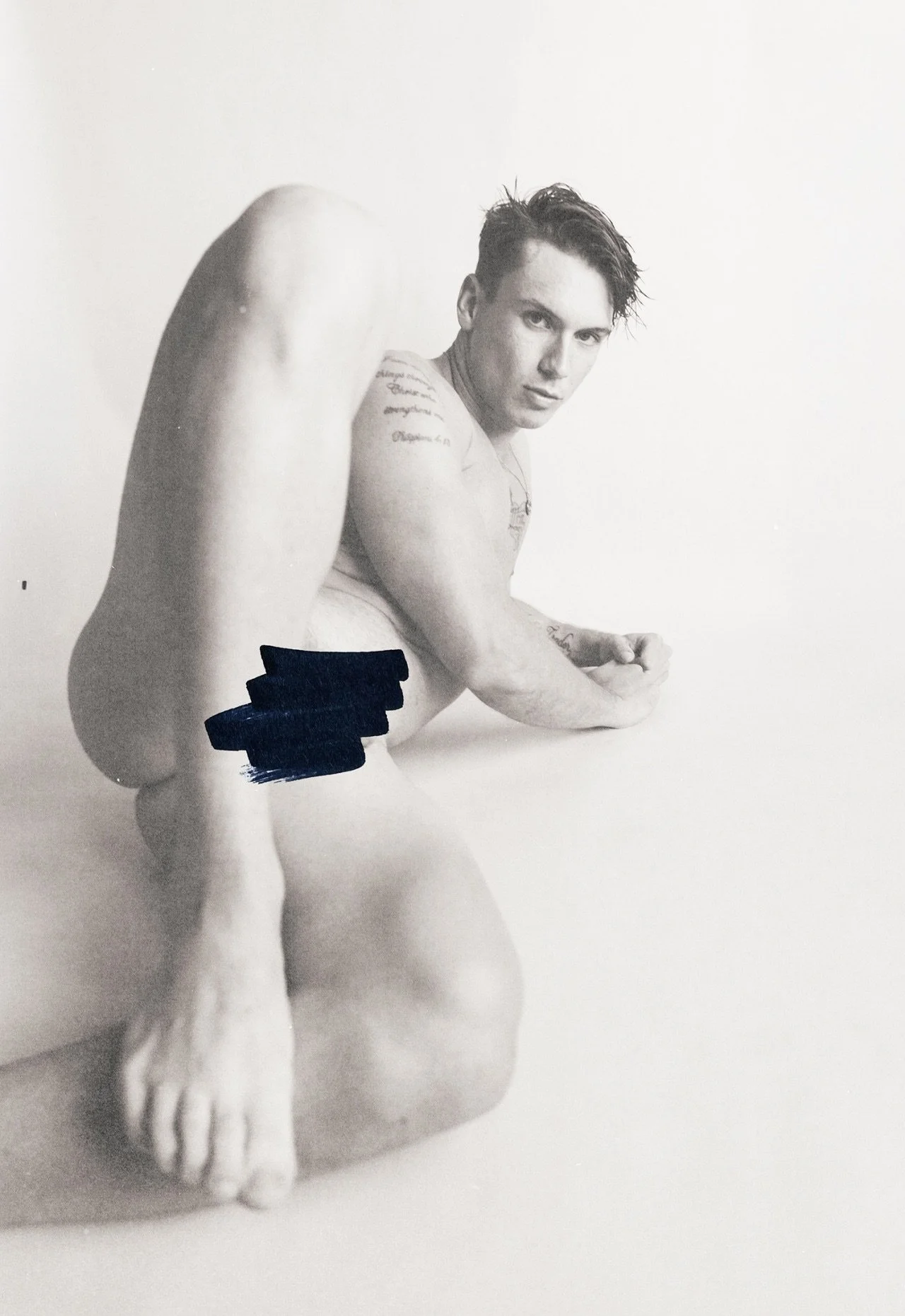
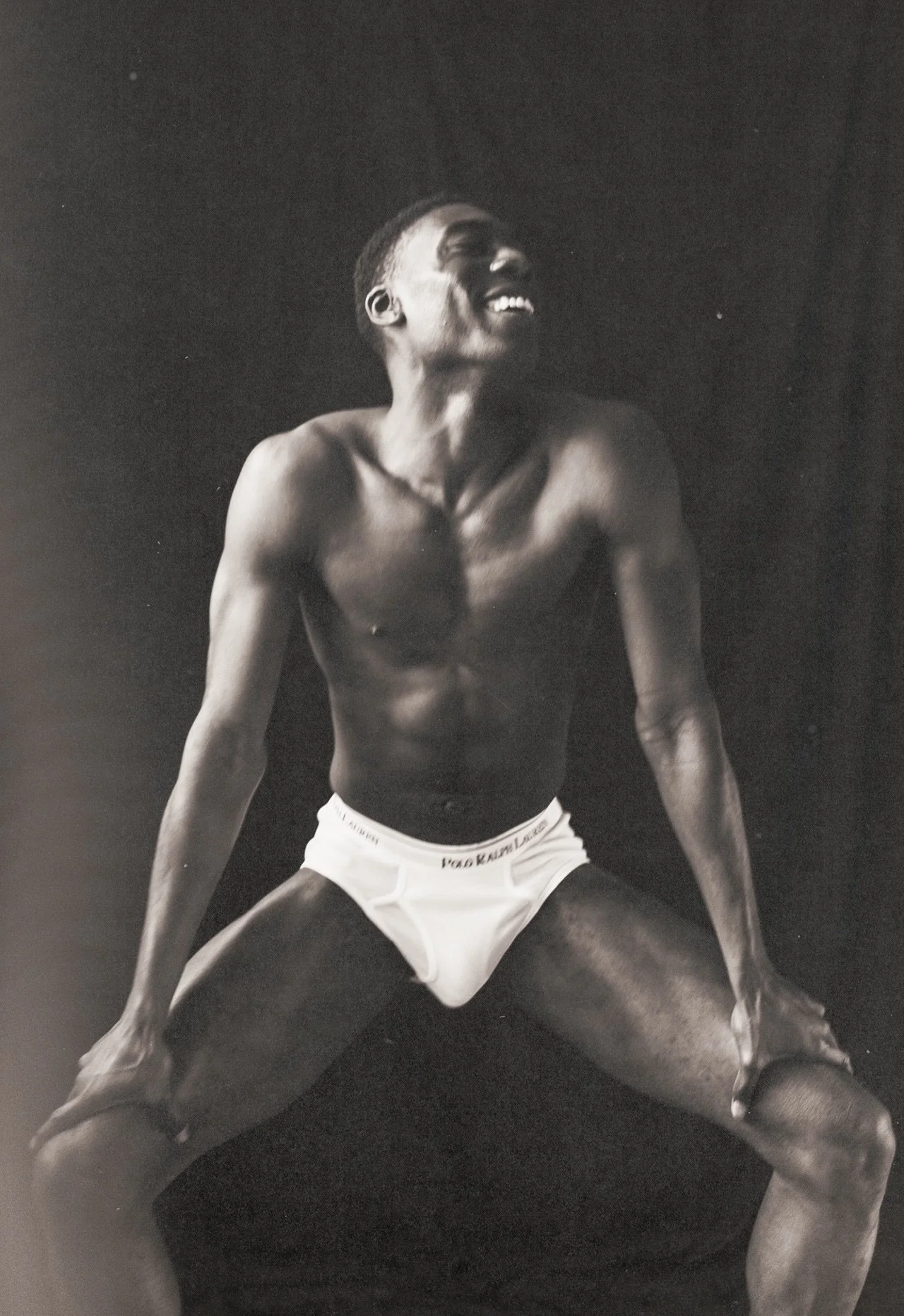
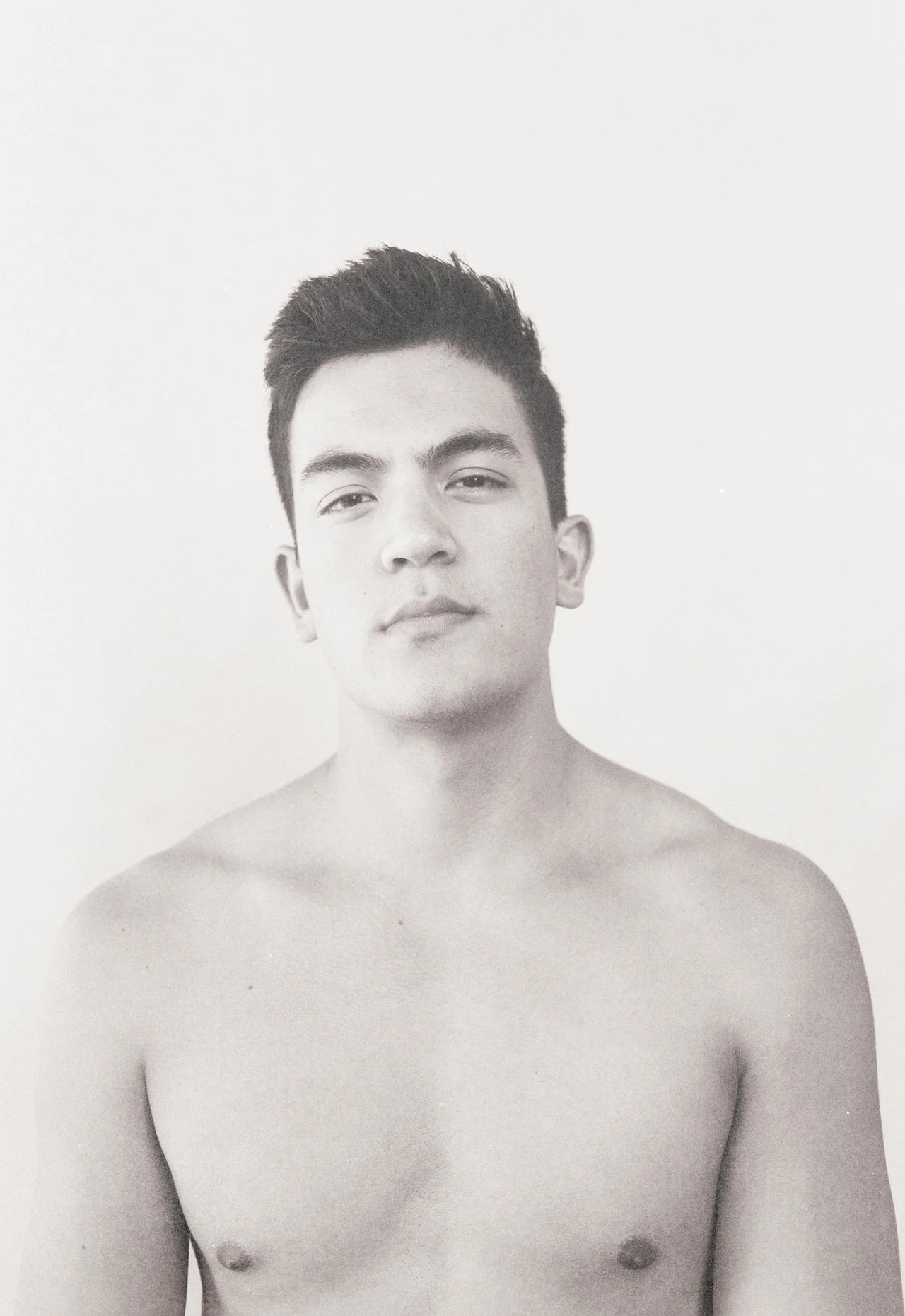
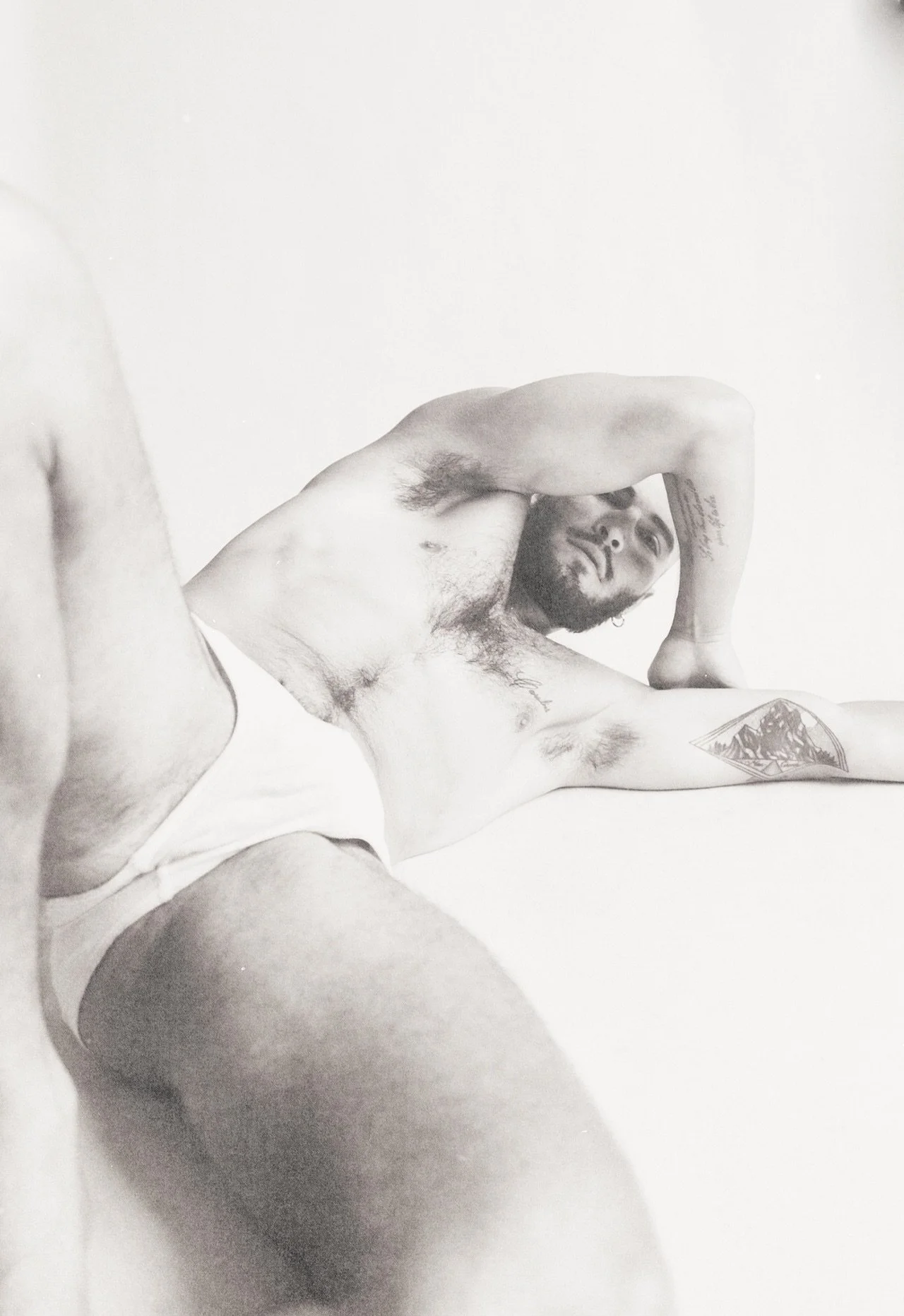
What became most apparent while moving through these portraits was that the alphabet might organize the folders, but it cannot organize the people.
The A’s have very little in common beyond the first letter of their names and the fact that, at some point, they stood in front of my camera.
One person might offer a quiet, almost imperceptible shift in expression. Another might arrive with enough energy to alter the entire direction of the shoot. Some faces invite closeness. Others become more interesting when they remain slightly inaccessible. Some people understand a strange direction immediately. Others need to arrive at it through conversation, movement, laughter or accident.
That exchange is always part of the photograph.
The finished portrait may look still, but making it rarely is. There is talking, waiting, adjusting, reconsidering and occasionally abandoning the original idea altogether. There are the conscious directions I give and the subconscious ones the model somehow understands before I have properly explained them.
Editing all these A’s together made the archive feel less like a storage system and more like an enormous ongoing conversation.
Each portrait answers something the previous portrait asked.
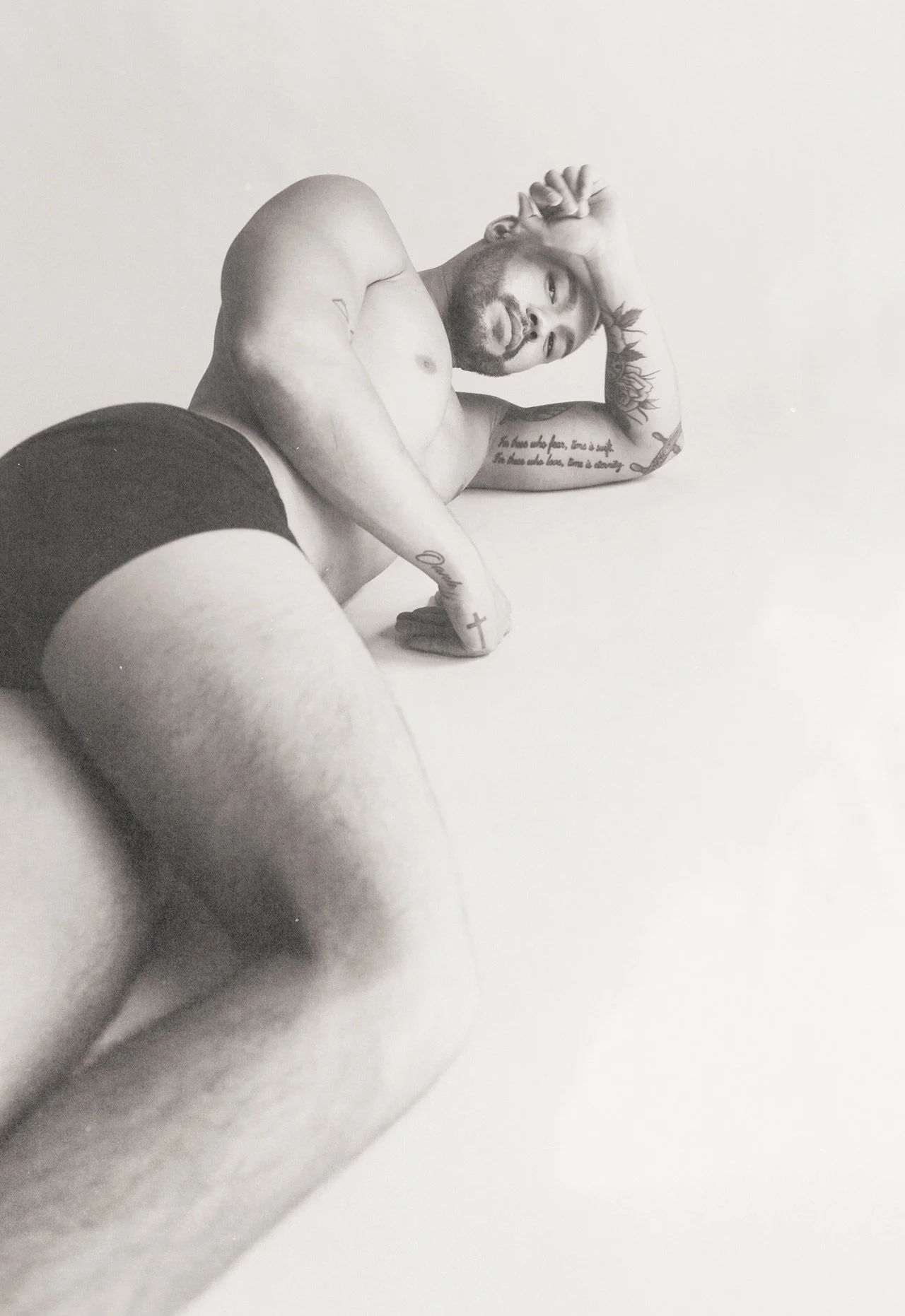
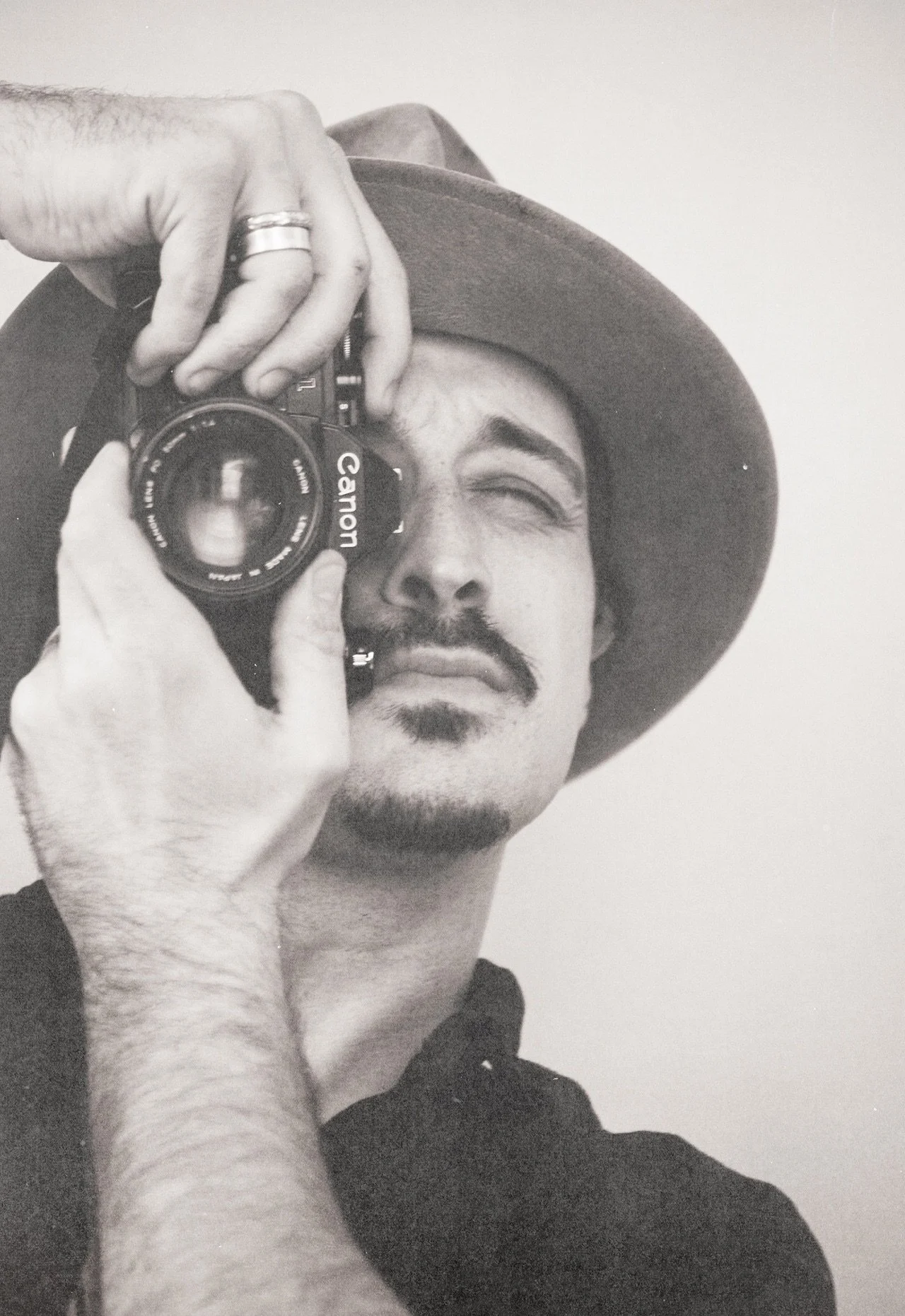
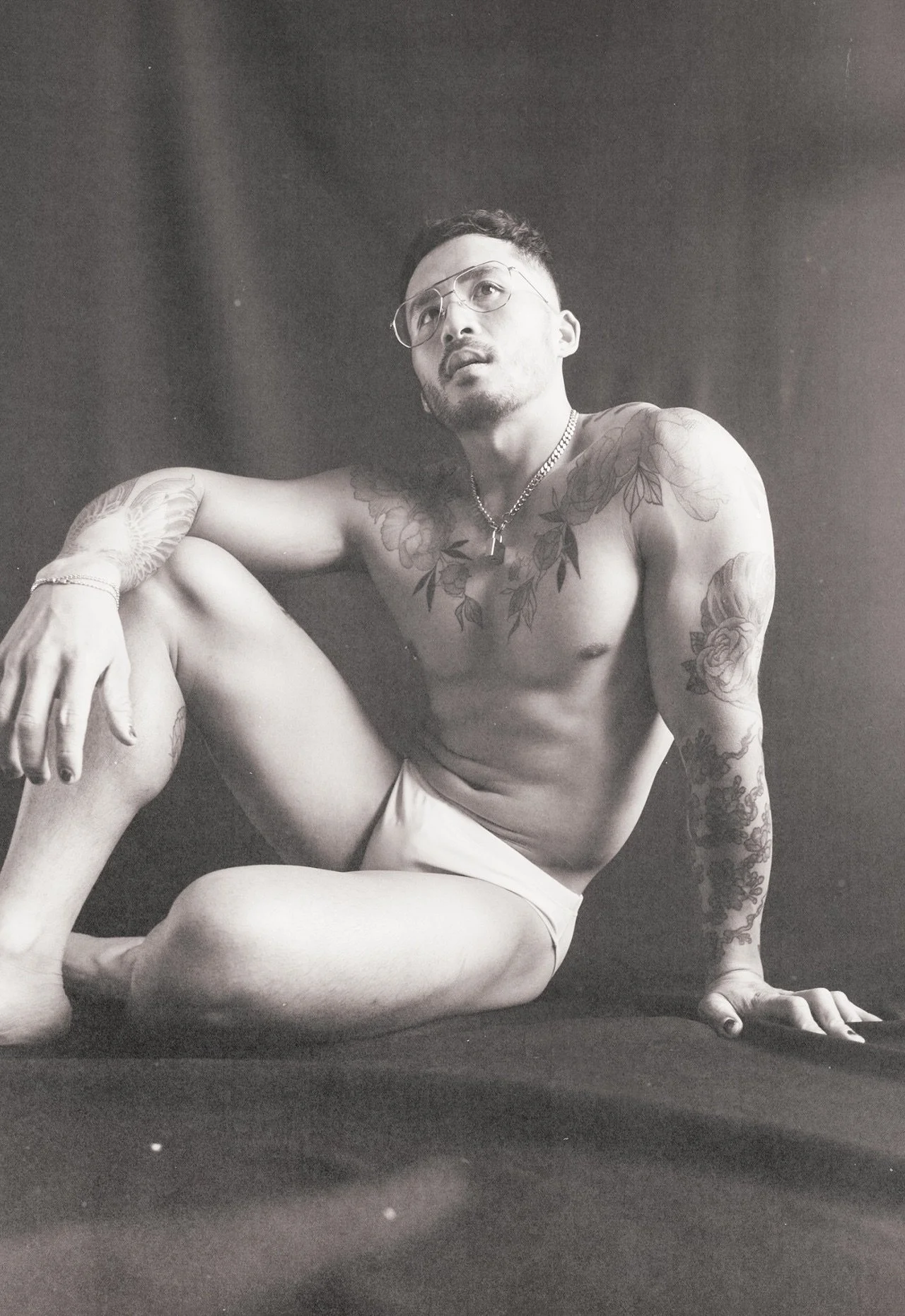
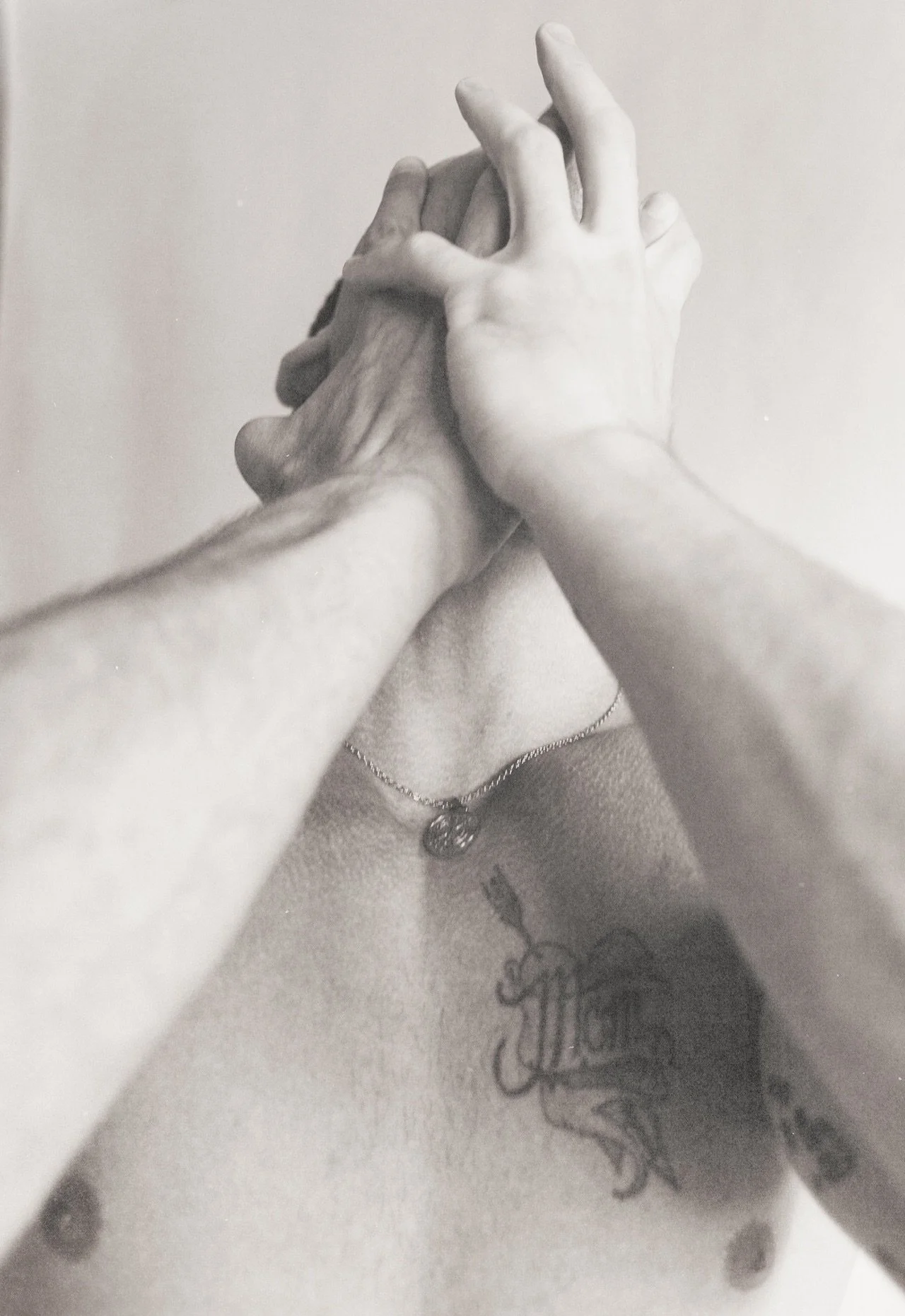
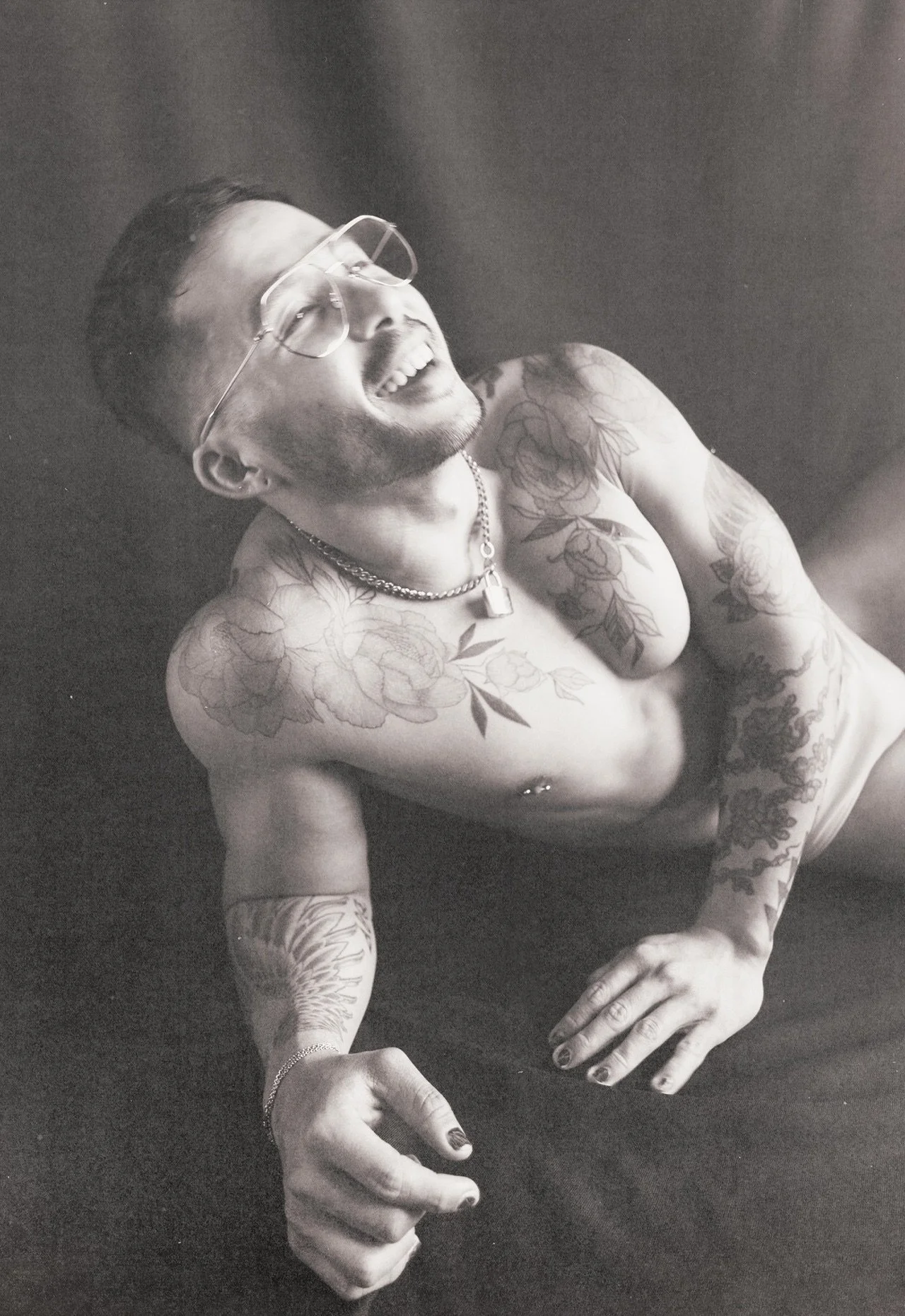
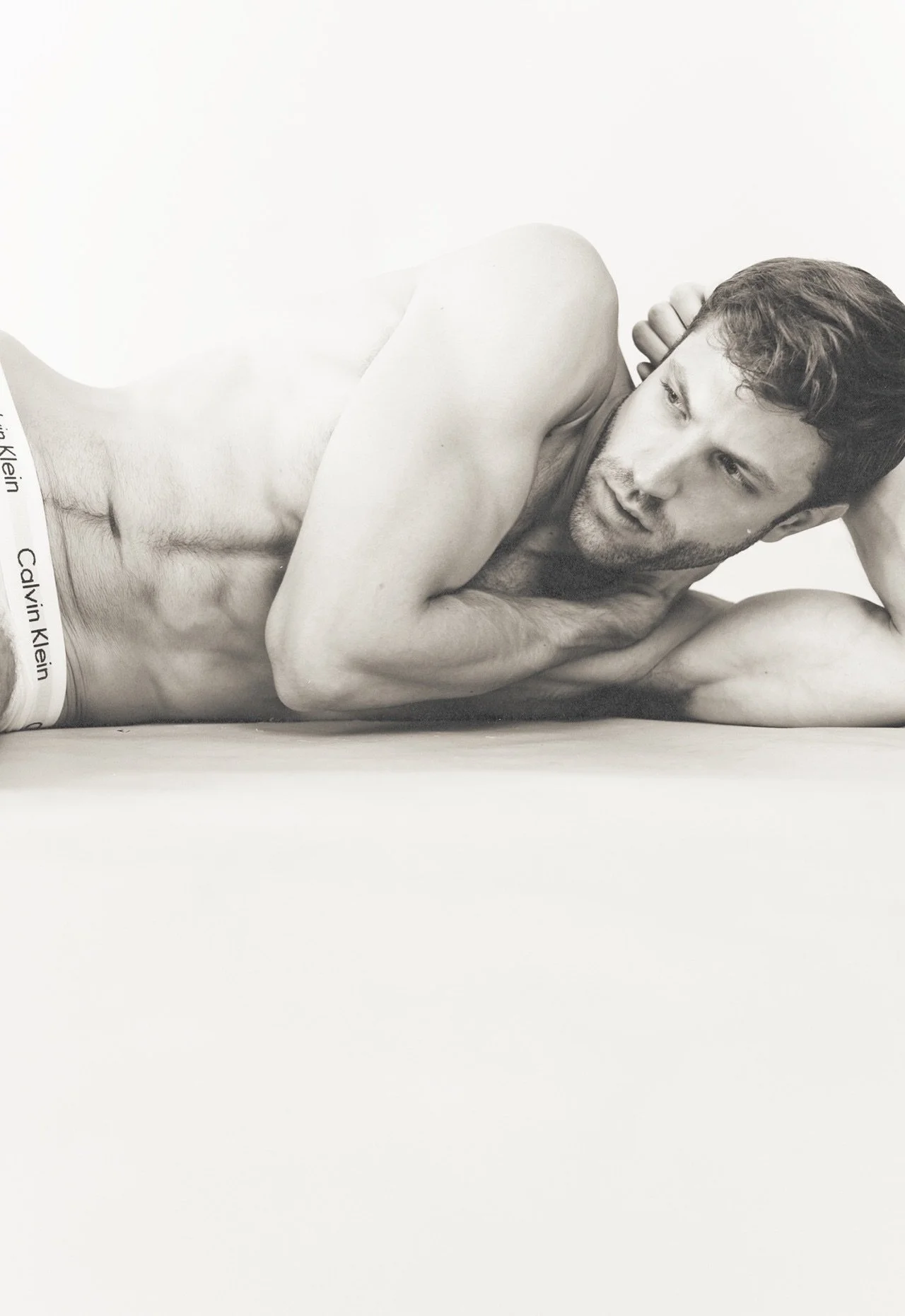
Advantageous Ab-Libbing
I wanted this week to feel productive. I wanted to complete the A’s, move on to the B’s and watch the archive fall obediently into place.
Instead, the letter A expanded until it consumed the entire week.
And perhaps that was the actual assignment.
I am trying to anticipate what might come from getting all this work done: rediscovered photographs, new articles, new opportunities, a more complete understanding of what I have made and perhaps even a clearer idea of what I want to make next.
At the same time, I am learning to become more accepting of the ad-libbing of activity that comes my way.
A day begins with a plan. Then an image catches my attention. That image leads to another folder. The folder recalls a person, a place or an unfinished idea. Suddenly the intended task has transformed into something else entirely.
It can feel like distraction, but sometimes it is discovery.
This was an awesome and unexpectedly advantageous week—an alphabetical excavation through years of faces, gestures and fleeting moments. I still have not finished editing every A, but I have accepted that abundance rarely arrives neatly organized.
For now, A is for archive.
A is for attention.
A is for all the people who have allowed me to photograph them.
And somewhere inside the hard drive, the letter B is already becoming impatient.
The Distance Between Two Frames
Recently, I have been returning to shoots I photographed nearly a decade ago. Even after all that time, there are still frames I have never fully considered. I can open an old folder and immediately feel the personality of the person I photographed. I remember whether they were shy or extroverted, cautious or theatrical. I remember the energy in the room.
On trust, direction, editing, and the strange abundance of a photographic archive.
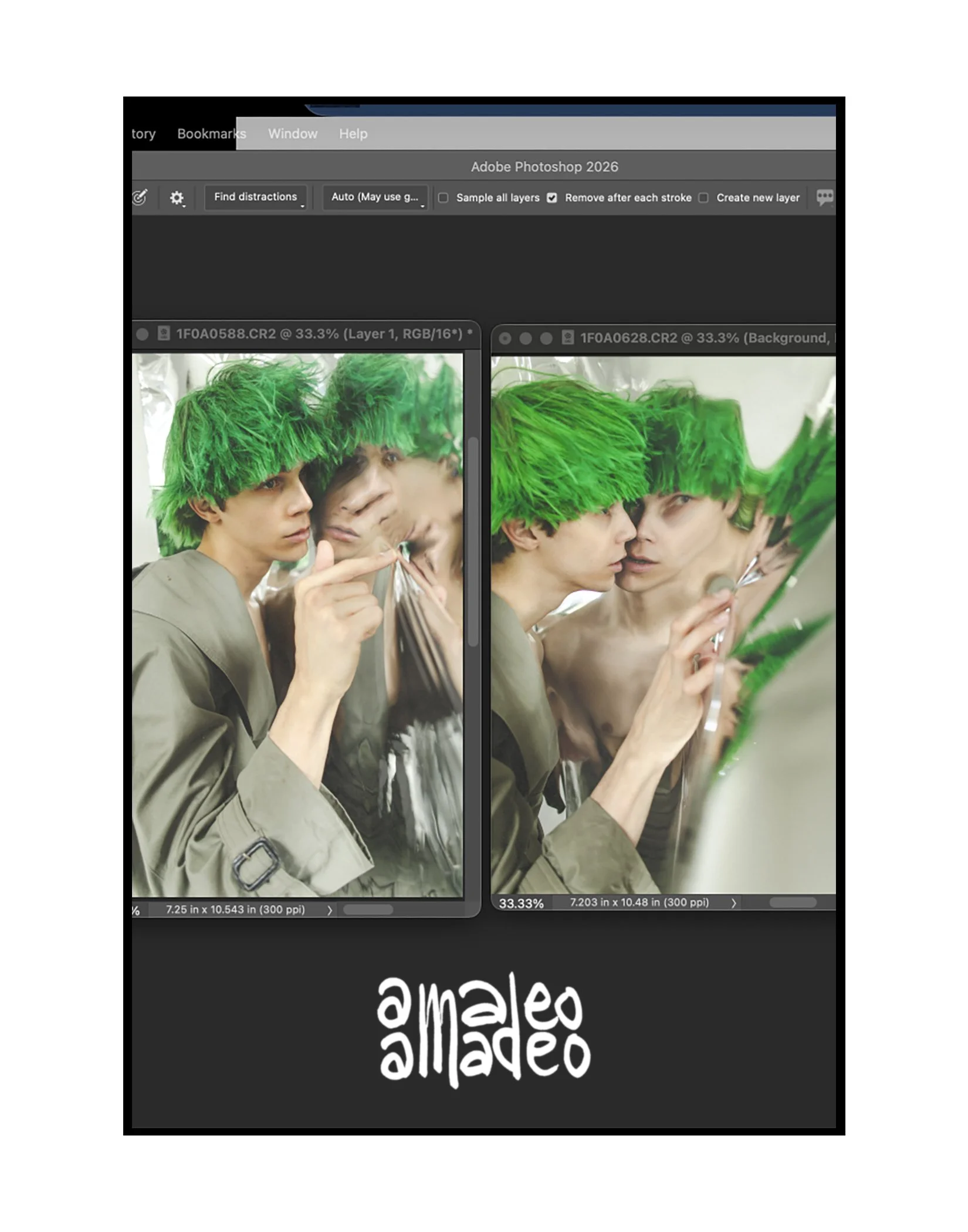
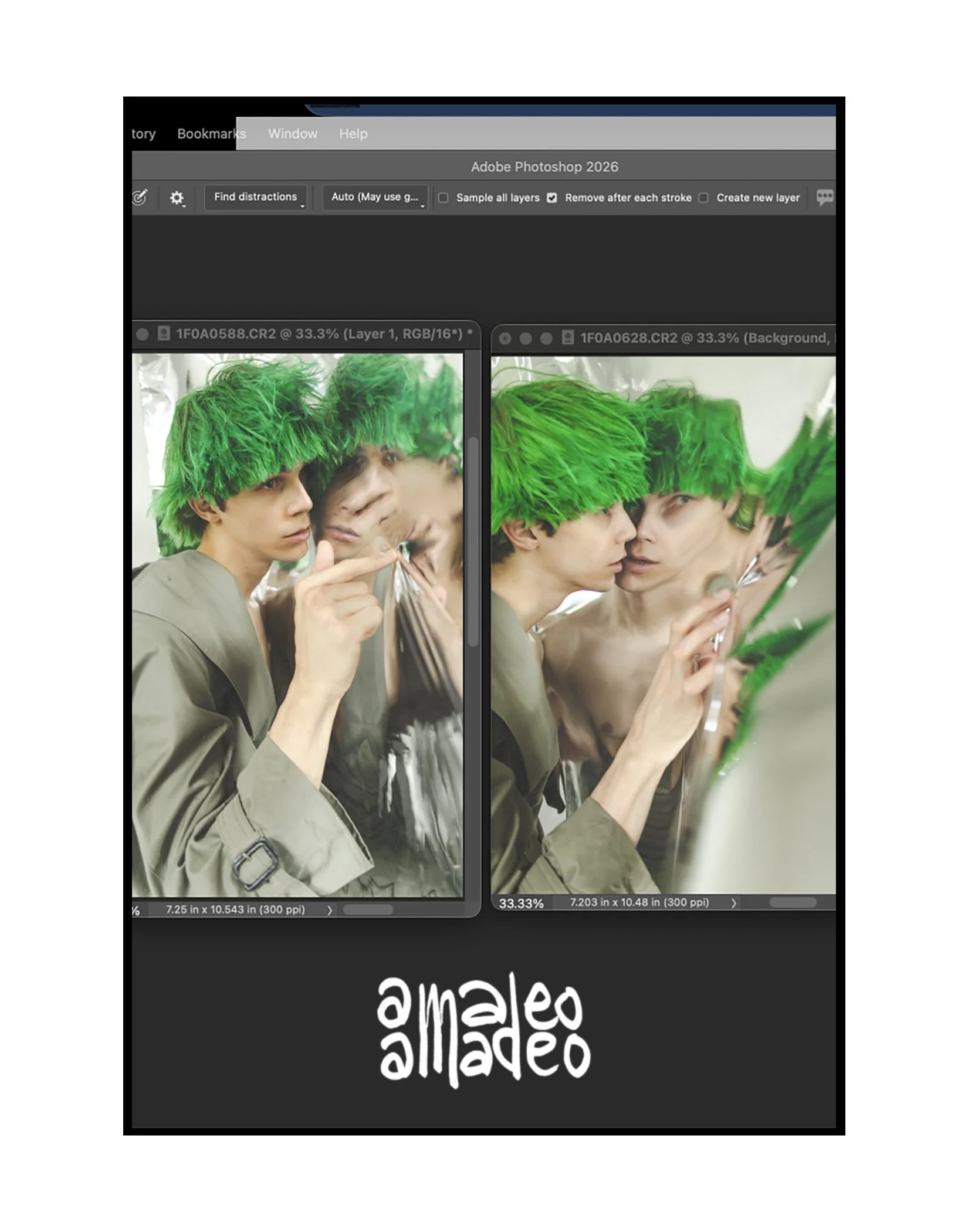
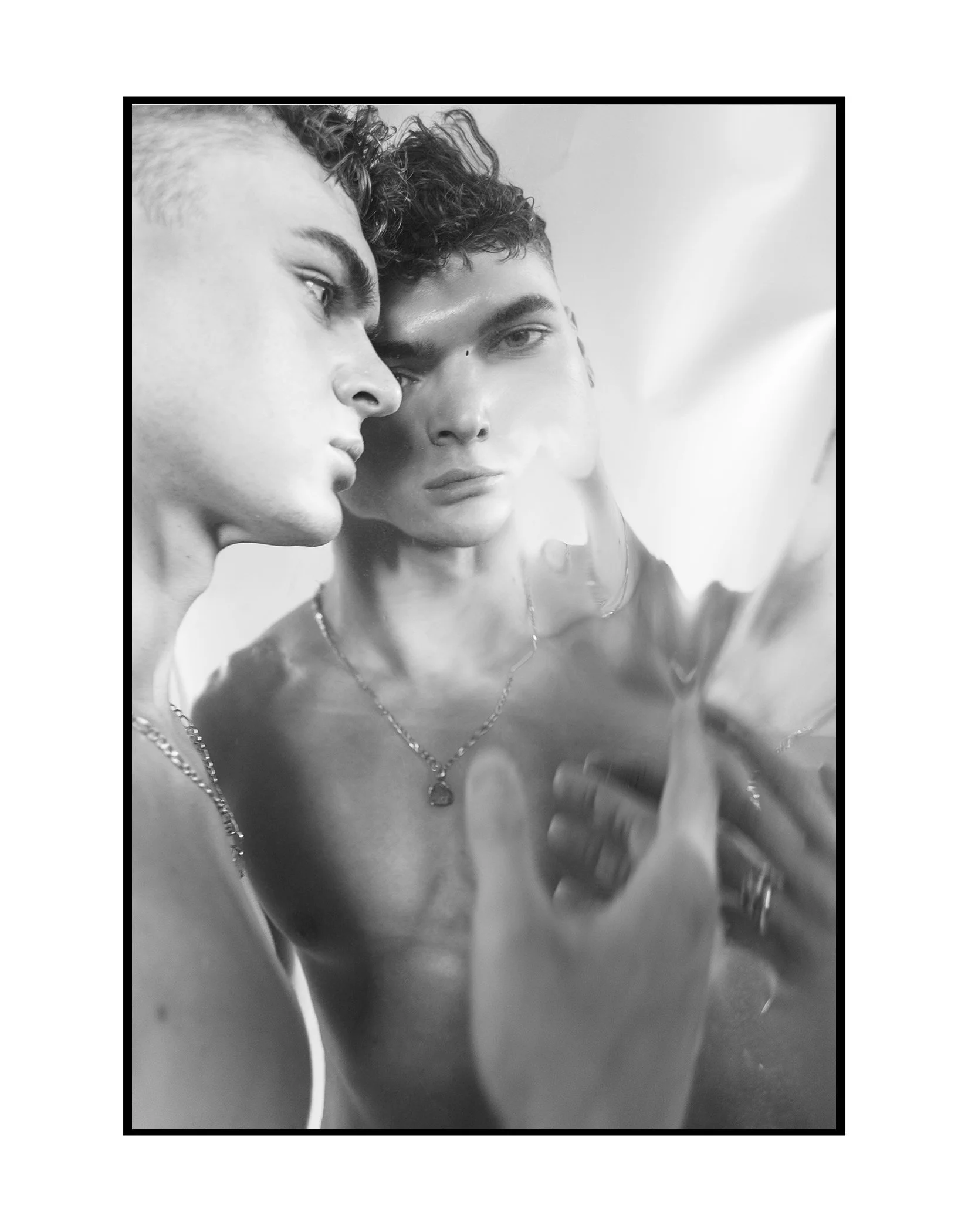
These two photographs were made within five frames of each other. Technically, almost nothing changed. The same model, the same light, the same Mylar mirror, the same room. Yet to me, they exist in completely different worlds.
In the first image, there is a quietness. The model seems absorbed by the reflection, as though he has momentarily forgotten that I am there. The folds of the garment, the softness of his expression and the repetition of his face inside the Mylar make the portrait feel inward and almost private.
The second image has a different tension. The faces move closer together. The body is more exposed. The reflection feels less like an echo and more like another person entering the frame. It becomes intimate, slightly confrontational and more surreal. Only a few seconds separate the two photographs, but the emotional temperature has completely shifted.
This is why editing is so important to me.
Photography is often discussed as the act of taking a picture, but so much of the work happens afterward, when I return to everything that occurred during the shoot. Editing is where I decide which fraction of a second contains the energy I remember—or perhaps reveals an energy I did not fully recognize while I was shooting.
The difference might be a softened mouth, a hand moving an inch, the direction of someone’s eyes or the exact moment a reflection becomes distorted. It may be the frame before a person settles into a pose, or the one immediately after they believe the photograph has already been taken.
Color grading changes that world again. A slight adjustment in the green, the warmth of the skin or the softness of the highlights can alter the emotional language of an image. The editing is never simply about making the photograph look better. It is about deciding what the photograph is trying to say.
The Mylar mirror makes that decision especially unpredictable. It never creates the same image twice. Every movement changes its surface. A face stretches, disappears and returns. One person becomes three, then five, then something that no longer looks completely human. The portrait is constantly rebuilding itself in front of me.
Directing someone inside that environment becomes its own strange conversation.
I might tell the model, “Look at me,” but I am not necessarily asking him to look toward the camera. I may be speaking to one of his reflections. I might ask him to move toward a face that exists only inside the mirror, or to follow the version of himself that has been pulled apart by the material. Sometimes I am directing the model; sometimes I am directing his reflection.
I work instinctively when I photograph. There are cues that come out before I have had time to intellectualize them. Look here. Move your chin slightly. Hold that. Forget about me. Look at yourself. Now look through yourself.
I like to move between images in which the subject acknowledges the camera and images in which they seem completely unaware of it. That variation creates its own rhythm. The direct gaze can feel powerful, but the moment immediately beside it—the glance away, the breath, the uncertainty—can reveal something entirely different.
None of this works without trust.
A model has to trust that I am not waiting for them to look bad. They have to believe that I am paying attention, that I will recognize the moments worth keeping and that I will not abandon them inside an uncomfortable gesture. My responsibility is to make the person feel secure enough to become casual, curious and strange.
I love directing models into poses, but I also direct through conversation. I may ask someone, “If you were a color, how would that color move through the air?” The question is not meant to produce a literal answer. It is meant to interrupt the person’s awareness of posing. Their body begins to solve the question before their mind can explain it.
A good photograph requires so many things to align: the model, the photographer, the light, the conversation, the clothing, the accident, the atmosphere and the shape that appears for only a moment. All of those things cooperate for perhaps 1/60th of a second.
Then they disappear.
Editing is where I search for them again.
Recently, I have been returning to shoots I photographed nearly a decade ago. Even after all that time, there are still frames I have never fully considered. I can open an old folder and immediately feel the personality of the person I photographed. I remember whether they were shy or extroverted, cautious or theatrical. I remember the energy in the room.
In the past few months, I have added hundreds of images from my archive to Tumblr. The collection has now grown to more than 12,000 portraits.
Sometimes I worry that people will think, That again? Another portrait? Isn’t this too much? Aren’t these nearly the same image?
Perhaps I simply like abundance.
I like seeing the infinite number of expressions that exist inside one face. I like the gestures people forget they made. I like the frames that appear almost identical until you spend time with them. One photograph may show confidence; the next, made a second later, may show doubt. A mouth closes. The eyes move. The posture softens. The person briefly returns to themselves.
The differences are minute, but they are not insignificant.
Looking through the archive also allows me to see how I have changed. My earlier photographs reveal a different understanding of direction. There were periods when I wanted the subject to appear completely in control. Now I understand that I can create the feeling of their control while remaining deeply involved in constructing the image.
That is one of the central illusions of portraiture: the subject appears to possess the moment, while the photographer quietly arranges everything around it.
My editing has evolved in the same way. What my eye notices now is light-years away from what it noticed ten years ago. The photographs have not changed, but I have. Images I once overlooked suddenly feel essential. A frame does not have one permanent meaning. It waits for the photographer to become capable of seeing it.
Perhaps that is why an archive never truly becomes finished. There will always be another expression, another reflection and another fraction of a second waiting to be rediscovered.
The magic of photography is not contained in one perfect image. It exists in the multitude—in all the nearly identical moments that reveal, upon closer inspection, that nothing ever happens exactly the same way twice.
Studio Rituals: Flowers on the Desk
Yesterday I brought something simple into the studio—flowers.
It had been a while since I picked up flowers just to place in a vase for myself. No reason other than wanting a little life in the room. I found a few calla lilies and some chamomile and brought them back to the studio to arrange.
Yesterday I brought something simple into the studio—flowers.
It had been a while since I picked up flowers just to place in a vase for myself. No reason other than wanting a little life in the room. I found a few calla lilies and some chamomile and brought them back to the studio to arrange.
What I loved most was how naturally they worked together. Both sat in the same quiet palette of creams and soft yellows, but their textures couldn’t have been more different. The calla lilies stood tall and sculptural—almost architectural—while the chamomile scattered little sun-like blooms around them. Smooth against delicate. Structure against softness.
The juxtaposition made the arrangement feel alive.
While arranging them I even thought about adding a few sprigs of parsley as a green filler—something humble and unexpected—to give the bouquet another layer of texture. I’ve always loved playing with contrast when arranging flowers. Different shapes, different densities, different personalities all sharing the same space.
Now the arrangement sits on my desk in the studio.
The blooms quietly bring signs of spring with them, even if the season hasn’t fully arrived yet. It changes the room in a small but noticeable way. A little warmth. A little softness. A reminder that life outside is beginning to wake up again.
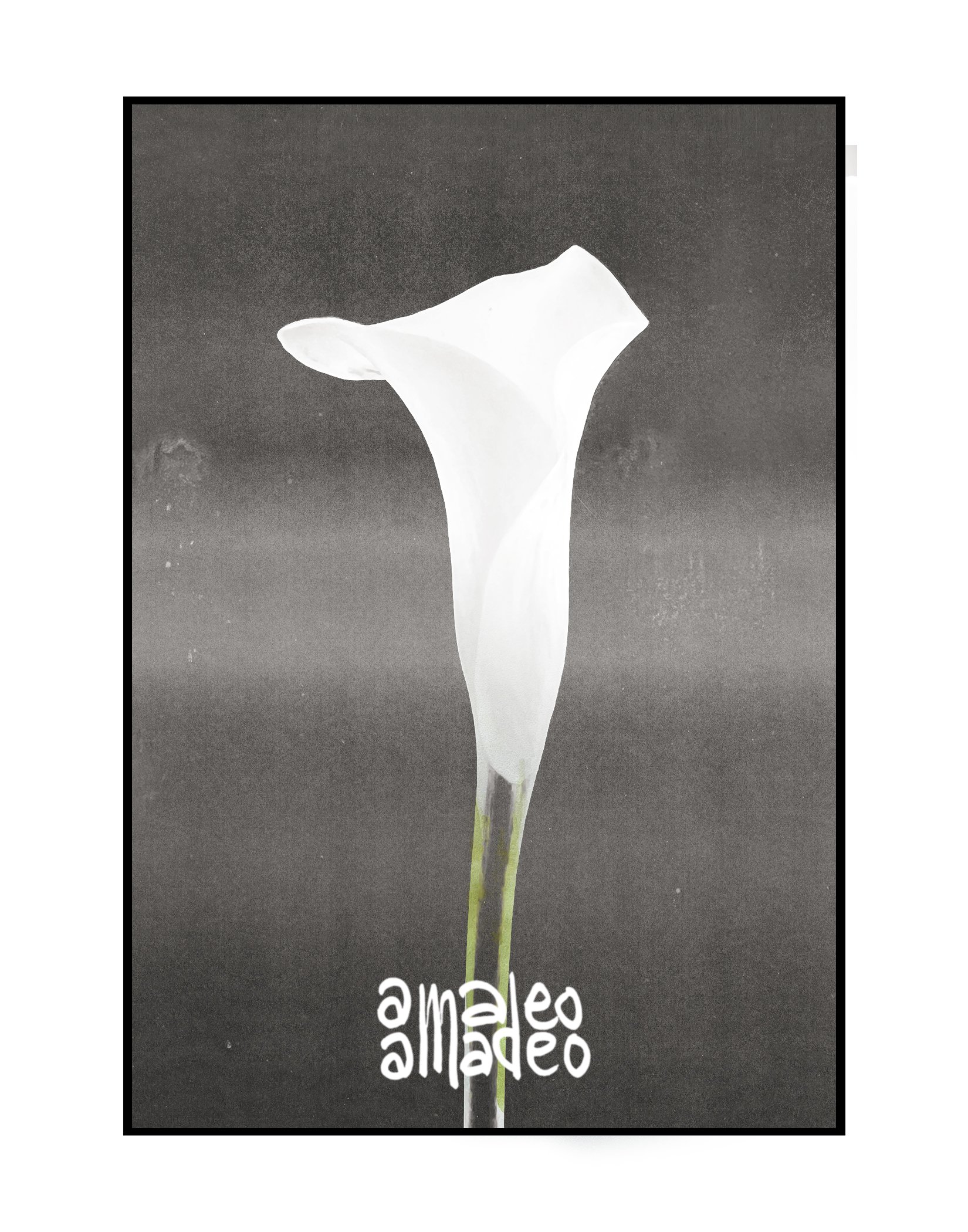
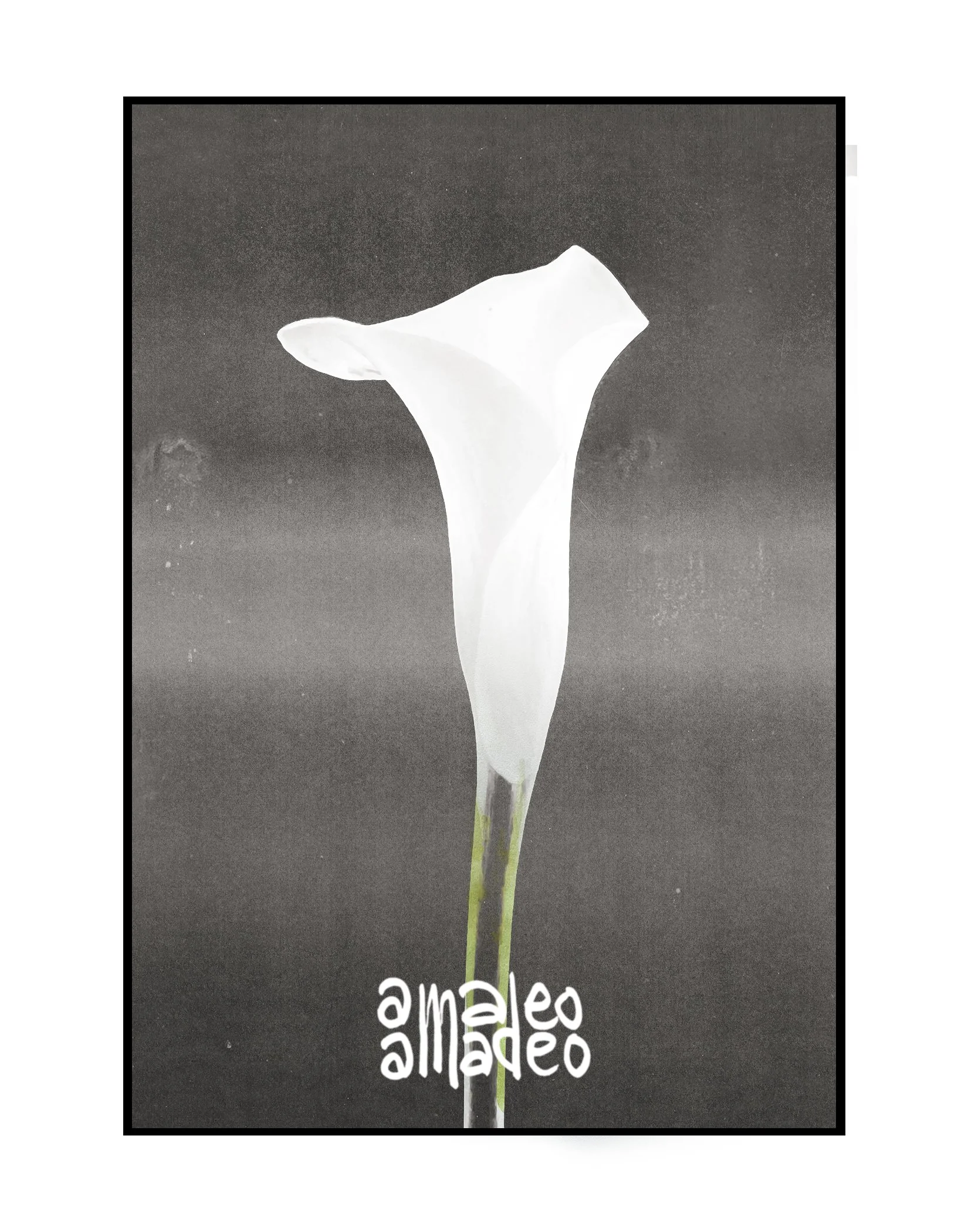
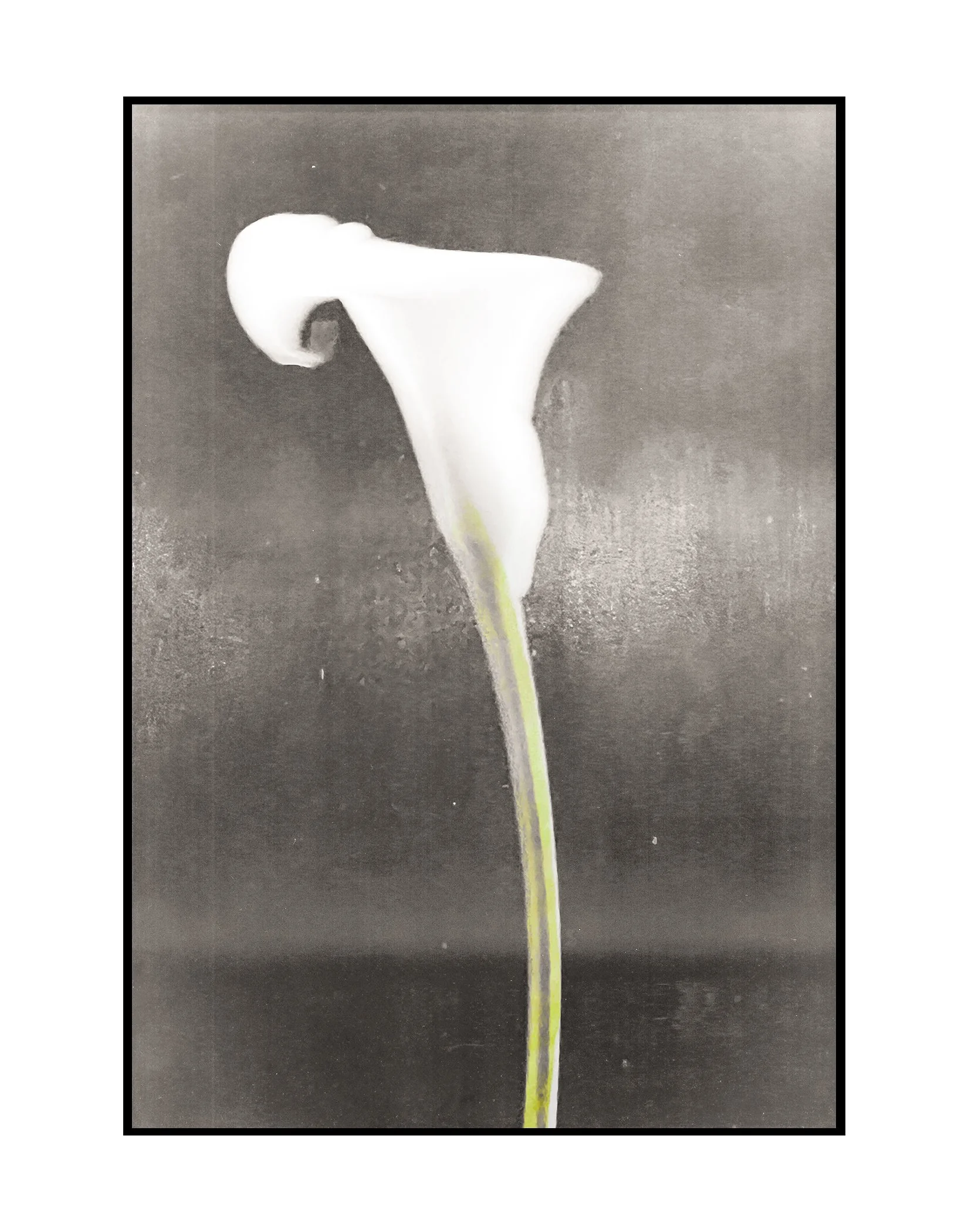
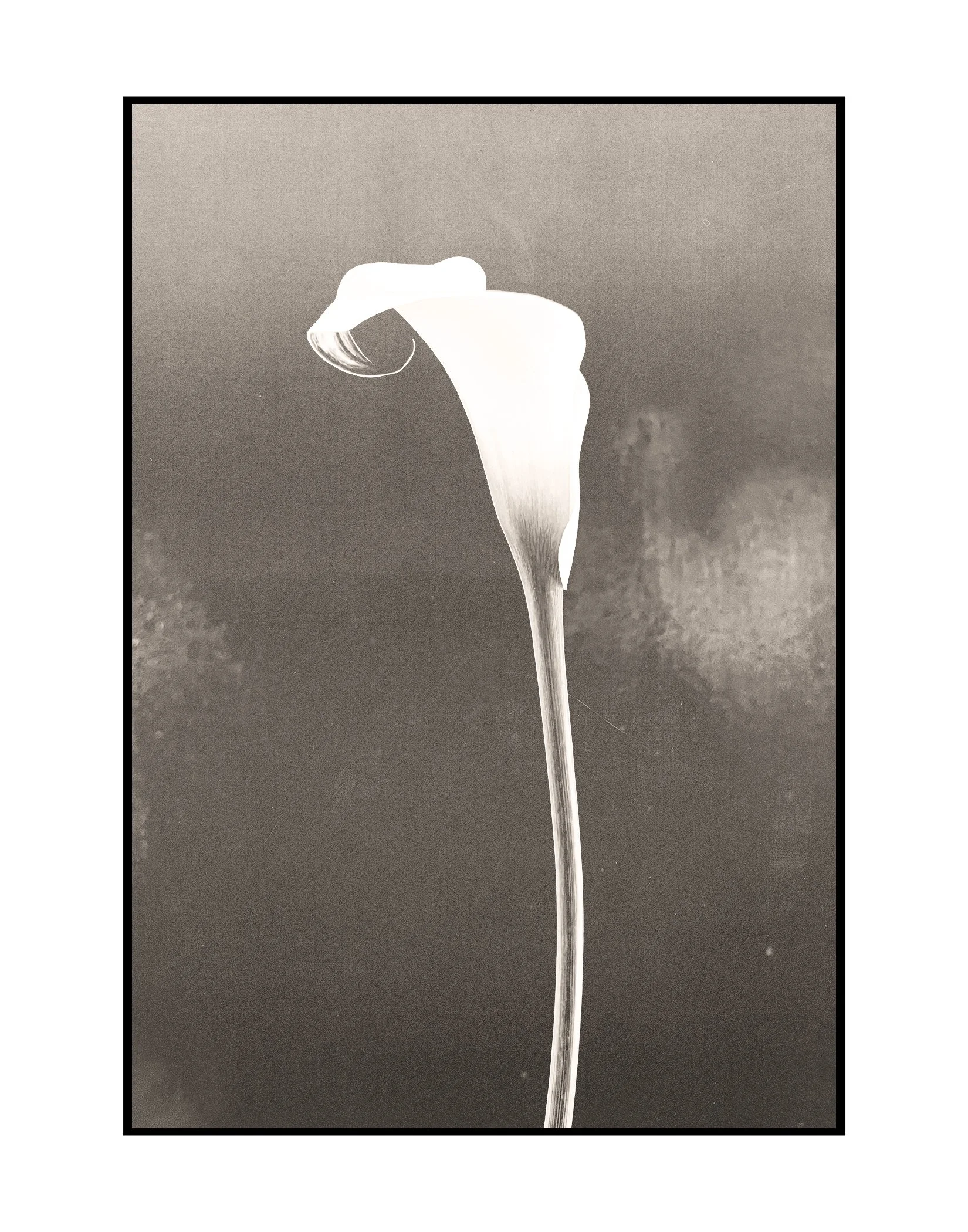
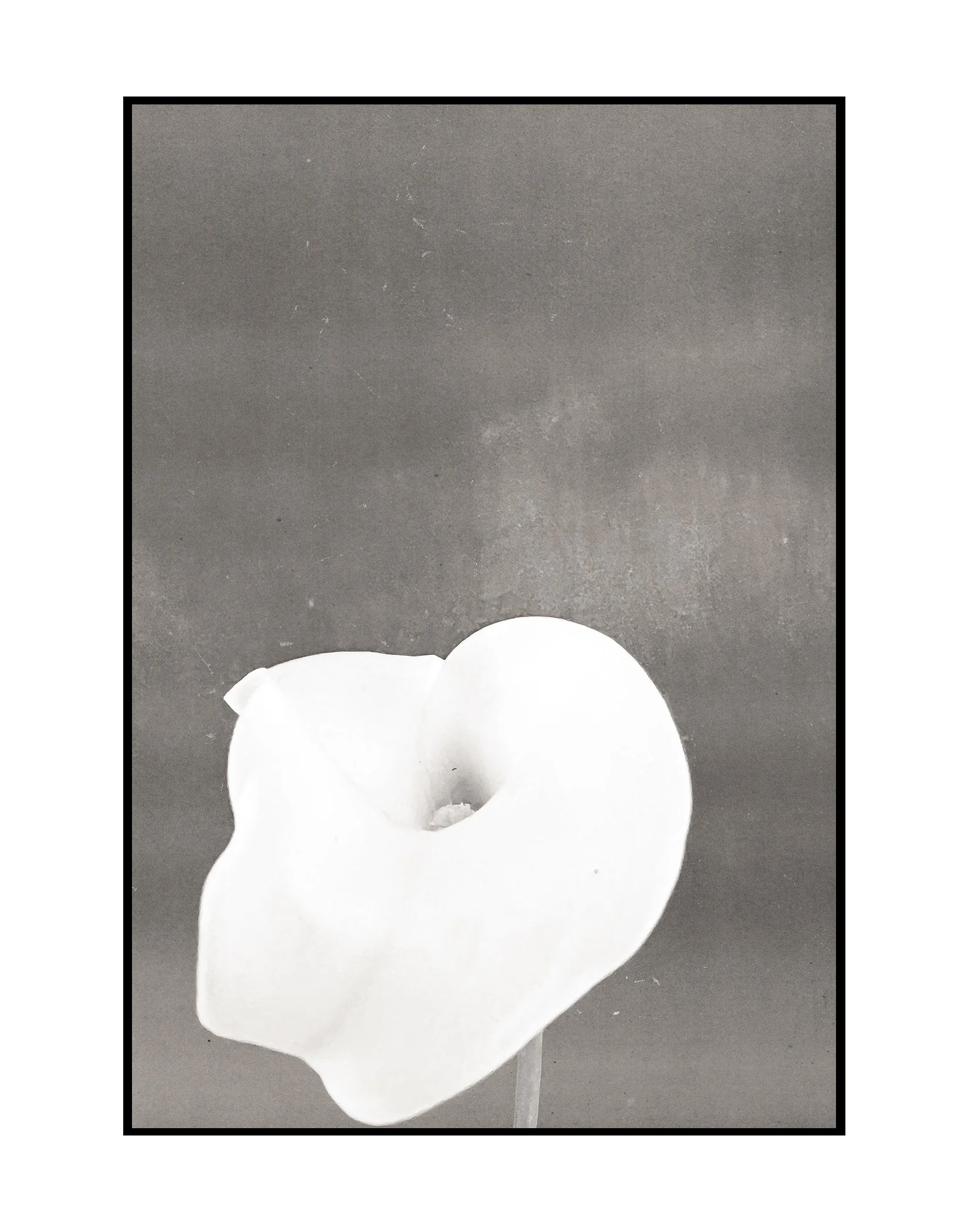
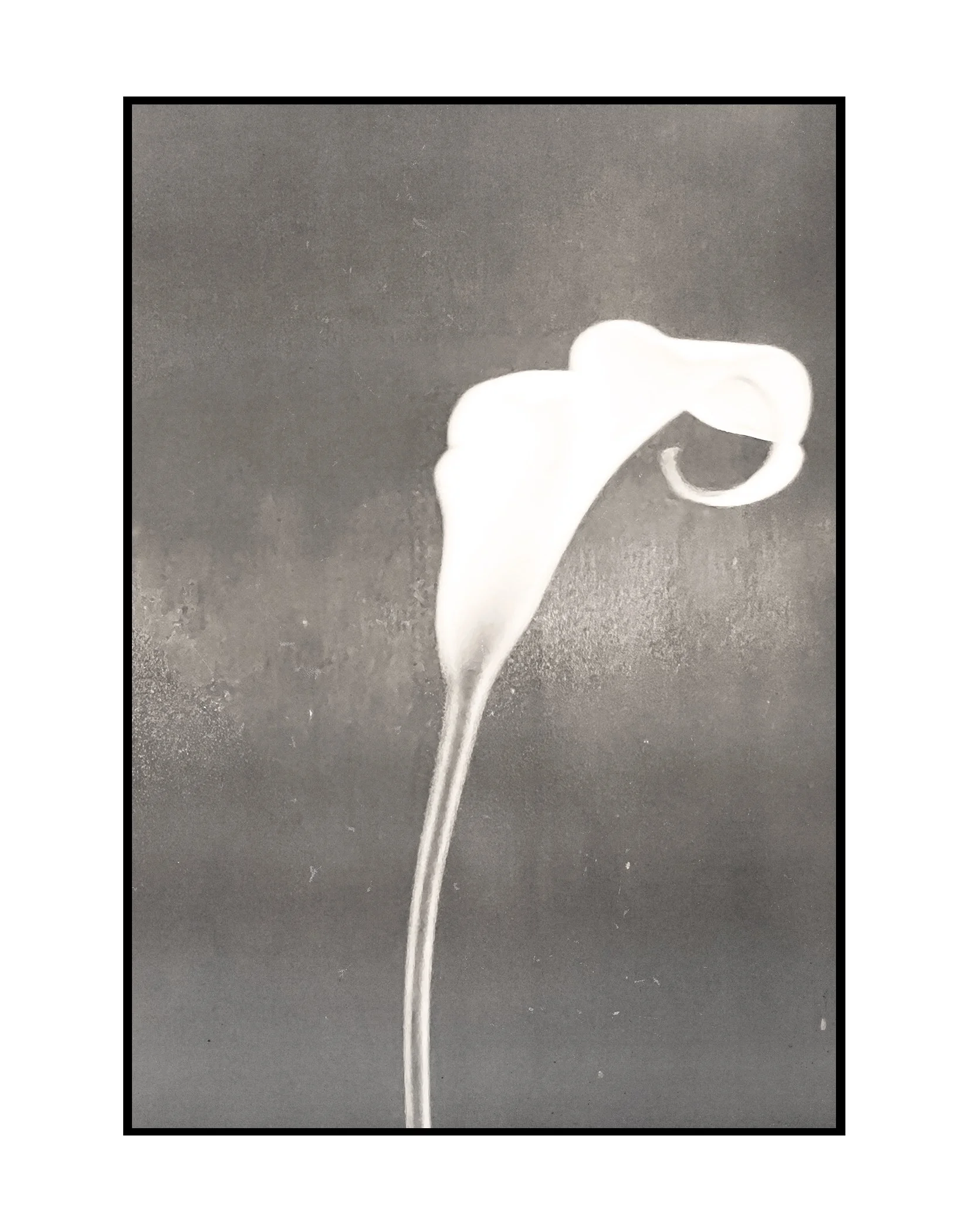
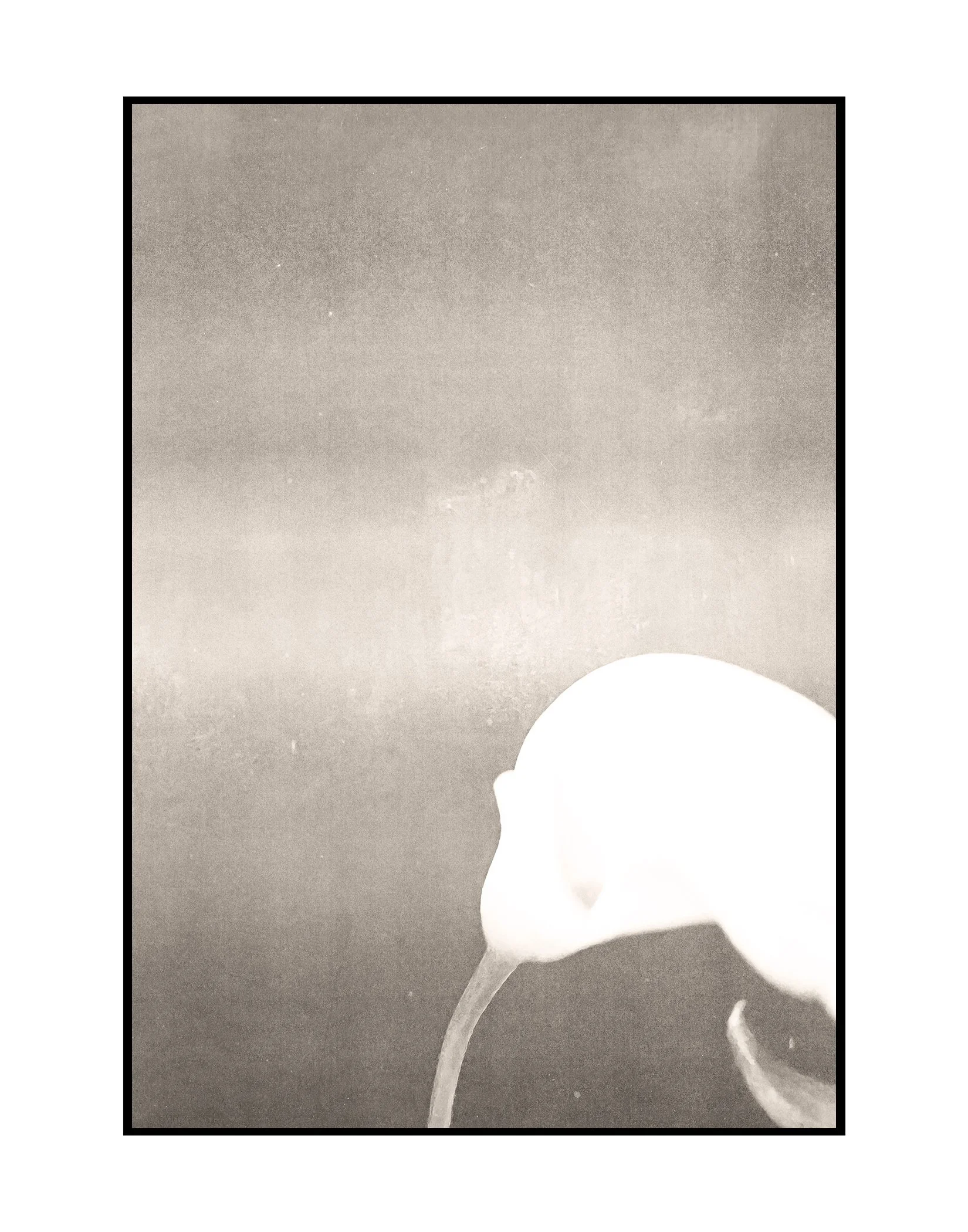
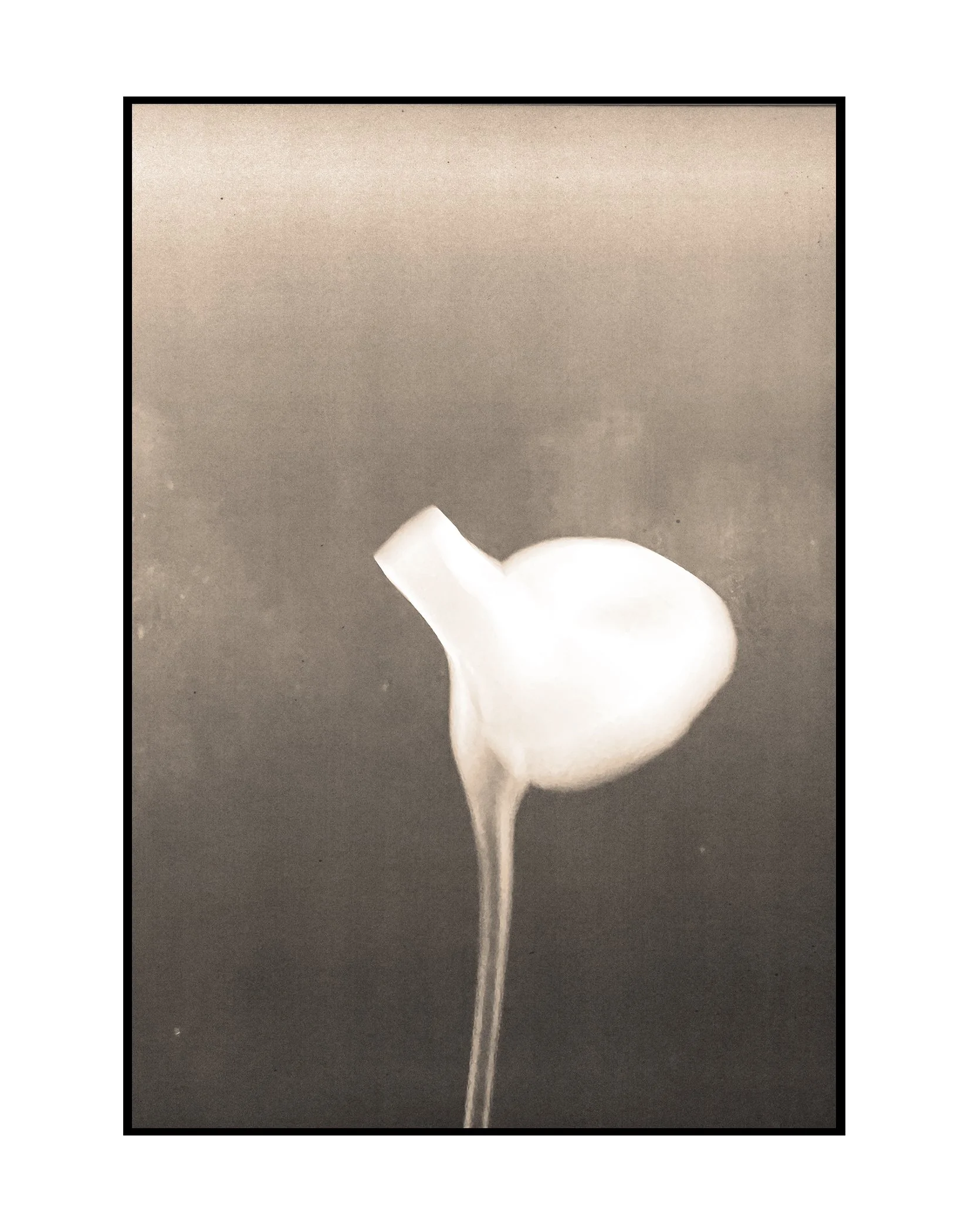
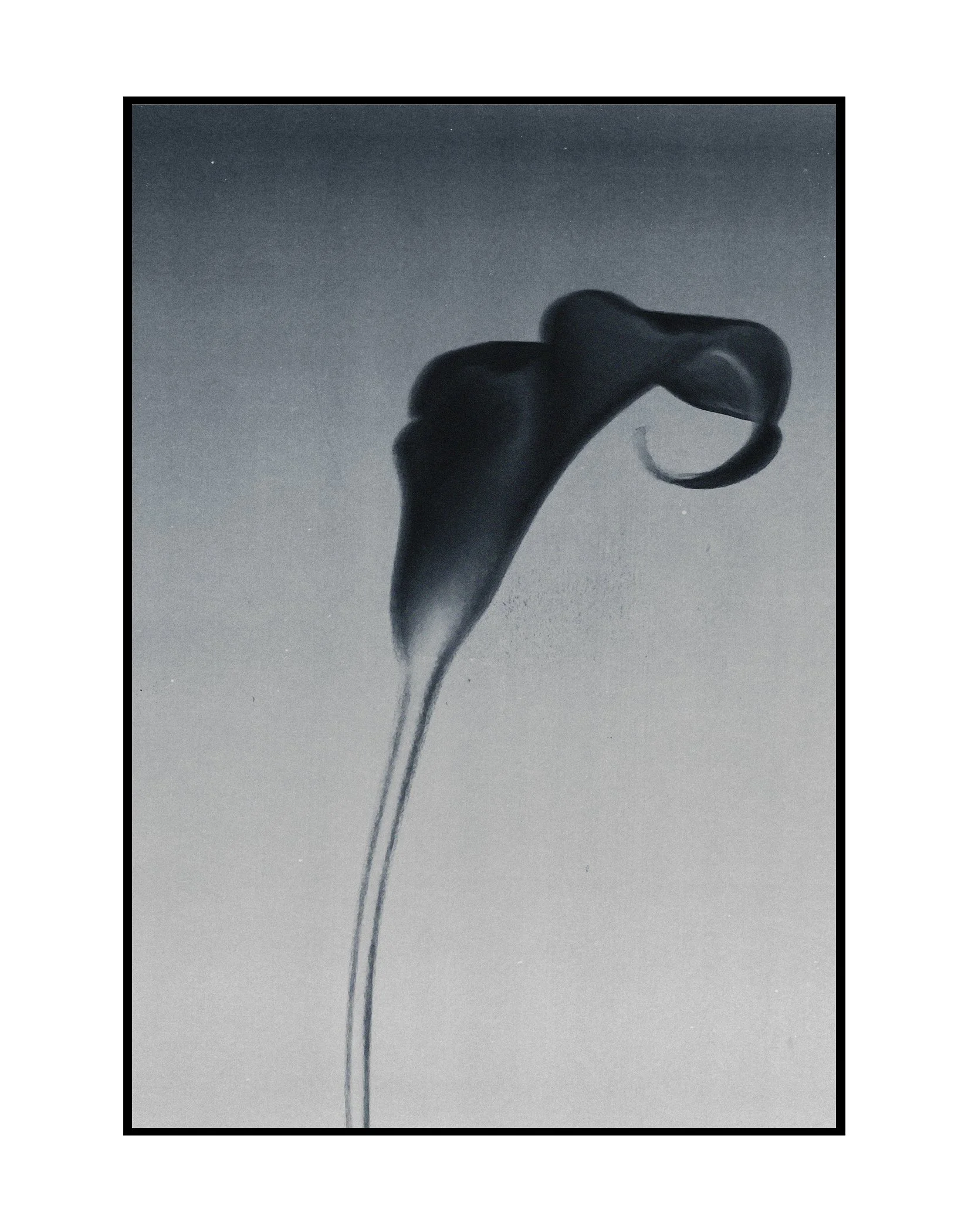
At one point I stopped working and photographed one of the calla lilies. Just a simple portrait. A way to keep the flower immortal for a moment before time inevitably takes it. The photographs below are from that small pause in the day.
What I love most about keeping flowers around is watching them change. Every day the arrangement shifts slightly—blooms opening, stems leaning, petals softening, eventually wilting. It’s a tiny living sculpture that evolves quietly in the corner of the studio.
It’s also a reminder.
Beautiful things are often here for only a short time.
And that’s exactly why we should enjoy them while they’re here.
Julian — In the Studio
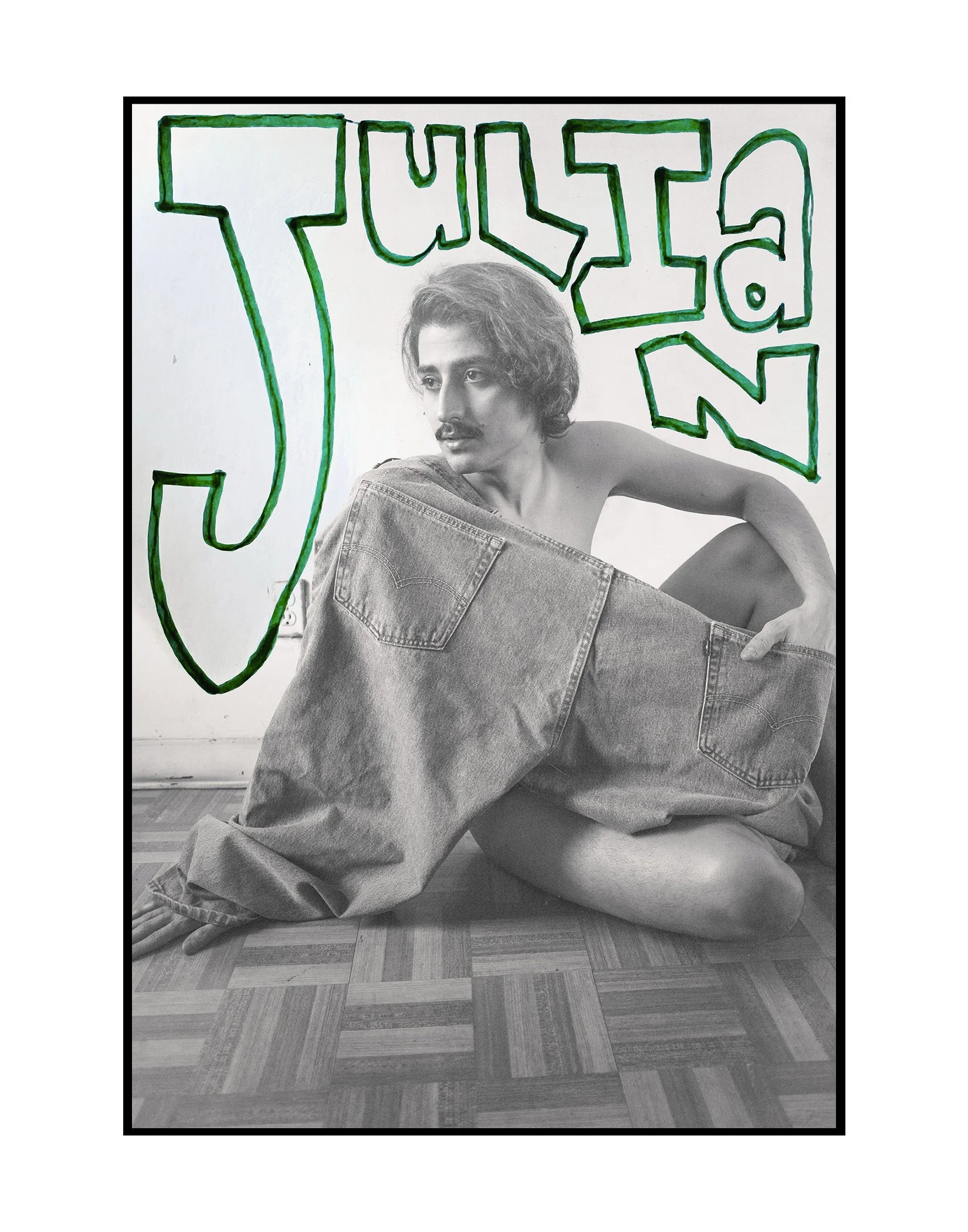
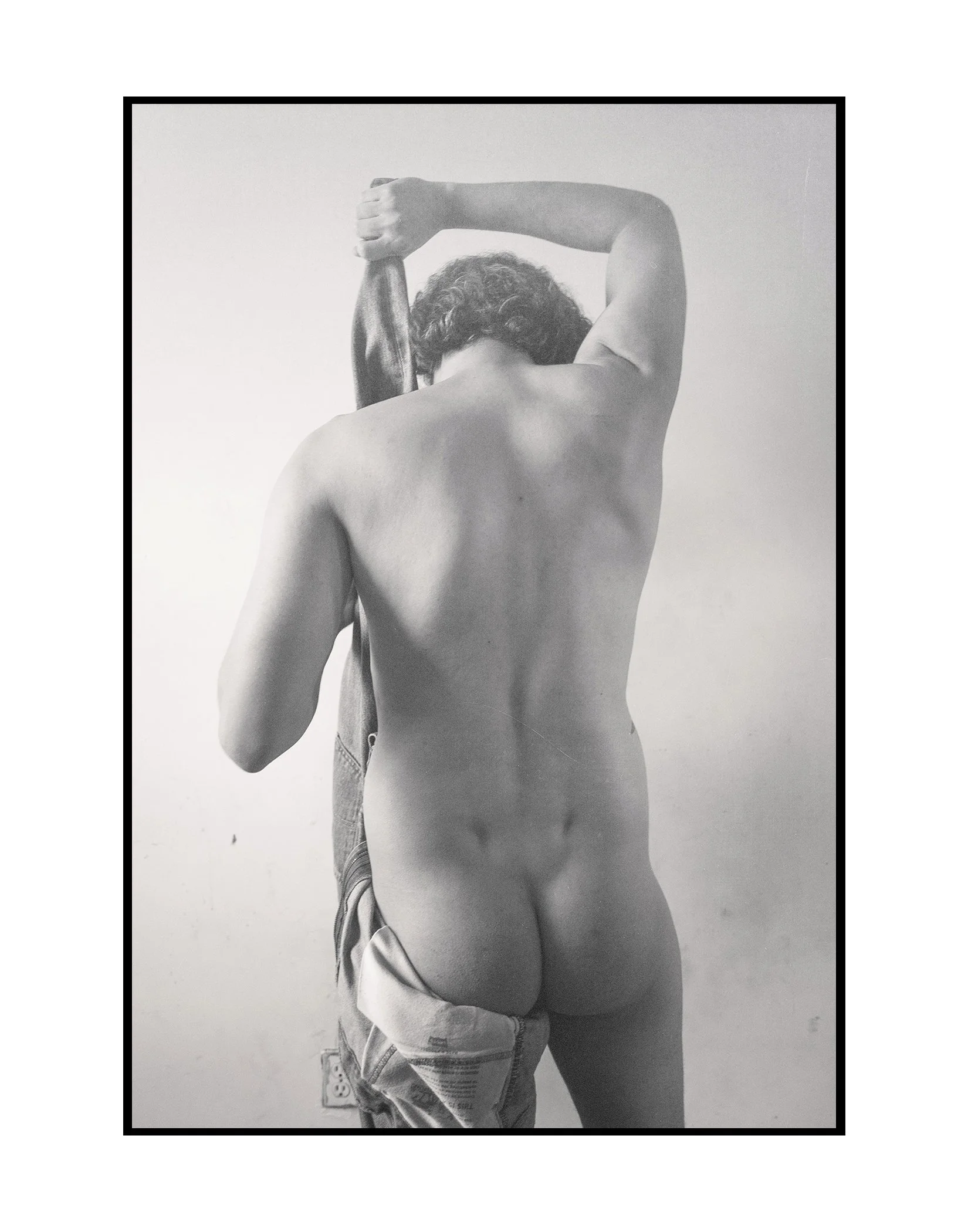
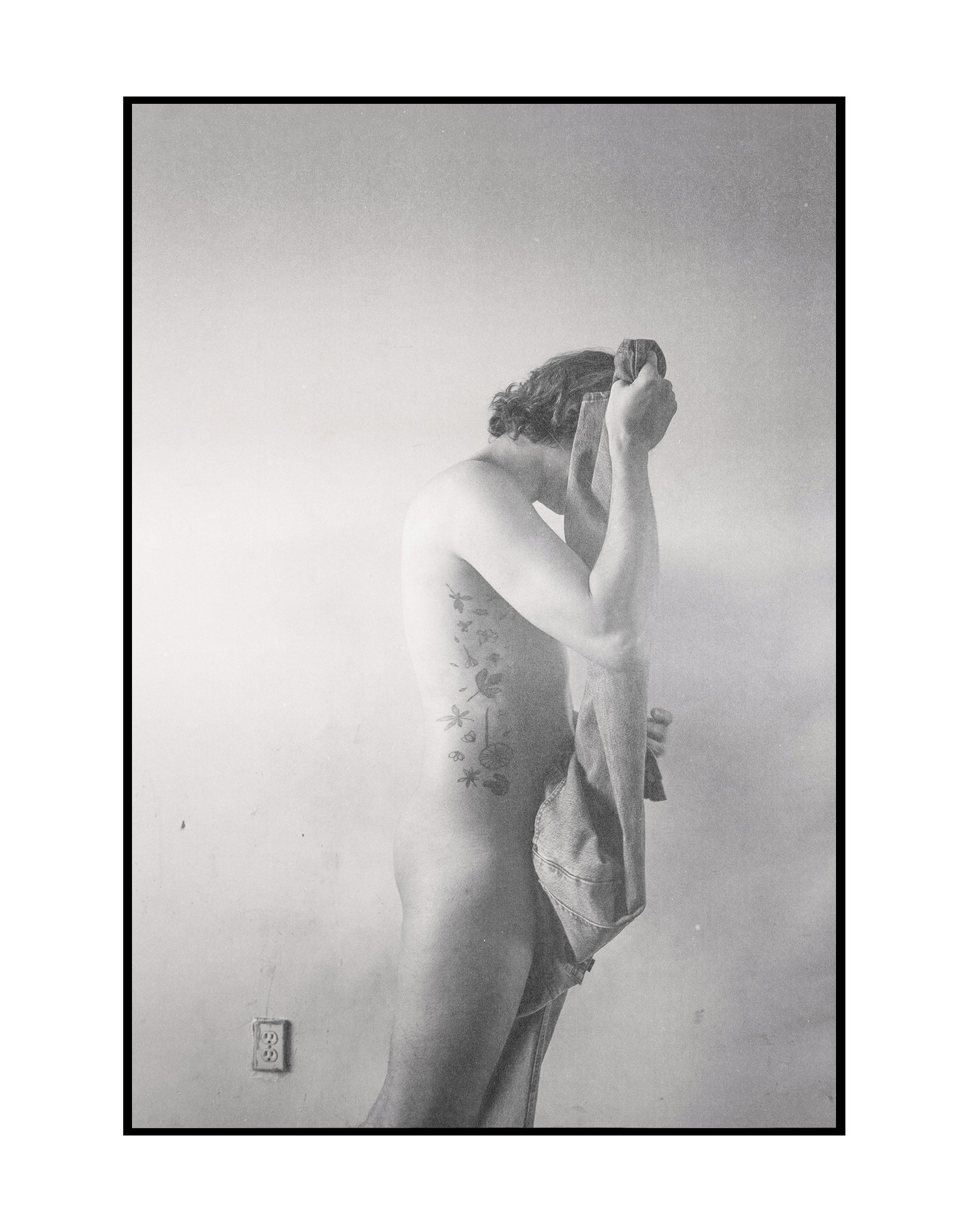
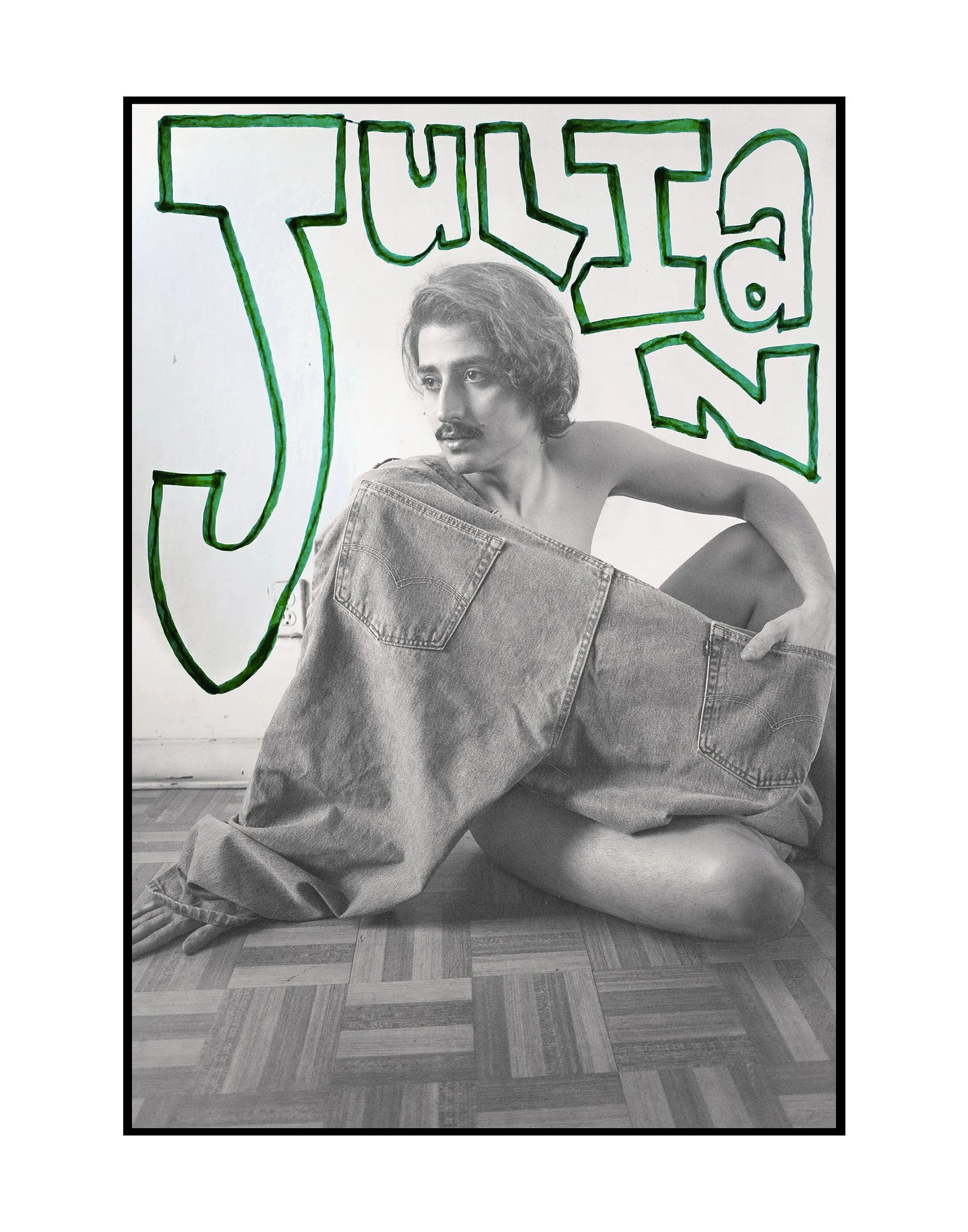
Julian Barbarino - An artist in the portrait studio of Anthony Amadeo
Julian Barbarino - An artist in the portrait studio of Anthony Amadeo
AA: You’ve been a figure study model for a long time. Do you remember the first time you ever stepped into that role—what pulled you toward it, and what surprised you once you were in the room?
JB: Like it was yesterday. I was 18 years old and at the end of my freshman year in college. I had a friend, Derek, and he wanted to do some photographs for his portfolio which involved body painting and I jumped right in. I think it’s like many art models get into modeling, they pose for a friend and it evolves from that. A couple of months later, because of how flexible the schedule could be for a full time student, I modeled my first figure drawing course. I have to admit it was a little awkward because I was modeling for a professor who was still teaching me in some courses and at the same time I had friends taking the course. I was incredibly nervous for that class, but what really surprised me was how natural it all seemed, as if nobody really cared that their friend was naked in front of them and that after a minute ot two it was just fine, they were focused on drawing and I was just posing.
—
AA: Figure modeling teaches a very specific awareness of the body—balance, tension, weight, negative space. How do you think that experience changed the way you move through the world outside the studio?
JB: I think I am more aware of my surroundings. I have become even more observant than I was, and I can carry several conversations at once. That second one comes from listening to students speak while I’m posing, which can be dangerous for those who speak at an earshot of me. Personality wise I haven’t changed at all from in the last 12 years since I started modeling, I’m still the introverted guy that won’t really engage in large groups, which I’m told is a little weird since I don’t have any shyness from being nude in front of 30 people.
—
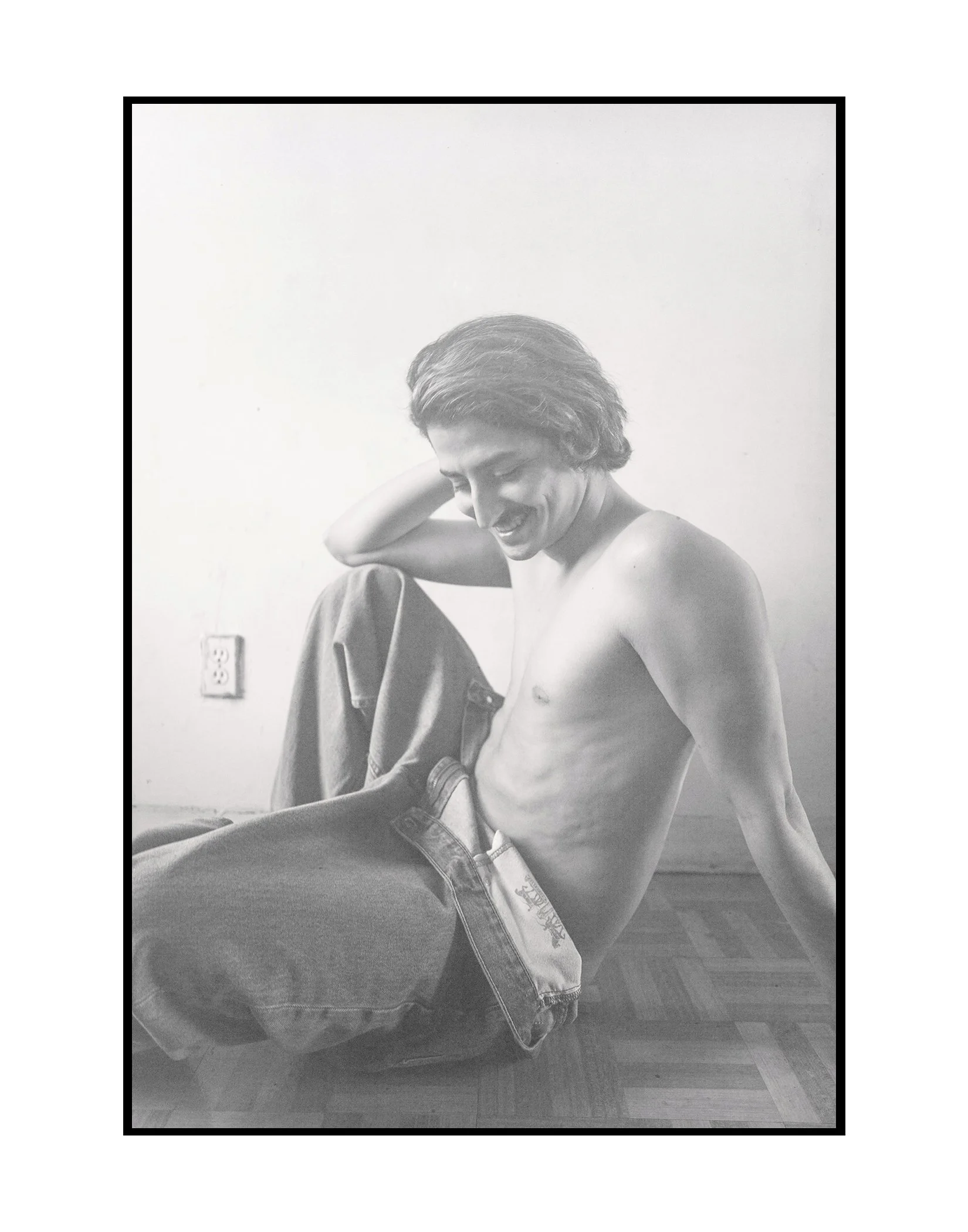
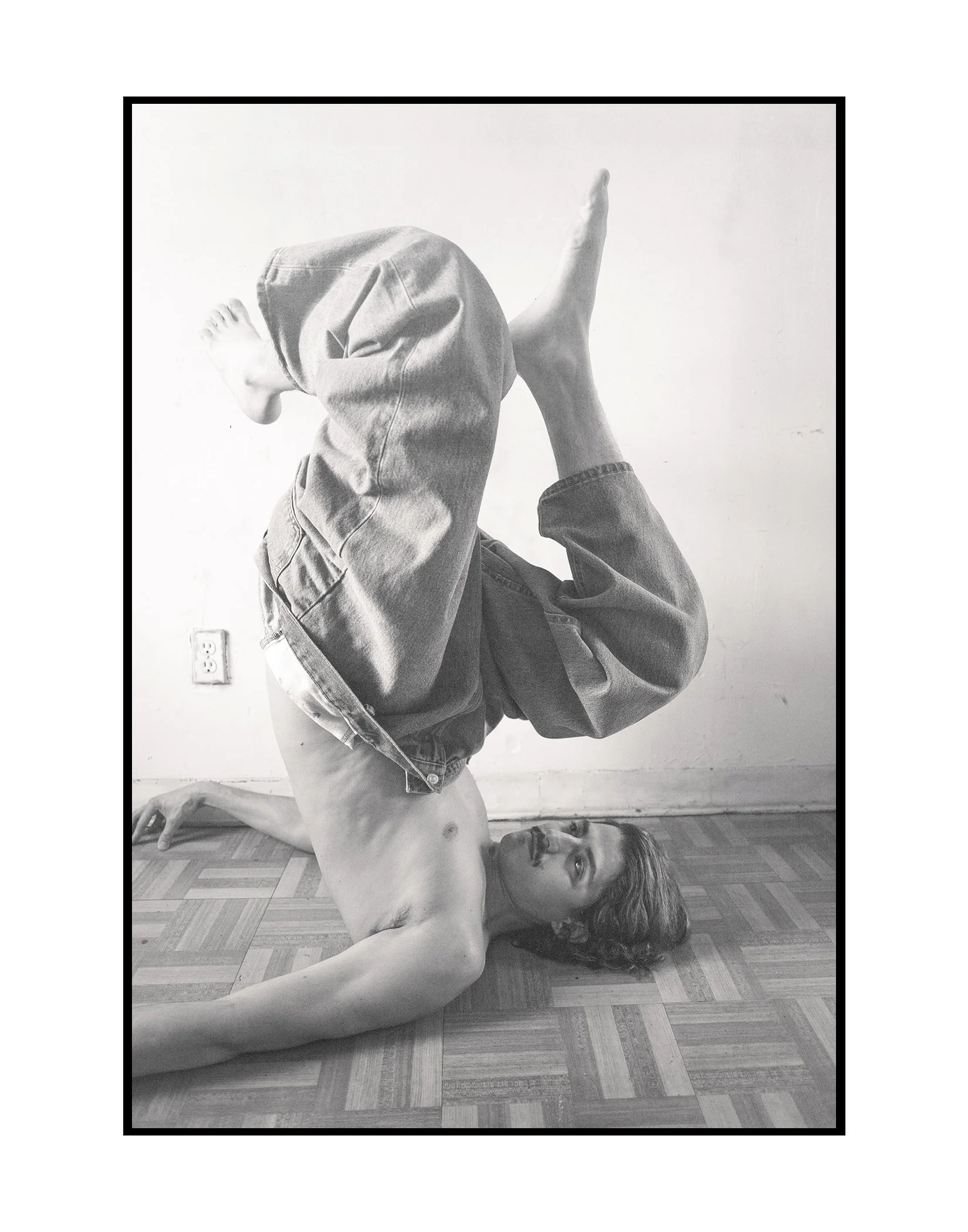
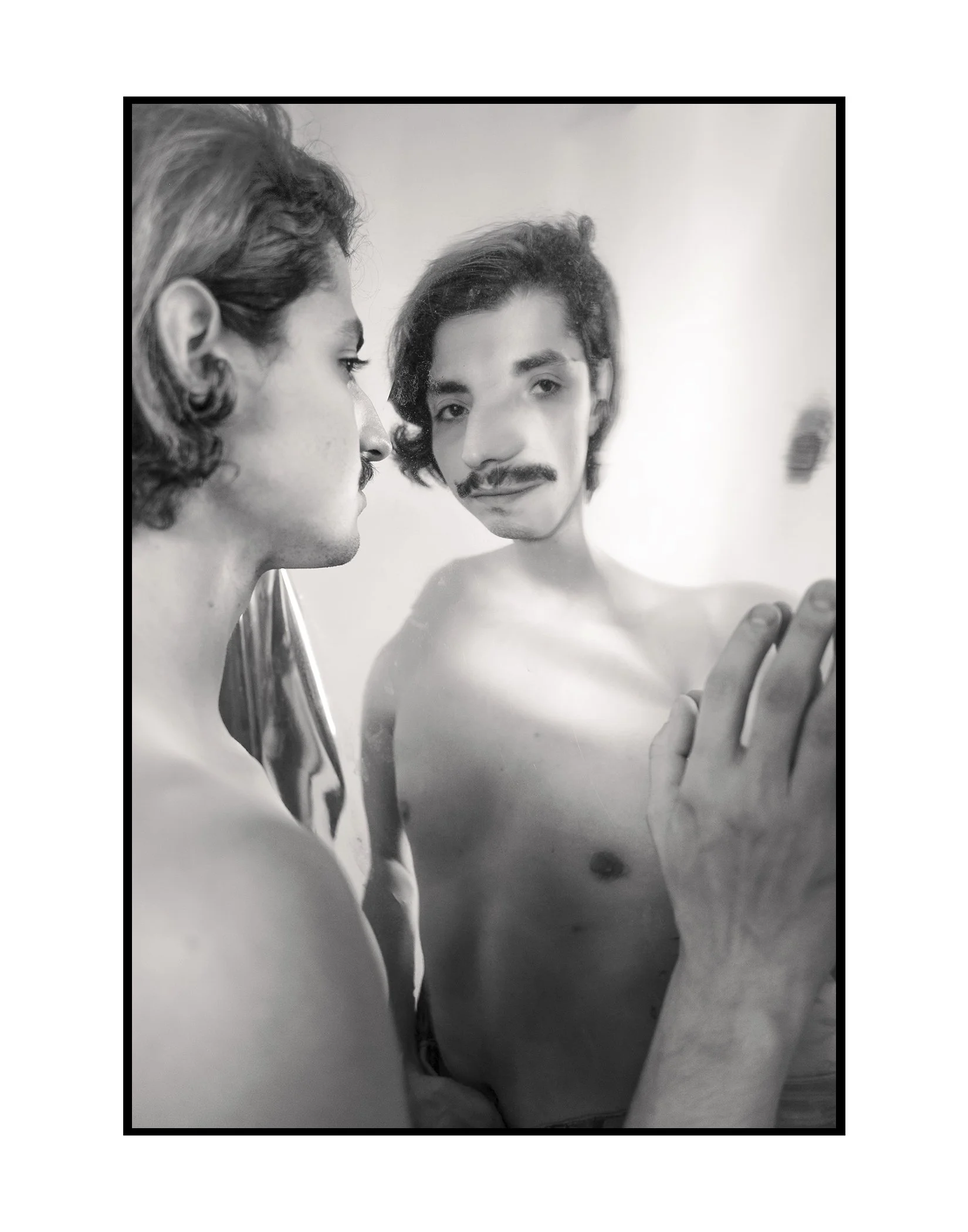
AA: Watching you move during the shoot felt different—more intentional, more sculptural. When you’re posing, are you thinking like a model, like an artist, or like a material being shaped?
JB: Definitely more intentional, and I am mostly thinking like an artist, not a model. I think it has to do with modeling so long in groups where artists are drawing you from every angle, it made me incredibly aware of what others see. For a while I felt pressure to make sure that no matter what pose I do, everyone gets to do something interesting, not just the ones in front of me. So now when I’m modeling I know what is going to be on the other side from every angle, which is great for drawing sessions in groups, the artists end the session very happy and not thinking “I wish I had a better angle.” On the other hand, I do have to say I think it sometimes affects the spontaneity a session could have and I feel like I could be more relaxed.
—
AA: Where are you from, and what was your early relationship to making things? Was creativity encouraged where you grew up, or something you carved out on your own?
JB: I’m from Puerto Rico, even though I was born in Brooklyn, my family moved to the island in the late 90s and I remained there until 2020. So essentially lived my entire childhood and the early stages of adulthood there. In my family creativity was encouraged, especially from my mother’s side of the family. I remember spending summers and breaks in the town of Ciales, which is a mountain town of Puerto Rico, drawing, coloring books and doing crafts with my cousins, aside from also playing most of the day outside. I think that type of space and upbringing also encouraged us to not spend all of our time on video games and TV, and choose toys that sparked creativity and challenges. My brother would get anything for building and working o electronics like remote control car kits at RadioShack, while I would get anything to paint, draw or legos to build kits or or just make stuff up.
—
AA: Did school play a big role in shaping you as an artist, or did your real education happen elsewhere—studios, streets, sketchbooks, late nights?
JB: School played a crucial role in becoming an artist, especially High school. I took an art class in 11th grade the first one in 4 years, the teacher, Mayra Aguilar, took a huge interest in me and pushed me because she saw my potential. She would give me assignments and even donated materials for me to do the assignments, she had me read books and research artists. She eventually introduced me to my art school by giving me a private tour of it while completing my senior year, which I appreciated because at the time I didn’t think Puerto Rico had a dedicated art school, and I was mostly ready to jump to any college with a science program, which I was good at. I fell in love with the arts, and I wouldn’t be where I am today or do the things I have done if it wasn’t for Mayra’s push.
AA: You work across multiple mediums. Which ones do you return to the most, and which ones do you turn to when you’re stuck or restless?
JB: The one i feel like I always come back to is drawing. It’s how I work out most of my concepts, and use to get an idea running visually. I don’t do it as much anymore as I have been working with abstract concepts for the past year, but I do always try to get in a sketch whenever I can to keep the motor running, so to speak.
—
AA: Is there a medium that feels like “home” to you—and another that feels like a risk every time you touch it?
JB: I don’t think I have a medium the feels like home other than drawing, even then I don’t do it as much as I used to. I think working across different mediums keeps me learning, and there’s something underneath that won’t let me be comfortable with one medium and then stick with it for a long period of time. I always have this urge to change it up when working on a new idea which for is the risk for me. Trying out a new medium, most of the time learning it on my own, and trying to marry a concept with it is so difficult because I’m always trying and it doesn’t always work. But that moment you find the right one, it just feels like everything is right.
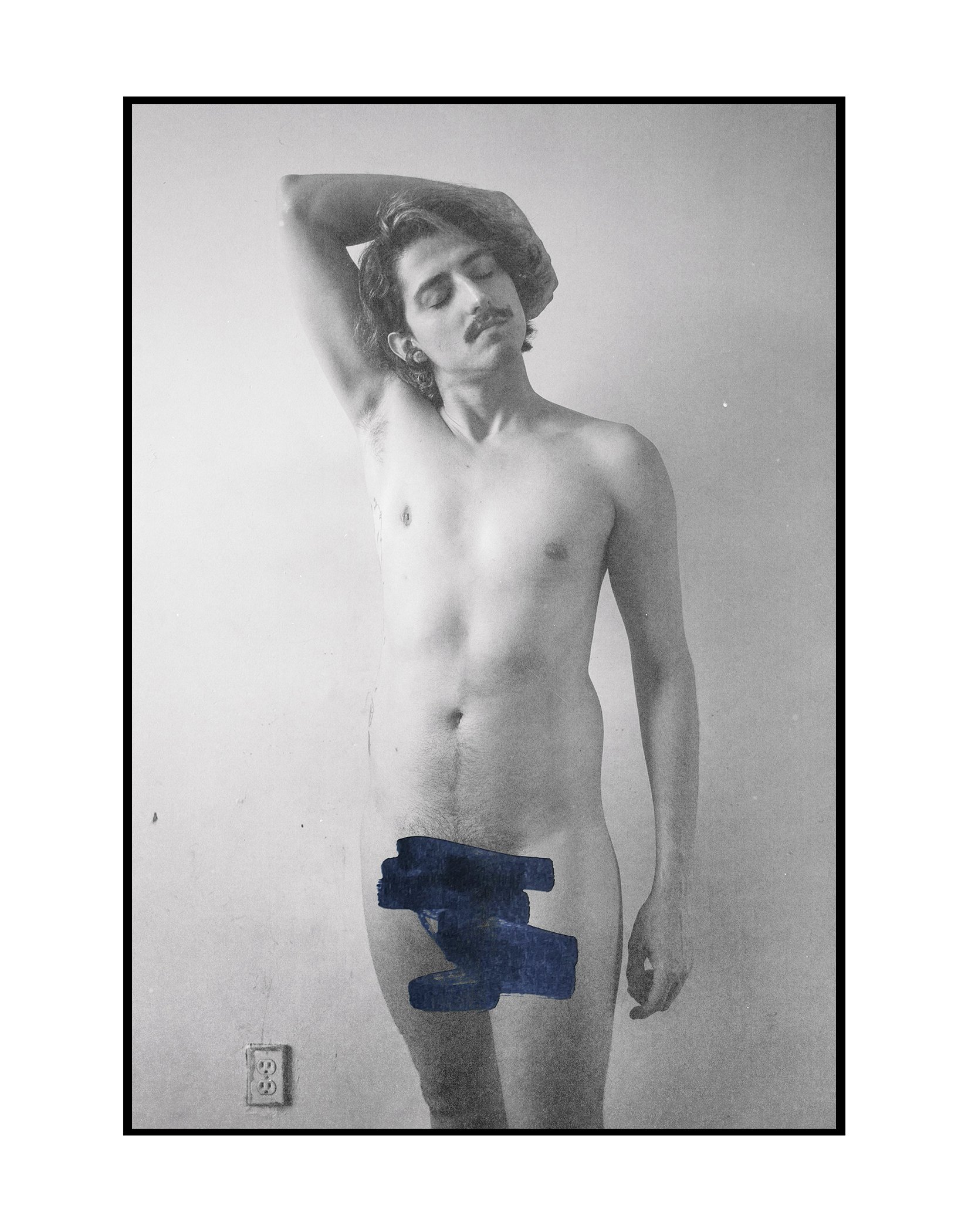
AA: What keeps you creatively alive right now—what are you feeding yourself visually, mentally, emotionally?
JB: What always keeps me creating is learning. It can be learning about history, a new medium or just plain experimenting to gain knowledge. I feel like it keeps my mind going and helps me see the bigger picture of things, especially when it comes to working on my art because it is so personal. I think vulnerability is something a lot of people aren’t comfortable with, and my work is about vulnerability, from the art I create to posing for others in the nude. There’s a certain connection that is made when you are seen without any walls. Not everyone is capable of being comfortable in front of vulnerability, and that’s where i try to sit in because It’s ok to be vulnerable. I think there’s so much we can learn about ourselves when we are.
—
AA: When creativity slows down (because it always does), what helps you reconnect—movement, music, solitude, conversation, repetition?
JB: When it slows down, I tend to take a break, and it’s not like a day or two, for me it tends to be a few weeks before I create again. In that time I’ll focus on reading, listening to music, share time with friends or even playing video games, anything to unwind and relax. When I feel ready, I can come back fresh and with new eyes, because sometimes when you work on something for too long you can’t always see the mistakes you’re making, so breaks are good and it stops me from burning out or abandoning a project.
—
AA: How does using your body—posing, holding tension, staying still—inform your art-making afterward, if at all?
JB: It tells me a lot. Most of the time when I pose I am not really present, at least for classes where I hold long poses. I’m usually thinking of my projects, I use it as “library” time, I think in my head and art classes tend to be very quiet, because everyone is so focused on their own thing, so they’re good for that. Sometimes seeing people work or seeing and artist do something can sort of spark an idea, and when that happens I feel like it’s just the environment, being in a creative space can just move things along because of the energy.
AA:. If you had to describe your creative process using only three textures, what would they be?
JB: I think I could only choose two, rough and uneven. Most of the process can be so long, and experimenting so much to find that one thing can feel like a very long process, especially when there are so many failures, and other times if feels like you found the right thing and after making a few pieces you look at it and are not “feeling” it and then you start from scratch.
—
AA: Choose one color that feels like your body and one that feels like your mind. Why those?
JB: For my body I would probably go with yellow, to me it's a color that feels like openness and comfort in a very energetic way. I think my mind would be blue, there’s a depth to what goes on, but I feel there’s trust, honesty and a calm that’s present even in the craziest moments.
—
AA: Finish this sentence:
“When I’m making something with my hands, I’m really trying to…”
JB: “… be vulnerable and honest”
AA: What are you currently working on—or quietly dreaming about making next?
JB: Right now I am working on expanding my current series “Geographical Landscapes of the Mind” which is based on damaged Polaroids but in fiber. So I am working with cotton and acrylic yarn that is then tufted or hand punched onto a cotton fabric backing known as monk cloth. Visually I recreate the frame of a Polaroid instant film exposure and then intervened where the photograph would be with degrading colors or patterns that reflect a specific emotional state based on text I had written at nights during a severe episode of depression in 2024. Each one is me pouring my all into each piece and making something that I find beautiful out of a rough time.
AA: Where can people find your work, follow along, or step into your world?
JB: Well that one is easy, you can find me in pretty much all socials under @JulianBarbarino, but Instagram is where I am active the most. Also my website julianbarbarino.com has pretty much everything I have ever done under my archive.

Mason Williams
By the end of a year, especially one packed with ideas, projects, scents, sketches, and long conversations with myself, I crave a reset. Something stripped down. Something honest. Something that reminds me why I make images in the first place.
A reset before the year turns
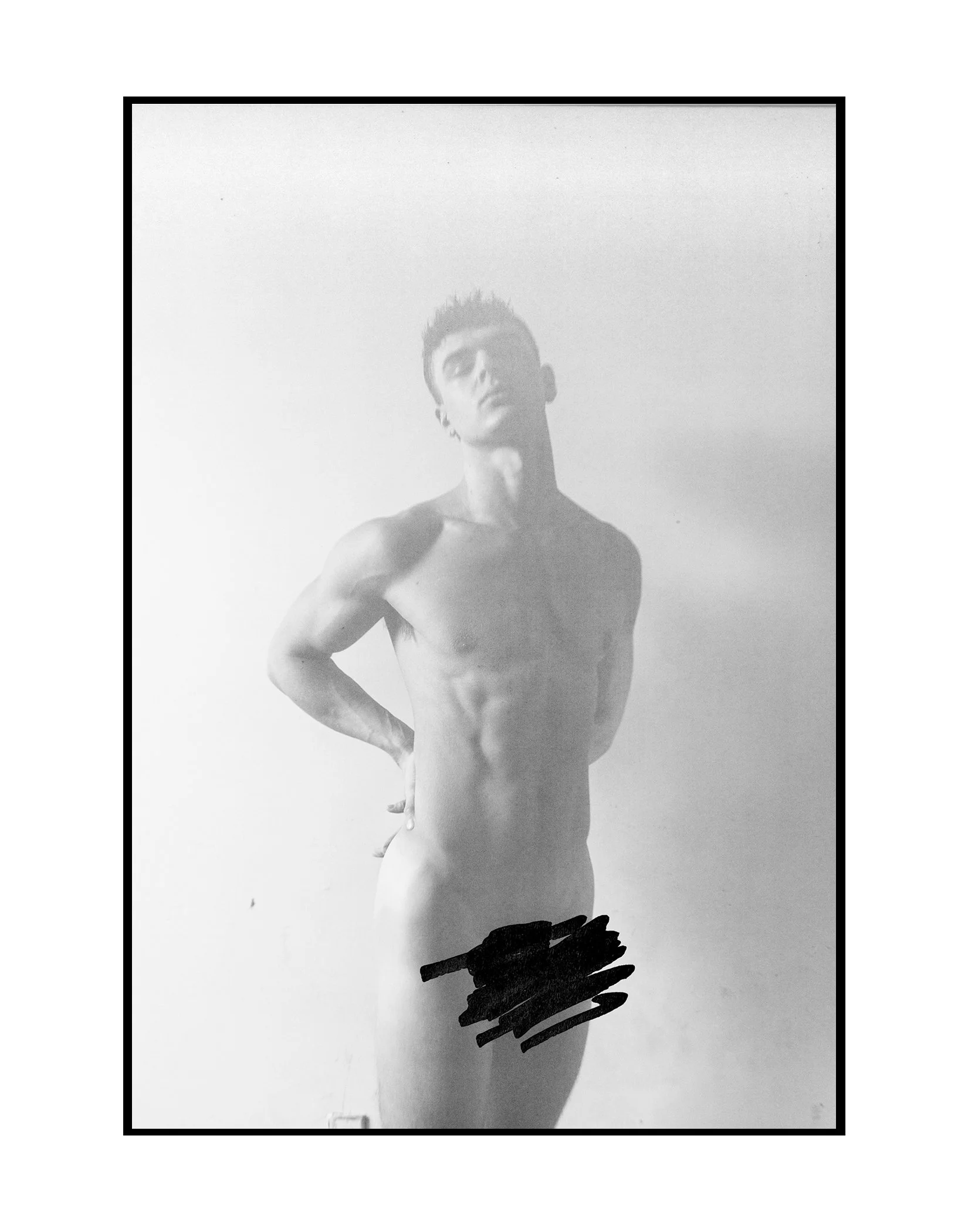
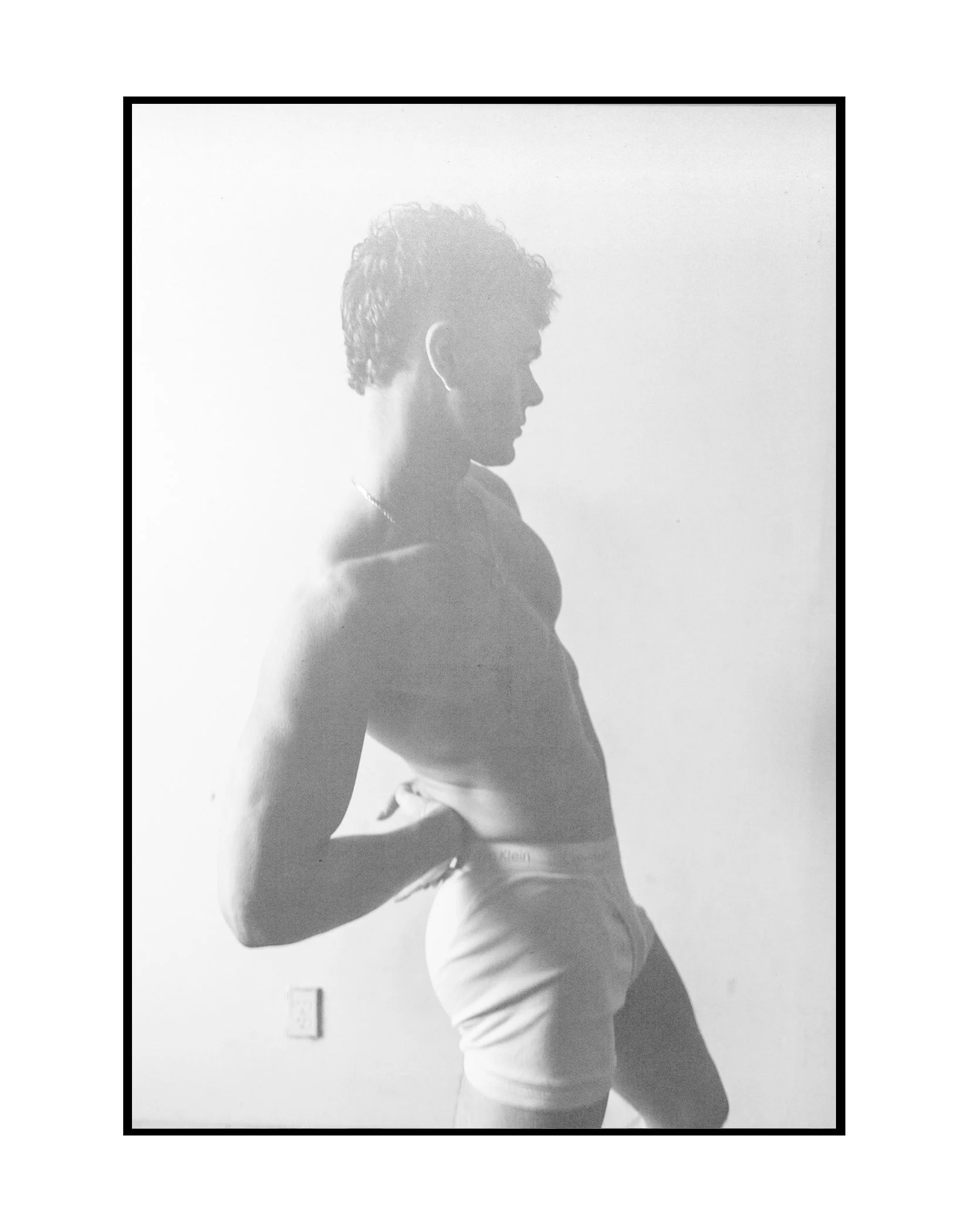
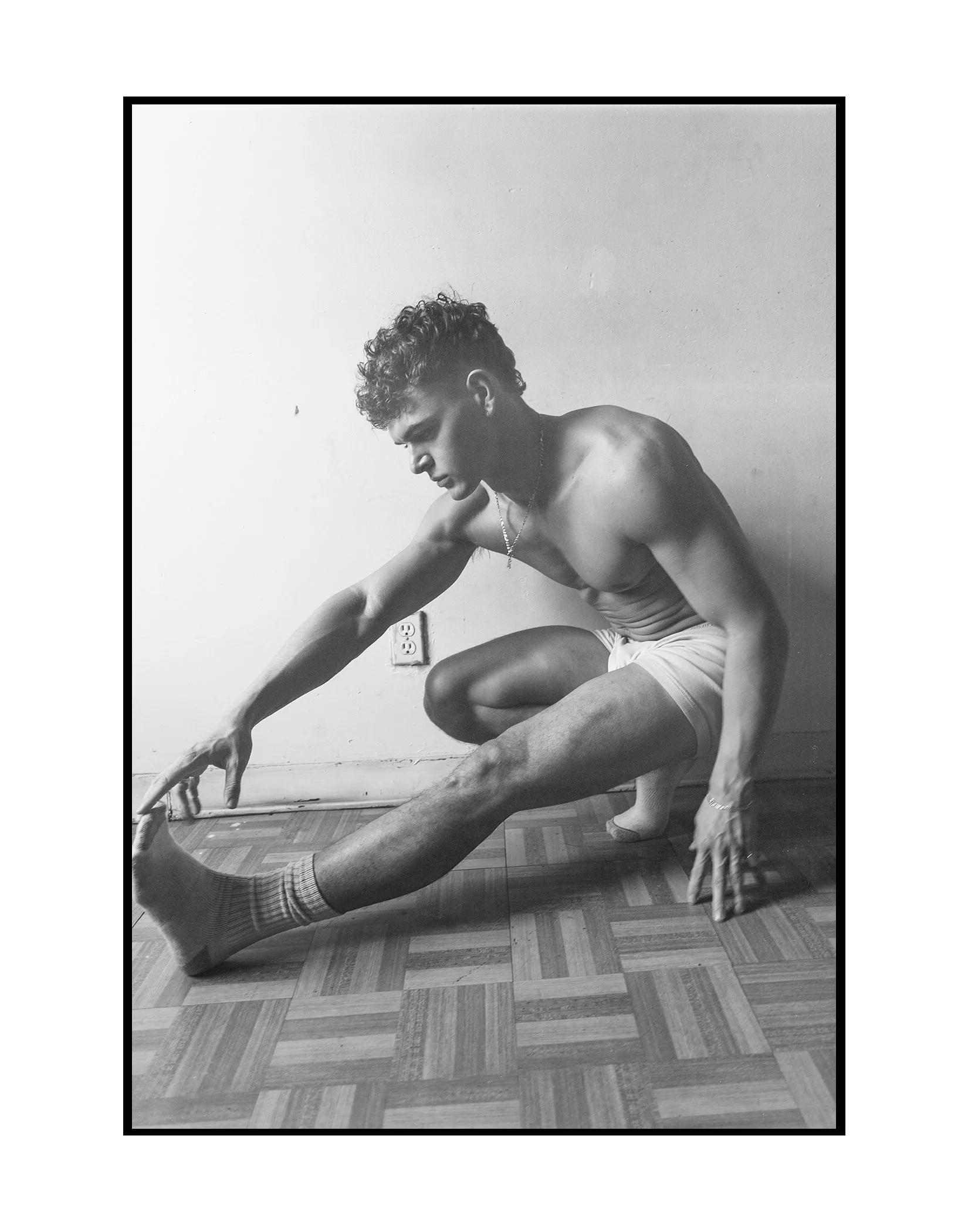
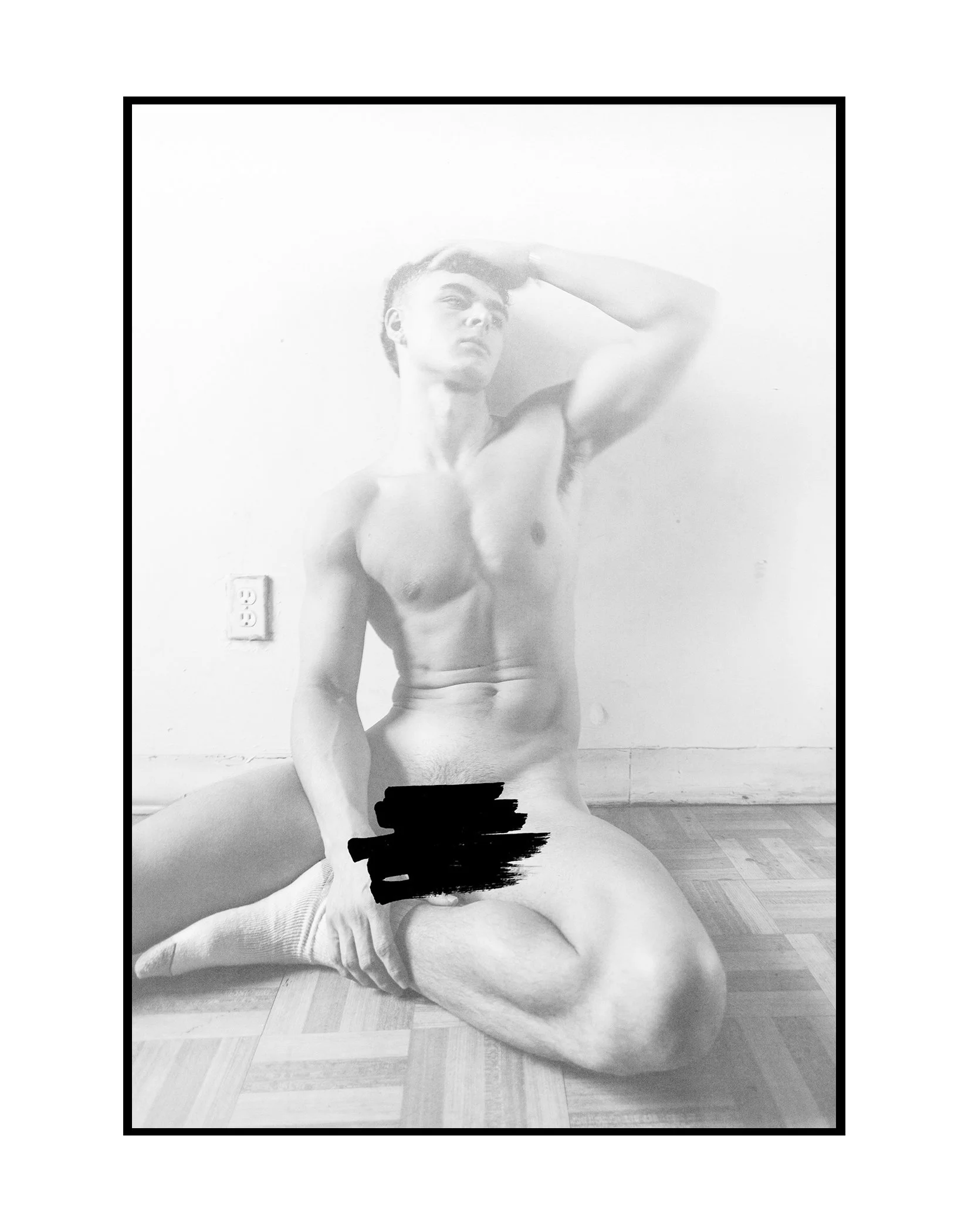
Mason Williams was one of the last shoots of 2025 — and that felt important.
By the end of a year, especially one packed with ideas, projects, scents, sketches, and long conversations with myself, I crave a reset. Something stripped down. Something honest. Something that reminds me why I make images in the first place.
So Mason and I decided to remove almost everything.
No clothes.
No set.
No narrative forced too early.
Just body and soul.
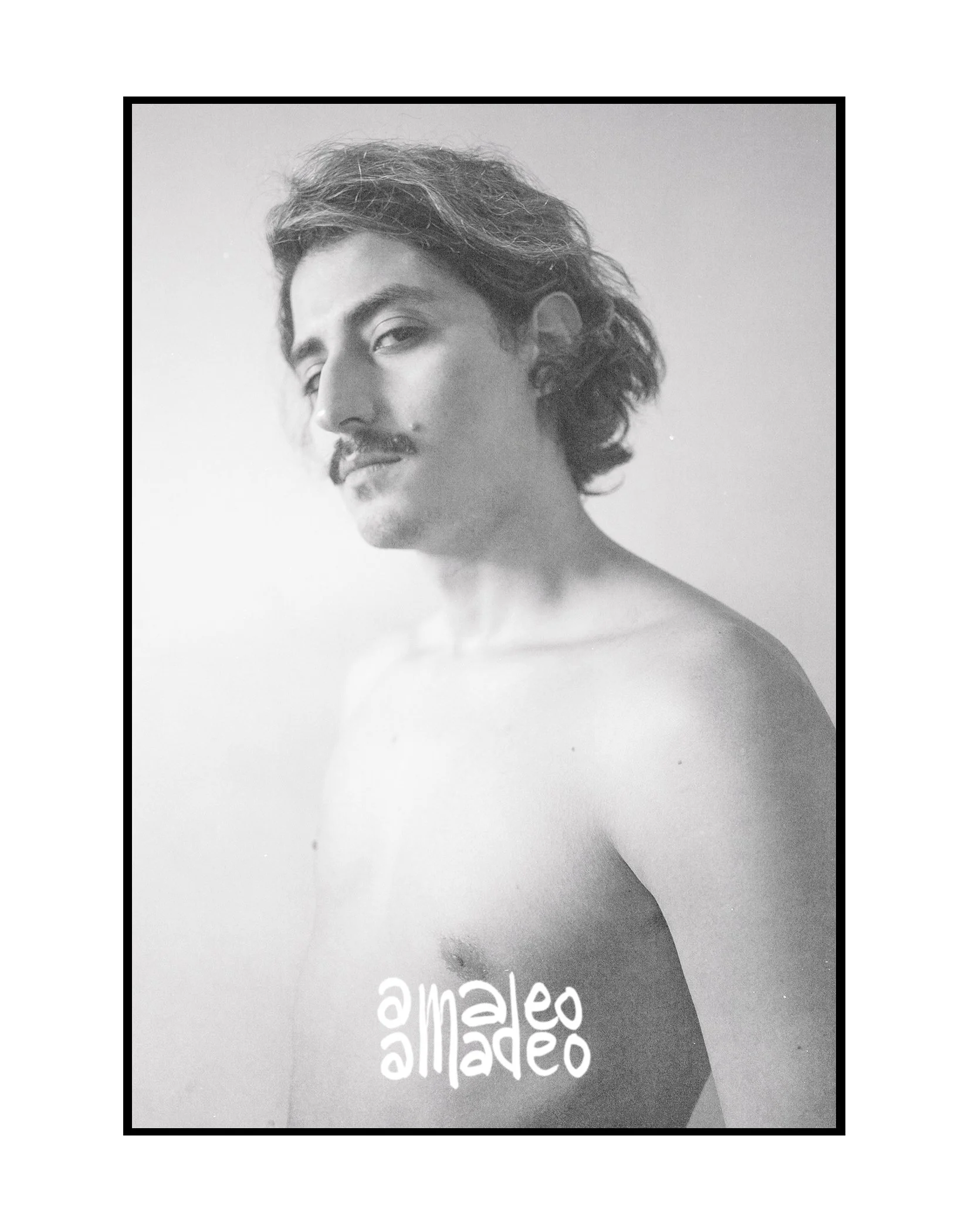
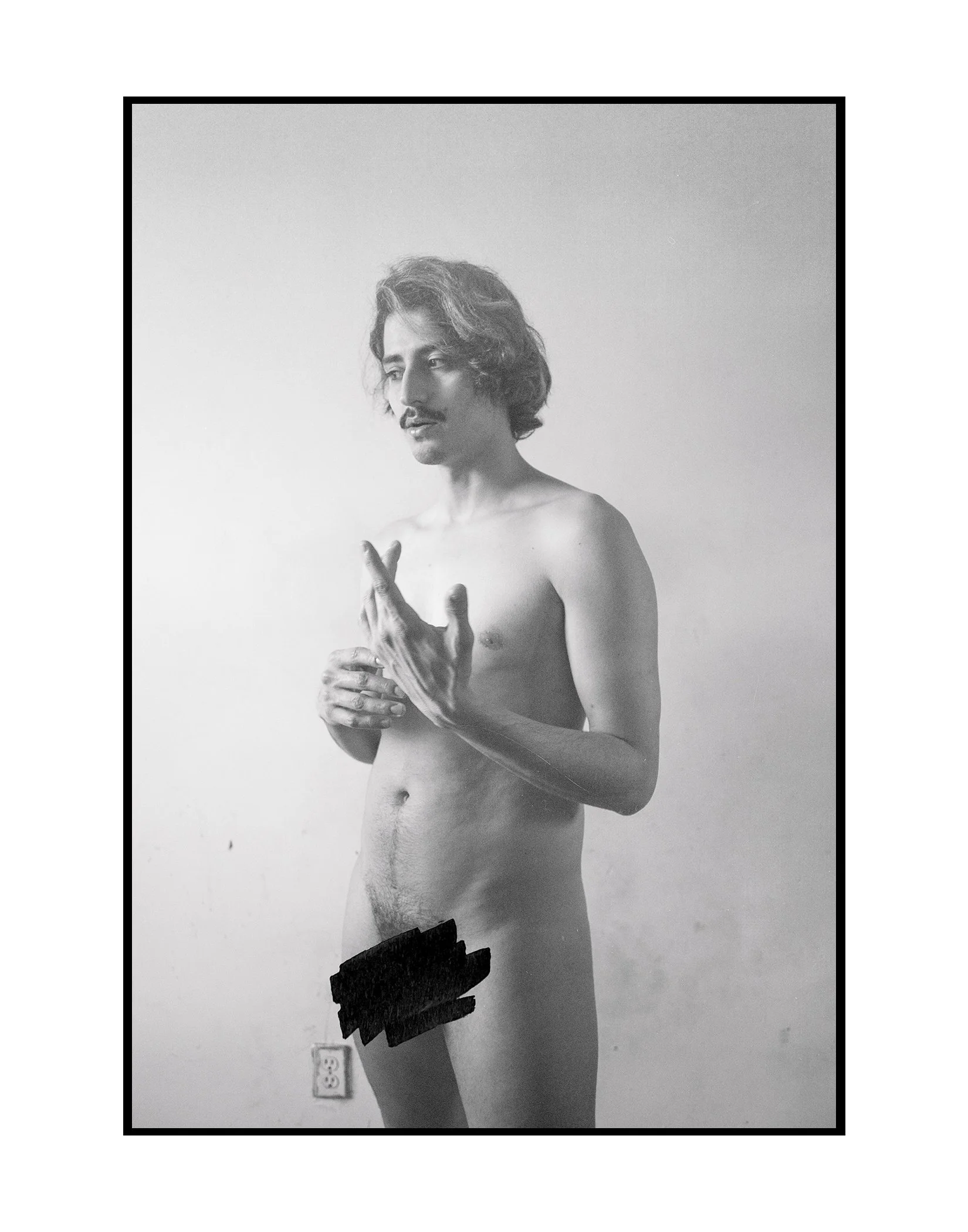
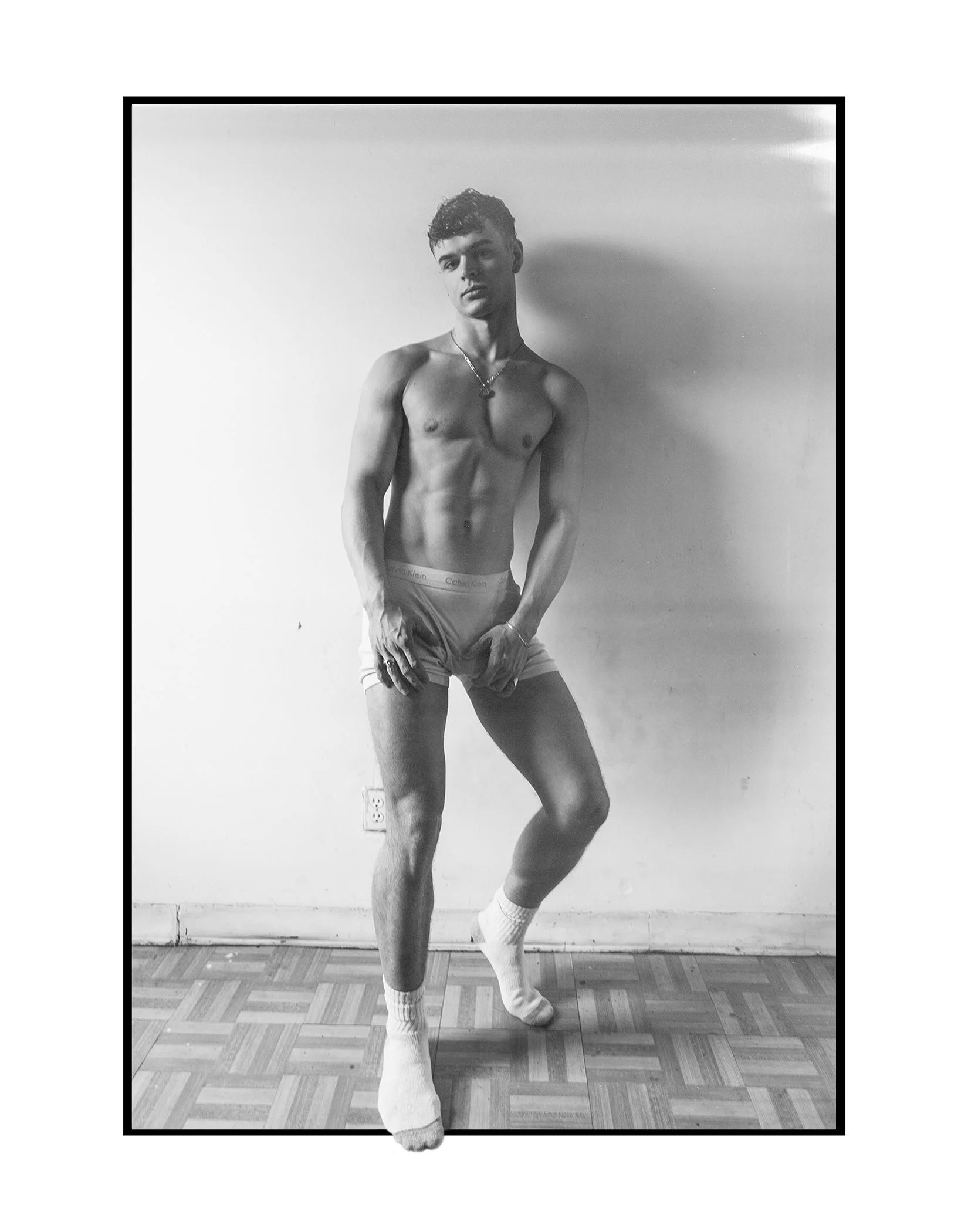
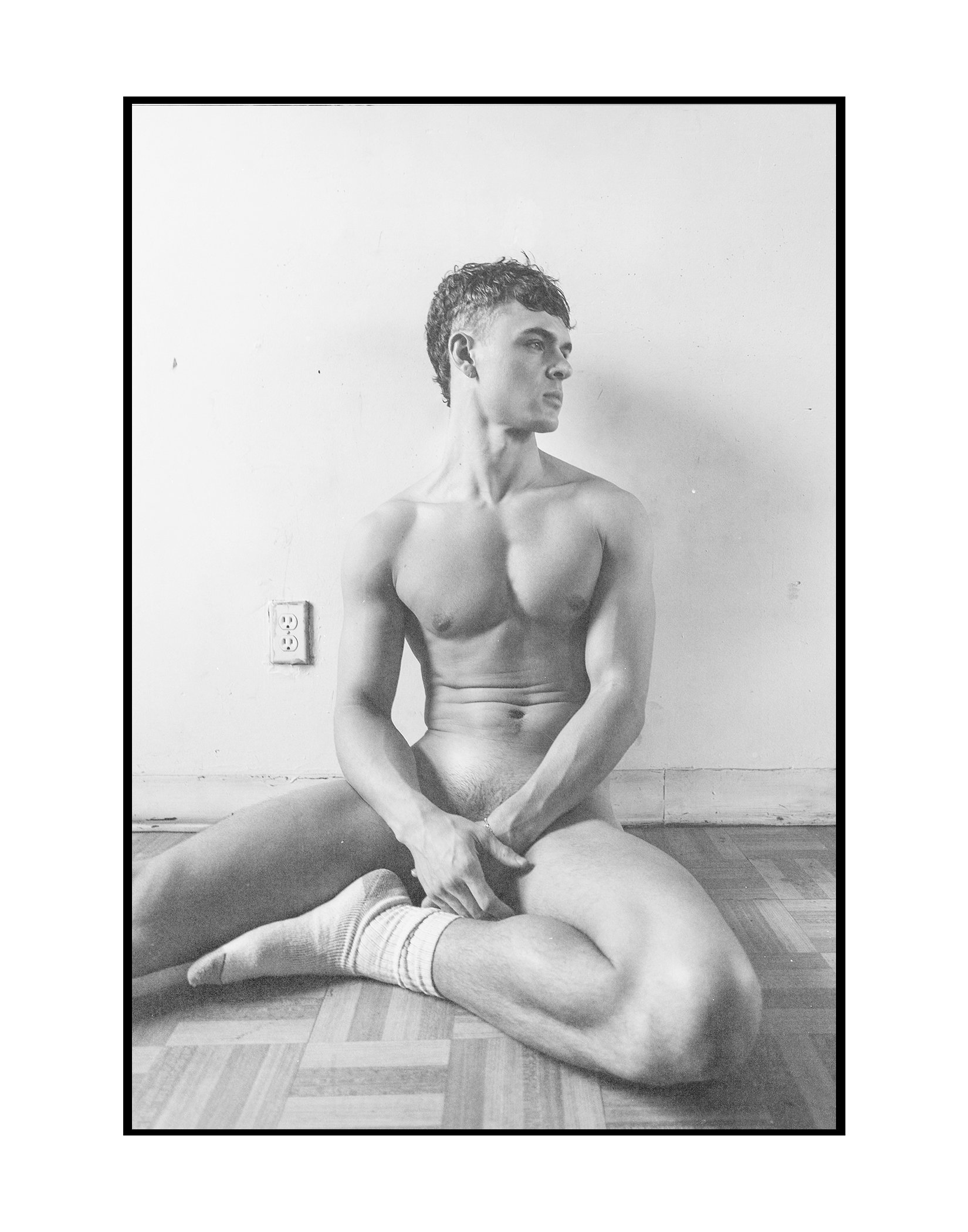
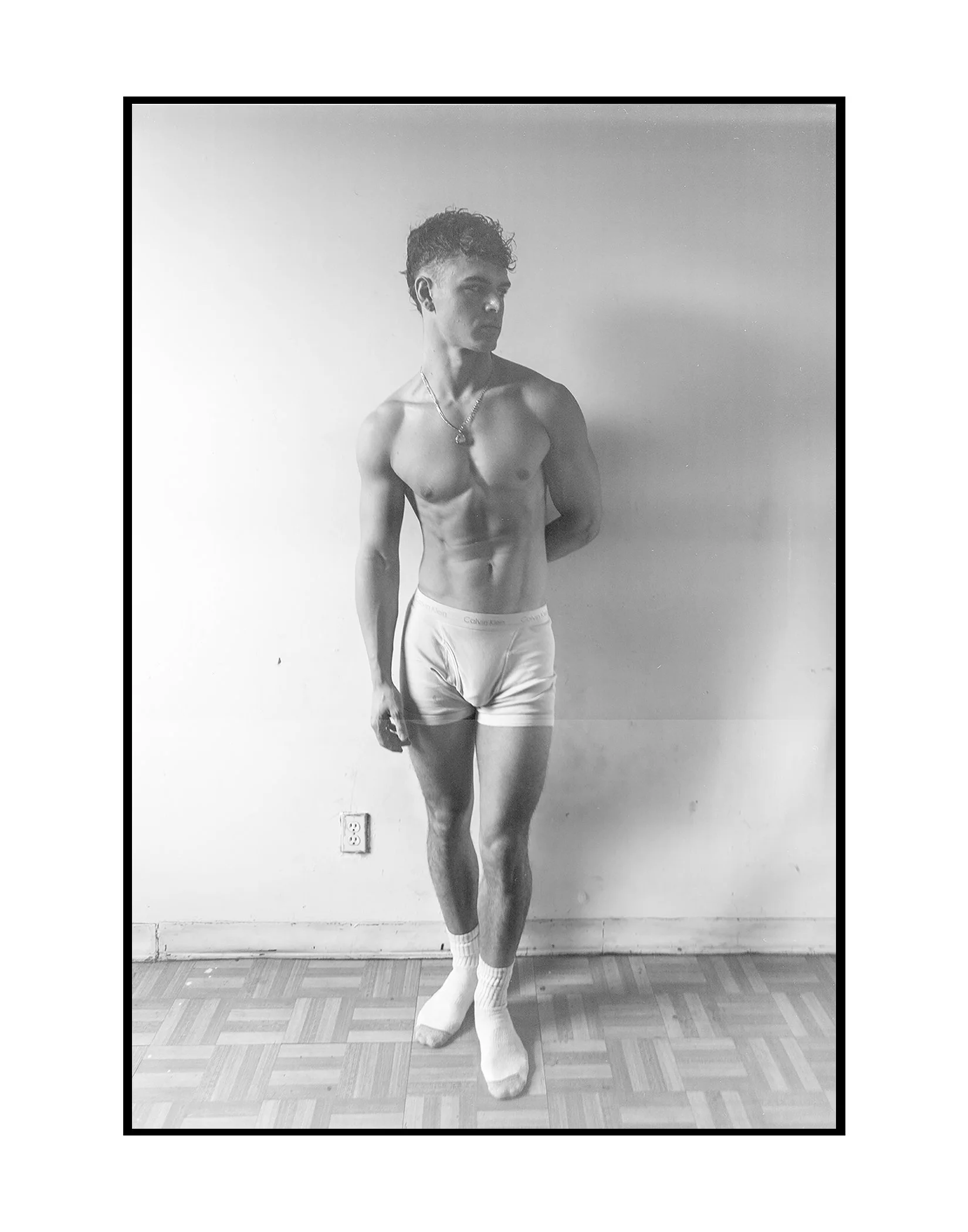
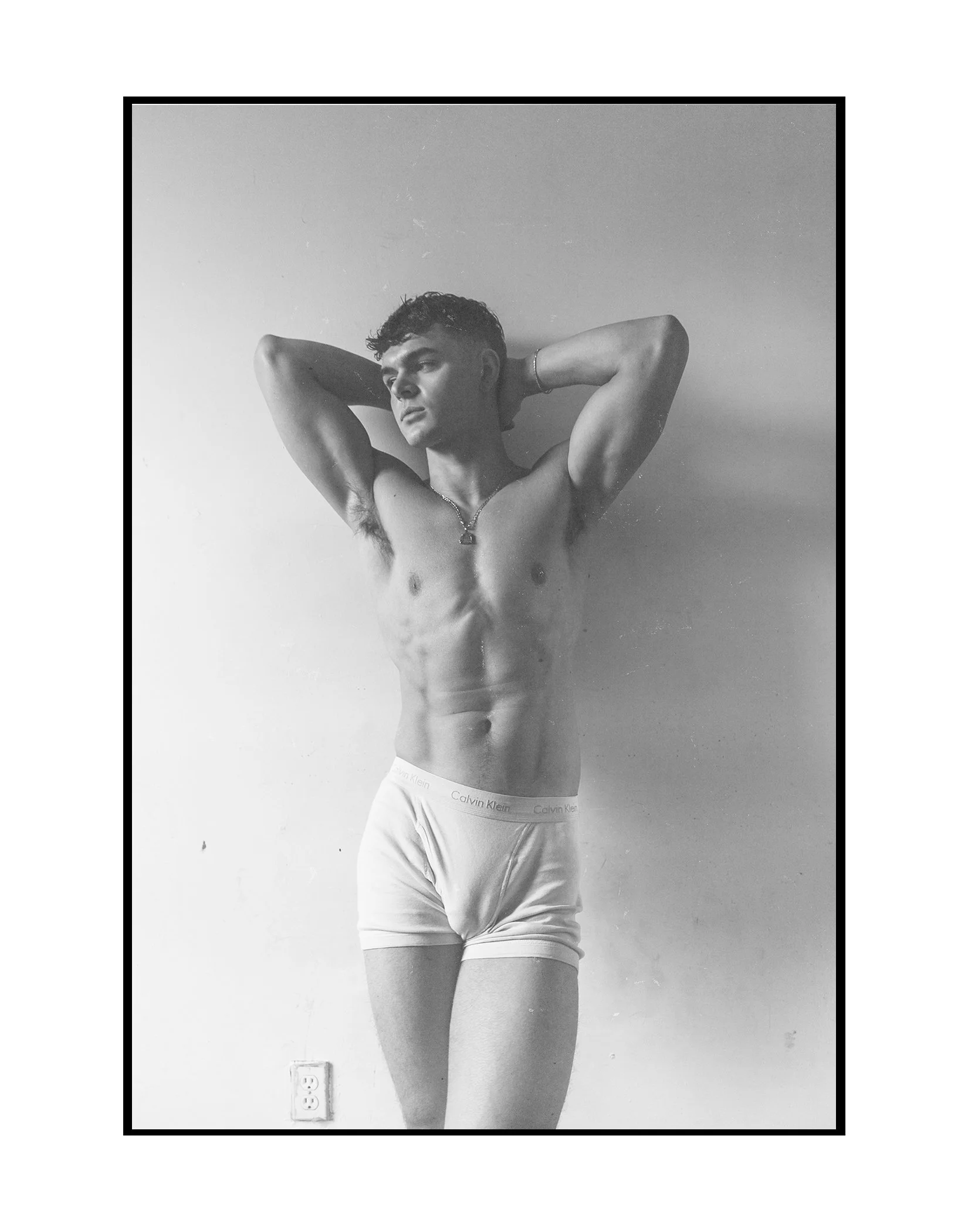
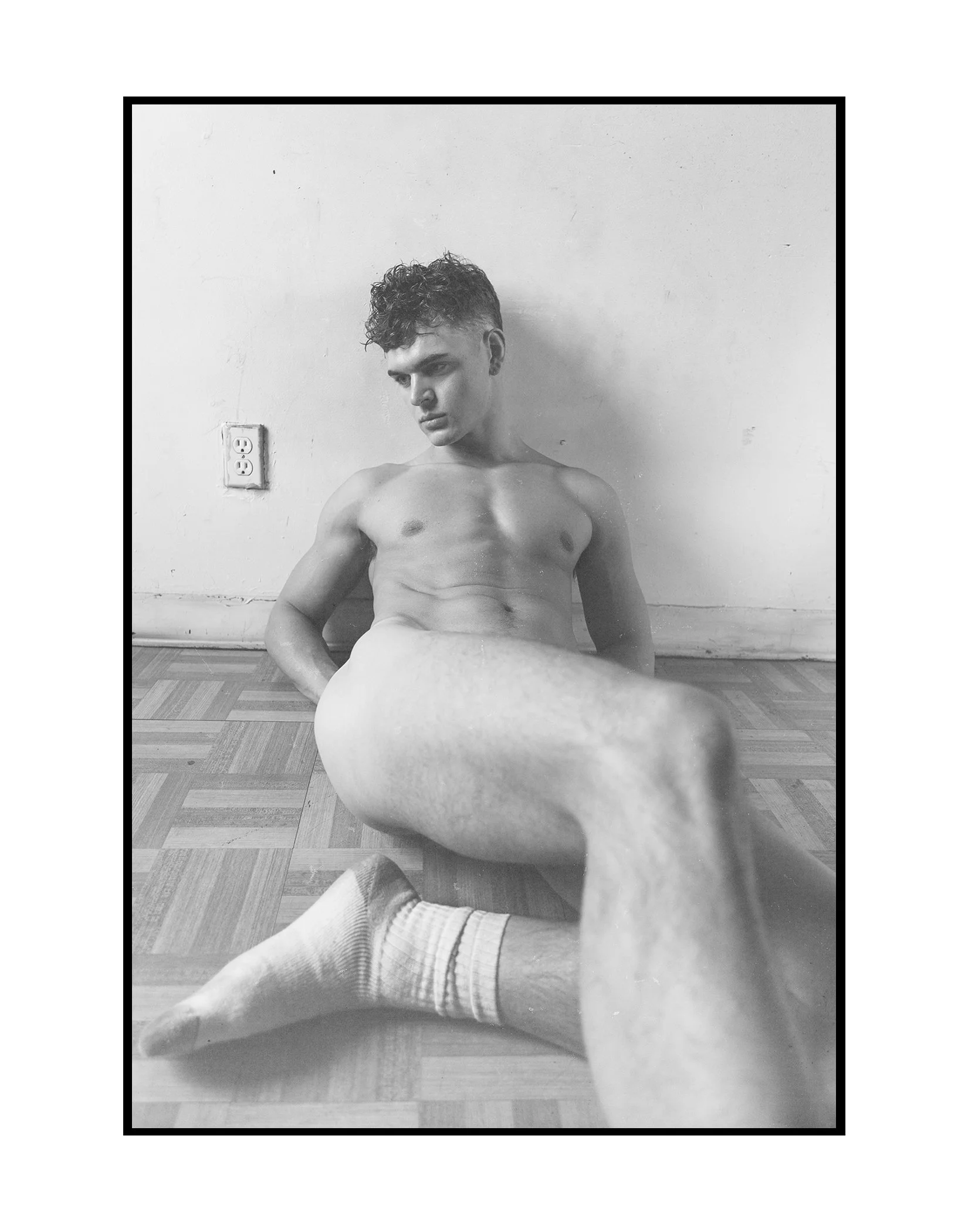
This shoot wasn’t about fashion in the traditional sense. There are no garments to credit, no silhouettes to dissect. And yet — this is fashion. Or at least my idea of it. The movement becomes the garment. The tension becomes the tailoring. The scribbles become the styling.
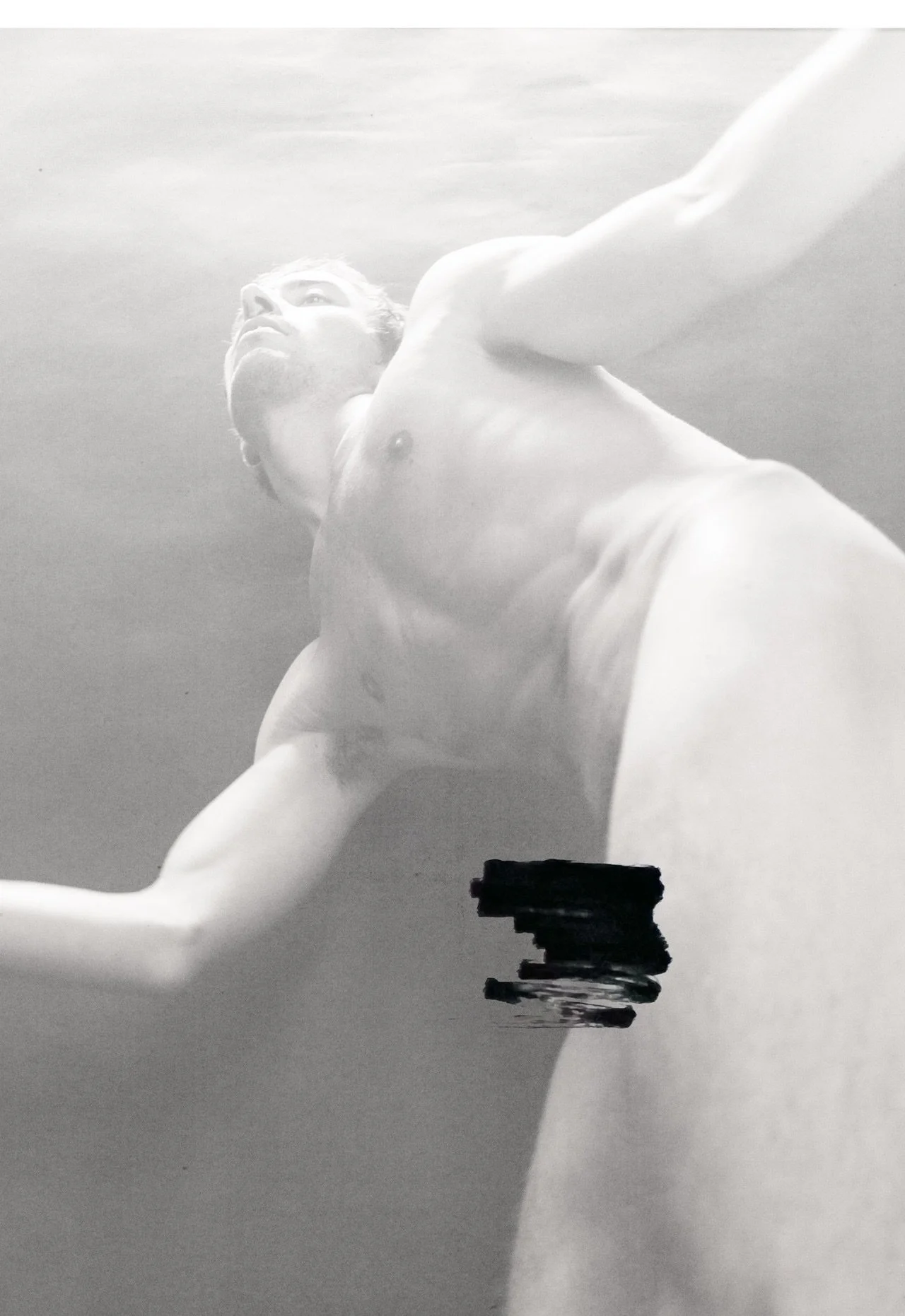
The censor marks weren’t an afterthought — they are the fashion. Graphic, imperfect, instinctual. They sit on the body the way a well-placed seam or an unexpected cutout would. They interrupt. They frame. They ask you to look again.
Mason moved like someone listening to his body instead of posing for the camera. Every shift felt intentional without being precious. There was strength, softness, hesitation, confidence — sometimes all in the same frame. I didn’t direct much. I didn’t want to. This was about allowing space for presence rather than performance.
The room was quiet.
The light was simple.
The floor creaked when he moved.
That was enough.
I keep thinking about these images as a palette cleanser — a visual deep breath before stepping into everything that’s coming next for amadeo amadeo. Bigger projects. More collaborations. More worlds being built. But before all of that, I needed to return to the body. To gesture. To the idea that fashion isn’t always something you put on — sometimes it’s something you are.
These images feel like a threshold.
A pause.
A clean page.
A reminder that at the core of all of this — photography, scent, clothing, objects, performance — is the human form moving through space, trying to be understood.
Thank you, Mason, for trusting the process and stepping into this moment with me.
Here’s to the reset.
Why My Best Work Happens When I’m Not Looking At It
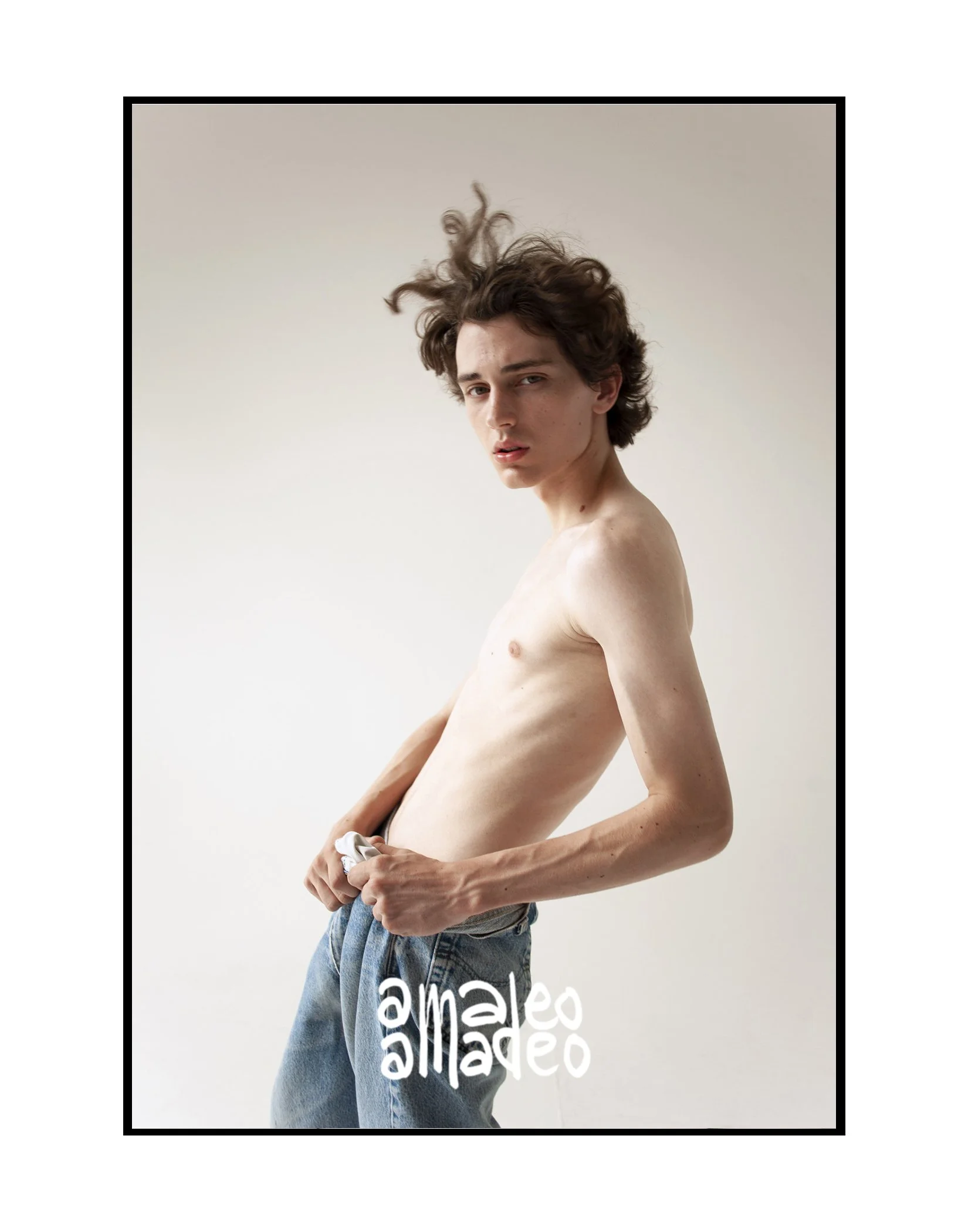
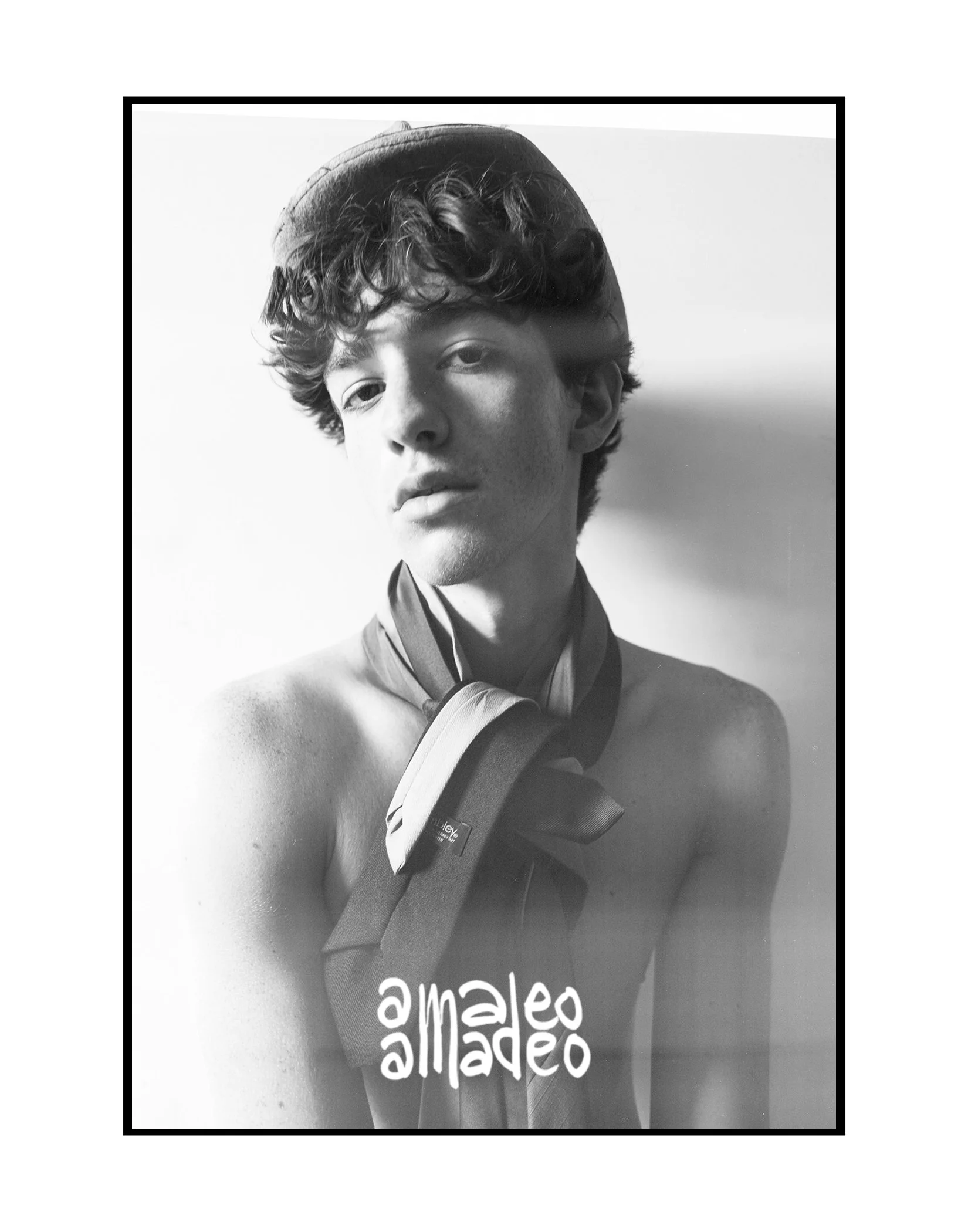
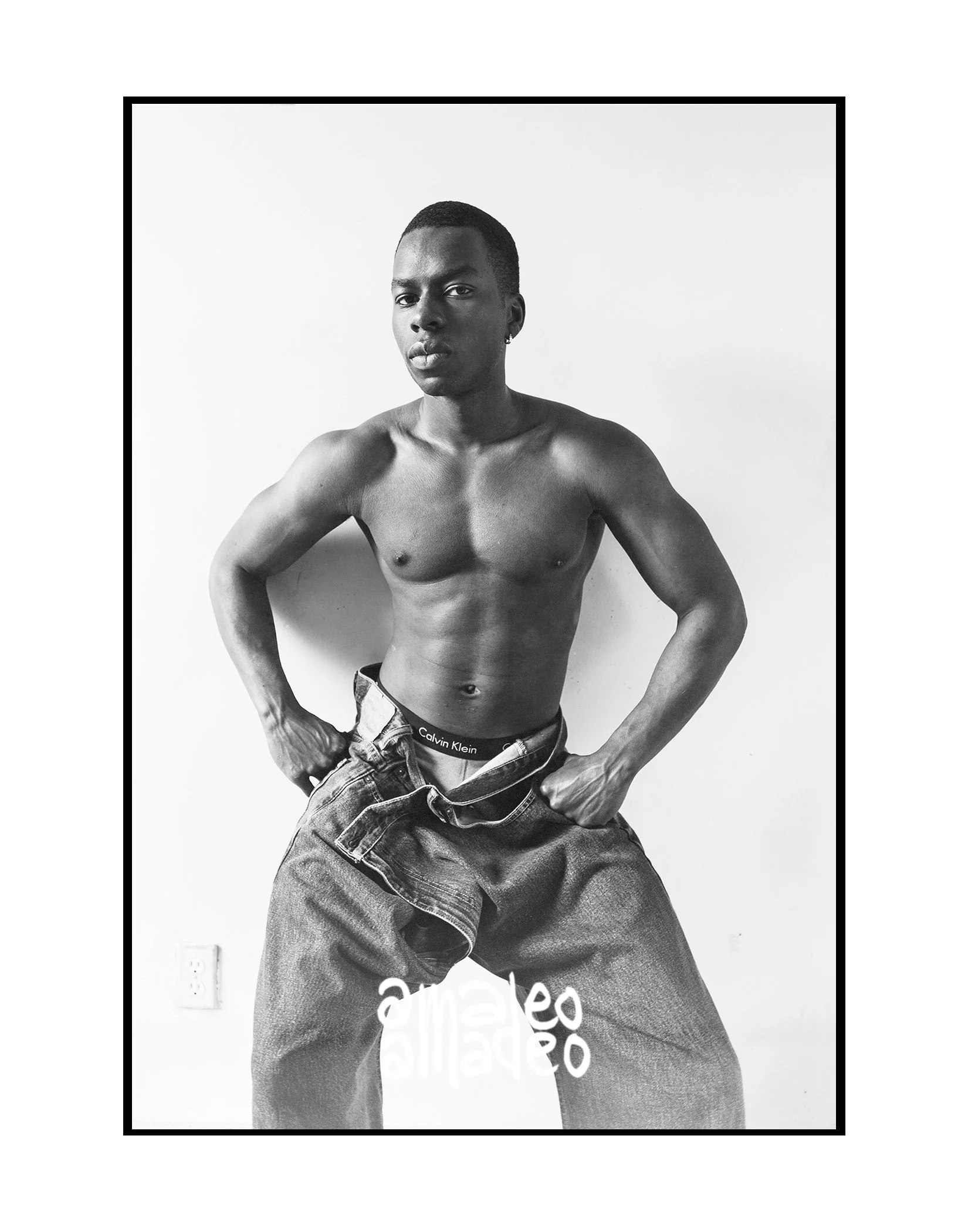
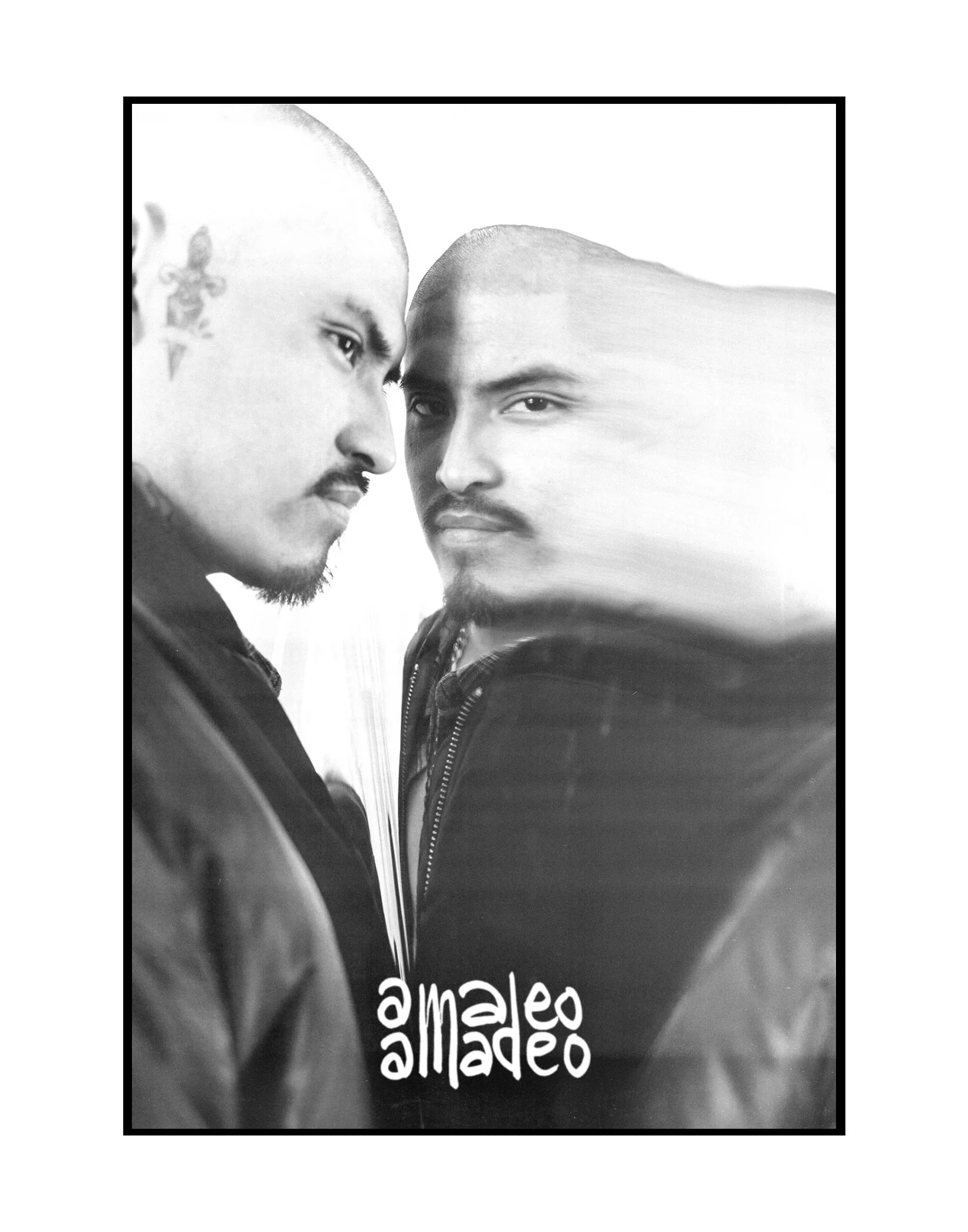
There’s a strange season that always hits me around the end of the year. It’s a kind of creative molting. Suddenly I want to drain every old file, every half-loved portrait, every forgotten RAW, and move it all into a new home. This year, that home has become my Tumblr—my private museum, my time capsule, my purgatory of past work where everything goes to live again, even if it’s only visible to people who bother to log in.
Why My Best Work Happens When I’m Not Looking At It
There’s a strange season that always hits me around the end of the year. It’s a kind of creative molting. Suddenly I want to drain every old file, every half-loved portrait, every forgotten RAW, and move it all into a new home. This year, that home has become my Tumblr—my private museum, my time capsule, my purgatory of past work where everything goes to live again, even if it’s only visible to people who bother to log in.
As I’ve been uploading my archives, something unexpected keeps happening:
I’m realizing how many images went unnoticed for years.
Images I barely glanced at when I took them.
Images I forgot existed.
Images that now—sitting in 2025 light—feel iconic.
It’s funny how my best work often waits for me.
It doesn’t yell.
It taps.
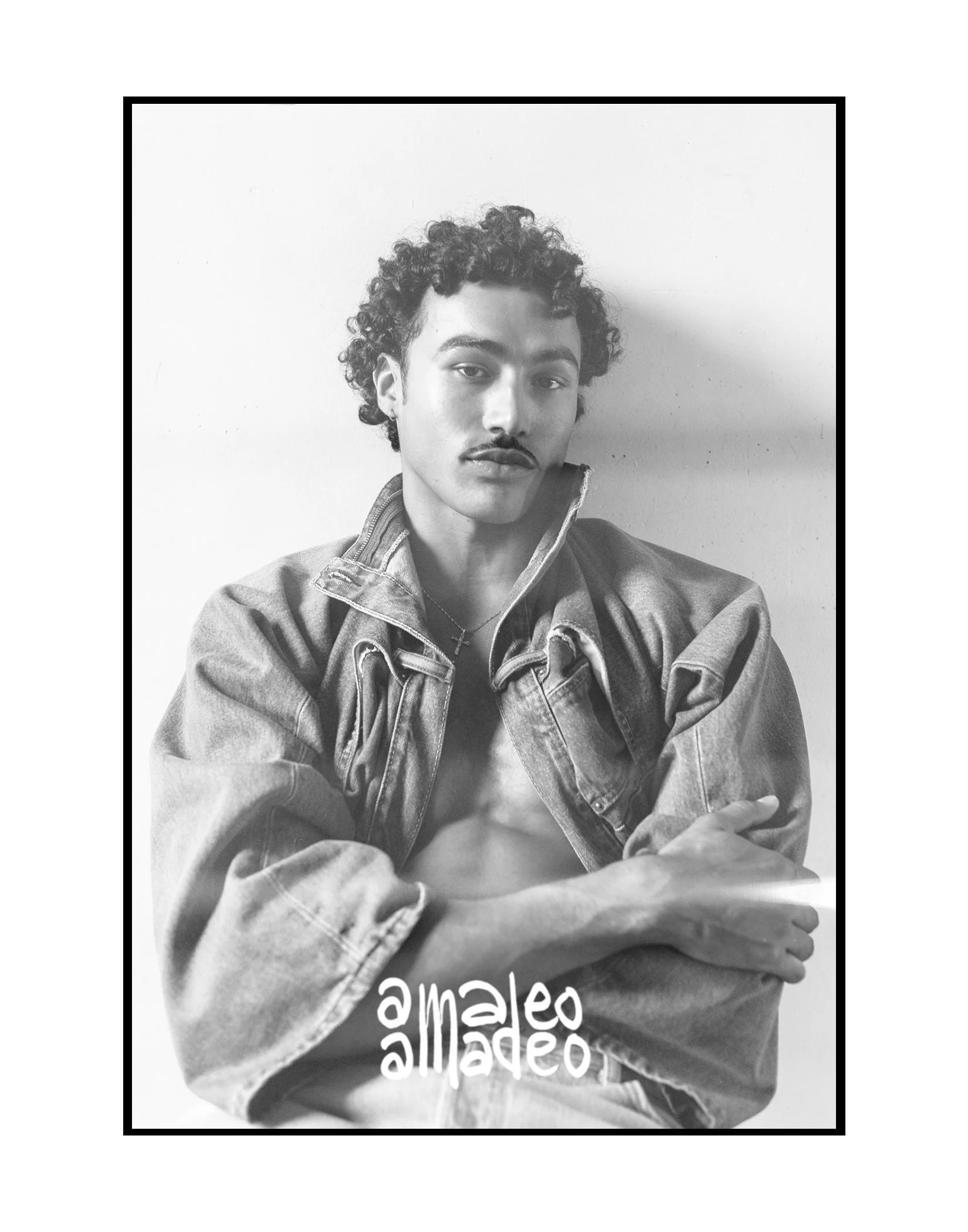
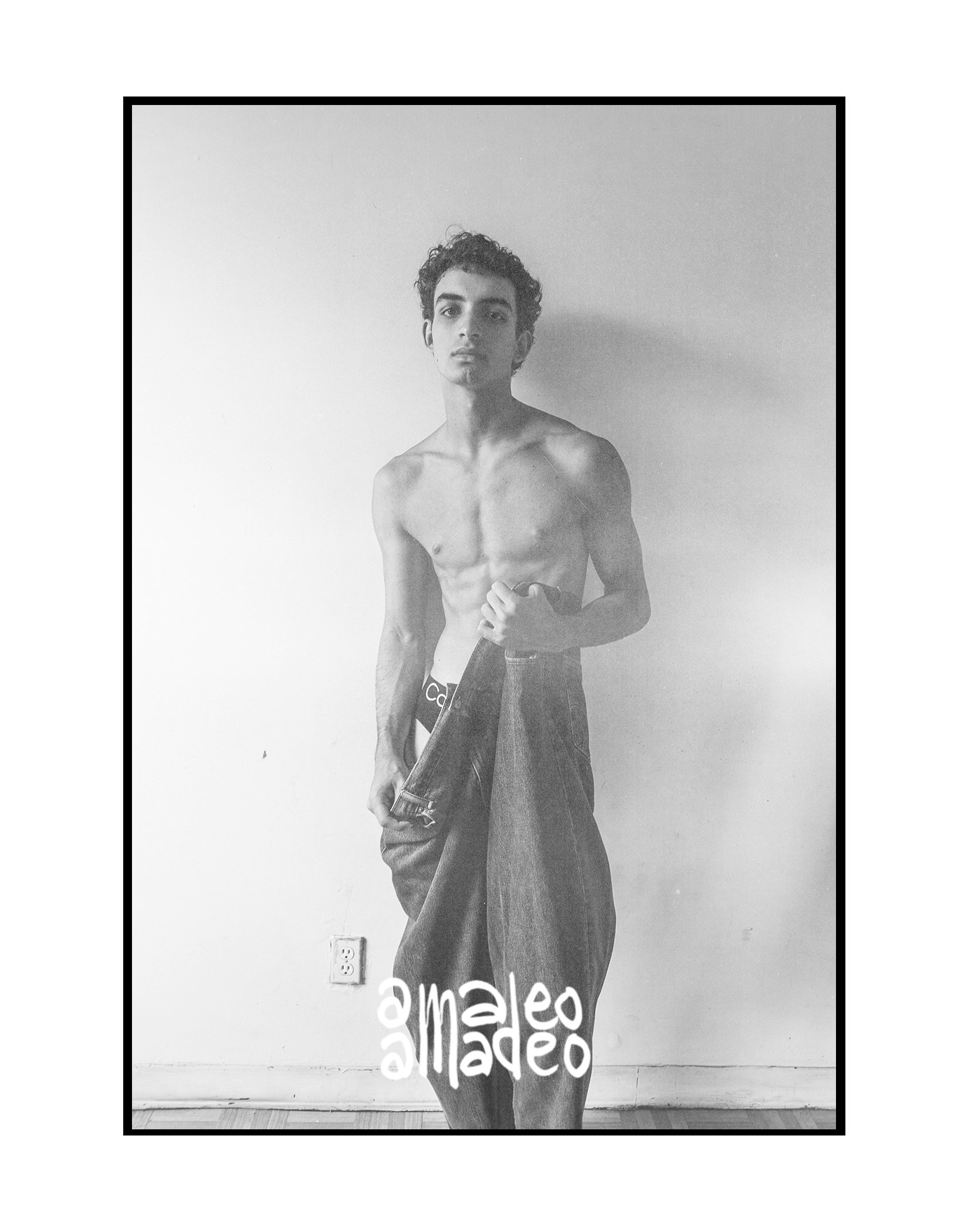
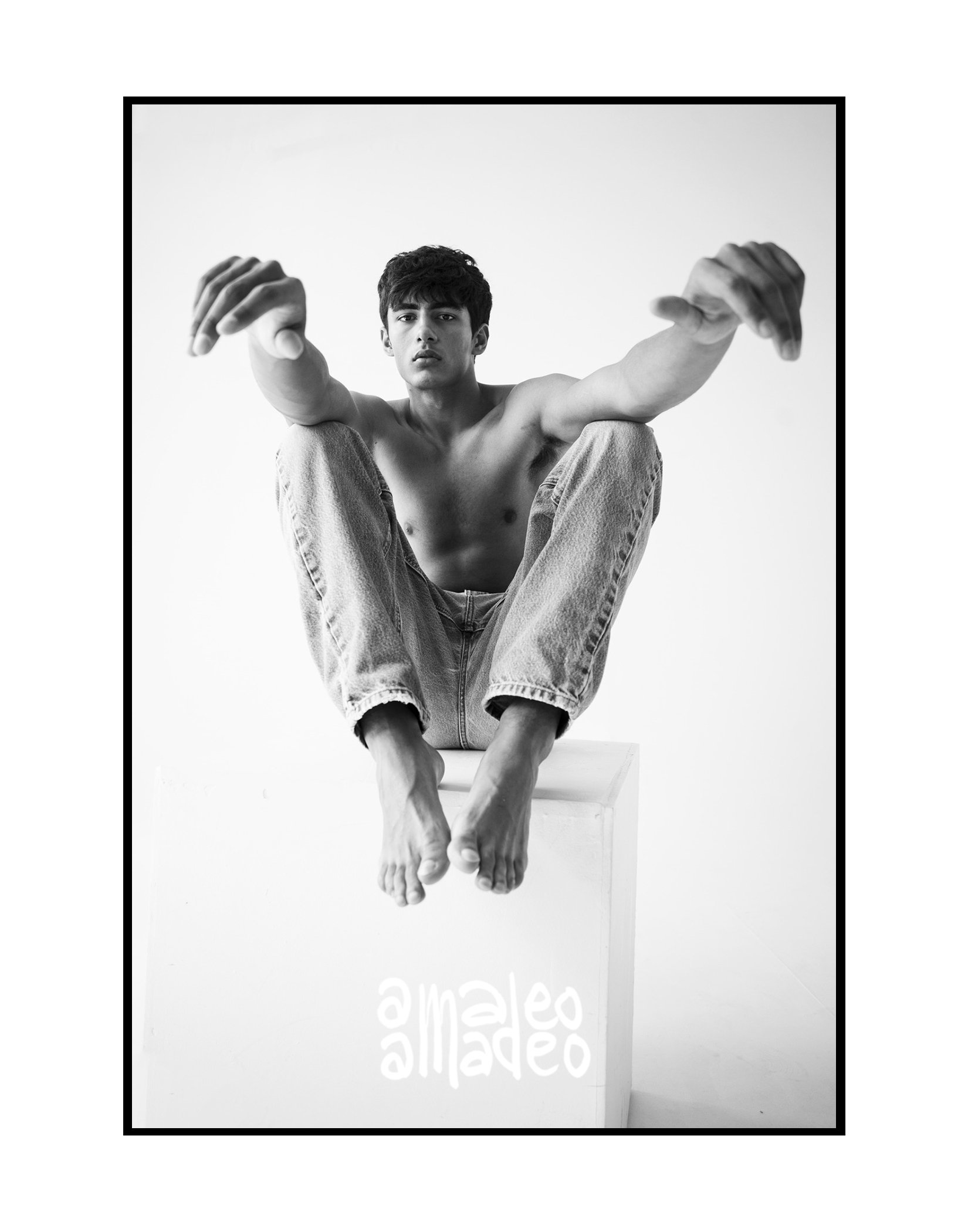
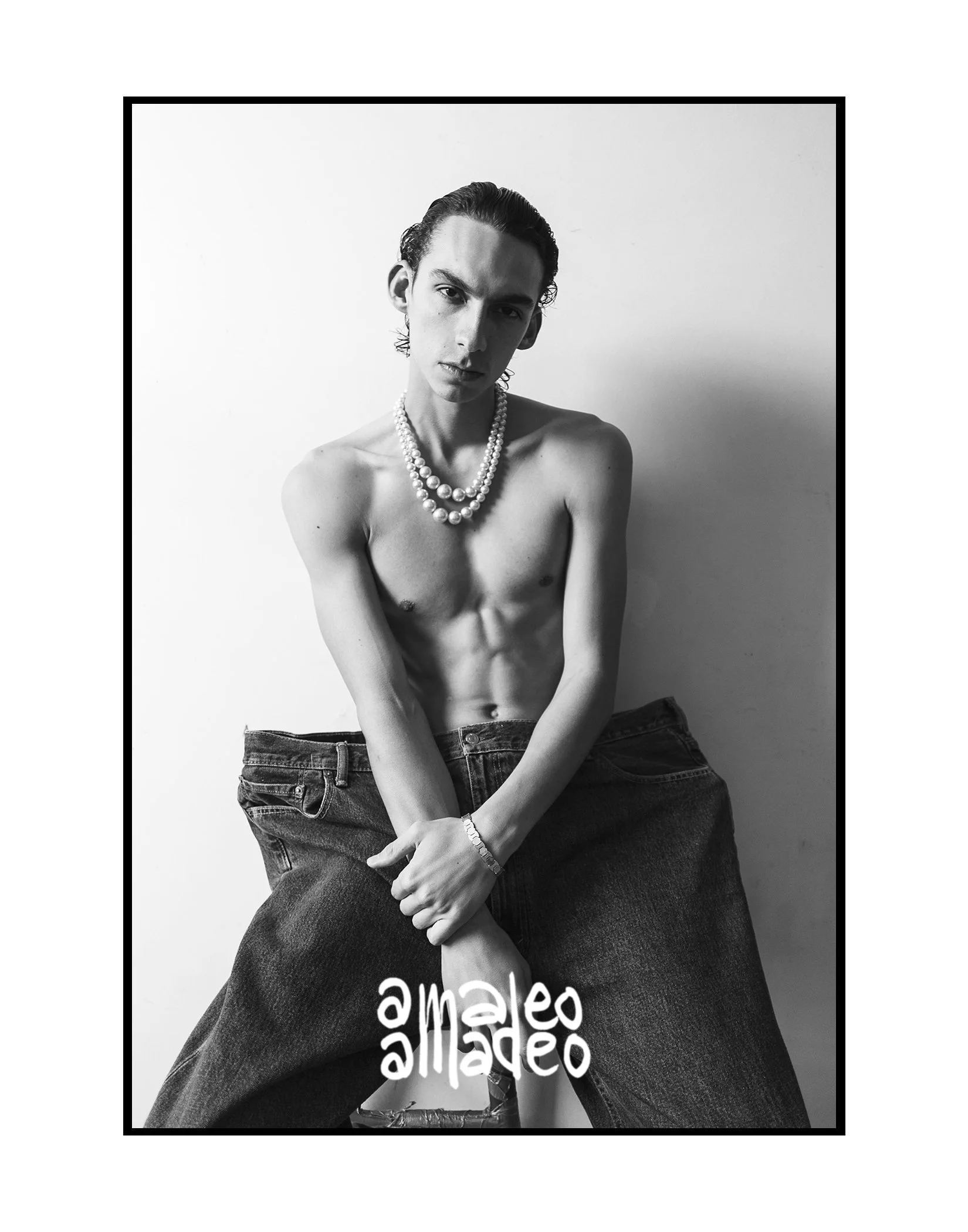
Memory Lives in the Contact Sheet
When I look at an old portrait, I remember everything from that day—more than I expect.
The weather.
The way the subject laughed through their nerves.
What we talked about in the first five minutes.
The exact second they stopped posing and started being.
I don’t shoot casually.
I put a lot of energy forward to get people comfortable as fast as possible.
To get them to open up.
To get them to step into images that might feel awkward at first—poses that look unnatural until they become art.
It takes trust.
And when someone trusts me enough to let themselves be seen, to lean into an uncomfortable position, to give me the version of them that isn’t rehearsed… that feels like the greatest gift a subject can offer.
It’s not lost on me.
I remember that trust years later, even when I barely remember the file name.
The Non-Linear Timeline of amadeo amadeo
I don’t move through my career in a straight line.
I never have.
The amadeo amadeo “timeline” is a non-linear organism—something breathing, pulsing, shifting. It’s like a giant memory map where past images suddenly make more sense in the present, and future ideas reach back to pick up pieces I left behind.
Sometimes a portrait I shot five years ago fits better next to the work I’m making now than it ever did then.
Sometimes I make something today that feels like a missing puzzle piece from 2019.
Sometimes the future asks for the past.
That’s why archiving doesn’t feel like “storage” to me.
It feels like rearranging DNA.
Digital Clutter, Digital Discovery
I only shoot digital, which means the archive is huge.
Massive.
A never-ending scroll of unused frames and alternative angles the models can grab for their books.
The blessing and the curse of digital photography is that I always shoot more than I ever need.
But that also means there are thousands of moments that never saw daylight.
And now, going through everything with new eyes, I’m realizing the overlooked frames are sometimes the most honest ones.
The blink.
The half-turn.
The breath before the pose.
Back then, they felt too raw.
Now, they feel like the point.
It makes me wonder how many other “unseen” parts of my life are waiting for me to come back to them with more patience and a different perspective.
The Work Ages With Me
The archive is aging like a living thing.
And I’m aging with it.
Sometimes I think I’m revisiting old work… but the truth is, the work is revisiting me.
Calling me out.
Reminding me of ideas I never followed.
Whispering new directions.
Showing me what I didn’t have the eyes for back then.
Maybe that’s why my best work happens when I’m not looking at it.
Because sometimes I’m too close to see it clearly in the moment.
Sometimes the image needs time.
Sometimes I need time.
This season of re-uploading, revisiting, and re-seeing has been unexpectedly grounding.
It’s reminding me why I do what I do.
It’s showing me the threads that have always been there—portraits, faces, trust, tension, vulnerability, the ability to build comfort quickly, the quiet intimacy between artist and subject.
And it’s reminding me that the work is far from over.
If You Want to Explore the Archive
You can see the ongoing upload process on my Tumblr—if you’re logged into Tumblr, that is.
(You’d think it was 2009 the way the platform makes you enter the gates.)
But if you do choose to look, here’s my request:
Find one image that speaks to you and tell me the first story it reminds you of.
No overthinking.
Just instinct.
The best ways into the future always start with revisiting the past.
— Anthony / amadeo amadeo

The return of A. Clown?
A. Clown hasn’t been seen in some time. He didn’t storm off stage, didn’t slam the door, didn’t even leave a note—he simply stepped behind the silver curtain and let the folds swallow him.
A. Clown hasn’t been seen in some time. He didn’t storm off stage, didn’t slam the door, didn’t even leave a note—he simply stepped behind the silver curtain and let the folds swallow him.
Once upon a time, I wore his face. Painted on a new mood every time. Sometimes a whisper, sometimes a scream. He lived in portraits, in paintings, in the way people’s eyes darted between fascination and discomfort. You either loved him or you couldn’t look at him. That’s the magic of a clown. That’s the danger of one, too.
But clowns aren’t built to vanish entirely. They hide in the air between you and the mirror. They hide in mylar wrinkles that turn a reflection into a puzzle. They hide in balloon animals—small, strange sculptures that carry a joke only the clown knows.
These portraits are a way to keep him close without summoning him fully back. Each face here is a flicker of him: the tilt of a head, the curve of light, the way a shadow smiles even when the lips don’t. The clown is still here. He’s just watching from behind the shimmer.
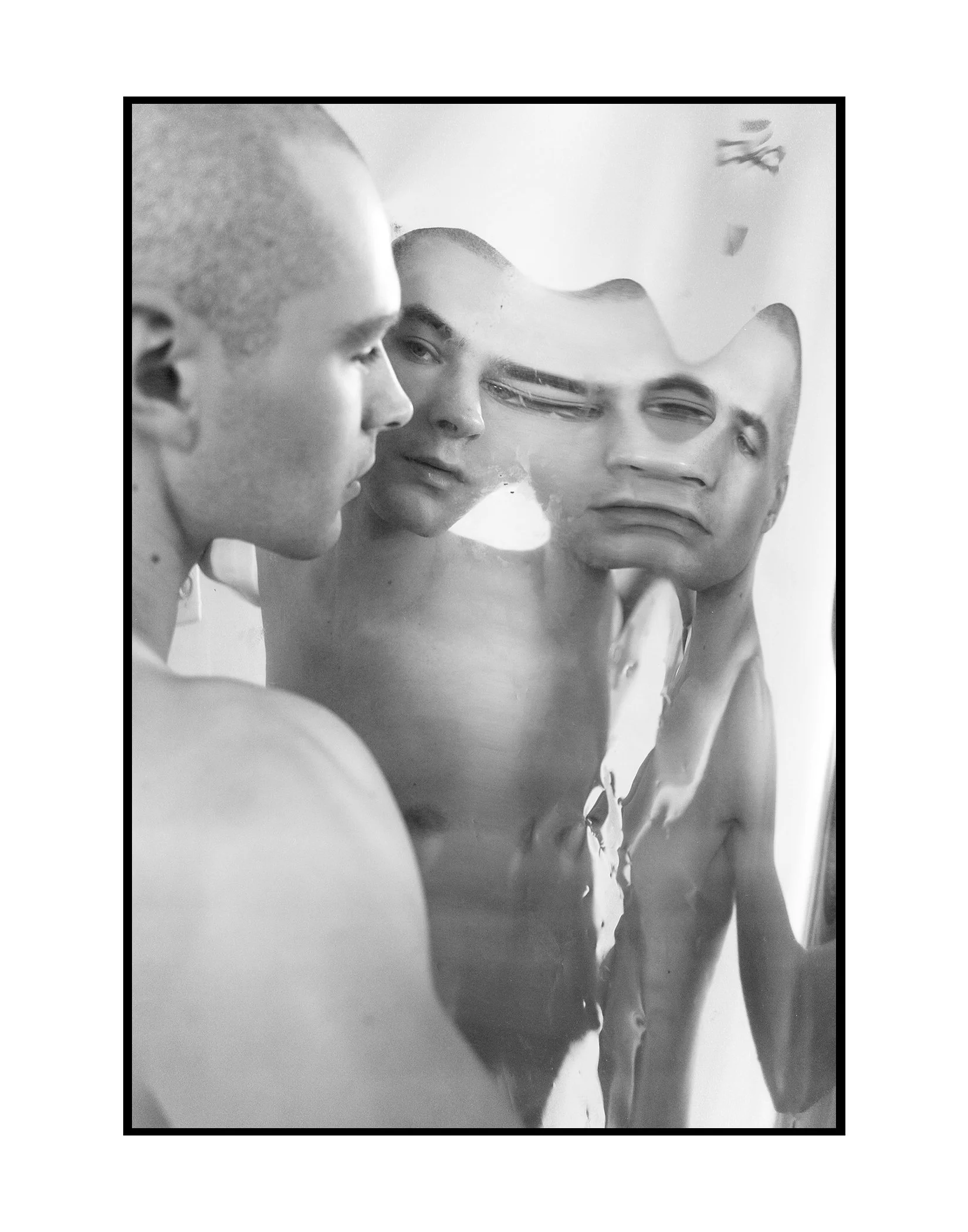
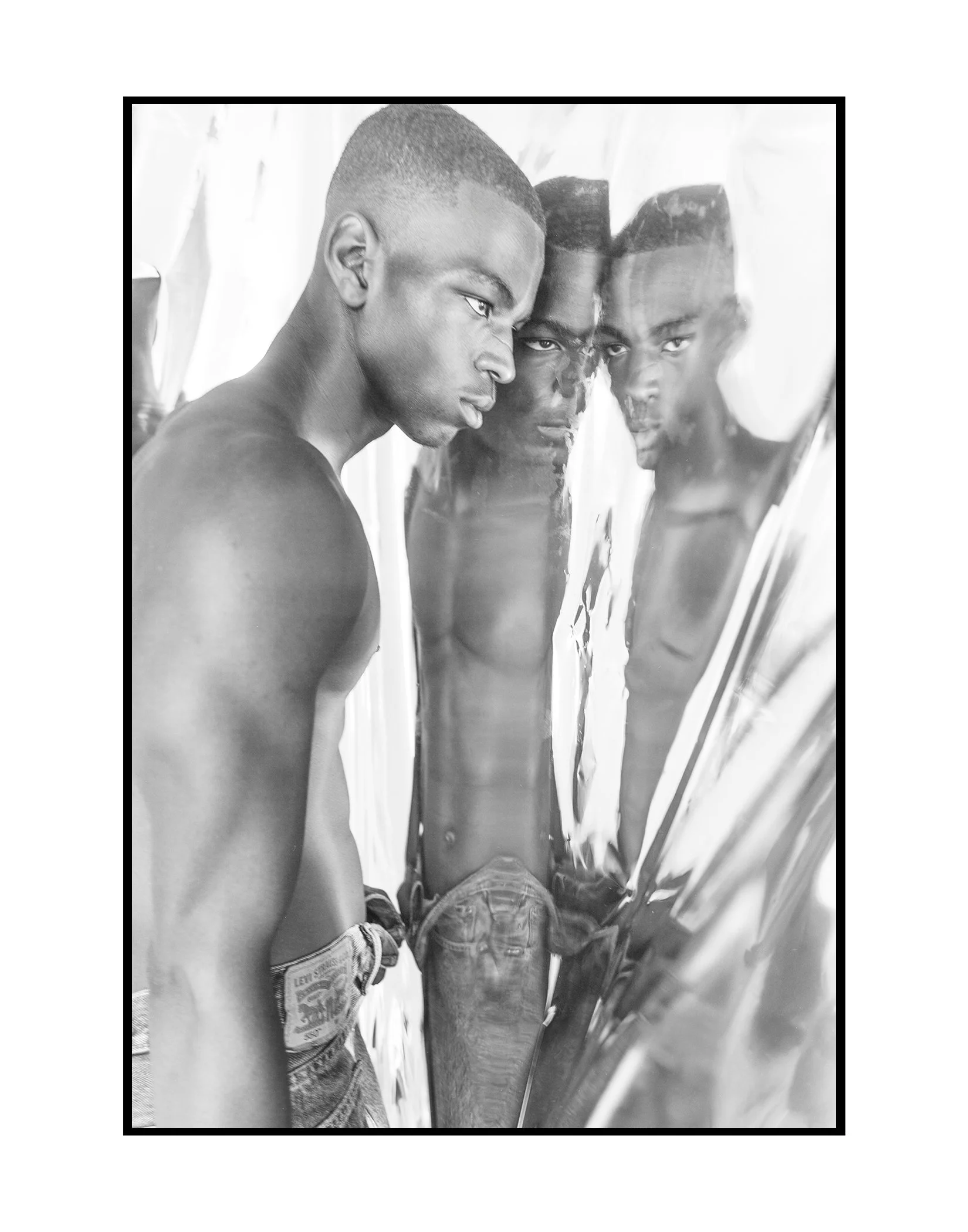
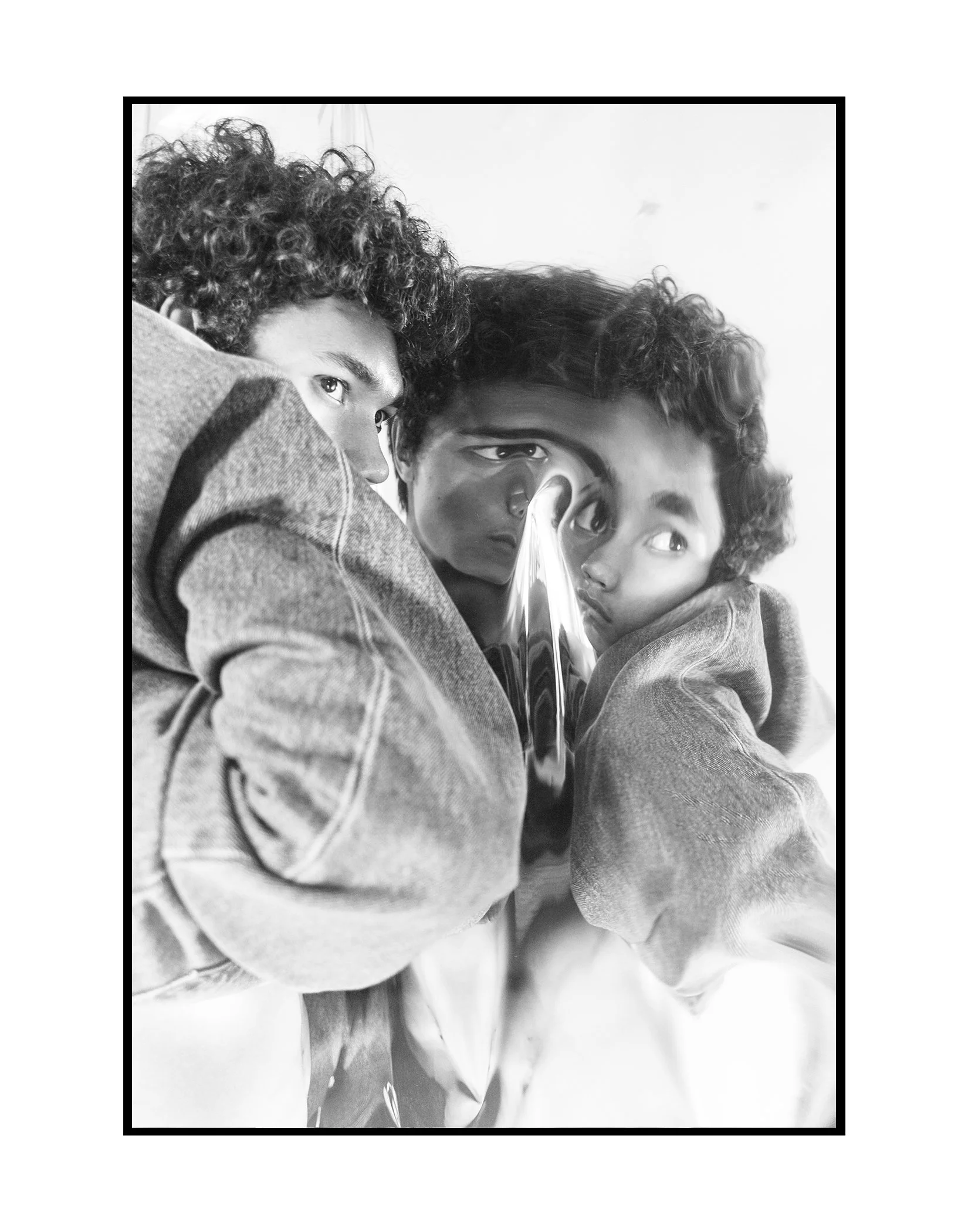
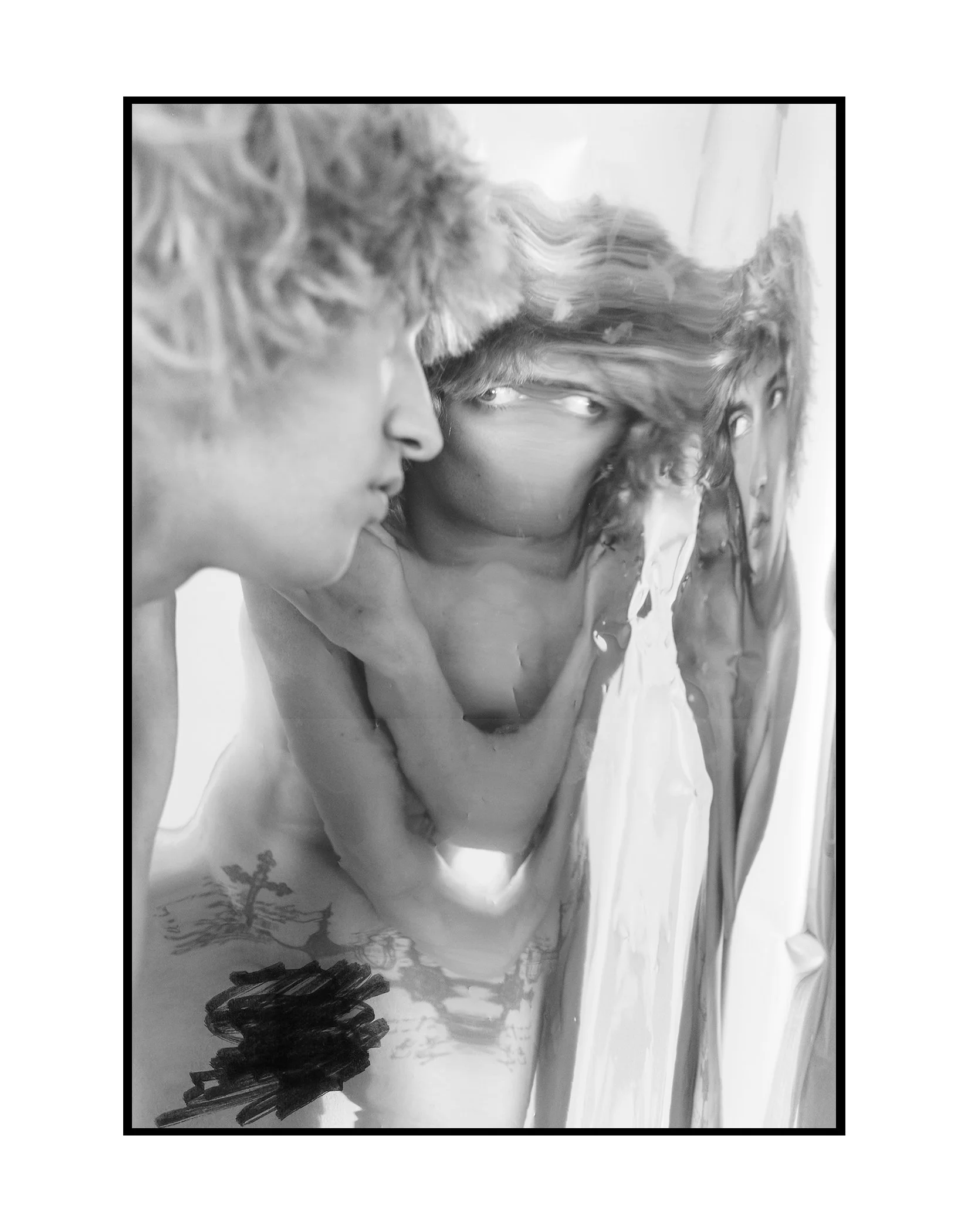
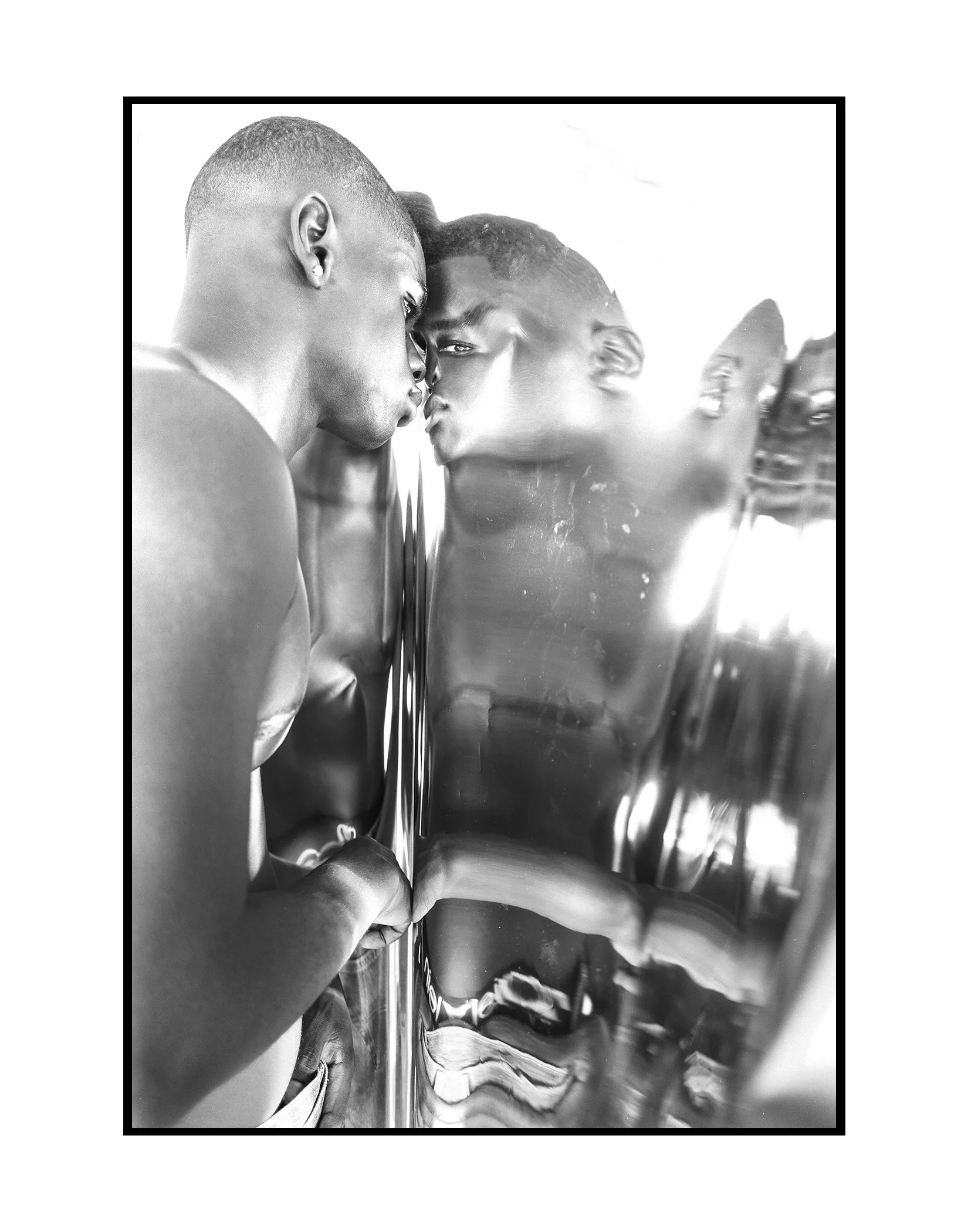
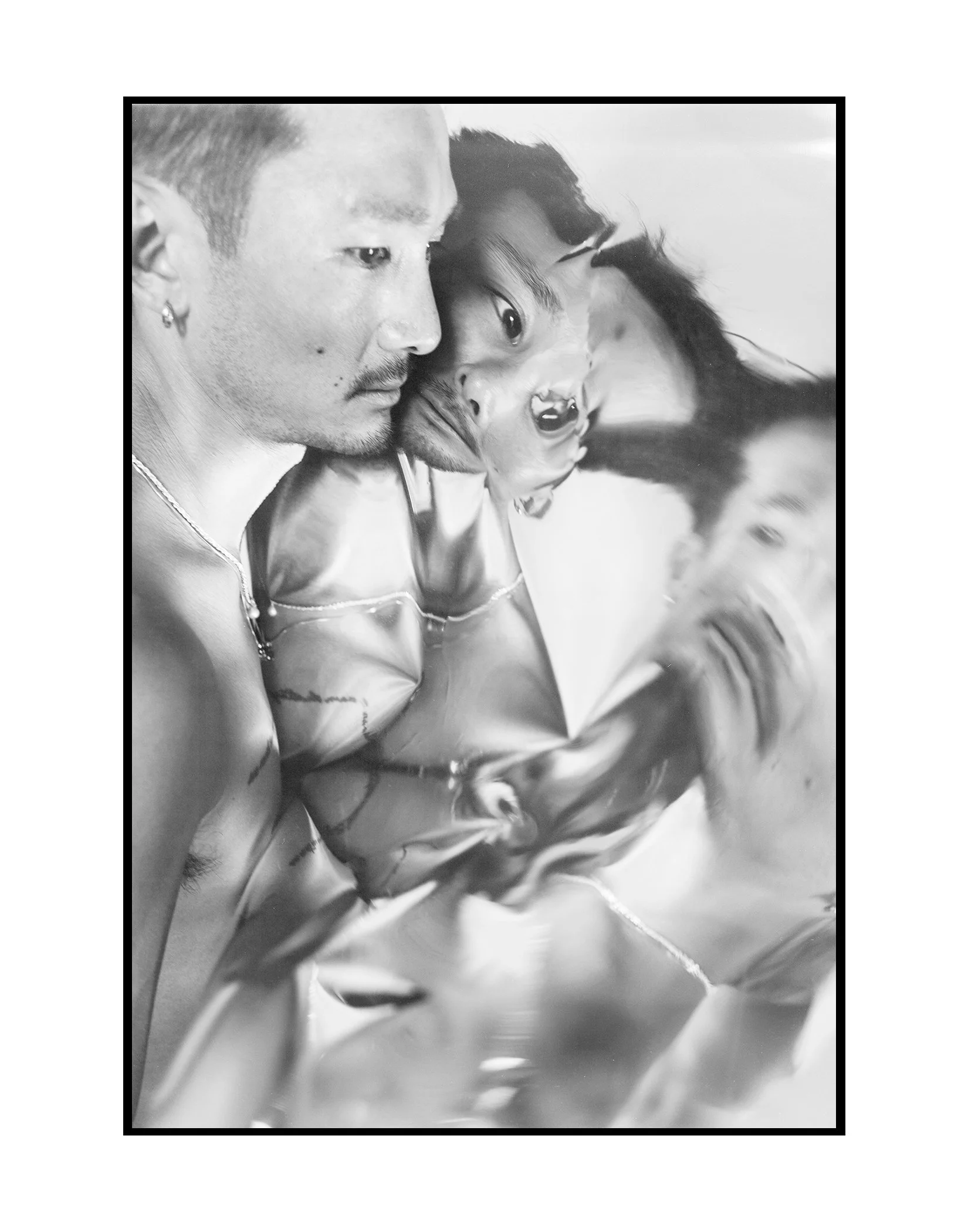

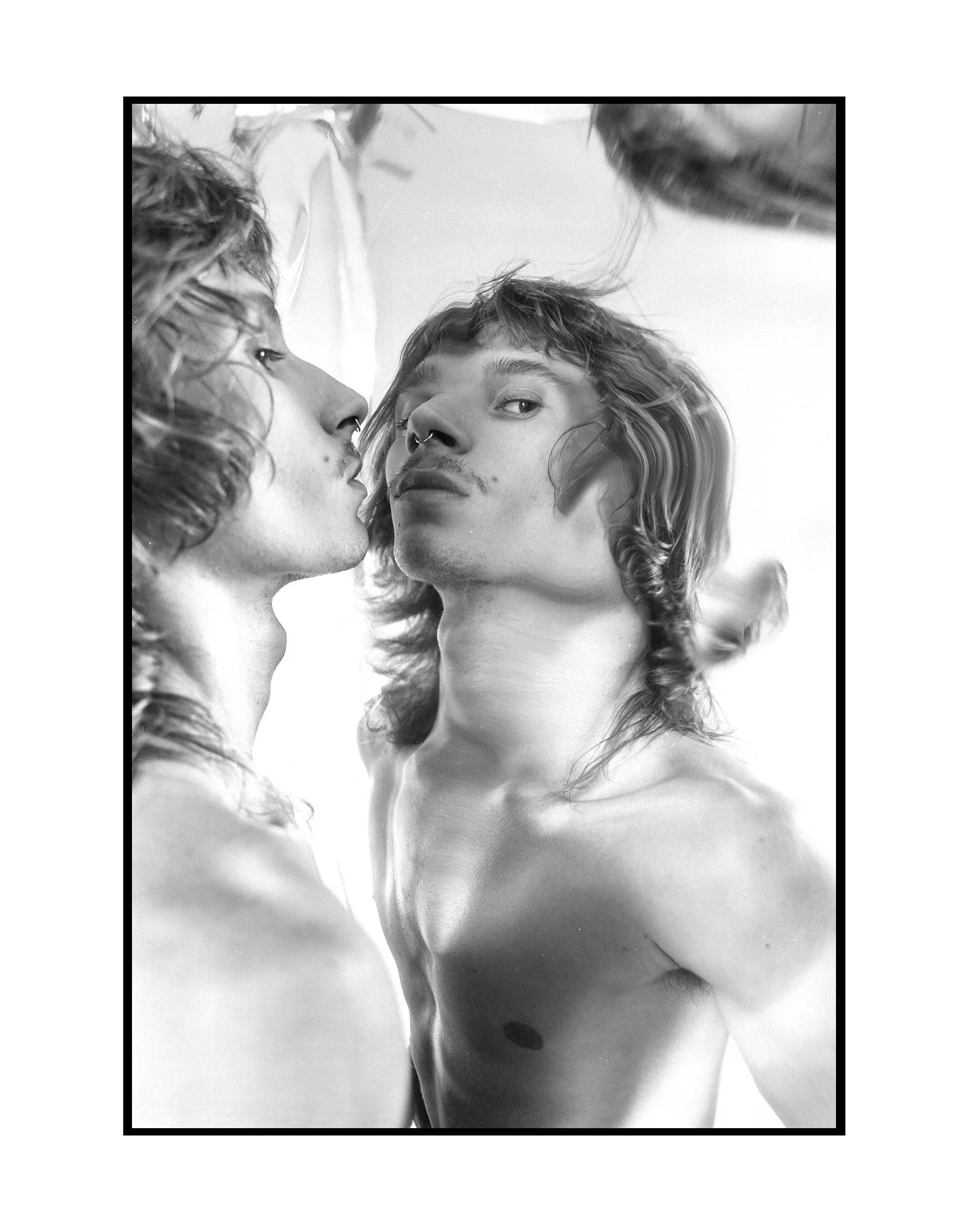

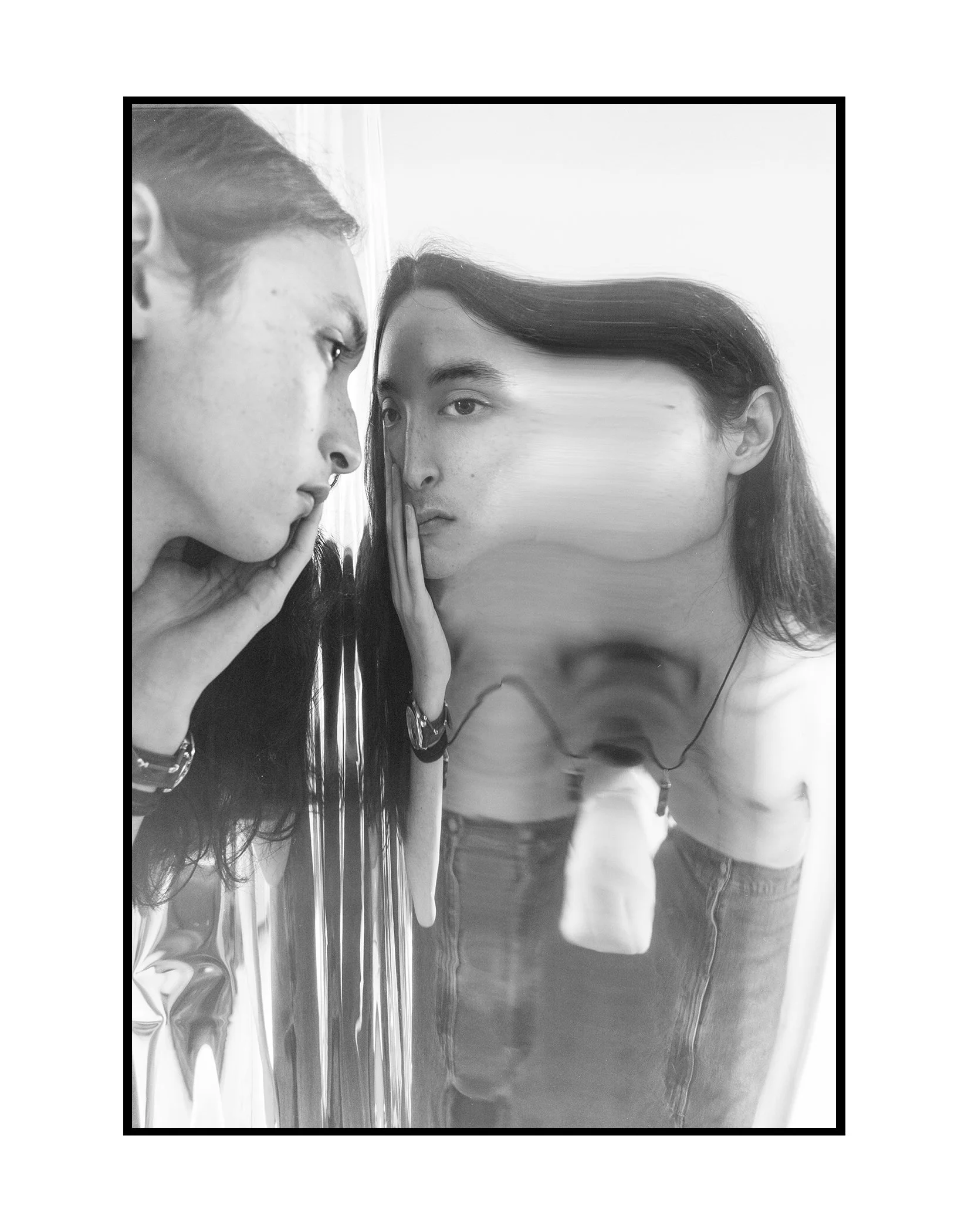
Now the question is—do you see him?
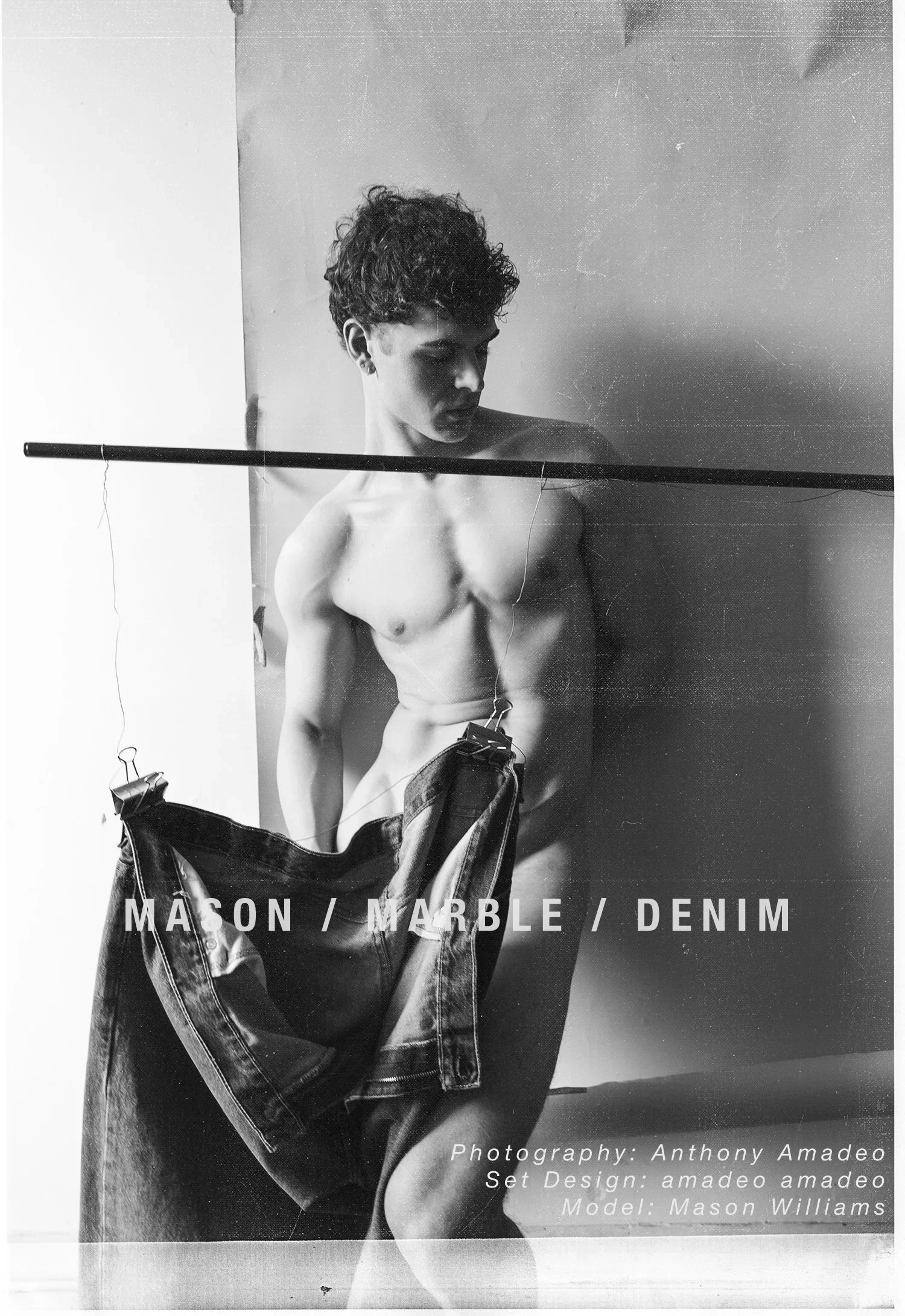
MASON / MARBLE / DENIM
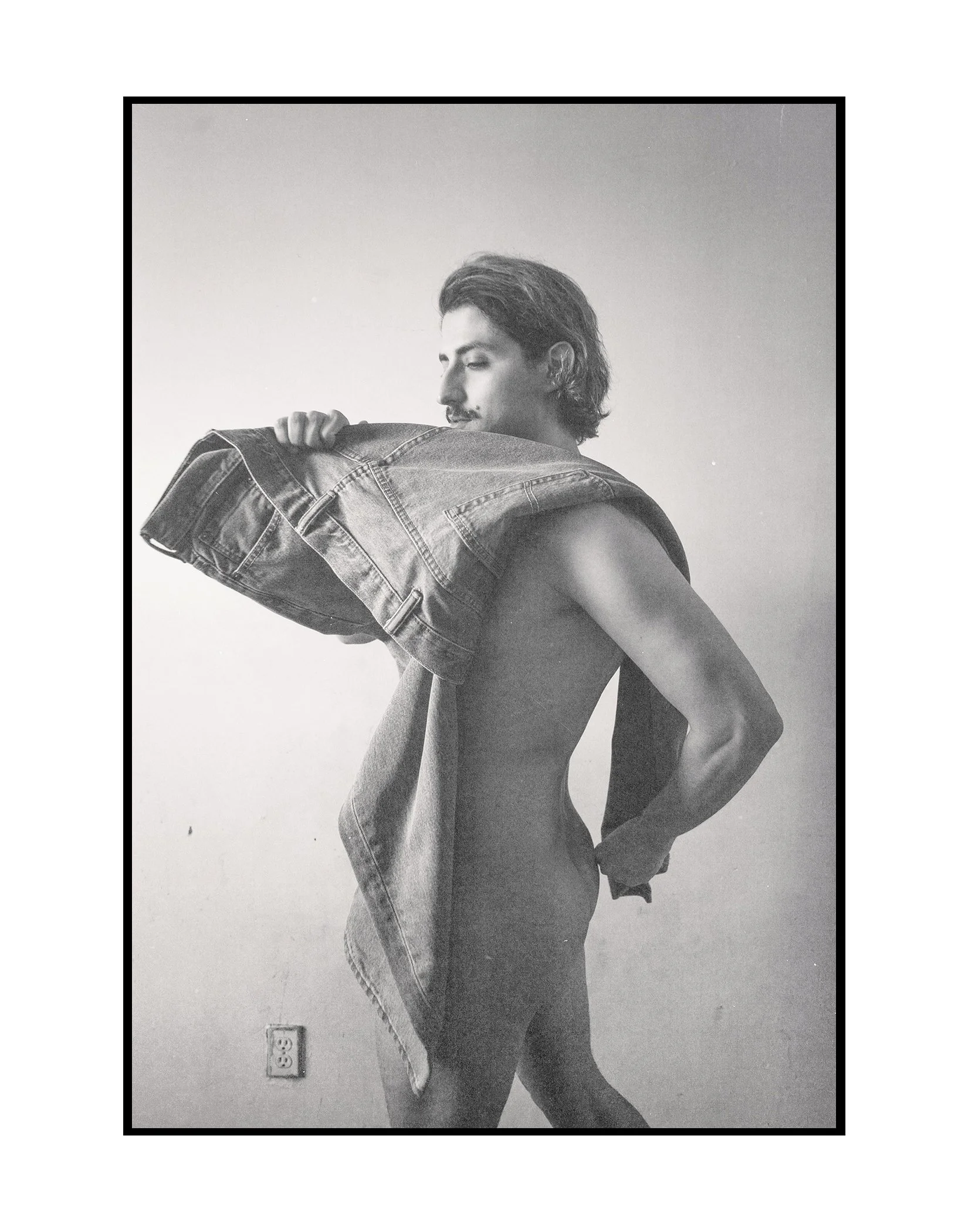
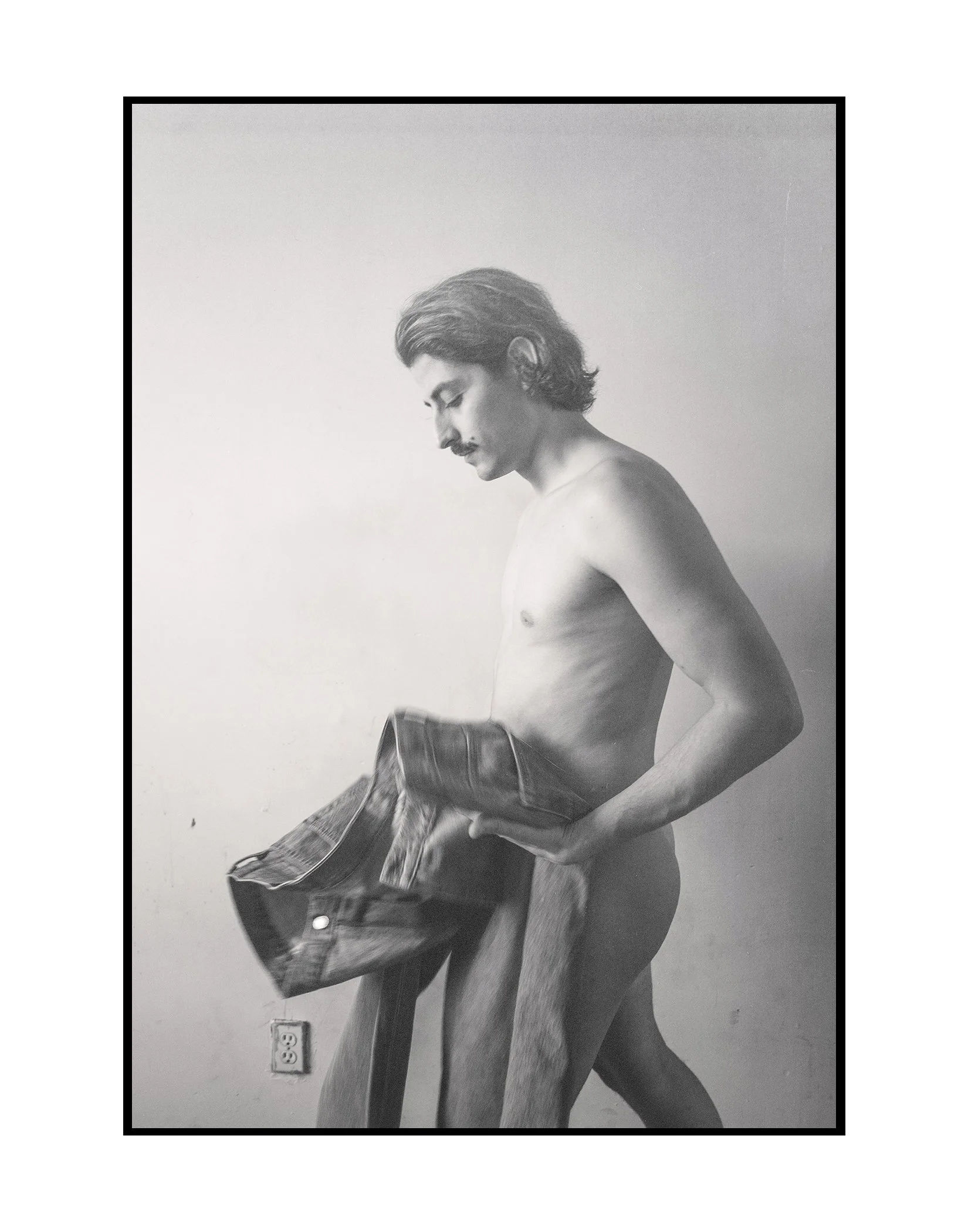
For our third shoot together, Mason Williams returns to the frame—this time suspended in a moment that feels part sculpture, part dream. The now-iconic giant denim makes its reappearance, floating like a relic of fashion surrealism. Hung in air, clipped like a cutout, it becomes a real-life collage, part Venus de Milo, part downtown atelier. Mason’s form echoes the soft shadows of marble statues I sketched while wandering the Louvre.

For our third shoot together, Mason Williams returns to the frame—this time suspended in a moment that feels part sculpture, part dream. The now-iconic giant denim makes its reappearance, floating like a relic of fashion surrealism. Hung in air, clipped like a cutout, it becomes a real-life collage, part Venus de Milo, part downtown atelier. Mason’s form echoes the soft shadows of marble statues I sketched while wandering the Louvre.
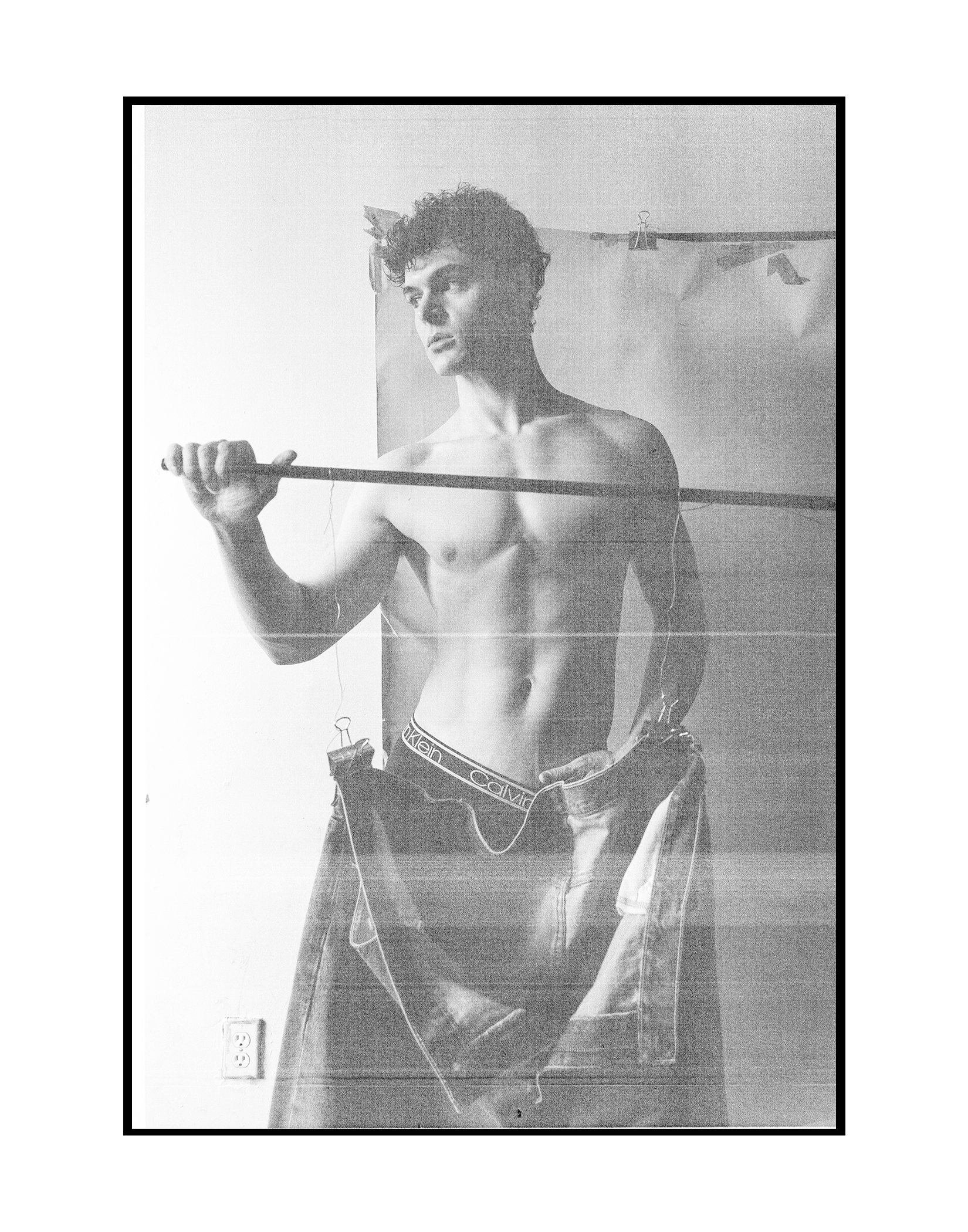


Set design: amadeo amadeo.
Photography: Anthony Amadeo.
Model: Mason Williams.

photocopies by anthony amadeo
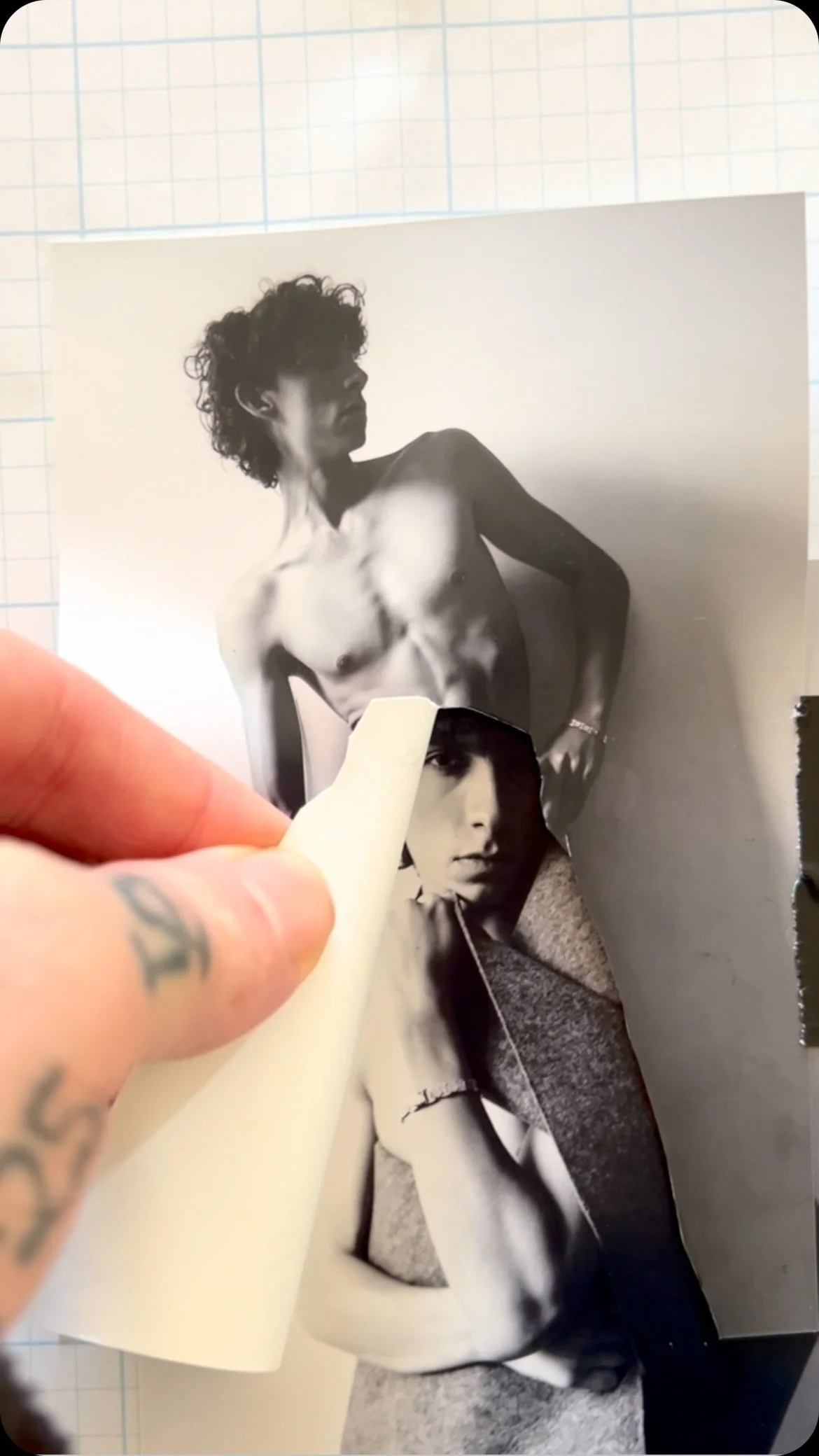
The photocopies of some of the archives of Anthony Amadeo.
The photocopies of some of the archives of Anthony Amadeo.

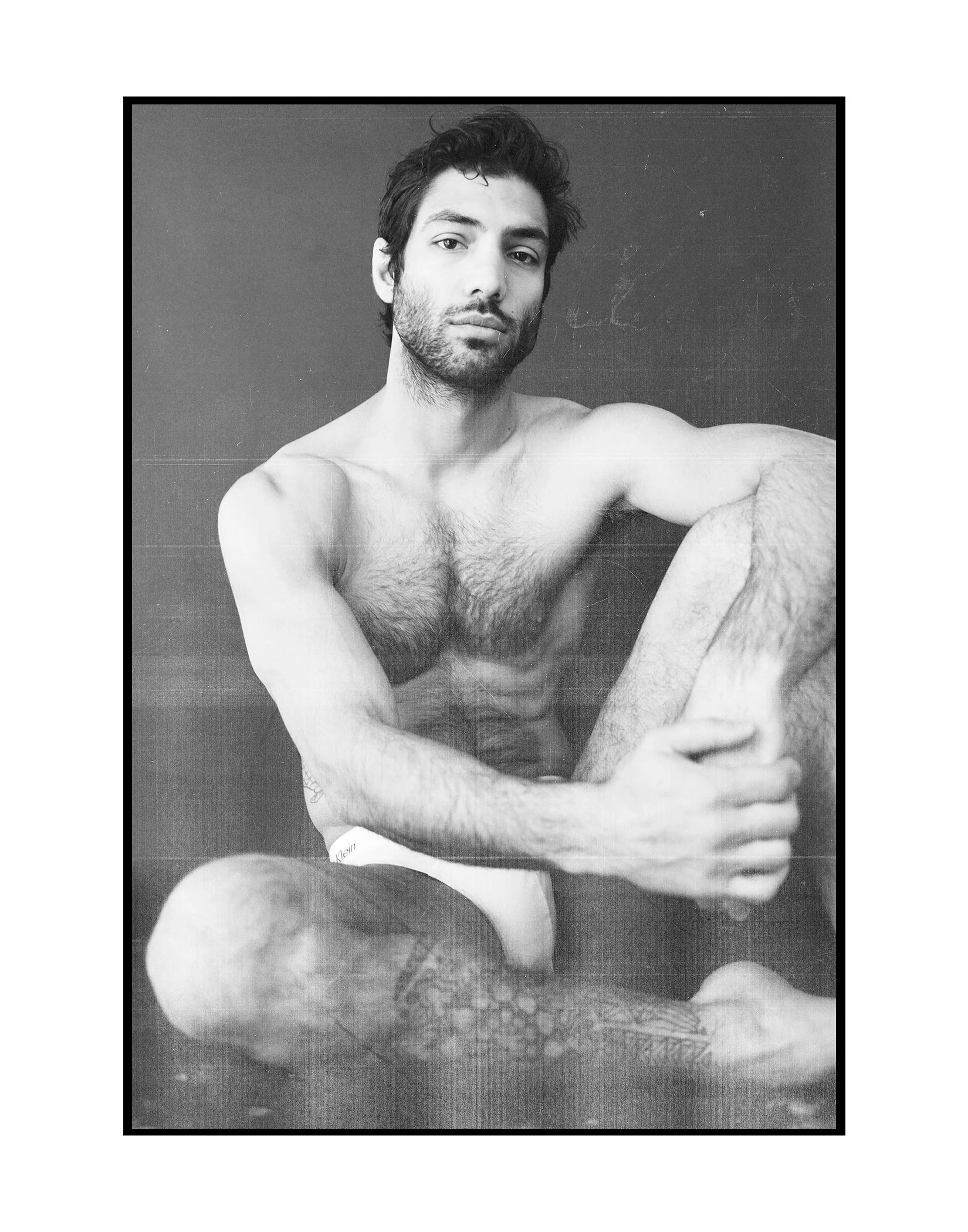
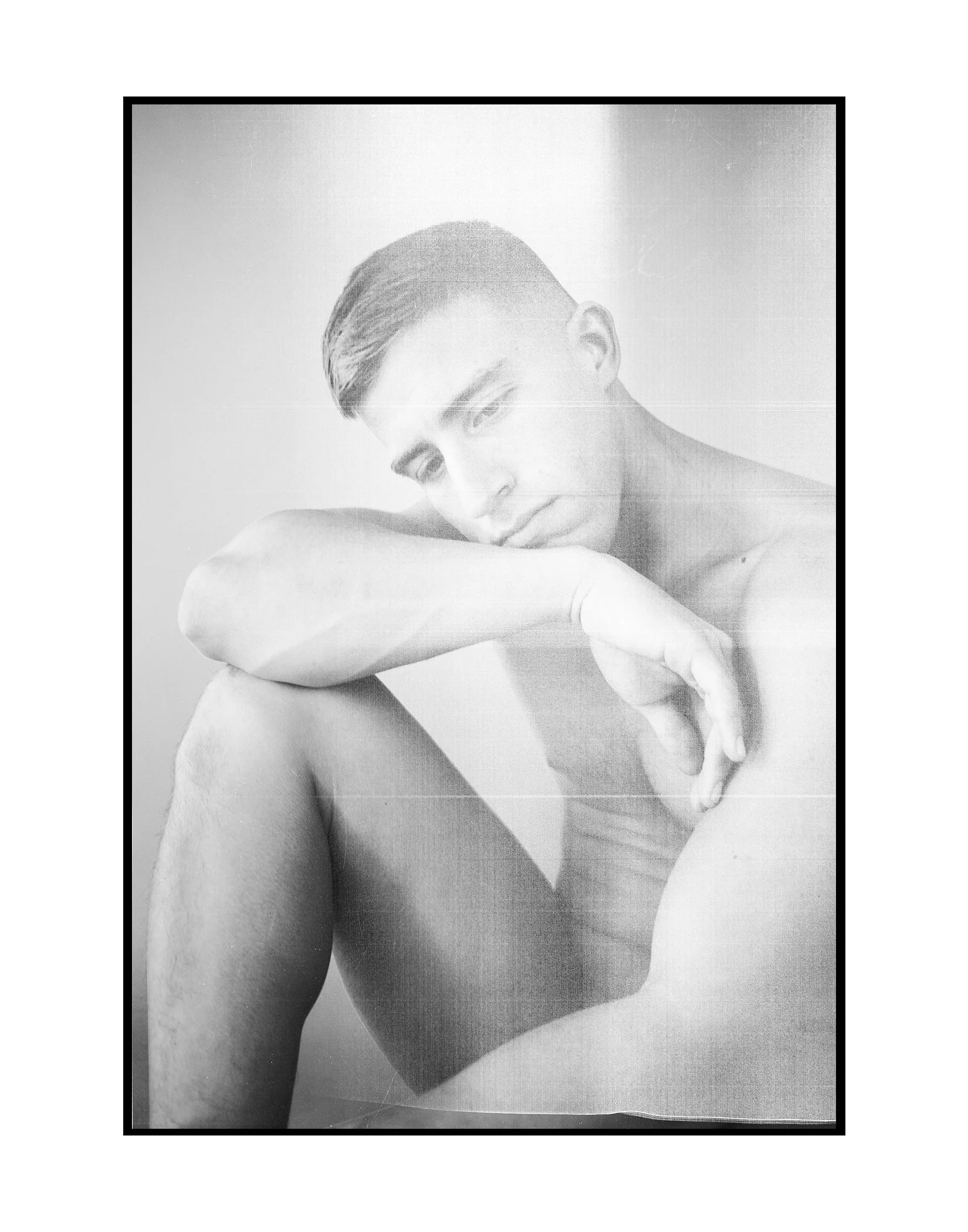
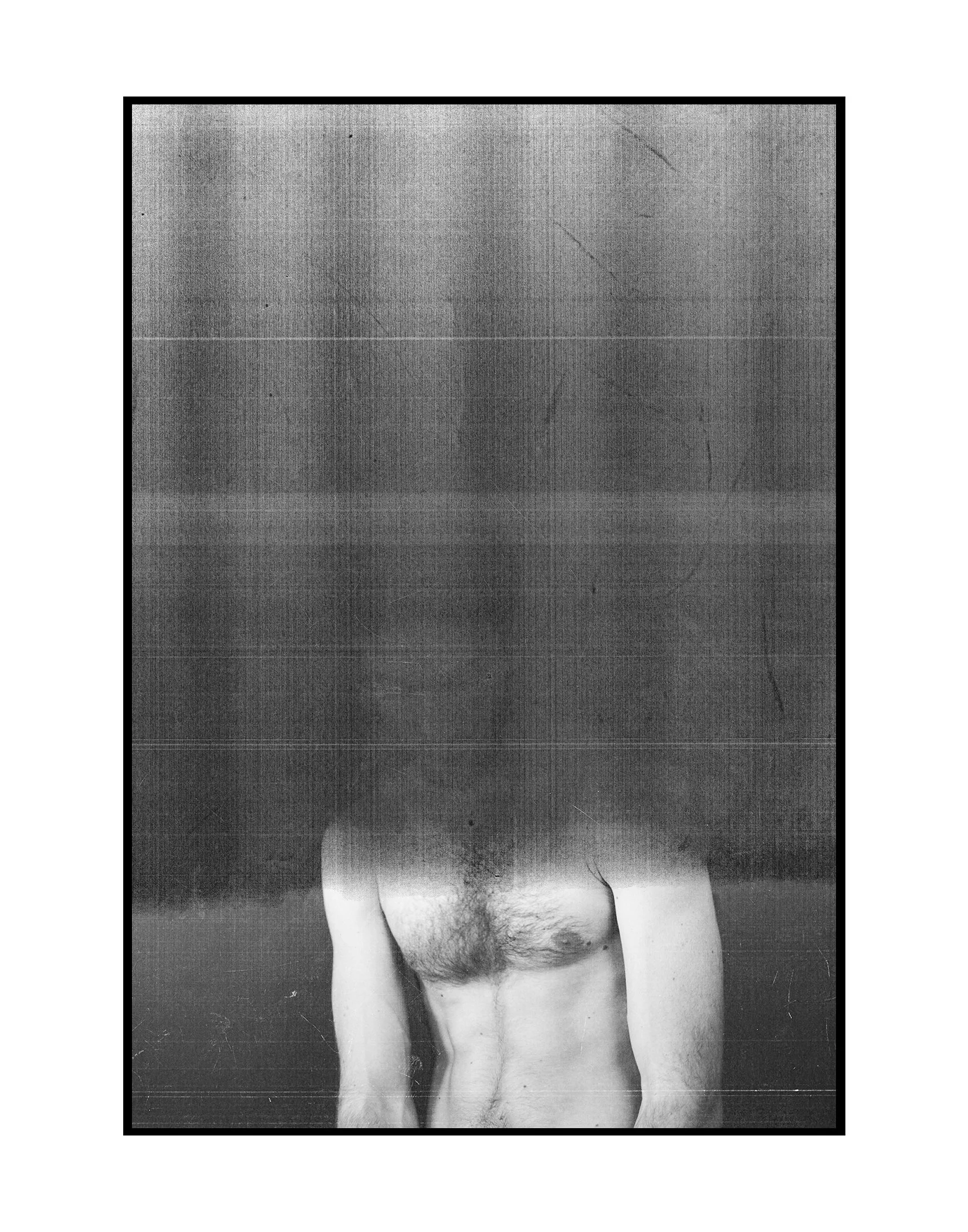
Elliot Frank by Anthony Amadeo


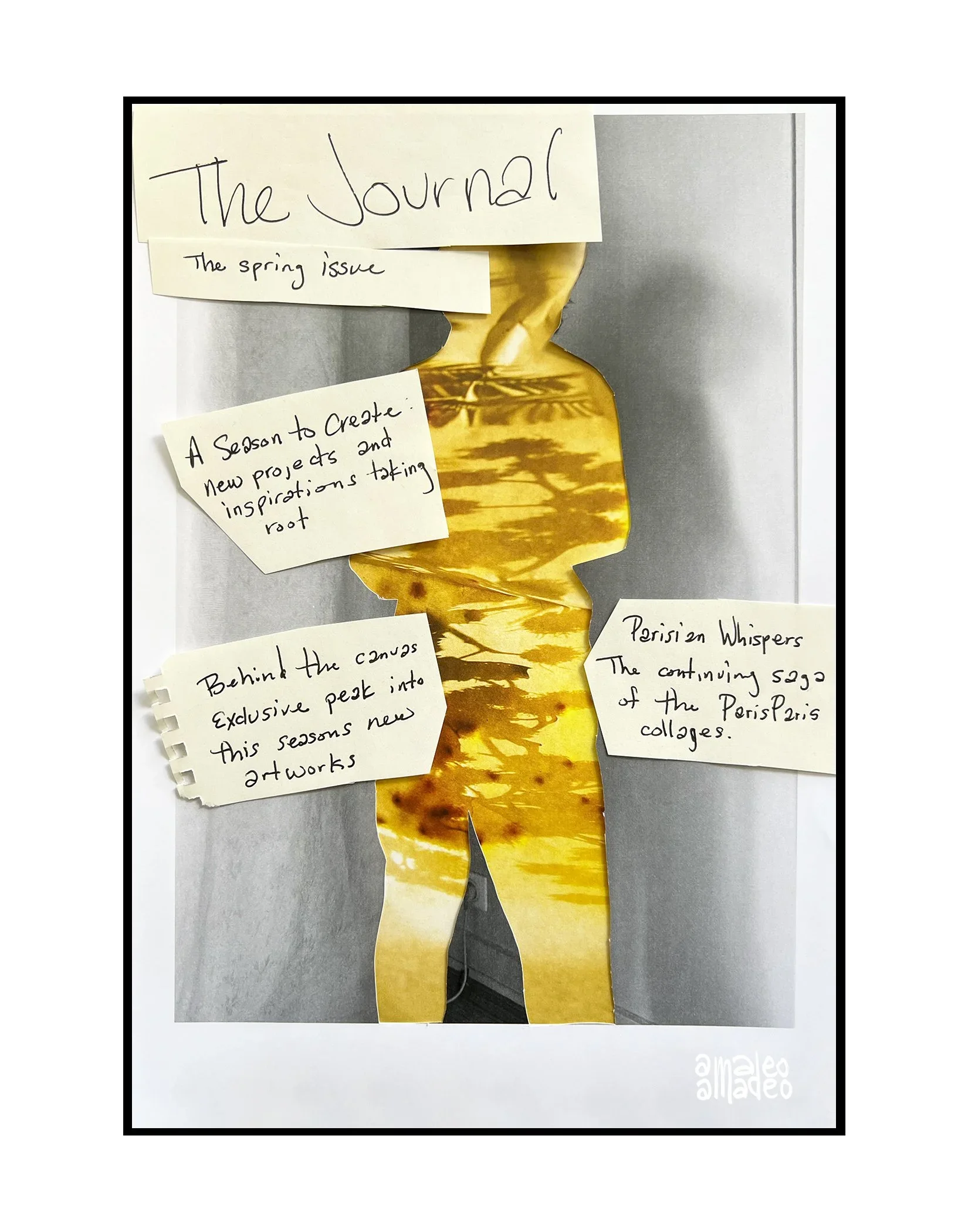
The Journal: Spring Issue - Canvas of Beginnings

Spring. The mere whisper of the word breathes life into the dormant, stirring the sleeping hues beneath the earth into a riot of color. It's not just a season; it’s a vibrant reawakening, a fresh canvas waiting for bold strokes. Here at amadeo amadeo, spring isn't just about blooming flowers; it’s about blooming ideas.
This season, we dive headfirst into a mélange of creations and reflections. From the lingering scent of mimosa—those tiny suns lighting up every corner of our studio—to the crisp pages of our journals brimming with sketches, every element sings of renewal.
Tonight, a new collage set emerges, not yet named but pulsing with the same vitality that runs through our veins this season. It’s a work in progress, a narrative unfolding petal by petal, a story stitched from the fabric of everyday enchantment.
“Luxury. What is it? Not the heavy definition they teach you but the light one you feel when the details line up just so. Peeling café signs, glossy typography, the sway of a cigarette. Luxe is a bouquet bought for a few euros and dropped into a handmade vase. It’s the unrepeatable ceremony of this moment, right here, right now,” I mused in a Paris cafe, as the city's symphony unfurled around me. This sentiment captures the essence of our spring offerings, intertwining the simple with the sublime.
Anticipation is also ripe for the Fall/Winter 2025 collections. The runways have spoken, and I am eager to translate their whispers into a series of line drawings—my ode to the couture that captivated my artist’s heart.
What will bloom from the studio of amadeo amadeo this spring? Expect a confusion of colors, a tapestry of textures, and a symphony of scents. We are all gardeners of the spirit, and this is our season to cultivate.
Stay tuned, for each petal unfurls a story, each scent a memory. Dive into the spring issue of The Journal, where we pluck the days, arrange them into bouquets of thought, and present them to you—our fellow dreamers and makers.
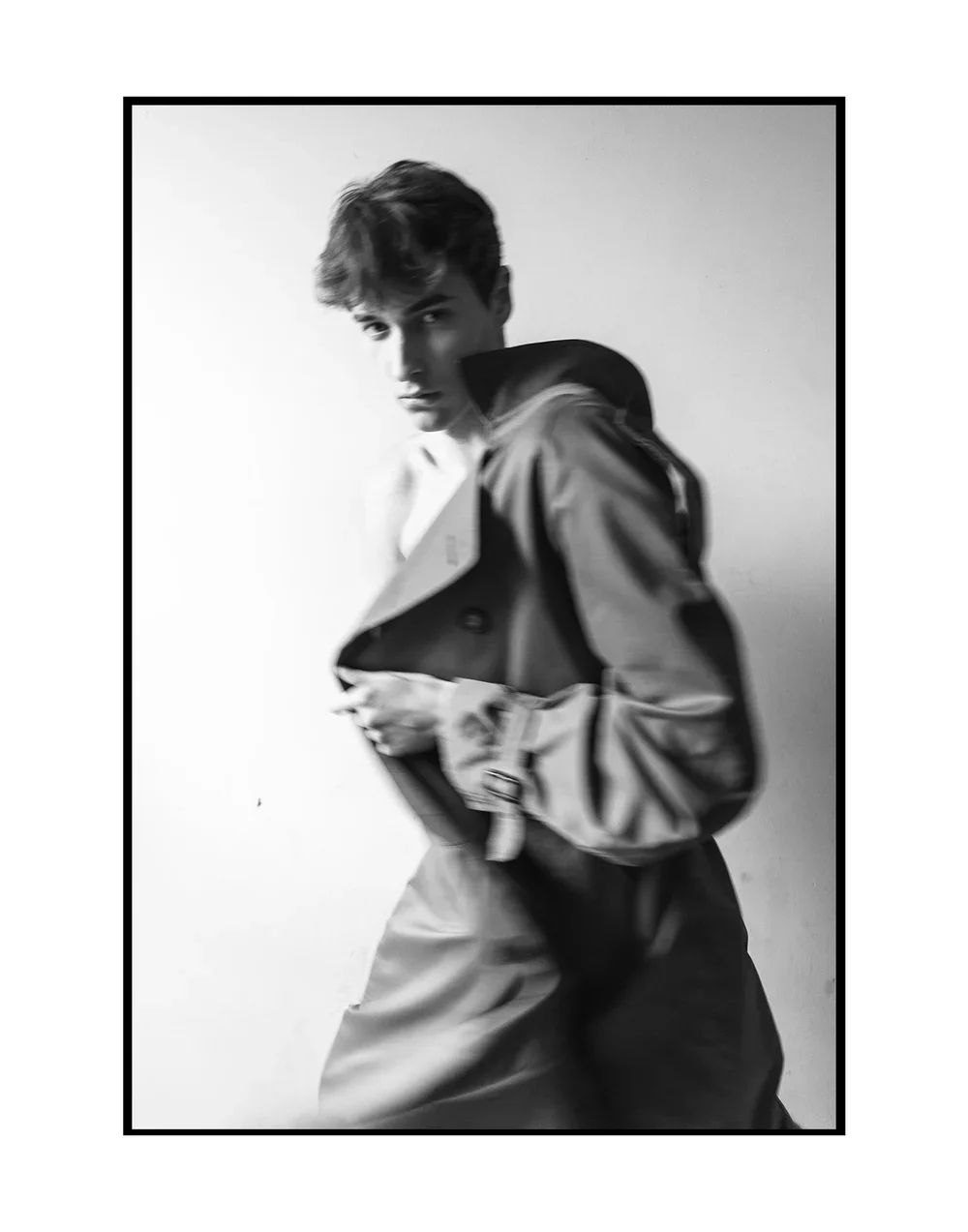


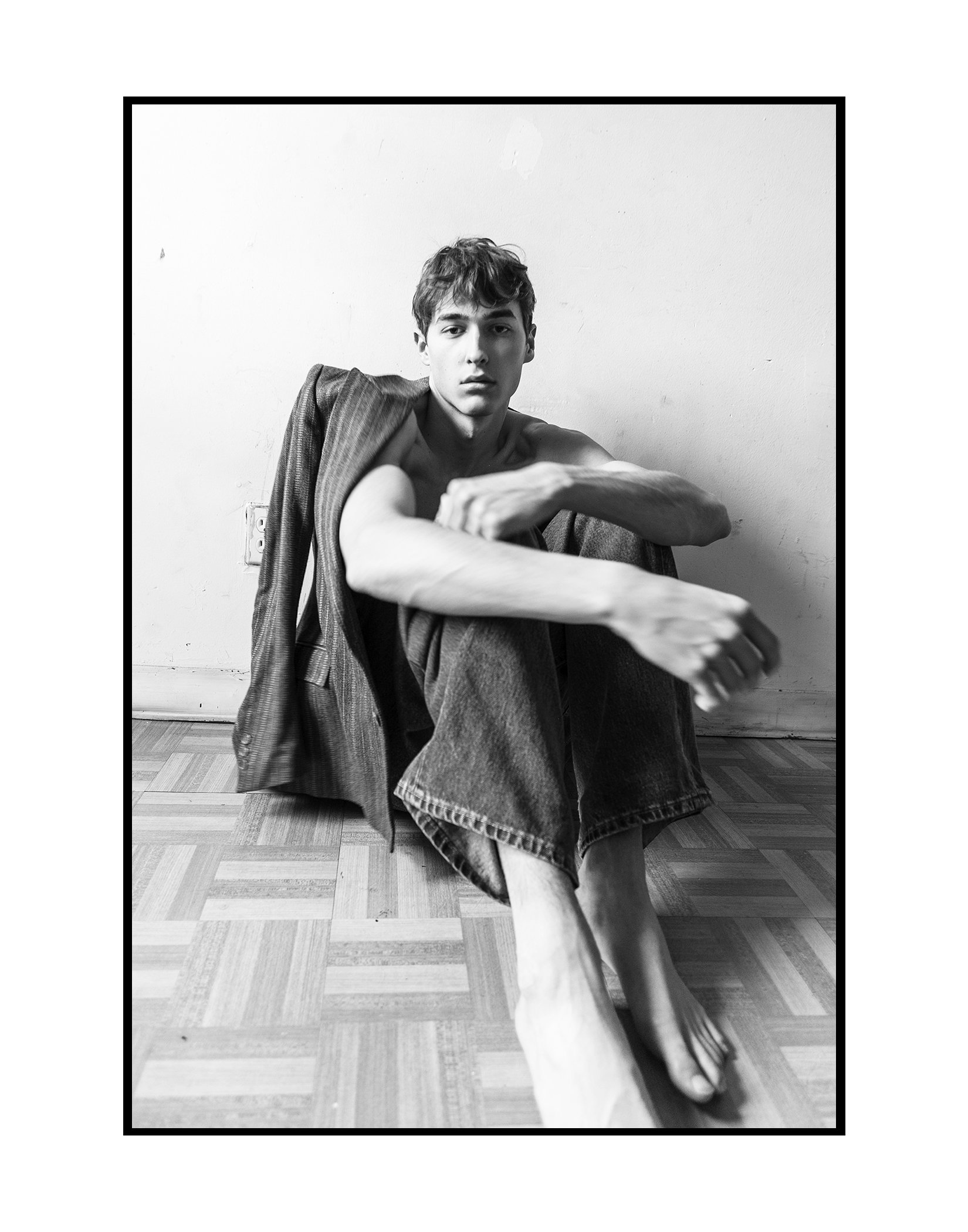


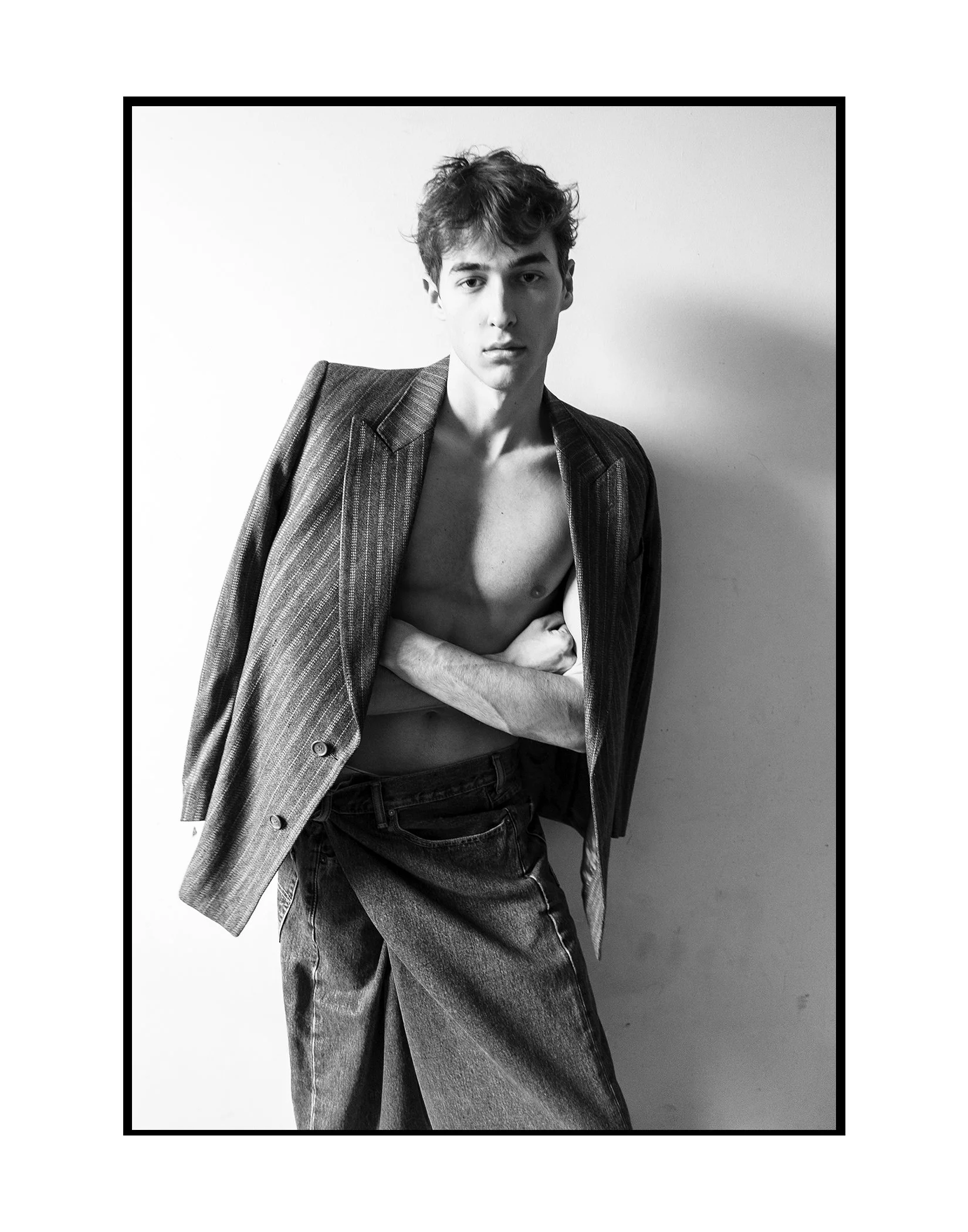


Jamil: From Barcelona to NYC, Captured in Motion
AA: Jamil, it was such a pleasure photographing you during your visit to NYC!
Your profile is incredible to photograph, and you brought such a strong energy to the shoot. How was the experience for you, especially being part of the giant denim jeans series?
AA: Jamil, it was such a pleasure photographing you during your visit to NYC!
Your profile is incredible to photograph, and you brought such a strong energy to the shoot. How was the experience for you, especially being part of the giant denim jeans series?


--
JM: Thanks a lot for your words! It’s always interesting for me to hear about how people perceive my energy. It shows me different ways to look at myself that I usually don’t think about. I really enjoyed the shoot. It felt to me more like a casual conversation between 2 people talking about who they are, their aspirations and how they see the world.
AA: You currently reside in Barcelona—a city I’ve always wanted to visit.
What’s life like there for you? Can you share a bit about the culture, the architecture, and the food? What makes it feel like home?
--
JM: Barcelona is the people, the beach, the vibes. It’s a place where people come to live life.
At least that’s what Barcelona is for me.
I travel often and even though I fall in love with every new place I discover, in the back of my mind I’m always longing to be back in Barcelona. It’s the place where I feel home.
It has such a rich and diverse culture that whatever your interests are you will find it here.
AA: Beyond modeling, what’s your world like?
Tell us a bit about the work or passions you focus on outside of the camera lens. What inspires you creatively in your day-to-day life?
--
JM: Outside modeling I’m a design geek, I work on designing softwares, apps and digital tools. I enjoy swimming a lot, being in nature, you will always find me on the beach in winter and in summer. I’m inspired by cultures, I love discovering new cultures and witnessing how people from different cultures live.
AA: During the shoot, I gifted you some of my incense No. 1.
Have you had a chance to try it? How do you like the scent, and do you enjoy incorporating elements like fragrance into your personal space or routines?
--
JM: Scent for me is related to memory. A memory of a childhood moment, a place I like or a person dear to me. Trying your incense reminded me of some of the conversations we had during the shoot. I loved how scent was a medium where you channel your creativity.
Personally I gravitate more toward natural, earthy, and subtle scents.
AA: Barcelona has such a rich creative energy.
Do you feel like living there influences your sense of style or creativity? Are there any places in the city—maybe a favorite spot or hidden gem—that you’d recommend for inspiration?
--
JM: For sure, as someone who loves discovering and experiencing places, any place can influence my style. Barcelona’s laid back and effortless vibes are definitely present in my style.
Not very hidden but of course the beach is my favorite spot for inspiration and creativity (By now you can see a pattern). Especially during the early mornings where life is still slow and idle, and during sunset hours where life is going back to its balanced rhythm.
AA: Shooting you was such a great experience, and I’d love to do it again.
If we were to collaborate on another shoot, what kind of concept or vibe would you love to explore? Something bold, experimental, or more pared down and intimate?
--
JM: One of the reasons I enjoy modeling is because I get to shoot different concepts and explore different vibes. I would definitely love to shoot something experimental and maybe with different artistic mediums.
AA: Finally, where can people keep up with you?
Do you have any projects, work, or creative endeavors coming up that you’d like to share?
--
JM: I’m actually very excited for 2025! Last year was all about laying the foundation for my growth, both as a model and as a person. Now, I feel ready to embrace this next phase and take things to the next level.
While I can’t talk about all the projects at the moment, there’s so many endeavors that I’m personally looking forward to. With modeling, I’m planning on heading to Paris later in the year and see where that takes me.
I’m excited and very curious what this new phase will bring me. people can keep up with me on my ig @jamilwins where I’ll be sharing more details on the go.
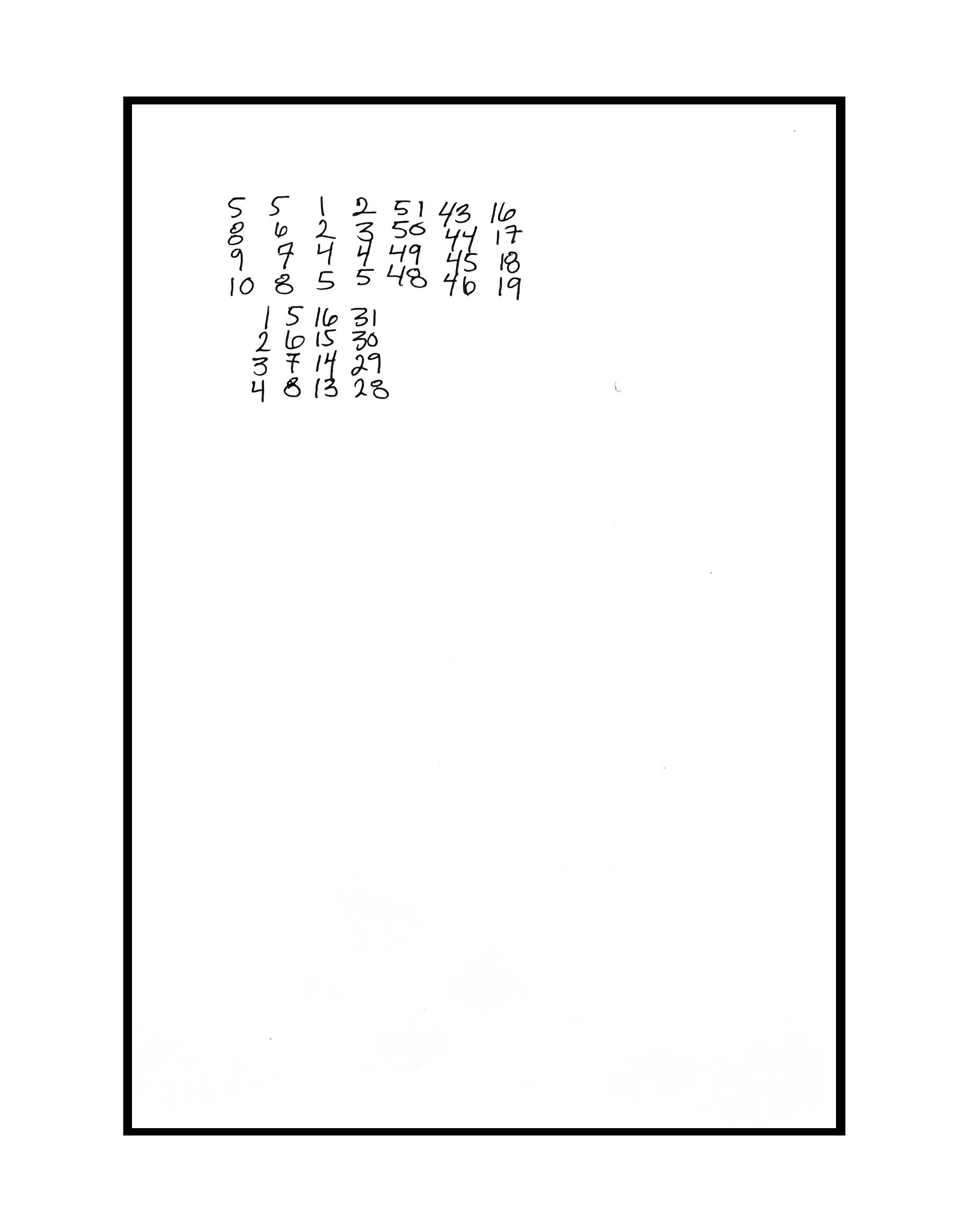
Riddles of Red, Fragrance, and Frames: Day 14
Awoke with the dawn, a puzzle waiting to be solved. First, Lasse—our red locks a clue to the camaraderie and creativity that would unfold. Click, flash, a mystery captured in each frame. What tales do these images whisper?
Awoke with the dawn, a puzzle waiting to be solved. First, Lasse—our red locks a clue to the camaraderie and creativity that would unfold. Click, flash, a mystery captured in each frame. What tales do these images whisper?

Quick edits became brief interludes, each adjustment a riddle unraveling. Then Martina, her Spanish words a labyrinth I navigated with gestures and poses. Our communication, a dance of expressions and mimics. What secrets do her portraits hold, wrapped in the veil of language?
A stroll led me to the enigmatic doors of Initio Parfums Privés. Inside, aromas wove tales and spells, the salesgirl a guide through a forest of scents. Each fragrance a question, each spritz an answer. Can you guess which essence mirrors the soul?
Riddle Me This:
What turns red but is not embarrassed, captures moments but is not a thief?
What speaks without words, shows without telling, and reveals without exposing?
What can transport you without feet, enchant without magic, and intoxicate without a sip?


Answers:
The redhead Lasse, our shared hue crafting art in the silence of the shutter.
Martina’s shoot, where poses spoke louder than words, and images transcended speech.
The scents of Initio, with Paragon and Absolute Aphrodisiac casting spells on skin, weaving narratives in the air.
Back to my refuge, more edits to tame, more images to choreograph. Tomorrow's shoots loom like unsolved puzzles. Tonight, I watch the rain sketch patterns on the glass, each droplet a metaphor, each streak a brushstroke of nature’s art.
As I scribble thoughts on paper, consider this:
What is seen when closed eyes dream of light?
What whispers in silence and shines in the dark?
The city rains, the camera clicks, the perfume lingers. Paris, a riddle wrapped in mystery, draped in creativity.
Can you unravel the essence of today?
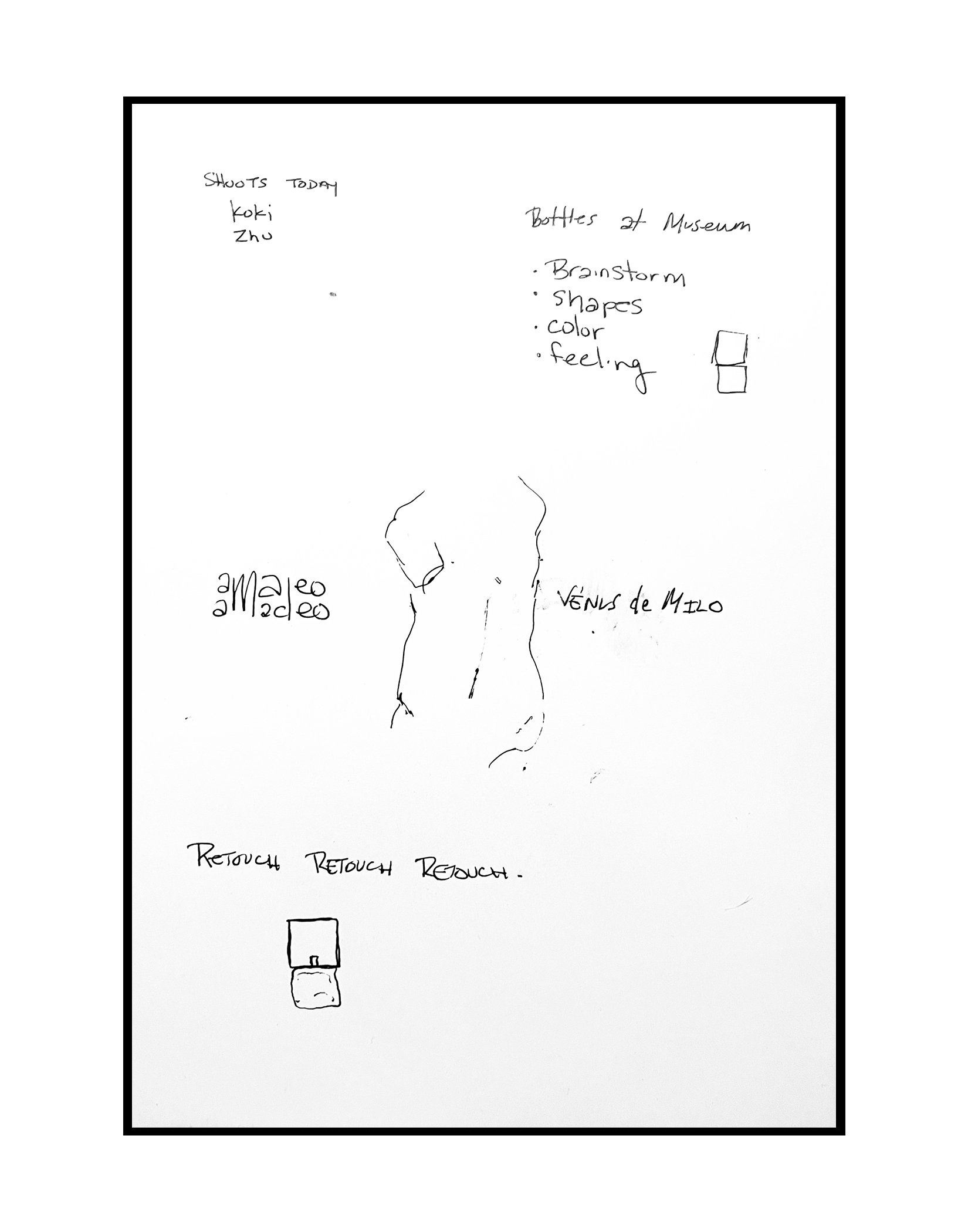
Shadows, Scents, and the Alchemy of Art: Day 8
I rose with the sun casting long shadows across the crumpled sheets—a canvas of light and dark. Espresso brewed, the scent filled the apartment, the first muse of the day. Just as the coffee hit its darkest note, Koki arrived, his presence slicing through the morning haze.
I rose with the sun casting long shadows across the crumpled sheets—a canvas of light and dark. Espresso brewed, the scent filled the apartment, the first muse of the day. Just as the coffee hit its darkest note, Koki arrived, his presence slicing through the morning haze.

The shoot unfolded like a dance of fabric and form. Each frame captured the drape of denim and shirt, evoking the fluid marble folds of the Venus de Milo. Our modern-day session, echoing the timelessness of the Louvre's corridors—still unexplored by me.
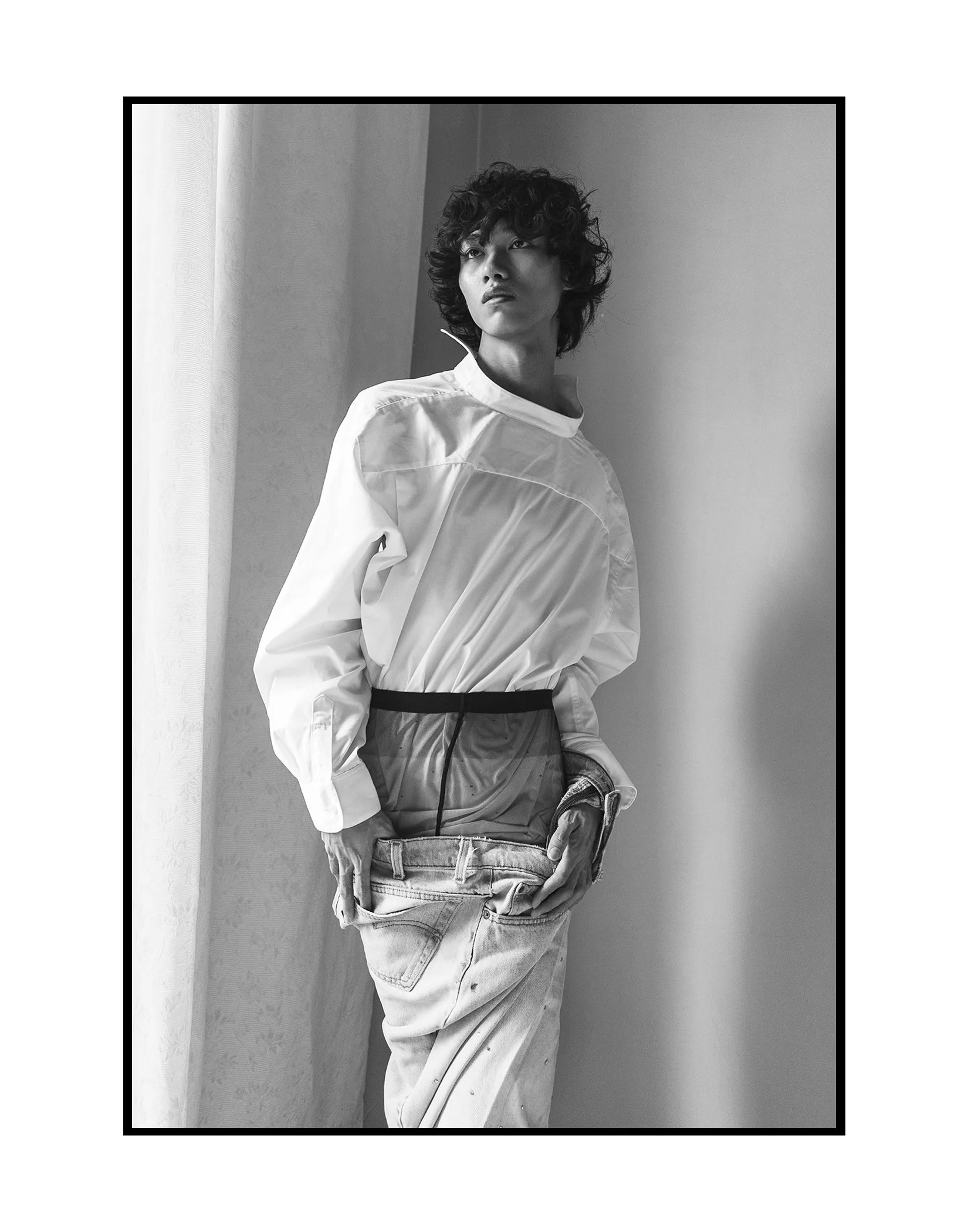
Next, Zhu stepped into the frame. Language barriers couldn’t dampen the creativity; our gestures, a ballet of unspoken directions, transcended words. The camera captured more than images—it captured a silent symphony of understanding and artistry.
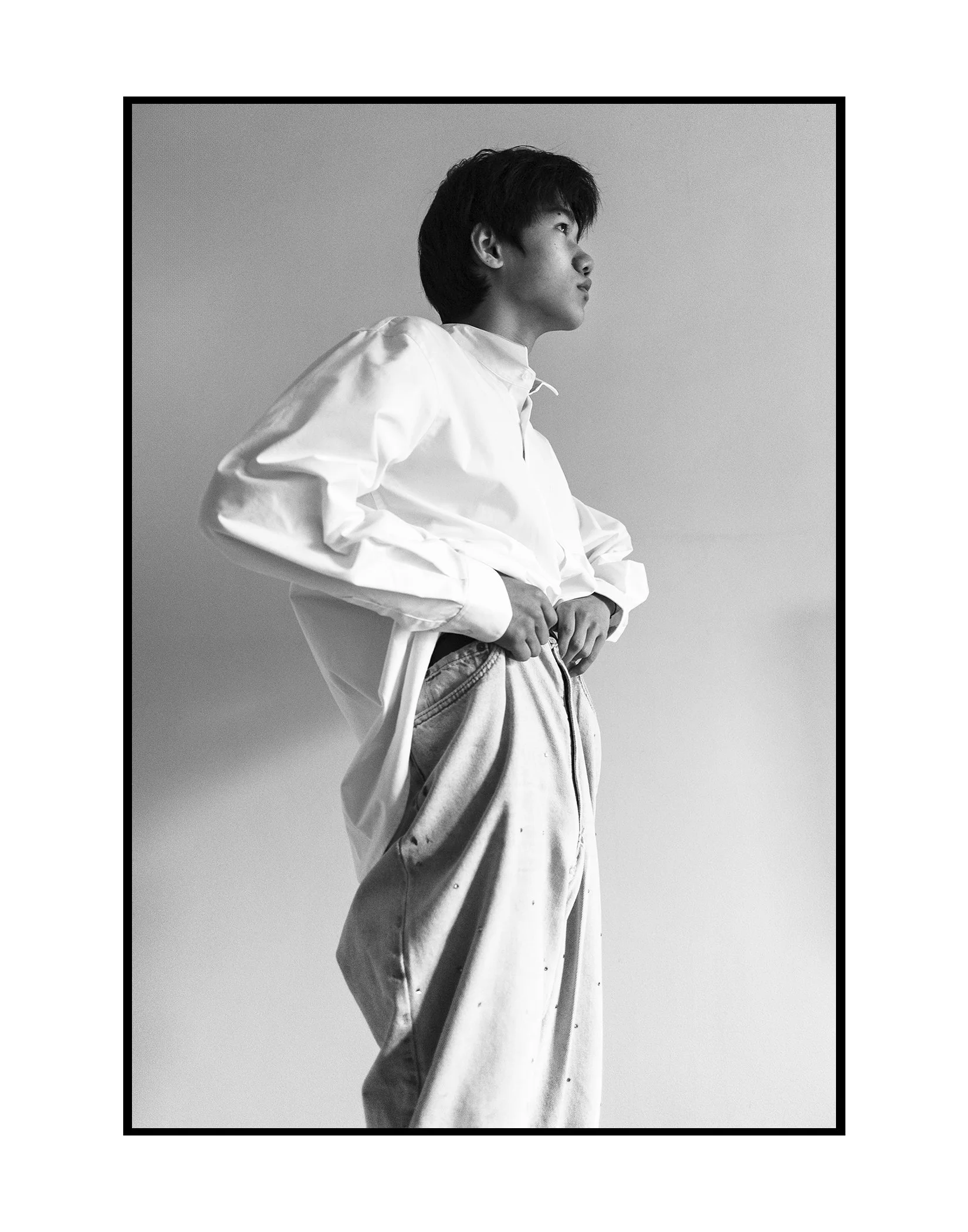
Post-shoot, the Musée du Parfum beckoned—a sanctuary of scent history. The ancient bottles, their curves and colors whispering of past centuries. The Civet, frozen in time, its essence once bottled now a display. History breathed through the museum, and I absorbed it all, a pilgrim at the altar of fragrance.


Grocery aisles later transformed into a gallery of gastronomy—wine, food, and the pièce de résistance, Nutella. The anticipation of spreading its sweet, rich darkness on a fresh baguette was a still life waiting to be devoured.
Now, the night's task looms—editing, retouching, transforming today’s raw captures into tomorrow’s masterpieces. But first, a moment with wine and Nutella, a simple pleasure amidst the complex tapestry of today’s creations.
This page, a cryptic bridge to understanding—each sketch and scribble a key to the day’s locked moments. Turn the page, and the story deepens, the images blend into the words, and the words into images. Read once, then again, maybe a third time. The narrative unwinds, spirals, returns to the start. A dada diary of days, where what you see isn't all there is, and what you read is only the beginning.
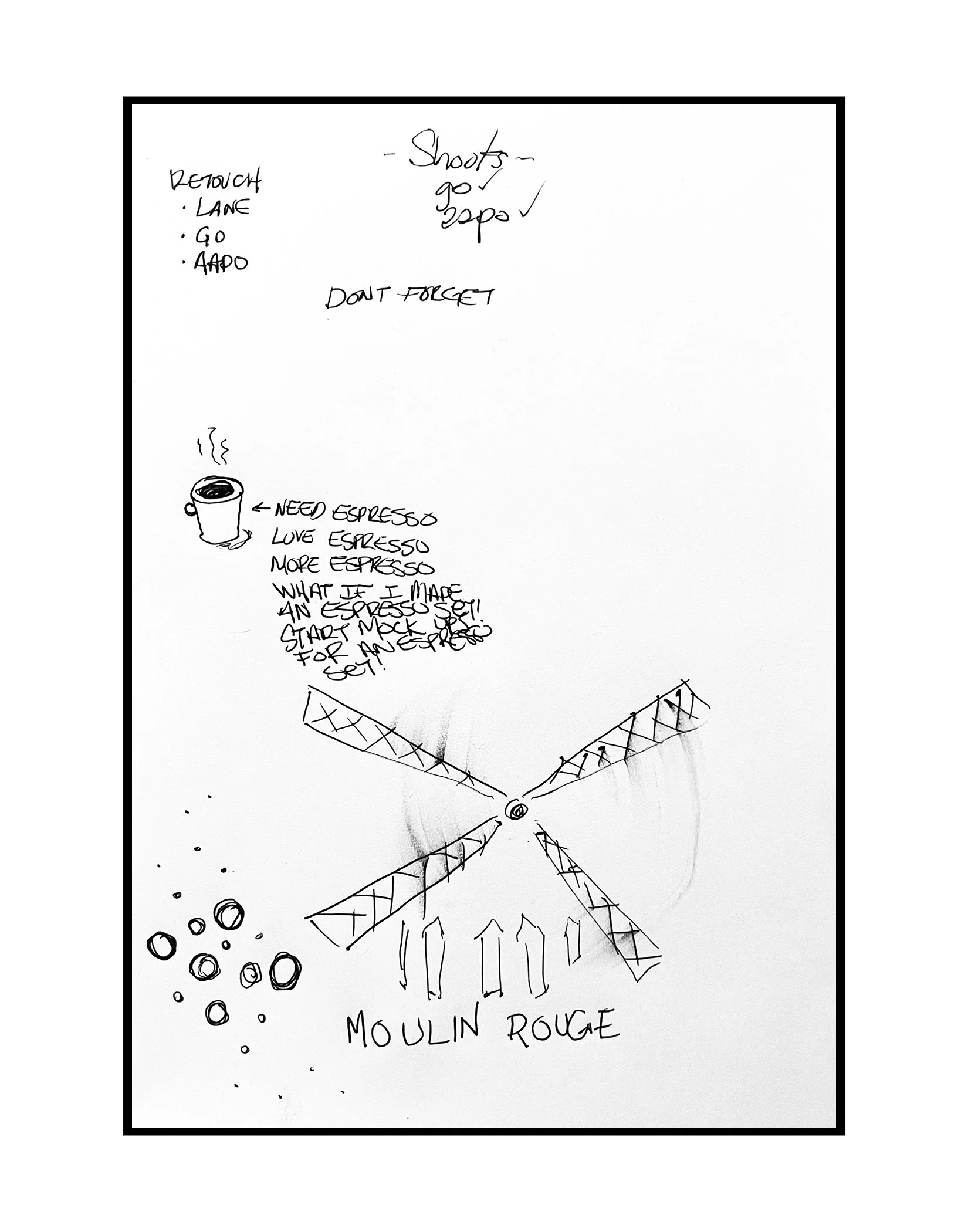
Circles, Collages, and the Golden Arches: Day 7
A week has passed—an orbit around a sun made of espresso, baguettes, and the hum of a camera shutter. I sip my coffee as the day begins, a loop I don’t dare break. The laptop glows with edits, pixels becoming faces, colors becoming memory. Eleven o’clock sneaks up like a shadow on the wall.
A week has passed—an orbit around a sun made of espresso, baguettes, and the hum of a camera shutter. I sip my coffee as the day begins, a loop I don’t dare break. The laptop glows with edits, pixels becoming faces, colors becoming memory. Eleven o’clock sneaks up like a shadow on the wall.
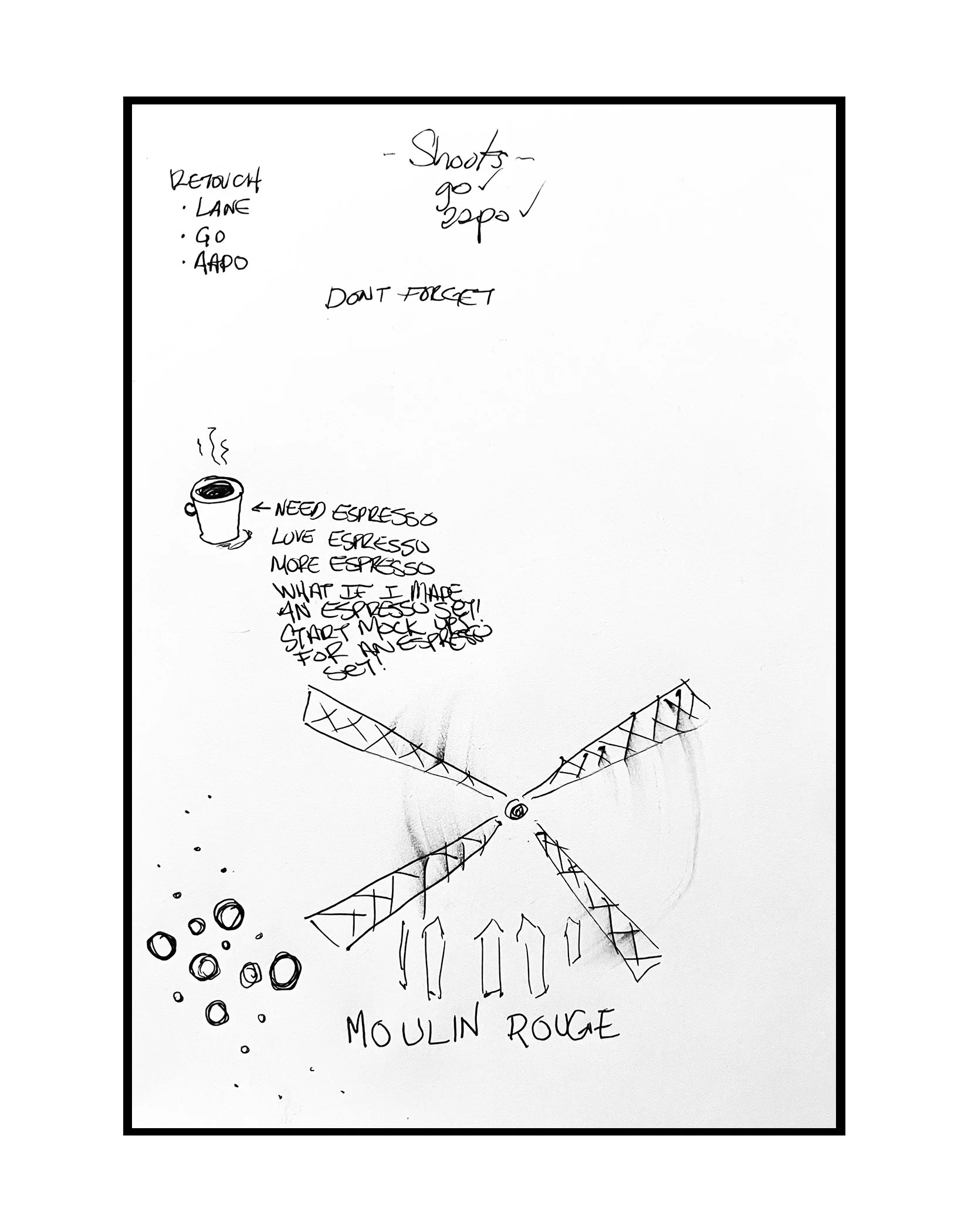
Go arrives. From Tokyo to Paris, we exchange stories about the labyrinth of creativity. My mind, still tethered to retouching, takes the shoot in a natural direction—close-ups, faces fragmented into collages in my head. Go’s expressions tell stories I don’t yet know how to write. When we finish, the golden arches call us. McDonald’s Paris: a paradox of the familiar and the foreign. Fries that taste like nostalgia, burgers wrapped in intrigue. The birthplace reimagined.
Back to my apartment, Aapo arrives. We dive into the shoot, the conversation orbiting art and movement. I show him the collages that pulse like living things, fragments of color and texture stitched together by imagination. His excitement mirrors mine; the future of these images glimmers in our shared anticipation.
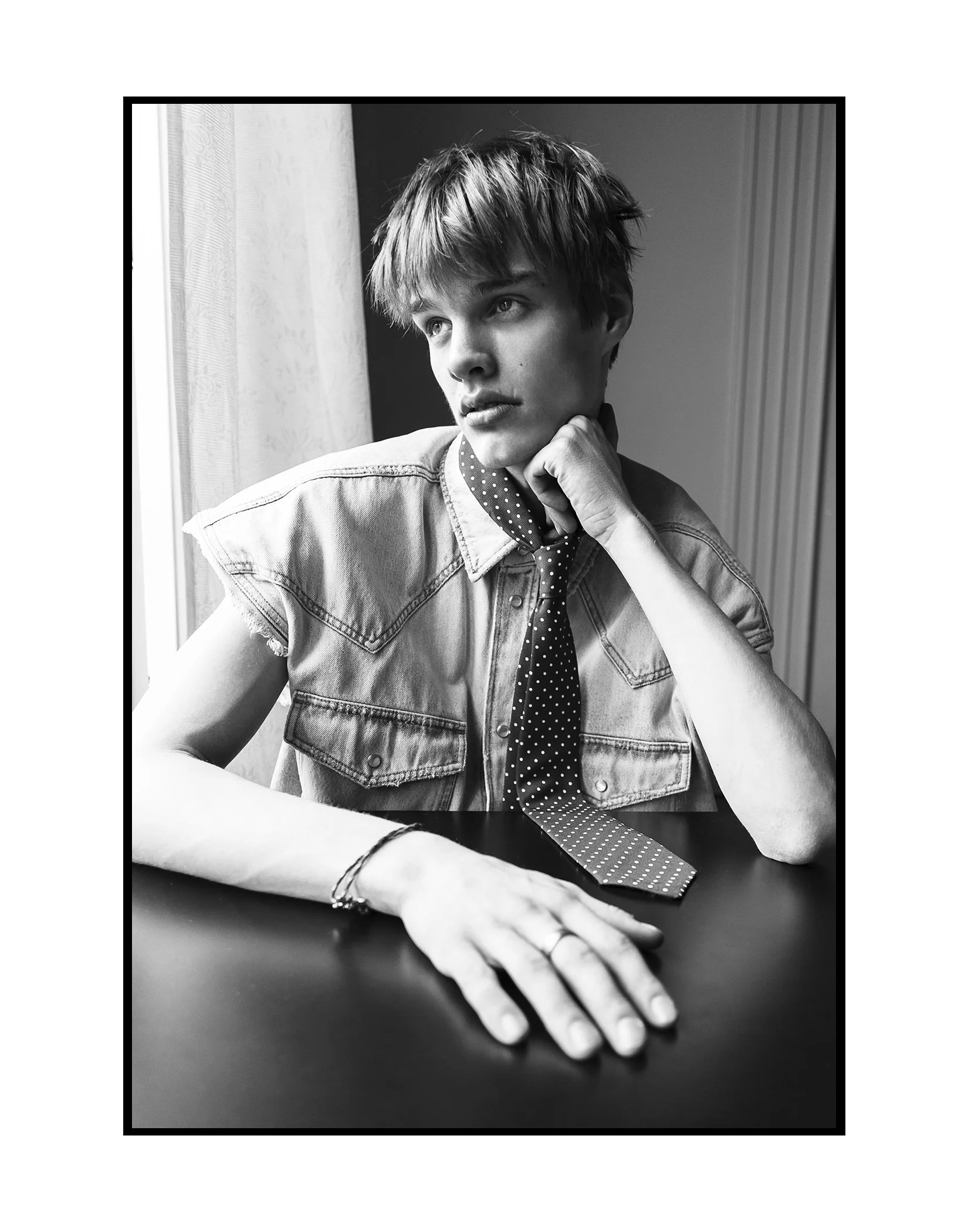
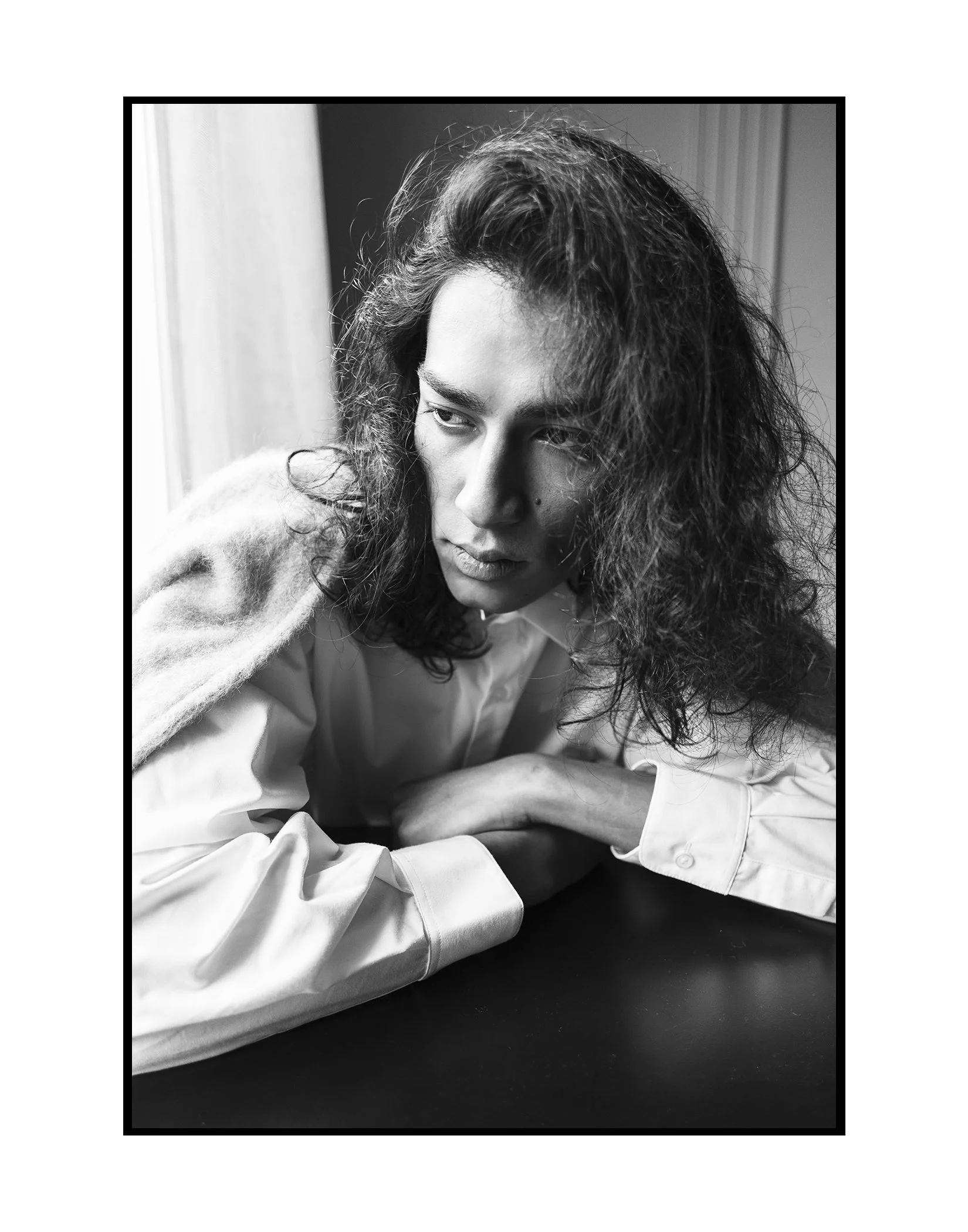
Afterward, the city whispers, and I wander. The Moulin Rouge windmill spins lazily, a relic of Parisian spectacle. Down the hill, my feet trace streets that no longer feel foreign. My internal compass aligns, the map of Paris slowly etching itself into my memory.
Today’s fixation? A laundromat. Circles of dryer doors reflect the endless loops of this city, this week, my thoughts. The machines hum their mechanical song, a rhythm that matches my steps. Circles inside circles, a motif that won’t let me go.
Back at my apartment, dinner is ramen. A simple bowl, a spiraling reflection of the day’s themes. Circling back through the week in my mind, I see the loops:
Weekly Recap:
Day 1: Bent wire becomes sculpture. Trash cans whisper poetry. Aldehydes and buttery air swirl into eggshell blue, and Paris exhales cigarette smoke like an artist puffing on inspiration.
Day 2: A dome devours me—a Saint Honoré cake alive with golden arches. Sacré-Cœur sits atop a hill paved with pastries. The carousel spins, a kaleidoscope of sugary visions.
Day 3: Grapefruit bursts through Hedonist’s amber fog. The Arc de Triomphe becomes a portal, old stones bending into floral textiles at Yves Saint Laurent’s world of petals and gowns. Somewhere, a voice sings me back to the Seine.
Day 4: Jazz notes carve shapes in the cold air. Sea urchins spill golden secrets into stainless steel trays. Scallop shells march in rows, repeating the mantra of old cabaret posters. My battery blinks its last, but I keep moving.
Day 5: Sicilian lemons tossed into the trash—what is old, what is new? Pop art unfolds in grocery aisles; marbled meats and neon fruits sing in harmony. Charging batteries, I recharge myself.
Day 6: Lane’s photos ripple into the past, colors spilling into black-and-white memories. A comic artist’s studio brims with ink and paper, old and new colliding. Glass reflects stone, chocolate bridges centuries, and the Eiffel Tower’s light twinkles like a memory already forgotten.
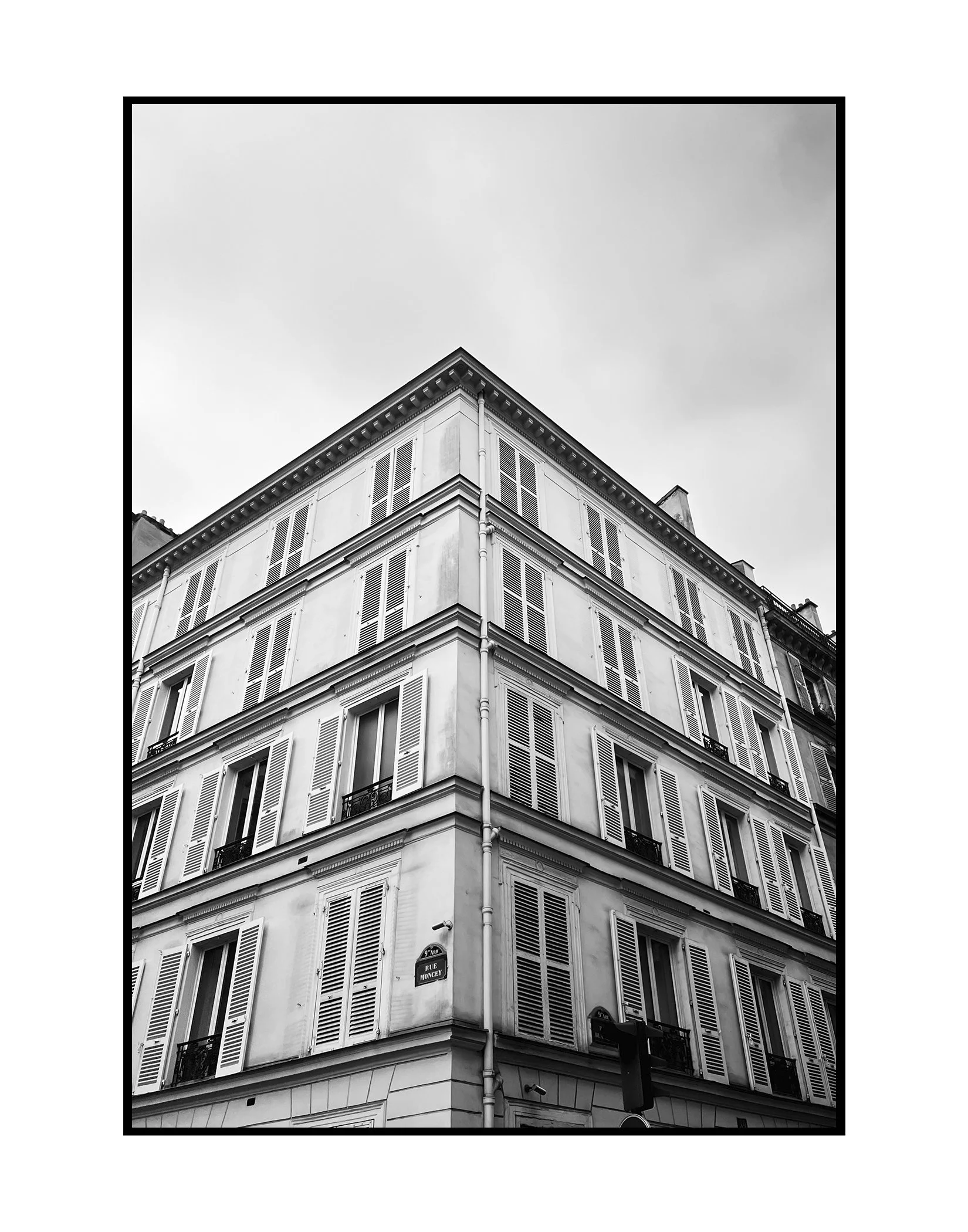
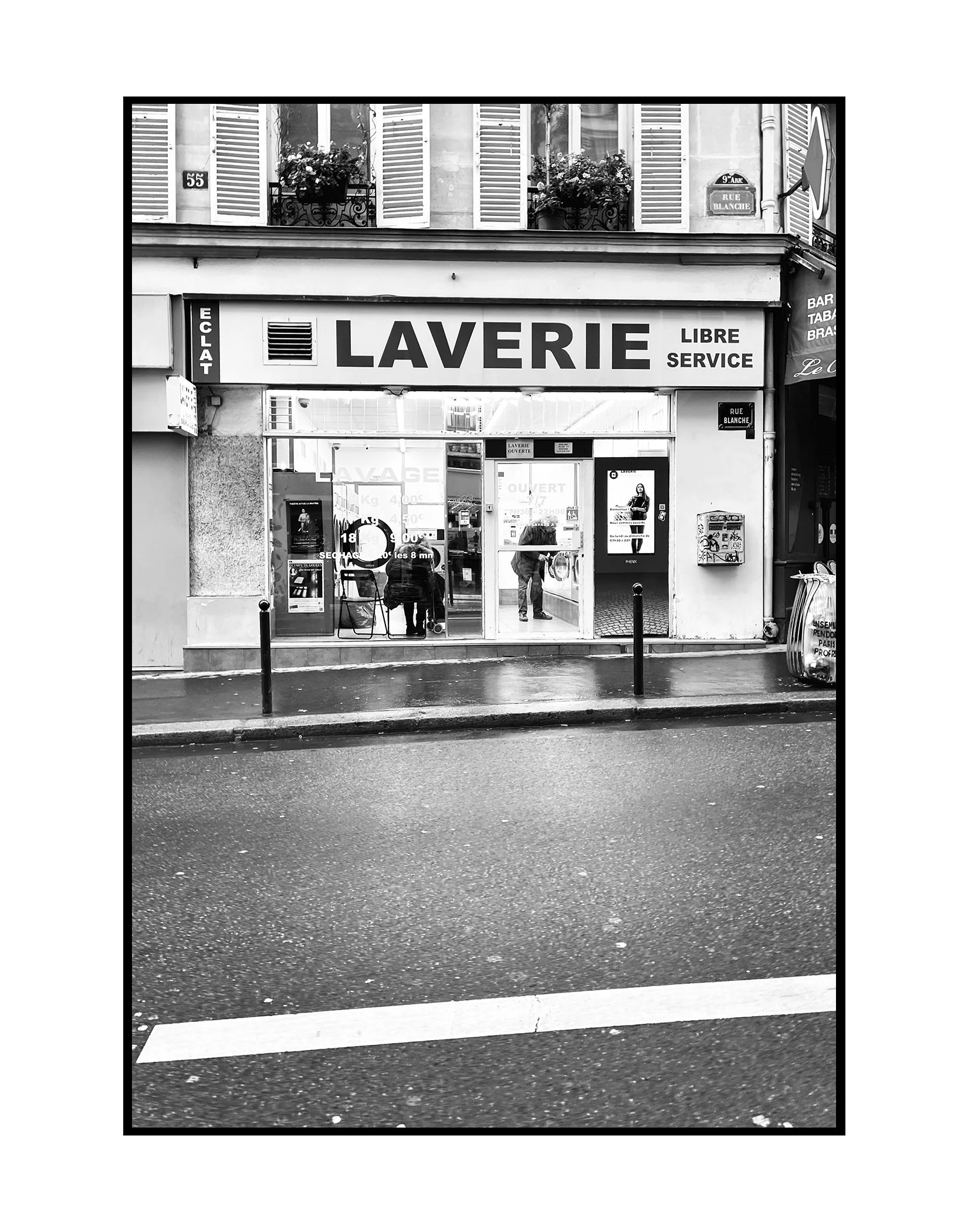
Today was circles: the dryers, the ramen bowl, the rhythm of a week replaying in my mind. A paradox of completion and continuation. The city folds back into itself, and I follow its loops, always beginning, always ending. Tomorrow will come, and the circle will turn again.
A Month of Creativity, Inspiration, and Croissants
Join the Journey
I’ll be sharing this adventure in The Journal and on my socials, so you can follow along with every twist and turn. There will be riddles, hints, and plenty of surprises as I weave the story of this trip. It’s a Dadaist manifesto of sorts—chaotic, cryptic, but oh-so-enticing. Join me in the comments and share your tips: the best thrift shops, fragrances I absolutely need to smell, gallery shows I can’t miss, your favorite cafe or hidden spot. Let’s make this journey as collaborative as it is personal.
In just a few days, I’ll be heading to one of my favorite cities in the world: Paris. This month-long trip is a whirlwind of creativity, inspiration, and adventure, and I can hardly wait to dive in. The air in Paris has always felt electric to me—a blend of art, romance, and boundless creativity. It’s a city where every corner tells a story, and I’m ready to add a few new chapters of my own.

New Faces, New Collages
I’ll be shooting an entirely new roster of models, and let me tell you, I am buzzing with ideas. The collage project I’ve been working on is about to take a sensory leap forward—interactive, intoxicating, immersive in every sense of the word. You’ll see it unfold piece by piece (yes, a collage pun), and I’ll be documenting everything in my daily journal. Think cryptic notes, fragments of inspiration, and hints of what’s to come. I promise it’ll leave you intrigued and coming back to watch it all come together.
The Scent of Paris
Paris is the city of fragrance, and my scent journey continues here in the most perfect setting. I’ll be working to complete the ten stories of The Codex while exploring the niche perfumeries that make Paris legendary. From tiny, tucked-away shops to the grandest maisons, I’ll be hunting down fragrances that whisper secrets of the city.
Fashion Frenzy
With Men’s Week and Couture Week happening while I’m there, I’m ready to soak up every ounce of fashion inspiration. Street style, luxury boutiques, thrift treasures—I want it all. The layers of Paris’ fashion scene, from the avant-garde to the timeless, will weave their way into my work. And yes, I’ll be sitting at cafes, sipping wine, people-watching, and jotting down ideas as the city hums around me.
The Parisian Experience
Cheese, croissants, baguettes…need I say more? Wine at sunset. The art galleries and museums that make Paris an eternal beacon for creatives. I’ll be diving deep into it all, engulfing myself in Parisian culture and letting the city guide me toward unexpected discoveries. Networking with other creatives, making new friends, and creating new work are all on the agenda.
Join the Journey
I’ll be sharing this adventure in The Journal and on my socials, so you can follow along with every twist and turn. There will be riddles, hints, and plenty of surprises as I weave the story of this trip. It’s a Dadaist manifesto of sorts—chaotic, cryptic, but oh-so-enticing. Join me in the comments and share your tips: the best thrift shops, fragrances I absolutely need to smell, gallery shows I can’t miss, your favorite cafe or hidden spot. Let’s make this journey as collaborative as it is personal.




Paris awaits, and I’m ready to create. Are you ready to come along? Let’s go!

Irving Penn: Kinship
Another standout was his collaboration with Issey Miyake in the late 1980s—a dream partnership blending Miyake’s sharp pleats and bold shapes with Penn’s stark black-and-white photography. The graphic nature of these images is timeless, an artistic conversation between two visionaries. I’ve long wanted the Irving Penn x Issey Miyake book for my collection, and seeing these photographs in person only deepened my admiration for their artistry.
Walking into Pace Gallery to see Irving Penn: Kinship felt like revisiting an old friend. Curated by Hank Willis Thomas, the exhibition showcases Penn’s ability to unify diverse subjects—from couture fashion to cultural portraits—with a grace that transcends time.

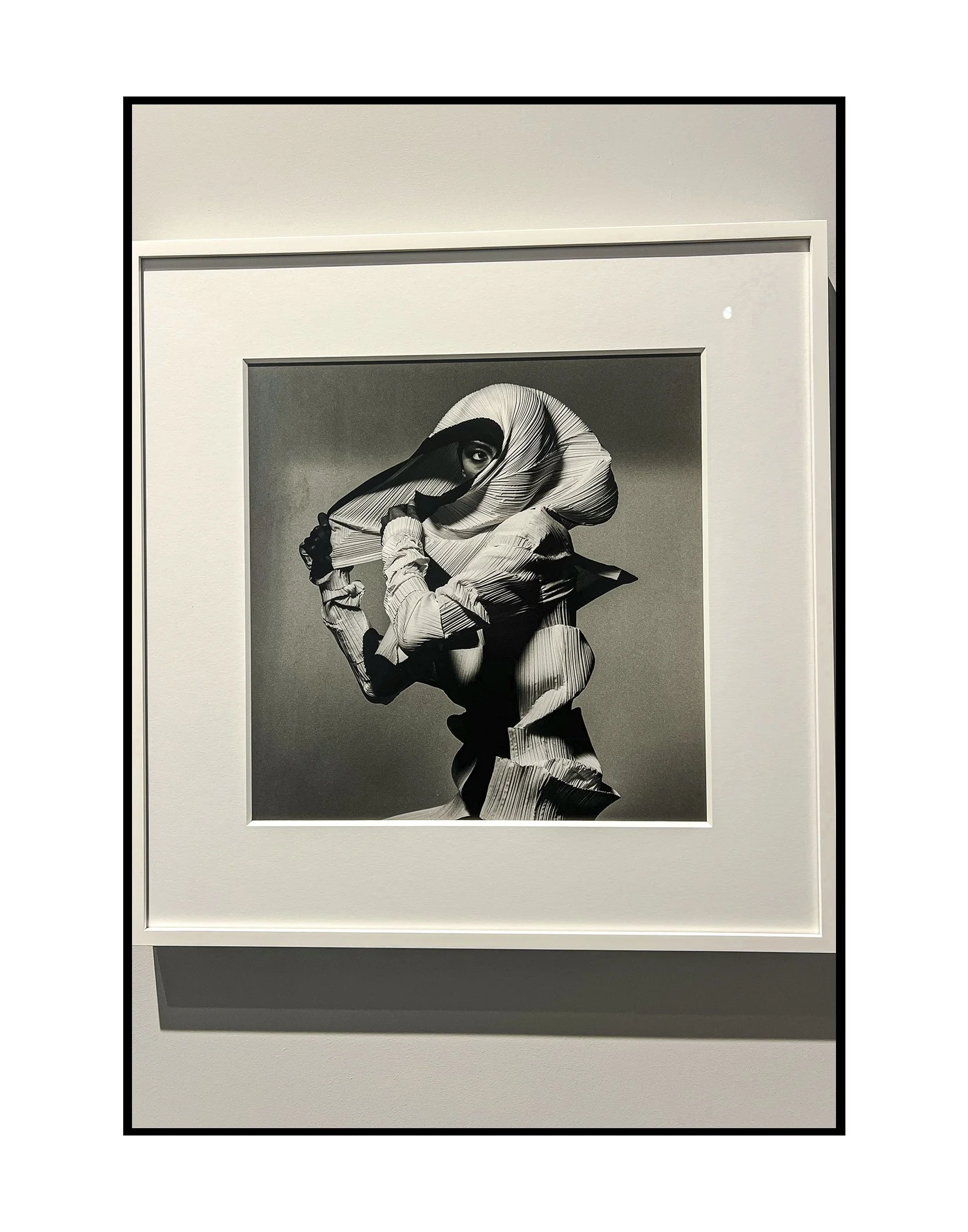


Hank Willis Thomas’s curation is a masterstroke, pairing images like a couture photograph alongside a dandelion or a biker gang next to the New Guinea Mudmen. These juxtapositions reveal the fluidity and consistency of Penn’s vision, making the contrasts both striking and deeply connected.
Some highlights for me included works from Penn’s Cigarettes series, first shown in 1977. There’s a raw intimacy to these images, as if each discarded cigarette carries the stories of the people who smoked them. I found myself captivated, imagining who they might have been and what moments led to those final smoldering drags. There’s a print from this series at the Met that I’ve stared at countless times, but seeing another in this exhibition brought the same sense of wonder and storytelling.
Another standout was his collaboration with Issey Miyake in the late 1980s—a dream partnership blending Miyake’s sharp pleats and bold shapes with Penn’s stark black-and-white photography. The graphic nature of these images is timeless, an artistic conversation between two visionaries. I’ve long wanted the Irving Penn x Issey Miyake book for my collection, and seeing these photographs in person only deepened my admiration for their artistry.

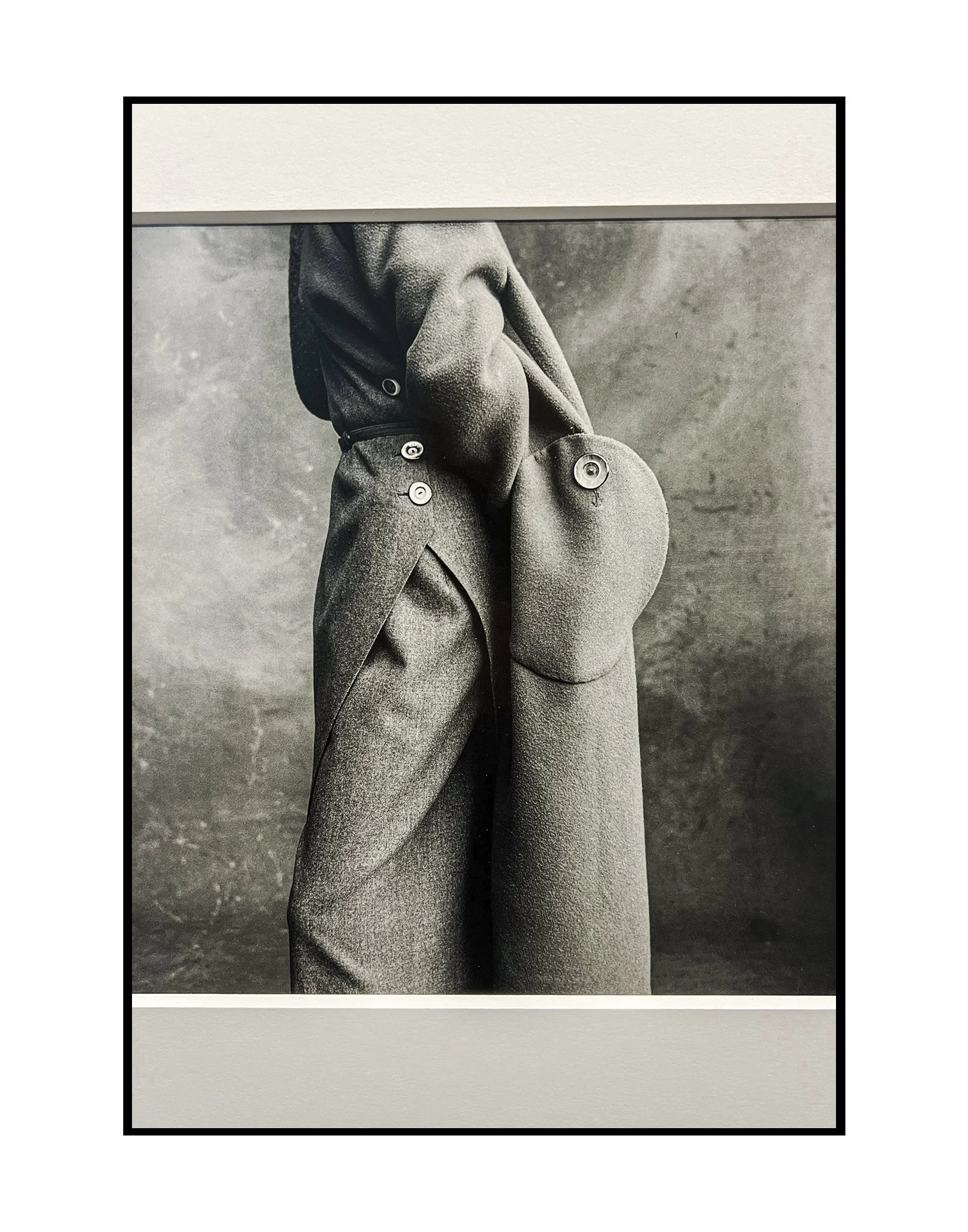


If you’re in New York City, don’t miss Irving Penn: Kinship. It’s an unforgettable showcase of one of photography’s greats, curated to perfection. The exhibition runs until February 22, 2025, at Pace Gallery.
Reflections in B&W
Anthony Amadeo's Best Portraits of 2024
Anthony Amadeo's Best Portraits of 2024
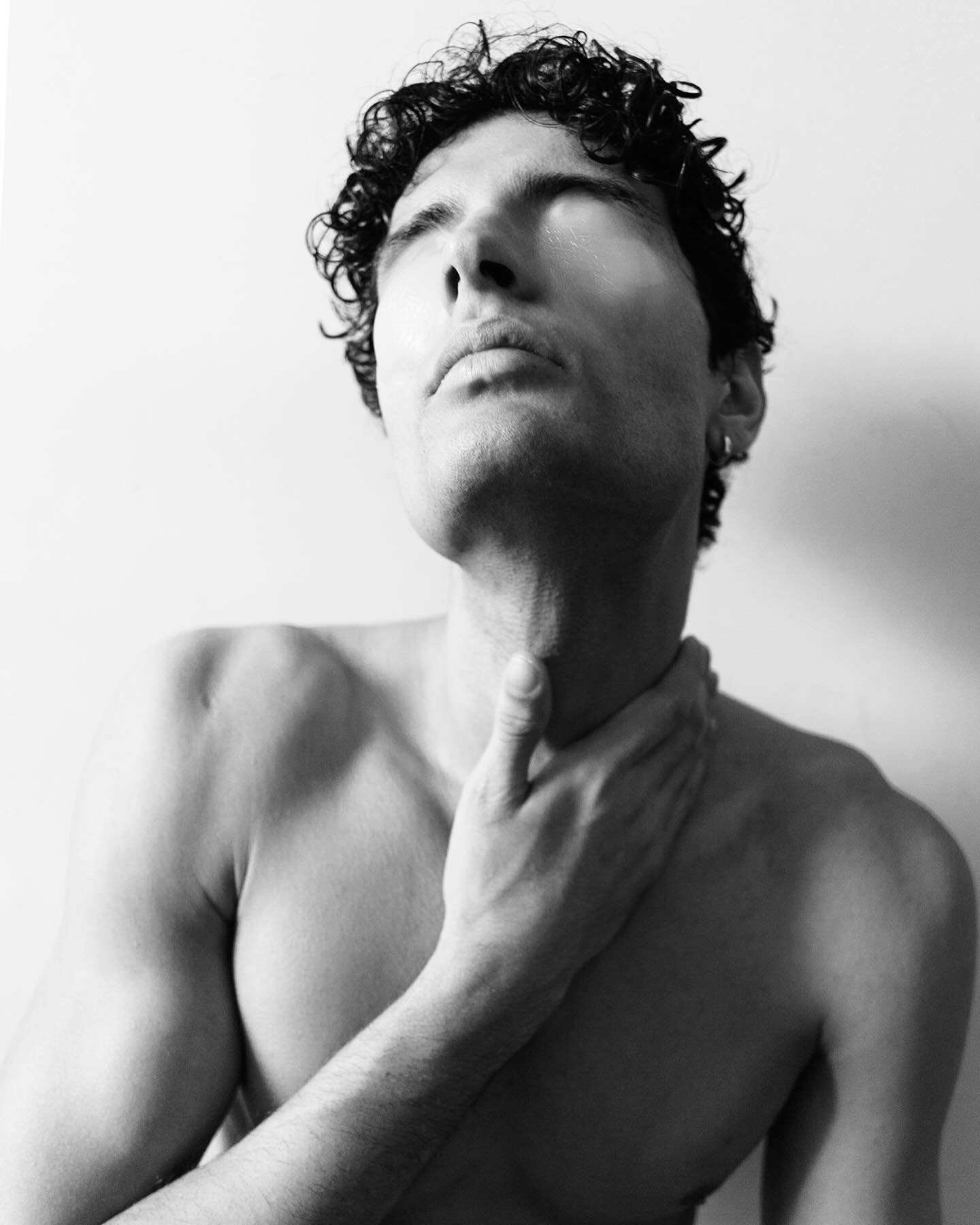
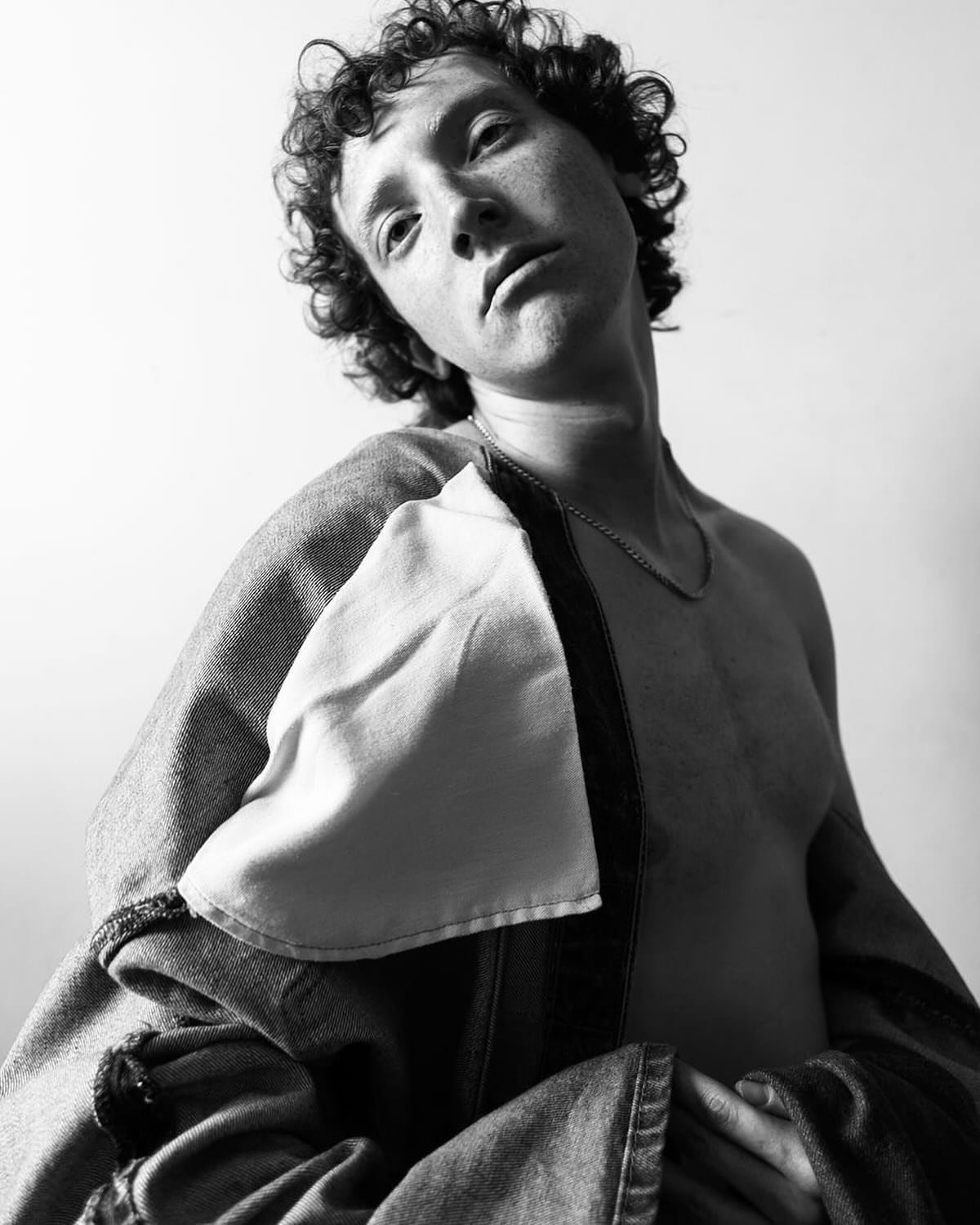
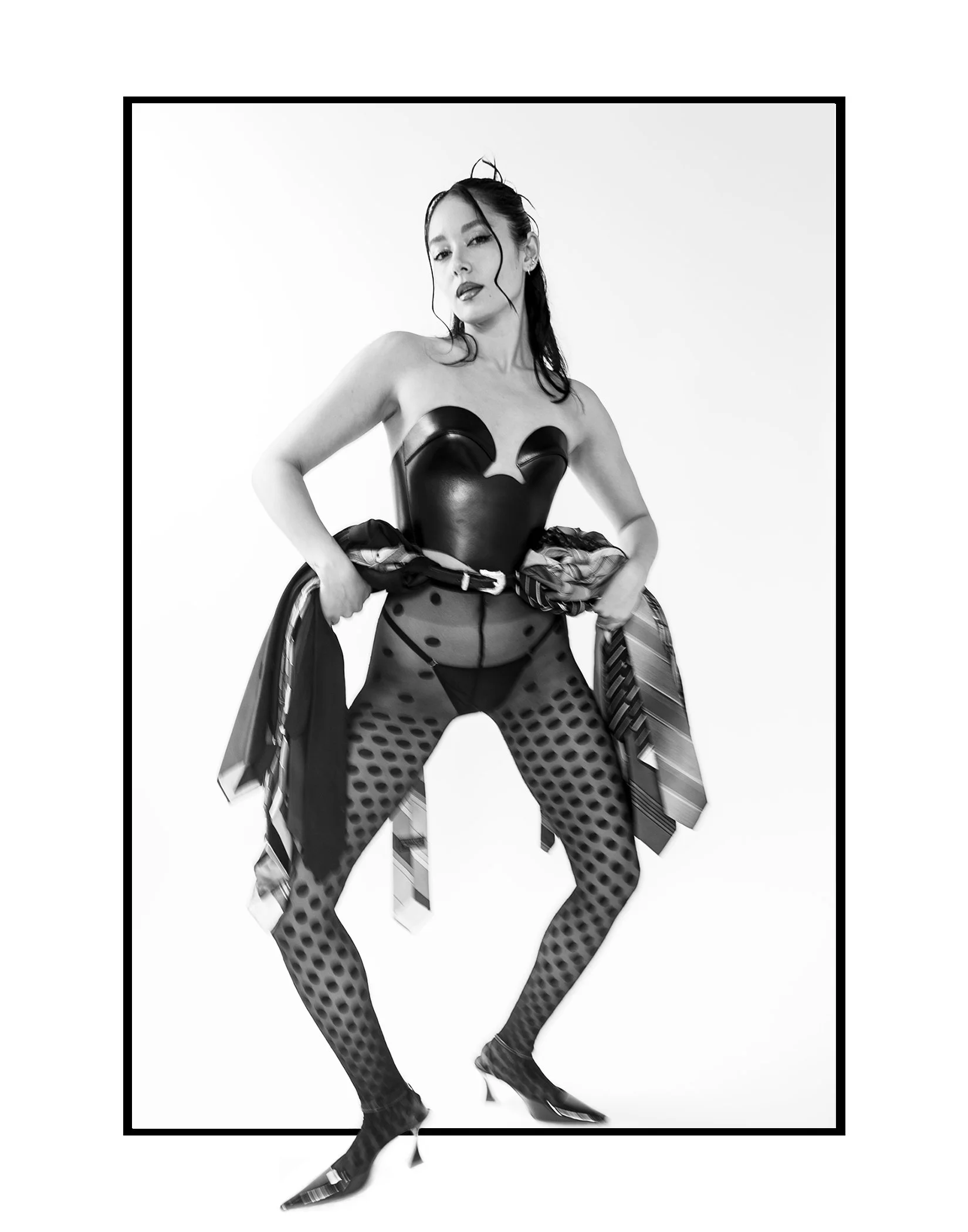
What a year it has been. Reflecting on the past 12 months, it feels like I’ve lived in a whirlwind of portraits. This year, I poured myself into refining the style of imagery I create. Each session felt like stepping into a new conversation, allowing the art to unfold naturally. My process has always leaned heavily on spontaneity—letting the moments emerge, rather than meticulously constructing them. Inspired by the rules of Dadaism, I approached my work with the belief that art can create itself when you’re open to the moment. The result? Images that capture the essence of human interaction in their most raw, unfiltered forms.
This year’s journey wasn’t without its challenges. While I embraced spontaneity, I also sought balance. How could I bring a sense of order to the chaos? How could I create stories in my images that feel genuine and honest while placing my subjects in abstract or surreal situations? It’s a juxtaposition I’ve chased: raw emotion within striking, offbeat visuals—a tension between connection and intrigue. Much of my work remained in my signature black-and-white style, a choice that has become synonymous with my creative voice.
People often ask me, “Why is all your work black and white?” My answer? It’s not just a choice; it’s a feeling. I learned black and white from Nick Dekker, a master darkroom printer who once assisted Ansel Adams. Nick was my teacher at Brooks Institute and my favorite mentor. I vividly recall him telling me, “I’m going to keep failing you, but it’s only so you can learn. I know you have the talent, and I don’t want you to cruise through this.” That lesson stuck. Nick’s encouragement to push beyond the surface taught me to truly see the image within an image.
For me, black and white distills a photograph to its essence. When I convert a color image to monochrome, it’s as if the unnecessary information falls away, leaving bold contrasts, shapes, and graphic elements. It’s where the photograph becomes an image—a piece of art.
As I look back on this year, I’ve selected 15 favorite images that represent the essence of 2024. Each one tells its own story.


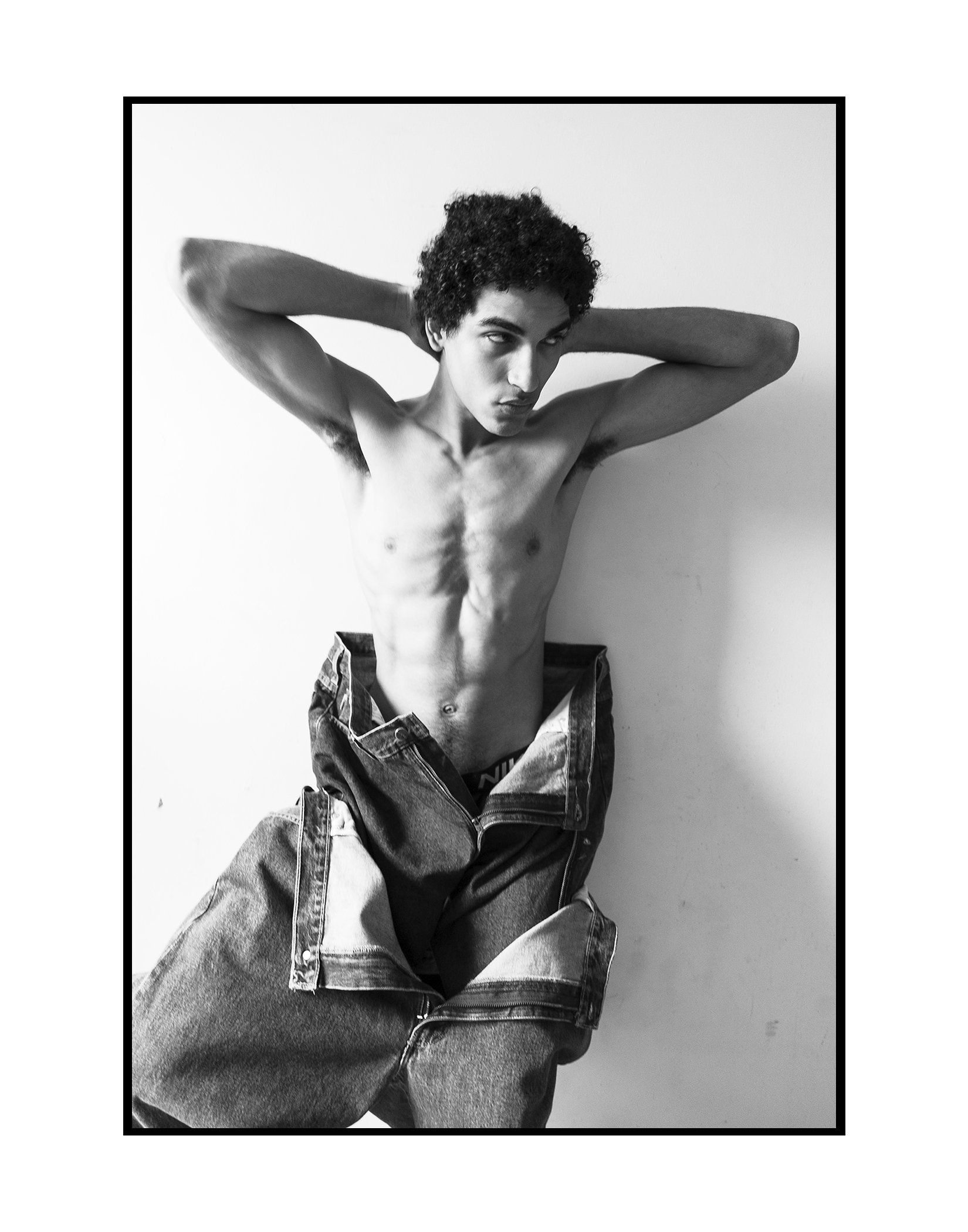


Each portrait in this collection carries a piece of this journey—of chasing balance, finding clarity in spontaneity, and honing a style that feels both intimate and otherworldly. I hope these images resonate with you as they have with me. Here’s to another year of discovery, creation, and connection.