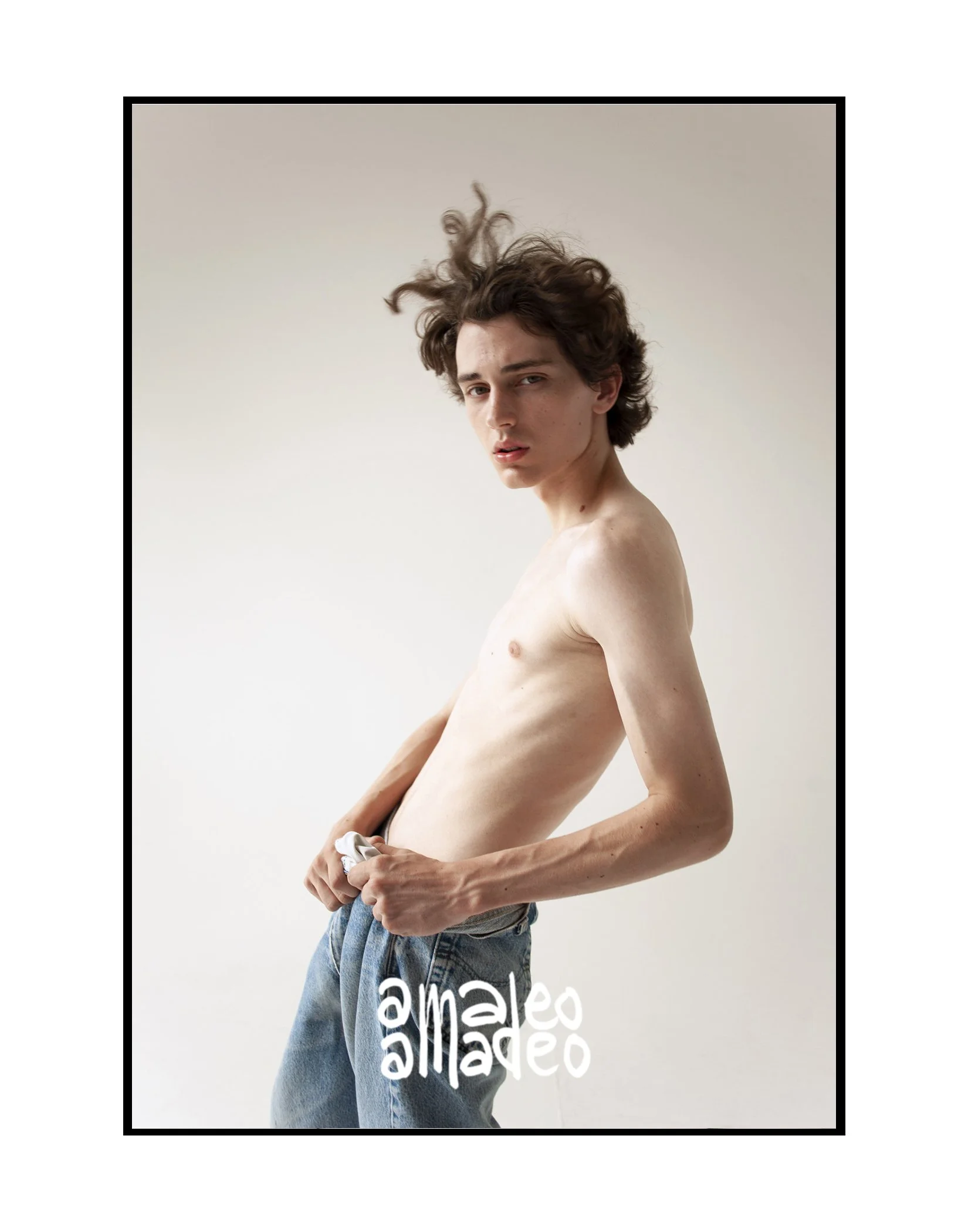
Why My Best Work Happens When I’m Not Looking At It
There’s a strange season that always hits me around the end of the year. It’s a kind of creative molting. Suddenly I want to drain every old file, every half-loved portrait, every forgotten RAW, and move it all into a new home. This year, that home has become my Tumblr—my private museum, my time capsule, my purgatory of past work where everything goes to live again, even if it’s only visible to people who bother to log in.
Why My Best Work Happens When I’m Not Looking At It
There’s a strange season that always hits me around the end of the year. It’s a kind of creative molting. Suddenly I want to drain every old file, every half-loved portrait, every forgotten RAW, and move it all into a new home. This year, that home has become my Tumblr—my private museum, my time capsule, my purgatory of past work where everything goes to live again, even if it’s only visible to people who bother to log in.
As I’ve been uploading my archives, something unexpected keeps happening:
I’m realizing how many images went unnoticed for years.
Images I barely glanced at when I took them.
Images I forgot existed.
Images that now—sitting in 2025 light—feel iconic.
It’s funny how my best work often waits for me.
It doesn’t yell.
It taps.
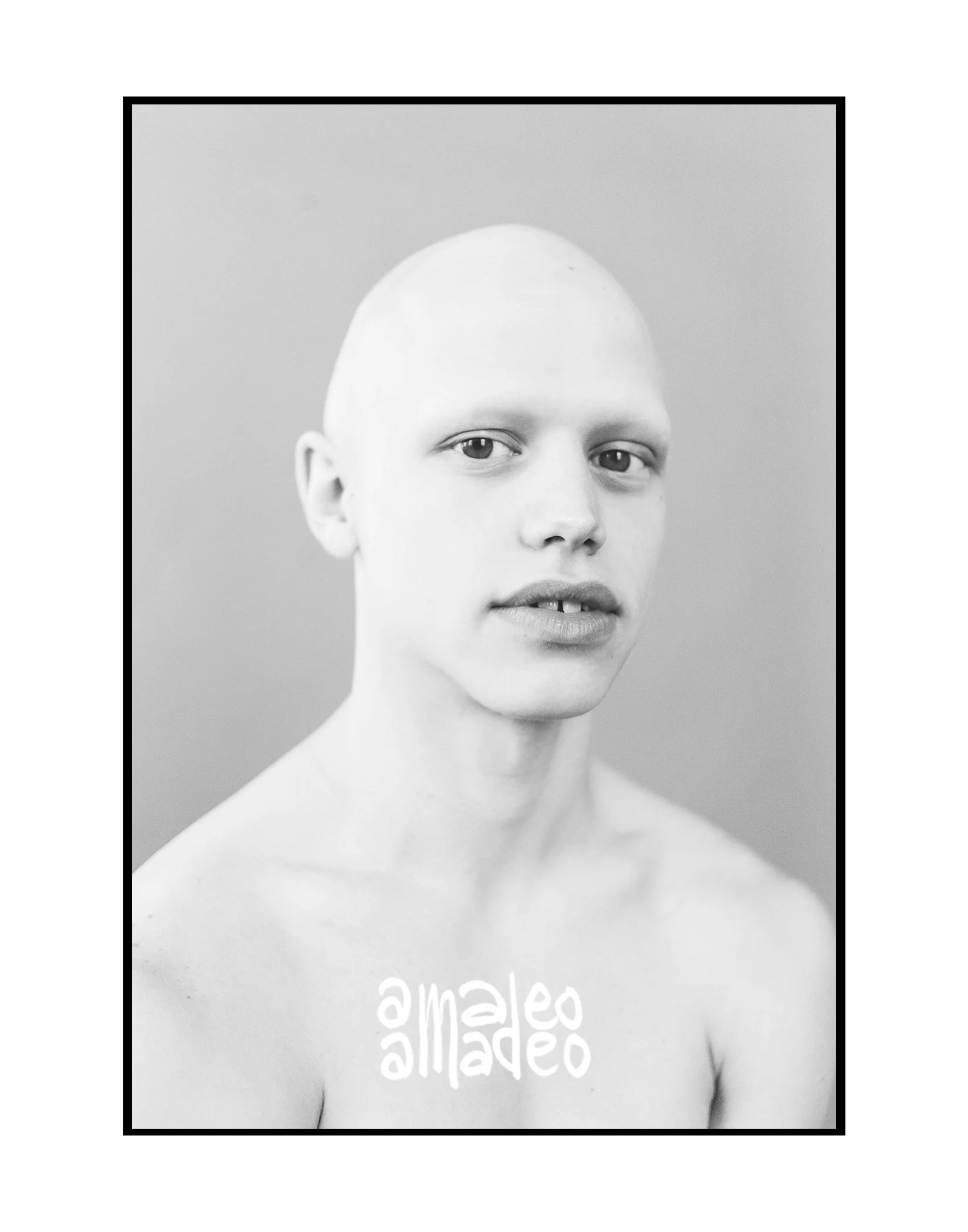
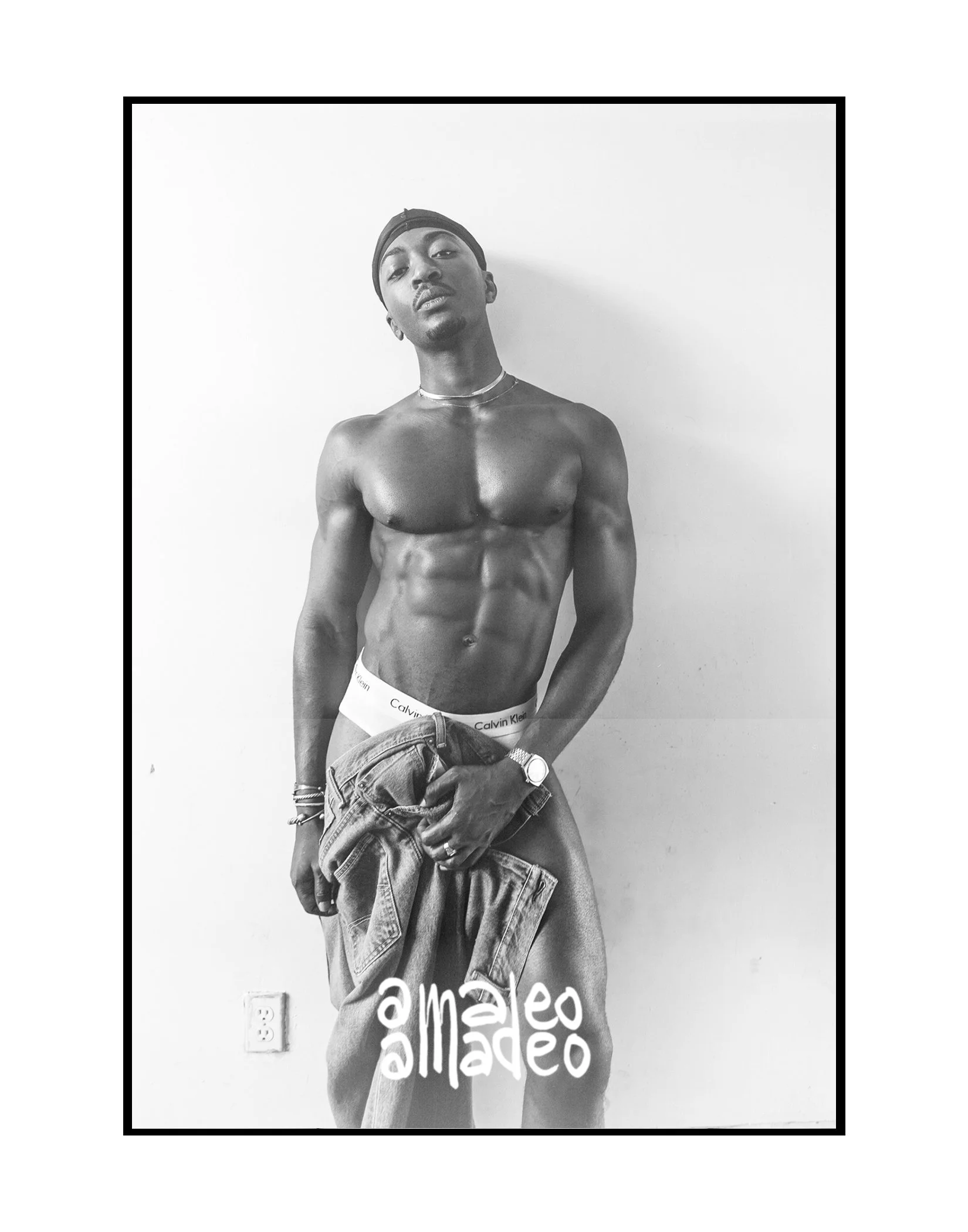
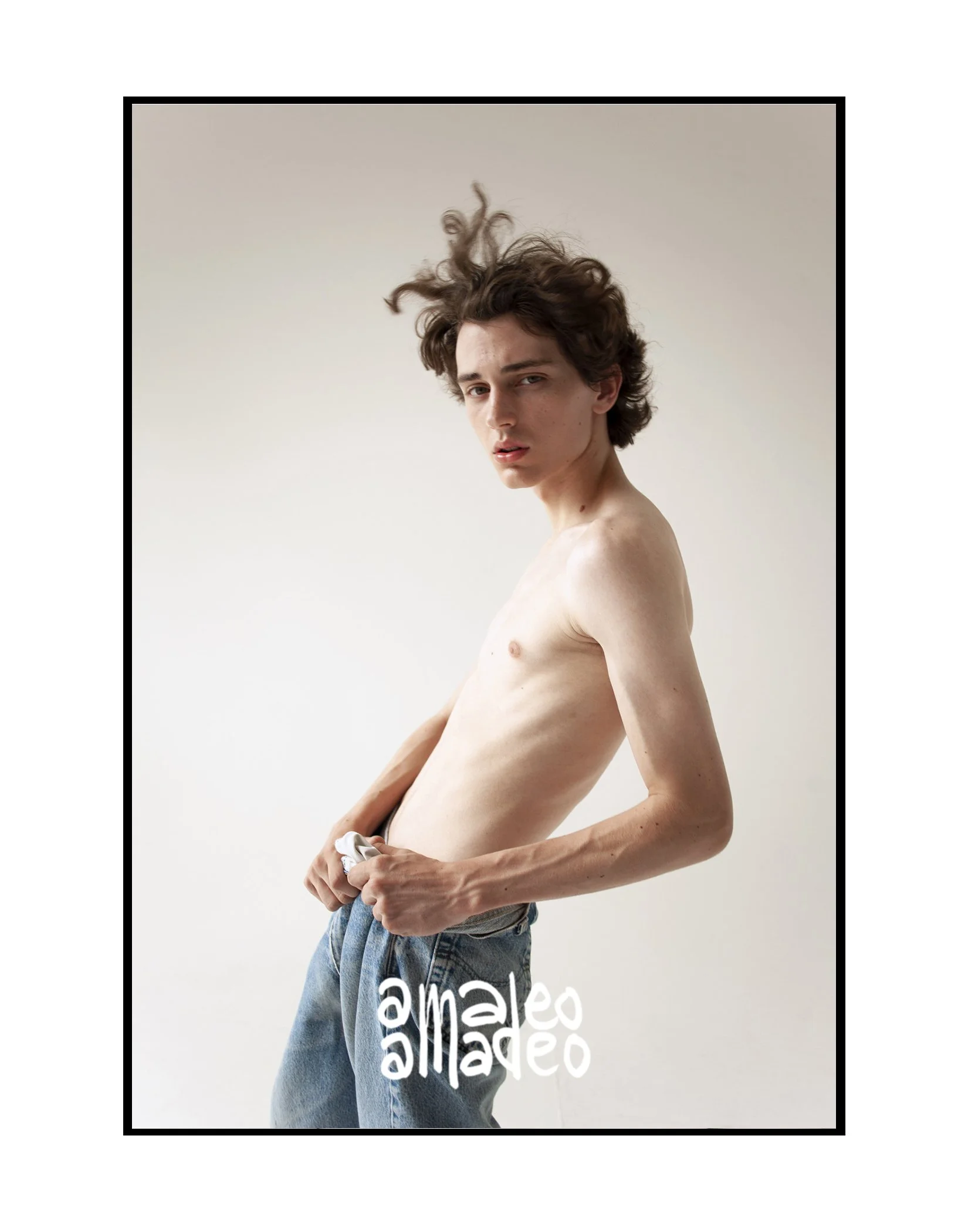
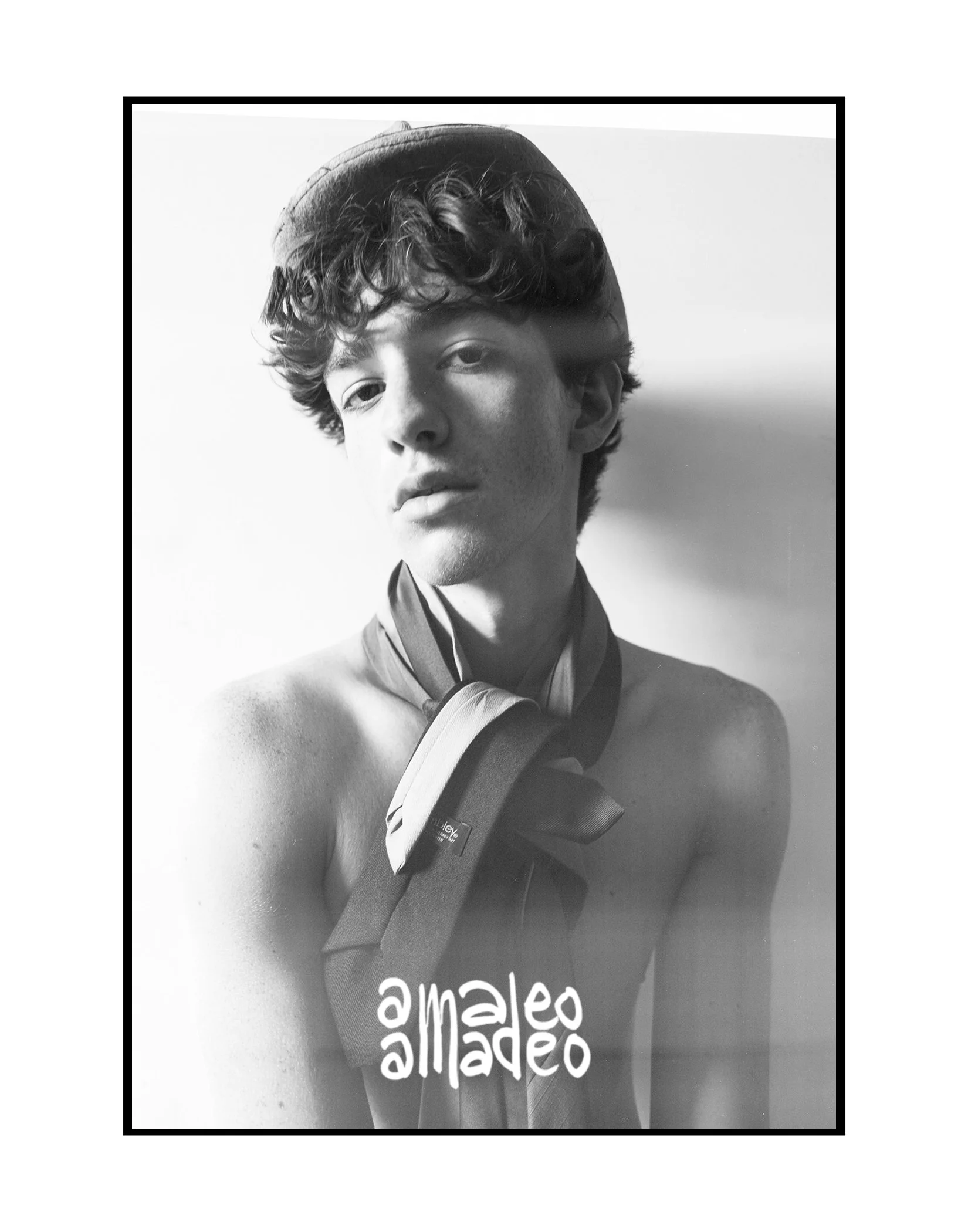
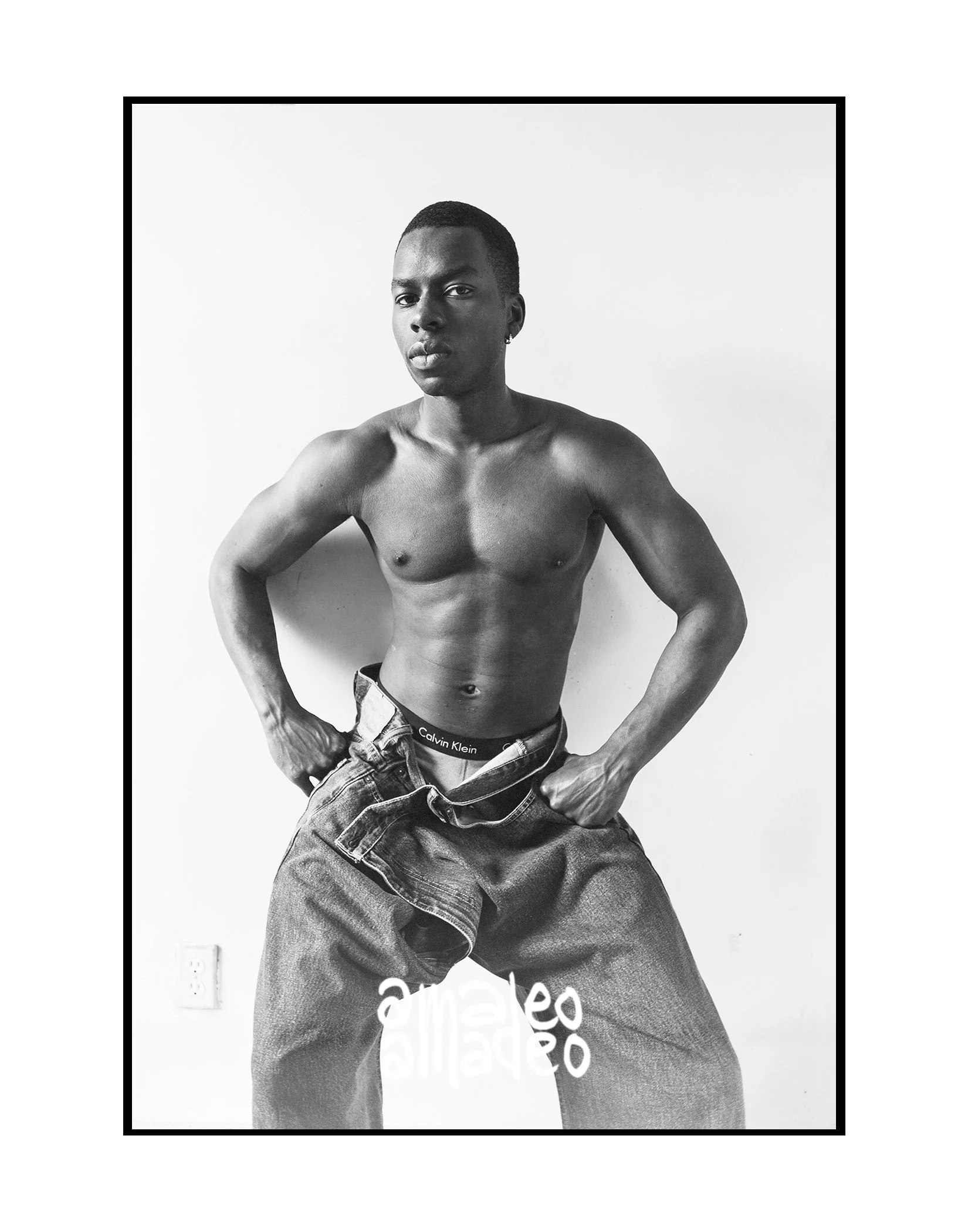
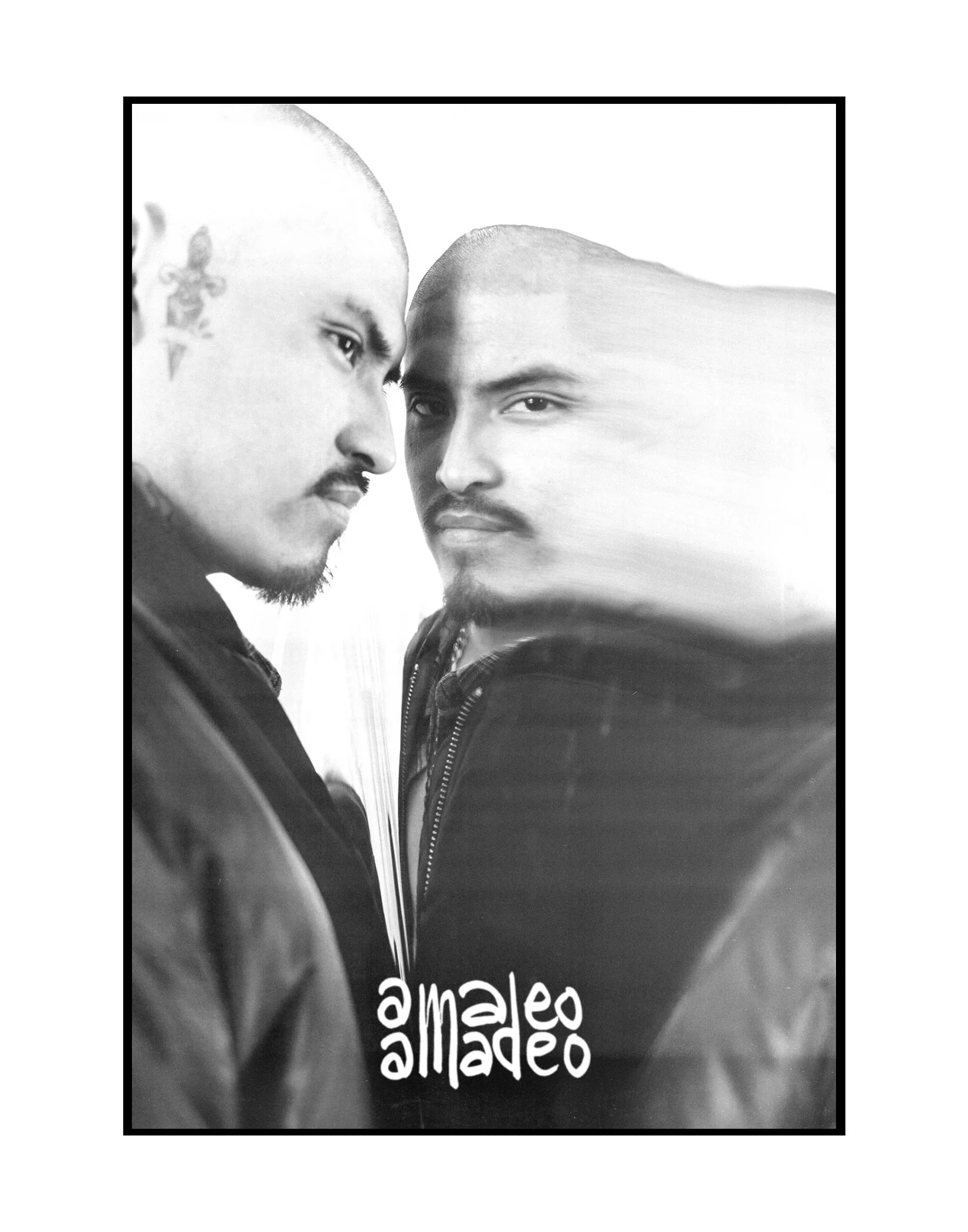
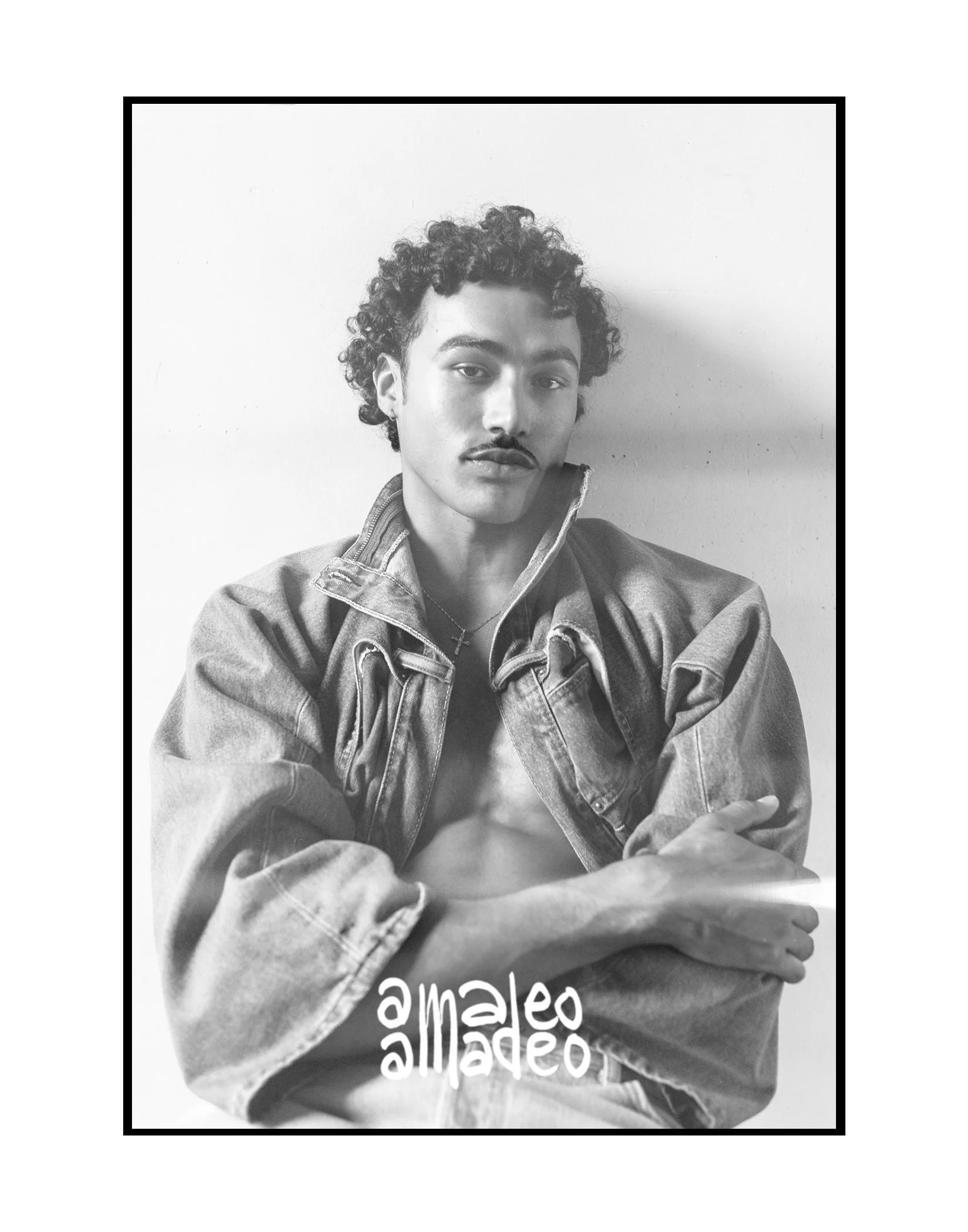
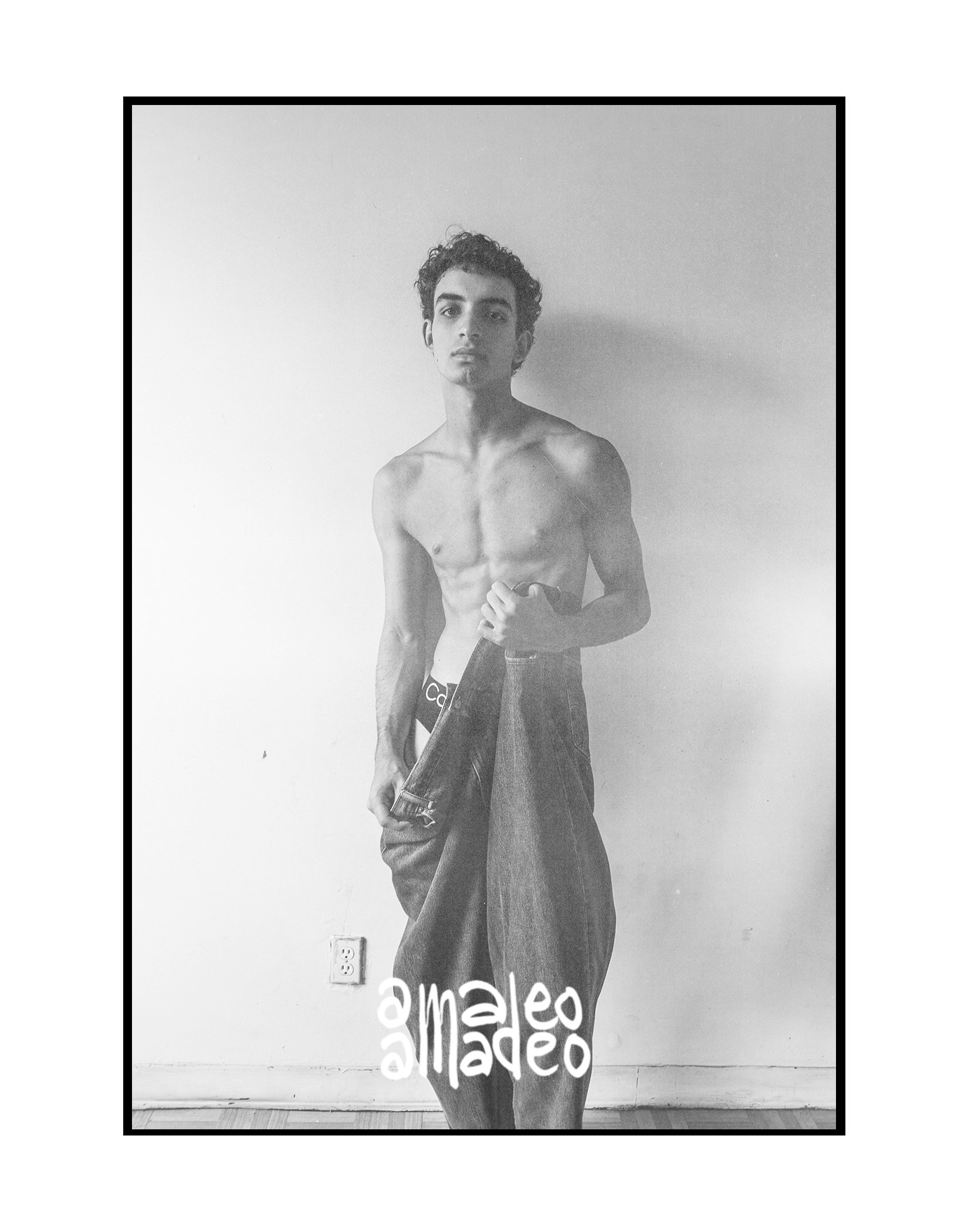
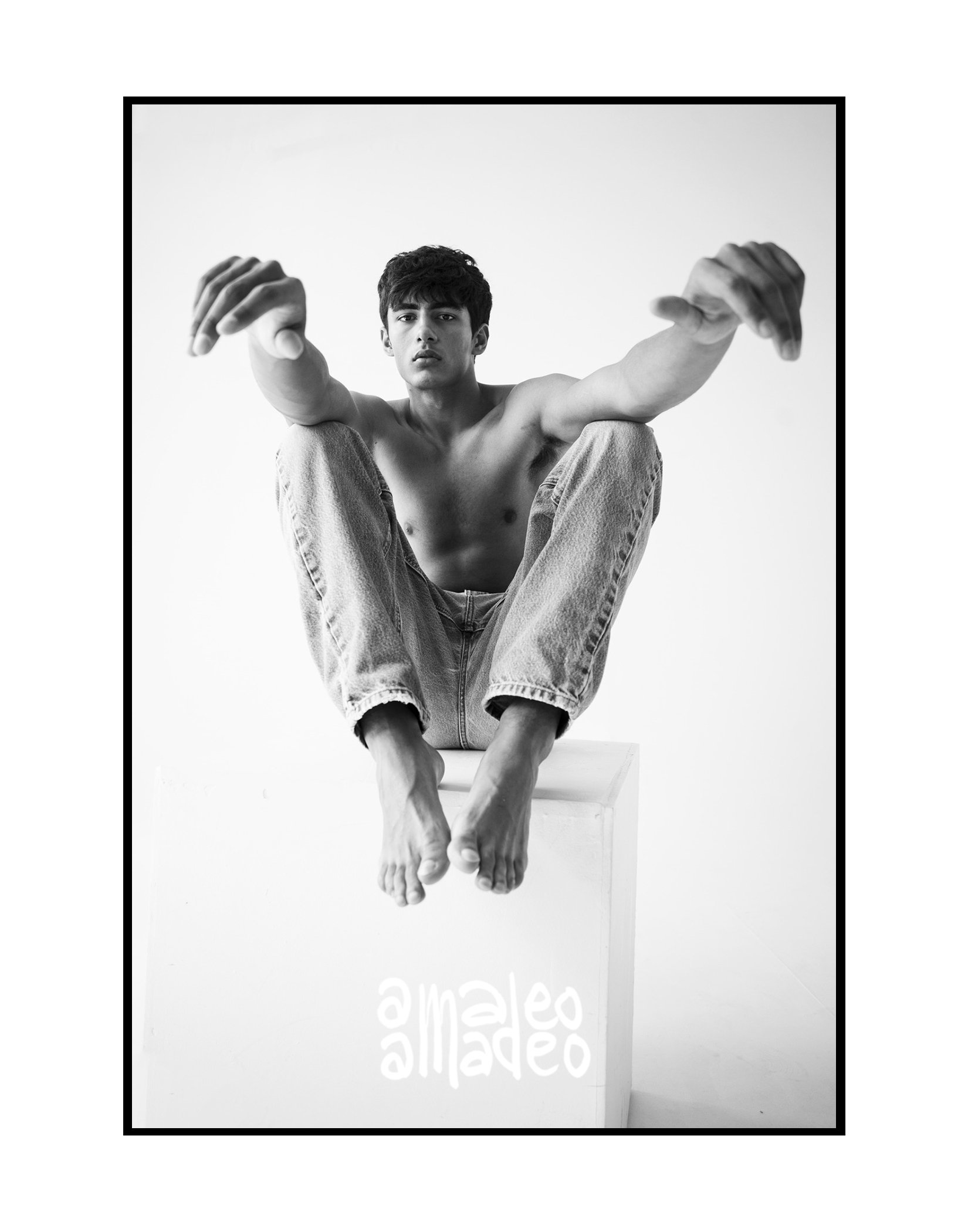
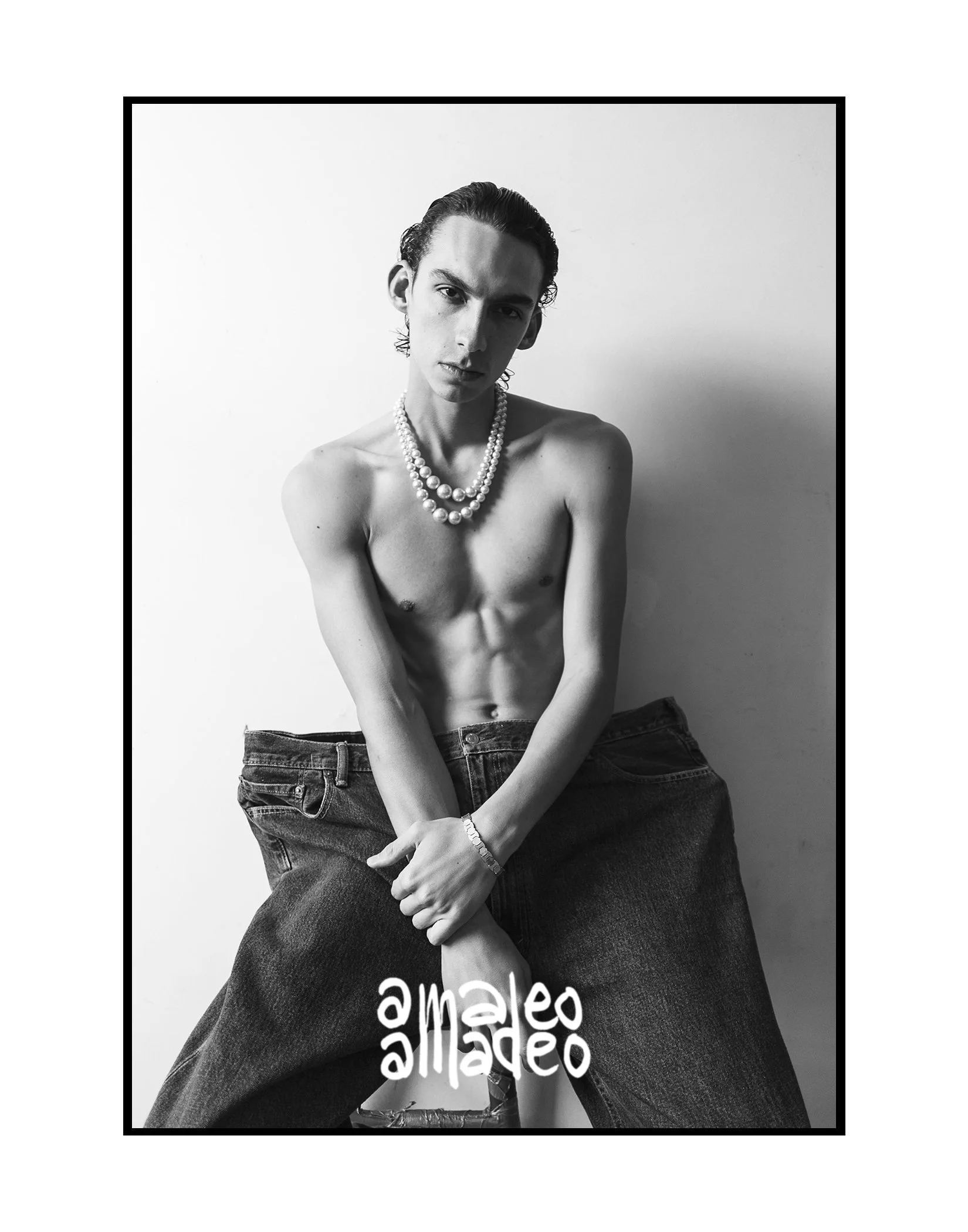
Memory Lives in the Contact Sheet
When I look at an old portrait, I remember everything from that day—more than I expect.
The weather.
The way the subject laughed through their nerves.
What we talked about in the first five minutes.
The exact second they stopped posing and started being.
I don’t shoot casually.
I put a lot of energy forward to get people comfortable as fast as possible.
To get them to open up.
To get them to step into images that might feel awkward at first—poses that look unnatural until they become art.
It takes trust.
And when someone trusts me enough to let themselves be seen, to lean into an uncomfortable position, to give me the version of them that isn’t rehearsed… that feels like the greatest gift a subject can offer.
It’s not lost on me.
I remember that trust years later, even when I barely remember the file name.
The Non-Linear Timeline of amadeo amadeo
I don’t move through my career in a straight line.
I never have.
The amadeo amadeo “timeline” is a non-linear organism—something breathing, pulsing, shifting. It’s like a giant memory map where past images suddenly make more sense in the present, and future ideas reach back to pick up pieces I left behind.
Sometimes a portrait I shot five years ago fits better next to the work I’m making now than it ever did then.
Sometimes I make something today that feels like a missing puzzle piece from 2019.
Sometimes the future asks for the past.
That’s why archiving doesn’t feel like “storage” to me.
It feels like rearranging DNA.
Digital Clutter, Digital Discovery
I only shoot digital, which means the archive is huge.
Massive.
A never-ending scroll of unused frames and alternative angles the models can grab for their books.
The blessing and the curse of digital photography is that I always shoot more than I ever need.
But that also means there are thousands of moments that never saw daylight.
And now, going through everything with new eyes, I’m realizing the overlooked frames are sometimes the most honest ones.
The blink.
The half-turn.
The breath before the pose.
Back then, they felt too raw.
Now, they feel like the point.
It makes me wonder how many other “unseen” parts of my life are waiting for me to come back to them with more patience and a different perspective.
The Work Ages With Me
The archive is aging like a living thing.
And I’m aging with it.
Sometimes I think I’m revisiting old work… but the truth is, the work is revisiting me.
Calling me out.
Reminding me of ideas I never followed.
Whispering new directions.
Showing me what I didn’t have the eyes for back then.
Maybe that’s why my best work happens when I’m not looking at it.
Because sometimes I’m too close to see it clearly in the moment.
Sometimes the image needs time.
Sometimes I need time.
This season of re-uploading, revisiting, and re-seeing has been unexpectedly grounding.
It’s reminding me why I do what I do.
It’s showing me the threads that have always been there—portraits, faces, trust, tension, vulnerability, the ability to build comfort quickly, the quiet intimacy between artist and subject.
And it’s reminding me that the work is far from over.
If You Want to Explore the Archive
You can see the ongoing upload process on my Tumblr—if you’re logged into Tumblr, that is.
(You’d think it was 2009 the way the platform makes you enter the gates.)
But if you do choose to look, here’s my request:
Find one image that speaks to you and tell me the first story it reminds you of.
No overthinking.
Just instinct.
The best ways into the future always start with revisiting the past.
— Anthony / amadeo amadeo
**What Do I Currently Smell Like?
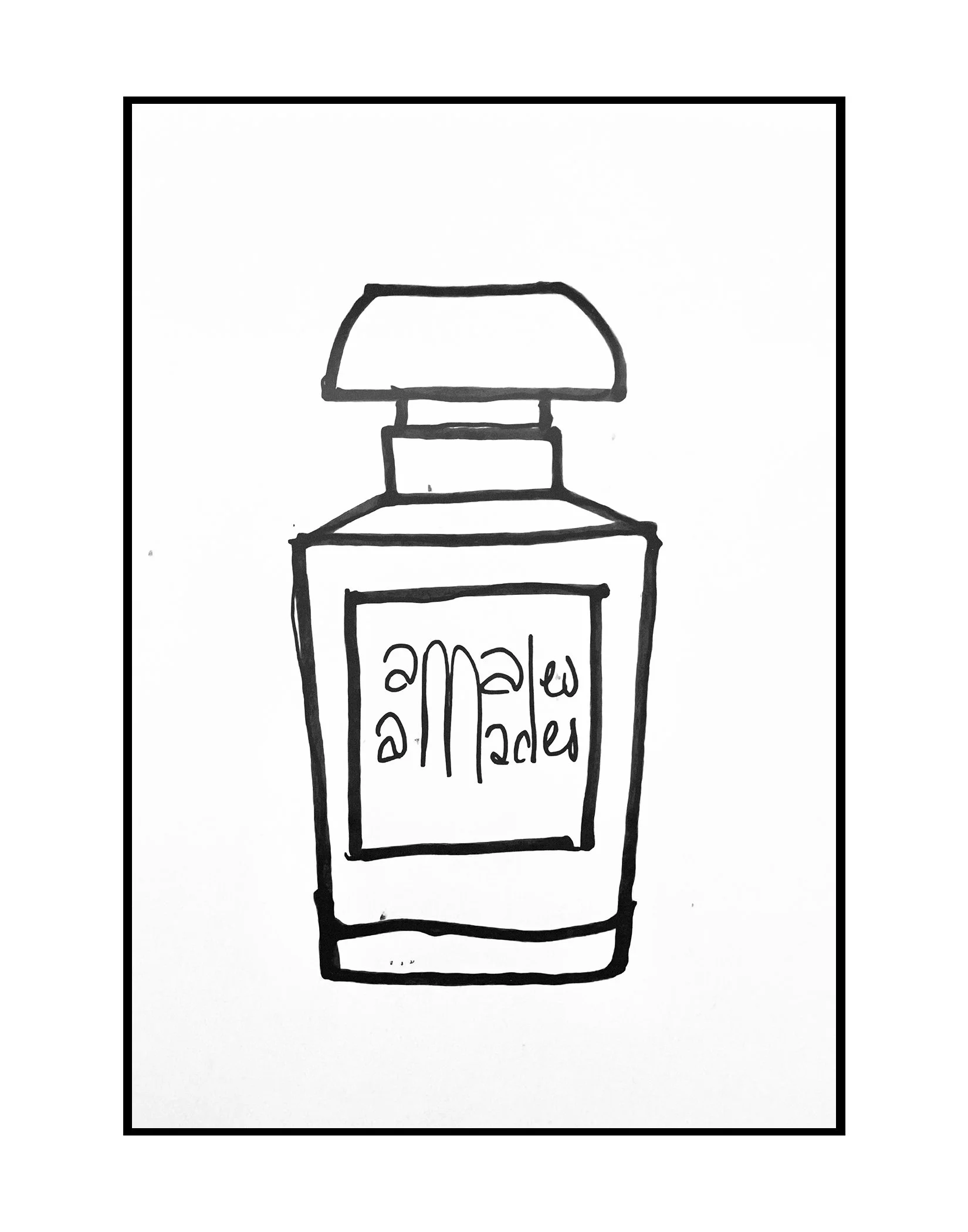
There’s a running joke that if you’re standing within twenty feet of me, you’re inside my personal weather system. A micro-climate. A fog bank of oud, smoke, balsam, civet, aldehydes, apple skins, and whatever else I’ve decided to coat myself in that morning. Fragrance for me isn’t an accessory—it’s a psychological experiment I willingly run on myself and the unsuspecting public every day.
(A Seasonal Confession)**
by Anthony Amadeo
There’s a running joke that if you’re standing within twenty feet of me, you’re inside my personal weather system. A micro-climate. A fog bank of oud, smoke, balsam, civet, aldehydes, apple skins, and whatever else I’ve decided to coat myself in that morning. Fragrance for me isn’t an accessory—it’s a psychological experiment I willingly run on myself and the unsuspecting public every day.
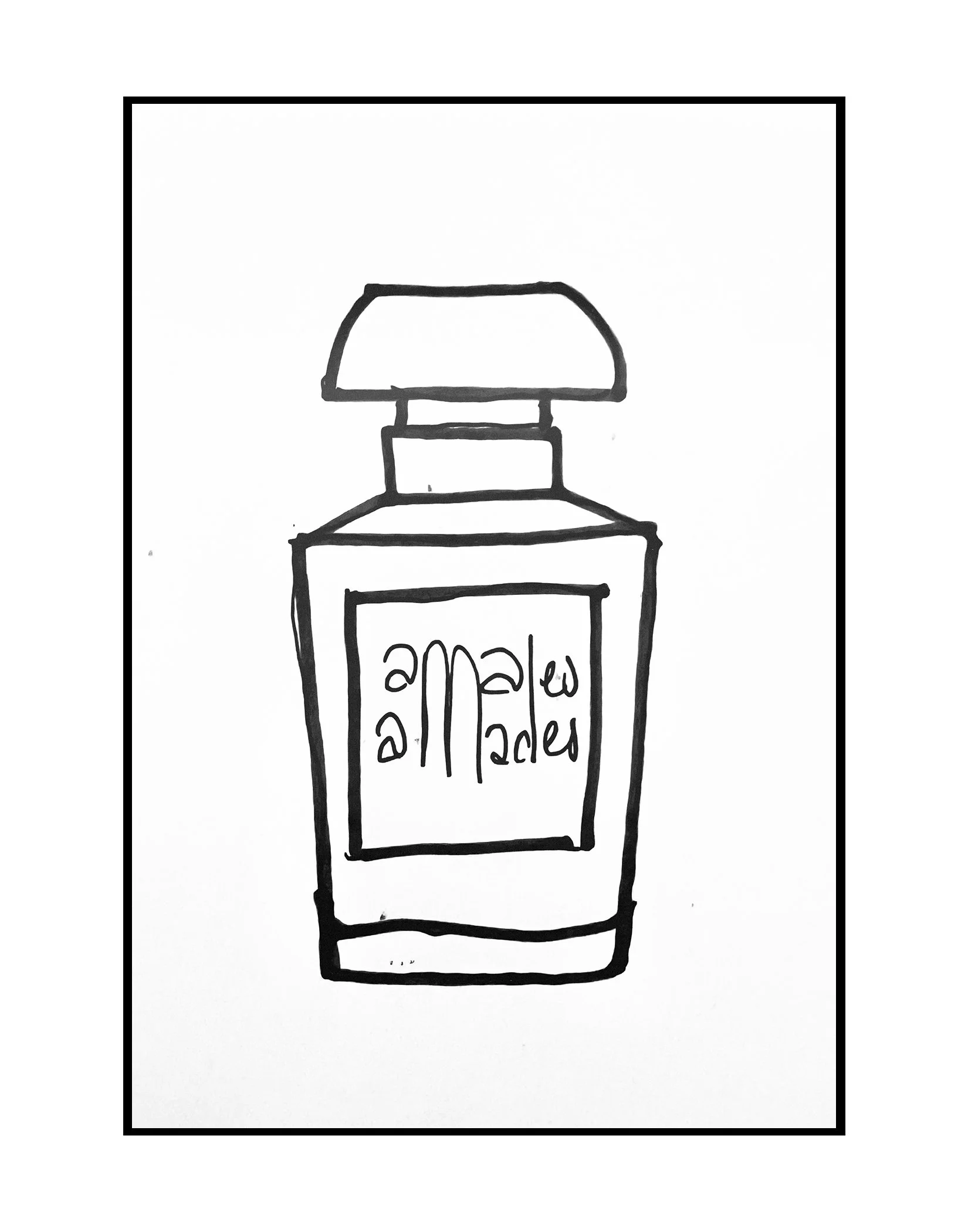
This season, I’m living inside ten scents. Not ranked. Not organized. Not meant to make sense. But somehow, in the way of chaos becoming cohesion, they all work together to guide my day: sunrise, errands, afternoons in the studio, dinner, night walks, bed. Here’s what I currently smell like—spelled out so you can follow the breadcrumb trail of sillage I leave behind.
Black Orchid Reserve — Tom Ford
There’s a moment at sunset when the city gets impossibly cinematic—when the sidewalks feel like the set of a noir film and everyone suddenly looks more interesting. That’s when I spray this. It’s the older brother of the original Black Orchid, the one who went abroad, got mysterious, and came home with secrets.
The truffle at the top hits like a velvet punch. Dark. Smooth. Mature in the way a dimly lit hotel bar feels mature. It gathers people the way streetlights gather moths. I wear this when I want strangers to wonder if they’ve met me in another life.
Promise — Frederic Malle
This is my crisp-leaf, bright-sun morning. A cold autumn day in New York where everything feels like it’s glowing in 4K. The apple in this is not “apple,” it’s apple skin under a fingernail—fresh, crisp, bright, and a little defiant. It has the type of spice that feels optimistic.
I wear this on days when I need the world to feel lighter. It turns an ordinary coffee run into an orchard stroll.
Jungle Jezebel — Sarah Baker
Chaos bottled. A Bazooka bubblegum pop followed by a rotten banana drop. A civet-streaked performance art piece. It’s one of the only fragrances that makes me smile while also slightly terrifying the people around me.
When I wear this, the day becomes unpredictable. People either lean in or walk away.
The longevity? A full-day novella in scent form.
I wear it when I want to break the fourth wall of daily life.
Khanjar — OmanLuxury
This is the scent equivalent of rolling on the forest floor beneath a canopy of oud-soaked branches. Barnyard but opulent. Dirty but couture.
It’s a scent with gravity—people orbit around you without meaning to.
I save this for the darker hours—when the air gets still and the night feels like a secret. It’s warm, damp, feral elegance.
Hinoki — Bottega Veneta
My human-sized wooden cabin in a bottle.
Warm, resinous, meditative. The type of scent that doesn’t just sit on the skin—it wraps itself around you like a wool blanket that just came off the line.
When I wear this, I feel grounded. Present. A little more human. It clings to coats and scarves for days, like a ghost of good memories.
Occur! — Avon (1965)
My bedtime ghost of the 60s.
I wear this after a shower, right before bed, when the house is quiet and the world feels soft. Aldehydes, civet, musks, oak moss—memories of great aunts adjusting their jewelry, uncles kissing cheeks, and the hum of warm kitchen lights.
This scent is comfort. It’s lineage. It’s time travel.
Saffron Secret — Maison Crivelli
Imagine walking through an old spice market at golden hour—warm wood underfoot, everything glowing amber. That’s this scent.
It’s prickly and silky at the same time, like velvet warmed by sunlight.
I wear it in those in-between hours—when the day is fading but the night isn’t ready to begin. It’s one of my favorite cold-weather spices.
Basilicum — Fueguia
My morning shock to the system.
A blast of basil and lavender—like sticking your head in a summer garden when it’s still dew-wet. I use this when I need oxygen for the brain.
It’s the olfactory equivalent of putting one foot out from under the blanket to cool down.
Secretions Magnifiques — Etat Libre d’Orange
This scent is misunderstood.
I adore it. Marine, metallic, milky, iris-driven strangeness.
Most people think this is chaos in a bottle, but on my skin it blooms into something intimate and magnetic. I layer it under heavy ouds to give them a pulse. Or I wear it alone if I want to confuse people in elevators.
It’s bright, cold, and familiar in an unsettling way—like déjà vu.
Né il giorno né l'ora — Filippo Sorcinelli
I wore this in Paris and spent the entire trip wondering if I smelled incredible or like someone who had just walked uphill for too long.
It’s brutalist. Severe. Blunt cedar to the face that dries down into something surprisingly quiet.
I still haven’t decided if I love it or if I’m traumatized by it.
But I need a bottle.
To remember Paris.
To chase the confusion.
To re-live that scent-psychology experiment.
So What Do I Currently Smell Like?
All of these.
At once.
Layered, rotated, mood-dependent, weather-dependent, curiosity-dependent.
I wear fragrance like someone building a world. Each scent is a portal into a different version of myself—the cozy one, the feral one, the nostalgic one, the experimental one, the Paris one, the “I need to shock my system awake” one.
Scent moves me through the day.
It changes the way I walk.
It changes the way people look at me.
It’s a conversation I’m having with the air around me.
This is what I currently smell like—my seasonal olfactive diary. Ten bottles, endless stories, and a very crowded coat.

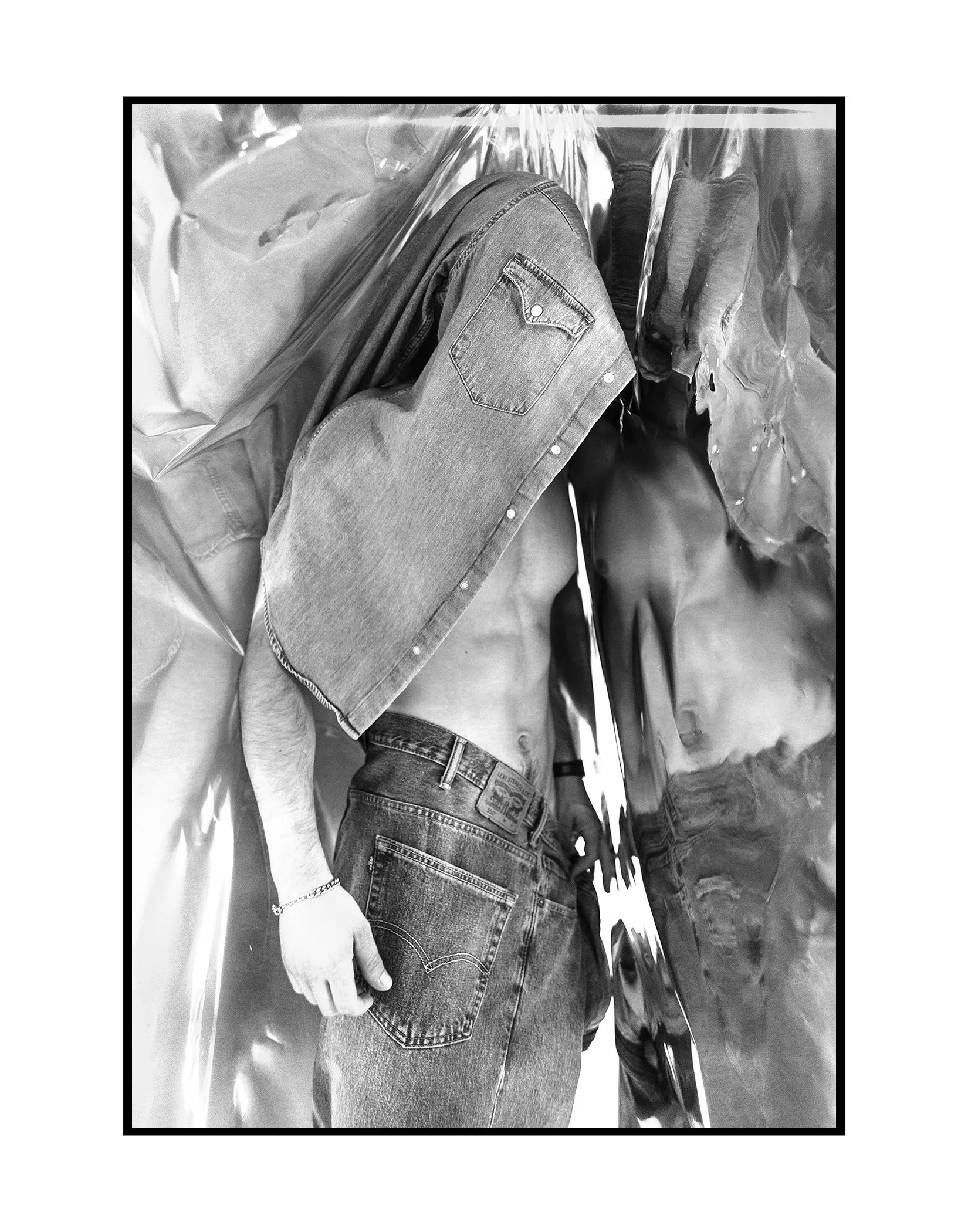
Samuel by Anthony Amadeo
This series was created with Samuel, signed to The Lions.
Photographing him was effortless—he carries a quiet strength and elegance that immediately translated into something sculptural.
This series was created with Samuel, signed to The Lions.
Photographing him was effortless—he carries a quiet strength and elegance that immediately translated into something sculptural.
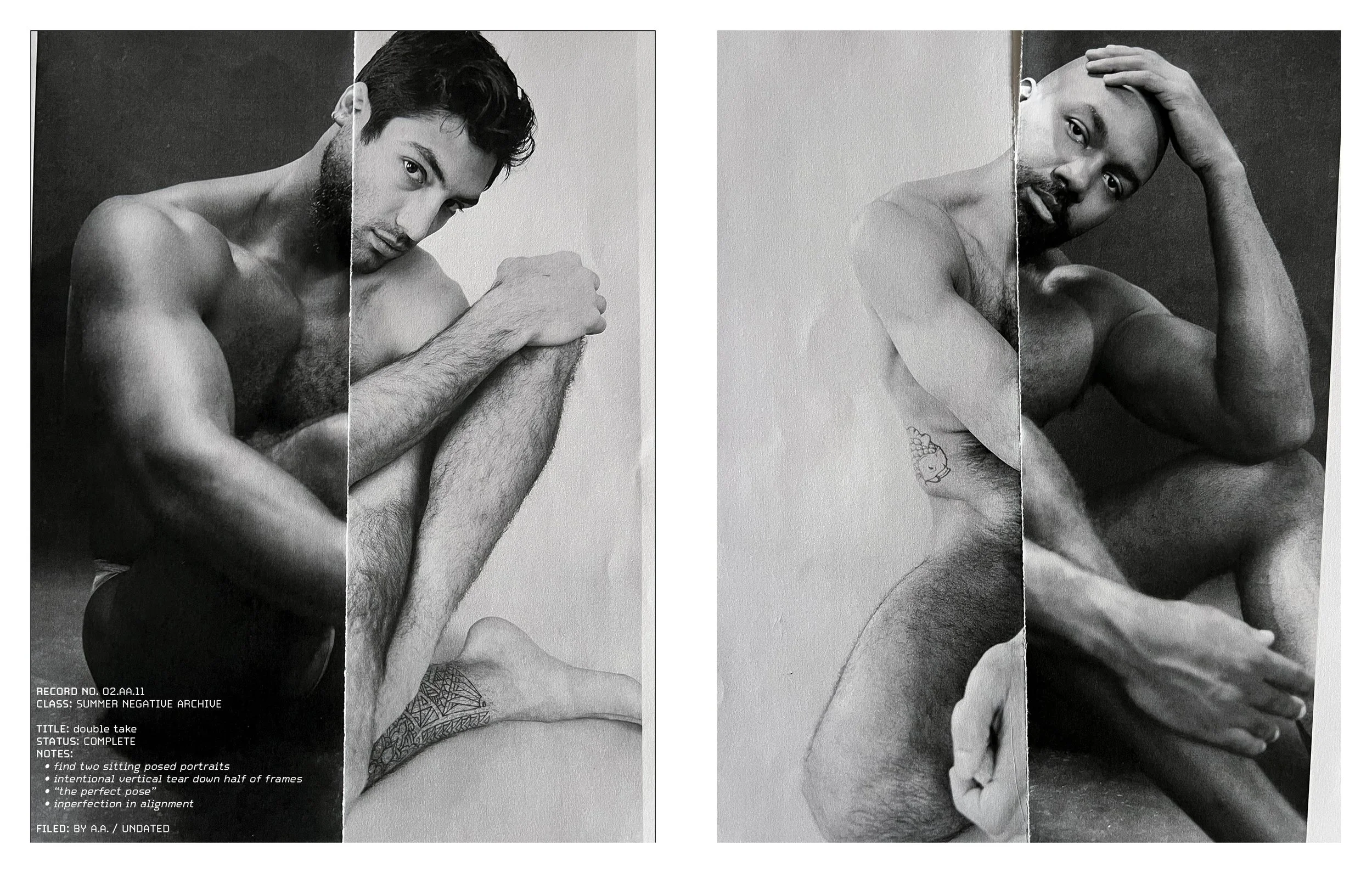
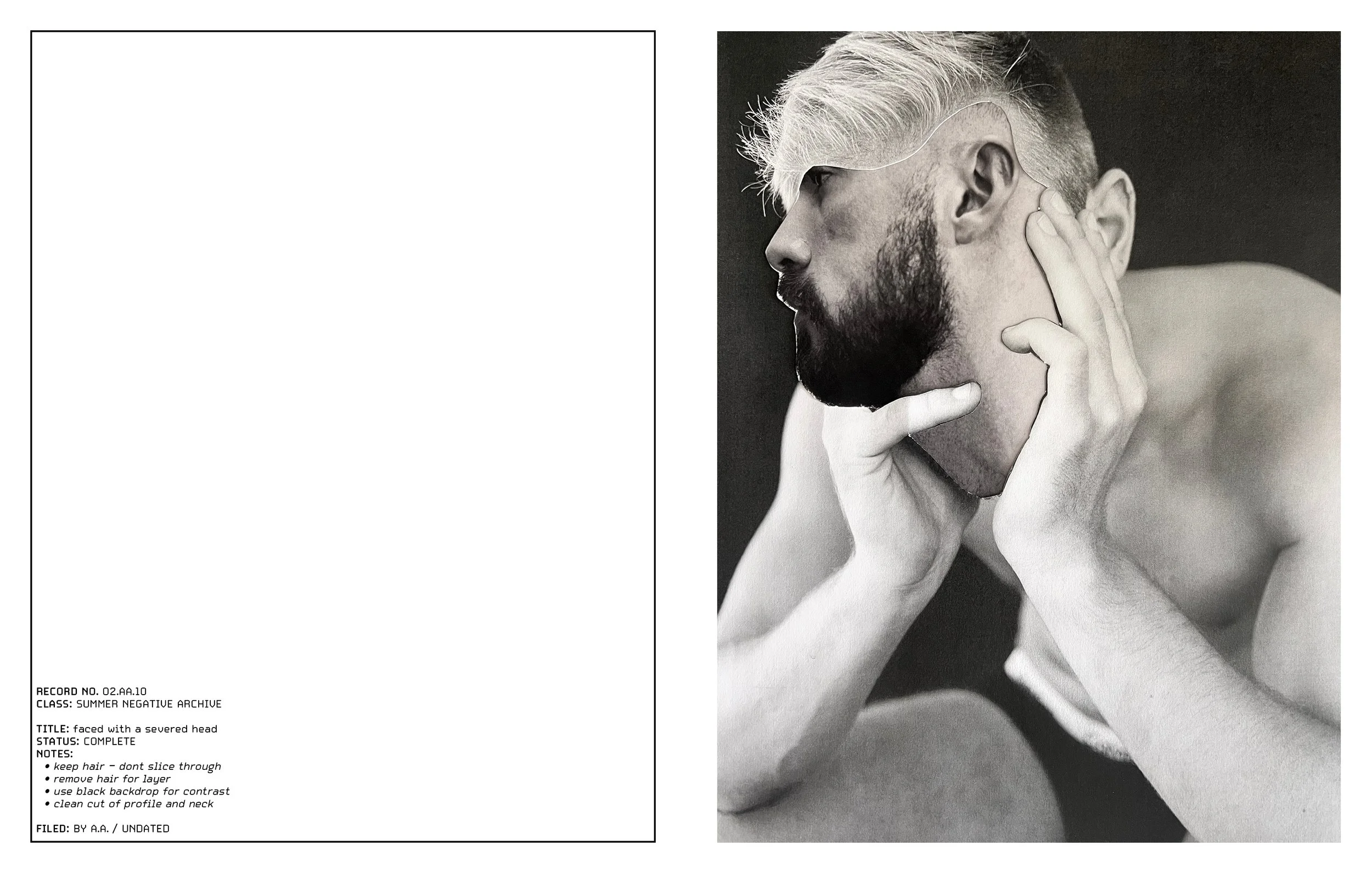
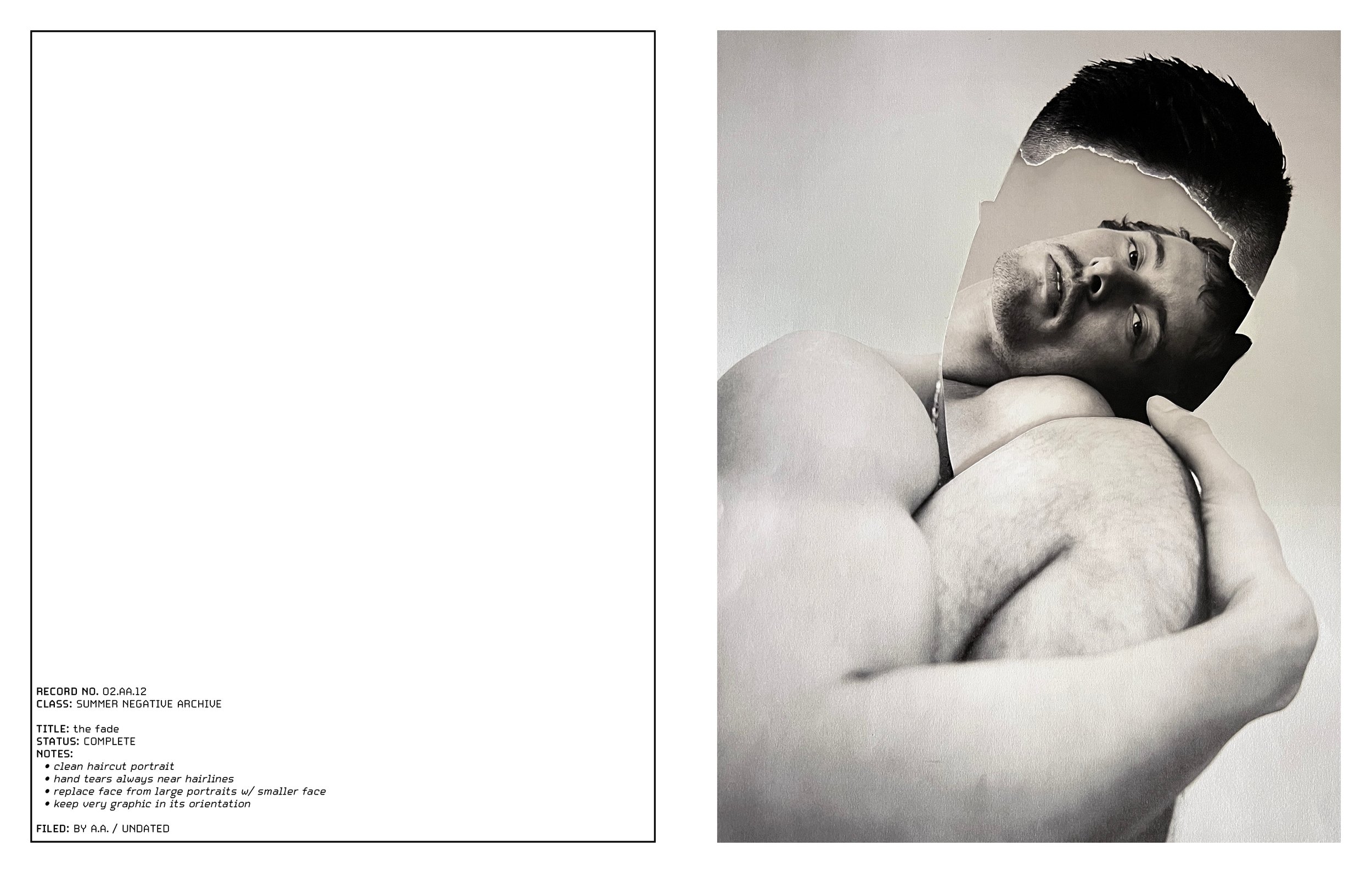
After the shoot, I turned the images into a set of analog collages. I love the process of cutting, layering, and reconfiguring—turning one image into two, and two into one. These pieces became about reflection, duality, and energy. Samuel’s presence—calm yet powerful—made the work come alive.
There’s something about collage that always feels like movement captured mid-thought. It’s part instinct, part accident, and all rhythm.
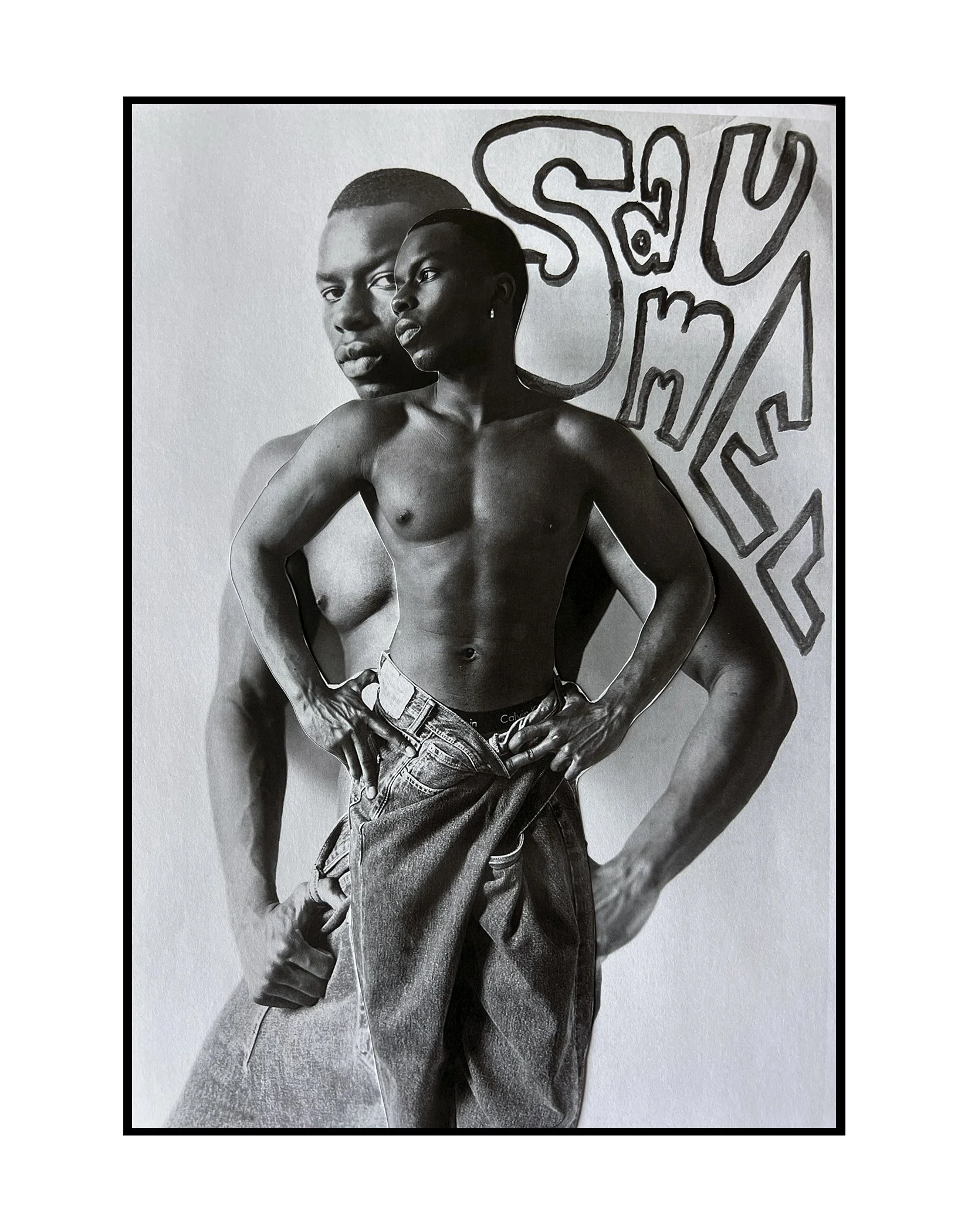
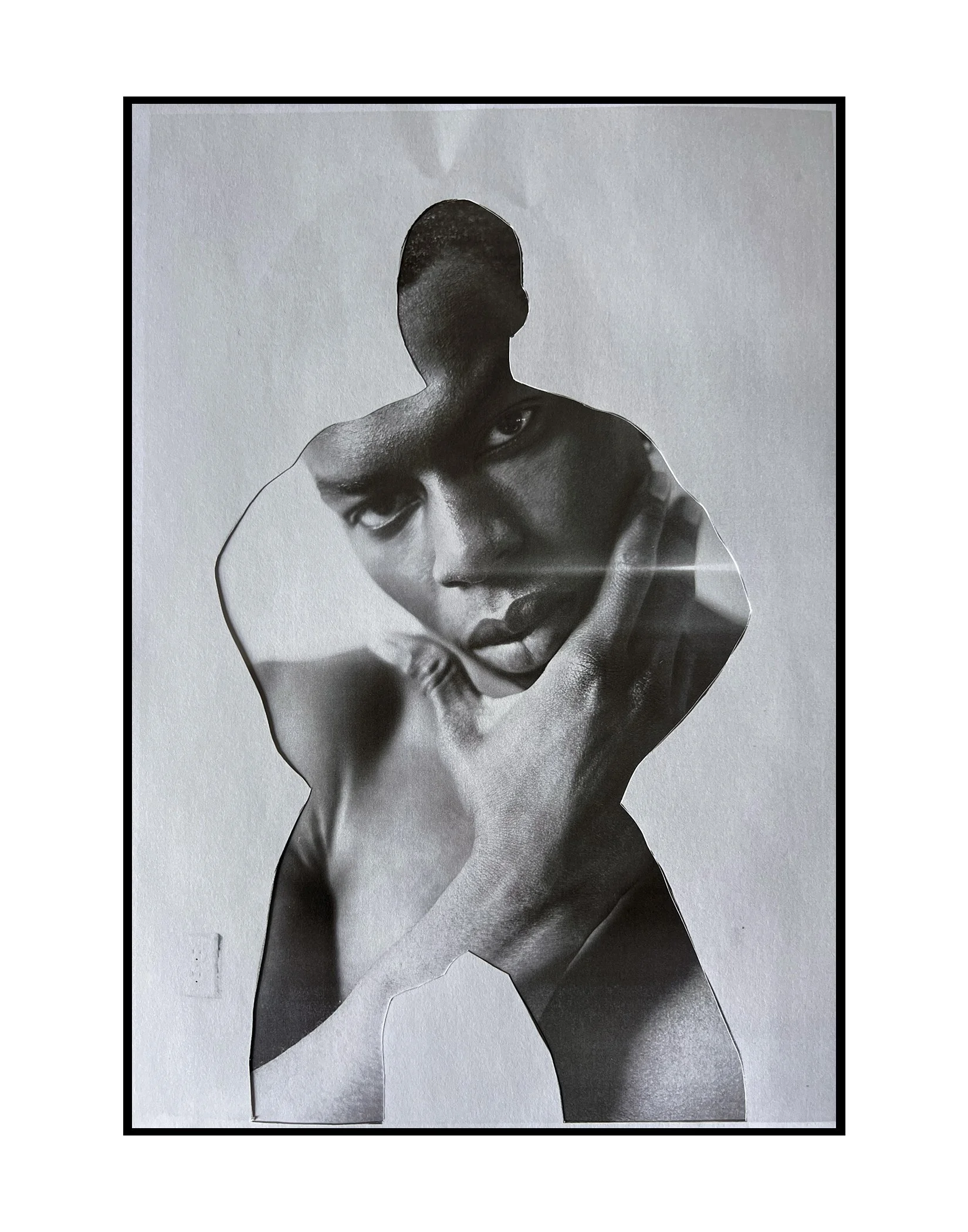

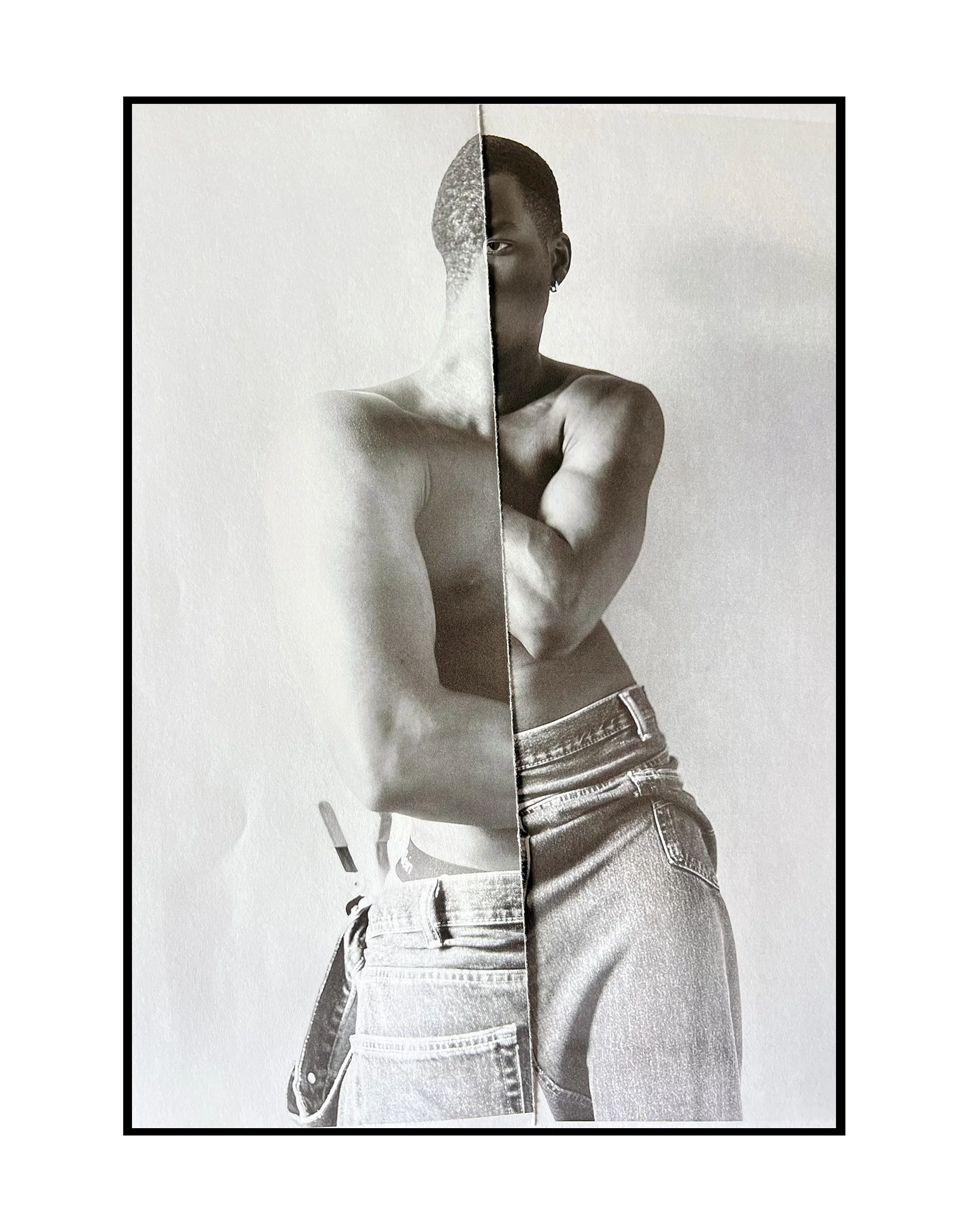
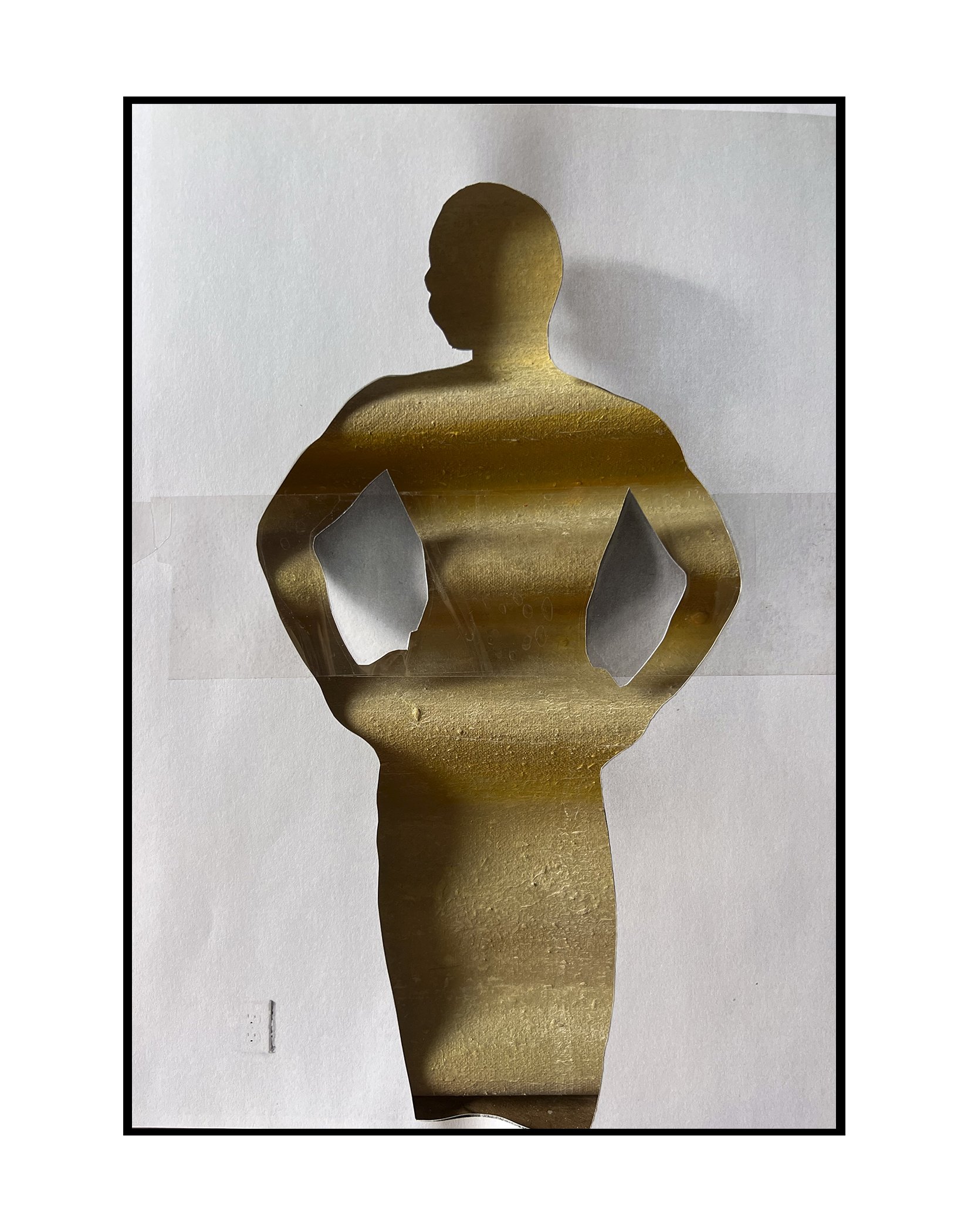

(Series photographed and collaged by Anthony Amadeo for amadeo amadeo.)

The Twin Collages — Ronnie & Adam Levi
There’s something about twins that’s always fascinated me — maybe because I am one. There’s an invisible mirror that exists between two people born at the same time, and it’s impossible to look at one without catching a glimpse of the other.
There’s something about twins that’s always fascinated me — maybe because I am one. There’s an invisible mirror that exists between two people born at the same time, and it’s impossible to look at one without catching a glimpse of the other.
This series features Ronnie and Adam Levi — twins who share a likeness so strong it feels cinematic, and yet, when photographed separately, their differences become magnetic. I photographed them individually, studying how they each inhabited their own space — the tilt of a head, a glance, a posture. Then I began to collage the images together, blending their forms into one analog body.
The process became a game of identity and symmetry — pushing, cutting, reassembling — until they began to merge into something that felt both familiar and strange. Each collage reveals a dialogue between them: the parts that align perfectly, and the edges that refuse to.
It was fun and instinctual, but it also stirred something deeper — memories of growing up with my own twin. That constant dance of wanting to be different even though you’re cut from the same photograph. There’s an odd beauty in sharing a life that’s both shared and separate.
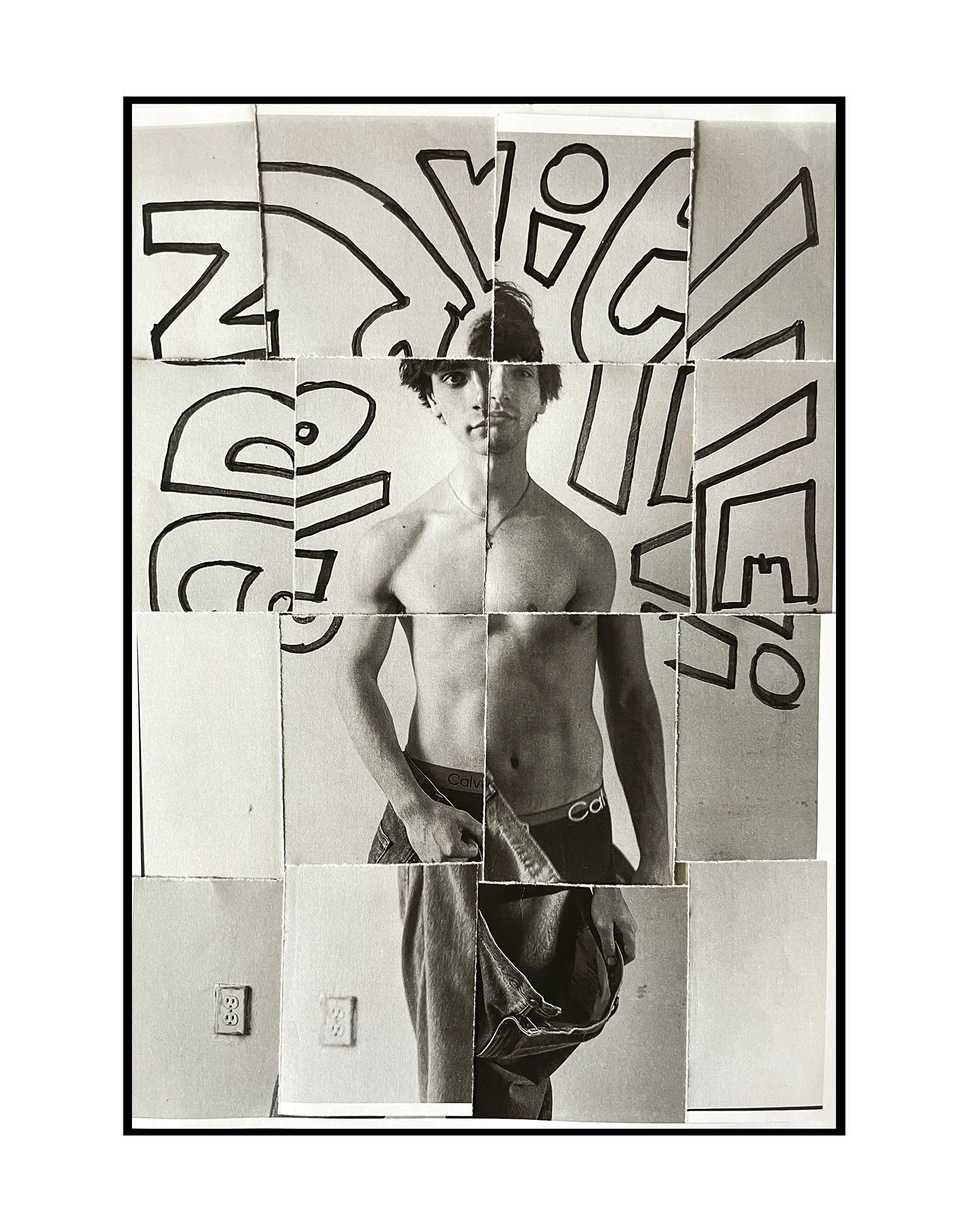


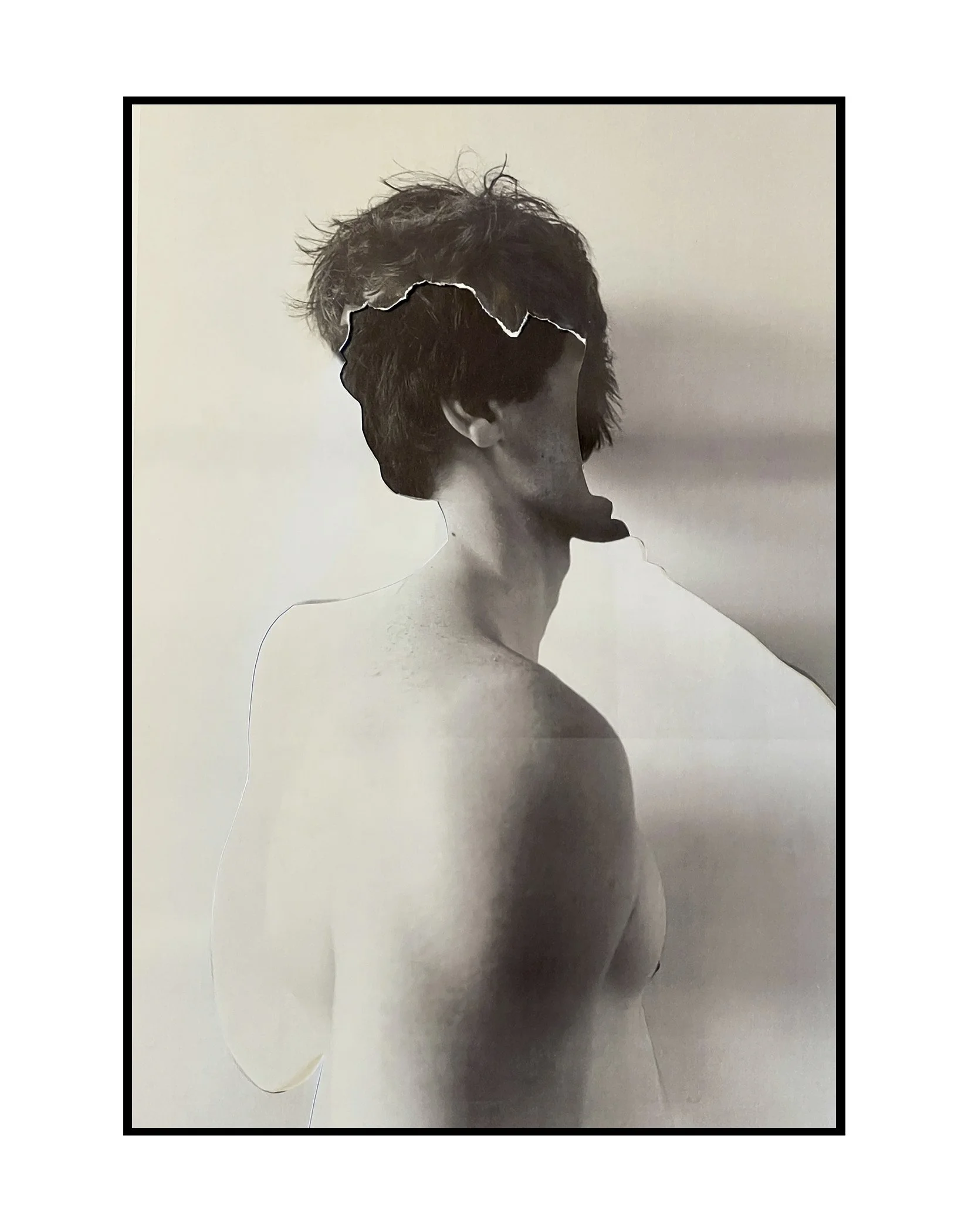
These collages live in that space — where sameness and individuality overlap. Two people, one portrait.

The Power of Scent with Arnold Kouassi
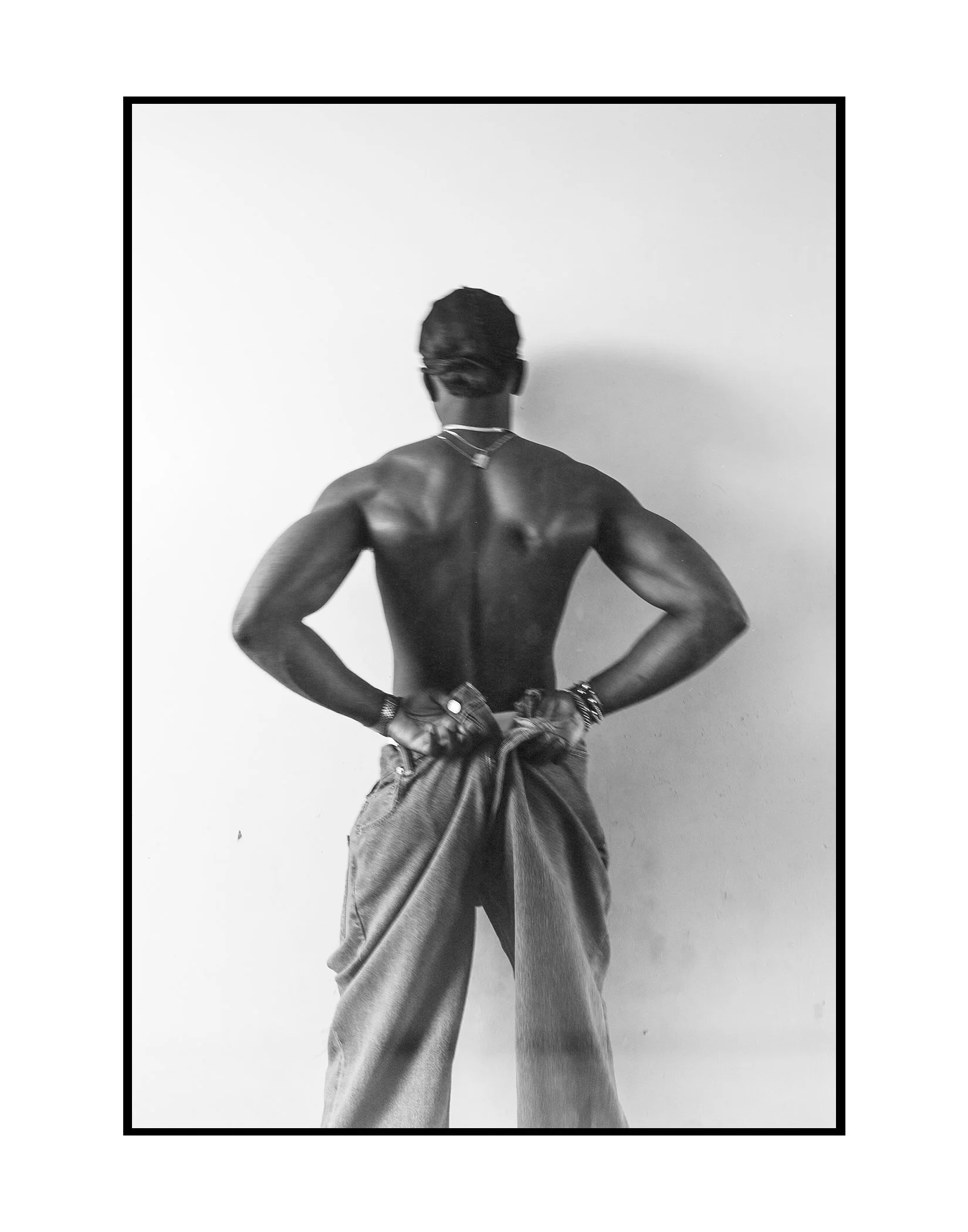
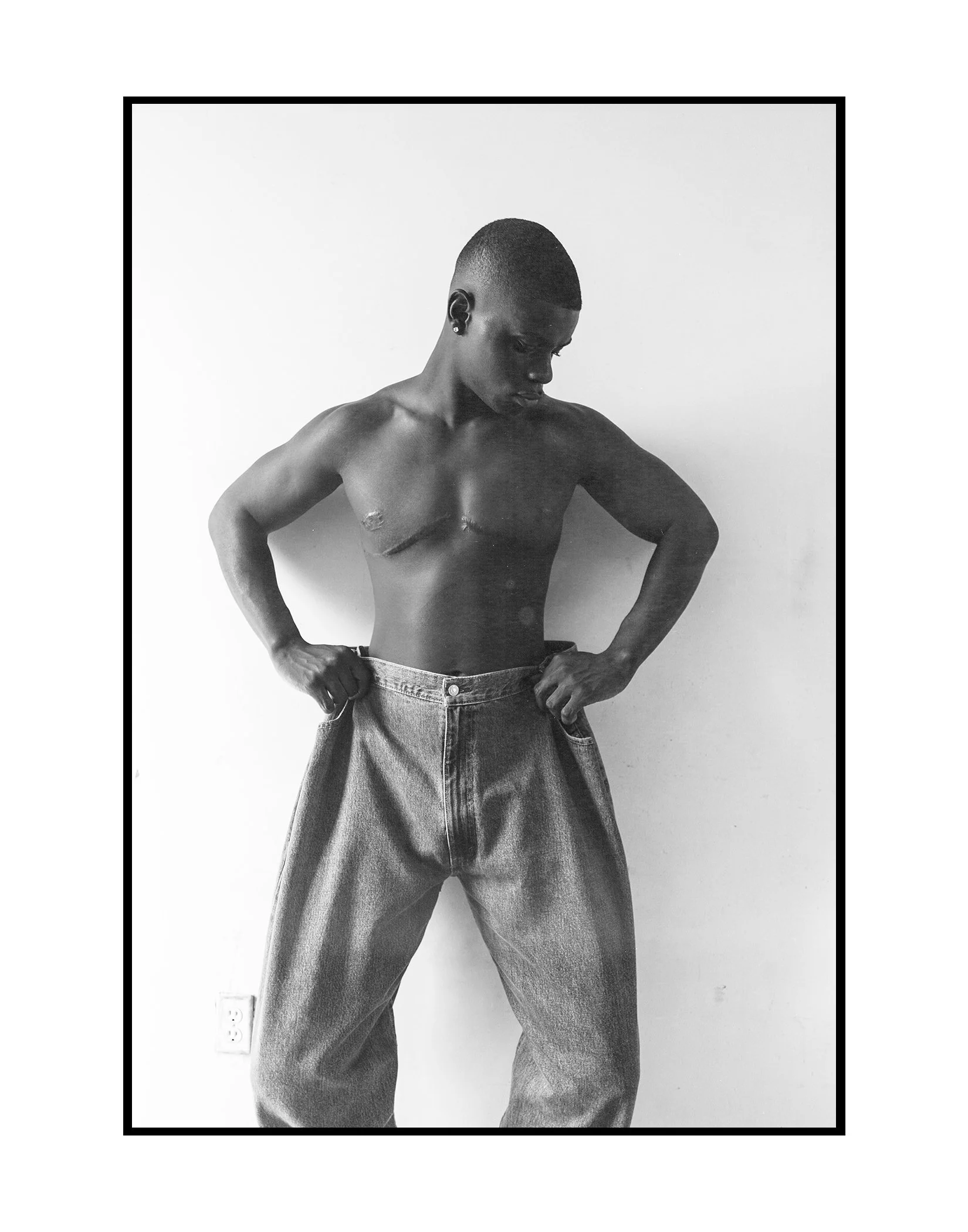
When I first came across Arnold Kouassi on Instagram, I knew instantly that I had to photograph him. There was something in his presence that felt like it belonged in the Giant Denim series—his energy, his movement, his ability to create shapes with his body that felt sculptural. What I loved most, though, was that he kept on his own jewelry for the shoot. Rings, watch, chains, bracelets—personal artifacts that added texture and narrative to the images. Those small details allowed the portraits to hold both his story and mine at the same time.
When I first came across Arnold Kouassi on Instagram, I knew instantly that I had to photograph him. There was something in his presence that felt like it belonged in the Giant Denim series—his energy, his movement, his ability to create shapes with his body that felt sculptural. What I loved most, though, was that he kept on his own jewelry for the shoot. Rings, watch, chains, bracelets—personal artifacts that added texture and narrative to the images. Those small details allowed the portraits to hold both his story and mine at the same time.
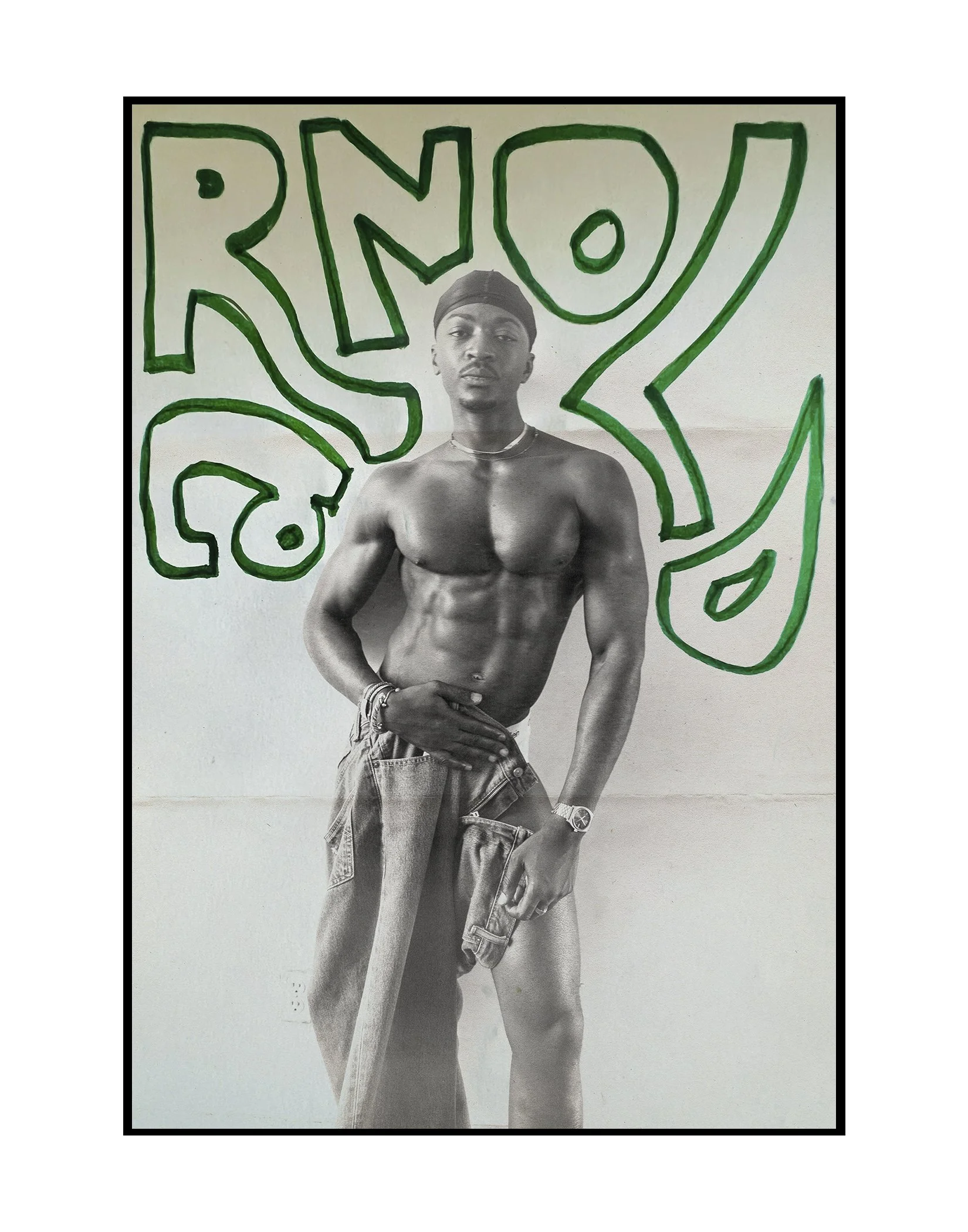
The juxtaposition of his shiny dark skin against the rough texture of oversized denim was magnetic. Every pose carried weight. Every shift in movement created new draping and new shapes. These are the moments that I live for in portraiture—when the collaboration between model and photographer creates something beyond just image-making.
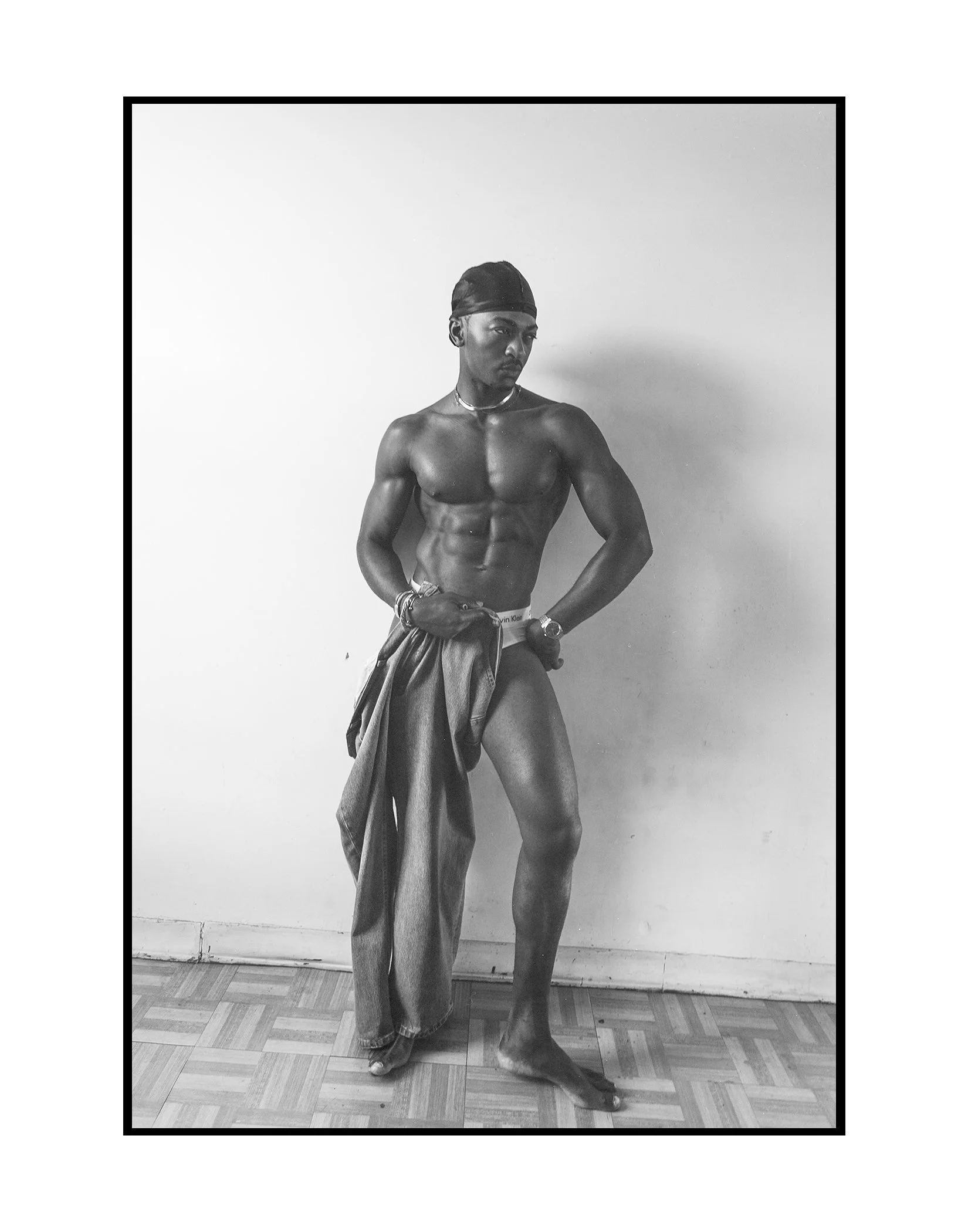

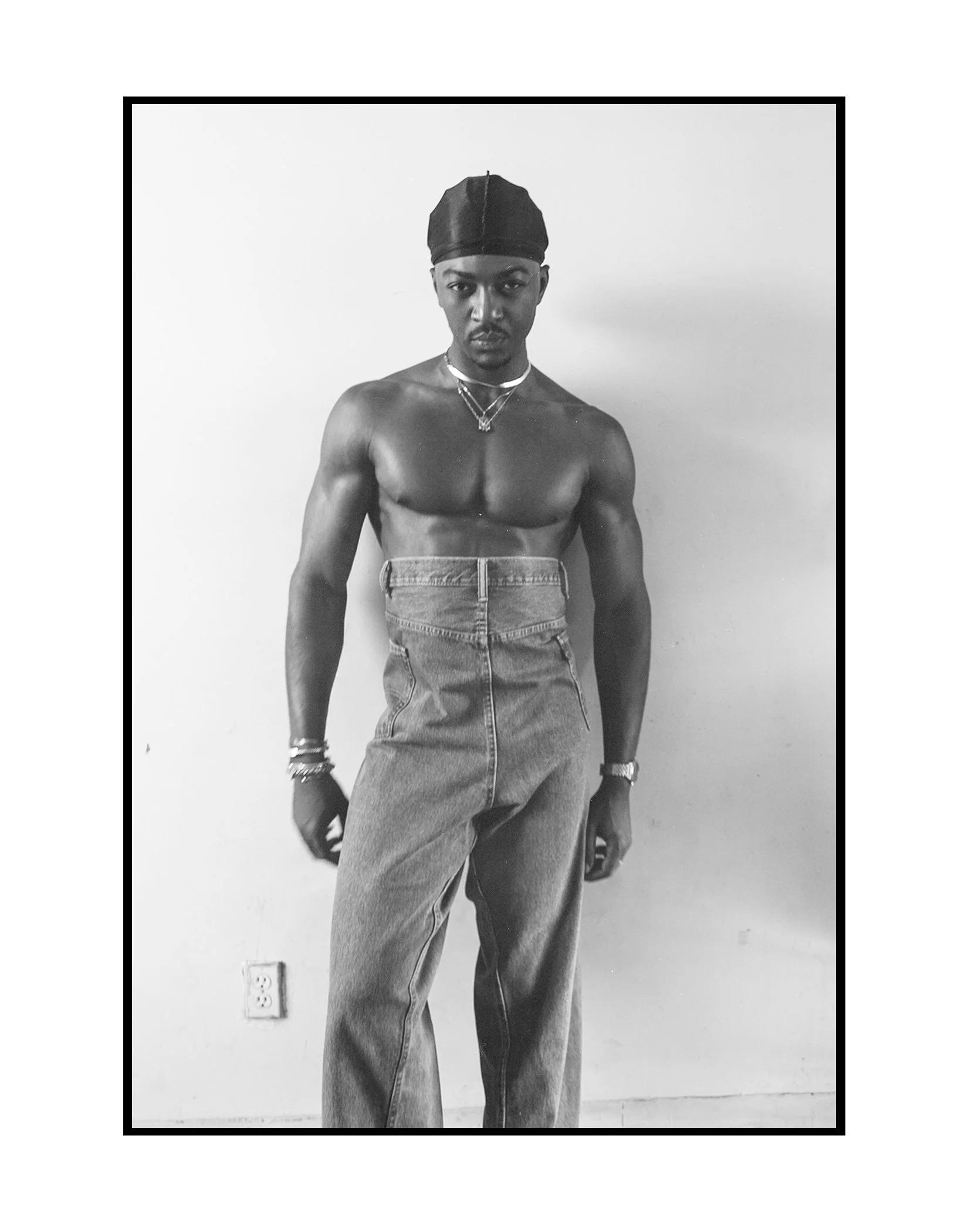
But what struck me most was Arnold’s scent. It carried a familiarity that immediately triggered a memory of my aunt. A flood of warmth, nostalgia, and connection. We started talking about the power of scent—the way it can narrate an entire lifetime of memories without a single word.
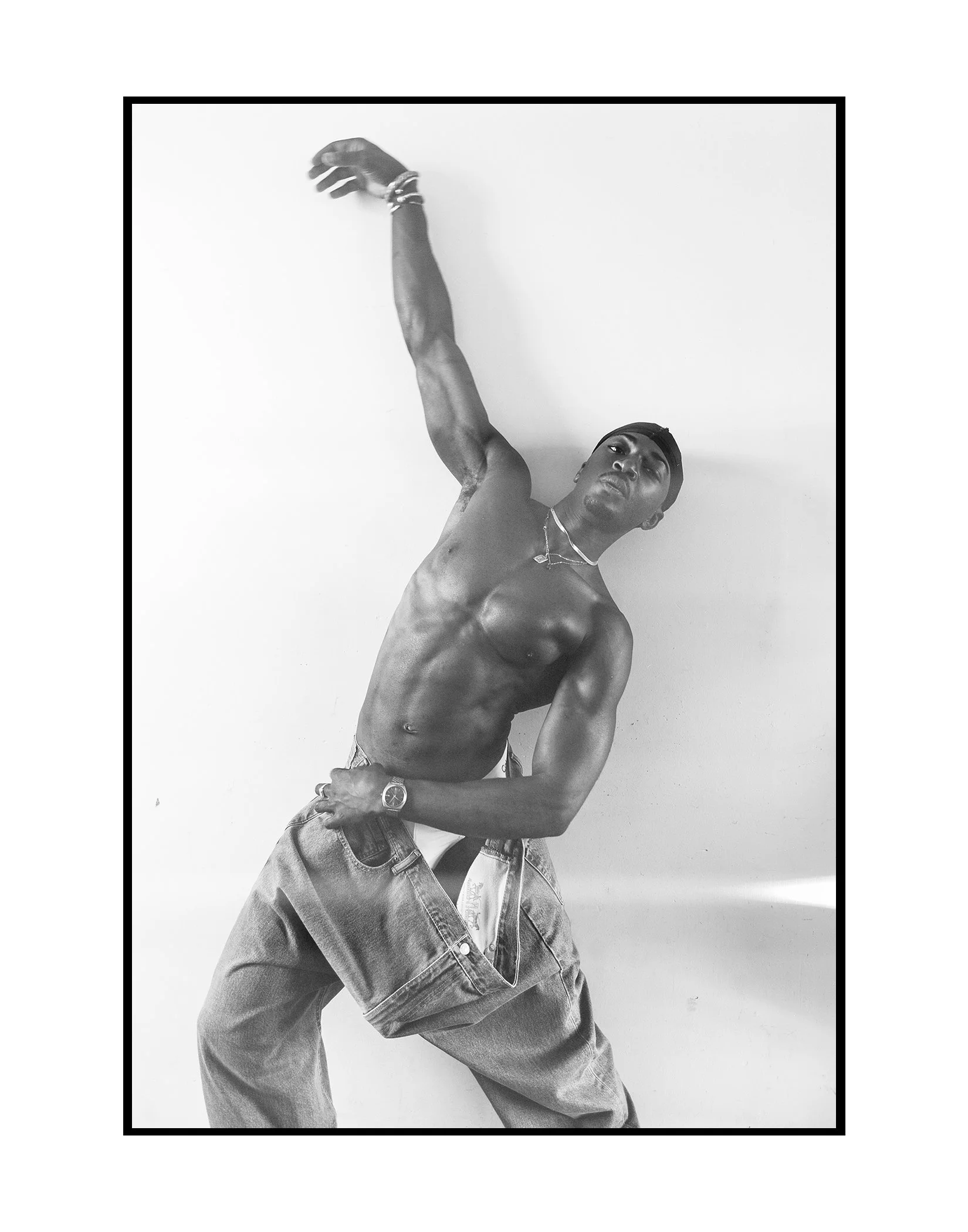
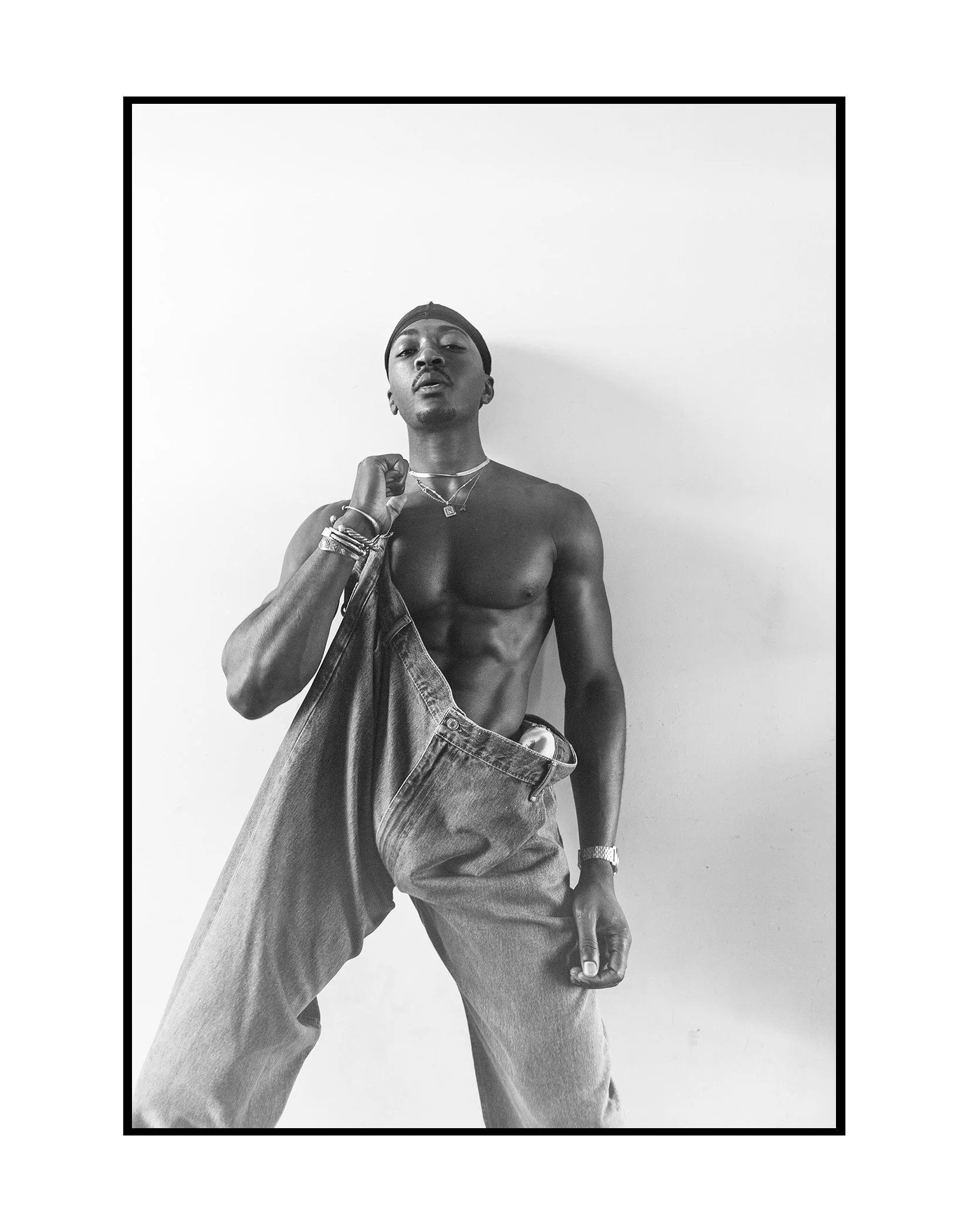
I believe that the very first time you wear a fragrance is sacred. That first wear should be set aside for something special: a new chapter, a celebration, or a moment you want to lock in forever. Because scent has the power to capture a core memory. You might not consciously recall the fragrance later, but your body will remember. When you cross paths with that note again—floral, musky, citrus, smoky—it will transport you back to that exact place, that exact feeling.
Think about the first time you meet someone while wearing a fragrance. They might not register the scent consciously, but they’ll remember you. The way you moved, spoke, or laughed—all tied to that invisible, unforgettable trail in the air. That’s the power of scent. It lingers, it shapes memory, it tells a story long after the moment has passed.
For me, scent is art. It’s a medium as powerful as photography, painting, or sound. It’s intangible yet deeply human. I’m currently working on a few scent-related art pieces that explore this exact idea, and I can’t wait to share them soon.
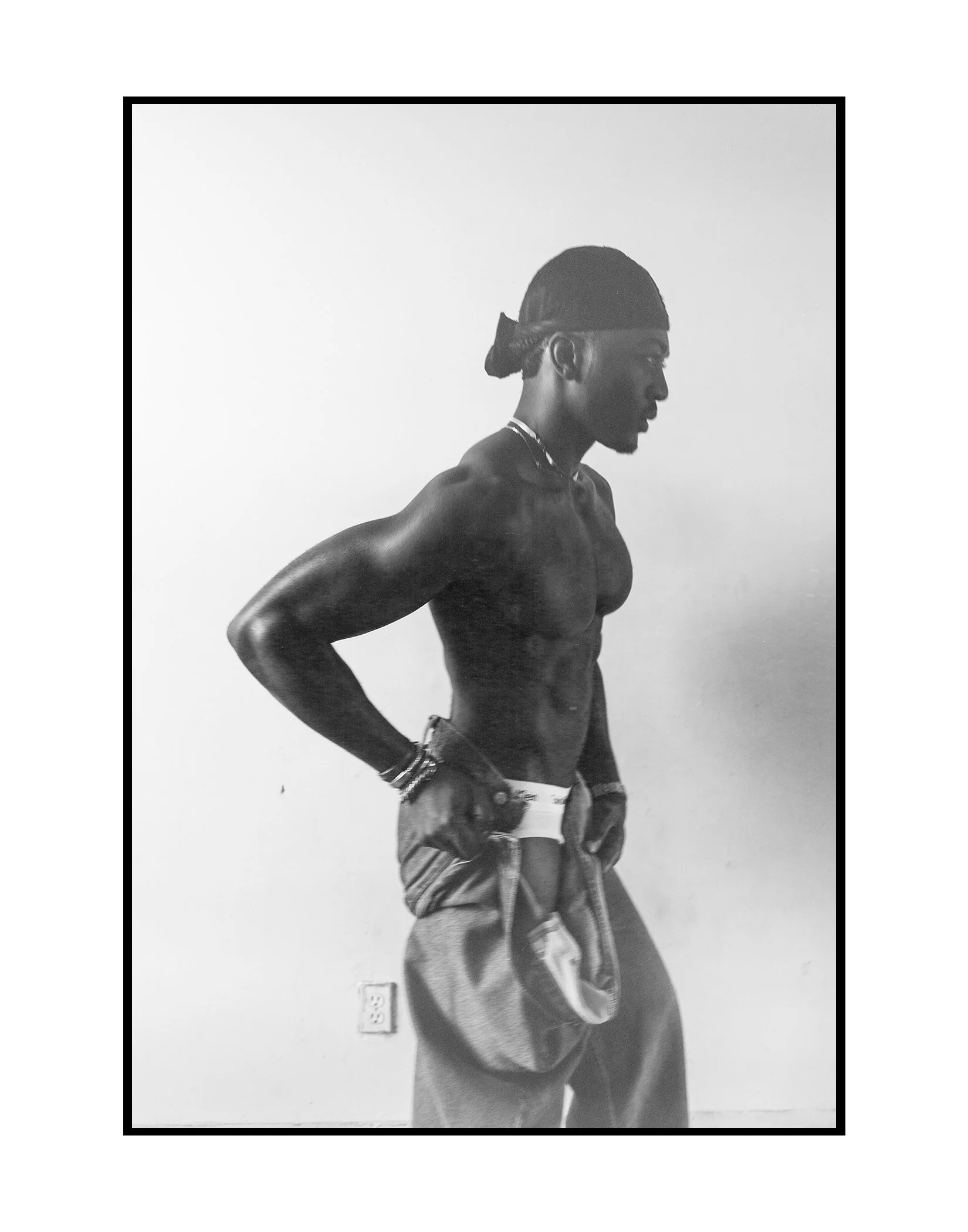
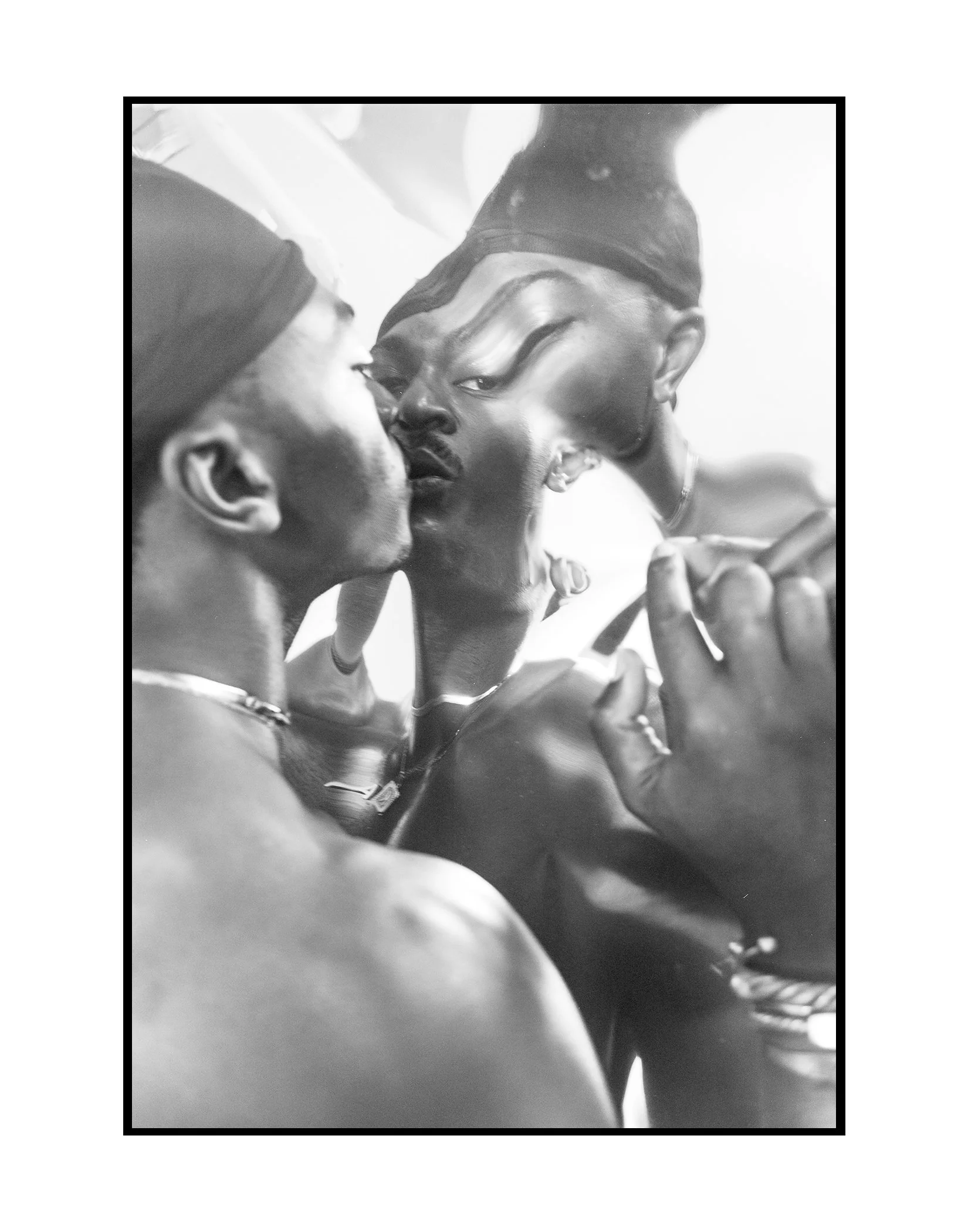
Photographing Arnold was not just about denim or portraits. It was about collaboration, about narrative, and about memory. These images carry the texture of denim, the glint of jewelry, the shine of skin, and the invisible weight of scent—the kind that lingers in your mind as much as in the air.
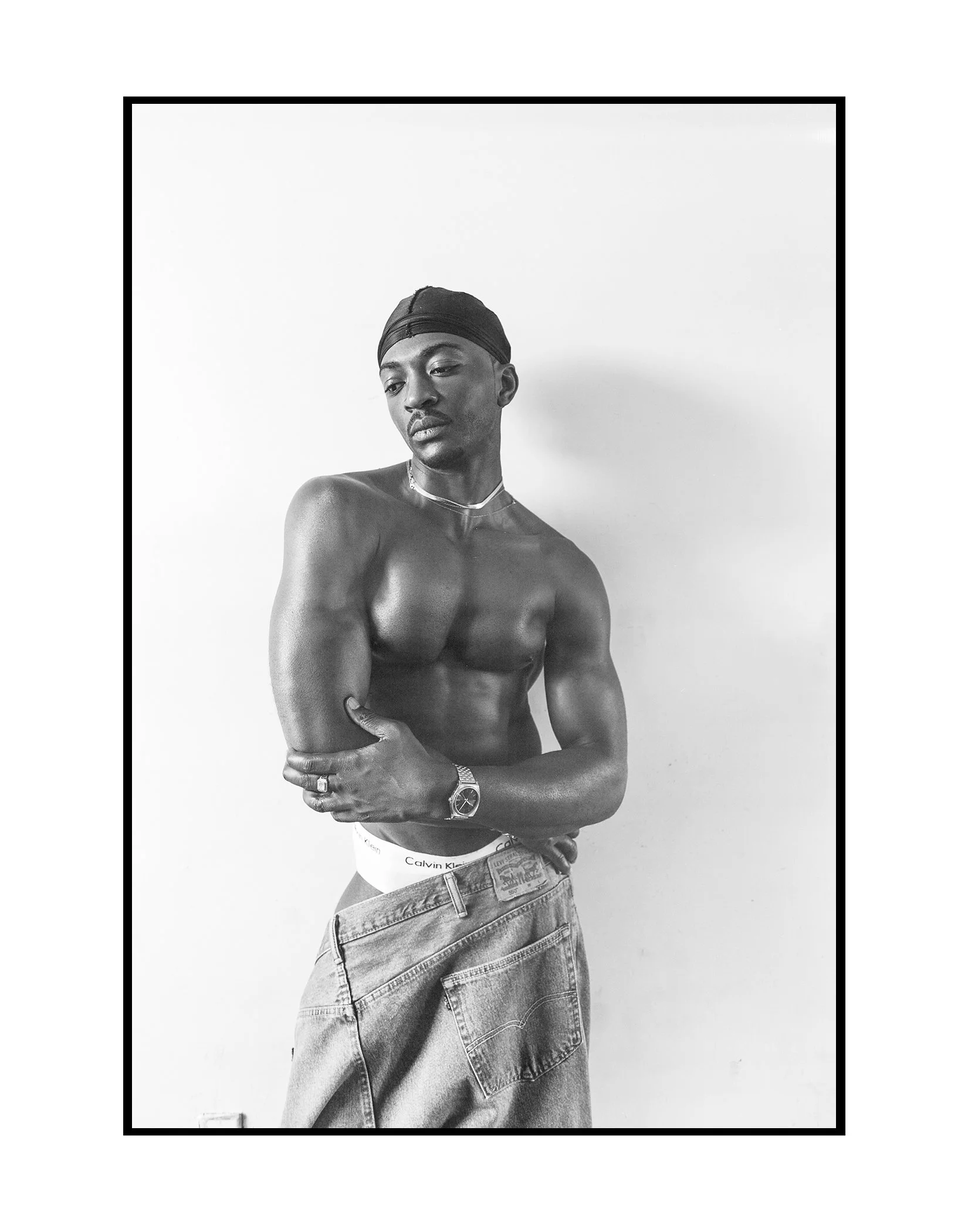
Look out for more images of Arnold from this series across my other platforms. This is just the beginning.

The return of A. Clown?
A. Clown hasn’t been seen in some time. He didn’t storm off stage, didn’t slam the door, didn’t even leave a note—he simply stepped behind the silver curtain and let the folds swallow him.
A. Clown hasn’t been seen in some time. He didn’t storm off stage, didn’t slam the door, didn’t even leave a note—he simply stepped behind the silver curtain and let the folds swallow him.
Once upon a time, I wore his face. Painted on a new mood every time. Sometimes a whisper, sometimes a scream. He lived in portraits, in paintings, in the way people’s eyes darted between fascination and discomfort. You either loved him or you couldn’t look at him. That’s the magic of a clown. That’s the danger of one, too.
But clowns aren’t built to vanish entirely. They hide in the air between you and the mirror. They hide in mylar wrinkles that turn a reflection into a puzzle. They hide in balloon animals—small, strange sculptures that carry a joke only the clown knows.
These portraits are a way to keep him close without summoning him fully back. Each face here is a flicker of him: the tilt of a head, the curve of light, the way a shadow smiles even when the lips don’t. The clown is still here. He’s just watching from behind the shimmer.
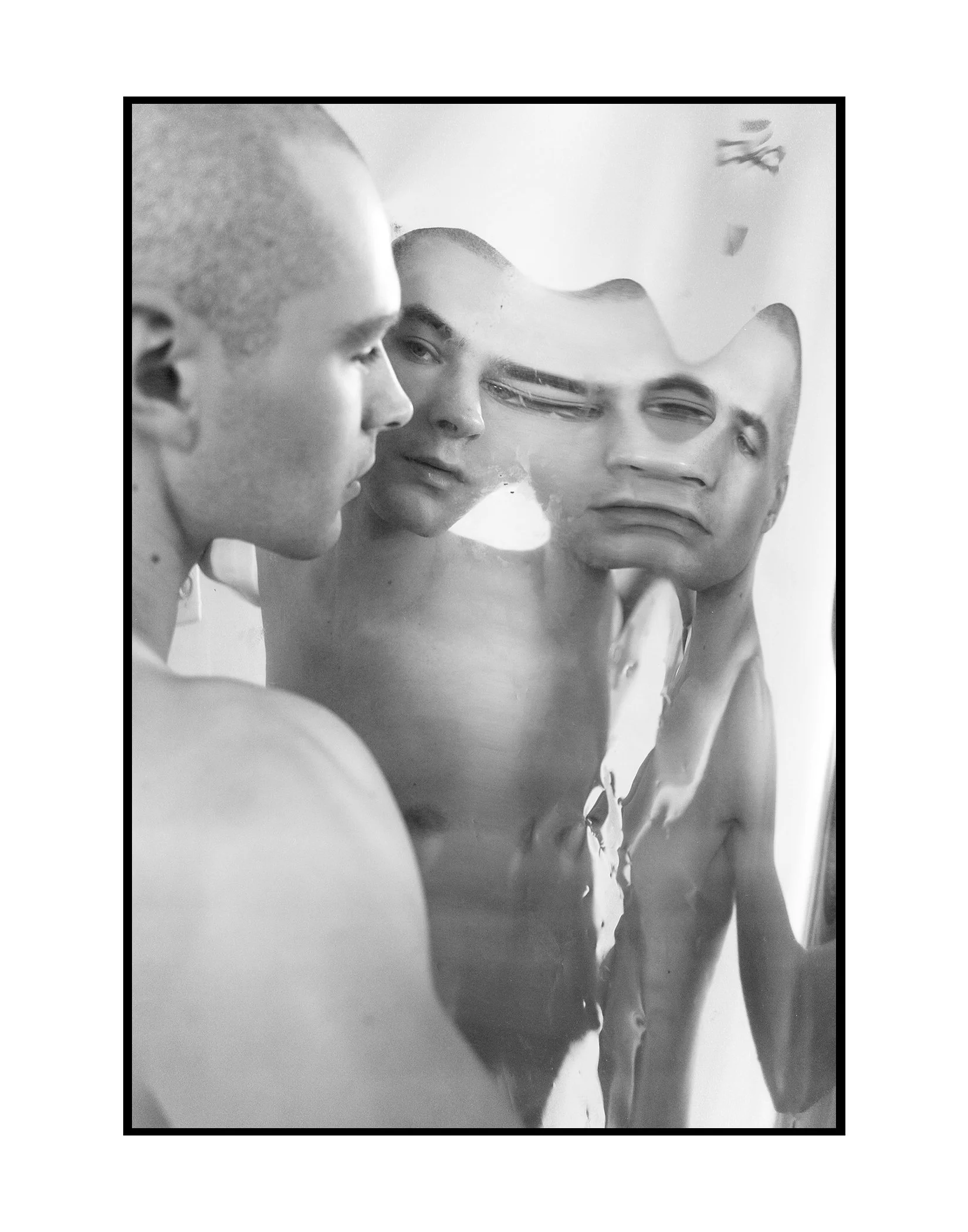
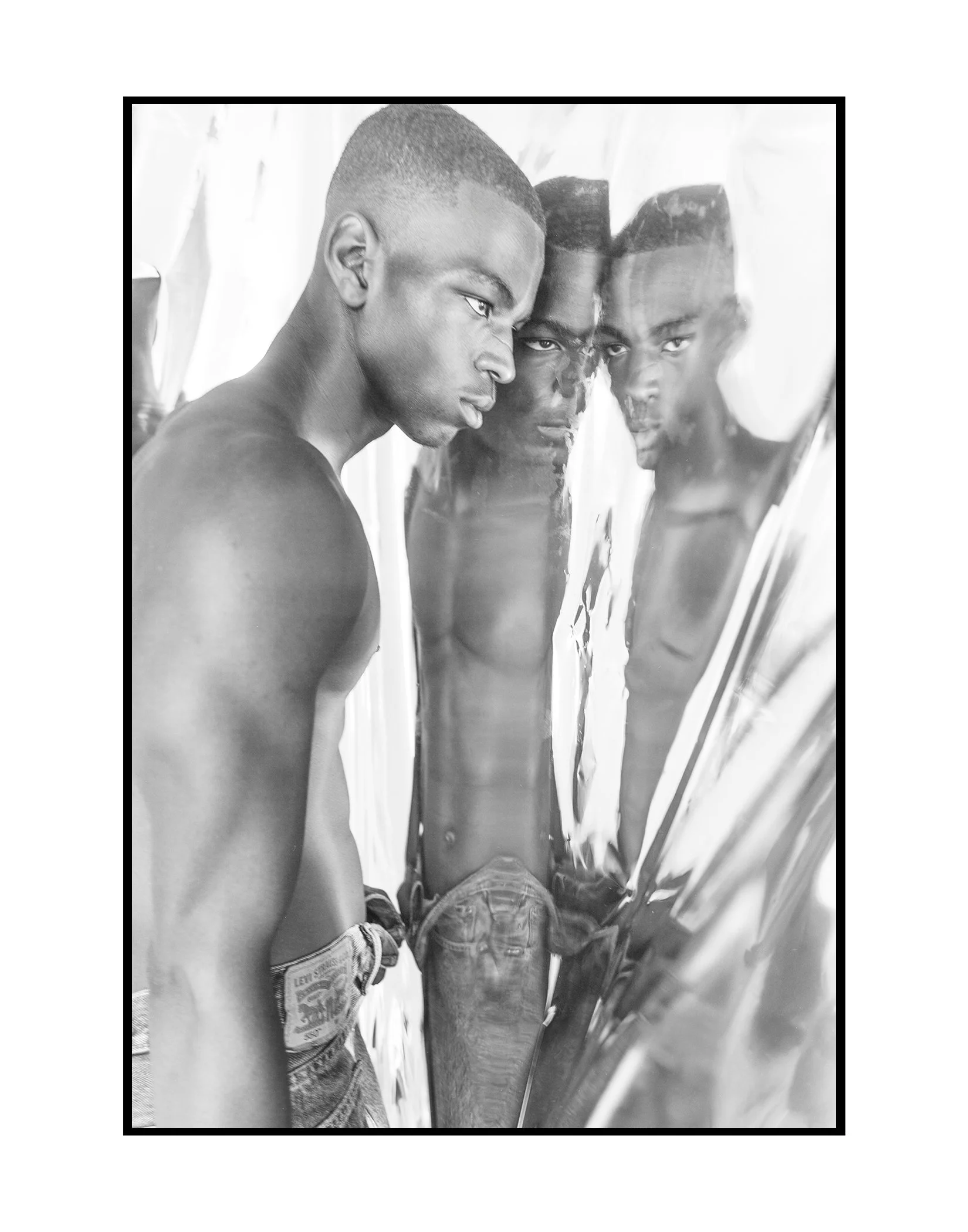
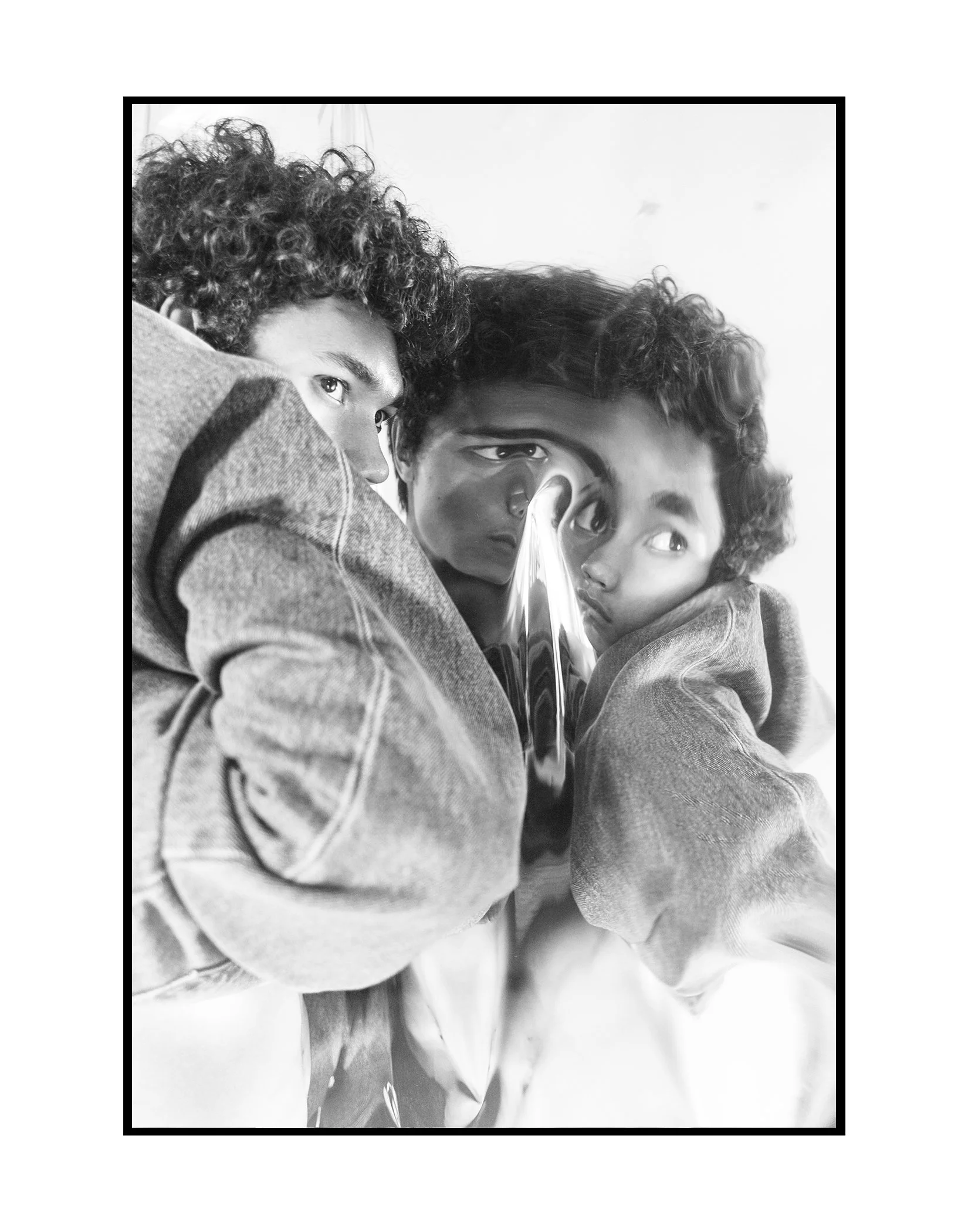
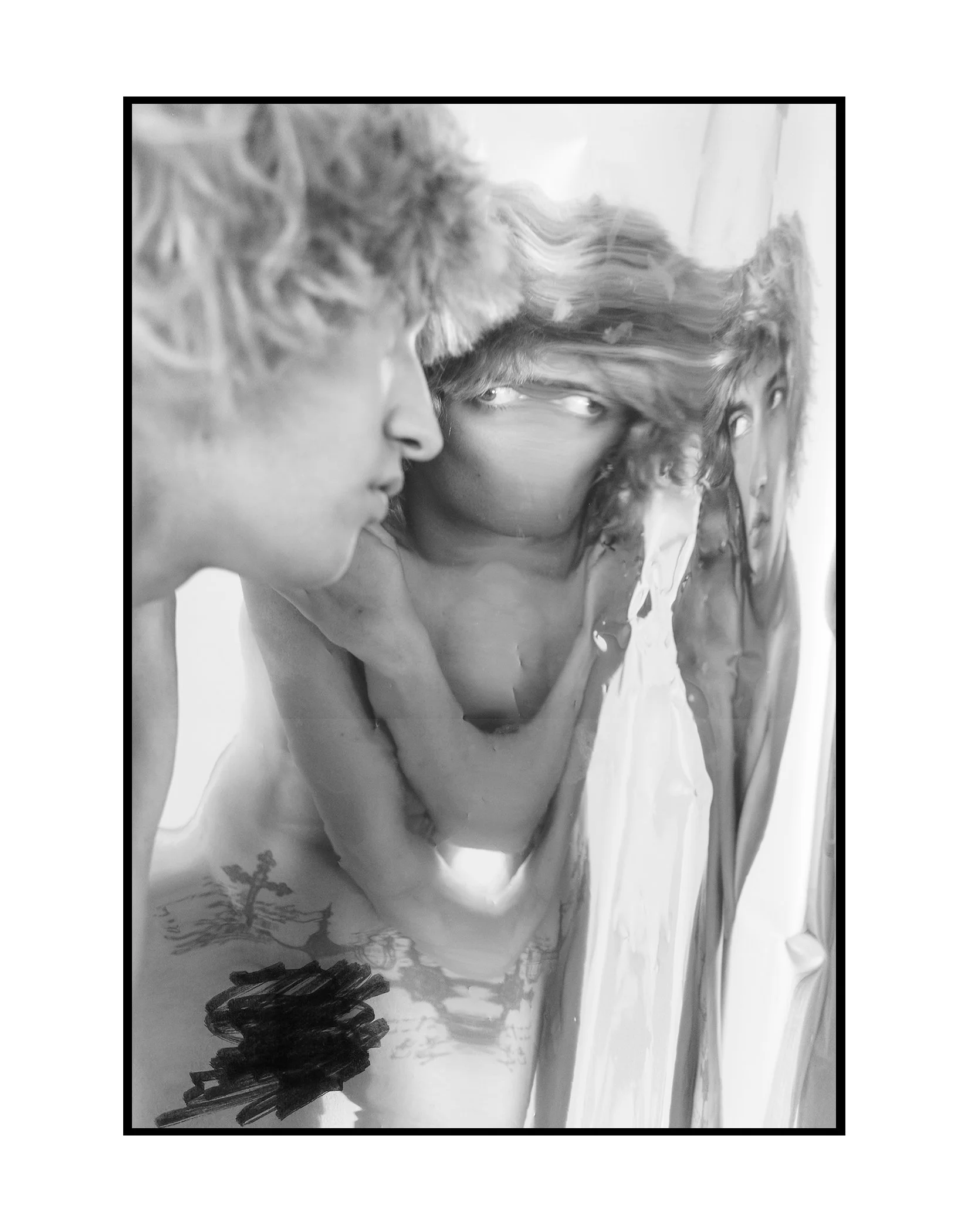
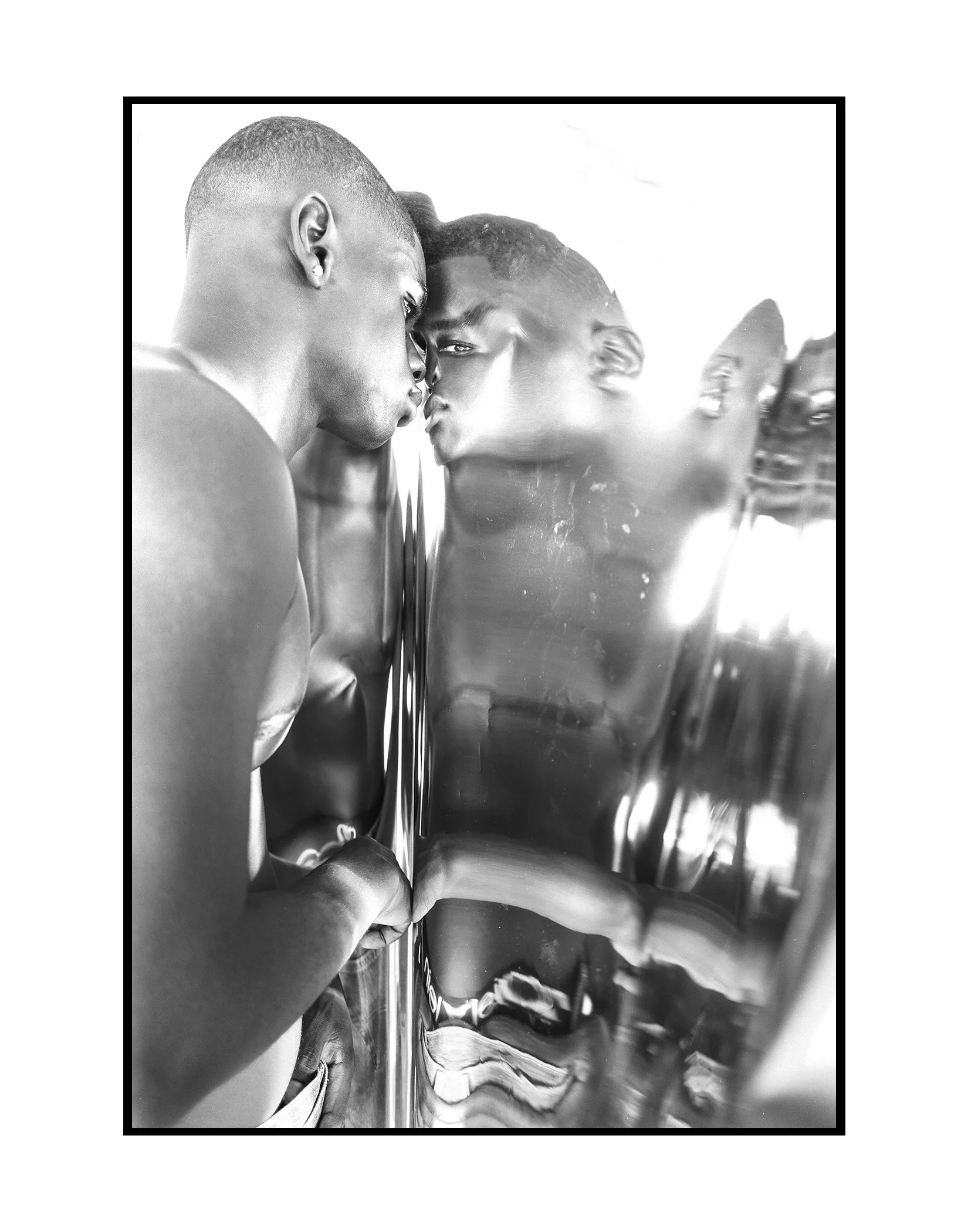
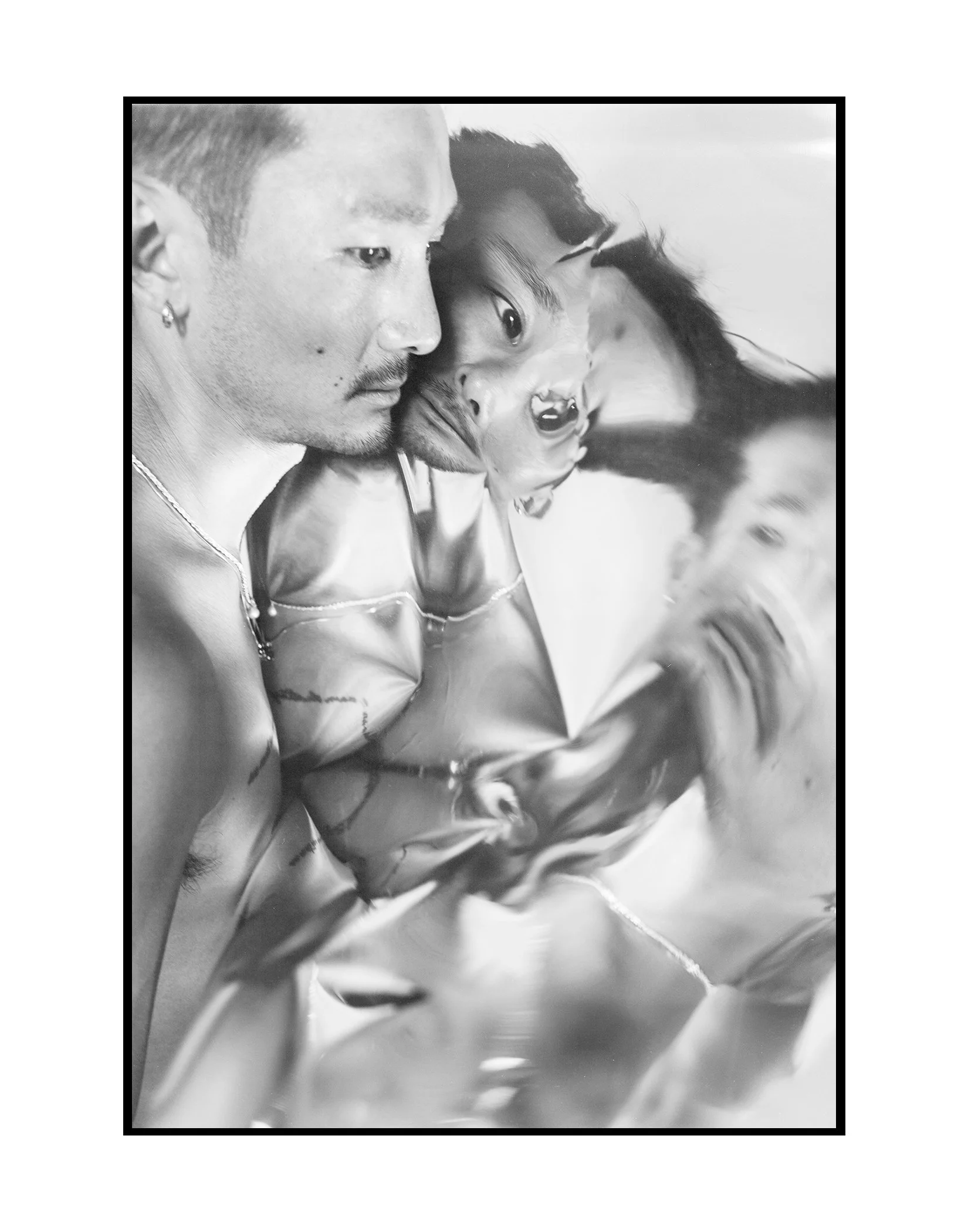

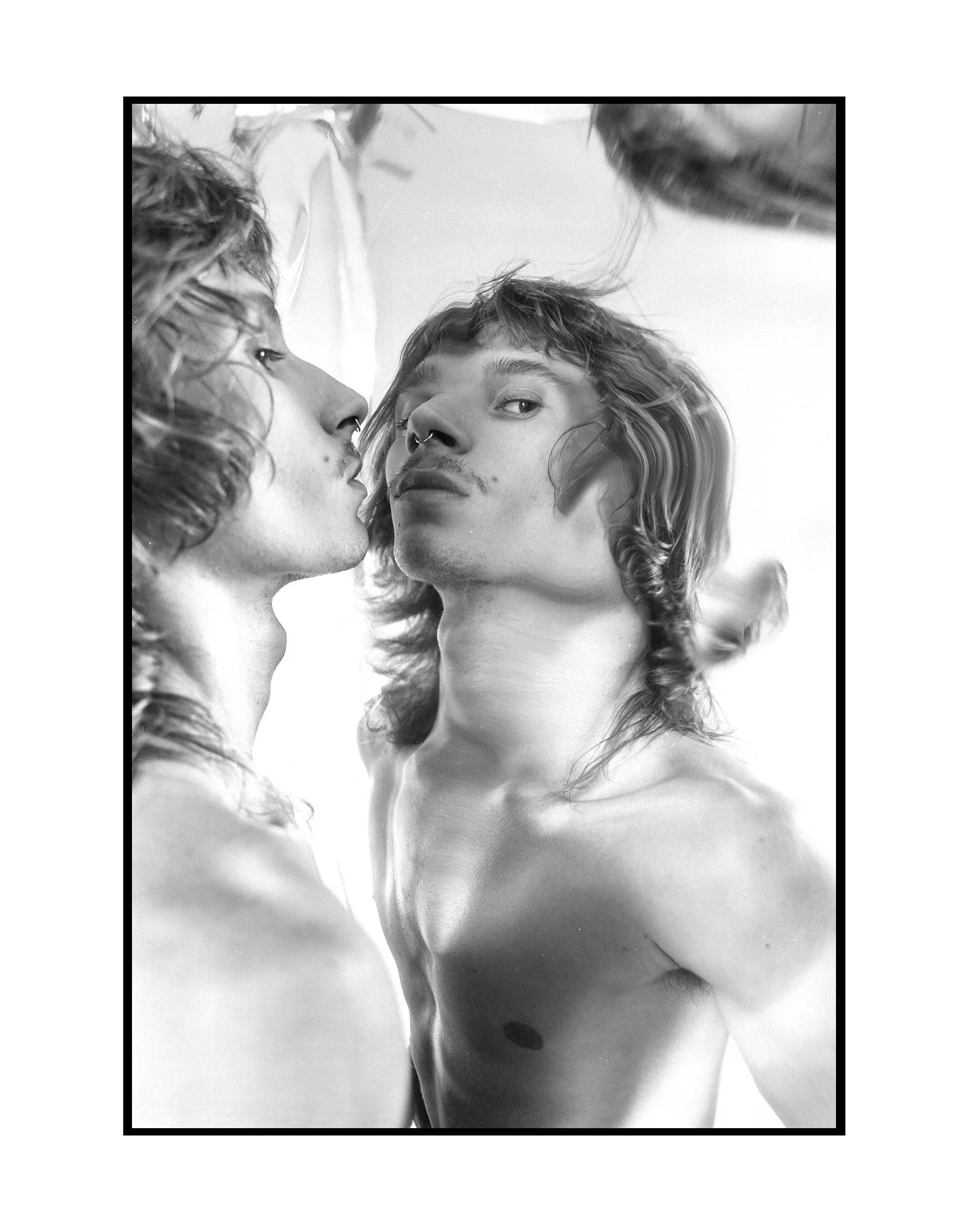

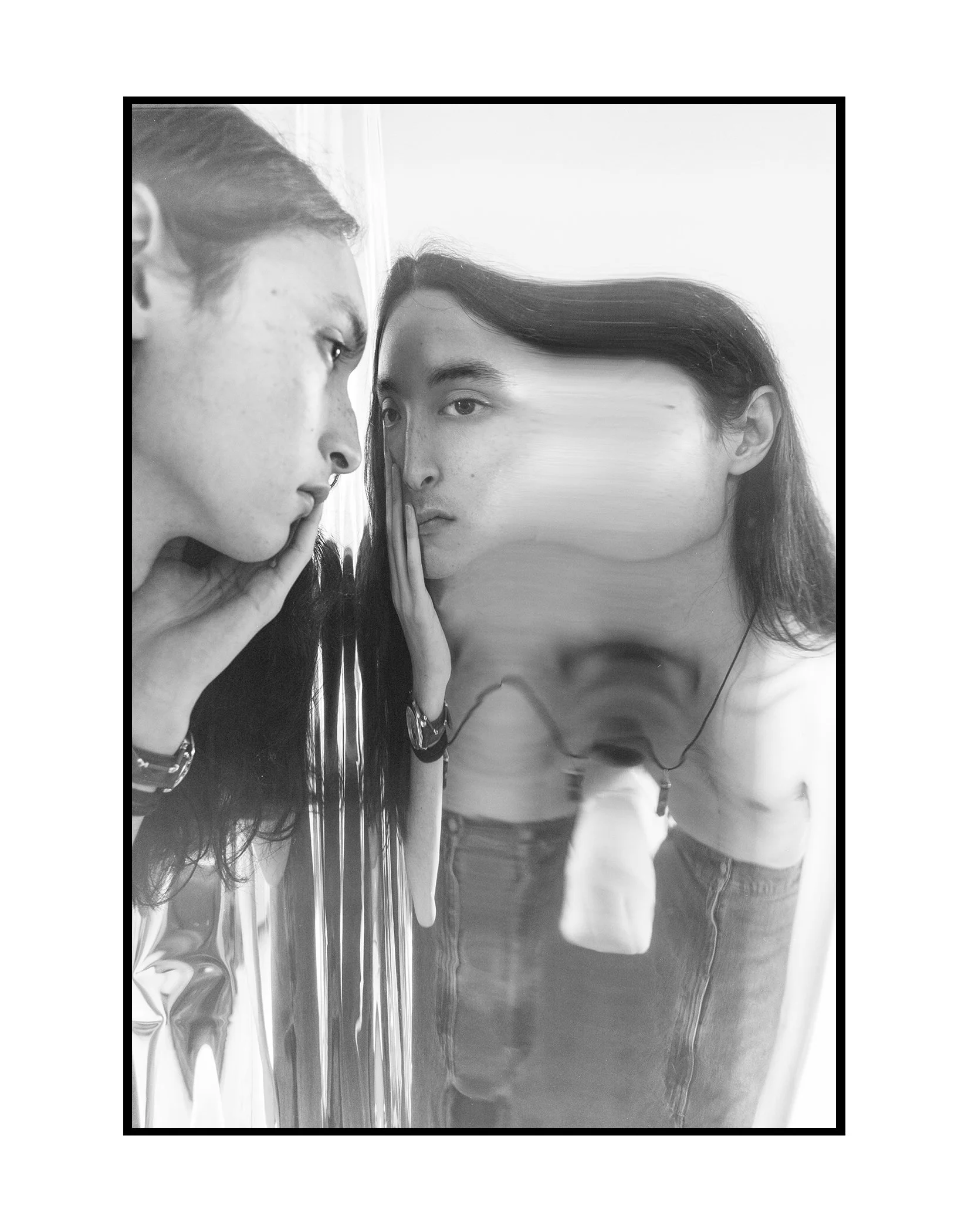
Now the question is—do you see him?

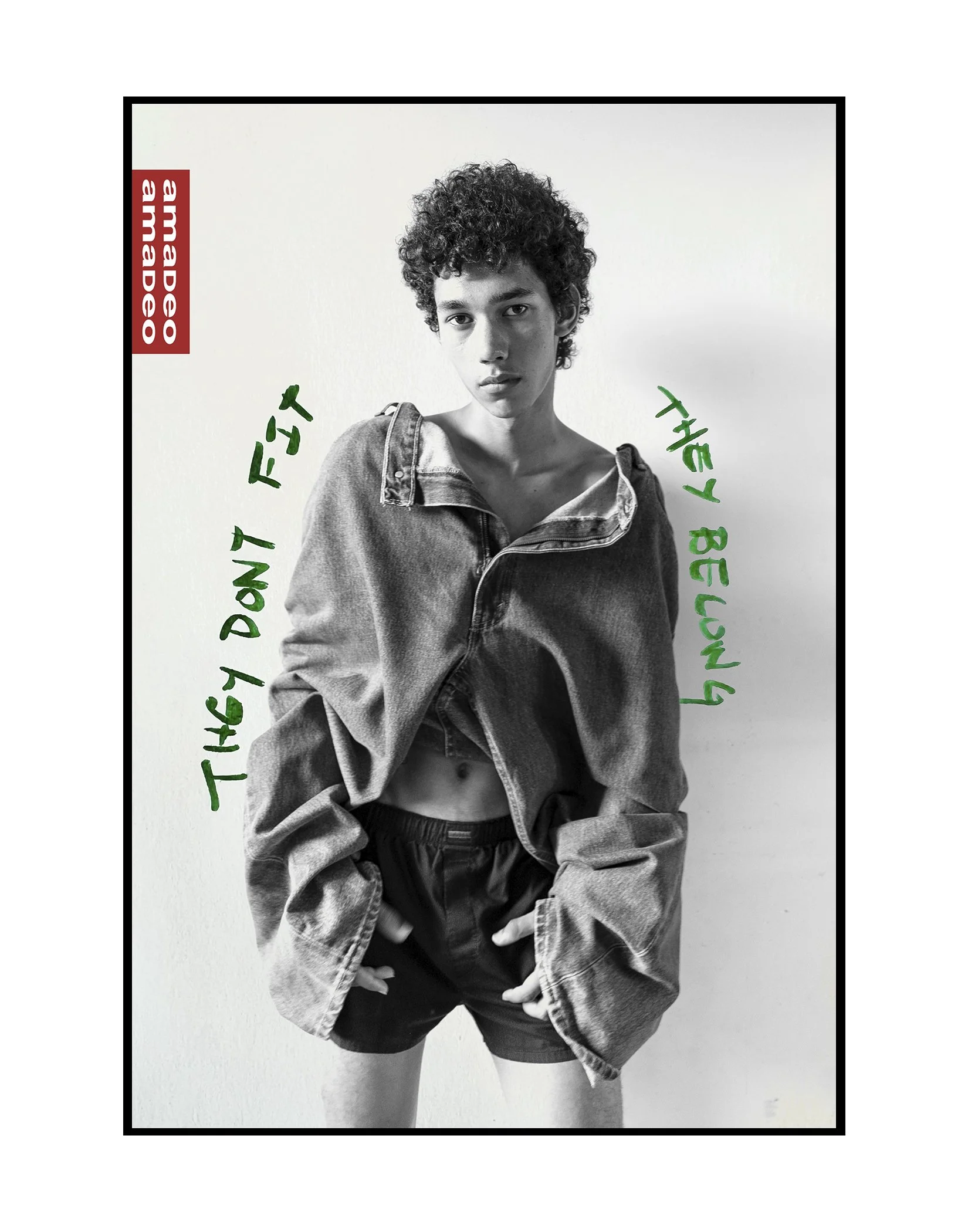
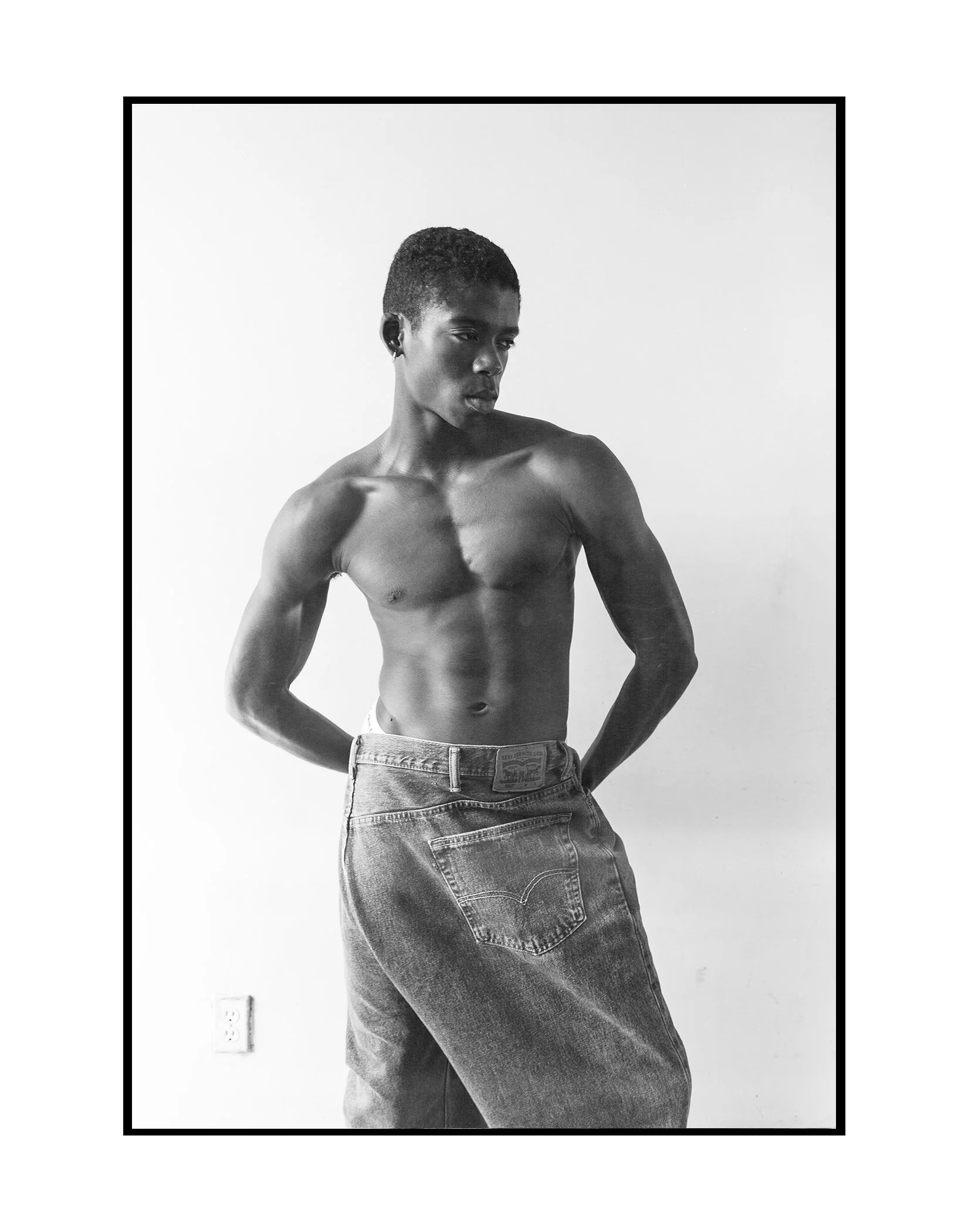
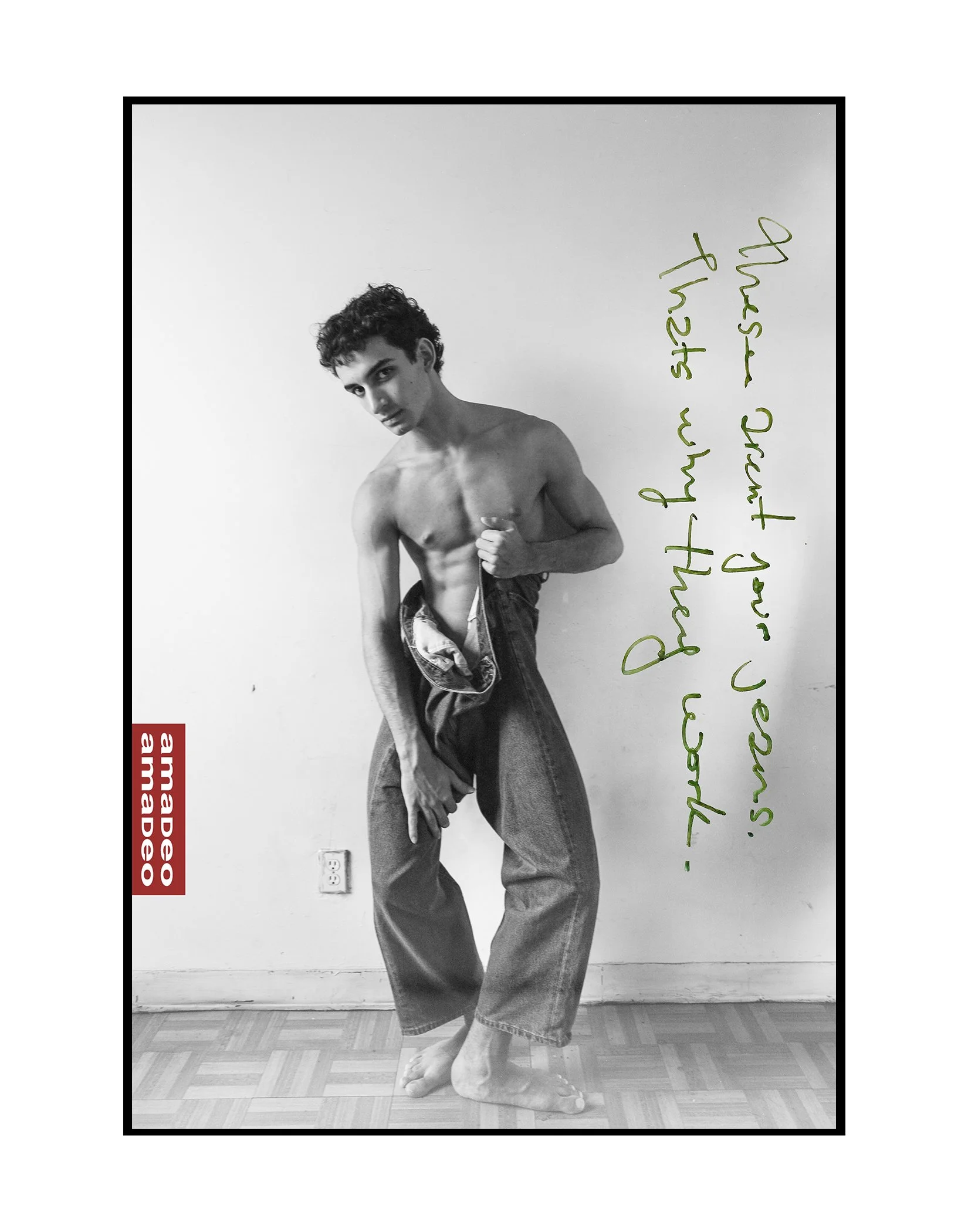
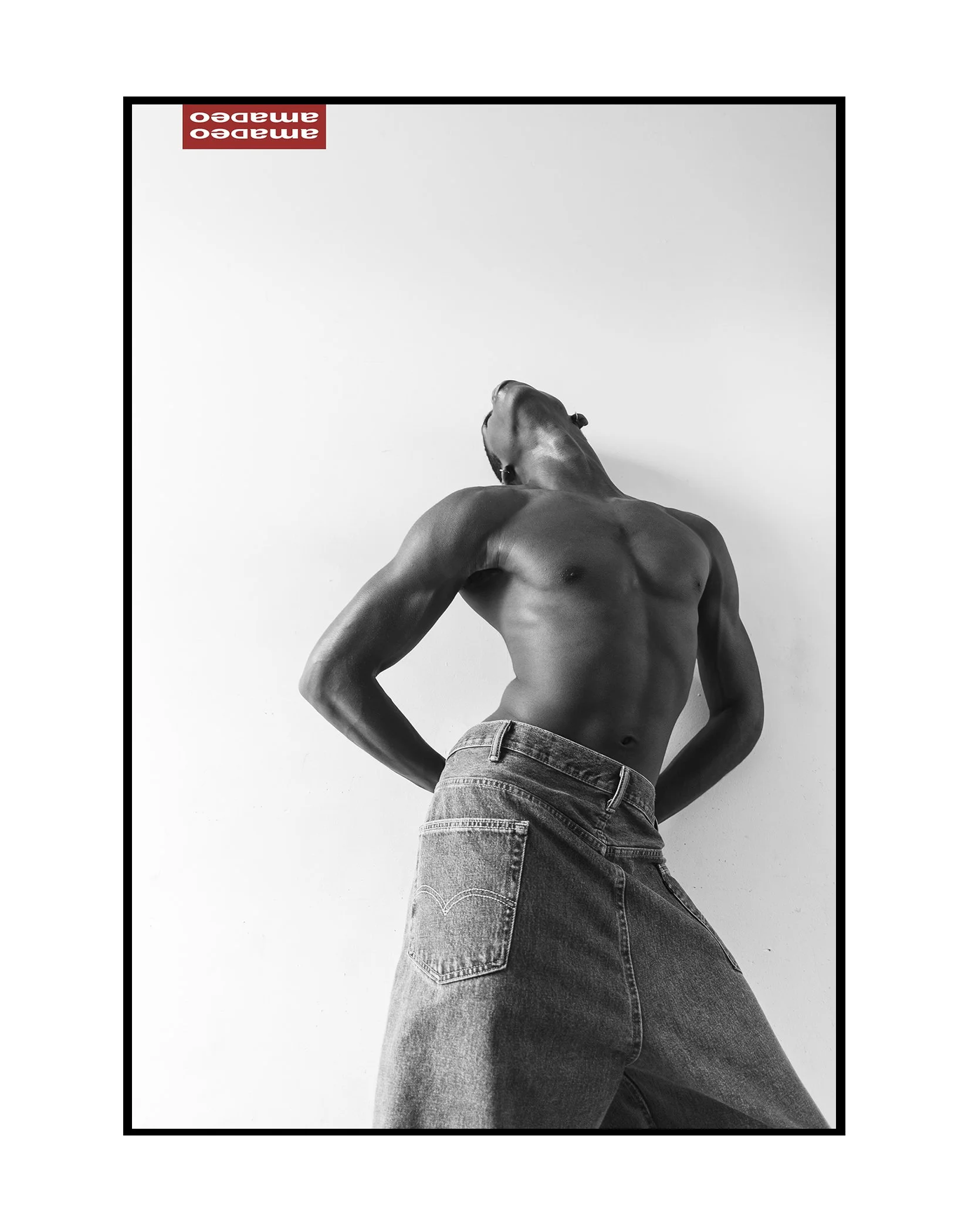
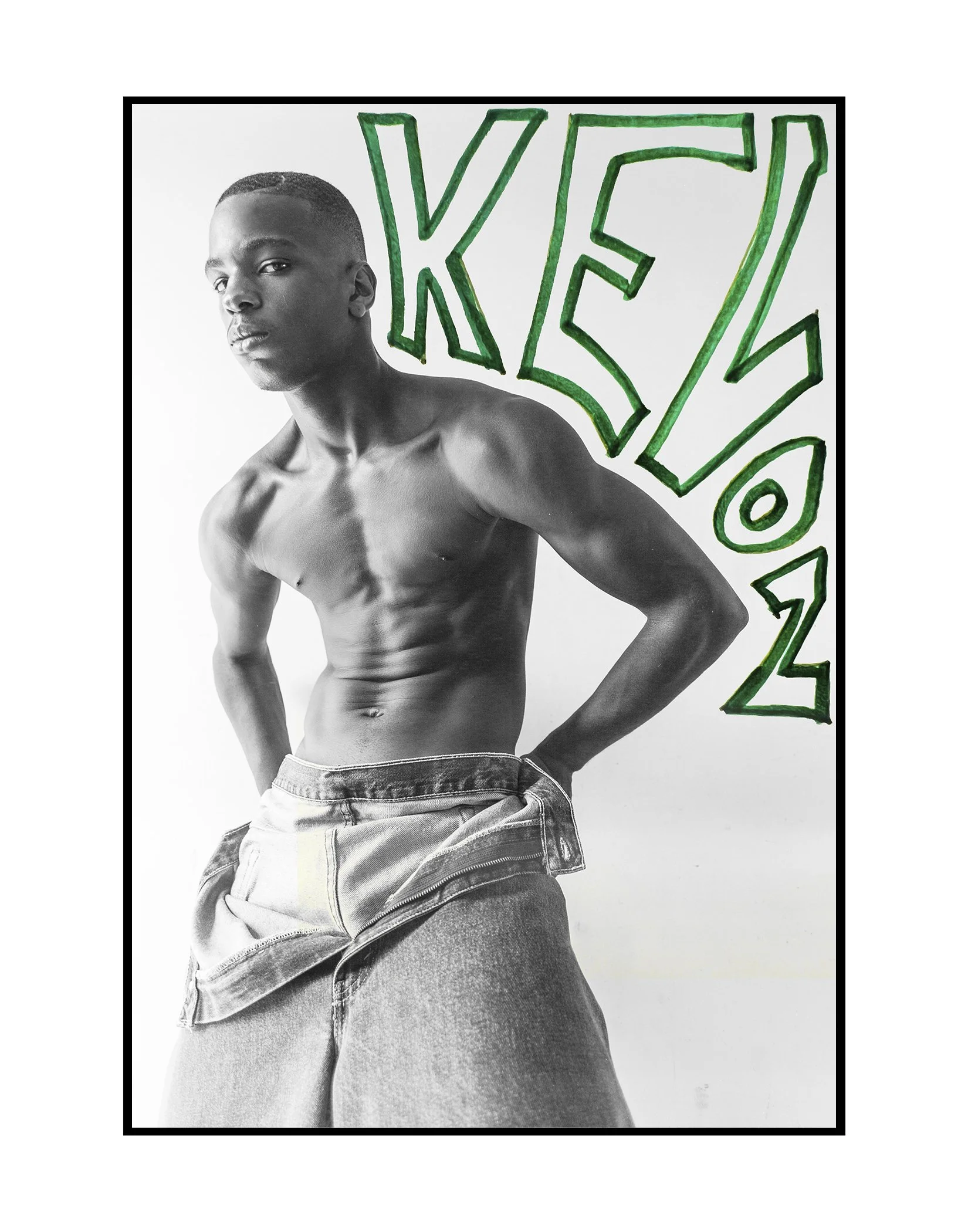
Giant Jeans
A short reflection on scale, shape, and the feeling of not fitting in. A written piece from Anthony Amadeo—before the images, just the words.
They don’t fit. They belong.
By Anthony Amadeo
Published in The Journal
There was a pair of jeans.
They arrived uninvited.
No tag. No origin. No proof of purchase.
Only folds. Only volume.
They hung like silence.
They draped like history.
They did not fit.
Which, in many circles, would be considered failure.

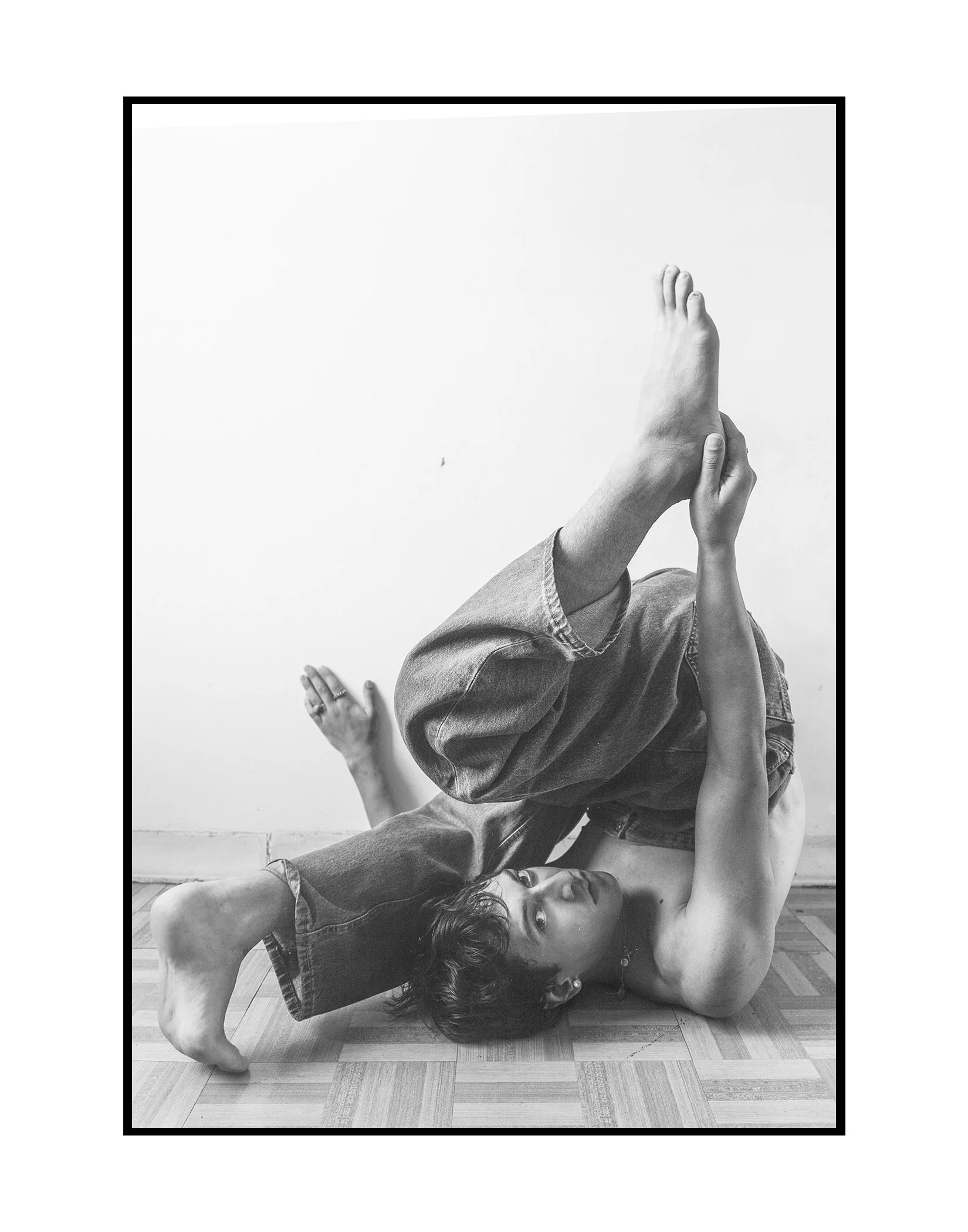

Tailors whispered. Stylists measured.
Photographers blinked.
They tried to make sense of the scale.
“Who are they for?”
“Where are the darts?”
“Should we hem them?”
The answer was no.
The answer was not now.
The answer was: they already are.
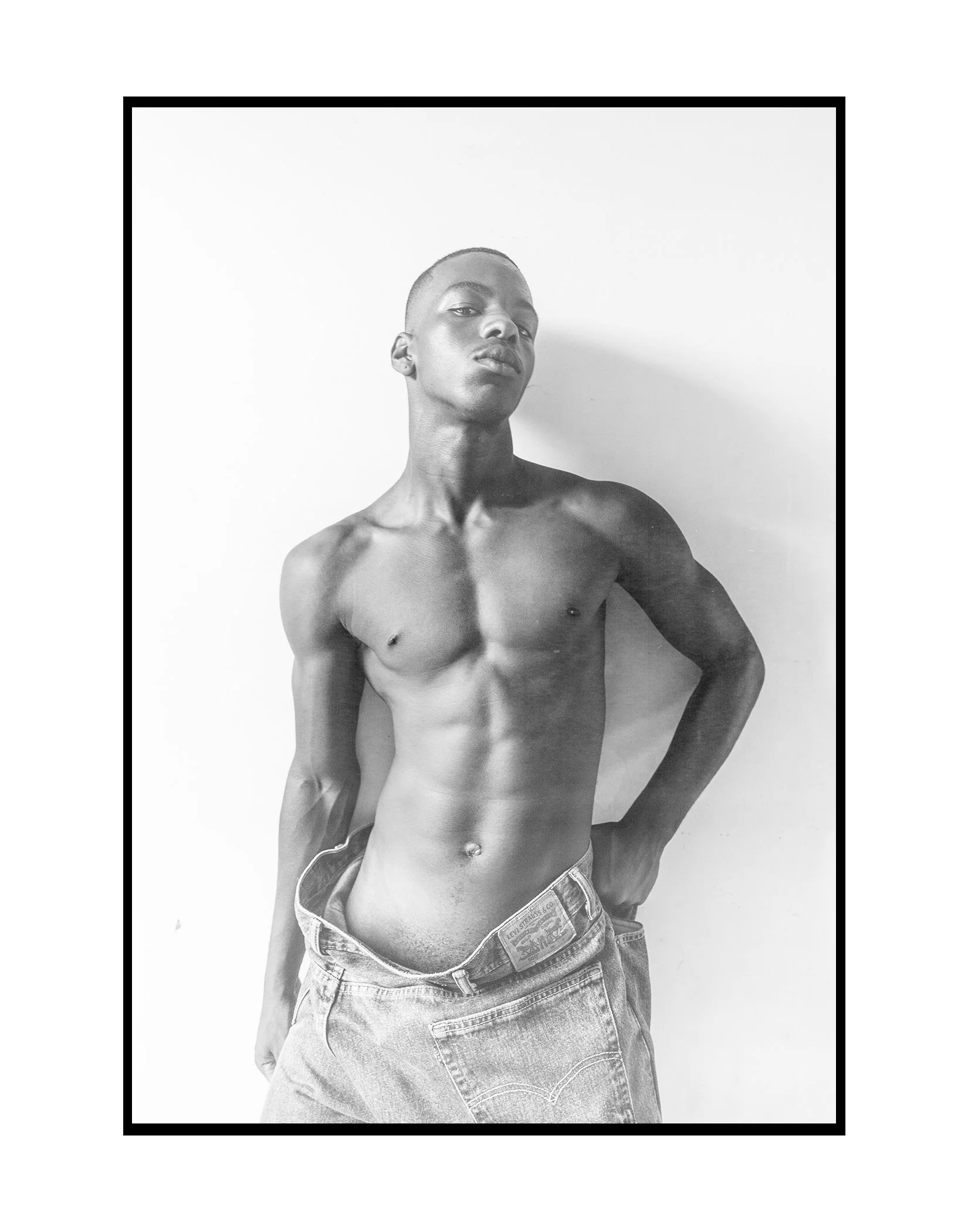
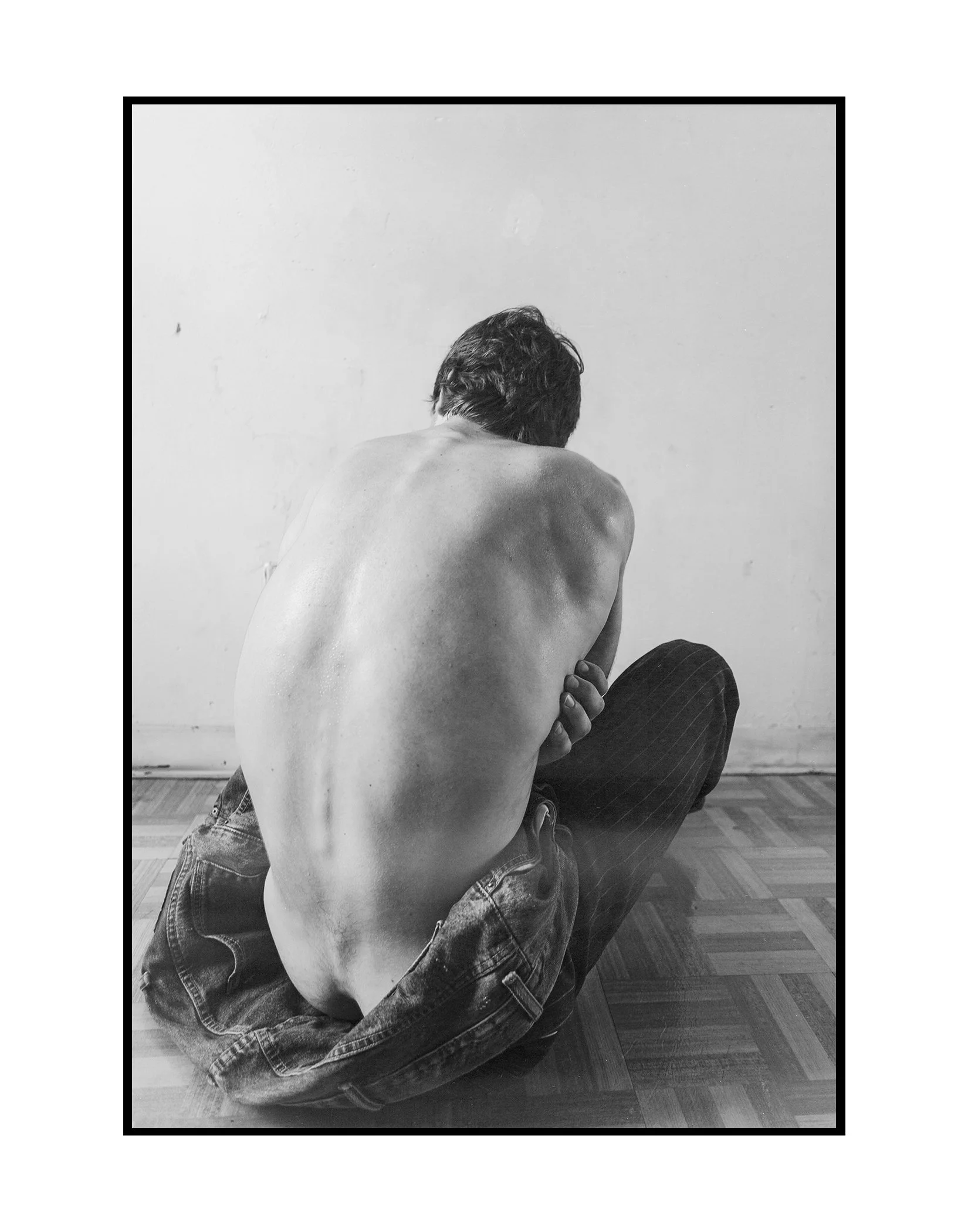
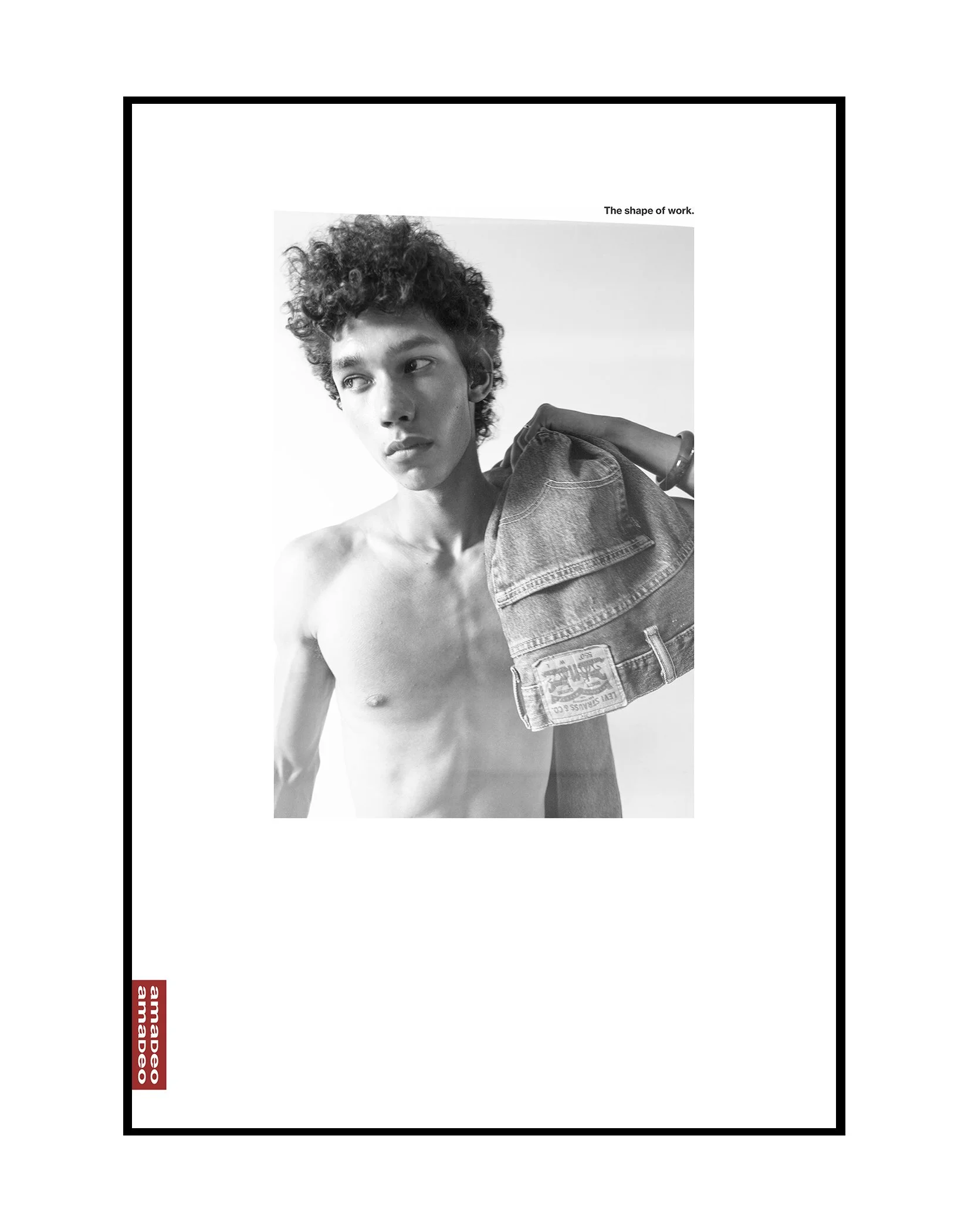
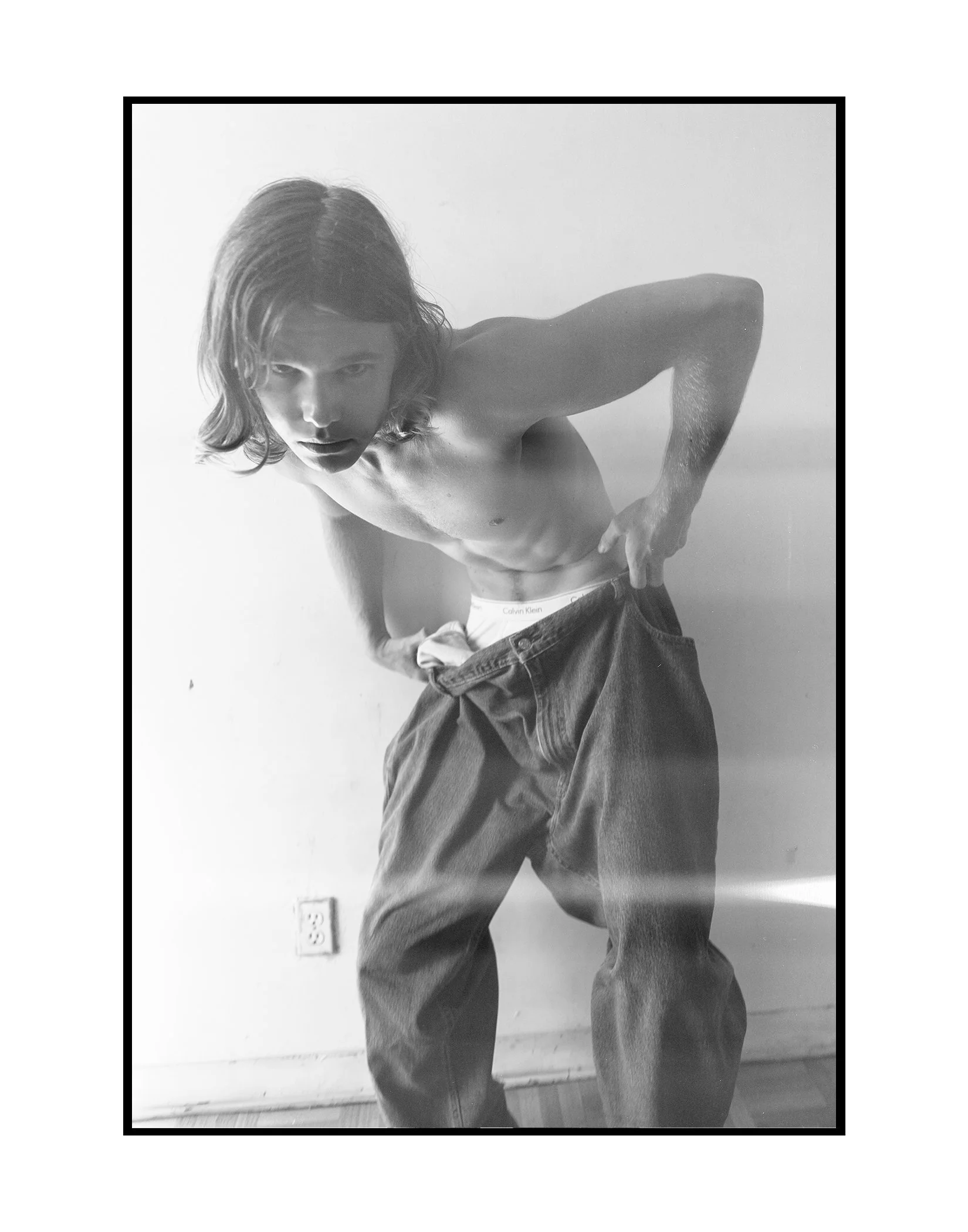
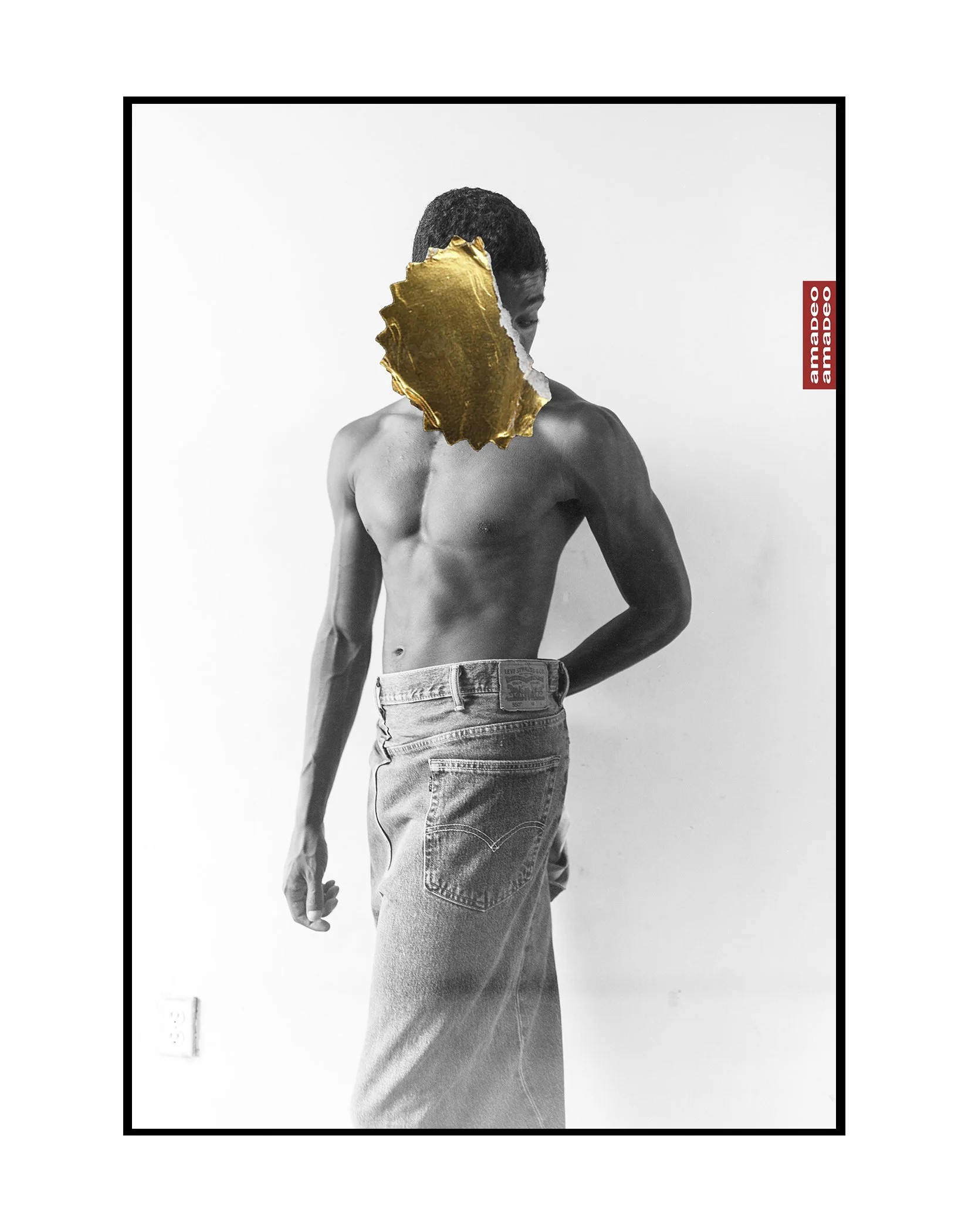

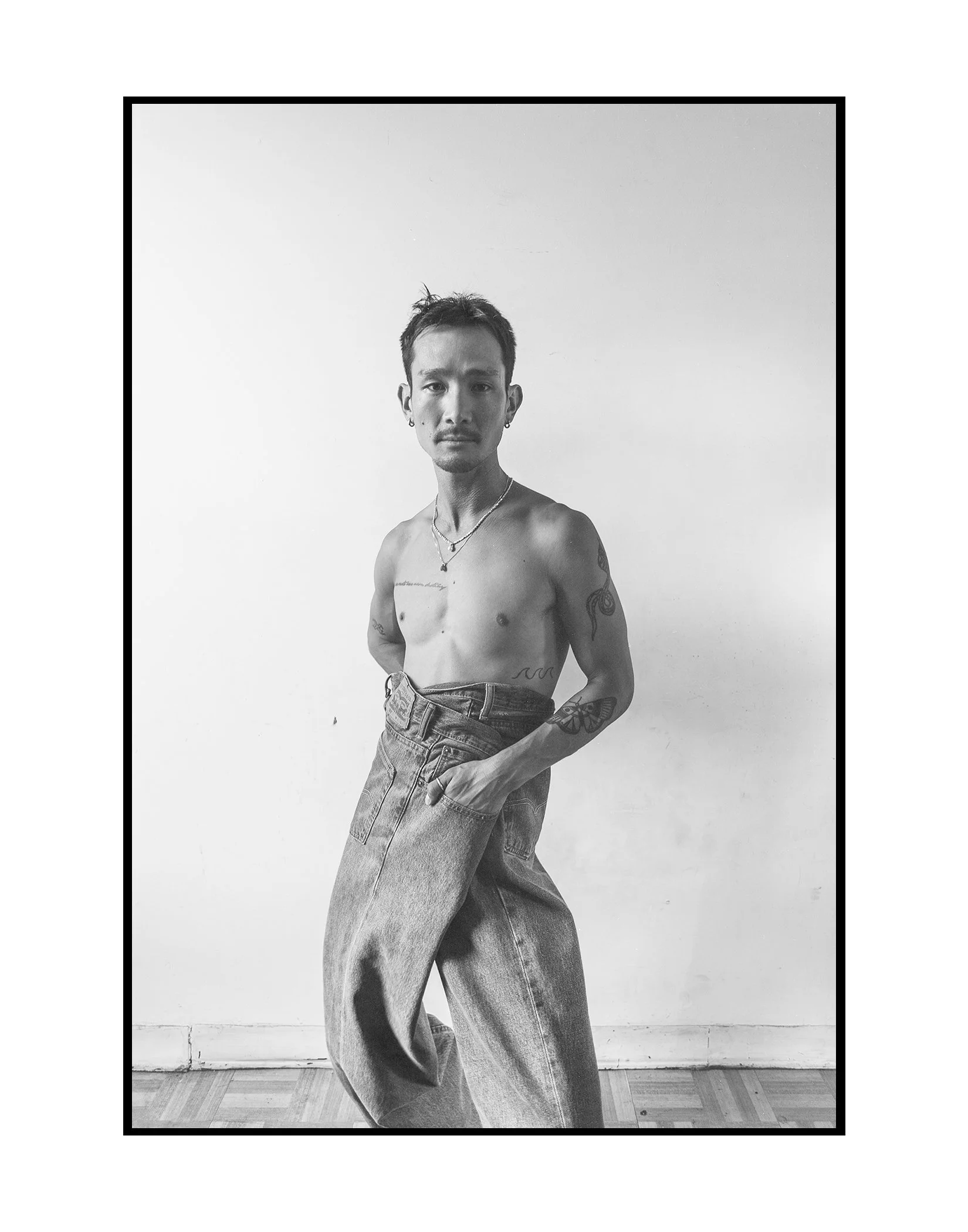
You see, the Giant Jeans weren’t made to flatter.
They were made to frame.
They weren’t worn to impress.
They were worn to exist.
Not a fit—an environment.
Not a garment—a gesture.
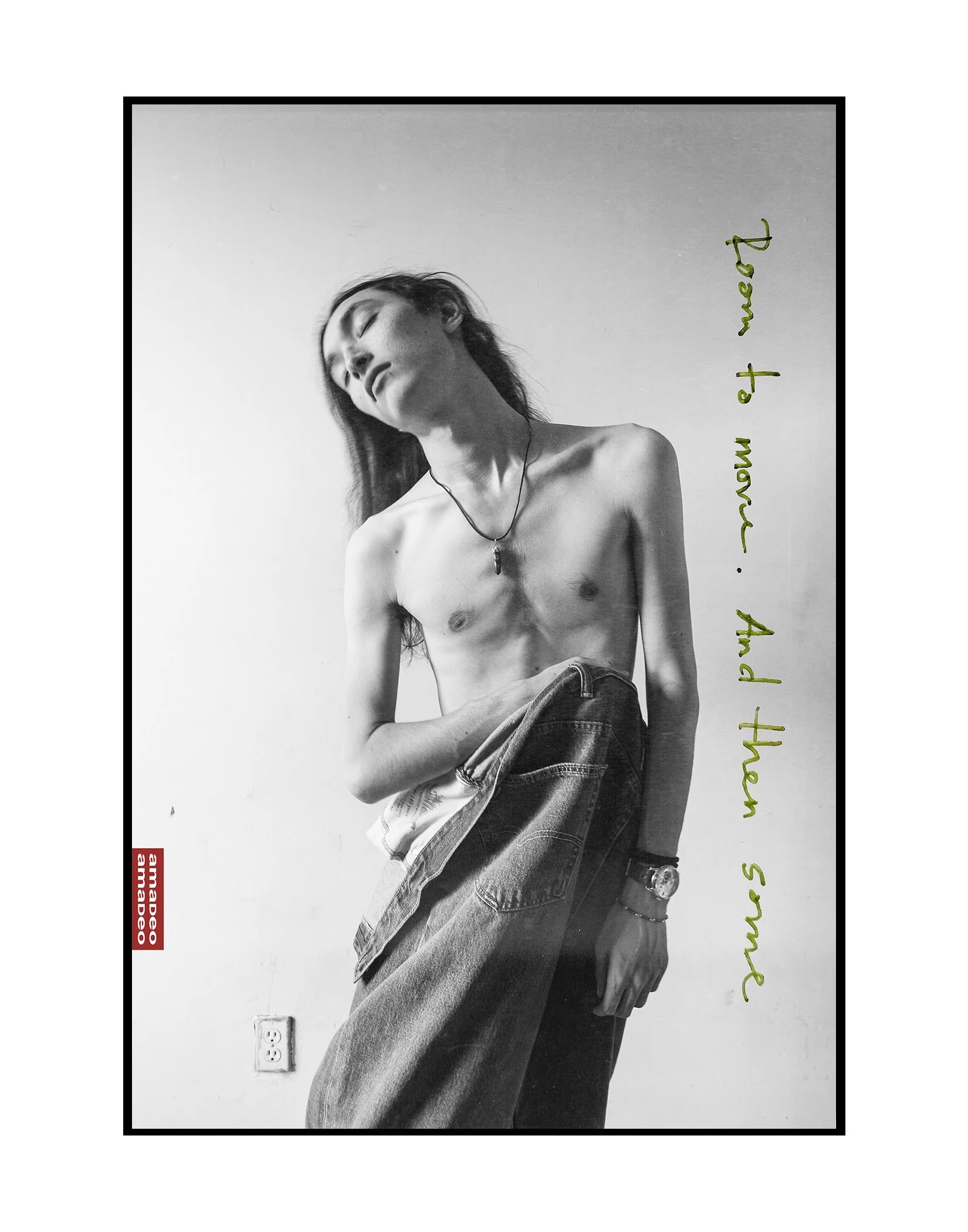
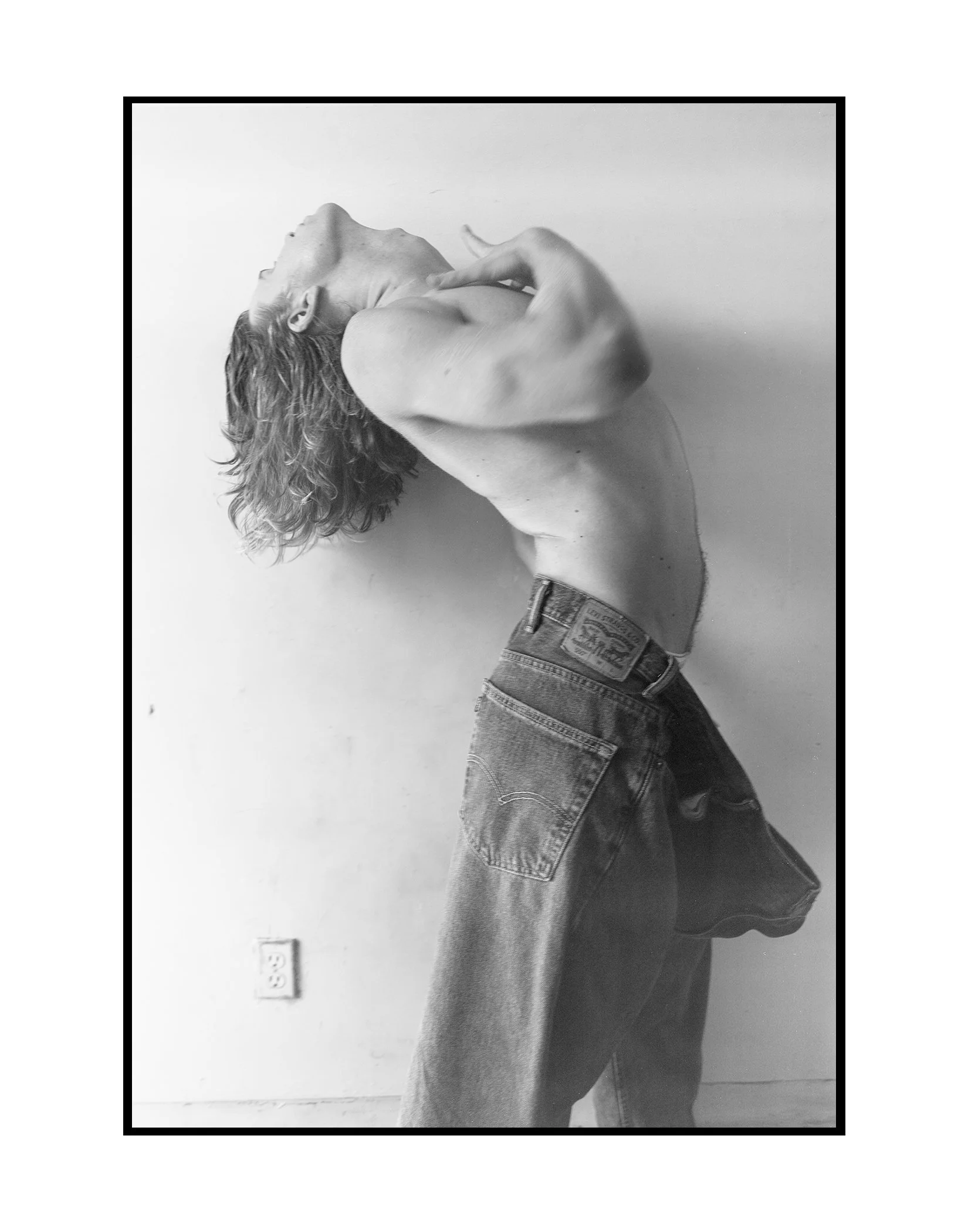
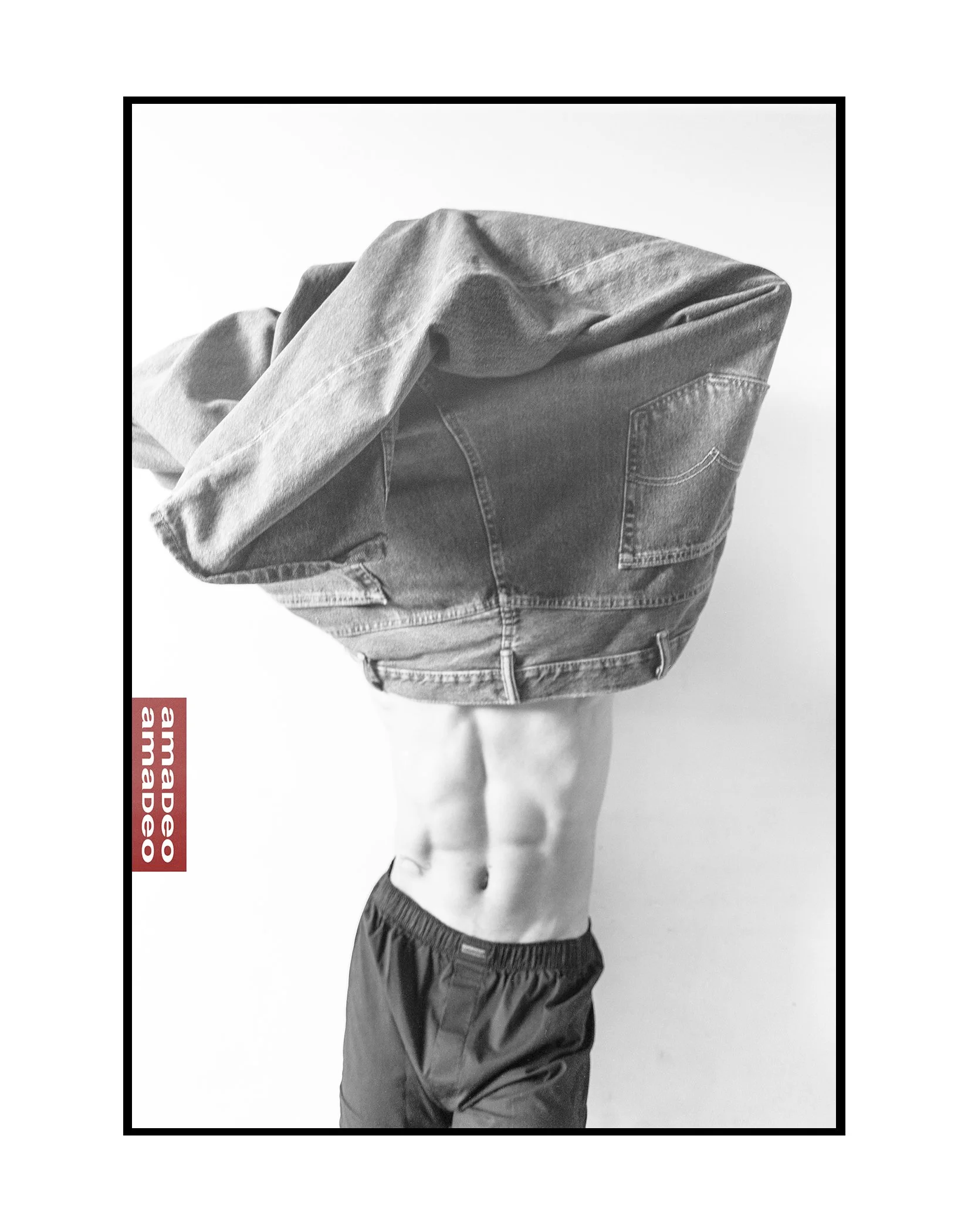

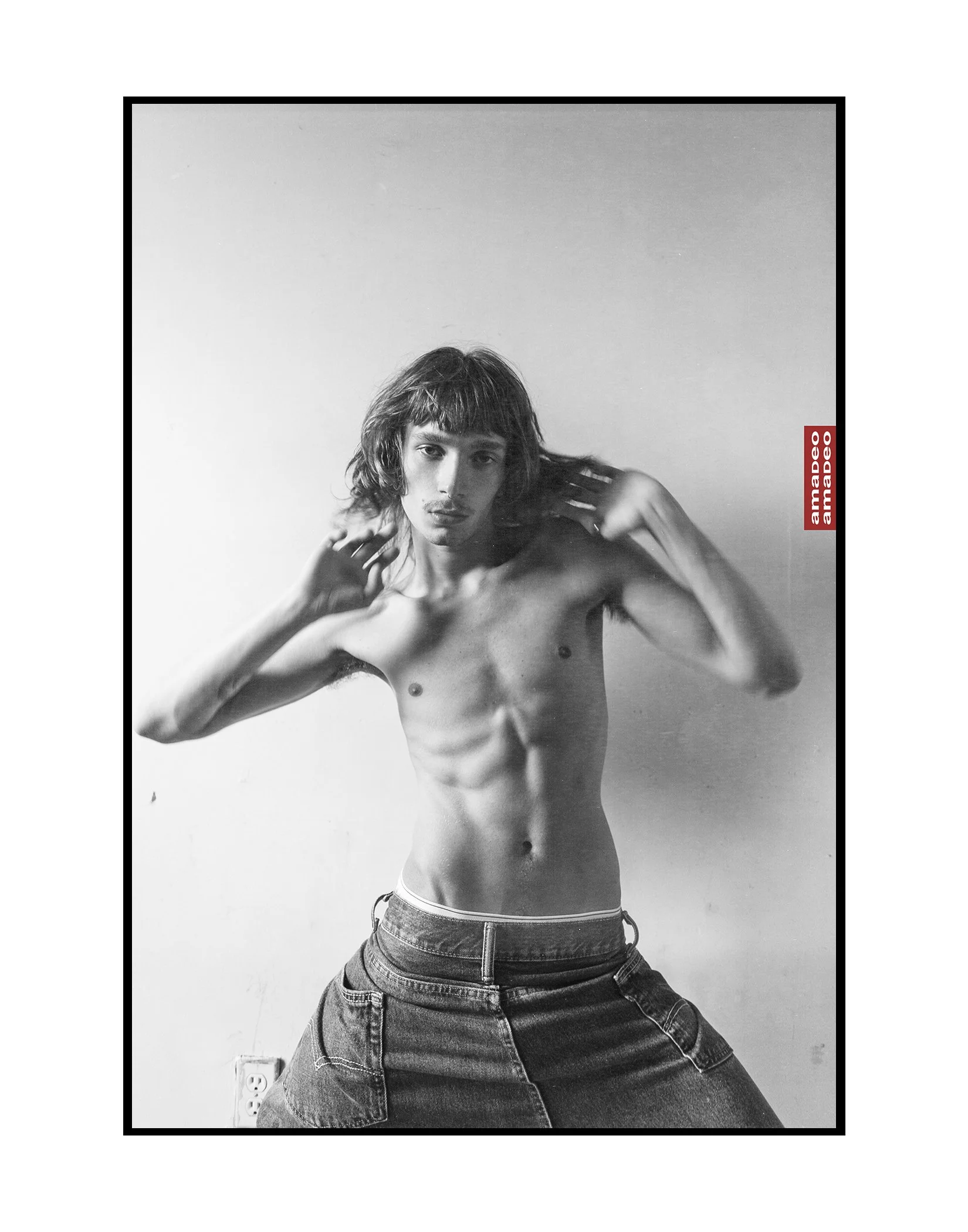
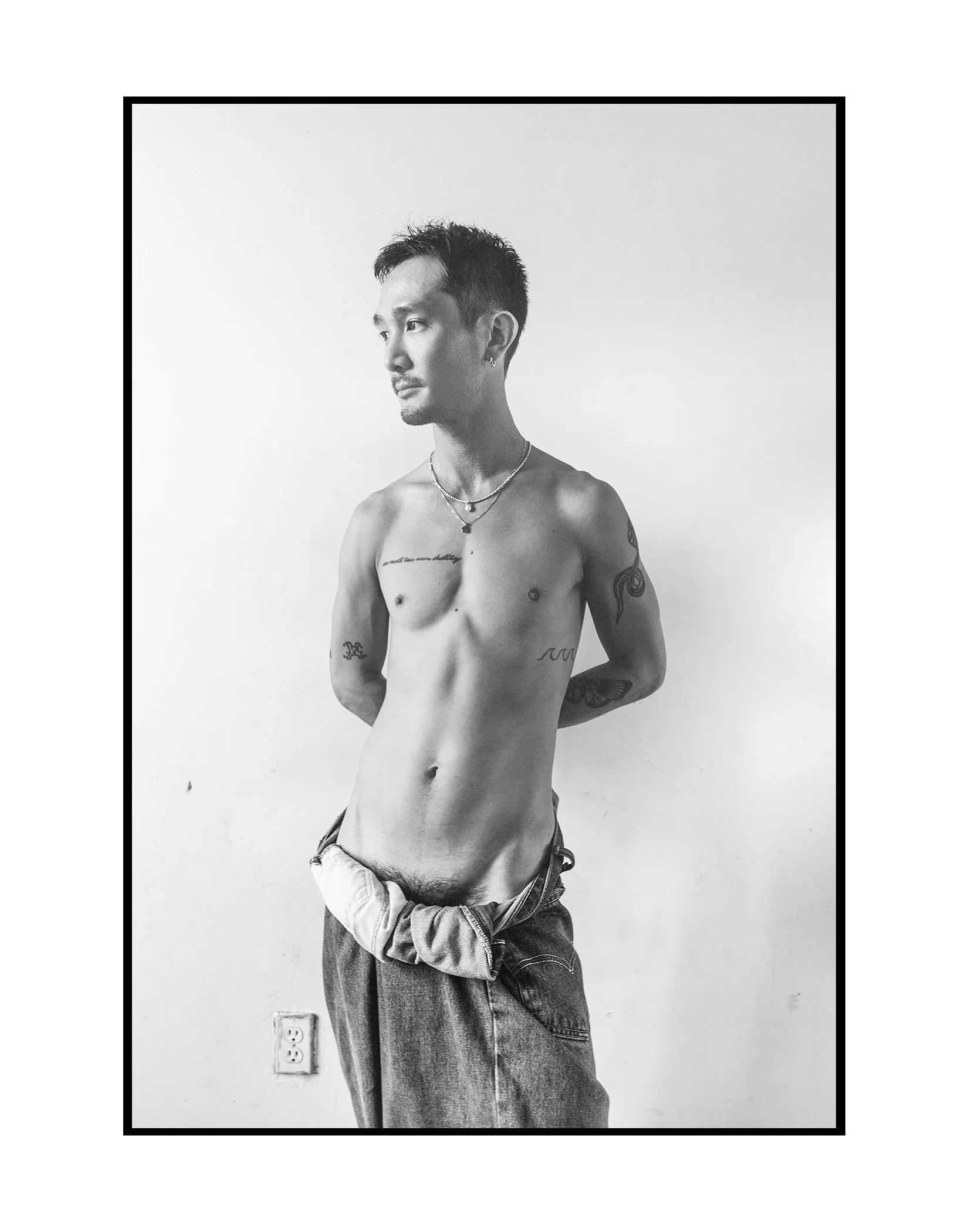

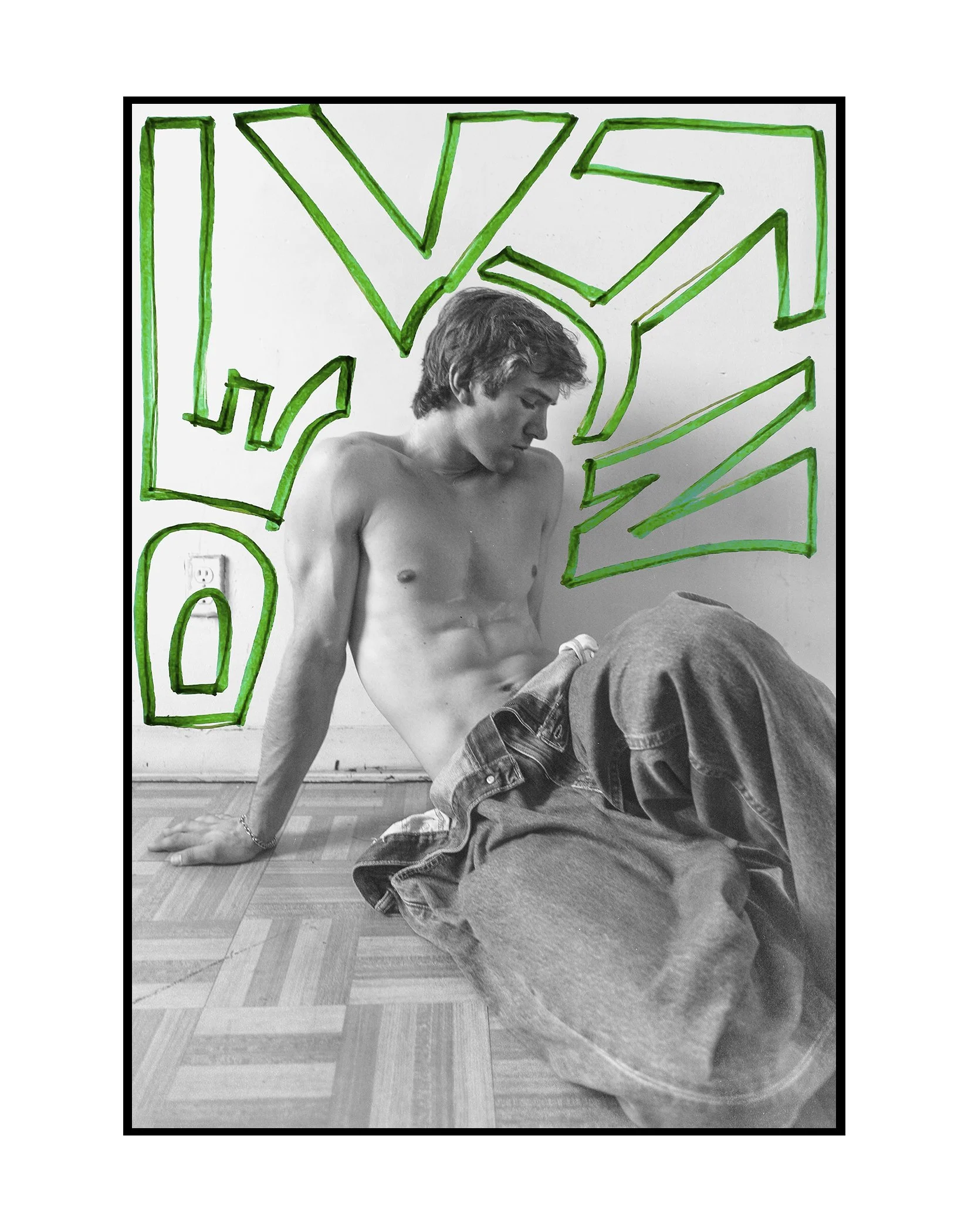
They moved through light like a second shadow.
They swallowed knees, hugged air, trailed behind like stories.
No one knew how to wear them “correctly.”
And yet, every body they touched looked... correct.



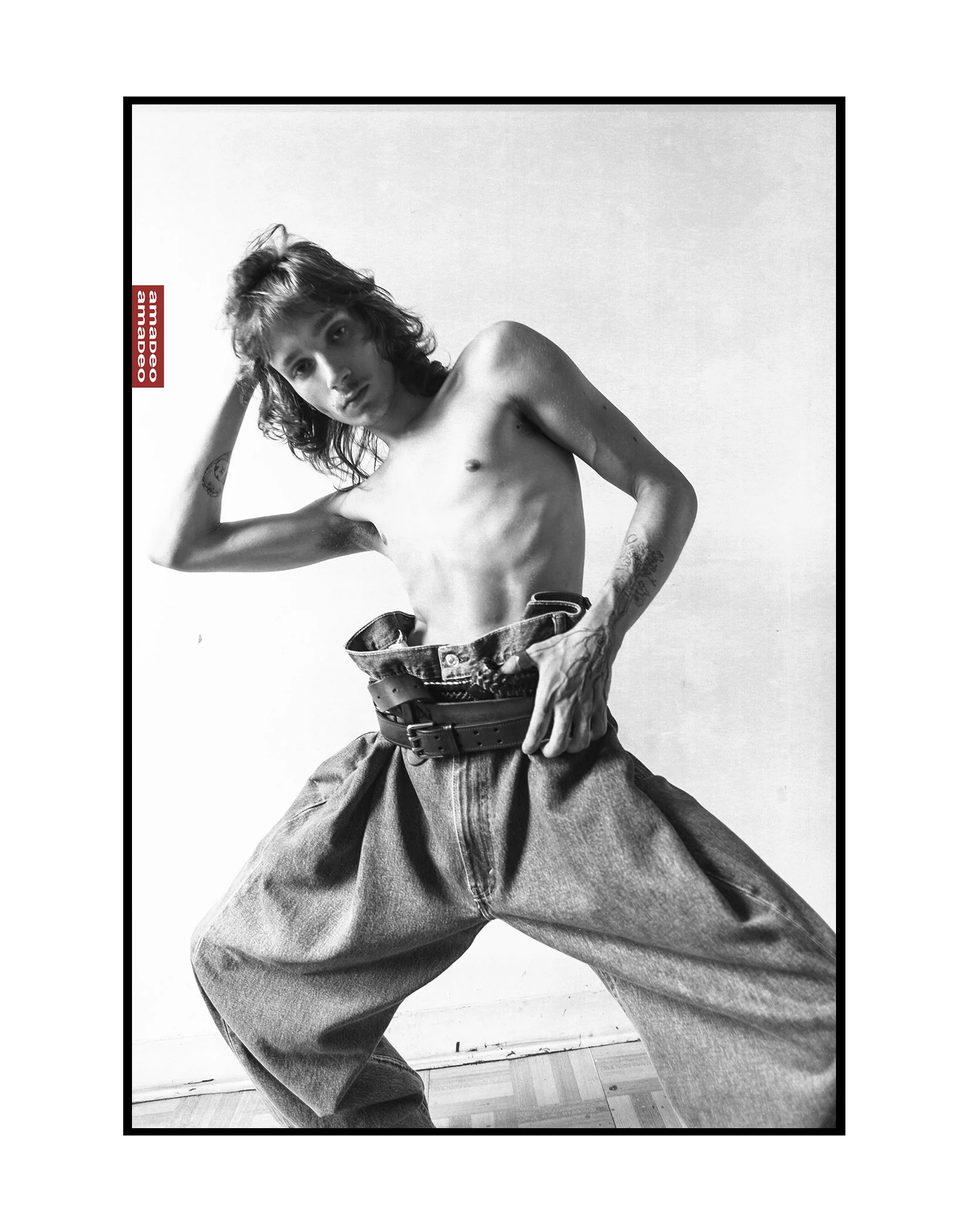

People began to talk.
Theorists. Teenagers.
Former models turned archivists.
They said the jeans weren’t real.
They said the photos were fake.
They said no one would make jeans that didn’t fit.
But they were wrong.
Or they were right.
Or both.
Because maybe the point was never to fit.
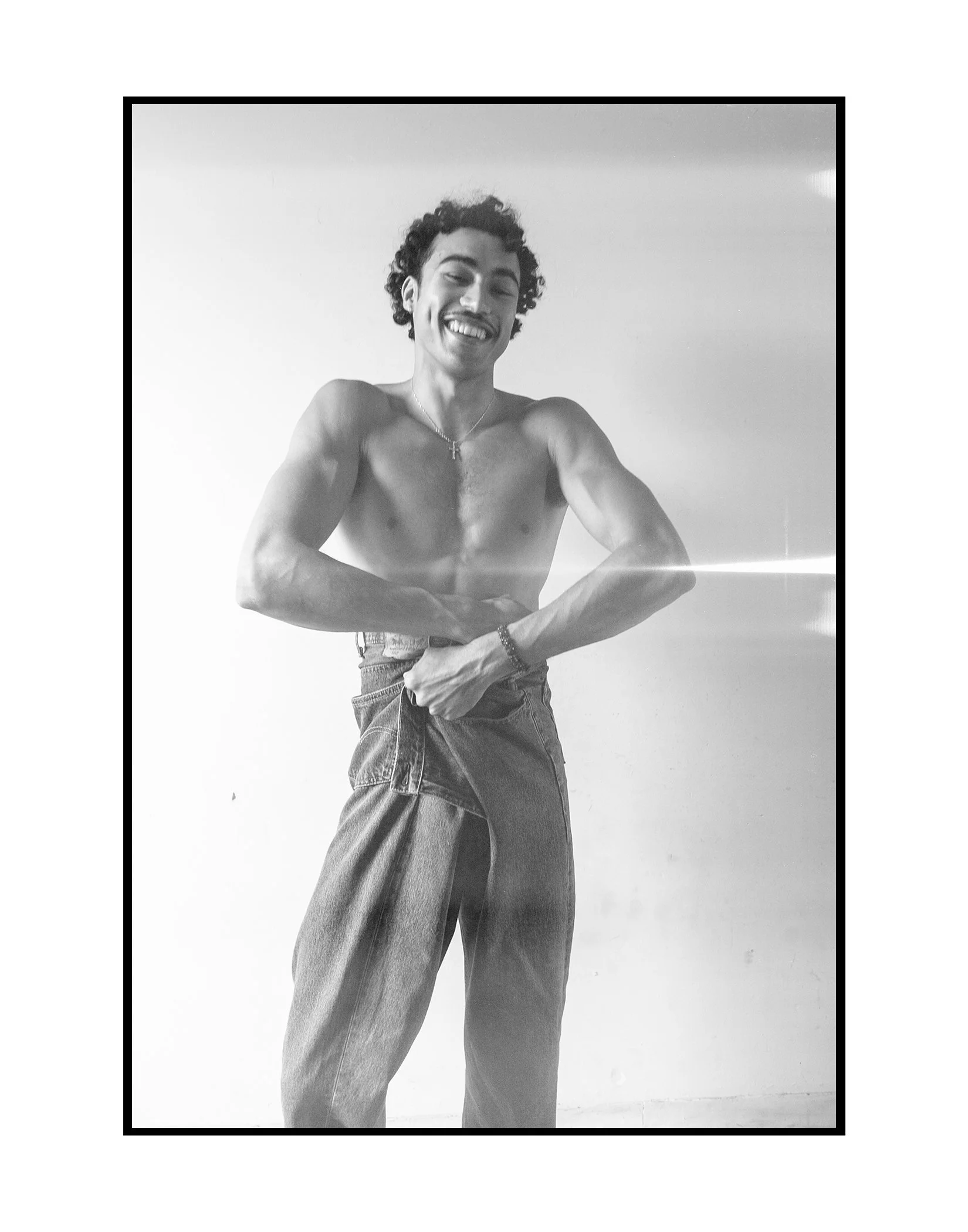
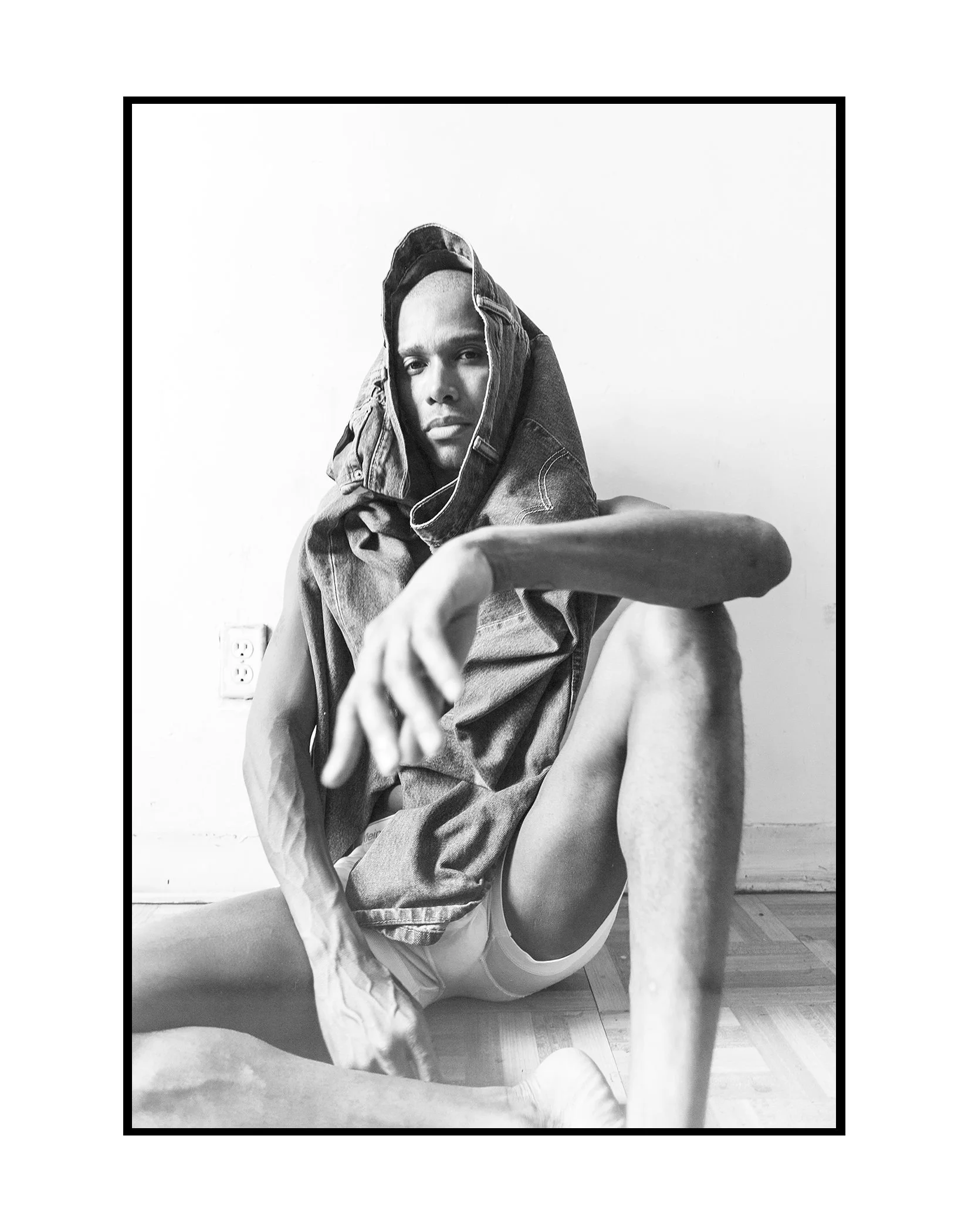
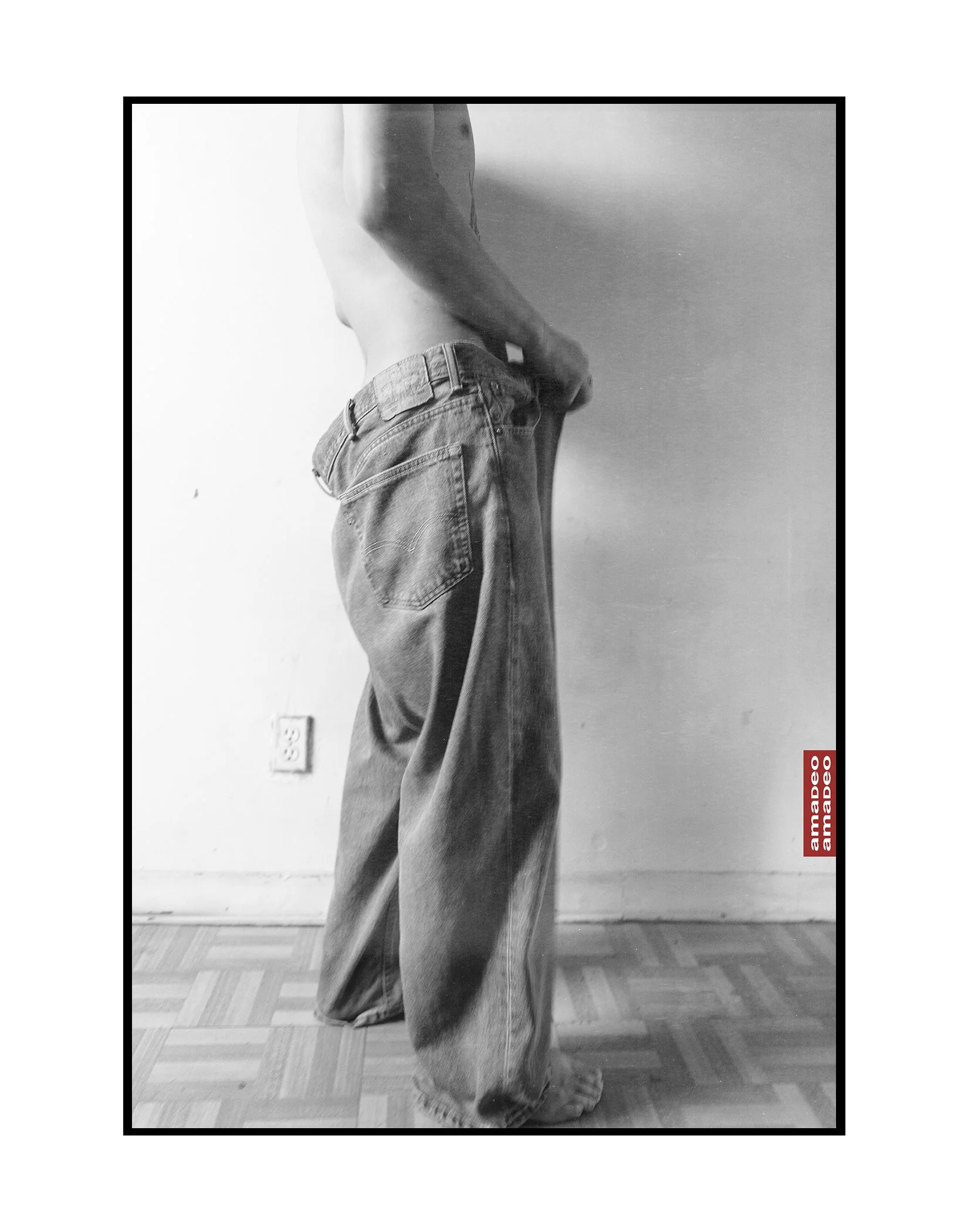
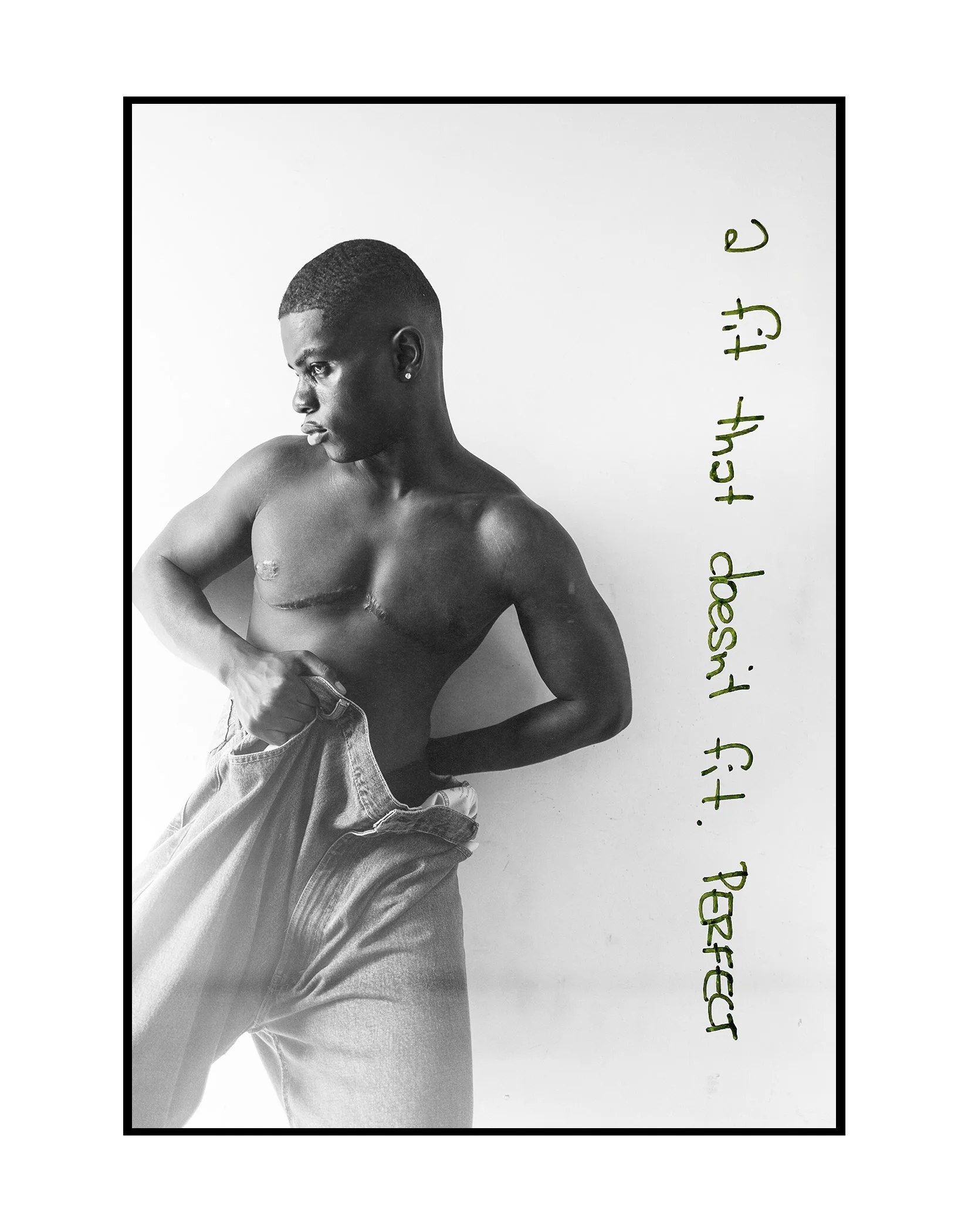
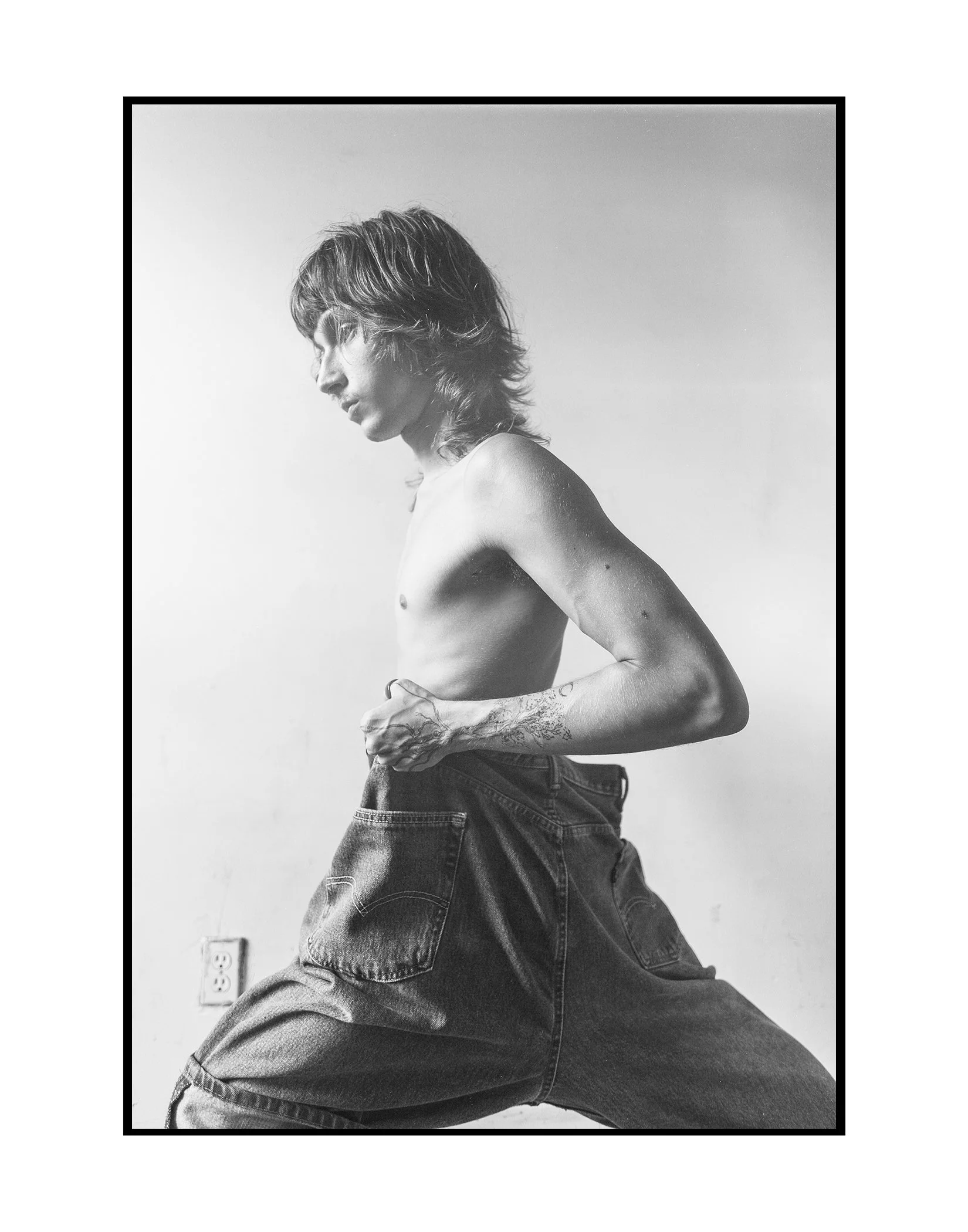
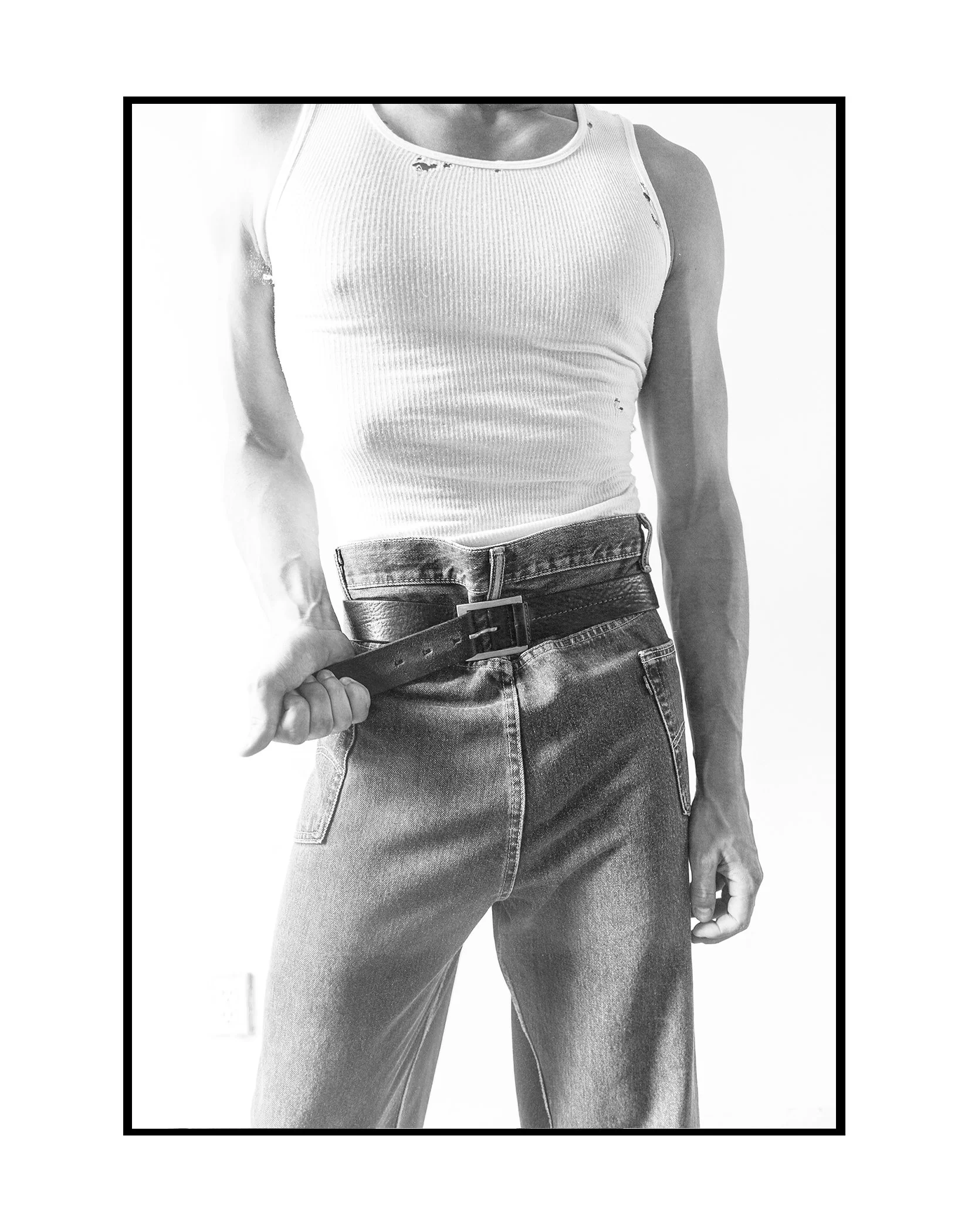
The campaign, if we’re calling it that, isn’t about jeans.
It’s about proportions that don’t apologize.
It’s about shape without shame.
It’s about showing up exactly as you are—too big, too loud, too much—and realizing:
You belonged here the whole time.
You were the fit.
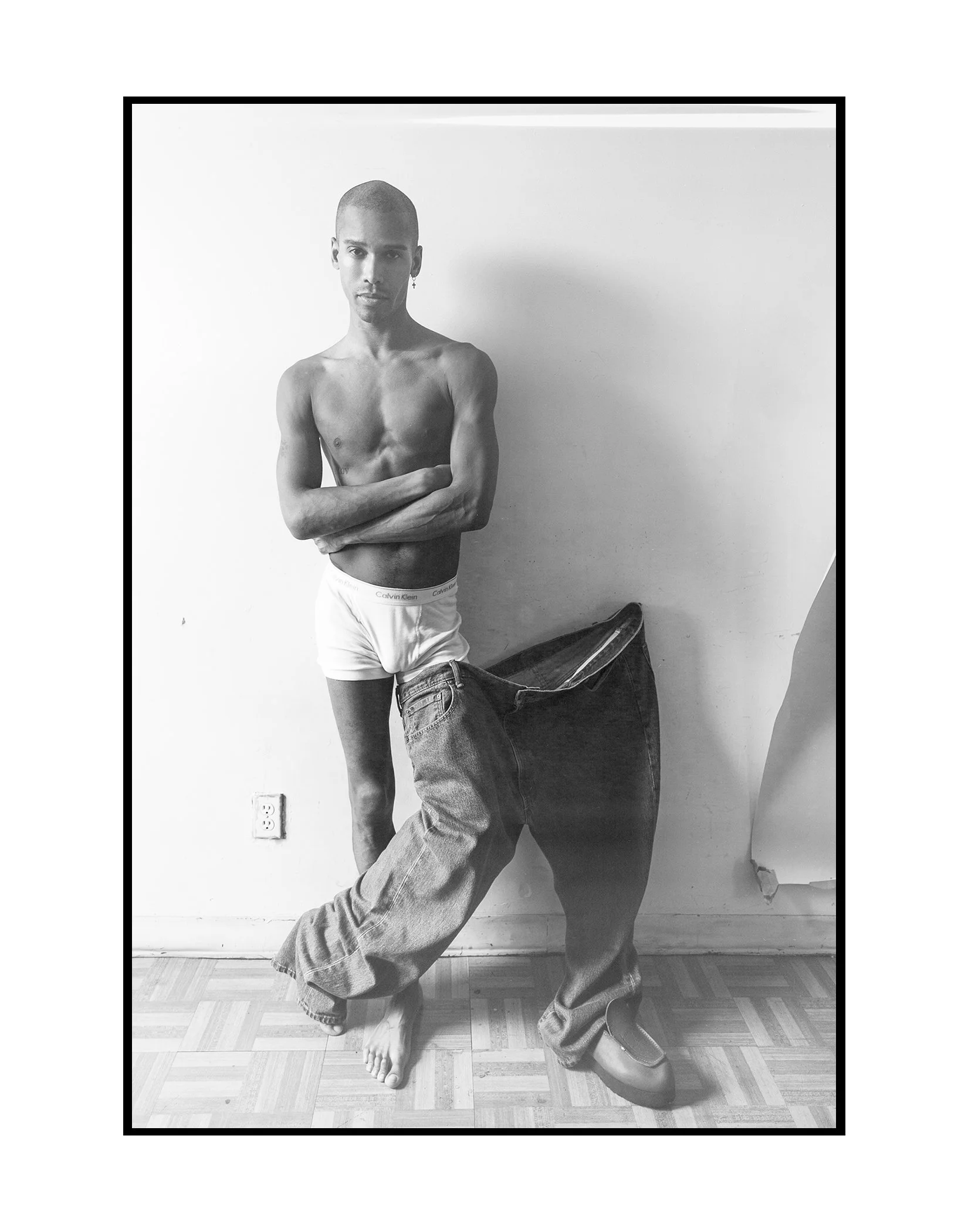
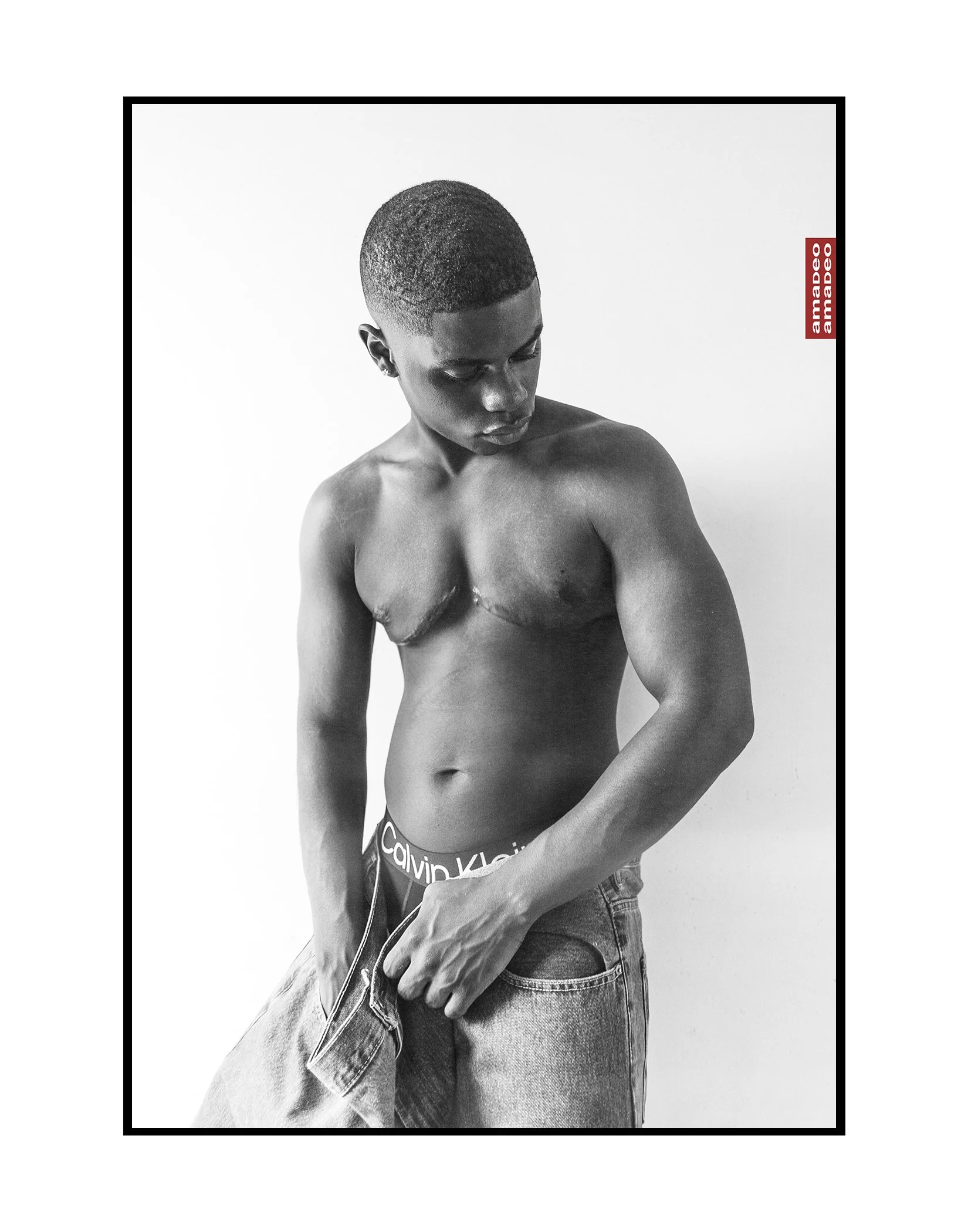
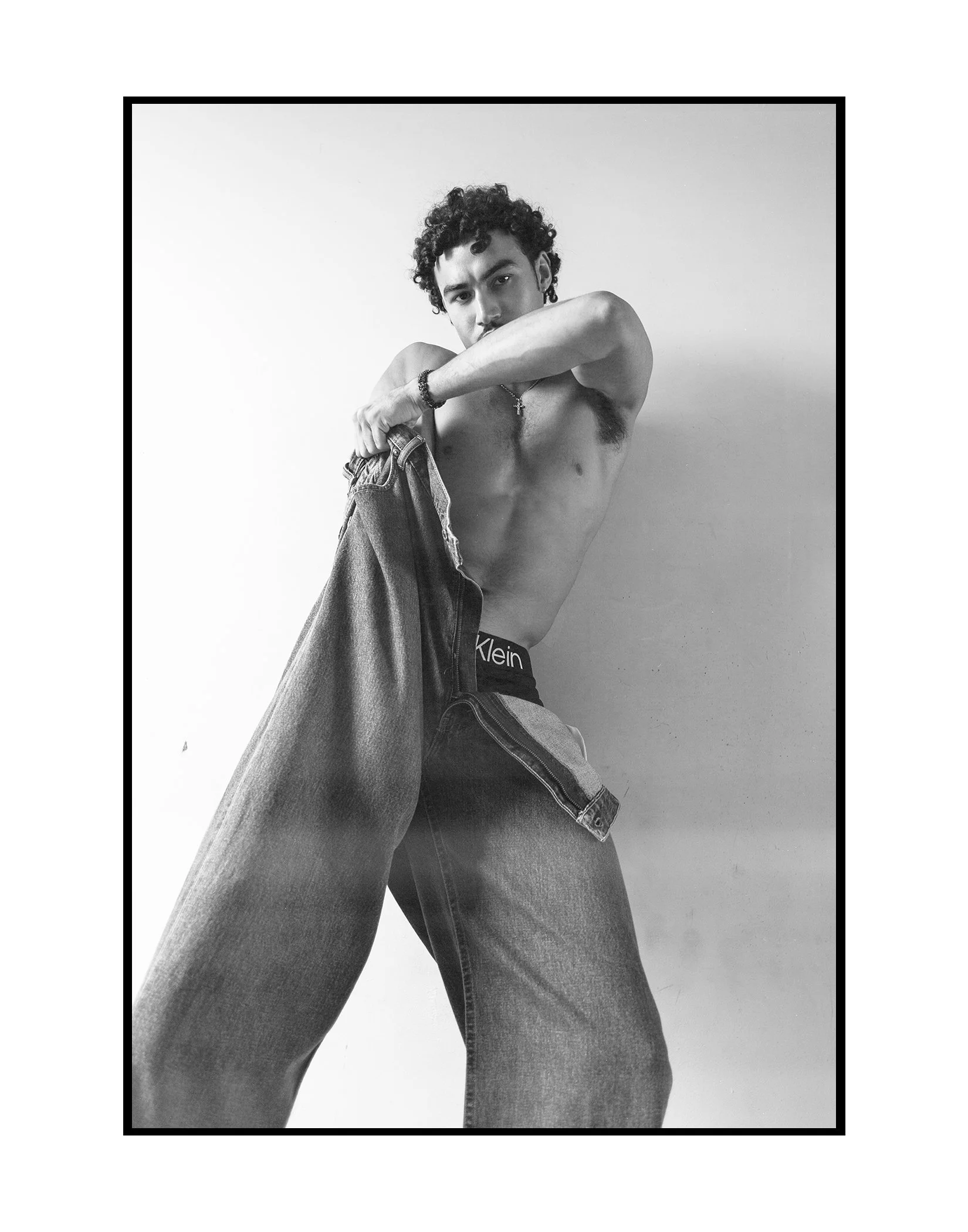
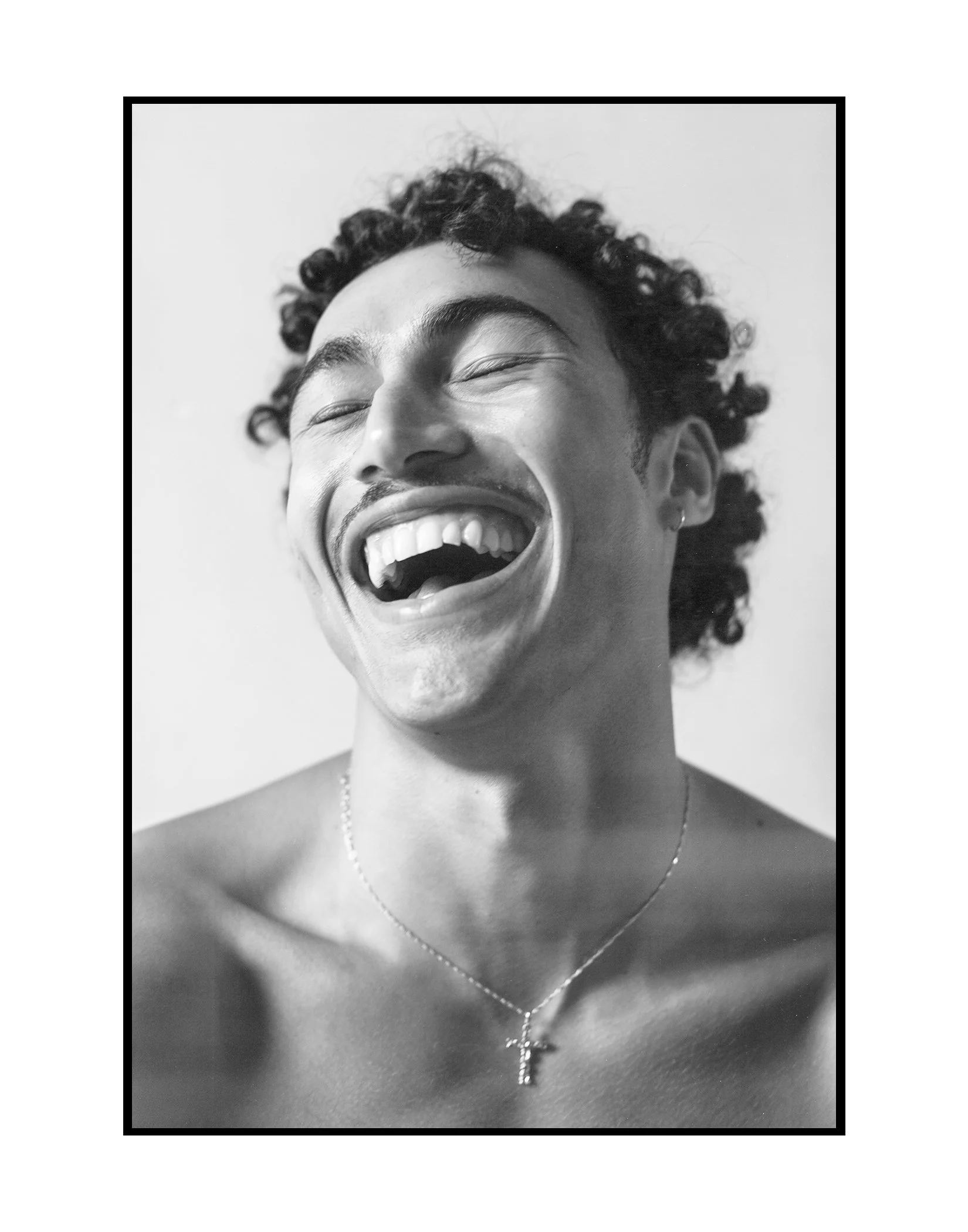

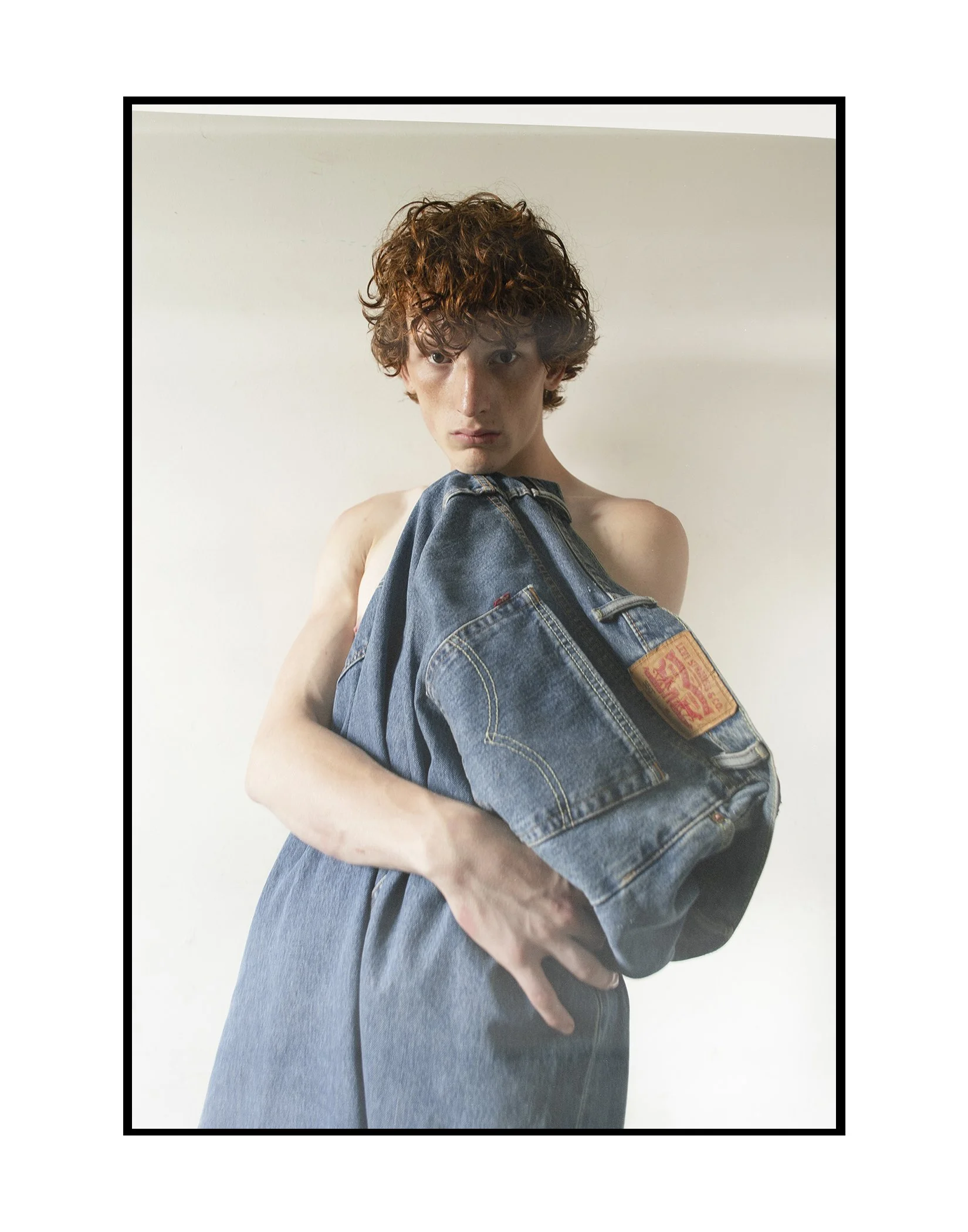
Let the others tailor themselves into silence.
Let them cinch and compress and conform.
Let them ask what size you wear.
You don’t answer.
You walk.
In Giant Jeans.
Moving like a fact.
Unfolding into the space that was always yours.
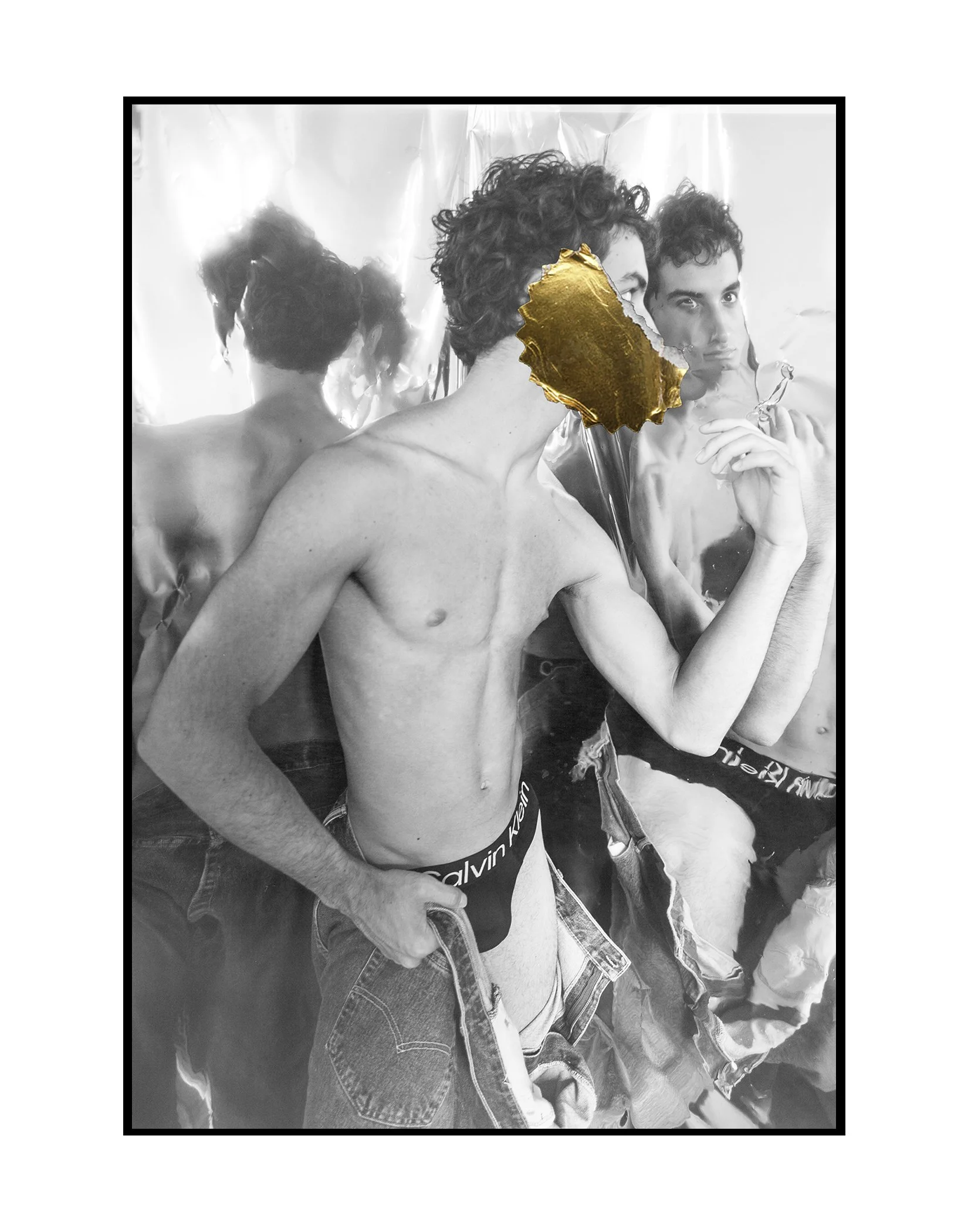
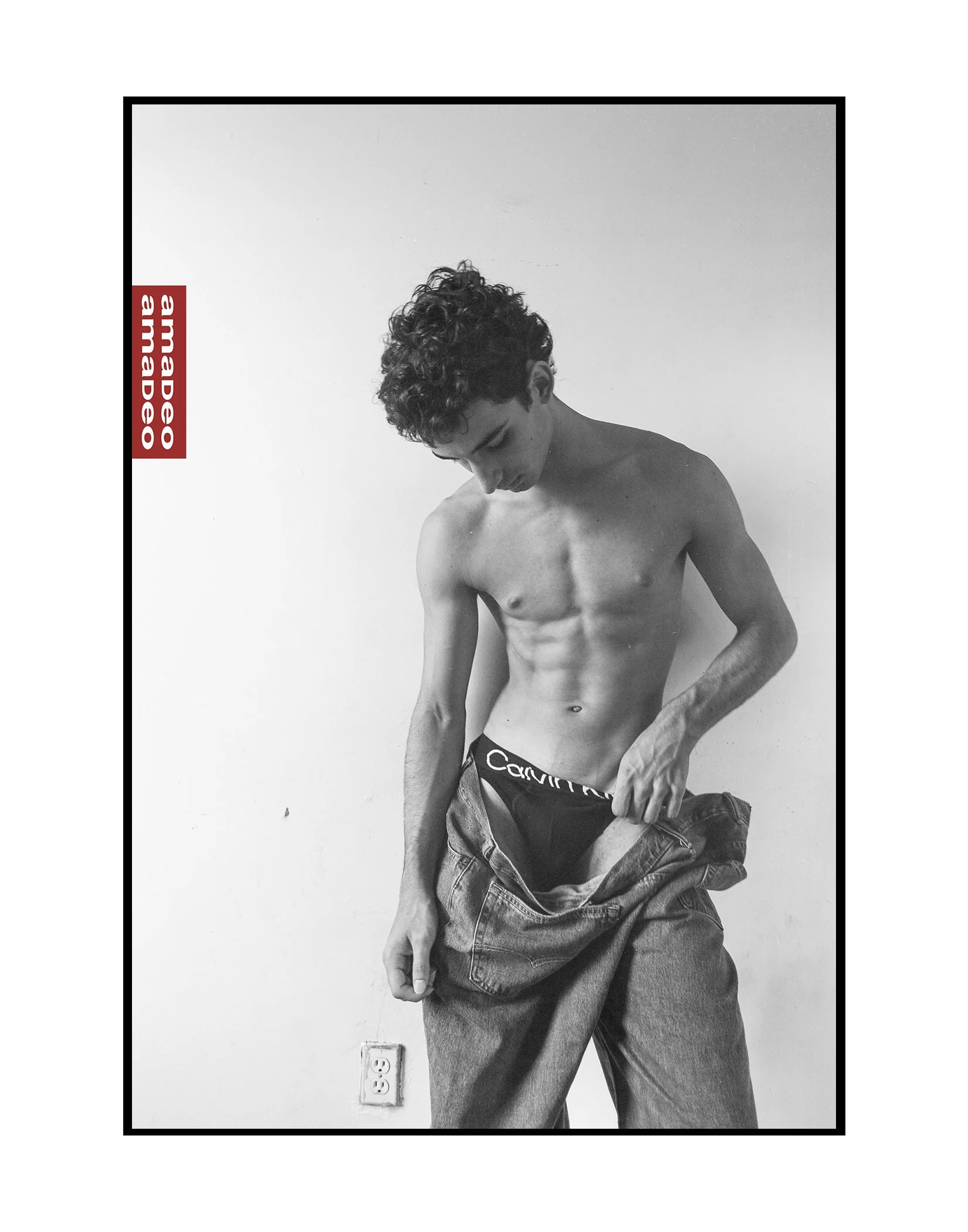
Photography + Art Direction by Anthony Amadeo
@anthonyxamadeo | @amadeoxamadeo
This is not a campaign. This is a confirmation.

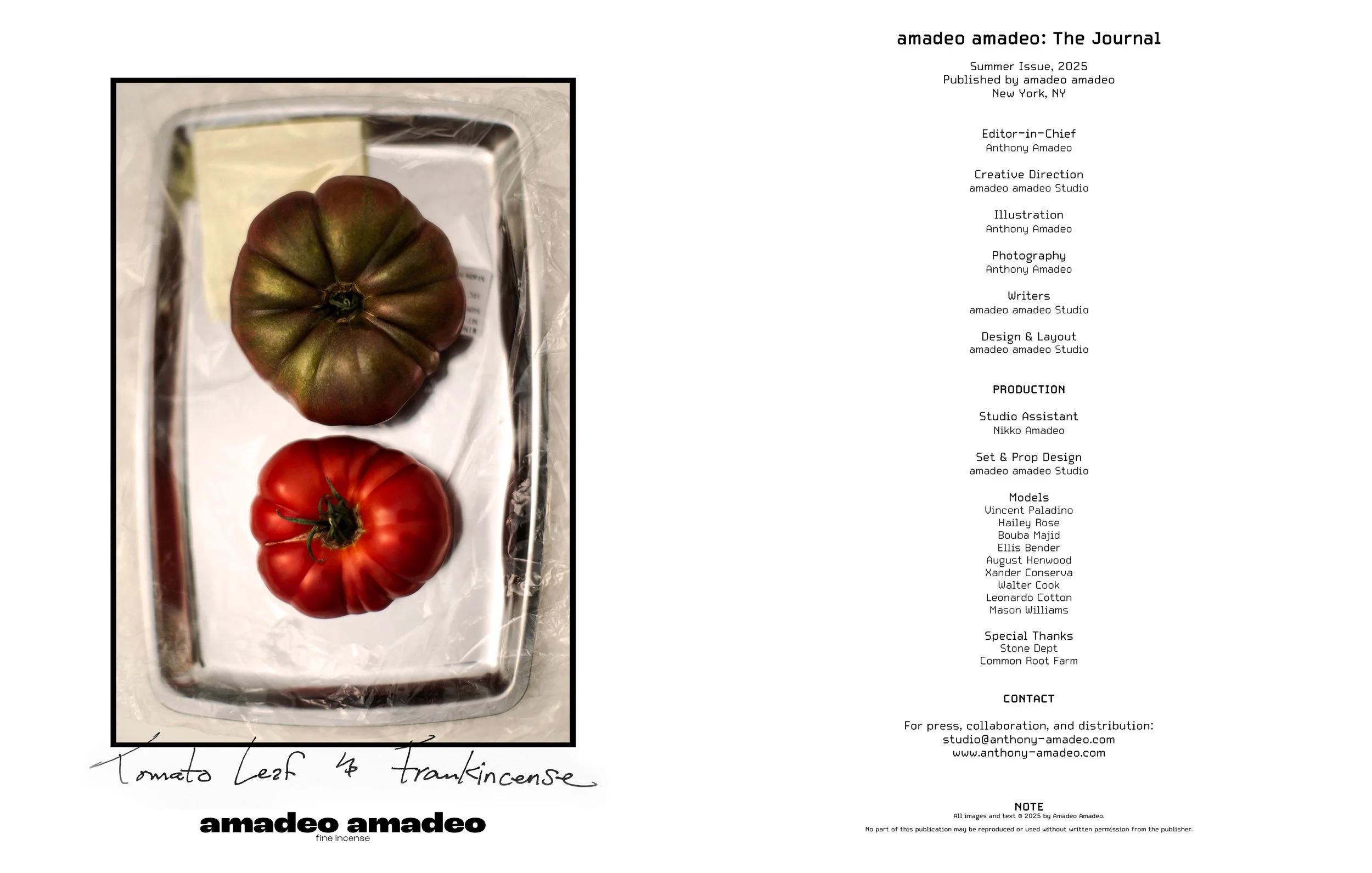
amadeo amadeo: The Journal (SUMMER ISSUE)
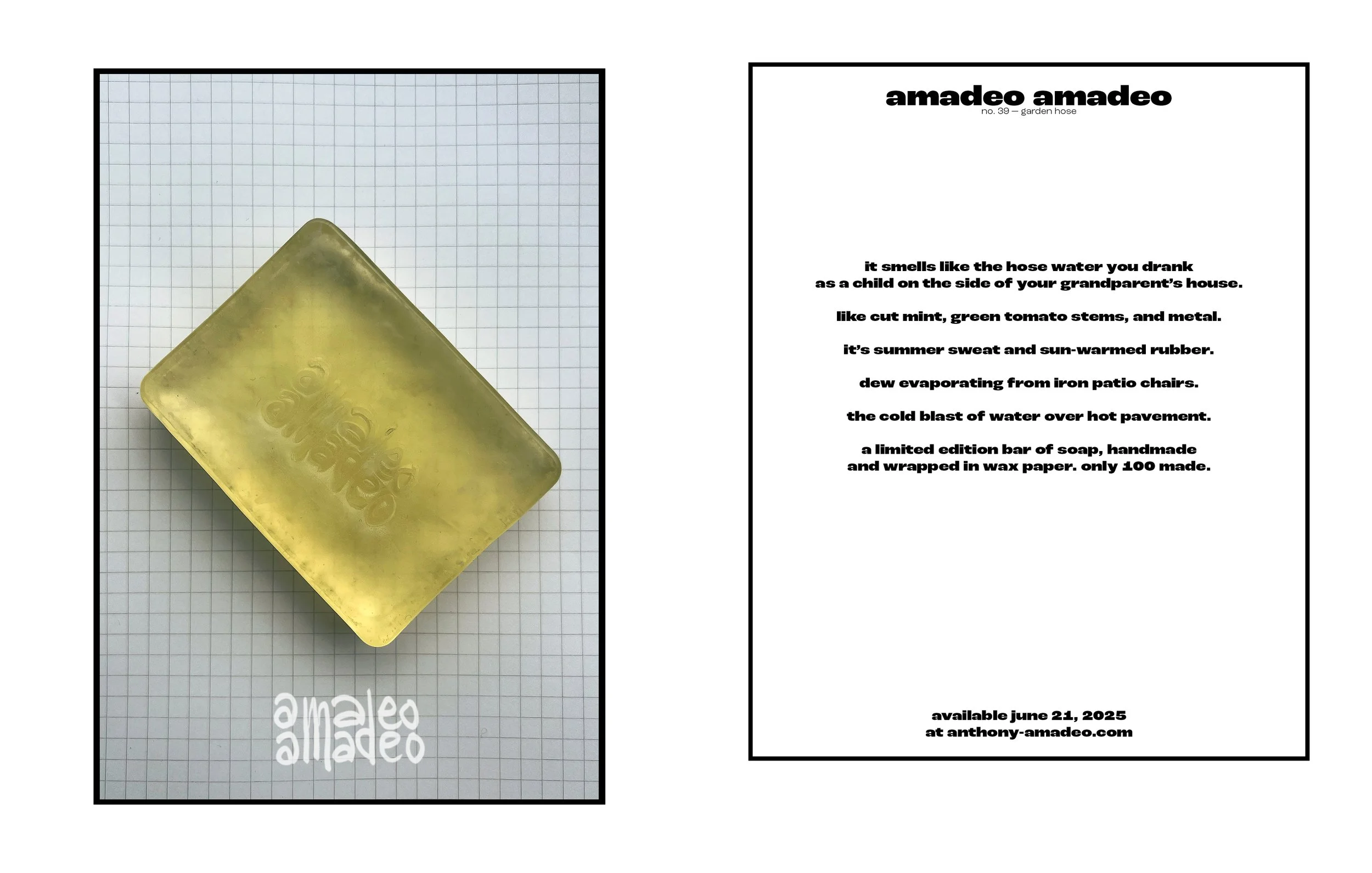
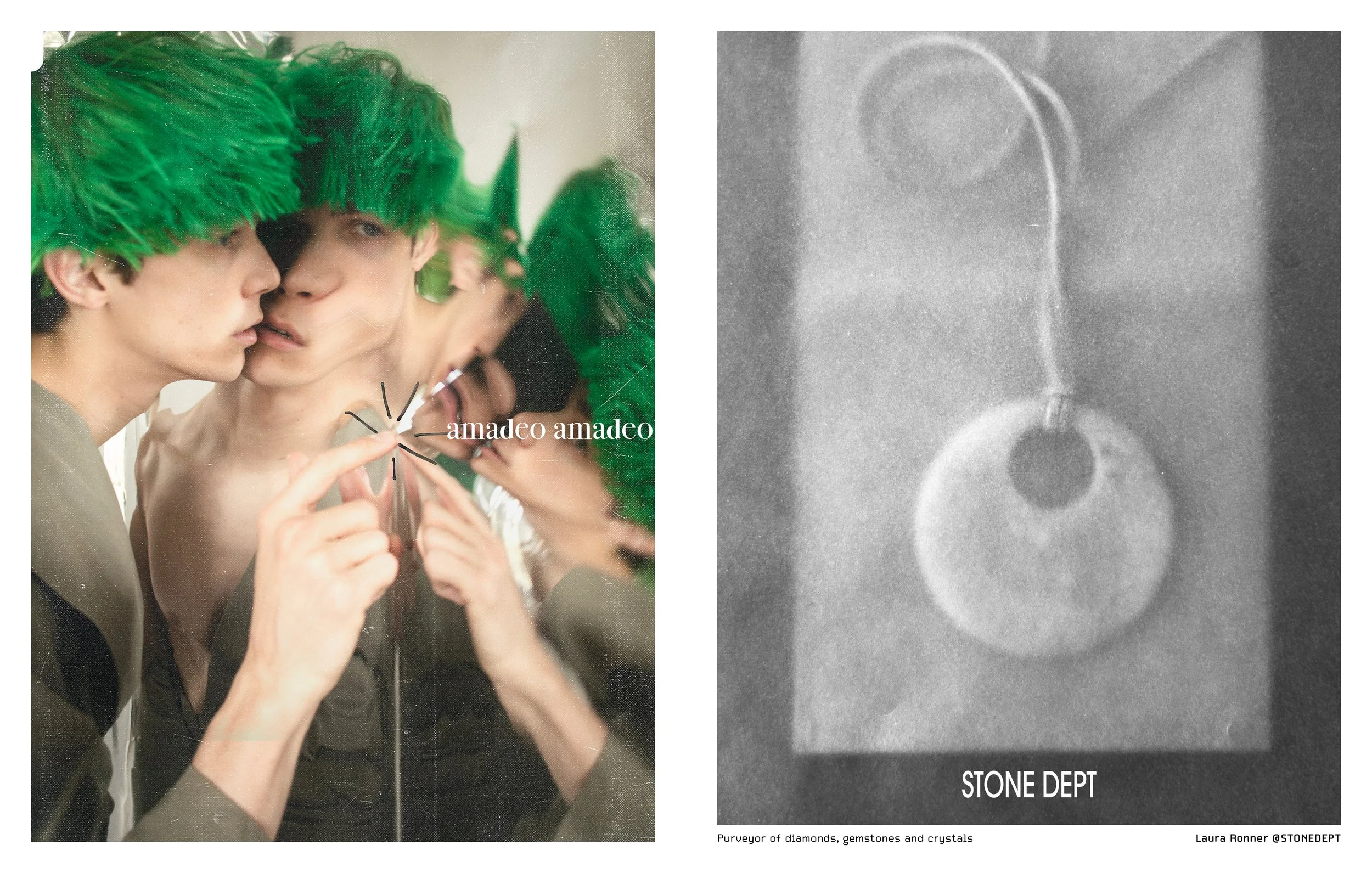
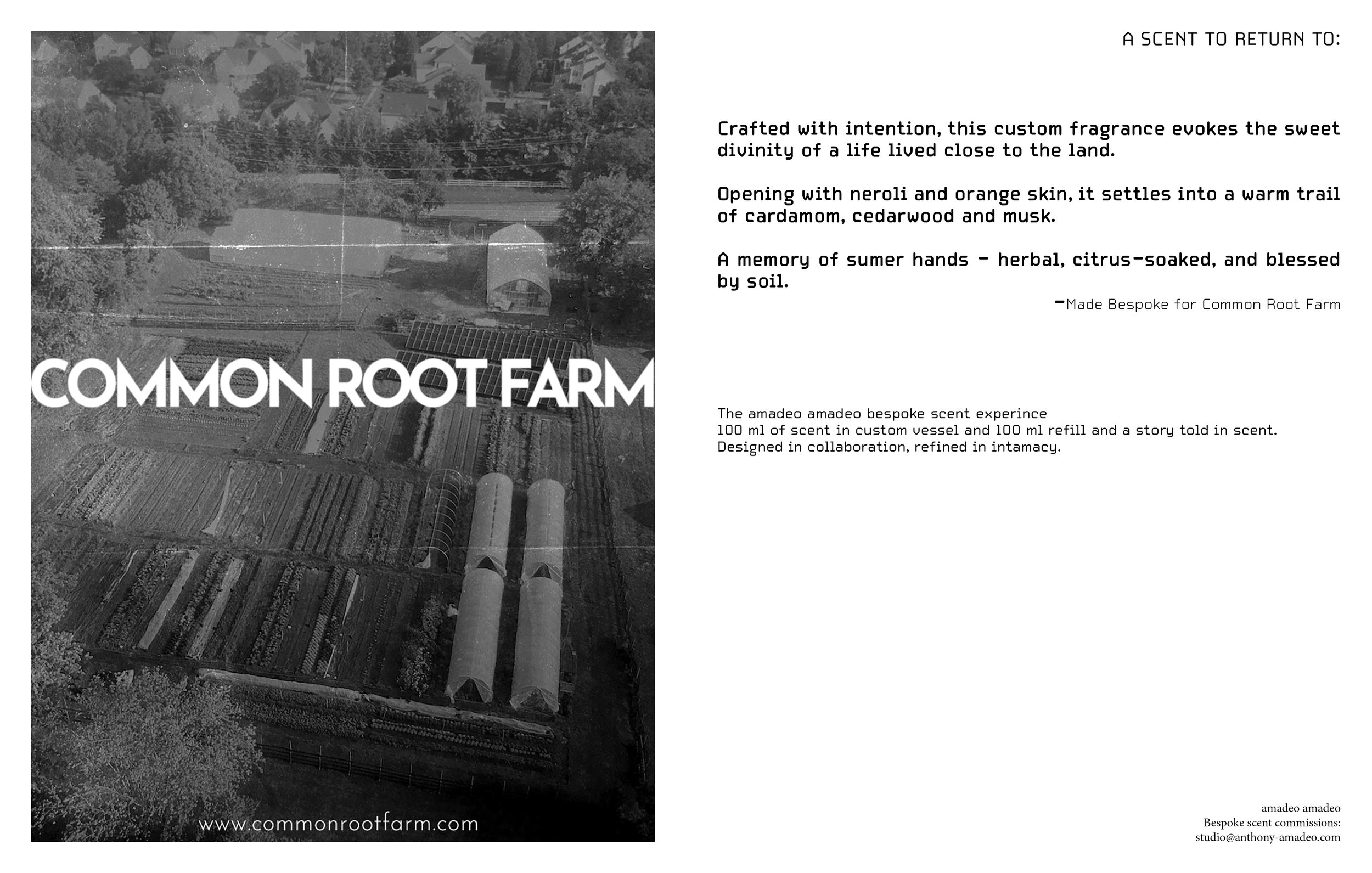
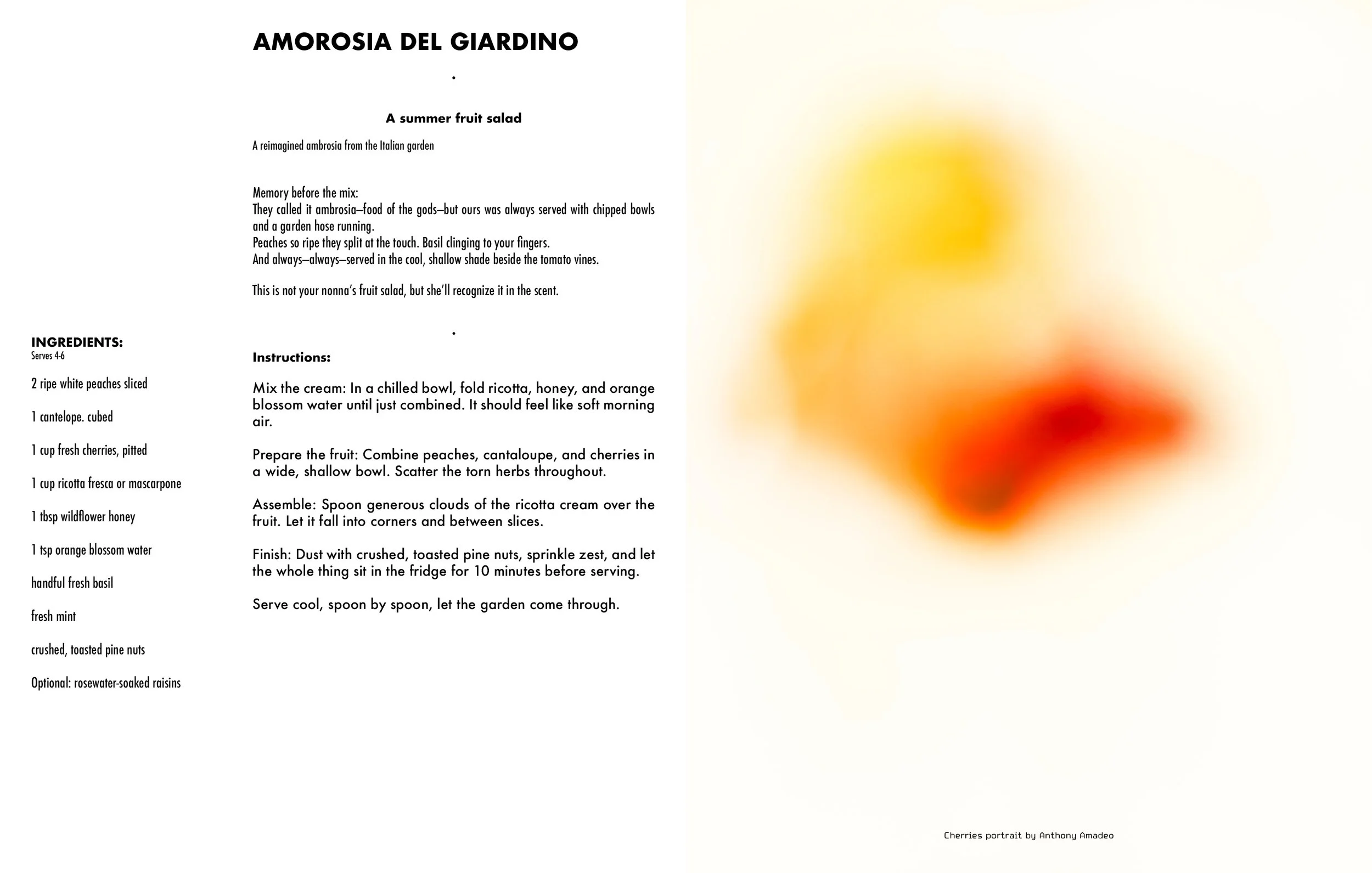
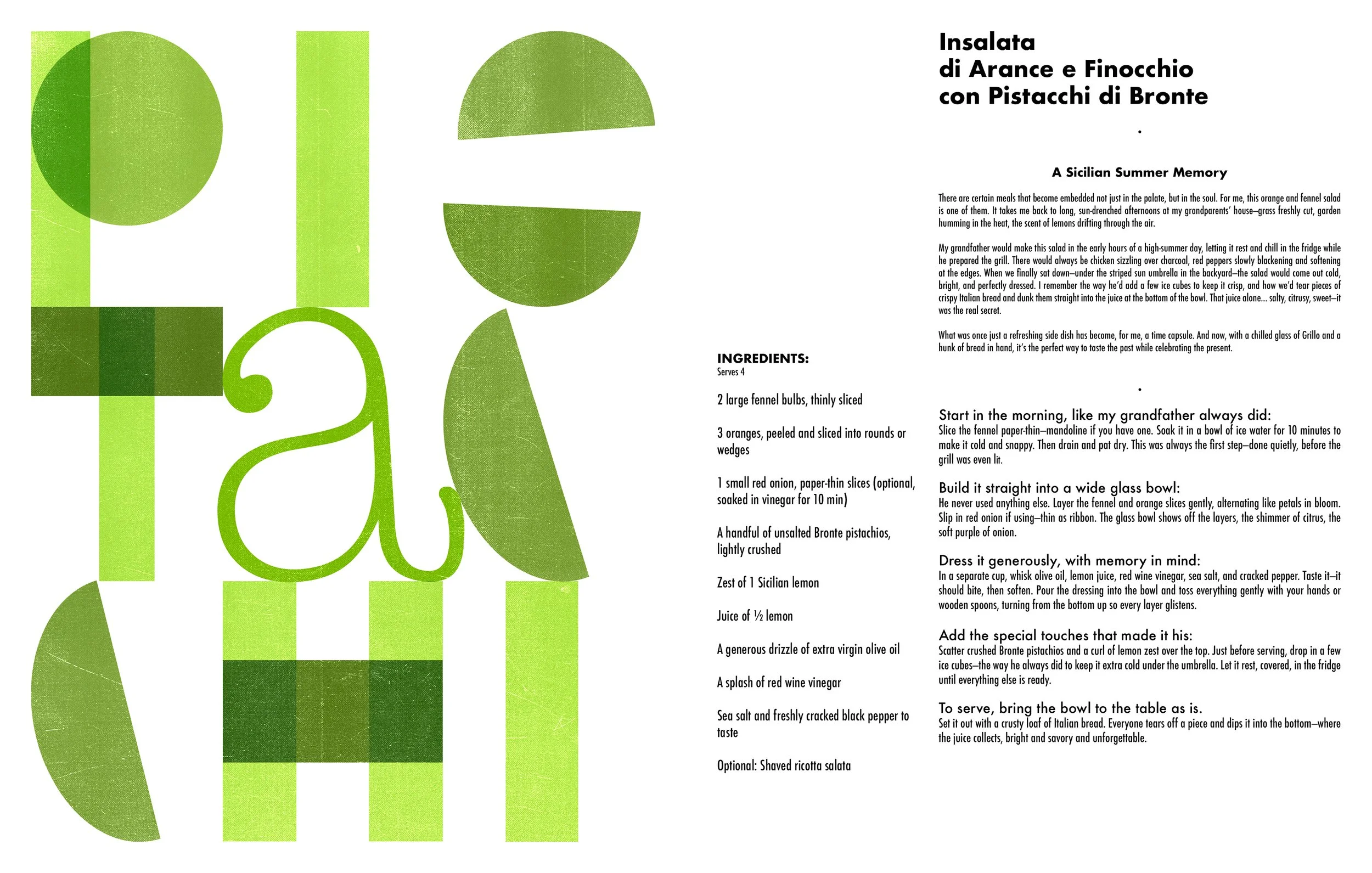
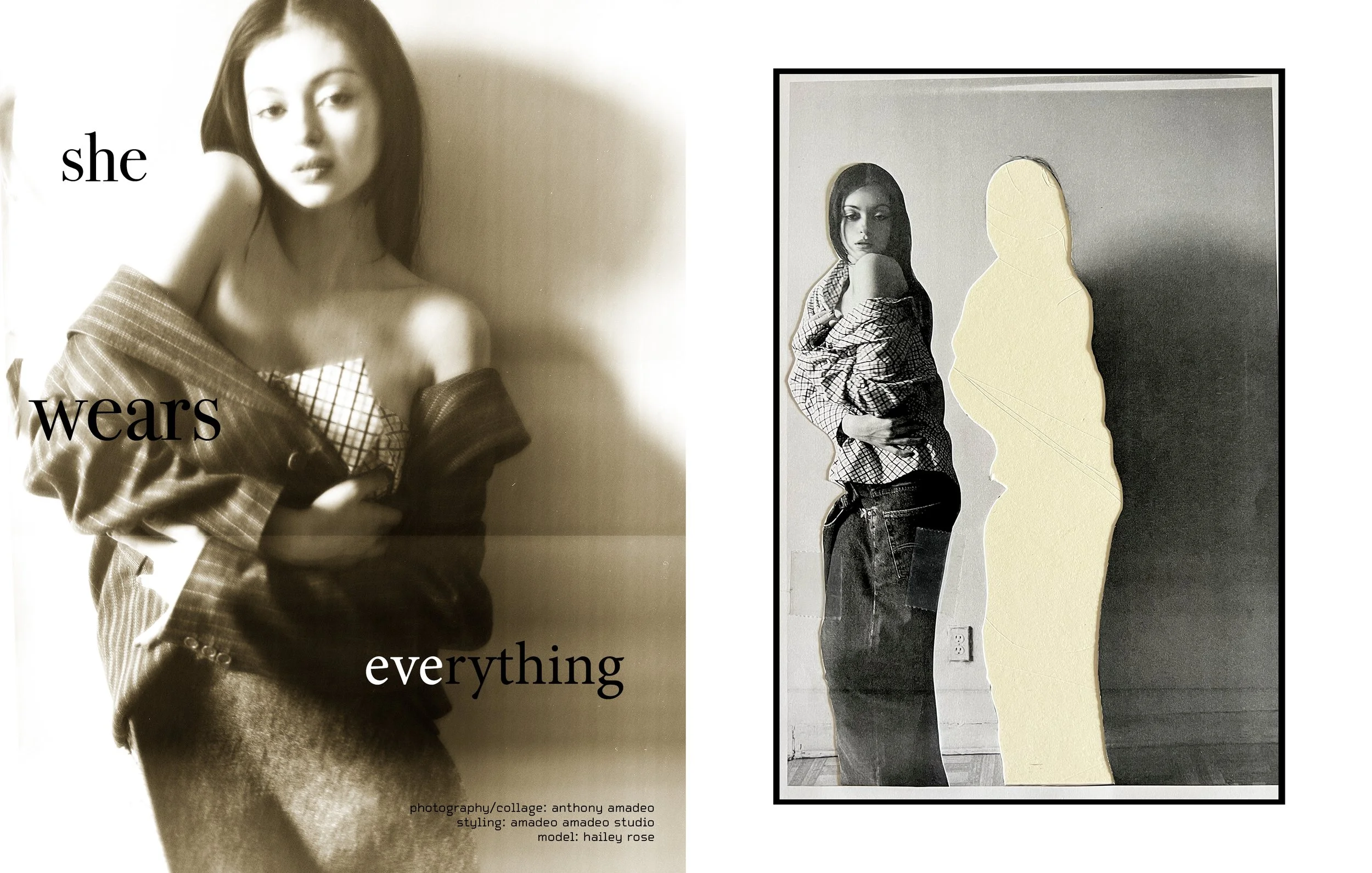
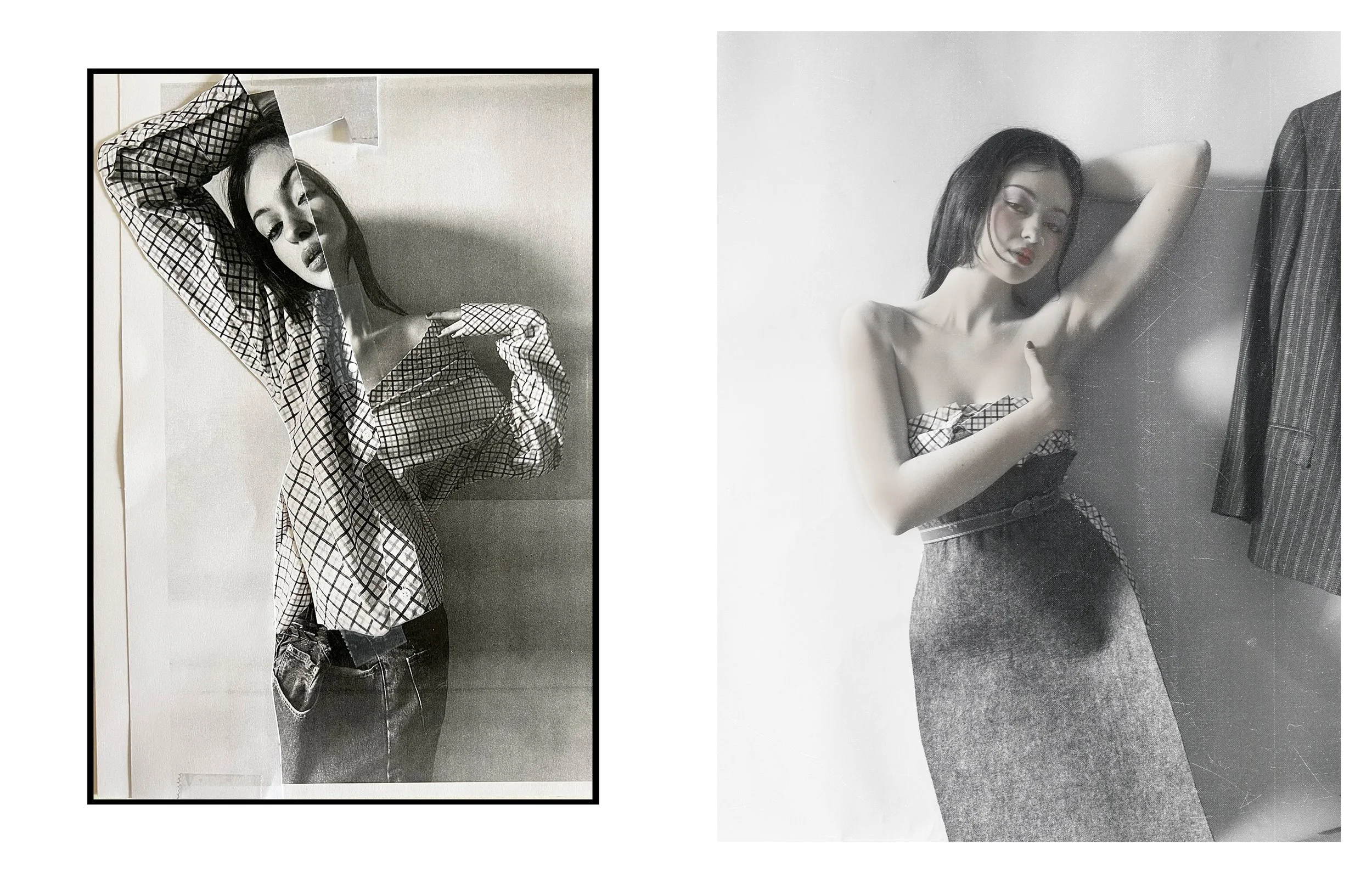
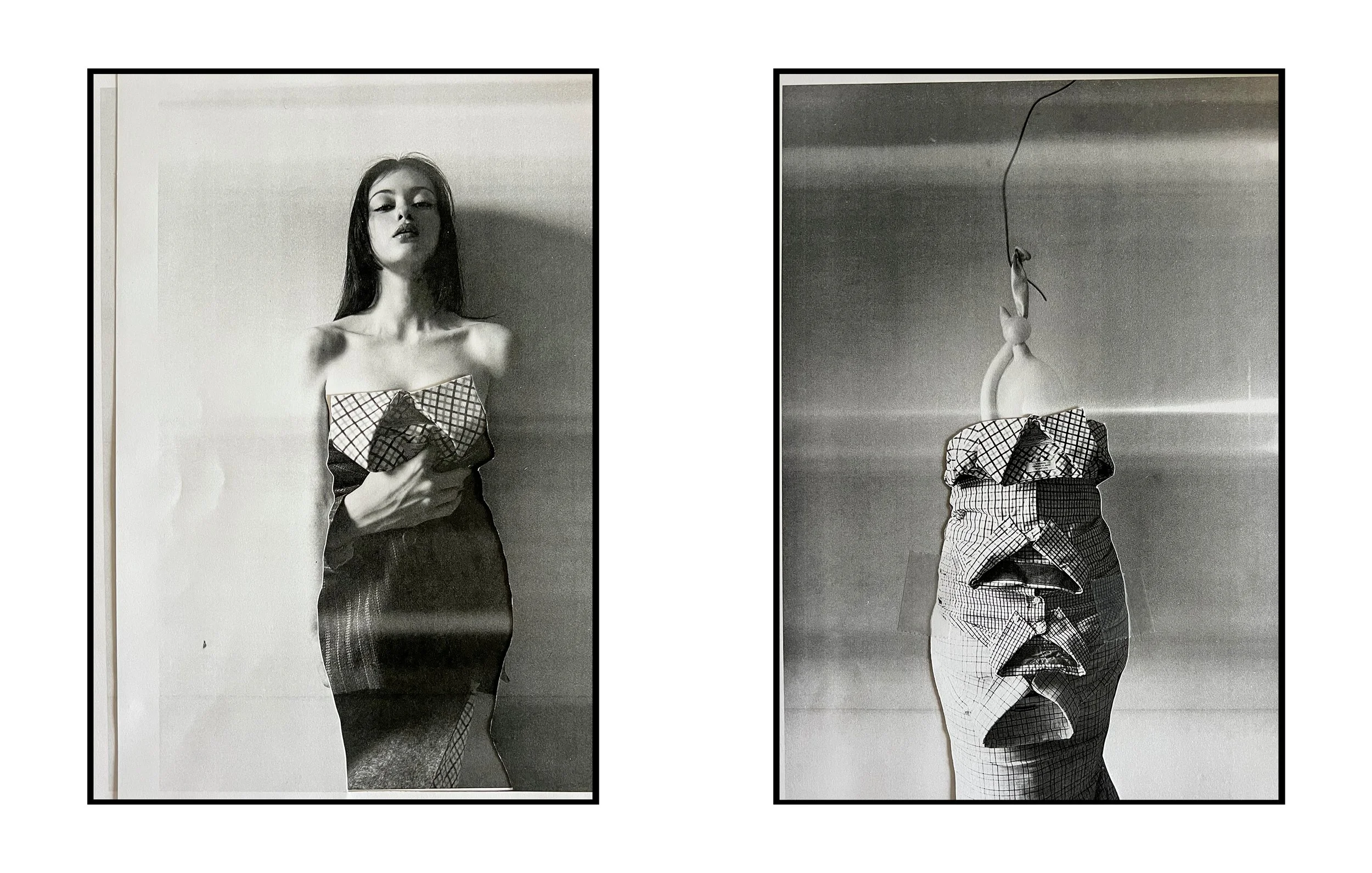
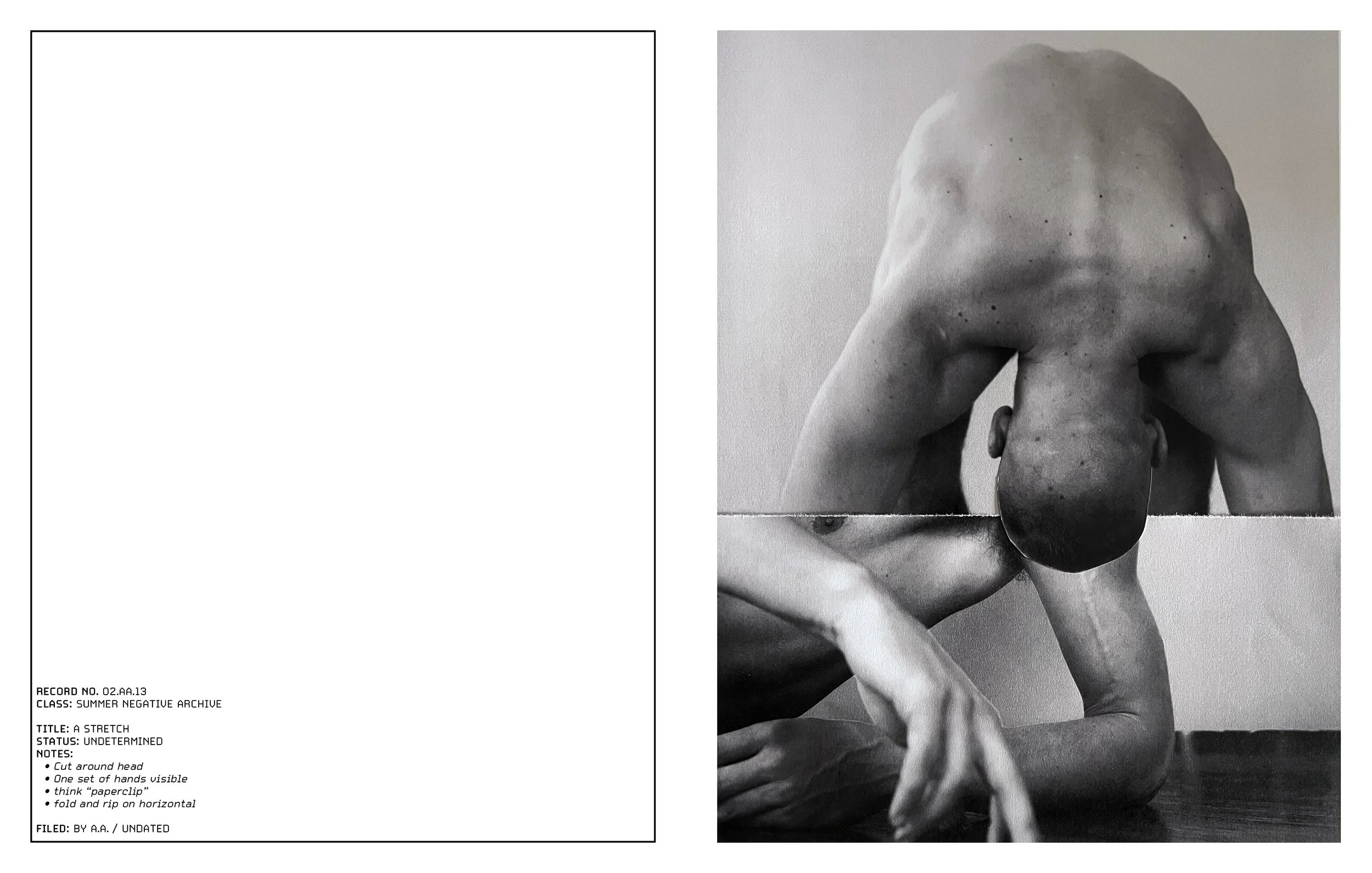
The Summer Issue is a sun-soaked archive of memory, body, scent, and image. From portraits that bloom like plants to fragrances that bottle heat and longing, this issue is a garden grown from nostalgia and stretched into modern myth. Featuring editorial collage, recipes, soap, and spoken moments for hot days and cool shadows.



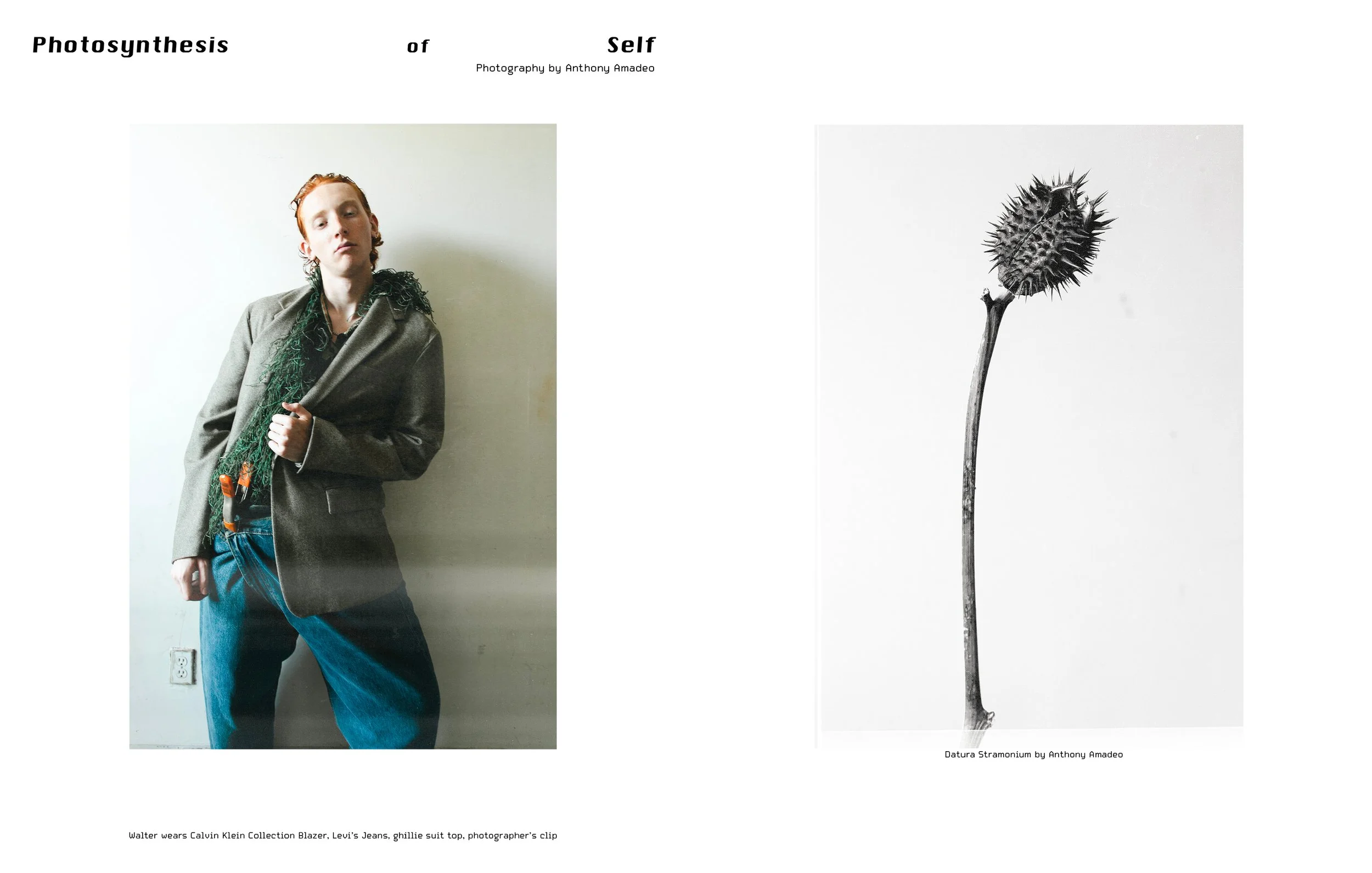
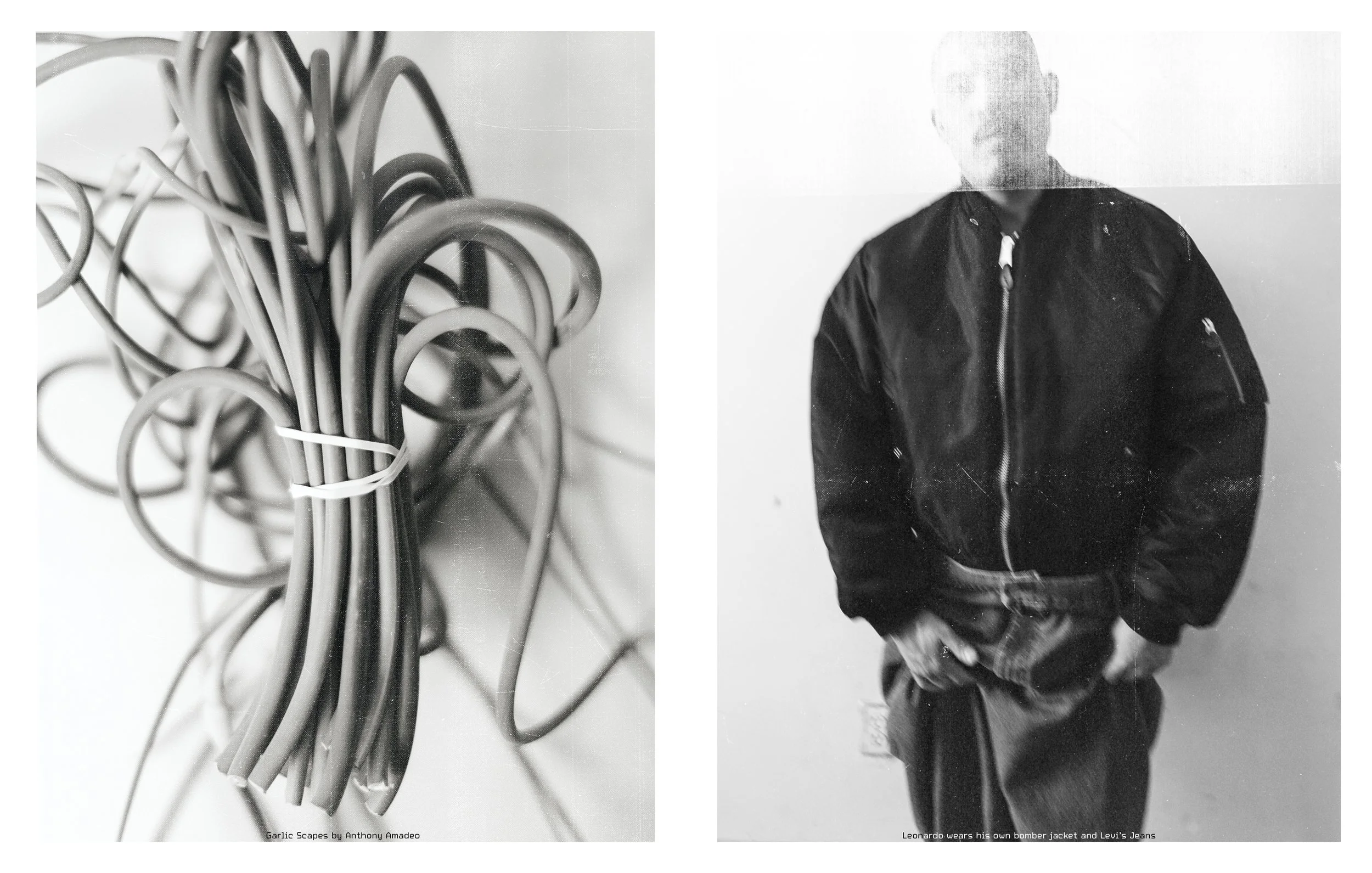
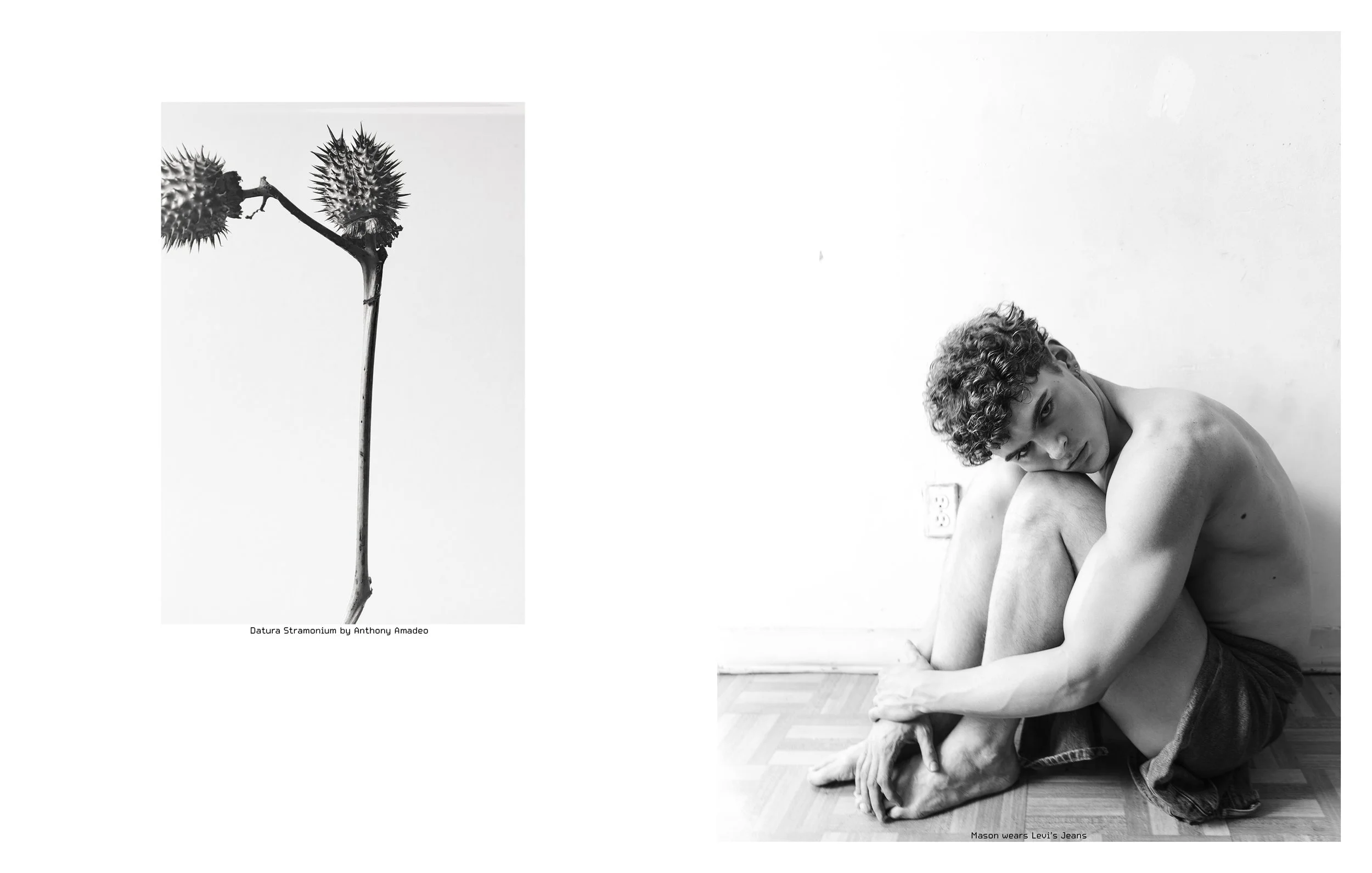
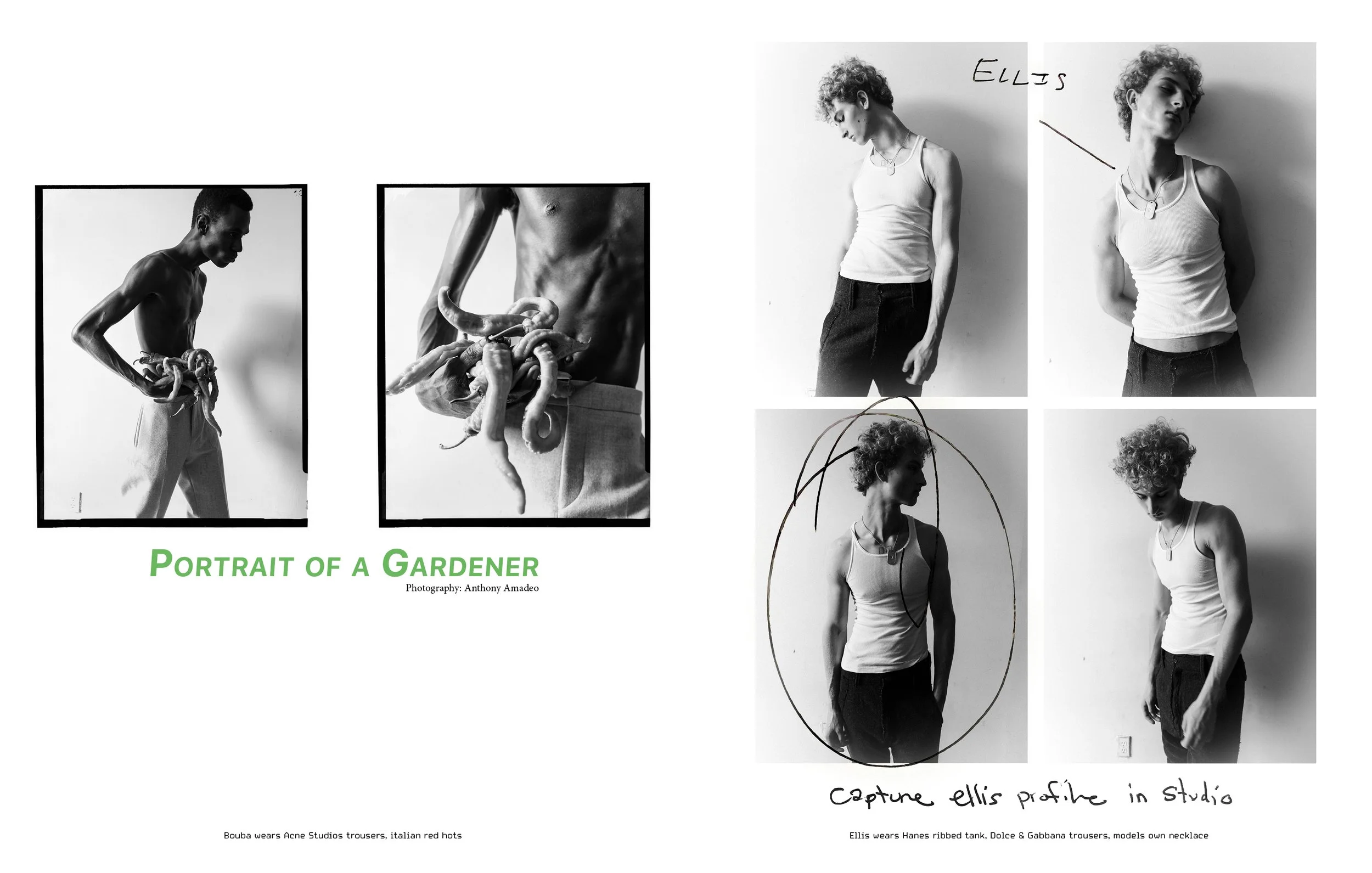





Introducing George Maragkos
There’s a presence in the room before the shutter clicks.
George Maragkos—striking, sharp, and unmistakably cinematic—moves through frame with the ease of someone who’s been here before, even if this is just the beginning.
the first face of amadeo amadeo
There’s a presence in the room before the shutter clicks.
George Maragkos—striking, sharp, and unmistakably cinematic—moves through frame with the ease of someone who’s been here before, even if this is just the beginning.
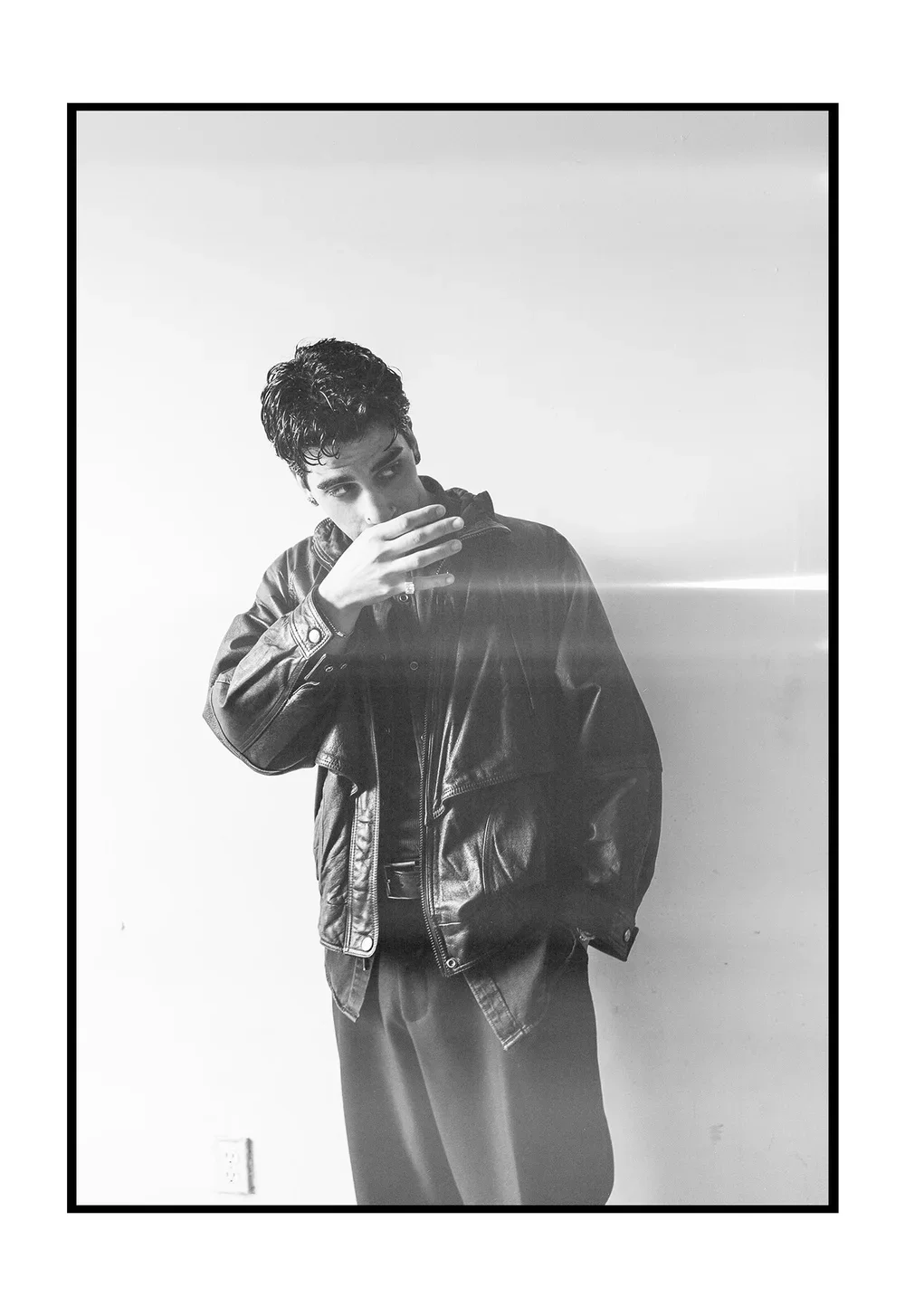
In his debut session with amadeo amadeo, George arrived dressed in all black: pleated trousers, a leather jacket, a tailored blazer—clothing that clung to the light and carved out drama in the shadows. His Greek features carried the weight of myth, but his gestures were thoroughly modern: abstract, fluid, intentional.
We worked through reflections, distortions, and movement. At every turn, George didn’t just pose—he acted, reacted, told. A face not just for fashion, but for storytelling.
These first portraits mark the beginning of a portfolio designed to not only impress, but to mesmerize. He is the prototype of what we’re cultivating here: presence, poise, and personality.
Welcome George Maragkos, the first of many to come.


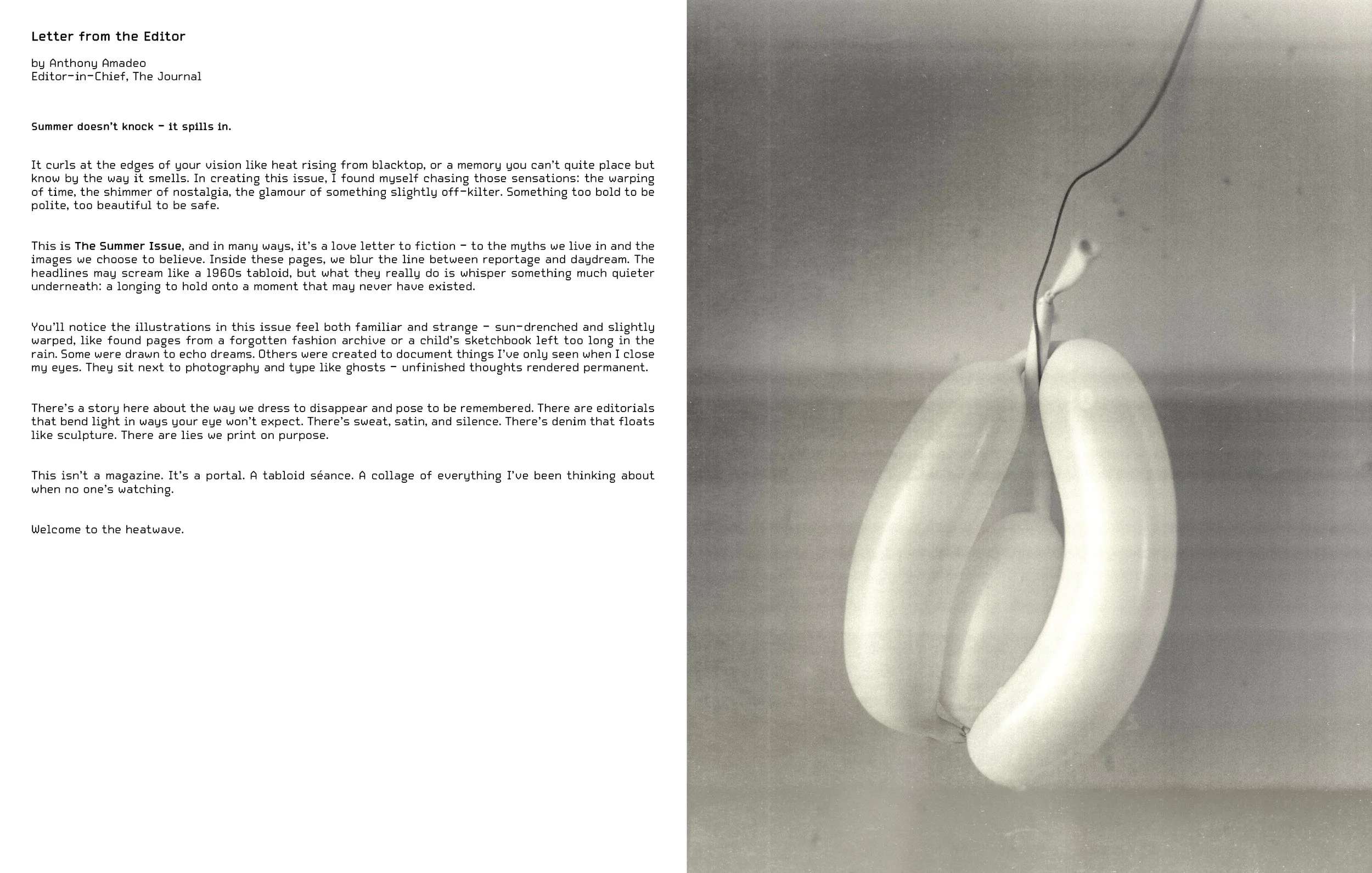
"All This Time, I Thought 'Art is a Bunch of BS' Meant Balloon Sculptures"
For years, I nodded along when people would dismissively mutter, "Art is just a bunch of BS."
And for years, I genuinely thought they meant Balloon Sculptures.
For years, I nodded along when people would dismissively mutter, "Art is just a bunch of BS."
And for years, I genuinely thought they meant Balloon Sculptures.
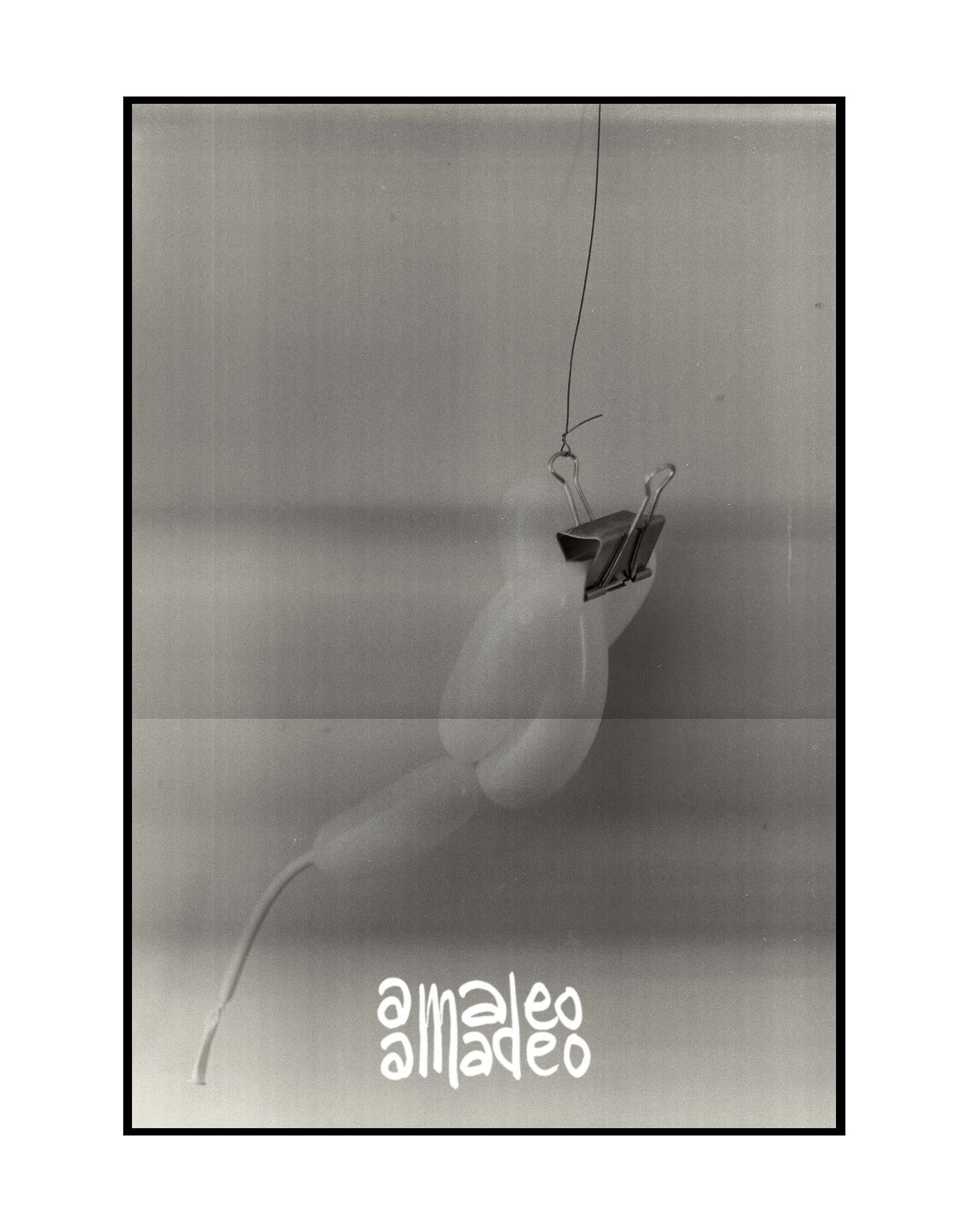
I imagined an entire secret society — one where artists twisted latex into abstract forms, floated their rebellion into the sky, and let the world misunderstand them entirely. To me, BS stood for an entire movement. It wasn’t an insult — it was a misunderstood compliment.
So I’ve decided to lean into it.
Introducing a new series: Balloon Sculptures — an earnest tribute to misunderstanding, miscommunication, and the beautifully absurd.
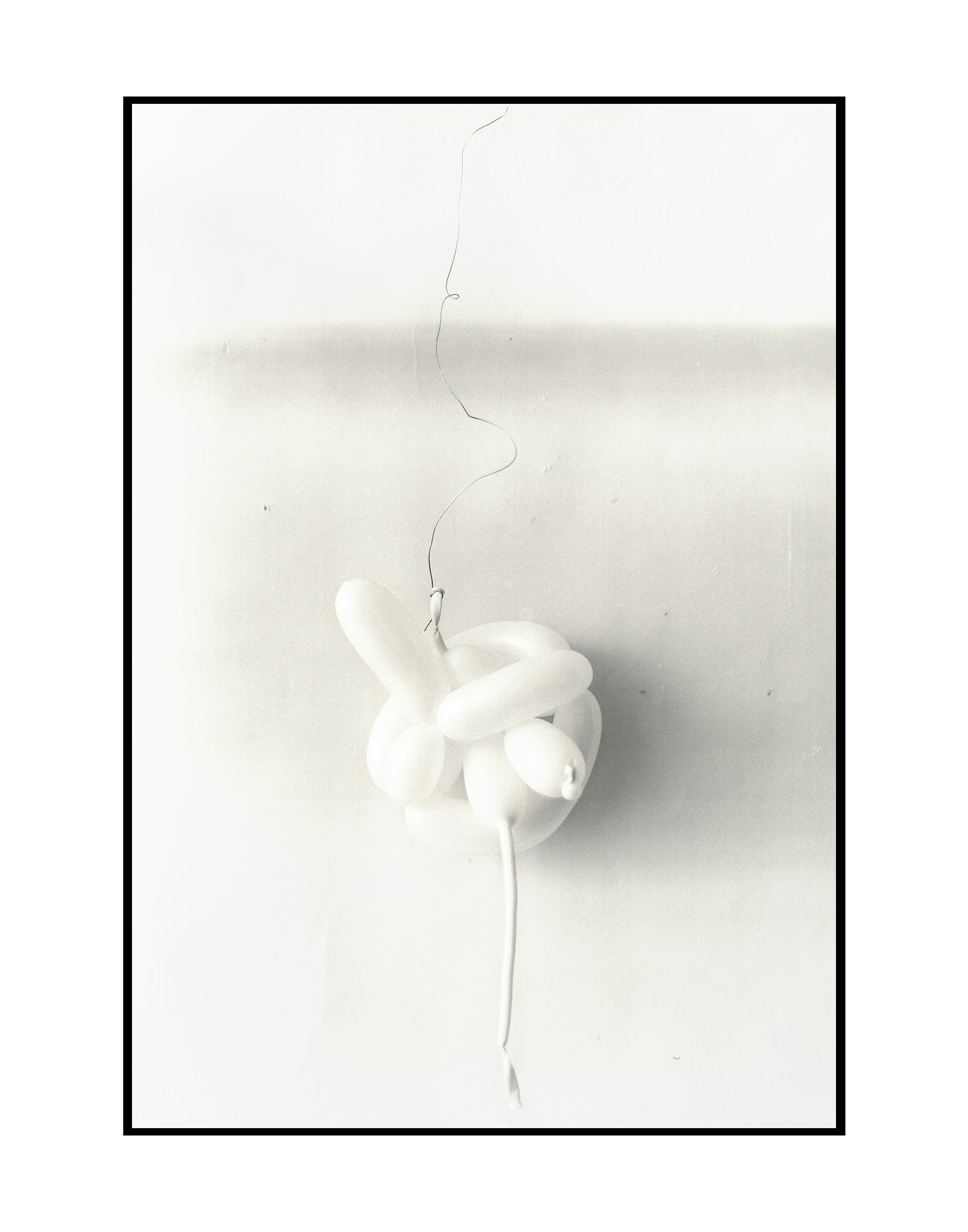


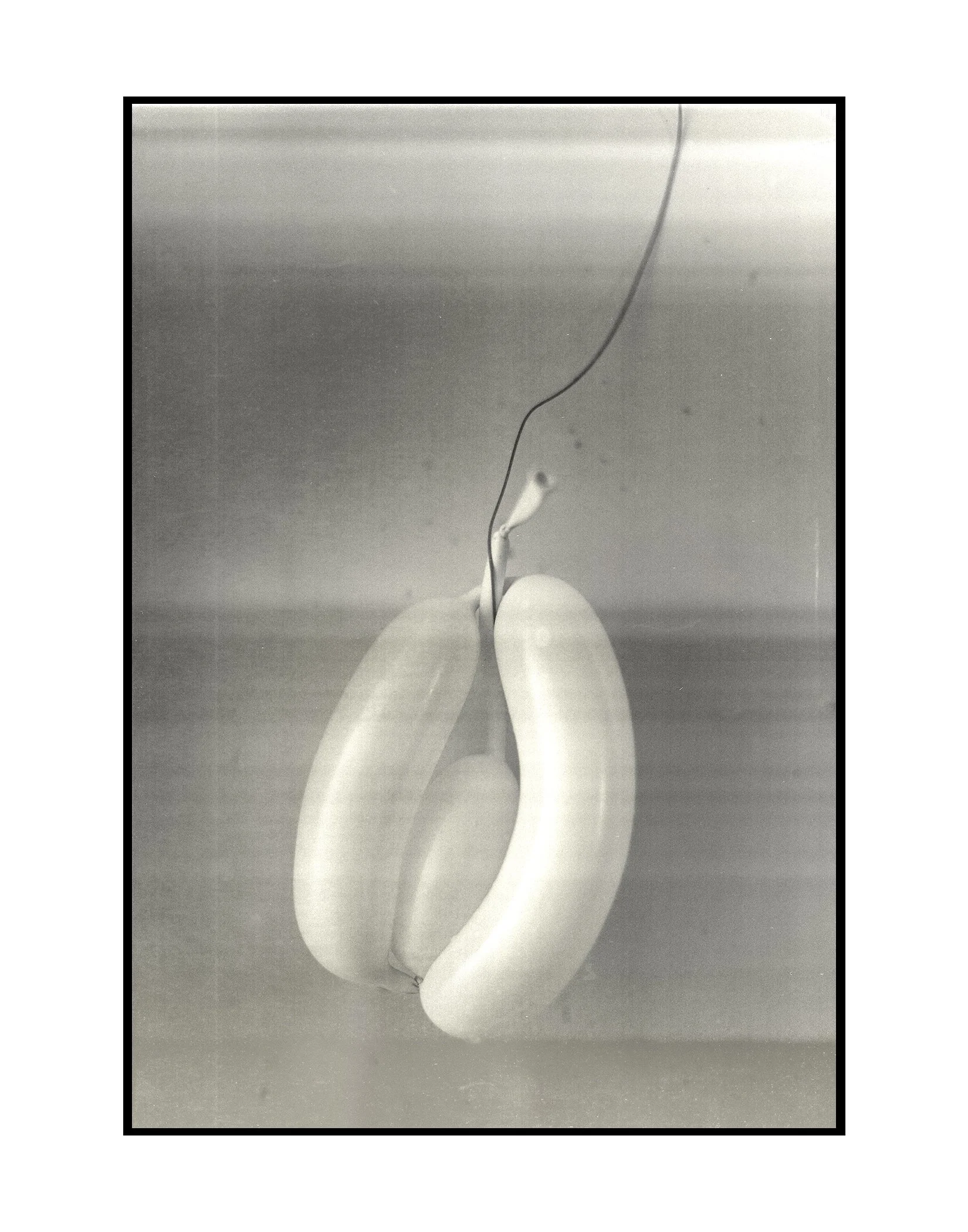
Each piece will be hand-twisted, hung, documented, and mythologized. A soft rebellion in thin air. Fragile, fleeting, and just serious enough to confuse you.
In a world that demands you defend your work with dissertations, I’m choosing to float a balloon.
And when they call it BS — they’ll be absolutely right.
- Anthony Amadeo, Amadeo Amadeo

THE NUMBERS THAT KNOW YOU
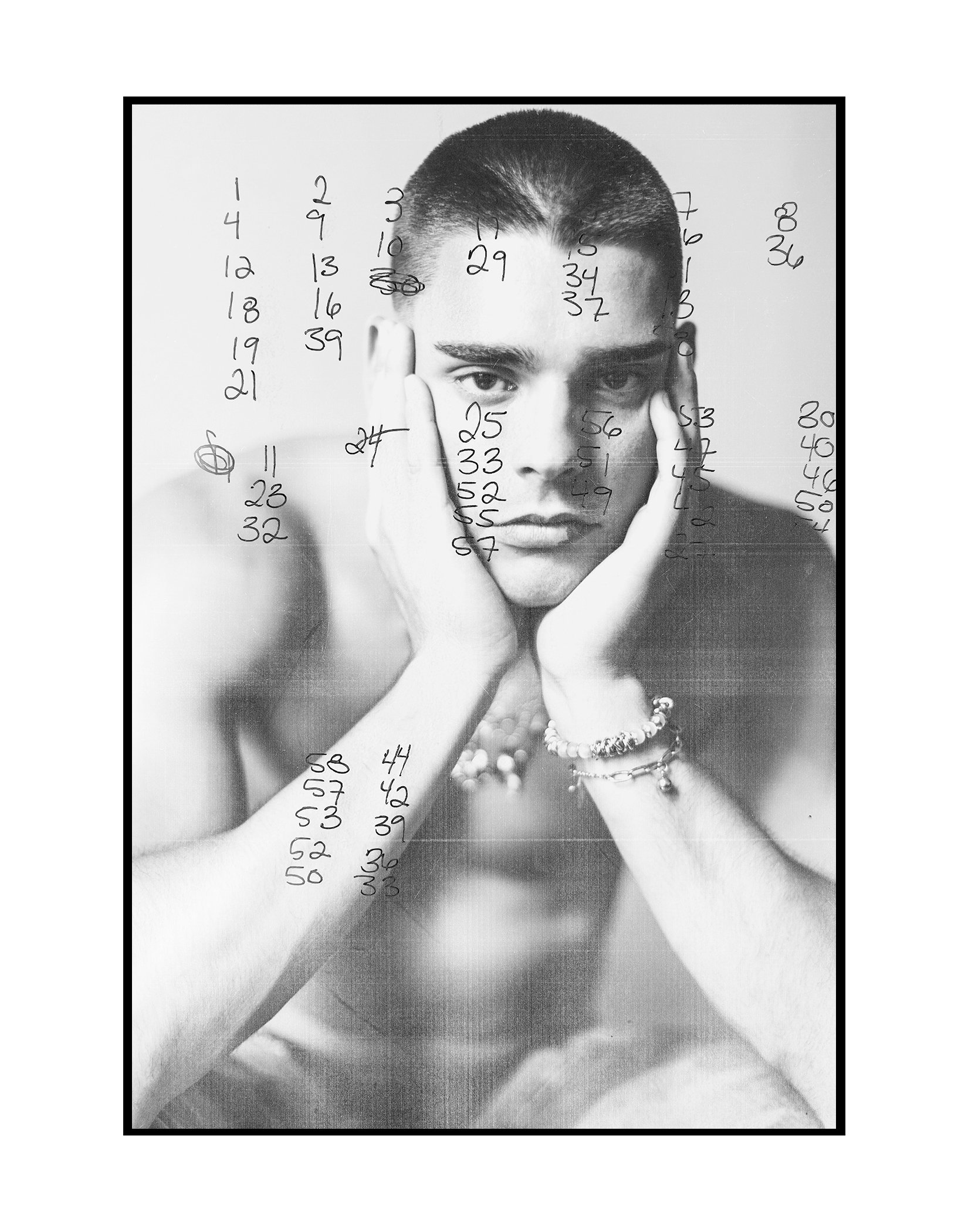
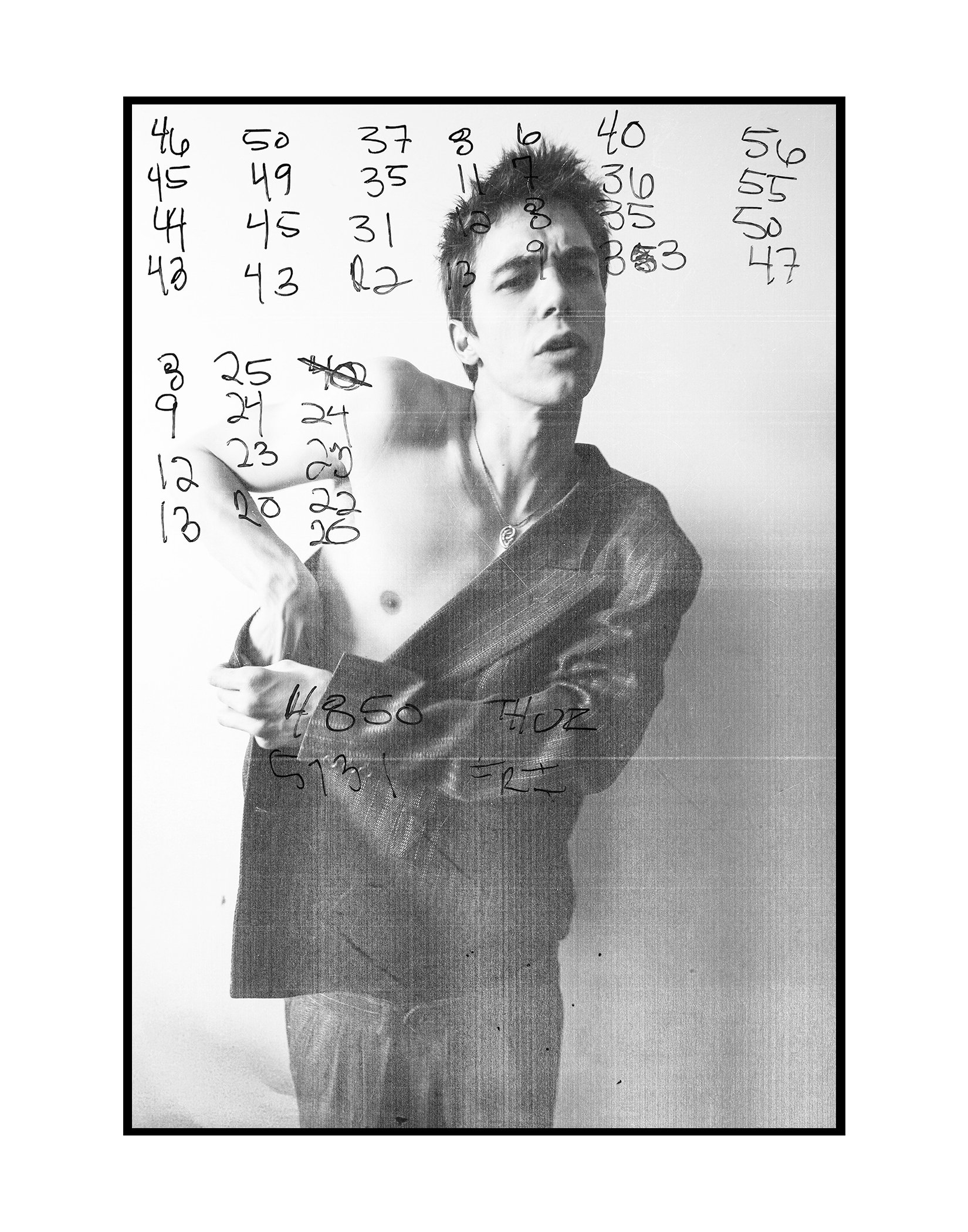
The black-and-white images recently leaked from the studio of Anthony Amadeo appear—at first glance—to be nothing more than striking portraits, poetic in their stillness, echoing the sculptural tension of classicism reimagined for a modern mythology. But to those who’ve looked deeper... something else has emerged.
THE NUMBERS THAT KNOW YOU
Are These Photocopies a Message From Beyond the Frame?

By An Observer of the Obscure
The Journal, Vol. I | Amadeo Amadeo Archives
“There are no coincidences—only coordinates waiting to be noticed.”
The black-and-white images recently leaked from the studio of Anthony Amadeo appear—at first glance—to be nothing more than striking portraits, poetic in their stillness, echoing the sculptural tension of classicism reimagined for a modern mythology. But to those who’ve looked deeper... something else has emerged.
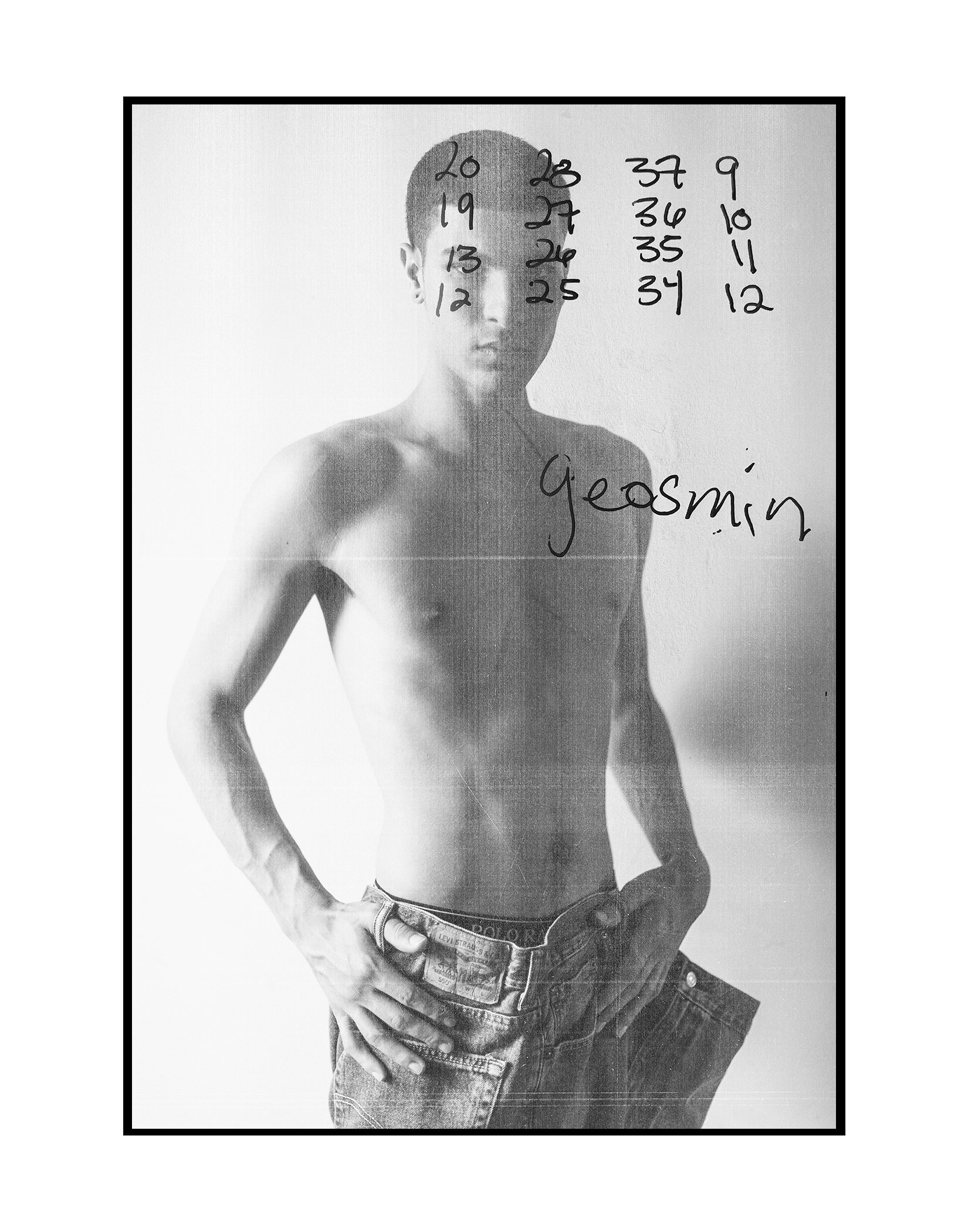
Each photograph is overlaid with a grid of handwritten numbers—disorganized, looping, duplicated, circled, crossed out. Seemingly random. But nothing in the Amadeo Codex is ever random.
According to an anonymous source (who once claimed to have worked with the artist during a full moon in Florence), these images are not photographs—they’re receivers. And the numbers? They’re not annotations. They’re transmissions.
THE GEOSMIN THEORY
One image—titled only “Geosmin”—sent shivers through numerologists and ex-CIA codebreakers alike. “Geosmin” is the molecule that causes the smell of earth after rain... but why label a photocopy of a boy in oversized jeans with this word?
If you map the numbers across the faces, torsos, and arms, they align with ancient acupuncture meridians. One theory posits that Amadeo’s images are somatic charts for emotional memory—each number a timestamp tied to a forgotten personal truth.
What were you doing at 33?
What happened to you on the 12th?
Why do you always wake up at 3:37 a.m.?
We asked 57 people (note: a frequently appearing number) to randomly select one number from each image. 83% reported immediate recollections tied to that number—an age, a date, an address, a dream they’d forgotten until that moment. Coincidence? Or... recognition?
MULTIPLES OF MEANING
Some numbers reoccur across the images: 37, 53, 50. Are they codes? Coordinates? Or countdowns?
Photographic analysts suggest the repetitions create a pattern of activation—a trigger sequence for something not yet understood. There is evidence these photos were passed under red light at 3:00 AM for 7 nights in a row before being photocopied. Rumors suggest Amadeo used a Soviet-era duplicator found in a shuttered print shop in Bushwick.
Another theory states that these are calibration values for a non-human gaze—numbers that tell extraterrestrial observers where to focus when trying to decode human beauty.
ARE YOU PART OF THE EXPERIMENT?
What happens when you stare at the numbers?
Some claim these images shift in your periphery. That the numbers rearrange themselves. That your favorite number appears in a different spot each time.
One viewer reported dreaming of the numbers—waking with the imprint of “50” on their inner wrist. Another claims they saw their birth date, phone number, and childhood home’s address hidden across all four images.
So we ask you:
Do you see your number?
Do you know what it means?
And if not—why is it still following you?
THE AMADEO INCIDENT
THE AMADEO INCIDENT
Or, The Artist Who Came to Earth With a Camera and a Nose for Memory
by a former employee of the U.S. Bureau of Olfactory Surveillance
THE AMADEO INCIDENT
Or, The Artist Who Came to Earth With a Camera and a Nose for Memory
by a former employee of the U.S. Bureau of Olfactory Surveillance
For decades, whispers have swirled through the upper crust of the fashion elite, the fragrance underground, and certain dive bar booths in both Palermo and the Lower East Side. The whispers all ask the same question:
Who is Anthony Amadeo?
At first glance, he seems like just another artistic savant—blessed with impeccable taste, the eye of a Renaissance sculptor, and the eerie ability to extract perfume from a memory you forgot you had. But something doesn’t add up.
There are no childhood photos.
His studio doesn’t age.
Clients describe his portraits as “time loops.”
And every scent he crafts smells like a place that doesn’t exist—but should.
More curiously, he refers to his work under the brand “amadeo amadeo”—a doubling, a mirror, a signal. Linguistic experts say this kind of repetition is common in extraterrestrial code-switching, a phenomenon seen in transmissions intercepted by SETI and in the infamous 1987 Fragrance Files Leak (since suppressed).
But the most damning evidence? The Codex.
The Codex is a series of ten numbered fragrances, each with a storyline so detailed, so emotionally specific, it’s as if someone bottled alternate timelines. Theories abound:
No. 37 references a house that doesn’t appear on any official maps, yet people who’ve smelled it all remember the same backyard: overgrown basil, the scent of sun on vinyl, a garden hose still running.
No. 240 is said to summon images of people’s grandparents—regardless of their ethnicity or location—down to eerily precise details.
No. 88? We’re not allowed to speak of No. 88. Not after what happened in East LA last summer. The lowriders started levitating.
Witnesses claim Amadeo doesn’t create the scents—he retrieves them. Some say he’s a memory cartographer from a dying star system. Others claim he’s an archivist for the Council of Sensory Continuity, a galactic council tasked with bottling Earth before it disappears in the next reset.
The most fringe theory (and yet the one most cited in backroom dealer circles) is that Anthony Amadeo is not here to stay. He is only collecting. Fragments. Feelings. Faces. His showroom isn’t a business—it’s a beacon.
A signal back home.
Stay tuned. The scent is stronger than ever. And the next fragrance drop might be a countdown.
This has been a report from The Journal. Believe nothing. Smell everything.
MASON / MARBLE / DENIM
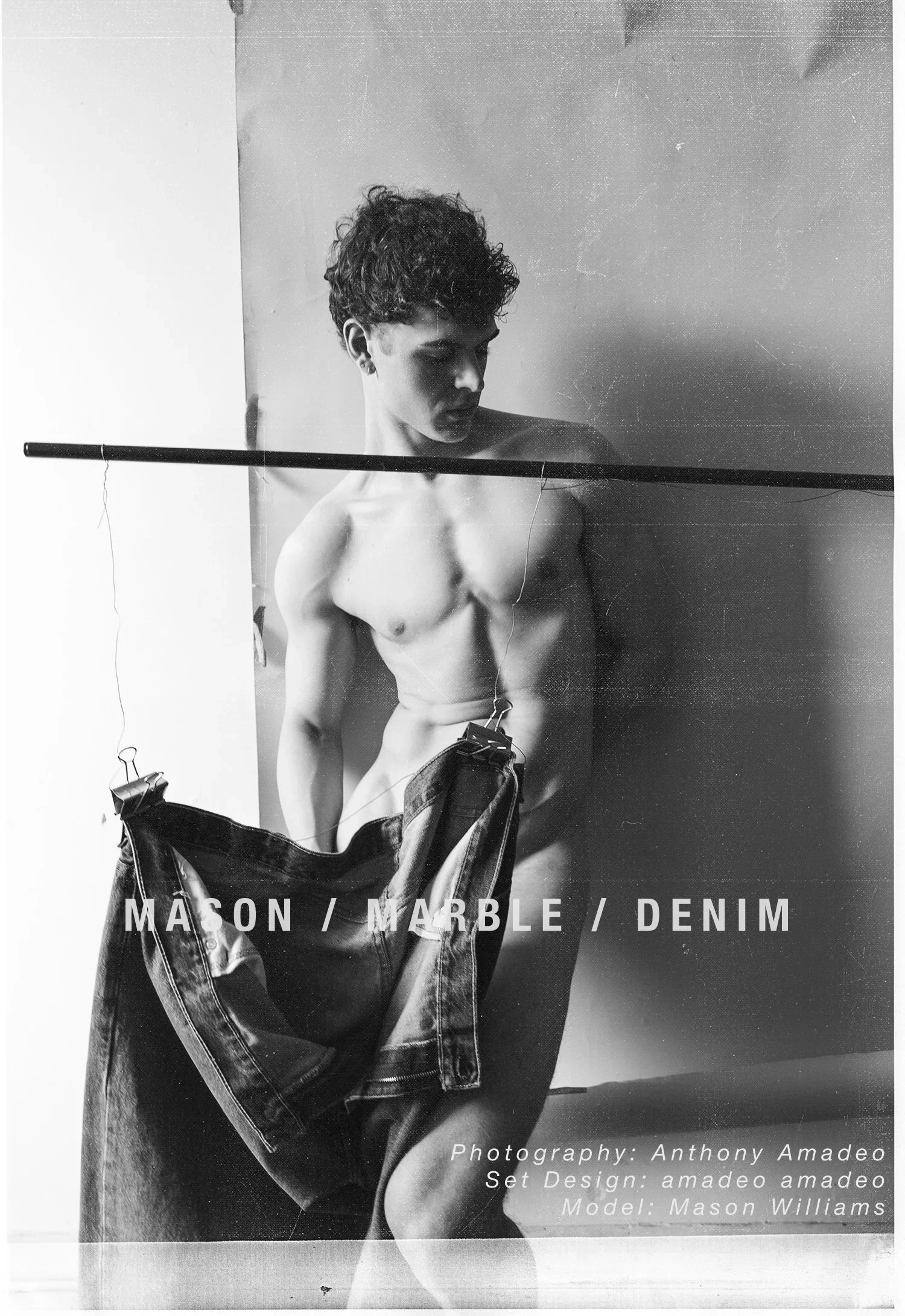
For our third shoot together, Mason Williams returns to the frame—this time suspended in a moment that feels part sculpture, part dream. The now-iconic giant denim makes its reappearance, floating like a relic of fashion surrealism. Hung in air, clipped like a cutout, it becomes a real-life collage, part Venus de Milo, part downtown atelier. Mason’s form echoes the soft shadows of marble statues I sketched while wandering the Louvre.

For our third shoot together, Mason Williams returns to the frame—this time suspended in a moment that feels part sculpture, part dream. The now-iconic giant denim makes its reappearance, floating like a relic of fashion surrealism. Hung in air, clipped like a cutout, it becomes a real-life collage, part Venus de Milo, part downtown atelier. Mason’s form echoes the soft shadows of marble statues I sketched while wandering the Louvre.
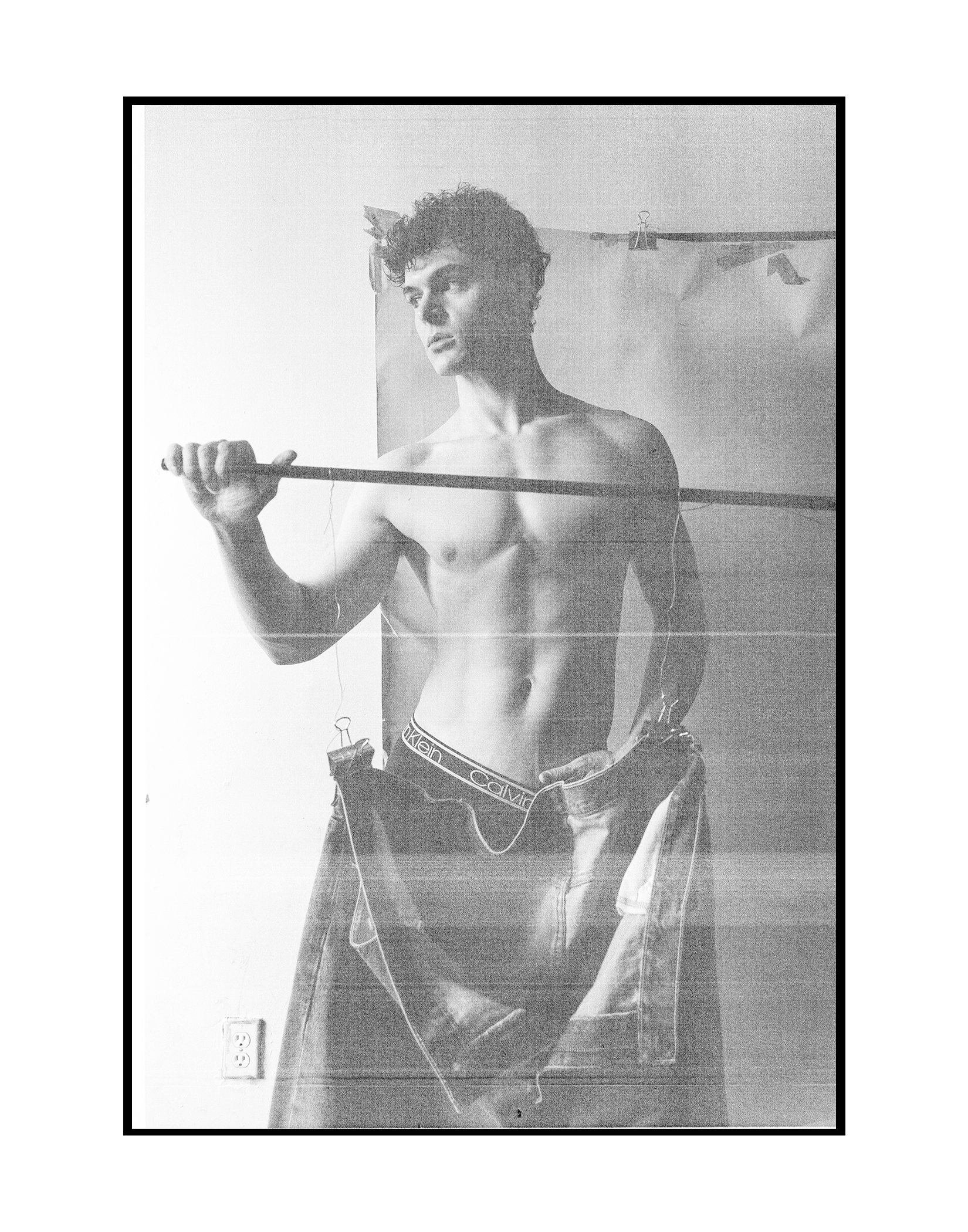


Set design: amadeo amadeo.
Photography: Anthony Amadeo.
Model: Mason Williams.
Vincent by Anthony Amadeo
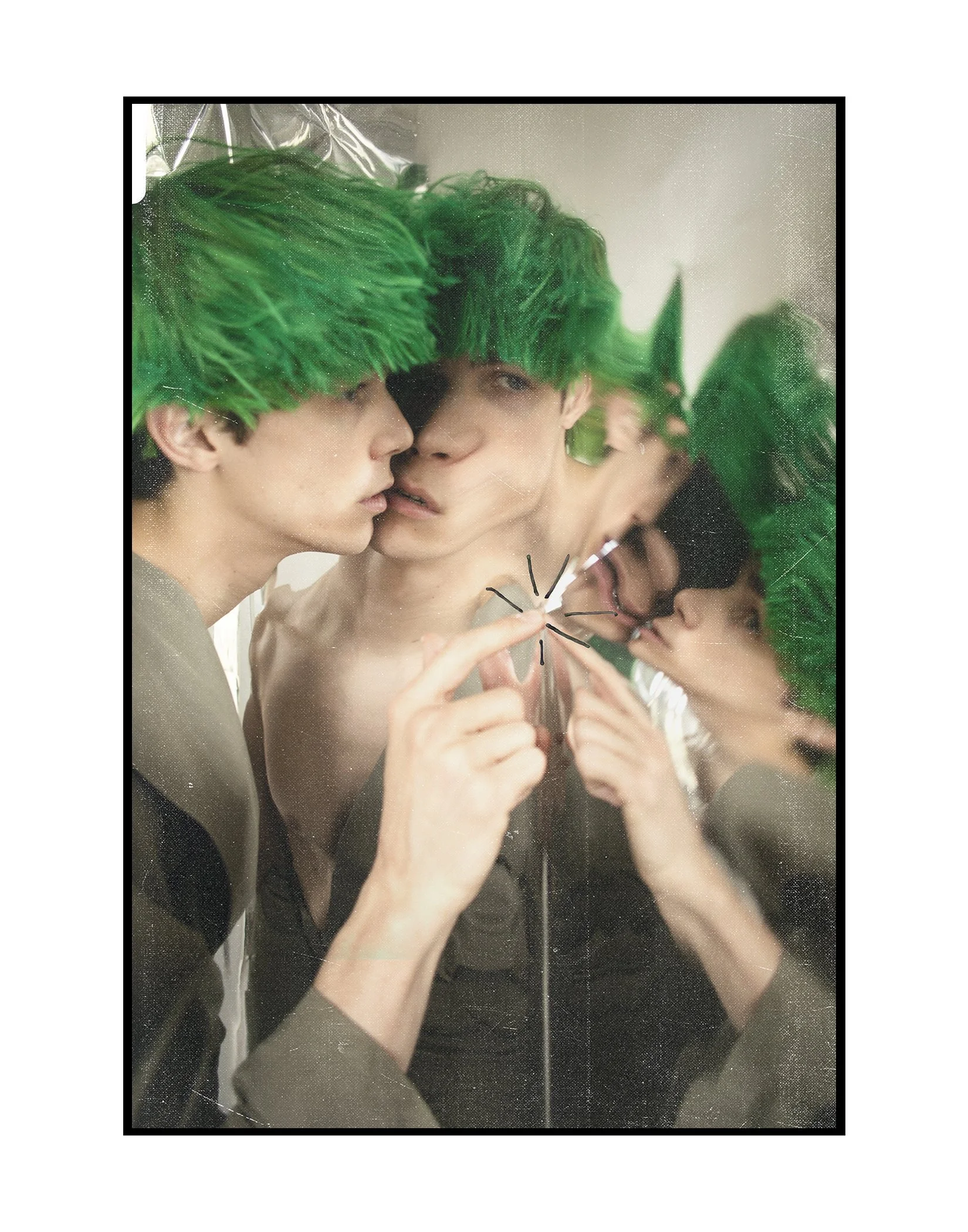
Photocopies of Vincent Paladino by Anthony Amadeo
Photocopies of Vincent Paladino by Anthony Amadeo
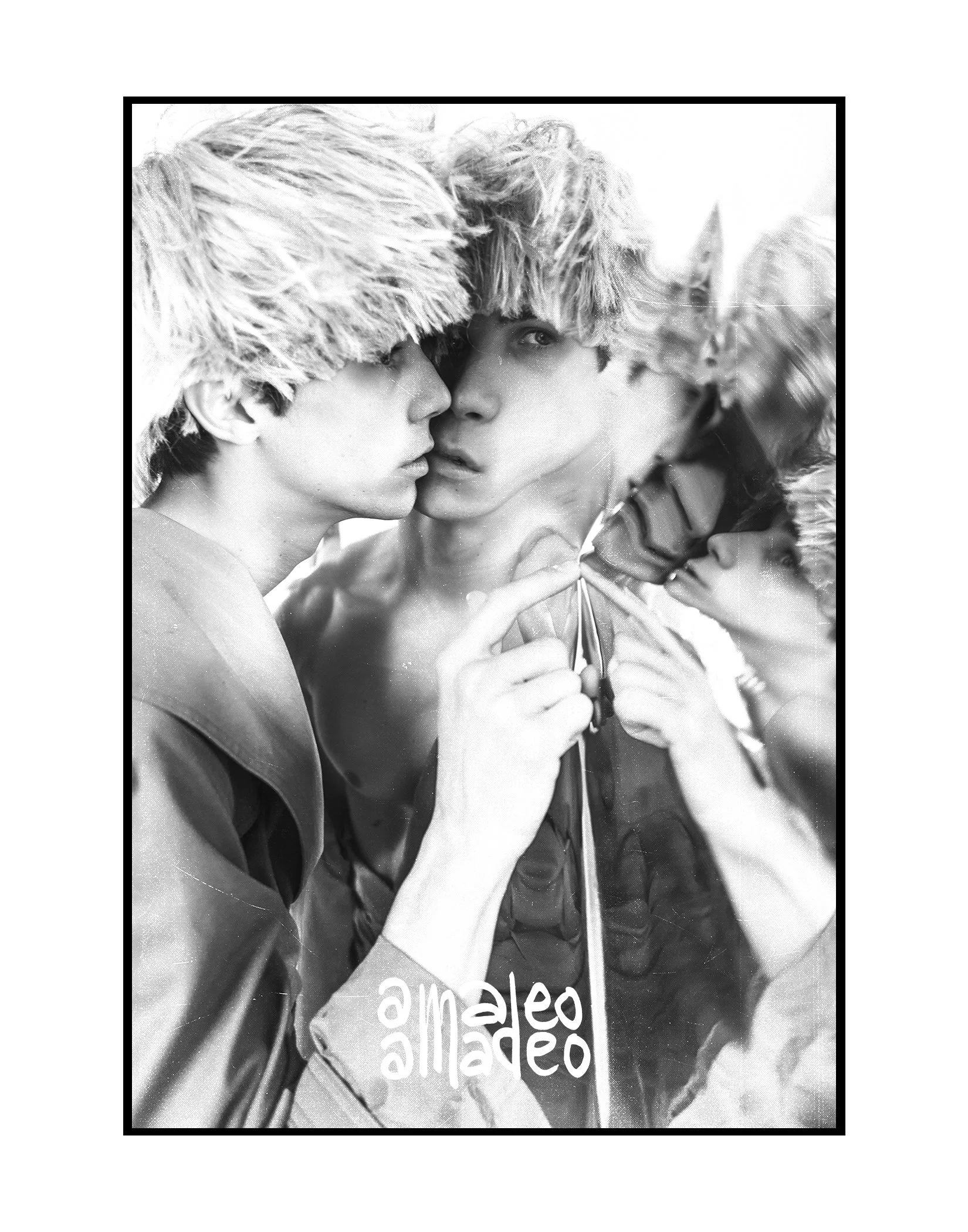
Wig by amadeoamadeo
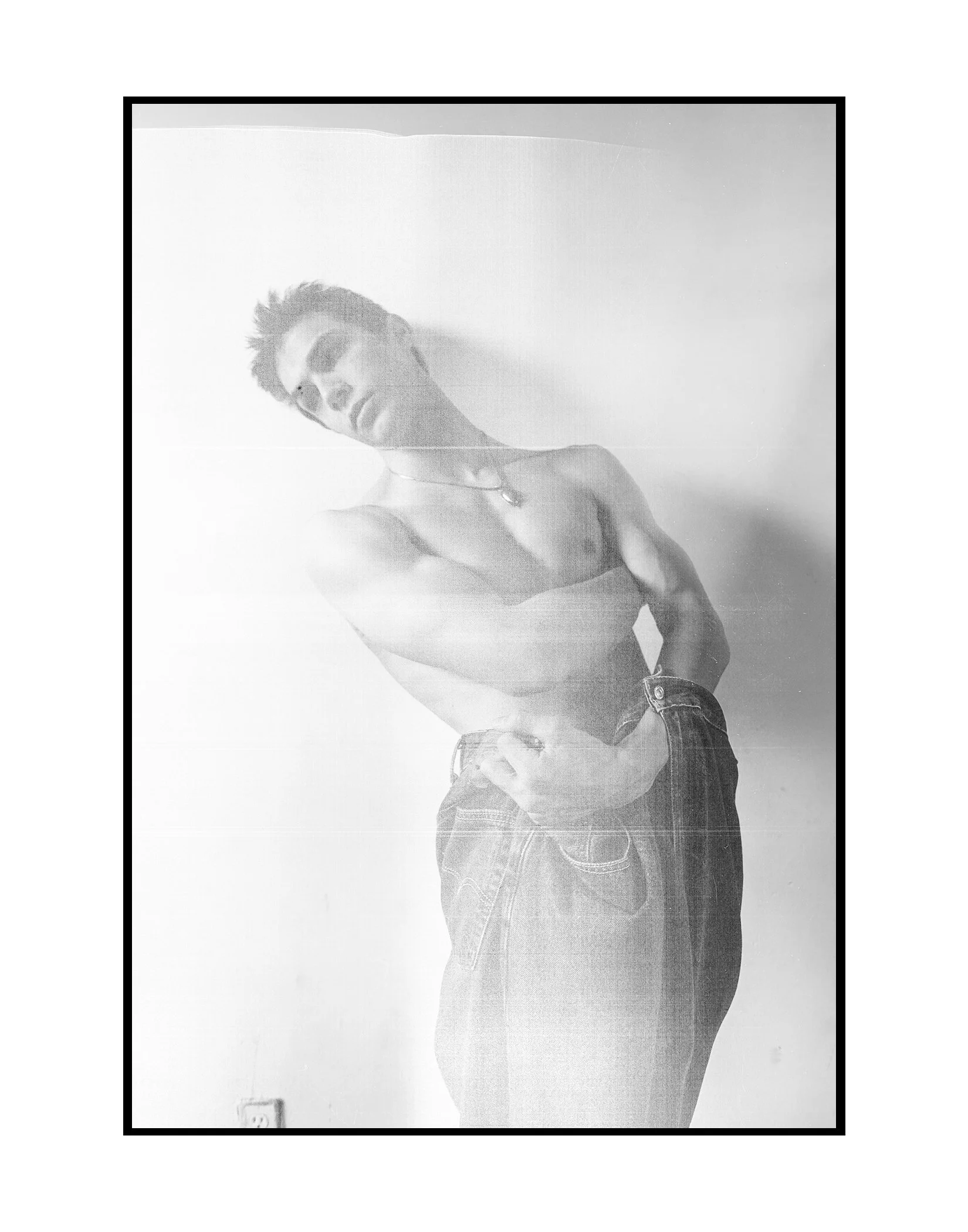
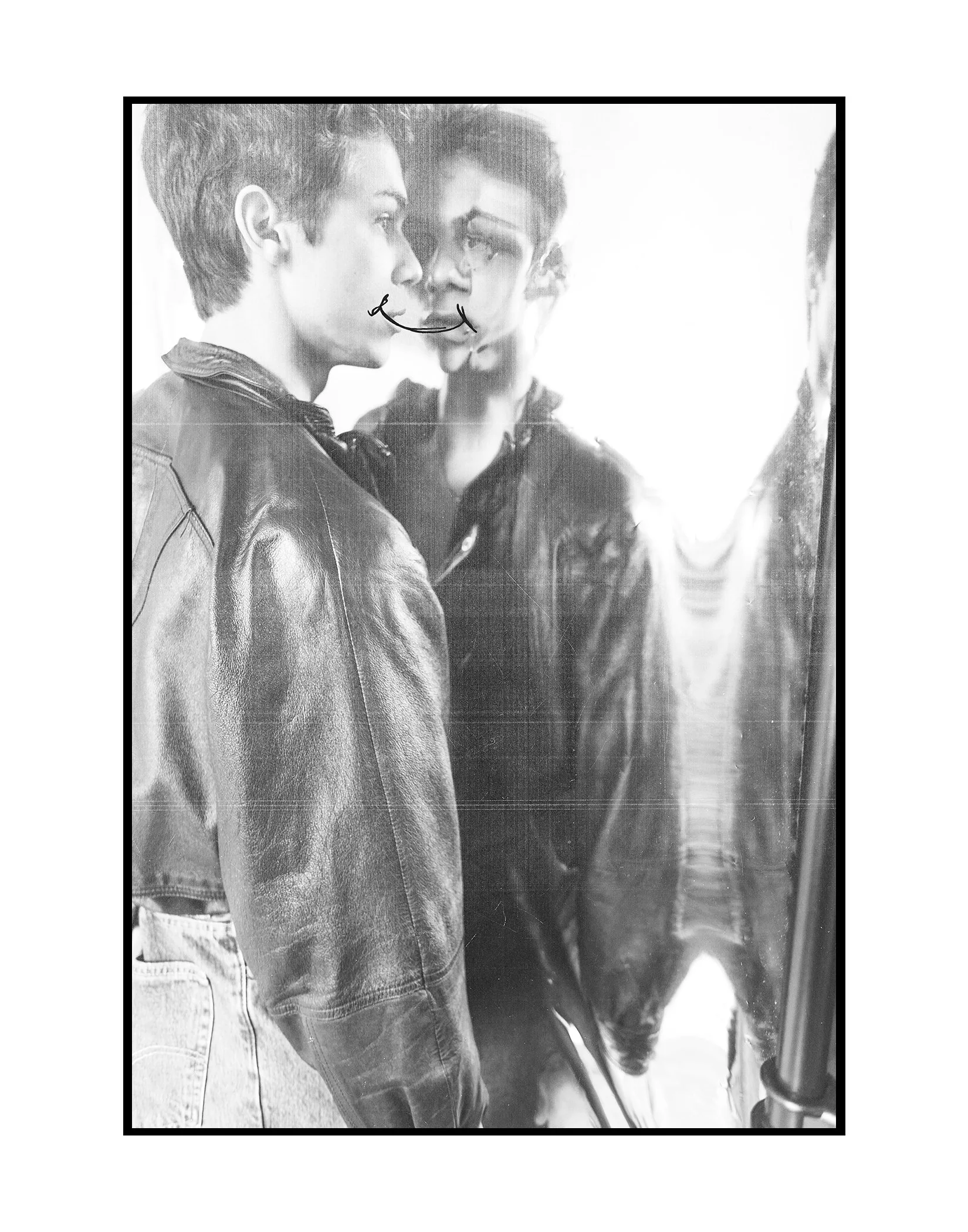
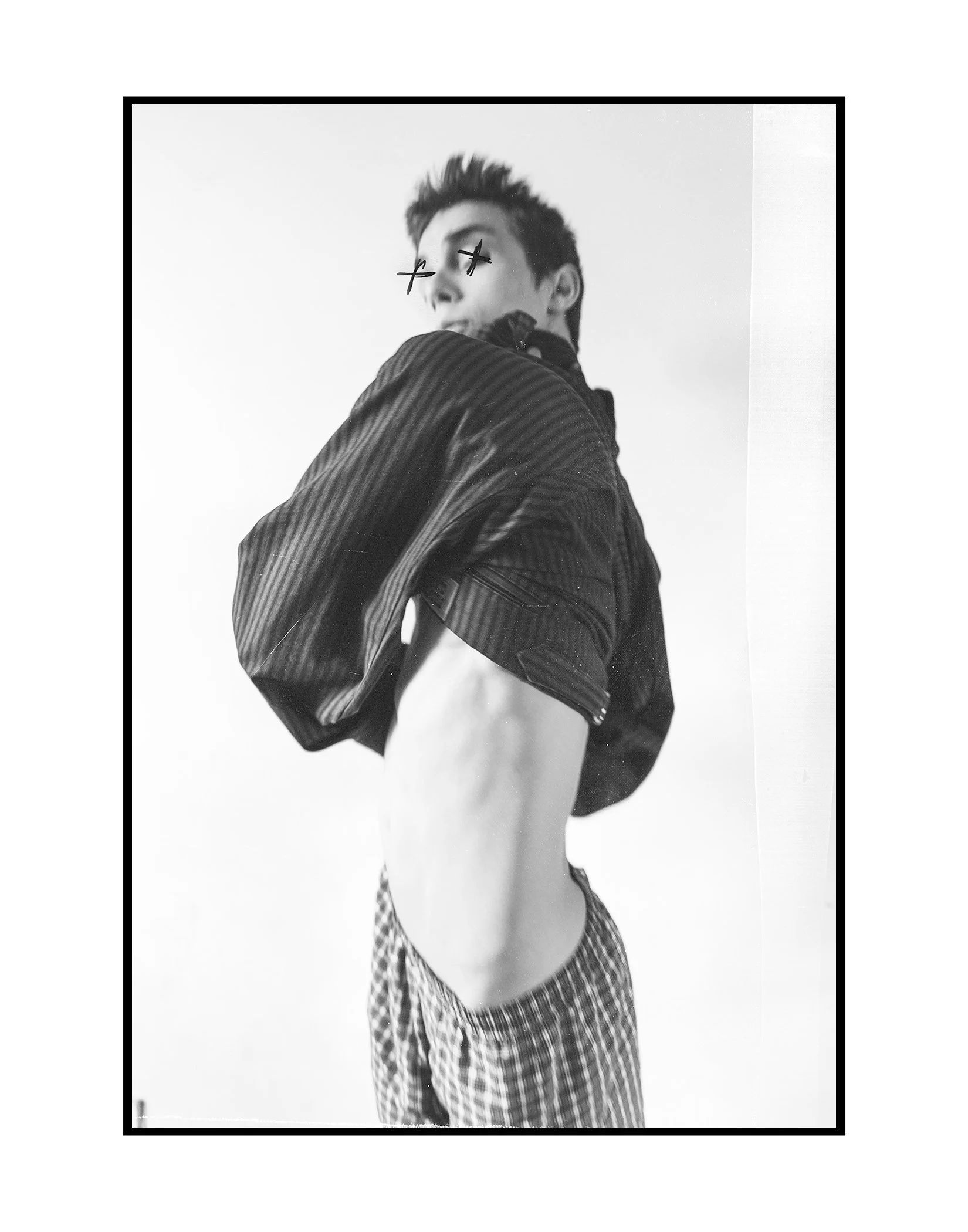
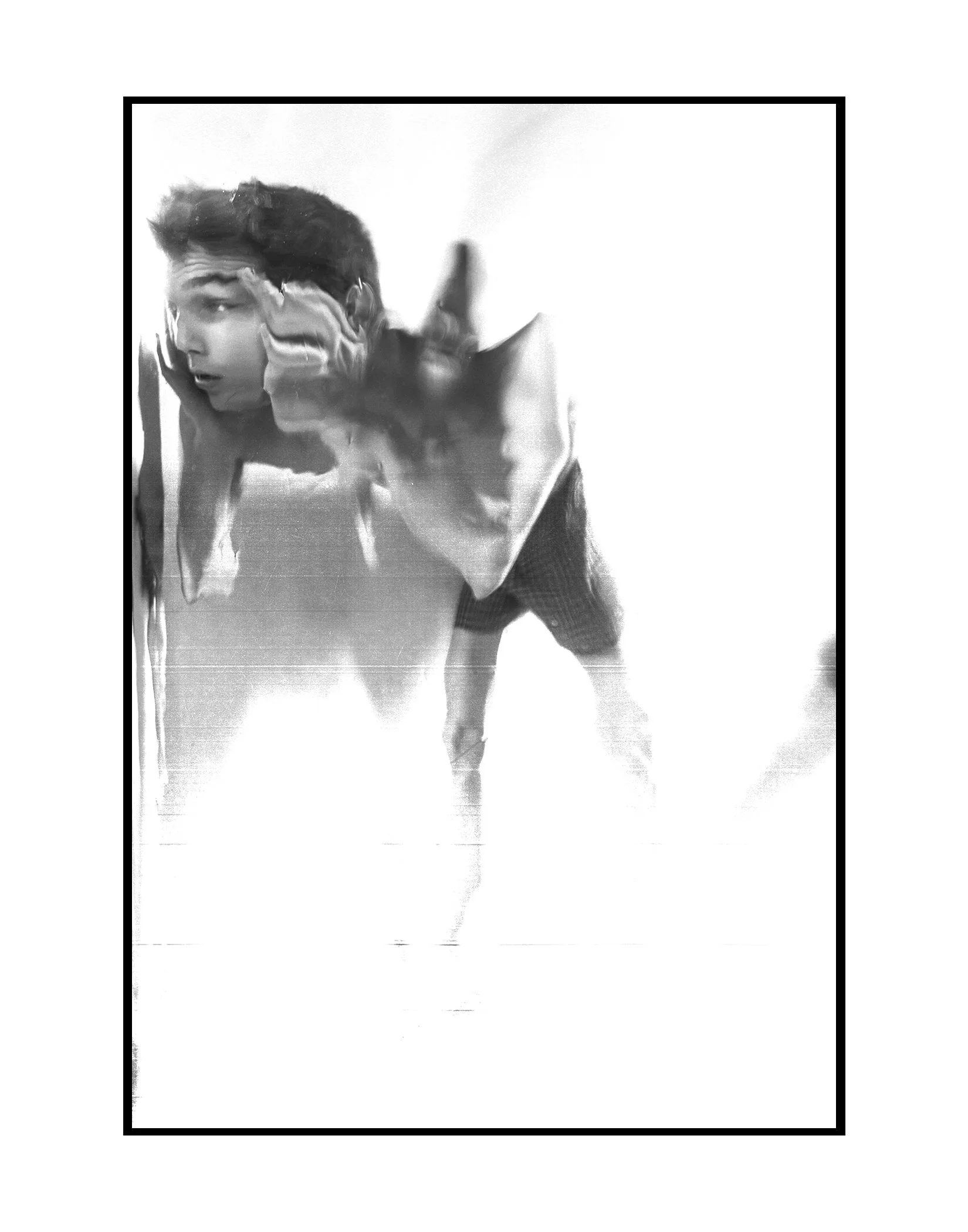
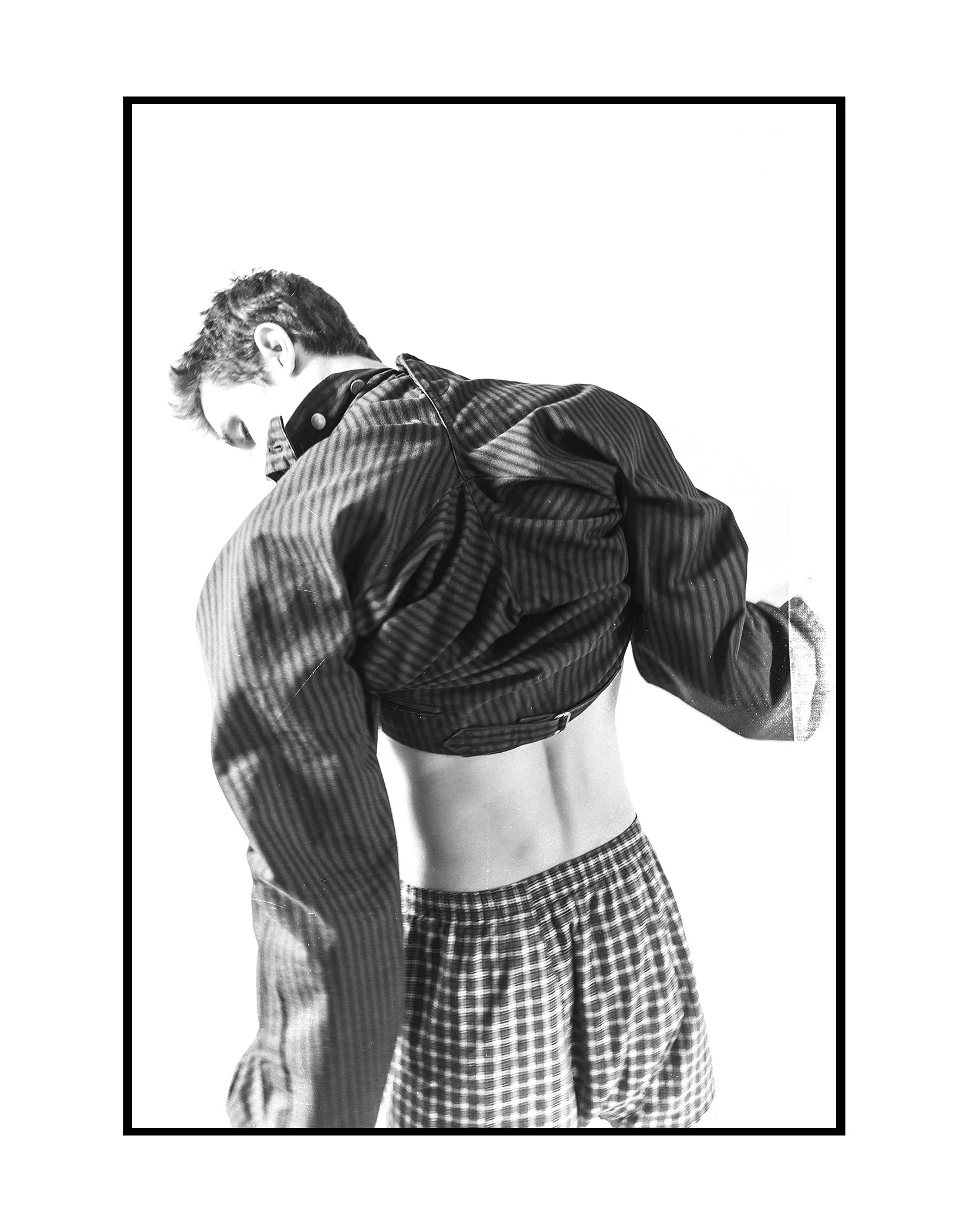
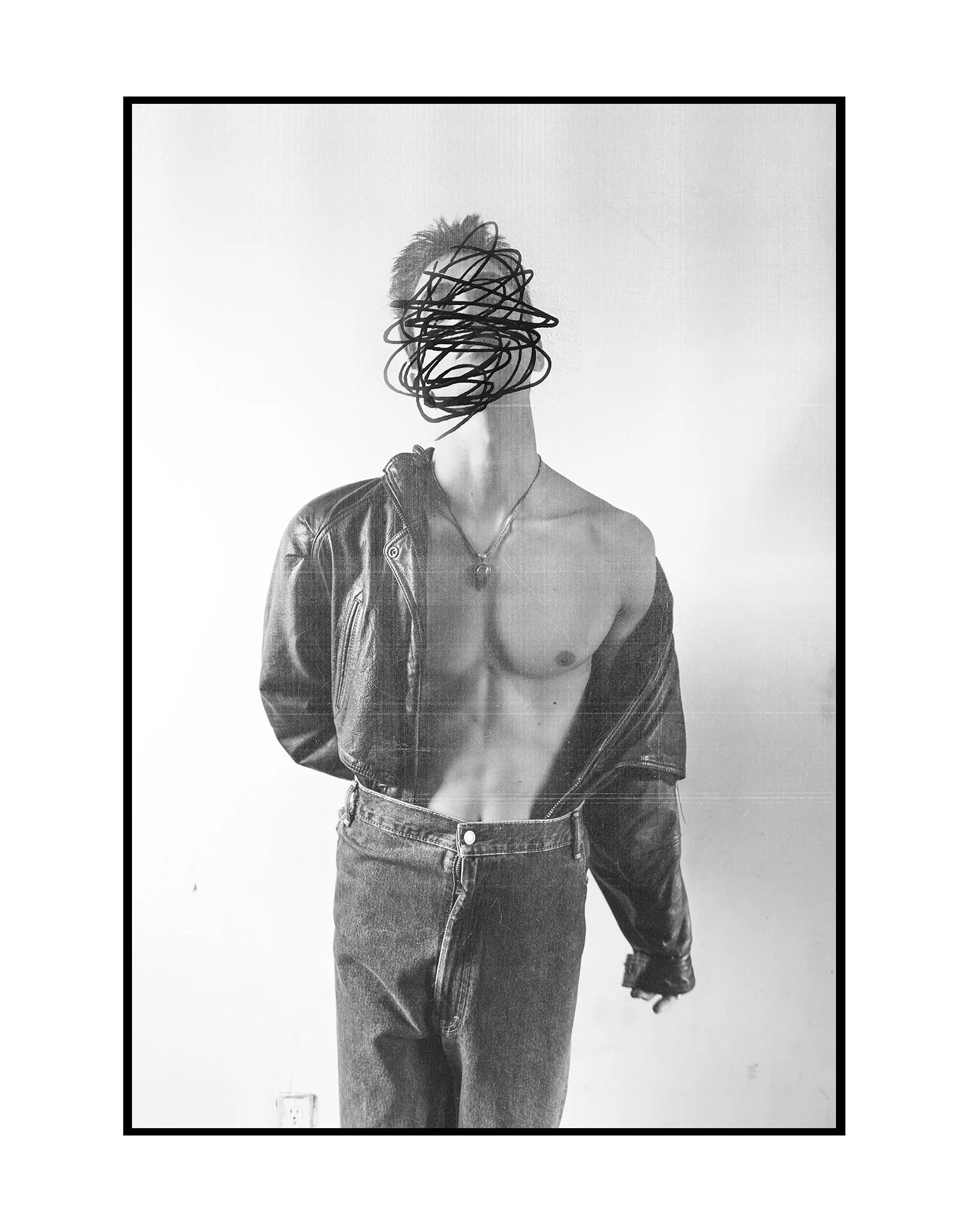
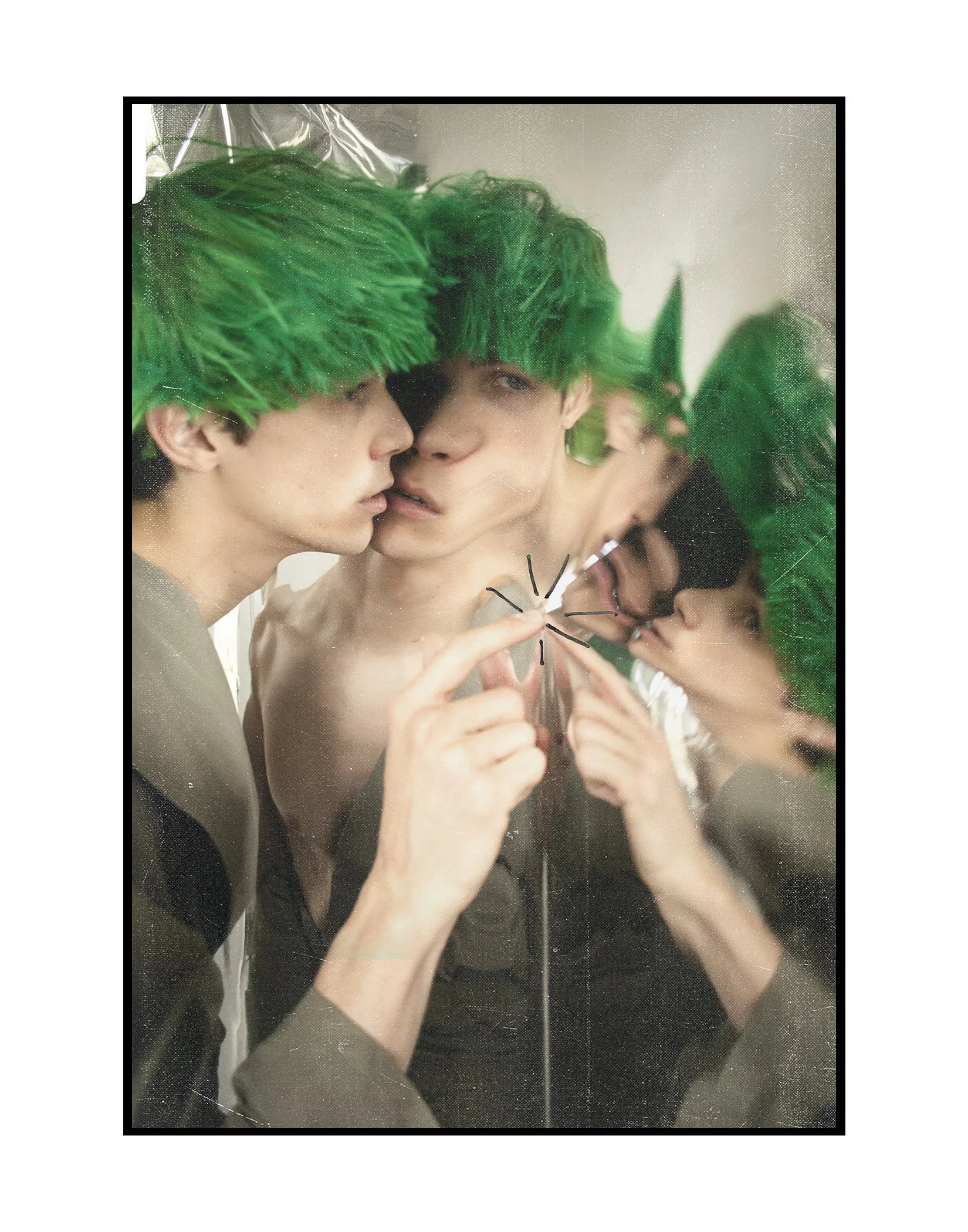
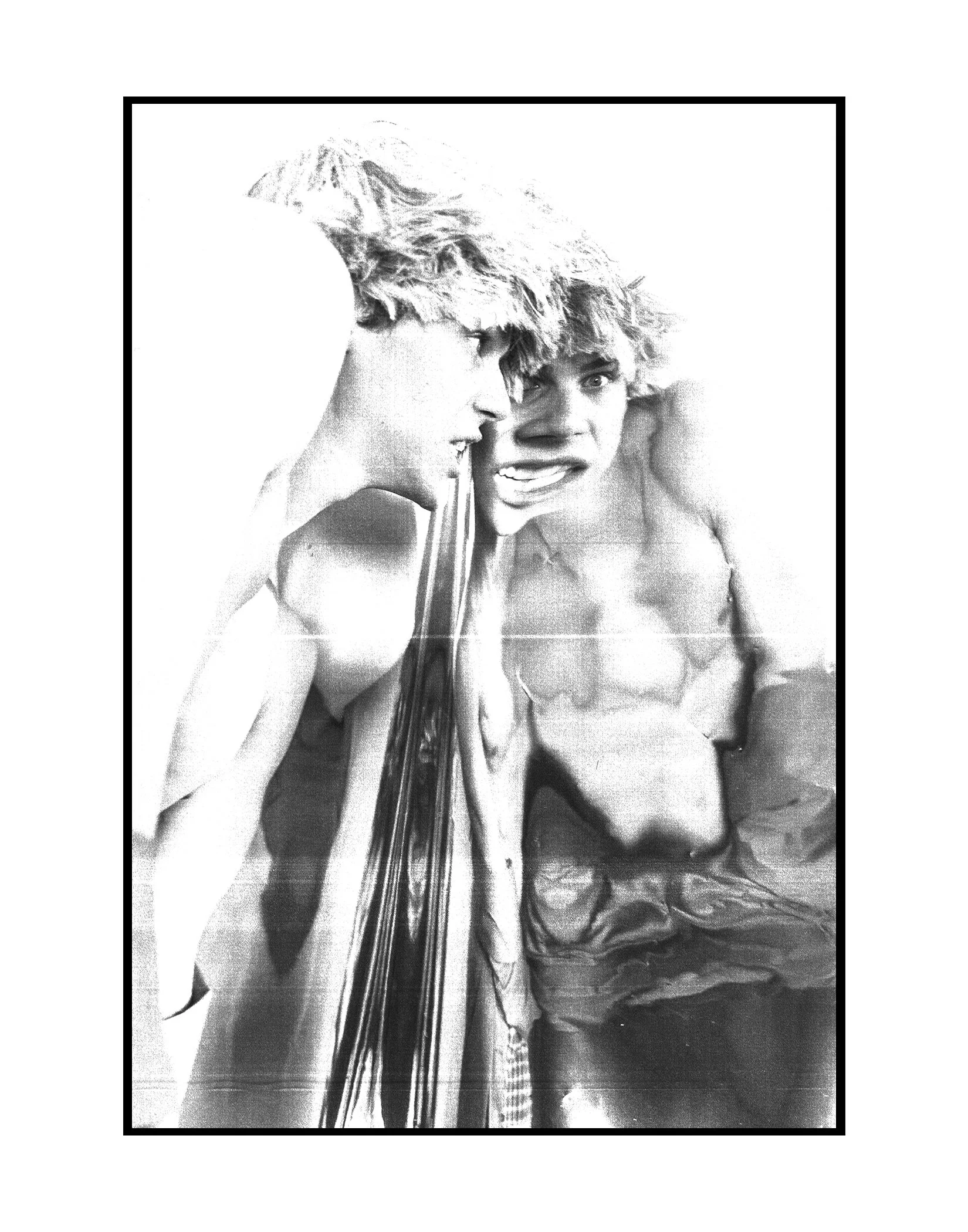
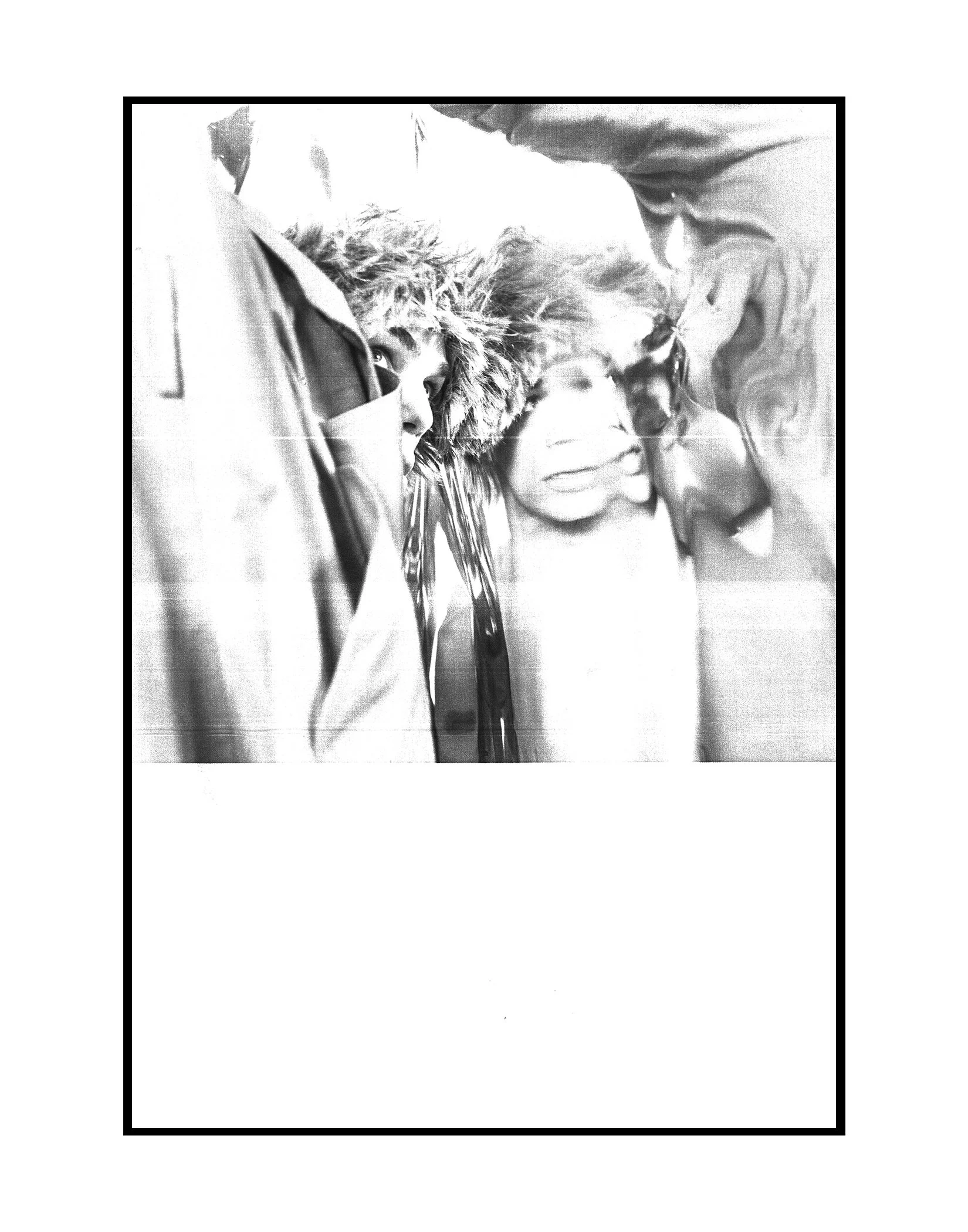

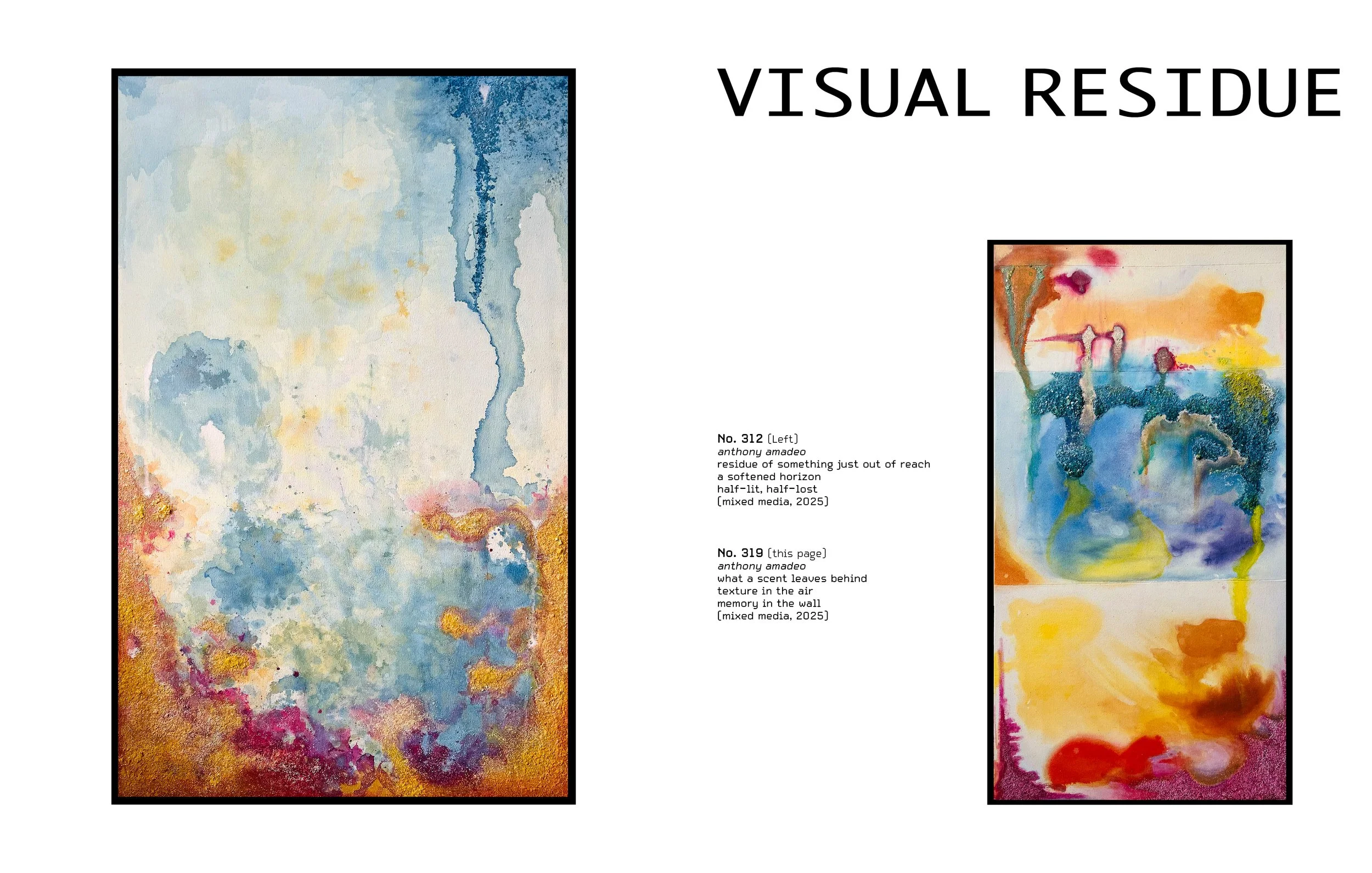
photocopies by anthony amadeo
The photocopies of some of the archives of Anthony Amadeo.
The photocopies of some of the archives of Anthony Amadeo.

Elliot Frank by Anthony Amadeo
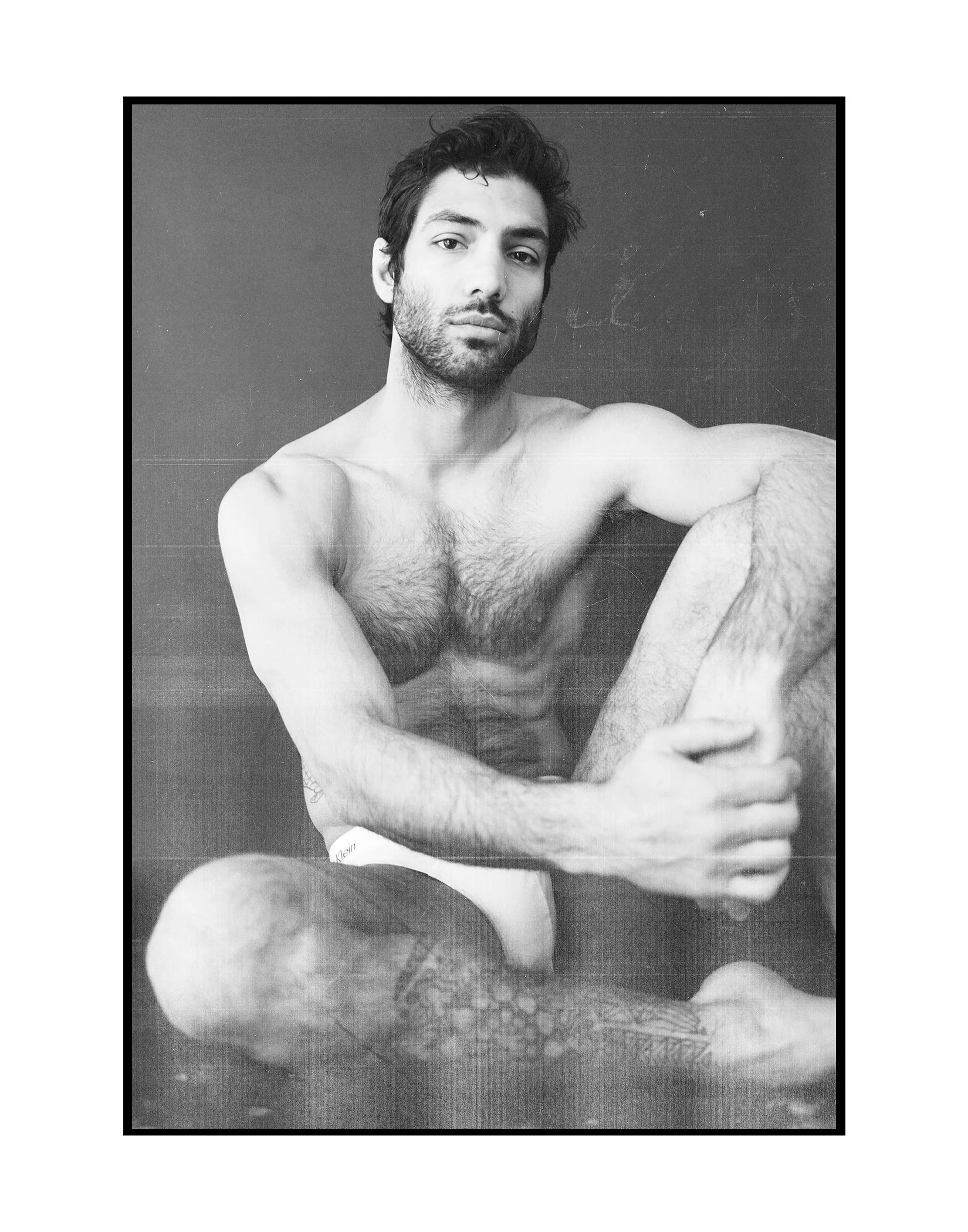
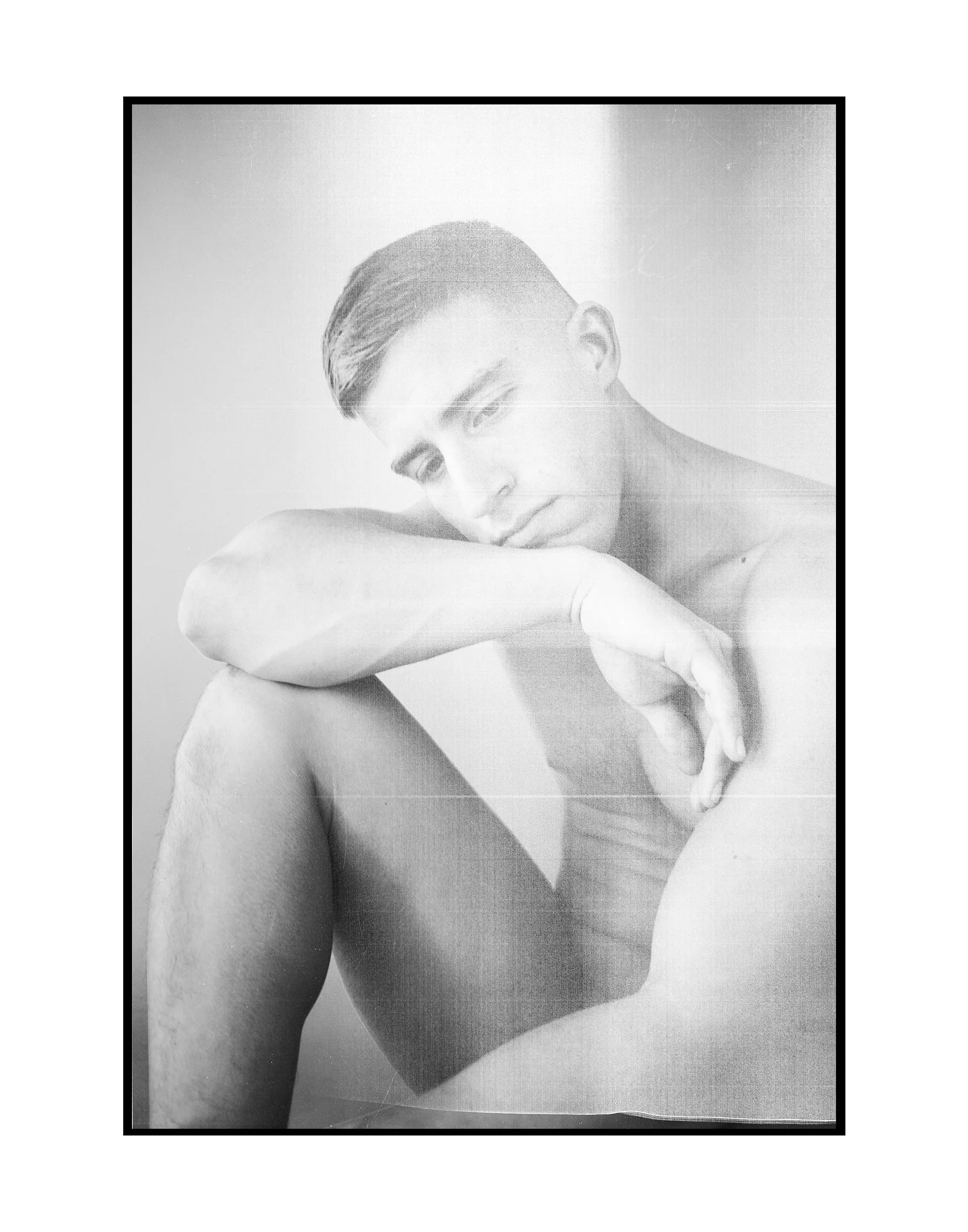
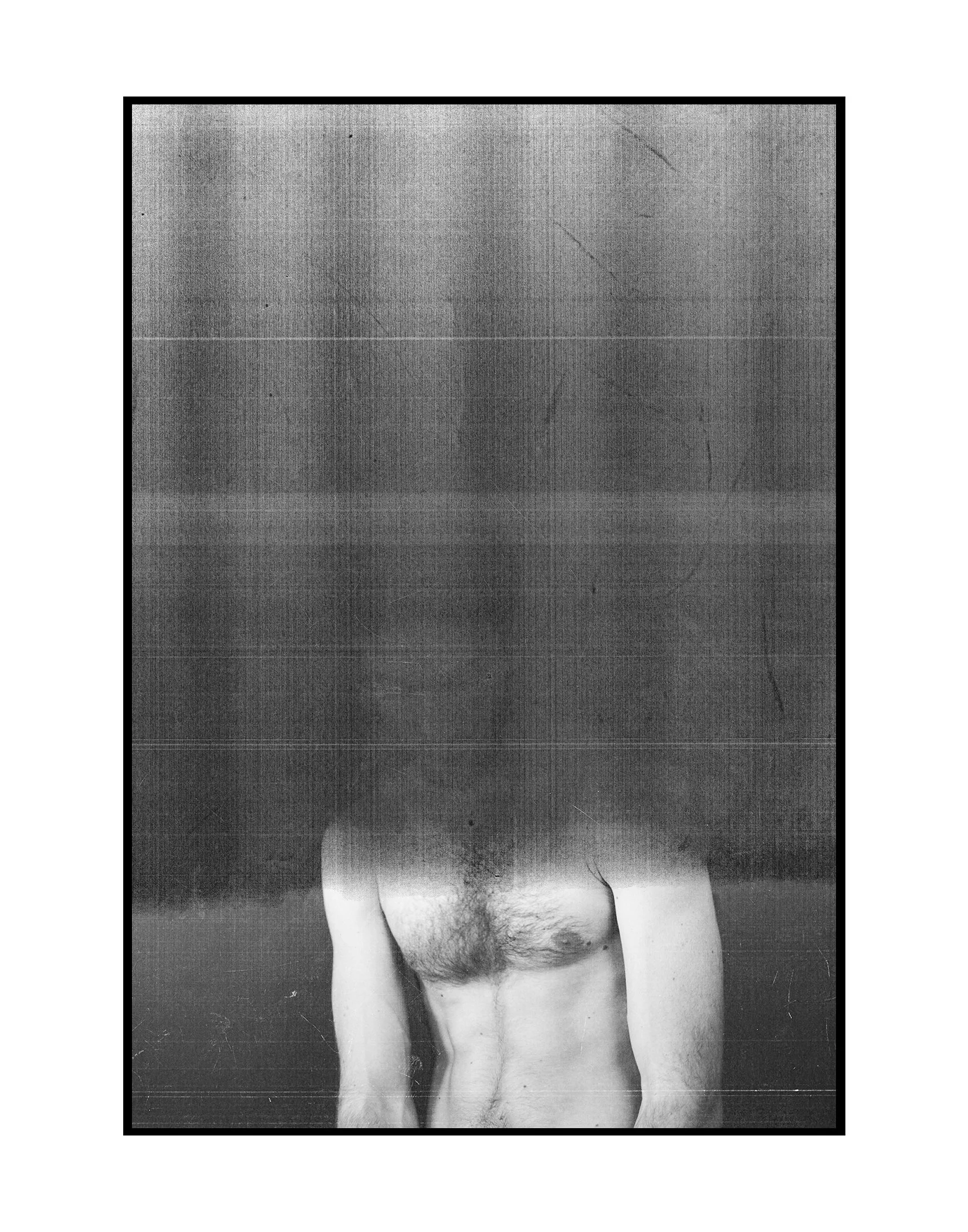


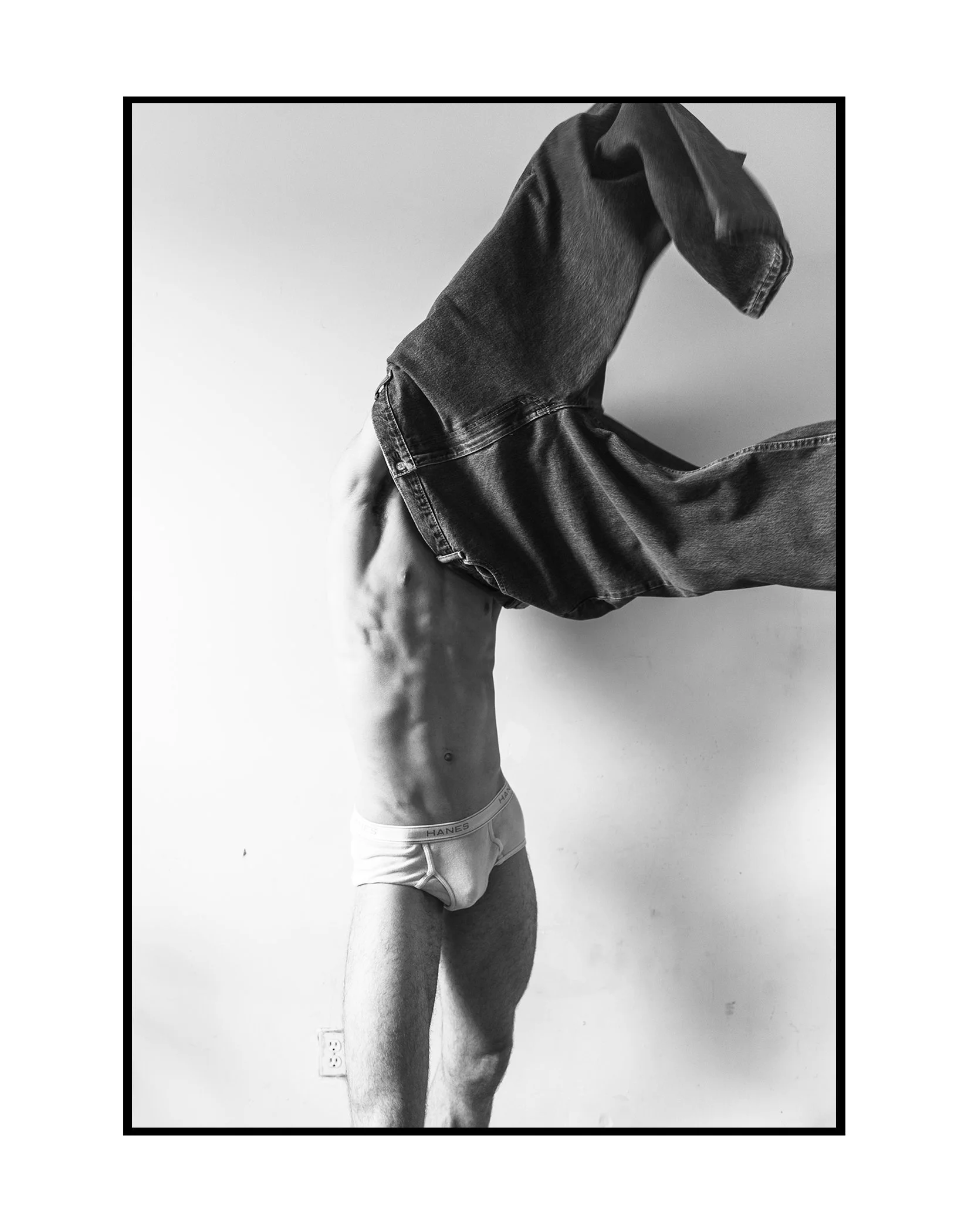
Petar Cvijanovic by Anthony Amadeo
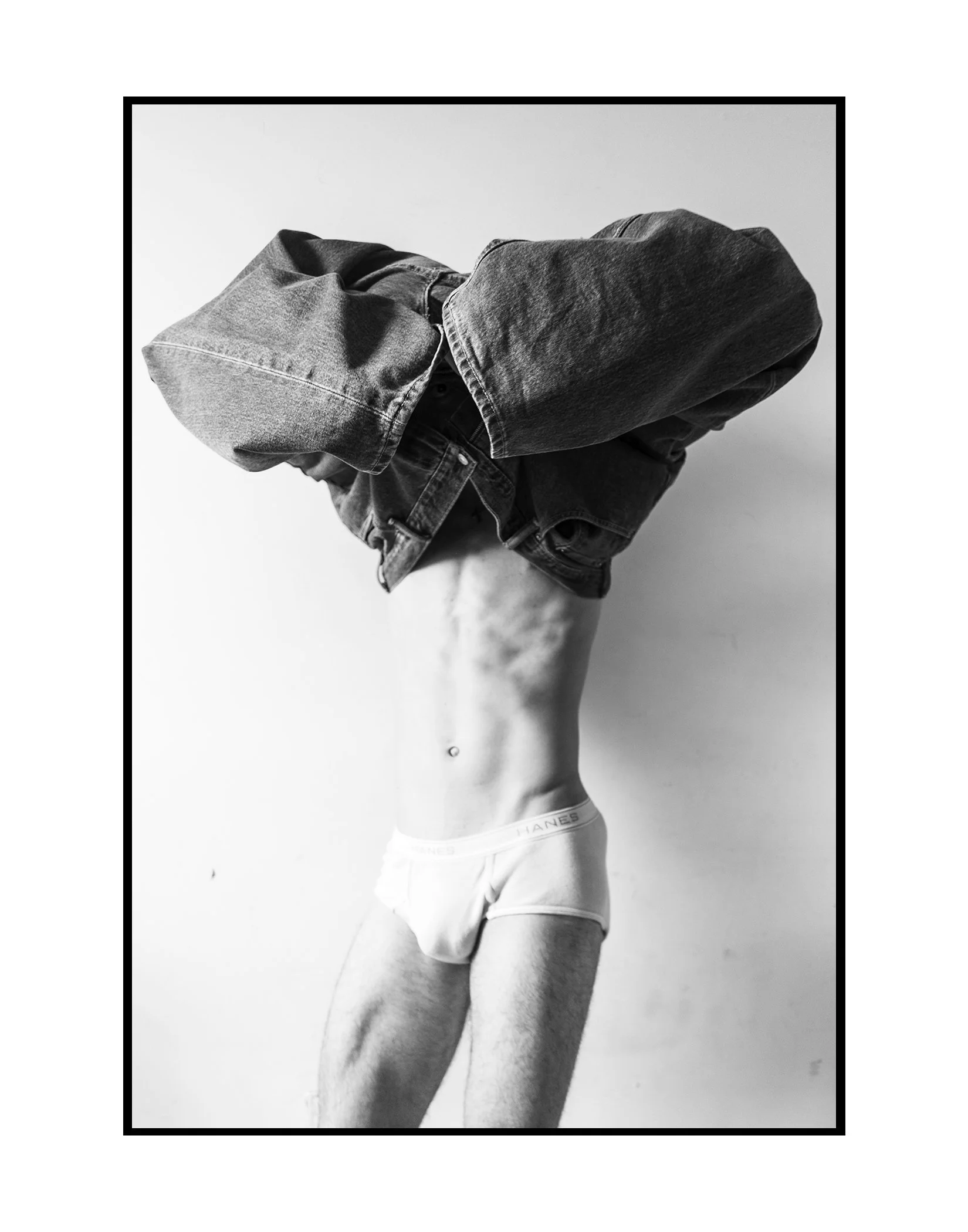
Petar Cvijanovic in a strikingly graphic display of white briefs paired with oversized denim, worn upside-down. His arms slip through the legs of the jeans, creating a visual puzzle: are they legs or arms? Is the image flipped, or are we? The ambiguity of form and function, highlighted by Petar's dynamic poses, challenges the viewer's perception at every glance.
Petar Cvijanovic in a strikingly graphic display of white briefs paired with oversized denim, worn upside-down. His arms slip through the legs of the jeans, creating a visual puzzle: are they legs or arms? Is the image flipped, or are we? The ambiguity of form and function, highlighted by Petar's dynamic poses, challenges the viewer's perception at every glance.



There once was a boy named Petar,
From Jersey, where dreams animate,
In briefs and denim draped so far,
Upturned jeans as arms, contemplate.
With each pose, a story's spun,
Of limbs and fabric intertwined,
Is he falling or has he won?
In every fold, a riddle signed.
This mover, with grace so bold,
Sets scenes in surreal frames,
Denim arcs in tales untold,
Where arms are legs, and games are names.
What vision here, does truth belie?
On head or heels, does he stand or fly?
Stay tuned for more images from this series, where the surreal meets the sartorial in Petar Cvijanovic's fantastic dance of denim. Keep up with Petar’s journey and movement art on his social channels, and look out for more innovative shoots that push the boundaries of fashion and photography.
This editorial invites the audience to dive into a world where the usual rules of clothing and gravity are creatively defied, exploring new perspectives in visual art.

Fashion's Artful Pulse: Standout Stories, AW25 Women's Fashion Week
In the grand spectacle that is Women's AW25, the runways were ablaze with visions that fused the past with bold strides into future fashion. From the get-go, the structured tailoring of the 50s and 60s was unmissable, with collections showcasing slim hoods and the dramatic play between textures and colors. Broad shoulders tapered down to slim legs, a silhouette that both honors and reinvents classic proportions. The palettes? A symphony of jewel tones, each more captivating than the last.
In the grand spectacle that is Women's AW25, the runways were ablaze with visions that fused the past with bold strides into future fashion. From the get-go, the structured tailoring of the 50s and 60s was unmissable, with collections showcasing slim hoods and the dramatic play between textures and colors. Broad shoulders tapered down to slim legs, a silhouette that both honors and reinvents classic proportions. The palettes? A symphony of jewel tones, each more captivating than the last.
Noteworthy was the return to an almost architectural rigor in design, as seen in Alaïa's latest offerings, where dresses weren't just crafted; they were sculpted. Acne Studios took an affectionate leap into exaggerated proportions, featuring teddy bear shoulders that paired with big bows and a daring mix of textures that felt both fresh and familiar.
Haider Ackermann's debut at Tom Ford was nothing short of a visual feast. His collection—sleek, grown-up, and undeniably sexy—brought a sophisticated edge that promises an exciting future for the brand. Meanwhile, Julian Klausner's take on Dries Van Noten resonated with the iconic blend of textures and prints, masterfully balancing the effortless with the meticulous.
Ponte presented what can only be described as a masterclass in art as fashion, using unexpected materials to craft a narrative of surreal uniforms, from drenched furs to tops made of grapes. Meanwhile, Valentino turned a nightclub bathroom into a runway setting, where Alessandro Michele's maximalist, retro-fueled vision continued to push boundaries and challenge norms.
Duran Lantink’s show was a theatrical exploration of identity and form, featuring Leon Dame as a zebra-striped spectacle and models in anatomical chest plates, highlighting a powerful commentary on gender and presentation.
Every fabric, every cut, whispered—or sometimes shouted—innovations and aspirations. The "work in progress" tailoring, the use of obscure objects as clothes, the outfits worn backward—each element was a piece of a larger dialogue about what fashion means today and what it could become tomorrow.
As I sketch and reflect on these collections, my mind races with the endless possibilities these trends inspire for my own photography and styling projects. How will these textures clash and complement in the urban landscapes I adore? What stories will these fabrics tell against the canvases of city streets and dimly lit corners of cafes?


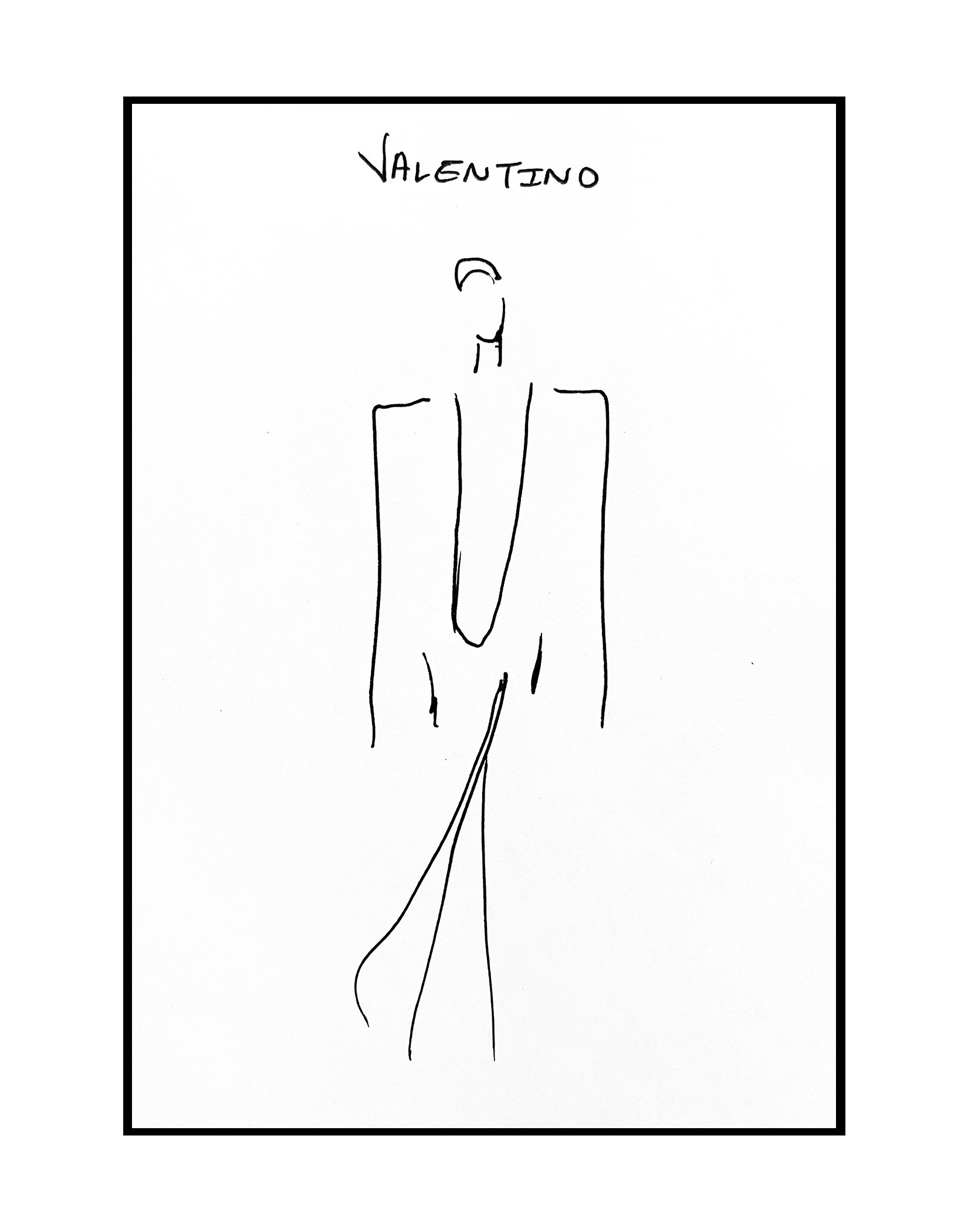


What about you, dear readers? What looks captured your imagination? How do you see these trends translating into everyday style, or perhaps into something wonderfully otherworldly? As we wrap up another unforgettable fashion week, let's carry forward this creative energy—let's design, let's dream, and most importantly, let's dare.
As always, keep up with my journey on Anthony Amadeo's website, where fashion, photography, and art collide in a celebration of creative spirit. Until next time, let's keep pushing the boundaries of what fashion can be.

Slice of Style with Christiano
It was here, in this milieu of artistic fervor, that I first spotted Christiano Wennman. His presence was as striking as the backdrop of the show, a canvas ripe for the artistry I envisioned. Christiano, known for his work at Scarr’s Pizza in New York’s Lower East Side, carries with him an aura of cool authenticity that resonates well beyond the confines of the kitchen. The idea of capturing his essence through my lens grew irresistible. Our collaboration in New York City birthed a series of collages that are as much a celebration of his individuality as they are of the cultural tapestry that brought us together. Through these images, infused with the energy and spirit of our surroundings, I invite you to explore a visual narrative that’s stitched from moments of inspiration, connection, and sheer artistic adventure.
Slice of Style with Christiano Wennmann. Photography and Collaging by Anthony Amadeo

In the heart of Paris, amidst the electrifying buzz of Fashion Week, I witnessed the awe-inspiring debut of Willy Chavarria's AW25 collection, "Tarantula." As a fervent admirer of Chavarria’s work and his mastery in melding cultural narratives with bold, street-savvy designs, my anticipation was palpable. Paris, a city that commands the avant-garde, now played host to one of America's most compelling designers, and the show was nothing short of a revelation. Each piece paraded down the runway was a testament to community and unity, woven with the kind of joy that leaps straight from the soul. The textures—rich velvets and meticulous tailoring—paid homage to Parisian elegance while staying fiercely loyal to the essence of Chavarria’s vision.
It was here, in this milieu of artistic fervor, that I first spotted Christiano Wennman. His presence was as striking as the backdrop of the show, a canvas ripe for the artistry I envisioned. Christiano, known for his work at Scarr’s Pizza in New York’s Lower East Side, carries with him an aura of cool authenticity that resonates well beyond the confines of the kitchen. The idea of capturing his essence through my lens grew irresistible. Our collaboration in New York City birthed a series of collages that are as much a celebration of his individuality as they are of the cultural tapestry that brought us together. Through these images, infused with the energy and spirit of our surroundings, I invite you to explore a visual narrative that’s stitched from moments of inspiration, connection, and sheer artistic adventure.


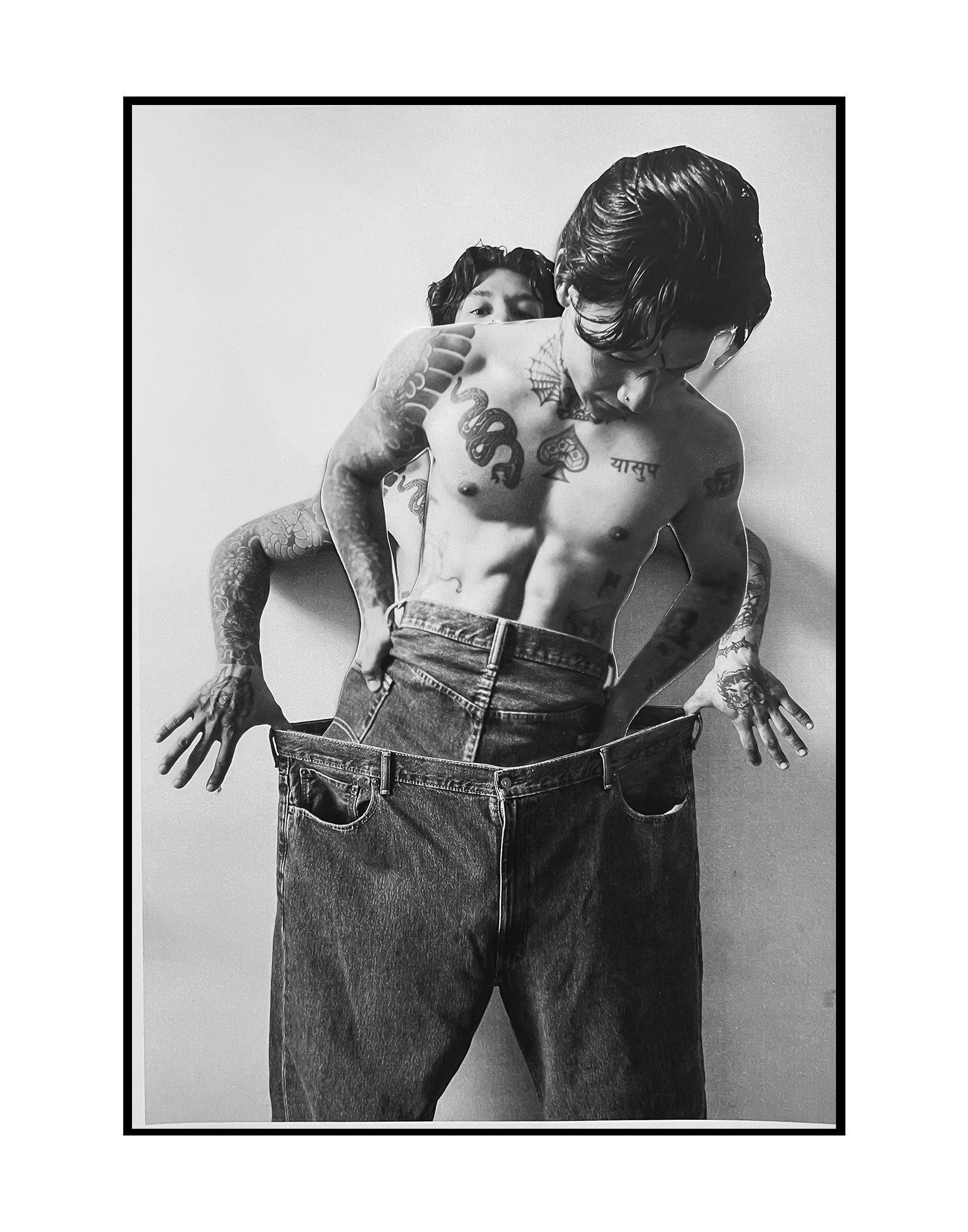


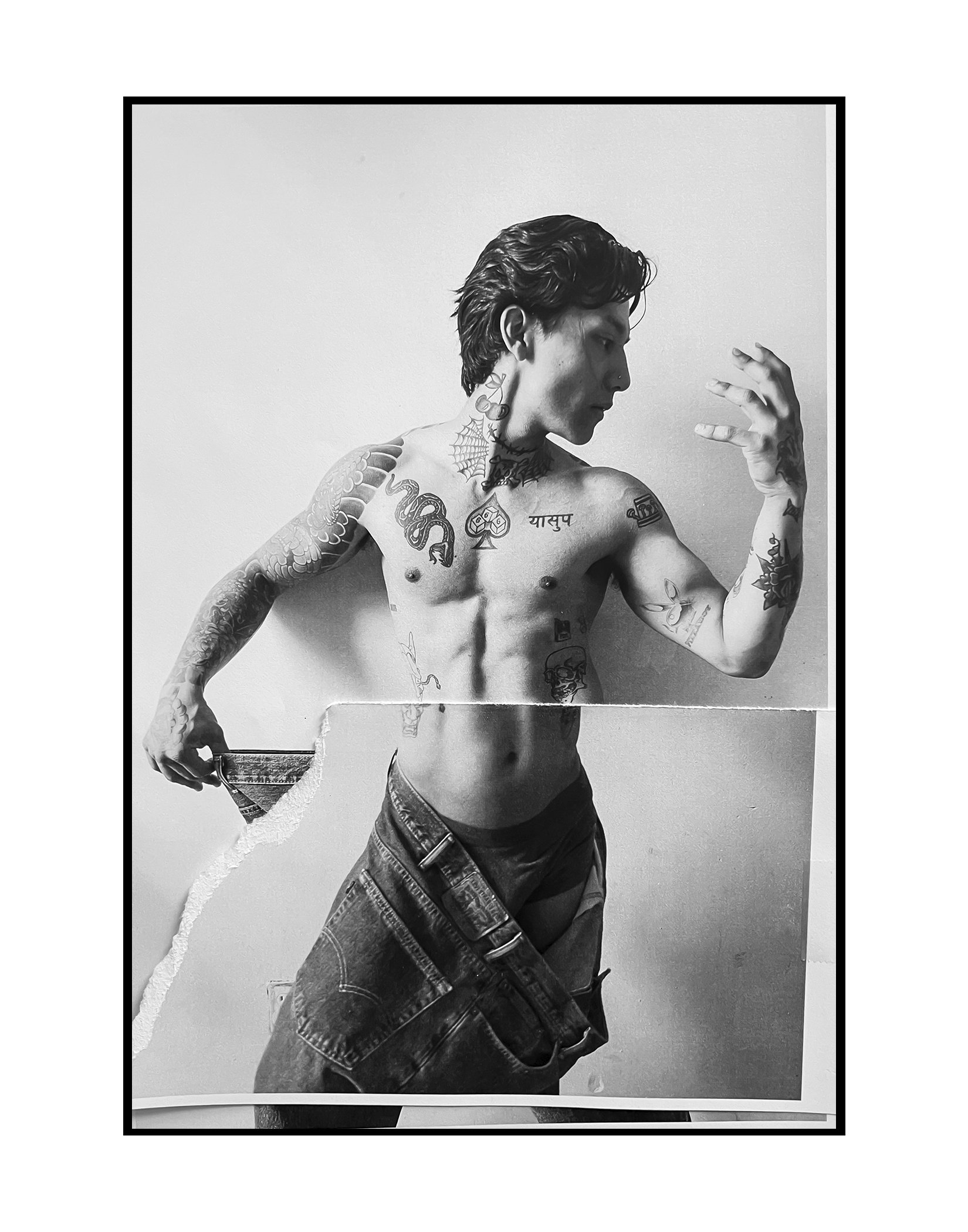


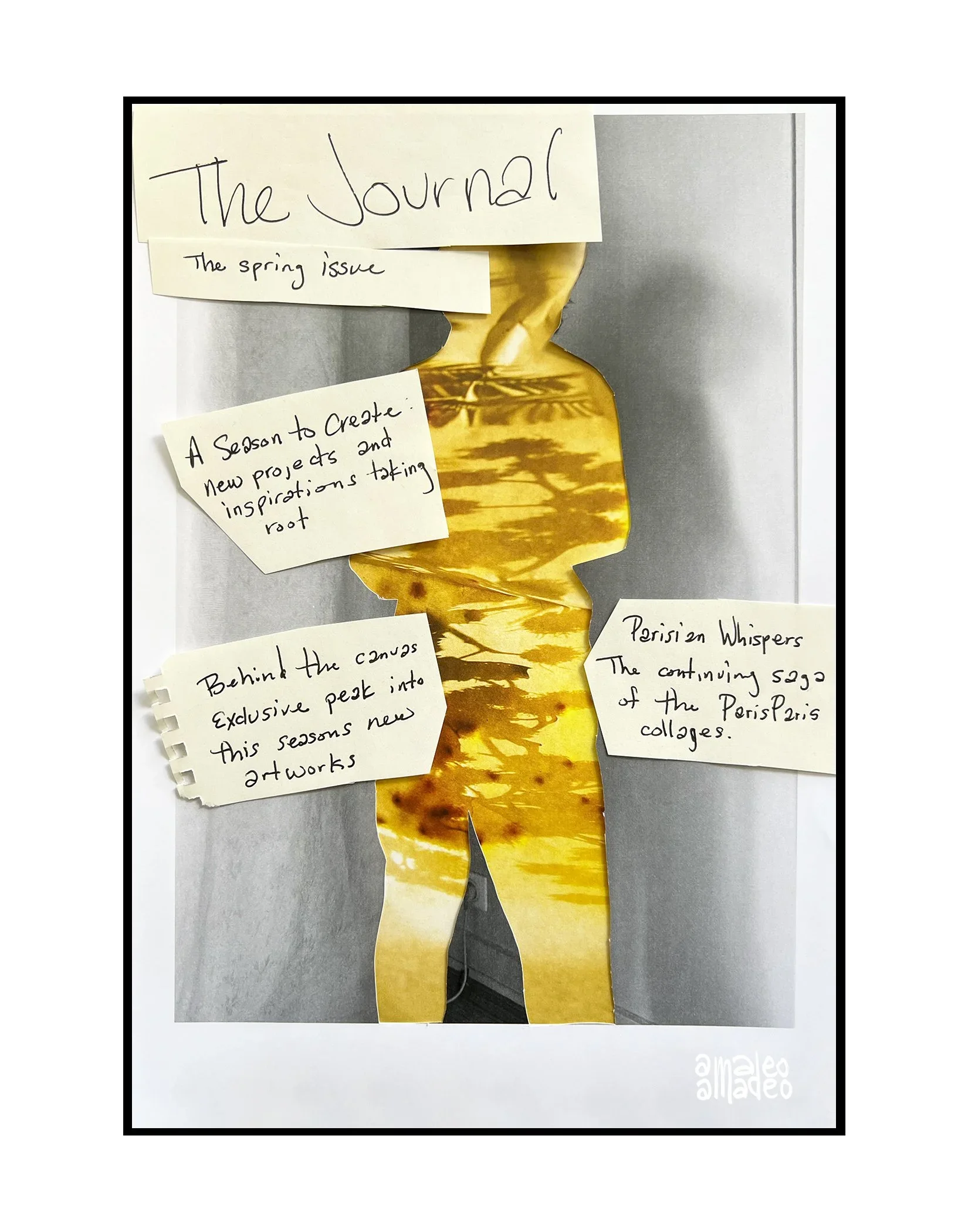
The Journal: Spring Issue - Canvas of Beginnings

Spring. The mere whisper of the word breathes life into the dormant, stirring the sleeping hues beneath the earth into a riot of color. It's not just a season; it’s a vibrant reawakening, a fresh canvas waiting for bold strokes. Here at amadeo amadeo, spring isn't just about blooming flowers; it’s about blooming ideas.
This season, we dive headfirst into a mélange of creations and reflections. From the lingering scent of mimosa—those tiny suns lighting up every corner of our studio—to the crisp pages of our journals brimming with sketches, every element sings of renewal.
Tonight, a new collage set emerges, not yet named but pulsing with the same vitality that runs through our veins this season. It’s a work in progress, a narrative unfolding petal by petal, a story stitched from the fabric of everyday enchantment.
“Luxury. What is it? Not the heavy definition they teach you but the light one you feel when the details line up just so. Peeling café signs, glossy typography, the sway of a cigarette. Luxe is a bouquet bought for a few euros and dropped into a handmade vase. It’s the unrepeatable ceremony of this moment, right here, right now,” I mused in a Paris cafe, as the city's symphony unfurled around me. This sentiment captures the essence of our spring offerings, intertwining the simple with the sublime.
Anticipation is also ripe for the Fall/Winter 2025 collections. The runways have spoken, and I am eager to translate their whispers into a series of line drawings—my ode to the couture that captivated my artist’s heart.
What will bloom from the studio of amadeo amadeo this spring? Expect a confusion of colors, a tapestry of textures, and a symphony of scents. We are all gardeners of the spirit, and this is our season to cultivate.
Stay tuned, for each petal unfurls a story, each scent a memory. Dive into the spring issue of The Journal, where we pluck the days, arrange them into bouquets of thought, and present them to you—our fellow dreamers and makers.