A Rabbit Dinner
That Which We Keep
There are things we keep without realizing we’ve decided to keep them.
Not objects. Not always.
Sometimes it’s the way someone ties an apron.
The way garlic hits hot oil.
The sound of a wooden spoon against a pot.
The smell of vinegar lifting through a stew.
Chiddu ca tinemu.
That which we keep.
Last week, I made rabbit stemperata.
It’s something I’ve only ever known as an Easter dish. Not because someone told me that’s when you eat it—but because that’s when he made it. My grandfather. Pop.
In my family, it wasn’t chicken. It was rabbit. Always rabbit.
And as a kid, that just made sense to me.
Easter bunny… rabbit… dinner.
No questions asked.
I remember going with him to get it.
There was one place in town—Meadow Meat—down by the river.
You didn’t just walk into a store.
You walked into a giant refrigerator.
A heavy door. Cold air rushing out.
That immediate chill that hits your face and stays in your clothes.
Inside, it felt like a world not everyone knew about.
Almost like a private club for people who really cooked.
There were peppers for roasting.
Heads of garlic.
Jars of capers.
Hot peppers soaking in vinegar.
And somewhere in there, always, a hand-written sign:
“Sicilian green olives with pit.”
Pop would always get them.
A lot of them.
Because when we got home, he’d put on his white apron and start cooking—and one of the first things he’d do was pound the olives.
Not chop. Not slice.
Pound.
I didn’t know why at the time. I just knew it mattered.
And I knew I had to watch.
Even as a kid, there was this quiet feeling:
Pay attention. This is important.
No one said it out loud.
But I understood it.
At school, it was different.
I’d talk about what we ate at home—excited, proud.
Rabbit stew. Vinegar. Olives.
And it was always the same reaction:
“Ew.”
“Wait… rabbit??”
Laughter.
And I remember thinking—
How could something that feels this good, this full, be something to laugh at?
I didn’t have the language for it then, but I get it now:
Not everything meaningful translates.
Some things are meant to be experienced, not explained.
Last week, my brother and I went back.
Same place. Same building. Same door.
Meadow Meat
Nothing had changed.
It was still full of people who knew exactly why they were there.
People looking for something just a little more special than what you find in a grocery store.
We asked for rabbit.
The butcher disappeared into the back, and that’s when I saw it again:
“Sicilian green olives with pit.”
Of course.
When he came back, he asked,
“Anything else?”
And without even thinking:
“Yeah—one pound of green olives.”
He smiled.
“Ah… stemperata?”
Yes.
Exactly that.
There’s something about returning to a place like that—
not as a kid being brought along,
but as someone choosing to go back.
Choosing to continue it.
It stops being memory and becomes action.
This is what Chiddu ca tinemu is about.
Not just what we keep—but what we carry forward.
The recipes.
The rituals.
The small, specific ways of doing things that don’t exist anywhere else.
The things that might not make sense to everyone—
but mean everything to you.
This is the beginning of The Collection.
The pieces, the garments, the objects, the images—
they all come from this place.
From memory.
From inheritance.
From moments like standing in a cold room, watching someone you love prepare something with care.
Over the next few weeks, I’ll be sharing more of what I’ve kept.
Objects from my grandparents’ home.
Fragments. Textures.
Pieces of the collection.
All of it leading toward the full lookbook for
Collection 1: Chiddu ca tinemu.
Because at the end of the day,
this is what we really pass down:
Not things.
But ways of living.
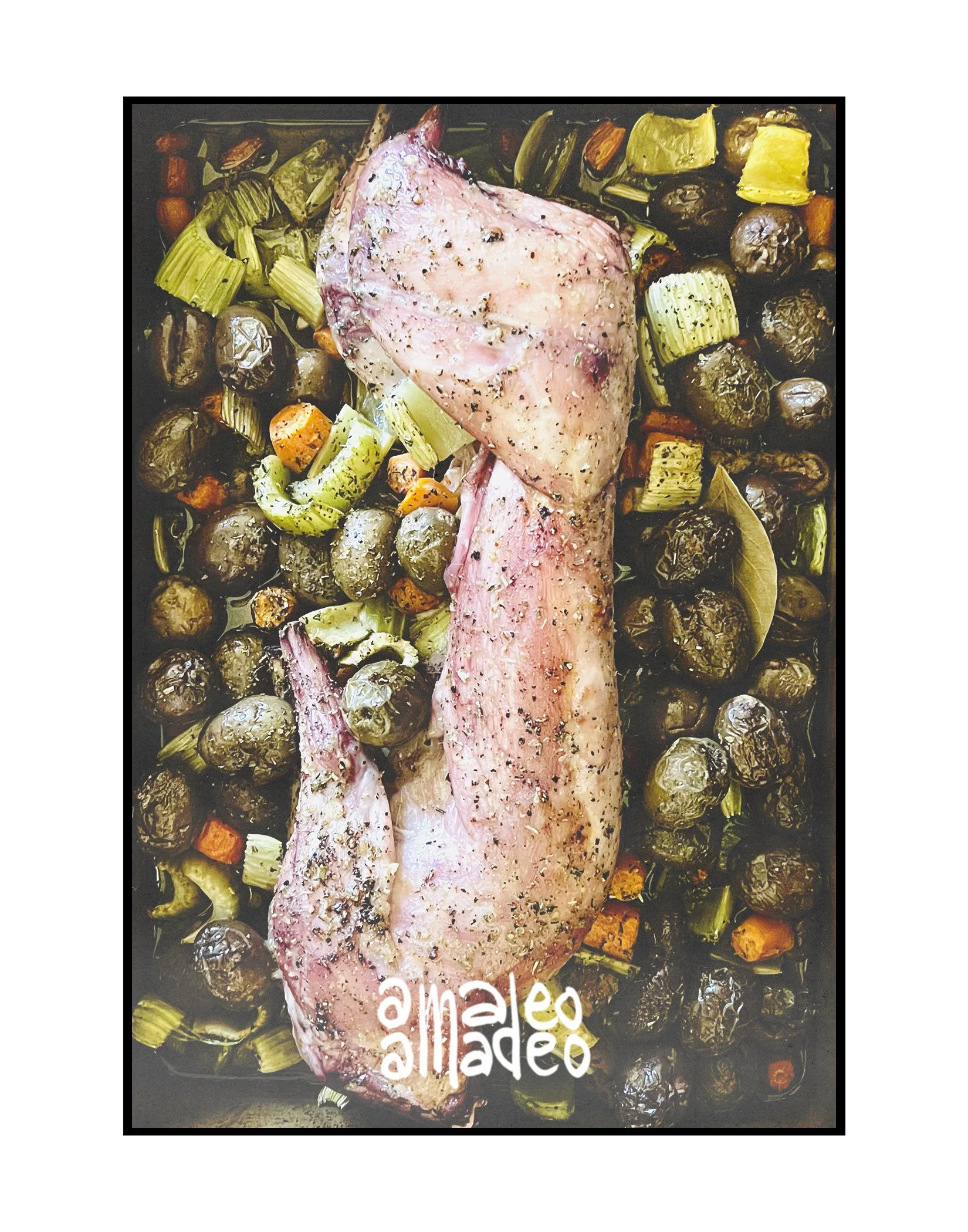
This is Chiddu ca tinemu…
that which we keep, so we can one day give it away.